What Does Beard Oil Do: Do Beard Oils Actually Work?
Growing a beard has become more than just a style choice. For many men, facial hair represents identity, maturity, and personal expression. However, achieving a healthy, well-groomed beard requires more than simply letting hair grow. This is where beard oil enters the conversation. With countless products flooding the market and making bold promises, many men wonder whether beard oil is genuinely effective or just another grooming gimmick designed to separate them from their money.
Understanding what beard oil does and whether it delivers on its promises requires examining the science behind facial hair care, the composition of quality products, and the realistic expectations men should have when incorporating beard oil into their grooming routines. This comprehensive guide explores everything you need to know about beard oil, from its fundamental purpose to its proven benefits and limitations.
Understanding Beard Oil Composition

Beard oil is a specially formulated grooming product designed to nourish both facial hair and the skin beneath it. Unlike regular hair products, beard oil addresses the unique challenges that come with growing and maintaining facial hair. The formulation typically consists of two primary categories of ingredients that work together to deliver multiple benefits.
The foundation of any quality beard oil consists of carrier oils. These oils form the bulk of the product and provide the primary moisturizing and nourishing effects. Common carrier oils include jojoba oil, which closely resembles the natural sebum produced by human skin, making it exceptionally compatible with most skin types. Argan oil, rich in vitamin E and antioxidants, offers powerful hydrating properties while promoting overall hair health. Sweet almond oil provides essential fatty acids that soften coarse beard hair, while coconut oil penetrates the hair shaft to reduce protein loss and strengthen individual strands.
Essential oils represent the secondary component in beard oil formulations. These plant-derived oils serve dual purposes by adding pleasant fragrances and providing additional therapeutic benefits. Cedarwood oil offers a woodsy scent while potentially supporting hair growth. Tea tree oil brings antimicrobial properties that help maintain skin health. Lavender oil soothes irritation and provides a calming aroma. Sandalwood delivers a sophisticated fragrance while offering anti-inflammatory benefits.
The combination of these ingredients creates a product that mimics and supplements the natural oils your skin produces. This is particularly important because facial hair draws moisture away from the skin, often leaving the underlying tissue dry and irritated. Quality beard oil bridges this gap by providing external hydration that supports both hair and skin health.
The Science Behind Beard Oil Effectiveness
The question of whether beard oil actually works depends largely on what you expect it to accomplish. Scientific evidence regarding beard oil presents a nuanced picture that requires realistic expectations and an understanding of how the product functions at a biological level.
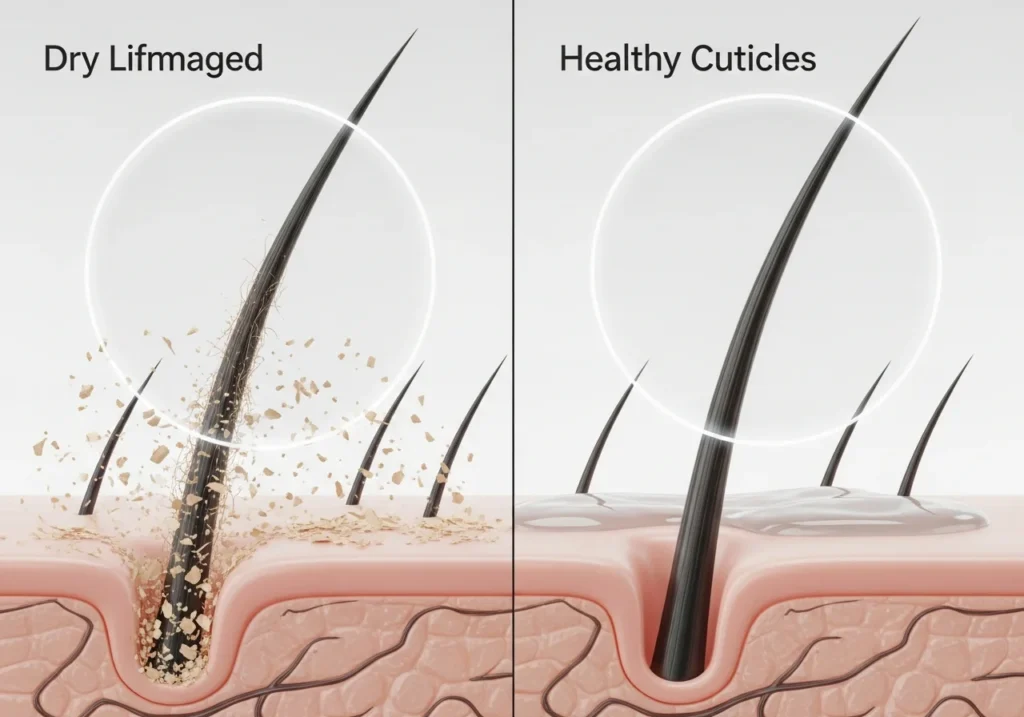
Research confirms that the moisturizing properties of beard oil are legitimate and measurable. The carrier oils in beard oil formulations penetrate both the hair shaft and the skin beneath, providing hydration that prevents dryness, reduces brittleness, and improves overall texture. This hydration creates a more favorable environment for healthy hair development, though it does not directly stimulate new hair growth at the follicular level.
The effectiveness of beard oil in promoting growth remains a topic of debate. While beard oil will not rewrite your genetic predisposition for facial hair or create follicles where none exist, it does support the growth process indirectly. By maintaining skin health, reducing inflammation, and preventing breakage, beard oil allows existing hair to reach its full potential. Well-nourished hair follicles produce stronger, healthier strands that are less prone to damage and more likely to achieve maximum length.
Studies on individual ingredients provide some support for their beneficial properties. Jojoba oil has been shown to possess anti-inflammatory characteristics that can soothe irritated skin. Vitamin E, commonly found in argan oil, acts as an antioxidant that protects cells from oxidative stress. However, comprehensive clinical trials specifically examining beard oil as a complete product remain limited.
The consensus among dermatologists and hair care experts suggests that while beard oil cannot perform miracles, it offers genuine benefits for beard maintenance and overall facial hair health. The product works best when viewed as a preventative and conditioning treatment rather than a growth stimulant.
Primary Benefits of Using Beard Oil
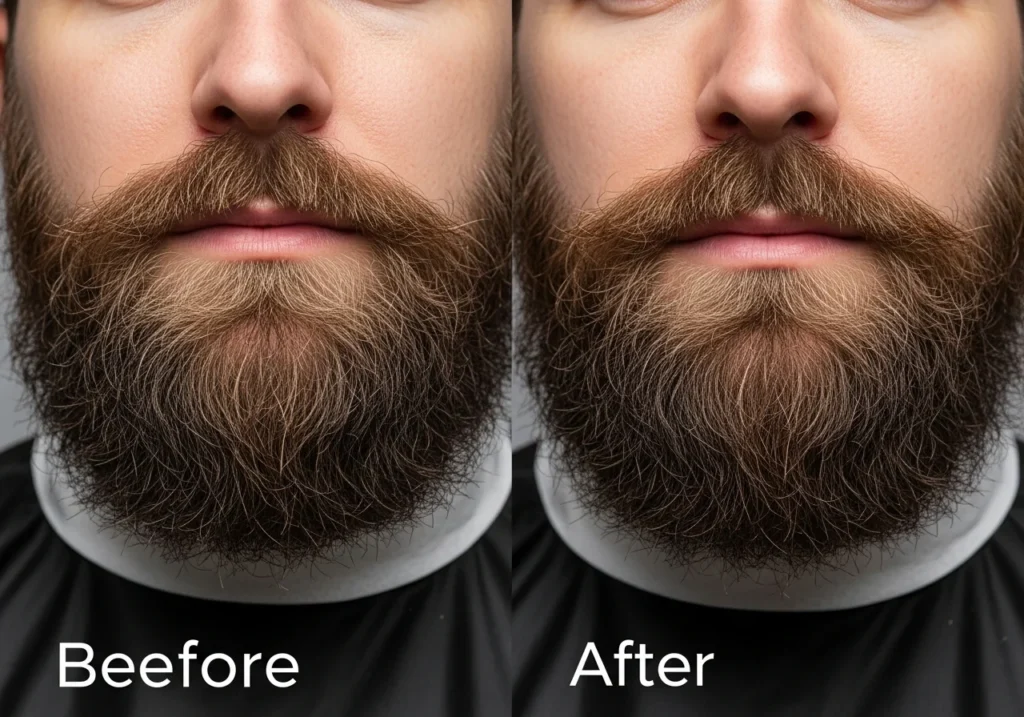
Men who incorporate beard oil into their grooming routines report numerous improvements in both the appearance and feel of their facial hair. These benefits extend beyond superficial changes to include meaningful enhancements in comfort and manageability.
Moisturization stands as the most fundamental benefit of beard oil. Facial hair tends to be coarser and more rigid than scalp hair, making it more prone to dryness. The underlying skin also suffers when covered by thick facial hair, as it receives less natural moisture and struggles to maintain proper hydration levels. Beard oil addresses both issues simultaneously by delivering essential moisture to hair strands while nourishing the skin beneath. This dual action prevents the uncomfortable dryness that often plagues beard growers, particularly during the early stages of growth.
The reduction of itchiness and irritation represents another significant advantage. Many men abandon their beard-growing efforts due to the intense itching that occurs as hair pushes through the skin and as the beard reaches certain lengths. This itching often results from dry skin, inadequate natural oil production, or minor inflammation around hair follicles. Beard oil soothes this irritation by hydrating the skin, reducing inflammation, and creating a protective barrier that minimizes friction between hair and skin.
Beard dandruff, known colloquially as beardruff, affects numerous men with facial hair. This condition occurs when dry skin beneath the beard flakes and becomes visible in the facial hair. The appearance of white flakes can be embarrassing and difficult to control without proper treatment. Regular beard oil application prevents the skin dryness that leads to beardruff while helping to maintain healthy skin cell turnover. The antimicrobial properties found in certain essential oils also combat the fungal elements that sometimes contribute to dandruff conditions.
Softening and conditioning effects make beard hair more manageable and pleasant to touch. Untreated facial hair often feels rough, wiry, and difficult to style. Beard oil transforms the texture by smoothing the hair cuticle, reducing frizz, and adding subtle shine. This improvement in texture makes the beard easier to comb, style, and maintain throughout the day. The softening effect also benefits those who interact closely with the beard wearer, as a softer beard is more comfortable during physical contact.
How Beard Oil Supports Healthy Beard Development

While beard oil does not accelerate growth or create new follicles, it plays a crucial supporting role in developing a healthy, full-looking beard. Understanding this distinction helps set appropriate expectations and maximizes the benefits you can achieve.
The concept of creating an optimal growth environment forms the foundation of how beard oil supports beard development. Hair follicles require adequate nutrition, proper hydration, and minimal stress to produce healthy strands. When the skin is dry, inflamed, or poorly nourished, follicles struggle to function optimally. Beard oil addresses these challenges by maintaining skin health, which in turn allows follicles to operate at their best capacity.
Breakage prevention represents another way beard oil contributes to beard development. Dry, brittle hair breaks easily, preventing the beard from achieving its full length and density potential. Even if your genetics allow for substantial growth, constant breakage keeps the beard looking thin and patchy. By conditioning the hair and improving its elasticity, beard oil reduces breakage and allows more strands to reach their maximum length.
The protective barrier created by beard oil shields facial hair from environmental damage. Daily exposure to sun, wind, pollution, and harsh weather conditions takes a toll on beard health. The oils coat individual hairs, creating a defensive layer that minimizes damage from external factors. This protection proves particularly valuable for men living in extreme climates or those whose beards face regular exposure to damaging elements.
Improved blood circulation to the facial area may offer additional indirect benefits. While applying beard oil, the massaging action stimulates blood flow to the skin and hair follicles. Enhanced circulation delivers more nutrients and oxygen to follicles, potentially supporting healthier growth patterns. Though this effect is secondary to the direct moisturizing benefits, it contributes to the overall positive impact of regular beard oil use.
Proper Application Techniques for Maximum Results
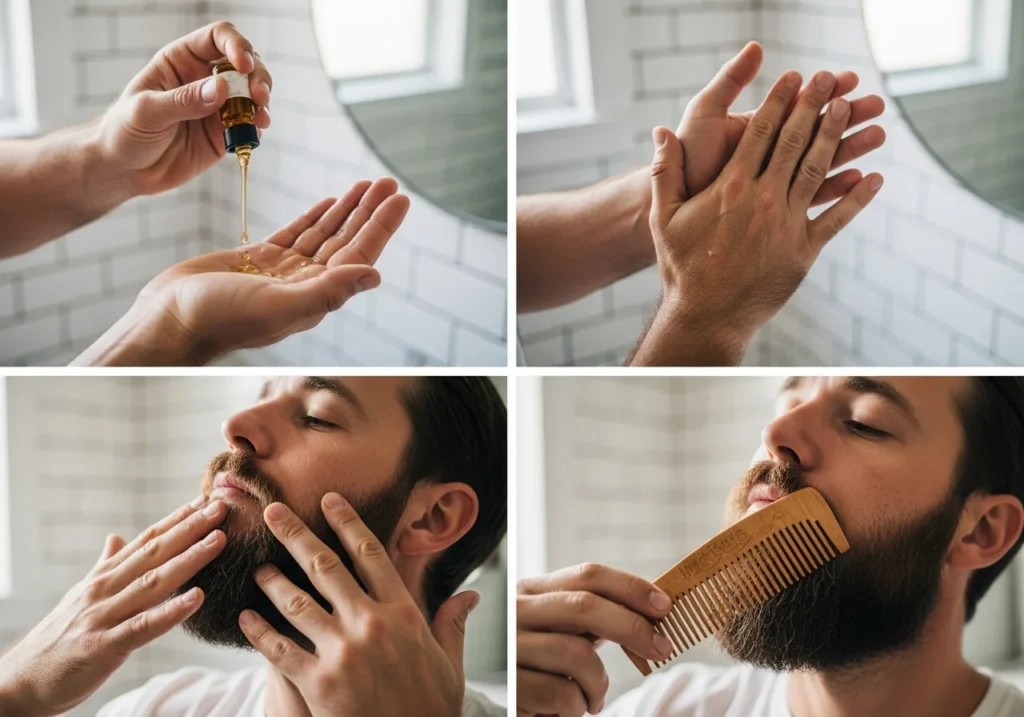
The effectiveness of beard oil depends not only on product quality but also on proper application technique. Following best practices ensures you extract maximum benefit from your beard oil investment while avoiding common pitfalls that reduce effectiveness.
Timing plays a critical role in beard oil application. The optimal moment to apply beard oil is immediately after showering or washing your face. The warm water and steam from your shower open pores and soften facial hair, creating ideal conditions for oil absorption. Your beard should be damp but not dripping wet when you apply the oil. Excess water dilutes the oil and prevents proper penetration, while completely dry hair absorbs oil less efficiently.
The amount of beard oil needed varies based on beard length and thickness. Men with shorter beards typically require only two to three drops, while those with longer, fuller beards may need five to eight drops. Start with a conservative amount and add more if needed. Excessive oil leaves the beard looking greasy and can clog pores, potentially causing skin issues.
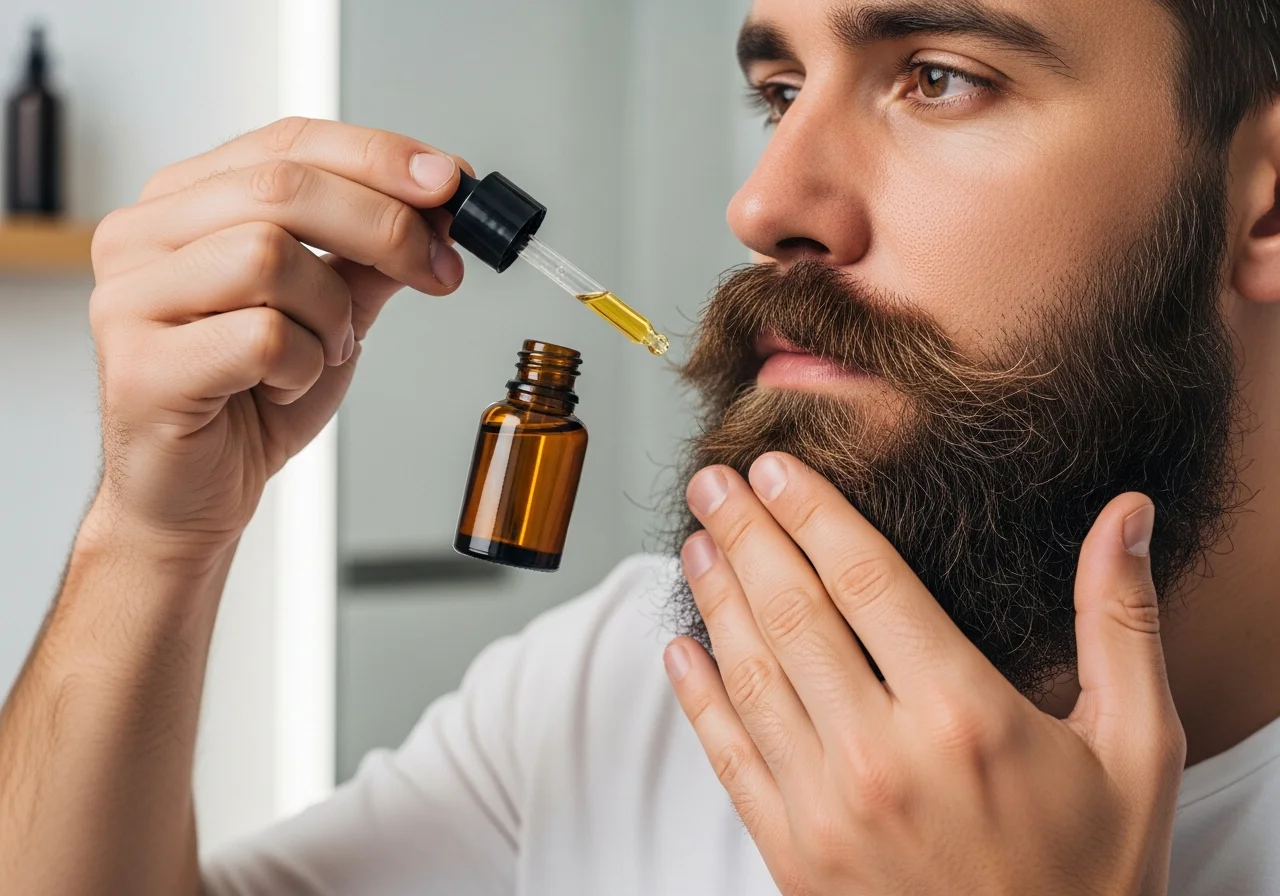
Application technique matters as much as quantity. Pour the appropriate amount of oil into your palm, then rub your hands together to distribute the oil evenly and warm it slightly. This warming action helps the oil spread more easily and improves absorption. Begin by working the oil into the skin beneath your beard, using your fingertips to massage it into the skin in circular motions. This ensures the skin receives adequate moisture and stimulates blood flow.
After treating the skin, work the oil through your beard from root to tip. Use your fingers to comb through the hair, ensuring even distribution throughout the beard. Pay particular attention to the ends of longer beards, as these areas tend to be driest and most prone to splitting. For men with longer beards, using a beard comb or brush after oil application helps distribute the product evenly while styling the beard into the desired shape.
Frequency of application depends on several factors, including climate, skin type, and beard characteristics. Most men benefit from daily application, typically once per day in the morning as part of their regular grooming routine. Those in particularly dry climates or with very dry skin may require twice-daily application. Conversely, men with naturally oily skin might find that every other day suffices.
Distinguishing Between Beard Oil and Other Beard Products

The beard care market offers numerous products, each claiming to provide unique benefits. Understanding the differences between beard oil and alternative products helps you make informed choices about which products best suit your needs.
Beard balm represents the most common alternative to beard oil. While both products share similar moisturizing goals, they differ significantly in composition and function. Beard balm typically contains the same carrier and essential oils found in beard oil but adds butter and wax components. Shea butter or cocoa butter provides additional moisturizing properties, while beeswax offers hold and styling capability.
The primary advantage of beard balm lies in its ability to tame and style facial hair while providing moisture. The wax content allows men to shape their beards and control flyaway hairs throughout the day. This makes balm particularly valuable for men with longer or unruly beards that require structural support. However, the thicker consistency of balm makes it more challenging to apply evenly and may feel heavier on the beard compared to oil.
Beard oil excels in pure hydration and quick absorption. Its liquid consistency allows for easy, even distribution throughout the beard and superior skin penetration. Oil leaves less residue and provides a more natural feel compared to balm. For men prioritizing moisture and skin health over styling hold, oil represents the superior choice.
Many men find that combining both products yields optimal results. Applying beard oil first provides foundational moisture to skin and hair, while a small amount of balm added afterward offers styling control and additional conditioning. This layered approach addresses multiple needs simultaneously.
Beard wash and conditioner serve different purposes than beard oil. These cleansing products remove dirt, excess oil, and dead skin cells from the beard and underlying skin. While important for maintaining cleanliness, they do not provide the long-lasting moisture and protection that beard oil offers. Most comprehensive beard care routines incorporate both cleansing products and conditioning treatments like beard oil.
Common Misconceptions About Beard Oil
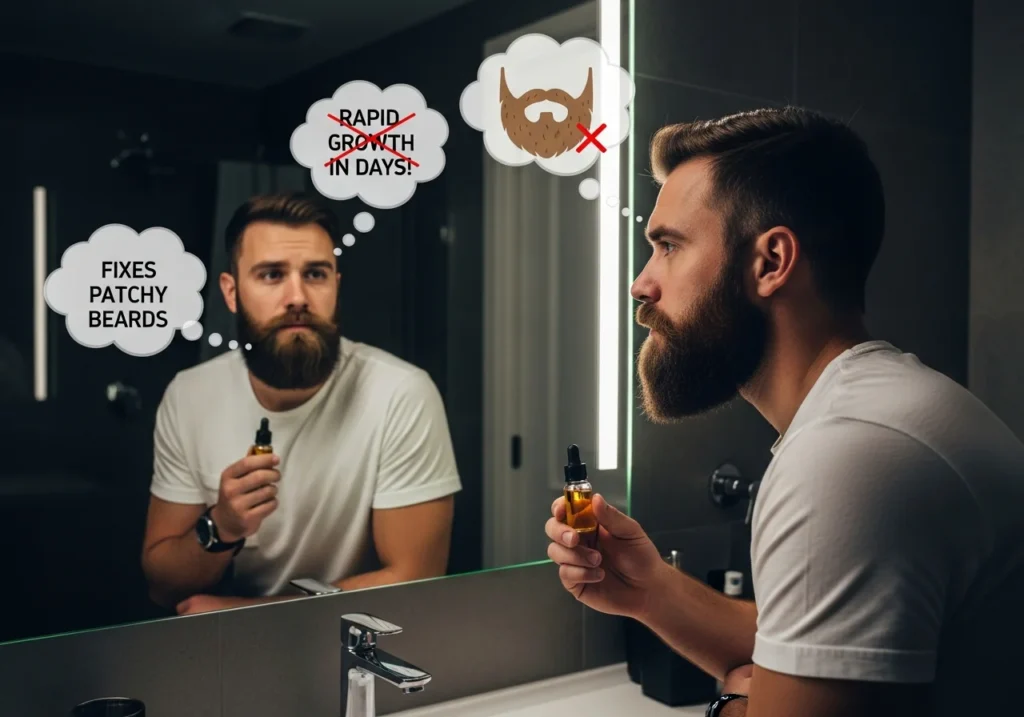
Several myths and misconceptions surround beard oil, leading to unrealistic expectations and sometimes deterring men from trying products that could genuinely benefit them. Addressing these misconceptions clarifies what beard oil can and cannot accomplish.
The most pervasive myth suggests that beard oil stimulates rapid beard growth or fills in patchy areas. Marketing claims sometimes blur the line between supporting healthy growth and actually accelerating it. The truth is that beard oil cannot override genetics or create hair follicles where none exist. Men with naturally patchy beards will not develop full coverage simply by applying oil. However, by optimizing the health of existing hair and preventing breakage, beard oil helps you achieve the fullest beard your genetics allow.
Some men worry that beard oil will make their skin greasy or cause acne breakouts. Quality beard oils formulated with appropriate ingredients rarely cause these issues when used correctly. The key lies in using the right amount and choosing oils suitable for your skin type. Jojoba oil, for instance, closely matches skin sebum and typically works well even for acne-prone skin. Applying too much oil or using products with pore-clogging ingredients can cause problems, but proper use of quality beard oil should not trigger skin issues.
Another misconception holds that beard oil is unnecessary for men with short beards or stubble. While longer beards certainly benefit more dramatically from conditioning treatments, even short facial hair causes skin dryness and irritation. Applying small amounts of beard oil during the stubble phase prevents itching, reduces irritation, and establishes good grooming habits that support healthy growth if you decide to grow a longer beard.
Some believe that expensive beard oils always outperform budget options. While quality ingredients do matter, price does not always correlate with effectiveness. Some premium brands charge high prices for elaborate packaging and marketing rather than superior formulations. Conversely, some affordable products contain excellent ingredients and deliver comparable results to luxury alternatives. Evaluating beard oil based on ingredient quality rather than price provides a more accurate assessment of value.
Selecting Quality Beard Oil Products
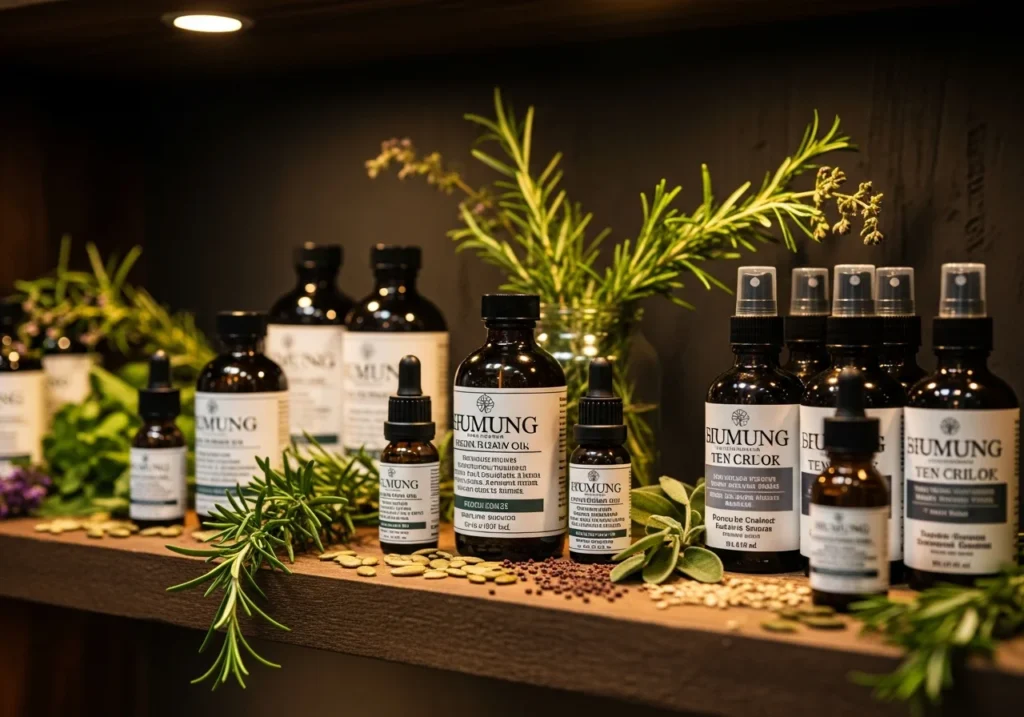
Choosing the right beard oil from the overwhelming array of available products requires understanding what distinguishes quality formulations from inferior alternatives. Several factors help identify products most likely to deliver results.
Ingredient transparency should top your priority list when evaluating beard oil products. Quality manufacturers clearly list all ingredients, allowing you to identify exactly what you are applying to your face. Avoid products with vague ingredient listings or those that rely heavily on synthetic additives, parabens, sulfates, or mineral oils. These ingredients offer little benefit and may cause irritation or other unwanted effects.
Natural, organic ingredients generally provide superior results compared to synthetic alternatives. Look for products featuring recognized carrier oils like jojoba, argan, sweet almond, grapeseed, or castor oil as primary ingredients. These oils have established track records of safety and effectiveness. Essential oils should comprise a small percentage of the total formulation, typically less than five percent. Higher concentrations of essential oils increase the risk of skin sensitivity or allergic reactions.
Scent preferences vary widely among individuals, making fragrance an important consideration. Some men prefer unscented products that allow their cologne or natural scent to take center stage. Others enjoy the subtle fragrance that beard oil provides. When selecting scented options, consider whether the aroma complements rather than overwhelms your other grooming products. Testing small amounts before committing to full-size bottles helps ensure you enjoy the scent enough to use the product consistently.
Brand reputation and customer reviews provide valuable insights into product quality and effectiveness. Established brands with positive feedback from numerous users typically maintain higher quality standards than unknown companies making exaggerated claims. Reading detailed reviews helps identify potential issues like greasy residue, overwhelming scents, or skin irritation that might not be apparent from product descriptions alone.
Ethical considerations matter to many consumers. Supporting companies that prioritize sustainability, use cruelty-free testing methods, and source ingredients responsibly aligns beard care choices with broader values. Many quality beard oil manufacturers highlight these commitments, making it easier to make informed purchasing decisions.
Potential Drawbacks and Considerations

While beard oil offers numerous benefits, understanding potential drawbacks helps you make balanced decisions about incorporating it into your routine. These considerations do not necessarily mean you should avoid beard oil, but they do warrant awareness and appropriate precautions.
Skin sensitivity and allergic reactions represent the primary concern for some users. Essential oils, while natural, can trigger allergic responses in sensitive individuals. Tea tree oil, peppermint oil, and certain citrus oils are known to cause reactions in some people. Performing a patch test before full application helps identify potential sensitivities. Apply a small amount of beard oil to your inner forearm and wait 24 hours to check for redness, itching, or other adverse reactions.
Photosensitivity presents another consideration for certain essential oils. Some oils, particularly citrus-based options, increase skin sensitivity to sunlight, potentially raising the risk of sunburn or sun damage. If your beard oil contains these ingredients, take extra precautions when spending extended time outdoors, such as applying sunscreen to exposed facial areas.
Cost accumulation over time deserves consideration. Quality beard oil products typically range from moderate to premium prices. While individual bottles may seem reasonably priced, regular use means purchasing new bottles every few months. Calculating the annual cost of maintaining a beard oil routine helps ensure it fits within your grooming budget.
Some men find that beard oil alone does not provide sufficient styling control for their needs. If you require significant hold to manage a unruly beard, you may need to combine beard oil with beard balm or wax products. This adds both complexity and cost to your grooming routine.
Improper formulations containing polyunsaturated fats from oils like sesame seed, hemp seed, or canola oil may cause problems over extended use. These oils can potentially disrupt hormones and contribute to the very dryness and skin issues they purport to solve. Verifying ingredient quality protects against these concerns.
Conclusion
Beard oil serves as a valuable tool in the grooming arsenal of men committed to maintaining healthy, attractive facial hair. The evidence clearly demonstrates that quality beard oil delivers meaningful benefits, particularly in moisturizing skin, reducing irritation, softening hair, and creating optimal conditions for beard health. While it cannot work miracles or override genetic limitations, beard oil significantly improves the appearance and comfort of facial hair when used correctly and consistently.
The effectiveness of beard oil ultimately depends on realistic expectations and proper use. Men who understand that beard oil functions as a conditioning and maintenance product rather than a growth stimulant will find it delivers on its promises. Those who invest in quality formulations, apply the product correctly, and maintain consistent grooming routines experience the most significant improvements.
For men serious about beard care, incorporating beard oil represents a sound investment in both appearance and comfort. The relatively modest cost and minimal time commitment required make it accessible to virtually anyone committed to proper grooming. Whether you are growing your first beard or maintaining a long-established facial hair style, beard oil provides benefits that enhance the entire beard-growing experience.
The key lies in approaching beard oil with informed expectations, selecting quality products suited to your specific needs, and integrating the product into a comprehensive grooming routine. When these elements align, beard oil proves itself as more than just another grooming fad. It stands as a practical, effective solution for common beard challenges that has earned its place in bathrooms worldwide.
Frequently Asked Questions
How long does it take to see results from using beard oil?
Most men notice immediate improvements in beard softness and reduced itching within the first few applications. However, more substantial changes in beard health and appearance typically become evident after two to three weeks of consistent daily use. Long-term benefits like reduced breakage and improved overall beard condition develop over months of regular application.
Can beard oil help with patchy beard growth?
Beard oil cannot create new hair follicles or fill in areas where hair does not naturally grow. However, by preventing breakage and promoting the health of existing hair, it helps your beard achieve its full genetic potential. This may make sparse areas appear slightly fuller as existing hairs grow longer and stronger, but it will not fundamentally change your natural growth pattern.
Should I use beard oil every day?
Daily application works best for most men, particularly those in dry climates or with naturally dry skin. Apply beard oil once per day, typically in the morning after showering. Men with very oily skin may find every other day sufficient, while those with extremely dry conditions might benefit from twice-daily application. Adjust frequency based on how your skin and beard respond.
Is beard oil necessary for short beards?
Even short facial hair benefits from beard oil application. Stubble and short beards can cause significant itching and skin dryness. Applying small amounts of beard oil during these early growth stages prevents discomfort and establishes healthy grooming habits. Men maintaining permanent stubble or short beards also benefit from the moisturizing and softening effects of regular beard oil use.
What is the difference between beard oil and regular hair oil?
Beard oil is specifically formulated for facial hair and the sensitive skin beneath it. Facial hair has a different texture than scalp hair, being coarser and more prone to dryness. The skin on your face is also more sensitive than your scalp. Beard oil addresses these unique characteristics with appropriate ingredients and concentrations. Regular hair oils may contain ingredients unsuitable for facial skin or fail to provide adequate conditioning for the unique texture of beard hair.
You may also like this post: Do Beard Rollers Work: Potential Risks And Considerations