42 Stylish Wolf Haircut Men Ideas
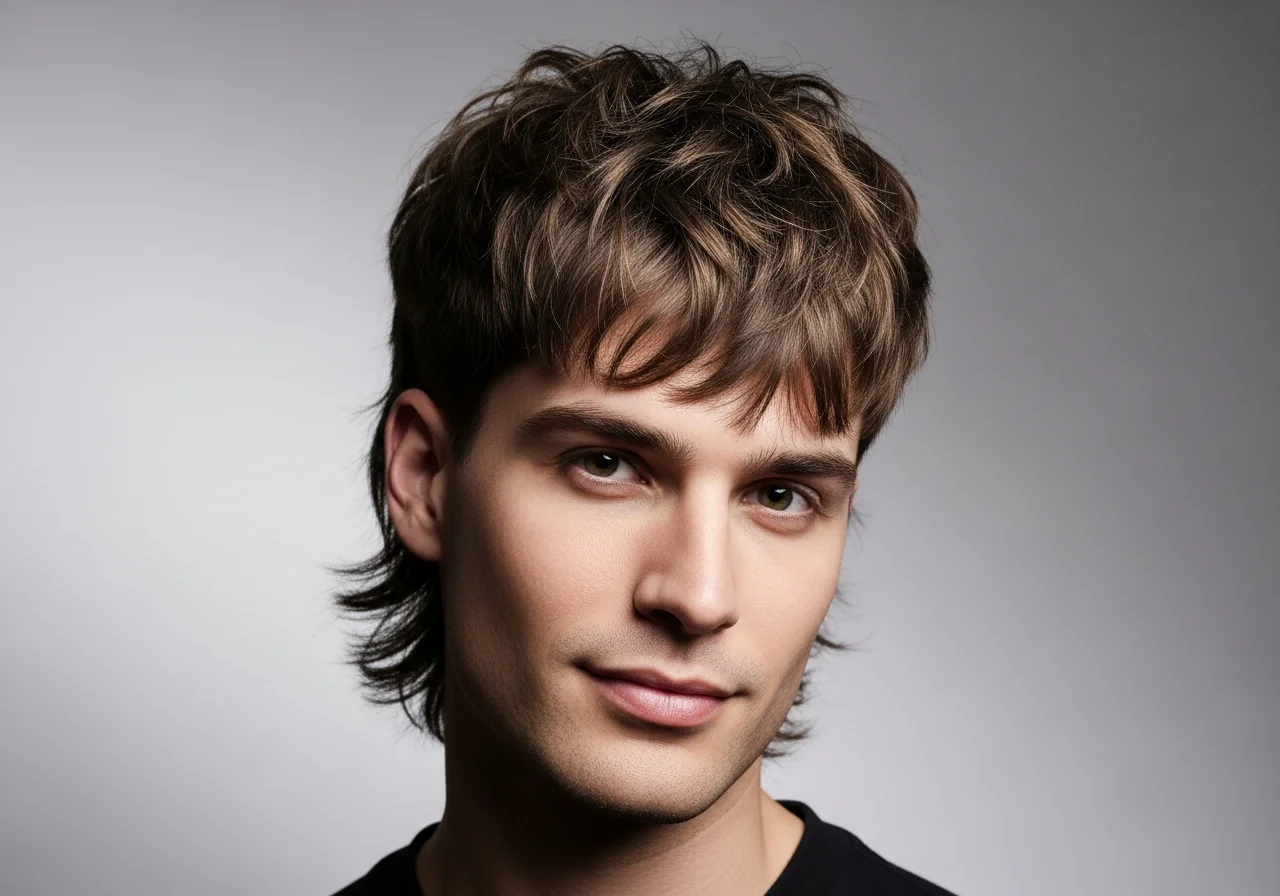
The wolf haircut has emerged as one of the most dynamic and versatile hairstyles for men seeking a balance between edgy rebellion and refined style. This contemporary cut blends the structured elements of a shag with the bold statement of a mullet, creating a distinctive look that works across various hair types, lengths, and personal aesthetics. Originally popularized in Korean fashion circles, the wolf cut has transcended cultural boundaries to become a global phenomenon embraced by men who value individuality and low-maintenance styling.
What makes the wolf haircut particularly appealing is its adaptability. Whether you have straight, wavy, or curly hair, thick or fine strands, this cut can be customized to enhance your natural texture while complementing your face shape. The defining characteristic involves choppy, layered sections that create volume at the crown while maintaining length through the sides and back. This strategic layering produces a deliberately tousled appearance that looks effortlessly cool without requiring extensive daily styling.
The resurgence of this hairstyle reflects a broader shift in men’s grooming toward styles that celebrate texture, movement, and personality over rigid precision. Unlike traditional cuts that demand perfect symmetry and constant upkeep, the wolf cut thrives on controlled chaos. It allows hair to fall naturally while the layers add dimension and interest from every angle. For men tired of cookie-cutter styles or seeking something that stands out in professional and casual settings alike, the wolf haircut offers an exciting alternative worth exploring.
Understanding the Wolf Haircut Foundation
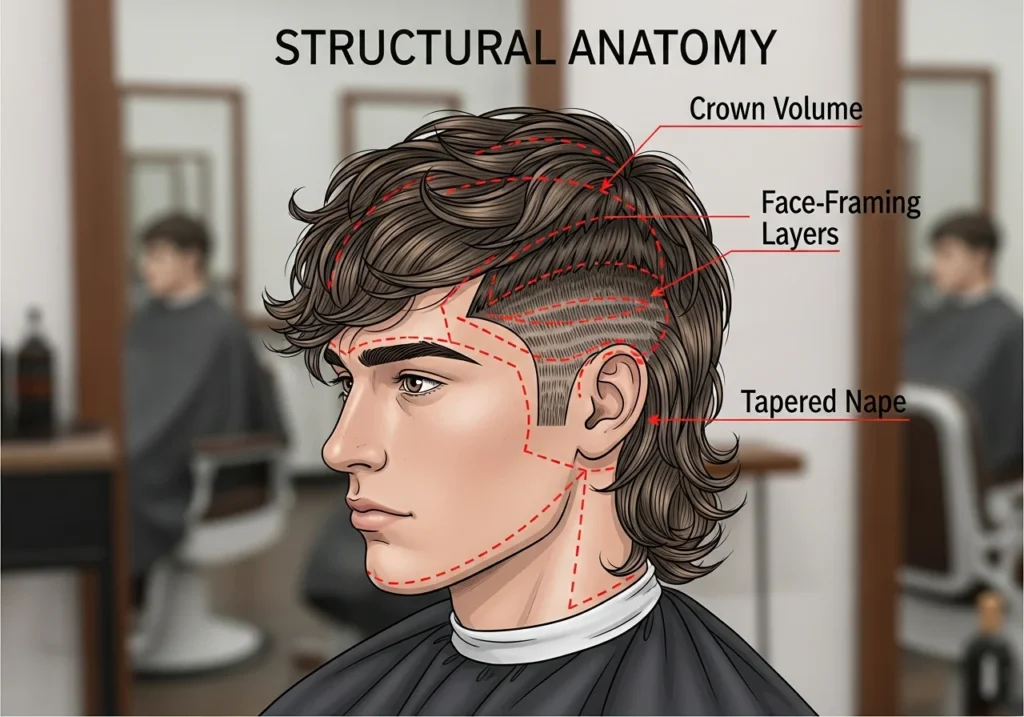
The foundation of any successful wolf haircut lies in understanding its structural principles. At its core, this style features heavy layering throughout the entire head, with particular emphasis on creating volume and texture at the top and crown. The layers are cut at varying lengths to produce a shaggy, disconnected effect that gives the hair natural movement. Unlike traditional layered cuts where transitions are smooth and blended, the wolf cut intentionally creates contrast between sections.
The technique involves point cutting and texturizing methods that remove weight from the hair while maintaining length. Barbers typically start by establishing the desired length at the back, which can range from just below the ears to shoulder length depending on personal preference. The top section is then cut shorter with heavy texturizing to create lift and body. The sides receive strategic layering that connects the longer back sections with the voluminous top, creating the signature wolf silhouette.
Face-framing layers are essential to the wolf cut’s appeal. These pieces, cut shorter around the forehead and cheekbones, draw attention to facial features while adding softness to angular faces. The length and placement of these layers can be adjusted based on individual face shapes, making the style remarkably customizable. For round faces, longer face-framing pieces help create the illusion of length, while those with square or rectangular faces benefit from softer, wispy layers that add width.
Classic Medium-Length Wolf Cuts
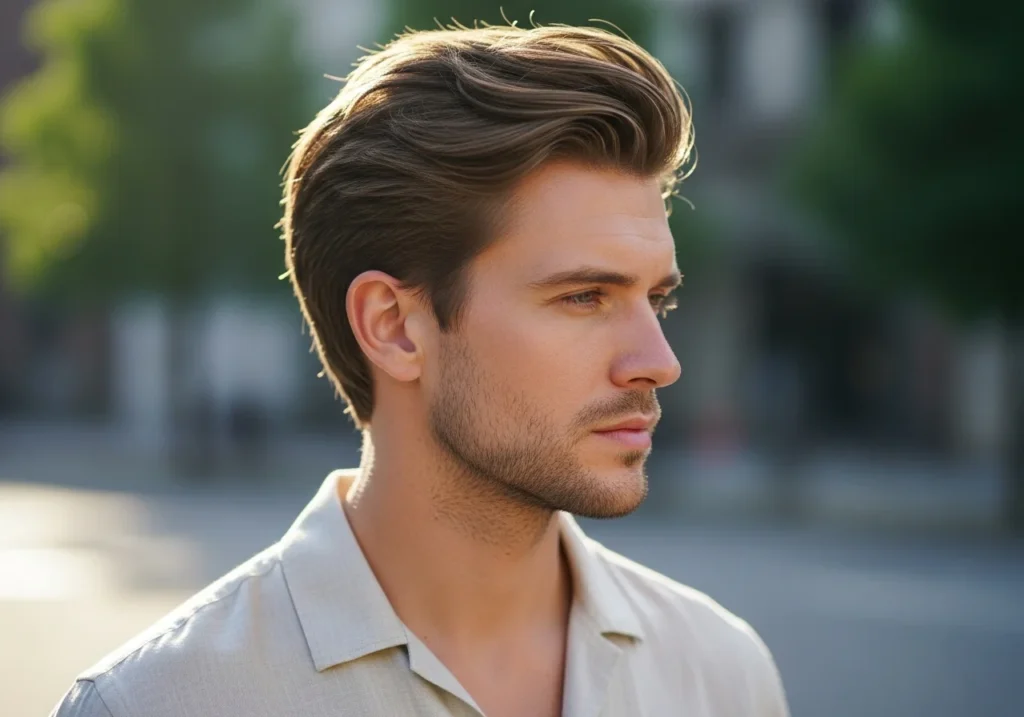
Medium-length wolf cuts represent the most popular iteration of this style, typically falling between chin and shoulder length. This version offers maximum versatility, working well for professional environments while maintaining enough edge for creative expression. The medium length provides sufficient hair to showcase the layered texture without the commitment of longer styles or the limitations of shorter crops.
With medium-length variations, the back and sides maintain enough length to create the characteristic mullet-inspired silhouette while the top boasts substantial volume through aggressive layering. This balance creates a mushroom-like shape when viewed from certain angles, contributing to the style’s distinctive appearance. The layers throughout ensure that the hair never appears heavy or flat, instead moving freely with natural body.
Styling medium-length wolf cuts requires minimal effort, which contributes significantly to their appeal. Most men find that applying a small amount of texturizing cream or sea salt spray to damp hair, then allowing it to air dry, produces the desired tousled effect. For those preferring more control, a quick blow-dry with fingers running through the hair to encourage lift at the roots creates polished yet casual results. The inherent texture of the cut means that even on days when styling time is limited, the hair maintains an intentionally undone look.
Short Wolf Haircut Variations
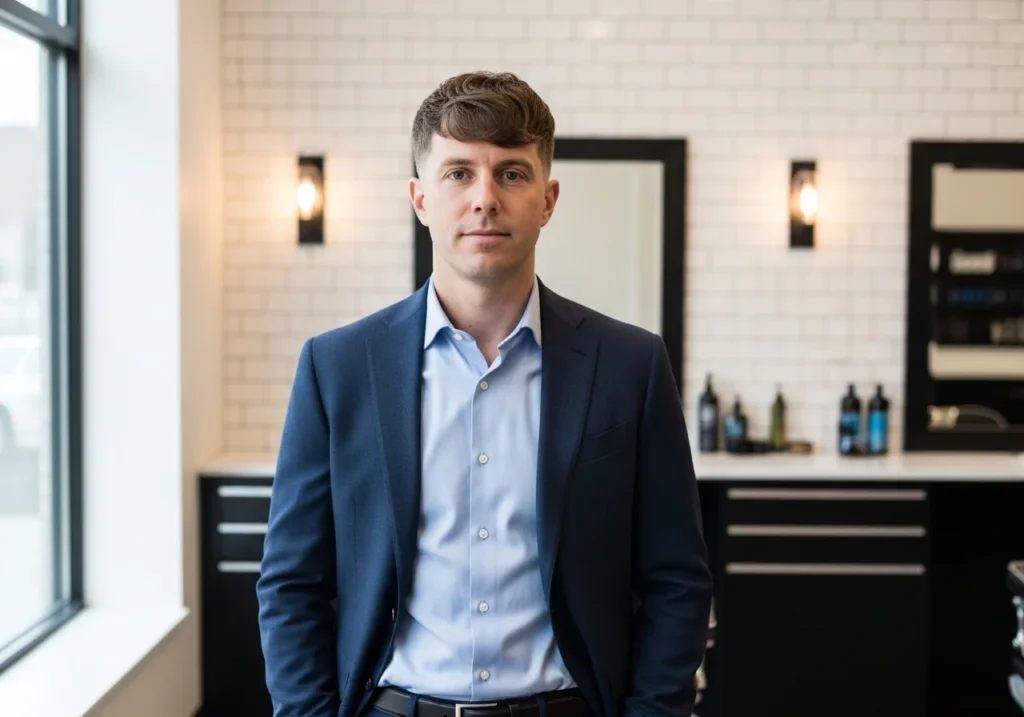
Shorter wolf cuts condense the style’s essential elements into a more compact form, ideal for men who prefer lower maintenance or work in conservative environments. These versions typically keep hair between one and three inches throughout most of the head, with slightly longer sections at the crown and nape. The layering remains pronounced but works within a tighter length range to create texture without excessive volume.
The short wolf cut excels for men with thick, coarse hair that tends toward bulkiness when grown longer. By keeping the length controlled while maximizing texture through layering, this variation prevents the mushroom effect that can occur with thick hair in medium-length styles. The shorter length also makes the cut more suitable for warmer climates or active lifestyles where longer hair might prove impractical.
Despite the reduced length, short wolf cuts maintain the style’s rebellious character through strategic texturizing and piece-y separation. The top section receives the most attention, with layers creating lift and movement that prevent the style from appearing too conservative. Face-framing pieces remain important even in shorter versions, though they’re adjusted proportionally to work with the overall reduced length. This adaptation ensures the cut retains its distinctive personality while fitting into a more restrained aesthetic.
Long and Flowing Wolf Styles
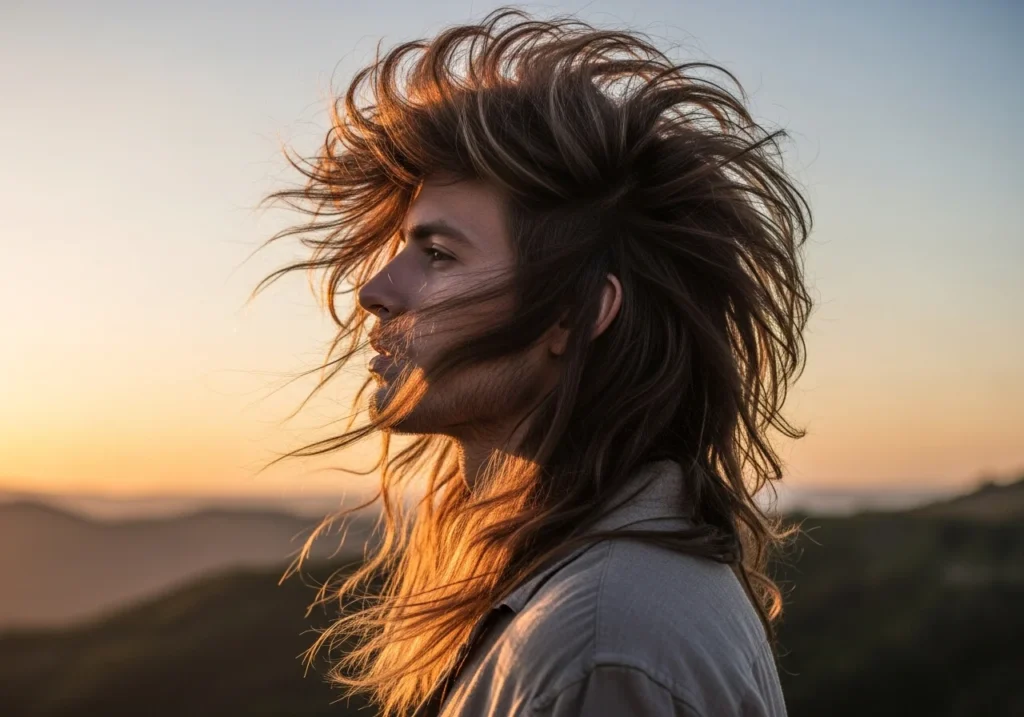
For men willing to commit to extended growth periods, long wolf cuts offer dramatic impact and maximum styling versatility. These versions feature hair extending past the shoulders, with extensive layering preventing the weight from pulling the style flat. The longer length allows for more pronounced contrast between the voluminous top and the flowing back sections, creating a striking silhouette that commands attention.
Long wolf cuts require more deliberate styling and maintenance than their shorter counterparts. Regular conditioning treatments become essential to keep the ends healthy and prevent the layered sections from appearing damaged or frizzy. Despite the increased upkeep, many men appreciate the styling flexibility that longer hair provides, from wearing it loose and natural to pulling it back in various tied styles while maintaining the textured top section.
The extended length works particularly well for men with wavy or curly hair, as the natural texture enhances the tousled aesthetic central to the wolf cut philosophy. Straight-haired individuals can achieve similar effects through styling products and techniques that encourage bend and movement. The key to successful long wolf cuts lies in maintaining the integrity of the layers through regular trims, preventing the style from devolving into formless length without structure.
Wolf Cuts for Curly and Wavy Hair
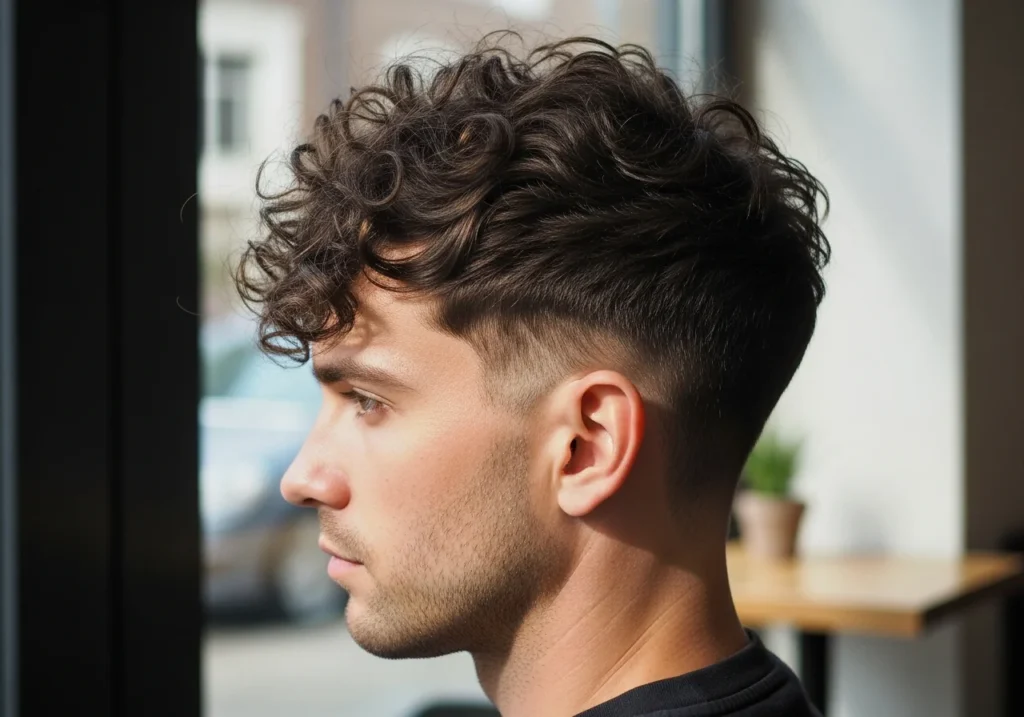
Curly and wavy hair types find exceptional compatibility with wolf cut principles, as the natural texture amplifies the style’s intended disheveled appearance. The layering technique used in wolf cuts helps distribute curl weight evenly, preventing the pyramid effect that often plagues curly-haired individuals with one-length cuts. By removing bulk through strategic texturizing, the style allows curls to form their natural pattern while maintaining shape and movement.
For wavy hair, the wolf cut enhances natural bends and creates additional texture through the varied layer lengths. The choppy cutting technique encourages waves to separate into defined pieces rather than blending into a uniform mass. This separation adds visual interest and dimension, making the hair appear fuller and more dynamic. Men with wavy hair often find that the wolf cut finally allows them to embrace their natural texture rather than fighting it with straightening tools.
Curly-haired men benefit from the volume control that wolf cut layering provides. By cutting the top section shorter with heavy texturizing, barbers reduce the spring factor that can make curly hair stand too tall. The longer sides and back provide balance while the face-framing layers help manage the width that curly hair naturally creates. Styling becomes simpler as well, with most curly wolf cuts looking best when products are applied to wet hair and then left to air dry into their natural pattern.
Straight Hair Wolf Cut Adaptations
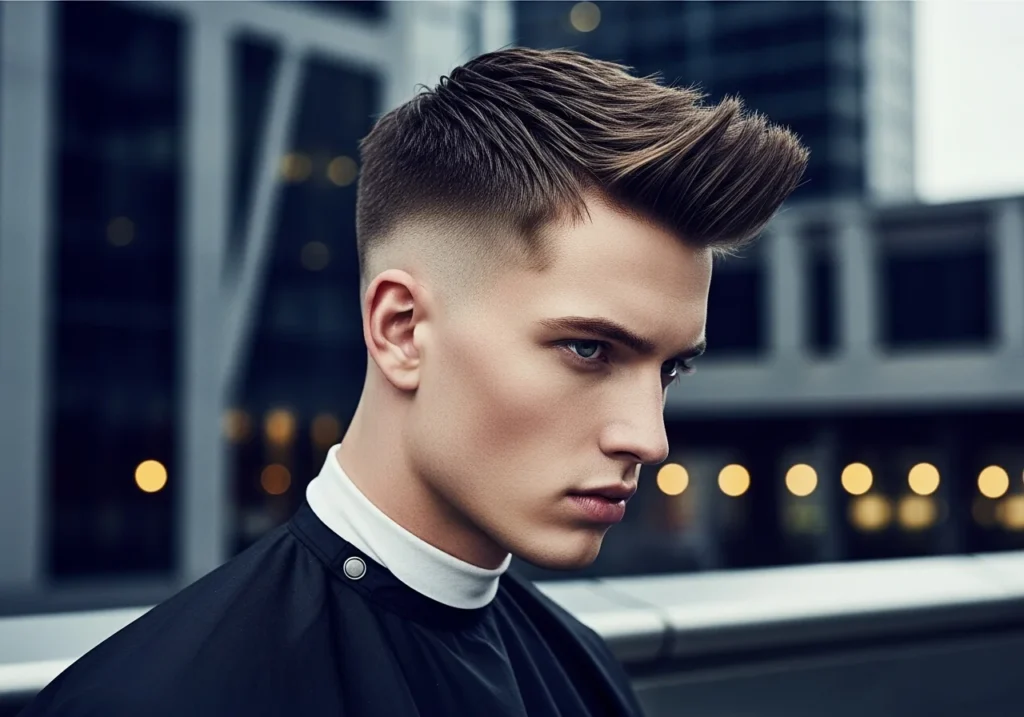
While the wolf cut originated in cultures where straight hair predominates, adapting the style for naturally straight hair presents unique considerations. Straight hair lacks the natural volume and texture that wavy or curly hair automatically provides, requiring more aggressive layering and texturizing to achieve the desired tousled effect. Barbers must create artificial texture through point cutting, razoring, and other techniques that encourage piece-y separation.
For straight-haired men, styling products become more critical in achieving the wolf cut aesthetic. Texturizing sprays, dry shampoos, and matte pomades help create the grip and separation that the hair won’t produce naturally. Many find success with applying products to damp hair and using a blow dryer with a diffuser attachment to encourage lift at the roots and movement throughout the lengths. The goal is to disrupt the hair’s natural tendency to lie flat and smooth.
Despite requiring more styling effort, straight hair wolf cuts offer clean, precise lines that showcase the cut’s structure beautifully. The layers appear sharp and defined, creating geometric interest that complements modern aesthetics. When properly executed and styled, straight hair versions of the wolf cut can appear equally compelling as their textured counterparts, simply with a different character that leans more toward refined edge than natural dishevelment.
Korean-Inspired Wolf Haircuts
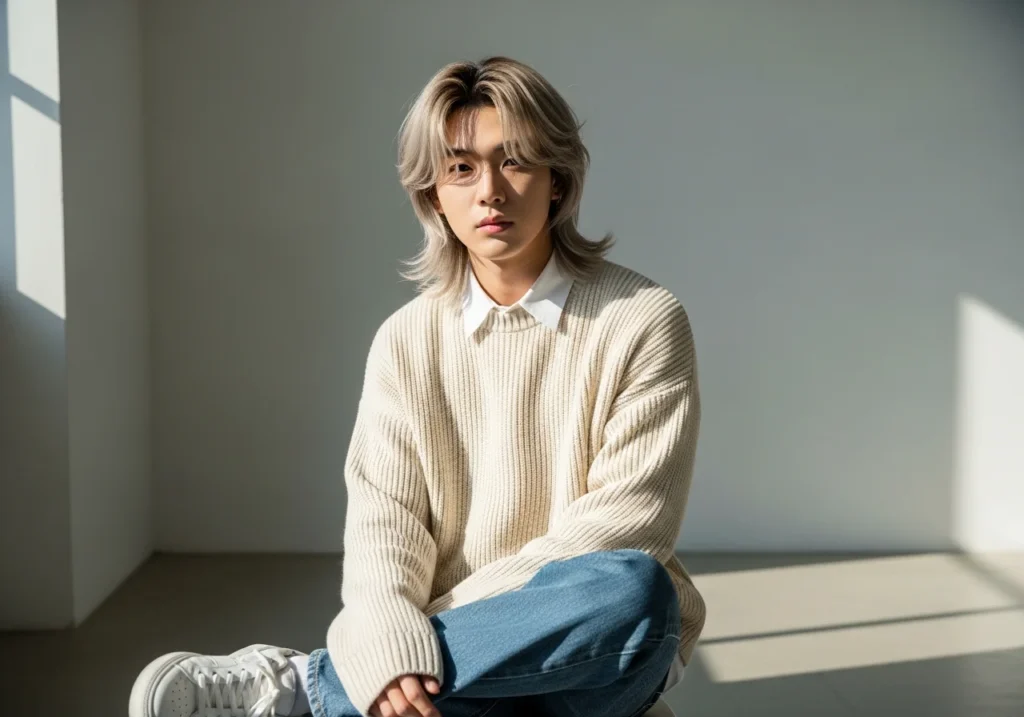
The Korean influence on modern wolf cuts cannot be overstated, as K-pop idols and Korean actors have popularized numerous variations of this style. Korean interpretations tend toward softer, more romantic versions with emphasis on creating face-framing curtain bangs and gentle, feathered layers rather than aggressive choppy texturing. These adaptations prioritize a polished yet effortless appearance that aligns with Korean beauty standards.
Korean wolf cuts typically feature more length at the front, with sweeping bangs that part down the middle or slightly to one side. This creates the distinctive curtain effect that has become synonymous with Korean men’s hairstyling. The sides are cut to follow the face’s contours closely, while the back maintains length that can be tucked behind the ears or left to fall naturally. The overall effect balances masculinity with softness in ways that Western interpretations sometimes lack.
Styling Korean-influenced wolf cuts requires attention to the front sections, which frame the face and define the entire look. Many Korean men use straightening irons or blow dryers with round brushes to create the smooth, sweeping movement in the bangs while leaving the rest of the hair more natural. This combination of controlled styling at the front with textured looseness elsewhere creates visual contrast that makes the style particularly photogenic and fashion-forward.
Asymmetrical and Edgy Variations
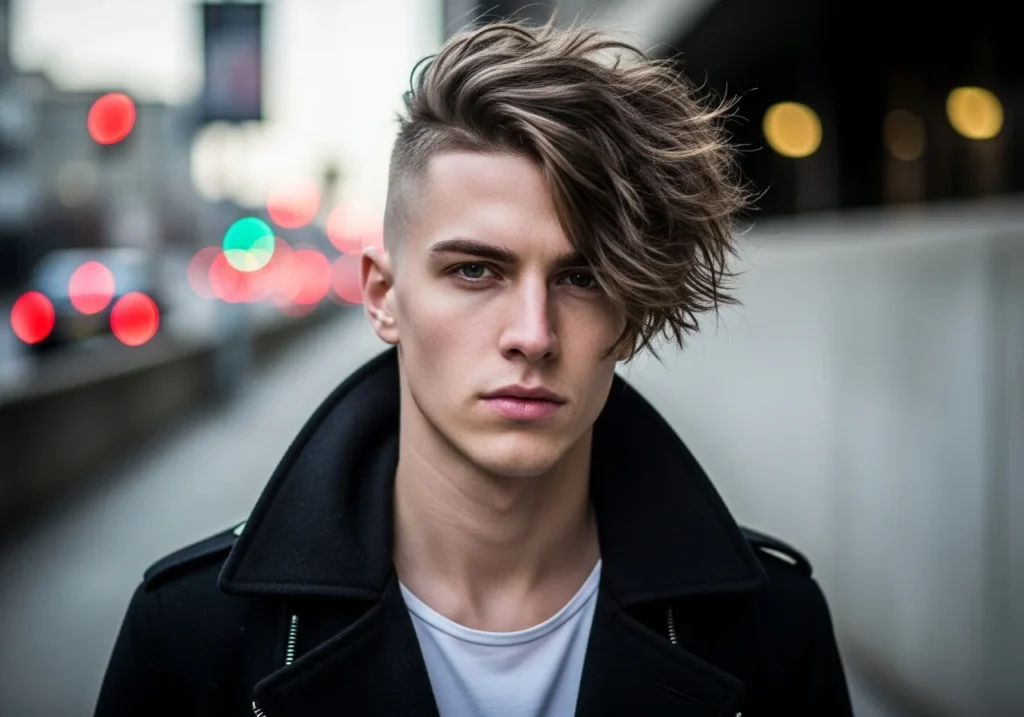
For men seeking maximum individuality, asymmetrical wolf cuts push the style’s boundaries by introducing deliberate imbalance into the cut’s structure. These variations might feature one side cut significantly shorter than the other, creating dramatic side profiles that challenge conventional symmetry. The inherent texture of wolf cuts pairs well with asymmetrical elements, as the choppy layers prevent the style from appearing too calculated or rigid.
Edgy interpretations often incorporate undercut elements on one or both sides, creating stark contrast between shaved sections and the longer, layered top and back. This combination modernizes the wolf cut concept while adding versatility, as the hair can be styled forward to hide the undercut for more conservative settings or swept back to showcase the shaved sections for evening and casual occasions. The undercut also provides relief for men with extremely thick hair, reducing overall volume while maintaining the style’s signature texture.
Color plays an important role in many edgy wolf cut variations, with highlights, lowlights, or fashion colors adding another dimension of visual interest. Platinum blonde, ash gray, and deep burgundy have all become popular choices for men wanting to enhance their wolf cuts beyond the structural elements alone. The layering in wolf cuts creates natural dimension that showcases color variations beautifully, with different tones catching light as the hair moves.
Textured and Choppy Interpretations
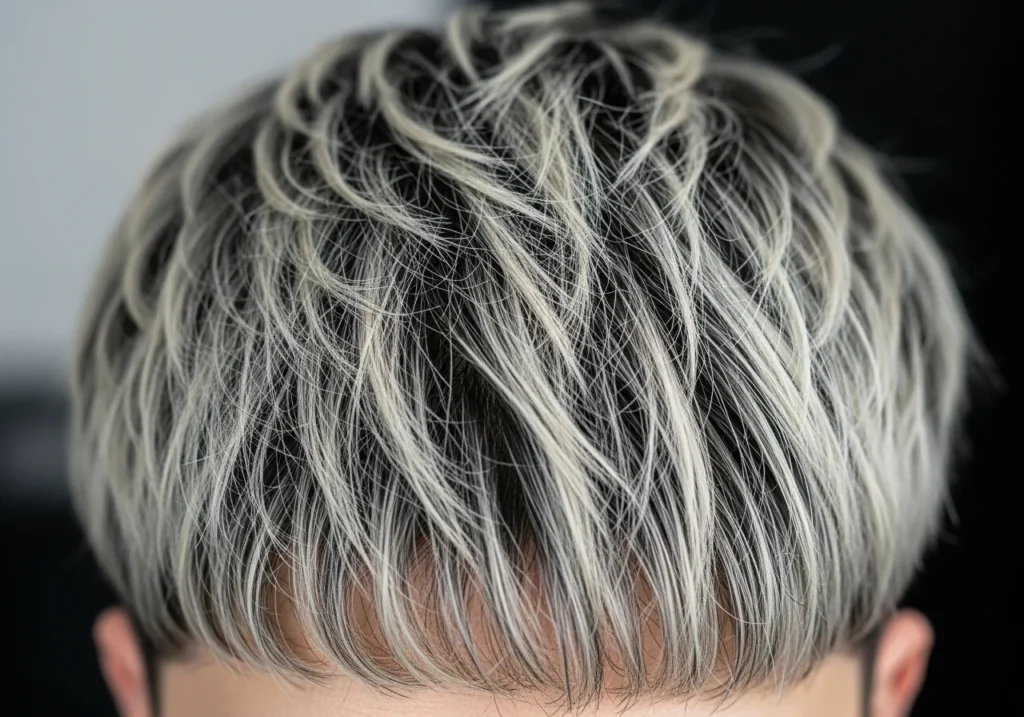
Maximizing texture represents a primary goal for many wolf cut enthusiasts, leading to interpretations that emphasize choppy, piece-y separation above all else. These versions feature aggressive point cutting and razoring techniques that create significant variance in hair lengths throughout each section. The result appears deliberately ragged, with individual strands and small sections clearly defined rather than blending together.
Heavily textured wolf cuts work exceptionally well for men with thick, coarse hair that can support the structural demands of such aggressive layering. The texturizing removes substantial weight, preventing the hair from appearing too bulky while creating the movement and separation that defines the style. For those with finer hair, more conservative texturizing achieves similar visual effects without removing so much density that the hair appears thin or wispy.
Styling textured variations requires products that enhance rather than smooth the choppy elements. Fiber creams, clay pomades, and texturizing powders allow individual pieces to be separated and defined, creating a sculptural quality to the finished style. Many men find that applying product to dry hair rather than damp allows for more control over which sections receive emphasis, resulting in customized texture that can change daily based on mood and occasion.
Wolf Cuts with Bangs and Fringe
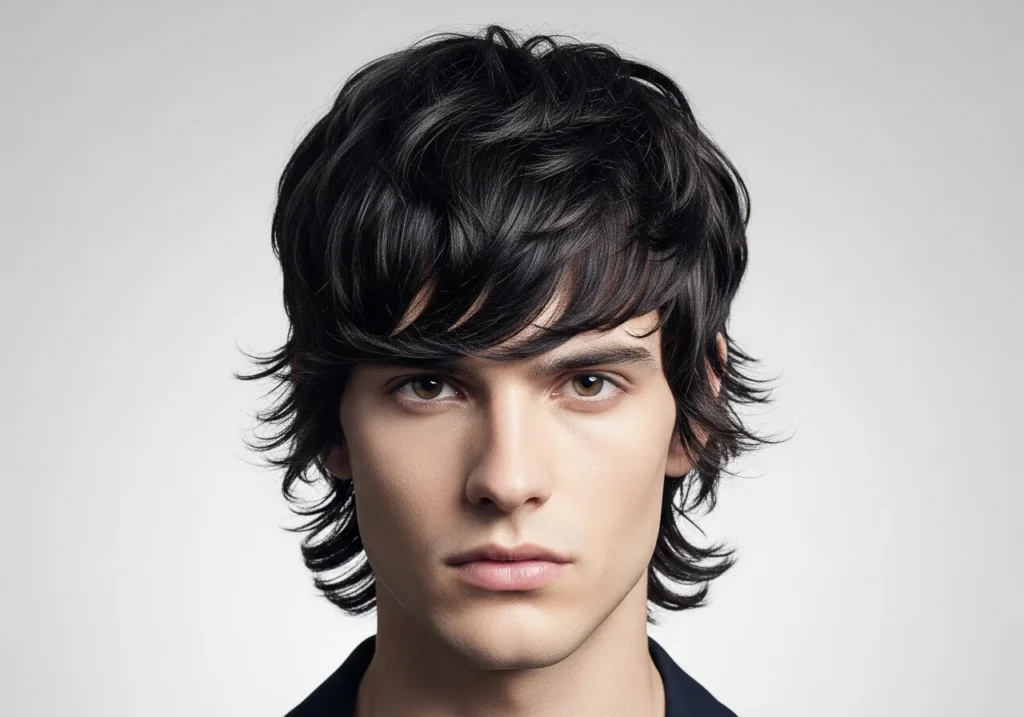
Incorporating bangs or fringe into wolf cuts adds another styling dimension while helping to balance facial proportions. The fringe can take various forms, from heavy, blunt-cut bangs that create a strong horizontal line across the forehead to softer, wispy pieces that blend seamlessly with the face-framing layers. The choice depends on face shape, personal style preferences, and how much commitment to daily fringe styling the individual wants to make.
Heavy bangs paired with wolf cuts create a bold, statement-making combination that draws immediate attention to the eyes and upper face. This works particularly well for men with longer face shapes, as the horizontal line created by the bangs helps visually shorten the face. The contrast between the structured fringe and the tousled body of the wolf cut creates interesting visual tension that elevates the entire look beyond what either element would achieve alone.
Lighter, piece-y fringes offer more versatility and require less precision in daily styling. These can be swept to the side, pushed back when desired, or left to fall naturally across the forehead depending on the occasion. The textured nature of wolf cuts means that fringes don’t need to appear perfect or uniform; instead, separation and slight irregularity contribute to the overall aesthetic. This makes textured fringes ideal for men who want the face-framing benefits of bangs without the rigid maintenance requirements.
Maintaining Your Wolf Haircut
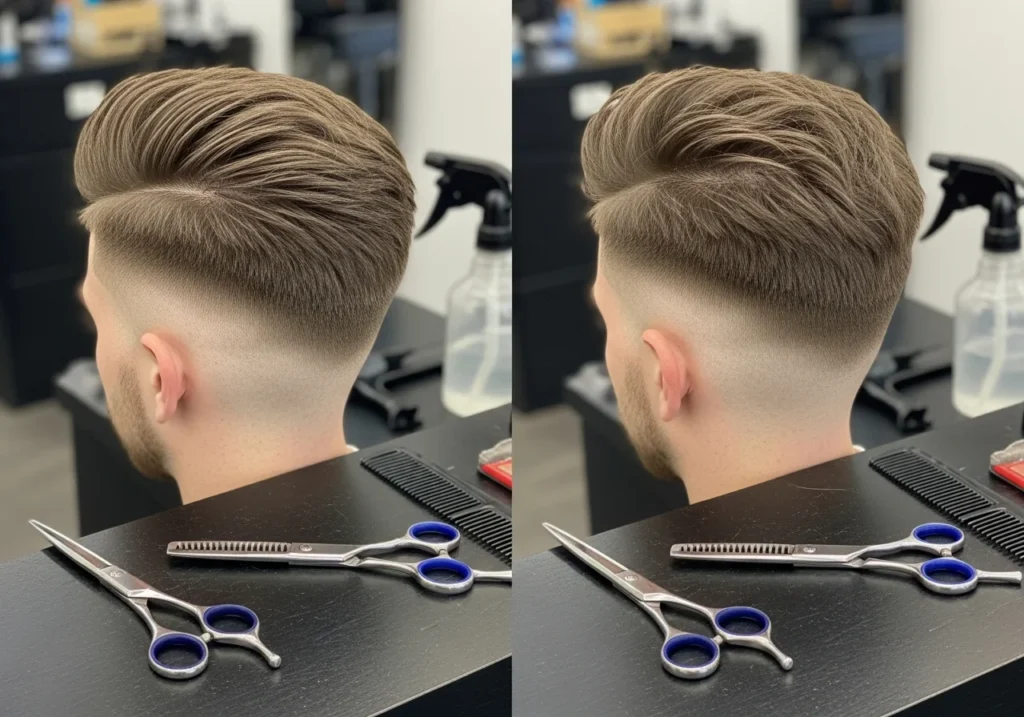
Proper maintenance determines whether a wolf cut retains its intended shape and texture or deteriorates into shapeless length. Unlike some styles where growth between appointments creates graceful transitions, wolf cuts can lose their distinctive character relatively quickly as the carefully placed layers grow out. Most barbers recommend trimming appointments every four to six weeks to maintain the cut’s integrity, though those with slower hair growth might extend this slightly.
Between appointments, home maintenance focuses on preserving hair health and enhancing natural texture. Regular conditioning prevents the ends of layered sections from becoming dry and damaged, which would undermine the style’s tousled-yet-intentional appearance. Leave-in treatments and hair oils applied sparingly to the mid-lengths and ends keep the hair looking fresh without weighing it down or making it appear greasy.
Styling consistency helps maintain the wolf cut’s shape between professional trims. Using similar techniques and products daily trains the hair to fall in certain patterns, making the style easier to achieve over time. However, the beauty of wolf cuts lies partly in their forgiveness of imperfect styling; unlike precision cuts that require exact replication of salon results, wolf cuts embrace natural variation and adapt well to different styling approaches on different days.
Styling Products and Techniques
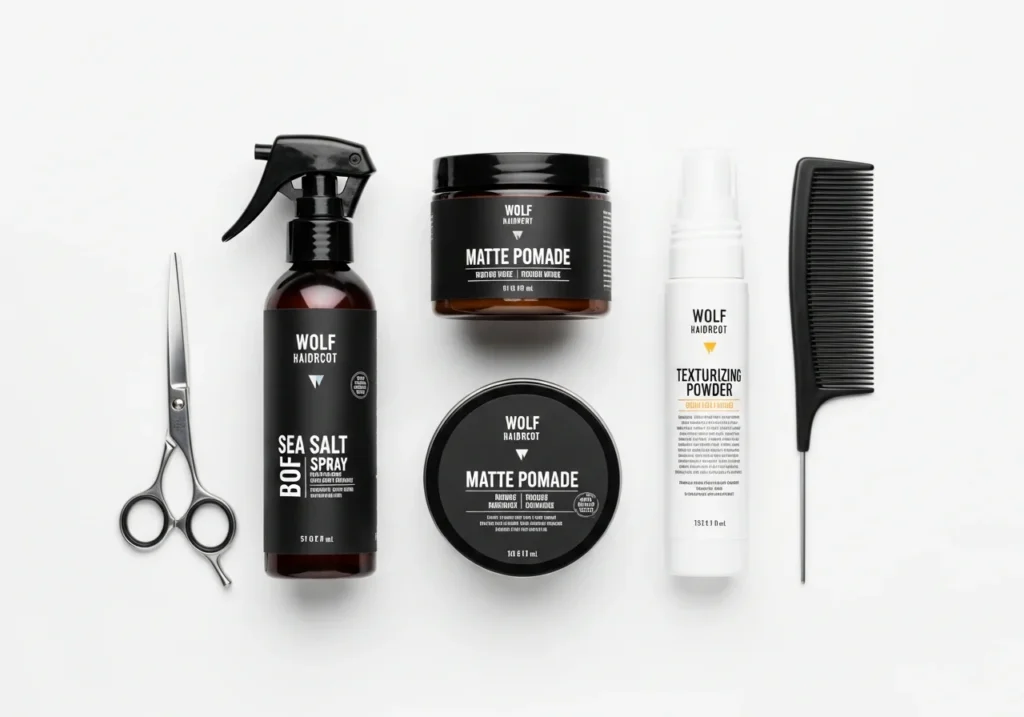
Selecting appropriate styling products dramatically impacts the success of wolf haircut styling. The goal is to enhance texture and movement while maintaining a natural, touchable finish rather than creating stiff, product-heavy results. Sea salt sprays excel at creating the beachy, tousled texture that complements wolf cuts perfectly, particularly when applied to damp hair before air drying or diffusing. These sprays add grip and slight hold without the weight or shine of traditional styling products.
For men requiring more hold or definition, matte finish pomades and fiber creams provide control while maintaining the natural appearance central to wolf cut aesthetics. These products work best when emulsified between the palms and then worked through dry or nearly dry hair, allowing for piece-by-piece definition and separation. The key is using small amounts and building up coverage rather than applying too much initially, which can make hair appear greasy or weighed down.
Texturizing powders and dry shampoos serve dual purposes in wolf cut styling, adding volume at the roots while creating grip and separation throughout the lengths. These powder-based products are particularly valuable for straight or fine hair that tends to fall flat, as they disrupt the hair’s natural tendency toward smoothness. Applied to the roots and gently massaged in, they create lift that lasts throughout the day while maintaining the matte, undone finish that wolf cuts are known for.
Wolf Cuts for Different Face Shapes
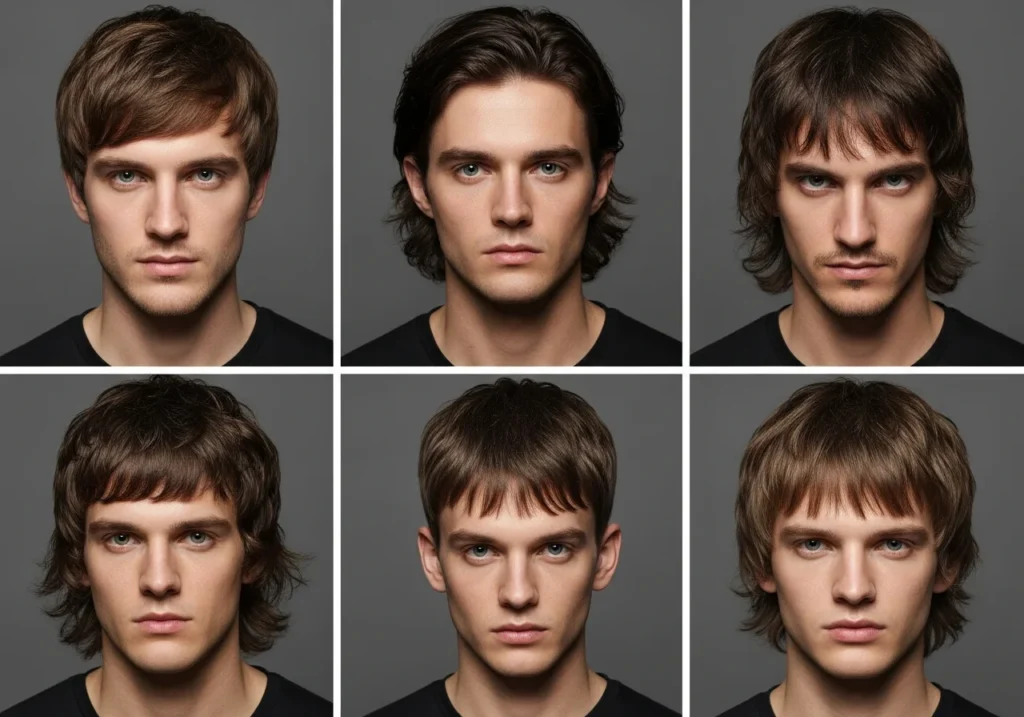
Adapting wolf cuts to complement various face shapes ensures the style enhances rather than detracts from facial features. Round faces benefit from longer face-framing layers that create vertical lines, helping to elongate the face visually. Keeping the sides relatively close while allowing length at the front and back prevents additional width that would emphasize the face’s roundness. Volume at the crown also helps create the illusion of length.
Square and rectangular faces find balance through softer, wispier layers that add width at the sides and temples. The textured, piece-y nature of wolf cuts naturally softens angular jaw lines, making this style particularly flattering for strong, masculine face shapes. Avoiding too much height at the crown prevents the face from appearing even longer, while maintaining adequate length at the sides creates proportional balance.
Oval faces, considered the most versatile face shape, can accommodate nearly any wolf cut variation without special considerations. This face shape allows for experimentation with extreme asymmetry, very heavy bangs, or maximum volume without worrying about throwing facial proportions off balance. Men with oval faces can focus primarily on hair texture and personal style preferences when selecting their specific wolf cut interpretation.
Professional Versus Casual Wolf Styling
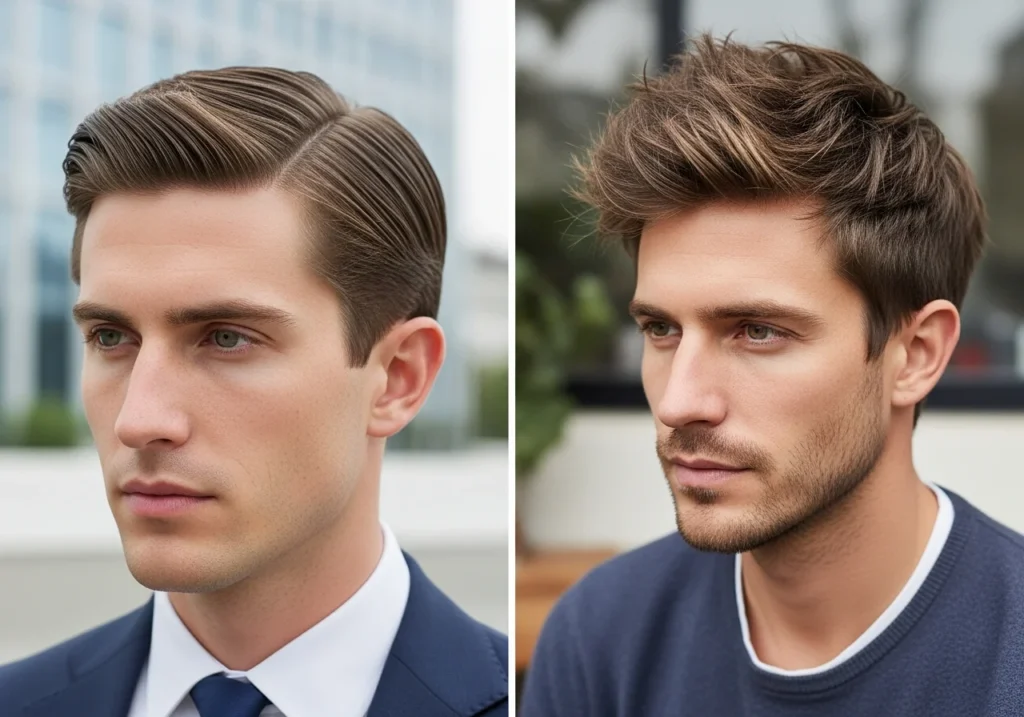
The versatility of wolf cuts extends to their appropriateness across different social contexts, though some adjustments help the style transition between professional and casual settings. For work environments with traditional dress codes, styling the wolf cut with more control and less aggressive texture maintains the style’s character while appearing polished. Smoothing the top section slightly and ensuring face-framing pieces sit neatly creates a refined version suitable for business settings.
Casual styling allows for maximum expression of the wolf cut’s rebellious nature, with enhanced texture, piece-y separation, and deliberate dishevelment taking center stage. This might involve applying styling products to create more pronounced definition between layers or allowing the hair to air dry into its natural pattern without any smoothing or taming. The inherent versatility means the same cut can appear appropriately professional or creatively casual depending entirely on styling approach.
Some men maintain two different styling routines for their wolf cuts, using sleeker techniques and minimal product for work days while embracing fuller texture and more dramatic styling for weekends and social occasions. This adaptability represents one of the wolf cut’s greatest strengths, allowing men to express different aspects of their personality through styling variations rather than requiring completely different haircuts for different life areas.
Color and Highlights for Wolf Cuts
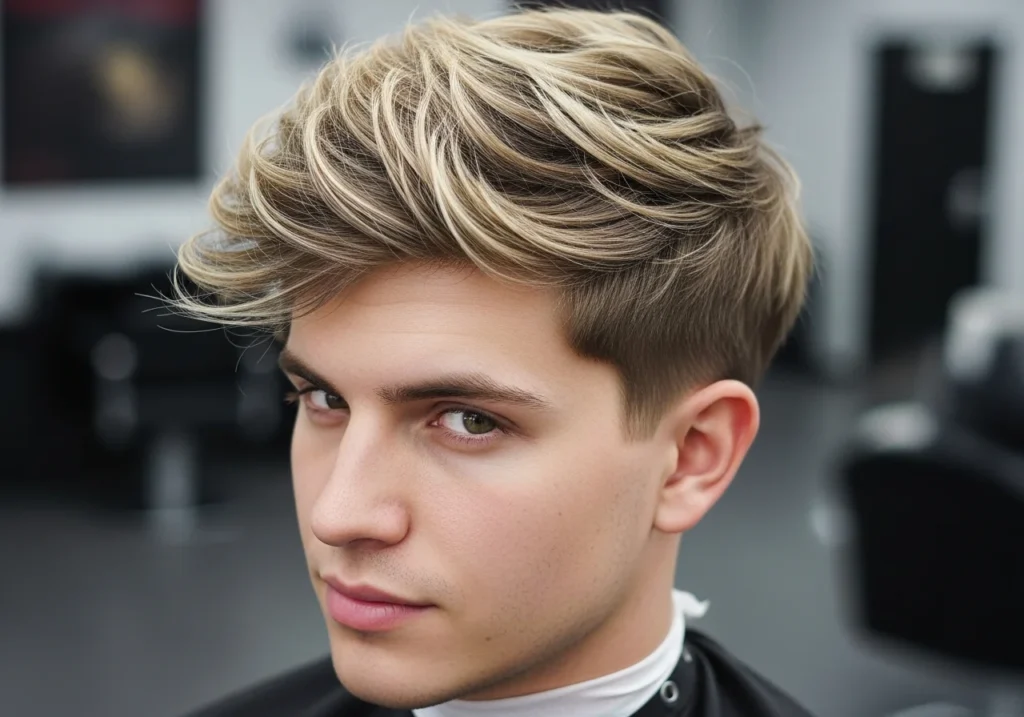
Strategic coloring enhances wolf cuts by adding dimension that emphasizes the layered structure. Highlights placed throughout the top and crown sections catch light as the hair moves, creating dynamic visual interest that monochromatic cuts cannot achieve. Balayage techniques work particularly well with wolf cuts, as the freehand painting method creates natural-looking color variation that complements the style’s organic, undone aesthetic.
Lowlights provide depth to wolf cuts, particularly for men with naturally light hair who want to add richness without dramatic color change. Darker tones woven through the underlayers create shadows that make the lighter top sections appear even more voluminous and textured. This subtle dimensional coloring enhances the cut’s structure without requiring the commitment of all-over color or dramatic fashion shades.
Fashion colors from platinum blonde to deep burgundy have become increasingly popular among men sporting wolf cuts, particularly in younger demographics and creative industries. The layered structure showcases bold colors beautifully, with each section of varying length displaying different tones as it catches light. Maintaining fashion colors requires additional commitment to specialized hair care products and more frequent salon visits, but the dramatic results appeal to men seeking maximum visual impact.
Growing Out Your Wolf Cut
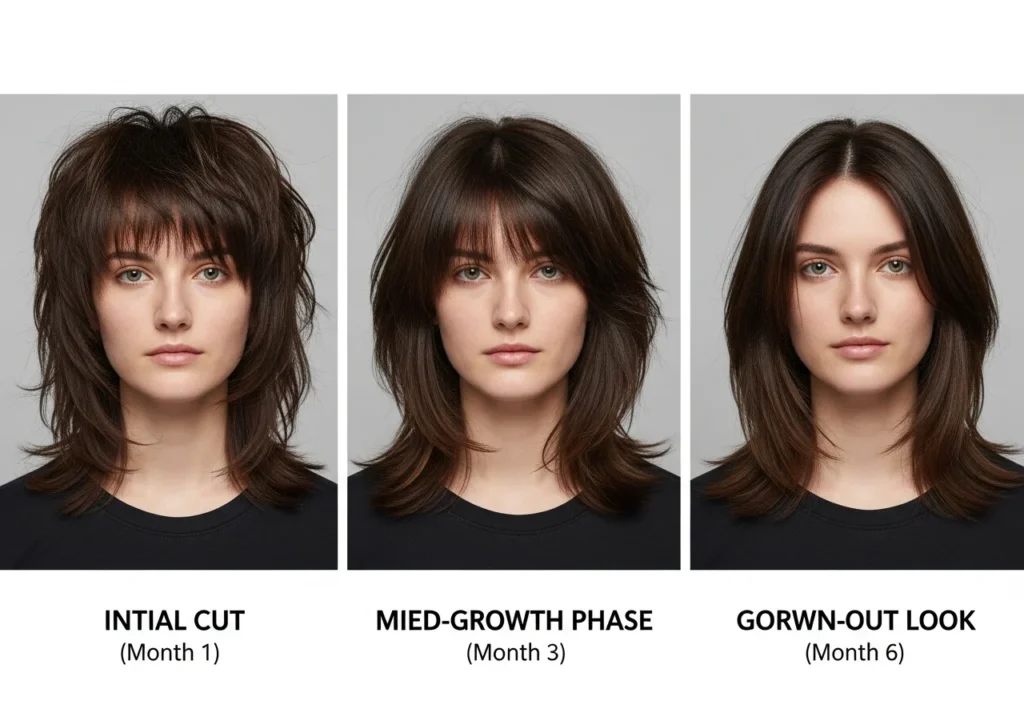
The growth-out process for wolf cuts presents challenges, as the carefully calibrated layer lengths can become awkward at certain stages. Planning the transition from a wolf cut to longer styles or completely different cuts requires patience and potentially several interim trims that gradually adjust the proportions. Some men find that allowing the back and sides to grow while maintaining shorter layers at the top creates a transitional style that bridges wolf cut and longer alternatives.
For those growing out wolf cuts entirely, the initial months often involve the top section catching up in length to the sides and back. During this phase, styling products and techniques that smooth the hair rather than enhancing texture help create a more uniform appearance. Regular trims to remove the most extreme layering gradually shift the cut toward a more conventional long style without dramatic changes that might feel jarring.
Alternatively, some men transition from wolf cuts to other textured styles like modern shags or long layers that maintain similar aesthetics with different proportions. This approach requires less dramatic growth periods, as the barber can adjust the existing layers to create new shapes without waiting for significant length changes. Working with a skilled stylist who understands your end goal ensures the smoothest possible transition through the awkward growth stages.
Wolf Cuts Across Different Hair Densities
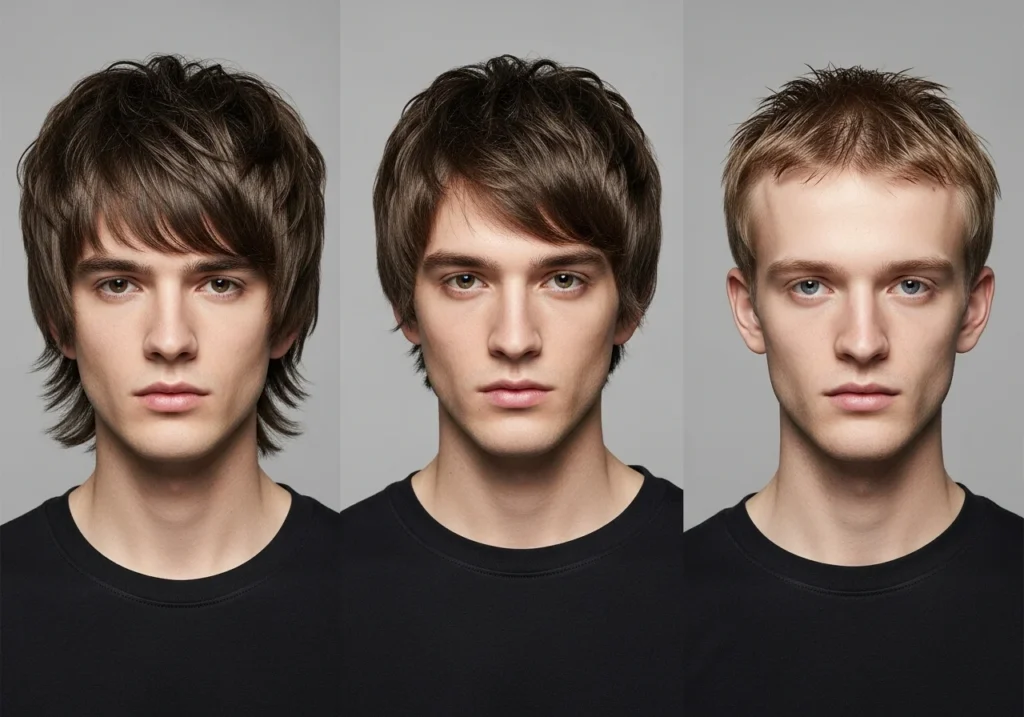
Hair density significantly impacts how wolf cuts should be executed, with thick and thin hair requiring different approaches to achieve optimal results. Thick hair benefits from aggressive thinning and texturizing that removes weight, preventing the mushroom effect while creating movement and separation. Barbers may use thinning shears extensively throughout the cut, removing up to half the hair’s bulk in some sections to achieve the desired texture.
Fine or thin hair demands a more conservative approach to wolf cutting, as excessive texturizing can make the hair appear even thinner or create stringy, separated sections lacking body. Instead, strategic layering creates the illusion of fullness while maintaining enough density for the style to hold its shape. Point cutting on fine hair should focus on the ends rather than removing weight throughout, preserving maximum volume while creating texture.
Medium density hair occupies a versatile middle ground, accommodating both aggressive and conservative texturizing approaches depending on the desired final look. Men with medium density can experiment with different levels of layering and texturizing to find the sweet spot that creates enough movement and texture without sacrificing the fullness that makes wolf cuts visually striking. This hair type often achieves the most balanced results with the least styling effort.
Celebrity Wolf Haircut Inspiration
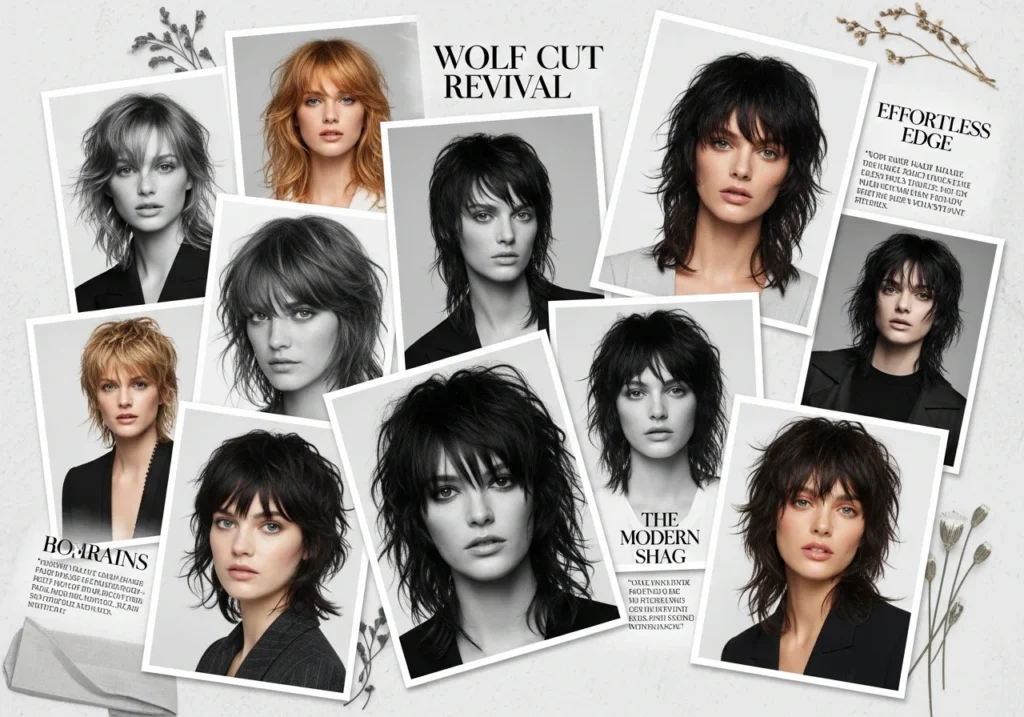
Numerous celebrities and public figures have embraced wolf cuts, providing inspiration and demonstrating the style’s versatility across different aesthetics. K-pop stars like members of BTS and Stray Kids have popularized softer, more romantic Korean interpretations, while Western musicians and actors have adopted edgier versions with asymmetrical elements and bold colors. These high-profile examples help normalize the style and provide visual references for men considering the cut.
Celebrity wolf cuts demonstrate how the same basic structure can be adapted to reflect individual personalities and style sensibilities. Comparing different famous interpretations reveals the importance of factors like face shape, hair texture, and personal grooming preferences in determining which variation will work best. Rather than copying celebrity styles exactly, men can use these examples as starting points for conversations with their barbers about customizing the cut.
The visibility of wolf cuts in popular culture has contributed significantly to the style’s mainstream acceptance, transitioning it from niche alternative fashion to a legitimate option for men across various demographics. As more celebrities sport the style in different contexts from red carpet events to casual street style photographs, the wolf cut continues to evolve and diversify, ensuring its relevance beyond temporary trend status.
Seasonal Considerations for Wolf Haircuts
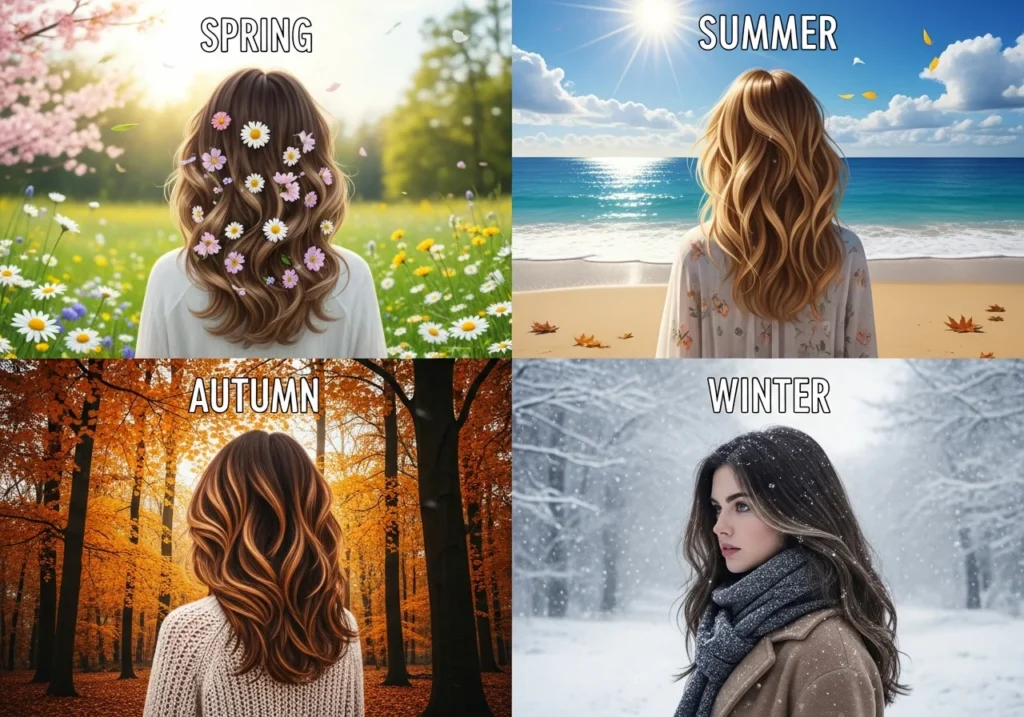
Different seasons present unique considerations for wolf cut maintenance and styling. Summer heat and humidity can enhance natural texture in the hair, making wolf cuts appear more tousled and voluminous without additional styling effort. However, sweat and sun exposure require more frequent washing, which can strip natural oils and dry out the layered ends. Using UV-protective hair products and deep conditioning treatments helps maintain hair health during summer months.
Winter cold and indoor heating create dry conditions that can make wolf cuts appear frizzy or damaged, particularly at the ends of longer layers. Increasing conditioning frequency and using leave-in treatments helps combat environmental dryness while maintaining the style’s texture and movement. Static electricity becomes more problematic in winter, requiring anti-static products or techniques like running dryer sheets over the hair to control flyaways.
Fall and spring transition seasons allow for experimenting with wolf cut styling, as moderate temperatures and humidity levels create ideal conditions for the hair to behave predictably. These seasons provide excellent opportunities to try new products or styling techniques without the extreme conditions that summer heat or winter dryness create. Many men use these moderate months to adjust their wolf cut maintenance routines, finding what works best before challenging seasonal conditions arrive.
DIY Maintenance Between Appointments

While professional cuts are essential for establishing and maintaining the wolf cut’s structure, some DIY maintenance between appointments helps preserve the style. Trimming face-framing pieces that grow into the eyes or removing split ends from the longest layers extends the time between full cuts without significantly altering the overall shape. However, caution is essential, as overzealous home trimming can disrupt the carefully calibrated layer lengths that make the style work.
For men comfortable with basic hair trimming, maintaining the nape and around the ears prevents the scruffy appearance that can develop between appointments. Using proper hair cutting scissors rather than general craft scissors ensures clean cuts that won’t damage the hair. Trimming should focus on maintaining existing lines rather than creating new ones, as restructuring the cut requires professional expertise.
Product experimentation between appointments allows men to discover which styling approaches work best for their specific hair and lifestyle. Trying different application techniques, product combinations, and styling tools helps develop a personalized routine that maximizes the wolf cut’s potential. This experimentation period often reveals that small adjustments in technique yield significantly different results, empowering men to adapt their styling to different occasions and moods.
Combining Wolf Cuts with Facial Hair
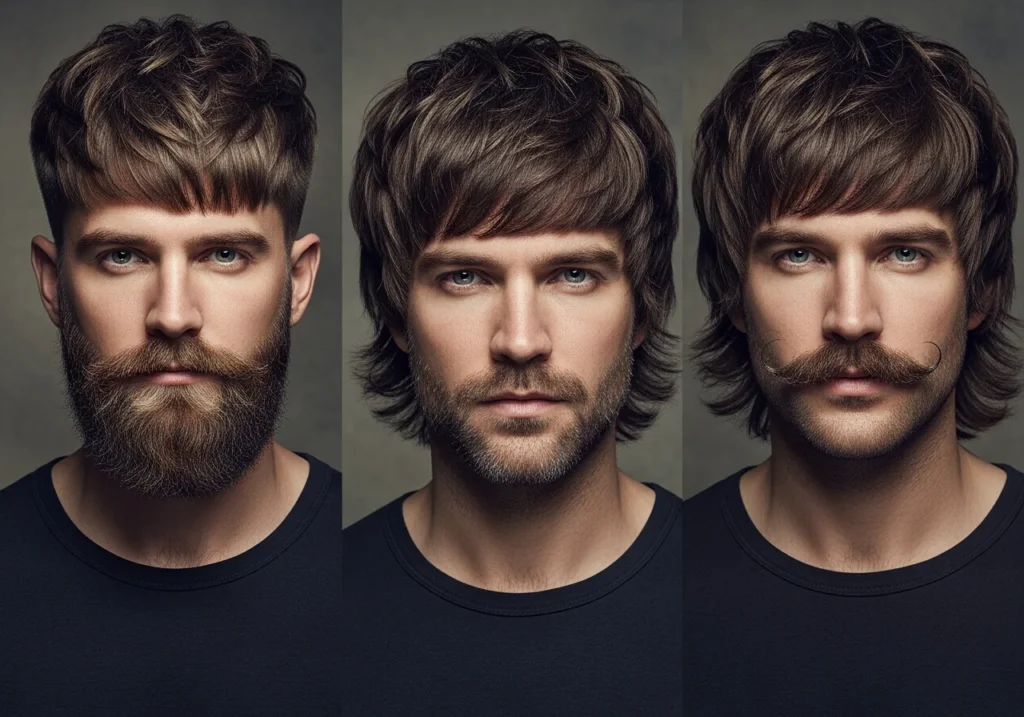
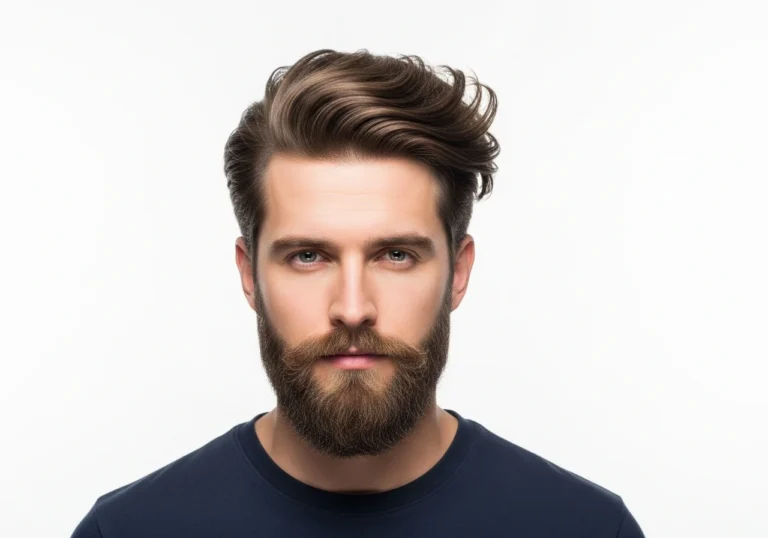
Facial hair styling significantly impacts the overall aesthetic of wolf haircuts, with different beard and mustache styles creating varied impressions. Full beards paired with wolf cuts create a rugged, masculine appearance that balances the style’s softer textured elements. The combination works particularly well for men with strong facial features, as the beard grounds the look and prevents it from appearing too light or youthful.
Lighter stubble or carefully maintained short beards complement wolf cuts without competing for visual attention, allowing the haircut to remain the focal point while adding definition to the jaw line. This combination suits professional environments where full beards might seem too casual but clean-shaven faces don’t align with the wolf cut’s edgy character. The subtle facial hair bridges the gap between polished and rebellious.
Mustaches paired with wolf cuts create a vintage-inspired aesthetic that references both seventies rock style and contemporary ironic fashion. This combination requires confidence to pull off, as it makes a strong style statement that some may find polarizing. When executed with intentionality and worn with appropriate clothing, the mustache and wolf cut pairing can appear fashion-forward and distinctive rather than dated or trying too hard.
Wolf Haircuts for Mature Men
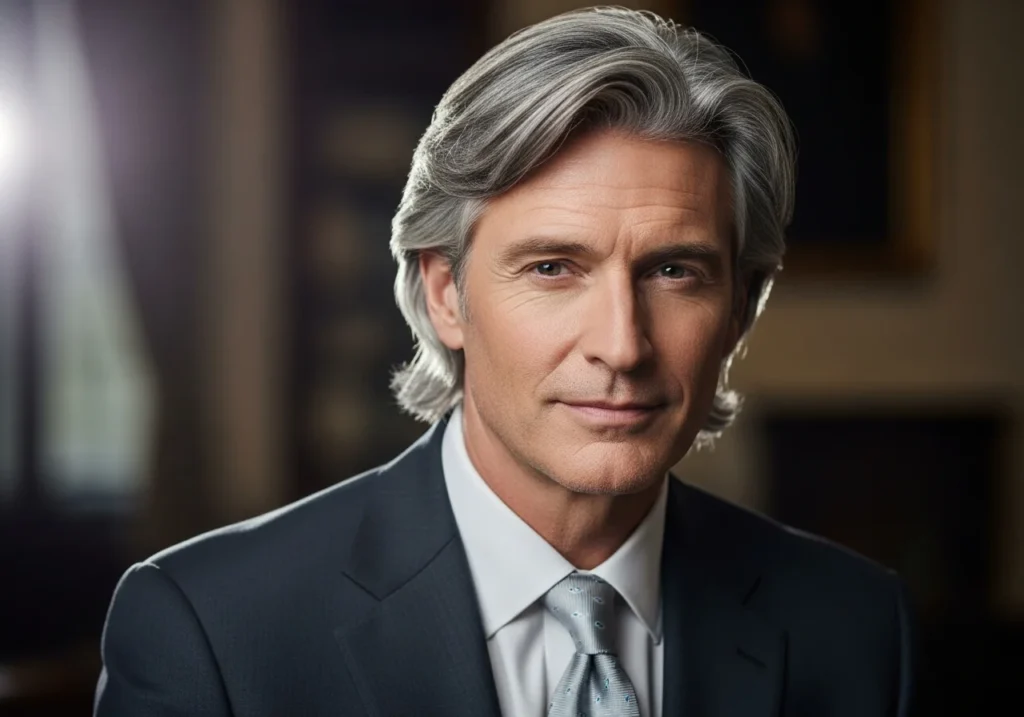
Wolf cuts are not exclusive to younger demographics, with mature men finding success through age-appropriate adaptations that maintain the style’s character while respecting their stage of life. Slightly more conservative layering and texturizing creates a refined version that looks distinguished rather than trying to appear younger. Keeping the overall length more moderate and avoiding extreme asymmetry or fashion colors helps the style feel appropriate for professional mature men.
Gray hair adds natural dimension to wolf cuts, with the color variation between darker and lighter strands enhancing the textured, layered structure. Many mature men find that the wolf cut finally gives them a style that works with rather than against their graying hair, celebrating the color change as an asset rather than something to hide. The low-maintenance nature of wolf cuts also appeals to mature men who may have less time or interest in extensive daily styling routines.
Adapting wolf cuts for thinning hair requires strategic placement of layers to create the illusion of fullness while working with reduced density. Focusing volume at the crown and top while keeping sides closer helps maximize the appearance of thickness in areas where hair remains strongest. For mature men experiencing significant hair loss, consulting with a barber experienced in working with thinning hair ensures realistic expectations and optimal results.
Regional and Cultural Variations
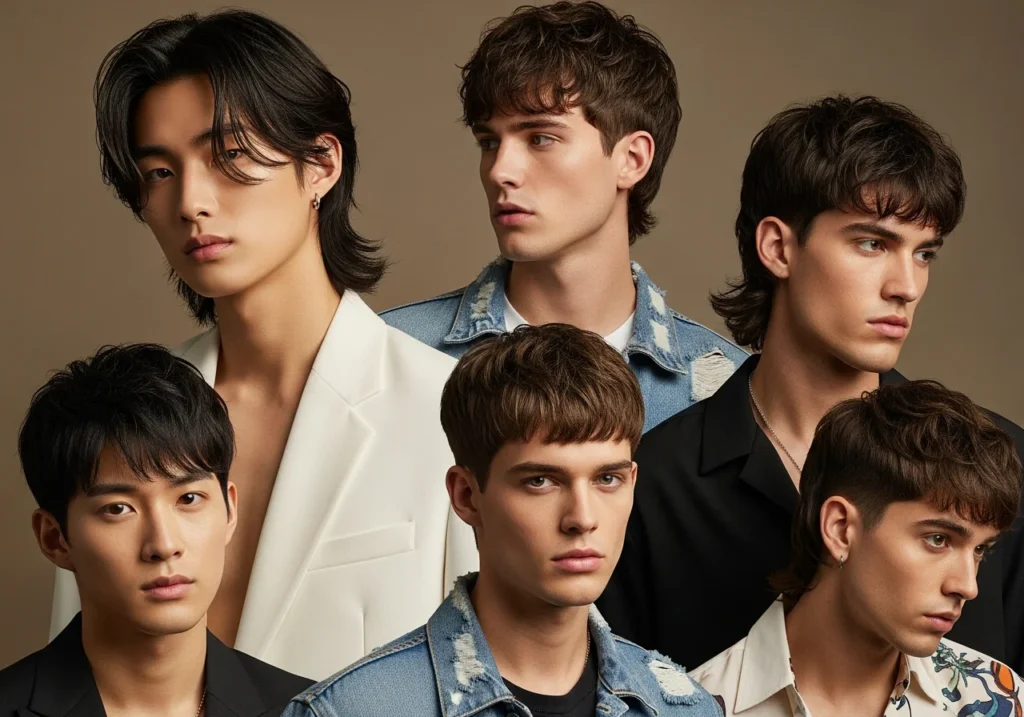
Wolf cuts manifest differently across various cultures and regions, reflecting local aesthetic preferences and hair care traditions. Asian interpretations, particularly from Korea and Japan, tend toward softer, more polished versions with emphasis on face-framing elements and careful styling. These versions often incorporate hair straightening or perming to achieve the desired texture, reflecting cultural beauty standards that value controlled, intentional presentation.
Western wolf cuts, particularly in North American and European contexts, often embrace more aggressive texture and deliberate dishevelment. These versions celebrate natural hair patterns and require less daily styling intervention, aligning with Western values around effortless style and natural beauty. The cultural difference manifests in both the cutting technique and the expected styling routine, with Western versions generally requiring less time and fewer products.
Latin American interpretations often incorporate elements of both Asian and Western approaches, creating hybrid styles that balance polish with natural texture. The region’s diverse hair types, from straight to very curly, have driven innovation in adapting wolf cuts across the texture spectrum. Brazilian and Argentinian barbers have become particularly known for their expertise in customizing wolf cuts to individual hair characteristics while maintaining the style’s essential character.
The Evolution of Wolf Haircuts
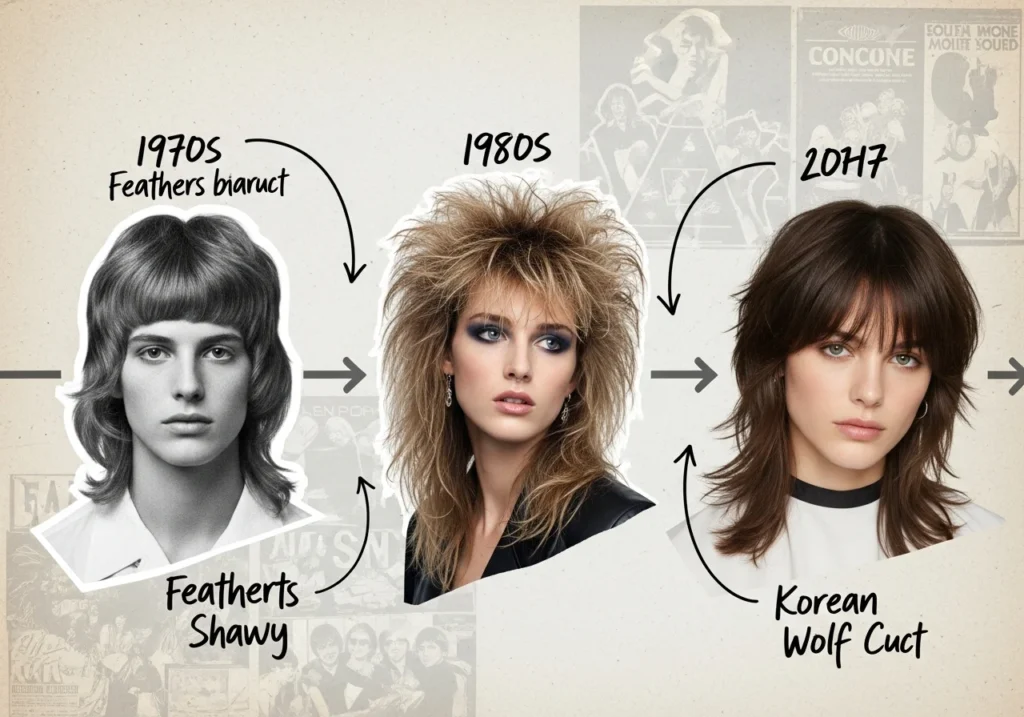
Understanding the wolf cut’s historical evolution provides context for its current popularity and hints at potential future developments. The style draws inspiration from various historical moments, including seventies shag cuts, eighties rock hair, and nineties grunge aesthetics, synthesizing these influences into something that feels contemporary. The name itself references the wild, untamed appearance that the cut creates, evoking images of natural freedom and rejection of conventional grooming standards.
The modern wolf cut’s emergence in Korean pop culture during the late 2010s represented a departure from the extremely polished, styled looks that had dominated Asian men’s fashion. As K-pop’s global influence grew, the wolf cut spread internationally, adapted and reinterpreted by different cultures and subcultures. Each adaptation has contributed new elements while maintaining the core principles of heavy layering, textured volume, and effortless-looking finish.
Current trends suggest the wolf cut will continue evolving, with future iterations likely incorporating technological advances in cutting tools and techniques. As barbers become more skilled with the style and more men request it, the range of variations continues to expand. The style’s fundamental compatibility with diverse hair types and face shapes suggests longevity beyond typical trend cycles, potentially establishing the wolf cut as a permanent option in the men’s hairstyling repertoire.
Conclusion
The wolf haircut represents far more than a passing trend in men’s grooming. Its remarkable versatility, low-maintenance requirements, and ability to flatter various face shapes and hair types have established it as a legitimate long-term styling option. Whether you gravitate toward the softer Korean interpretations, edgier Western variations, or something entirely unique, the wolf cut provides a framework for personal expression that few other hairstyles can match.
Success with wolf haircuts requires finding a skilled barber who understands the technical aspects of creating proper layering and texture while listening to your specific needs and preferences. The initial consultation should cover your hair type, lifestyle considerations, styling commitment level, and aesthetic goals to ensure the resulting cut aligns with realistic expectations. Remember that even the best wolf cut requires some styling effort and regular maintenance appointments to preserve its distinctive shape.
For men considering this bold style choice, start by collecting reference images that resonate with your personal aesthetic. Communicate clearly with your barber about which elements appeal to you and which you want to avoid. Be prepared for a learning period as you discover how your specific hair responds to the cut and which products and techniques work best for your daily routine. The investment of time and experimentation pays dividends in a signature style that turns heads while remaining authentically you.
Frequently Asked Questions
How often should I get my wolf haircut trimmed?
Most men need professional trims every four to six weeks to maintain the wolf cut’s distinctive layered structure. Those with slower-growing hair might extend this to eight weeks, while men with very fast hair growth may need appointments every three to four weeks. Regular trims prevent the layers from growing out disproportionately and ensure the style retains its intended shape and texture.
Can wolf haircuts work with receding hairlines?
Yes, wolf haircuts can be adapted for receding hairlines by adjusting the placement of layers and volume. Focus shifts to creating height at the crown rather than the front hairline, while longer face-framing pieces can partially camouflage the recession. Working with an experienced barber who can customize the cut to your specific hair loss pattern ensures the best possible results without drawing attention to areas of concern.
What products do I need to style a wolf haircut?
Essential products include a texturizing spray or sea salt spray for creating tousled texture, a matte finish pomade or fiber cream for definition and hold, and a quality shampoo and conditioner appropriate for your hair type. Optional additions include texturizing powder for volume, heat protectant if using styling tools, and leave-in conditioner for maintaining hair health between washes.
Will a wolf haircut make my face look rounder?
Properly executed wolf haircuts can actually help minimize face roundness through strategic layering. Longer face-framing pieces create vertical lines that elongate the face visually, while keeping adequate height at the crown draws the eye upward. Avoid excessive volume at the sides, which can add width, and work with your barber to customize the cut to your specific face shape concerns.
How long does hair need to be before getting a wolf cut?
Minimum hair length varies depending on the desired wolf cut style, but generally at least four to six inches on top and six to eight inches at the back provides enough length for proper layering. Shorter hair can be cut into wolf-inspired styles with modified proportions, while those with very long hair have maximum flexibility for dramatic layering and texture creation.
You may also like this post: Flow Haircut with Beard Combos That Always Work

One Comment