
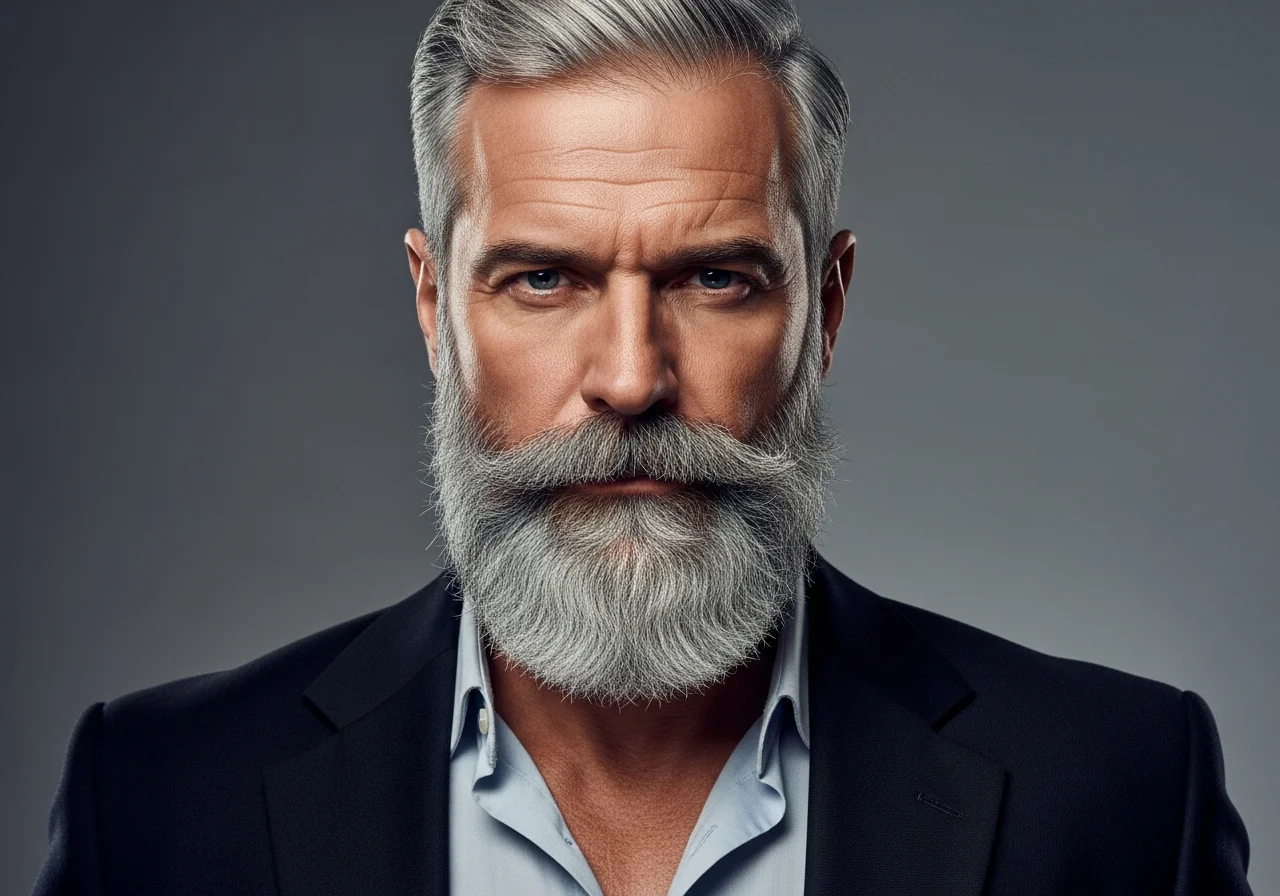
Are Gray Beards Attractive? [Style & Science Explained]
The first time you notice silver strands threading through your beard can trigger an unexpected moment of self-reflection. For many men, this discovery raises an immediate question: does gray make me look distinguished or simply old? The answer, backed by both scientific research and cultural observation, might surprise you. Gray beards have experienced a remarkable transformation in public perception, shifting from markers of decline to symbols of sophistication and maturity.
Understanding whether gray beards are attractive requires examining multiple dimensions beyond simple aesthetics. The science of attraction involves evolutionary psychology, cultural conditioning, and individual preferences that vary across demographics and societies. What remains consistent across studies is that gray beards communicate specific messages about age, experience, and character that many people find appealing. The key lies not in the gray itself but in how that gray is worn and maintained.
This exploration delves into the scientific research on gray beard attractiveness, examines real opinions from those who find them appealing, addresses common misconceptions, and provides practical guidance for making the most of silver facial hair. Whether you are already sporting gray or anticipating its arrival, understanding the full picture helps you approach this natural transition with confidence rather than concern.
The Science Behind Gray Beard Attractiveness

Gray hair results from decreased melanin production in hair follicles as we age. This biological process affects beard hair particularly noticeably because facial hair often grays earlier and more dramatically than scalp hair. The hormone dihydrotestosterone, responsible for beard growth, continues functioning even as melanin production declines, resulting in coarser gray hairs that grow at similar or sometimes faster rates than pigmented ones.
Research into beard attractiveness presents nuanced findings. A study published in Evolutionary Psychology in 2019 demonstrated that men with gray beards received higher ratings for distinction and authority compared to clean-shaven counterparts. Importantly, this effect intensified when beards appeared well-groomed rather than unkempt, suggesting that maintenance matters as much as color. The study participants associated gray beards with characteristics including experience, stability, and leadership qualities.
Additional research from the University of Abertay in 2010 found that women across various age groups and economic backgrounds showed preference for older men, with gray hair serving as one visual indicator of maturity. This preference connects to evolutionary theories suggesting that visible signs of aging in males can signal survival fitness, accumulated resources, and proven genetic viability. A Match.com survey from 2022 reinforced these findings, with 72 percent of women over 30 stating that gray beards made men appear more confident and mature.
However, studies also reveal complexity in beard attractiveness judgments. Research published in Behavioral Ecology found that while beards enhanced perceptions of age, social status, and masculinity, direct attractiveness ratings varied based on cultural context and individual circumstances. Clean-shaven faces sometimes received higher attractiveness scores, particularly in cultures where beards were less common. This suggests that distinctiveness plays a role, with gray beards standing out more favorably in environments where they are less ubiquitous.
The psychology of gray beard attraction extends beyond simple preference to encompass associated characteristics. Studies consistently show that bearded men are perceived as more masculine, dominant, and physically formidable. Gray beards specifically add layers of perceived wisdom, trustworthiness, and stability. Research participants rated men with gray beards as likely to possess better parenting skills and higher social status, attributes that enhance overall attractiveness beyond physical appearance alone.
What Women Actually Think About Gray Beards

Direct surveys and interviews with women provide revealing insights into gray beard preferences. While individual tastes vary considerably, patterns emerge suggesting that many women view gray beards positively, particularly when assessing potential partners for serious relationships rather than casual encounters. The characteristics women associate with gray beards align with traits valued in long-term partnerships including emotional maturity, financial stability, and reliability.
Women in their twenties through forties frequently cite confidence as the most attractive quality in men with gray beards. As one survey respondent explained, a gray beard suggests a man who has accepted himself and no longer feels pressure to conform to youth-oriented beauty standards. This self-acceptance translates to confidence that many find more appealing than the gray itself. The visual indicator becomes secondary to the attitude it represents.
The term silver fox captures the cultural appreciation for men who wear gray hair with style and assurance. Celebrity examples including George Clooney, Idris Elba, and Pierce Brosnan demonstrate how gray beards can enhance rather than diminish attractiveness when paired with good grooming and confident presentation. These public figures have helped reshape perceptions, making gray beards aspirational rather than something to hide or apologize for.
Relationship coaches note that women seeking mature partners often specifically appreciate gray beards as honest indicators of age and experience. In an era where many people present carefully curated images, visible signs of aging can signal authenticity. Women tired of dating men who avoid responsibility or commitment sometimes view gray beards as visual shortcuts to identifying partners more likely to offer stability and emotional depth.
Not all women share these preferences, of course. Younger women or those primarily attracted to youth may prefer darker beards or clean-shaven faces. Cultural background also influences preferences, with some societies viewing gray as distinguished while others emphasize youthful appearance. The variability in individual taste means no single beard style universally maximizes attractiveness. What matters most is finding partners whose preferences align with your authentic presentation.
Gray Beards and Masculinity
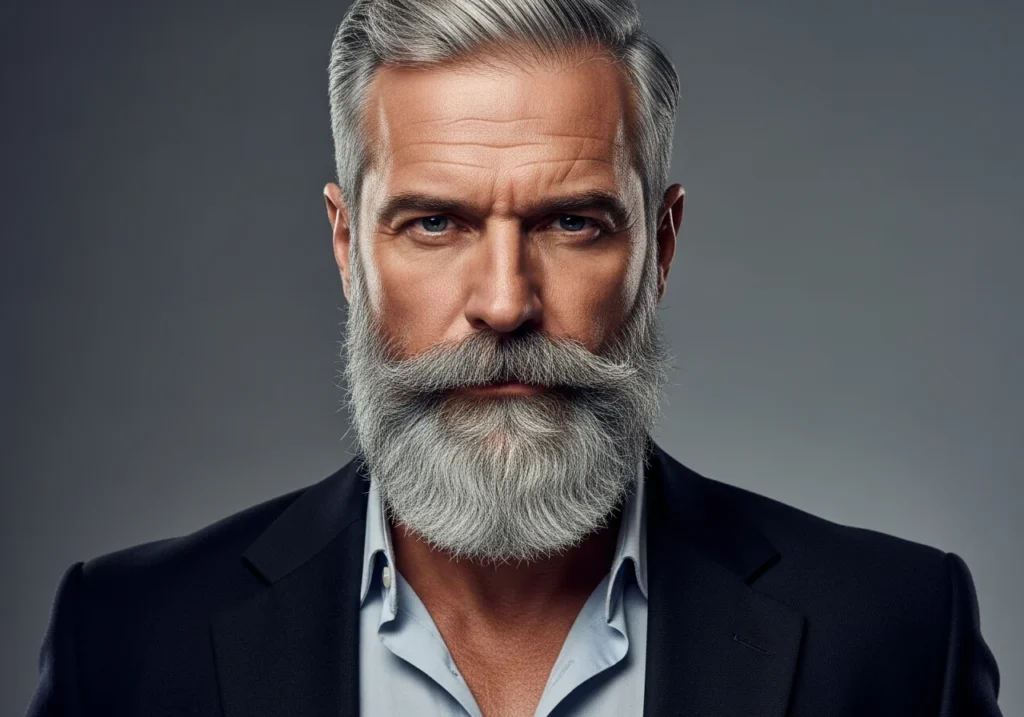
Gray beards occupy an interesting space in masculine presentation, simultaneously signaling maturity and maintaining traditionally masculine characteristics. Research consistently demonstrates that beards enhance perceptions of masculinity regardless of color, with the added gray contributing associations with experienced masculinity rather than youthful virility. This distinction matters for men seeking to project authority, competence, and seasoned strength.
Studies examining masculine traits find that bearded men are rated higher on dominance, aggression, and physical formidability compared to clean-shaven men. Gray beards maintain these associations while adding dimensions of wisdom and control. The combination suggests a man who possesses masculine strength tempered by experience and judgment. This nuanced masculinity appeals to people seeking partners who balance strength with emotional intelligence.
The texture changes that accompany gray beard hair contribute to masculine presentation. Gray hairs grow coarser and often fuller than pigmented hairs, creating beards with more presence and volume. When properly maintained, this increased coarseness translates to beards that look substantial and well-established. The visual weight of a full gray beard commands attention and respect in ways that thinner or patchier beards cannot achieve.
Professional contexts reveal interesting dynamics around gray beards and masculinity. Research on workplace perceptions shows that gray-bearded men are often perceived as more competent and trustworthy, particularly in fields requiring experience and judgment. The masculine authority conveyed by gray beards can provide advantages in leadership positions, negotiations, and client-facing roles where appearing seasoned benefits professional outcomes.
Cultural variations in masculine ideals affect how gray beards are received. Western cultures increasingly embrace the distinguished gentleman aesthetic, viewing gray beards as markers of sophisticated masculinity. Some Asian cultures traditionally associate gray hair with wisdom and respect but may prize smooth skin over facial hair. Understanding cultural context helps men navigate how their gray beards will be perceived in different environments.
Common Myths About Gray Beards
Several persistent myths about gray beards deserve examination and correction. The most damaging misconception suggests that gray always equals old age and declining attractiveness. This myth ignores that graying patterns vary widely, with some men showing significant gray in their twenties and thirties while others maintain color into their fifties. Gray results from genetics and individual biology rather than serving as reliable age indicators.
Another myth claims that women exclusively prefer young men with dark hair. Research contradicts this assumption, showing that mature women particularly, but also many younger women, rank qualities associated with maturity and stability higher than physical youth markers. The narrative that youthfulness universally trumps experience fails to account for varied relationship priorities and the reality that many people seek partners who demonstrate life competence.
Some men believe gray beards indicate poor health or declining vitality. Medical science does not support this connection. Graying results from melanin reduction in hair follicles, a genetic process unrelated to overall health status. Men with gray beards can be as healthy, active, and vital as those with dark hair. The myth likely stems from general cultural anxieties about aging rather than factual health correlations.
The assumption that professional environments require dyed beards to appear competent represents another misconception. Studies examining workplace perceptions found that well-groomed gray beards received comparable or higher ratings for professionalism and competence compared to darker beards. The grooming quality mattered far more than color. Attempts to hide gray through dyeing can sometimes appear less professional than confidently wearing natural silver.
A final myth suggests gray beards require completely different care than pigmented beards. While gray beard hair does exhibit textural differences requiring specific attention to moisturizing and conditioning, the fundamental grooming principles remain consistent. Quality cleansing, regular trimming, and proper hydration benefit beards regardless of color. The myth that gray beards demand entirely separate product lines or techniques overstates the actual care differences.
Essential Gray Beard Grooming
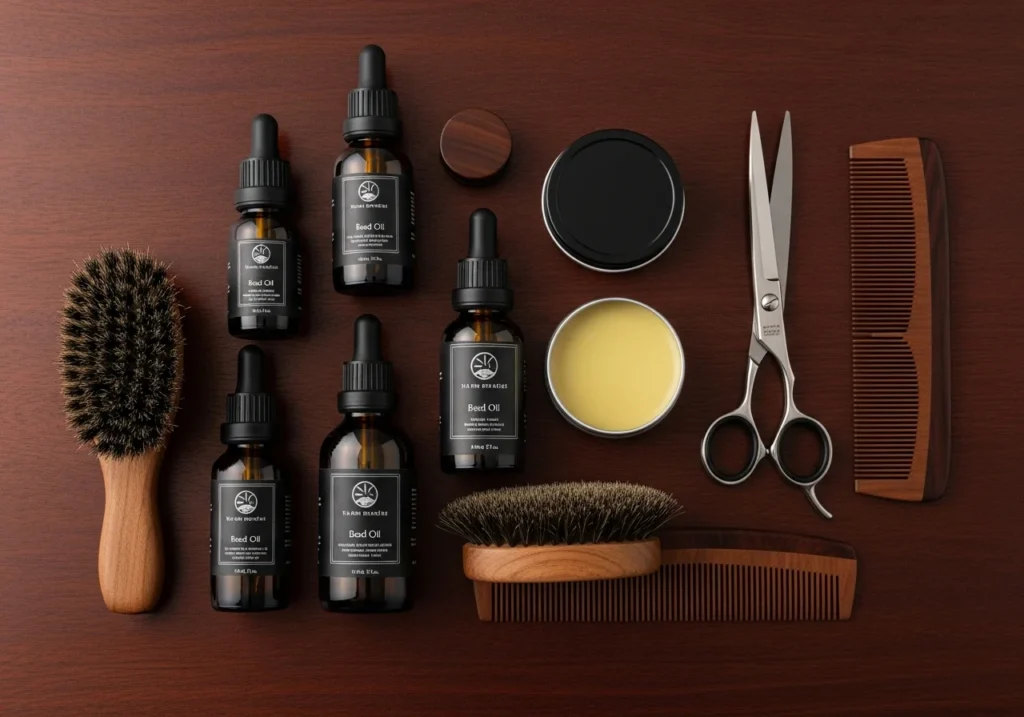
Maintaining an attractive gray beard requires attention to the unique characteristics of gray hair. Gray beard hairs grow coarser and drier than pigmented hairs due to reduced oil production in aging follicles. This textural change necessitates enhanced moisturizing to prevent the wiry, brittle appearance that can make gray beards look unkempt. Quality beard oil becomes essential rather than optional for gray beard maintenance.
Regular washing with gentle, sulfate-free beard shampoo prevents the yellowing that sometimes affects gray beards. Environmental factors including pollution, cigarette smoke, and certain minerals in water can cause gray hairs to develop yellowish or dingy tints. Specialized purple-tinted shampoos designed for gray hair can neutralize yellow tones, keeping silver beards looking crisp and bright. Washing frequency should balance cleanliness with avoiding excessive stripping of natural oils.
Conditioning represents perhaps the most critical step in gray beard care. After washing, apply beard conditioner or softener specifically formulated for coarse hair. These products penetrate the hair shaft, improving manageability and reducing the scratchy texture that frustrates many men with gray beards. Leave conditioner on for several minutes before rinsing to maximize absorption. Daily conditioning may benefit particularly coarse or dry gray beards.
Trimming and shaping become more important as beards gray because the coarser texture can appear messy when overgrown. Regular trims every two to three weeks maintain clean lines and prevent split ends. Consider slightly shorter styles that emphasize neatness over length, as gray beards sometimes look sharper when kept relatively tight. Professional barber services quarterly or monthly can ensure proper shaping while daily maintenance keeps things tidy between appointments.
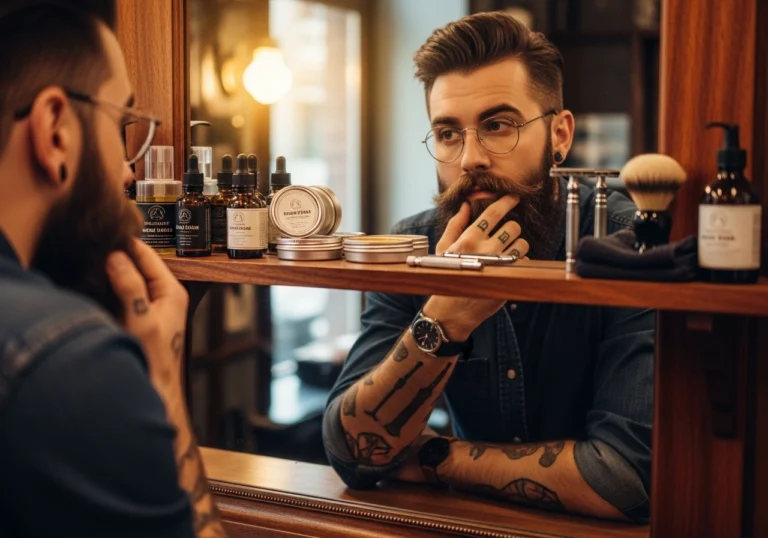
Beard oil application should occur daily, ideally after showering when hair and skin are clean but still slightly damp. Use more oil than you might with pigmented beards since gray hair absorbs moisture more readily. Massage oil thoroughly into both the beard and underlying skin, which also tends toward dryness with age. Quality oils containing jojoba, argan, or coconut oil provide optimal hydration. Beard balms can supplement oils for additional hold and conditioning.
Styling Options for Gray Beards
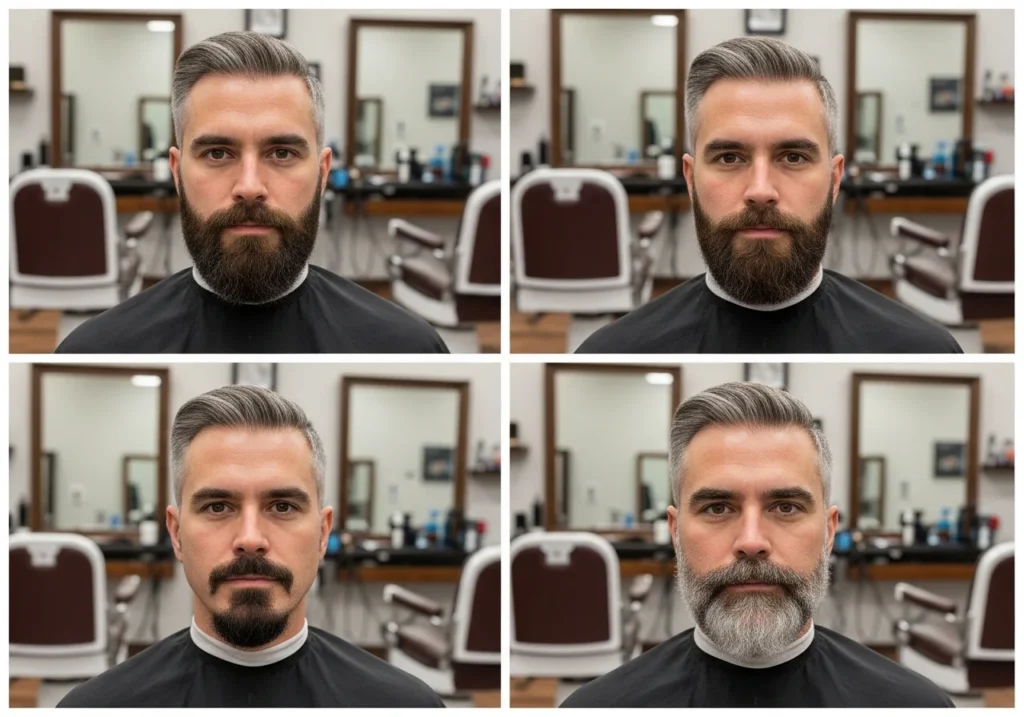
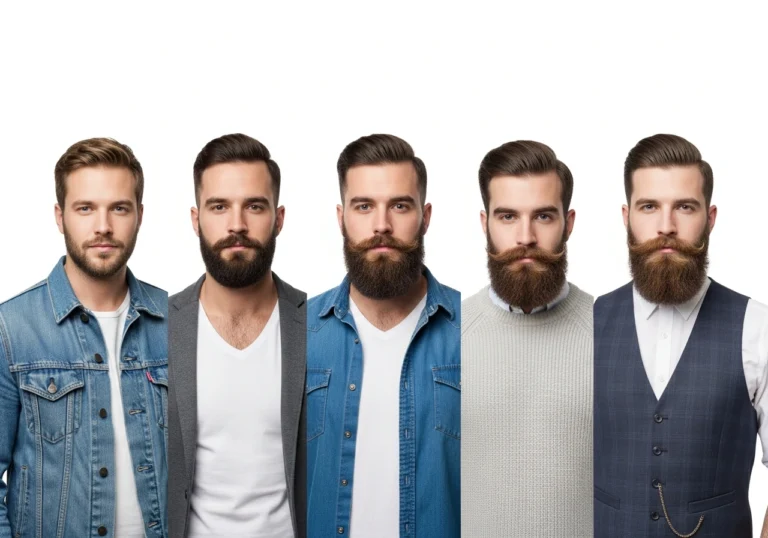
Gray beards offer versatile styling possibilities that can enhance different face shapes and personal aesthetics. The full beard remains popular for gray-haired men because the volume and coverage possible with coarser gray hair creates impressive, distinguished looks. Full beards work particularly well for men with strong jaw lines, as the gray frames facial structure while adding gravitas. Keep full gray beards relatively neat rather than wild to maintain distinguished rather than disheveled appearance.
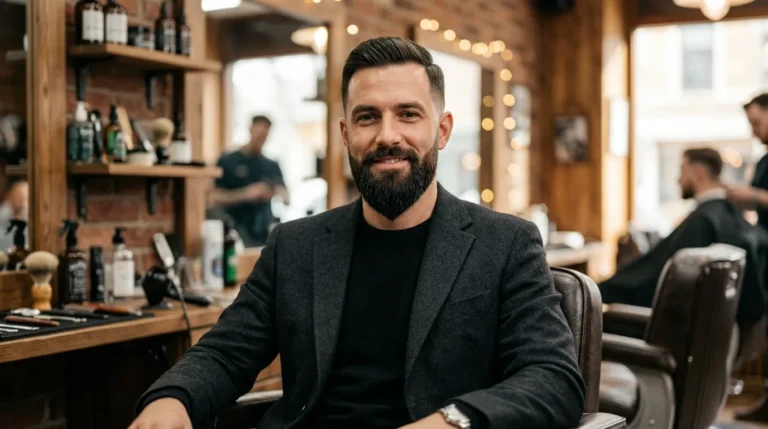
The short boxed beard provides excellent options for gray-haired men seeking professional presentation. This style features squared edges along the jaw and defined lines around the cheeks and neck. The geometric precision creates crisp, intentional appearance that counteracts any perception that gray indicates lack of attention to grooming. Short boxed beards suit most face shapes and work well in conservative professional environments.
Goatee styles can highlight gray dramatically while requiring less overall facial hair. The concentrated patch of gray below the chin creates focal point that draws attention to the mouth and lower face. Goatees work well for men whose gray grows patchily or who prefer lighter beard presence. The style can appear more casual or artistic than full beards, fitting creative professional contexts or relaxed personal styles.
The salt and pepper look, where gray mixes with remaining dark hair, offers natural styling option that some find particularly attractive. Rather than uniform gray, salt and pepper beards show color variation that adds visual interest and dimension. This natural pattern often appears during transitional graying phases and can be maintained by resisting the urge to dye. The mixed coloring creates casual, authentic aesthetic many people find appealing.
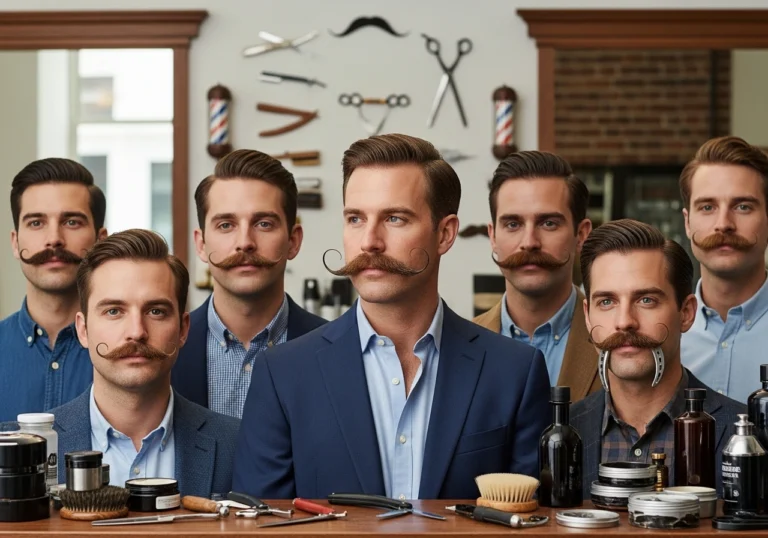
Mustache-focused styles allow men to emphasize gray in specific areas while keeping other facial hair minimal or absent. A gray mustache paired with clean-shaven cheeks and chin creates distinctive look associated with certain professional fields and masculine archetypes. This approach works well for men whose mustache hair grays before other areas or who prefer lighter overall beard coverage while still showcasing silver hair.
Cultural Perspectives on Gray Beards
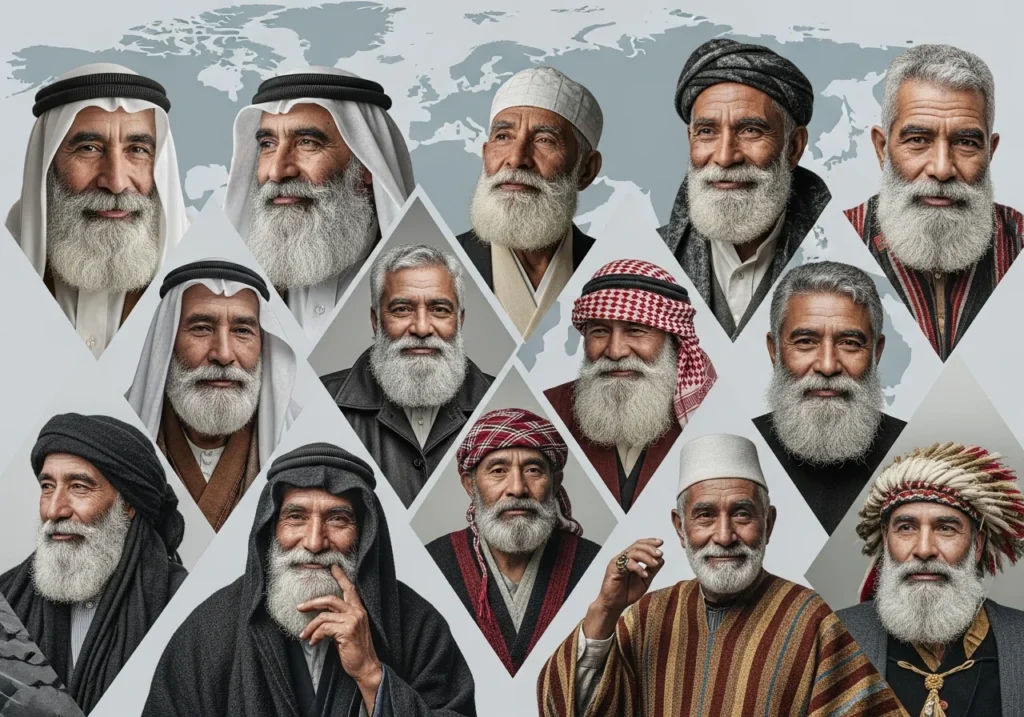
Cultural context significantly influences how gray beards are perceived and valued. Western cultures, particularly in North America and Europe, increasingly associate gray beards with distinction and sophisticated masculinity. The silver fox concept celebrates gray-haired men as objects of desire, with media representation supporting this perception. Celebrity culture has reinforced positive associations, making gray beards trendy rather than merely accepted.
Japanese culture traditionally views gray hair as symbol of wisdom and life experience worthy of respect. However, facial hair overall receives mixed acceptance in Japanese society, with many professional contexts preferring clean-shaven appearance. Men with gray beards in Japan may be respected for age and experience while simultaneously viewed as unconventional for maintaining facial hair. The cultural complexity creates nuanced reception.
Latin American cultures show varied responses to gray beards depending on specific countries and social classes. Some Latin cultures emphasize youthful appearance more strongly, with men more likely to dye gray hair than in Anglo cultures. However, distinguished older men with gray beards also receive respect, particularly in professional and political spheres. The balance between youth preference and respect for maturity creates cultural tension around gray beard desirability.
Middle Eastern cultures often view beards as important masculine symbols and signs of religious devotion. Gray beards carry particular significance in Islamic traditions as markers of wisdom and age-earned authority. Men with gray beards may receive enhanced social status and respect in these cultural contexts. The intersection of religious significance with cultural aging concepts creates strongly positive associations with gray facial hair.
Indian culture demonstrates complex beard attitudes influenced by religion, region, and modernization. Sikh men who maintain uncut beards often develop distinguished gray beards as they age, viewing them as natural expressions of faith and masculinity. Other Indian communities show more varied attitudes, with urban professional contexts sometimes preferring clean-shaven appearance while rural and traditional settings respect bearded elders. Gray beards can signal wisdom and authority particularly in older generations.
Confidence and Gray Beards

The relationship between confidence and gray beard attractiveness cannot be overstated. Research and anecdotal evidence consistently show that attitude toward gray matters more than the gray itself. Men who wear silver beards with assurance and pride project attractiveness that transcends physical appearance. This confidence signals self-acceptance and emotional maturity that many people find deeply appealing in potential partners and respected colleagues.
Developing confidence with gray beards often requires mental adjustment, particularly for men who associate gray with decline rather than distinction. Reframing gray as badge of experience rather than marker of aging helps shift self-perception. Recognizing that gray beards result from lived experience, accumulated wisdom, and survival to maturity can transform how men view their changing appearance. This cognitive reframing supports genuine confidence rather than forced acceptance.
Social reinforcement influences confidence with gray beards. Men who receive positive feedback about their silver facial hair from partners, colleagues, and friends develop stronger confidence in their appearance. Seeking out and accepting compliments helps counteract internal negative narratives about aging. Surrounding yourself with people who appreciate maturity and authentic presentation reinforces confident attitudes toward gray beards.
Professional success can bolster confidence in gray beard presentation. Men who observe that their gray beards enhance rather than hinder career advancement develop positive associations with their appearance. The authority and competence projected by well-maintained gray beards often translate to professional benefits that reinforce confidence. Success becomes self-reinforcing as confidence improves presentation which improves outcomes.
Physical fitness and overall health maintenance support confidence with gray beards. Men who maintain strong physical condition while allowing hair to gray naturally demonstrate that aging does not equal decline. The combination of fit body with silver beard creates powerful image of vital maturity. This holistic approach to aging well supports authentic confidence that enhances gray beard attractiveness.
Maintenance Beyond Grooming

Attractive gray beards require attention extending beyond basic grooming to overall lifestyle factors. Diet significantly impacts beard health and appearance. Gray beards benefit from nutrition rich in proteins, vitamins, and minerals that support hair structure and skin health. Biotin, vitamin E, omega-3 fatty acids, and zinc particularly contribute to strong, healthy beard growth. Poor nutrition manifests visibly in beard quality, making healthy eating important for attractive gray facial hair.
Hydration affects beard texture and skin condition beneath beards. Adequate water intake keeps skin healthy and supports natural oil production that conditions beard hair from within. Dehydration contributes to dry, brittle beard hair and flaky skin that compromises gray beard appearance. Drinking sufficient water represents simple but effective maintenance for attractive beards at any age.
Stress management influences both graying rate and beard health. While genetics primarily determine when and how beards gray, chronic stress can accelerate the process and worsen beard condition. High stress affects hormone levels and nutrient absorption, both relevant to beard health. Managing stress through exercise, adequate sleep, and relaxation practices supports better beard appearance alongside numerous other health benefits.
Sun protection prevents damage to gray beards, which lack the melanin that provides some natural UV protection in pigmented hair. Extended sun exposure can cause gray beards to develop yellowish discoloration and damage hair structure. Using beard oils with natural SPF protection or wearing hats during prolonged outdoor activities preserves gray beard appearance. This protection matters particularly for men who spend significant time outdoors.
Regular health checkups ensure that sudden changes in beard growth, texture, or graying patterns receive appropriate medical attention. While gradual graying represents normal aging, dramatic or rapid changes might indicate underlying health issues. Maintaining good relationships with healthcare providers who understand your health baseline helps distinguish normal aging from potential problems requiring intervention.
Gray Beards in Professional Settings

Professional environments increasingly accept and even value gray beards when properly maintained. The authority and experience signaled by gray facial hair can provide advantages in leadership positions, client relations, and roles requiring demonstrated expertise. Research on workplace perceptions shows that well-groomed gray beards receive high ratings for competence, trustworthiness, and professional presence.
Industry context influences gray beard reception in professional settings. Creative fields, technology companies, and entrepreneurial environments generally show high acceptance of gray beards as markers of experience and seasoned judgment. Traditional corporate environments and conservative industries may require more attention to grooming standards but increasingly accept gray beards that meet professional appearance expectations. Understanding your specific industry norms helps optimize professional presentation.
Client-facing roles can benefit from gray beard presence when clients value experience and expertise. Consultants, attorneys, financial advisors, and medical professionals often find that gray beards enhance perceived credibility with clients seeking proven competence. The visual shorthand of gray suggesting experience can support professional relationships and client confidence. This advantage increases with client age, as older clients particularly respond positively to professionals showing similar life stage markers.
Team leadership positions may benefit from the authority projection of gray beards. Employees and colleagues often perceive gray-bearded leaders as more experienced and capable, potentially easing leadership challenges. However, this benefit depends heavily on actual competence and leadership skill. Gray beards can enhance perception of existing capability but cannot substitute for genuine leadership qualities.
Grooming standards in professional settings require particular attention for gray beards. While gray itself gains acceptance, unkempt gray beards face harsher judgment than messy dark beards because they can reinforce aging stereotypes. Professional gray beards must be clean, well-trimmed, and intentionally styled. The distinction between distinguished and disheveled appears narrower for gray beards, making consistent grooming essential for professional success.
Embracing Natural Aging

Choosing to embrace gray beards rather than dye them represents broader attitude toward aging and authenticity. This decision reflects personal values around natural appearance versus modified presentation. Men who allow beards to gray naturally often report liberation from constant maintenance and pressure to appear younger than their years. The authenticity of natural gray can feel more comfortable than ongoing efforts to conceal aging.
Social trends increasingly support natural aging presentation. Cultural shifts away from rigid beauty standards toward body positivity and age acceptance create more supportive environments for men with gray beards. Social media movements celebrating silver hair and distinguished aging provide community and validation for men embracing natural appearance. These broader cultural changes make gray beards more socially acceptable and even fashionable.
Partner preferences significantly influence decisions about embracing gray beards. Men in relationships should discuss appearance preferences with partners rather than assuming reactions. Many partners appreciate authenticity and natural aging over artificial youth maintenance. Open communication about appearance choices strengthens relationships while ensuring both partners feel comfortable with grooming decisions.
Personal comfort ultimately determines whether embracing gray beards feels right. Some men genuinely prefer how they look with gray beards and feel more themselves with natural presentation. Others never fully adjust and prefer color maintenance. Neither choice is inherently better, but authentic comfort with your appearance matters more than following trends or meeting others’ expectations.
The practical benefits of embracing gray include reduced maintenance time and expense. Dyeing beards requires ongoing purchases of color products and time investment in regular application. Gray beards eliminate this maintenance burden. The time and money saved can be redirected toward quality grooming products and professional services that enhance rather than hide natural appearance.
Conclusion
The question of whether gray beards are attractive yields affirmative answers supported by scientific research, cultural observation, and direct testimony from those who find them appealing. Gray beards communicate maturity, experience, confidence, and authenticity that many people value in partners and respected professionals. The distinction and authority projected by well-maintained gray beards often enhance rather than diminish attractiveness for men who wear them with confidence.
Understanding that attractiveness extends beyond physical appearance to encompass associated characteristics proves crucial. Gray beards signal traits including emotional maturity, stability, wisdom, and self-acceptance that form foundations for meaningful relationships and professional respect. The visual indicator matters less than the qualities it represents and the confidence with which it is presented.
Maintenance and grooming determine whether gray beards achieve their attractive potential. Coarse gray beard hair requires consistent moisturizing, gentle cleansing, and regular trimming to look distinguished rather than unkempt. Men who invest time and resources in proper gray beard care maximize the positive associations while avoiding the pitfalls of poor maintenance. The distinction between attractive and unattractive gray beards often reduces to grooming quality rather than the gray itself.
Cultural context and individual circumstances influence how gray beards are received, reminding us that no single standard of attractiveness applies universally. Men should consider their specific environments, personal style preferences, and authentic comfort when deciding how to present their gray beards. The most attractive approach aligns external presentation with internal confidence and personal values.
Ultimately, gray beards offer men opportunity to embrace natural aging with style and dignity. The choice to wear gray proudly rather than hide it represents confidence that many find more attractive than any specific hair color. As cultural attitudes continue evolving toward greater acceptance of authentic aging, gray beards stand positioned to receive increasing appreciation as markers of distinguished masculinity and seasoned attractiveness.
Frequently Asked Questions
Do most women find gray beards attractive?
Research shows that many women, particularly those over 30, find gray beards attractive and associate them with maturity, confidence, and stability. A 2022 Match.com survey found 72 percent of women over 30 said gray beards made men look more confident. However, preferences vary individually, with some women preferring darker beards or clean-shaven faces. What matters most is confidence and grooming quality rather than color alone.
Will having a gray beard make me look too old?
A well-groomed gray beard typically makes men look distinguished rather than simply old. The key difference lies in maintenance and styling. Neat, trimmed gray beards project sophistication and experience, while unkempt gray beards might reinforce negative aging stereotypes. Many men find that gray beards actually enhance their appearance by adding gravitas and masculine presence when properly cared for.
Should I dye my gray beard for professional reasons?
Research on workplace perceptions shows that well-groomed gray beards receive comparable or higher ratings for professionalism and competence compared to dyed beards. Most professional environments increasingly accept gray beards when properly maintained. Unless your specific industry has explicit grooming requirements, natural gray beards generally serve professional image well. Focus on excellent grooming rather than color modification.
Why does gray beard hair feel coarser than my original hair color?
Gray beard hair grows coarser because it lacks melanin, the pigment that gave your original hair color. Without melanin, the hair structure changes, becoming thicker and often more wiry. Additionally, aging follicles produce less natural oil, contributing to drier, rougher texture. This textural change is completely normal and can be managed effectively through proper conditioning and moisturizing with quality beard oils and balms.
How can I prevent my gray beard from turning yellow?
Gray beard yellowing results from environmental factors including smoke, pollution, and minerals in water. Prevent yellowing by washing regularly with sulfate-free beard shampoo, using purple-tinted shampoos designed for gray hair to neutralize yellow tones, avoiding smoke exposure, and protecting your beard from sun damage with oils containing natural SPF. Quality beard oil also helps seal the hair cuticle against environmental contaminants that cause discoloration.
2 Comments