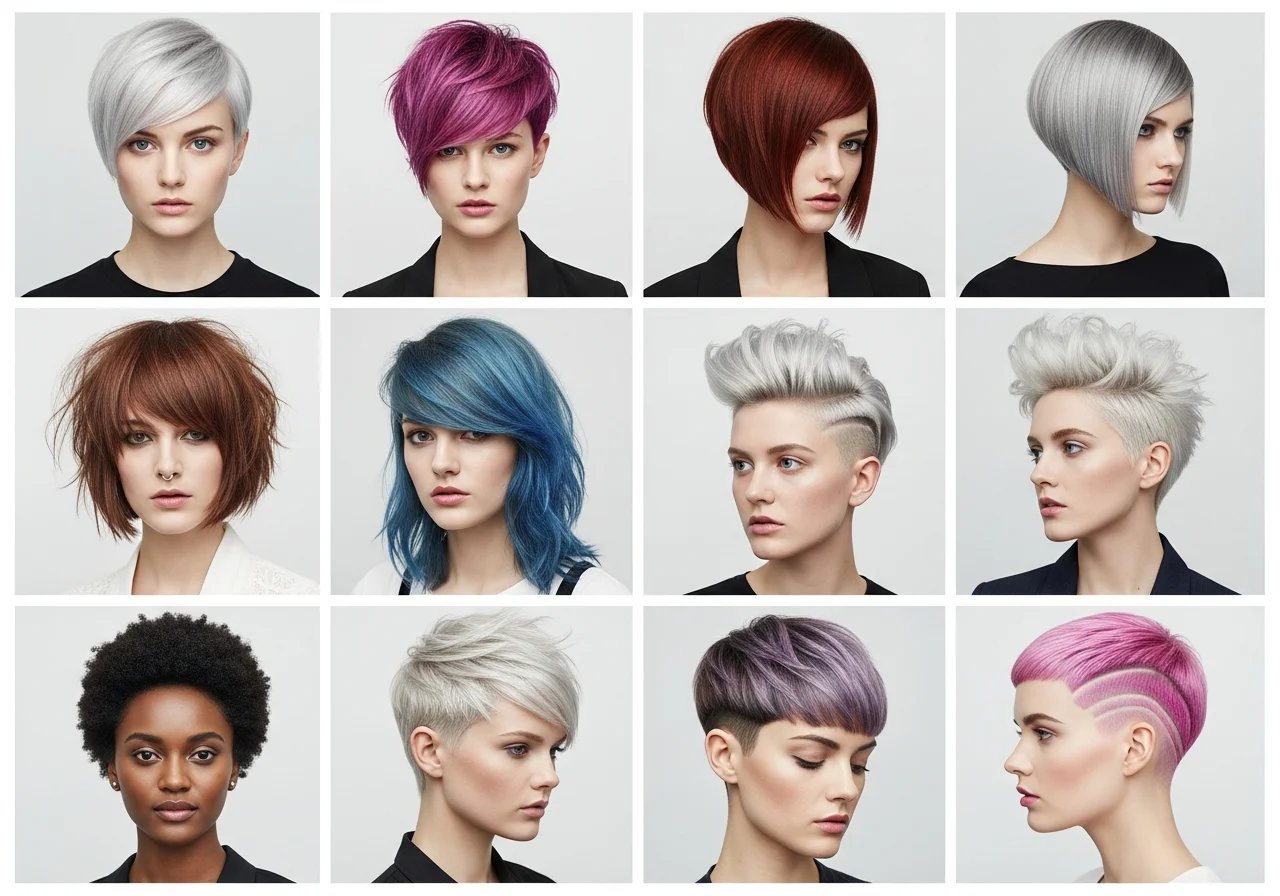
Short Alternative Haircut Ideas That Look Bold & Effortless
The world of alternative hairstyles has evolved far beyond simple rebellion. Today, short alternative haircuts represent a sophisticated blend of artistic expression and practical styling that speaks to anyone seeking authenticity in their appearance. These cuts challenge traditional beauty standards while offering surprisingly wearable options for everyday life.
Alternative haircuts draw inspiration from diverse subcultures including punk, grunge, emo, and modern streetwear aesthetics. What makes these styles particularly appealing is their ability to make bold statements without requiring constant maintenance. The beauty of going short with an alternative cut lies in the freedom it provides both aesthetically and practically.
Short alternative haircuts work with your natural texture rather than fighting against it. They embrace asymmetry, celebrate unusual color combinations, and prioritize individual expression over cookie-cutter trends. Whether you have straight, wavy, curly, or textured hair, there exists an alternative short cut designed to enhance your unique features while reflecting your personal style.
This comprehensive guide explores the most striking short alternative haircut ideas available today. From the shaggy wolf cut to the sharp pixie mullet, each style offers distinct advantages for different hair types, face shapes, and lifestyle needs. Understanding these options empowers you to make informed decisions about your next hair transformation.
Understanding Alternative Haircuts
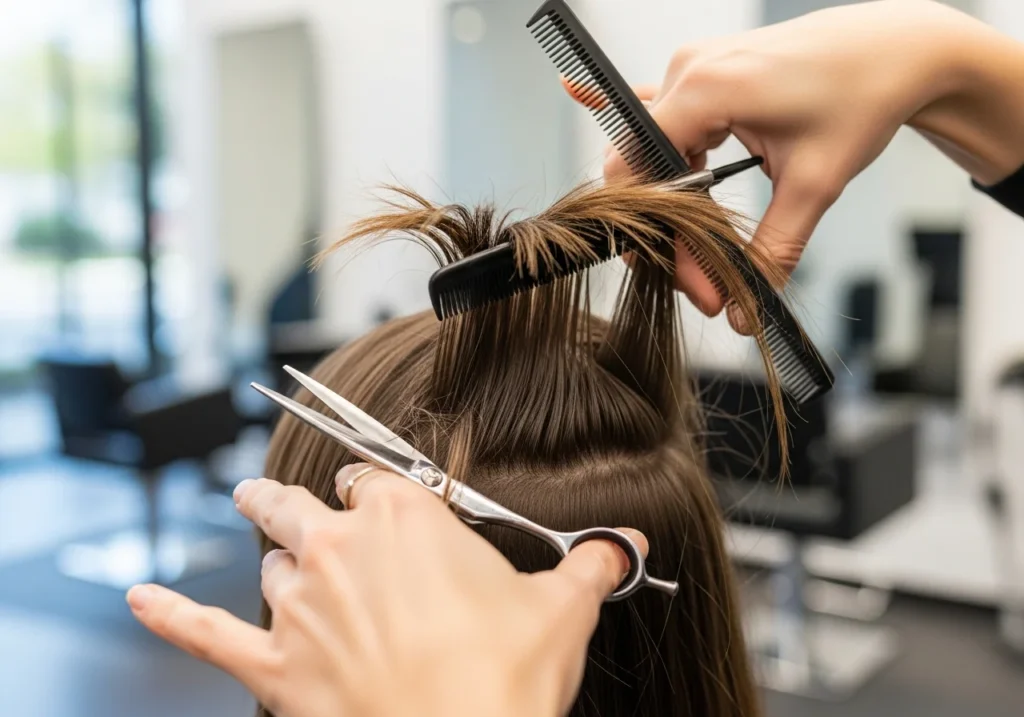
Alternative haircuts defy conventional styling rules. Unlike traditional cuts that prioritize uniformity and polish, alternative styles thrive on intentional imperfection. These cuts feature choppy layers, disconnected sections, and textured ends that create movement and visual interest.
The philosophy behind alternative haircuts centers on authenticity. These styles reject the notion that everyone should conform to the same beauty ideals. Instead, they celebrate individuality through unconventional shapes, unexpected color placements, and creative styling approaches.
Short alternative cuts particularly shine because they require minimal daily styling while maintaining maximum impact. The abbreviated length means less time wrestling with flat irons and curling wands. Most alternative short cuts look best with simple air-drying techniques and minimal product application.
Texture plays a crucial role in alternative haircuts. Stylists often use razoring techniques, point cutting, and layering methods that create piece-y, separated strands rather than blunt, uniform lines. This approach adds dimension and allows the hair to move naturally with body movement.
The Wolf Cut Revolution
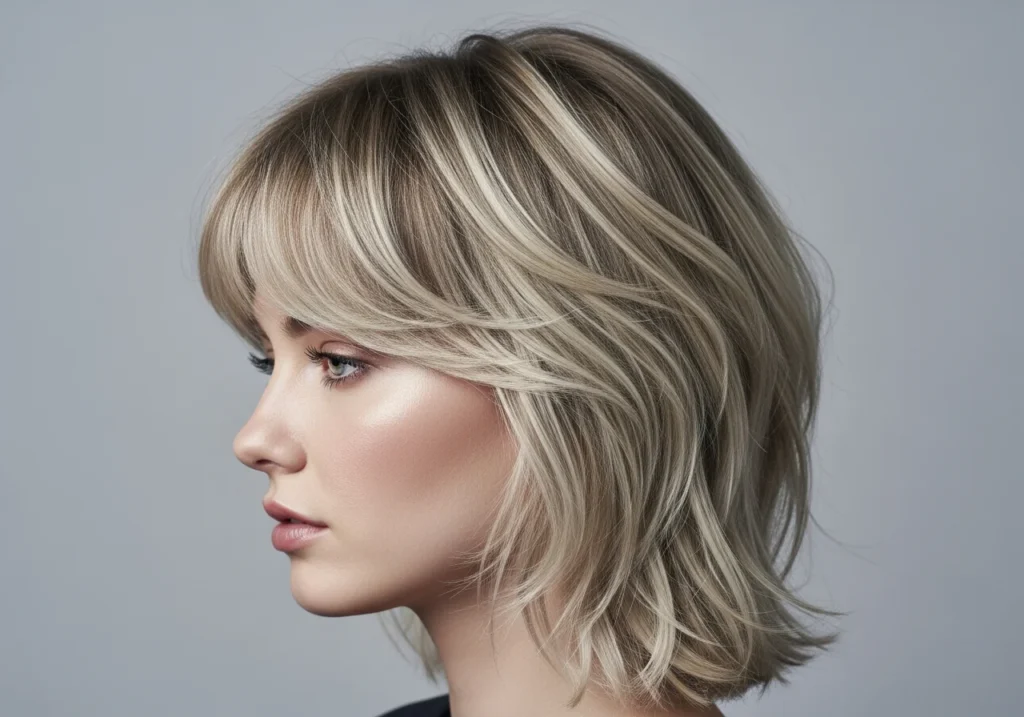
The wolf cut has emerged as one of the most popular alternative hairstyles in recent years. This hybrid style combines elements of the classic shag with the edgy structure of a mullet. Heavy, choppy layers at the crown transition into longer, wispy sections toward the nape, creating dramatic volume and movement.
Short wolf cuts work exceptionally well for those transitioning from longer hair or seeking to add body to fine strands. The layering technique removes weight while adding fullness at strategic points. The crown area receives concentrated volume through short, textured layers, while the perimeter maintains enough length to create a soft, feminine finish.
Styling a short wolf cut requires minimal effort. The disconnected layers naturally separate when air-dried, creating that coveted lived-in texture. For added definition, working a small amount of texturizing paste through damp hair before drying enhances the piece-y finish. The style looks equally compelling when worn sleek or tousled.
Face-framing layers constitute a key component of the wolf cut. These sections, often styled as curtain bangs, draw attention to cheekbones and eyes while softening angular jawlines. The versatility of these layers allows for customization based on individual facial features and styling preferences.
Color application can dramatically enhance a wolf cut. Balayage techniques that place lighter tones through the top layers emphasize the dimensional cutting. Alternatively, bold single-process colors create striking contrast between the heavily layered crown and longer lower sections.
Pixie Cuts With Alternative Edge
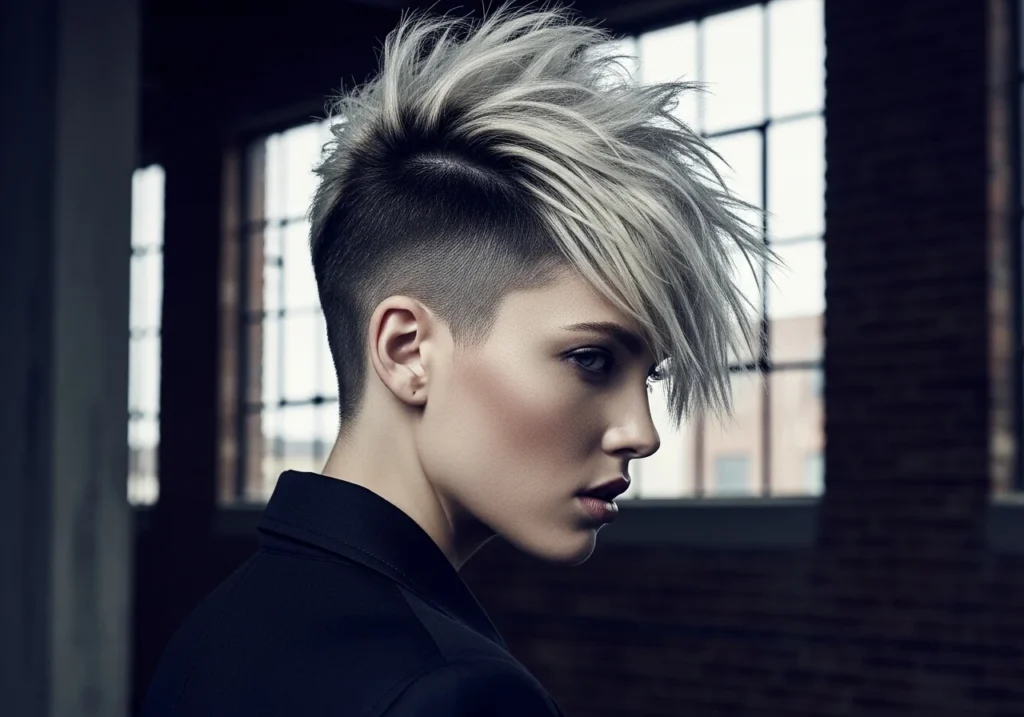
The pixie cut represents the ultimate short alternative hairstyle. This cropped style offers complete freedom from lengthy styling routines while providing endless opportunities for creative expression. Modern alternative pixies move far beyond the simple, uniform crops of decades past.
Textured pixies incorporate choppy, uneven layers throughout the cut. Rather than following the head shape uniformly, these styles feature longer sections on top that can be spiked, tousled, or swept to the side. Shorter sides and back create contrast and emphasize the textured crown area.
Asymmetrical pixies take the alternative aesthetic even further. These cuts feature dramatically different lengths on each side of the head. One side might be buzzed close to the scalp while the other maintains several inches of length. This stark contrast creates an undeniably bold statement.
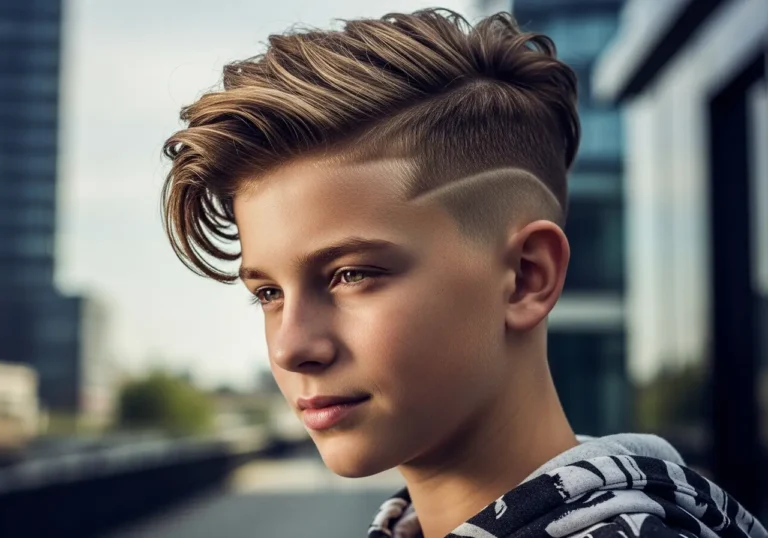
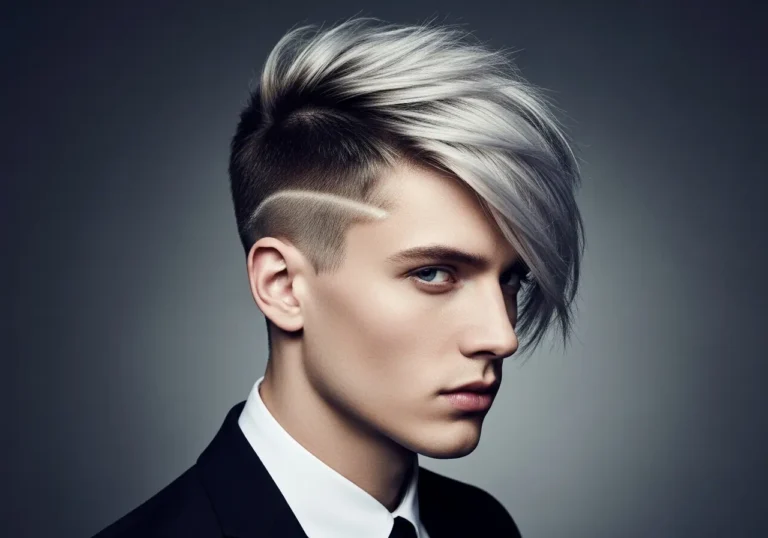
Undercut pixies combine classic pixie proportions with shaved or closely cropped sections. The undercut might hide beneath longer top layers for a conservative daytime look, or the longer sections can be pinned up to reveal the shaved pattern underneath. This versatility appeals to those navigating both alternative and professional environments.
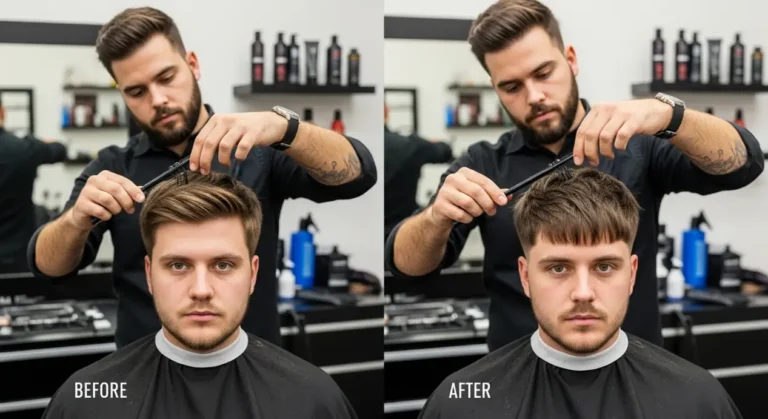
Bangs transform pixie cuts from simple to striking. Baby bangs create an avant-garde, high-fashion aesthetic. Textured, piece-y bangs add softness and movement. Side-swept sections elongate round faces while drawing attention to eyes and cheekbones.
The Pixie Mullet Phenomenon
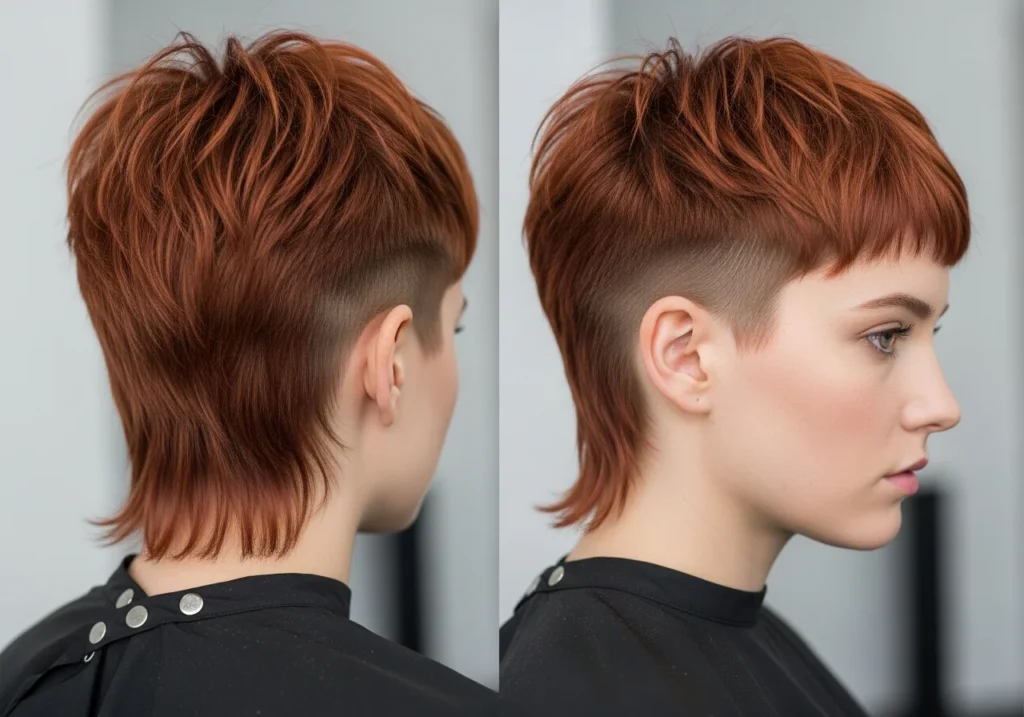
The pixie mullet merges two iconic cuts into one contemporary style. This hybrid maintains pixie-like proportions at the front and sides while extending length at the nape. The result delivers edgy appeal with surprising versatility in styling options.
Short sides characterize the pixie mullet. The hair around the ears and temples stays cropped close, creating clean lines that emphasize facial structure. This shortened perimeter makes the style feel fresh and modern rather than dated.
The length at the back varies based on personal preference and hair texture. Some versions maintain just a few inches beyond the occipital bone, creating a subtle mullet effect. More dramatic interpretations extend several inches down the neck, creating unmistakable contrast with the shorter front sections.
Fringe options for pixie mullets range from micro bangs to textured curtain styles. The bangs can be styled forward for maximum impact or swept to the side for a softer appearance. Razored, piece-y bangs integrate seamlessly with the overall textured aesthetic of the cut.
Styling flexibility makes the pixie mullet particularly appealing. The longer back sections can be left straight, curled with a small iron, or braided for textured interest. The shorter front maintains its shape with minimal effort, requiring only light product application and finger styling.
Asymmetrical Bobs For Bold Statements
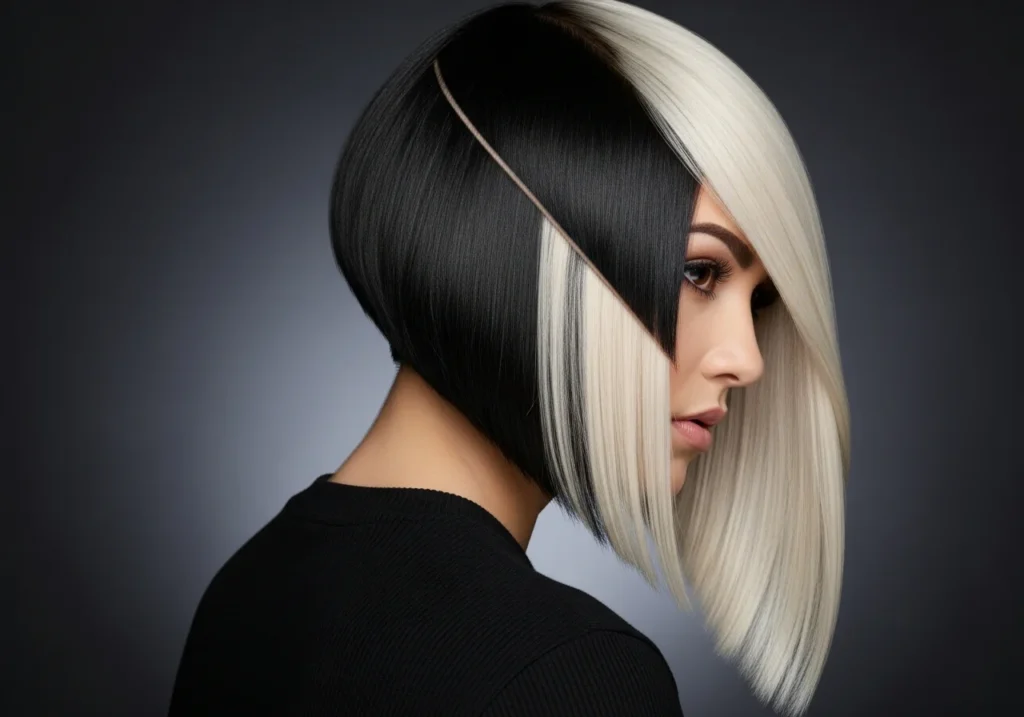
Asymmetrical bobs bring alternative energy to a classic silhouette. These cuts feature intentionally uneven lengths, typically with one side significantly shorter than the other. The dramatic angle created by this length difference delivers instant visual interest and modern edge.
The shorter side of an asymmetrical bob might graze the jawline while the longer side extends to the collarbone or beyond. This creates a swooping diagonal line that draws the eye and flatters various face shapes. The asymmetry adds dimension that straight, even bobs cannot achieve.
Layering within asymmetrical bobs enhances their alternative appeal. Choppy, disconnected layers throughout the cut prevent the style from appearing too polished or conventional. These layers create separation and movement, allowing the hair to fall naturally rather than hanging in a solid, heavy mass.
Undercut elements elevate asymmetrical bobs into truly alternative territory. Shaving or closely cropping the shorter side intensifies the contrast between the two sides. This also reduces bulk for those with thick hair while adding an unexpected detail that reveals itself with movement.
Color blocking works exceptionally well with asymmetrical bobs. Placing contrasting colors on different sides of the cut emphasizes the unconventional silhouette. Alternatively, concentrated color on the longer side creates a focal point that enhances the diagonal line of the cut.
Shaggy Alternative Cuts
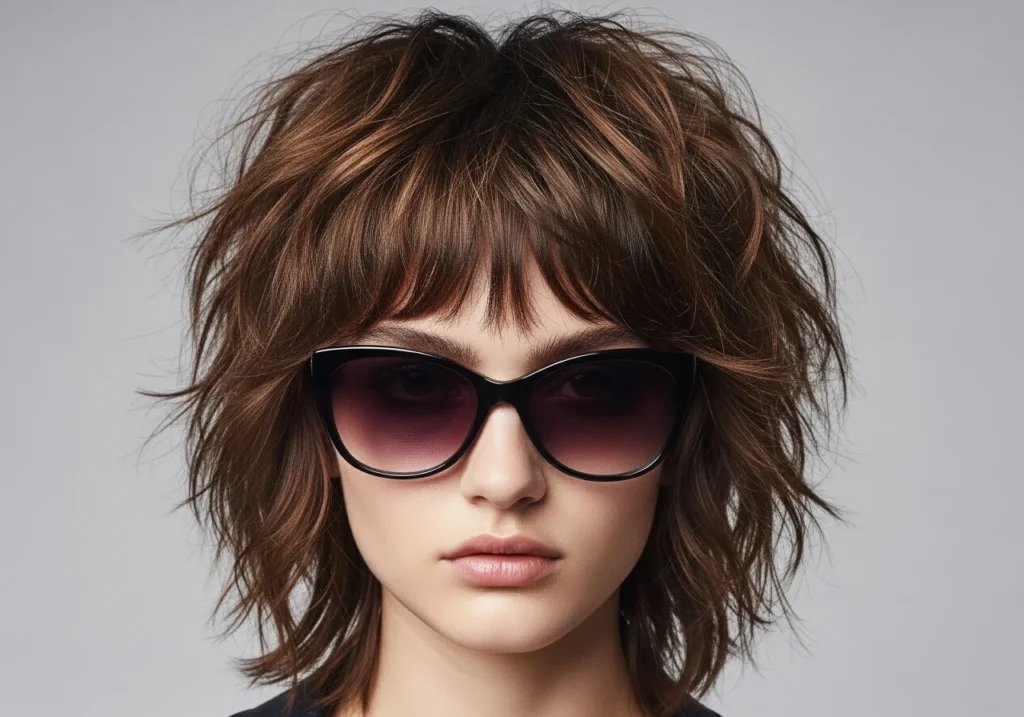
The shag haircut has experienced numerous revivals, and its alternative interpretation offers maximum texture with minimum fuss. Short shags feature heavily layered cuts throughout, creating a deliberately messy, undone appearance that reads as effortlessly cool.
Rock and roll heritage infuses alternative shags with attitude. These cuts channel the energy of iconic musicians while adapting to contemporary styling preferences. Heavy fringe, choppy ends, and deliberately imperfect layers distinguish alternative shags from their more refined counterparts.
The layering in alternative shags starts high on the head, creating volume at the crown. These short layers gradually transition to longer pieces at the perimeter. The extensive layering removes weight and allows the hair to move freely, creating a bouncy, lived-in texture.
Bangs are practically mandatory for achieving an authentic shaggy alternative look. Textured, piece-y bangs that graze the eyebrows or sit just above them frame the face while maintaining the overall disheveled aesthetic. These bangs should blend seamlessly into the face-framing layers rather than sitting as a separate, distinct section.
Maintenance for shaggy alternative cuts remains remarkably low. The intentionally imperfect nature of the style means precise styling is unnecessary. Rough-drying with hands while scrunching texturizing spray through the hair typically provides sufficient styling. The messier the result, the more authentic the look.
Mohawk-Inspired Alternatives
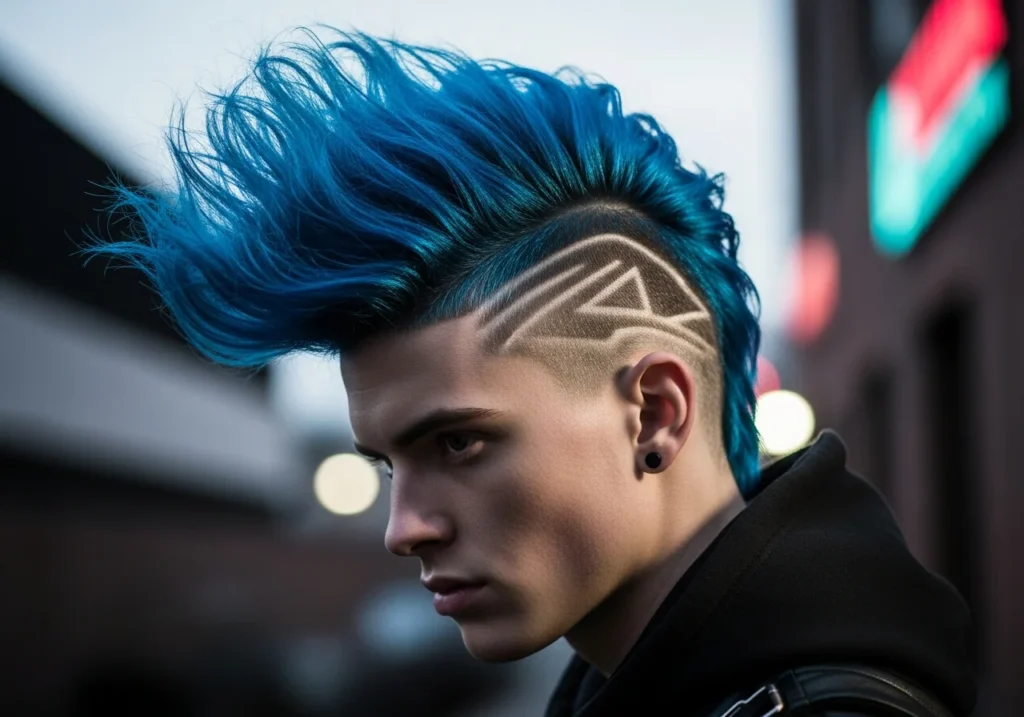
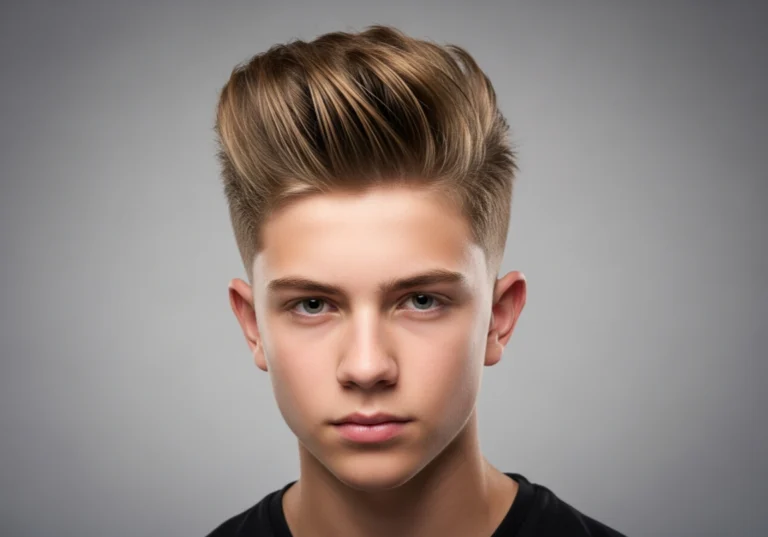
Mohawk-inspired cuts offer dramatic alternative styling for those seeking maximum impact. These styles maintain longer hair from the forehead to the nape while keeping the sides short or shaved. Modern interpretations soften the traditional punk aesthetic while retaining its rebellious spirit.
The faux hawk presents a more wearable mohawk option. Rather than completely shaving the sides, this version keeps them very short, creating the illusion of a mohawk when the center section is styled upward. When left unstyled, the cut reads as a heavily layered, textured crop.
Width variation in mohawk-inspired cuts allows for personalization. Wider mohawks with more gradual transitions from the center section to the sides appear softer and more integrated. Narrow strips of longer hair create stark, dramatic contrast that emphasizes the punk heritage of the style.
Styling versatility distinguishes modern mohawk-inspired cuts from their predecessors. The center section can be spiked dramatically upward for events and concerts, slicked back for a more refined appearance, or simply tousled and left textured for everyday wear.
Undercut patterns on the shaved or closely cropped sides add artistic detail to mohawk-inspired styles. Geometric designs, stripes, or organic shapes carved into the short sections provide additional visual interest and allow for creative expression beyond the basic cut structure.
Color Considerations For Alternative Cuts
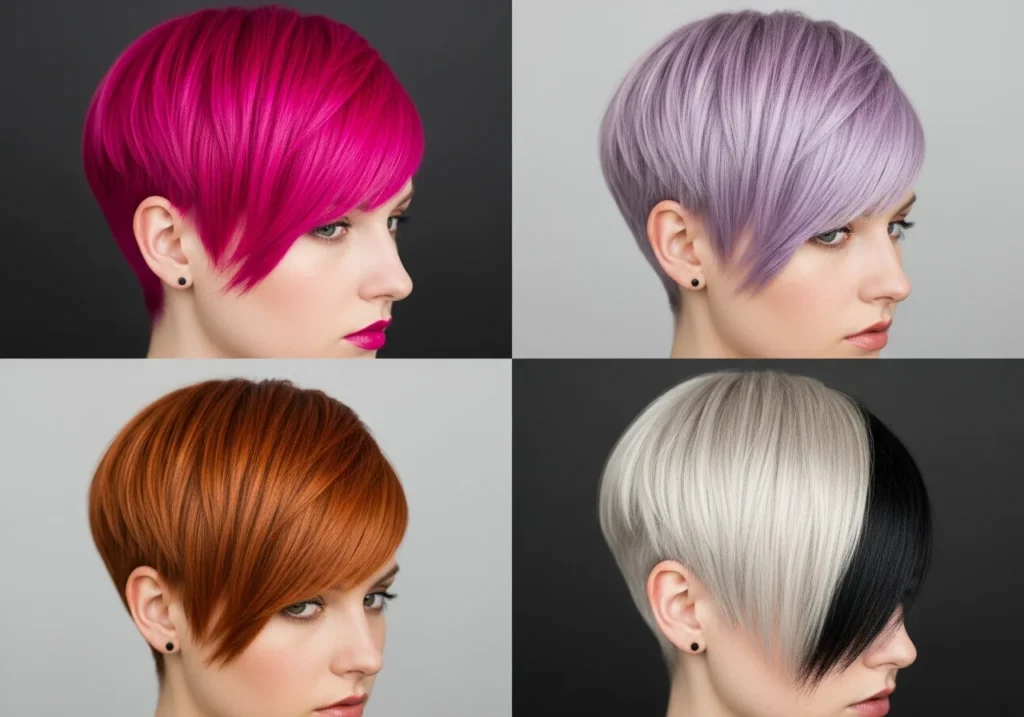
Color dramatically enhances alternative short haircuts. These styles provide the perfect canvas for creative color work, from subtle dimensional tones to vibrant fantasy shades. The abbreviated length makes bold color more manageable and budget-friendly to maintain.
Bright, fashion-forward colors align naturally with alternative aesthetics. Vivid shades like electric blue, hot pink, fiery orange, and purple create immediate visual impact. These colors work particularly well on pixie cuts and other very short styles where the bold hue becomes a defining feature.
Pastel tones offer a softer take on alternative coloring. Lavender, mint green, peach, and baby pink provide unconventional appeal with a more subtle, dreamy quality. These shades work beautifully on textured, layered cuts where the color shifts and moves with the hair.
Contrast techniques like color blocking create striking effects on alternative cuts. Placing dramatically different colors on different sections of the cut emphasizes the unconventional structure. This might mean bright red on an undercut pixie with platinum blonde on top, or half-and-half color application on an asymmetrical bob.
Natural-looking alternative colors focus on dimensional placement rather than vivid hues. Rich copper tones, deep burgundy, or cool-toned browns with strategic highlights maintain alternative edge while remaining office-appropriate. These colors enhance the texture and layering of alternative cuts without overwhelming the overall look.
Maintenance requirements for colored alternative cuts vary based on shade choice. Vibrant fashion colors require more frequent touch-ups and specialized care products. Natural-looking dimensional colors grow out more gracefully and require less intensive maintenance between salon visits.
Face Shape Compatibility
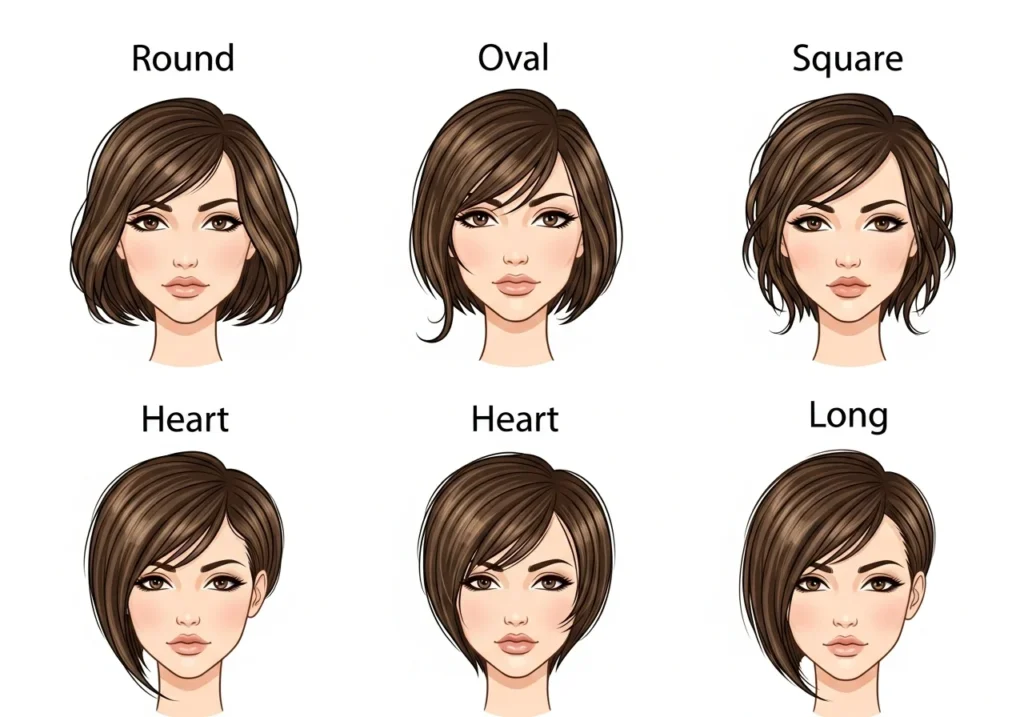
Understanding face shape helps optimize alternative short haircuts for individual features. While alternative styles prioritize personal expression over traditional rules, strategic choices enhance natural attributes and create balanced proportions.
Round faces benefit from alternative cuts that add height and create vertical lines. Pixie cuts with textured, voluminous crowns elongate the face. Asymmetrical bobs with longer front sections create diagonal lines that slim rounded contours. Avoiding heavy, straight-across bangs prevents emphasizing width.
Oval faces accommodate virtually any alternative short cut. This balanced face shape works equally well with pixie mullets, wolf cuts, asymmetrical bobs, and shaggy crops. The versatility of oval faces allows for focusing on personal style preferences rather than corrective cutting.
Square faces appear softer with alternative cuts featuring piece-y, textured layers around the jawline. Wolf cuts with curtain bangs and face-framing sections minimize angular jaw corners. Avoiding blunt lines and opting for razored, textured edges prevents emphasizing jaw width.
Heart-shaped faces look balanced with alternative cuts that add width at the jawline. Pixie mullets with length at the nape create this effect. Textured, choppy bobs with volume at chin level balance wider foreheads. Side-swept bangs minimize forehead width while drawing attention to eyes.
Long faces appear more balanced with alternative cuts that add width and minimize height. Horizontal layers, textured bangs, and styles that create volume at the sides rather than the crown work well. Avoiding excessive height at the crown prevents over-elongating the face.
Styling Products For Alternative Cuts
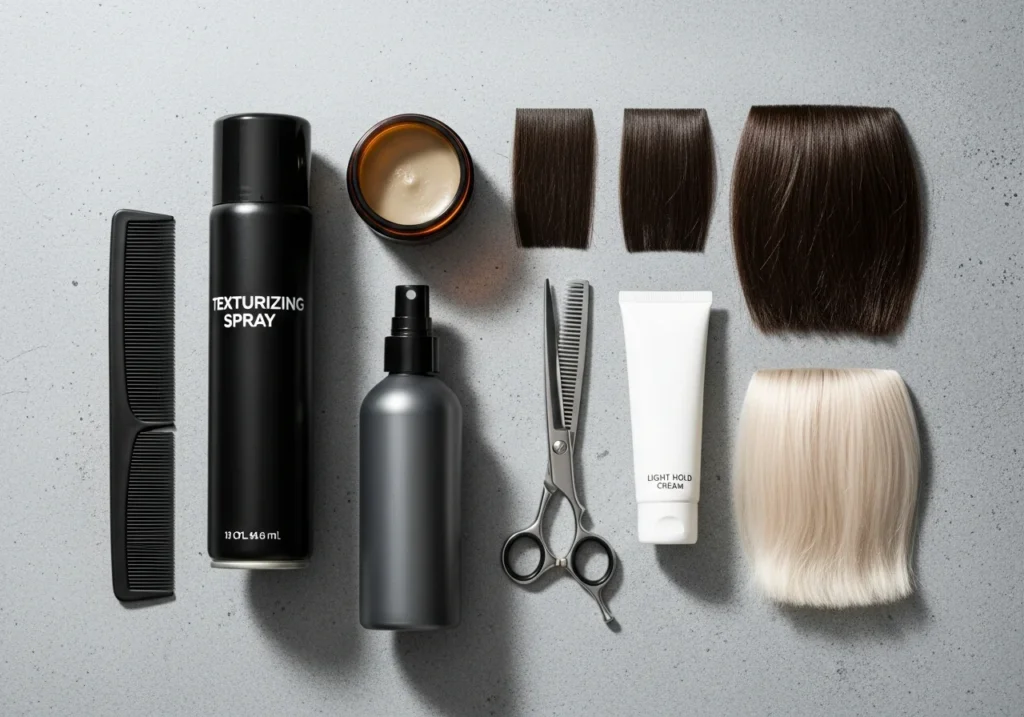
The right products enhance alternative short cuts without creating overly polished results. Alternative aesthetics prioritize natural texture and movement over perfection, requiring products that add definition without stiffness or excessive shine.
Texturizing sprays form the foundation of alternative short hair styling. These products add grit and separation, allowing individual layers and pieces to stand apart. Sea salt sprays create beachy, lived-in texture while dry texture sprays provide similar effects without moisture.
Light-hold styling creams work well for defining pieces and controlling flyaways without creating crunch. A small amount worked through damp hair before air-drying provides structure and definition. These creams particularly benefit wavy and curly textures by enhancing natural movement.
Pomades and waxes offer stronger hold for alternative styles requiring more structured elements. These products work well for spiking pixie crowns, creating definition in mohawk-inspired styles, or adding piece-y separation to textured layers. Matte-finish options maintain the undone aesthetic better than high-shine versions.
Dry shampoo serves double duty for alternative short cuts. Beyond absorbing oil between washes, it adds texture and volume at the roots. Spraying dry shampoo at the crown and working it through with fingers creates lift and separation that enhances layered alternative cuts.
Heat protectants remain important even for low-maintenance alternative styles. When using flat irons to enhance piece-y texture or curling wands to add wave, protecting hair from damage ensures the cut maintains its integrity through multiple styling sessions.
Maintenance And Upkeep
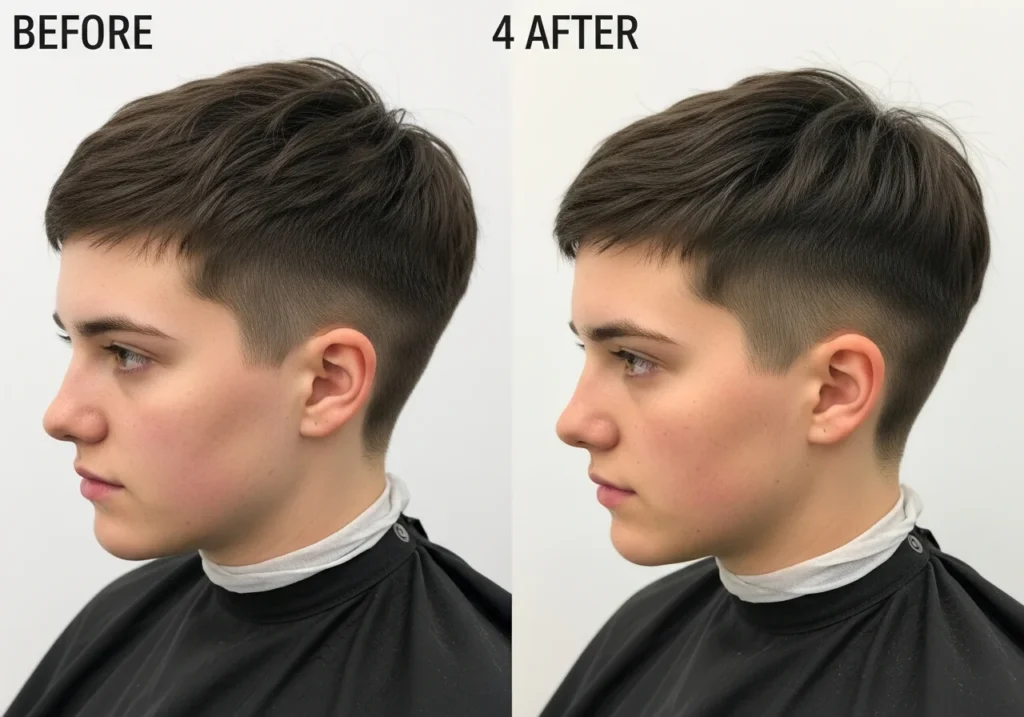
Short alternative cuts require regular maintenance to preserve their shape and impact. The deliberate imperfection of these styles depends on proper proportions and strategic layering that can grow out poorly without attention.
Trimming frequency for short alternative cuts typically ranges from four to six weeks. Very short styles like pixie cuts and closely cropped sides need more frequent attention to maintain clean lines. Slightly longer alternatives like wolf cuts and shaggy bobs can extend between appointments.
Between salon visits, simple at-home maintenance keeps alternative cuts looking fresh. Trimming bangs prevents them from obscuring vision while maintaining their textured, piece-y appearance. Small scissors and careful attention to existing texture patterns make this task manageable.
Growing out alternative cuts requires strategic planning. Discuss transition goals with your stylist early in the process. They can adjust the cut gradually, maintaining alternative appeal while shifting proportions toward your target length. This prevents awkward growing-out phases.
Color maintenance varies dramatically based on shade choice. Vibrant colors require specialized color-depositing shampoos and conditioners to maintain intensity between professional applications. Natural-looking alternative colors need less intensive home care but benefit from color-safe products.
Heat styling minimization helps alternative cuts maintain their texture and health. Since these styles look best with natural, air-dried texture, reserve heat tools for special occasions. This reduces damage and simplifies daily routines.
Professional Versus DIY Cutting
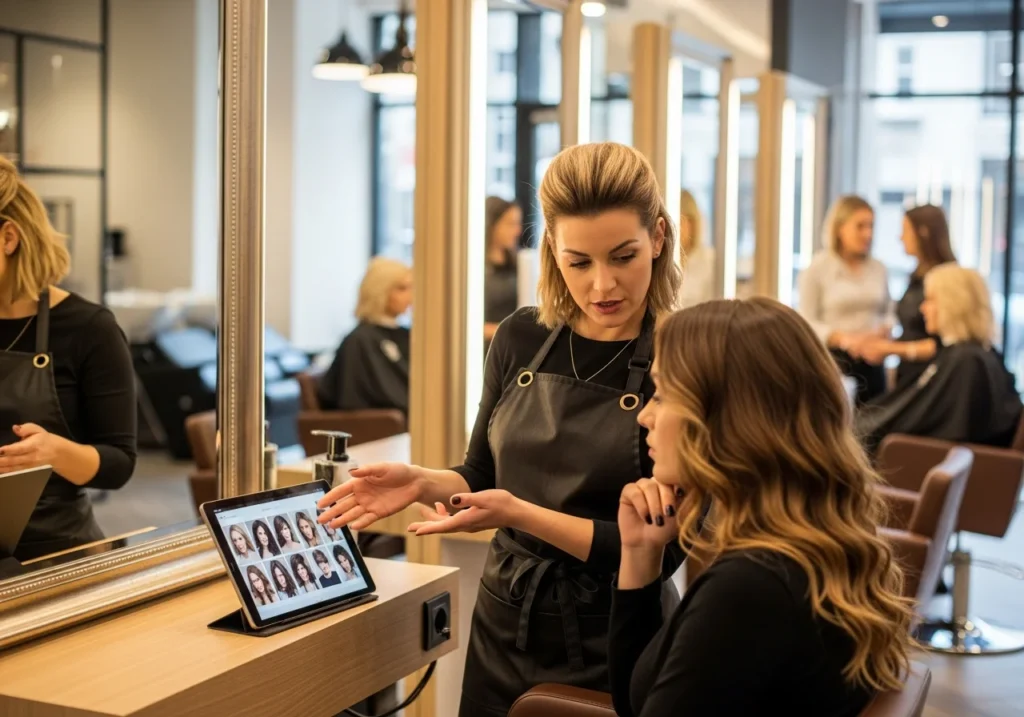
Alternative short cuts generally require professional execution. The precise layering, texturizing techniques, and understanding of how hair falls naturally distinguish salon cuts from home attempts. Investing in professional cutting ensures optimal results.
Consultation importance cannot be overstated for alternative cuts. Bring multiple reference photos showing the desired cut from various angles. Discuss lifestyle factors, styling commitment, and maintenance expectations. Professional stylists can adapt trending cuts to individual hair types and face shapes.
Finding the right stylist for alternative cuts requires research. Look for professionals whose portfolios demonstrate experience with edgy, textured styles. Read reviews mentioning alternative aesthetics, punk cuts, or unconventional coloring. Many alternative-focused stylists maintain active social media showcasing their work.
Communication during the cutting process ensures satisfaction. If something feels incorrect as the cut progresses, speak up immediately. Reputable stylists welcome feedback and adjust their approach accordingly. Clear communication prevents disappointment and establishes trust.
Touch-up maintenance between professional appointments can include minor tasks like bang trims or cleaning up undercut edges. However, attempting to recreate complex layering or significantly alter the cut structure at home risks compromising the professional work. Know your limitations.
Alternative Cuts For Different Hair Textures
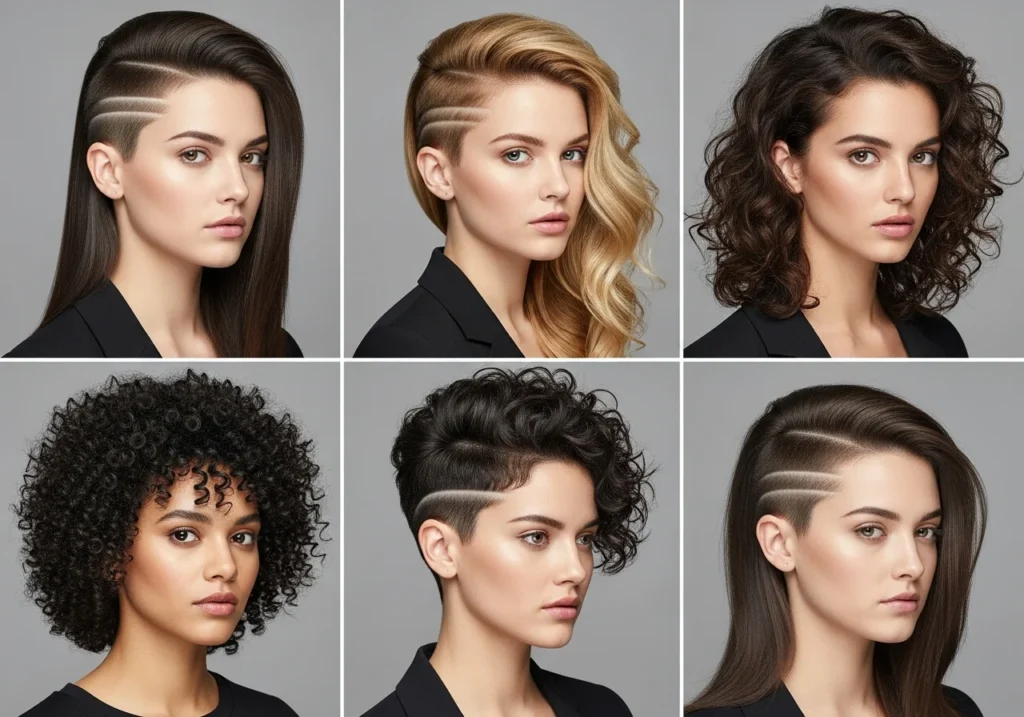
Hair texture significantly impacts how alternative short cuts appear and behave. Understanding your natural texture allows for selecting styles that work with rather than against your hair’s inherent characteristics.
Straight hair showcases the precise lines and geometric shapes of alternative cuts beautifully. Pixie mullets, asymmetrical bobs, and sharply layered styles hold their structure well on straight strands. Adding texture through styling products prevents these cuts from appearing too severe or flat.
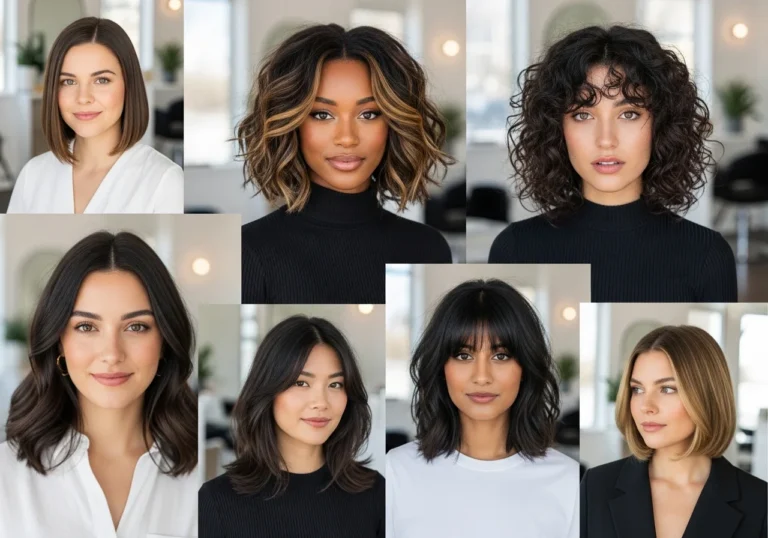
Wavy hair adds natural movement and dimension to alternative cuts. Wolf cuts and shaggy styles particularly shine on wavy textures, where the natural bends enhance the piece-y, separated layers. Light styling products that enhance wave patterns without weighing them down work best.
Curly hair transforms alternative cuts into sculptural statements. Short curly cuts require specialized cutting techniques that account for curl pattern and shrinkage. Dry cutting allows stylists to see how curls naturally fall, ensuring proper shape and proportion.
Coily and kinky textures create dramatic volume in alternative short cuts. Tapered cuts, short afros with textured crowns, and curly mohawk styles celebrate natural texture while maintaining alternative edge. Moisture-rich products keep coils defined and healthy.
Fine hair benefits from alternative cuts that remove weight and add texture. Heavily layered styles, razored ends, and strategic undercuts create the illusion of fuller hair. Avoiding excessive product buildup prevents fine strands from appearing limp or greasy.
Thick hair finds relief in alternative cuts featuring significant layering and thinning. These techniques remove bulk while maintaining shape. Undercuts particularly benefit thick hair by eliminating weight at the perimeter while preserving styling options on top.
Conclusion
Short alternative haircuts represent far more than fleeting fashion trends. These styles embody personal authenticity, creative expression, and practical beauty that adapts to modern lifestyles. From the textured drama of wolf cuts to the clean lines of asymmetrical pixies, alternative short cuts offer something for everyone seeking to move beyond conventional styling.
The versatility of alternative short haircuts makes them accessible regardless of hair texture, face shape, or personal style preferences. Whether you gravitate toward bold colors and dramatic shapes or prefer subtle unconventional details, alternatives exist within this broad category. The key lies in finding the specific variation that resonates with your individual aesthetic and lifestyle needs.
Maintenance requirements for alternative short cuts remain surprisingly manageable despite their dramatic appearances. Most styles look best with minimal styling, embracing natural texture rather than fighting against it. This practical advantage appeals to those seeking impact without investing extensive time in daily hair routines.
Working with experienced professionals ensures alternative short cuts achieve their full potential. Skilled stylists understand the technical precision required to create intentionally imperfect styles. They can adapt trending cuts to individual features while maintaining the rebellious spirit that defines alternative aesthetics.
Embracing an alternative short cut requires confidence and willingness to stand out. These styles make statements, drawing attention and sparking conversations. For those ready to express their authentic selves through their appearance, alternative short haircuts provide the perfect vehicle for bold, effortless style.
Frequently Asked Questions
How often should I trim my short alternative haircut?
Short alternative cuts typically require trimming every four to six weeks to maintain their shape and impact. Very short styles like pixie cuts need more frequent attention, approximately every four weeks, to keep clean lines sharp. Slightly longer alternatives can extend to six or even eight weeks between appointments. Regular trims prevent the carefully crafted layers from growing into shapeless bulk and ensure the deliberate asymmetry or texture remains intact.
Can I achieve an alternative short cut with curly or textured hair?
Absolutely. Curly and textured hair creates stunning alternative short cuts with proper cutting techniques. The key lies in working with experienced stylists who understand how to cut curly hair. Dry cutting allows the stylist to see how curls naturally fall and spring, ensuring appropriate length and shape. Curly wolf cuts, textured pixies, and tapered cuts with voluminous crowns all work beautifully on natural textures. The natural volume and movement of curls enhance the piece-y, separated aesthetic central to alternative styles.
What styling products work best for maintaining the textured look of alternative cuts?
Texturizing sprays, light-hold creams, and matte-finish pomades form the core product lineup for alternative short cuts. Sea salt spray adds grit and separation for that lived-in texture. Small amounts of styling cream worked through damp hair provide definition without stiffness. Matte pomades or waxes help piece out individual sections and create structured elements in pixies or mohawk-inspired styles. Dry shampoo doubles as both an oil absorber and volume booster, adding texture at the roots between washes.
Will an alternative short cut work in professional environments?
Many alternative short cuts adapt well to professional settings with thoughtful execution. Choosing natural-looking colors rather than vibrant fashion shades creates office-appropriate alternative style. Asymmetrical bobs, textured pixies, and subtly layered wolf cuts read as fashion-forward rather than rebellious in conservative environments. Styles incorporating hidden undercuts allow you to reveal alternative elements during personal time while maintaining professional polish when needed. Discussing your work environment during your salon consultation helps your stylist adapt alternative elements appropriately.
How do I transition from long hair to a short alternative cut?
Transitioning to short alternative cuts works best through gradual steps if you feel hesitant about dramatic change. Start with a longer alternative style like a textured bob or collarbone-length wolf cut. This allows you to experience shorter hair and alternative aesthetics with less commitment. After adjusting to reduced length, you can progress to shorter variations like pixie mullets or cropped pixies. Alternatively, if you feel confident, going directly to your desired short cut provides immediate transformation. Bring multiple reference photos to your consultation and discuss any concerns openly with your stylist to ensure you feel comfortable with the planned change.
You may also like this post: Alternative Long Haircut Ideas: Trendy, Edgy & Aesthetic Styles for Long Hair
One Comment