
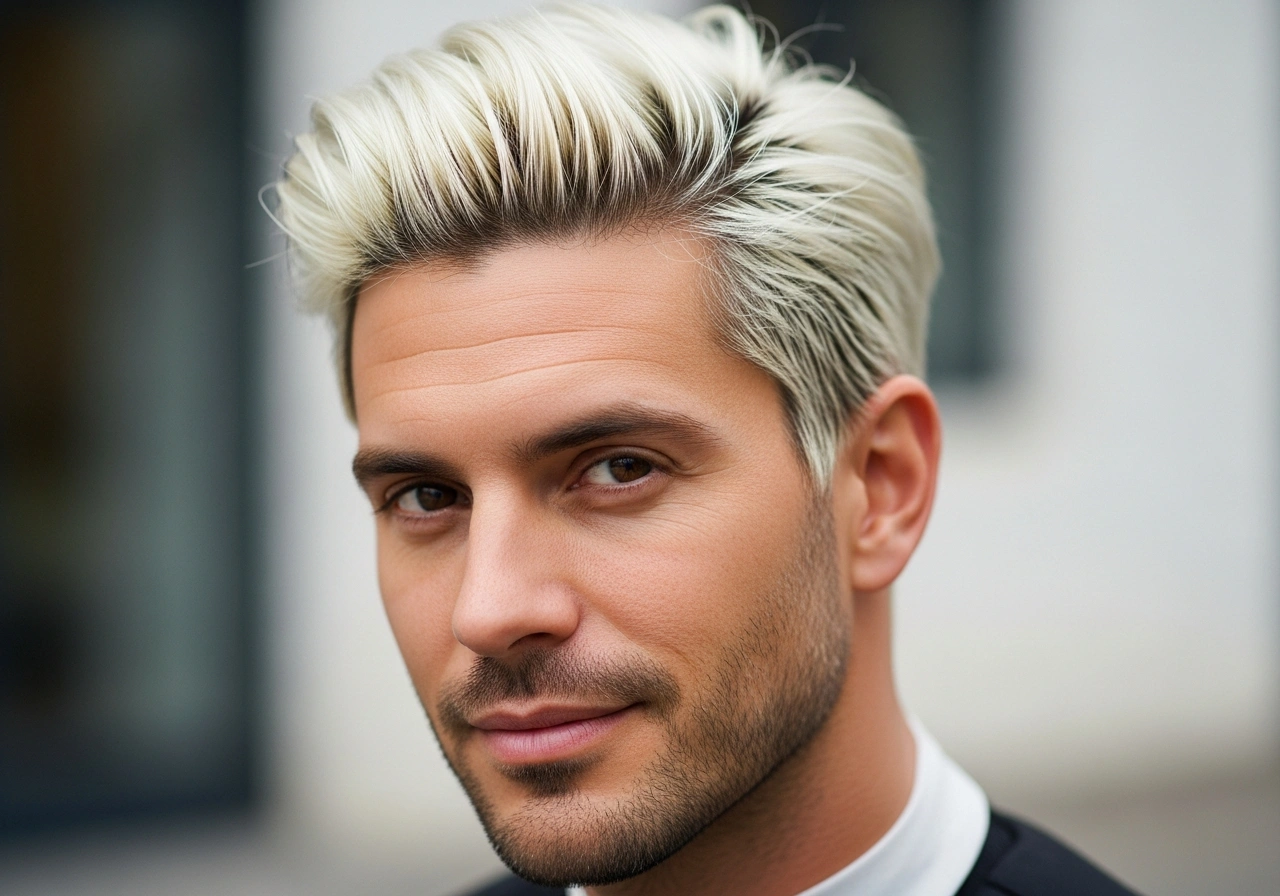
How to Bleach Mens Hair at Home
Bleaching hair at home has become increasingly popular among men seeking dramatic color transformations or preparing their hair for vibrant dyes. While the process requires careful attention and proper technique, achieving professional-looking results in your own bathroom is entirely possible with the right knowledge and preparation. This comprehensive guide walks you through everything you need to know about safely bleaching mens hair at home, from selecting the correct products to maintaining your newly lightened locks.
Understanding the science behind hair bleaching helps prevent common mistakes that lead to damage or undesired results. Hair bleach works by opening the cuticle layer and breaking down melanin, the natural pigment that gives hair its color. This chemical process is permanent and cannot be reversed, making proper technique and timing absolutely critical. Men with shorter hair often find the bleaching process more manageable than those with longer styles, but the same fundamental principles apply regardless of length.
Understanding Your Hair Before You Bleach
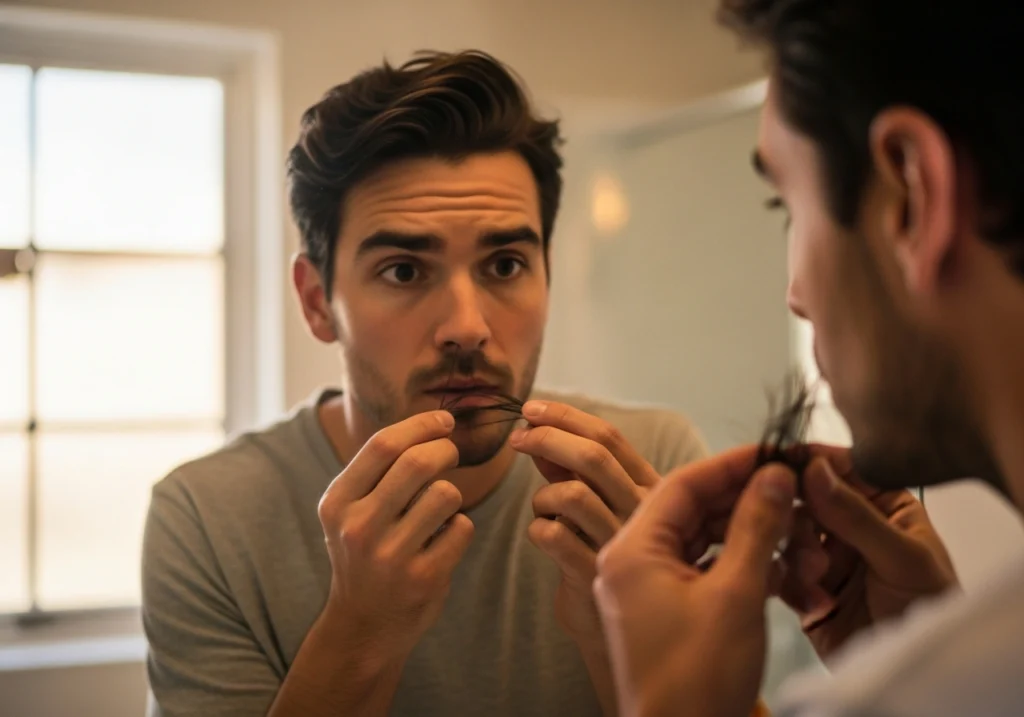
Before purchasing any bleaching products, assess your current hair condition and color. Virgin hair that has never been chemically treated responds differently than previously dyed or damaged hair. Men with naturally dark hair require stronger bleach formulations and potentially multiple sessions to achieve light blonde or platinum results. The starting color of your hair directly impacts the final outcome and determines how many applications you need.
Hair porosity plays a crucial role in how bleach processes. High porosity hair absorbs bleach quickly and may lighten unevenly, while low porosity hair resists chemical penetration and requires longer processing times. Test a small section of hair before committing to a full head application. This strand test reveals how your specific hair responds to bleach and helps you determine accurate timing.
Hair texture also influences bleaching outcomes. Coarse hair typically requires stronger developer concentrations, while fine hair lightens more easily but also sustains damage more readily. Men with thick, dense hair should plan for longer application times to ensure even coverage throughout all layers.
you may also like this:21 Mens Scissor Haircuts
Gathering Essential Supplies and Products
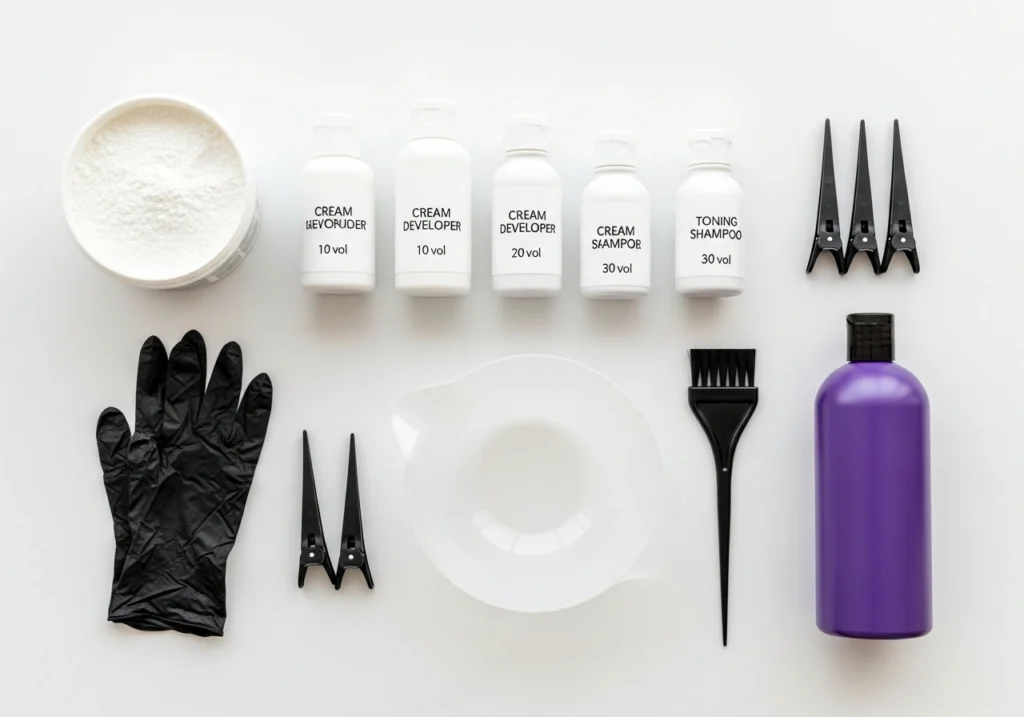
Successful home bleaching starts with quality products and proper tools. Purchase powder bleach specifically formulated for hair, not household cleaning bleach which causes severe damage and chemical burns. Powder bleach mixed with cream developer provides the most controlled and effective lightening action. The developer strength ranges from 10 volume to 40 volume, with higher volumes lifting color faster but also increasing damage risk.
For most men bleaching at home, 20 volume developer offers the best balance between effectiveness and hair health. Use 30 volume only on virgin, healthy hair when significant lightening is required. Avoid 40 volume developer unless you have professional experience, as this strength causes substantial damage and scalp irritation when mishandled.
Essential tools include plastic mixing bowls, application brushes, sectioning clips, and a timer. Metal bowls react with bleach and compromise the chemical process, so always use plastic or glass containers. Purchase disposable gloves to protect your hands from chemical burns and skin irritation. Old towels and a cape or old shirt prevent bleach from damaging your clothing and furniture.
Invest in quality aftercare products before bleaching. Purple shampoo neutralizes brassy yellow tones that commonly appear in bleached hair. Deep conditioning treatments and protein masks repair damage and restore moisture stripped away during the bleaching process. Hair oils and leave-in conditioners provide ongoing protection and maintain bleached hair health.
Preparing Your Hair and Workspace
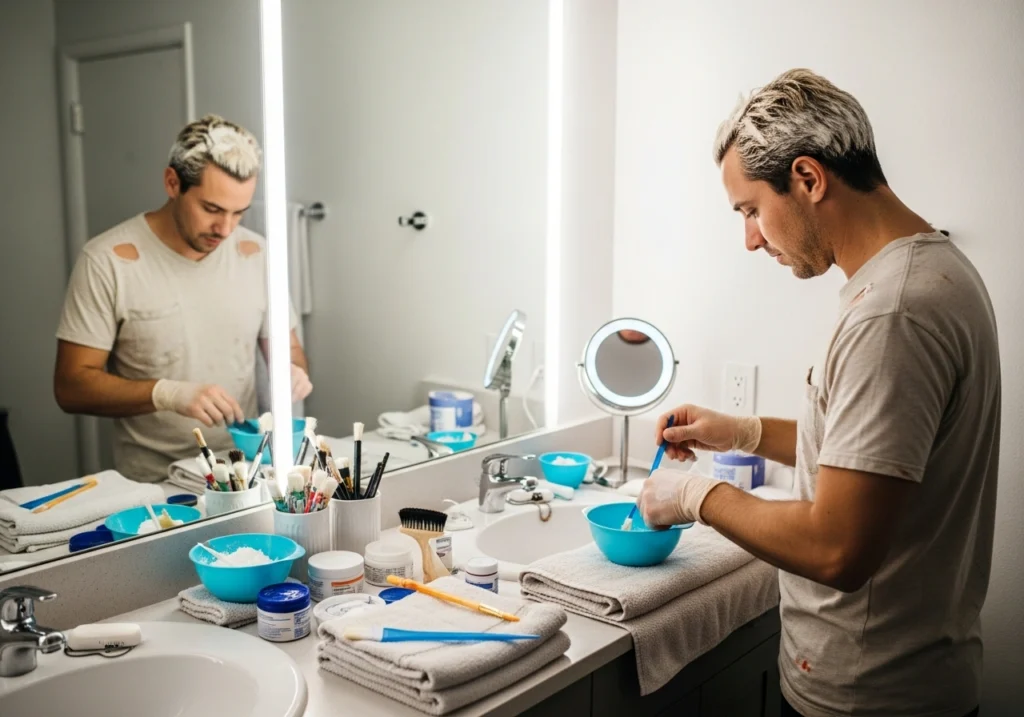
Proper preparation prevents unnecessary damage and ensures even color results. Stop washing your hair two to three days before bleaching. Natural oils accumulate on the scalp and provide a protective barrier against chemical irritation. However, avoid applying heavy styling products that create barriers preventing bleach penetration.
Set up your workspace in a well-ventilated bathroom or area with proper lighting. Bleach fumes can be overwhelming in confined spaces, so open windows or use fans to maintain air circulation. Cover surfaces with old towels or plastic sheeting to protect against bleach spills that permanently stain countertops and floors.
Wear old clothing you do not mind ruining. Bleach splatters are inevitable during application, and even small drops create permanent white spots on fabric. Keep paper towels and clean cloths within easy reach for quick cleanup of drips and spills.
Conduct a final strand test even if you tested previously. Mix a small amount of bleach according to package directions and apply to a hidden section of hair. Process for the recommended time, then rinse and evaluate the color. This test confirms your hair responds as expected and helps you refine timing for optimal results.
Mixing Bleach Properly for Best Results
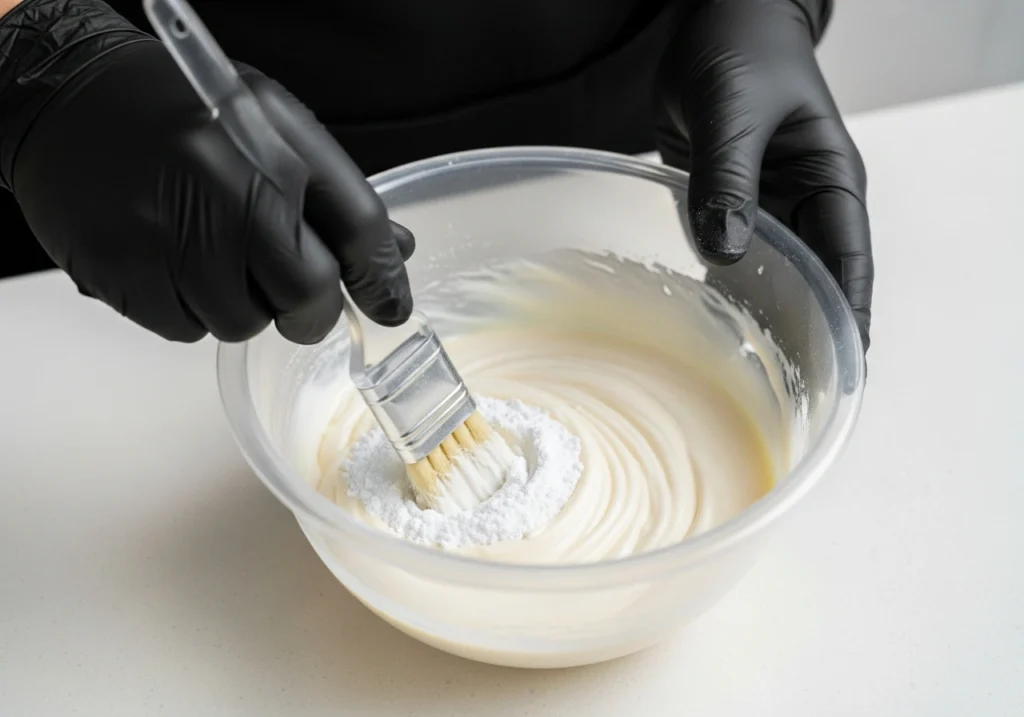
Follow manufacturer instructions exactly when mixing bleach and developer. The standard ratio is typically one part powder bleach to two parts developer, but this varies by brand. Measure accurately using kitchen scales or measuring cups rather than eyeballing proportions. Incorrect ratios lead to uneven lightening or excessive damage.
Mix only what you need for one application session. Bleach begins working immediately after mixing and loses potency within an hour. For short mens haircuts, two to three ounces of mixed bleach usually provides adequate coverage. Longer or thicker hair requires larger quantities.
Stir the mixture thoroughly until completely smooth with no lumps remaining. A creamy, yogurt-like consistency indicates proper mixing. The mixture should spread easily but not drip excessively. If the consistency seems too thick, add small amounts of developer. If too runny, add more powder bleach.
Work quickly once bleach is mixed. The chemical reaction begins immediately, and delayed application results in uneven processing times across different sections of hair. Have all tools and supplies ready before mixing to ensure smooth, efficient application.
Step by Step Application Process
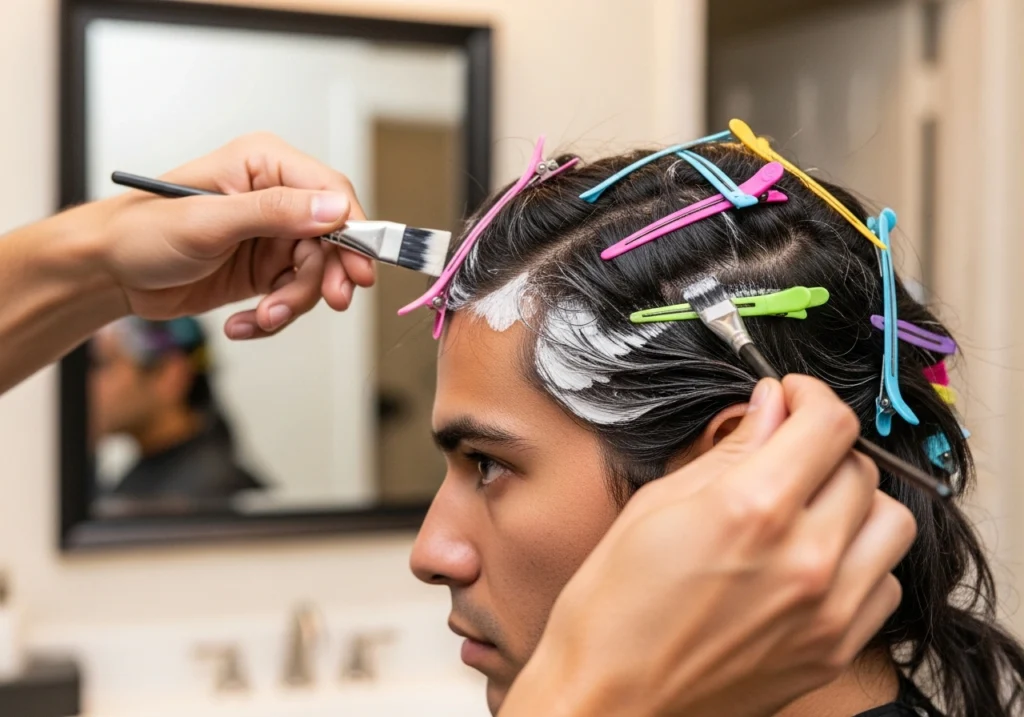
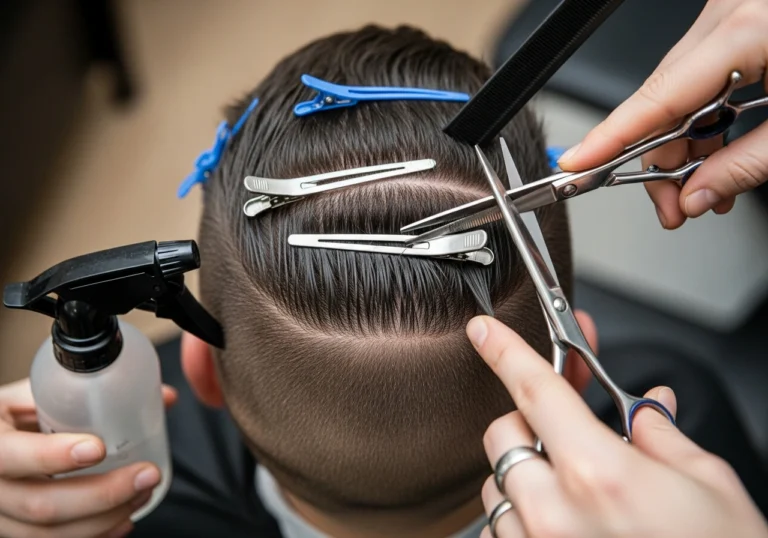
Section hair into four quadrants from forehead to nape and ear to ear. Secure three sections with clips while working on the first. Smaller sections ensure thorough coverage and even color distribution. For very short hair, sectioning may be unnecessary, but longer styles absolutely require organized application.
Begin applying bleach at the mid-lengths and ends, avoiding the roots initially. Hair near the scalp processes faster due to body heat, so starting at the roots creates uneven color with overly light regrowth. Use the application brush to paint bleach onto hair in thin, even layers. Saturate each section completely without applying excessive product that drips onto the scalp.
Work methodically through all sections, maintaining consistent application thickness. Avoid overlapping previously bleached hair if doing touch-ups, as this causes breakage and uneven color. Once mid-lengths and ends are covered, return to the roots and apply bleach to regrowth areas. This staged approach ensures uniform lightening throughout the entire head.
Massage the bleach gently after application to ensure even distribution. Check for any missed spots by examining hair from multiple angles in good lighting. Correct gaps immediately to prevent patchy results.
Monitoring Processing Time Carefully
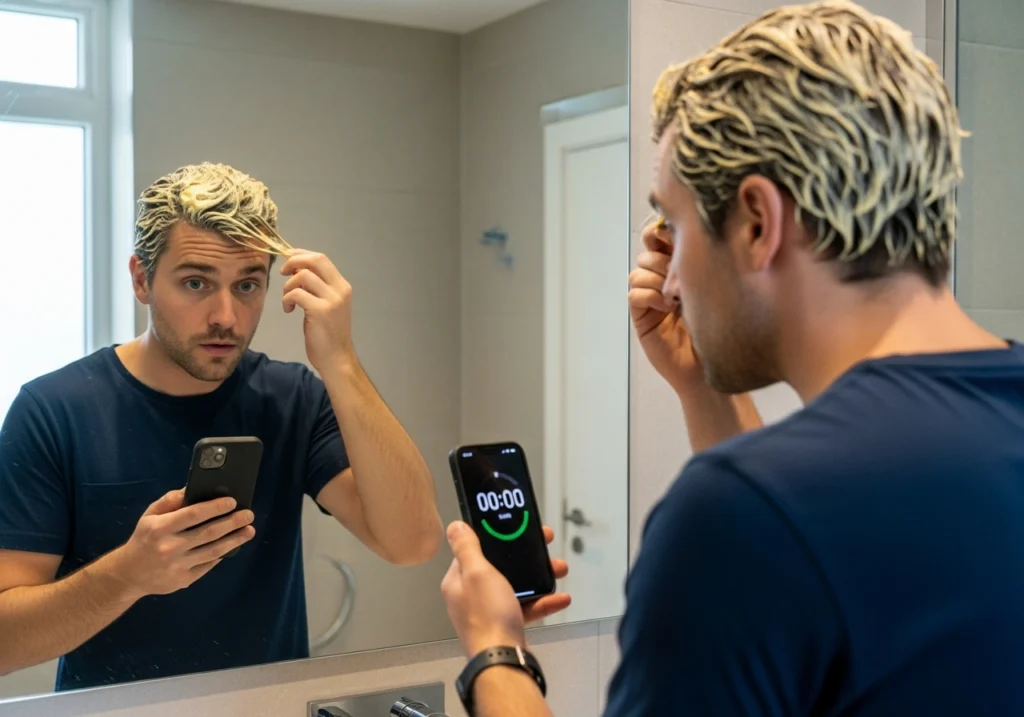
Set a timer immediately after completing application. Processing time varies based on desired lightness, hair condition, and developer strength, but typically ranges from 20 to 45 minutes. Check hair color every five to ten minutes after the initial 15 minutes have elapsed. Bleach continues working until rinsed away, so monitoring prevents over-processing.
Hair lightens through several stages from dark to light. Dark hair passes through red, orange, and yellow phases before reaching pale blonde. Understanding these stages helps determine when you have achieved the desired level. Most men seeking blonde hair should rinse when hair reaches a yellow stage, as toner corrects the remaining warmth.
Never exceed 45 minutes of processing time regardless of current color. Extended bleaching causes severe damage including breakage, melting, and irreversible protein loss. If hair has not lightened sufficiently after 45 minutes, rinse completely and attempt a second session after waiting at least two weeks.
Watch for signs of over-processing including excessive tangling, gummy texture, or unusual stretching. These indicate serious damage requiring immediate rinsing. Compromised hair cannot be repaired and must be cut away.
Rinsing and Neutralizing the Bleach
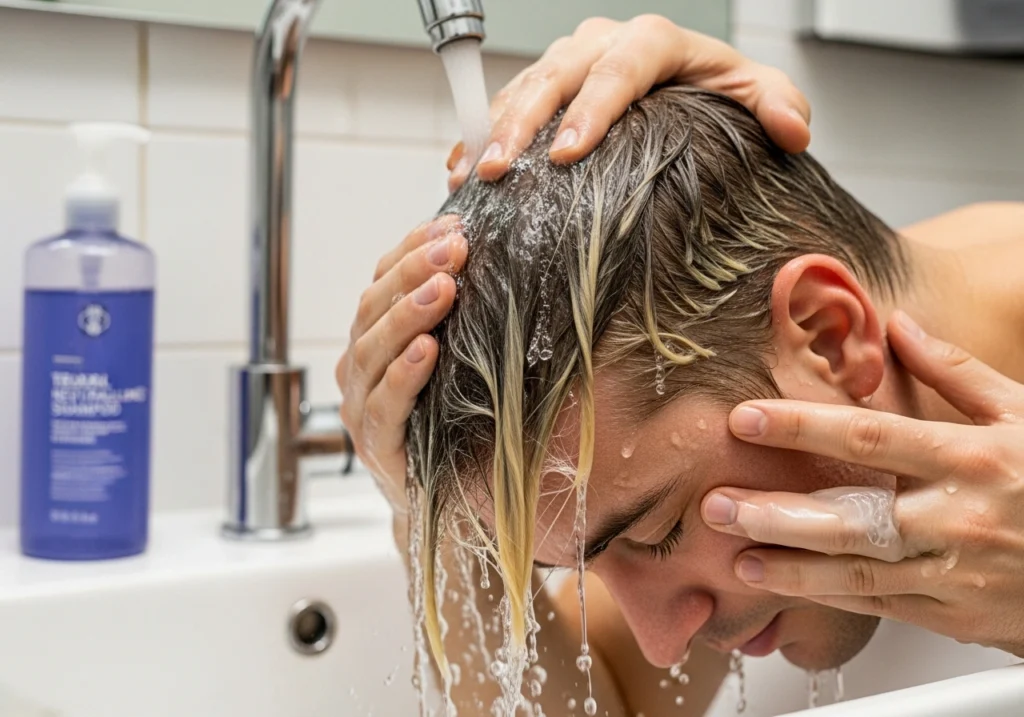
Rinse bleach thoroughly with lukewarm water until the water runs completely clear. Hot water opens the cuticle further and causes additional damage, while cold water does not remove bleach effectively. Rinse for at least five minutes to ensure all bleach residue washes away.
Apply a clarifying shampoo after the initial rinse to remove any remaining bleach traces. Follow with a deep conditioning treatment or protein mask. Leave the treatment on for the maximum recommended time to begin repairing damage and replacing lost moisture. Hair is extremely fragile immediately after bleaching and requires gentle handling.
Do not rub hair vigorously with towels. Instead, gently squeeze excess water and pat dry. Rough handling causes breakage and cuticle damage on weakened hair. Allow hair to air dry whenever possible rather than using heat styling tools.
Assess the color once hair dries completely. Wet hair appears darker than it actually is, so final color evaluation must wait until fully dry. Most bleached hair displays yellow or brassy undertones requiring toner application for the desired cool blonde shade.
Toning for Professional Looking Results
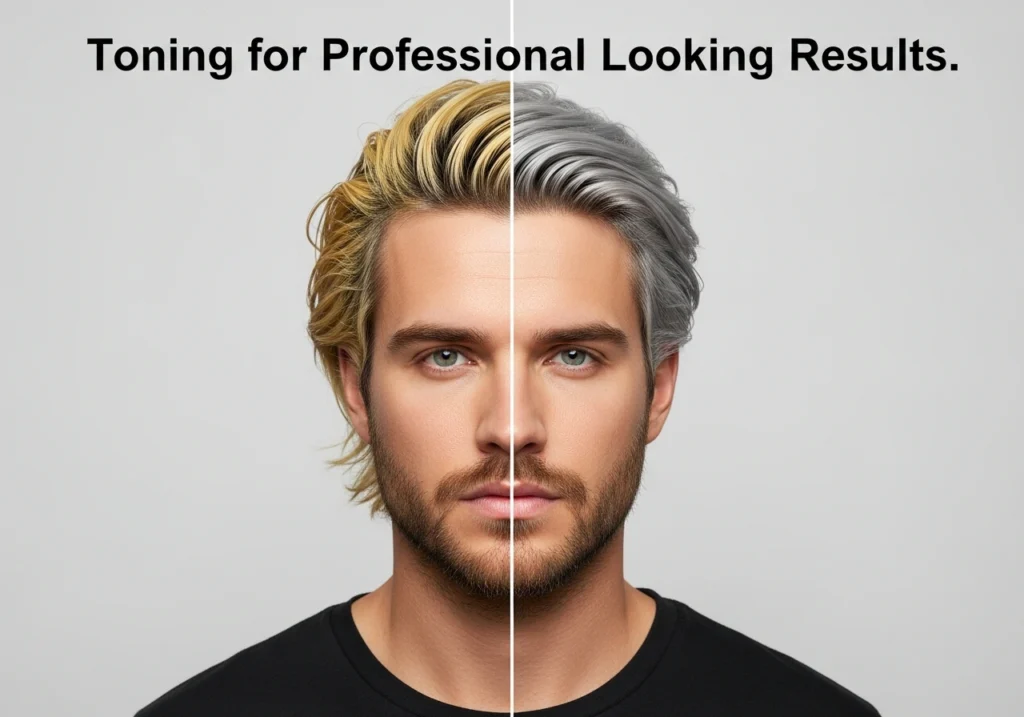
Toner neutralizes unwanted warm tones in bleached hair and creates polished, salon-quality color. Purple toners counteract yellow, while blue toners neutralize orange. Most men with bleached hair benefit from purple toner to achieve ash or platinum blonde results.
Apply toner to clean, damp hair using the same sectioning method as bleach application. Toner processes much faster than bleach, typically requiring only 10 to 20 minutes. Check color frequently to avoid over-toning, which creates unwanted purple or gray casts.
Toner is not permanent and fades with each wash. Plan to reapply every few weeks to maintain the desired shade. Purple shampoo provides maintenance between toner applications by depositing small amounts of violet pigment during regular washing.
Some men prefer the natural yellow blonde color and skip toning entirely. This choice is perfectly acceptable and requires less ongoing maintenance. Embrace your natural bleached color or experiment with toners until finding your preferred shade.
Caring for Bleached Hair Long Term

Bleached hair requires modified care routines to maintain health and color. Switch to sulfate-free shampoos that clean gently without stripping moisture. Wash hair less frequently, ideally every two to three days, to preserve natural oils and prevent excessive dryness.
Deep condition weekly using protein and moisture-rich treatments. Bleached hair loses protein structure during the lightening process, making regular protein treatments essential for maintaining strength and elasticity. Alternate between protein treatments and moisture masks for balanced hair health.
Minimize heat styling and always use heat protectant products when blow drying or using hot tools. Bleached hair sustains heat damage more easily than virgin hair. Air drying and heat-free styling methods protect your investment and extend the life of your color.
Protect hair from sun exposure which fades bleached color and causes additional dryness. Wear hats outdoors or use UV-protectant hair products. Chlorine from swimming pools also damages and discolors bleached hair, so wet hair with clean water before swimming and wear a swim cap when possible.
Common Mistakes to Avoid
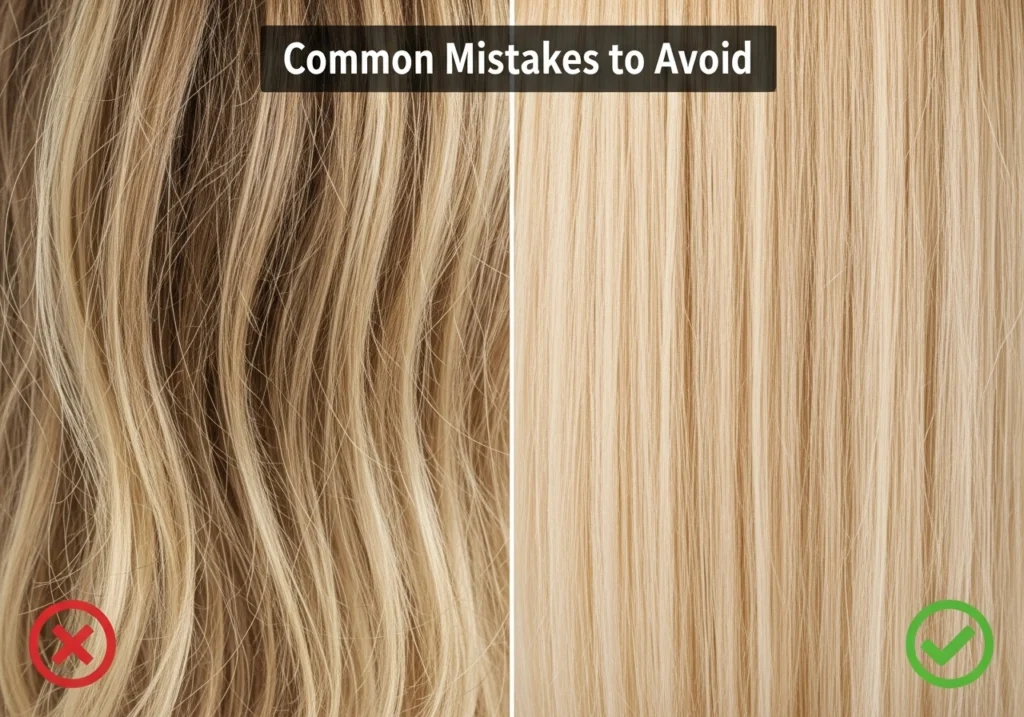
Many men damage their hair by using bleach that is too strong for their needs. Starting with lower volume developer and conducting multiple sessions proves safer than attempting dramatic lightening in one application. Patience protects hair health and produces better results.
Overlapping bleach onto previously lightened hair during touch-ups causes breakage and uneven color. Apply bleach only to new growth, carefully avoiding areas that have been bleached before. Use a barrier cream or conditioner on lightened ends to prevent accidental overlap.
Skipping strand tests leads to unexpected results and potential hair damage. Always test bleach on a small section before full application, even when using familiar products. Formula changes and hair condition variations affect outcomes.
Attempting to bleach over permanent dark dyes creates unpredictable results. Hair color and bleach interact chemically, often producing green, orange, or muddy tones. Color removal treatments or professional help are necessary before bleaching previously dyed hair.
Knowing When to Seek Professional Help

Some bleaching situations require professional expertise. Men with very dark hair seeking platinum blonde results often need multiple bleaching sessions spaced weeks apart. Professionals manage this process safely while minimizing damage.
Previously colored hair, especially with permanent dark dyes, presents challenges best handled by experienced colorists. The interaction between existing color and bleach is complex and unpredictable. Professionals use specialized techniques and products to remove old color before bleaching.
Significant hair damage including excessive breakage, chemical burns, or severe scalp irritation requires professional intervention. Attempting to fix these issues at home often worsens the situation. Consult a hair specialist who can assess damage and recommend appropriate treatments or corrective measures.
Men experiencing patchy or uneven results from home bleaching can benefit from professional color correction. While additional bleaching may seem like the solution, incorrect application often compounds problems. Professional colorists use targeted techniques to even out color while preserving hair health.
Maintaining Your Bleached Look

Root maintenance becomes necessary as natural hair grows. Most men need touch-ups every four to six weeks depending on hair growth rate and desired look. Apply bleach only to new growth using the same careful technique as the initial application.
Color depositing shampoos and conditioners help maintain tone between toner applications. Purple shampoo neutralizes yellow tones, while blue shampoo addresses orange undertones. Use these products once or twice weekly for best results.
Regular trims remove damaged ends and keep bleached hair looking healthy. Even with excellent care, bleached ends eventually become dry and brittle. Trimming every six to eight weeks maintains shape and removes the most damaged portions.
Consider your long-term hair goals when maintaining bleached color. Continuing to bleach indefinitely requires ongoing commitment to intensive care routines. Some men choose to grow out bleached hair and return to natural color, while others embrace regular maintenance as part of their grooming routine.
Conclusion
Bleaching mens hair at home offers an exciting way to transform your appearance without the expense of salon visits. Success requires careful preparation, quality products, proper technique, and realistic expectations about results and maintenance. Understanding your hair type, following processing times accurately, and committing to enhanced care routines ensures healthy, vibrant bleached hair.
The key to achieving professional results lies in patience and attention to detail. Rushing the process or taking shortcuts leads to damage and disappointing color. Approach bleaching as a learning experience, understanding that techniques improve with practice. Start conservatively with lower strength developers and shorter processing times, adjusting your approach based on results.
Remember that bleached hair demands ongoing commitment to specialized care. Daily routines must adapt to protect fragile, lightened strands from damage and preserve your desired color. With proper technique and dedicated aftercare, you can achieve and maintain stunning bleached hair that looks professionally done while enjoying the satisfaction and cost savings of at-home color transformation.
Frequently Asked Questions
How long should I wait between bleaching sessions?
Wait at least two weeks between bleaching sessions to allow hair to recover from chemical stress. Three to four weeks is ideal for maintaining hair health. Deep condition intensively between sessions and assess hair condition before proceeding with additional bleaching.
Can I bleach my hair if I have a sensitive scalp?
Yes, but take extra precautions. Apply a protective barrier cream along the hairline and avoid getting bleach directly on the scalp. Choose lower volume developers which are less irritating. If you experience burning or severe discomfort during processing, rinse immediately. Consider doing a patch test 48 hours before full application.
What do I do if my bleached hair turns orange instead of blonde?
Orange tones indicate your hair needs additional lifting or proper toning. If hair is healthy enough, apply bleach again after two weeks. Alternatively, use a blue-based toner to neutralize orange. Very dark hair naturally passes through orange stages before reaching blonde, so multiple sessions may be necessary.
How often should I use purple shampoo on bleached hair?
Use purple shampoo once or twice weekly to maintain cool tones. Leave it on for two to five minutes before rinsing. Overuse can create unwanted purple or gray tints. Alternate with regular moisturizing shampoo to maintain hair health and achieve balanced color maintenance.
Is box bleach from drugstores safe for mens hair?
Box bleach can work for home use but offers less control than professional products. Quality varies significantly between brands. Box bleach typically comes with pre-determined developer strength, limiting customization for your specific needs. If using box bleach, choose reputable brands and follow instructions precisely for safest results.



One Comment