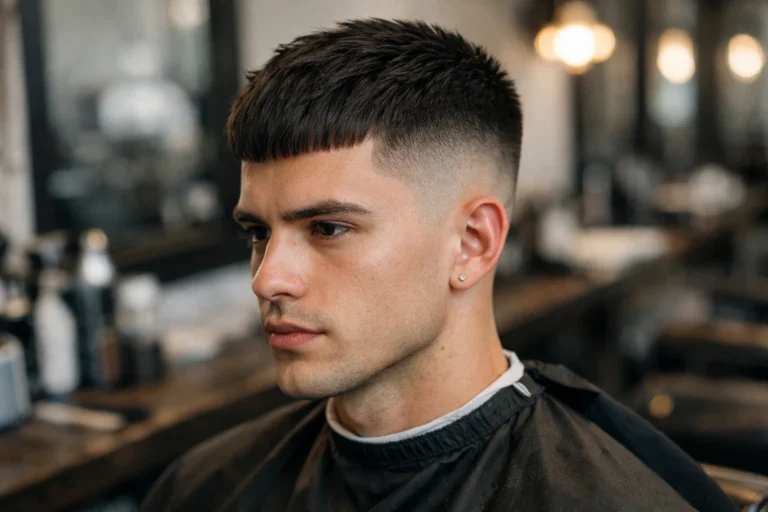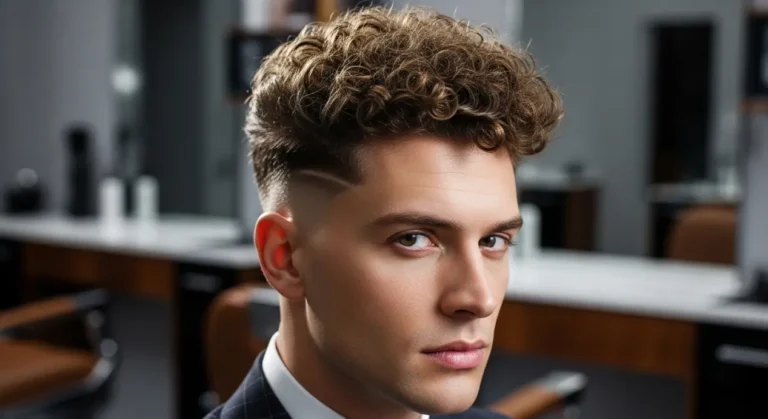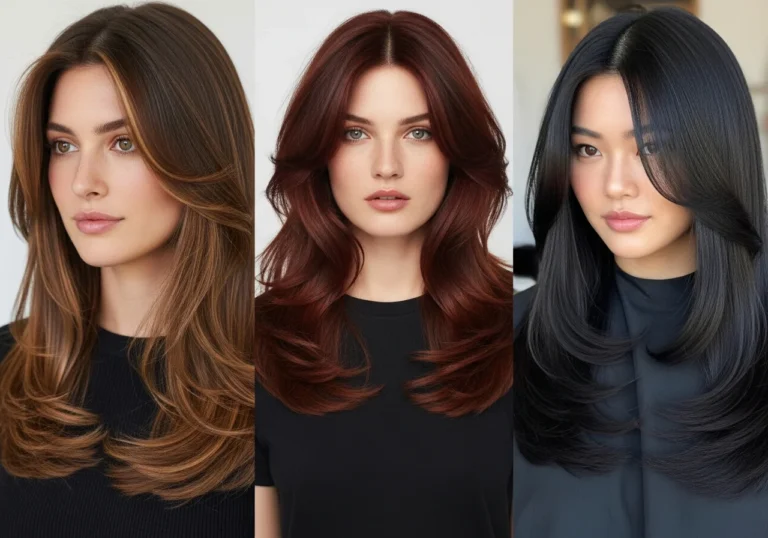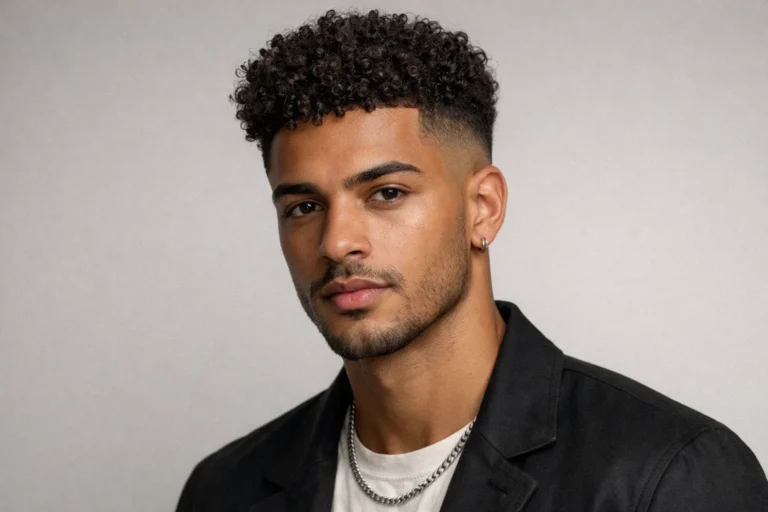
15 Best Temple Fade Haircuts For Men (From Waves To Curls)
The temple fade haircuts has become one of the most requested styles in barbershops worldwide, and for good reason. This versatile men’s hairstyle offers a perfect balance between modern precision and timeless appeal. Whether you have curly hair, straight locks, or textured waves, the temp fade creates a sharp, clean finish that elevates any look. Originally known as the Brooklyn fade, this technique focuses on gradually tapering the hair around the temples and sideburns, creating definition without the commitment of a full fade.
What makes the temple fade particularly appealing is its adaptability. Unlike high fades or skin fades that climb up the sides of the head, the temple taper keeps things tight and precise, focusing its fade effect around the temple area and neckline. This creates a subtle yet striking contrast that works with virtually any hair type and face shape. From professional settings to casual environments, the temple fade delivers a polished appearance that never looks overdone.
The popularity of this haircut style has surged dramatically in recent years. Men appreciate how it removes weight from the sides while maintaining length on top, making it ideal for those with round faces or square faces who want to elongate their facial structure. The tapered sides create clean lines that frame the face beautifully, while the textured top allows for creative styling options. Whether you prefer a low maintenance buzz cut or voluminous curls, there’s a temple fade variation that suits your needs.
1. Classic Temple Fade With Waves
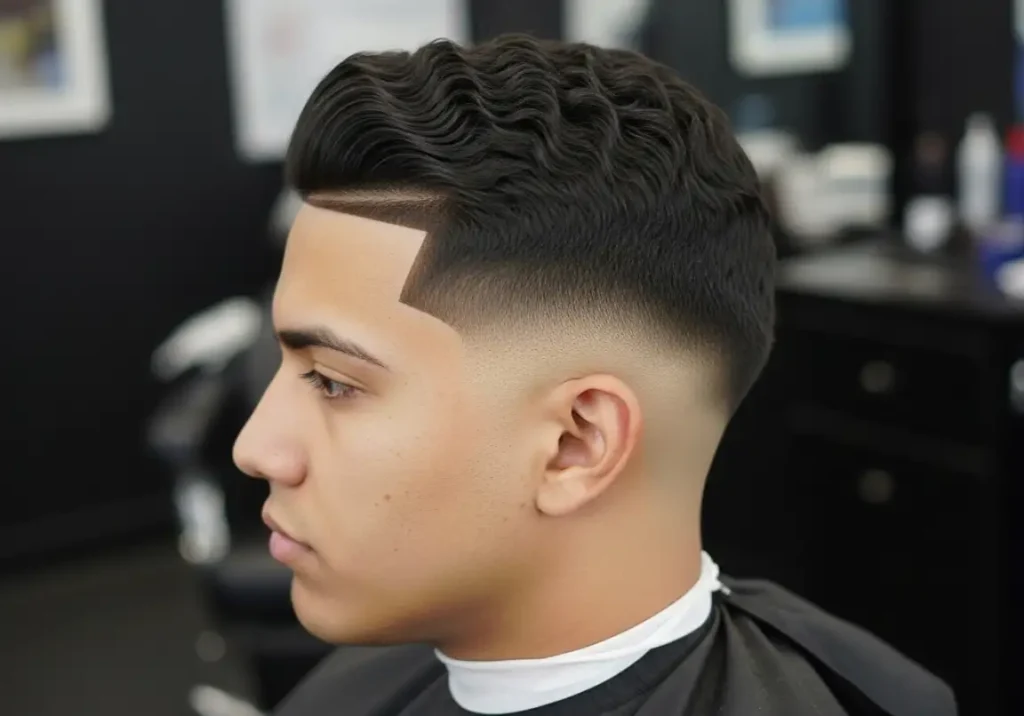
The temple fade with waves remains a timeless choice for men seeking that perfect blend of sophistication and style. This look combines sharp faded sides with smooth, defined 360 waves on top, creating a polished finish that commands attention. The precision of the fade highlights the wave pattern beautifully, while keeping the overall look controlled and intentional.
To achieve this style, maintaining your waves requires dedication. Brush daily with a wave brush and use a durag overnight to train the pattern. Apply hydrating argan oil to keep your waves moisturized and add natural shine. The temple fade creates a clean shape-up that frames your waves perfectly, making them the focal point of your hairstyle.
This haircut works particularly well for men with naturally wavy hair or those who have committed to the wave training process. The contrast between the faded temples and the defined waves creates visual interest without appearing overly complicated. For styling, use a lightweight wave pomade or curl cream to enhance definition while maintaining movement.
2. Temple Fade With Curly Top
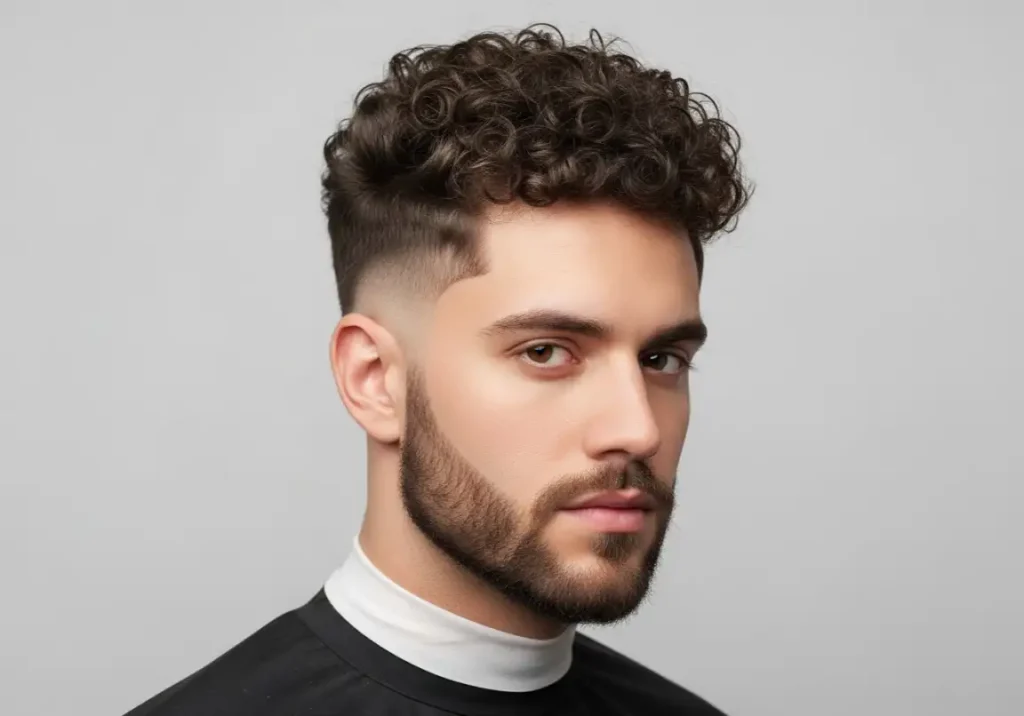
Men with curly hair will find the temple fade with curly top to be their ideal grooming solution. This style showcases natural curls on top while maintaining neat sides through a precise temple fade. The voluminous texture of the curls adds height and personality, while the tapered fade creates structure and balance.
The beauty of this cut lies in its ability to celebrate your natural texture rather than fighting against it. The temple area is faded cleanly, removing bulk from the sides and preventing the dreaded triangle effect common with curly cuts. Use a curl-enhancing cream or mousse to define your curls and maintain volume without weighing them down.
For optimal results, ask your barber for a low fade or medium fade around the temples, leaving about one to two inches on top to emphasize the curls. This haircut style suits oval faces and oblong faces particularly well, as the curly top creates balance. Blow-dry with a diffuser to enhance shape and minimize frizz, then apply a light styling product to hold definition throughout the day.
3. Temple Fade Afro
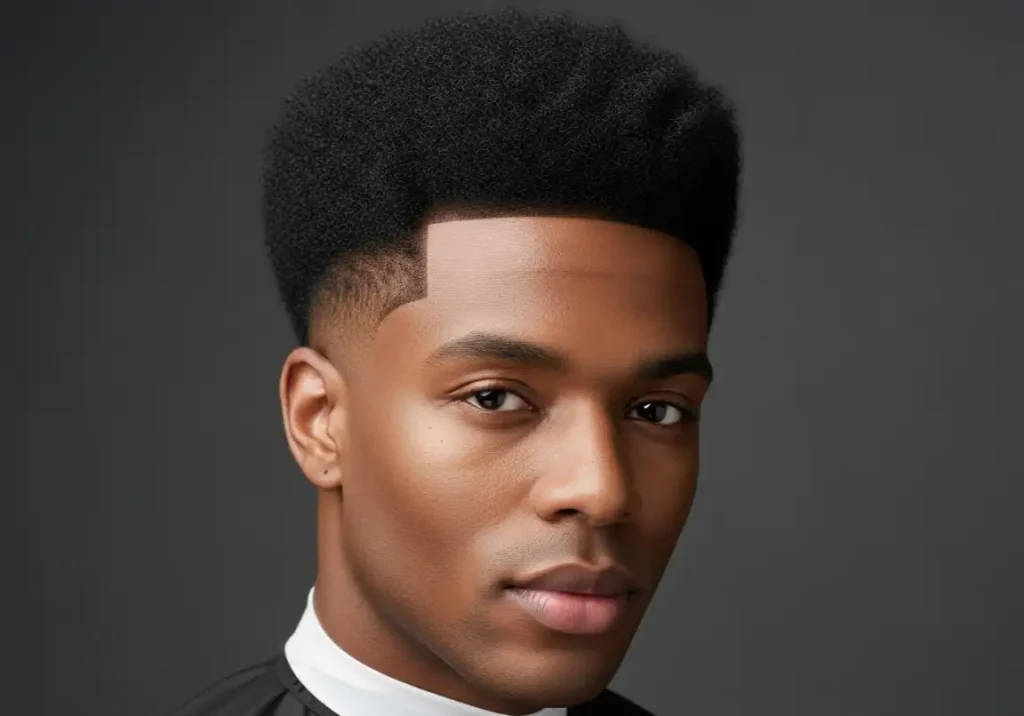
The temple fade afro represents the perfect marriage of classic style and modern technique. This hairstyle allows you to keep the length and volume of your afro on top while incorporating the sharp edges and clean lines of a temple fade around the sides. The result is a structured yet expressive look that highlights your natural hair texture.
This style works beautifully for men who want to maintain their afro without sacrificing the polished appearance that comes with a fade. The faded temples create definition around the face, while the rounded shape of the afro on top provides volume and character. Regular shape-ups every two to three weeks keep the hairline sharp and the fade looking fresh.
To maintain this haircut, use a leave-in conditioner or curl cream to keep your coils hydrated and defined. The temple fade helps manage the overall shape of your afro while adding a contemporary edge. Whether you prefer a slightly squared-off afro or a more natural rounded shape, the temple fade adapts to your preference while keeping edges precise and well-groomed.
4. Low Temple Fade With Textured Fringe
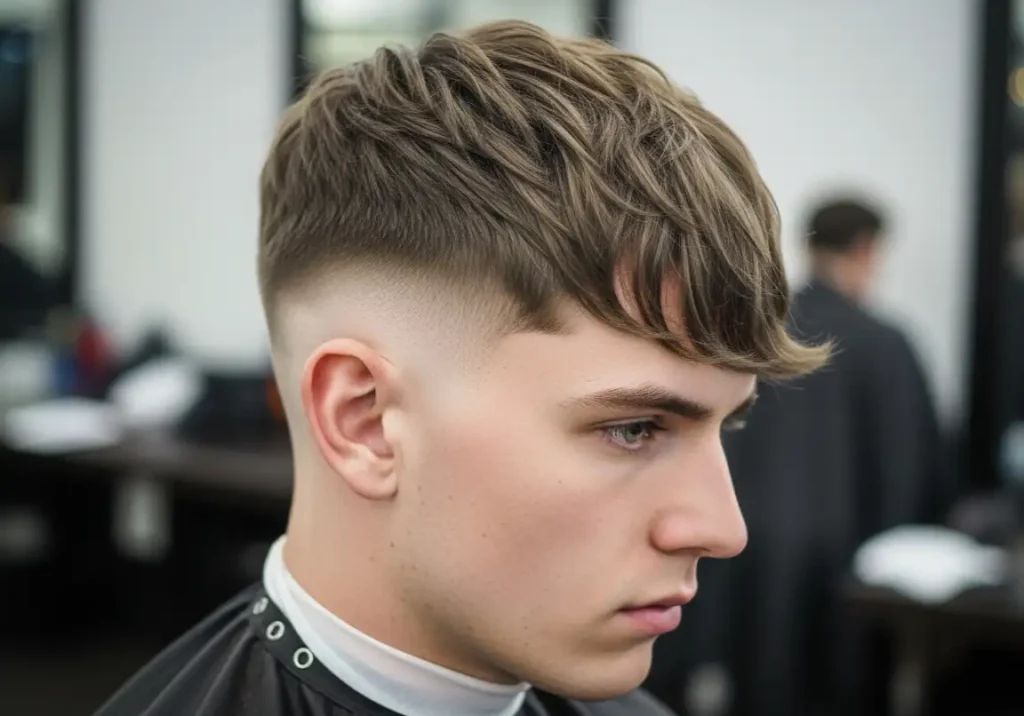
The low temple fade with textured fringe delivers a sophisticated style that blends precision with modern texture. This haircut features short, blended sides that seamlessly transition into a longer, textured fringe at the front. The low fade begins just above the ears, creating a subtle yet defined contrast that frames the face beautifully.
This style particularly suits men with straight hair or wavy hair, as the fringe adds depth and dimension. The overall appearance offers a refined yet informal look, making it suitable for both professional settings and casual outings. The temple taper keeps things clean around the sideburns and temples while allowing the fringe to be the star of the show.
For styling, use a matte clay or sea salt spray to boost texture. Rough dry with fingers rather than a brush for a perfectly imperfect finish. The low temple fade grows out gracefully, requiring less frequent maintenance than higher fades. This makes it an excellent choice for men who want a stylish haircut without constant barbershop visits.
5. High Temple Fade With Pompadour

The high temple fade with pompadour merges sharply defined lines with bold height, creating an elegant and timeless choice. This hairstyle features closely shaven sides through a high fade that emphasizes the full volume on top. The pompadour requires medium to thick hair, adding height that balances round faces or square faces perfectly.
With origins rooted in classic 1950s style, the pompadour remains a strong favorite in modern fashion due to its versatile nature. The high temple fade pushes the fade higher for bold contrast, making the pompadour even more striking. Ask your barber for a high temple fade and ensure the top is left long enough to create significant height and volume.
Strong-hold pomade or wax is essential for maintaining the pompadour’s height and shape throughout the day. Apply to damp hair and use a blow-dryer with a round brush to create lift. The crisp edges of the temple fade complement the structured volume of the pompadour, creating a look that’s both professional and fashion-forward.
6. Buzz Cut With Temple Fade
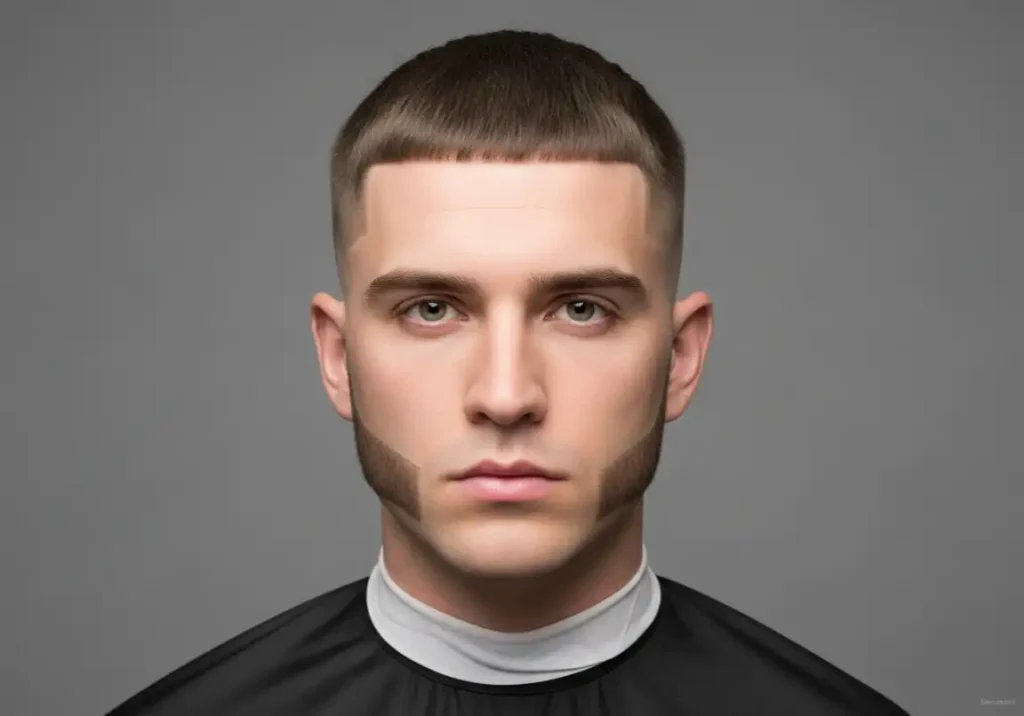
The buzz cut with temple fade proves that low maintenance doesn’t mean low style. This haircut is about as effortless as it gets, yet adding a sharp temple fade transforms this military staple into something modern and seriously slick. Whether you have straight hair, coarse curls, or want to rock waves, this style keeps things tight and tidy.
The clean lines of the temple fade add symmetry and definition to an otherwise simple cut. Request a buzz cut all over, keeping it short but not skin-level, with a clean temple fade around the sides. Ask for the fade to blend smoothly into your beard or neckline, and request a line-up around the forehead for added definition.
This haircut style suits all hair types and works particularly well with oval faces, square faces, or oblong faces where clean lines enhance facial structure. For minimal maintenance, this is the ultimate choice. The temple fade adds just enough detail to elevate a basic buzz cut into a statement of intentional style.
7. Temple Fade With Dreads
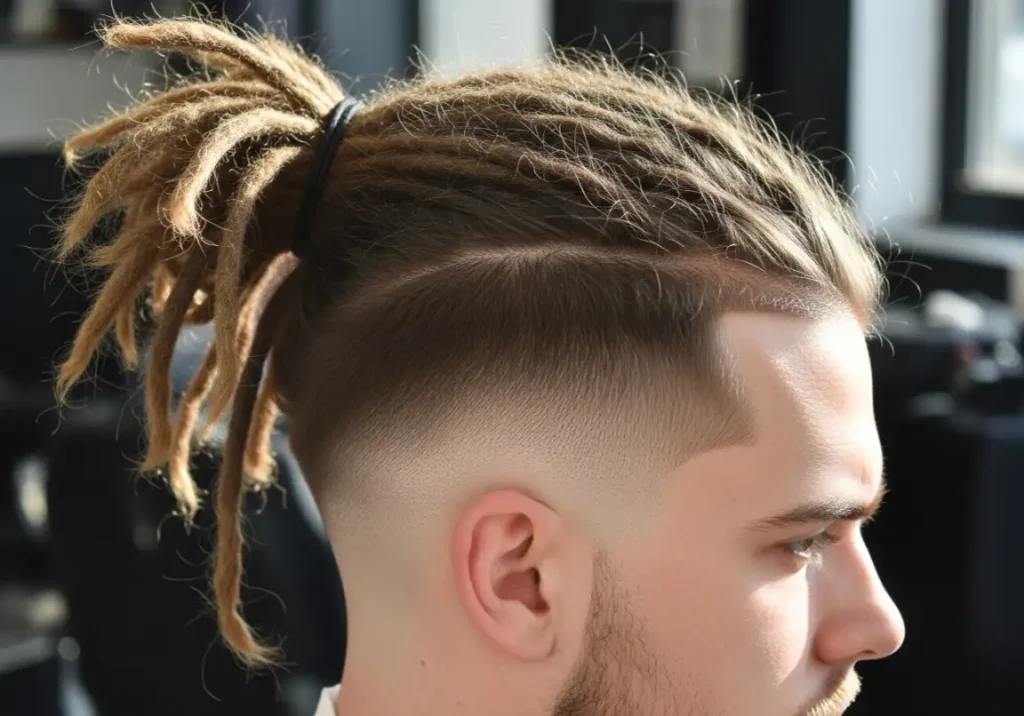
The temple fade with dreads creates a twisted, braided hairstyle with sharp, neat sides that showcase the beauty of locs while maintaining a clean, professional appearance. The tapered sides remove weight from around the ears and temples, allowing the dreads on top to be the focal point while keeping the overall look balanced.
This style allows you to have long hair while keeping it clean and sharp-looking from the front, sides, and back. The fade creates subtle contrast and cleanliness that complements facial hair, sideburns, or even a clean-shaven look. Regular maintenance includes keeping the fade fresh with visits to your barber every two to three weeks.
The temple fade works with dreads of any length, from shorter starter locs to mature, longer dreads. Use a moisturizing spray or light oil to keep your locs hydrated without causing buildup. The contrast between the textured dreads and the smooth fade creates visual interest that makes this hairstyle stand out in any setting.
8. Temple Fade With Line Up
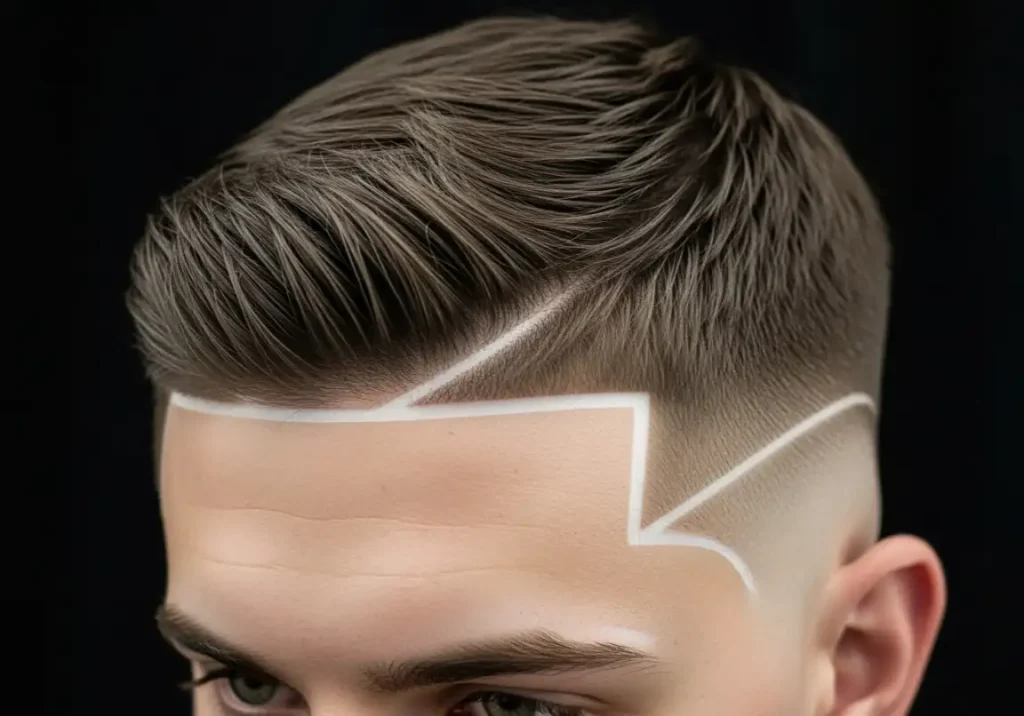
Adding a precise line-up to your temple fade takes the haircut to the next level of sharpness. The line-up creates defined edges along the hairline, temples, and around the sideburns, giving your face a clean frame that enhances your features. This attention to detail transforms a good haircut into an exceptional one.
The sharp edges created by a line-up work particularly well with the gradual fade of the temple area. Together, they create a look that’s both polished and edgy. The line-up should be maintained weekly for the crispest appearance, though it can last up to two weeks depending on your hair growth rate.
This styling technique works with virtually any hair texture and top style. Whether you have a curly top, waves, or straight hair, the combination of temple fade and line-up provides structure and definition. Use edge control products to keep your hairline looking sharp between barbershop visits.
9. Mid Temple Fade With Wavy Hair
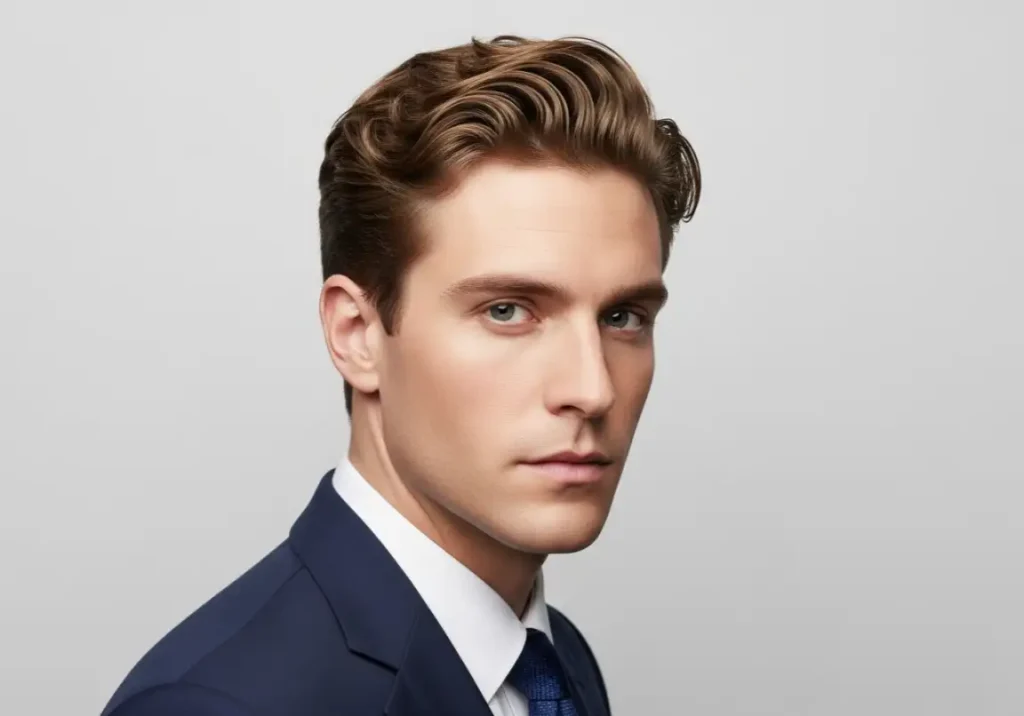
The mid temple fade with wavy hair blends soft waves with sharp fade lines for a clean yet natural look. The curls up top add volume and movement, while the mid fade keeps the sides tight and polished. This balanced approach starts the fade around the middle of the head, creating a versatile look that suits most face shapes.
The natural texture of wavy hair pairs beautifully with the precision of a mid temple fade. The waves provide visual interest on top while the fade creates structure on the sides. Use a lightweight texture cream and blow-dry with fingers to define waves without making them stiff or crunchy.
This haircut works best for men with oval faces, diamond shapes, or oblong faces wanting balanced edge and style. The mid-level fade offers more contrast than a low fade but maintains more hair on the sides than a high fade. This sweet spot makes it one of the most popular temple fade variations for its versatility and balance.
10. Shadow Temple Fade
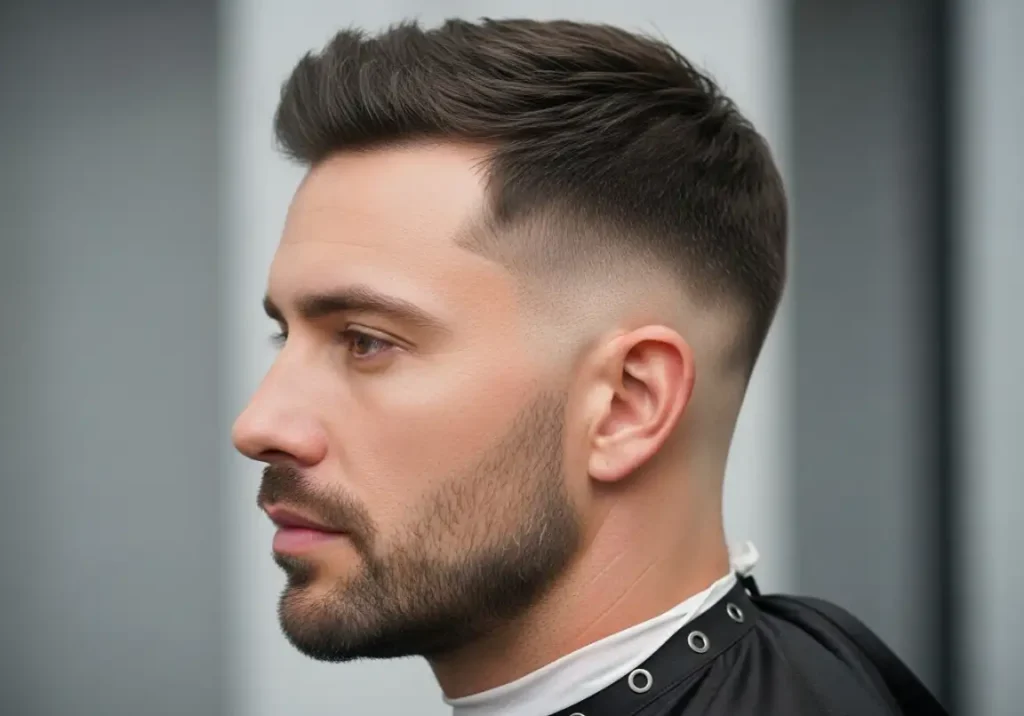
The shadow temple fade creates a smooth taper around the temples with fuller texture on top, delivering a sharp yet natural contrast. This style is perfect for men who want a balanced, low maintenance look with definition. The shadow effect comes from a very gradual fade that creates subtle dimension rather than stark contrast.
Keep edges crisp with styling cream while using a blow-dryer and finger-shaping to maintain volume. The shadow fade is less dramatic than a skin fade or bald fade, making it ideal for conservative environments or men who want to ease into the fade trend without fully committing.
This haircut style works with various hair types and textures, from straight to curly. The gentler fade grows out more gracefully than sharper fades, meaning you can go longer between barbershop visits. The clean finish still provides definition around the temples while keeping the overall look softer and more subtle.
11. Burst Temple Fade
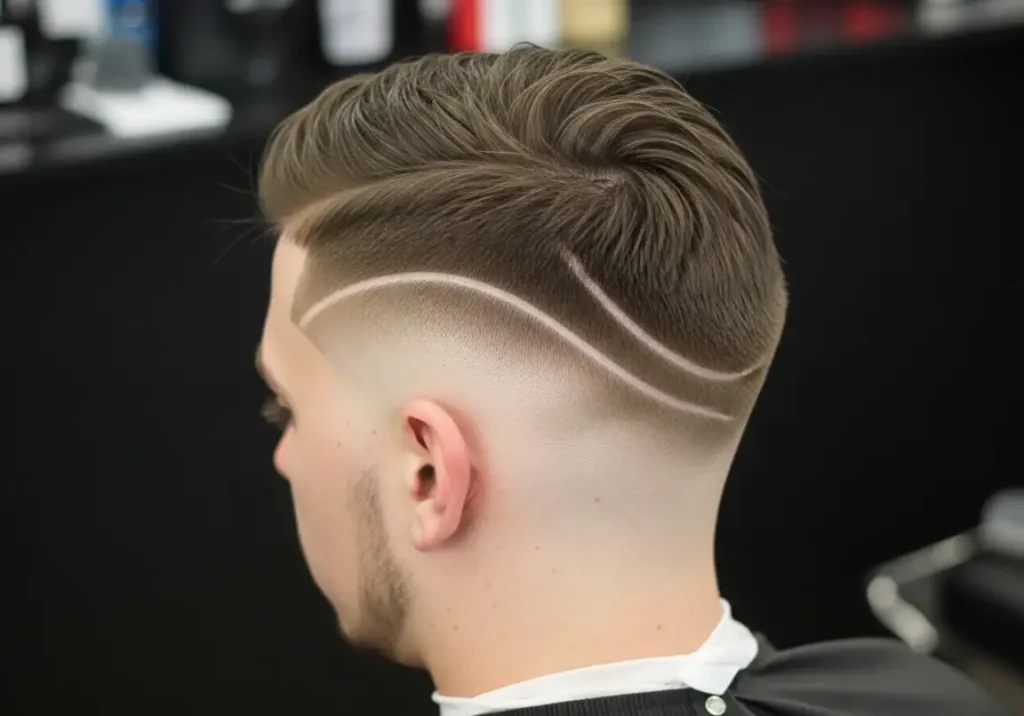
The burst fade variation adds a unique twist to the traditional temple fade by creating rounded edges behind the ear. This creates a stylish burst effect that frames the haircut perfectly, following the natural curve of the head. The clean transition enhances the textured top, giving the style youthful energy and bold detail.
Unlike straight fades that go directly up and down, the burst fade curves around the ear, creating a semi-circular pattern that adds visual interest. This works exceptionally well with mohawks, faux hawks, or any style with concentrated volume on top. The burst effect draws the eye upward, emphasizing height and texture.
Style with texture powder for lift and molding paste for control, finishing with finger-shaping and blow-drying to keep everything defined. The burst temple fade suits men who want something different from the standard fade while maintaining professional appeal. It’s particularly popular among younger men seeking a contemporary edge.
12. Temple Fade With Spiky Top
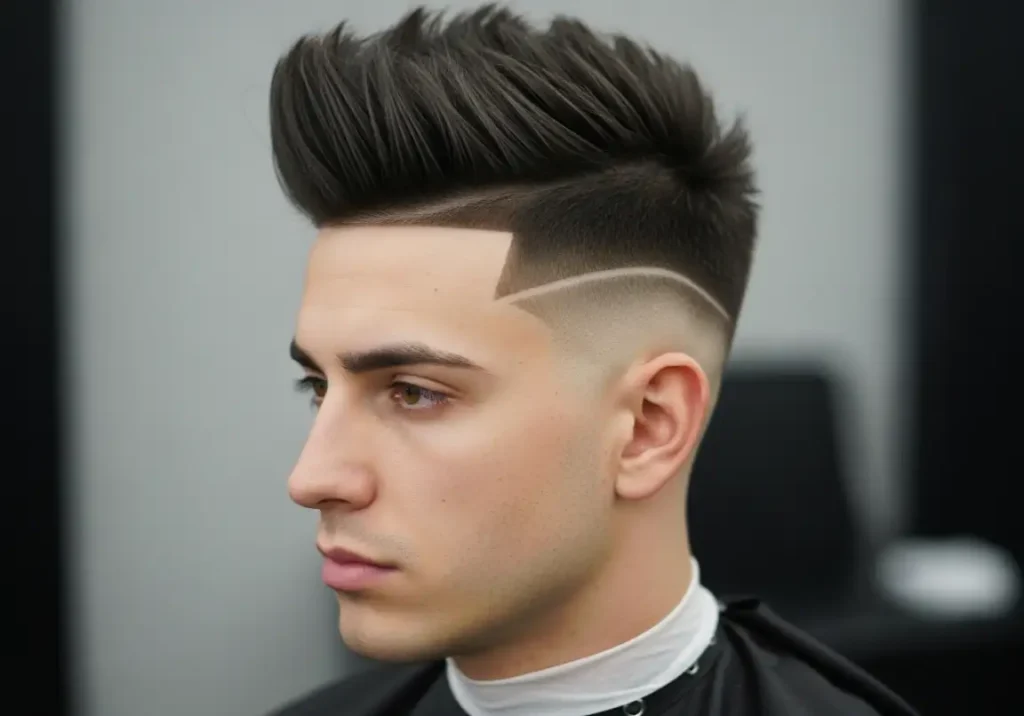
The temple fade with spiky top delivers dynamic energy and bold personality. This hairstyle features short, precisely faded sides that contrast sharply with textured spikes on top. The spikes can be subtle and sophisticated or bold and dramatic, depending on your preference and hair length.
To create this look, apply a strong-hold gel or styling wax to damp hair and work it through from roots to tips. Use your fingers to create individual spikes, directing them upward and slightly forward for the most flattering angle. The temple fade provides a clean canvas that makes the spikes stand out even more.
This haircut works particularly well for men with thick hair that can support the structure of spikes. The tapered sides remove bulk while the spiky top adds height, making it an excellent choice for round faces that benefit from vertical emphasis. Regular trims every three to four weeks keep the fade sharp and the top at the ideal length for spiking.
13. Temple Fade With Twists
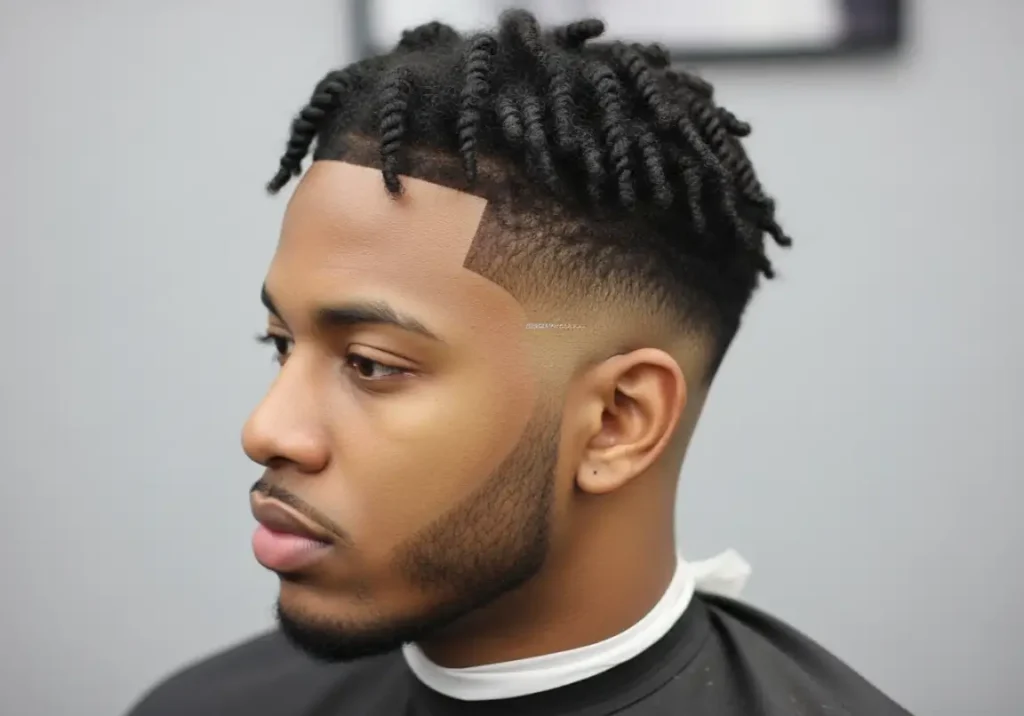
Temple fade with twists combines the clean edges of a fade with the textured appeal of twisted hair. This style works beautifully with natural hair, allowing you to showcase your texture while maintaining a polished appearance. The twists add dimension and character on top while the fade keeps the sides neat and structured.
This hairstyle is particularly popular among men with coily hair or tight curls. The twists can vary in size from chunky to fine, each creating a different aesthetic. Two-strand twists are the most common, but three-strand twists or flat twists can also work beautifully with a temple fade.
To maintain this style, use a moisturizing cream when installing your twists and refresh them as needed. The fade portion requires regular maintenance every two to three weeks to keep the sharp lines intact. When you eventually take down the twists, you can enjoy a twist-out style that pairs beautifully with the faded temples.
14. Temple Fade With Slicked Back Hair

The temple fade with slicked back hair creates a sophisticated, professional look that works equally well in boardrooms and social settings. This classic hairstyle features hair combed back smoothly from the forehead, with the temple fade adding modern edge to an otherwise traditional style.
Use a high-shine pomade or gel to achieve the sleek, polished appearance. Apply to damp hair and comb straight back, ensuring even distribution. The tapered sides of the temple fade create clean lines that complement the smooth texture on top. This combination of classic and contemporary elements makes the style versatile and timeless.
This haircut requires medium length on top, typically three to five inches, to create the proper slicked-back effect. The temple fade can be low, mid, or high depending on your preference and face shape. Men with thick hair or wavy hair particularly benefit from this style as it tames texture while maintaining volume.
15. Temple Fade With Short Curls

The temple fade with short curls keeps things tight and manageable while celebrating natural texture. This low maintenance haircut features closely cropped curls on top with clean faded temples that sharpen the edges. The short length makes this style practical for active lifestyles while still looking intentional and stylish.
This variation works particularly well for men with tight curls or coily hair who want to minimize styling time without sacrificing style. The short curls require minimal product, just a light curl cream or leave-in conditioner to maintain moisture and definition. The fade provides structure and removes bulk from the sides.
Ask your barber for a low temple fade or mid fade depending on how much contrast you want. Keep the top at one to two inches to maintain the curl pattern while keeping maintenance simple. This haircut style suits virtually all face shapes and works in both professional and casual settings, making it one of the most versatile temple fade options.
Maintaining Your Temple Fade
Regardless of which temple fade variation you choose, proper maintenance is essential for keeping your haircut looking sharp. Schedule visits to your barber every two to three weeks to maintain the fade’s definition and clean lines. Between appointments, keep your hairline neat by using edge control products and maintaining your hair care routine.
For the top portion of your hair, use products suited to your hair type. Men with curly or wavy hair should use moisturizing products to prevent dryness and maintain definition. Those with straight hair might prefer lightweight styling products that add texture without weighing hair down. Always choose products that match your specific hair needs and desired finish.
The temple fade offers incredible versatility for modern men. Whether you prefer the polished look of slicked back hair, the textured appeal of curls, or the classic simplicity of a buzz cut, adding a temple fade elevates any style. The precise tapering around the temples creates definition and structure while allowing your personality to shine through the top styling. With proper care and regular maintenance, your temple fade will keep you looking sharp and confident in any setting.
Conclusion
The temple fade haircut has earned its place as one of the most versatile and sought-after men’s hairstyles for good reason. From the classic temple fade with waves to the bold high fade with pompadour, each variation offers a unique way to express personal style while maintaining a sharp, professional appearance. Whether you have curly hair, straight locks, or natural texture, there’s a temple fade that complements your hair type and enhances your face shape.
What sets the temple fade apart from other haircut styles is its remarkable adaptability. The focused tapering around the temples and sideburns creates clean definition without the commitment of a full fade, making it suitable for both conservative professional environments and more casual settings. The tapered sides provide structure while the top remains versatile enough for countless styling options, from slicked back hair to textured curls and everything in between.
Maintaining your temple fade requires dedication but the results are well worth the effort. Regular visits to your barber every two to three weeks keep the fade sharp and the clean lines intact. Between appointments, proper hair care with quality styling products suited to your specific hair texture ensures your look remains fresh and polished. Whether you prefer low maintenance styles like the buzz cut with temple fade or more involved looks like dreads or twists, consistent grooming habits make all the difference.
The beauty of choosing a temple fade lies in the confidence it brings. This haircut frames your face perfectly, creates visual balance, and allows your personality to shine through your chosen top style. Whether you’re rocking 360 waves, embracing your natural curls, or experimenting with a textured fringe, the temple fade provides the foundation for a look that’s uniquely yours. With the right style, proper maintenance, and confidence in your choice, your temple fade will keep you looking sharp, modern, and ready to take on anything.
You may also like this post: 12 Tapered Beard Styles for a Modern Look
Frequently Asked Questions
What is the difference between a temple fade and a regular fade?
A temple fade focuses specifically on tapering the hair around the temples and sideburns, creating a more localized fade effect. A regular fade extends higher up the sides of the head and around the back, affecting a larger area. Temple fades are more subtle and easier to maintain.
How often should I get my temple fade touched up?
For the sharpest appearance, visit your barber every two to three weeks. The fade and line-up will start to grow out after about ten days, but most men can maintain a presentable look for up to three weeks. Active lifestyles or fast hair growth may require more frequent visits.
Does a temple fade work with all hair types?
Yes, temple fades work with all hair types including straight, wavy, curly, and coily hair. The technique can be adjusted to complement your specific texture. Curly and textured hair particularly benefit from the structure a temple fade provides.
What should I tell my barber when asking for a temple fade?
Be specific about the fade level you want (low, mid, or high), how you want the top styled, and whether you want additional details like a line-up or hair designs. Bringing reference photos helps ensure clear communication about your desired result.
Can I style a temple fade differently for professional and casual settings?
Absolutely. The temple fade serves as a versatile base that allows different top styling. Slick your hair back with pomade for professional settings, or wear it textured and natural for casual occasions. The clean sides maintain a polished appearance regardless of how you style the top.