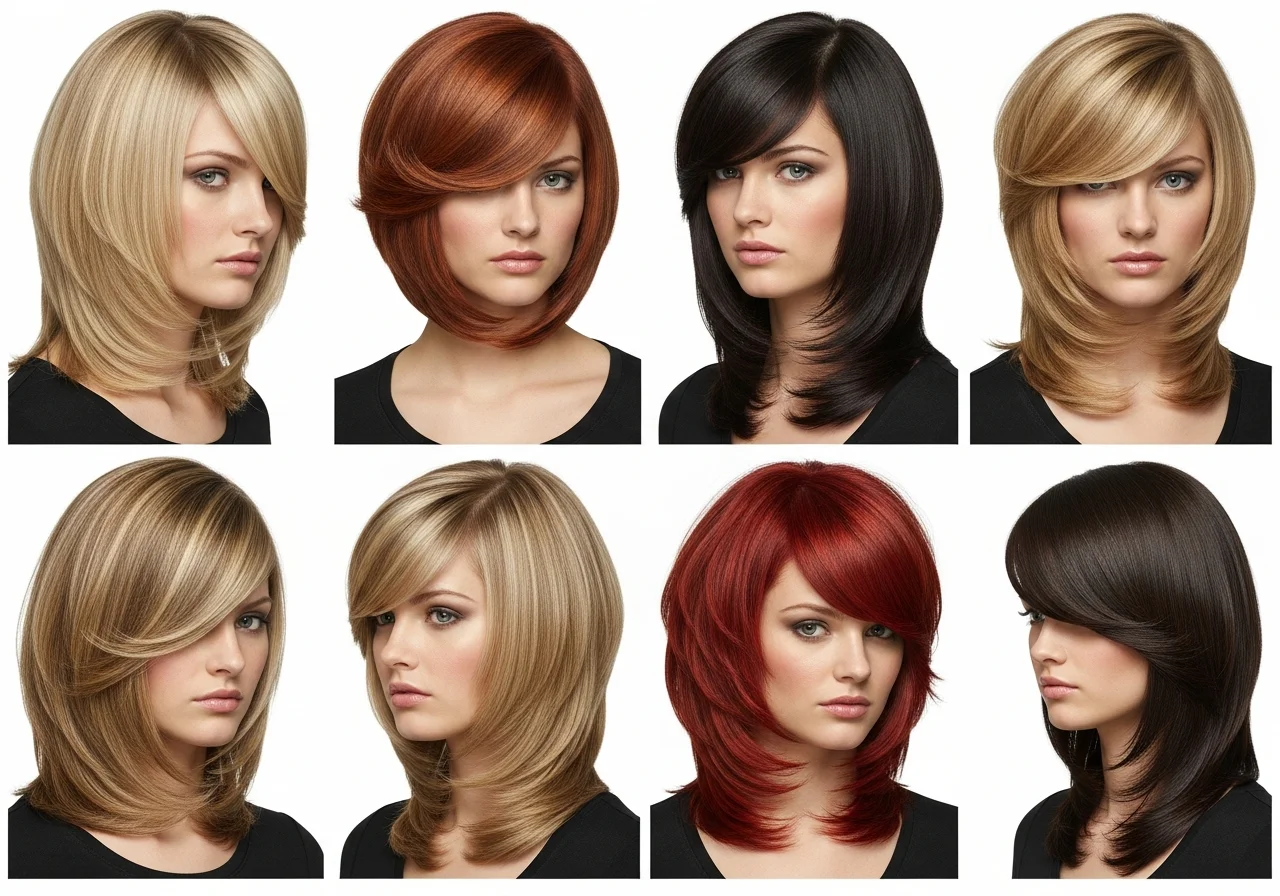
21 Side Bangs Hairstyles: Polished Side-Parted & Layered Looks for Added Volume
Side bangs have returned to the forefront of hair fashion, bringing with them a versatility that few other fringe styles can match. This timeless hair trend offers a perfect balance between dramatic transformation and subtle enhancement, making it an ideal choice for anyone looking to refresh their look without committing to a drastic change. Whether you have thick, wavy locks or fine, straight hair, side bangs can be customized to complement your unique features while adding dimension and movement to your overall style.
The beauty of side bangs lies in their remarkable adaptability. Unlike blunt, straight-across bangs that require precise maintenance and styling, side-swept fringes offer a more forgiving approach to hair styling. They grow out gracefully, blend seamlessly with various hair lengths, and can be adjusted to suit different face shapes and personal preferences. From sophisticated professional settings to casual weekend outings, side bangs transition effortlessly between different environments, making them a practical choice for those with busy lifestyles.
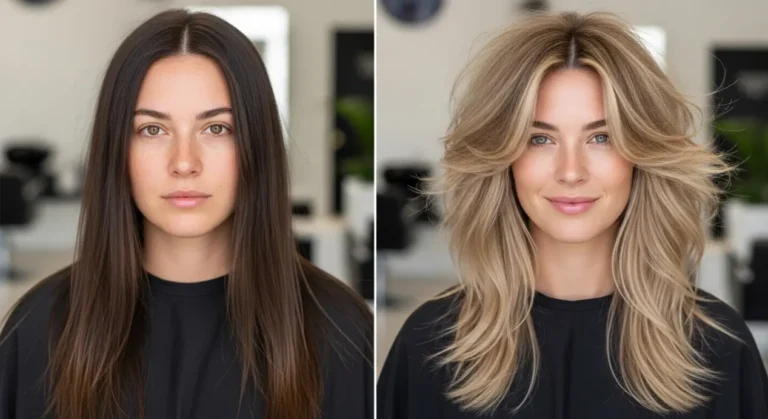
What makes side bangs particularly appealing is their ability to create the illusion of added volume and structure. When paired with strategic layering, these bangs lift at the roots and create movement throughout the hair, transforming flat, lifeless strands into a bouncy, full-bodied style. This volumizing effect occurs because the asymmetrical cut distributes weight more evenly across the head, reducing bulk in some areas while adding lift in others.
Understanding the Appeal of Side Bangs
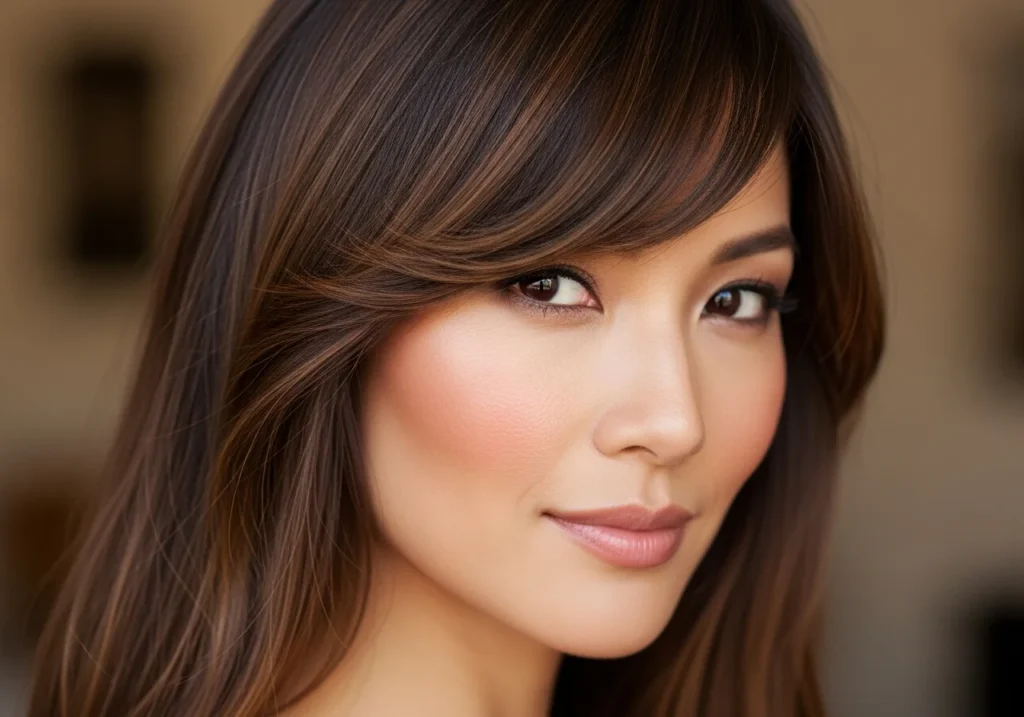
Side bangs have maintained their popularity across decades because they address multiple styling concerns simultaneously. They frame the face beautifully, drawing attention to the eyes and cheekbones while softening angular features or balancing proportions. The diagonal line created by side-swept bangs naturally elongates the face, making them particularly flattering for those with rounder or wider facial structures.
The styling flexibility of side bangs cannot be overstated. On days when you want a polished appearance, a quick blow-dry with a round brush creates smooth, elegant lines. When a more relaxed vibe is desired, simply air-drying the bangs produces an effortlessly tousled look. This chameleon-like quality makes side bangs suitable for various hair textures, from poker-straight to loosely wavy.
Professional hairstylists often recommend side bangs as an entry point for those hesitant about getting fringe. The gradual length variation means that if you decide bangs are not for you, the growing-out process is far less awkward than with straight-across styles. The longer side sections blend naturally with the rest of your hair, eliminating the dreaded in-between stage that typically accompanies bang regrowth.
Classic Side-Swept Bangs
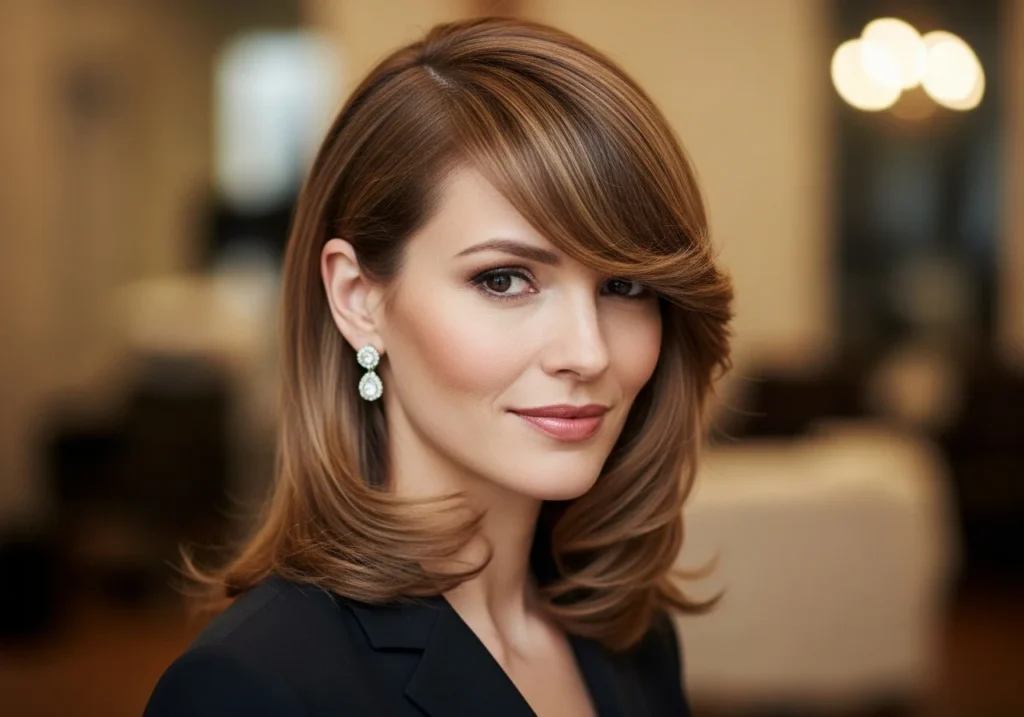
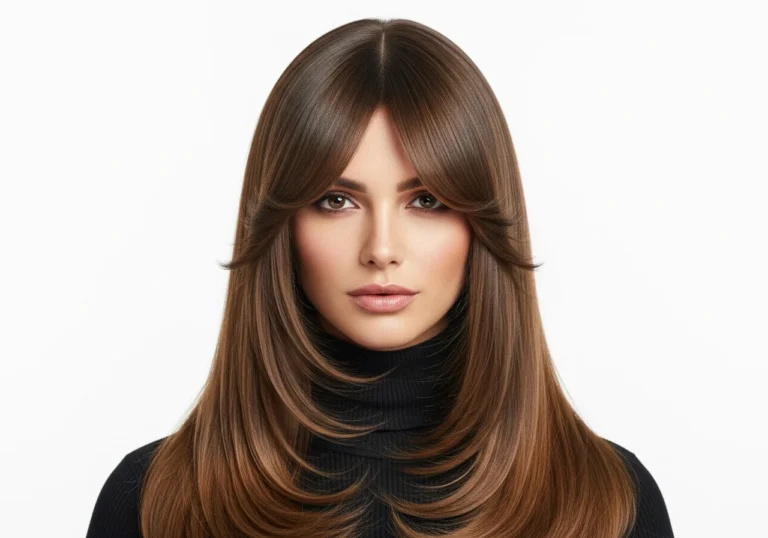
The traditional side-swept bang remains one of the most requested styles in salons worldwide. This look features longer fringe pieces that sweep gracefully across the forehead, typically starting from a deep side part. The bangs gradually taper as they move across the face, creating a soft, romantic effect that works beautifully with medium to long hair.
This style particularly shines when paired with layers throughout the rest of the hair. The combination creates a cohesive look where the bangs do not appear as a separate element but rather as an integrated part of the overall hairstyle. The sweeping motion adds elegance and sophistication, making it a favorite among those who prefer timeless rather than trendy aesthetics.
Styling classic side-swept bangs requires minimal effort. After washing, simply blow-dry the bangs in the direction you want them to fall, using your fingers or a round brush to guide them. A light-hold hairspray keeps them in place throughout the day without making them stiff or crunchy. For added polish, a small amount of smoothing serum tames any flyaways and adds shine.
Long Layered Side Bangs for Maximum Volume
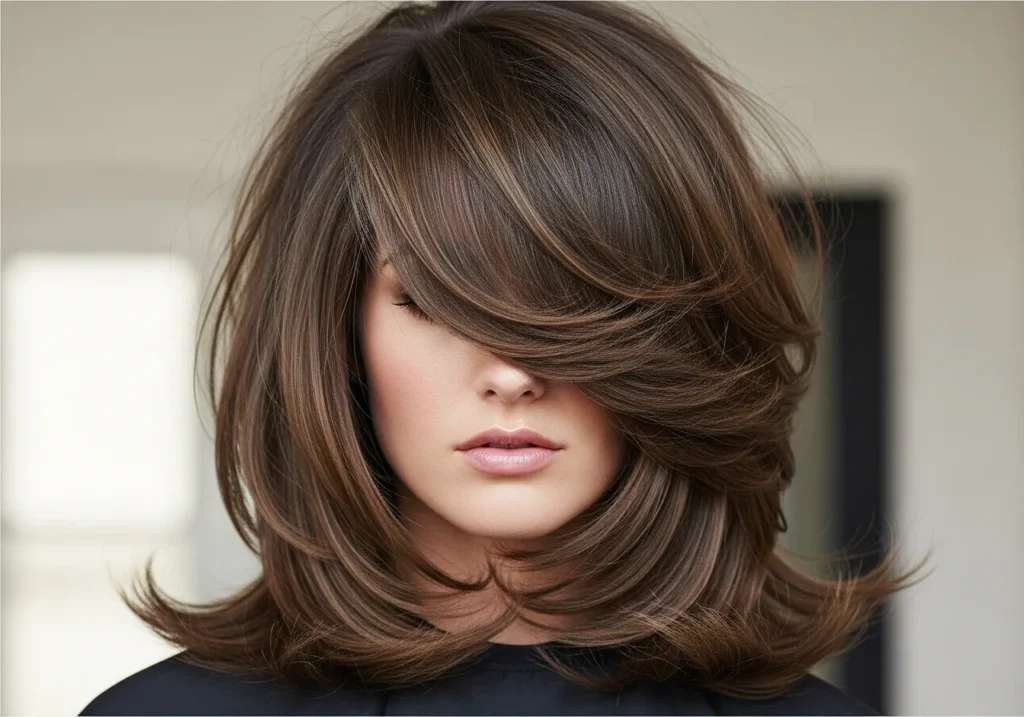
Long layered side bangs represent the perfect marriage between fringe and face-framing layers. Cut to chin length or longer on the side, these bangs feature multiple layers that create dimension and movement. The layering technique removes weight from the hair, allowing it to bounce and move more freely, which translates to the appearance of increased volume.
This style works exceptionally well for those with fine or thin hair who struggle to achieve fullness. The layers create the optical illusion of thicker hair while the side-swept nature prevents the fringe from lying flat against the forehead. When styled with a volumizing mousse and blow-dried using a round brush, these bangs can add significant height at the crown and movement through the mid-lengths.
Women with square or angular face shapes particularly benefit from long layered side bangs. The soft, flowing layers counteract harsh angles and create a more balanced, feminine appearance. The length also provides versatility, as these bangs can be tucked behind the ear for a completely different look or swept dramatically across the face for added drama.
Choppy Side Bangs for Textured Appeal
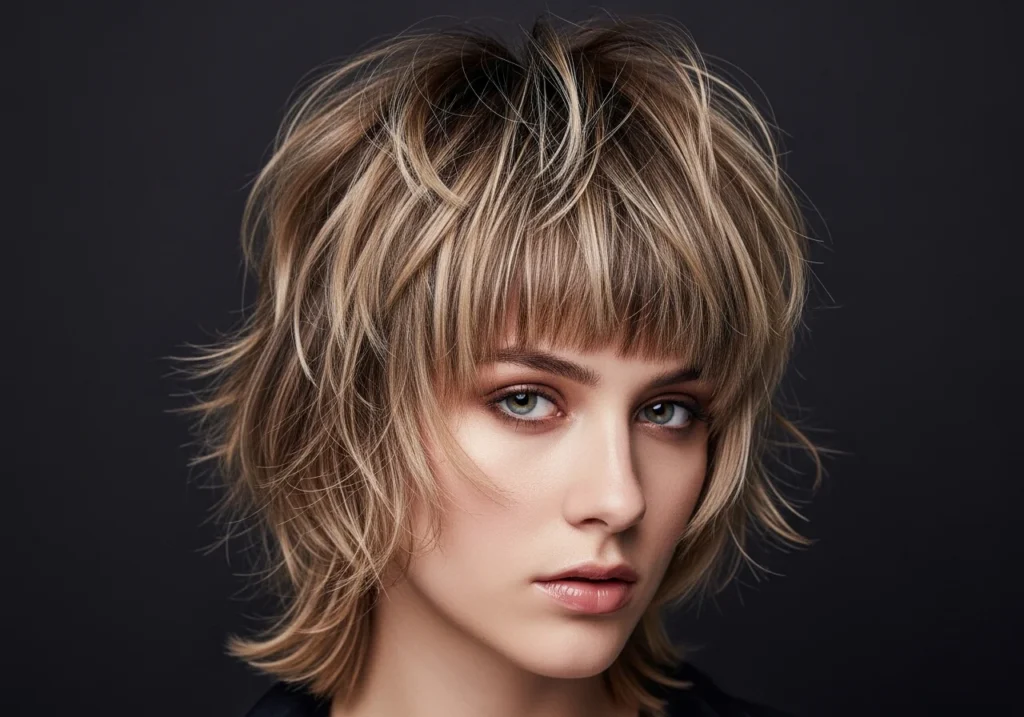
For those seeking an edgier aesthetic, choppy side bangs deliver texture and attitude in equal measure. This style features irregular, piece-y sections cut at varying lengths, creating a deliberately undone appearance. The choppy texture adds visual interest and works particularly well with shag haircuts and tousled, beachy waves.
The beauty of choppy side bangs lies in their low-maintenance nature. The irregular cut means that small imperfections or natural hair movement actually enhance rather than detract from the style. These bangs look best when styled with texturizing products that emphasize separation and definition. A matte paste or dry texturizing spray works wonders for achieving that coveted lived-in look.
Rock musicians and fashion-forward individuals have long favored this style for its rebellious yet polished appearance. The choppy pieces frame the face without feeling heavy or overwhelming, making them suitable for those who want bangs without committing to constant upkeep. As they grow out, they simply blend with the rest of the layered hair, requiring minimal adjustment from your stylist.
Wispy Side Bangs for Softness
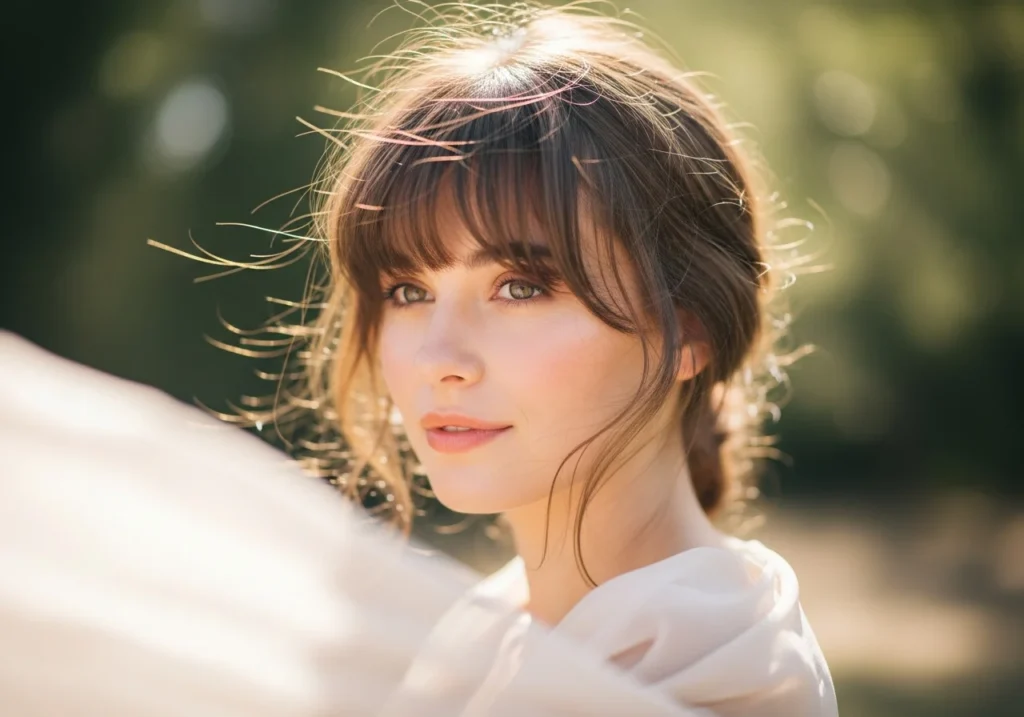
Wispy side bangs offer the ultimate in soft, feminine styling. These delicate fringes feature thinned-out ends that create a feathery, barely-there effect. Unlike heavier bang styles, wispy side bangs feel light and airy, making them ideal for those with fine hair or anyone who prefers subtle rather than dramatic styling choices.
The thinning technique used to create wispy bangs involves strategically removing bulk from the ends, resulting in individual strands that catch light and create movement. This style particularly complements romantic hairstyles such as loose curls, soft waves, or elegant updos. The delicate nature of wispy bangs prevents them from overpowering other style elements while still providing definition around the face.
Styling wispy side bangs requires a gentle touch. Heavy products or aggressive brushing can make them clump together, losing their characteristic airiness. Instead, use lightweight serums and allow them to dry naturally or with minimal heat styling. A light mist of flexible-hold hairspray keeps them in place without sacrificing their soft, touchable texture.
Curtain Bangs with Side Emphasis

While curtain bangs typically part down the middle, a variation that sweeps predominantly to one side has gained tremendous popularity. This hybrid style combines the face-framing benefits of traditional curtain bangs with the asymmetrical appeal of side-swept fringe. The result is a modern, fashion-forward look that works across age groups and style preferences.
These bangs start shorter at the center and gradually lengthen toward the sides, but instead of parting evenly, they sweep dramatically across the forehead. This creates visual interest while maintaining the cheekbone-enhancing effect that makes curtain bangs so universally flattering. The style works beautifully with both straight and wavy hair textures.
The maintenance requirements for curtain bangs with side emphasis fall somewhere between traditional curtain bangs and fully side-swept styles. They need regular trims to maintain their shape but offer more flexibility in styling than straight-across bangs. On days when you want a change, simply adjust the part to create different looks without visiting the salon.
Angled Side Bangs for Dramatic Impact
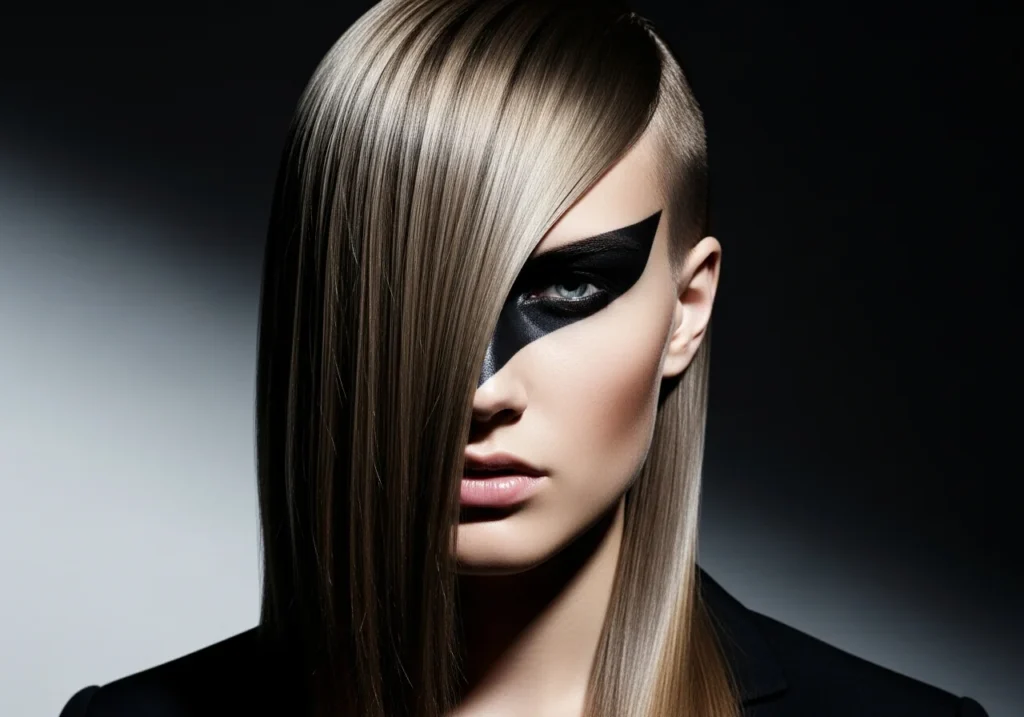
Angled side bangs feature a sharp, diagonal cut that creates a bold, geometric look. Starting very short on one end, they sweep dramatically across the forehead to blend with longer hair on the opposite side. This striking style makes a statement and works particularly well with sleek, straight hairstyles that showcase the clean lines of the cut.
The dramatic angle serves multiple purposes beyond aesthetics. It creates strong diagonal lines that elongate round or square faces, draws attention to the eyes, and adds architectural interest to otherwise simple hairstyles. Fashion enthusiasts and those in creative industries often gravitate toward this style for its artistic, avant-garde quality.
Maintaining angled side bangs requires commitment to regular trims, as the precise line is crucial to the overall effect. However, the payoff is a distinctive look that immediately elevates any hairstyle. When styled sleekly with a flat iron, these bangs exude sophistication, while a slightly tousled approach creates a more approachable, casual vibe.
Side Bangs for Different Face Shapes

Understanding how side bangs interact with various face shapes is crucial for achieving the most flattering result. For round faces, longer side-swept bangs that create diagonal lines help elongate and slim the appearance. The sweeping motion breaks up the circular shape while drawing the eye vertically rather than horizontally across the face.
Those with square faces benefit from soft, layered side bangs that counteract angular jawlines and strong features. The curved nature of side-swept fringe adds femininity and balance, particularly when paired with waves or curls throughout the rest of the hair. Avoid blunt, heavy bangs that can emphasize the squareness.
Heart-shaped faces, characterized by wider foreheads and narrower chins, look stunning with side bangs that add visual weight to the lower portion of the face. Longer, face-framing pieces that extend to the cheekbones or chin help create balance and draw attention downward. Layered side bangs work particularly well for this face shape.
Oval faces enjoy the most versatility with side bangs, as their balanced proportions work well with virtually any fringe style. Whether you prefer short, dramatic side bangs or longer, more subtle sweeps, an oval face shape can accommodate your vision. This flexibility allows for experimentation with different lengths and textures.
Styling Techniques for Added Volume

Achieving maximum volume with side bangs begins at the root. When blow-drying, flip your head upside down and focus the airflow at the base of the hair. This technique lifts the roots away from the scalp, creating natural height that lasts throughout the day. Once the roots are dry, flip your head back up and direct the bangs into their desired position.
Using a round brush while blow-drying adds polish and extra lift. Wrap small sections of the bangs around the brush and apply heat while gently pulling the brush away from the face. This creates tension that smooths the hair while building volume at the roots. The size of the brush matters; larger barrels create more dramatic lift, while smaller brushes offer more control.
Product selection plays a crucial role in volumizing side bangs. Lightweight mousses applied to damp hair provide hold without weighing strands down. Volumizing sprays target the roots specifically, delivering lift where it matters most. For fine hair, dry shampoo or texturizing powder adds grip and fullness, making hair appear thicker and more substantial.
Layered Haircuts That Enhance Side Bangs
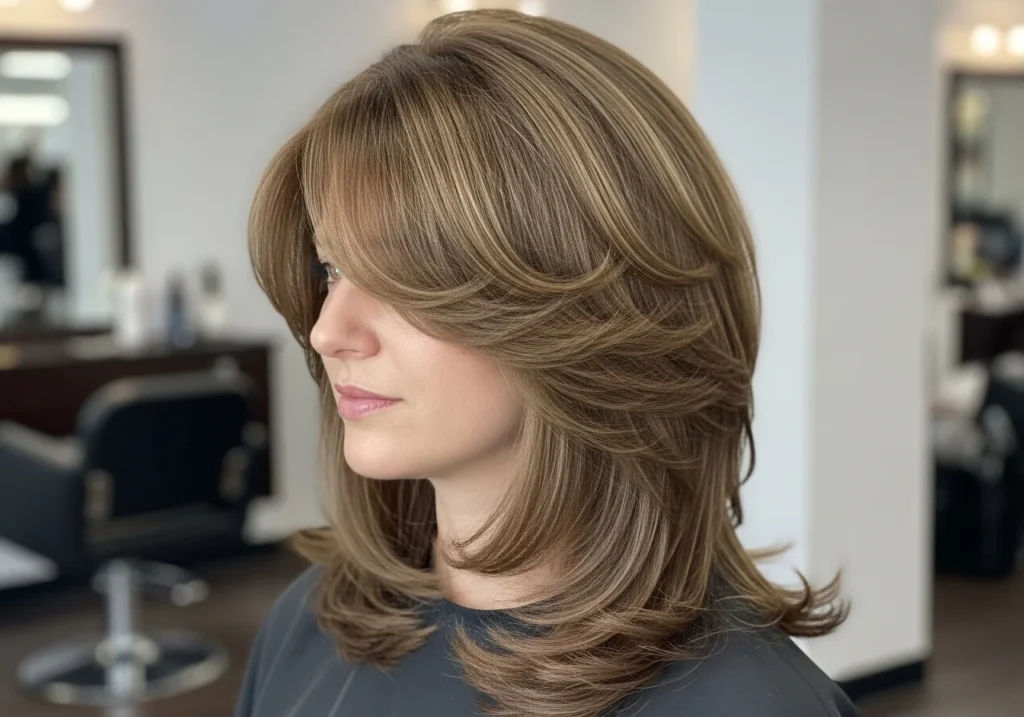
The relationship between side bangs and layered haircuts is symbiotic, with each element enhancing the other. Face-framing layers that start at the chin and gradually lengthen create a cohesive flow from the bangs through the rest of the hair. This seamless transition prevents the bangs from looking like a separate, disconnected element.
Long layers throughout the body of the hair complement side bangs by adding movement and preventing the bottom from appearing too heavy or blunt. The layers create an A-line effect that balances the volume at the top of the head with appropriate weight distribution below. This technique is particularly effective for those with thick hair who want to reduce bulk while maintaining length.
Medium-length layered cuts work beautifully with side bangs, creating a polished yet relaxed aesthetic. Layers that fall between the collarbone and shoulders frame the face perfectly, while the side-swept bangs add interest at the top. This combination is incredibly versatile, suitable for both professional environments and casual settings.
Color Techniques That Highlight Side Bangs
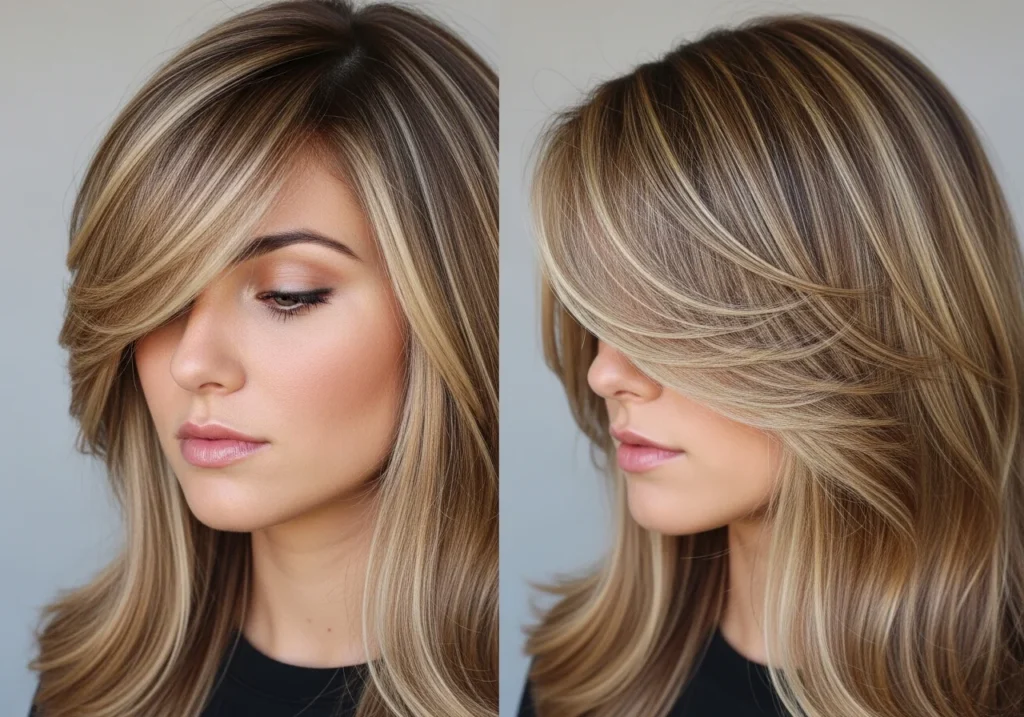
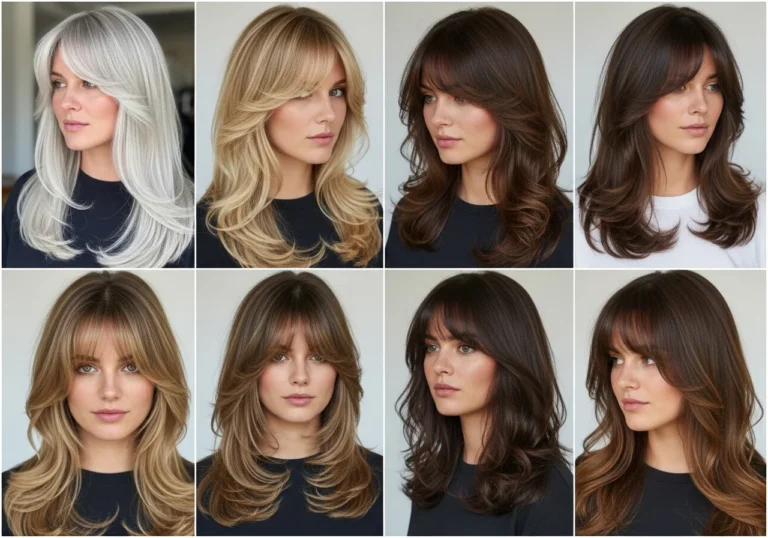
Strategic color placement can dramatically enhance side bangs, adding dimension and drawing attention to the fringe. Highlights concentrated around the face brighten the complexion and make the bangs pop against the rest of the hair. Babylights, which are very fine highlights, create a sun-kissed effect that looks particularly natural with side-swept styles.
Balayage techniques work exceptionally well with layered side bangs, as the hand-painted highlights follow the natural movement of the hair. Lighter pieces woven throughout the bangs create depth and interest, preventing the fringe from appearing flat or one-dimensional. This approach is especially effective for brunettes looking to add warmth and brightness.
For those seeking more dramatic results, face-framing highlights in contrasting tones create bold definition around the bangs. Warmer tones like caramel or honey add richness to darker base colors, while cooler shades like ash blonde or platinum create edgy contrast. The key is ensuring the color transitions smoothly from the bangs into the rest of the hairstyle.
Side Bangs for Different Hair Textures
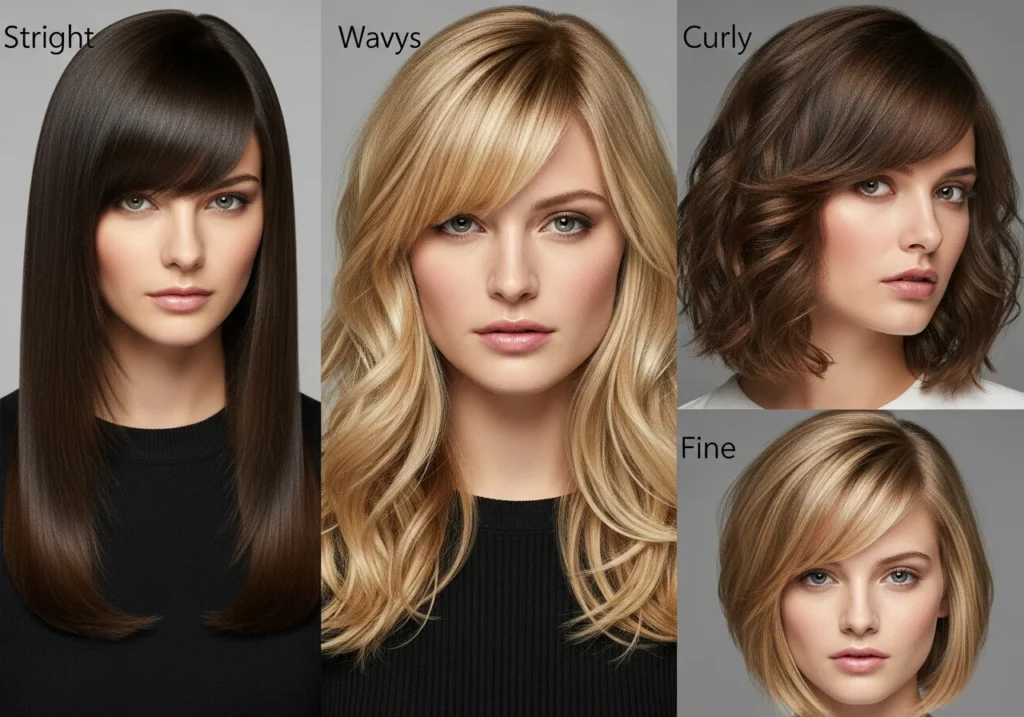
Straight hair provides the perfect canvas for sleek, polished side bangs. The smooth texture allows for precise styling and showcases the clean lines of the cut. However, straight hair can sometimes lack volume, making it important to use proper blow-drying techniques and volumizing products to prevent the bangs from lying too flat.
Wavy hair brings natural movement and texture to side bangs, creating an effortlessly romantic look. The waves add dimension without requiring extensive styling, though a bit of defining cream or mousse can enhance the natural pattern. Those with wavy texture should request point-cutting from their stylist to prevent blunt edges that can look heavy.
Curly hair can absolutely rock side bangs, though the approach differs from straight or wavy textures. Longer side-swept bangs that embrace the natural curl pattern work best, as they blend seamlessly with the rest of the hair. Shorter bangs tend to spring up and may not cooperate with the desired direction. Curl-defining products and diffusing techniques help maintain shape without frizz.
Fine or thin hair benefits tremendously from the right side bang approach. Wispy, layered styles create the illusion of thickness without overwhelming delicate strands. Avoid heavy, blunt cuts that can make fine hair appear even thinner. Strategic layering and proper product application are key to achieving fuller-looking bangs on fine hair.
Thick hair requires thinning and texturizing to prevent side bangs from becoming too heavy or bulky. Point-cutting and slide-cutting techniques remove interior weight while maintaining the overall length and shape. Those with thick hair should work closely with their stylist to find the right balance between substance and movement.
Maintenance and Upkeep
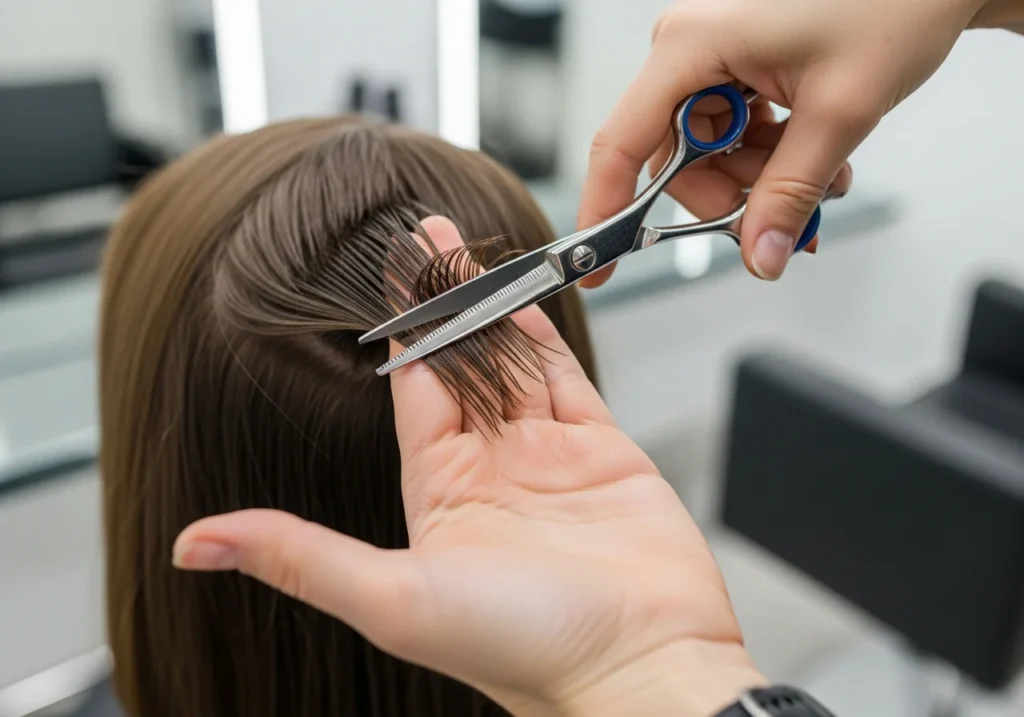
Side bangs require less frequent trims than straight-across styles, but regular maintenance remains important for keeping them looking fresh. Most people need bang trims every four to six weeks, depending on how quickly their hair grows and how precise they want the style to remain. Between salon visits, many people learn to trim their own bangs at home, though caution is essential to avoid over-cutting.
Daily styling routines for side bangs can be as simple or complex as desired. At minimum, a quick blow-dry in the morning sets them in the right direction and prevents awkward cowlicks or unwanted partings. For more polished looks, a round brush and smoothing products create salon-quality results at home. Dry shampoo between washes keeps bangs looking fresh without requiring a full shower.
Dealing with greasy or oily bangs is a common challenge, as the fringe comes into contact with facial oils throughout the day. Washing bangs separately from the rest of the hair extends the time between full washes. Alternatively, blotting with oil-absorbing papers or applying dry shampoo specifically to the bangs refreshes them quickly without water.
Transitioning Between Bang Styles
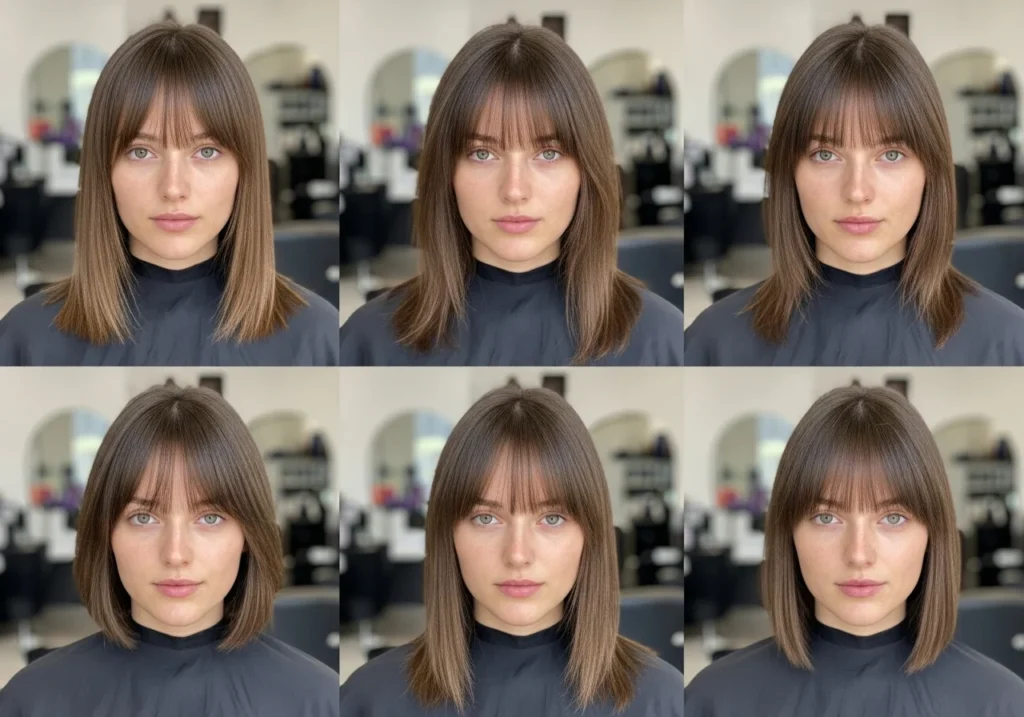
One of the advantages of side bangs is the ease with which they can transition to other fringe styles. Growing out side bangs is less awkward than growing out blunt bangs because the length variation already exists. Simply continue growing them out while incorporating them into face-framing layers, and the transition occurs naturally over several months.
For those who want to experiment with different bang styles, side-swept fringe serves as an excellent starting point. From there, you can gradually shorten them into choppy bangs, let them grow into curtain bangs, or even eventually commit to blunt bangs. The flexibility allows for style evolution without dramatic changes that might feel overwhelming.
Pinning side bangs back creates an entirely different look when you need a break from having fringe in your face. Bobby pins, decorative clips, or headbands secure the bangs away from the face while adding a styling element. This versatility means you are not locked into one look, even between haircuts.
Celebrity Inspiration

Celebrities have long championed side bangs, with numerous A-list stars sporting various iterations of the style. These high-profile endorsements have helped keep side-swept fringe perpetually on-trend, with each generation of stars putting their own spin on the classic look. Observing how celebrities with similar face shapes and hair textures style their side bangs provides valuable inspiration for your own look.
Musicians particularly favor the edgier versions of side bangs, often incorporating choppy layers and dramatic angles into their signature styles. This rock-and-roll aesthetic translates well beyond the stage, offering everyday wearers a way to inject personality into their appearance. The key is adapting the dramatic elements to suit your lifestyle and comfort level.
Red carpet appearances frequently showcase the versatility of side bangs, with stars wearing them sleek and sophisticated for formal events or tousled and casual for more relaxed occasions. These styling variations demonstrate that a single haircut can create multiple looks through different styling approaches and product choices.
Practical Considerations

Before committing to side bangs, consider your daily routine and styling habits. Those who prefer wash-and-go hairstyles should opt for lower-maintenance versions like wispy or long layered side bangs that look good with minimal styling. Conversely, those who enjoy the styling process might embrace more high-maintenance options like angled or blunt side-swept bangs that require daily attention.
Climate and weather conditions also impact how well side bangs work for you. Humidity can cause frizz and disrupt carefully styled bangs, requiring anti-frizz products and potentially more frequent touch-ups throughout the day. Wind presents its own challenges, though side bangs fare better than straight-across styles because they have more flexibility in their positioning.
Your facial features and personal style should guide your bang decisions. Those who wear glasses might want to ensure their bangs do not constantly brush against the lenses, which can be distracting and leave smudges. Similarly, athletes and fitness enthusiasts need to consider how bangs will behave during workouts and whether they will comfortably pull back into ponytails or braids.
Conclusion
Side bangs represent far more than a simple hairstyle choice; they offer a transformative approach to framing your face, adding volume, and expressing personal style. Their enduring popularity stems from remarkable versatility, working across face shapes, hair textures, and style preferences. Whether you gravitate toward classic elegance, edgy modernity, or romantic softness, there exists a side bang variation perfectly suited to your vision.
The polished, side-parted looks discussed throughout this article demonstrate how strategic cutting and styling techniques create added volume and movement. Layered approaches work in harmony with side-swept fringe to distribute hair weight optimally, lifting at the roots while maintaining flow through the lengths. This volumizing effect proves particularly valuable for those struggling with flat or lifeless hair, offering a solution that looks natural rather than over-styled.
As you consider incorporating side bangs into your hairstyle repertoire, remember that the best results come from collaboration with a skilled stylist who understands your hair texture, face shape, and lifestyle needs. Bringing reference photos to your consultation helps communicate your vision clearly, ensuring you and your stylist work toward the same goal. Do not hesitate to ask questions about maintenance requirements, styling techniques, and whether the style you desire will work with your natural hair characteristics.
The journey to perfect side bangs may involve some experimentation, but the versatility and flattering nature of this timeless style make the effort worthwhile. Start conservatively if you are uncertain, opting for longer, more subtle side-swept bangs that can always be cut shorter if desired. Remember that hair grows back, and what does not work today can be adjusted next month. Embrace the transformation that side bangs offer, and enjoy the renewed confidence that comes with a hairstyle that truly flatters your features.
Frequently Asked Questions
How often should I trim my side bangs?
Side bangs typically need trimming every four to six weeks to maintain their shape and keep them from growing too long and falling into your eyes. If you grow your hair quickly or prefer a very precise look, you might need trims closer to the four-week mark. Those comfortable with slightly longer bangs can stretch to six or seven weeks between trims. Many people learn to trim their own bangs at home between salon visits to extend the time between professional cuts.
Can side bangs work with curly hair?
Absolutely, side bangs can look beautiful on curly hair when cut properly. The key is working with your natural curl pattern rather than against it. Longer side-swept bangs that fall to cheekbone level or below work best, as they have enough weight to maintain their direction. Avoid cutting curly bangs too short, as they will spring up and may not sweep to the side as intended. Use curl-defining products and consider diffusing to maintain shape without creating frizz.
What face shape looks best with side bangs?
Side bangs are remarkably versatile and can flatter virtually every face shape when customized appropriately. Round faces benefit from longer, diagonal side bangs that create lengthening lines. Square faces look great with soft, layered side bangs that counteract angular features. Heart-shaped faces pair well with side bangs that extend to the cheekbones, adding balance to wider foreheads. Oval faces have the most flexibility and can wear nearly any side bang variation successfully.
How do I prevent my side bangs from getting oily quickly?
Facial oils transfer to bangs throughout the day, causing them to look greasy faster than the rest of your hair. To combat this, try washing your bangs separately from the rest of your hair using a gentle shampoo and minimal conditioner. Blotting papers designed for facial oil can also work on bangs in a pinch. Applying dry shampoo specifically to the bang area absorbs excess oil and refreshes them between washes. Additionally, try to avoid touching your bangs with your hands throughout the day.
What is the difference between side bangs and curtain bangs?
While both styles feature face-framing fringe, they differ in their structure and styling. Curtain bangs part down the middle and frame both sides of the face equally, creating a symmetrical, balanced look. Side bangs sweep predominantly to one side, creating an asymmetrical appearance with most of the fringe falling across the forehead in one direction. Some styles blend these approaches, creating curtain bangs that have a stronger emphasis on one side. Your choice depends on whether you prefer symmetry or asymmetry in your hairstyle.
You may also like this post: 12 Tapered Beard Styles for a Modern Look