
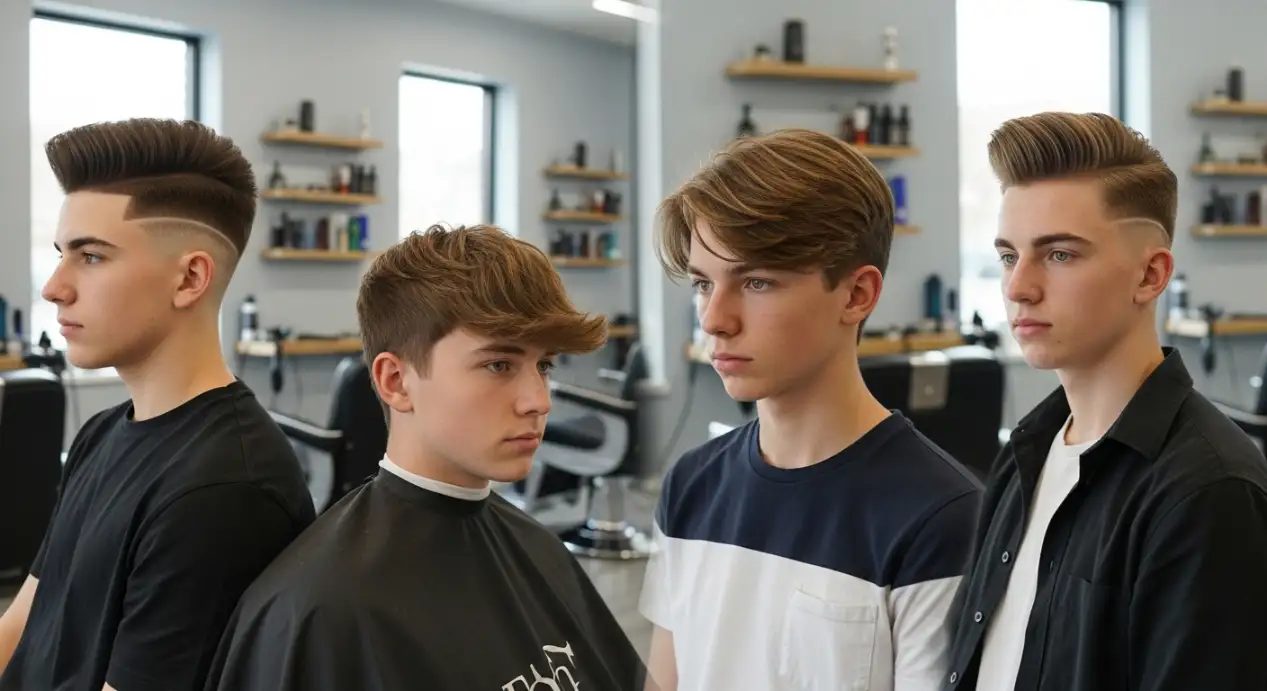
22+ Best Teen Boy Haircuts: That Taking Over The Internet In 2026
Choosing the right haircut during your teenage years goes beyond simple grooming. Your hairstyle becomes a powerful form of self-expression that reflects your personality, confidence, and individual style. As we navigate through 2026, the landscape of teen boy haircuts has evolved dramatically, blending contemporary trends with timeless classics that appeal to various tastes and preferences.
The best teenage boy haircuts in 2026 prioritize three essential elements: personal style, practical maintenance, and versatility. Whether you prefer sharp fade haircuts, textured crops, or longer flowing styles, today’s options cater to every hair type and lifestyle. From school hallways to weekend hangouts, these haircuts help teenage boys express themselves while maintaining a polished appearance that grows out gracefully between barber visits.
This comprehensive guide explores over 22 trending styles that dominate social media platforms and school campuses nationwide. Each haircut has been selected based on popularity, ease of maintenance, and ability to complement different face shapes and hair textures. Let’s discover which style resonates with your personality and daily routine.
Classic Fade Haircuts That Never Go Out of Style
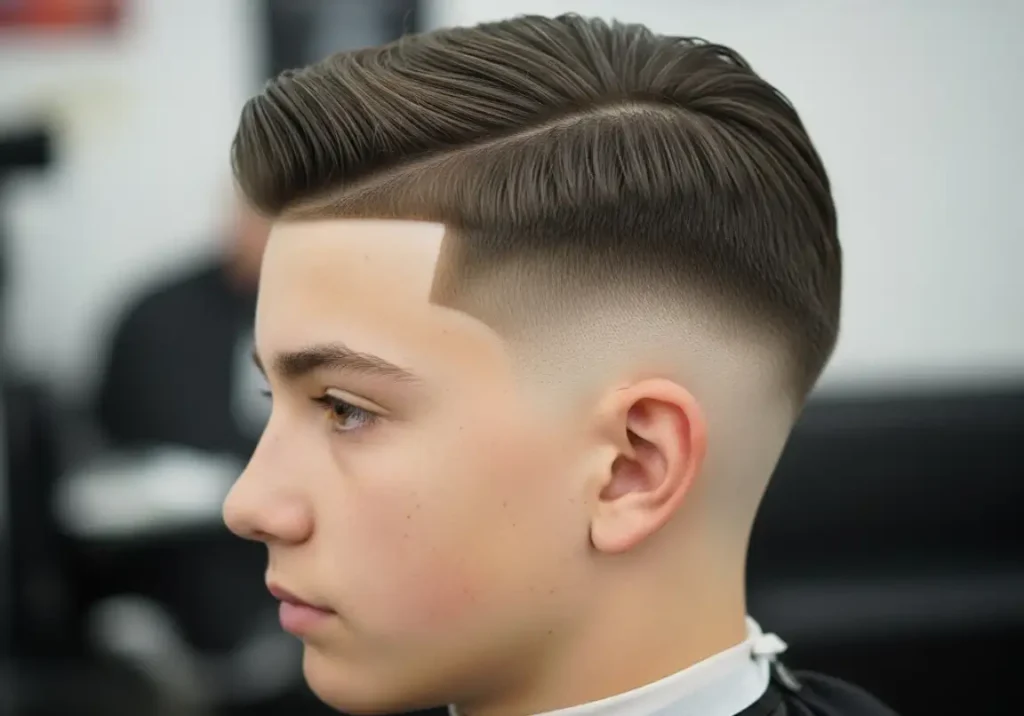
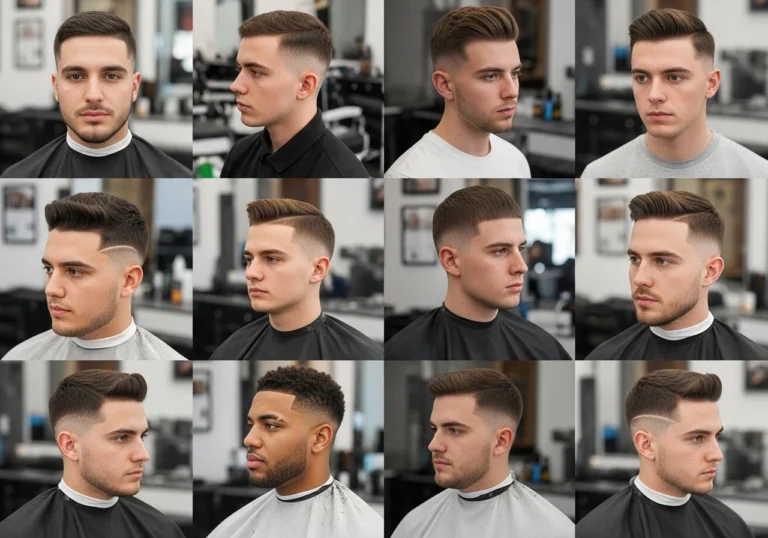
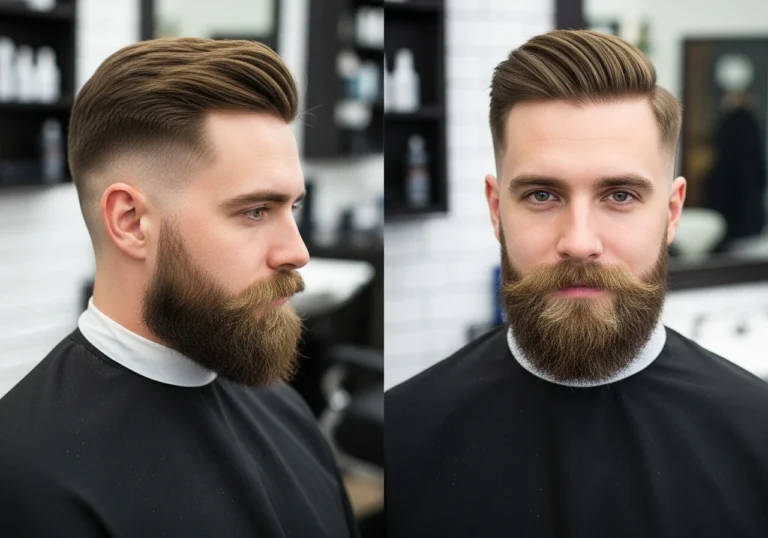
The taper fade remains the foundation of modern teen boy haircuts, offering clean lines and professional appeal. This versatile technique gradually transitions from longer hair on top to shorter sides and back, creating a polished gradient effect. The low fade starts just above the ears, providing subtle contrast perfect for conservative school environments. Meanwhile, the mid fade begins higher on the head, delivering more dramatic definition that teenage boys favor for its contemporary edge.
For those seeking bolder statements, the high fade creates maximum contrast between the top and sides. This style works exceptionally well with thick hair that holds volume naturally. The skin fade takes things further by blending down to bare skin, offering the cleanest possible finish. Regular maintenance every three to four weeks keeps these styles looking sharp, though the gradual nature of fades means they grow out more gracefully than blunt cuts.
The drop fade adds a modern twist by following the natural curve behind the ears before dropping lower at the neckline. This variation suits curly hair particularly well, as it showcases natural texture on top while maintaining tidy sides. Pairing any fade with a textured top creates movement and dimension that prevents the haircut from appearing too rigid or military-inspired.
Textured Crop Styles for Effortless Cool
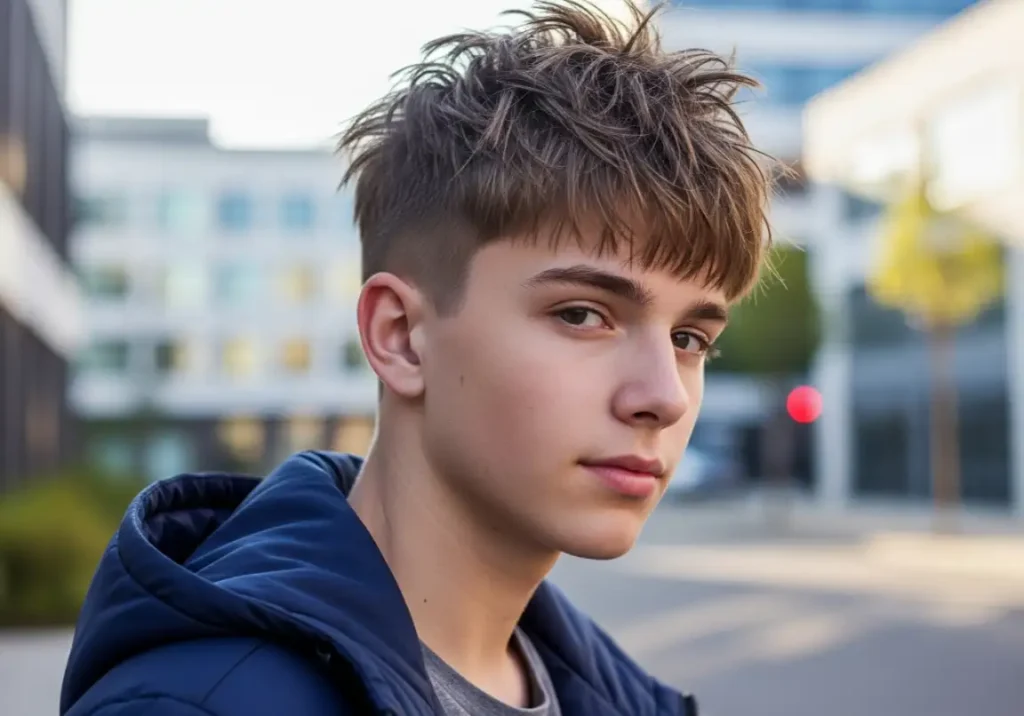
The textured crop has become synonymous with modern teenage style, featuring short to medium length hair with choppy layers throughout. This low maintenance haircut works beautifully for boys with straight hair or slight waves, as the layers create natural movement without requiring extensive styling products. The fringe typically falls forward, framing the face in a casual yet intentional manner.
What makes the textured crop particularly appealing is its ability to hide imperfections in hair growth patterns. Cowlicks and uneven density become assets rather than problems when incorporated into the textured aesthetic. A small amount of matte pomade or texturizing cream enhances definition without creating stiffness, allowing the hair to move naturally throughout the day.
The French crop variation adds a blunt fringe that sits prominently across the forehead. This creates a stronger geometric element that suits boys with angular face shapes. Combined with a taper fade on the sides, the French crop balances edginess with practicality. For school environments requiring neat appearances, this style delivers polish without sacrificing personality.
1 The Curtain Haircut Makes a Major Comeback
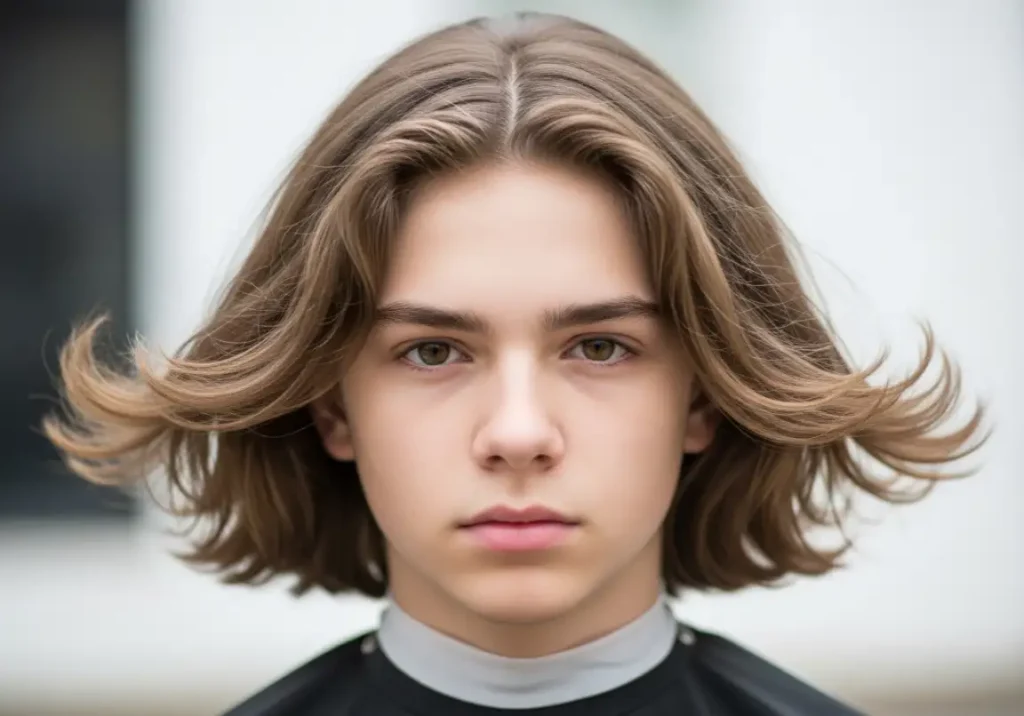
The curtain haircut channels nostalgic vibes from the 1990s while feeling fresh and relevant for 2026. This style features a middle part with hair flowing naturally to either side, framing the face with soft movement. The length typically ranges from chin to ear level, though variations exist for different preferences. This medium length option appeals to teenage boys transitioning from shorter cuts or those wanting more styling versatility.
Styling the curtain haircut requires minimal effort once the cut establishes proper layering. A small amount of styling cream applied to damp hair followed by air drying creates the signature effortless appearance. For more polished occasions, a blow dryer adds volume at the roots while directing hair away from the face. The natural part down the middle eliminates daily decision-making about which direction to style your hair.
This versatile cut works across various hair types, though it particularly flatters boys with wavy hair or thick hair that holds shape well. The curtain style provides warmth around the ears and forehead during colder months while offering the option to tuck behind ears for athletic activities. Its timeless quality ensures the haircut won’t appear dated in photos years later.
2 Bold Mullet Variations for Statement Makers
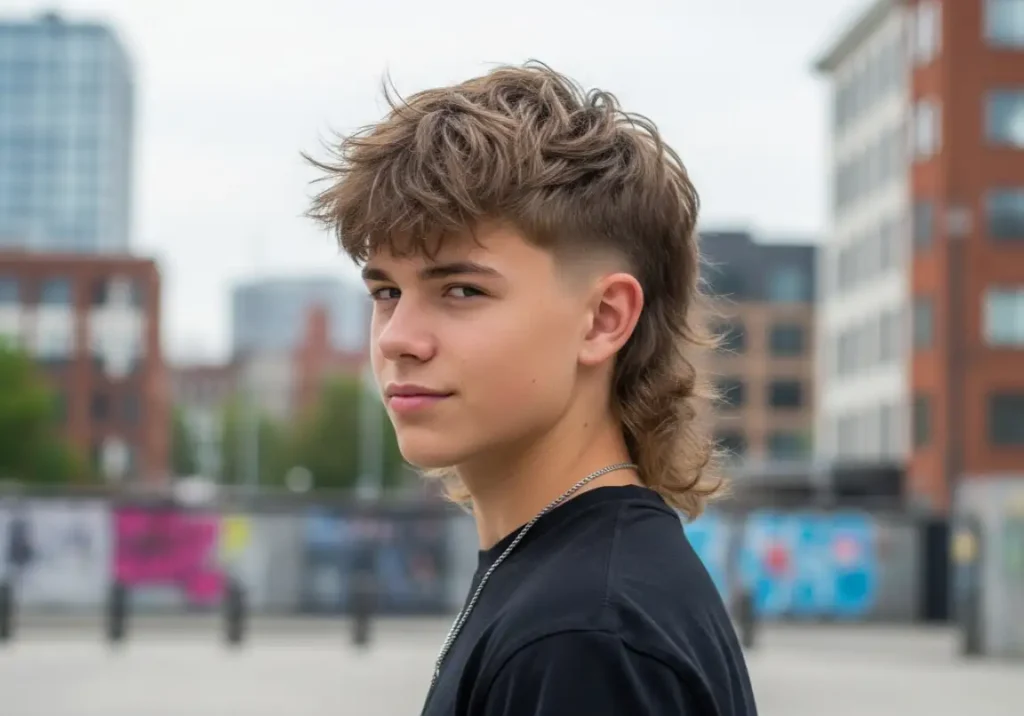
The modern mullet has shed its controversial reputation, emerging as a legitimate fashion statement in 2026. Today’s iterations feature shorter, more controlled lengths compared to historical versions, creating what stylists call the wolf cut when combined with layered texture. This hybrid approach maintains business in the front while letting personality show in the back, though the contrast remains tasteful and intentional.
The textured mullet incorporates choppy layers throughout, preventing the style from appearing too structured or dated. Razor-cut ends remove weight and create feathered edges that move naturally. This works exceptionally well for boys with medium density hair and natural wave, as the layers enhance existing texture. The longer back section typically reaches the collar without extending beyond, maintaining school appropriateness.
For maintenance, the mullet requires strategic trimming to preserve its distinctive shape. The front and sides need attention every few weeks while the back grows longer, creating the signature profile. Styling products like sea salt spray enhance the deliberately undone aesthetic without making hair feel stiff or overly manipulated. This bold choice suits confident teenagers ready to embrace attention-grabbing style.
3 The Undercut Creates Maximum Contrast
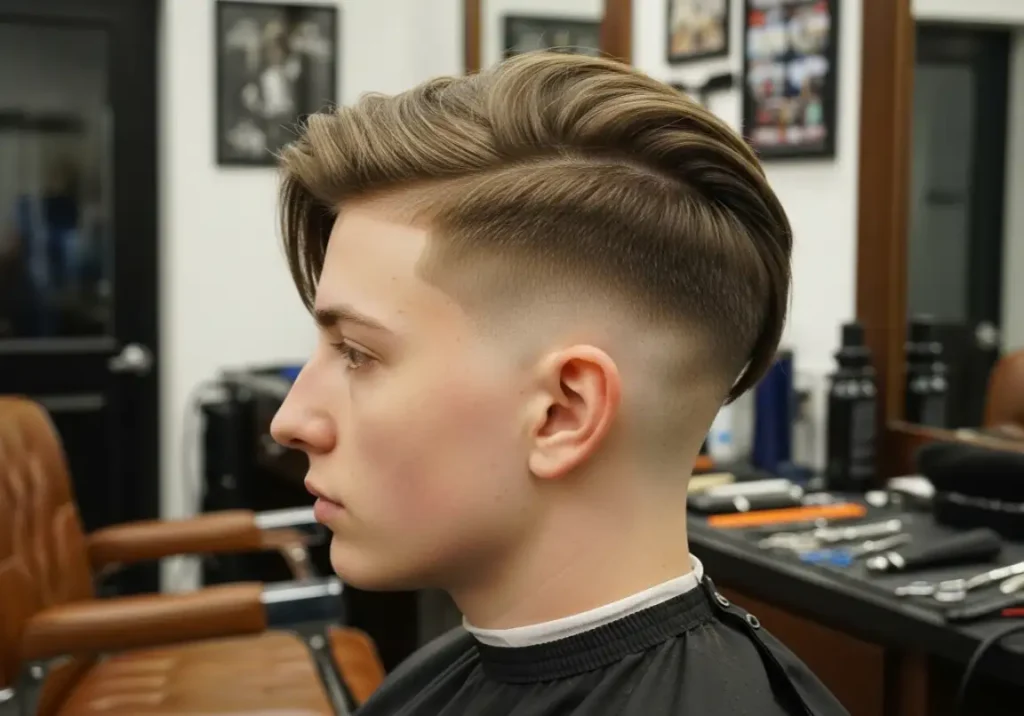
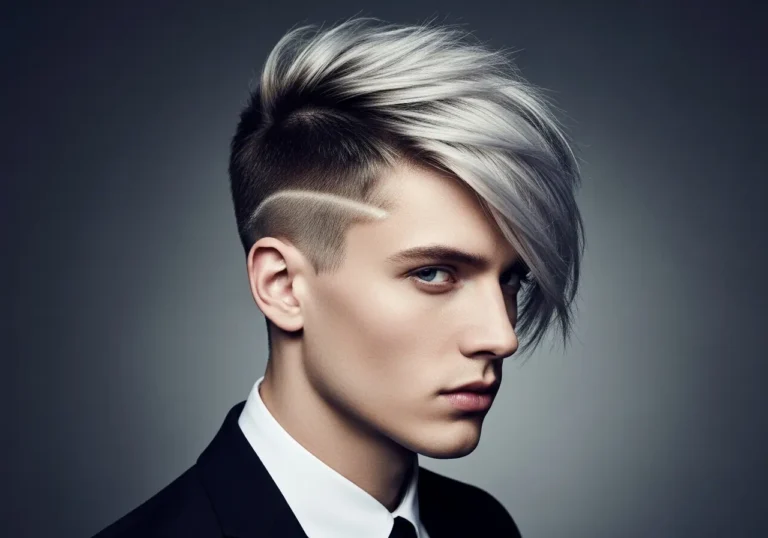
The undercut delivers dramatic visual impact by keeping sides and back extremely short while preserving substantial length on top. This stark contrast allows for numerous styling possibilities, from slicked-back sophistication to messy forward-swept casualness. The disconnected nature means no gradual fade, creating a more pronounced separation between sections that appeals to fashion-forward teenagers.
Longer top length enables experimentation with various looks using the same base haircut. Sweep hair to one side for formal events, push it back for athletic activities, or let it fall naturally forward for everyday wear. This versatility makes the undercut particularly economical, as the style remains current longer between cuts. The sides require maintenance every two to three weeks, but the top can grow for months.
Styling the undercut typically requires pomade or styling wax to achieve the desired finish. For sleek looks, apply product to damp hair and comb into place before blow drying. For textured appearances, work matte clay through dry hair using fingers to create separation and definition. The undercut works across all hair types, though boys with thick hair find it particularly flattering as it removes bulk from the sides.
4 Crew Cut for Ultimate Low Maintenance
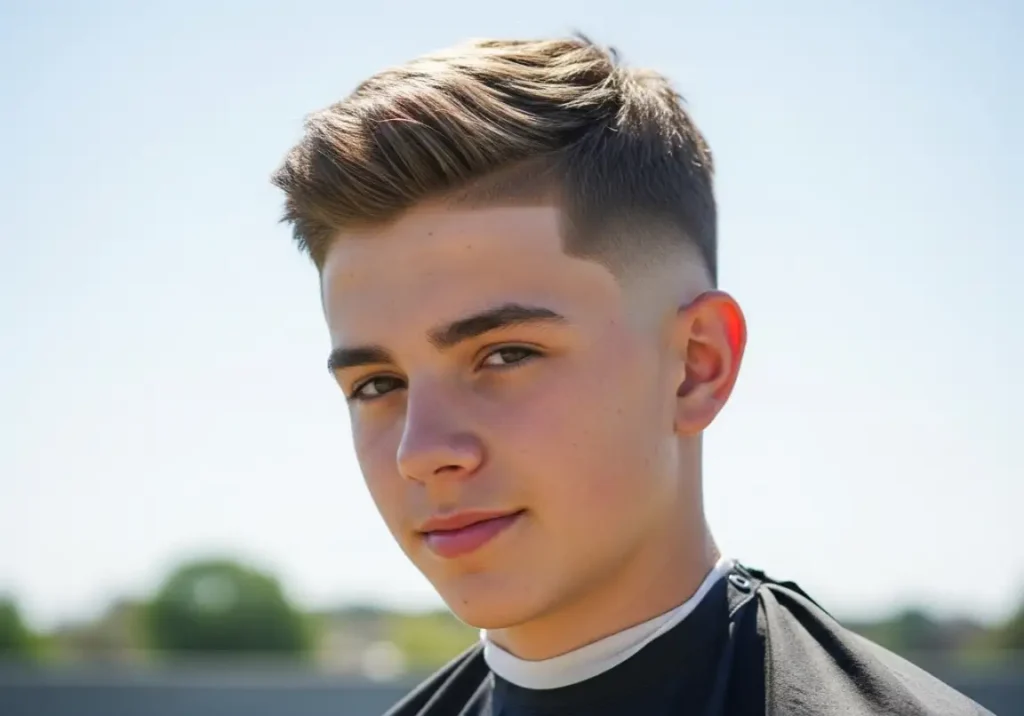
The crew cut represents timeless practicality updated for contemporary sensibilities. Unlike military-inspired versions of the past, 2026 crew cuts feature slightly longer tops with softened edges that avoid the harsh, flat appearance. This short haircut keeps hair approximately one to two inches on top while the sides taper shorter, creating subtle dimension without requiring styling effort.
Perfect for athletic teenage boys or those who simply refuse to spend morning time on hair, the crew cut dries quickly and maintains shape throughout the day. A small amount of lightweight pomade adds slight definition when desired, though the cut functions perfectly without any products. The short length prevents cowlicks from disrupting the overall appearance, making this ideal for boys with stubborn hair growth patterns.
The modern crew cut works particularly well for round face shapes, as the slight height on top creates vertical lines that balance facial proportions. The taper fade on sides keeps things current without veering into trendy territory that dates quickly. For parents and teenagers alike, this represents the sweet spot between style and practicality that satisfies both parties.
5 Pompadour Brings Vintage Glamour Forward
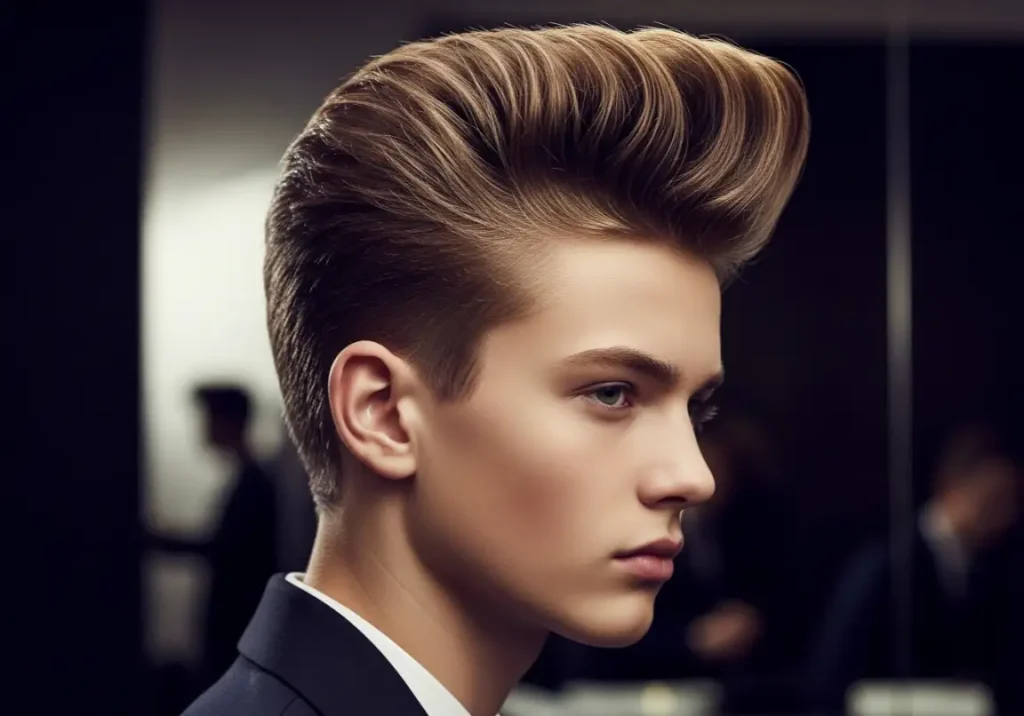
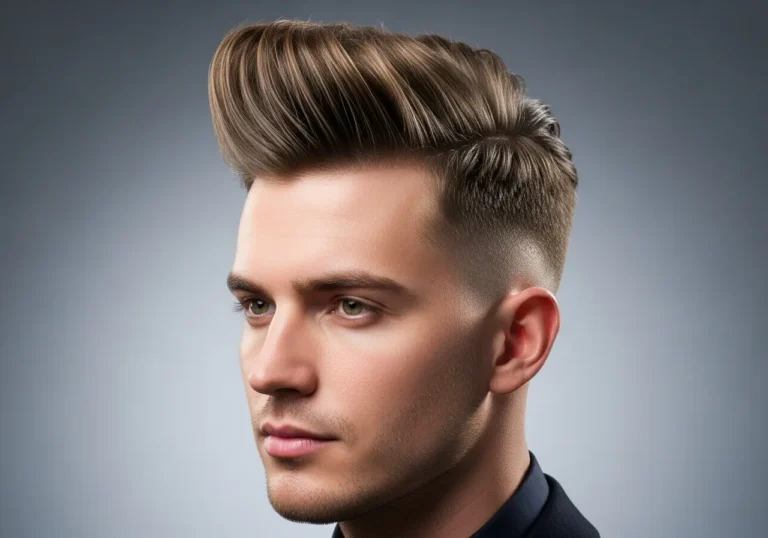
The pompadour channels classic elegance while incorporating modern touches that prevent it from feeling costume-like. This style sweeps hair upward and back from the forehead, creating impressive volume and height that commands attention. The sides typically feature a fade or taper to emphasize the dramatic top, though some variations maintain fuller sides for a different aesthetic.
Creating a proper pompadour requires some technical skill and the right styling products. Start with damp hair, applying volumizing mousse or styling cream before blow drying while directing hair upward and backward with a round brush. Once dry, work high-hold pomade through the top, shaping it into the desired height and sweep. Hair spray locks everything in place for all-day hold.
This ambitious style works best for boys with straight hair or slight waves, as curly hair creates too much natural texture to achieve the smooth, controlled appearance. The pompadour suits oval face shapes particularly well, though boys with longer faces should avoid excessive height. While maintenance-intensive, this haircut makes powerful statements at formal events and special occasions.
6 Buzz Cut for Minimalist Appeal
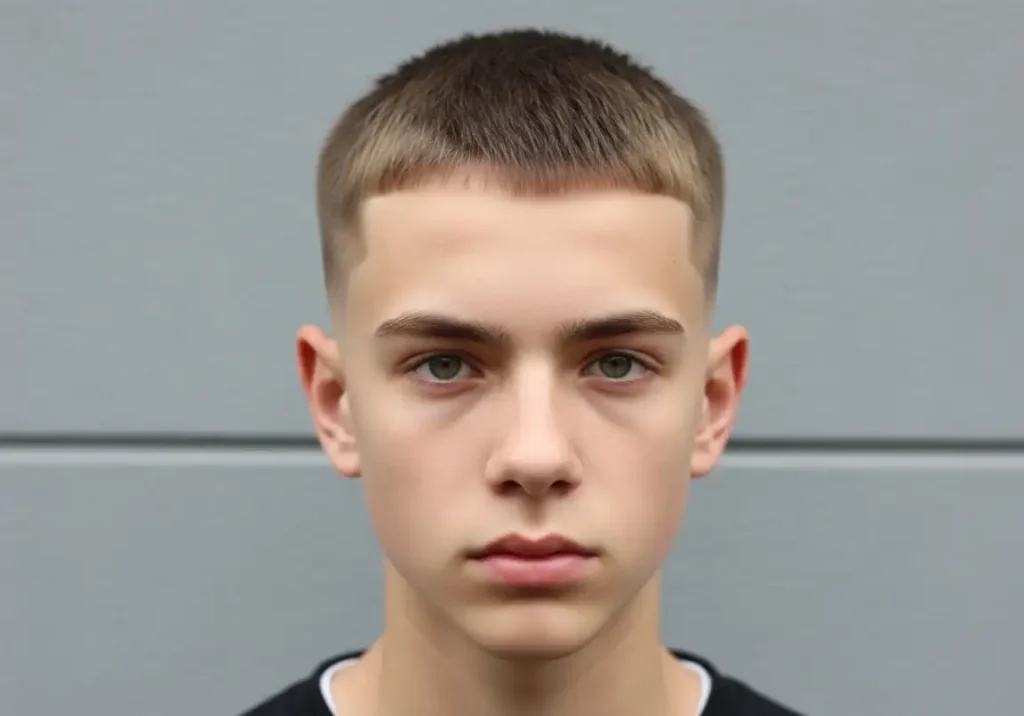
The buzz cut strips hair styling down to its absolute essentials, using clippers to create uniform length across the entire head. Modern versions employ varying guard lengths to add subtle dimension, with slightly longer tops transitioning to shorter sides. This creates visual interest while maintaining the no-fuss appeal that makes buzz cuts perpetually popular among teenage boys.
The practical benefits extend beyond morning convenience. Buzz cuts keep heads cool during summer months and eliminate issues with hair texture or natural growth patterns. Athletic teenagers appreciate how this style stays put during intense physical activity without requiring adjustment. The extremely short length also makes it economical, as cuts can stretch four to six weeks before needing refresh.
For those concerned about the stark appearance, the textured buzz cut offers middle ground. By leaving slightly more length on top and using texturizing techniques, stylists create dimension that prevents the flat, harsh look some associate with traditional buzz cuts. Even without styling, this adds character while preserving the low maintenance benefits that make the style attractive.
7 Side Part Delivers Timeless Sophistication
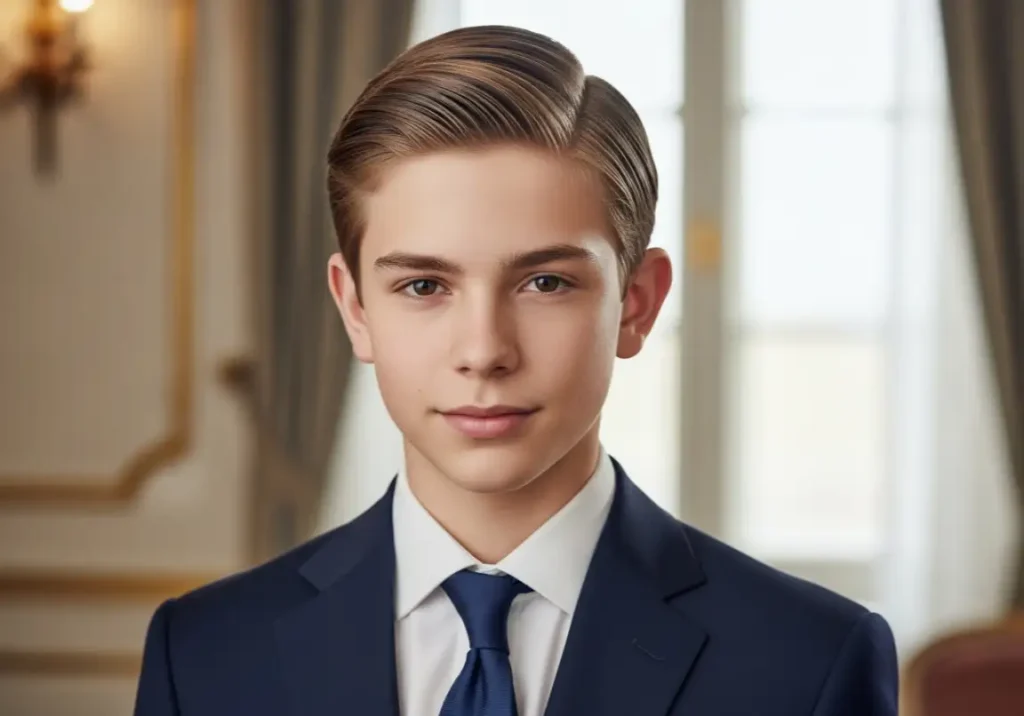
The side part represents enduring elegance that transcends temporary trends. This classic approach parts hair to one side, typically sweeping it across the forehead at a natural angle. The clean line created by the part adds structure and intentionality to the overall appearance, making it appropriate for both casual and formal settings.
Modern side parts incorporate fades or tapers on the sides to keep the style feeling current rather than dated. The top maintains enough length for comfortable styling without becoming unmanageable, usually ranging from two to four inches depending on preference. This length allows the hair to hold its shape throughout the day while remaining easy to adjust if needed.
Styling a side part requires medium-hold pomade or styling cream applied to damp hair. Use a comb to create the clean part line, then sweep hair across following its natural direction. The key lies in working with rather than against your hair’s growth pattern, which makes maintenance simpler and results more natural. This works beautifully across all hair types, particularly favoring straight or wavy hair.
8 Messy Fringe for Laid-Back Vibes
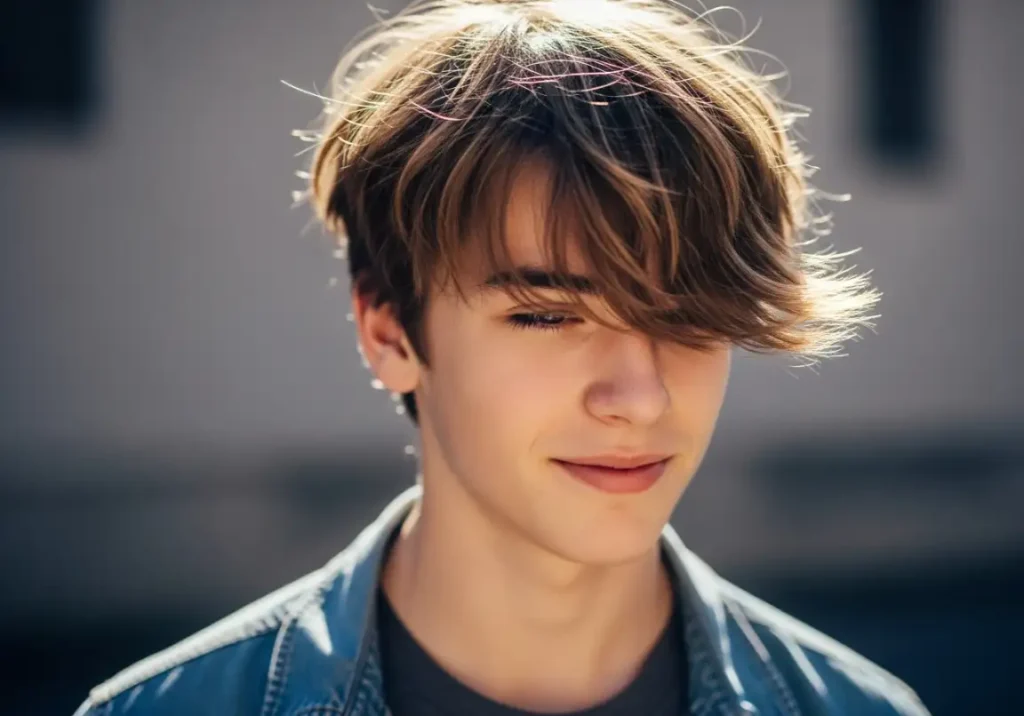
The messy fringe captures the essence of effortless cool through deliberately tousled texture and forward-falling hair. Unlike structured styles requiring precision, this cut embraces imperfection as its defining characteristic. The fringe falls across the forehead at various lengths, creating movement and dimension that looks spontaneous rather than calculated.
Creating authentic-looking messiness actually requires thoughtful cutting technique. Stylists use point cutting and texturizing shears to remove weight and create irregular ends that naturally separate. The sides typically feature a taper or short cut to prevent the overall appearance from becoming too heavy or unkempt. This balance keeps the style intentional rather than accidentally messy.
Styling the messy fringe works best with matte texture products that add grip without shine. Work a small amount through slightly damp hair, then either air dry or use a blow dryer while tousling with fingers. The goal involves creating controlled chaos that appears unstudied. This style particularly flatters thick hair that holds shape well, though adaptations work for finer textures.
9 Slicked Back Style for Polished Events
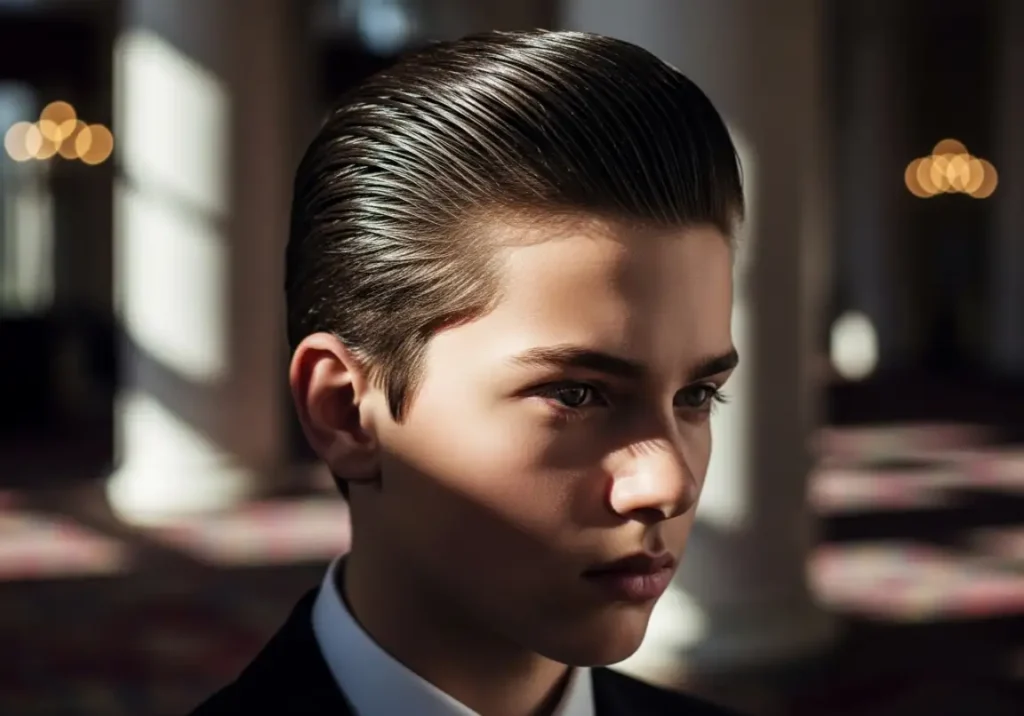
The slicked-back look channels vintage sophistication perfect for formal occasions when teenage boys need elevated style. This approach smooths hair directly back from the forehead, creating sleek lines and polished finish that photographs beautifully. While it demands more styling product than casual looks, the dramatic transformation makes it worthwhile for special events.
Achieving proper slicked-back styling starts with damp hair and high-hold pomade or styling gel. Apply product generously, then use a fine-toothed comb to smooth hair backward, eliminating any bumps or irregularities. A blow dryer on low heat sets the style while adding shine. Hair spray provides additional insurance against movement throughout the evening.
This sophisticated option works across various hair lengths, though it requires at least three to four inches on top for best results. Boys with straight hair find this easiest to execute, while those with wavy or curly hair need additional product and technique to achieve the smooth finish. The slicked-back undercut combines this polished top with dramatically short sides for maximum impact.
10 Faux Hawk Balances Edge and Wearability
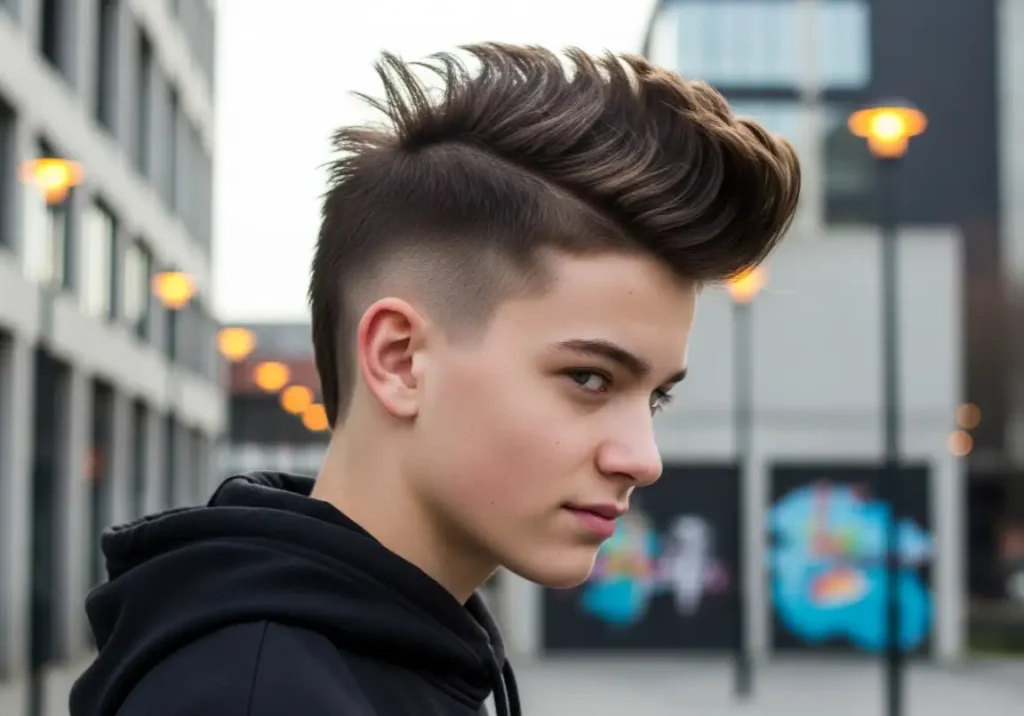
The faux hawk delivers mohawk attitude without the commitment or controversy of shaved sides. This style concentrates length and volume along the center of the head while keeping sides significantly shorter. The result creates a central ridge that suggests mohawk aesthetics while remaining appropriate for various settings including school.
Unlike true mohawks requiring extreme maintenance, the faux hawk integrates seamlessly into daily life. The sides typically feature tapered fades that look neat even when the center isn’t styled upward. For casual days, simply brush the top hair forward or to the side. When wanting the signature look, use strong-hold gel or pomade to push hair toward the center and upward.
This versatile style works particularly well for boys with thick, textured hair that naturally holds volume. The center section usually maintains two to four inches of length, providing enough substance to create the distinctive shape without becoming difficult to manage. The faux hawk flatters round and square face shapes by adding vertical lines that balance proportions.
11 Edgar Cut Gains Mainstream Momentum
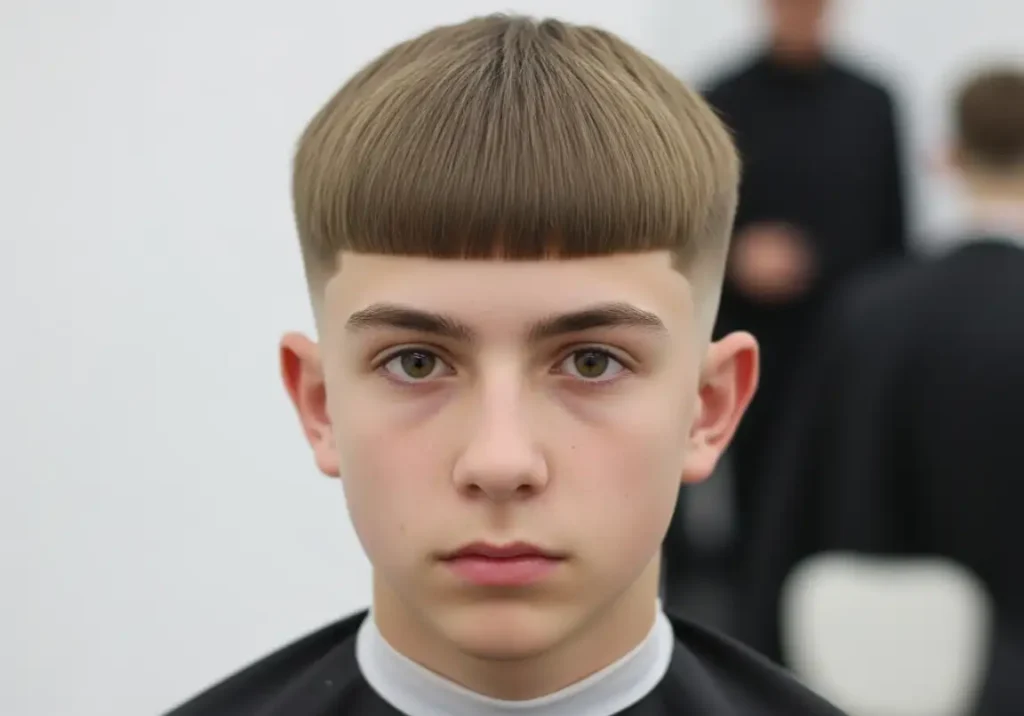
The Edgar cut has transitioned from subculture favorite to mainstream trend, featuring a distinctive straight-across fringe paired with a high fade or taper on the sides. This bold style creates strong geometric lines that make definitive statements about personal style. The blunt fringe typically sits prominently across the forehead, demanding attention through its deliberate precision.
What distinguishes the Edgar cut from similar styles is the lack of texture or layering in the fringe. Instead of soft, feathered ends, the fringe maintains a clean horizontal line that emphasizes the architectural quality. The sides fade very short, often to the skin, creating maximum contrast with the substantial top. This works best for boys with straight, dense hair that naturally lies flat.
Maintaining the Edgar cut requires regular trims to preserve the sharp fringe line, typically every two to three weeks. The style needs minimal styling products due to its structured nature, though a small amount of light pomade helps control flyaways. Angular and oval face shapes wear this style particularly well, as the horizontal fringe adds width that balances facial proportions.
12 Wolf Cut Embraces Controlled Chaos
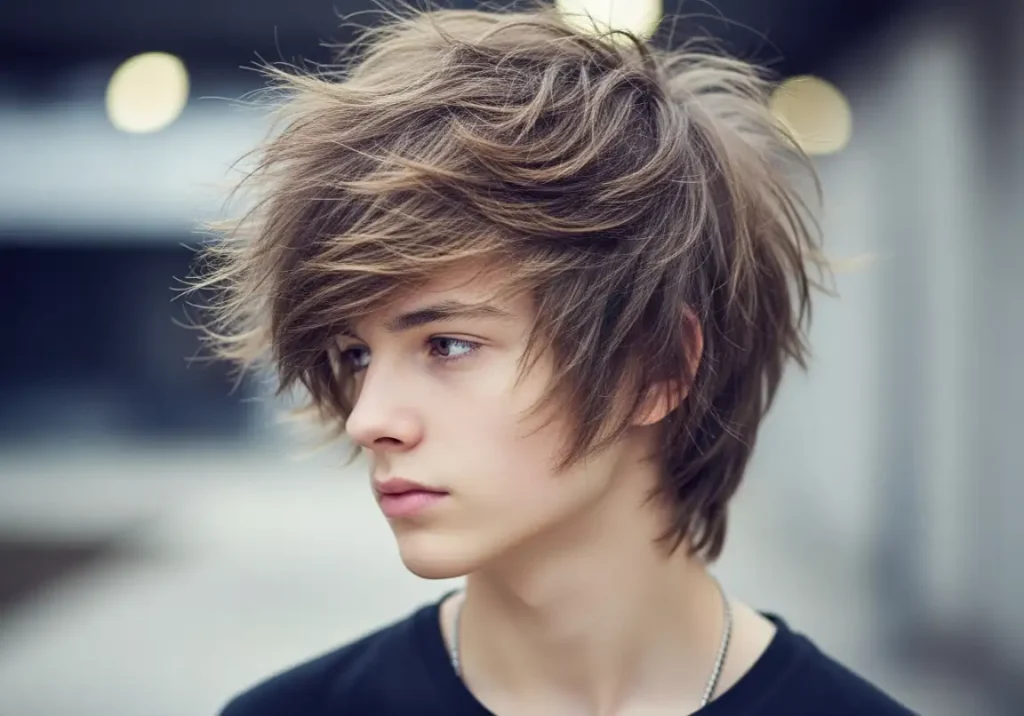
The wolf cut represents the intersection of mullet and shag hairstyles, incorporating choppy layers, significant texture, and longer lengths that create deliberately disheveled appearance. This style features shorter layers around the crown that gradually increase toward the back and bottom, generating volume and movement throughout. The overall effect appears wild yet intentional.
Creating an authentic wolf cut requires skilled layering technique using razors and texturizing shears. The goal involves removing weight while adding dimension, allowing hair to fall naturally in various directions. The sides may include slight fades or remain longer, depending on how dramatic the wearer wants the final result. This works exceptionally for boys with wavy hair or medium texture that enhances the undone aesthetic.
Styling the wolf cut embraces its inherent messiness through minimal intervention. A small amount of sea salt spray or texturizing cream enhances the piece-y separation without controlling it too rigidly. Air drying often produces the best results, allowing natural texture to assert itself. This bold choice suits confident teenagers wanting alternative styles that stand apart from conventional options.
13 Mohawk Styles Make Bold Statements
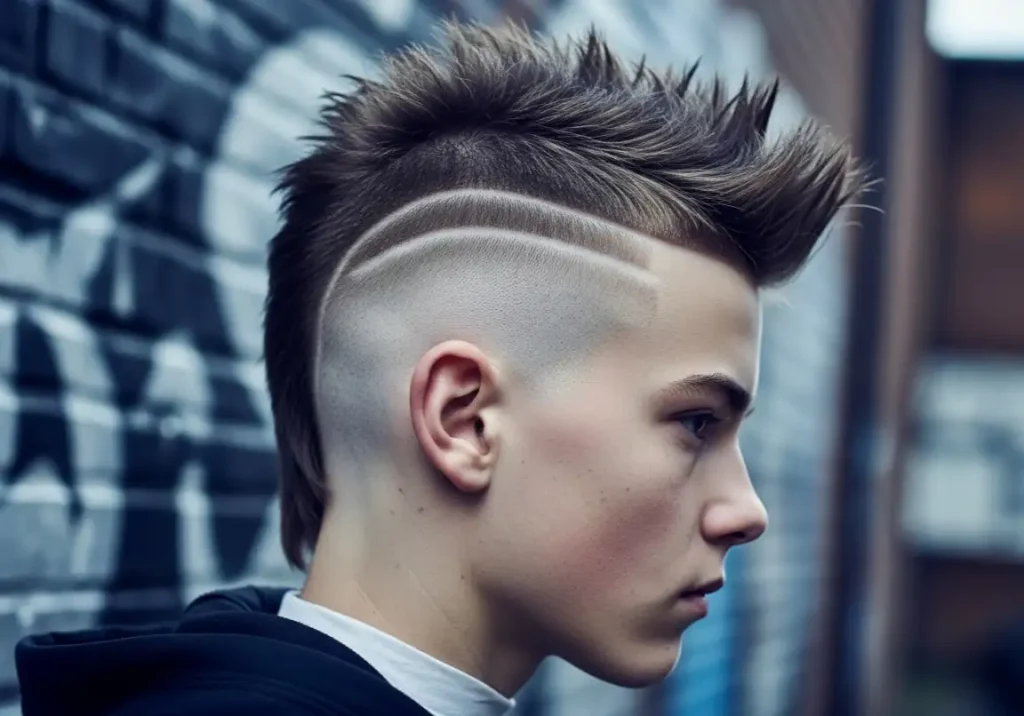
Modern mohawk variations offer graduated levels of intensity from subtle to extreme. The traditional version features shaved sides with a dramatic center strip, though contemporary interpretations include faux hawks, tapered variations, and styles incorporating fades for more wearable results. These approaches maintain the rebellious spirit while expanding appropriateness across different contexts.
The tapered mohawk provides excellent middle ground, keeping sides very short through skin fades while the center maintains two to three inches of length. This creates visible definition without requiring daily commitment to styling the hair upward. For special occasions or weekends, products and blow drying transform it into full mohawk glory. During school days, it simply appears as an edgy crop.
Thick, textured hair works best for mohawks, as it provides the substance needed to create impressive height and volume. Boys with straight hair may need additional styling products like strong-hold gel or pomade to achieve proper lift and maintain it throughout the day. The mohawk flatters various face shapes, particularly adding length to round faces through vertical emphasis.
14 Quiff Combines Volume and Style
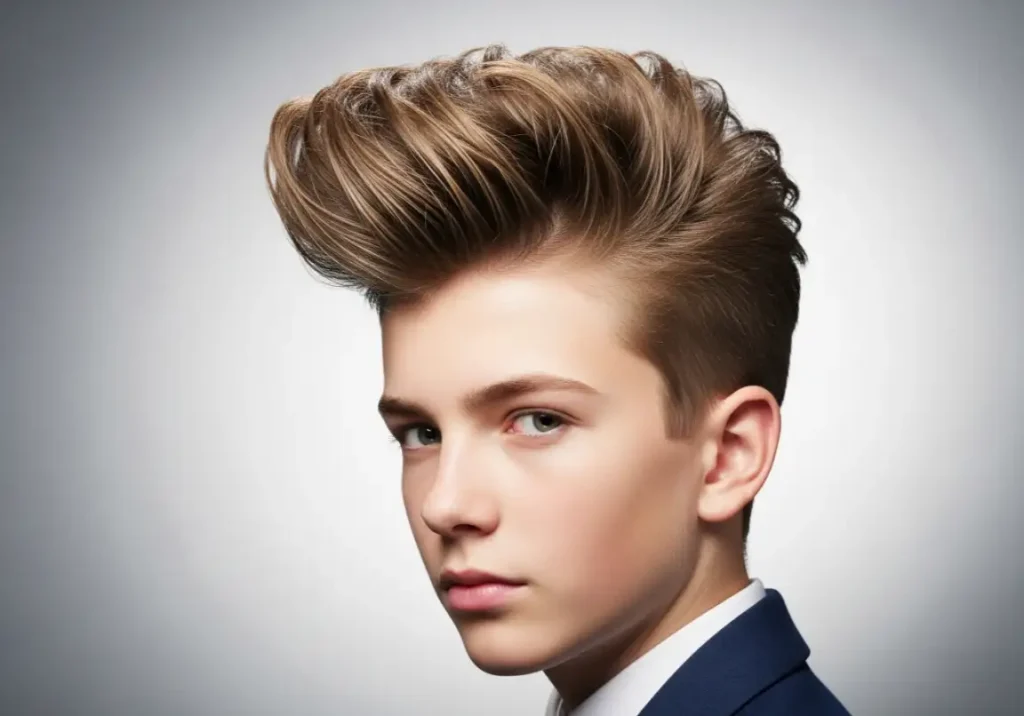
The quiff elevates hair at the forehead while sweeping it back, creating impressive volume and sophisticated shape. This style sits between the pompadour and standard swept-back looks, offering substantial height without extreme commitment. The sides typically feature fades or tapers that emphasize the voluminous top, creating pleasing proportion and balance.
Building a proper quiff requires specific styling techniques and products. Start with damp hair, applying volumizing mousse or pre-styling spray before blow drying while lifting hair upward at the roots using a round brush. Once mostly dry, work medium-hold pomade through the top, pushing hair up and back while maintaining the forward sweep. The result should appear full yet controlled.
This ambitious style works best for boys with straight or wavy hair that holds shape reliably. Fine hair benefits from texture powder or volume spray to create the necessary lift and grip. The quiff particularly flatters square and oblong face shapes by adding height that balances strong jawlines or longer facial structures. While it requires more effort than simpler cuts, the sophisticated results justify the investment.
15 Shaggy Layers for Relaxed Appeal
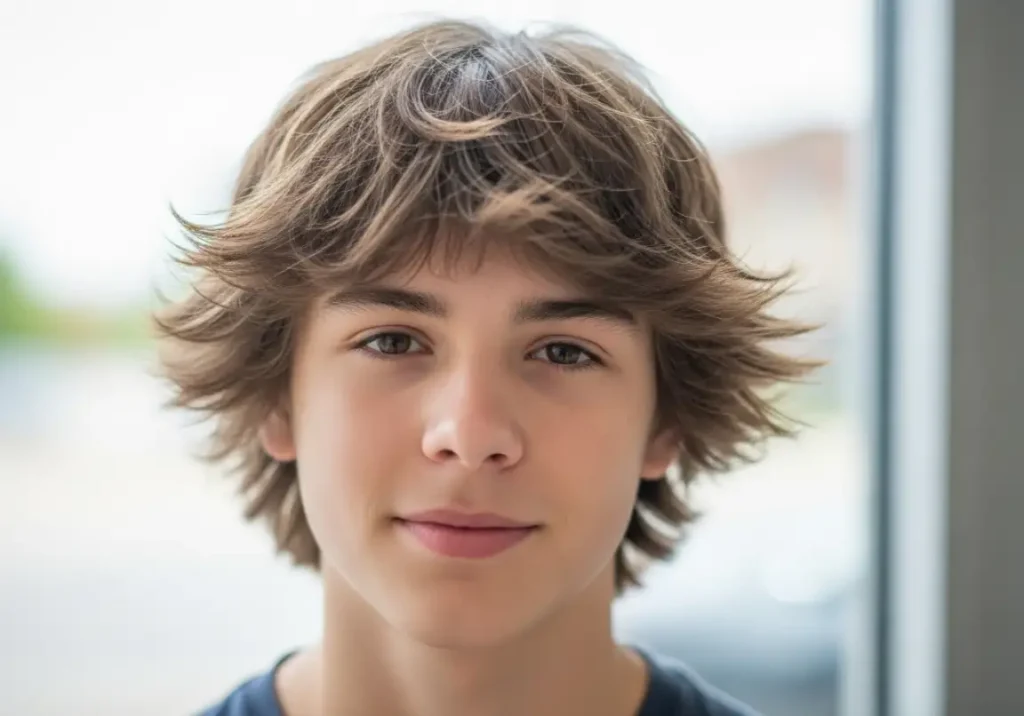
The shaggy cut embraces loose, layered texture that creates casual, approachable style. This approach features irregular lengths throughout, with layers starting higher on the head and cascading downward. The overall effect appears naturally tousled rather than precisely styled, appealing to teenage boys preferring relaxed aesthetics over polished perfection.
What makes shaggy cuts particularly practical is their forgiving nature regarding growth. As hair gets longer, the layers simply become more pronounced rather than losing shape entirely. This means fewer barber visits while maintaining stylish appearance. The cut works beautifully with various hair textures, particularly enhancing wavy or curly hair that contributes additional dimension.
Styling shaggy layers requires minimal intervention, often just lightweight cream or mousse to define texture without weighing hair down. The deliberate imperfection means styling mistakes become virtually impossible, making mornings stress-free. This style flatters most face shapes, particularly softening angular features through its casual, flowing nature. For teenage boys wanting effortless style, shaggy layers deliver consistent results.
16 Caesar Cut Offers Roman-Inspired Simplicity
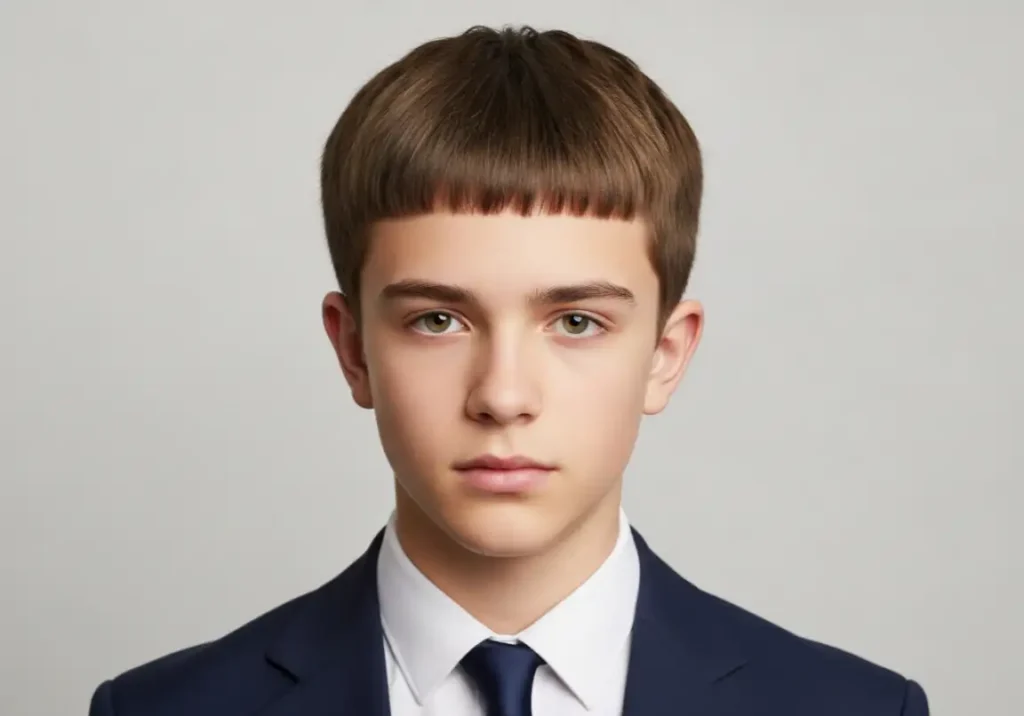
The Caesar cut features short, horizontally-cut fringe across the forehead combined with uniform length on top and tapered or faded sides. This style channels ancient Roman aesthetics while incorporating modern cutting techniques that keep it relevant. The defining characteristic involves the blunt fringe that falls forward rather than sweeping to the side or back.
Modern variations of the Caesar cut often incorporate texture through choppy cutting techniques or point cutting that prevents the fringe from appearing too severe. The length typically ranges from one to two inches on top, making it extremely low maintenance while still providing substance. The sides gradually fade shorter, creating subtle dimension without dramatic contrast.
This practical style particularly benefits boys with fine hair or thinning hair patterns, as the forward fringe creates coverage while the short length adds the appearance of density. Styling the Caesar cut requires virtually no effort, though a small amount of light pomade helps define the fringe and prevent flyaways. This works across all face shapes, particularly complementing round or square faces through its straight horizontal lines.
17 Ivy League Cut Balances Preppy and Modern
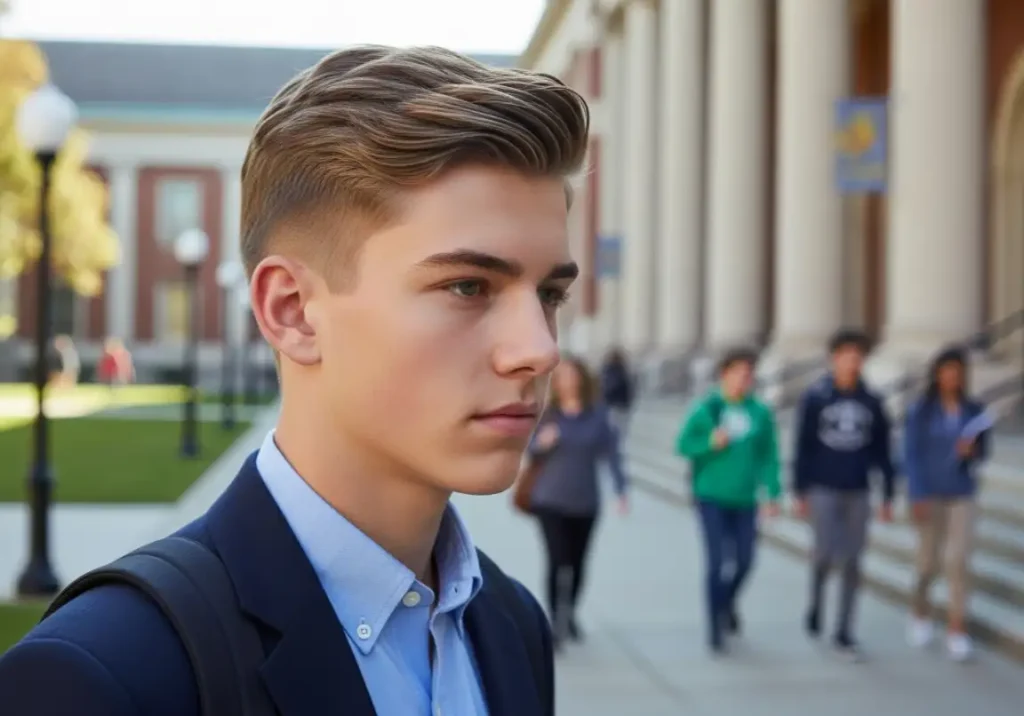
The Ivy League cut, sometimes called a Harvard clip, extends the classic crew cut by adding slightly more length on top. This creates enough substance for a side part while maintaining the neat, tailored appearance associated with academic tradition. The style bridges formal and casual contexts, making it versatile for teenage boys navigating various social settings.
The top typically maintains one to two inches of length, providing options for styling while remaining manageable. The sides feature traditional tapers that gradually shorten toward the neckline and around the ears. This creates clean definition without the stark contrast of modern fades, resulting in more conservative appearance suitable for strict dress codes.
Styling the Ivy League requires light to medium hold pomade or styling cream. Create a neat side part with a comb, then sweep hair across following the natural growth direction. The style should appear intentional without seeming overly manipulated or stiff. This haircut works particularly well for straight hair and complements oval or heart-shaped faces through its balanced proportions.
18 Blowout Taper Creates Dynamic Movement
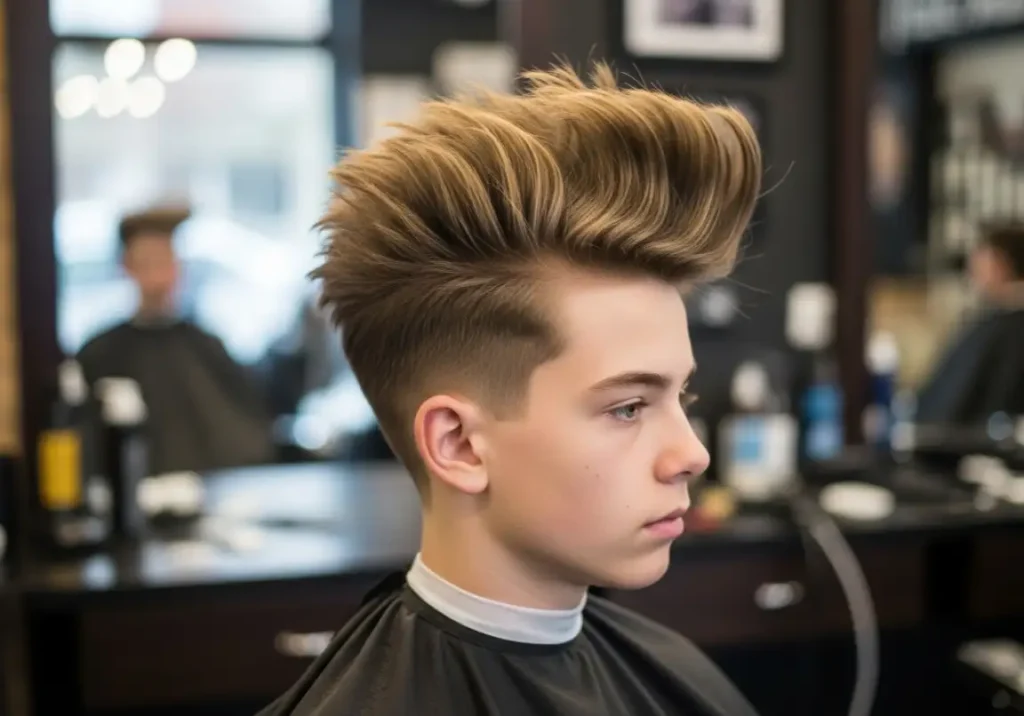
The blowout taper emphasizes volume and outward movement through strategic cutting and blow-drying techniques. This style features shorter sides that fade or taper while the top maintains significant length and texture. The defining characteristic involves hair that appears to expand outward rather than lying flat, creating dynamic shape that commands attention.
Creating an authentic blowout requires specific cutting approaches that remove weight from underneath while preserving length on top. This allows hair to lift and move more freely rather than pulling downward. The style works exceptionally for boys with thick hair who want to showcase their natural volume rather than fighting against it. The taper fade on sides prevents the overall look from becoming too heavy.
Styling a blowout involves blow drying while lifting sections of hair upward and outward, often using a round brush or fingers. Light-hold products like mousse or sea salt spray add texture without controlling too rigidly. The result should appear full and textured while maintaining natural movement. This energetic style flatters round face shapes by adding width that balances facial proportions.
19 Comb Over Delivers Sophisticated Simplicity
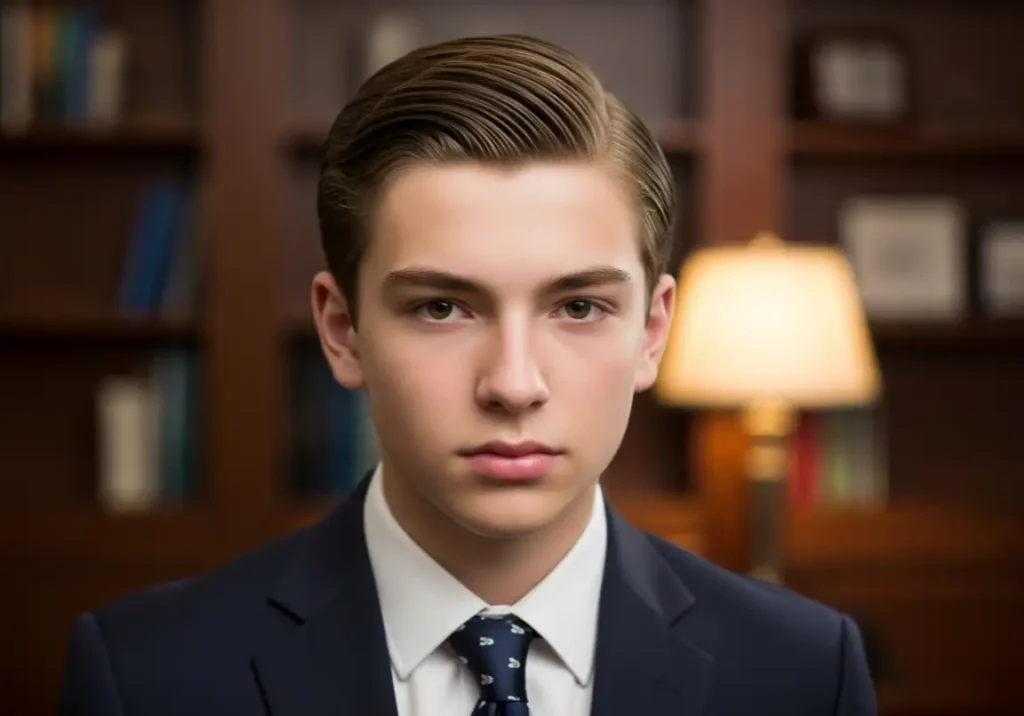
The comb over features hair swept to one side in clean, controlled fashion. This timeless approach works across various lengths, from shorter crops to medium styles, though all versions share the defining characteristic of directional styling. The side part may appear subtle or pronounced depending on preference, creating various degrees of formality.
Modern comb overs incorporate fades or tapers on the sides to prevent the style from appearing dated or overly mature. The swept hair typically covers but doesn’t completely hide the part line, creating subtle definition rather than stark division. This balance keeps the style feeling current while honoring traditional barbering techniques.
Styling the comb over requires medium-hold pomade or styling cream applied to damp hair. Use a comb to create the desired part, then sweep hair across in one smooth motion. The key involves achieving smooth, controlled appearance without making hair appear wet or overly product-laden. This sophisticated option works beautifully for boys with straight or wavy hair across all face shapes.
20 Burst Fade Adds Unique Circular Element
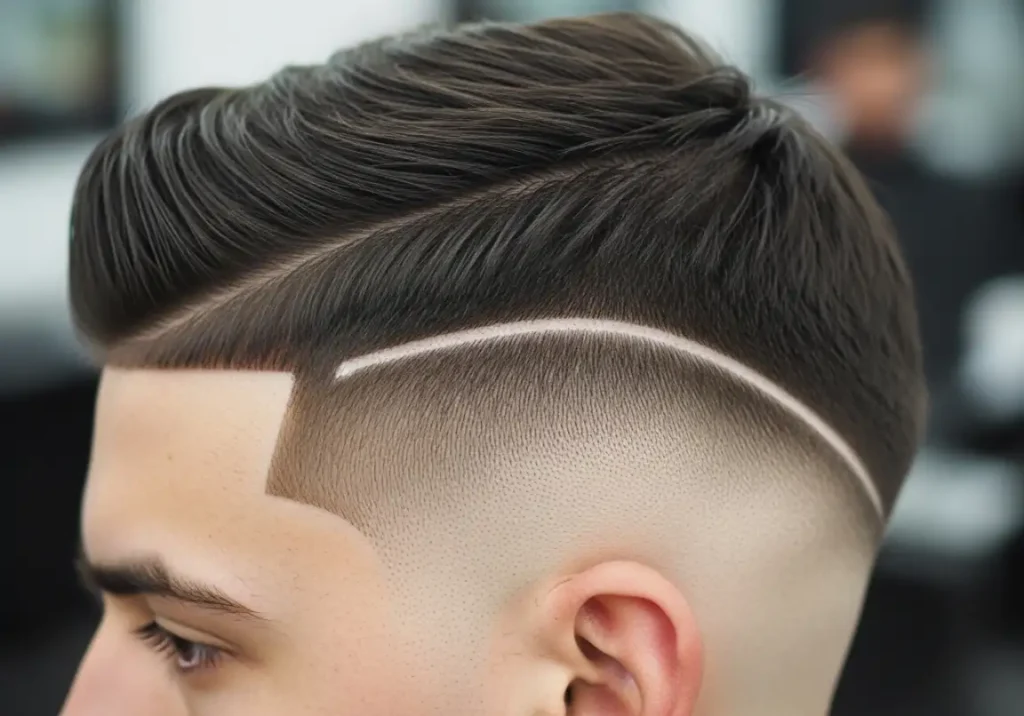
The burst fade creates a semicircular gradient around the ears rather than the traditional straight-down fade pattern. This distinctive technique creates visual interest through its curved lines while maintaining the clean, tapered appearance fade haircuts provide. The style typically leaves more length behind the ears while fading very short around them, generating the characteristic burst effect.
This creative fade variation works exceptionally well when paired with mohawk-inspired styles or longer tops featuring significant texture. The burst fade draws attention to the sides of the head, making it ideal for boys wanting subtle distinction from standard taper fades without extreme commitment. The technique works across all hair types and face shapes.
Maintaining a burst fade requires skilled barber work every two to three weeks to preserve the precise circular gradient. The top styling depends on the specific haircut chosen, ranging from simple forward-swept crops to dramatic mohawks. This versatile foundation supports various looks while adding unique signature element that sets the wearer apart from conventional fades.
21 Temple Fade Creates Subtle Definition
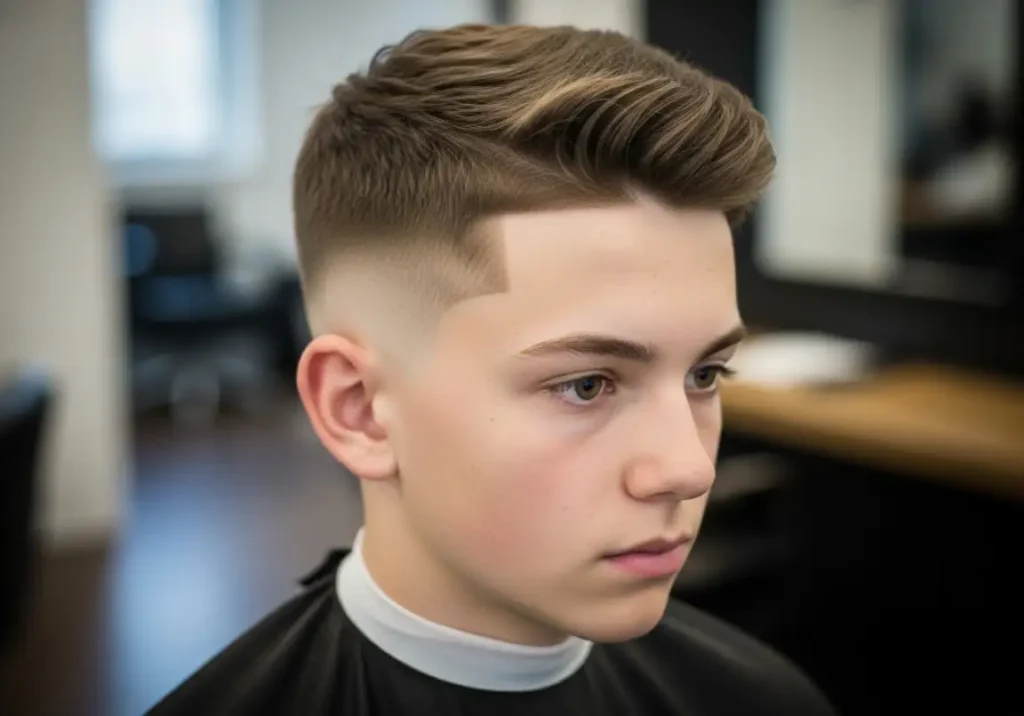
The temple fade focuses blending exclusively around the temples and front hairline while maintaining more length on the back and sides. This selective approach creates clean definition around the face without the dramatic contrast of full fades. The result appears polished yet subtle, making it appropriate for conservative environments while still feeling modern.
This technique works particularly well for boys with curly or textured hair who want to maintain more length on the sides and back. The temple fade provides necessary definition around the face without removing too much hair, allowing natural texture to remain visible. It also creates smooth transition between facial hair and scalp hair for older teenagers beginning to grow sideburns.
Styling with a temple fade depends entirely on the top section’s cut and length. The fade itself requires no maintenance beyond regular trims, as its subtle nature means it grows out gracefully between appointments. This versatile foundation supports everything from short crops to longer flowing styles, making it excellent choice for boys still exploring their preferred aesthetic.
22 High and Tight Delivers Military Precision
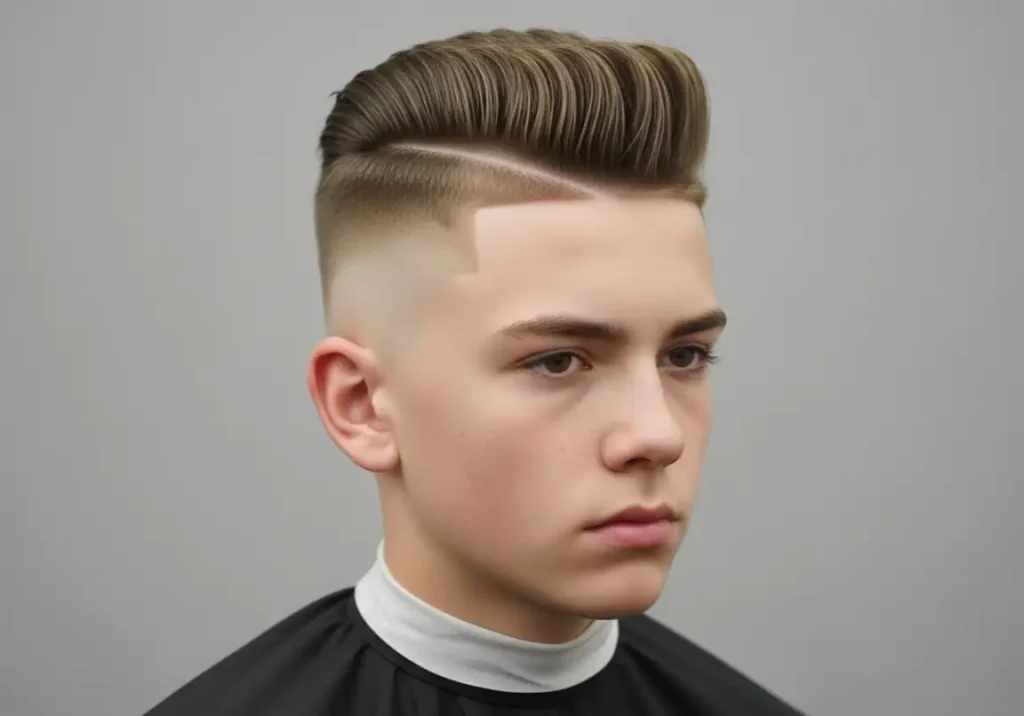
The high and tight features extremely short sides and back, often clipped to the scalp, while the top maintains slightly more length. This military-inspired cut creates stark contrast and ultra-clean appearance that requires minimal maintenance. While traditionally associated with armed forces, civilian adaptations have softened the look while preserving its defining characteristics.
Modern high and tight variations incorporate texture on top rather than the traditional flat appearance. This adds contemporary edge while maintaining the practical benefits that made the style popular initially. The sides may fade to the skin or remain at consistent guard length, depending on how dramatic the wearer wants the contrast.
This no-nonsense style particularly suits athletic teenage boys or those preferring functional haircuts over fashionable ones. The extremely short sides keep heads cool and eliminate styling concerns entirely. While the high and tight appears simple, proper execution requires skilled barber work to create clean lines and even lengths. Regular maintenance every two to three weeks preserves the sharp appearance.
Choosing the Right Haircut for Your Hair Type
Understanding your natural hair texture dramatically improves haircut satisfaction and daily styling success. Boys with straight hair enjoy the widest range of options, as their hair cooperates with both structured styles like side parts and textured looks like messy fringes. The key involves adding enough layers to prevent flat appearance while avoiding so much texture that hair becomes difficult to control.
Wavy hair offers natural movement that enhances many contemporary styles. Textured crops, shaggy cuts, and wolf cuts particularly benefit from the dimension waves provide. The challenge involves managing frizz and preventing excessive bulk, which proper layering addresses effectively. Products like sea salt spray or light mousse enhance waves without weighing them down.
Curly hair requires specialized approaches that work with rather than against natural texture. Taper fades and tapered cuts remove weight from sides while allowing curls to express themselves on top. Avoid styles demanding sleek, straight appearance, as fighting curl patterns creates frustration and damage. Embrace products specifically formulated for curls, including curl creams and leave-in conditioners that define and moisturize.
Thick hair provides excellent substance for voluminous styles like pompadours, quiffs, and blowouts. However, it can become heavy and overwhelming without strategic layering. Thinning shears remove excess bulk while maintaining overall shape. Boys with thick hair should avoid extremely short all-over cuts that emphasize hair’s weight rather than utilizing its natural body.
Fine hair benefits from cuts that create the illusion of density. Textured crops, Caesar cuts, and shorter styles with strategic layering add apparent fullness. Avoid long, heavy styles that cause fine hair to appear limp and lifeless. Volume products like mousse and texture powder become essential tools for maximizing the appearance of thickness.
Matching Haircuts to Face Shapes
Face shape significantly impacts which haircuts appear most flattering, though personal preference should ultimately guide decisions. Round faces benefit from styles adding height and vertical lines, such as pompadours, quiffs, or faux hawks. These create length that balances width, resulting in more proportional appearance. Avoid styles adding width, like extremely full sides or horizontal lines.
Square faces feature strong jawlines and broad foreheads that benefit from softer, textured styles. Messy fringes, shaggy cuts, and textured crops add casualness that counterbalances angular features. Avoid severe, geometric cuts that emphasize squareness. Slight side parts or asymmetrical elements introduce curve that softens overall appearance.
Oval faces represent the most versatile shape, wearing virtually any haircut successfully. This balanced proportion means boys can experiment freely without worrying about unflattering results. Both conservative styles like crew cuts and bold options like mullets work equally well. The freedom allows personal preference to guide choices without face shape constraints.
Heart-shaped faces, characterized by wider foreheads and narrower chins, benefit from styles adding width at the jawline. Textured crops with forward fringe or side-swept styles create balance by minimizing forehead emphasis while drawing attention downward. Avoid excessive height on top, which exaggerates the already wider upper face.
Oblong faces feature more length than width, requiring styles that add horizontal volume rather than vertical height. Side parts, textured crops, and styles with fuller sides create needed width. Avoid pompadours, quiffs, or other tall styles that elongate already long faces. Horizontal fringe elements like Caesar cuts add beneficial width.
Essential Styling Products for Teen Boy Haircuts
Pomade provides shine and hold for polished styles like slicked-back looks, side parts, and comb overs. Water-based formulas wash out easily compared to oil-based versions, making them more practical for daily use. Apply to damp hair for maximum control or to dry hair for lighter hold and definition. Choose shine level based on desired finish, from high gloss to natural sheen.
Matte clay or matte paste delivers strong hold without shine, perfect for textured styles like messy fringes, textured crops, and shaggy cuts. These products add grip that allows hair to hold shape while maintaining natural appearance. Work through dry hair using fingers to create separation and definition. Start with small amounts, adding more as needed.
Styling cream offers versatile middle ground between pomade and clay, providing medium hold with natural finish. This works across various styles and hair types, making it excellent choice for teenage boys still exploring preferences. Apply to damp hair before styling, or use on dry hair for lighter definition and control.
Texturizing spray or sea salt spray adds grip and slight volume without visible product residue. These lightweight options work beautifully for casual styles where structured hold isn’t necessary. Spray on damp hair before air drying or blow drying to enhance natural texture and create piece-y separation.
Volume mousse or volumizing spray benefits boys with fine hair or styles requiring lift at the roots. Apply to damp hair before blow drying, using fingers or brushes to direct hair upward while adding heat. These products create foundation for voluminous styles like quiffs and pompadours.
Hair spray provides finishing hold that locks styles in place throughout the day. Use sparingly to avoid crunchy, stiff appearance. Choose flexible hold formulas for natural movement or strong hold for styles requiring extra security during athletic activities or long events.
Maintenance Tips for Long-Lasting Style
Regular barber visits preserve haircut shape and prevent overgrown, messy appearance. Most teen boy haircuts require professional attention every three to six weeks depending on the style. Fades and tapers need more frequent maintenance, typically every two to three weeks, as the gradual blending becomes less distinct with growth. Longer styles like shaggy cuts or curtain haircuts stretch longer between appointments.
Communicate clearly with your barber about desired results. Bring reference photos if possible, as visual examples eliminate ambiguity. Describe how you style your hair daily and mention any problem areas like cowlicks or uneven growth patterns. Good barbers appreciate detailed information that helps them deliver exactly what you want.
Home maintenance between professional cuts extends style life. Invest in quality scissors for trimming stray hairs around ears and neckline. However, avoid attempting significant cutting yourself, as mistakes become difficult to correct. Focus on minor cleanup that maintains neatness without altering the overall shape.
Wash hair appropriately for your hair type. Oily hair may require daily washing, while dry or curly hair benefits from less frequent shampooing, perhaps two to three times weekly. Use quality shampoo and conditioner formulated for your specific hair needs. Over-washing strips natural oils, causing dryness and increased oil production.
Protect hair during sleep by using silk or satin pillowcases that reduce friction and prevent frizz. Boys with longer styles may consider loose top knots or braids to maintain shape overnight. These simple habits preserve styling work and reduce morning effort.
Adapt styling routines seasonally. Winter hats flatten hair and create static, requiring different products and techniques than summer’s humidity challenges. Adjust styling product amounts and types based on weather conditions for consistent results year-round.
How to Communicate with Your Barber
Successful haircuts begin with clear communication establishing realistic expectations. Before your appointment, research styles and save several reference photos showing different angles of your desired look. Multiple images provide better understanding than single photos, as they reveal how the cut appears from various perspectives.
Use specific terminology when describing what you want. Mention desired length on top using measurements like inches or finger widths. Specify fade type and height, whether low fade, mid fade, or high fade. Describe preferred styling direction, such as forward, back, or to the side. The more precise your description, the better your barber can execute your vision.
Be honest about your styling routine and skill level. If you won’t spend more than five minutes on hair each morning, communicate this upfront. Requesting high-maintenance styles you won’t actually maintain leads to disappointment. Good barbers appreciate honesty and can suggest modifications making ambitious styles more practical for daily life.
Ask questions throughout the process. If something seems different than expected, speak up immediately rather than waiting until finished. Request explanations of styling techniques and product recommendations specific to your new cut. Most barbers appreciate engaged clients who want to learn proper maintenance.
Build relationships with barbers by returning to the same professional consistently. They learn your preferences, hair characteristics, and lifestyle needs, delivering increasingly personalized results. Regular clients often receive scheduling priority and more attention during appointments.
Understanding that hair grows and styles evolve helps manage expectations. What looks perfect leaving the barbershop changes within days as hair settles and grows. Discuss realistic timelines for maintenance and how the cut will change over coming weeks. This preparation prevents surprises and disappointment.
Conclusion
The landscape of teen boy haircuts in 2026 offers remarkable diversity, ensuring every teenage boy finds styles matching his personality, lifestyle, and hair type. From classic crew cuts and taper fades to bold wolf cuts and mohawks, contemporary options balance trend awareness with practical wearability. The key to satisfaction involves honest assessment of your natural texture, face shape, and willingness to maintain your chosen style.
Remember that haircuts represent expressions of individuality rather than permanent commitments. These teenage years provide ideal opportunities for experimentation without long-term consequences. If a style doesn’t work as expected, hair grows back and new options await. Embrace the journey of discovering which cuts make you feel confident and comfortable in your own skin.
Invest time finding skilled barbers who understand current trends while respecting timeless techniques. Quality cuts from experienced professionals look better and last longer than bargain options from inexperienced stylists. The relationship you build with your barber becomes valuable resource as you navigate evolving style preferences throughout your teenage years.
Most importantly, choose haircuts aligning with your authentic self rather than blindly following trends. The best teen boy haircut is one that makes you feel like the best version of yourself, whether that’s polished and professional or relaxed and casual. Confidence transforms any haircut from acceptable to exceptional, so prioritize styles that genuinely resonate with who you are.
You may also like this post: Best Alternative Haircut Ideas for Women & Men (2026 Trends)
Frequently Asked Questions
How often should teenage boys get haircuts?
Most teenage boys need haircuts every three to six weeks depending on the style. Faded styles require more frequent visits every two to three weeks to maintain clean lines, while longer styles like shaggy cuts or curtain haircuts can stretch longer between appointments. Fast-growing hair or precision cuts need more regular maintenance than slower-growing hair or relaxed styles.
What haircut works best for thick hair?
Textured crops, layered cuts, and styles incorporating thinning shears work best for thick hair. These approaches remove excess weight while maintaining volume and shape. Blowout tapers, wolf cuts, and pompadours particularly suit thick hair by utilizing its natural body. Avoid blunt, one-length cuts that emphasize thickness rather than working with it.
Can you get a fade with curly hair?
Yes, fades work excellently with curly hair. Taper fades and low fades remove weight from sides while allowing curls to express themselves on top. The contrast between faded sides and textured, curly top creates striking appearance. Ask your barber to preserve enough length on top to maintain curl pattern while keeping sides clean and manageable.
What styling products do teenage boys actually need?
Most teenage boys need only two to three basic products. A versatile styling cream or matte clay provides hold and texture for daily styling. Sea salt spray or texturizing spray adds volume and grip without heavy feel. Hair spray offers optional finishing hold for special occasions. Choose products based on your specific hair type and preferred styles.
How do you style a textured crop?
Style a textured crop by applying small amount of matte clay or styling cream to damp or dry hair. Use fingers to work product through, creating separation and definition. Push hair forward, to the side, or leave it natural depending on preference. The beauty of textured crops lies in their versatility and forgiving nature, making styling mistakes virtually impossible.
One Comment