
24 Trendy Long Haircuts That Add Volume, Shape & Movement
Long hair represents a beautiful canvas for personal expression, but without the right cut, it can easily become flat, lifeless, or overwhelmingly heavy. The transformative power of strategic layering turns ordinary long hair into a dynamic, multidimensional masterpiece that moves with grace and vitality. Whether dealing with thick locks that need weight removal or fine strands craving body and bounce, the perfect long layered haircut revolutionizes your entire appearance while simplifying daily styling routines.
Modern layering techniques have evolved far beyond simple scissor snips. Today’s approaches incorporate precision cutting methods, face-framing pieces, textured ends, and strategically placed layers that enhance natural hair texture rather than fighting against it. From dramatic butterfly cuts to subtle feathered layers, contemporary long haircuts offer remarkable versatility suitable for every lifestyle, face shape, and personal aesthetic. The true beauty of these cuts lies in their ability to amplify existing assets while reducing styling effort and maximizing visual impact.
Understanding which layered haircut works best requires knowledge of different techniques, their specific benefits, and how they interact with various hair types and face shapes. This comprehensive guide explores 24 trending long haircuts delivering exceptional results, providing the essential information needed to make confident decisions for your next salon appointment.
The Power of Layers in Long Hair
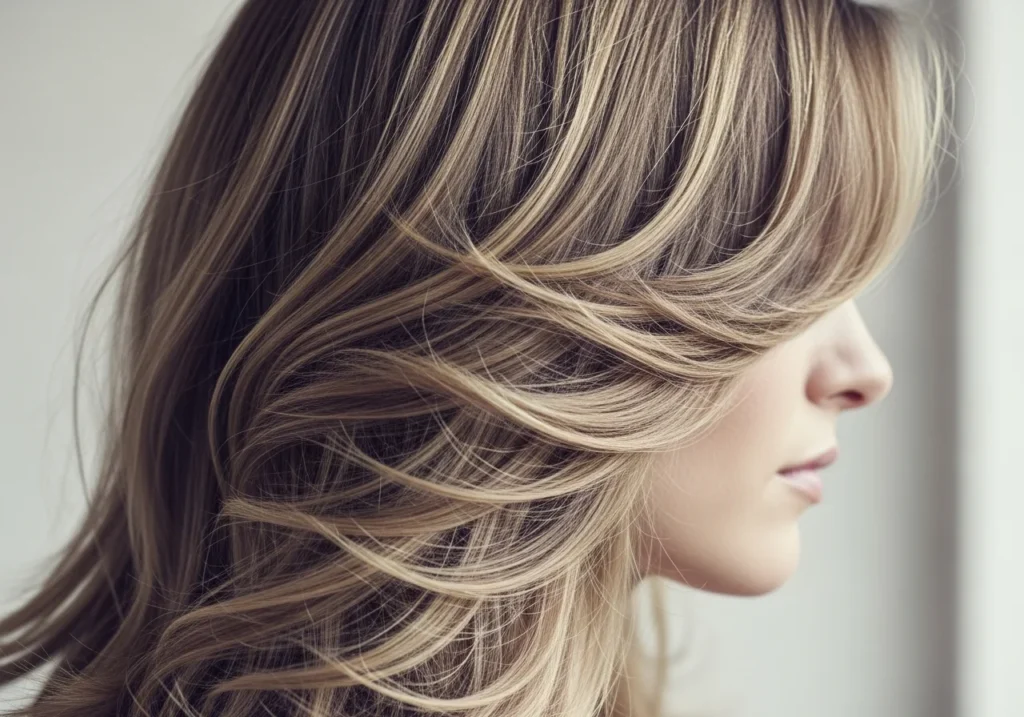
Layers represent one of hairstyling’s most transformative techniques, functioning as a strategic method to redistribute weight and create dimension throughout your hair. When executed correctly, layers eliminate bulk from thick hair while simultaneously creating the illusion of fullness in fine strands. This seemingly contradictory benefit stems from how layers alter light interaction with your hair and how individual strands fall and move naturally.
The fundamental principle behind layering involves cutting hair at varying lengths throughout the head, creating a graduated effect that adds depth and visual interest. Short layers near the crown provide lift and volume at the roots, while longer layers maintain overall length and create flowing movement. This combination ensures hair appears fuller without sacrificing the length you’ve worked hard to grow and maintain.
Beyond aesthetics, layers serve practical purposes making daily styling considerably easier. Hair with proper layering dries faster because air circulates more effectively through separated sections. Reduced drying time means less heat exposure, ultimately leading to healthier hair over time. Additionally, layered hair holds styles better because varying lengths create natural texture that grips styling products and maintains shape throughout the day.
Different layering techniques produce distinct results, making clear communication with your stylist essential. Blunt layers create defined separation with visible distinction between lengths, perfect for bold, structured looks. Graduated layers blend seamlessly from one length to another, producing softer, more natural appearances. Understanding these distinctions helps articulate your vision and ensures the final result matches expectations.
Face-Framing Layers That Flatter Every Feature

Face-framing layers have emerged as one of the most requested features in long haircuts, and for excellent reason. These strategically placed shorter pieces around the face create a contouring effect highlighting your best features while softening less favorable aspects. The technique involves cutting hair at specific lengths around the face perimeter, typically starting anywhere from the cheekbones to just below the chin, depending on face shape and desired effect.
The brilliance of face-framing lies in customization potential. Round faces benefit from layers beginning below the chin, creating vertical lines that elongate the face and produce a slimming effect. Square faces work beautifully with soft, curved layers counterbalancing angular jawlines, while heart-shaped faces look stunning with layers adding width at jaw level. Oval faces enjoy the most versatility, working beautifully with virtually any face-framing approach while maintaining balanced proportions.
These layers also solve the common problem of hair appearing monotonous when worn down. Unlike full-length hair that can feel uniform, face-framing pieces provide visual interest and movement even in simple hairstyles. When pulling hair back into ponytails or updos, these shorter sections naturally fall forward, creating an effortlessly romantic frame that softens overall appearance and adds feminine appeal.
Styling face-framing layers requires minimal effort for maximum impact. A quick pass with a flat iron curving away from the face creates instant polish, while allowing them to air dry produces a relaxed, casual vibe. This versatility means transitioning from professional settings to weekend activities without completely restyling, making this technique ideal for busy lifestyles and those seeking low-maintenance beauty solutions.
The Butterfly Haircut
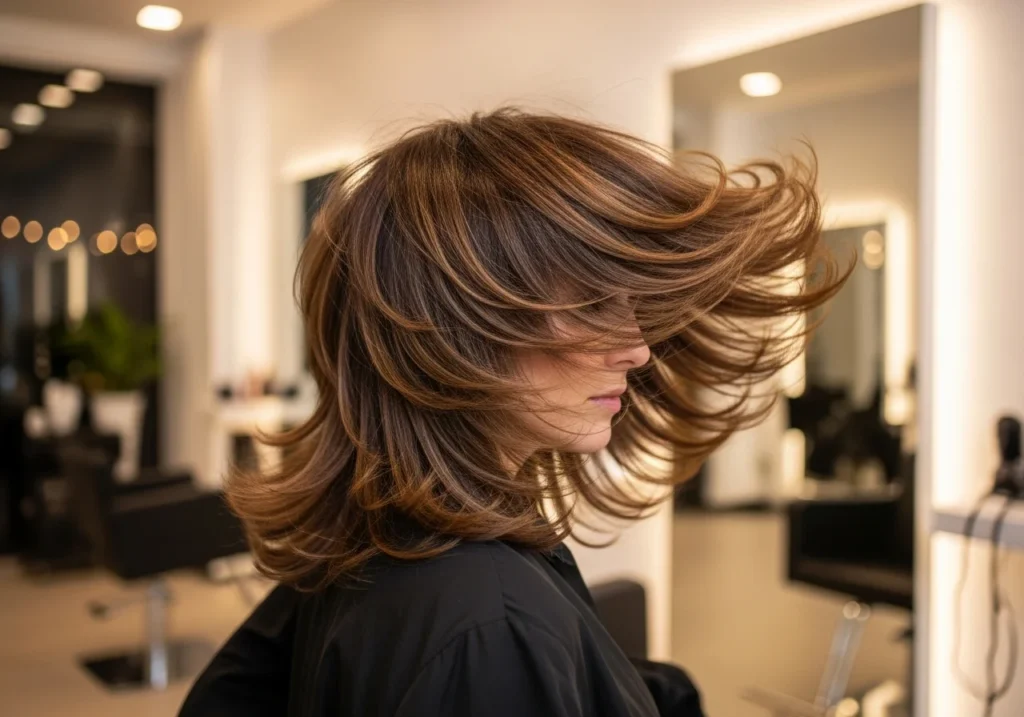
The butterfly haircut has captured attention across social media platforms, accumulating billions of views as people discover its transformative properties. This cut features two distinct layer lengths working together to create the illusion of both short and long hair simultaneously. Shorter layers concentrated around the crown and face provide lift and volume, while longer layers underneath maintain cherished length without sacrifice.
The name derives from how layers resemble butterfly wings when styled, fanning out from the face in a flattering, dimensional pattern. This technique proves particularly effective for thick hair requiring bulk reduction without length loss. The shorter top layers remove weight from the crown, allowing hair to lift naturally at roots instead of falling flat against the head, creating beautiful movement and bounce.
Styling the butterfly cut involves using volumizing products at roots and blow-drying with a round brush to enhance the layered effect. The beauty of this cut lies in built-in movement, meaning even minimal styling produces impressive results. For those preferring heatless methods, applying mousse to damp hair and allowing it to air dry creates natural texture showcasing the cut’s inherent dimension and flow.
This haircut works across all hair textures, though approaches vary slightly. Straight hair benefits from additional texturizing to prevent layers from appearing too blunt, while naturally wavy or curly hair embraces layers beautifully with minimal intervention. The butterfly cut represents an excellent choice for anyone wanting dramatic change without committing to significantly shorter hair or major transformation.
Long Shag Layers
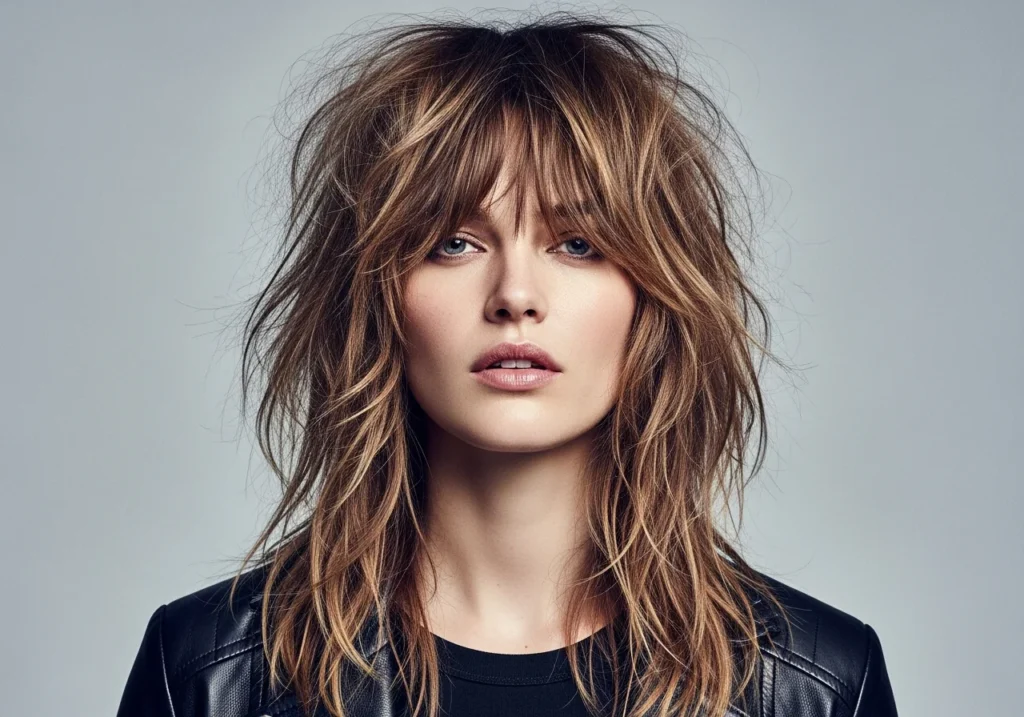
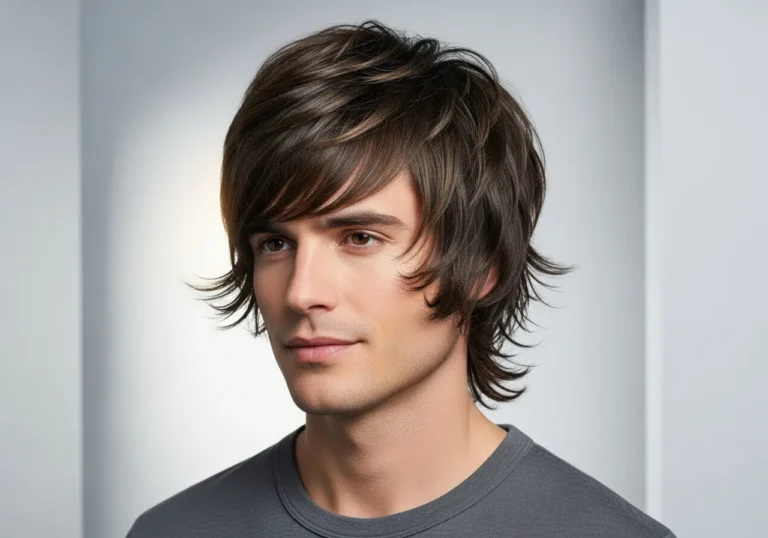
The long shag brings together choppy layers, textured ends, and an intentionally undone aesthetic capturing the essence of effortless cool. This cut features layers distributed throughout the head at varying lengths, creating a tousled, lived-in appearance looking like you rolled out of bed with perfect hair. The technique combines precision cutting with strategic texturizing to achieve signature disheveled elegance and modern appeal.
What distinguishes the long shag from other layered cuts is emphasis on texture over uniformity. Rather than smooth, blended layers, the shag incorporates more dramatic length variations creating visible separation and movement. This approach works exceptionally well for naturally wavy or curly hair, as it enhances existing texture while removing excess weight that can cause curls to droop or lose definition.
Maintenance requirements for the long shag remain relatively low, making it ideal for those preferring minimal styling routines. The cut’s inherent texture means imperfections actually enhance overall look rather than detracting from it. A texturizing spray applied to damp hair before air drying typically provides sufficient styling, though adding beach waves with a curling wand creates extra dimension for special occasions or elevated looks.
The versatility of the long shag extends to its adaptability across face shapes and ages. Younger individuals appreciate its trendy, rock-and-roll vibe, while mature clients value how the softening effect of layers creates youthful appearance. The key lies in adjusting layer placement and intensity to suit individual features, preferences, and lifestyle requirements for optimal results.
V-Cut Layers
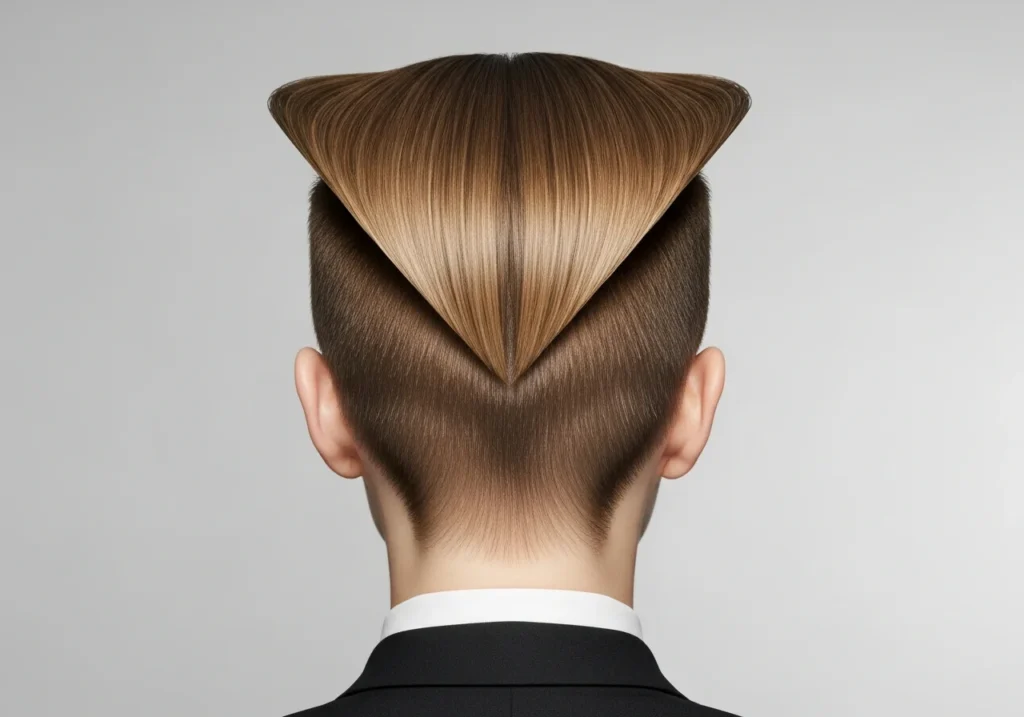
The V-cut creates a striking geometric shape at the back of the head, with hair gradually tapering from shorter sides to a defined point in the center. This dramatic silhouette adds visual interest to long hair, particularly noticeable when worn down or in low ponytails. The angular shape creates movement and dimension transforming straight hair from flat to flowing with beautiful cascading effect.
Creating the V-shape involves cutting hair at steep angles from sides toward the back, ensuring the longest point falls directly in the center. The severity of the angle can be customized based on personal preference, from subtle gradations to bold, eye-catching points. This flexibility allows the cut to work for conservative professional environments or more adventurous fashion-forward looks requiring statement-making style.
The V-cut pairs beautifully with additional layering throughout hair, combining geometric back shape with face-framing pieces and crown layers for comprehensive dimension. This combination ensures the cut looks stunning from every angle, not just when viewed from behind. The layers also help the V-shape hold its form better, as they remove excess weight that might otherwise pull hair straight and eliminate the distinctive shape.
Hair color becomes particularly impactful with V-cuts, as the angular shape provides an excellent canvas for highlighting techniques. Balayage or ombre treatments follow the V-shape naturally, emphasizing the cut’s geometry while adding depth and dimension. The interplay between color and cut creates sophisticated, polished appearance requiring surprisingly little daily maintenance while delivering maximum visual impact.
U-Cut with Soft Layers
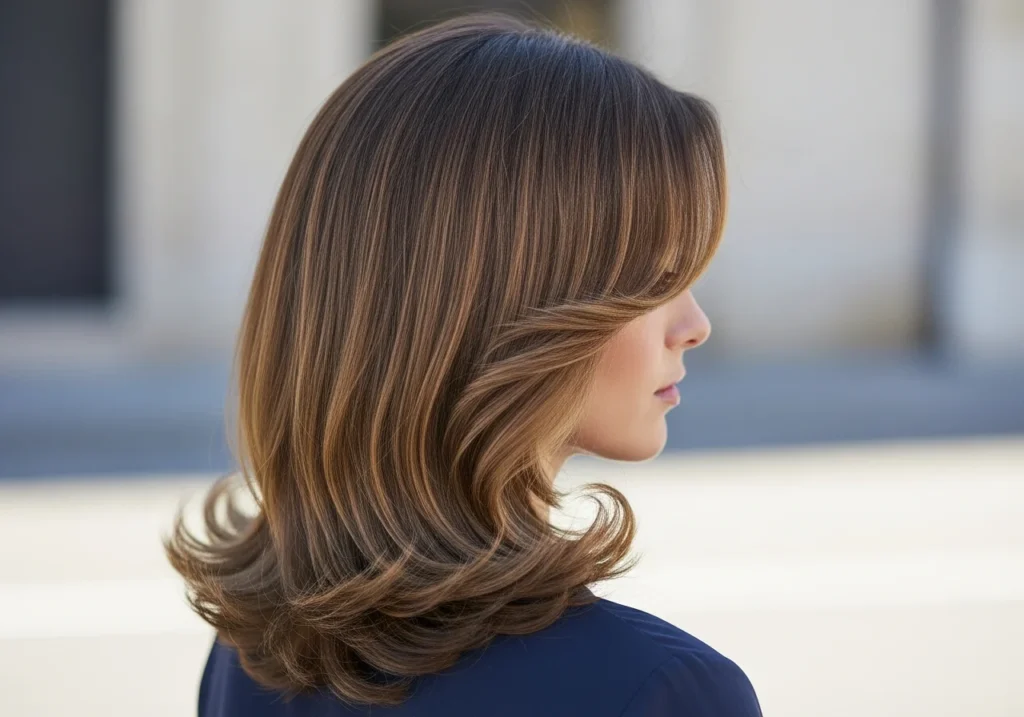
The U-cut offers a softer alternative to the V-cut, creating gentle, rounded curves rather than sharp angles. This approach maintains fullness throughout the back while incorporating subtle layering that adds movement without dramatic shape changes. The result resembles a soft horseshoe when hair is worn down, providing dimension while preserving a more natural appearance and maintaining overall fullness.
This cut excels at maintaining the appearance of thick, full hair because it removes minimal length from the perimeter. The rounded shape creates the illusion of density, making it particularly beneficial for those with fine or thinning hair wanting to maximize the appearance of fullness. The layers blend seamlessly into overall shape, creating movement without obvious separation or defined distinction between lengths.
Styling the U-cut remains straightforward, as gentle curves and blended layers fall naturally into place with minimal effort. A basic blowout with a paddle brush creates sleek sophistication, while adding loose waves with a large-barrel curling iron produces romantic, flowing movement. The versatility means this cut transitions easily from professional settings to casual weekends, offering flexibility for various occasions and styling preferences.
Face-framing layers complement U-cuts beautifully, adding dimension around the face while the back maintains its curved fullness. This combination creates balanced, harmonious look flattering most face shapes. The gentle nature of both the U-shape and blended layers makes this an excellent choice for those wanting subtle enhancement rather than dramatic transformation or attention-grabbing change.
Curtain Bangs with Long Layers

Curtain bangs bring a touch of vintage appeal to long layered hair, parting naturally in the middle and sweeping to either side like theatrical curtains. This face-framing technique starts with shorter pieces at the center part that gradually lengthen as they move toward the sides, creating soft, romantic frame. When combined with long layers throughout the rest of hair, curtain bangs produce cohesive, flowing look with beautiful movement.
The appeal of curtain bangs lies in versatility and relatively low maintenance compared to traditional straight-across bangs. They grow out gracefully, blending into surrounding layers rather than creating awkward in-between phases. This makes them an excellent option for those hesitant about committing to bangs or who have struggled with growing out previous fringe styles unsuccessfully.
These bangs work particularly well for those with oval or long face shapes, as they add width and balance to facial proportions. The soft framing effect draws attention to eyes and cheekbones while creating youthful, approachable appearance. Even those with round faces can wear curtain bangs successfully when the shortest pieces fall at or below the cheekbones rather than at eye level, ensuring flattering proportions.
Styling curtain bangs requires minimal effort once you master the basic technique. Blow-drying with a round brush while pulling hair away from the center part creates natural volume and the signature swept-back shape. For more relaxed looks, allowing them to air dry produces soft, subtle framing that works beautifully for casual settings while maintaining polished appearance.
Choppy Layers Throughout
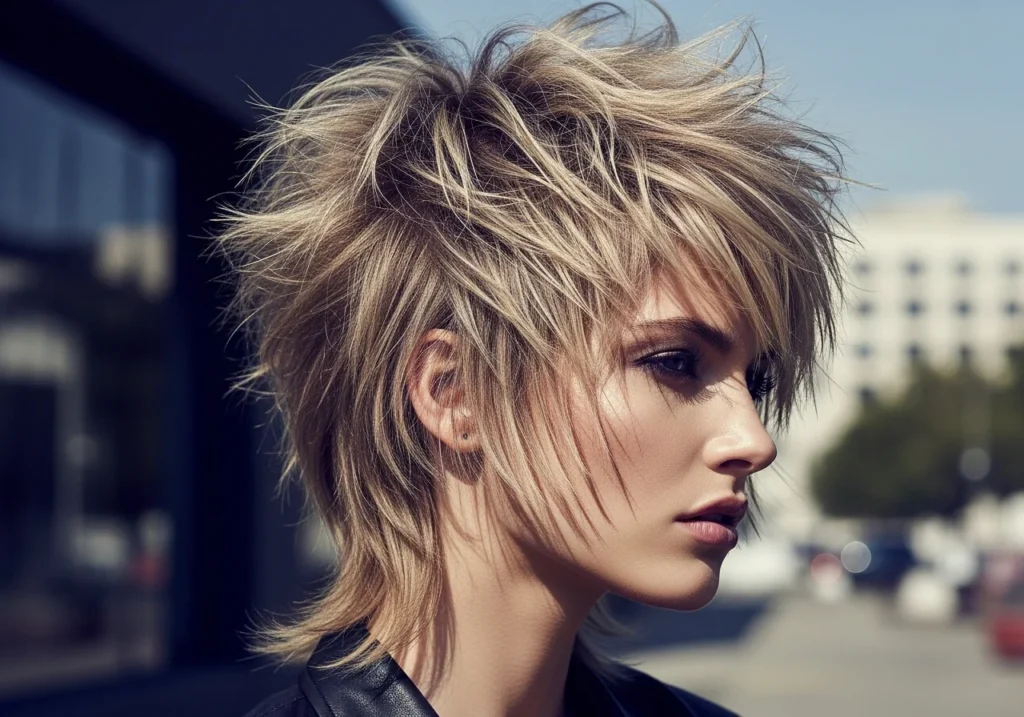
Choppy layers create deliberate, visible separation between lengths, producing bold, textured appearance that makes a statement. This cutting technique uses point-cutting and slide-cutting methods to create uneven, jagged ends that add edginess and modern appeal. The result is hair with lots of movement, dimension, and attitude perfect for those wanting to break away from conventional styles and embrace contemporary trends.
This style works exceptionally well on naturally wavy or curly hair, as the choppy texture enhances existing wave patterns and curl formations. The uneven layers prevent hair from appearing too uniform or polished, instead creating that coveted lived-in, effortlessly cool aesthetic. For straight hair, choppy layers add much-needed texture and prevent the cut from looking too severe or harsh.
Styling choppy layered hair can be as simple as applying texturizing product and allowing hair to air dry, or using a diffuser to enhance natural texture. The beauty of this cut lies in its forgiving nature. Imperfections and irregularities add to overall appeal rather than detracting from it. For more polished occasions, a quick pass with a flat iron or curling wand creates definition while maintaining the textured, piecey look.
The maintenance level for choppy layers remains moderate. Regular trims every six to eight weeks keep the layers looking fresh and prevent ends from becoming too damaged or split. The cut grows out relatively gracefully, with the choppy nature making regrowth less obvious than more structured, uniform cuts. This makes it suitable for those who can’t commit to frequent salon visits but still want stylish, contemporary hair.
Feathered Layers for Softness
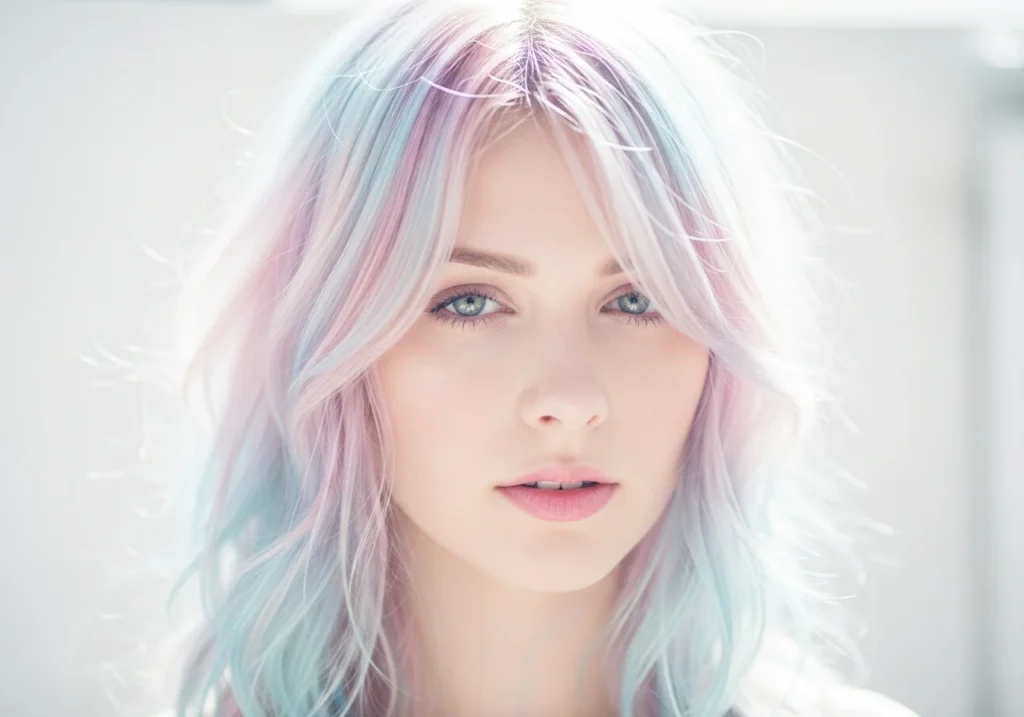
Feathered layers create an incredibly soft, feminine look characterized by delicate, wispy ends that blend seamlessly into one another. This technique involves cutting hair at slight angles and using razor or thinning shears to create feather-like texture at the ends. The result is hair with beautiful flow and movement that appears light, airy, and romantically soft.
This style works particularly well on fine to medium hair textures, as the feathering technique creates the illusion of more volume and thickness. The soft, blended layers prevent hair from looking stringy or thin at the ends, instead creating fullness and body throughout. For thicker hair types, feathering helps remove bulk while maintaining soft, touchable texture rather than harsh, blunt lines.
Styling feathered layers requires gentle handling to maintain the delicate texture. Using lightweight products prevents weighing down the soft ends, while blow-drying with a round brush enhances volume and movement. The feathered texture catches light beautifully, creating dimensional, luminous appearance that looks healthy and vibrant. A light finishing spray helps hold the style without making it stiff or crunchy.
The timeless nature of feathered layers makes them suitable for all age groups, from teenagers seeking soft, feminine styles to mature women wanting elegant, graceful hair. The technique flatters most face shapes by creating softness around the face and drawing attention to facial features in gentle, flattering manner. Regular trims maintain the feathered texture and prevent split ends from compromising the soft, delicate appearance.
Balayage-Enhanced Layers
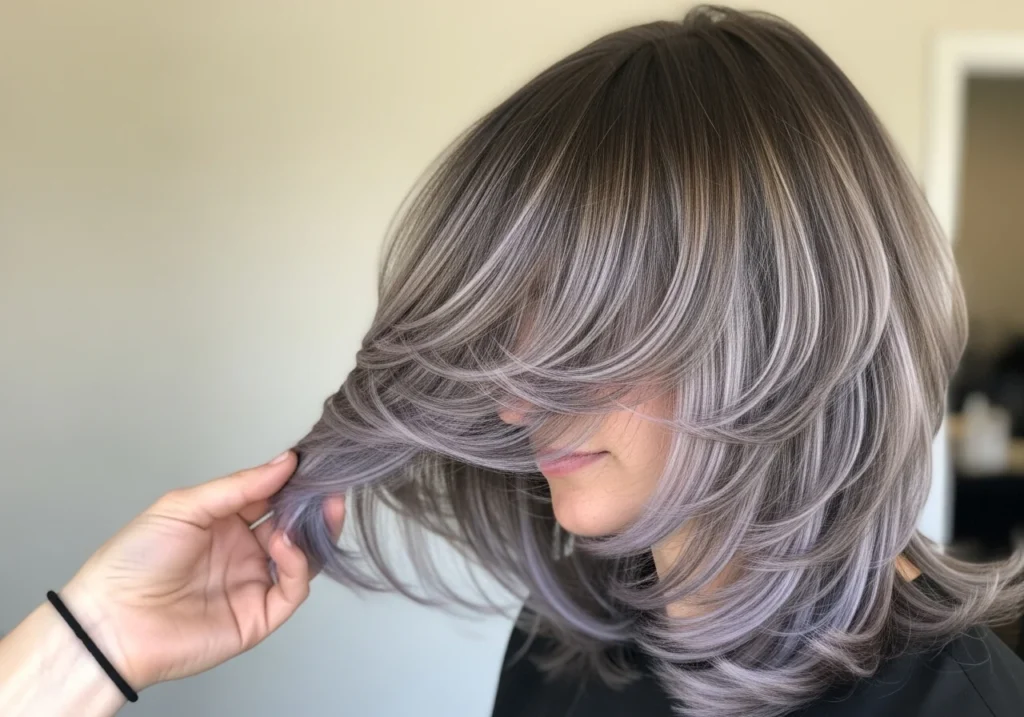
Combining strategic layering with balayage color creates stunning dimensional effect that maximizes both cut and color. Balayage, a freehand painting technique, allows color to follow the natural flow of layers, emphasizing movement and creating depth. When layers and color work together harmoniously, the result is hair that appears fuller, healthier, and more vibrant with beautiful multidimensional appeal.
The placement of highlights along layered sections catches light beautifully, making movement more visible and dramatic. Lighter pieces strategically placed around the face brighten complexion and draw attention to facial features, while darker undertones create depth and richness throughout. This interplay of light and shadow enhances the natural dimension created by layers, amplifying the overall effect significantly.
Choosing the right balayage placement depends on layer style and desired effect. Face-framing layers benefit from lighter tones that brighten and highlight, while interior layers can incorporate both light and dark tones for maximum depth. The key is ensuring color transitions appear natural and seamless, following the hair’s natural movement rather than fighting against it or creating harsh lines.
Maintenance for balayage-enhanced layers involves using color-safe products and protecting hair from heat damage to preserve both cut and color integrity. The grow-out is generally more forgiving than traditional highlights because the freehand application creates softer, more natural-looking regrowth. Touch-ups typically needed every three to four months, making this a relatively low-maintenance option for those wanting both dimensional color and beautiful layers.
The Wolf Cut
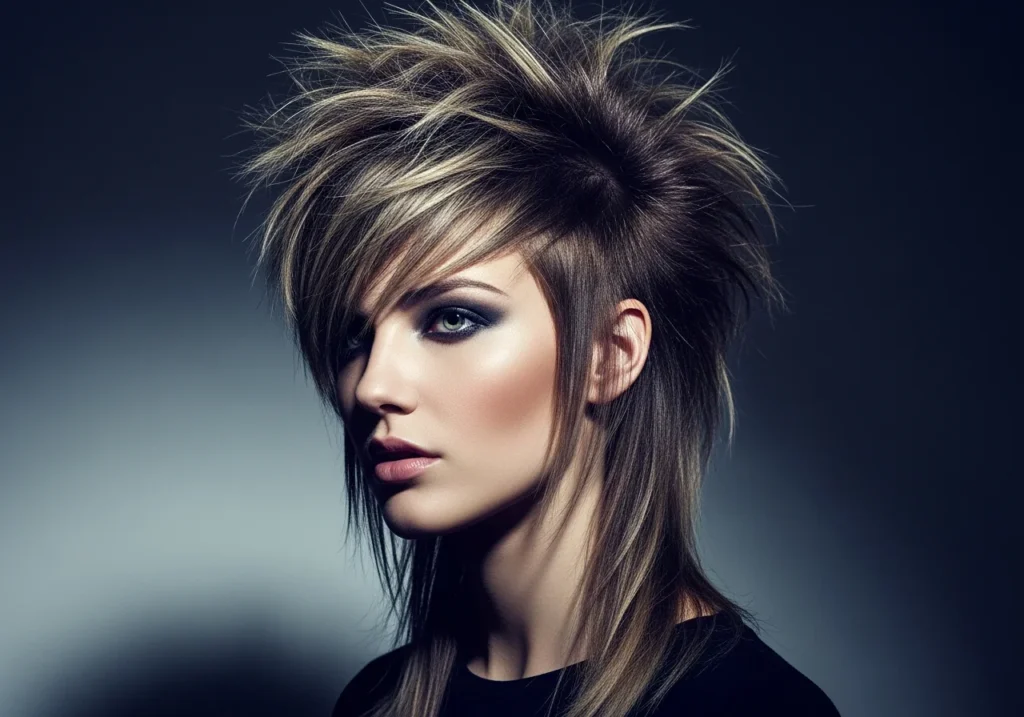
The wolf cut combines elements of the shag and mullet, creating bold, edgy style characterized by heavy layering and lots of volume at the crown. This modern cut features shorter, choppy layers on top that gradually transition to longer lengths at the back, creating dramatic shape with serious attitude. The style works particularly well for those wanting to make a statement and embrace unconventional beauty trends.
The distinctive feature of the wolf cut is the contrast between voluminous crown layers and longer bottom sections. This creates an almost two-tiered effect that’s both eye-catching and flattering. The heavy layering around the face provides excellent face-framing while the length in back maintains versatility for styling options like ponytails or braids when desired.
Styling the wolf cut involves enhancing the natural volume and texture created by the layers. Using volumizing products at the roots and texturizing spray throughout creates the signature tousled, wild appearance. The cut works beautifully with natural texture, whether straight, wavy, or curly, as the layers enhance existing patterns while creating additional movement and dimension throughout.
While the wolf cut may seem high-maintenance, it’s actually quite forgiving. The intentionally messy aesthetic means perfect styling isn’t necessary. The cut looks great when air-dried, and imperfections add to the edgy, lived-in appeal. However, regular trims maintain the dramatic shape and prevent the cut from losing its distinctive silhouette, so plan for salon visits every six to eight weeks.
Subtle Long Layers
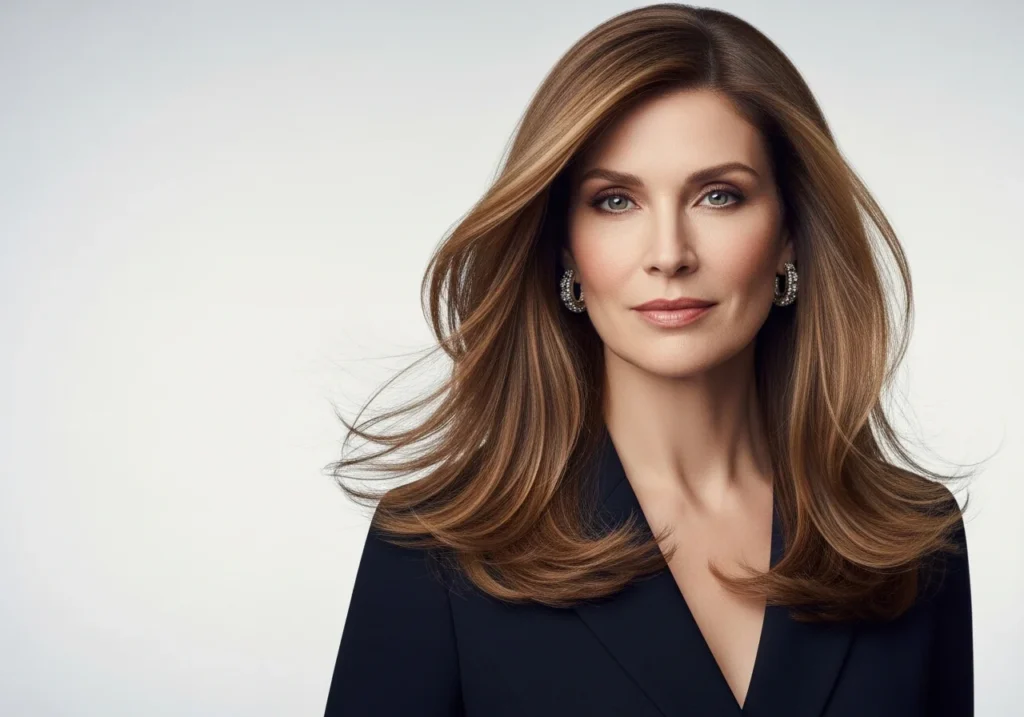
For those preferring understated elegance over dramatic change, subtle long layers offer the perfect solution. These layers begin much lower on the head, often starting at the shoulders or below, creating gentle movement without obvious separation. The result is hair that appears fuller and healthier with beautiful flow, while maintaining an overall uniform length that’s versatile and classic.
Subtle layers work exceptionally well on naturally straight or slightly wavy hair, enhancing existing texture without creating too much volume or movement. For those with very thick hair, these layers remove just enough weight to make hair more manageable without drastically changing overall appearance. The gentle nature of the layering creates soft, sophisticated look suitable for professional environments and conservative style preferences.
The styling requirements for subtle long layers remain minimal. Basic blow-drying with a paddle brush creates sleek, polished appearance, while adding gentle waves with a large-barrel curling iron produces soft, romantic movement. The layers are subtle enough that hair can be worn straight without appearing flat, yet provide enough dimension to make styled looks more interesting and dynamic.
This cut represents an excellent starting point for those new to layers or hesitant about making dramatic changes. The subtle nature allows you to experience benefits of layering while maintaining familiar length and overall appearance. If desired, layers can gradually be made more dramatic over time, making this a safe, conservative option that still delivers noticeable improvement in hair quality and appearance.
C-Shape Cut for Natural Curves
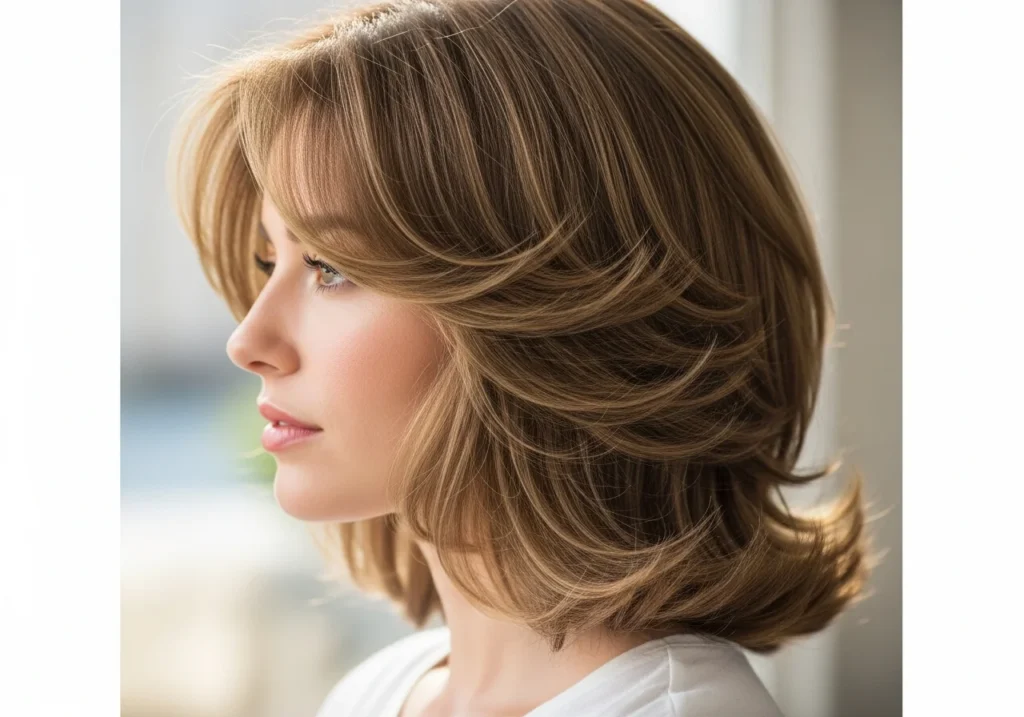
The C-shape cut, also known as the curve cut, features soft, rounded layers that curve inward toward the face, creating gentle, flattering shape. This technique mimics the letter C, with shortest layers framing the face and longer layers cascading downward in smooth, flowing curves. The result is feminine, romantic style that enhances natural features while creating beautiful movement and dimension.
This cut works particularly well on medium to thick hair, as the curved layers add volume and prevent hair from appearing too heavy or weighed down. For finer hair types, the C-shape creates the illusion of fullness through the curved silhouette, making hair appear thicker and more voluminous. The inward curve also helps hair frame the face beautifully, creating flattering contours that enhance facial features.
Styling the C-shape cut involves encouraging the natural inward curve through blow-drying or curling. Using a round brush while blow-drying helps hair curve toward the face, while a curling iron or wand can create more defined waves that follow the C-shape pattern. The key is maintaining the natural flow and shape of the cut rather than fighting against it with conflicting styling techniques.
The maintenance level for C-shape cuts remains moderate. Regular trims every six to eight weeks maintain the curved shape and prevent ends from becoming damaged or split. The cut grows out relatively gracefully, with the curved nature making regrowth less obvious than more structured, geometric cuts. This makes it suitable for those wanting beautiful shape without requiring constant salon maintenance.
Billowy Layers for Whimsical Appeal
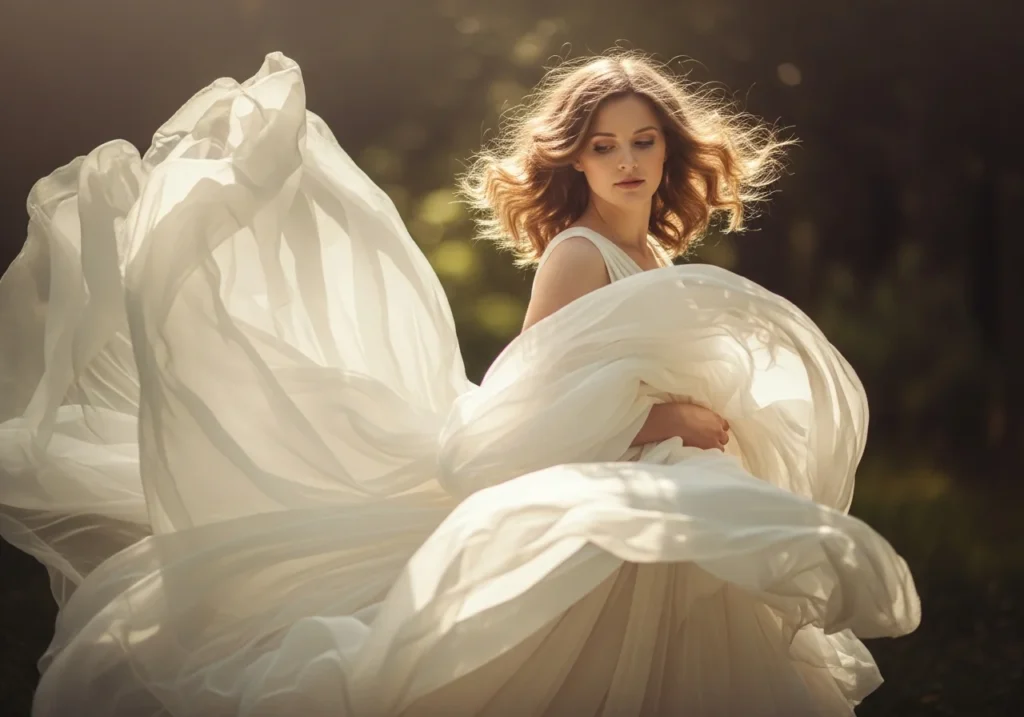
Billowy layers create soft, flowing movement reminiscent of fabric caught in a gentle breeze. These long, flowing layers are cut to create sense of volume and movement while maintaining softness throughout. The layers are strategically placed to allow hair to move and flow naturally, creating whimsical, feminine appearance that’s both romantic and effortlessly beautiful.
This style works best on naturally wavy or curly hair, as existing texture enhances the billowy effect and creates more dramatic movement. The layers help curls and waves maintain their shape while preventing hair from becoming too heavy or triangular. For straight hair, adding gentle waves through styling creates the soft, flowing movement that defines this cut’s signature appeal.
Styling billowy layers involves using lightweight products that enhance movement without weighing hair down. Curl creams or wave sprays applied to damp hair before air drying create natural texture, while gentle scrunching enhances existing curls or waves. For more polished looks, loose curls created with a large-barrel iron produce beautiful, flowing movement that catches light and creates dimension.
The romantic, feminine nature of billowy layers makes them suitable for various occasions, from casual daily wear to formal events. The soft, flowing movement creates elegant appearance without requiring extensive styling or maintenance. Regular trims maintain the flowing shape and prevent split ends from compromising the soft, touchable texture that defines this beautiful, versatile style.
Layered Hair with Side Sweep
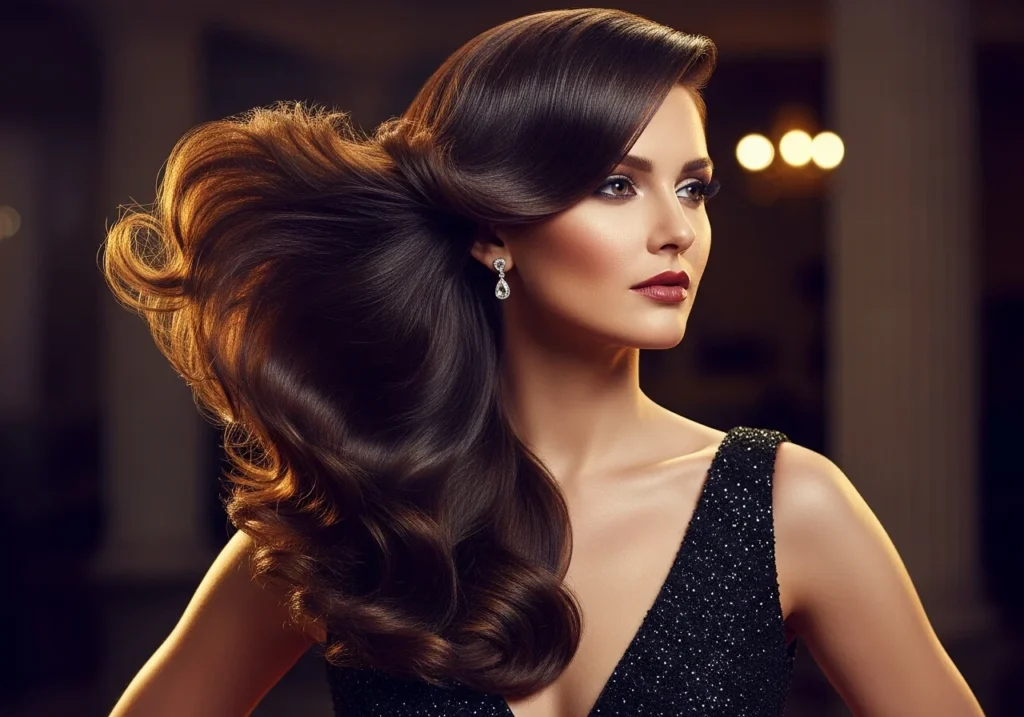
Combining long layers with a dramatic side part creates elegant, glamorous style with excellent volume and movement. The side sweep adds sophistication to layered hair, with layers flowing in one direction to create beautiful asymmetrical appeal. This style works particularly well for formal occasions or professional settings where polished appearance is desired while still showcasing personality and style.
The placement of layers in a side-swept style creates natural volume at the roots, particularly on the heavier side where more hair is swept. Face-framing layers on the lighter side create beautiful contours and draw attention to facial features, while the overall asymmetry adds visual interest and dimension. The result is sophisticated, elegant look that flatters most face shapes and hair textures.
Styling involves blow-drying hair in the direction of the side sweep while using a round brush to create volume at the roots. The layers naturally fall into place when directed to one side, creating smooth, flowing movement. Setting spray helps hold the style in place, particularly important for formal occasions or when lasting power is needed throughout long days or evenings.
This style adapts well to both straight and wavy hair textures. Straight hair showcases the sleek, polished nature of the side sweep, while wavy hair adds romantic softness and movement. The versatility makes this an excellent choice for those wanting a signature look that works for multiple occasions while still providing styling flexibility when needed.
Layered Cut with Center Part
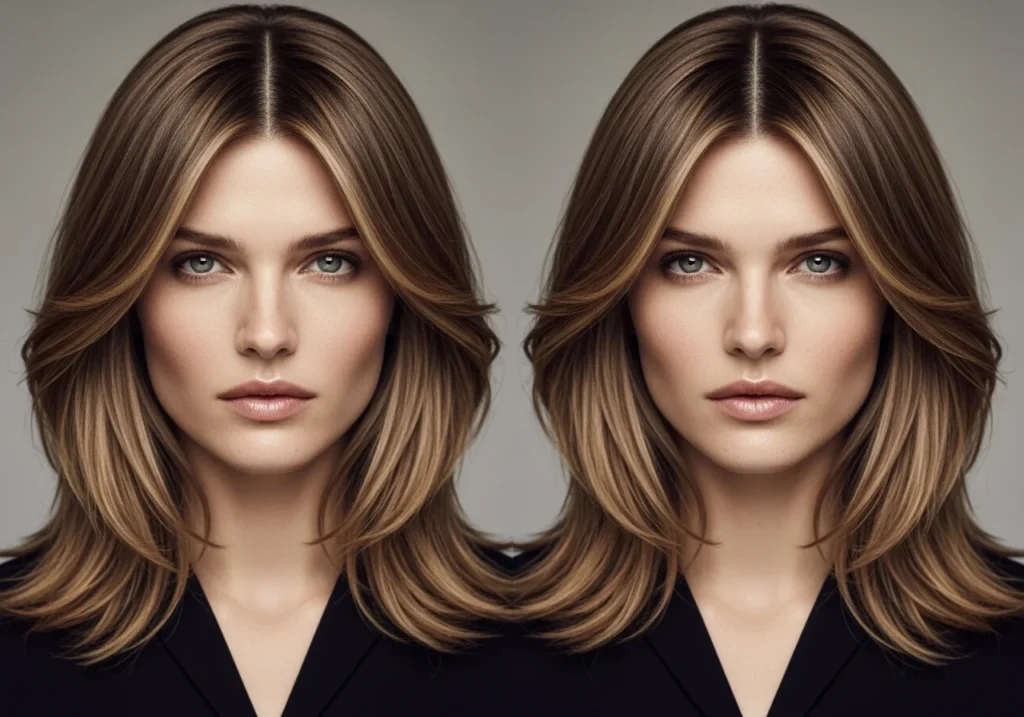
A center part with long layers creates balanced, symmetrical appearance showcasing facial features beautifully. This classic styling approach works with various layer lengths and intensities, from subtle to dramatic, making it adaptable to different preferences and style goals. The symmetry of the center part combined with flowing layers creates harmonious, balanced look that’s both modern and timeless.
The center part naturally draws attention to the center of the face, making it ideal for those with well-balanced facial features or oval face shapes. Face-framing layers beginning at the center part create beautiful curtain effect, framing both sides of the face equally and creating flattering contours. The layers add movement and dimension while the center part maintains clean, polished structure.
Styling involves creating a precise center part and blow-drying layers away from the face on both sides. Using a round brush creates volume at the roots while encouraging layers to fall naturally and frame the face. The symmetrical nature of this style makes it relatively easy to achieve at home once the technique is mastered, making it practical for daily styling routines.
This versatile style transitions easily from casual to formal settings. Wearing hair straight creates sleek, professional appearance, while adding waves or curls produces romantic, softer look suitable for special occasions. The adaptability combined with the flattering nature of the center part and layers makes this an enduring favorite that never goes out of style.
Textured Ends with Long Layers
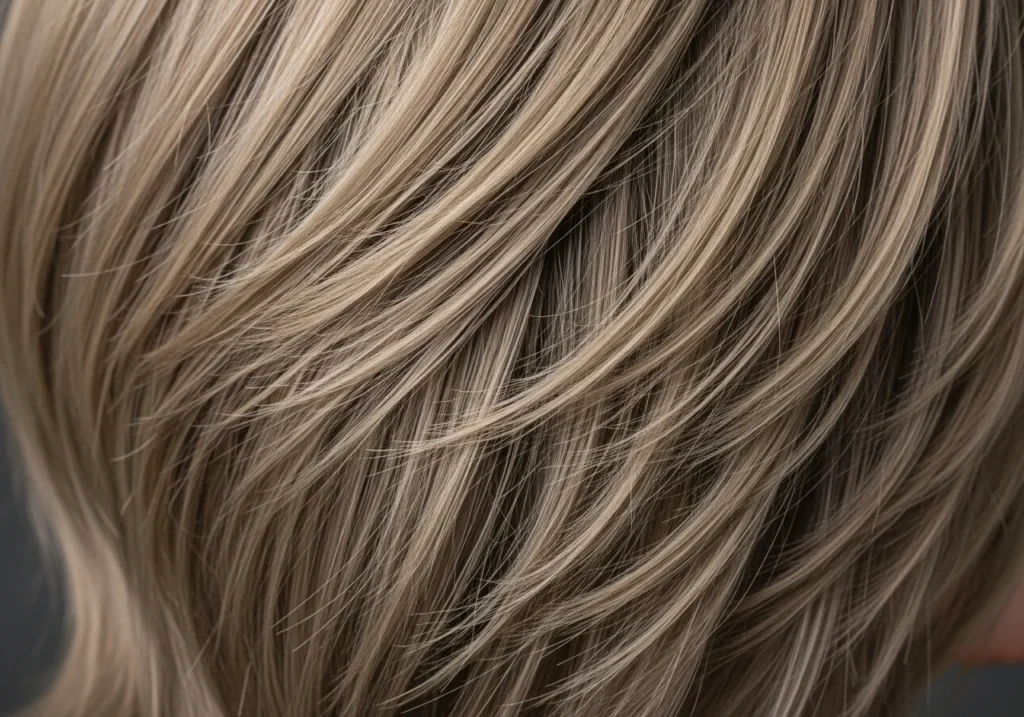
Focusing texture at the ends of long layered hair creates interesting, modern appearance with lots of movement. This technique involves using texturizing shears or razor cutting at the ends to create piecey, separated texture that prevents hair from appearing too blunt or heavy. The result is hair with beautiful flow and dimension concentrated at the ends while maintaining length and fullness throughout.
Textured ends work particularly well on thick or coarse hair types, as the texturizing removes bulk and creates lighter, more manageable ends. For fine hair, careful texturizing can create the illusion of more volume and thickness at the ends, making hair appear fuller overall. The key is balancing texture with maintaining enough density to prevent ends from looking wispy or overly thin.
Styling textured ends involves using products that enhance the piecey separation while maintaining definition. Texturizing sprays or light waxes applied to ends create definition and hold without making hair stiff or crunchy. The textured ends look beautiful whether hair is worn straight or wavy, as the separation creates visual interest and dimension regardless of styling technique employed.
Maintenance for textured ends requires regular trims to prevent split ends and maintain the clean, defined texture. The texturizing can make damage more visible, so using quality hair care products and minimizing heat styling helps preserve hair health. With proper care, textured ends create beautiful, modern look that adds sophistication and style to long layered hair.
Long Layers with Highlights

Strategic highlight placement enhances long layers by creating additional dimension and visual interest. Lighter tones placed throughout layered sections catch light beautifully, making movement more visible and creating multidimensional appearance. The combination of physical dimension from layers and color dimension from highlights creates truly stunning effect that maximizes both elements for maximum impact.
Face-framing highlights work particularly well with face-framing layers, brightening complexion and drawing attention to facial features. The lighter tones around the face create natural-looking sun-kissed effect while highlighting the beautiful shape created by layers. Interior highlights add depth and dimension throughout, preventing hair from appearing flat or one-dimensional even in simple styling.
The type of highlighting technique chosen can dramatically affect the final appearance. Traditional foil highlights create more defined, structured look, while balayage or hand-painted highlights produce softer, more natural-looking results. The choice depends on personal preference and desired maintenance level, as more defined highlights require more frequent touch-ups to maintain crisp appearance.
Caring for highlighted, layered hair requires using color-safe products and protecting hair from heat damage to preserve both color vibrancy and hair health. Purple or blue-toning shampoos help maintain blonde tones and prevent brassiness, while deep conditioning treatments keep hair soft, shiny, and healthy-looking. With proper care, highlighted layers create stunning, dimensional look that flatters and impresses.
Graduated Layers for Seamless Blending
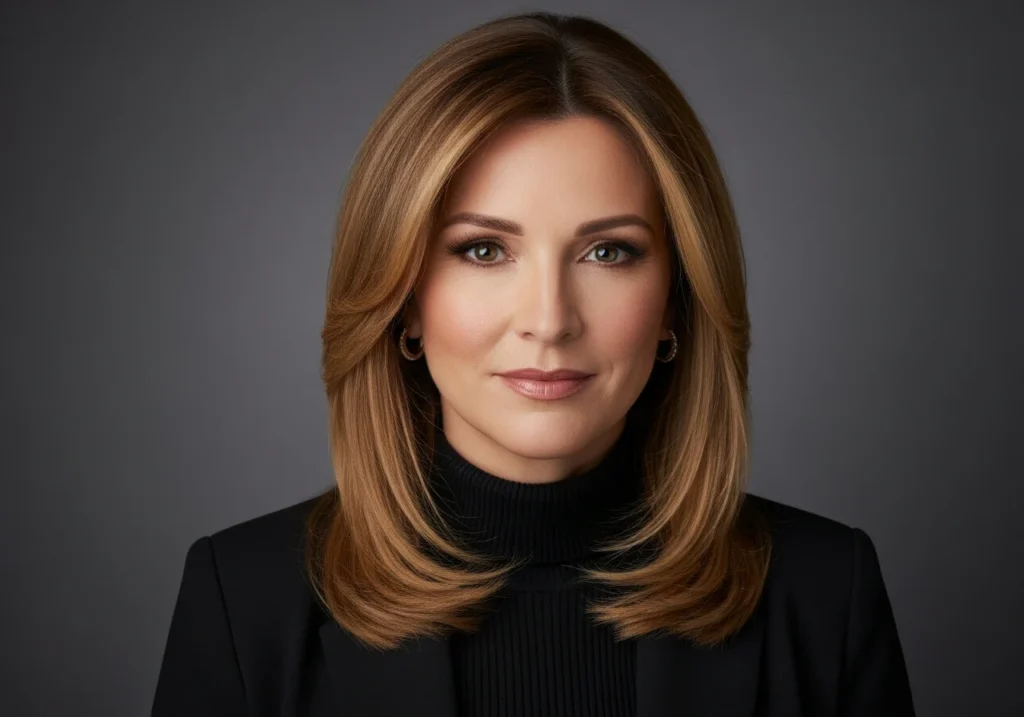
Graduated layers blend seamlessly from one length to another, creating smooth, flowing transitions without obvious separation. This technique produces sophisticated, polished appearance with beautiful movement and dimension while maintaining cohesive, unified look throughout. The subtle nature of graduated layers makes them suitable for conservative environments while still delivering noticeable improvement in hair quality and appearance.
The cutting technique for graduated layers involves creating very subtle length differences that blend naturally into one another. Unlike choppy or heavily textured layers that create obvious separation, graduated layers produce smooth, continuous flow from shortest to longest lengths. This creates dimension and movement while maintaining sleek, polished aesthetic that works well for professional settings and formal occasions.
Styling graduated layers involves techniques that enhance the smooth, flowing nature of the cut. Blow-drying with a paddle brush creates sleek, straight appearance, while using a round brush adds gentle volume and movement. The layers are subtle enough that they enhance styling rather than dominating it, allowing various techniques and looks while maintaining the cut’s inherent beauty and dimension.
This style works across all hair types and textures, making it universally flattering option. Fine hair benefits from the gentle volume and movement created by subtle layering, while thick hair becomes more manageable without losing fullness or appearing too thin. The versatility and broad appeal of graduated layers make them excellent choice for those wanting reliable, flattering cut that works for various occasions and settings.
Razored Layers for Edge

Razor cutting creates soft, feathered edges with lots of movement and texture. This technique involves using a razor instead of traditional shears to cut layers, creating wispy, textured ends that move beautifully and create contemporary, edgy appearance. The result is hair with lots of dimension and flow that looks modern and fashion-forward while maintaining versatility for various styling options.
Razored layers work exceptionally well on thick or coarse hair types, as the razor removes bulk while creating soft, touchable texture. The technique produces feathered ends that prevent hair from appearing too heavy or blunt, instead creating light, flowing movement. For fine hair, careful razor work can add texture and dimension without making hair appear too thin or wispy at the ends.
Styling razored layers involves using products that enhance the textured, piecey nature of the cut. Light styling creams or texturizing sprays applied to damp hair before blow-drying create definition and hold without weighing hair down. The razored texture looks beautiful when air-dried, making this relatively low-maintenance option for those wanting stylish hair without extensive daily styling routines.
The edgy, modern appearance of razored layers makes them popular among younger clients and those wanting contemporary, fashion-forward styles. However, the technique can be adapted to suit various age groups and style preferences by adjusting the intensity of the razor work. Conservative razoring creates subtle texture and movement, while more dramatic razoring produces bold, eye-catching results with serious edge and attitude.
Long Layers with Bangs
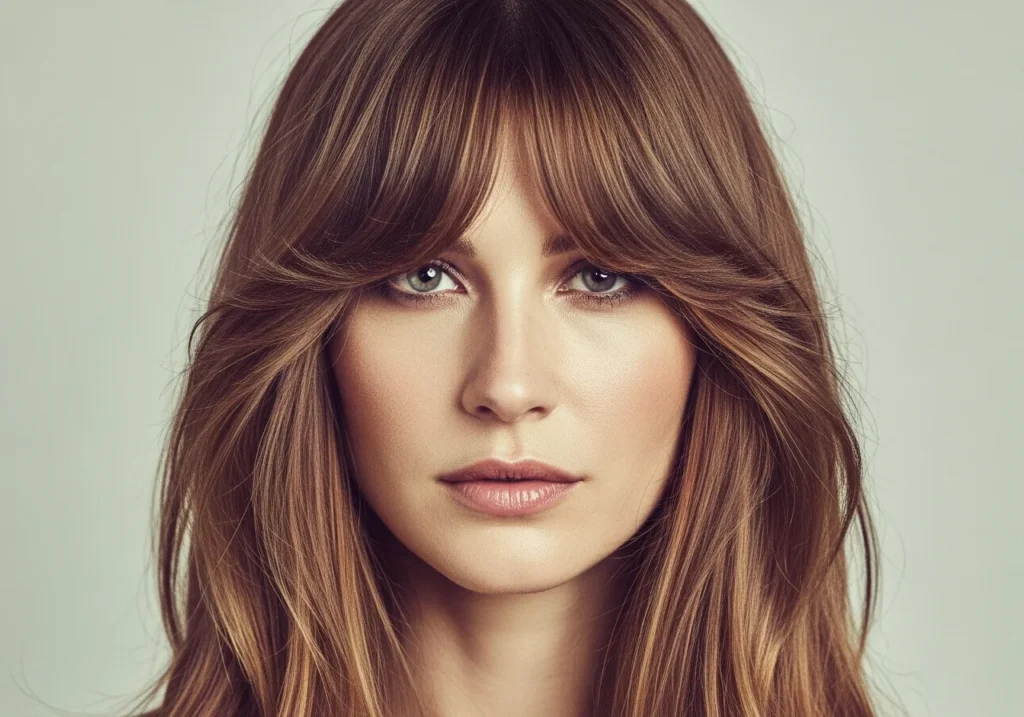
Combining long layers with traditional straight-across bangs creates classic, polished look with timeless appeal. The bangs frame the forehead while layers throughout add movement and dimension, creating balanced, harmonious style. This combination works well for those wanting to update their look while maintaining relatively conservative, professional appearance suitable for various settings and occasions.
The key to making this combination work lies in ensuring bangs and layers complement rather than compete with each other. The bangs should be cut to appropriate length for face shape, typically falling at or just below the eyebrows, while layers begin below the bangs to create smooth transition. The result is cohesive look where all elements work together to create flattering, polished appearance.
Styling involves blow-drying bangs first to ensure they fall correctly before moving to the rest of the hair. Using a round brush on bangs creates smooth, polished appearance, while layers can be styled straight for sleek look or with waves for softer appeal. The versatility of this combination allows various styling options while maintaining consistent, recognizable aesthetic.
Maintenance for bangs requires more frequent trims than layers alone, typically every three to four weeks to keep bangs at optimal length. However, many find the extra maintenance worthwhile for the dramatic framing effect bangs provide. The combination of bangs and layers creates youthful, fresh appearance that flatters most face shapes when customized to individual features and proportions.
Beachy Waves with Layers
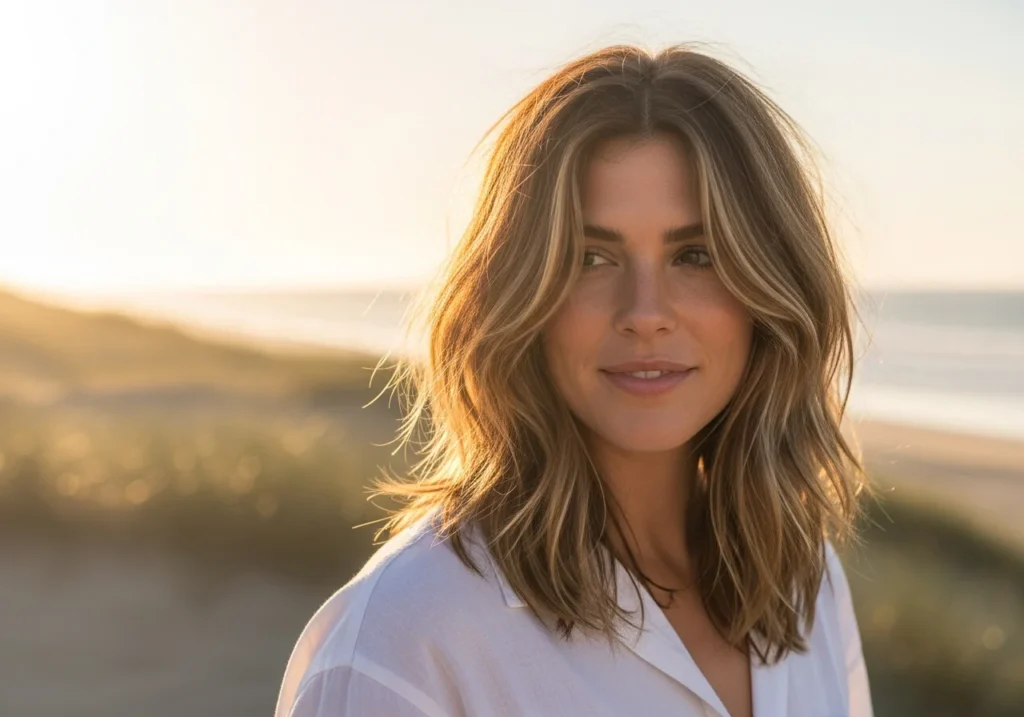
Combining long layers with beachy waves creates effortlessly cool, laid-back style perfect for casual settings. The layers enhance the natural texture of waves while preventing hair from appearing too heavy or falling flat. This relaxed, undone aesthetic captures carefree summer vibes year-round, making it popular choice for those wanting low-maintenance style with maximum appeal and effortless beauty.
The layers help waves hold their shape better by removing excess weight that can cause curls to droop or lose definition. Strategic layering throughout creates movement and bounce while maintaining overall length. The result is hair that looks naturally wavy and textured rather than obviously styled, creating that coveted “just came from the beach” appearance everyone desires.
Creating beachy waves on layered hair involves using salt spray or texturizing products on damp hair before scrunching and air-drying. For more defined waves, loosely braiding damp hair before bed creates natural-looking texture that enhances the layers beautifully. The low-maintenance nature of this style makes it perfect for busy lifestyles or those who prefer minimal styling routines while still wanting beautiful, stylish hair.
The versatility of this combination allows dressing up or down depending on the occasion. Beachy waves create casual, relaxed vibe for everyday wear, but can be polished slightly for more formal occasions by smoothing front sections or adding subtle accessories. The adaptability combined with easy maintenance makes this enduringly popular choice across all age groups and style preferences.
Styled Volume at the Crown
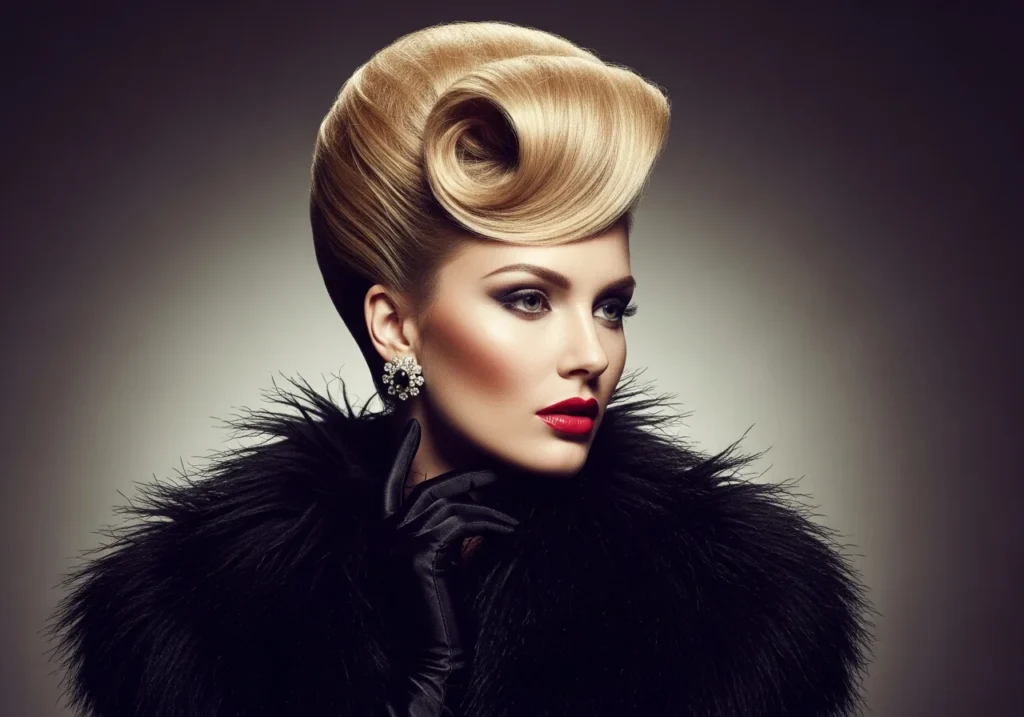
Focusing volume at the crown through strategic layering creates dramatic, glamorous appearance with impressive height and movement. Crown layers provide lift at the roots while maintaining length throughout the rest of the hair, creating beautiful proportions and eye-catching silhouette. This technique works particularly well for those with fine or flat hair seeking more dramatic volume and presence.
The layers at the crown are typically shorter than surrounding hair, allowing them to stand up and create lift rather than falling flat against the head. This creates natural volume that doesn’t require extensive teasing or backcombing, making it healthier option for achieving impressive height. The lifted crown also creates flattering proportions that elongate the face and draw attention upward.
Styling crown layers involves using volumizing products at the roots and blow-drying with a round brush to encourage lift. The shorter crown layers naturally want to stand up, making it relatively easy to achieve impressive volume with proper technique. Setting spray or light hairspray helps maintain the volume throughout the day without making hair stiff or crunchy.
This dramatic style works well for special occasions or for those wanting to make bold statement with their hair. The impressive volume creates confidence-boosting appearance that commands attention and makes memorable impression. While requiring slightly more styling effort than some other layered cuts, the dramatic results make the extra effort worthwhile for those seeking maximum impact.
Soft Romantic Layers

Soft romantic layers create feminine, dreamy appearance characterized by gentle curves and flowing movement. These layers blend seamlessly while creating enough dimension to prevent hair from appearing flat or lifeless. The result is hair that looks effortlessly beautiful with delicate, romantic appeal perfect for those preferring gentle, feminine aesthetics over bold, dramatic styles.
This style works beautifully on naturally wavy or slightly curly hair, as the layers enhance existing texture while maintaining softness throughout. The gentle nature of the layering creates movement without creating too much separation or obvious distinction between lengths. For straight hair, adding gentle waves through styling brings out the romantic nature of the cut and creates the flowing movement that defines this style.
Styling soft romantic layers involves using lightweight products that enhance movement without weighing hair down or making it appear stiff. Curl creams or light mousses applied to damp hair before air-drying or gentle blow-drying create natural texture and flow. For more polished looks, loose curls created with a large-barrel curling iron produce beautiful, flowing movement perfect for special occasions or romantic settings.
The timeless, feminine nature of soft romantic layers makes them suitable for all ages, from young women seeking delicate, pretty styles to mature clients wanting elegant, graceful appearance. The versatility allows wearing hair for various occasions while maintaining consistent romantic aesthetic. Regular trims maintain the soft, flowing shape and preserve the delicate, touchable texture that makes this style so appealing.
Modern Shag with Face-Framing
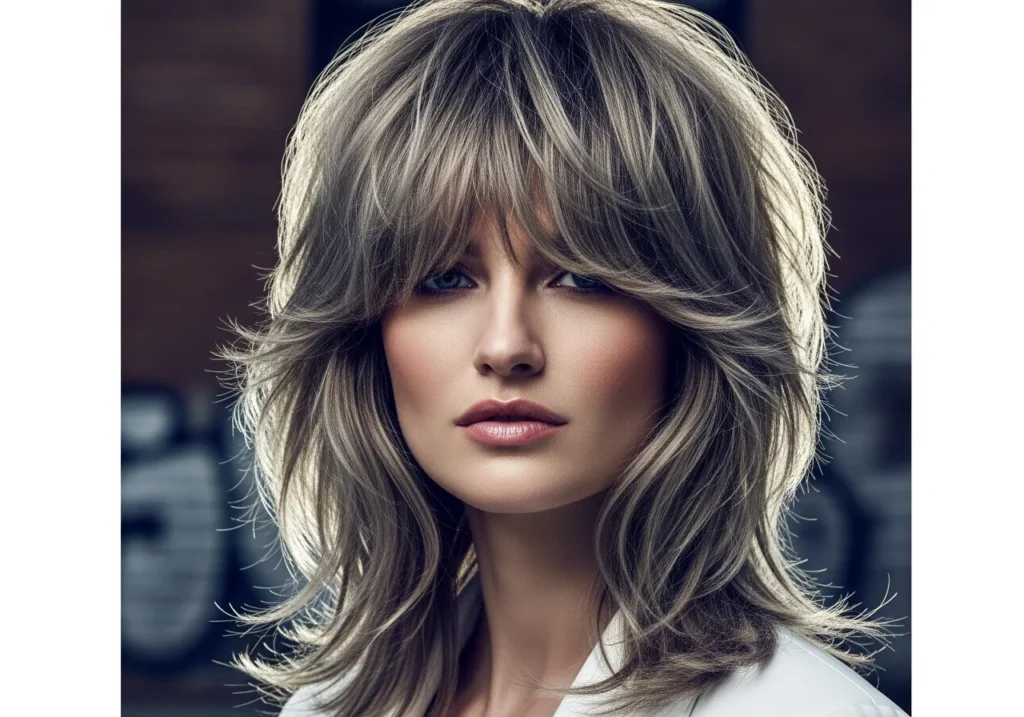
The modern shag combines classic shag techniques with contemporary face-framing layers, creating updated version of this iconic cut. Shorter layers around the crown create volume and texture, while longer layers throughout maintain length and create flowing movement. Face-framing pieces tie everything together, creating cohesive look that’s both trendy and timeless with excellent versatility.
What distinguishes the modern shag from traditional versions is the refined, polished finish despite the intentionally messy aesthetic. The cut incorporates more blended layers and strategic texturizing rather than the extremely choppy, disconnected layers of older shag styles. The result is hair that looks effortlessly cool while still appearing well-groomed and intentional rather than accidentally messy.
Styling the modern shag involves enhancing natural texture while maintaining some polish and control. Texturizing products applied to damp hair before air-drying create definition and hold, while a quick pass with a flat iron or curling wand on face-framing pieces adds polish. The beauty lies in the balance between undone texture and intentional styling, creating that perfect lived-in look.
This versatile cut adapts to various hair types and textures, from straight to curly, fine to thick. The layers can be customized to work with natural texture rather than against it, making styling easier and more intuitive. The modern shag represents excellent choice for those wanting trendy, contemporary style that still offers practical, manageable daily styling without extensive time investment.
Conclusion
Long layered haircuts offer remarkable versatility and transformative power, capable of adding volume, creating shape, and introducing beautiful movement to hair of any type or texture. From dramatic butterfly cuts to subtle graduated layers, the variety of available options ensures there’s a perfect layered cut for everyone, regardless of face shape, hair type, or personal style preferences.
The key to selecting the ideal long layered haircut lies in understanding your hair’s unique characteristics, considering your lifestyle and maintenance preferences, and communicating clearly with your stylist about desired outcomes. Whether seeking low-maintenance styles requiring minimal daily styling or dramatic looks making bold statements, long layers provide the foundation for beautiful, healthy-looking hair that enhances natural features and boosts confidence.
Remember that great haircuts require proper maintenance through regular trims, quality hair care products, and appropriate styling techniques. Investing in your hair’s health and working with skilled stylists ensures your layered cut looks its best and continues to deliver the volume, shape, and movement that makes long layered haircuts enduringly popular across all ages and style preferences.
Frequently Asked Questions
How often should I trim long layered hair?
Long layered hair typically needs trimming every six to eight weeks to maintain shape and prevent split ends. Face-framing layers or bangs may require more frequent trims every three to four weeks, while subtle long layers can sometimes go slightly longer between cuts depending on how quickly your hair grows and how well you maintain it.
Will layers make my thin hair look thinner?
When done correctly, layers actually make thin hair appear fuller by creating dimension and movement. The key is avoiding heavily layered cuts that remove too much density. Subtle long layers or graduated layers work best for fine hair, adding body without making ends look wispy or sparse.
Can I add layers without losing length?
Yes, long layers can be added while maintaining overall length. The layers are cut into the hair rather than removing length from the bottom, so your longest pieces remain at your desired length while shorter layers add dimension and movement throughout. This makes layers perfect for those who want change without sacrificing length.
What products work best for styling layered hair?
Volumizing mousse or root-lifting spray works well for adding body at the crown, while texturizing spray enhances the dimension created by layers. Heat protectant is essential when using styling tools, and lightweight finishing spray helps hold styles without weighing hair down. The specific products depend on your hair type and desired styling outcome.
How do I communicate what I want to my stylist?
Bring reference photos showing the specific layering style you want, and be clear about how much length you’re willing to lose. Discuss your daily styling routine honestly so your stylist can recommend a cut matching your maintenance level. Explain which features you want to highlight and any concerns about your hair type or face shape for best results.
You may also like this post: 15 Gorgeous Curly Butterfly Haircut Styles for Men with Natural Curls
2 Comments