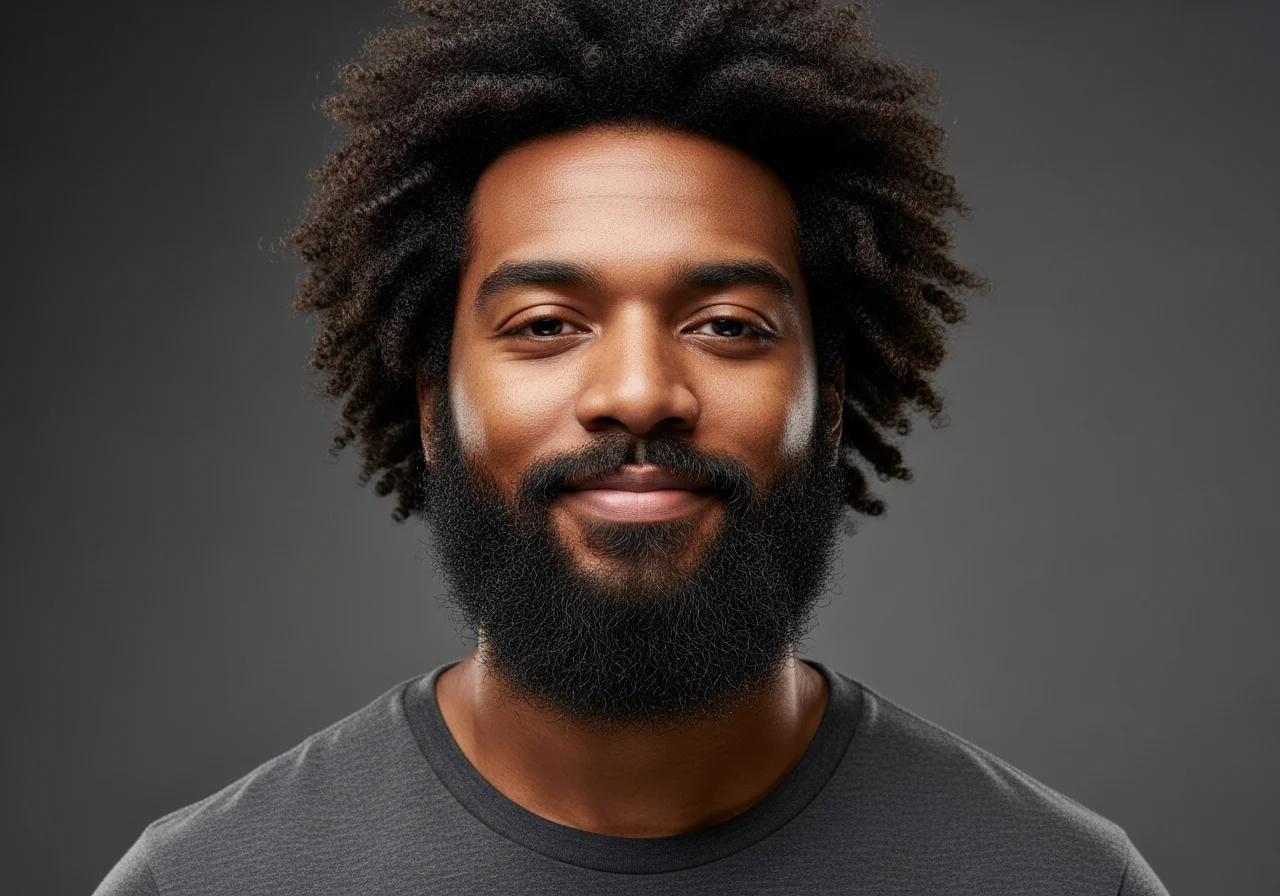
19+ Popular Beard Styles For Black Men
Finding the right beard style can transform your entire look. For Black men, the natural texture and growth patterns of facial hair offer unique opportunities to create distinctive, powerful styles that complement different face shapes and personal aesthetics. Whether you prefer a clean, professional appearance or a bold, statement-making look, there is a beard style that will work perfectly for you.
The key to selecting the ideal beard style lies in understanding how different shapes and lengths interact with your facial features, hair texture, and lifestyle. Black men have coarser, curlier facial hair that grows at various angles, which can be both a challenge and an advantage when crafting the perfect beard. This natural curl pattern allows for fuller-looking beards even with less density and creates unique styling possibilities not available to men with straighter hair types.
Maintaining a well-groomed beard requires commitment, but the payoff is worth the effort. A properly maintained beard enhances your jawline, adds maturity and sophistication to your appearance, and serves as a powerful form of self-expression. From corporate boardrooms to creative studios, the right beard style communicates confidence and attention to detail.
This comprehensive guide explores over nineteen popular beard styles specifically suited for Black men, covering everything from timeless classics to modern innovations. Each style offers its own character and maintenance requirements, allowing you to find the perfect match for your face shape, hair growth pattern, and personal style preferences.
The Classic Full Beard
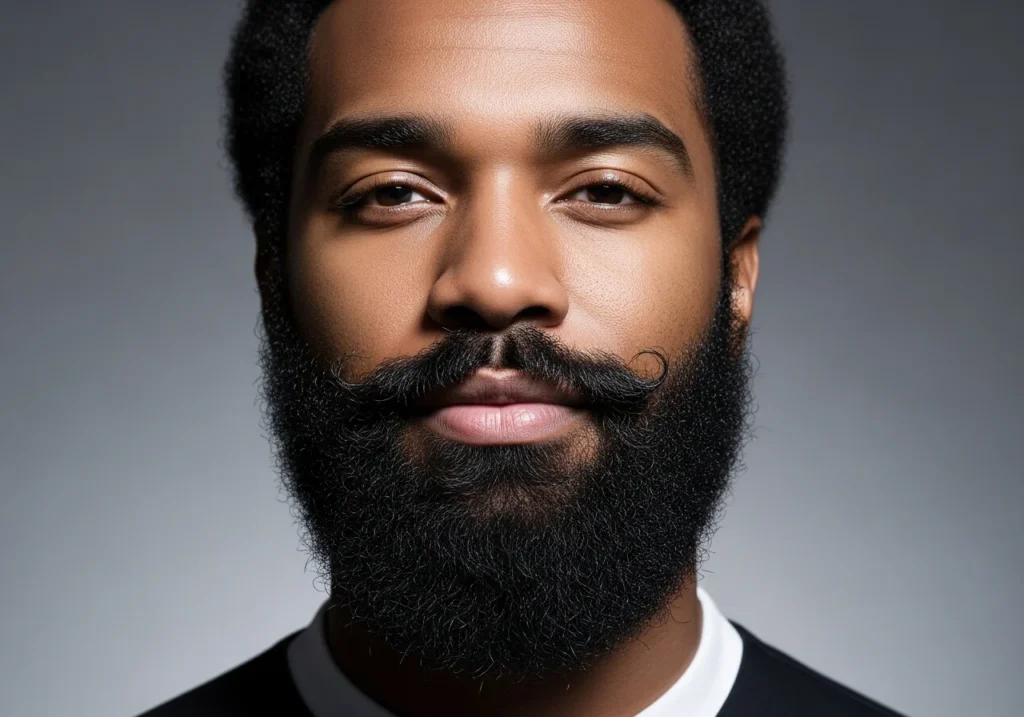
The classic full beard remains one of the most popular and versatile options for Black men. This style features hair covering the entire lower face, from sideburns down to the neck, with the mustache connecting seamlessly to the beard. The natural curl pattern of Black facial hair creates excellent volume and density in this style, even when the hair itself may not be particularly thick.
What makes the full beard particularly appealing is its adaptability. You can wear it shorter for a more professional appearance or grow it longer for a more dramatic, commanding presence. The key to mastering this style lies in regular trimming to maintain shape and definition around the cheeks and neckline. Without proper boundaries, a full beard can appear unkempt rather than intentional.
The Goatee
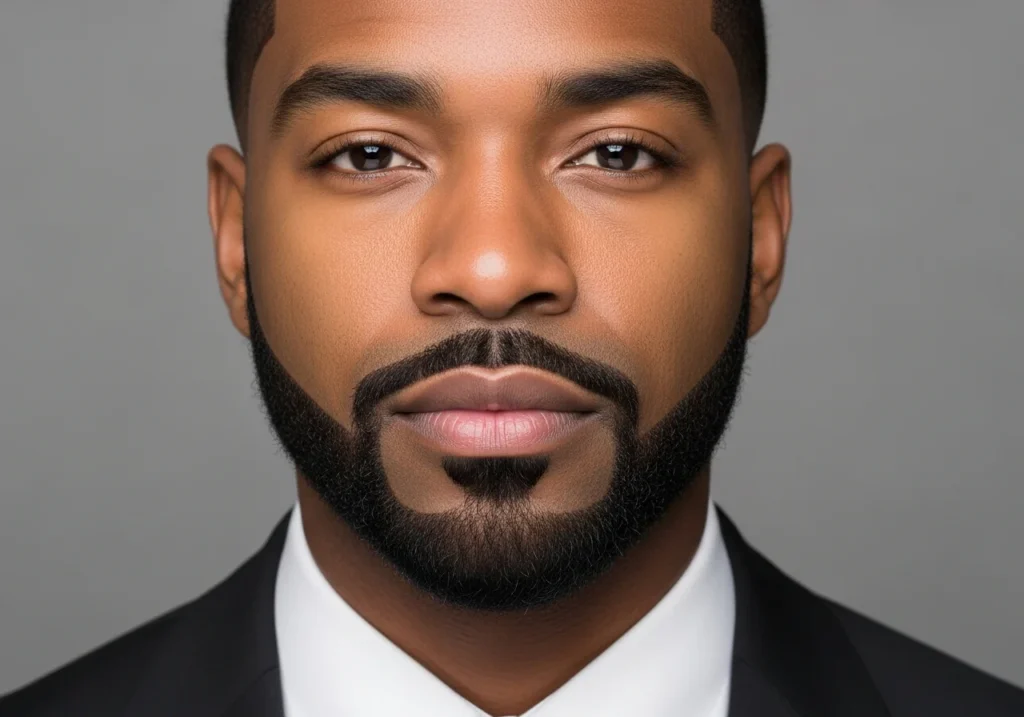
The goatee concentrates facial hair around the mouth and chin area while keeping the cheeks clean-shaven. This style works exceptionally well for Black men with patchy cheek growth or those who prefer a more minimalist approach to facial hair. The goatee draws attention to the mouth and can make the chin appear more prominent, which benefits men with rounder face shapes.
There are several goatee variations to consider. The pure goatee covers only the chin, while the extended goatee includes the mustache. Some men prefer a soul patch addition beneath the lower lip for extra character. The maintenance requirements are relatively low compared to fuller beard styles, making it ideal for busy professionals who still want to maintain a distinguished appearance.
The Van Dyke
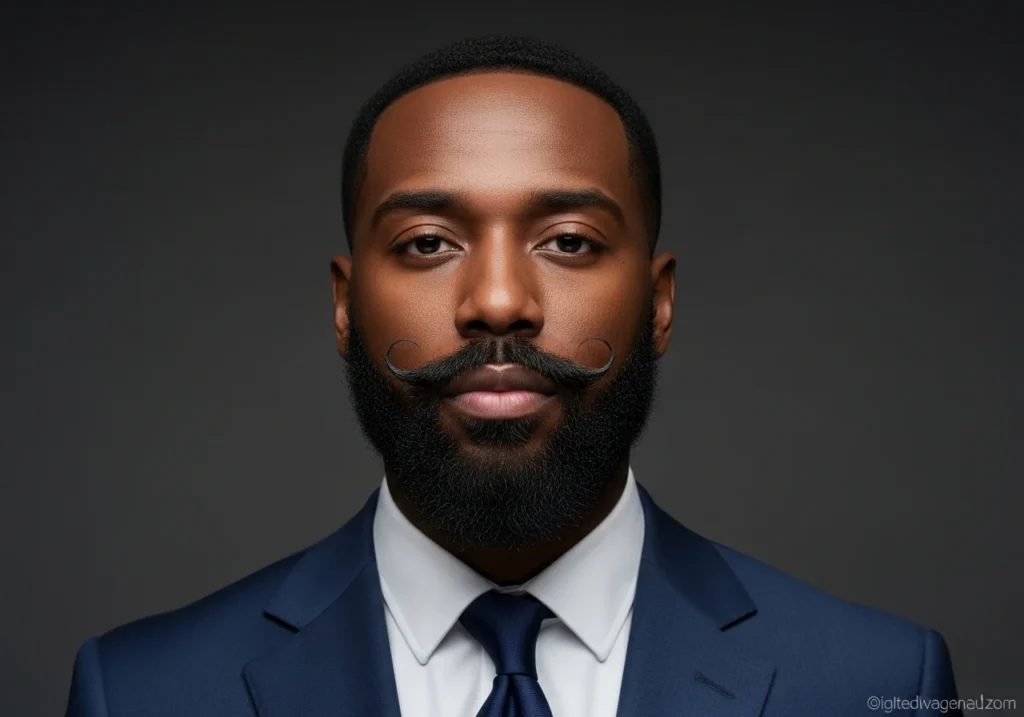
The Van Dyke combines a mustache with a pointed beard on the chin, with clean-shaven cheeks creating clear separation between the two elements. This sophisticated style has historical roots but remains thoroughly modern in its appeal. For Black men, the Van Dyke offers an excellent way to showcase precise grooming skills while maintaining a refined, artistic appearance.
The pointed chin beard in this style can be adjusted in length and sharpness depending on your preference. A longer, more dramatic point creates a bold statement, while a shorter, rounded version offers subtle sophistication. The disconnected mustache requires careful trimming to maintain clean lines and prevent the two elements from merging together.
The Chin Strap
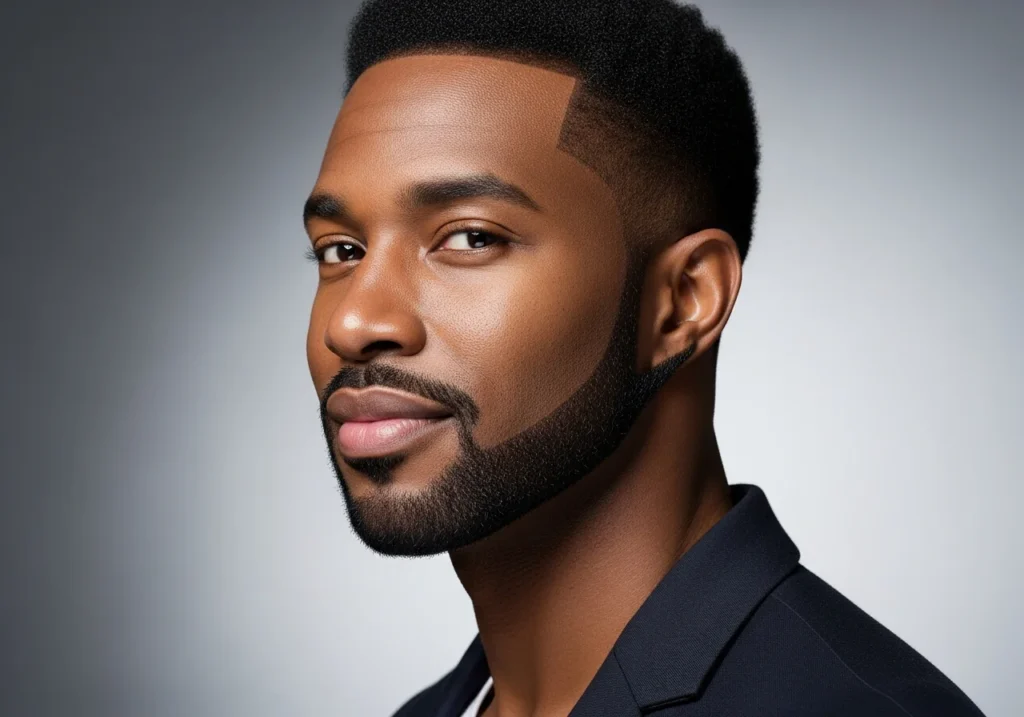
The chin strap creates a thin line of hair that runs along the jawline from one sideburn to the other, passing under the chin. This style excellently defines the jaw and can make the face appear more angular and structured. Black men with softer facial features particularly benefit from the chin strap’s ability to create the illusion of a more chiseled jawline.
Precision is crucial for this style. The line must remain thin and consistent, requiring frequent trimming and careful attention to detail. Many men combine the chin strap with a thin mustache for additional facial definition. This style works best for men who can grow even, consistent facial hair along their jawline without significant patches or gaps.
The Ducktail Beard
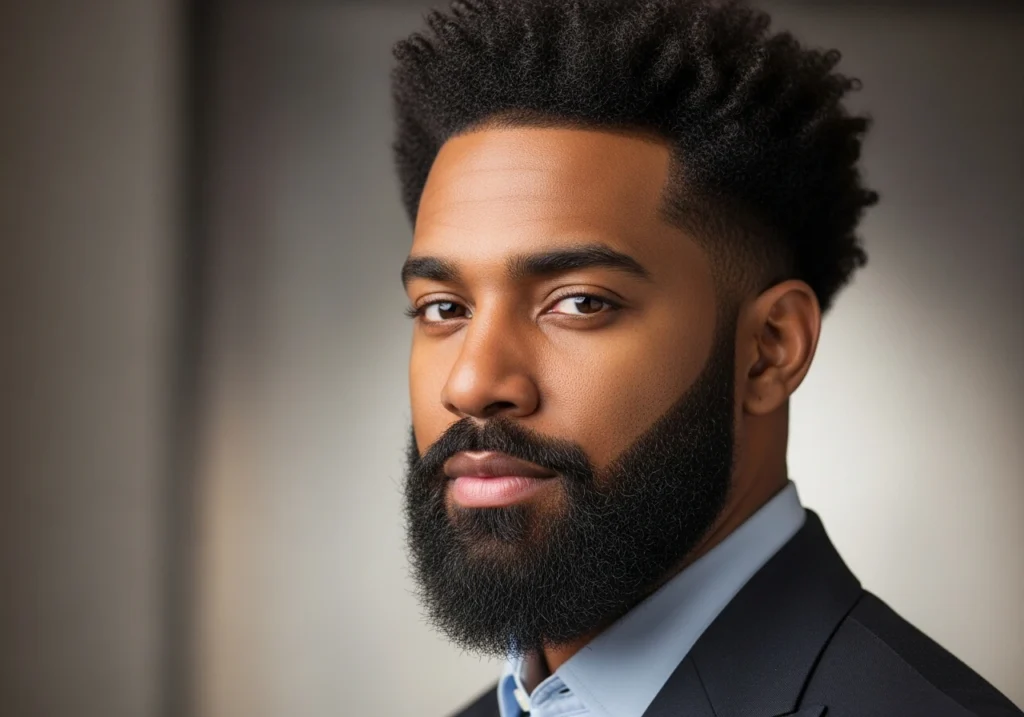
The ducktail beard features a full beard that comes to a point at the chin, resembling the tail feathers of a duck. This style combines the coverage of a full beard with the focused shape of a pointed style, creating a unique silhouette that adds length to the face. The natural curl of Black facial hair helps create the volume needed to achieve the proper ducktail shape.
Growing a ducktail requires patience, as you need sufficient length to create the characteristic point. Regular trimming on the sides while allowing the chin area to grow longer creates the tapered effect. This style particularly suits men with round or square face shapes, as the pointed bottom adds vertical length that balances broader features.
The Beardstache
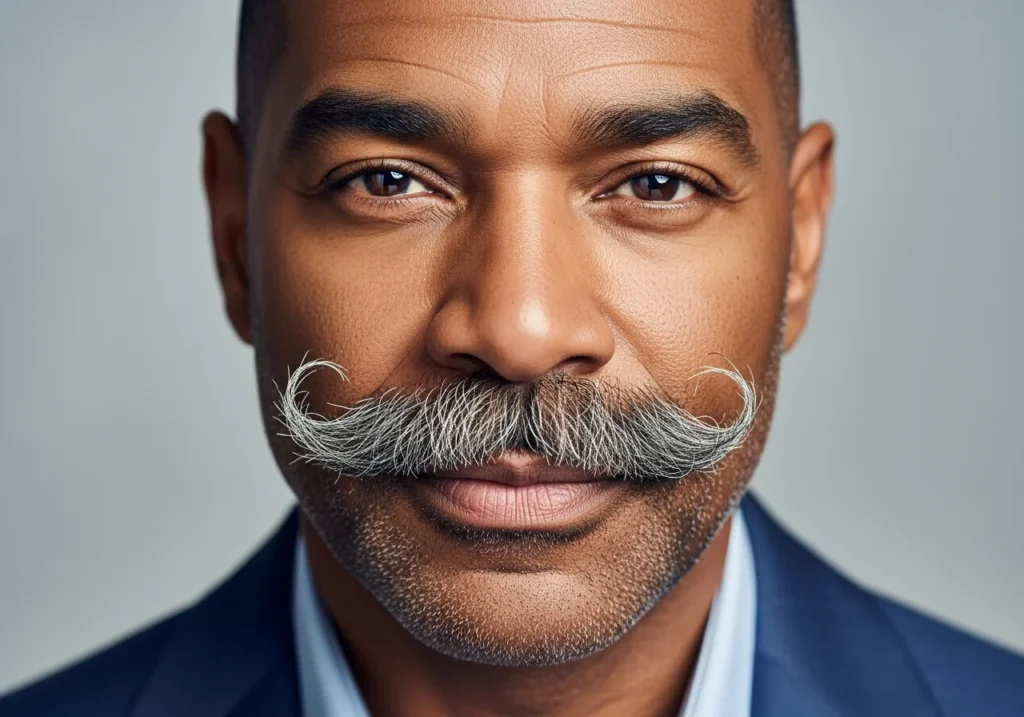
The beardstache emphasizes a prominent, well-groomed mustache while maintaining very short stubble or a closely trimmed beard on the rest of the face. This contemporary style has gained significant popularity for its perfect balance between fully bearded and clean-shaven looks. The contrast between the bold mustache and subtle beard creates visual interest and draws attention to the upper face.
Achieving the beardstache requires allowing your mustache to grow to a substantial length while keeping the rest of your facial hair trimmed very short. Regular maintenance prevents the beard from overshadowing the mustache, which should remain the focal point. This style works well for Black men who want to make a statement without committing to a full beard.
The Balbo
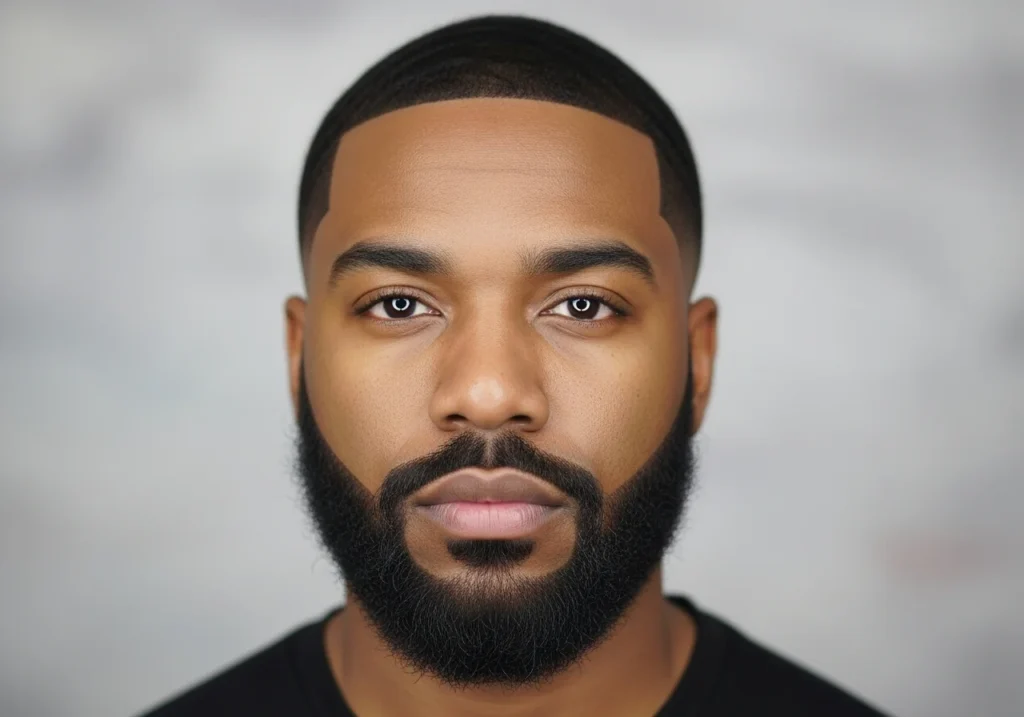
The Balbo beard features a disconnected mustache and beard combination with hair covering the chin and extending along the jawline, but with clean-shaven cheeks. This style differs from the goatee by including hair along the jaw, creating a more substantial presence while still maintaining clean cheek lines. The Balbo originated in Italy but has become popular worldwide for its distinctive, masculine appearance.
The key defining characteristic of the Balbo is the gap between the mustache and the rest of the beard. This separation requires careful maintenance to keep the lines clean and intentional. The style works particularly well for Black men with strong facial features, as it frames the mouth and jaw while creating interesting negative space on the cheeks.
The Circle Beard
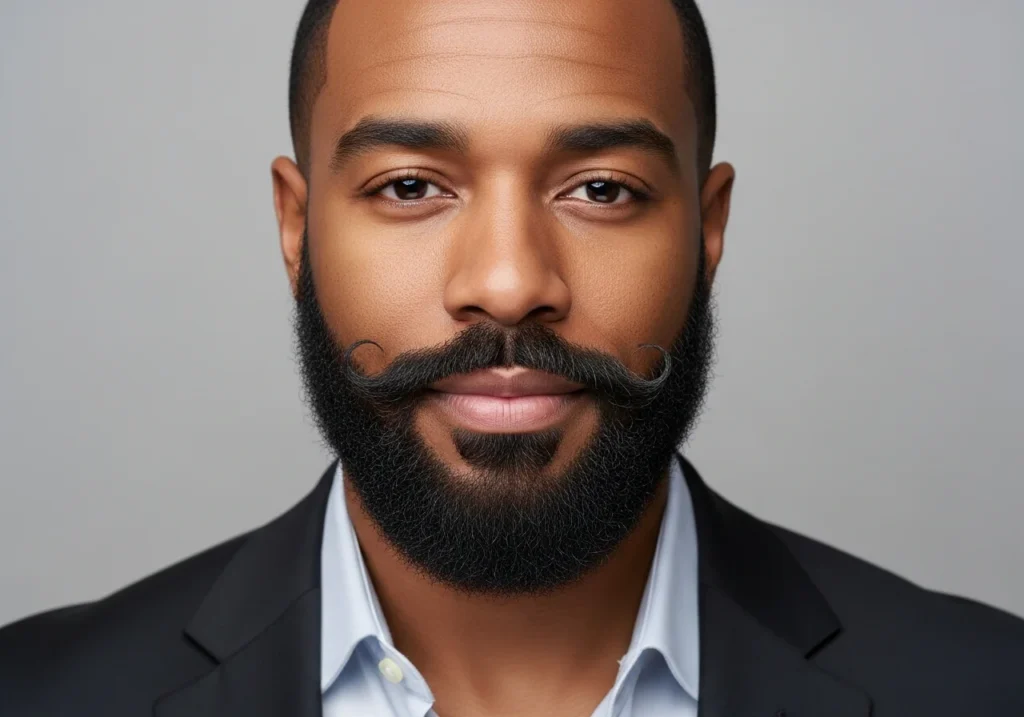
The circle beard connects a rounded goatee with a mustache, creating a circular pattern around the mouth. This style offers more coverage than a traditional goatee while maintaining the clean-shaven cheeks that keep the look neat and professional. The circular shape naturally draws the eye to the center of the face, making it an excellent choice for men who want to emphasize their smile and facial expressions.
Creating the perfect circle requires symmetry and precision. The edges should form smooth curves rather than harsh angles, which can be achieved through careful trimming and shaping. The natural curl pattern of Black facial hair helps create the density needed for a full, prominent circle beard that makes a confident statement.
The Stubble
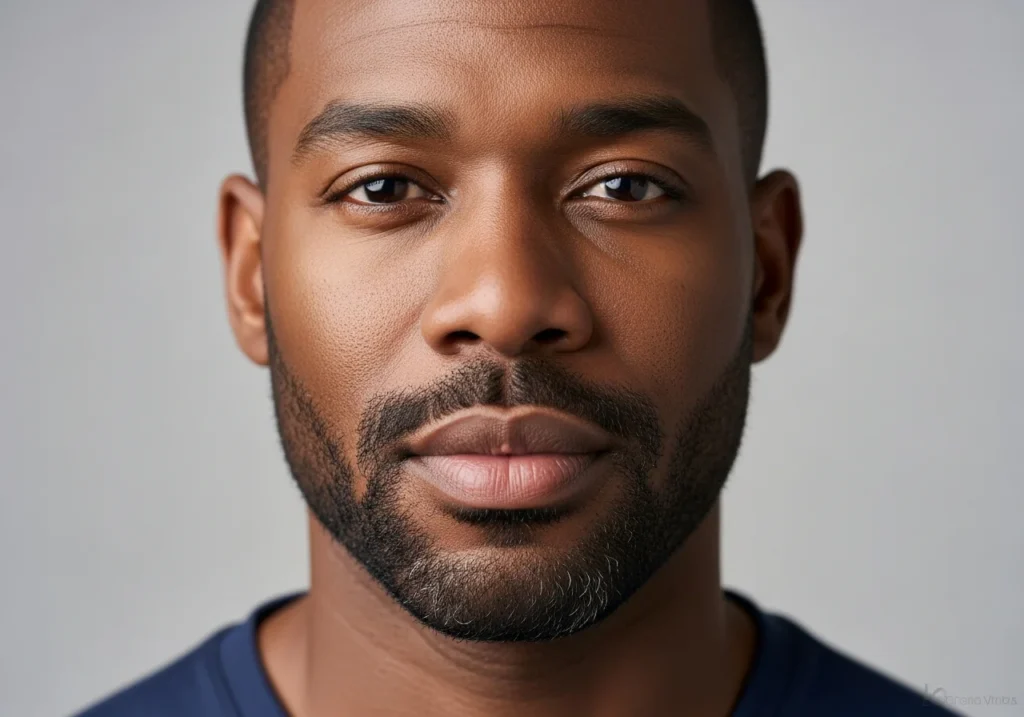
Stubble represents the lowest maintenance beard option while still providing definition and masculinity to the face. This style consists of very short facial hair, typically a few days of growth, that covers the lower face without forming a full beard. For Black men, stubble can look particularly attractive due to the natural contrast between the dark hair and skin tones.
Maintaining stubble at the ideal length requires regular trimming every few days to prevent it from growing into a full beard. An electric trimmer with adjustable guard lengths makes this process simple and consistent. Stubble works well in professional environments where full beards might be discouraged but completely clean-shaven faces are not required.
The Anchor Beard
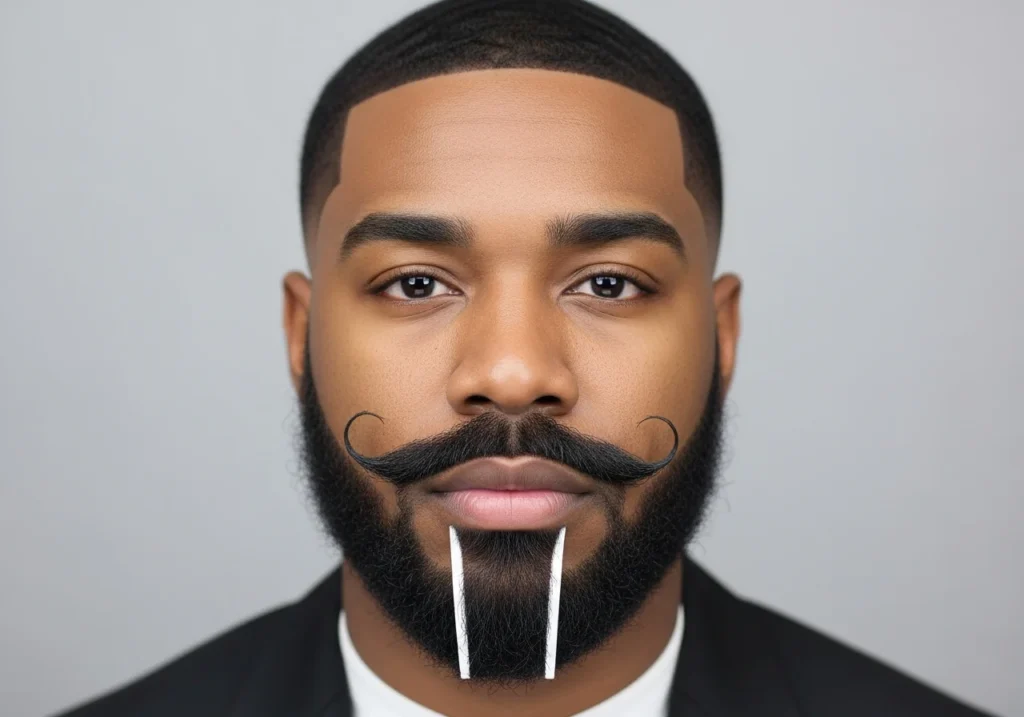
The anchor beard resembles a ship’s anchor, featuring a pointed beard that extends along the jawline with a soul patch beneath the lower lip and a separate mustache. This style creates strong vertical lines that elongate the face and add structure to softer features. The anchor beard requires precision and patience to achieve the proper shape, but the distinctive result makes the effort worthwhile.
The soul patch serves as a connecting element between the mustache and the main beard, though they remain visibly separate. The pointed chin and jawline coverage create the anchor shape that gives this style its name. Black men with the ability to grow consistent facial hair will find this style particularly rewarding, as it showcases grooming skill and attention to detail.
The Mutton Chops
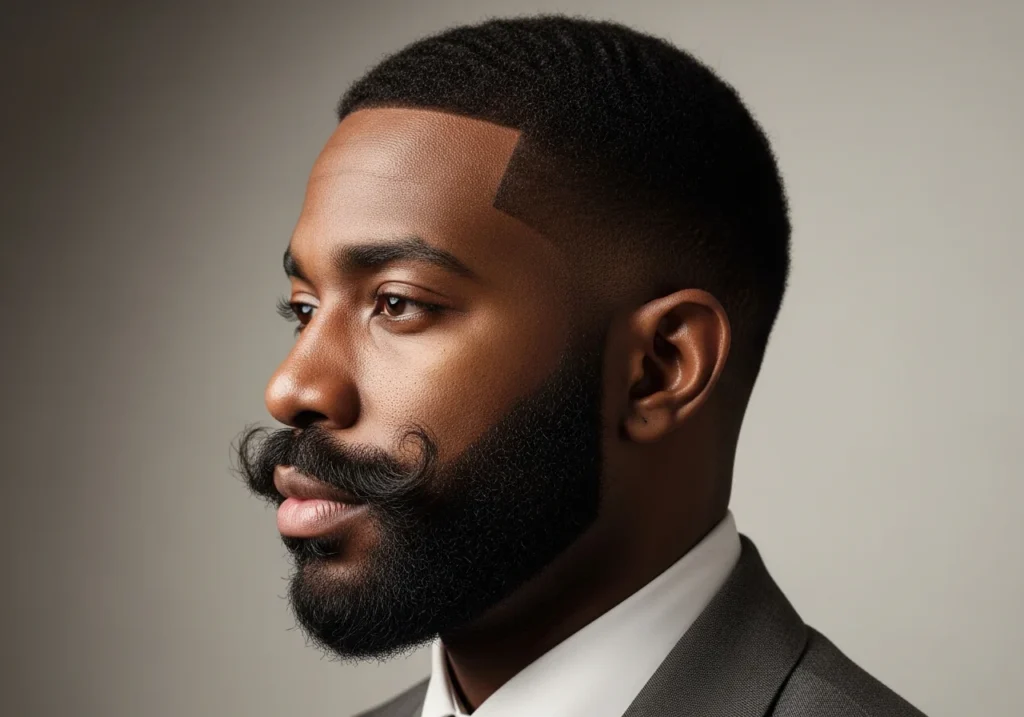
Mutton chops feature thick sideburns that extend down to the jawline, typically with a clean-shaven chin and either a mustache or clean-shaven upper lip. This bold, vintage style has experienced periodic revivals and offers a distinctive alternative to conventional beard shapes. The substantial sideburns create a frame for the face that can make it appear wider and more imposing.
Growing mutton chops requires patience, as the sideburns need substantial length and thickness to achieve the proper effect. The style works best for men with fuller facial hair growth on the sides of the face. Regular trimming maintains the clean lines between the mutton chops and the clean-shaven areas, preventing the style from appearing messy or undefined.
The Soul Patch
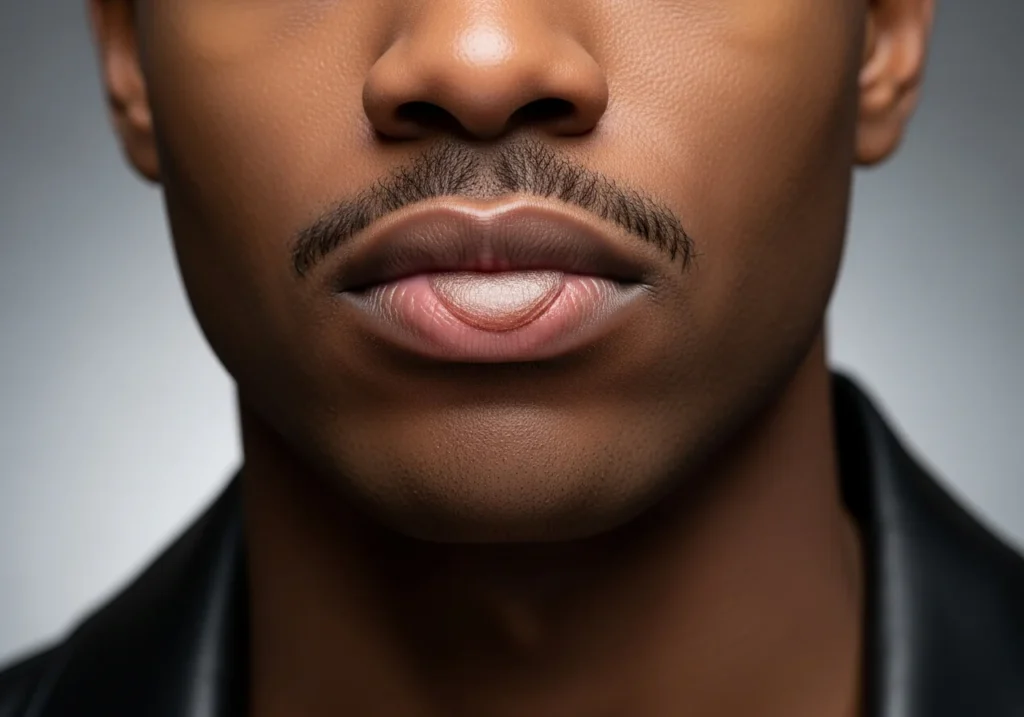
The soul patch consists of a small tuft of hair located just below the center of the lower lip. While minimal, this style makes a subtle statement and requires virtually no maintenance beyond occasional trimming. The soul patch has deep roots in jazz culture and continues to appeal to men who want a hint of facial hair without committing to a full beard or goatee.
Despite its simplicity, the soul patch should be kept neat and well-defined. The shape can be square, rounded, or pointed depending on personal preference. Many men combine the soul patch with a mustache or other facial hair styles to create more complex looks, but it also stands alone as a minimalist option.
The Garibaldi
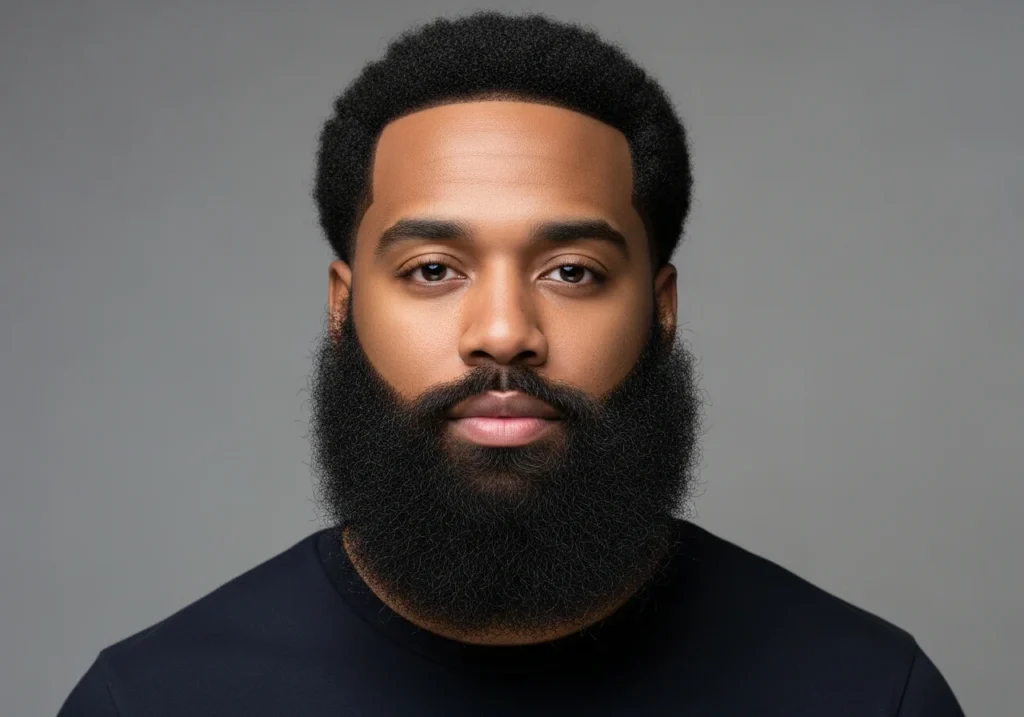
The Garibaldi beard features a full, rounded beard with significant volume and a natural bottom edge rather than a pointed or sculpted shape. This style typically measures around four to eight inches in length and has a wider, bushier appearance that emphasizes natural growth patterns. The Garibaldi works exceptionally well for Black men because the natural curl creates the volume and fullness this style requires.
Unlike more sculpted beard styles, the Garibaldi embraces a slightly untamed aesthetic while still requiring regular maintenance. The top portions near the cheeks and mustache should be trimmed and shaped, but the bottom is left more natural and rounded. This style suits men who want a substantial beard without excessive styling time.
The Corporate Beard
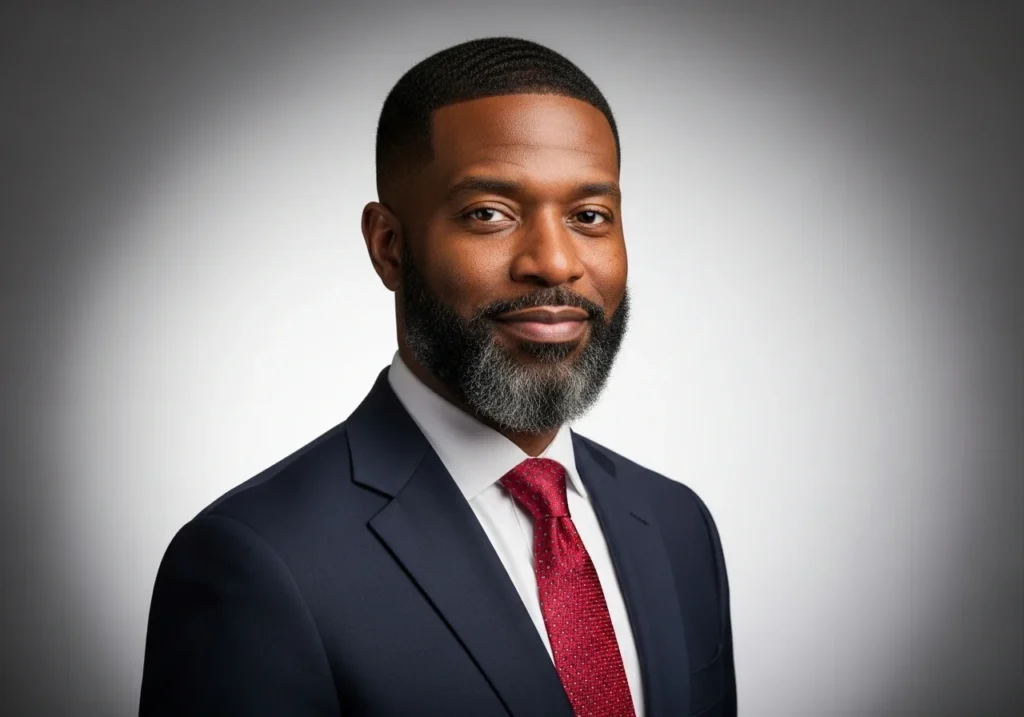
The corporate beard maintains professional standards while still allowing for meaningful facial hair. This style typically features a well-groomed, medium-length beard with clean lines along the cheeks and neck. The edges are precisely defined, and the overall length remains conservative enough for traditional business environments while still providing the benefits and style of a proper beard.
Achieving the perfect corporate beard requires regular visits to a professional barber or significant skill with home grooming tools. The lines must remain sharp, the length even, and the overall appearance intentional rather than haphazard. For Black men navigating professional environments, this style demonstrates both style awareness and respect for workplace norms.
The Faded Beard
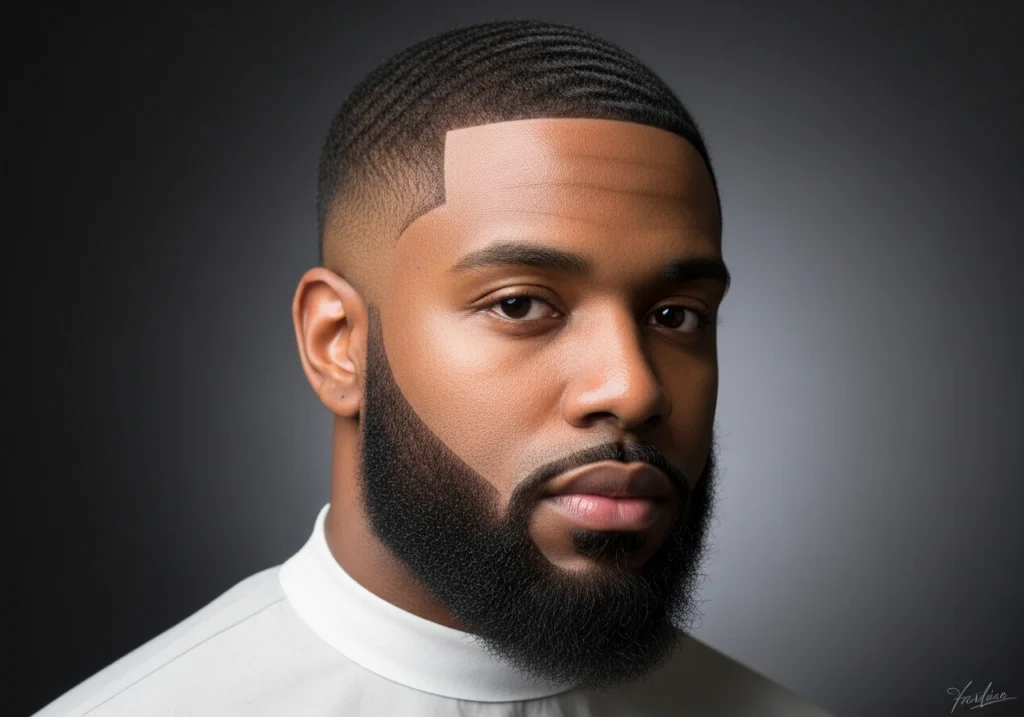
The faded beard incorporates barbering techniques typically used on scalp hair, creating a gradual transition from longer beard hair to shorter sides or clean-shaven skin. This modern style has become increasingly popular as barbers have applied fade techniques to facial hair, creating seamless blends that showcase technical skill and contemporary style awareness.
The fade can start at various points, with low fades beginning near the jawline and high fades starting higher on the cheeks. The beard length on the chin and mustache area remains fuller while gradually shortening as it moves up and back. This style requires professional maintenance or advanced home barbering skills to maintain the smooth gradient.
The Designer Stubble
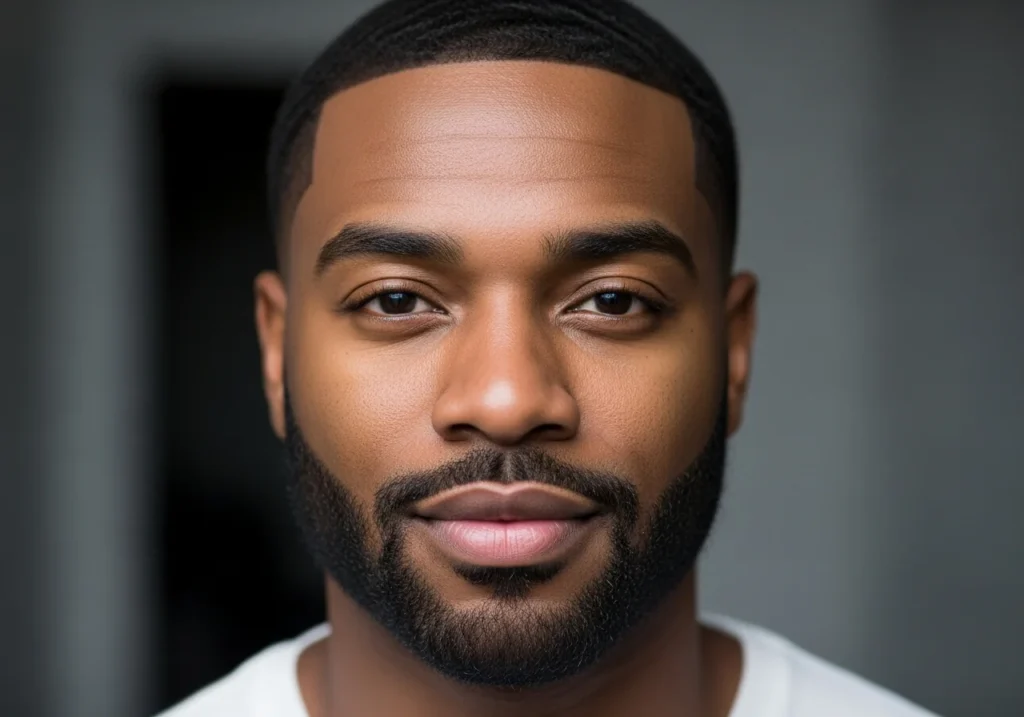
Designer stubble takes the concept of regular stubble and adds intentional shaping and definition to create a more polished appearance. The length remains short, but the edges are carefully defined, and the coverage may vary across different areas of the face for artistic effect. This style bridges the gap between casual stubble and a shaped beard.
Creating designer stubble requires using different guard lengths on your trimmer for various facial areas and carefully shaping the edges along the cheeks and neckline. The result appears effortless but actually requires consistent maintenance and attention to detail. For Black men who want a modern, stylish look without the commitment of a full beard, designer stubble offers an ideal solution.
The Tapered Beard
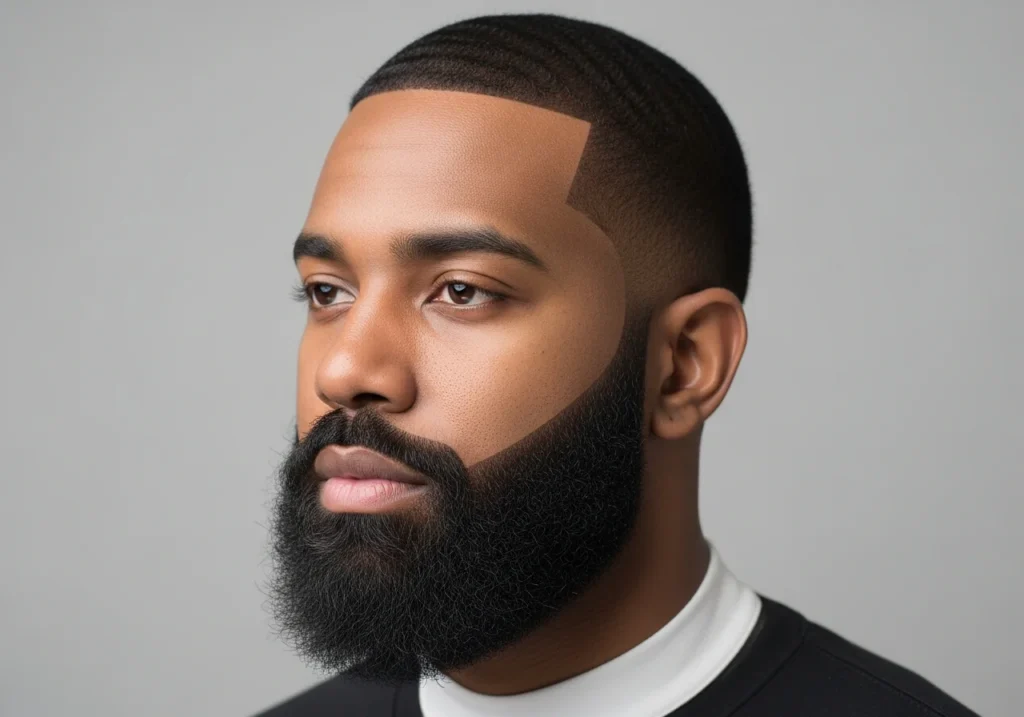
The tapered beard gradually decreases in length from the chin area upward toward the cheeks and downward toward the neck. This shaping technique creates dimension and structure while maintaining significant coverage across the lower face. The taper draws attention to the center of the face and can help balance facial proportions for men with various face shapes.
Creating a proper taper requires using multiple guard lengths and blending the transitions smoothly. The longest hair typically remains on the chin and mustache, with gradual shortening as you move toward the ears and neck. This technique works particularly well with the natural curl pattern of Black facial hair, as the texture helps hide any minor inconsistencies in the blend.
The Beard with Line Up
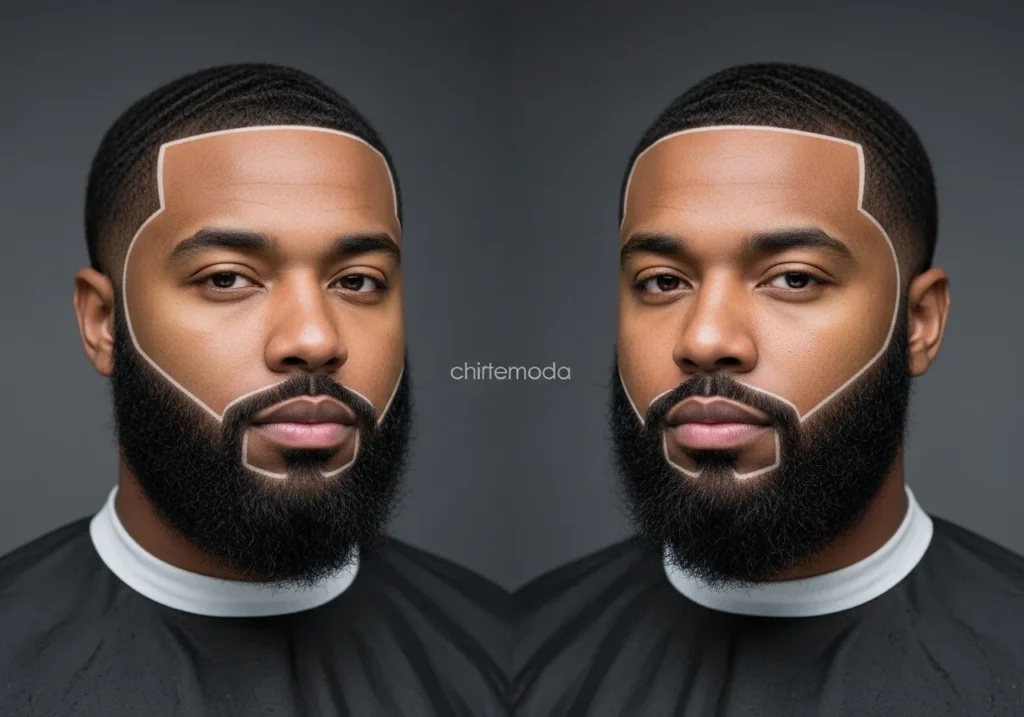
This style features any full beard style combined with extremely precise edge work along the cheeks, sideburns, and hairline. The “line up” refers to the sharp, clean lines created at the edges where the facial hair meets the skin, a grooming technique particularly popular in Black barbering culture. These crisp lines create a highly polished, intentional appearance that demonstrates attention to grooming details.
Achieving perfect line work requires a steady hand with a trimmer or razor and frequent touch-ups to maintain the sharp edges. Many men visit their barber weekly or bi-weekly specifically for line-up maintenance. The contrast between the natural texture of the beard and the geometric precision of the lines creates a striking visual effect that has become a signature element of contemporary Black men’s grooming.
The Chin Curtain
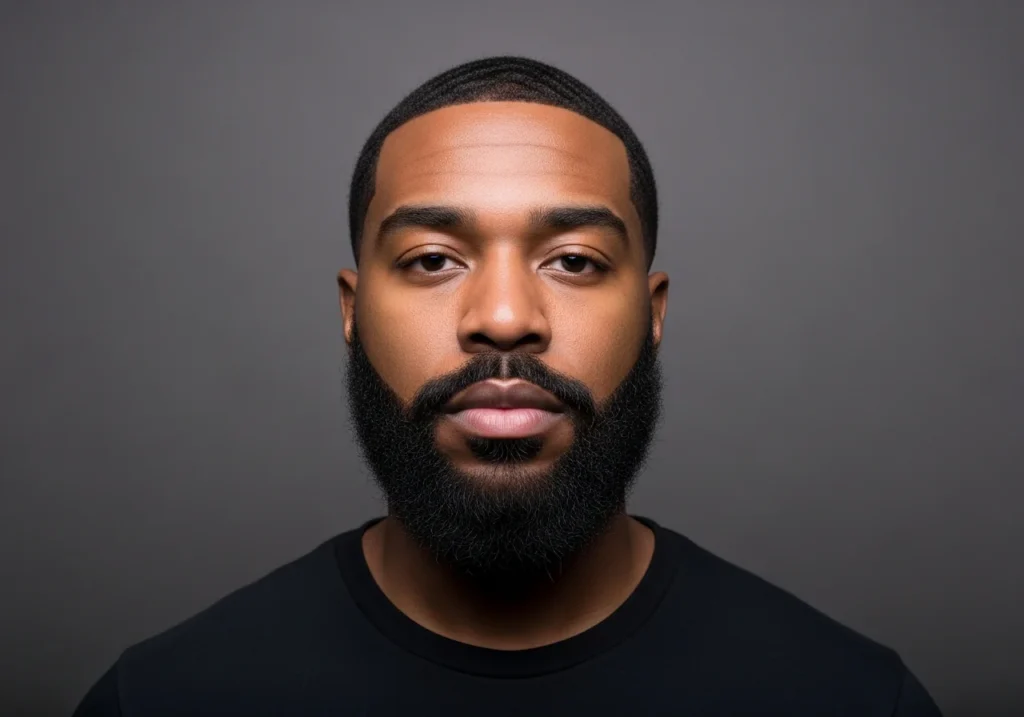
The chin curtain covers the jawline and chin while leaving the mustache area clean-shaven, creating a frame around the lower portion of the face. This distinctive style extends from one sideburn, under the chin, to the other sideburn without including a mustache. The chin curtain can vary in width from a thin line similar to a chin strap to a fuller beard-like coverage along the jaw.
This style works well for men who prefer not to have mustaches or who have difficulty growing hair on the upper lip. The chin curtain defines the jawline and can make the face appear more structured and angular. Regular trimming maintains the clean upper lip and keeps the chin curtain at the desired width and length.
The Natural Beard
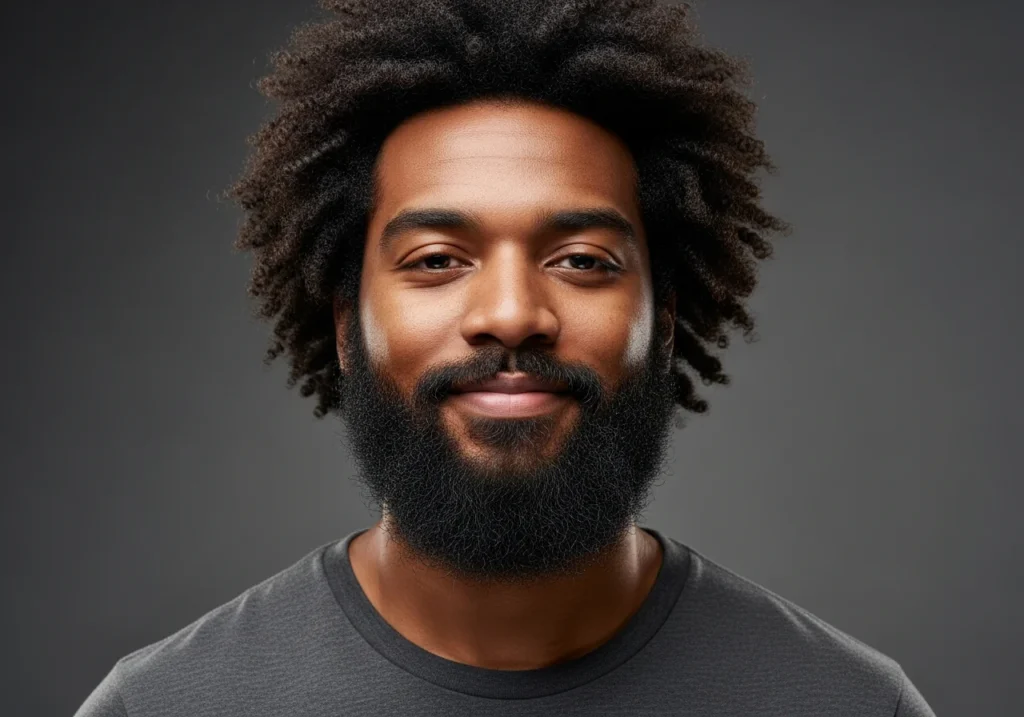
The natural beard embraces the authentic growth pattern and texture of Black facial hair with minimal intervention beyond basic grooming. This style celebrates the unique curl pattern and allows the beard to grow in its organic shape rather than forcing it into highly sculpted forms. The natural beard can be worn at various lengths, from relatively short to impressively long.
While called “natural,” this style still requires maintenance through washing, conditioning, and moisturizing to keep the hair healthy and manageable. The edges may be lightly shaped to prevent the beard from appearing completely wild, but the overall aesthetic emphasizes authenticity and natural beauty. This approach has gained popularity as part of broader movements embracing natural hair textures and reducing unnecessary manipulation.
you may also like this:Are Gray Beards Attractive? [Style & Science Explained]
Conclusion
Selecting the right beard style involves considering your face shape, hair growth patterns, lifestyle requirements, and personal aesthetic preferences. Black men have unique advantages when it comes to facial hair, with natural curl patterns that create volume and texture unavailable to men with straighter hair types. Whether you prefer the clean lines of a corporate beard, the bold statement of mutton chops, or the effortless appeal of designer stubble, there is a style that will enhance your appearance and express your personality.
Remember that any beard style requires proper maintenance to look its best. Invest in quality grooming tools, establish a consistent care routine, and don’t hesitate to seek professional help from a skilled barber when needed. The right products, including beard oils, balms, and moisturizers formulated for coarse hair, will keep your facial hair healthy, soft, and manageable.
Experimenting with different styles throughout your life allows you to discover what works best for different phases and situations. What suits you in your twenties may evolve as you mature, and your professional circumstances may influence which styles are most appropriate at different times. The beauty of facial hair is its impermanence, giving you the freedom to try new looks without long-term commitment.
Ultimately, the best beard style is the one that makes you feel confident and authentic. Use this guide as a starting point, but don’t be afraid to adapt these styles to your unique features and preferences. Your beard is a form of self-expression, so wear it with pride and maintain it with care.
Frequently Asked Questions
How often should I trim my beard to maintain its shape?
Most beard styles require trimming every one to two weeks to maintain their shape and definition. Styles with precise lines like the corporate beard or faded beard may need more frequent attention, potentially weekly. Longer, more natural styles can go slightly longer between trims. Pay attention to how quickly your facial hair grows and adjust your trimming schedule accordingly.
What products should I use on my beard as a Black man?
Look for products specifically formulated for coarse, curly hair, including beard oils with jojoba or argan oil, thick beard balms for hold and moisture, and leave-in conditioners. Avoid products with drying alcohols or harsh sulfates. Natural ingredients like shea butter, coconut oil, and castor oil work particularly well with Black hair textures.
How can I deal with patchy beard growth?
Patchy growth is common and can be addressed by choosing styles that work with your growth pattern rather than against it. Goatees, Van Dykes, and soul patches focus on areas where most men have stronger growth. Alternatively, allow your beard to grow longer, as length often fills in gaps that appear obvious with shorter styles. Some men also use beard growth products, though results vary.
Should I use clippers or razors for maintaining my beard edges?
Both tools have their place in beard maintenance. Clippers with guards are excellent for maintaining consistent length across the beard body. Razors or detail trimmers work better for creating sharp, clean lines along the edges. Many men use clippers for overall maintenance and switch to razors or detail trimmers for final edge work and precision shaping.
How long does it take to grow a full beard?
The timeline varies significantly between individuals, but most men can grow a respectable full beard in two to four months. Some men grow facial hair more quickly and may achieve full coverage in six to eight weeks, while others require longer periods. During the growing phase, resist the urge to over-trim or shape too early, as this can slow your progress toward your desired style.
One Comment