Butterfly Haircut Medium Length: 20+ Trendy Layered Styles for 2026
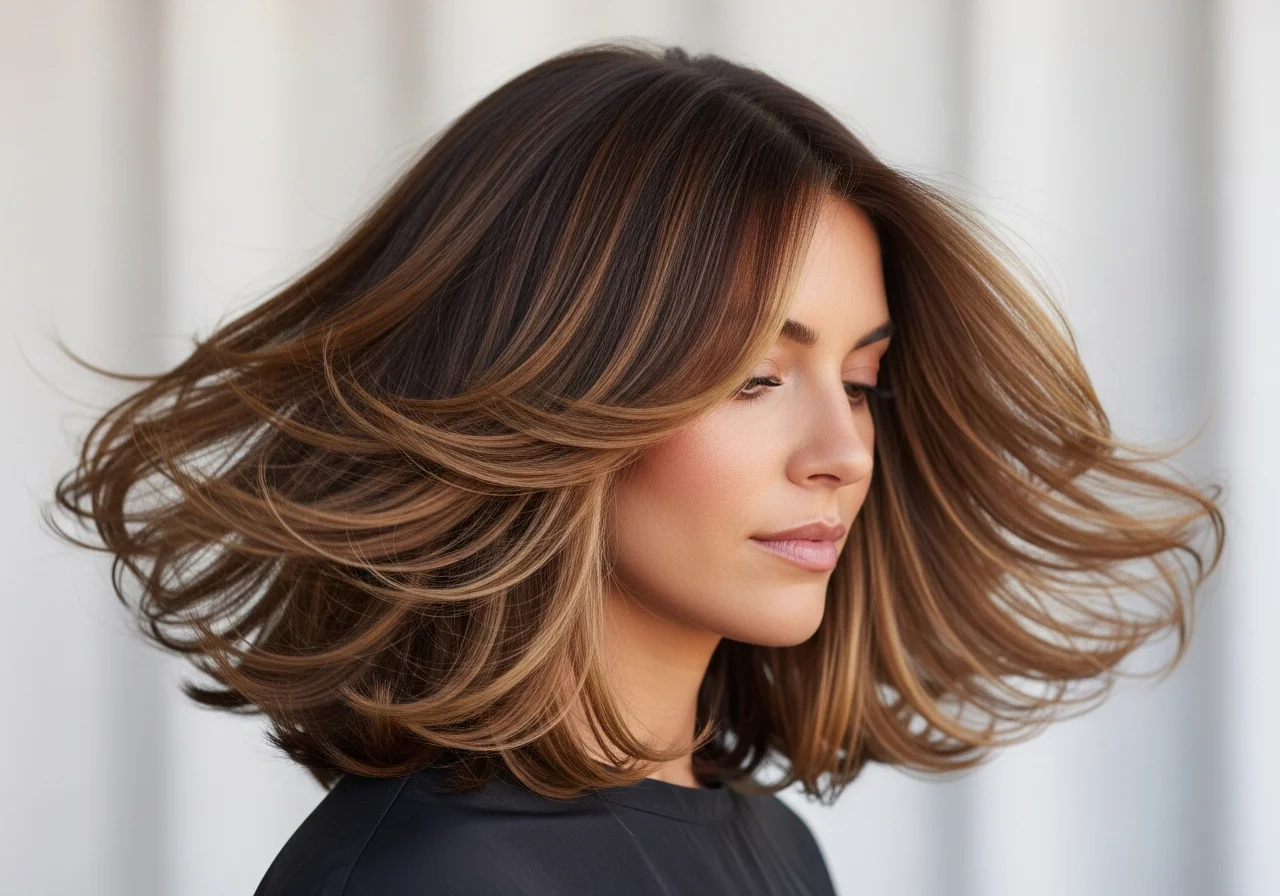
The world of hairstyling constantly evolves, yet some trends capture attention in ways that transcend fleeting fashion moments. Enter the butterfly haircut medium length, a style that has taken social media by storm with over 580 million views on TikTok and continues to dominate salon requests throughout 2026. This isn’t just another layered haircut destined to fade into obscurity. The butterfly cut represents a perfect marriage of vintage inspiration and contemporary sensibility, offering women a transformative option that delivers volume and movement without sacrificing precious length.
What makes this shoulder-length butterfly cut particularly appealing is its remarkable versatility. Whether you have straight hair, natural waves, or textured curls, the strategic face-framing layers adapt beautifully to your individual hair characteristics. The cut creates an illusion of shorter hair around the face while maintaining length at the back, giving you the best of both worlds. As we navigate through 2026, this feathered haircut continues to prove that classic techniques, when reimagined with modern styling approaches, create timeless beauty that flatters virtually every woman.
Understanding the Butterfly Haircut Medium Length
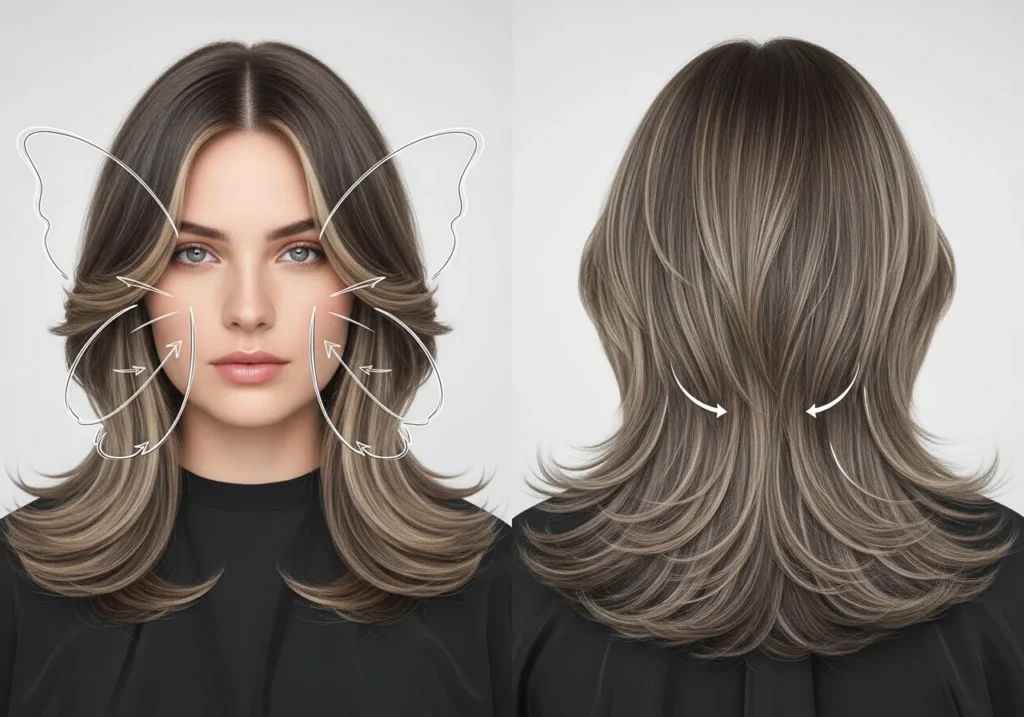
The butterfly haircut derives its enchanting name from the way cascading layers fan out around the face, resembling delicate butterfly wings in flight. This heavily layered hairstyle features shorter pieces beginning at the cheekbones or chin level, gradually blending into longer lengths that preserve your overall hair dimension. Unlike blunt cuts that can feel heavy and lifeless, the butterfly technique removes weight strategically, creating that coveted bouncy effect that makes hair appear fuller and more dynamic.
At its core, this 70s-inspired haircut combines the nostalgic appeal of vintage shag cuts with contemporary precision. The shortest face-framing pieces typically fall between the jawline and collarbone, while the longest sections extend well past the shoulders. This creates a beautiful V-shape from the back view, with soft layers that move naturally with every turn of your head. The magic happens in how these varying lengths work together, producing texture and dimension that photographs beautifully and looks effortlessly stylish in person.
What distinguishes the medium-length variation from its longer counterpart is the sweet spot it occupies. Hair that falls between the shoulders and mid-back offers maximum styling flexibility while remaining manageable for everyday wear. This length allows the layered structure to truly shine, creating that signature lifted appearance at the crown while maintaining enough weight at the ends to prevent the style from looking too choppy or disconnected.
Face-Framing Layers That Flatter Every Face Shape

One of the most compelling reasons the butterfly cut medium length has achieved such widespread popularity is its incredible adaptability to different facial structures. For women with oval face shapes, the shorter layers accentuate natural symmetry and highlight cheekbones beautifully. The curtain bangs often incorporated into this style serve as a perfect anchor, creating soft framing that enhances your best features without overwhelming your face.
Those with round faces discover that the elongating effect of face-framing pieces works wonders. The strategic placement of layers creates vertical lines that make the face appear slimmer and more sculpted. By adding dimension around the cheekbones and jawline, the cut draws attention upward, creating a more balanced appearance. Many stylists recommend slightly longer face-framing sections for round faces, starting closer to the chin rather than higher at the cheekbones.
Heart-shaped faces benefit tremendously from the butterfly cut’s ability to add width at the jawline while softening a broader forehead. The voluminous layers at the sides create equilibrium, preventing the face from appearing top-heavy. When paired with wispy bangs or a side-swept fringe, this combination becomes particularly flattering, balancing facial proportions with remarkable effectiveness.
Even square face shapes find harmony in this versatile cut. The rounded, flowing layers soften angular features, creating a more feminine silhouette. The key lies in ensuring layers are positioned to add softness around the jaw and temples, areas where square faces typically display more prominent angles. A skilled stylist can customize the layer placement to create the most harmonious result for your unique features.
Styling Your Medium Butterfly Cut for Maximum Impact
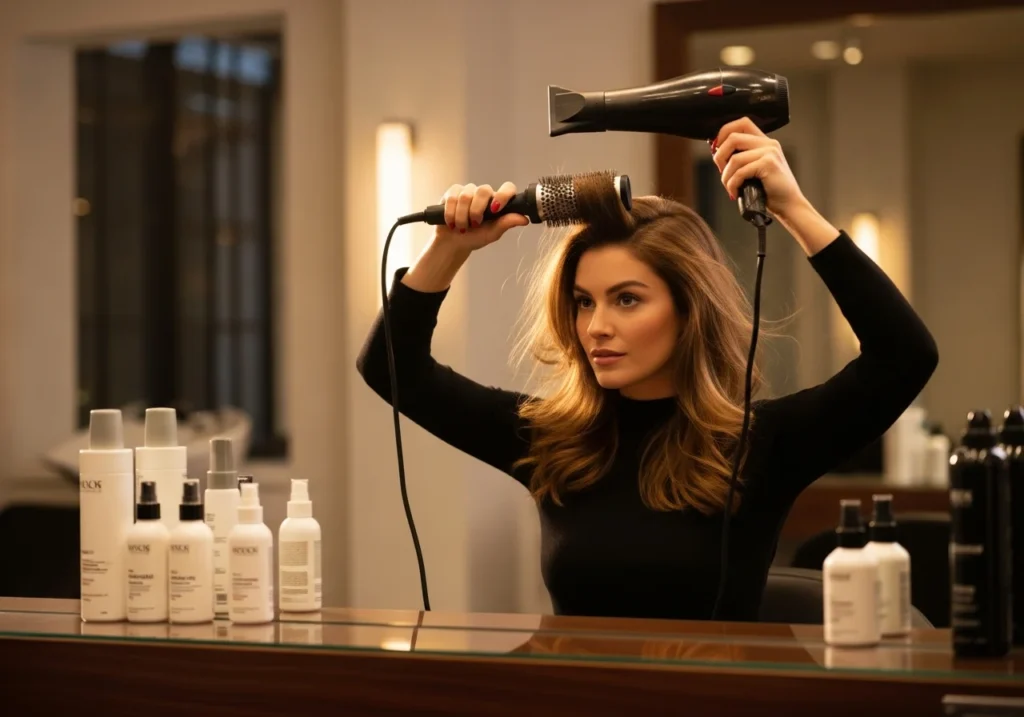
Achieving that salon-fresh blown-out look at home requires understanding the fundamental styling techniques that bring the butterfly cut to life. Begin with freshly washed hair, applying a volumizing mousse to damp roots before blow-drying. This foundation product creates lift at the crown, essential for maintaining the style’s signature fullness throughout the day.
The round brush technique becomes your best friend when styling this cut. Work in sections, starting at the crown and moving downward. As you dry each section, roll the brush away from your face, directing the shorter layers outward to create that characteristic wing-like effect. For the longer layers, focus on creating smooth, flowing movement rather than tight curls. The goal is natural-looking body, not structured ringlets.
For those preferring minimal heat styling, the butterfly cut accommodates air-drying surprisingly well, particularly on hair with natural wave or texture. Apply a texturizing spray to damp hair, scrunch gently, and allow it to dry naturally. This approach creates that coveted lived-in aesthetic that feels effortless and modern. The cut’s inherent structure means it maintains shape even without extensive styling, making it ideal for busy mornings.
When you want extra polish, a curling iron can elevate your butterfly cut beautifully. Use a medium-barrel iron to add loose waves to the longer sections, always curling away from your face. This enhances the dimensional quality of the layers while creating that flowing, romantic effect. Finish with a light-hold hairspray to maintain movement without stiffness, ensuring your style lasts all day while still feeling touchably soft.
Curtain Bangs and Butterfly Layers Create Perfect Harmony
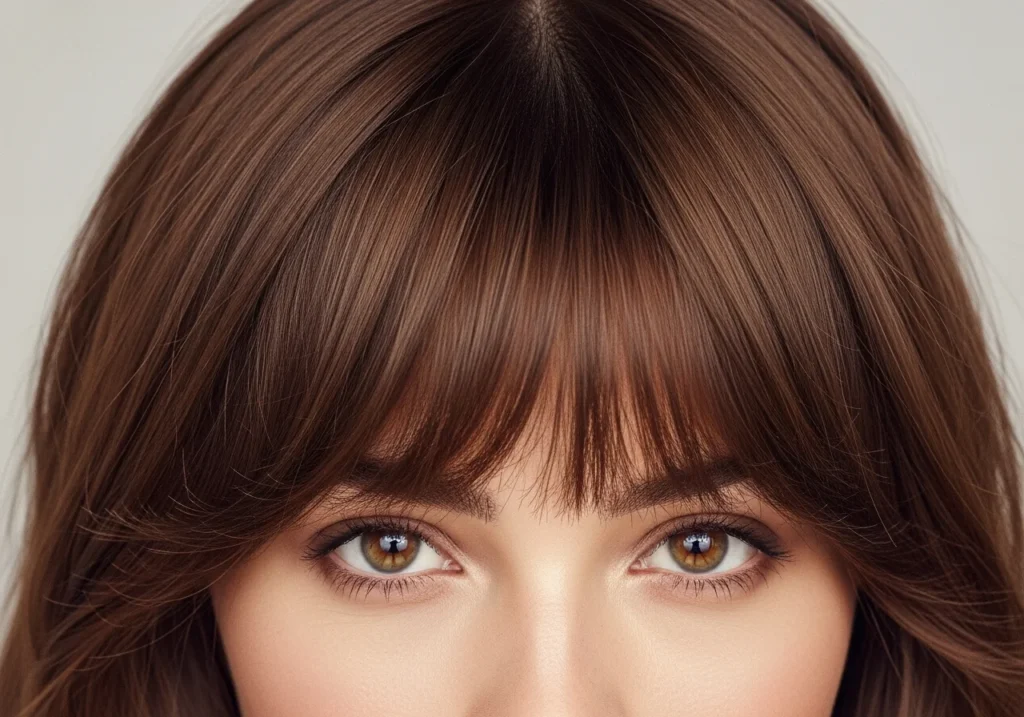
The pairing of curtain bangs with a medium butterfly haircut represents one of the most requested combinations in salons throughout 2026. These parted bangs that frame either side of the face integrate seamlessly with the layered structure, creating a cohesive look that feels both vintage-inspired and thoroughly contemporary. The bangs typically fall just below the eyebrows, parting naturally in the center to reveal your face while adding softness around the forehead.
What makes curtain fringe so effective with this cut is how it enhances the overall face-framing effect. The bangs serve as an extension of the shortest layers, creating a smooth transition from forehead to cheekbones. This continuous line of shorter pieces creates that coveted butterfly wing silhouette that gives the style its distinctive character. For those hesitant about full bangs, curtain variations offer a lower-commitment option that grows out gracefully.
Styling curtain bangs requires minimal effort once you understand the basic technique. After washing, blow-dry them while using your fingers to direct the hair away from the center part, creating that signature swooping motion. A small round brush can add extra polish, gently curling the ends under for a softer finish. Between washes, a quick blast with the blow dryer on cool setting refreshes the shape, keeping them looking intentional rather than limp.
Color Techniques That Enhance Layered Dimension
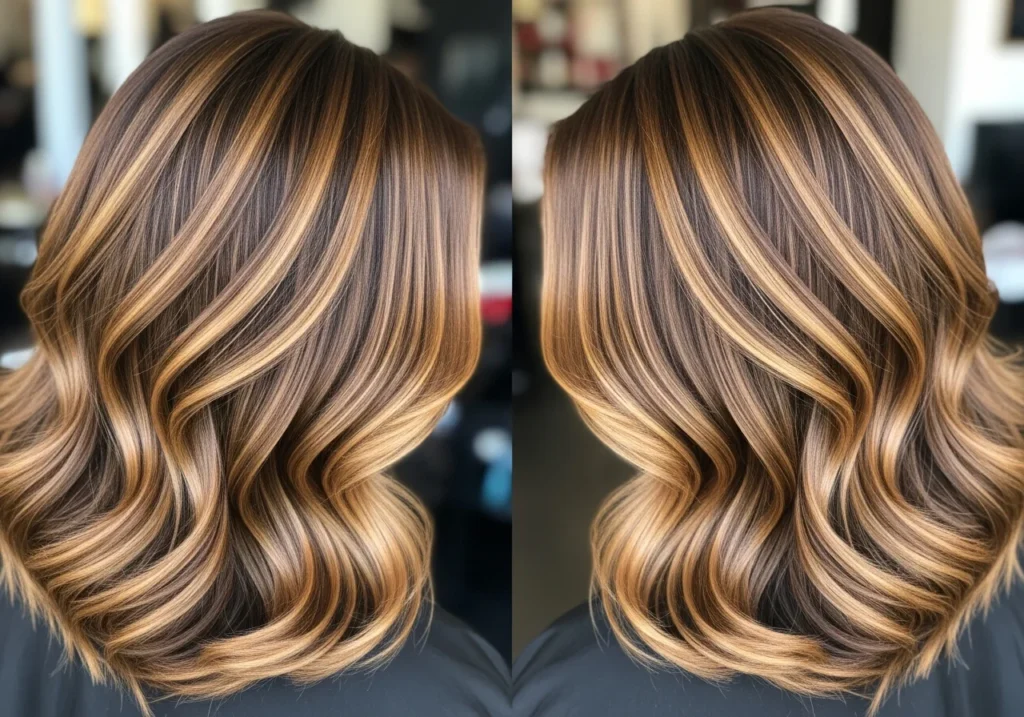
Strategic hair coloring can amplify the beautiful dimension created by butterfly layers. Balayage highlights painted throughout the mid-lengths and ends create depth that emphasizes each layer’s movement. When light catches these strategically placed tones, the cascading effect becomes even more pronounced, making your hair appear to have even more volume and texture than it actually possesses.
For brunettes, incorporating caramel ribbons or honey tones through the face-framing sections draws attention to the cut’s most flattering elements. These warmer shades catch light beautifully, creating a sun-kissed effect that looks natural yet polished. The contrast between deeper roots and lighter ends creates additional dimension, making each layer distinct and visible.
Blondes can experiment with dimensional lowlights that add richness and depth to the overall color palette. By weaving in slightly darker tones at the roots and mid-sections, you create shadow and light interplay that makes the layered structure more visually interesting. This approach prevents blonde hair from looking flat or one-dimensional, common challenges with heavily lightened hair.
For those embracing vivid colors or fashion shades, the butterfly cut provides an excellent canvas. The multiple layers allow for creative color placement, whether you choose ombre techniques that transition from dark to light, or panel coloring that highlights specific sections. The movement inherent in the cut ensures that colors blend and shift beautifully as you move, creating a dynamic visual effect.
Adapting the Butterfly Cut for Different Hair Textures
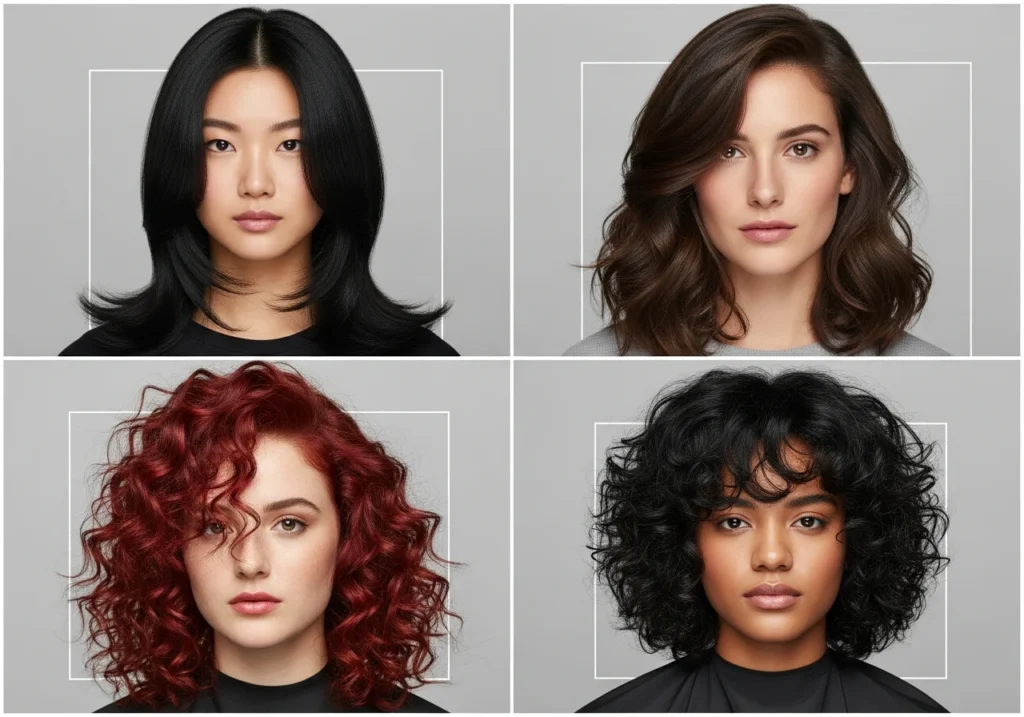
Women with straight hair often find the butterfly cut particularly transformative. Naturally flat or limp hair gains instant body and bounce through the strategic layering. The removal of weight allows hair to lift away from the scalp naturally, creating volume that doesn’t require excessive styling. Fine hair especially benefits from this approach, as the layers prevent the dragged-down appearance that occurs with blunt, one-length cuts.
Wavy hair textures may represent the ideal match for this style. The natural movement in wavy hair enhances the feathered layers, creating that effortless, beachy aesthetic without demanding hours of styling time. The cut works with your hair’s inherent texture rather than fighting against it, allowing waves to form naturally around the face while maintaining definition through the lengths.
Those with curly hair can absolutely rock a butterfly cut, though slight modifications often yield the best results. Instead of heavily disconnected layers, curly textures benefit from more blended transitions that prevent excessive shrinkage or triangle shapes. The face-framing pieces should be cut with curl pattern in mind, ensuring they spring back to a flattering length rather than becoming too short when dry. Working with a curly hair specialist ensures your layers enhance rather than overwhelm your natural texture.
Thick hair finds particular relief in the butterfly cut’s weight-removing capabilities. Dense, heavy hair that feels burdensome or difficult to style becomes manageable and moveable through strategic layering. The cut distributes bulk more evenly, preventing that bottom-heavy appearance while creating lift at the crown. Many women with thick hair report feeling liberated by how much lighter and easier to style their hair becomes after this transformation.
Maintenance Requirements and Salon Visit Frequency
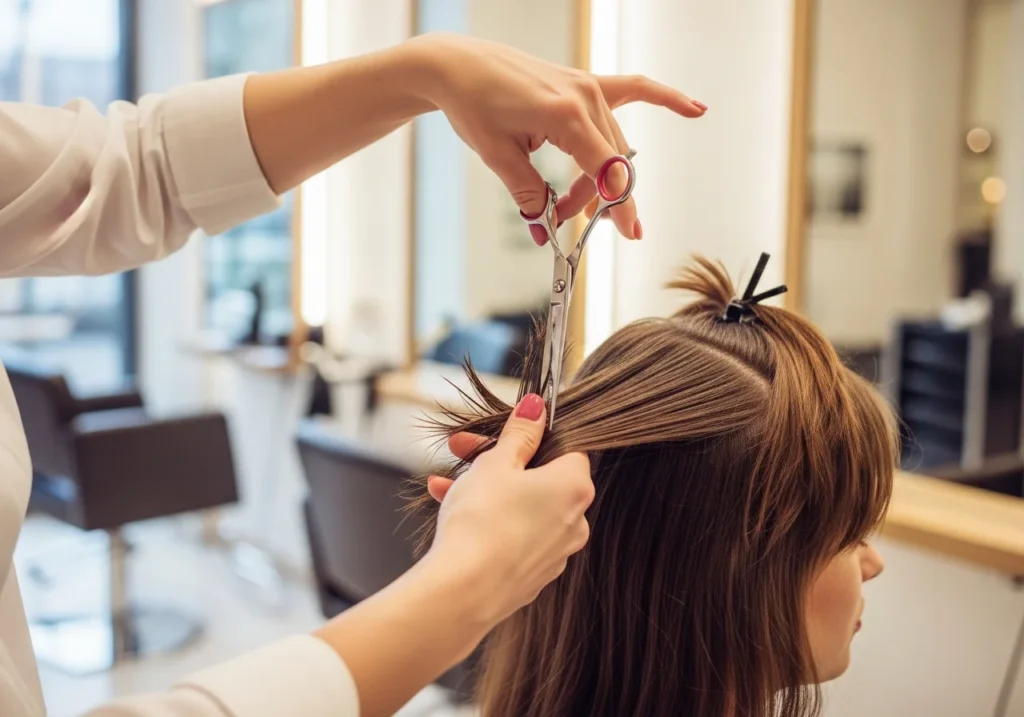
Keeping your butterfly haircut medium length looking fresh requires understanding proper maintenance schedules. Most stylists recommend salon visits every eight to twelve weeks to maintain the integrity of the layered shape. During these appointments, your stylist refreshes the face-framing pieces and ensures the longer layers continue flowing seamlessly into one another. Regular trims prevent the dreaded grown-out look where layers lose their definition and blend into a shapeless mass.
Between professional cuts, at-home care focuses on preserving hair health and managing the style. Deep conditioning treatments applied weekly keep ends smooth and prevent the frizziness that can make layers look ragged. Focus conditioner and treatments on mid-lengths through ends, avoiding roots to prevent weighing down the volume-creating layers near your crown.
Heat protection becomes non-negotiable when regularly styling this cut. The frequent use of blow dryers and hot tools necessary to achieve that polished butterfly effect can damage hair over time. Apply a quality heat protectant spray before any thermal styling, creating a barrier that minimizes damage while allowing you to achieve your desired look. This small step significantly extends the time between necessary trims by preventing split ends and breakage.
The beauty of medium-length butterfly cuts lies in their graceful growth pattern. Unlike dramatic short cuts that lose all shape quickly, this style transitions through growth phases while maintaining some semblance of its original form. Even when slightly overdue for a trim, the fundamental layered structure remains apparent, allowing you to extend time between appointments if necessary without looking completely unkempt.
Butterfly Cut Versus Wolf Cut Understanding the Distinction
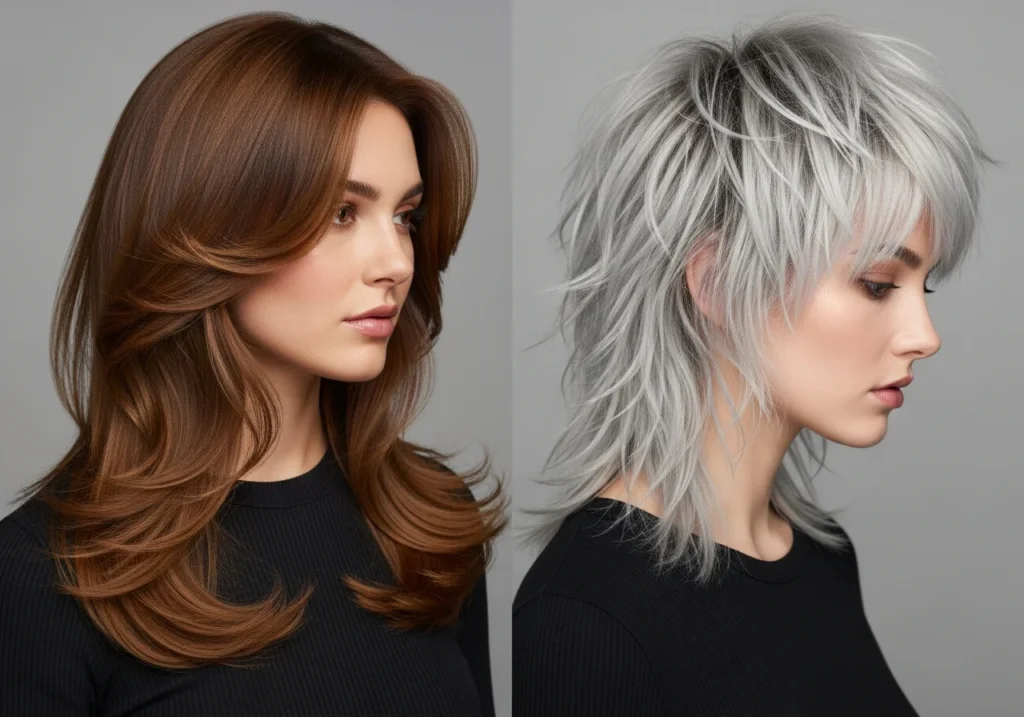
Confusion often arises between the butterfly haircut and the increasingly popular wolf cut, as both feature prominent layering and 70s inspiration. However, these styles diverge significantly in execution and overall aesthetic. The butterfly cut emphasizes blended, voluminous layers that create a polished, romantic effect. Layers flow smoothly into one another, creating seamless transitions that appear refined and intentional.
The wolf cut, conversely, embraces a more choppy, disconnected approach. Combining elements of shag and mullet cuts, wolf styles feature dramatic contrast between short crown layers and longer bottom sections. The overall vibe skews edgier and more deliberately undone, appealing to those seeking rebellious, rock-and-roll energy rather than elegant femininity.
Styling requirements differ substantially between these cuts. Butterfly cuts reward smooth blow-drying techniques and polished finishing, looking best when layers are directed and shaped with intention. Wolf cuts thrive on tousled, messy styling that emphasizes texture and separation. While both can work beautifully, they serve different aesthetic goals and suit different personal styles.
Face shape considerations also play differently across these cuts. The butterfly style’s softer, more blended approach flatters a wider range of facial structures, particularly those seeking to add femininity and softness. Wolf cuts, with their heavier contrast and choppy elements, work especially well on oval and heart-shaped faces but may require careful customization for rounder or squarer features.
Product Recommendations for Butterfly Cut Success
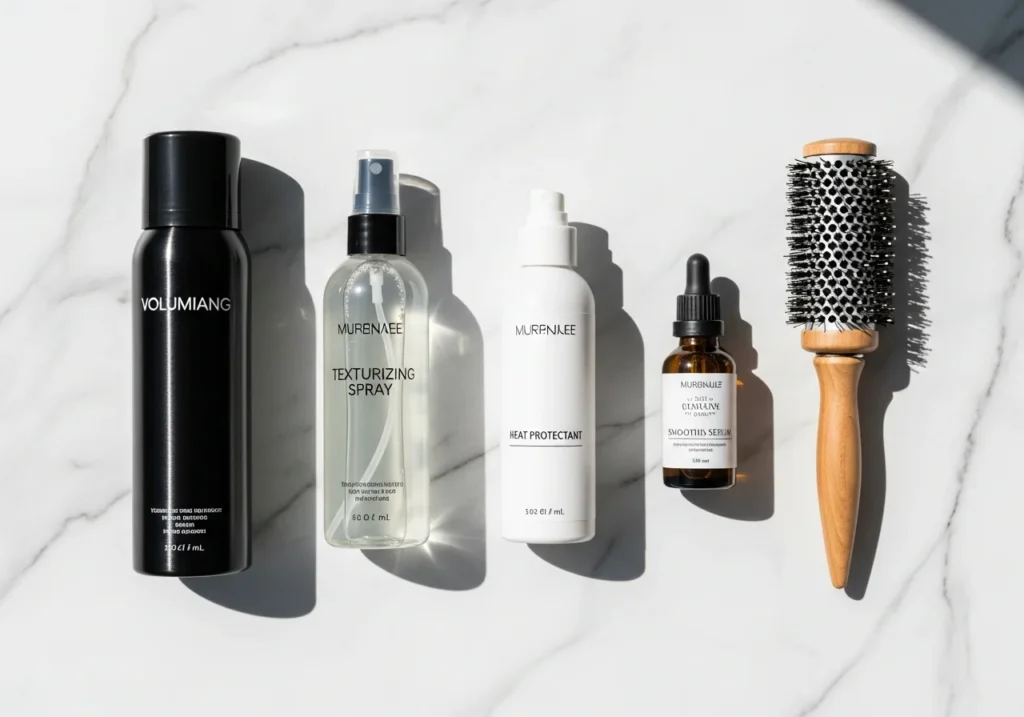
Achieving and maintaining gorgeous butterfly layers requires investing in quality hair products tailored to your specific needs. Volumizing mousses form the foundation of effective styling, applied to damp hair before blow-drying to create lift that lasts. Look for formulations that provide hold without crunchiness, allowing hair to move naturally while maintaining shape.
A lightweight texturizing spray becomes invaluable for adding piece-y definition to layers throughout the day. These products enhance the dimensional quality of your cut without weighing hair down or making it feel sticky. Apply sparingly to dry hair, focusing on mid-lengths and ends where you want extra separation and movement.
Smoothing serums or lightweight oils tame frizz along the hair shaft while adding shine that makes healthy hair appear even more lustrous. Apply a small amount to palms, emulsifying thoroughly, then run through damp or dry hair, avoiding roots. This finishing touch creates polish without sacrificing the natural movement that makes butterfly cuts so appealing.
For those who style with heat regularly, a professional-grade heat protectant represents a worthy investment. These products shield hair from temperatures up to 450 degrees, preventing the damage that leads to dryness, breakage, and color fading. Apply generously before any hot tool use, ensuring complete coverage for maximum protection.
Celebrity Inspiration and Red Carpet Moments
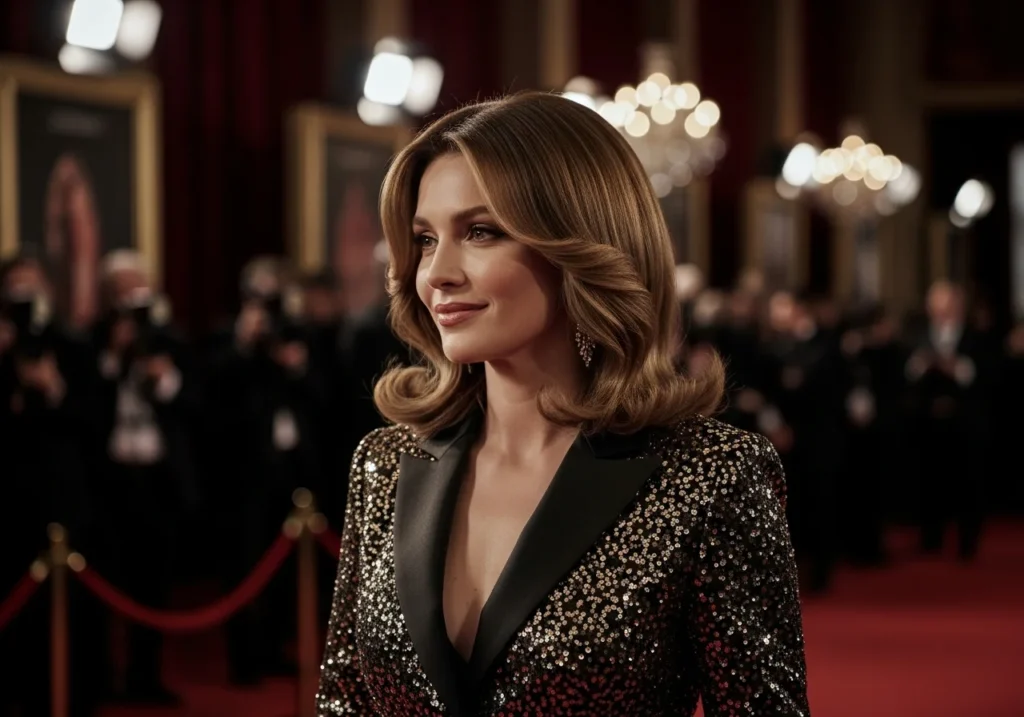
The butterfly cut has graced numerous red carpets and celebrity appearances throughout recent years, cementing its status as a go-to style for those seeking glamorous yet approachable hair. Jennifer Lopez has been spotted sporting variations of this cut, her stylist using the face-framing layers to accentuate her stunning features while maintaining her signature long, luxurious lengths.
Sydney Sweeney embraced the trend with a medium-length version featuring soft waves and perfectly placed curtain bangs. Her interpretation showcased how the cut translates beautifully for younger demographics while maintaining that timeless quality that appeals across age ranges. The style photographed gorgeously from every angle, demonstrating the cut’s three-dimensional appeal.
These high-profile endorsements have undoubtedly contributed to the style’s explosive popularity. When influential figures embrace a particular haircut, it validates the trend while providing aspirational imagery for those considering the transformation. The butterfly cut’s appearance on red carpets and in editorial spreads has elevated it from social media phenomenon to legitimate fashion statement.
Seasonal Styling Variations Throughout 2026

Spring butterfly cuts lean into soft, airy aesthetics that complement the season’s fresh energy. Lighter colors, looser waves, and minimal product usage create that effortless, lived-in quality perfect for warmer weather. The natural movement of layers catches spring breezes beautifully, creating those candid moments where hair appears to dance around your face.
Summer styling embraces beachy textures and sun-kissed tones that pair perfectly with the butterfly structure. Salt sprays enhance natural waves, creating that just-off-the-beach effect without actual ocean exposure. The cut’s layering prevents heavy, sweaty hair from clinging to your neck, offering practical benefits alongside aesthetic appeal.
Fall brings opportunities for richer, deeper color tones that add warmth and dimension to butterfly layers. Auburn shades, chocolate browns, and burgundy accents create seasonal appropriate richness while the cut’s movement prevents darker colors from appearing flat or one-dimensional. Slightly more polished styling aligns with autumn’s sophisticated energy.
Winter butterfly cuts often feature glossy, polished finishes that combat seasonal dryness while looking appropriate for holiday gatherings and formal events. Increased conditioning, smoothing products, and carefully directed blow-drying create sleek sophistication that still maintains the cut’s characteristic movement and dimension.
The butterfly haircut medium length continues proving its staying power throughout 2026, offering women a versatile, flattering option that adapts to individual needs while maintaining distinctive character. Whether you’re drawn to its vintage inspiration, practical styling requirements, or universally flattering nature, this cut delivers transformation without demanding dramatic change. The strategic layering techniques create volume, movement, and dimension that make every hair type appear healthier and more vibrant. As you consider your next salon appointment, remember that the best haircut is one that makes you feel confident and beautiful while fitting seamlessly into your lifestyle. The butterfly cut, with its perfect balance of polish and effortlessness, achieves exactly that.
Frequently Asked Questions
How often should I trim my butterfly haircut medium length?
Schedule professional trims every 8 to 12 weeks to maintain the shape and definition of your layers. Face-framing pieces may need more frequent attention every 6 weeks if you want to keep them sharp and precise. Regular maintenance prevents layers from growing out unevenly and losing their dimensional quality.
Can I get a butterfly cut if I have fine, thin hair?
Absolutely. The butterfly cut works beautifully for fine hair because strategic layering creates the illusion of volume and fullness. Ask your stylist to avoid over-thinning and to pair face-framing curtain bangs with a slightly blunter perimeter to maintain the appearance of thickness at the ends.
What is the main difference between a butterfly cut and a wolf cut?
Butterfly cuts feature blended, polished layers that create a romantic, voluminous look ideal for those seeking elegance. Wolf cuts embrace choppier, more disconnected layering with edgier, messier styling that combines shag and mullet elements for a rebellious aesthetic.
How long does it take to style a butterfly haircut each morning?
Most women spend 15 to 30 minutes styling their butterfly cut, depending on desired polish level. Those with naturally wavy hair can air-dry with minimal product for a casual look in 10 minutes, while achieving that salon-quality blow-out typically requires closer to 30 minutes with proper technique.
Will a butterfly cut work with my curly hair texture?
Yes, curly hair can absolutely rock a butterfly cut with proper customization. Work with a curly hair specialist who understands how to cut layers that enhance your natural curl pattern rather than creating unwanted volume or triangle shapes. The face-framing pieces should account for shrinkage to ensure they fall at flattering lengths when dry.
You may also like this post: 14 Wolfcut Hair Long That Turn Flat Hair Into Lively Masterpieces