
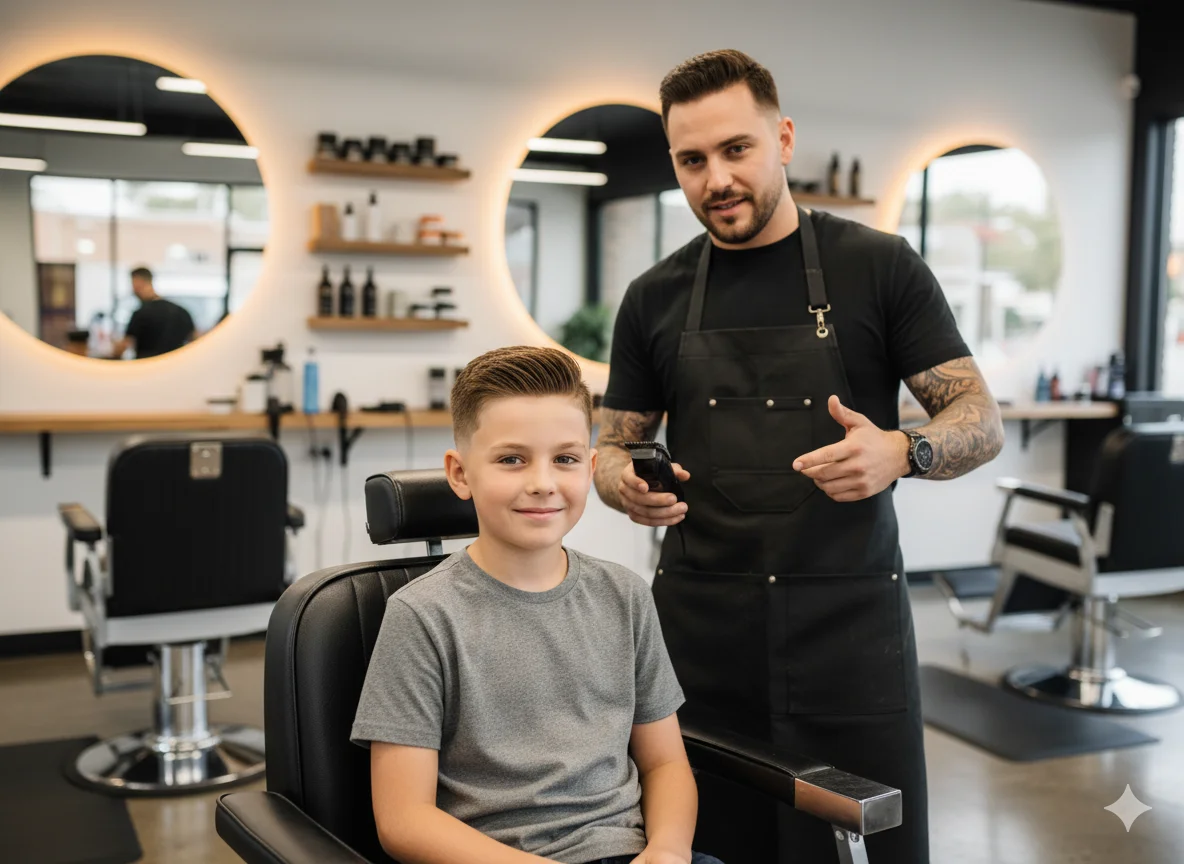
Low Fade Boys Haircut Kids: 20 Trendy & Easy Styles for 2026
Finding the perfect haircut for your little one can feel overwhelming, especially when you want something that looks sharp but does not require endless morning routines. Enter the low fade boys haircut, a game-changing style that has taken the world of children’s grooming by storm in 2026. This versatile hairstyle combines the clean lines of modern barbering with the practical needs of active kids, creating a look that works just as well on the playground as it does for family photos.
The low fade haircut for kids has become the go-to choice for parents who want their boys to look polished without the fuss. Unlike more dramatic styles, the low fade starts just above the ear and gradually tapers down, offering a subtle yet stylish transition that feels age-appropriate while still being on-trend. Whether your child has straight hair, curly locks, or anything in between, this adaptable cut can be customized to suit their unique personality and hair texture.
What makes the low fade particularly special in 2026 is its ability to grow out gracefully. While high fades and skin fades require frequent touch-ups every two to three weeks, a low fade boys haircut maintains its shape for four to six weeks, making it a budget-friendly and time-saving option for busy families. The longer intervals between barber visits mean less stress for parents and more time for kids to just be kids.
In this comprehensive guide, we will explore 20 trendy and easy low fade styles that are dominating 2026. From textured crops to side parts, each style has been carefully selected to offer both visual appeal and everyday practicality. You will discover which styles work best for different face shapes, hair types, and age groups, along with expert tips on maintenance, styling, and how to communicate your vision to your barber.
Understanding the Low Fade Boys Haircut
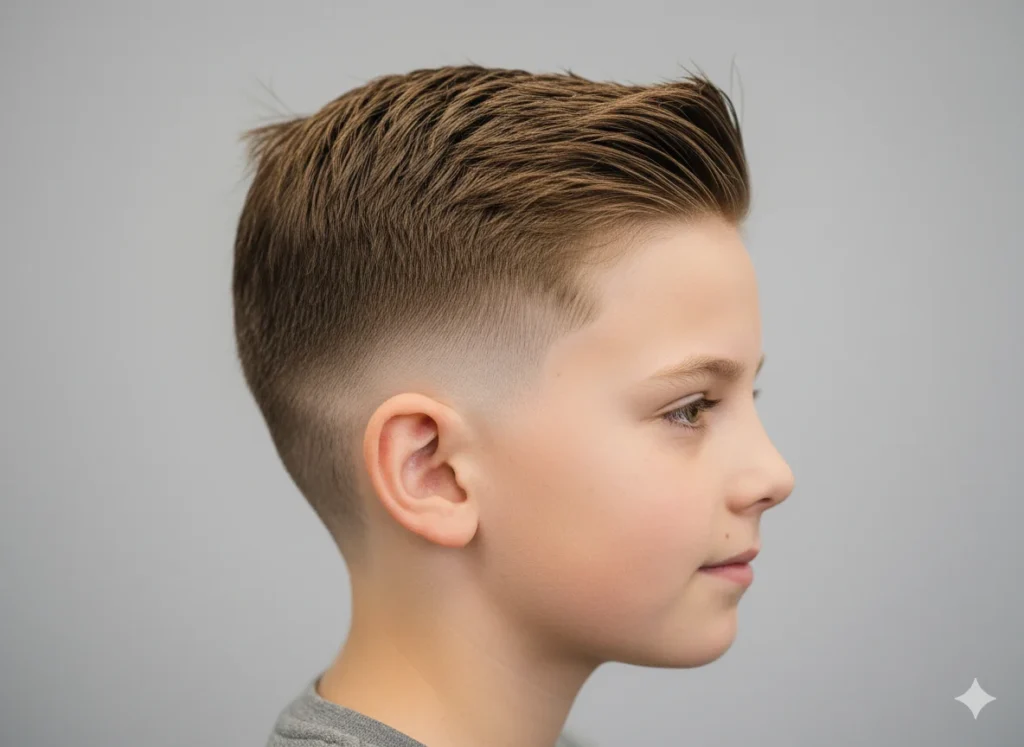
The low fade haircut is a cutting technique where hair gradually shortens from the top of the head down to the sides and back, with the fade line beginning just above the ears. This creates a seamless blend that transitions from longer hair on top to shorter hair around the neckline and temples. Unlike a high fade that starts near the crown or a mid fade that begins at the temples, the low fade offers a more conservative and subtle look that appeals to parents and kids alike.
What sets the low fade apart from a standard taper fade is the gradient effect. While both styles feature gradually shorter hair on the sides, a low fade typically creates a more pronounced contrast between the top and sides. The fade technique involves using multiple clipper guard sizes, starting with longer guards at the top of the fade and progressively moving to shorter guards as you approach the natural hairline. This precision cutting creates that signature smooth transition that defines a quality fade.
The beauty of low fade boys haircuts lies in their adaptability. The top can be styled in countless ways, from a textured crop with choppy layers to a sleek comb over with a defined side part. The faded sides provide a clean canvas that makes any top style look more intentional and polished. For active boys who participate in sports or outdoor activities, the short sides keep them cool and comfortable while the longer top allows for personal expression.
In terms of maintenance requirements, the low fade strikes an ideal balance. The fade itself stays relatively neat as it grows out because the transition point is lower on the head. This means the grow-out phase is less noticeable compared to high fades or skin fades, where new growth creates obvious lines within days. Most low fade haircuts look fresh for about four weeks, though some parents choose to extend this to five or six weeks depending on their child’s hair growth rate and the desired level of polish.
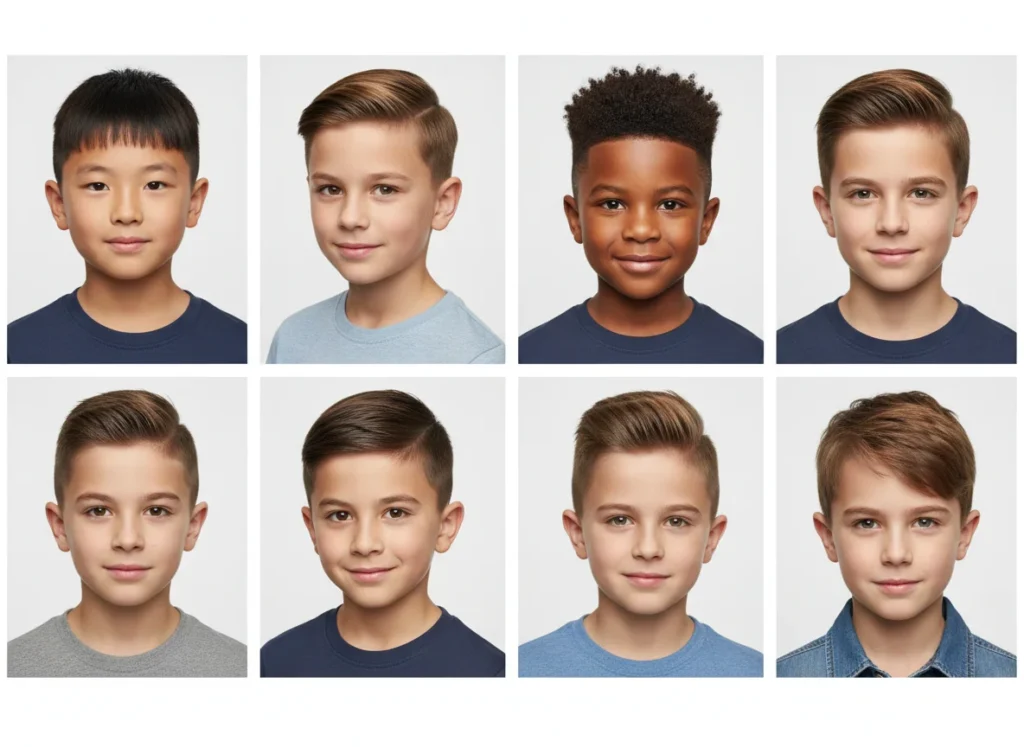
20 Trendy Low Fade Styles for Boys in 2026
1. Low Fade with Textured Crop
The textured crop paired with a low fade is arguably the most popular boys haircut of 2026. This style features choppy, layered hair on top that creates natural movement and volume, while the low fade sides keep the overall look clean and structured. The texture on top helps hide cowlicks and uneven growth patterns, making it ideal for boys with fine to medium hair. Styling requires minimal effort, just a small amount of lightweight styling cream worked through damp hair and air-dried for a natural finish.
2. Low Fade Side Part
A timeless choice that never goes out of style, the side part low fade combines classic barbering with modern edge. The hair on top is left long enough to create a defined side part, which can be combed neatly for formal occasions or tousled for a more relaxed everyday look. This style works exceptionally well for school photos and special events while remaining practical for daily wear. Boys with straight or slightly wavy hair will find this style holds its shape beautifully with just a quick comb-through.
3. Low Fade with Curly Top
Boys with naturally curly hair can embrace their texture with a low fade curly top. The faded sides create a sharp contrast that makes the curls on top stand out even more, celebrating natural volume and definition. This style requires minimal styling, just a leave-in conditioner or curl-defining cream to keep the curls hydrated and bouncy. The low maintenance nature of this cut makes it perfect for active kids who want to look great without spending time in front of the mirror.
4. Low Fade Comb Over
The comb over fade offers a sophisticated look that works for both casual and formal settings. Hair on top is swept to one side, creating volume and dimension, while the low fade keeps the sides neat and contemporary. This versatile style can be dressed up with a light-hold pomade for special occasions or left natural for everyday activities. The comb over particularly suits boys with thick hair who need a style that manages volume while maintaining shape.
5. Low Fade Buzz Cut
For the ultimate in low-maintenance styling, the buzz cut low fade combines simplicity with style. The top is kept uniformly short while the sides fade down even shorter, creating subtle dimension without requiring any daily styling. This practical haircut is ideal for summer months, sports activities, or boys who prefer a no-fuss approach to grooming. The clean lines and minimal upkeep make it a favorite among both kids and parents.
6. Low Fade with Fringe
The textured fringe with low fade is trending heavily in 2026, offering a youthful and playful appearance. The fringe can be styled forward to frame the face, or swept to the side for variation. This style works particularly well for boys with oval or rectangular face shapes as it helps balance facial proportions. Styling involves applying a small amount of texturizing spray and using fingers to shape the fringe naturally.
7. Low Fade Quiff
For older boys ready for a more mature style, the low fade quiff delivers fashion-forward appeal. The top is left longer and brushed upward and back, creating height and volume that draws attention. The low fade sides provide a clean foundation that makes the quiff really pop. This style does require some daily maintenance with blow-drying and a medium-hold styling product, but the confident, polished look is worth the extra effort.
8. Low Fade French Crop
The French crop features a blunt fringe and short textured top that creates a modern, edgy appearance. Combined with a low fade, this style offers easy maintenance while looking intentionally styled. The horizontal fringe helps shorten the appearance of longer foreheads, making it a flattering choice for various face shapes. Boys with straight or fine hair will find this cut holds its shape naturally without heavy products.
9. Low Fade with Messy Top
Embracing the tousled, lived-in look, the messy top low fade is perfect for creative kids who want an effortless style. The top is cut with layers and texture that allows for natural movement, while the clean fade keeps the overall appearance intentional rather than unkempt. This style practically styles itself, just run fingers through damp hair and let it air-dry for that perfect casual-cool vibe.
10. Low Fade Slicked Back
A polished and sophisticated option, the slicked-back low fade works beautifully for formal events and everyday wear alike. Hair on top is combed straight back with a light-shine pomade, creating smooth flow and controlled volume. The low fade sides maintain the modern edge while the slicked-back top adds mature refinement. This style suits boys with thick, straight hair who can carry off a more grown-up look.
11. Low Fade Mohawk
For boys who want to make a bold statement, the low fade mohawk offers edge without being too extreme. The center strip is left longer and can be styled upward into spikes or worn naturally for a softer interpretation. The low fade on the sides keeps the look school-appropriate while still allowing for creative expression. This style works best with medium to thick hair that can hold volume and shape.
12. Low Fade with Defined Part
Taking the side part to the next level, this style features a shaved hard part that creates a crisp, defined line. The low fade complements the precision of the part, resulting in a clean, structured appearance. This attention-grabbing detail adds personality while remaining age-appropriate and professional-looking for school settings.
13. Low Fade Ivy League
A preppy classic, the Ivy League cut with low fade offers timeless appeal with modern execution. Slightly longer on top than a traditional crew cut, this style can be parted or swept to the side. The low fade adds contemporary edge to this refined, gentlemanly haircut that works equally well in the classroom or at family gatherings.
14. Low Fade Pompadour
The mini pompadour gives young boys a taste of vintage-inspired style with a modern twist. Hair on top is brushed back and up, creating height at the front, while the low fade sides keep the look grounded and age-appropriate. This style requires some styling with a blow dryer and light-hold product, but the confident, stylish result makes it worth the effort.
15. Low Fade with Natural Texture
Celebrating natural hair patterns, this style keeps the top long enough to show off waves or loose curls while the low fade provides structure. Minimal styling is required, just enhance natural texture with a sea salt spray or leave-in conditioner. This effortless look is perfect for boys who want style without the styling commitment.
16. Low Fade Crew Cut
The modern crew cut with low fade updates a classic with contemporary edge. The top is kept short but with enough length to add subtle texture, while the low fade creates a gradual transition to even shorter sides. This ultra-low-maintenance style is ideal for athletic boys or those who prefer simple grooming routines.
17. Low Fade with Long Top
For boys who want to keep more length, the long top low fade offers the best of both worlds. The top can be styled in various ways, from swept back to tousled forward, while the clean fade prevents the overall look from becoming too heavy or unkempt. This versatile option grows out gracefully and offers maximum styling flexibility.
18. Low Fade Undercut
The undercut features a distinct separation between the long top and short faded sides, creating dramatic contrast. This edgy style allows for creative freedom with the top section, which can be worn in numerous ways. The low fade makes the undercut more subtle and wearable for everyday activities while still maintaining that standout appeal.
19. Low Fade with Spiky Top
A fun, playful option, the spiky top low fade lets boys express their personality through upward-styled hair. The spikes can be achieved with a medium-hold gel or styling wax, creating texture and dimension. The low fade sides balance the volume on top, ensuring the style stays youthful rather than overwhelming.
20. Low Fade Taper
Blending the best of both techniques, the low fade taper offers an ultra-smooth transition from top to sides. This conservative choice works perfectly for younger boys or those trying a fade for the first time. The gradual blending is less dramatic than a traditional fade, making it school-friendly and parent-approved while still offering a modern, polished appearance.
Choosing the Right Low Fade for Your Child

Selecting the perfect low fade style involves considering several factors beyond just what looks cool in pictures. Your child’s hair type plays a crucial role in determining which styles will work best and be easiest to maintain. Boys with thick, coarse hair can pull off almost any low fade variation, from textured crops to slicked-back styles. The natural body in thick hair provides volume and holds styles well throughout the day.
Fine or thin hair requires more strategic styling choices. Textured crops and messy tops work wonderfully because the choppy layers create the illusion of fuller hair. Avoid styles that require slicking hair flat, as this can make fine hair appear even thinner. Instead, opt for cuts that encourage natural movement and lift at the roots.
Curly and wavy hair types shine with low fade haircuts that celebrate their natural texture. The faded sides create beautiful contrast that makes curls and waves the star of the show. Styles like the curly top fade or natural texture fade work with the hair’s inherent pattern rather than fighting against it, resulting in easier maintenance and better-looking results.
Face shape is another critical consideration when choosing a low fade style. Boys with round faces benefit from styles that add height on top, such as quiffs or pompadours, which help elongate the face. Square face shapes look great with softer, textured styles that don’t emphasize angular features. Oval faces are the most versatile and can carry almost any low fade variation successfully.
Age appropriateness matters when selecting a style. Younger children ages four to eight often do best with simpler styles like textured crops or side parts that require minimal daily styling. Older boys and tweens ages nine to twelve can handle more complex styles like quiffs or defined parts that need morning maintenance. Consider your child’s willingness to participate in their grooming routine when making style decisions.
School dress codes should always be checked before committing to a new haircut. Most schools accept low fades because they are relatively conservative compared to high fades or skin fades. However, elements like shaved designs, colored hair, or extreme length on top might violate dress code policies. When in doubt, check with your school’s handbook or ask the administration before booking the appointment.
Your child’s lifestyle and activities should inform the style choice as well. Active boys who play sports or spend lots of time outdoors often prefer low-maintenance styles like buzz cuts or crew cuts with low fades. Boys who enjoy creative expression might lean toward styles with more personality like mohawks or textured tops that allow for daily variation.
Maintaining Your Child’s Low Fade Haircut
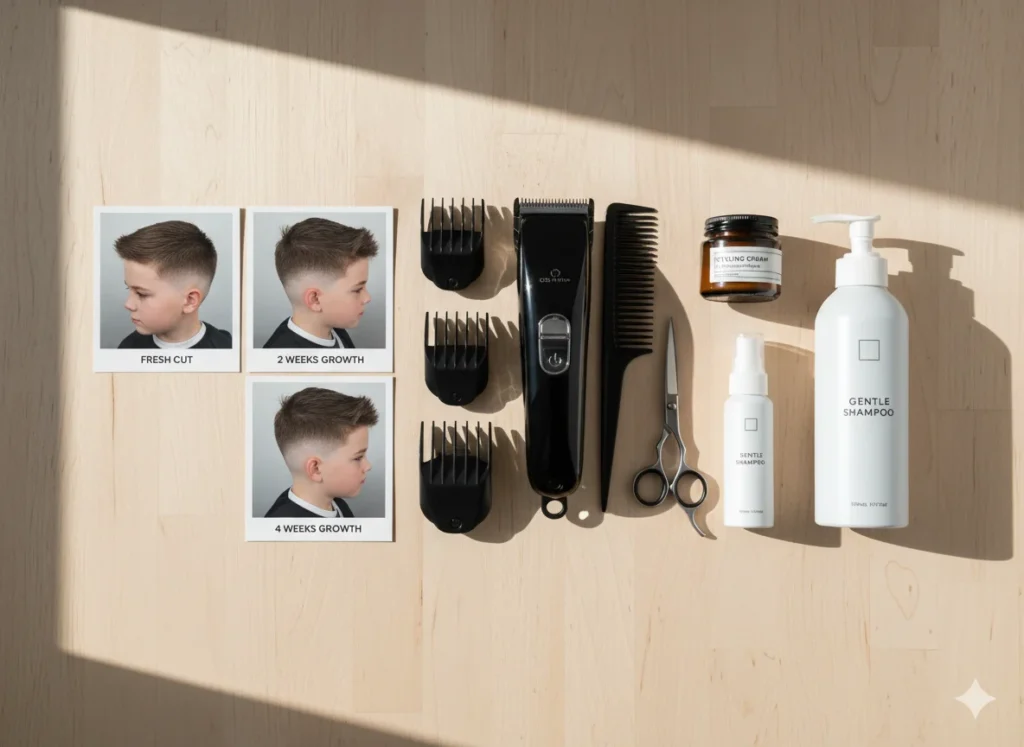
Proper maintenance ensures your child’s low fade looks fresh and intentional between barber visits. The good news is that low fades are among the most low-maintenance fade variations, but they still benefit from some basic care and attention.
Regular trims are essential for keeping the fade looking sharp. Most low fade haircuts maintain their shape for four to six weeks before needing a touch-up. During your child’s appointment, communicate clearly with the barber about your desired maintenance schedule. Some families prefer more frequent visits every three to four weeks for that consistently crisp appearance, while others stretch to six weeks when budget or schedule constraints exist.
Home care between cuts makes a significant difference in how the style looks day-to-day. Washing hair two to three times per week with a gentle shampoo keeps the scalp healthy without stripping natural oils. On non-wash days, a quick rinse with water and light styling refreshes the look. Avoid over-washing, as this can lead to dry scalp and frizzy hair that is harder to style.
Styling products should be chosen based on your child’s hair type and the specific style. Lightweight creams and texturizing sprays work well for textured crops and messy styles, providing hold without stiffness. Pomades offer more shine and control for slicked-back or side-parted looks. For most young boys, start with a pea-sized amount of product and add more only if needed. Less is almost always more when it comes to children’s hairstyling.
Teaching your child to participate in their grooming routine builds independence and ensures the style looks good even when you are not there to help. Simple techniques like running fingers through hair to create texture, using a comb to define a side part, or applying a small amount of product can be learned by most boys by age eight or nine. Make it fun rather than a chore, and praise their efforts to encourage continued engagement.
Dealing with awkward grow-out phases is part of maintaining any fade haircut. As the fade grows, it will start to lose its crisp lines, but the low fade handles this more gracefully than high or mid fades. The hair blends more naturally as it grows because the starting point is lower. If you need to stretch time between cuts, focus styling attention on the top section, which tends to look better longer than the sides.
Communicating with Your Barber

Getting the perfect low fade boys haircut often comes down to effective communication with your barber. Bringing reference photos is the single most helpful thing you can do. Choose images that show the style from multiple angles front, sides, and back so the barber has a complete picture of your vision. Pinterest, Instagram, and hairstyle websites offer endless inspiration for low fade variations.
When discussing the cut, use specific terminology rather than vague descriptions. Instead of saying make the sides short, specify I would like a low fade that starts just above the ears and tapers to a number two guard. Mention the desired fade height, guard sizes, and any special details like hard parts or texture on top.
Be clear about maintenance expectations and your child’s willingness to style their hair. If daily styling is not realistic, communicate this upfront so the barber can recommend more wash-and-go friendly styles. Similarly, if your child loves styling their hair and you are willing to invest in products and teaching, let the barber know they can suggest more complex options.
Ask questions throughout the process. A good barber will welcome inquiries about product recommendations, styling techniques, and maintenance schedules. Don’t hesitate to request small adjustments during the cut if something does not look quite right. It is much easier to make tweaks during the appointment than to try fixing issues afterward.
Benefits of Low Fade Haircuts for Boys

The low fade boys haircut offers numerous advantages that explain its enduring popularity among parents and kids. The professional appearance makes children look polished and put-together, which can boost confidence in social and academic settings. Studies have shown that when children feel good about their appearance, they tend to carry themselves with more self-assurance and positive body language.
Versatility is another major benefit. The low fade works with virtually any top style, allowing for evolution as your child’s tastes change. You can start with a simple textured crop and later transition to a side part or quiff without changing the fundamental fade structure. This adaptability means the cut grows with your child’s developing sense of personal style.
From a practical standpoint, low fades are incredibly kid-friendly. The short sides keep hair out of the face during active play, sports, and schoolwork. There is no need for constant tucking behind ears or adjusting bangs that fall into the eyes. This functional aspect makes low fades particularly popular among athletic boys and those who participate in outdoor activities.
The cool factor cannot be overstated. Low fade haircuts are genuinely trendy and modern, making kids feel current and stylish. Unlike some children’s haircuts that can look dated or too juvenile, a well-executed low fade has contemporary appeal that kids recognize and appreciate. Feeling stylish can have positive impacts on a child’s social confidence and self-perception.
Cost-effectiveness over time is another benefit worth noting. While fade haircuts require regular maintenance, the low fade variation needs touch-ups less frequently than high or mid fades. The four to six week interval between cuts means fewer trips to the barber and lower annual grooming costs compared to styles requiring weekly or biweekly maintenance.
Common Mistakes to Avoid
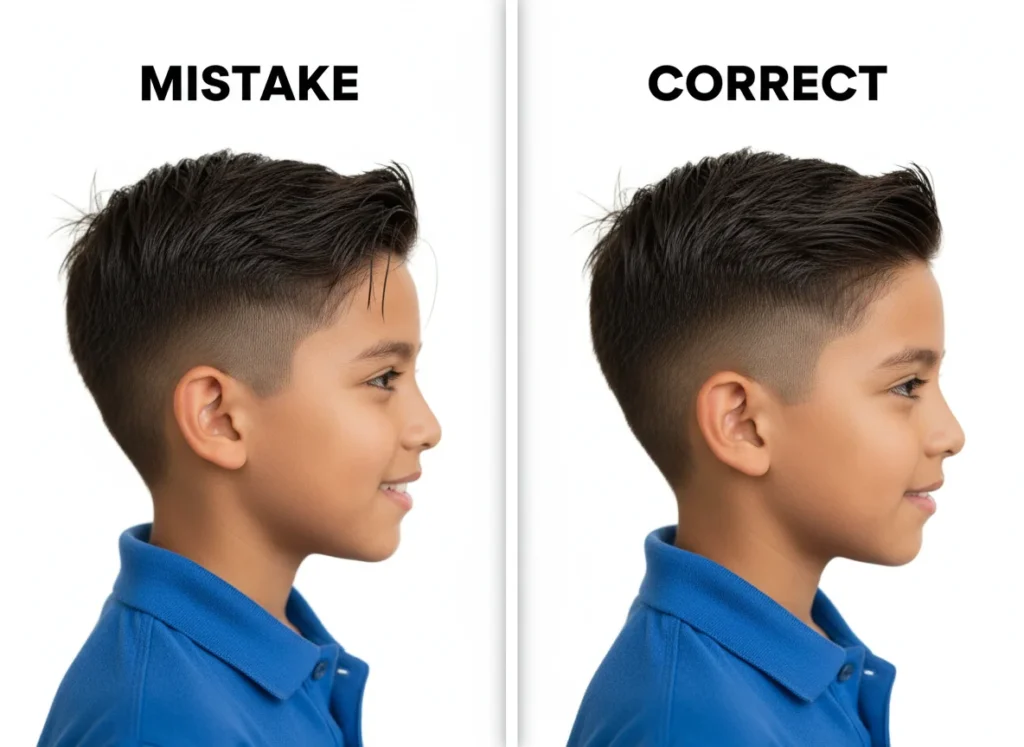
When pursuing a low fade boys haircut, several common pitfalls can lead to disappointing results. One frequent mistake is choosing a style based solely on trends without considering your child’s hair type and face shape. Just because a particular low fade variation looks amazing on a celebrity kid or in a photo does not guarantee it will work with your child’s specific hair texture and growth patterns.
Another error is neglecting to communicate maintenance expectations with the barber. If you do not plan to style your child’s hair daily, selecting a high-maintenance style like a quiff or pompadour will lead to frustration. Be realistic about your time, your child’s cooperation level, and your willingness to invest in styling products and learning techniques.
Many parents make the mistake of waiting too long between cuts, especially when trying to save money. While low fades do grow out more gracefully than other fade types, letting them go too long results in a sloppy, unkempt appearance that defeats the purpose of the polished look you were trying to achieve. Schedule the next appointment before leaving the barbershop to ensure you do not let too much time pass.
Over-styling or using too much product is a common issue with children’s haircuts. A little product goes a long way, and using excessive amounts can make hair look greasy, stiff, or unnatural. Start with small amounts and add more only if truly necessary. Remember that the goal is natural-looking style, not helmet-head.
Failing to consider school dress codes before getting the cut can create problems. Some schools have strict policies about fade heights, shaved designs, or extreme styles. Always check these policies first to avoid having to make emergency changes or dealing with dress code violations.
Conclusion
The low fade boys haircut has rightfully earned its place as one of 2026’s most popular and practical children’s hairstyles. Its unique combination of modern style, easy maintenance, and versatile application makes it suitable for boys of all ages, hair types, and lifestyles. From the textured crop that dominates playgrounds to the sophisticated side part perfect for special occasions, the twenty styles explored in this guide offer something for every young personality.
What makes the low fade particularly special is its ability to grow gracefully with your child both literally as hair grows between cuts, and figuratively as their tastes and preferences evolve. The fundamental fade structure serves as a reliable foundation that can be topped with countless variations, allowing for experimentation and personal expression while maintaining that clean, polished base.
For parents, the low fade represents the sweet spot in children’s grooming, offering enough style to make kids feel confident and current, enough practicality to fit into busy schedules, and enough flexibility to work with various budgets and maintenance preferences. The extended time between cuts compared to higher fades, combined with the style’s forgiving grow-out phase, makes it a smart choice for families seeking maximum impact with reasonable investment.
As you consider which of these twenty trendy low fade styles might work best for your child, remember that the perfect haircut is one that makes them feel good, fits their lifestyle, and aligns with your family’s values around grooming and self-care. Take time to involve your child in the decision-making process when age-appropriate, use clear communication with your barber, and maintain realistic expectations about styling and upkeep.
Whether your child gravitates toward the sporty simplicity of a low fade buzz cut, the creative expression of a textured mohawk, or the timeless elegance of a side-parted fade, the low fade boys haircut offers a foundation for confidence, comfort, and contemporary style that will serve them well throughout 2026 and beyond.
Frequently Asked Questions
Q1: How often should a low fade boys haircut be trimmed?
Most low fade haircuts maintain their fresh appearance for four to six weeks before needing a trim. However, this can vary based on your child’s hair growth rate and how precise you want the fade to look. Boys with faster-growing hair or those who prefer a consistently sharp appearance may opt for trims every three to four weeks, while others can comfortably extend to six weeks.
Q2: What is the best age to start getting a low fade haircut?
Children as young as four or five can get low fade haircuts, provided they can sit relatively still during the cutting process. However, the best age depends more on your child’s comfort level with haircuts and their willingness to participate in basic grooming routines. Younger children often do well with simpler low fade variations that require minimal styling.
Q3: Are low fade haircuts appropriate for school?
Yes, low fade haircuts are generally considered school-appropriate because they offer a neat, conservative appearance. Unlike high fades or skin fades that can appear more extreme, the subtle transition of a low fade typically complies with most school dress codes. However, always check your specific school’s grooming policy, especially regarding additional elements like shaved designs or extreme length on top.
Q4: What hair types work best with low fade haircuts?
Low fade haircuts work exceptionally well with all hair types including straight, wavy, curly, thick, and fine hair. The key is choosing a complementary top style that works with your child’s natural texture. Curly hair looks fantastic with a low fade that showcases the curls on top, while straight hair can carry sleeker styles like side parts or slicked-back looks.
Q5: How much does a low fade boys haircut typically cost?
The cost of a low fade boys haircut varies widely depending on location, barbershop reputation, and regional pricing. On average, expect to pay between fifteen to forty dollars for a quality children’s low fade. High-end barbershops in major cities may charge more, while local shops in smaller towns typically offer lower prices. Many barbershops also offer discounted pricing for children under a certain age.
You may also like this post: 15 Butterfly Haircut Long Hair Ideas That Frame Your Face Perfectly
One Comment