25 Classic Taper Haircuts: For Men to Try in 2026!
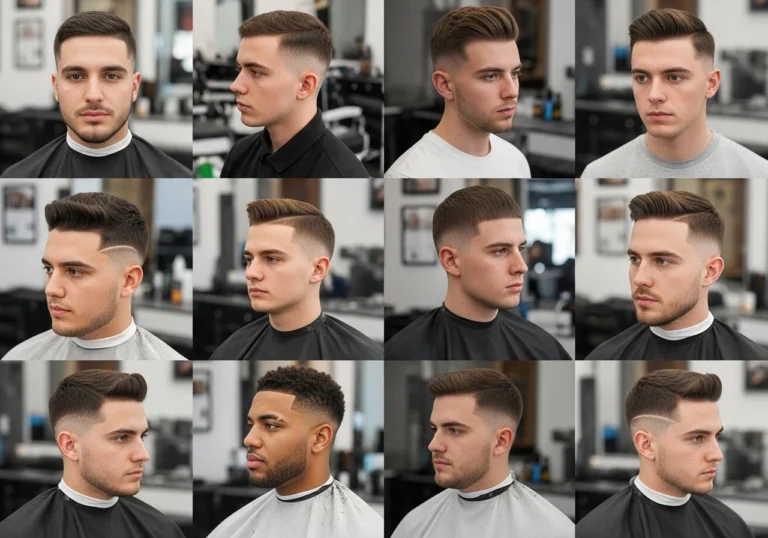
The classic taper haircuts remains one of the most enduring and versatile styles in men’s grooming. Whether you are preparing for a professional meeting or heading out for a casual weekend, this timeless haircut offers the perfect balance between sophistication and practicality. As we move through 2026, the taper haircut continues to dominate barbershops worldwide, offering countless variations that suit every hair texture, face shape, and personal preference.
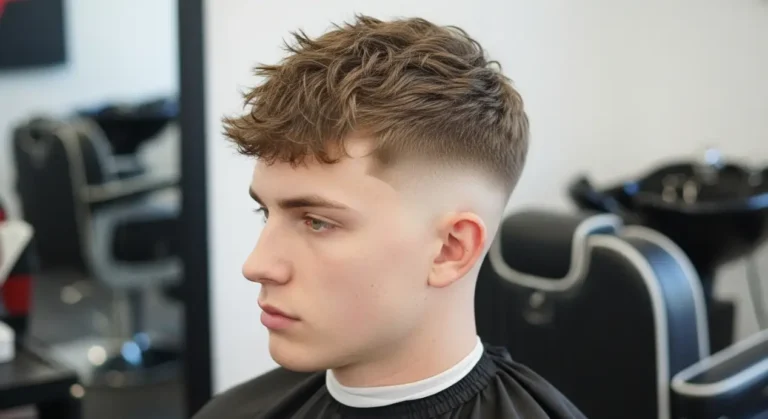
Understanding what makes the taper fade so appealing starts with recognizing its fundamental characteristics. Unlike a standard fade haircut that often cuts hair down to the skin, a classic taper maintains more length around the ears and neckline while gradually reducing hair length from the crown downward. This gradual transition creates clean edges and a polished appearance that works equally well in boardrooms and social settings.
The beauty of tapered haircuts lies in their adaptability. From the low taper fade that begins just above the ears to the high taper fade that starts near the temples, each variation offers distinct advantages. The mid taper fade strikes a perfect balance, making it one of the most requested styles among modern gentlemen who appreciate both traditional barbering and contemporary aesthetics.
1 The Traditional Classic Taper
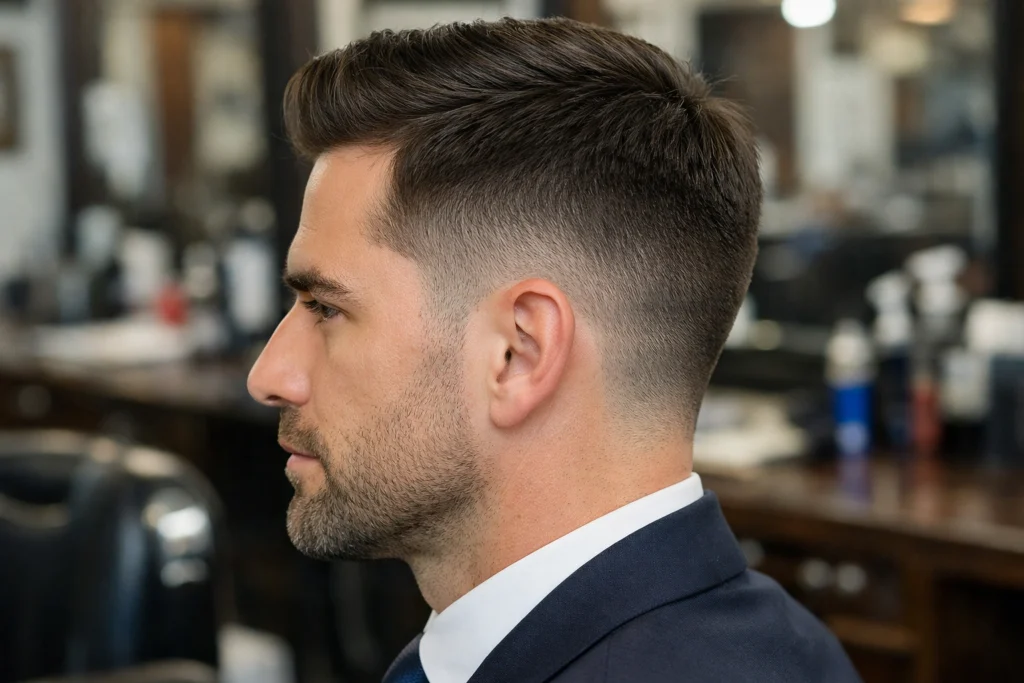
The traditional taper haircut represents the foundation of all tapered styles. This quintessential men’s haircut features short sides and back that blend seamlessly into longer hair on top, typically ranging from two to five inches. Barbers achieve this look using scissors rather than clippers exclusively, creating a natural finish that grows out evenly over time.
This style works exceptionally well for men seeking a low-maintenance option that still allows for styling flexibility. The longer top provides enough length for various looks, from a neat side part to a more relaxed, forward-swept style. The gradual fade around the ears and neckline ensures the cut remains sharp and professional throughout the growing-out process.
2 Low Taper Fade with Textured Top
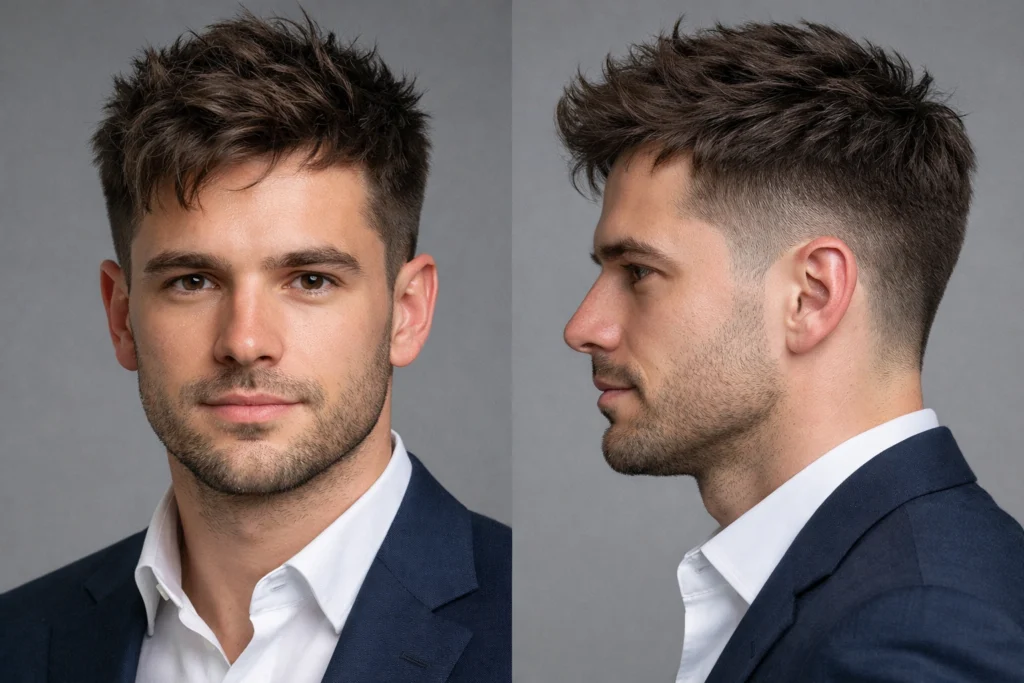
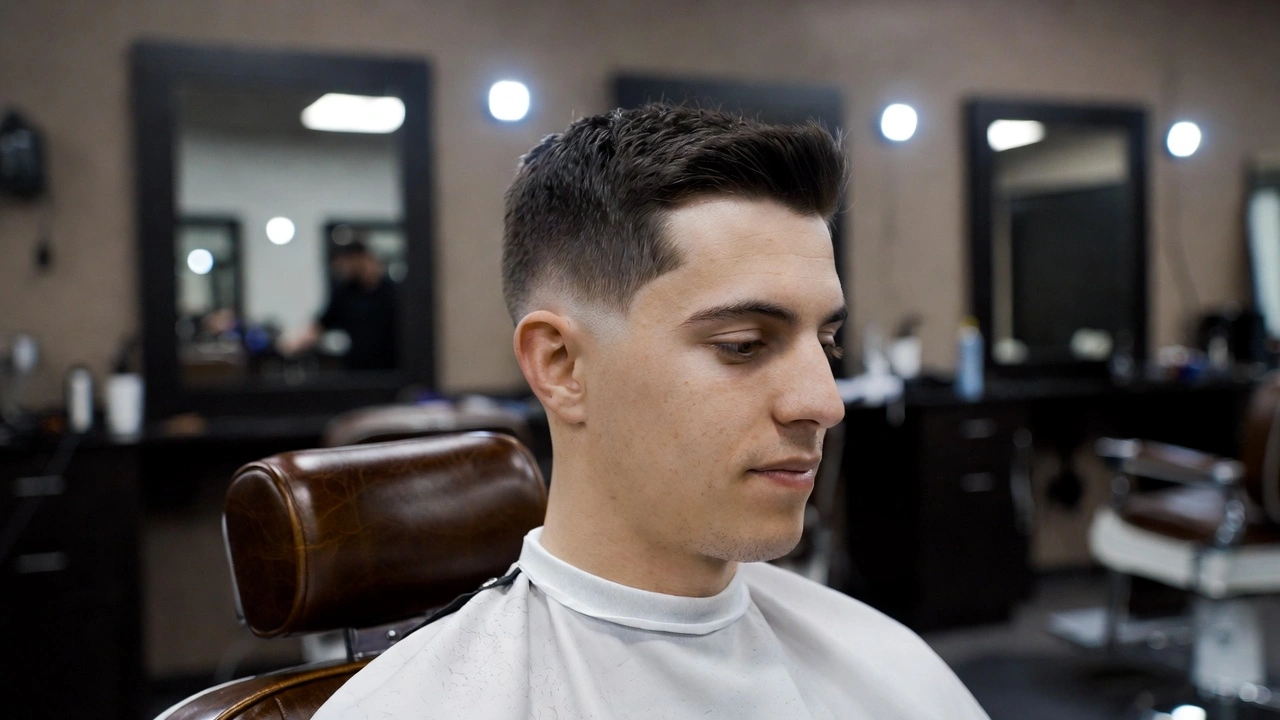
The low taper fade begins its gradual transition near the bottom of the hairline, creating a subtle yet refined appearance. When paired with a textured top, this combination delivers a modern haircut that balances professionalism with personality. The textured layers on top add dimension and movement, making this style particularly suitable for men with thick hair or those seeking added volume.
Styling this cut requires minimal effort. Apply a small amount of matte styling paste or texturizing cream to damp hair, working it through with your fingers. The low fade keeps the sides clean while the textured crown adds a contemporary edge that transitions effortlessly from office to evening events.
3 Mid Taper Fade for Maximum Versatility
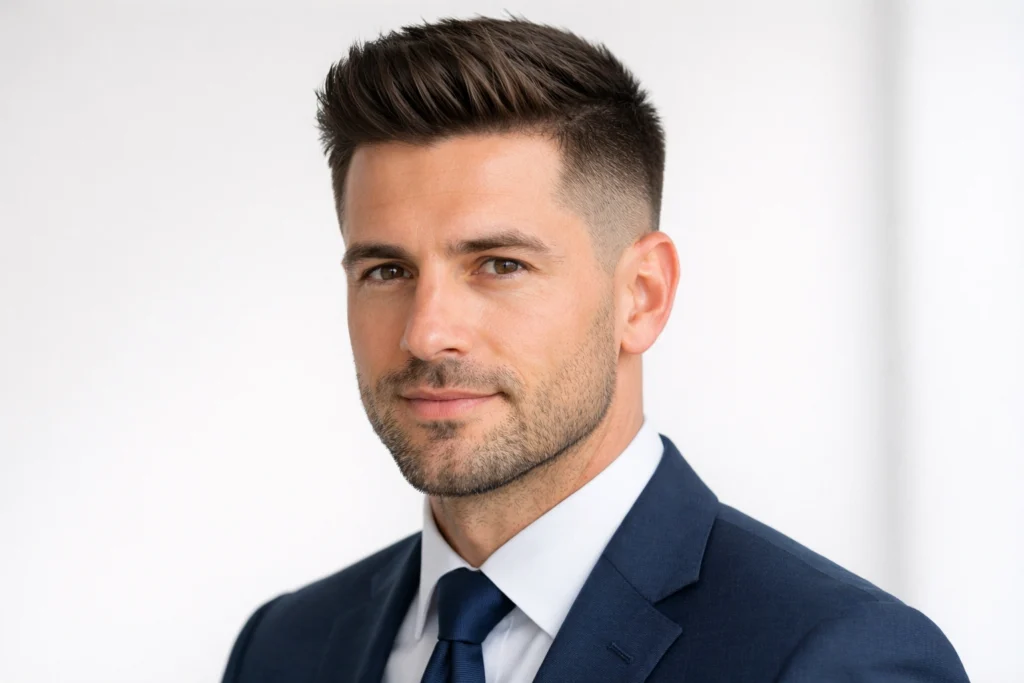
The mid taper fade represents the sweet spot for many men, starting roughly halfway up the sides of the head. This barbering technique creates a balanced look that offers more contrast than a low taper without the dramatic effect of a high fade. The mid fade works beautifully with various top lengths and styles, from short crop cuts to longer, flowing styles.
This variation suits virtually every face shape and hair type, making it a reliable choice for men exploring tapered haircuts for the first time. The blended sides provide a clean-cut appearance while maintaining enough length to avoid frequent barbershop visits. Most men find they can extend the time between trims to three or four weeks while still looking sharp.
4 High Taper Fade for Bold Definition
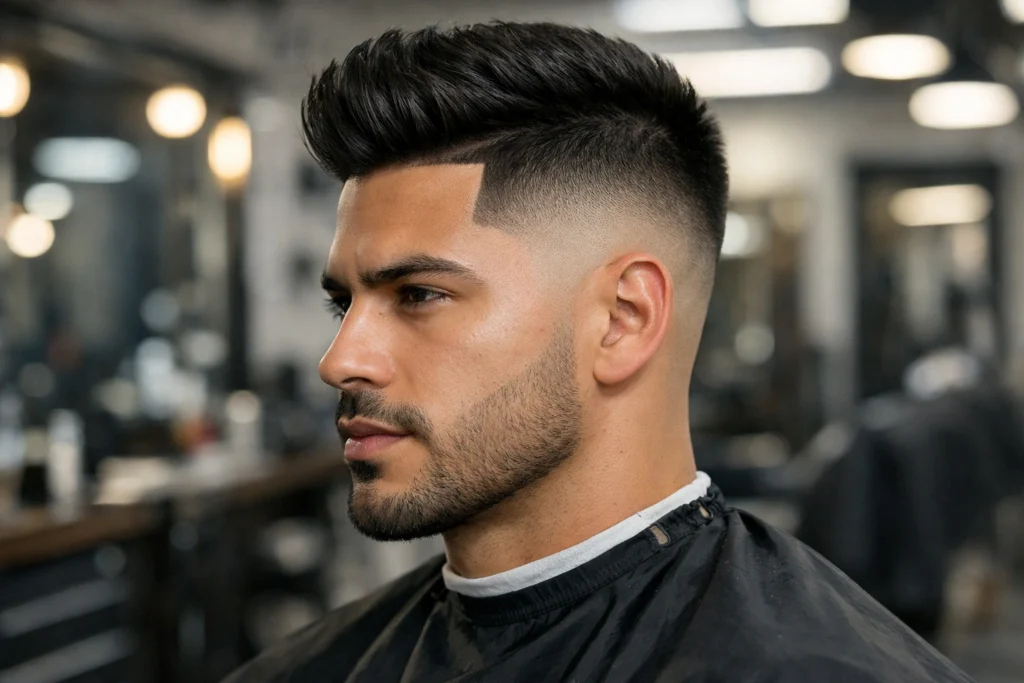
For men seeking a statement-making haircut, the high taper fade delivers exceptional impact. This bold cut begins the fade process high on the head, often near the temples, creating dramatic contrast between the short sides and longer top. The high fade emphasizes facial features and draws attention to the styled crown, making it perfect for showcasing textured quiffs, pompadours, or other voluminous styles.
The high taper requires more frequent maintenance than lower variations, typically needing touch-ups every two to three weeks to maintain its crisp appearance. However, this investment pays off in visual impact, delivering a contemporary look that radiates confidence and style awareness.
5 Skin Taper Fade
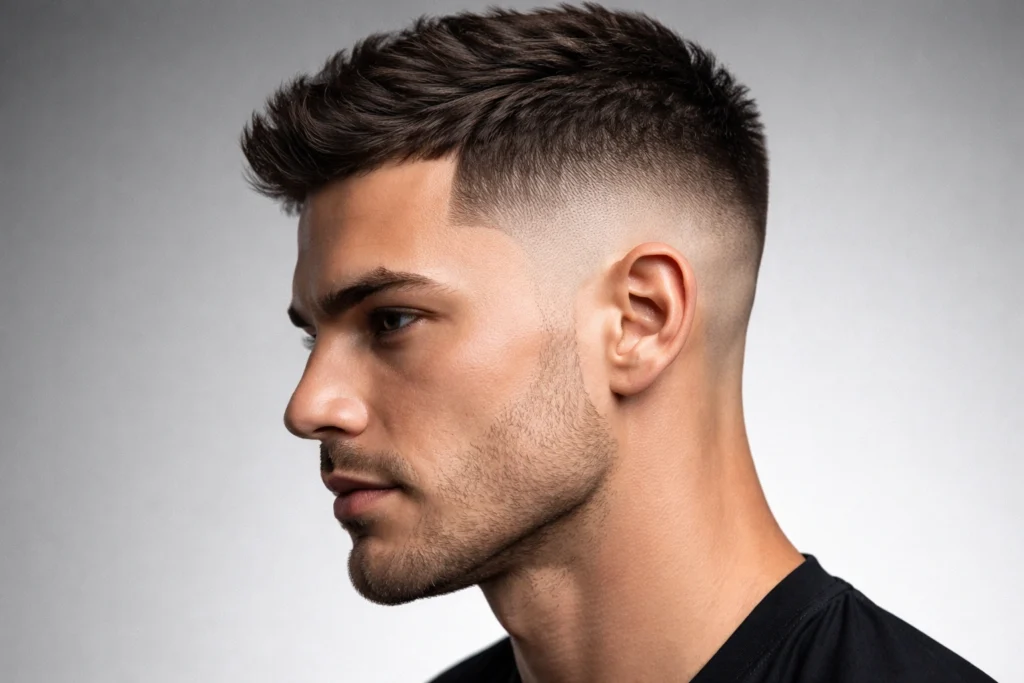
The skin taper fade, also known as a bald fade, takes the tapering technique to its cleanest extreme. This style gradually reduces hair length until it reaches bare skin, typically around the lowest point of the fade. The result is an ultra-sharp, edgy appearance that makes a bold statement while maintaining the sophistication of a classic taper.
Achieving this look requires a skilled barber who can create smooth transitions without harsh lines. The skin fade works particularly well when paired with textured tops, slicked-back styles, or even natural curls, providing maximum contrast and visual interest. This modern haircut demands regular maintenance, usually requiring visits every two weeks to preserve its precision.
6 Classic Taper with Side Part

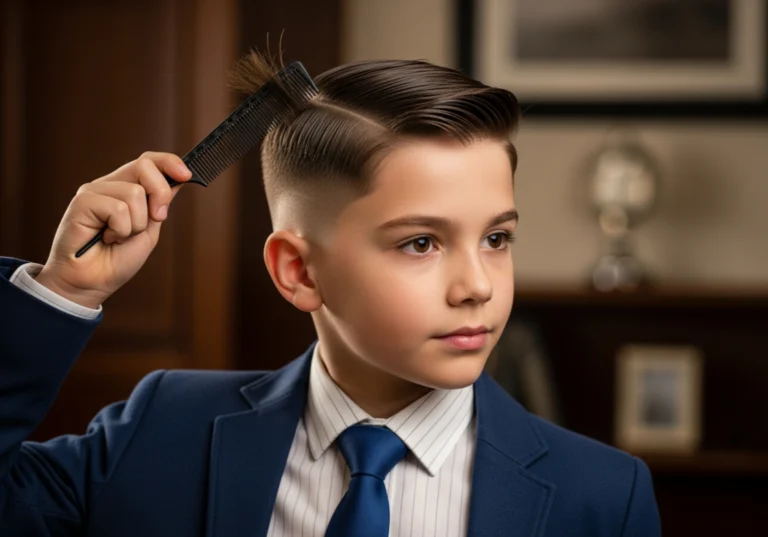
Combining a classic taper with a clean side part creates one of the most refined and elegant men’s hairstyles available. This timeless combination features tapered sides that maintain conservative length while the top is left long enough to create a distinct parting. The side part taper fade works exceptionally well in professional settings, projecting an image of competence and attention to detail.
Styling this look involves applying a strong-hold pomade to slightly damp hair, creating the part with a comb, and smoothing the hair to either side. The taper keeps the sides and back neat while the parted top adds a classic touch that never goes out of style.
7 Taper with Pompadour
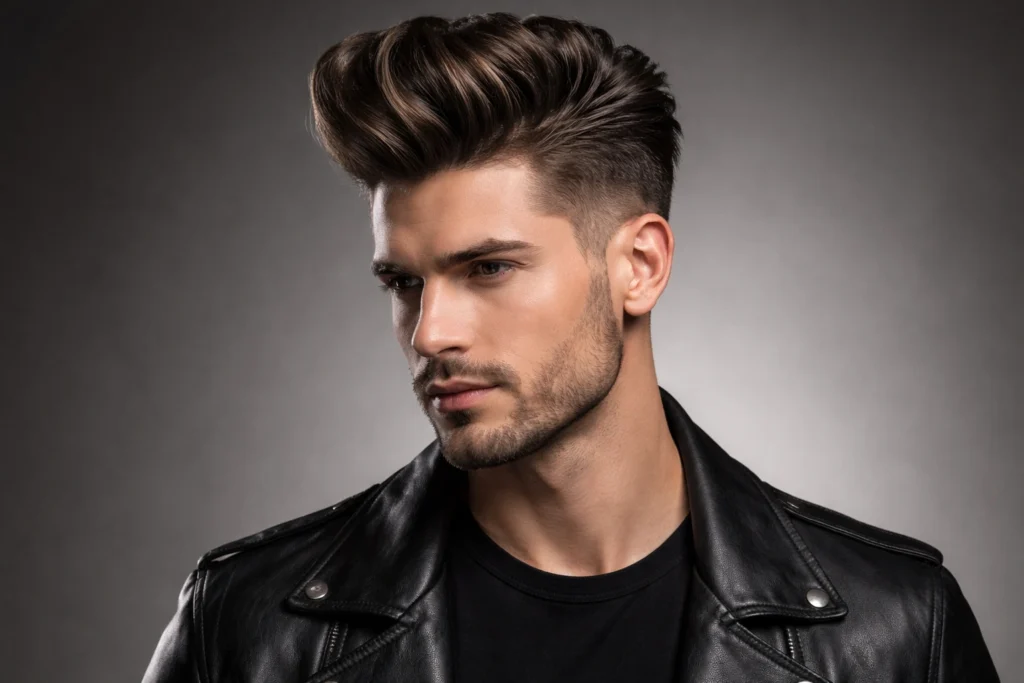
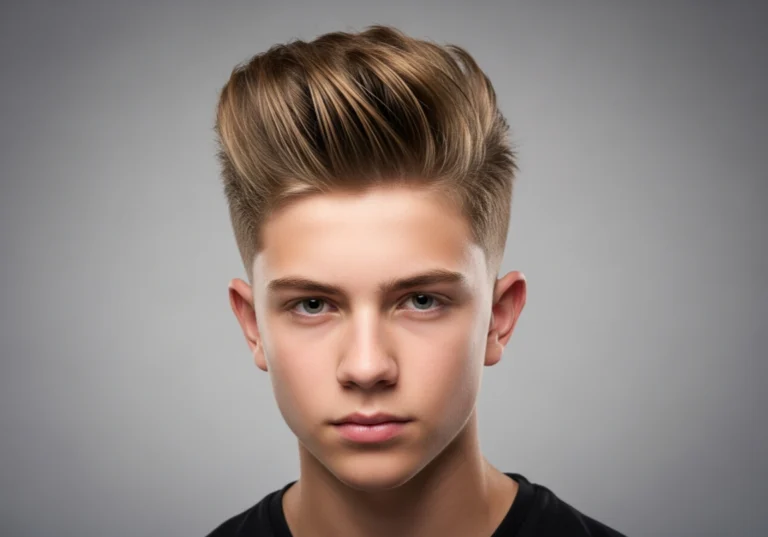
The pompadour taper represents a perfect marriage of vintage inspiration and modern precision. This style features a voluminous pompadour on top, with hair swept upward and back, while tapered sides provide a clean foundation. The contrast between the high-volume crown and blended sides creates a dramatic yet sophisticated appearance.
Creating this look requires blow-drying the top upward and back while applying high-hold pomade for structure and shine. The taper fade can be adjusted to personal preference, with lower fades offering subtlety and higher fades providing more contrast. This versatile style adapts well to both formal occasions and casual settings.
8 Textured Crop with Low Taper
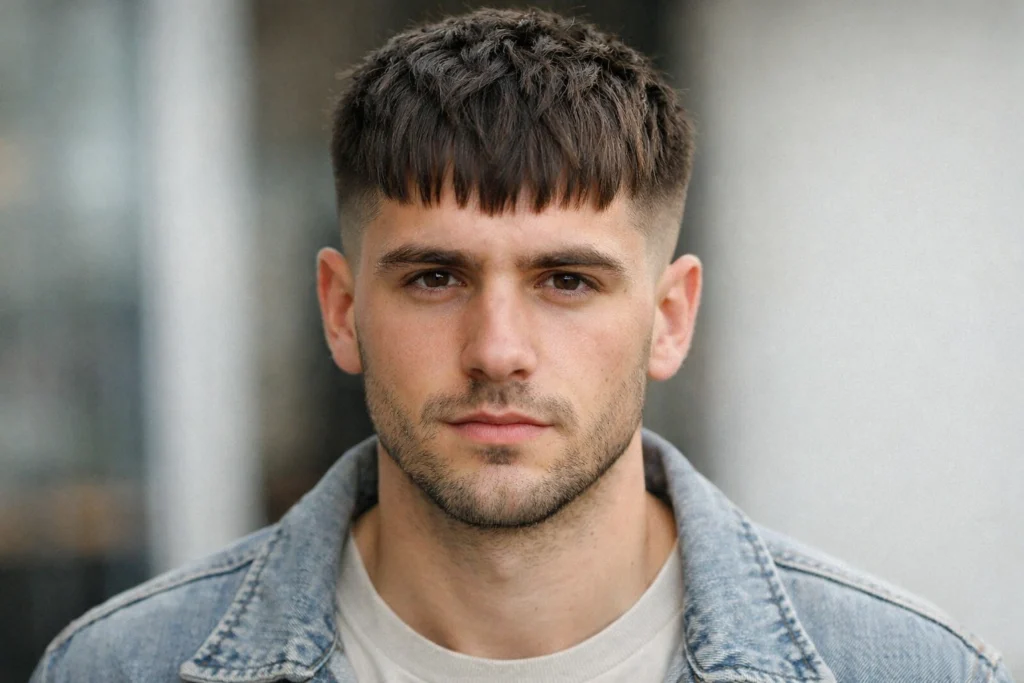
The French crop or textured crop combined with a low taper delivers a contemporary European-inspired aesthetic. This style features a short, textured top with a blunt fringe that hangs forward, while low-tapered sides maintain a clean perimeter. The result is a modern, sophisticated look that requires minimal styling effort.
This haircut works particularly well for men with straight to slightly wavy hair, as the natural texture enhances the crop’s character. Apply a matte clay or styling paste to create separation and definition in the textured layers, then use your fingers to shape the fringe forward or slightly to the side.
9 Taper with Quiff
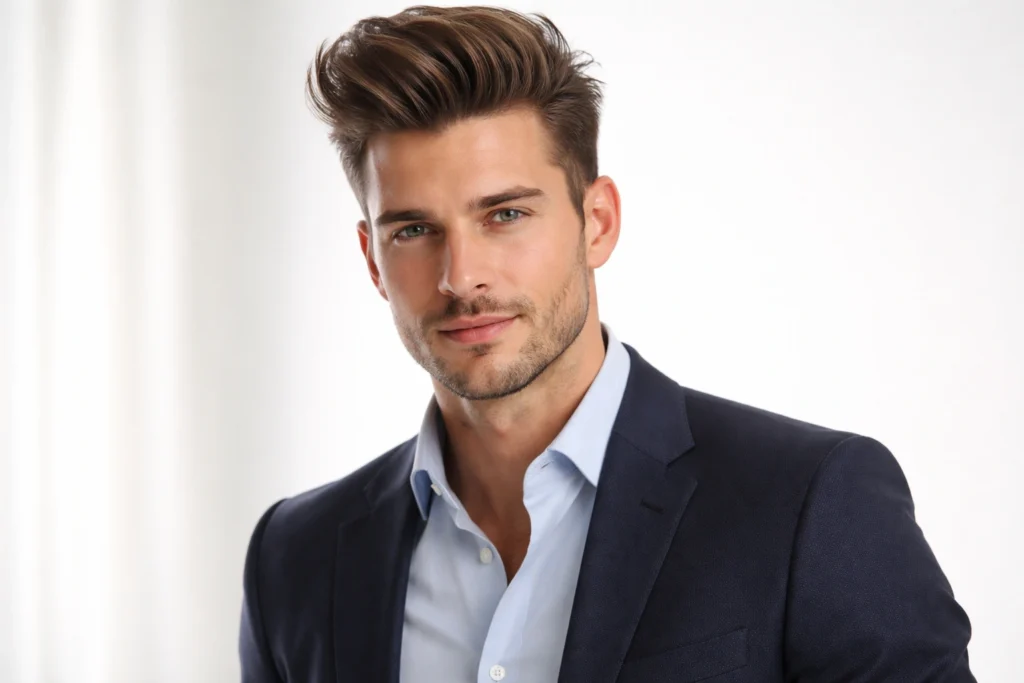
The quiff taper combines classic British styling with American barbering precision. This look features hair brushed upward and back at the front, creating height and volume, while tapered sides keep the overall silhouette balanced. The quiff offers more casual appeal than a pompadour while maintaining sophistication and style.
To achieve this look, blow-dry the front section upward and slightly back, then apply a flexible-hold styling cream or mousse to maintain lift without stiffness. The taper can be adjusted from low to high depending on how much contrast you want between the voluminous top and sides.
10 Buzz Cut with Taper
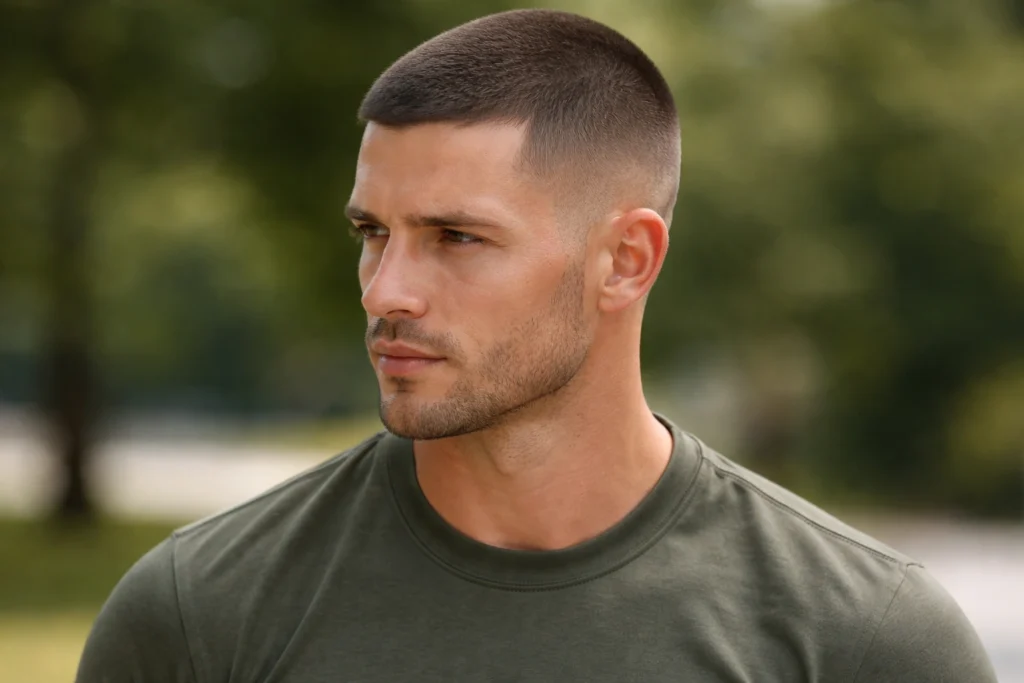
The tapered buzz cut or crew cut represents the ultimate in low-maintenance styling. This short haircut features uniformly short hair on top, typically cut with a number two or three clipper guard, while tapered sides provide a clean finish around the ears and neckline. This style is perfect for men who prefer a no-fuss grooming routine.
Despite its simplicity, the buzz cut taper requires precision to execute properly. A skilled barber ensures smooth blending between the top and sides, creating a polished look that maintains its shape as it grows. This style typically needs refreshing every two to three weeks to maintain its crisp appearance.
11 Taper Fade with Slick Back
The slicked-back taper fade exudes confidence and sophistication, combining vintage Hollywood glamour with modern barbering. This style features longer hair on top that is combed straight back, while fade haircut sides provide stark contrast. The slick back works particularly well for men with thick, straight hair that holds style throughout the day.
Creating this look requires applying a high-shine pomade or styling gel to damp hair, then combing it back smoothly. The taper fade can be executed at any height, though mid to high fades typically provide the most dramatic effect. This style projects authority and refinement in professional settings.
12 Curly Taper Fade
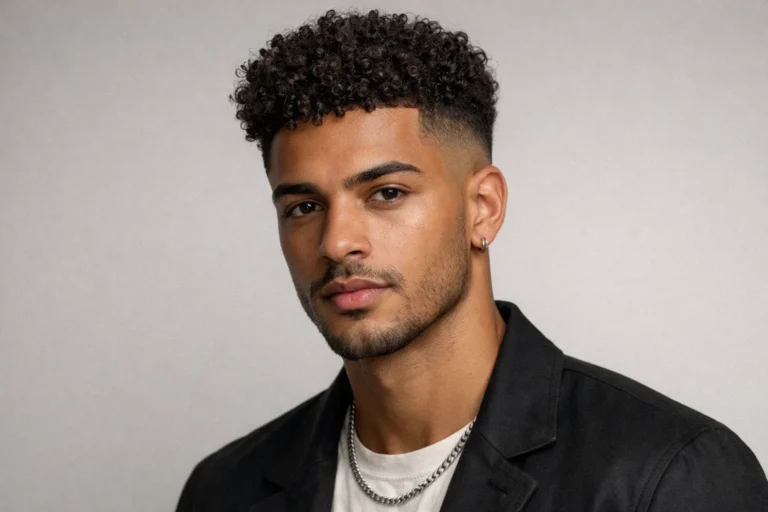
Men with natural curls find exceptional results with a curly taper fade. This style embraces the natural texture on top while using a taper or fade to reduce bulk on the sides and back. The result is a well-proportioned haircut that showcases curls without overwhelming facial features.
The taper helps manage the volume that curly hair naturally creates, providing structure and definition. Styling involves applying a curl-defining cream to damp hair and allowing curls to air-dry or using a diffuser attachment. The blended sides keep the overall look polished while the curly top maintains personality and flair.
13 Ivy League Taper
The Ivy League haircut represents American collegiate tradition refined for modern sensibilities. This classic cut features a tapered back and sides with enough length on top to create a side part or brush forward casually. The Ivy League strikes a perfect balance between conservative professionalism and approachable style.
This versatile haircut grows out gracefully, making it ideal for men who cannot maintain frequent barbershop schedules. The taper keeps hair off the ears and neckline while the top provides enough length for multiple styling options. Apply a light pomade or styling cream for hold and subtle shine.
14 Drop Taper Fade
The drop fade adds a unique twist to traditional taper fades by following the natural curve of the head, dropping lower behind the ears. This modern variation creates an arc-shaped fade that provides visual interest while maintaining the clean lines associated with tapered haircuts. The drop taper works particularly well with textured tops or natural hair patterns.
This style requires an experienced barber who understands head shape and can create smooth transitions along the curved fade line. The drop fade suits various face shapes and hair types, offering a contemporary alternative to standard straight-across fades.
15 Temple Taper Fade
The temple fade focuses tapering specifically around the temples and sideburns, creating a clean, defined look at the hairline while leaving the rest of the hair relatively untouched. This subtle variation appeals to men who want the benefits of a taper without committing to an all-around fade.
This refined approach works well for men maintaining longer styles on top who simply want to clean up the perimeter. The temple taper provides a polished appearance around the facial frame while preserving length and style options throughout the rest of the hair.
16 Taper with Faux Hawk
The faux hawk taper delivers edginess without the commitment of a traditional mohawk. This style features a strip of longer hair running from the forehead to the crown, styled upward to create height, while tapered sides provide contrast. The faux hawk offers versatility, as it can be styled up dramatically or brushed to the side for a more conservative appearance.
Creating this look involves applying strong-hold styling gel or pomade to the central section, then using fingers or a comb to push hair upward and toward the center. The taper fade can range from subtle to dramatic, depending on personal preference and lifestyle requirements.
17 Caesar Cut with Taper
The Caesar taper modernizes the ancient Roman emperor’s namesake haircut with contemporary barbering techniques. This style features a short, horizontally cut fringe on top with tapered sides and back. The Caesar cut works exceptionally well for men with receding hairlines, as the forward fringe provides coverage while maintaining style.
This low-maintenance haircut requires minimal styling effort. Apply a small amount of matte paste and brush the hair forward, allowing the fringe to fall naturally across the forehead. The taper keeps the sides clean while the textured top adds character and dimension.
18 Afro Taper Fade
The afro taper fade celebrates natural hair texture while incorporating modern barbering precision. This style maintains an afro’s volume on top while using a taper or fade to create definition around the sides and back. The result is a fresh, contemporary look that honors natural hair while providing structure.
This haircut requires a barber experienced with natural hair textures who can create smooth transitions without disrupting curl patterns. Maintenance involves regular moisturizing and edge control to keep the fade crisp while preserving the afro’s health and volume.
19 Comb Over Taper Fade
The modern comb over taper fade reimagines a classic style with contemporary precision. This look features hair combed to one side with a distinct part, while a fade creates contrast on the sides and back. Unlike traditional comb overs, the modern version emphasizes texture and volume rather than flatness.
Styling this look requires applying volumizing mousse before blow-drying the hair to the desired side, then finishing with a medium-hold styling cream. The taper fade provides a clean foundation that makes the comb over appear intentional and stylish rather than dated.
20 Disconnected Taper Fade
The disconnected taper fade creates deliberate contrast by leaving the top significantly longer than the sides, with a clear line of separation rather than a gradual blend. This bold style works well for men seeking a statement haircut that showcases personality and confidence.
The disconnected nature allows for maximum styling versatility on top, from slicked-back looks to messy texture to pompadours. The faded sides provide a clean canvas that emphasizes whatever style you choose for the crown. This haircut requires regular maintenance to preserve the distinct separation.
21 Long Hair Taper
Men maintaining longer hair can still benefit from taper techniques. The long taper keeps several inches of length on top while using tapered sides to remove bulk and maintain a clean perimeter. This combination allows men to enjoy flowing hair without appearing unkempt or overwhelming their facial features.
This style works particularly well for men with thick, straight to wavy hair. The taper provides structure and definition while the longer top offers countless styling possibilities. Apply sea salt spray for natural texture or styling cream for a more polished appearance.
22 Brush Up Taper Fade
The brush up taper fade creates a modern, casual look by styling hair upward and forward rather than back. This contemporary style works well with textured hair and provides a youthful, energetic appearance. The taper fade sides keep the look balanced and prevent the brushed-up top from appearing overwhelming.
Achieving this style involves blow-drying hair upward while it is still damp, then applying a flexible-hold product to maintain the lift without stiffness. The taper can be adjusted to personal preference, with higher fades providing more contrast and impact.
23 Taper with Hard Part
Adding a hard part to a taper haircut creates a sharp, defined line that serves as a bold style element. This shaved line typically runs from the temple back toward the crown, creating a clear separation between sections. The hard part taper appeals to men seeking a distinctive look that stands out without being overly dramatic.
This style requires professional execution, as the shaved line must be precise and well-placed to complement face shape and hairline. The hard part needs regular maintenance, typically requiring touch-ups every two weeks to maintain its crisp appearance.
24 Taper Fade Mullet
The taper fade mullet brings a controversial classic into the modern era with refined barbering techniques. This style features a tapered or faded front and sides while maintaining length in the back, creating a business-in-the-front, party-in-the-back aesthetic that has gained renewed popularity.
The modern mullet taper emphasizes texture and natural flow rather than the dramatic, permed looks of the 1980s. The fade keeps the style grounded and contemporary, while the longer back adds personality and edge. This haircut works best for men with confidence and a willingness to embrace distinctive style choices.
25 Burst Taper Fade
The burst fade creates a semi-circular fade around the ears, resembling a burst of hair. This unique variation works exceptionally well with mohawks, faux hawks, or other centered styles, as it provides dramatic contrast while maintaining a distinctive shape.
The burst taper requires an experienced barber who can create the curved fade with precision. This eye-catching style appeals to men seeking something different from standard straight-across fades, offering a contemporary twist on traditional taper haircuts.
Styling and Maintenance Tips
Regardless of which taper variation you choose, proper maintenance ensures your haircut looks its best between barbershop visits. Most tapered haircuts require professional attention every two to four weeks, depending on how fast your hair grows and how precise you want the fade to remain.
Styling products play a critical role in achieving desired looks. Matte pastes and clays work well for textured, casual styles, while pomades provide the hold and shine needed for slicked-back or polished looks. Lightweight creams offer versatile hold for styles that require both structure and natural movement.
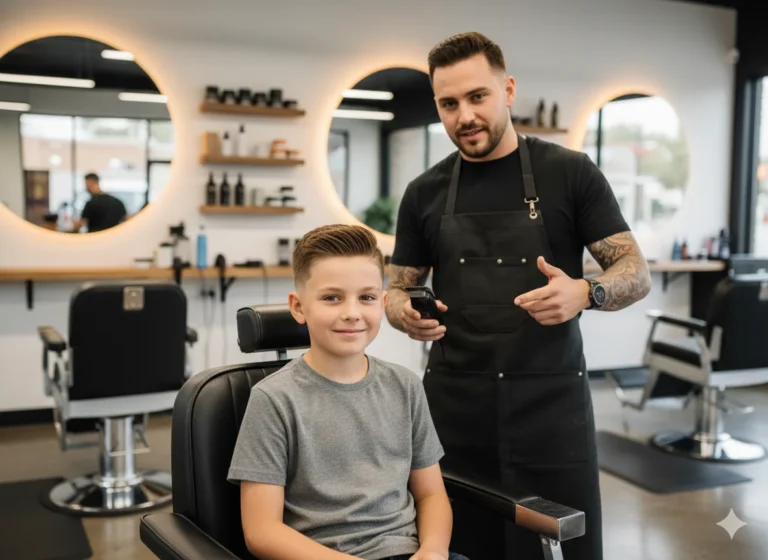
Communication with your barber is essential for achieving the perfect taper. Bring reference photos, discuss your hair type and face shape, and be clear about your maintenance commitment and styling preferences. A skilled barber will customize the taper to suit your individual needs, creating a haircut that complements your features and lifestyle.
Conclusion
The classic taper haircut continues to dominate men’s grooming in 2026 because of its unmatched versatility, timeless appeal, and adaptability to individual style preferences. From the subtle elegance of a low taper fade to the bold statement of a high skin fade, these 25 variations demonstrate that tapered haircuts offer something for every man, regardless of hair texture, face shape, or personal aesthetic.
Whether you prefer the low-maintenance simplicity of a tapered buzz cut or the sophisticated refinement of a pompadour taper, these classic styles provide a solid foundation for expressing your personal style. The key to success lies in finding a skilled barber who understands tapering techniques, communicating your vision clearly, and maintaining your haircut with appropriate products and regular trims.
As you explore these taper variations, remember that the best haircut is one that makes you feel confident and aligns with your lifestyle demands. The classic taper has endured for decades precisely because it combines professional appearance with styling flexibility, making it the perfect choice for modern men navigating both business and casual settings with equal confidence.
You may also like this post: Long Hair Layers | Best Layered Haircuts for Every Face Shape
Frequently Asked Questions
What is the difference between a taper and a fade haircut?
A taper gradually shortens hair around the ears and neckline while maintaining some length, whereas a fade cuts hair progressively shorter until it reaches the skin. Tapers offer a more conservative, gradual transition, while fades provide sharper contrast and more dramatic styling.
How often should I get my taper haircut maintained?
Most taper haircuts require professional maintenance every two to four weeks, depending on how quickly your hair grows and how precise you want the style to remain. Low tapers can last longer between visits, while high fades and skin tapers need more frequent touch-ups to maintain their crisp appearance.
What face shape works best with taper haircuts?
Taper haircuts work well with all face shapes because they can be customized to complement individual features. Oval faces suit any taper variation, while round faces benefit from higher tapers that add length. Square faces look great with textured tops and mid tapers, and heart-shaped faces pair well with low to mid tapers.
What styling products work best for taper haircuts?
Product choice depends on your desired finish and hair type. Matte clays and pastes work well for textured, natural looks, while pomades provide shine and strong hold for slicked-back styles. Lightweight creams offer versatile hold for various styles, and texture sprays add volume and grip to fine hair.
Can taper haircuts work with curly or thick hair?
Absolutely. Taper haircuts work exceptionally well with curly and thick hair because the tapered sides reduce bulk while allowing natural texture to shine on top. The gradual reduction in length creates better proportions and makes curly or thick hair more manageable while maintaining character and volume.