20 Masculine Beard Styles Every Man Should Try for a Strong Look
There is something undeniably powerful about a well-groomed beard. Throughout history, facial hair has served as a symbol of strength, maturity, and personal identity. Today, masculine beard styles continue to define a man’s overall appearance more than almost any other grooming choice. Whether you prefer a clean and structured look or a rugged, full-grown mane, the right beard can sharpen your jawline, frame your face, and communicate your personality without a single word. This guide walks you through twenty of the most compelling beard styles for men, complete with insights on grooming, face shape compatibility, and the level of maintenance each requires.
Why Facial Hair Continues to Define Men’s Grooming
Before exploring individual styles, it helps to understand why beards carry such weight in men’s personal presentation. Research in social psychology consistently shows that men with well-maintained facial hair are perceived as more mature, dominant, and socially confident. Beyond perception, a beard can work strategically with your facial structure. Men with a narrow chin can use a full beard to add width, while those with a rounder face can use a pointed goatee to create the illusion of length. Understanding your face shape is the foundation of choosing a beard that genuinely flatters your features.
The five primary face shapes commonly referenced in grooming are oval, square, round, rectangular, and diamond. Each shape pairs more naturally with certain beard styles. An oval face is the most versatile and can carry virtually any style with ease. A square face often benefits from a shorter, rounder beard that softens the jawline. A round face gains more definition from angular cuts and longer chin growth. Rectangular faces are better served by fuller sides and shorter chin lengths, and diamond-shaped faces tend to look best with a full beard that balances the narrow forehead and chin.
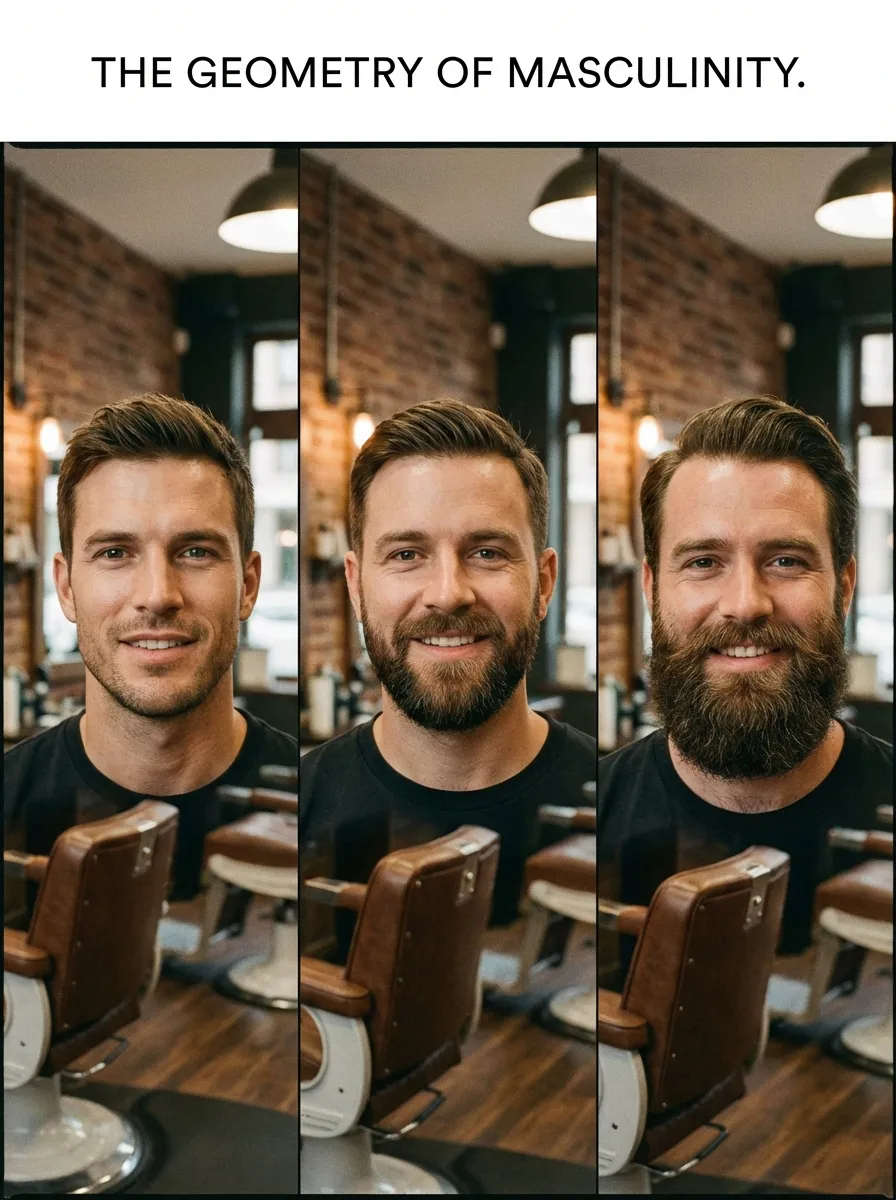
Top Beard Looks for Men Who Want a Bold, Strong Appearance
The following styles range from low-maintenance and classic to bold and statement-making. Each one offers a distinct approach to masculine grooming.
1. The Classic Full Beard
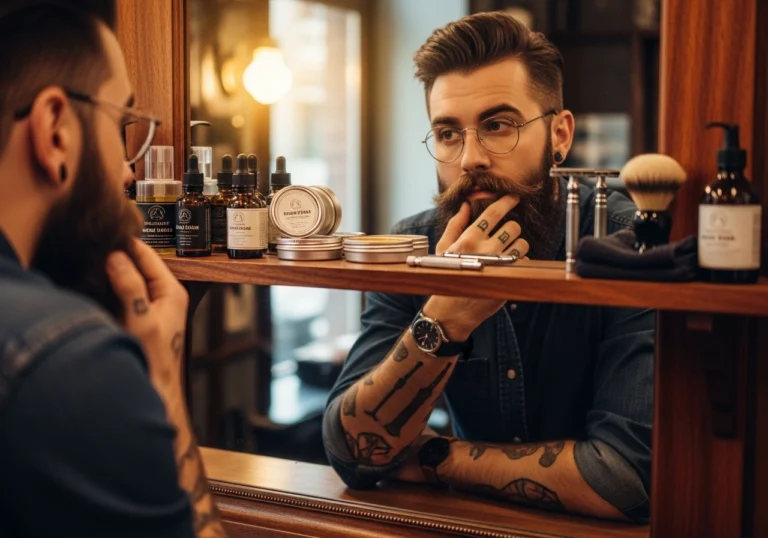
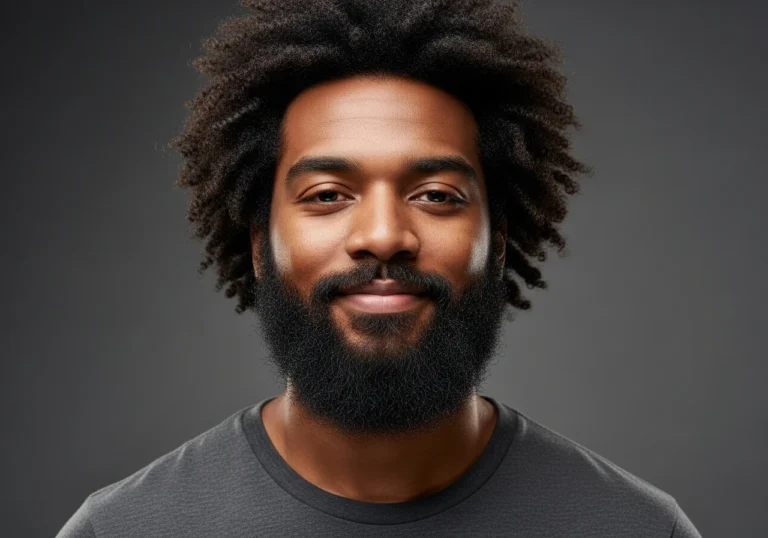
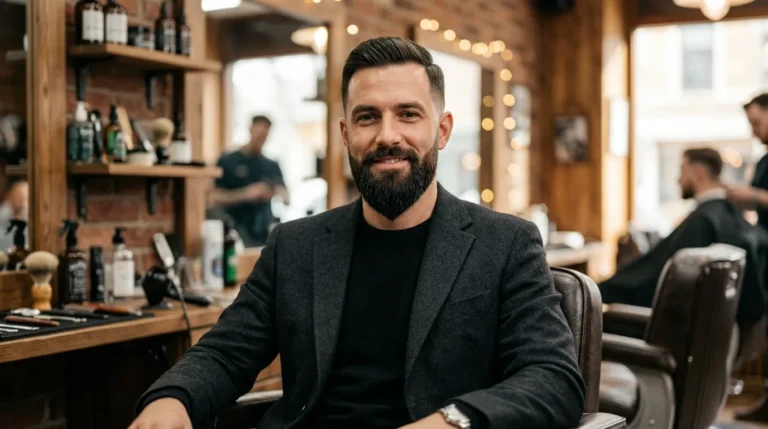
The full beard is the cornerstone of masculine facial hair. It covers the cheeks, chin, jawline, and connects seamlessly with the mustache. With regular trimming and beard oil, this style communicates authority and rugged confidence in equal measure.
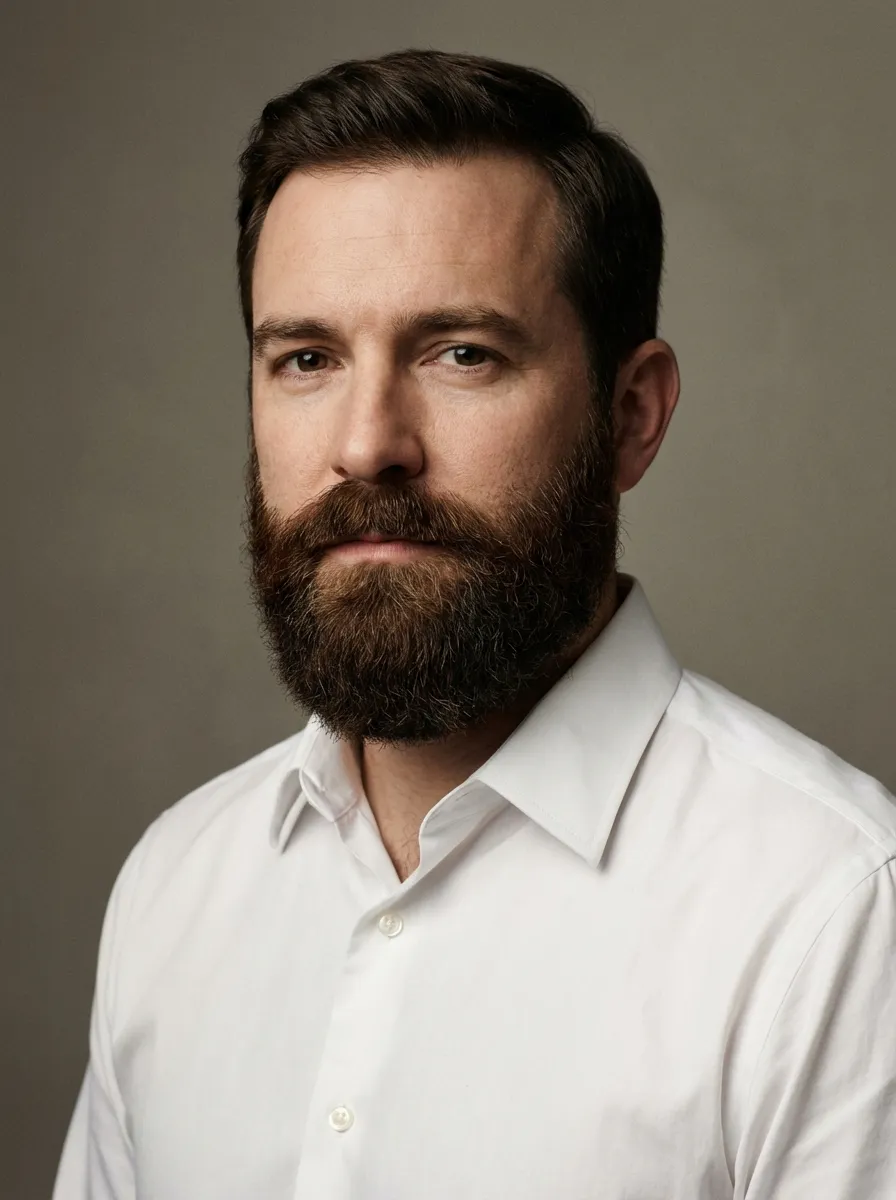
2. The Short Stubble
Often called the five o’clock shadow, short stubble is the easiest style to maintain. It takes between two to five days to achieve and works on nearly every face shape. It adds an effortlessly masculine edge without requiring significant time investment.

3. The Heavy Stubble
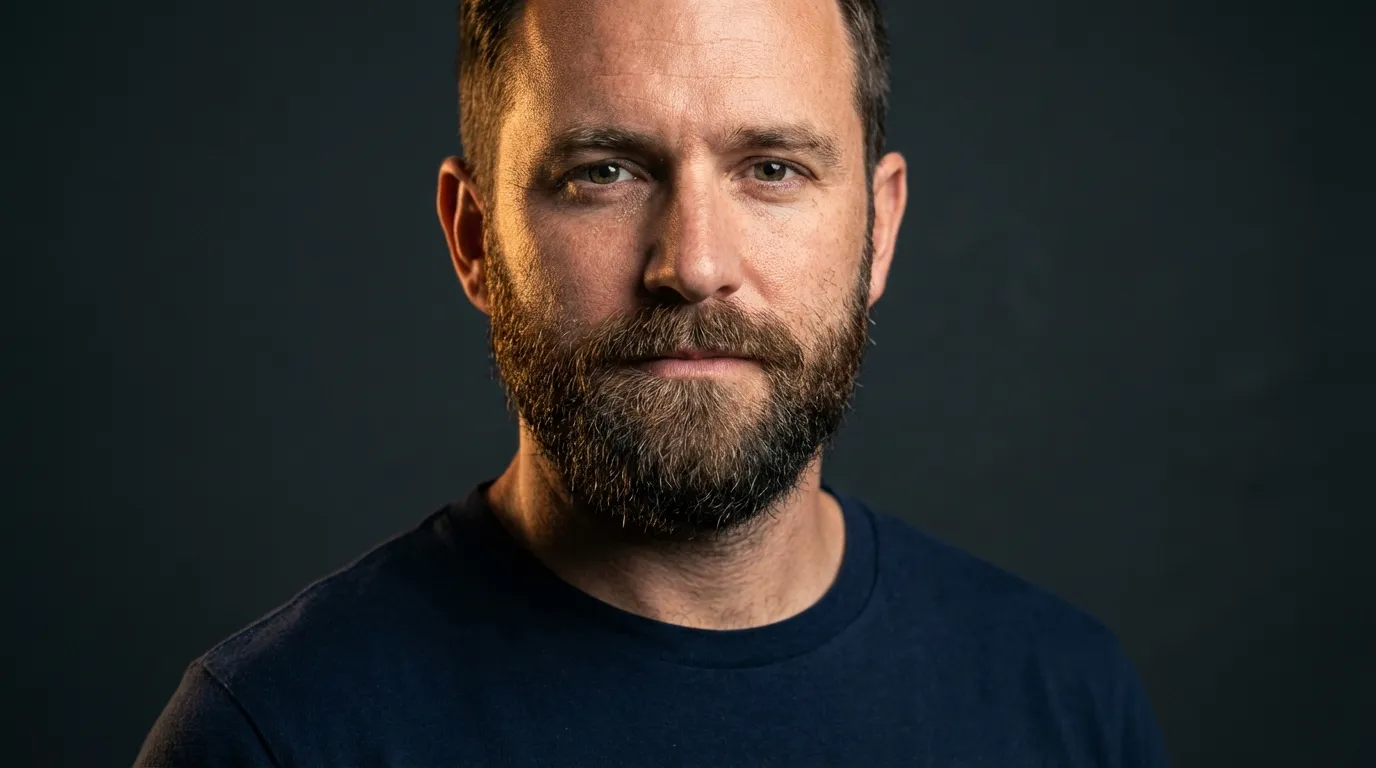
Longer than light stubble but shorter than a full beard, heavy stubble sits at around three to five millimeters in length. It combines the low-maintenance appeal of scruff with a slightly more defined, intentional look.
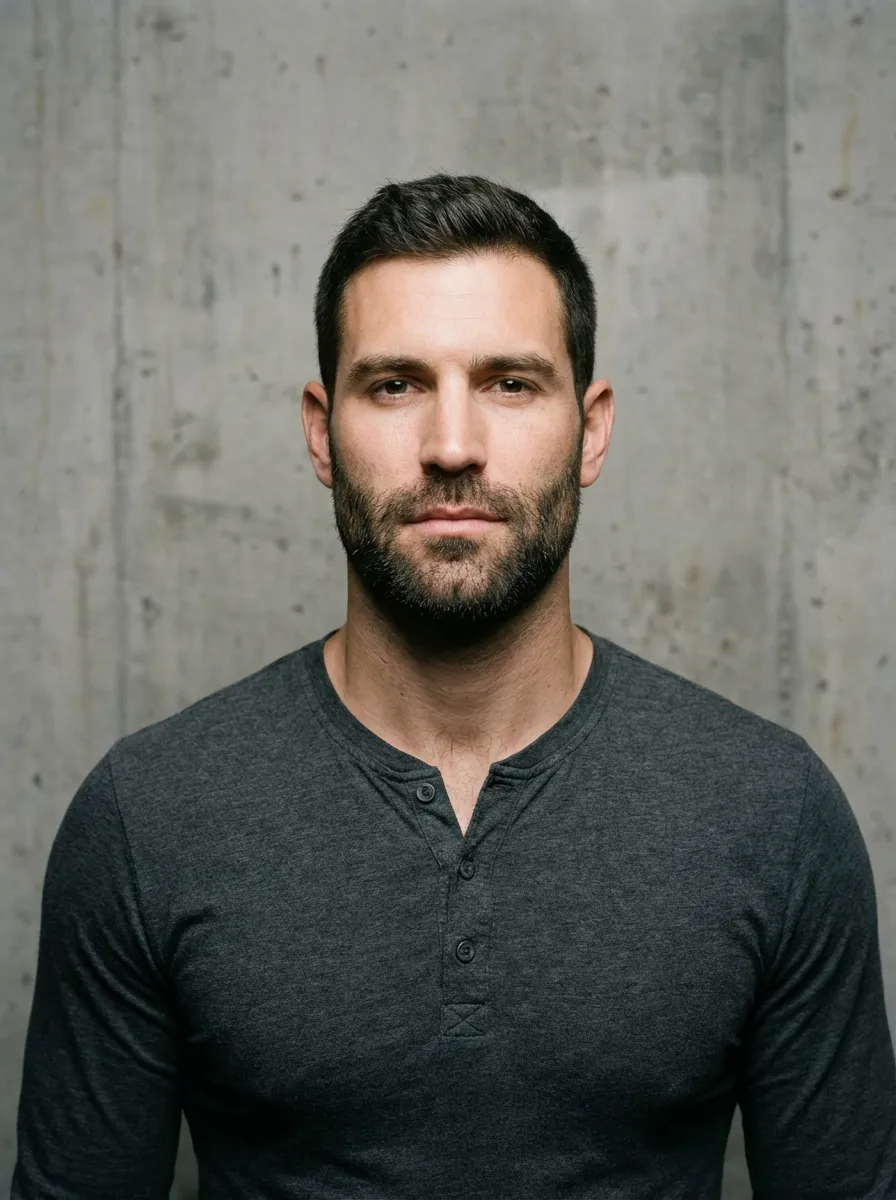
4. The Van Dyke Beard
Named after the seventeenth century Flemish painter Anthony van Dyck, this style pairs a pointed goatee with a disconnected mustache, leaving the cheeks clean-shaven. It projects sophistication with a sharp, artistic edge, making it ideal for men with oval or oblong face shapes.
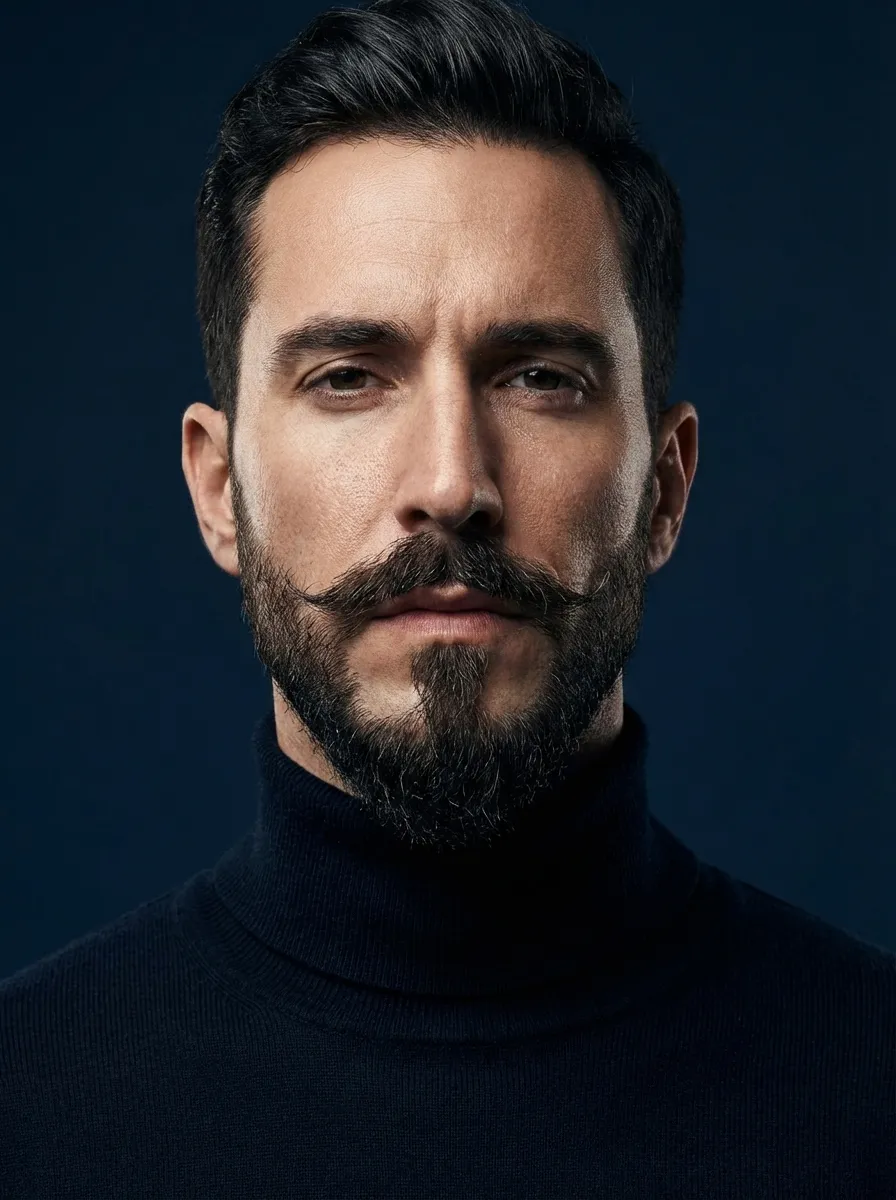
5. The Ducktail Beard
The ducktail is a full beard shaped into a pointed tip at the chin, resembling the tail of a duck. The cheeks and sides are kept shorter and neatly trimmed, while the chin area is allowed to grow longer. It sits at the intersection of rugged and refined.
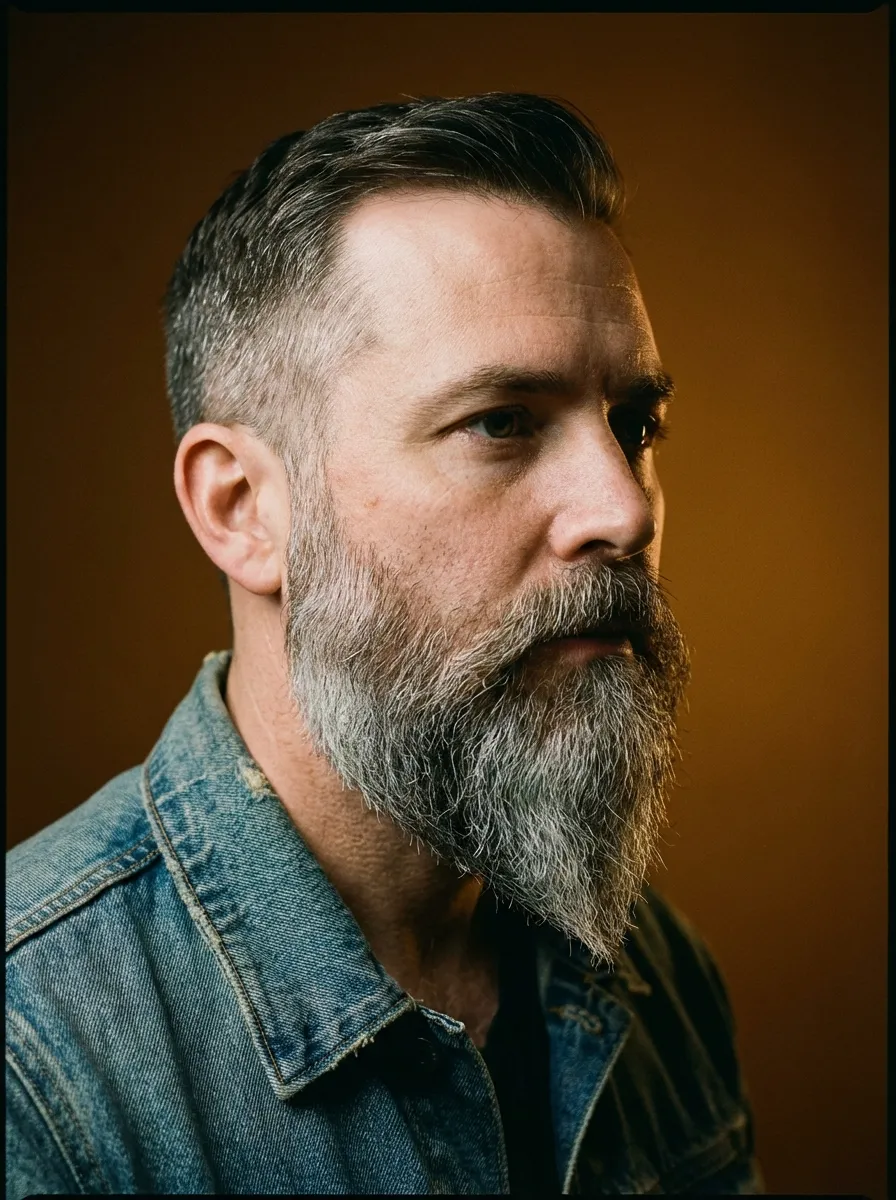
6. The Garibaldi Beard
Inspired by the nineteenth century Italian general Giuseppe Garibaldi, this style features a wide, full beard with a rounded base. It typically grows between six to eight inches and carries a natural, slightly untamed look that suits men who prefer an outdoorsy, commanding presence.
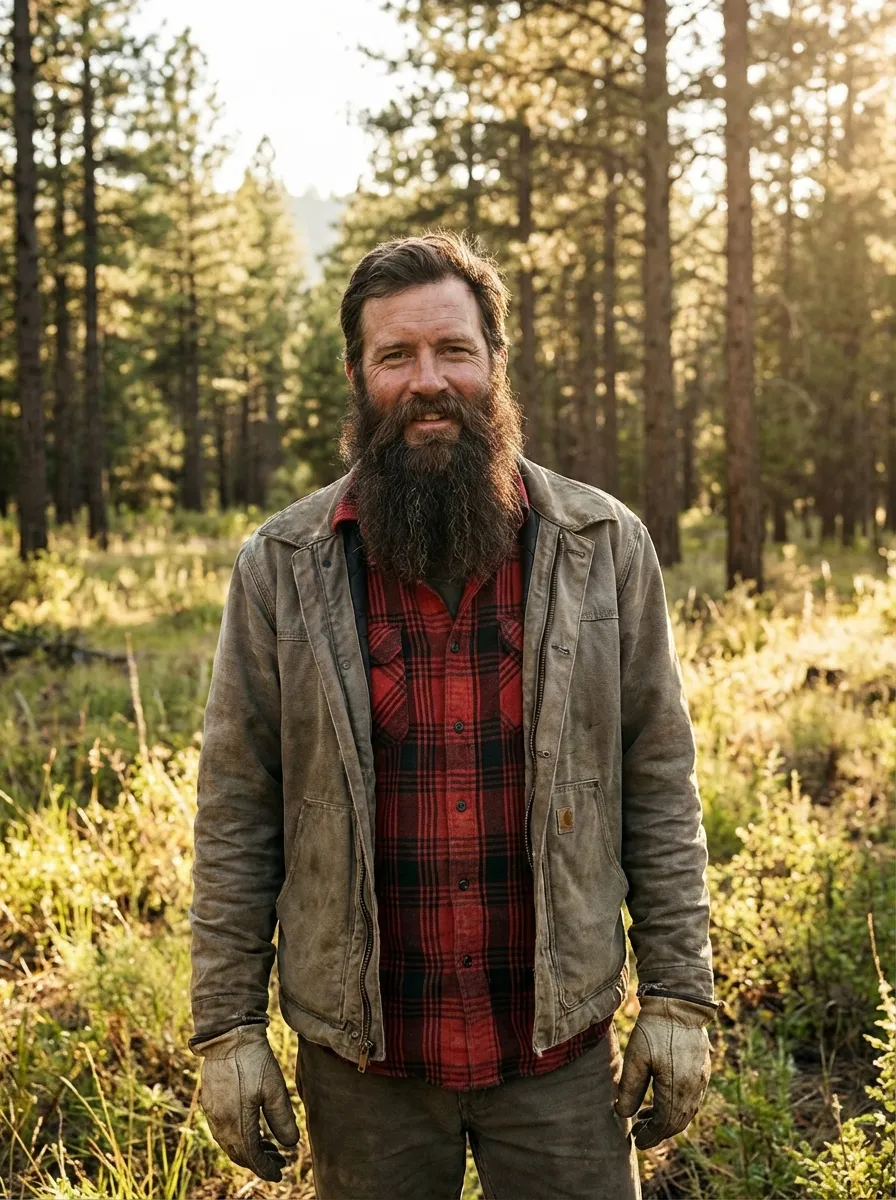
7. The Bandholz Beard
Made popular by Eric Bandholz, founder of Beardbrand, this style involves letting the beard grow naturally beyond six inches without trimming the shape aggressively. It pairs well with a full mustache and projects an unapologetically bold, lumberjack-inspired look.
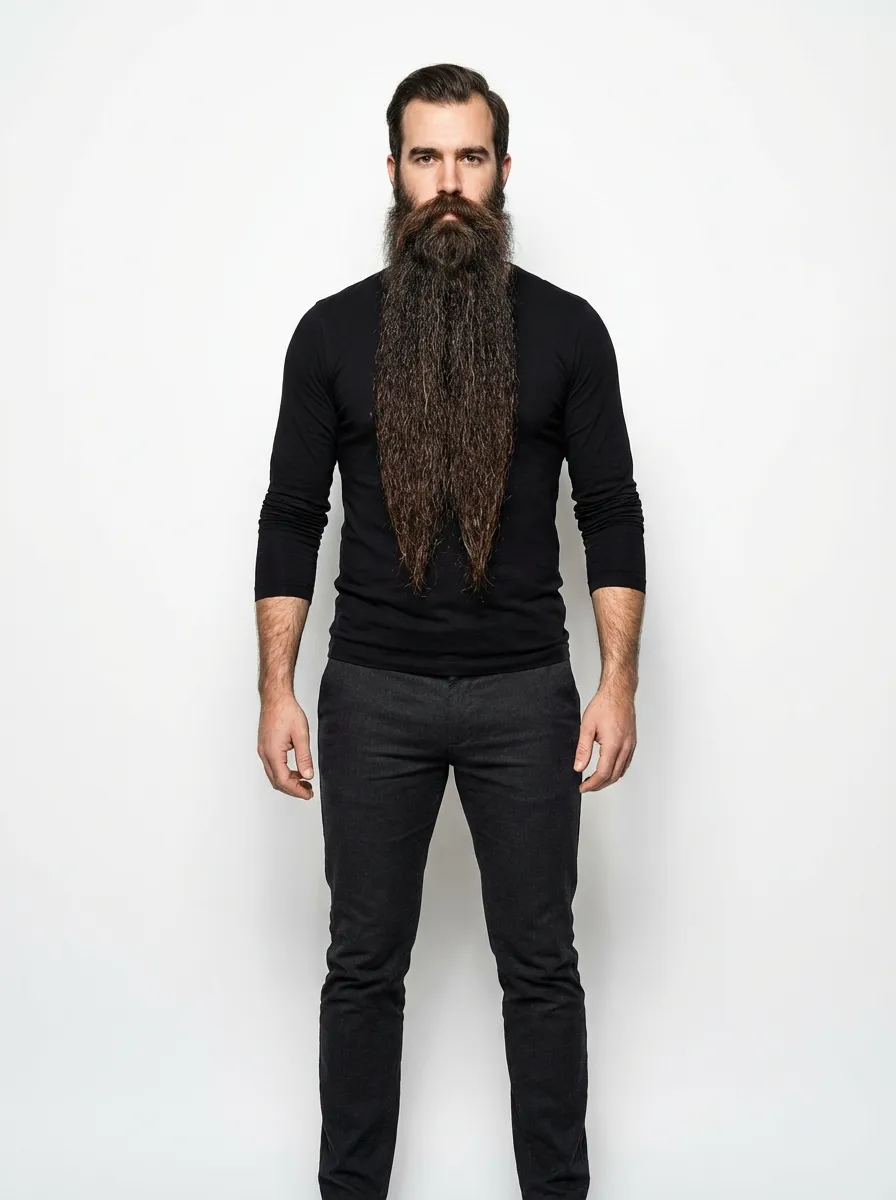
8. The Goatee
The goatee covers only the chin and is one of the most versatile short beard styles available. It suits a wide range of face shapes and can be kept as a simple tuft of chin hair or paired with a connected mustache for a more complete look.
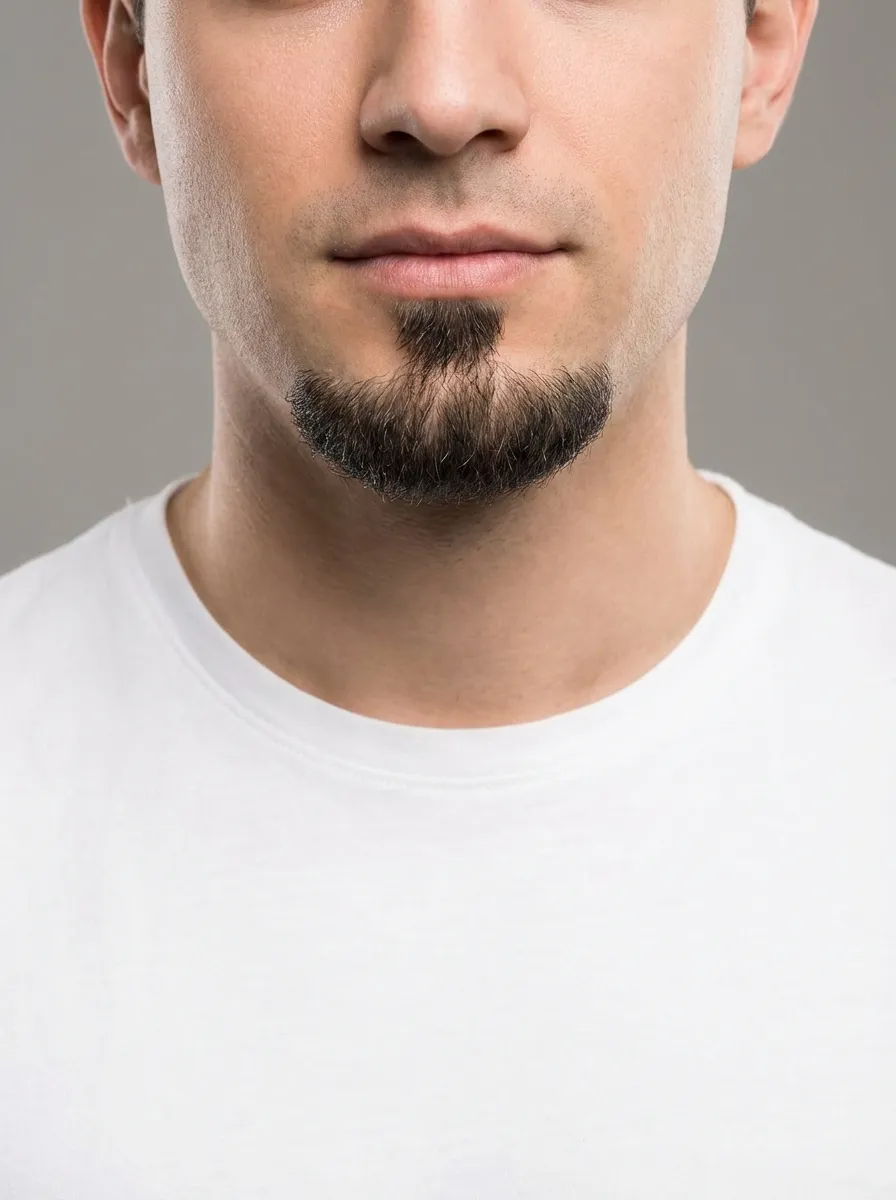
9. The Extended Goatee
Also known as the tailback or the hollywoodian, the extended goatee grows the chin hair out to connect with a mustache, but keeps the cheeks clean-shaven. It adds more presence than a standard goatee while remaining easier to maintain than a full beard.
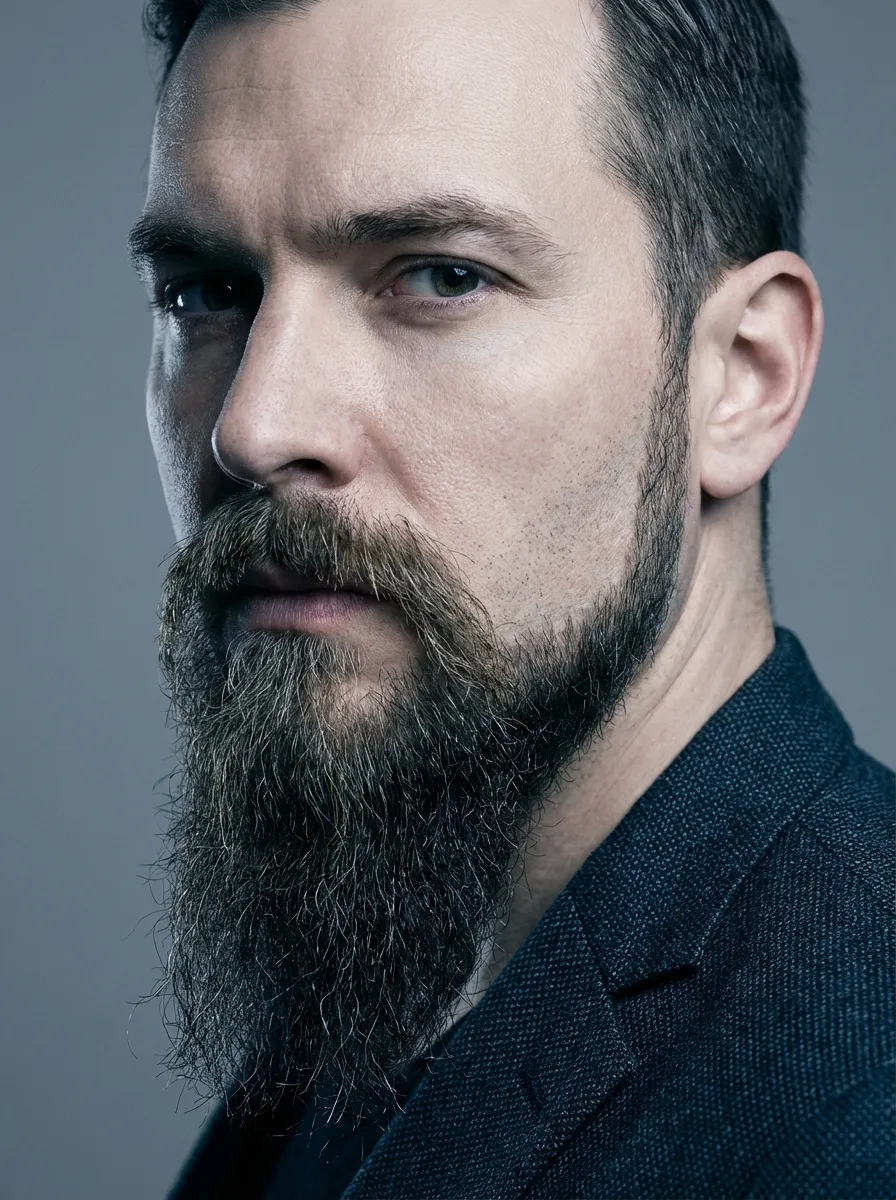
10. The Beardstache
The beardstache combines a thick, prominent mustache with a short layer of stubble across the rest of the face. This bold style draws attention to the mustache and works best on men with strong angular features and well-defined cheekbones.
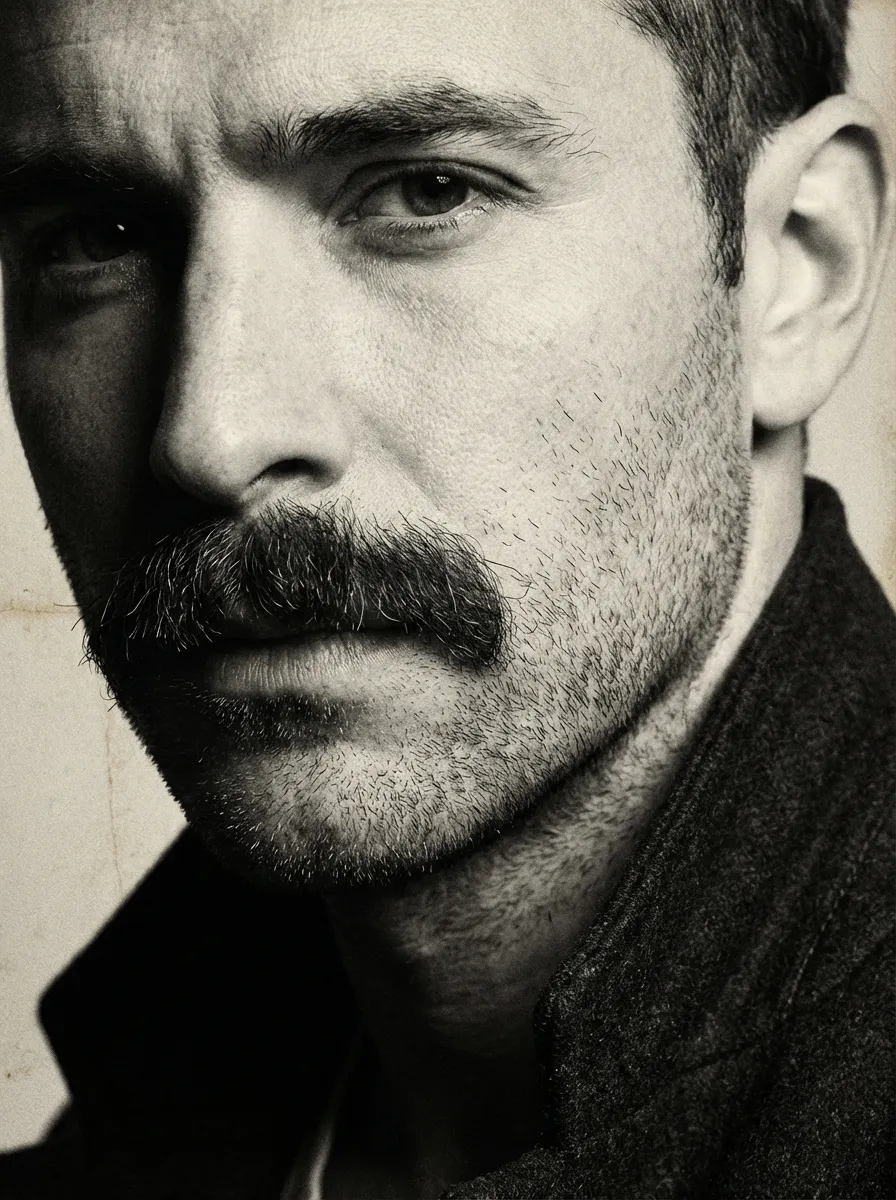
11. The Circle Beard
The circle beard connects a rounded goatee with a mustache to create a clean, circular shape around the mouth. It is a polished and professional style that suits round, oval, and square face shapes with equal effectiveness.

12. The Viking Beard
The Viking beard is a long, full beard that often reaches chest length. It projects raw masculinity and primal strength. Growing this style requires genuine patience, but the result is a commanding presence that is impossible to overlook. Regular combing, beard oil, and conditioning are essential for keeping it manageable.
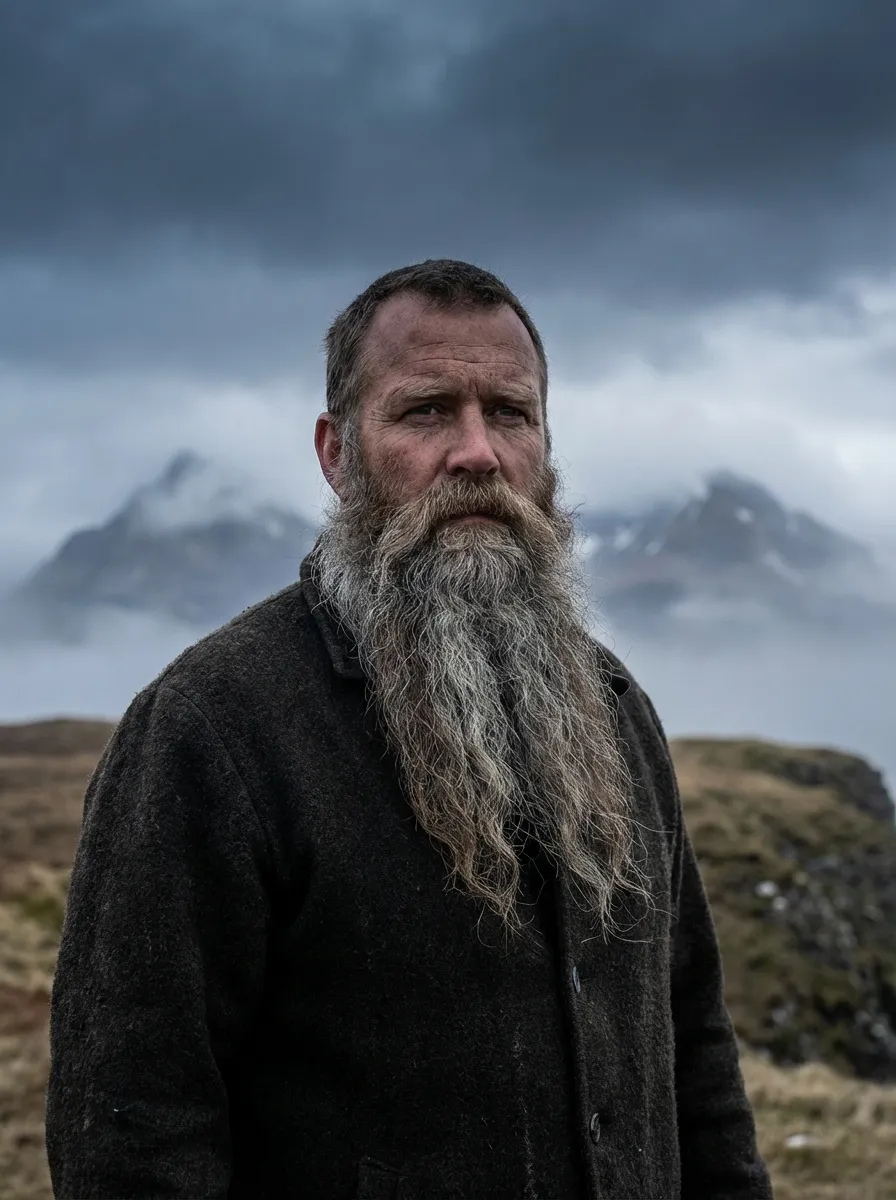
13. The Chin Strap Beard
The chin strap runs a narrow line of facial hair along the jawline from sideburn to sideburn, framing the face like a natural border. It requires precise trimming to maintain its clean definition but offers a very structured, masculine silhouette.
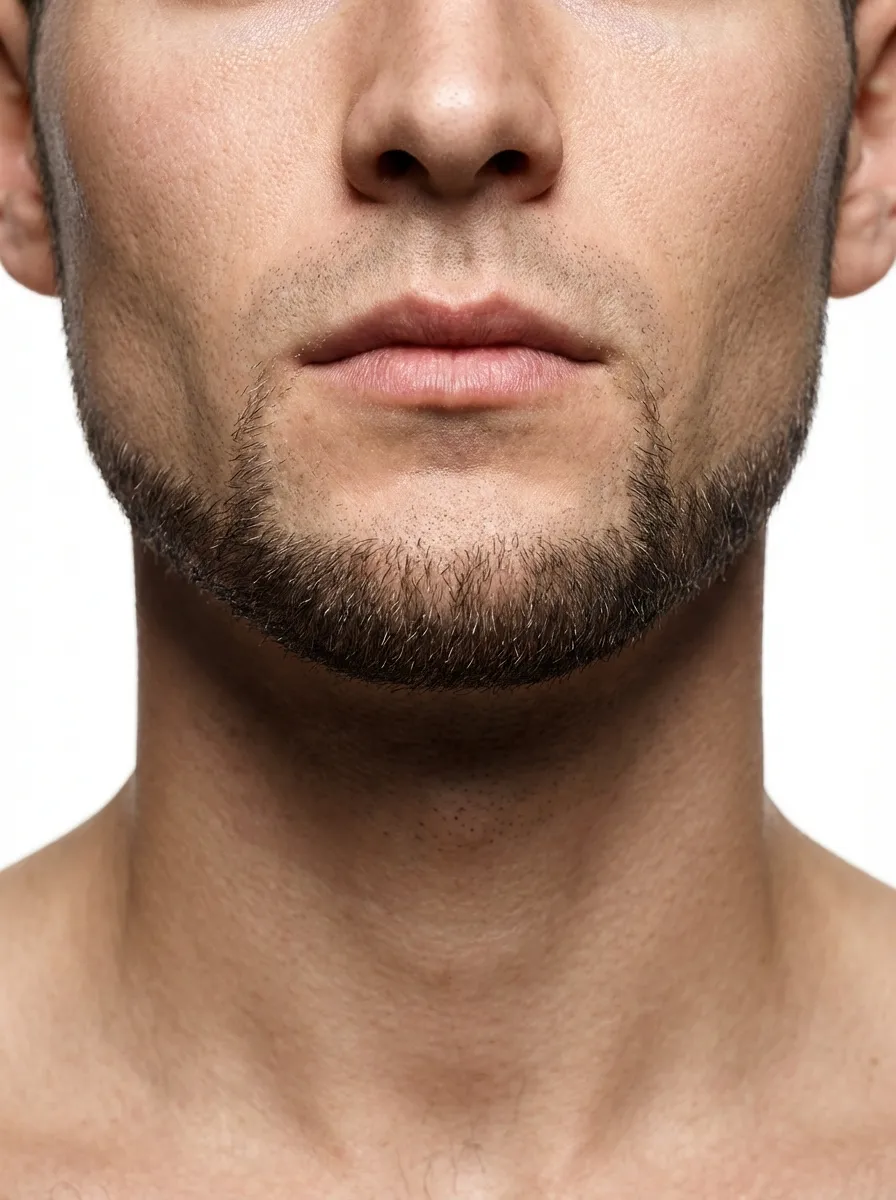
14. The Corporate Beard
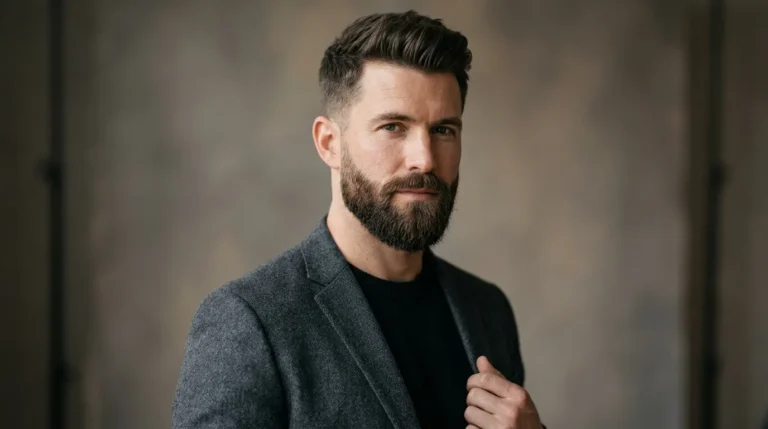
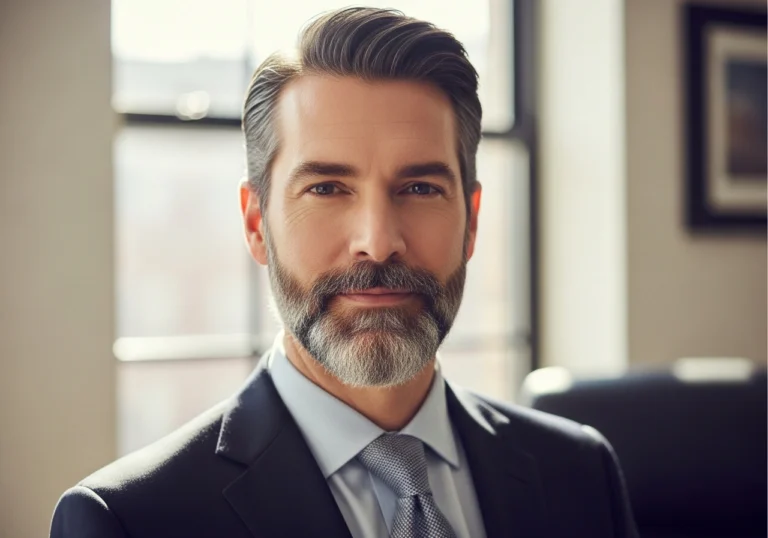
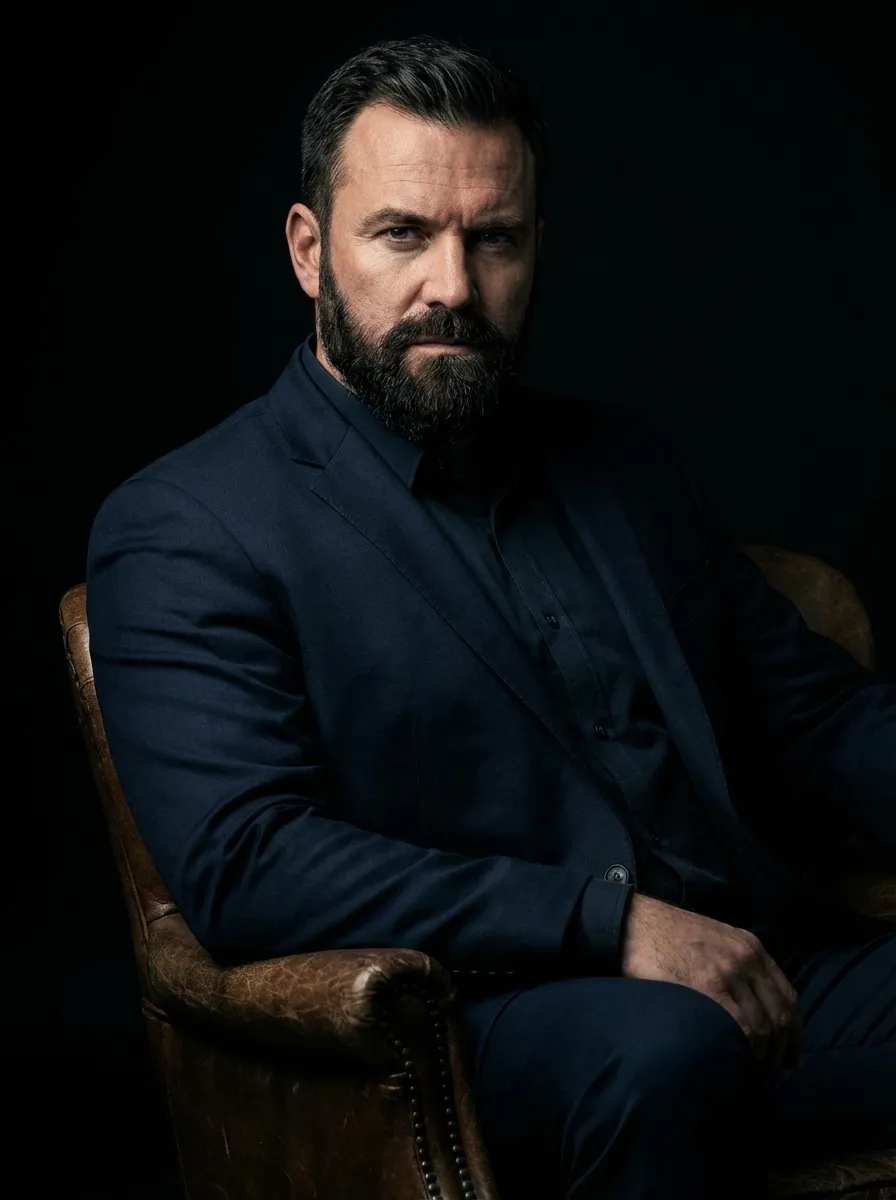
The corporate beard is a neatly trimmed, medium-length full beard that blends professionalism with masculinity. The cheek lines and neckline are kept crisp, the length is kept uniform, and it is typically maintained with a high-quality beard balm. It is one of the most office-appropriate beard styles available.

15. The Faded Beard
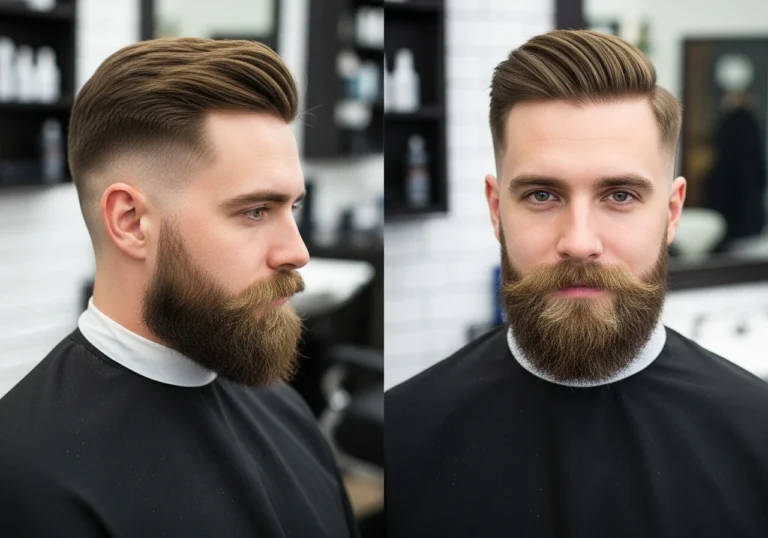
The faded beard uses a gradual taper from the sideburns down toward the chin, creating a smooth transition between the hairline and the beard. It is a modern barbershop technique that gives a clean, polished finish and works exceptionally well when paired with a skin fade haircut.
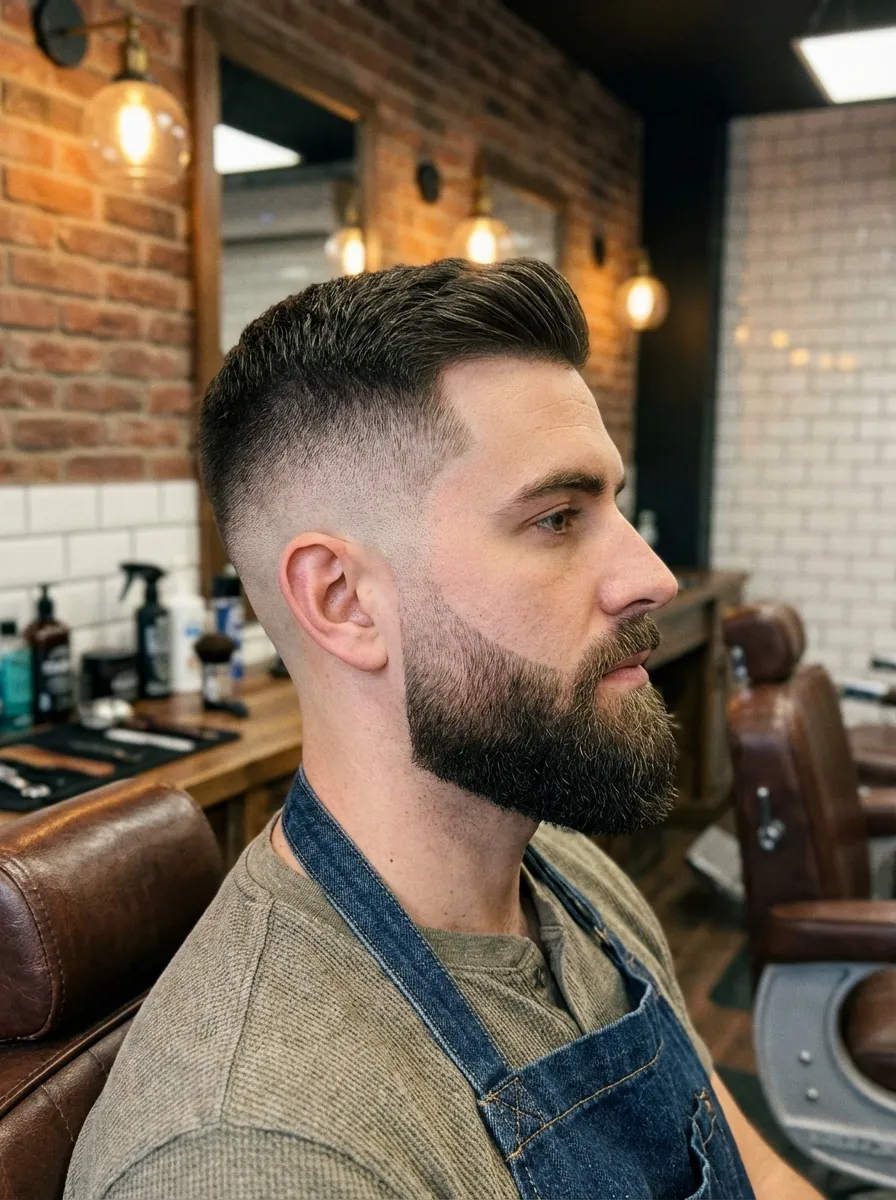
16. The Balbo Beard
The Balbo separates the mustache from the rest of the beard and shapes the chin hair into a defined pattern. It is a precise style associated with Italian flair and requires careful trimming to keep the disconnected elements sharp and intentional.
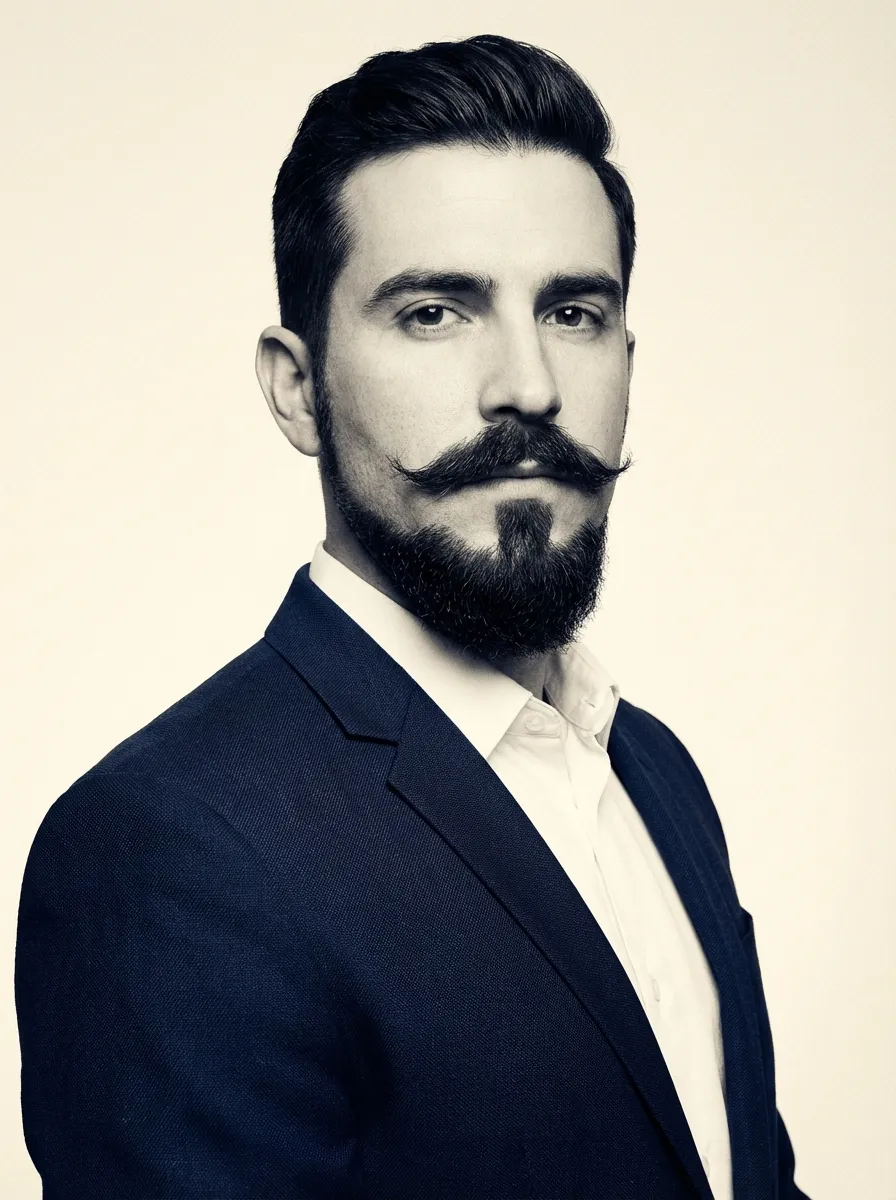
17. The Anchor Beard
The anchor beard traces the shape of a ship’s anchor along the chin and jaw, combining a pointed chin beard with a thin mustache and defined cheek lines. It suits rectangular and oblong face shapes particularly well.
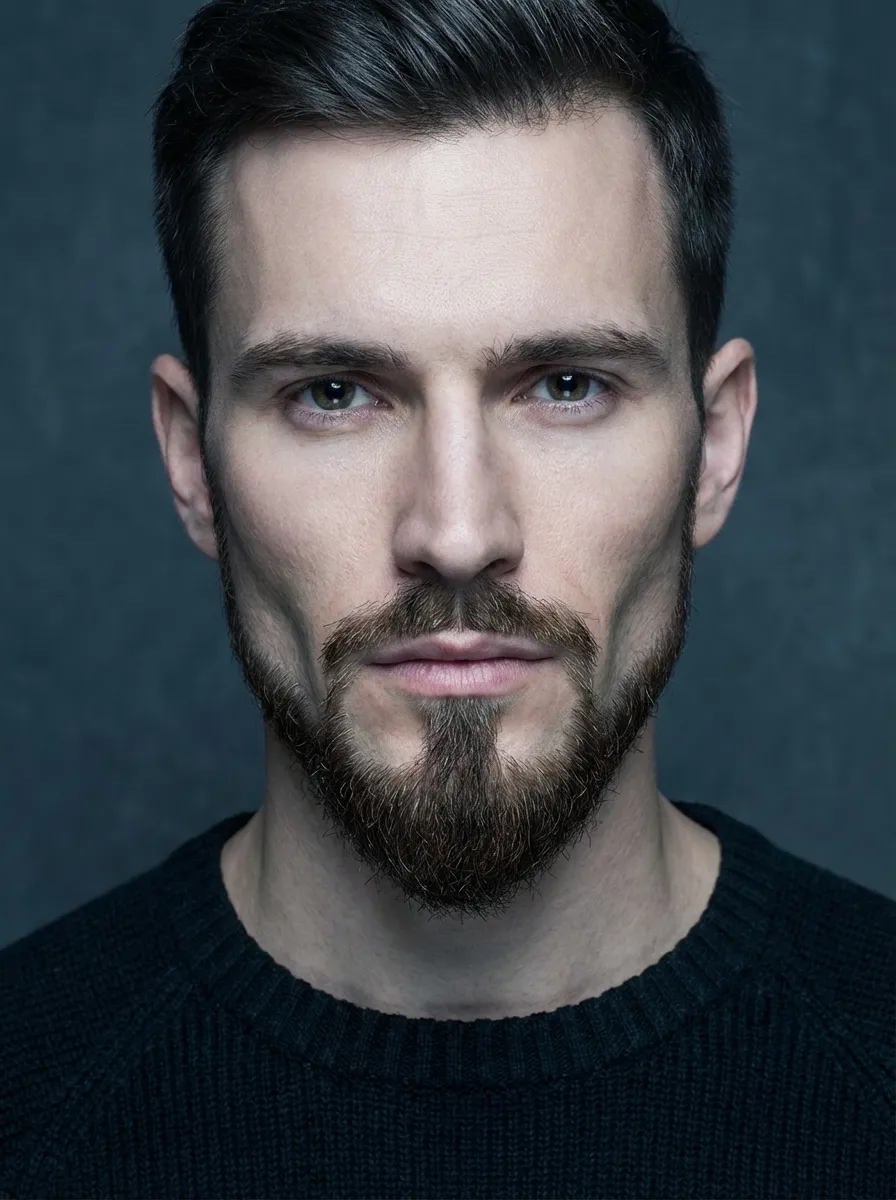
18. The Mutton Chops
Mutton chops extend sideburns down the sides of the face toward the corners of the mouth, leaving the chin clean-shaven. This style, sometimes called Wolverine chops, carries a retro masculine quality that has seen a genuine resurgence among men who want to stand apart from conventional grooming choices.
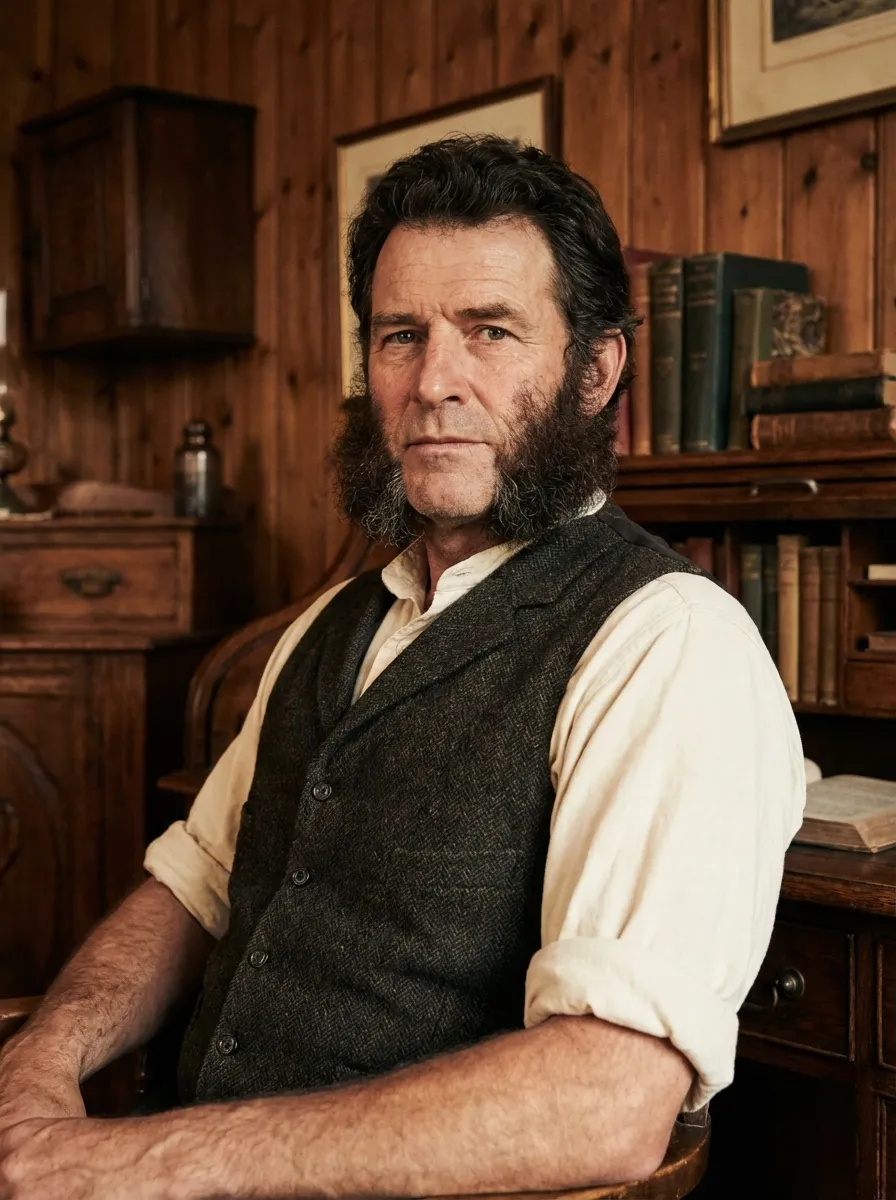
19. The Scruffy Beard
The scruffy beard sits at around two to four weeks of growth and is intentionally rough around the edges. Unlike polished styles, it embraces a naturally unkempt texture. It works on patchy beards as well as thick ones and communicates a laid-back, rugged confidence.

20. The Power Beard
The power beard typically refers to a full, well-trimmed beard in the medium-to-long range that is kept neat enough for formal settings but thick enough to project dominance and gravitas. It is the go-to style for men in leadership roles who want their grooming to reflect their presence.
Building a Proper Beard Grooming Routine
No matter which style you choose, the difference between a great beard and an unkempt one comes down to the grooming routine behind it. A solid routine begins with regular washing using a dedicated beard shampoo, which preserves the natural oils in facial hair unlike regular scalp shampoo. Following the wash, beard oil or beard balm should be worked through the hair to hydrate both the beard and the skin beneath it. This prevents itchiness, flakiness, and breakage.
Trimming frequency varies by style but should generally happen every one to three weeks. Invest in a quality beard trimmer with adjustable length settings for consistent results. Always define the neckline and cheek lines clearly, as these two boundaries do more for a beard’s overall appearance than almost anything else. A clean neckline typically sits one finger above the Adam’s apple, and a clean cheek line prevents the beard from appearing to engulf the face.
Beard combs and brushes are equally important. A boar bristle brush distributes natural oils evenly and trains the hair to grow in the desired direction. A wide-tooth comb works well for detangling longer beards and preparing them for trimming or shaping.

Conclusion
Masculine beard styles are far more than a trend. They are a deliberate and powerful form of self-expression that has been part of men’s identity across cultures and centuries. From the clean precision of a corporate beard to the primal boldness of a Viking mane, each style on this list offers something distinct for different face shapes, lifestyles, and personal tastes. The most important factor in choosing your ideal beard style is understanding your facial structure and committing to the grooming routine that keeps it looking its sharpest. A well-maintained beard does not simply change your appearance. It changes how you carry yourself.
Frequently Asked Questions
1. Which masculine beard styles suit a round face best? Men with round faces benefit most from styles that add length to the chin, such as the goatee, the extended goatee, the Van Dyke, or the ducktail beard. These styles create a vertical emphasis that balances the wider proportions of a round face.
2. How often should I trim my beard to keep it looking sharp? Most beard styles require trimming every one to three weeks. Short styles like stubble may need attention every few days, while longer styles like the Garibaldi or Bandholz can go three to four weeks between trims with proper brushing and oiling in between.
3. What beard grooming products are essential for any style? The core products for any grooming routine are a beard-specific shampoo, beard oil, and a trimmer with adjustable guards. For longer styles, beard balm and a boar bristle brush become equally important for conditioning and training the hair.
4. Can men with patchy beard growth still achieve a strong, masculine look? Yes. Styles like heavy stubble, the scruffy beard, and a well-shaped goatee work effectively on patchy growth. The key is choosing a style that emphasizes the areas where your beard grows thickest and keeps thinner areas at a length where gaps are less visible.
5. What is the difference between a Van Dyke beard and a regular goatee? A standard goatee covers only the chin, sometimes connected to the mustache. The Van Dyke specifically keeps the mustache and chin beard disconnected, with a gap between them, while both are shaped into precise, defined forms. The Van Dyke has a more artistic and intentional appearance than the standard goatee.
You may also like this: 22 Trending Long Beard Styles That Define Masculine Style