
15 Bold & Refined Beard Styles Defining Men’s Looks in 2026
Facial hair has always carried cultural weight, but in 2026, the conversation around bold refined beard styles has reached a new level of sophistication. Men are no longer simply growing beards and trimming the edges. They are crafting intentional, well-structured looks that communicate personality, professionalism, and a sharp sense of personal style.
The modern grooming landscape rewards those who understand the relationship between beard shape, face structure, and maintenance discipline. Whether you prefer a clean-cut circle beard or the commanding presence of a full ducktail, the options available today offer something meaningful for every man willing to invest in his appearance.
This guide walks through fifteen of the most compelling beard styles currently reshaping masculine aesthetics, along with practical grooming insights to help you wear each style with confidence.
Top Beard Styles Every Well-Groomed Man Should Know in 2026
1. The Full Beard
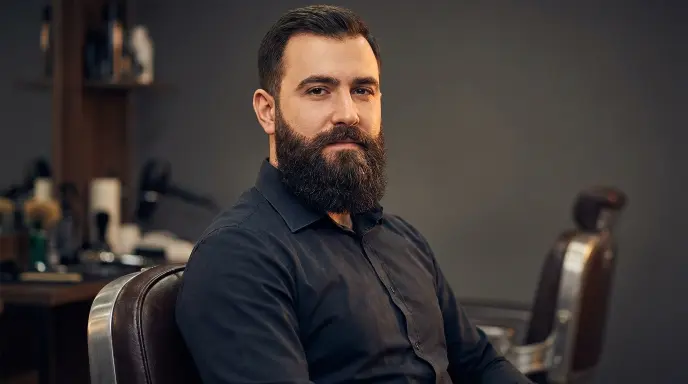
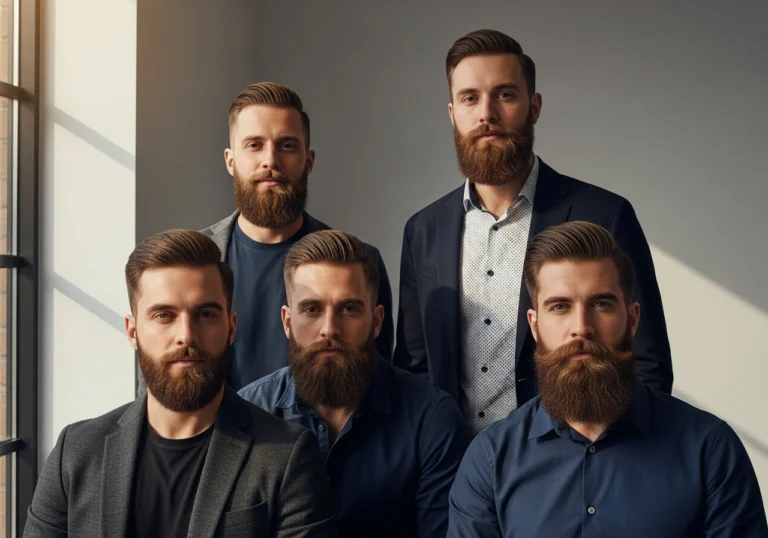
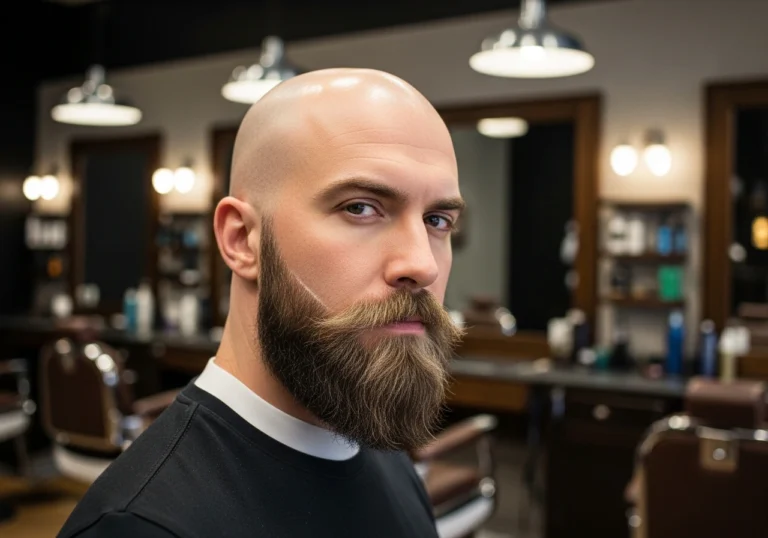
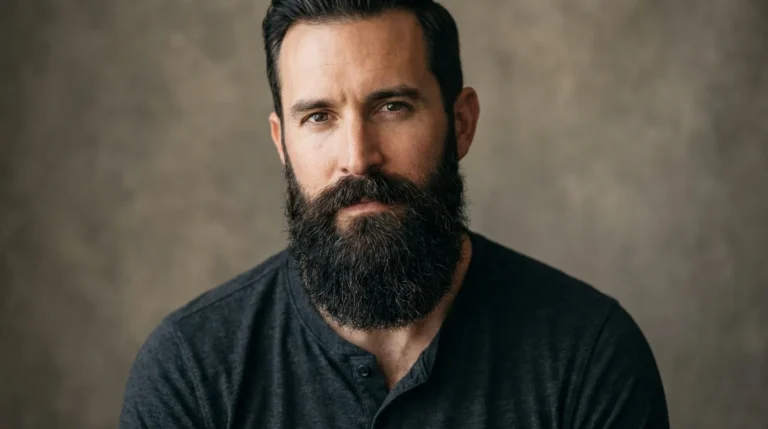
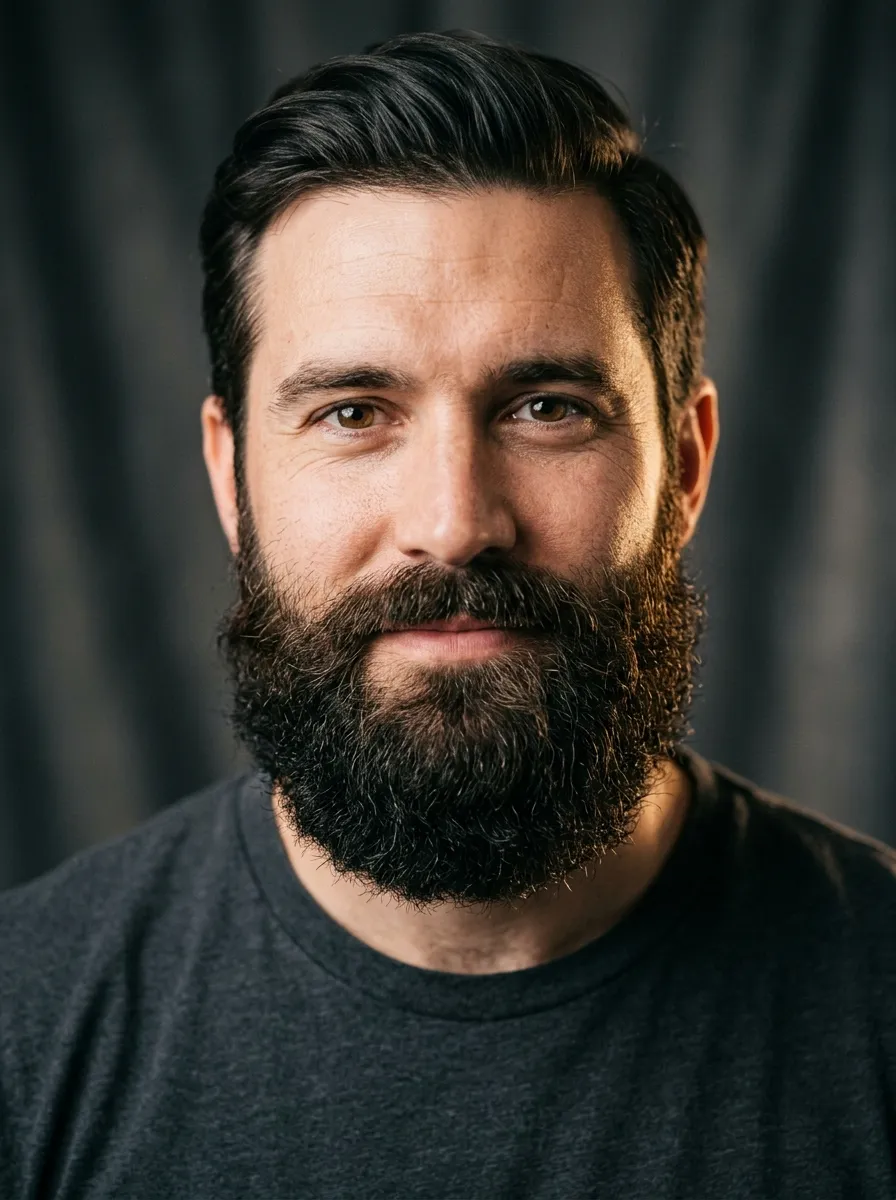
The full beard remains one of the most powerful statements in men’s grooming. Grown out evenly across the cheeks, jawline, and chin, this style projects authority and maturity. The key to keeping it refined lies in consistent trimming to maintain an even length and a clean neckline that follows the natural curve just above the Adam’s apple. Regular conditioning with beard oil keeps the hair soft and manageable, preventing the unkempt appearance that often undermines otherwise strong facial hair.
2. The Short Boxed Beard
The short boxed beard is defined by its geometric precision. Kept tight to the face with sharp, angular edges along the cheekbones and jawline, this style works exceptionally well for professional settings. It suits most face shapes and offers the visual weight of a full beard without demanding excessive length or lengthy maintenance routines. A quality beard trimmer with multiple guard settings is essential for achieving and sustaining the clean lines that make this style stand out.
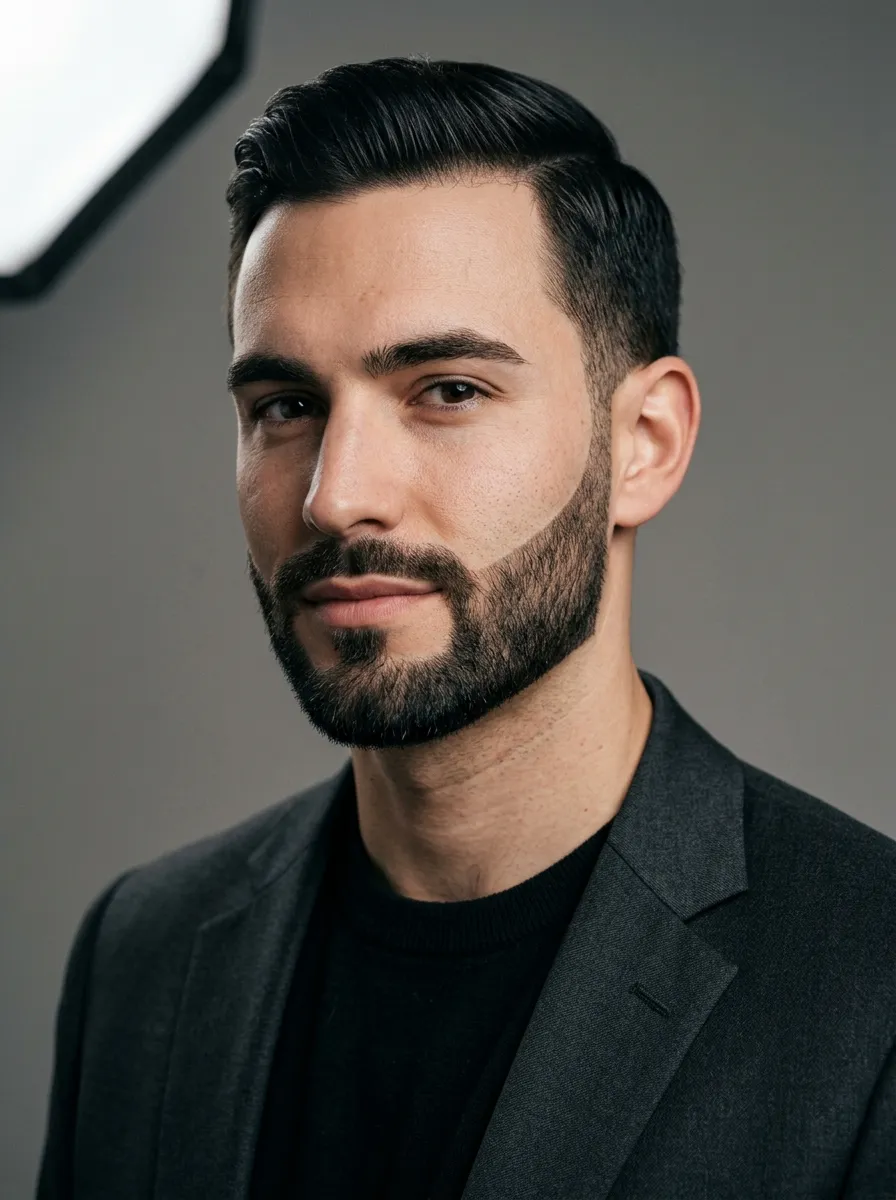
3. The Van Dyke Beard
Named after the seventeenth century Flemish painter Anthony van Dyck, this style combines a pointed goatee with a disconnected mustache. The areas on the cheeks remain clean-shaven, which gives the look an elegant, sculpted quality. The Van Dyke suits oval and square face shapes particularly well. Its sharp definition makes it a strong choice for men who want a dramatic facial hair statement without committing to full coverage.
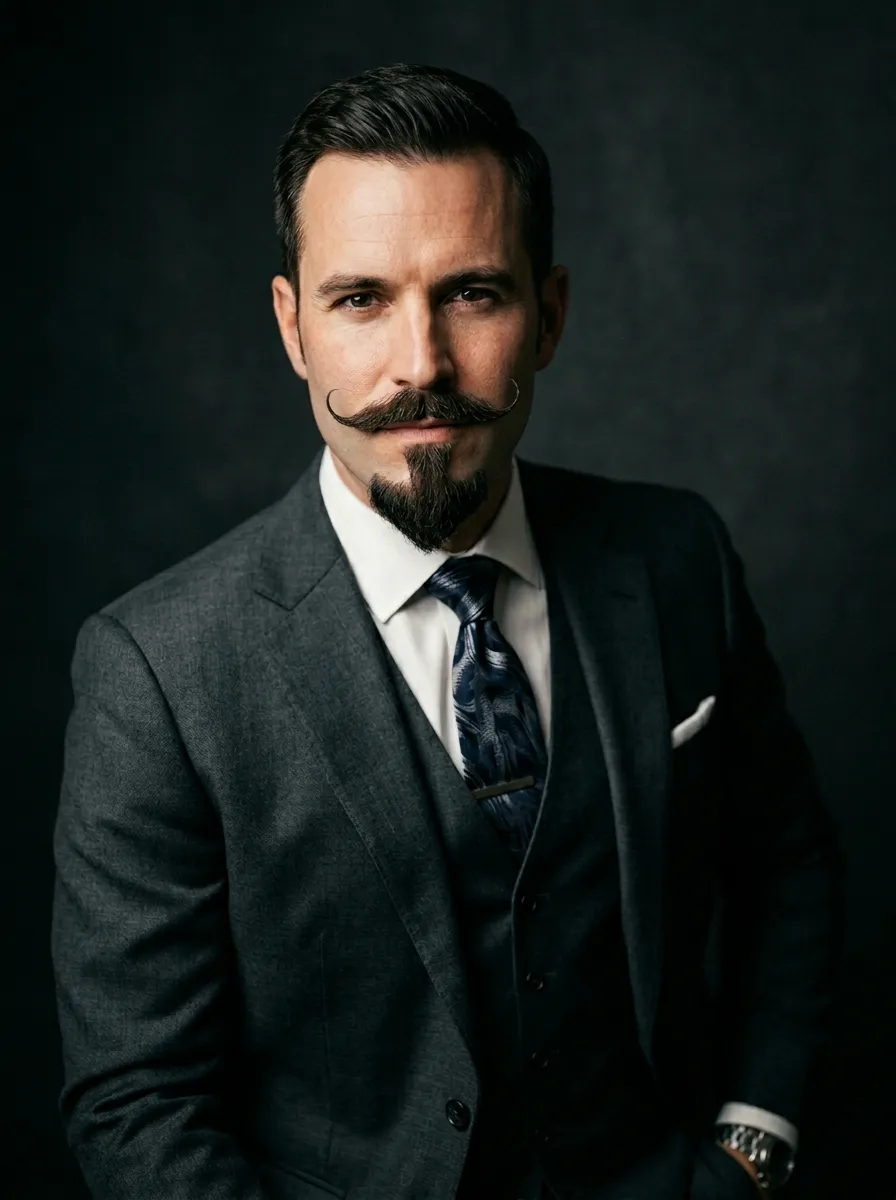
4. The Ducktail Beard
The ducktail beard earns its name from the pointed end at the chin, which resembles a duck’s tail when viewed from the side. This full beard variant maintains natural volume on the sides while being tapered and shaped toward a center point at the chin. It delivers a bold, rugged look that still reads as intentional and polished. Beard balm and regular shaping sessions at a skilled barber help preserve the structured silhouette that defines this style.
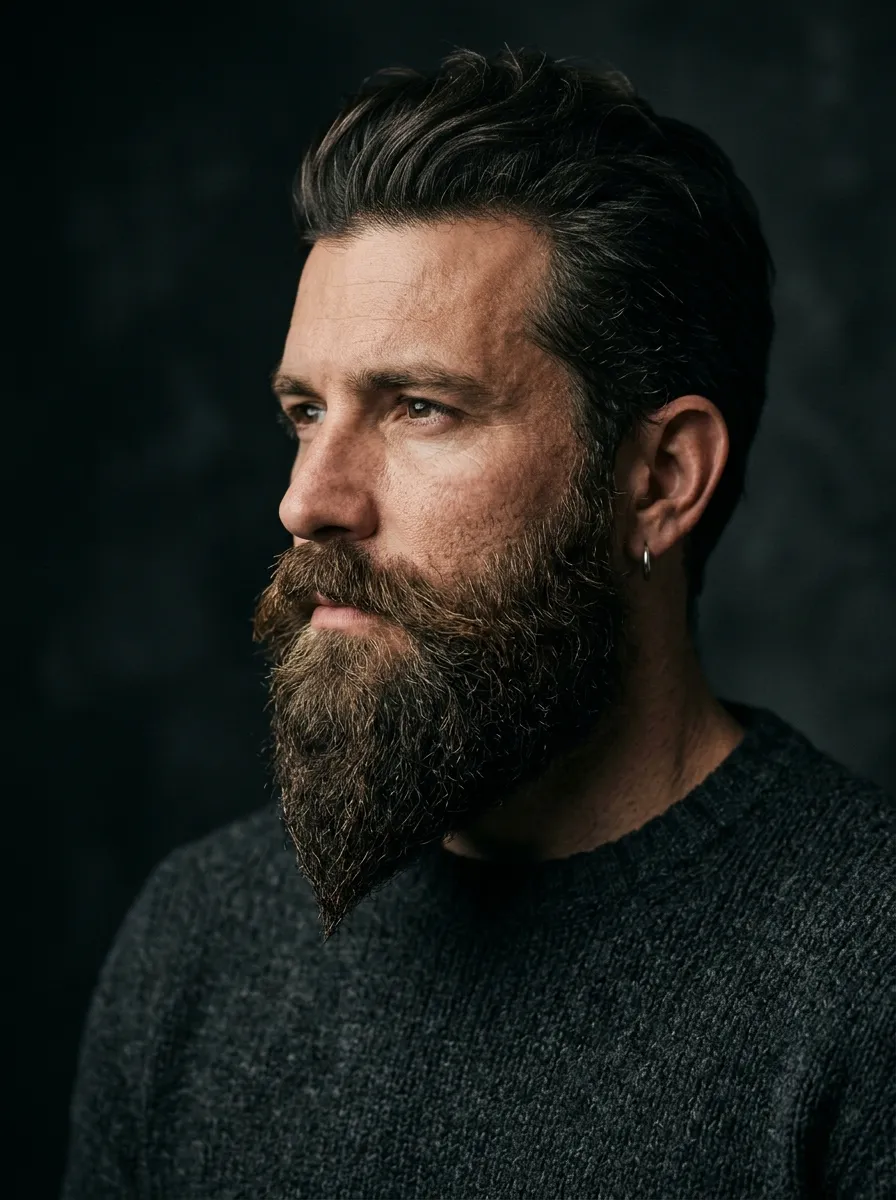
5. The Balbo Beard
The Balbo consists of a floating mustache and a disconnected beard that covers the chin and extends slightly up toward the corners of the mouth without connecting to the mustache. This creates a multi-part facial hair design with strong visual interest. It requires precise grooming to maintain clean separation between the components, but the effort pays off with a sophisticated, distinctive appearance that few other styles can match.
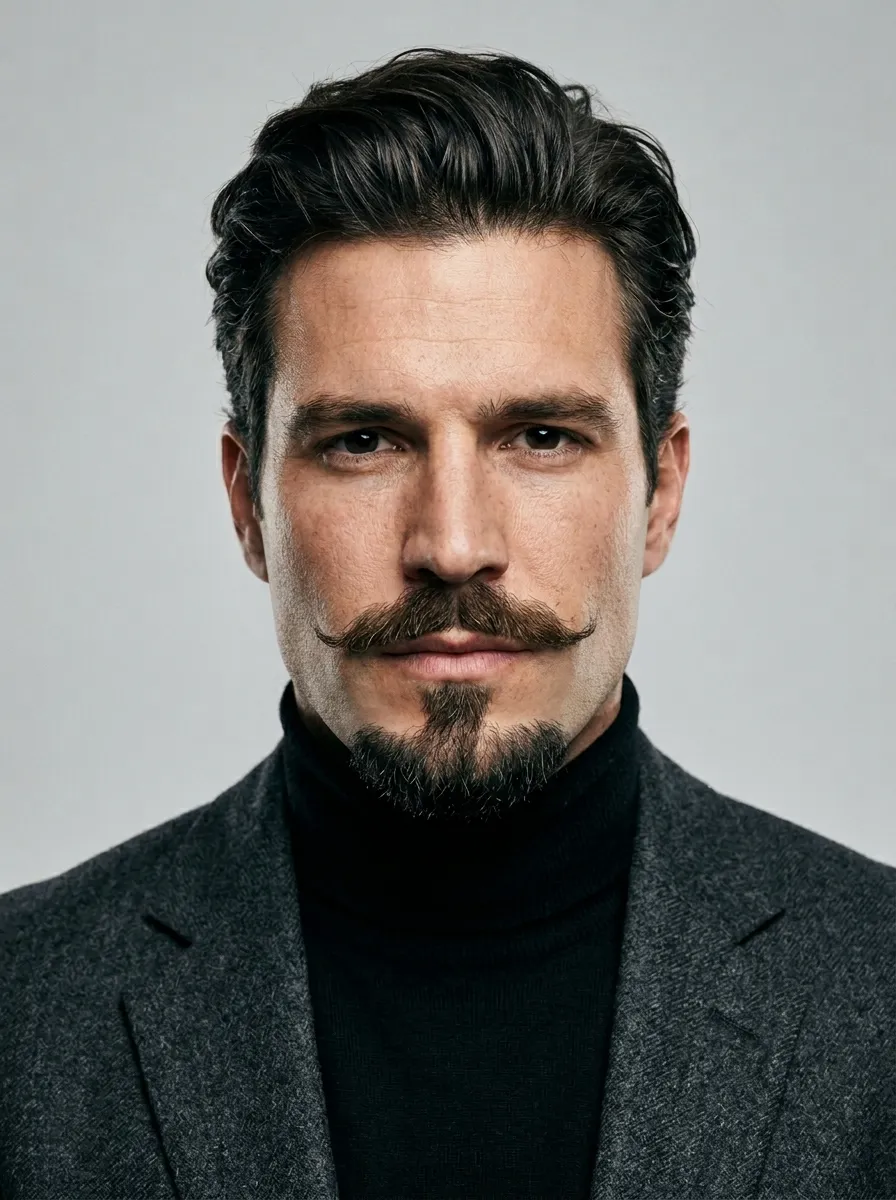
6. The Anchor Beard
The anchor beard combines a pointed chin beard with a thin mustache connected by a line that traces the jawline, forming a shape reminiscent of a ship’s anchor. It is a style for men who appreciate precise, structured facial hair design. The clean-shaven cheeks and sharp lines demand careful maintenance, but the result is a striking, contemporary look that works well for men with strong jawlines and angular facial features.
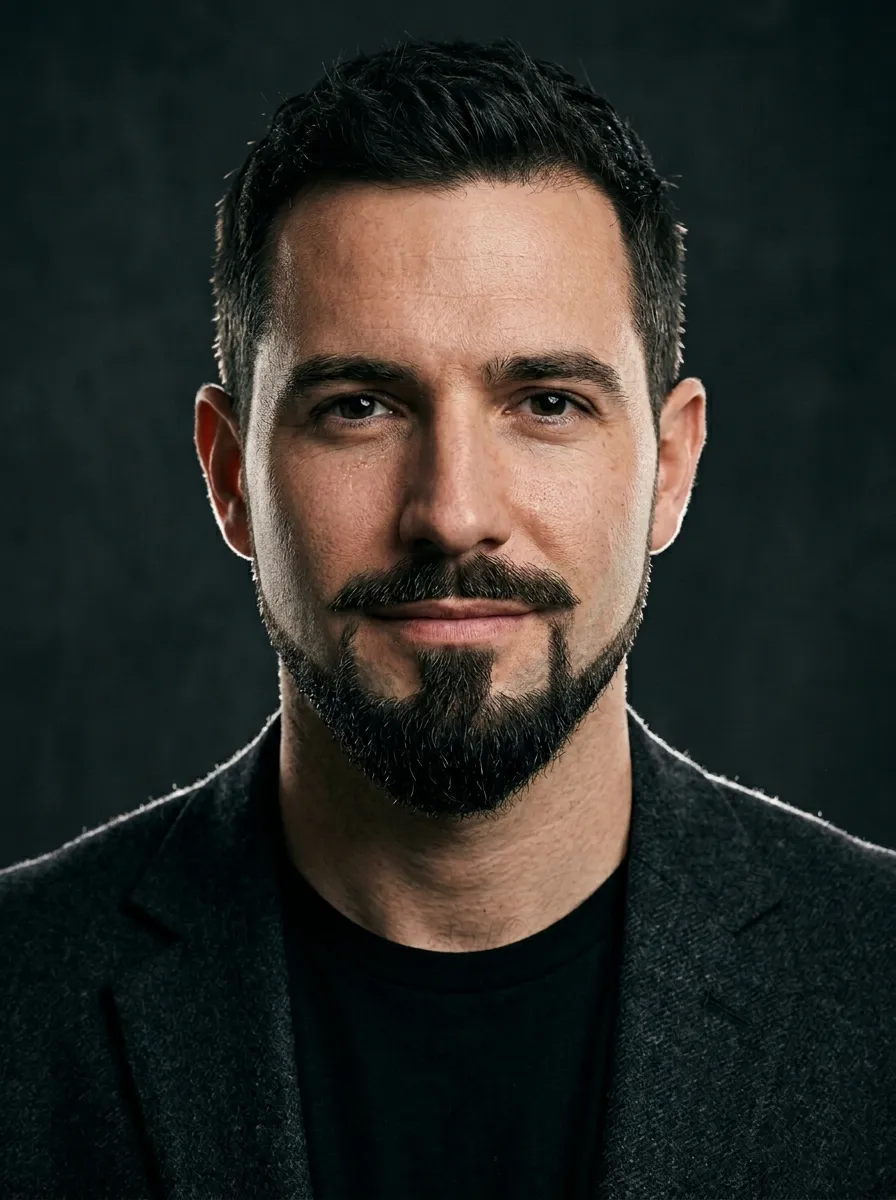
7. The Stubble Beard
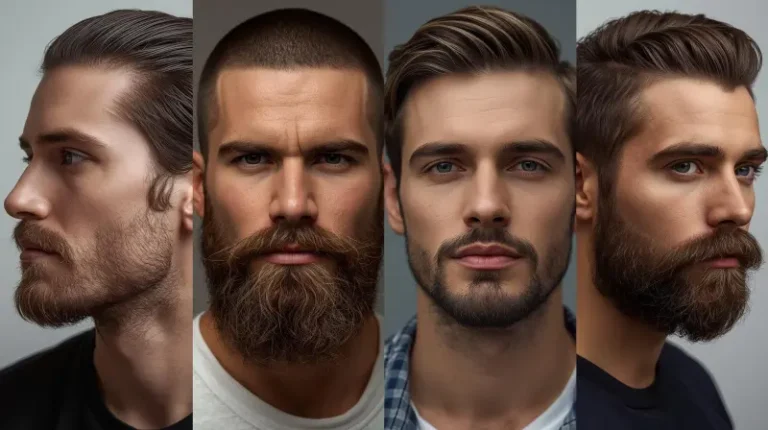
Heavy stubble sits in a category of its own. At three to five millimeters in length, it offers the visual texture of a beard without the volume of longer styles. Research in grooming perception consistently shows that heavy stubble ranks highly in attractiveness across various demographic groups. It suits virtually every face shape, requires minimal products, and transitions easily between casual and formal environments. A consistent trimming schedule every two to three days keeps the length in the optimal zone.

8. The Circle Beard
The circle beard is a rounded combination of a mustache and goatee that connects cleanly around the mouth. It creates a neat, focused area of facial hair that draws attention to the mouth and chin while keeping the cheeks clean. This is a go-to style for men in professional industries who want the presence of facial hair without a heavy, full beard commitment. It photographs exceptionally well and requires relatively little daily maintenance to sustain.

9. The Extended Goatee
Also called the tailback, the extended goatee adds length by allowing the chin beard to grow longer while the mustache connects naturally at the corners of the mouth. The result is an elongated chin beard that suits men with rounder face shapes by creating the illusion of a stronger, more defined jawline. The extended goatee allows for personal expression through variation in chin length and mustache thickness.
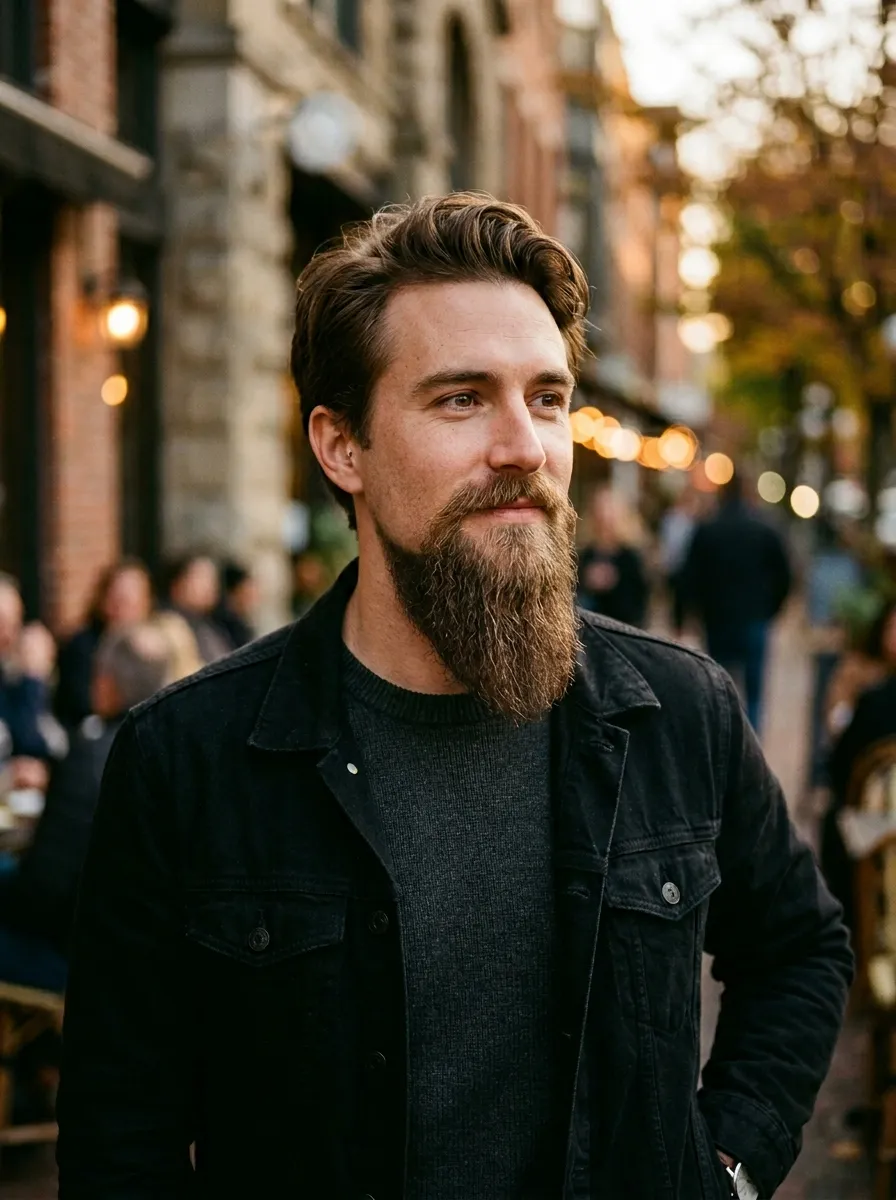
10. The Garibaldi Beard
The Garibaldi is a wide, full beard with a rounded bottom edge. It is slightly less formal than a structured full beard but carries significant presence. Named after the Italian general Giuseppe Garibaldi, it communicates confidence and masculinity in a way that softer, trimmed styles cannot. The bottom is intentionally rounded rather than pointed, setting it apart from the ducktail. Regular conditioning and light trimming of the bottom edge preserve the rounded shape without interrupting the natural fullness.
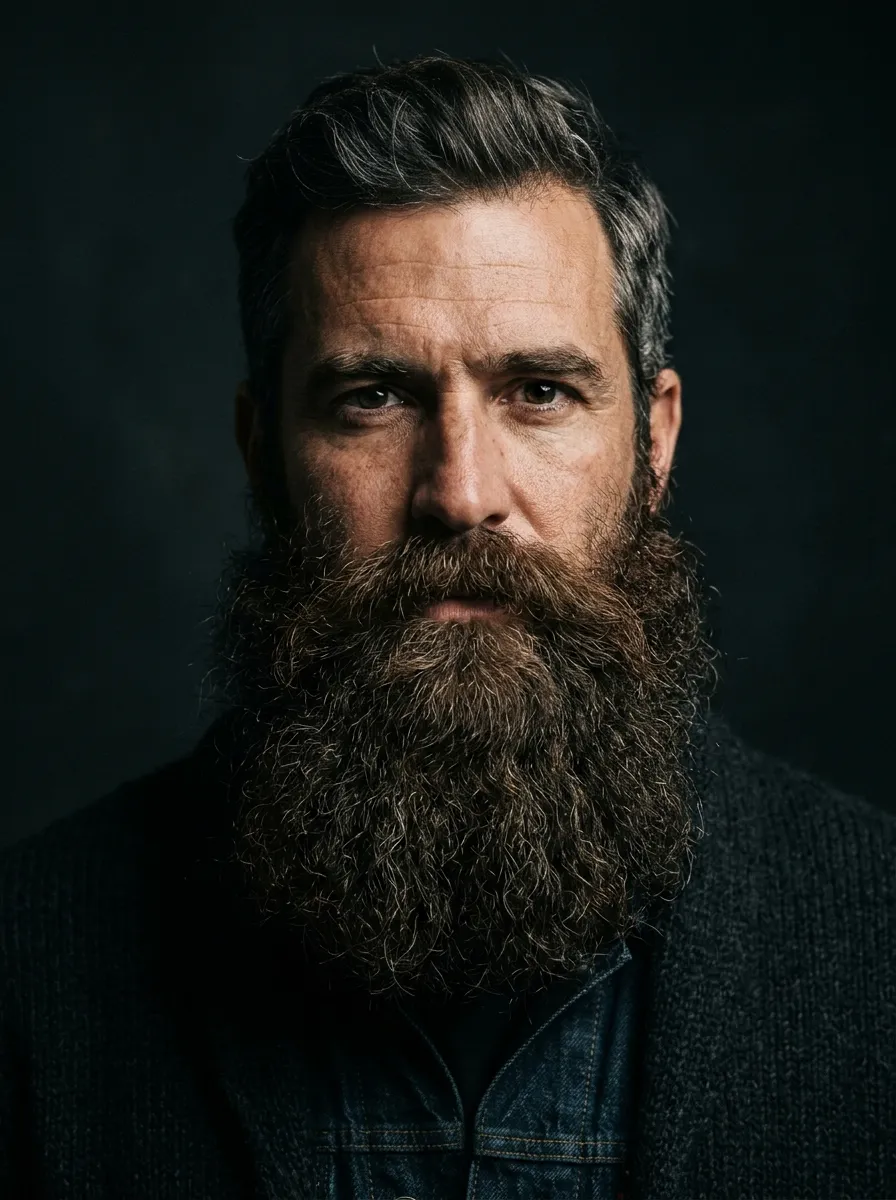
11. The Chin Strap Beard
The chin strap traces a narrow line of facial hair along the jawline from sideburn to sideburn, following the contour of the chin without mustache coverage. It requires frequent shaving to keep the strap clean and defined, but the visual payoff is a sharpened jaw definition that works especially well for men with prominent bone structure. Modern interpretations often vary the strap width from pencil-thin to a slightly broader band for a more contemporary feel.
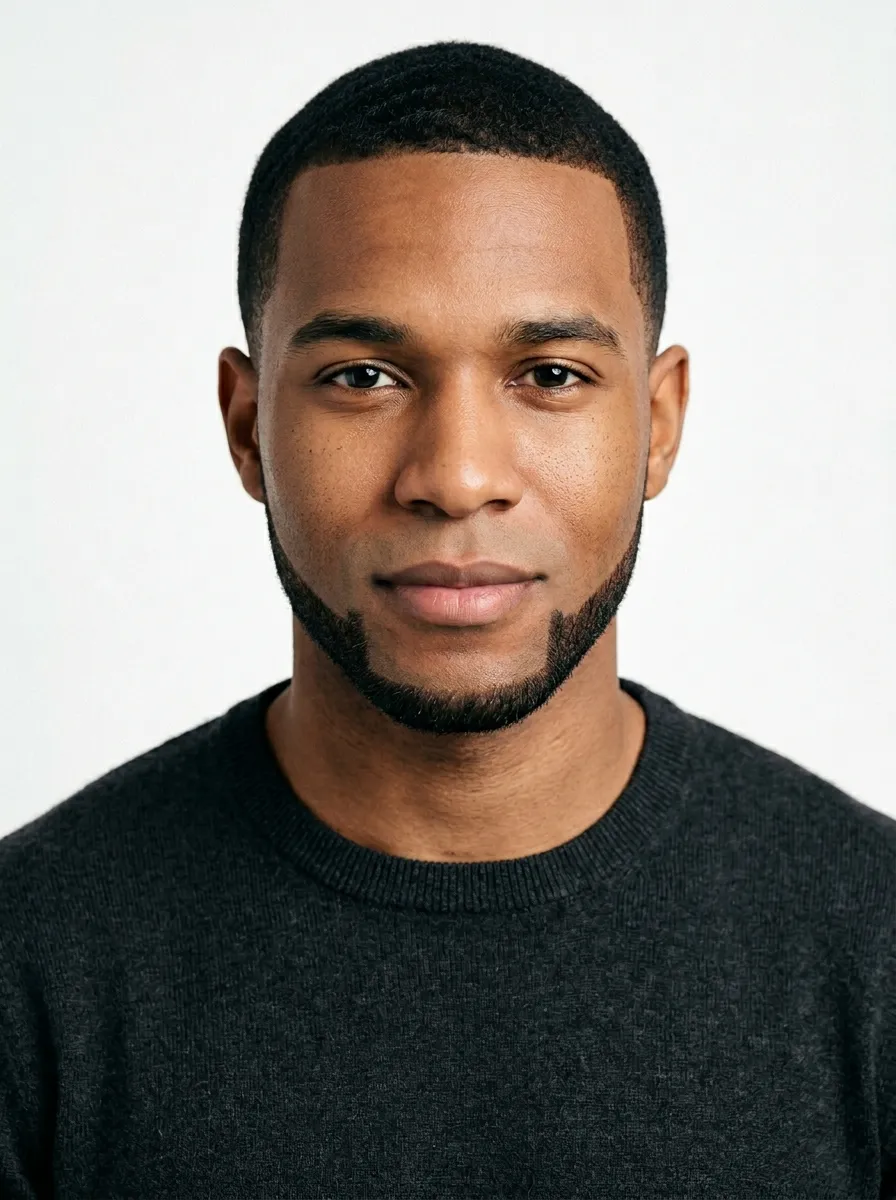
12. The Beard Fade
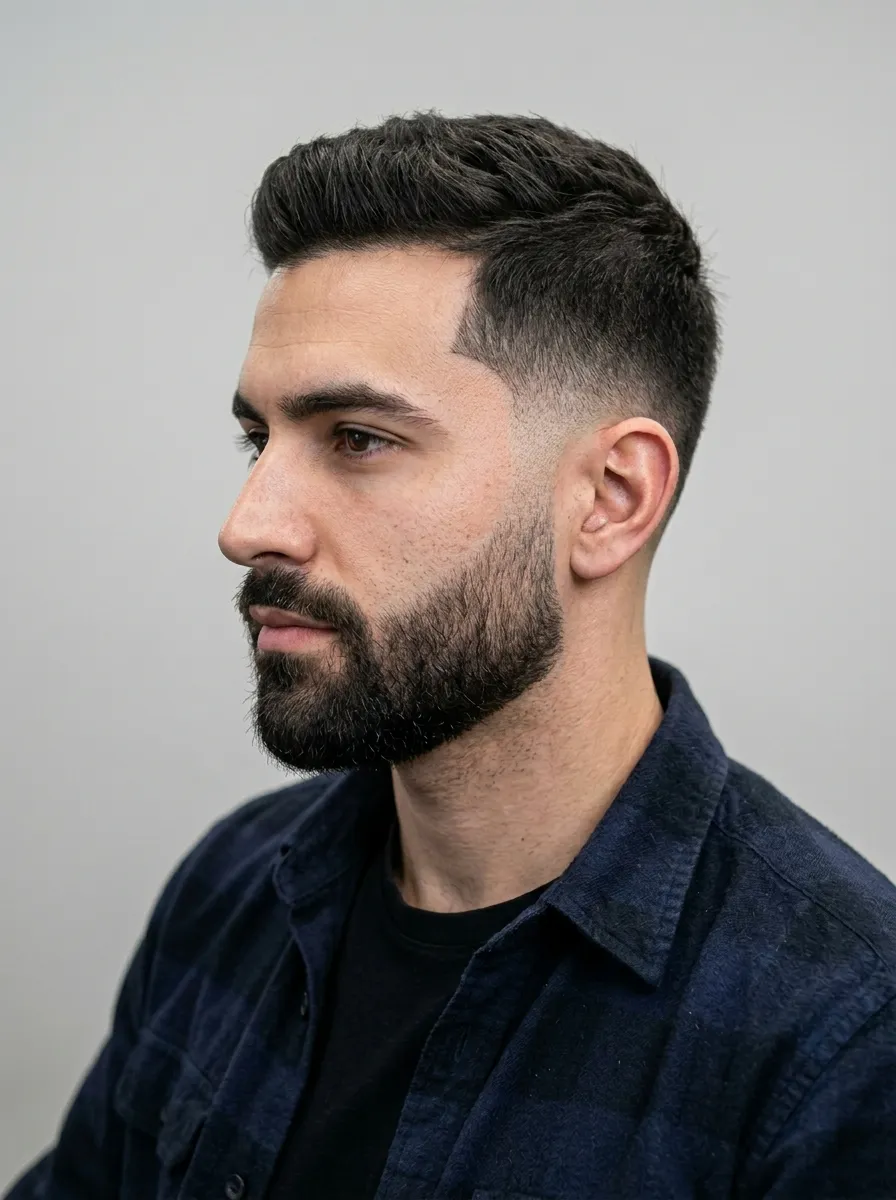
The beard fade is a barbering technique rather than a single style, but it has become so central to modern beard aesthetics that it deserves individual attention. The fade blends the beard seamlessly into the hairline at the temples and sideburns, creating a continuous gradient from hair to beard. When applied to a full or boxed beard, it produces a sophisticated finish that elevates the overall look considerably. This technique requires a skilled barber and regular touch-up visits every two to three weeks.
13. The Yeard
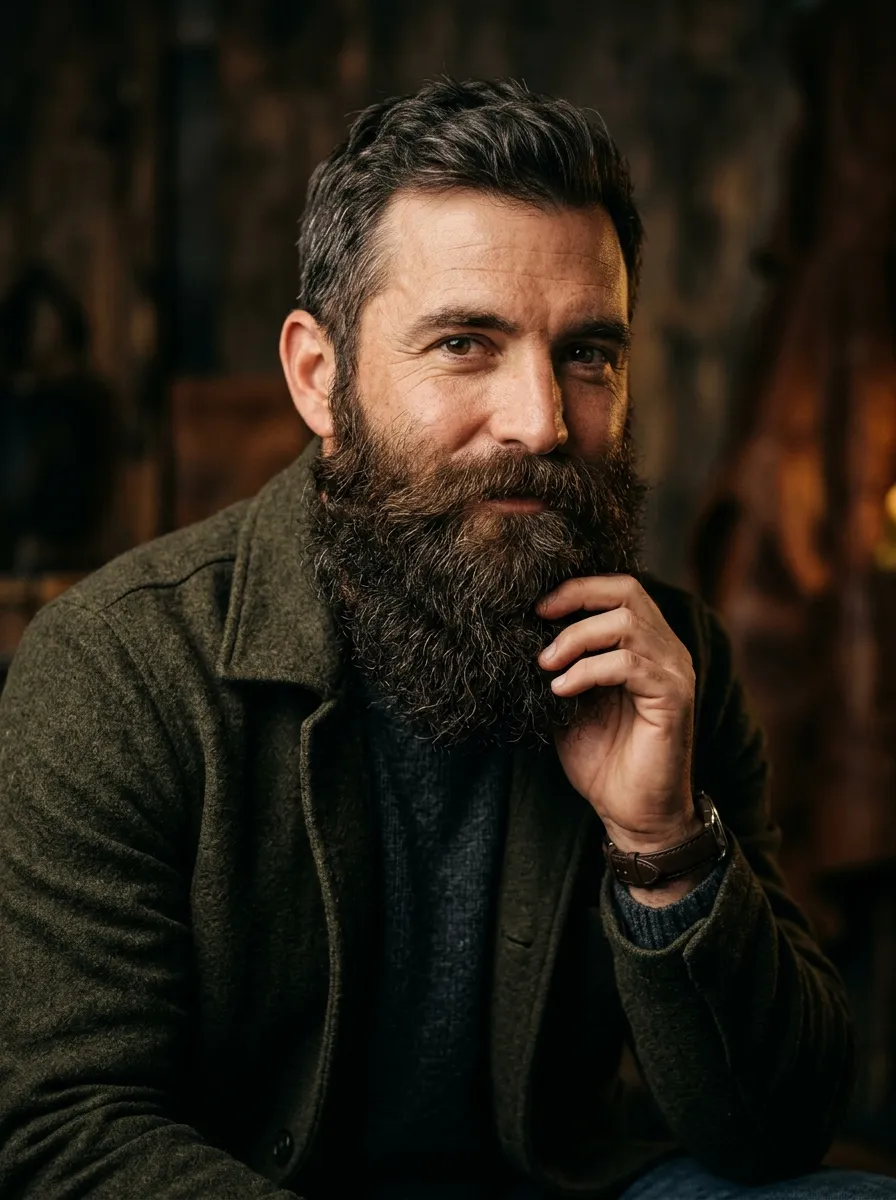
The yeard, or one-year beard, refers to a beard grown continuously for twelve months without significant trimming. It is the most committed entry on this list and rewards patience with a full, textured presence that commands attention. Managing a yeard properly involves regular washing with beard shampoo, deep conditioning, nightly brushing with a boar bristle beard brush, and light trimming only at the neckline and cheek lines to prevent a completely untamed appearance.
14. The Mutton Chops
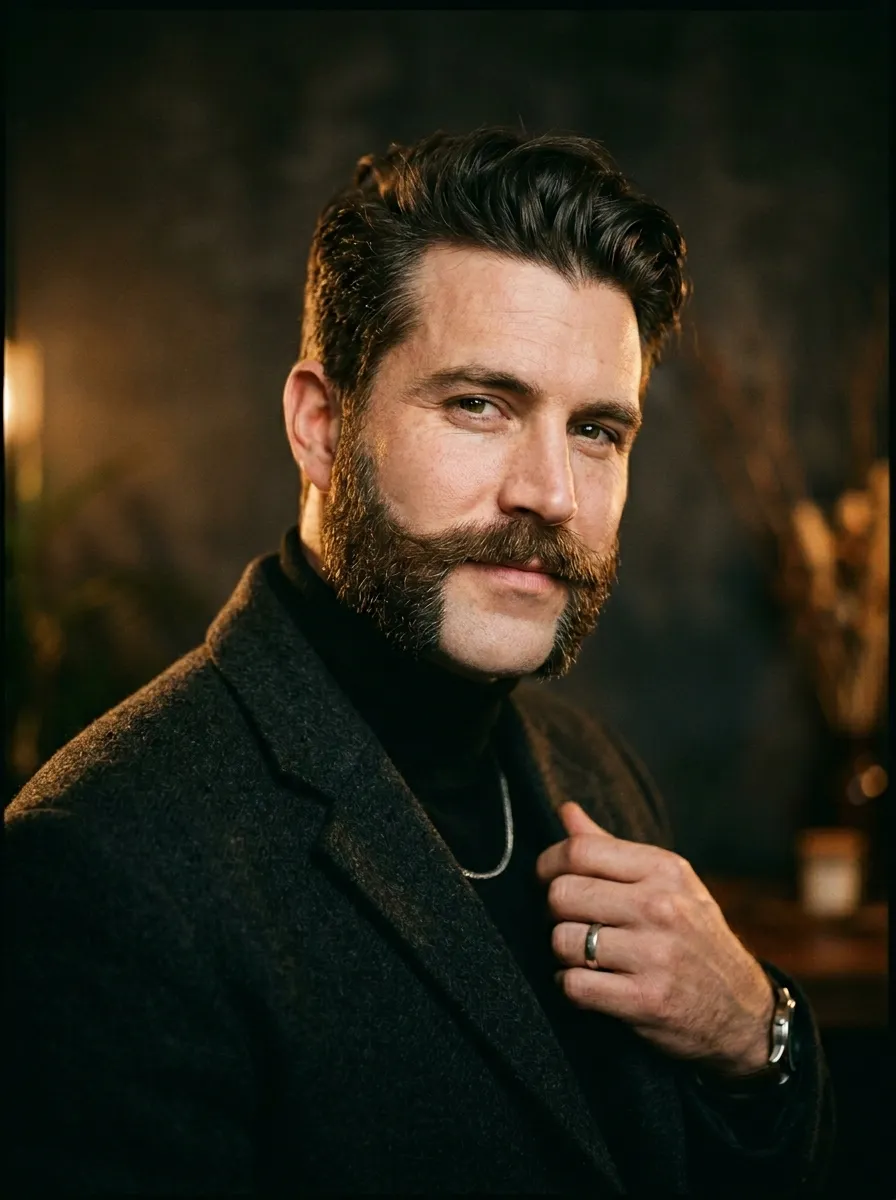
Mutton chops are a bold, historical style making a confident return in contemporary grooming culture. They feature prominent sideburns that extend down and connect with the mustache, leaving the chin clean-shaven. The result is an unconventional facial hair arrangement that signals strong personal style and an indifference to conventional grooming expectations. Modern mutton chops are often kept neatly trimmed rather than excessively bushy, which gives the style a more wearable, current feel.
15. The Handlebar with Full Beard Combination
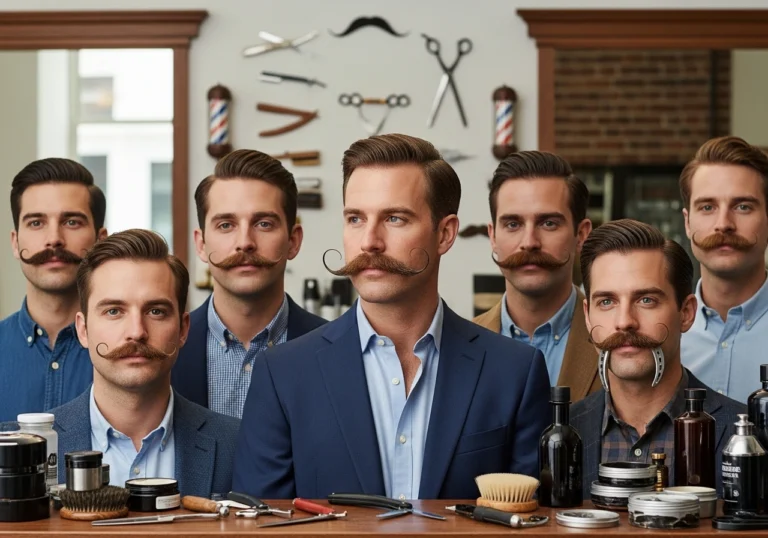
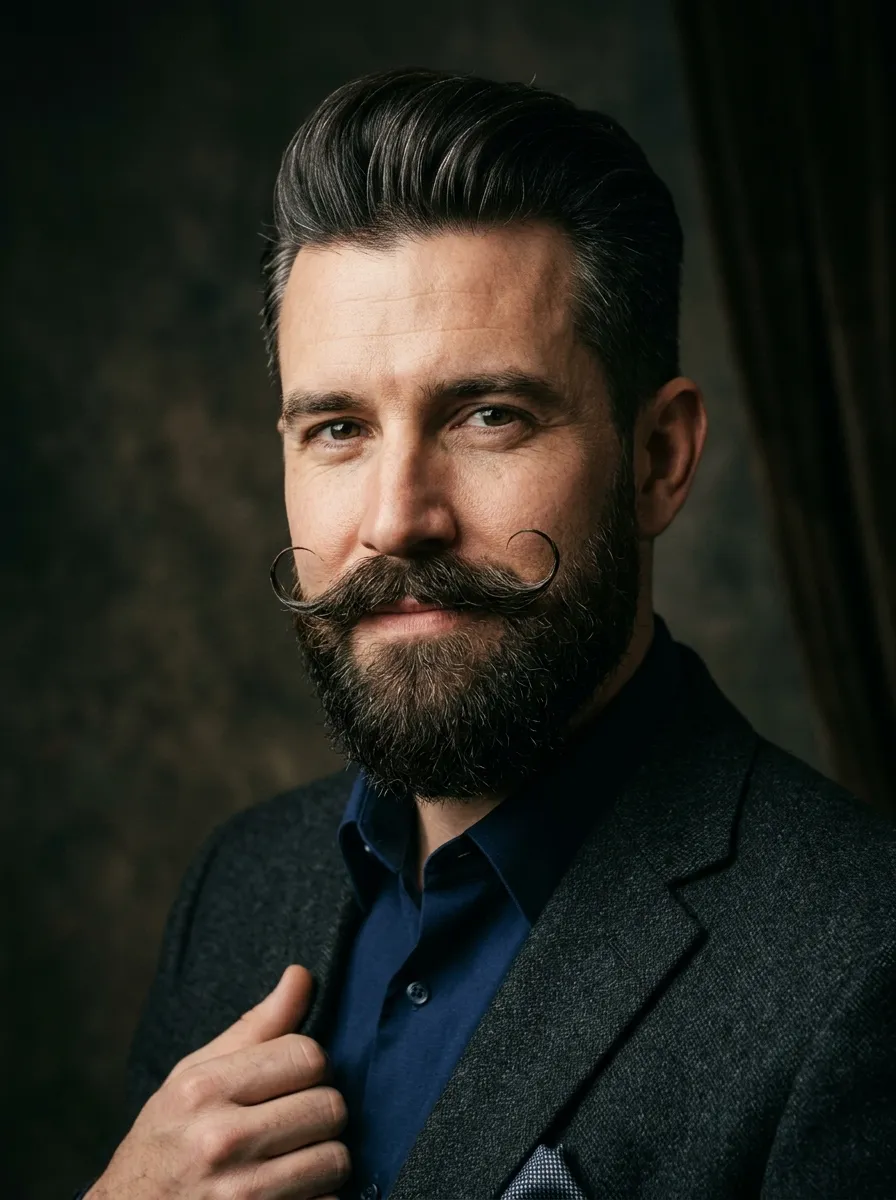
Combining a waxed, curled handlebar mustache with a well-maintained full beard creates one of the most theatrical and compelling looks in contemporary men’s grooming. The handlebar mustache draws immediate attention to the upper lip area while the full beard adds depth and structure beneath it. This style works best when the beard is kept at a medium length with consistent shaping, allowing the mustache to remain the visual focal point of the overall look.
How to Choose the Right Beard Style for Your Face Shape
Selecting a beard style is not purely a matter of trend awareness. The relationship between facial structure and beard shape plays a significant role in how polished the final look appears.
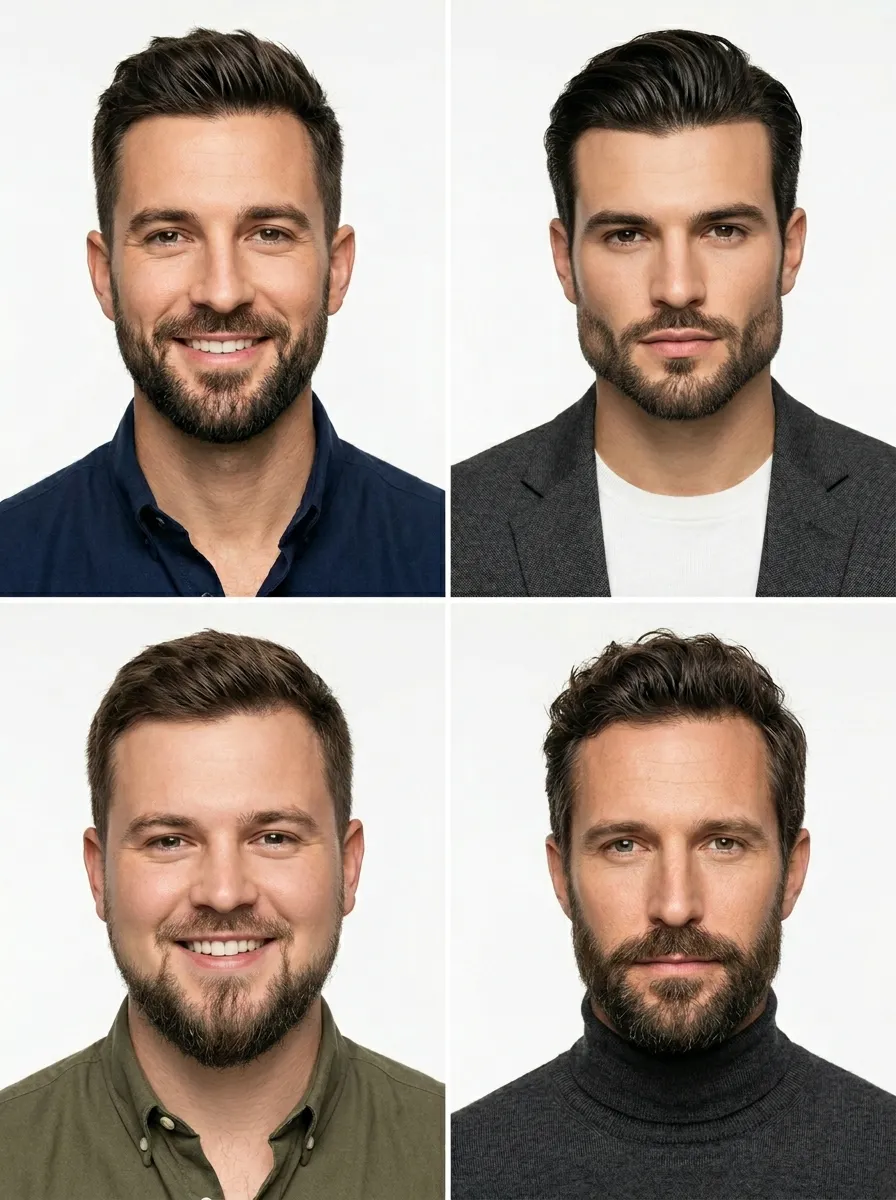
Men with oval face shapes enjoy the most flexibility and can wear nearly any style from this list with confidence. Square faces benefit from rounded styles like the Garibaldi or circle beard, which soften the angular lines of the jaw. Round faces benefit from pointed styles such as the Van Dyke or extended goatee, which add vertical length and definition. Rectangular faces are well-served by wider, shorter styles like heavy stubble or the short boxed beard, which add horizontal width and balance the elongated proportions.
Understanding your face shape before committing to a beard style helps ensure that the resulting look enhances your natural features rather than working against them.
Grooming Essentials for Maintaining a Refined Beard
A bold beard style only lives up to its potential when it is properly maintained. The foundation of good beard care rests on a few non-negotiable practices.
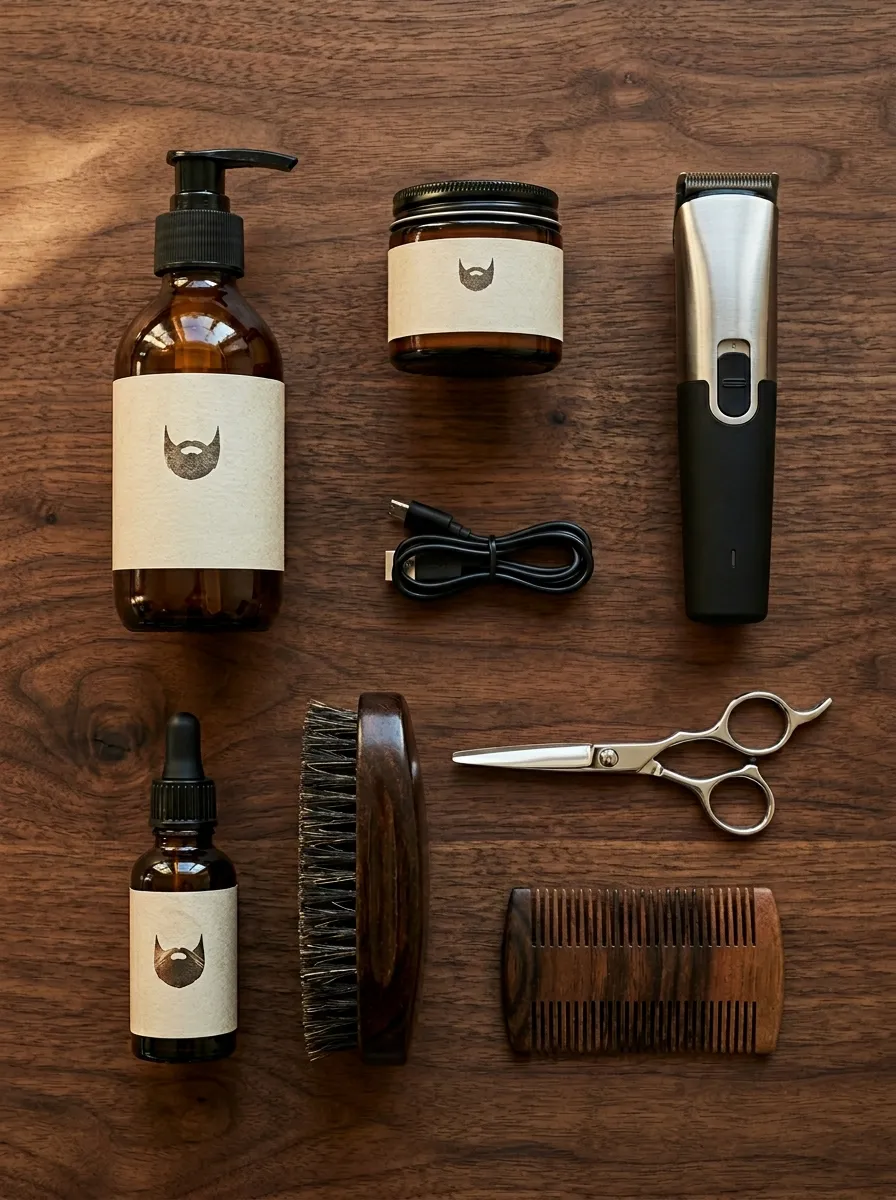
Washing the beard two to three times per week with a dedicated beard shampoo removes buildup without stripping the natural oils that keep facial hair healthy. Following up with a quality beard conditioner restores moisture and reduces coarseness. Applying a few drops of beard oil to a clean, slightly damp beard each morning hydrates both the hair and the underlying skin, preventing the flakiness and irritation that can accompany dry skin beneath dense facial hair.
Beard balm serves a dual purpose by providing both light hold for styling and conditioning benefits for the hair itself. For longer styles, a boar bristle beard brush trains the hair to grow in a consistent direction while distributing oils evenly throughout the beard. A precision beard trimmer with adjustable guards is indispensable for maintaining clean lines, defined edges, and consistent length across the face.
Regular visits to a skilled barber, ideally every two to four weeks depending on the style, ensure that the shape stays intentional and the neckline remains clean and professional.
Conclusion
Bold refined beard styles in 2026 represent the intersection of personal expression and disciplined grooming. From the architectural precision of the anchor beard to the raw volume of the yeard, each style on this list offers a distinct statement about the man who wears it. The key to wearing any of these looks successfully lies in understanding how the style interacts with your face shape, committing to a consistent maintenance routine, and investing in quality grooming products that support healthy facial hair growth.
Beard grooming is a long-term practice rather than a single decision. The effort invested in shaping, conditioning, and maintaining a well-designed beard pays dividends in appearance, confidence, and the way others perceive your attention to detail. Whether you are stepping into a new style for the first time or refining a look you have worn for years, the standards for masculine grooming in 2026 have never offered more compelling options.
Frequently Asked Questions
Q1: How long does it take to grow a full beard?
Most men can grow a full, dense beard in four to six months, though genetics, age, and overall health play significant roles. The first few weeks often involve patchy growth and itchiness, which typically resolves as the hair reaches a longer, more uniform length.
Q2: What is the best beard style for a professional work environment?
The short boxed beard and the circle beard are consistently the most professional choices for workplace settings. Both styles keep facial hair neat, well-defined, and unobtrusive while still making a confident grooming statement.
Q3: How often should I trim my beard to keep it looking sharp?
For shorter, more structured styles like the short boxed beard or stubble, trimming every two to four days maintains the intended shape. Longer styles like the full beard or Garibaldi can be trimmed every one to two weeks, with neckline clean-up performed more frequently.
Q4: Do I need to use beard oil every day?
Daily beard oil application is recommended for most beard lengths. It keeps the underlying skin moisturized, reduces beard dandruff, and adds a healthy sheen to the hair. For very short stubble, every other day is typically sufficient.
Q5: Can men with patchy beards still wear bold beard styles?
Yes, several bold styles work well with naturally patchy growth. Heavy stubble often masks patchiness more effectively than longer beards since the shorter length creates a more uniform texture. The Van Dyke and circle beard are also strong options as they concentrate facial hair in specific areas where growth tends to be densest.
You may also like this: 20 Masculine Beard Styles Every Man Should Try for a Strong Look