
14+ Trendy Short Beard Styles for Men at Any Age
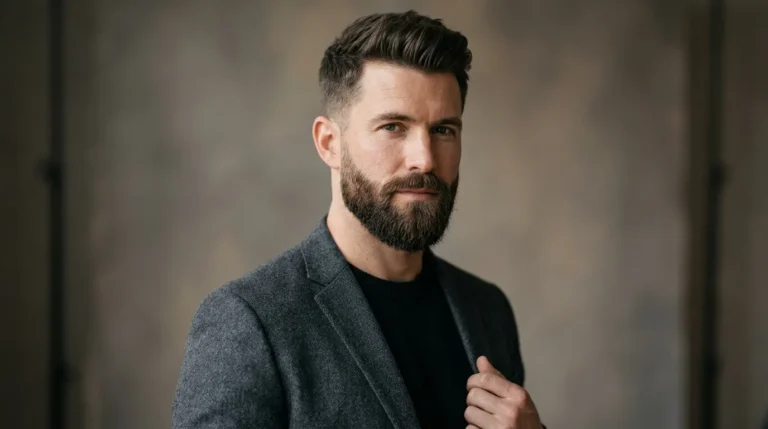
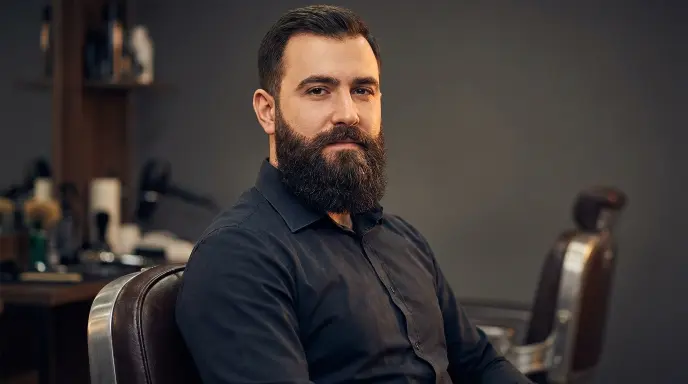
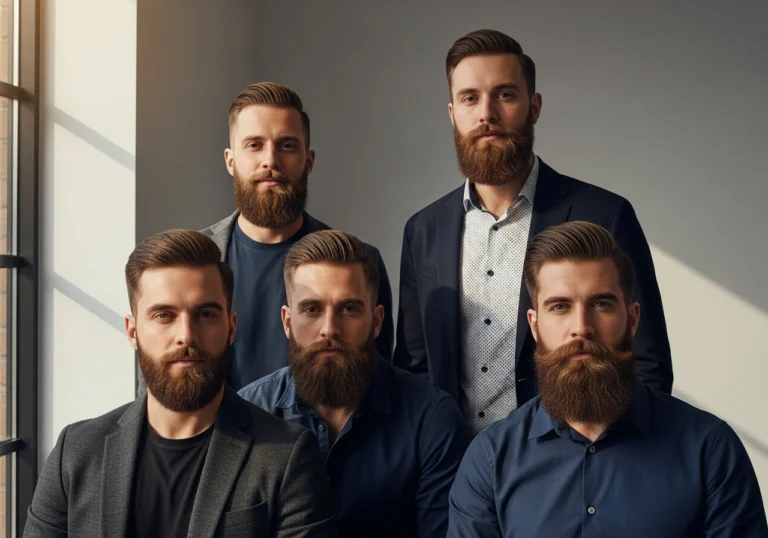
Finding the right facial hair style can transform your entire appearance. Short beard styles offer the perfect balance between a clean-shaven look and a full beard, providing definition to your jawline while remaining manageable and professional. Whether you’re in your twenties or your sixties, there’s a short beard style that can enhance your features and match your lifestyle.
Short beards have surged in popularity because they require less maintenance than their longer counterparts while still delivering that masculine edge many men seek. They work exceptionally well in professional environments, stay comfortable in warm weather, and adapt to various face shapes and hair types. The beauty of keeping your facial hair trimmed short lies in its versatility and the control it gives you over your appearance.
This comprehensive guide explores over fourteen distinct short beard styles that have proven their staying power in modern grooming. Each style offers unique characteristics that can complement different facial structures, personal aesthetics, and practical requirements. Understanding these options will help you make an informed decision about which direction to take with your facial hair journey.
The Classic Stubble

Stubble remains one of the most universally flattering short beard options available to men. This style involves maintaining facial hair at approximately one to three millimeters in length, creating that desirable “five o’clock shadow” effect that suggests ruggedness without appearing unkempt. The stubble look works across all age groups and face shapes, making it an excellent starting point for men new to facial hair.
Maintaining proper stubble requires consistent trimming every two to three days. You’ll want to use a quality trimmer with adjustable guard settings to keep the length uniform across your face. Pay attention to your neck line and cheek line, keeping these areas cleanly defined to prevent the stubble from looking accidental or sloppy.
The stubble style suits men who want minimal commitment to beard maintenance while still enjoying the aesthetic benefits of facial hair. It’s particularly effective for those with strong jawlines, as it accentuates existing bone structure rather than hiding it beneath longer hair.
The Corporate Beard

Professional environments demand a polished appearance, and the corporate beard delivers exactly that. This style typically measures between five and fifteen millimeters in length, providing substantial coverage while maintaining crisp, clean lines. The corporate beard demonstrates that facial hair can coexist with business attire and formal settings.
Achieving this look requires attention to detail in trimming and shaping. The cheek line should be well-defined but not unnaturally low, and the neck line must be cleanly shaved to prevent any appearance of neglect. Regular trimming maintains the desired length, while proper conditioning keeps the hair soft and manageable.
This style has gained traction among executives, salespeople, and professionals who previously might have remained clean-shaven due to workplace expectations. It projects confidence and maturity while respecting traditional grooming standards.
The Goatee

The goatee focuses facial hair around the mouth and chin, creating a distinctive look that draws attention to the lower face. This classic style has evolved over decades, with modern interpretations ranging from minimal soul patches to more substantial chin coverage. The goatee works particularly well for men with round or oval face shapes, as it adds vertical dimension.
There are several goatee variations to consider. The pure goatee covers only the chin without connecting to a mustache. The full goatee includes both chin hair and mustache in one connected unit. The extended goatee widens the coverage area along the jawline for a more substantial appearance.
Maintenance involves keeping the goatee boundaries sharply defined through regular trimming and shaving the remaining facial areas completely. The style requires commitment to daily upkeep, as even one day of neglect can blur the precise lines that make this look successful.
The Van Dyke
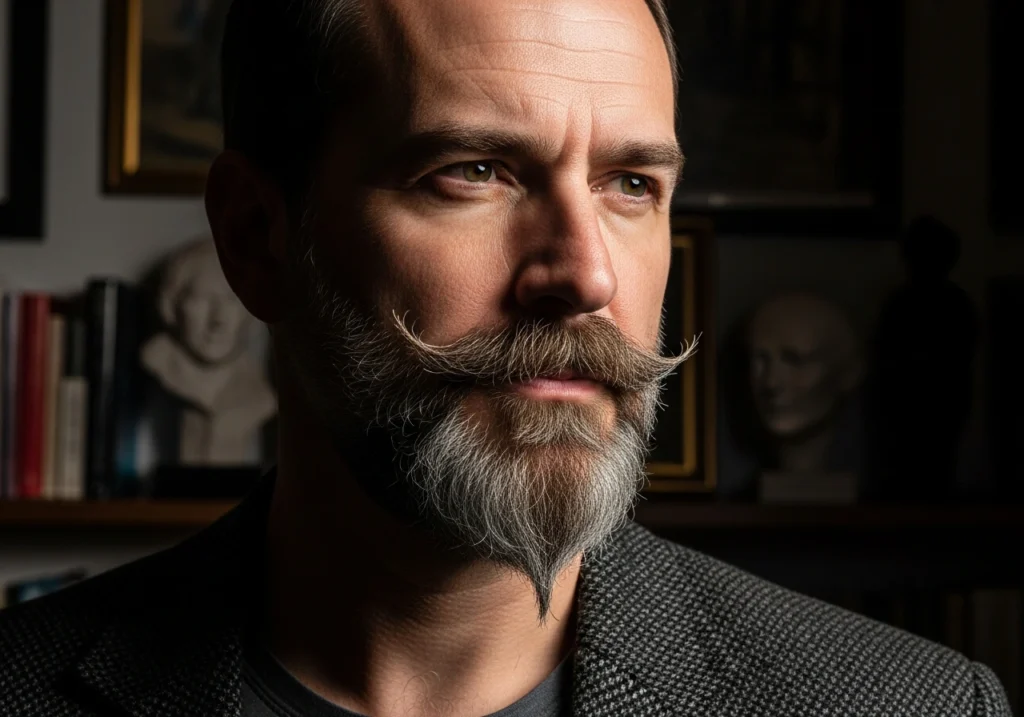
Named after a Flemish painter, the Van Dyke combines a disconnected mustache with a goatee, creating an artistic and intellectual appearance. This style has historical associations with artists, musicians, and free thinkers, though it has since become more mainstream. The Van Dyke suits men who want a distinctive look that stands out from more conventional beard styles.
Creating a proper Van Dyke requires careful shaping to ensure the mustache and chin beard remain separated by cleanly shaved skin. The mustache typically extends slightly beyond the corners of the mouth, while the chin beard can be pointed or rounded depending on personal preference and face shape.
This style demands more maintenance than connected beard styles because you’re managing multiple distinct sections of hair. However, the visual impact often justifies the extra effort for men seeking a signature look.
The Circle Beard
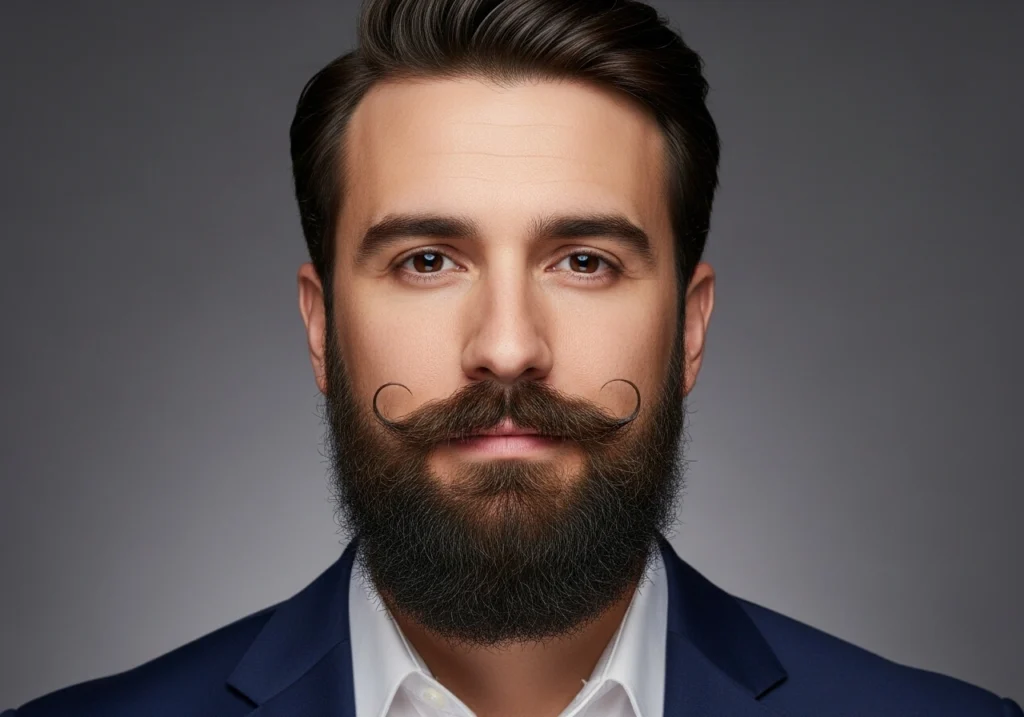
The circle beard represents one of the most popular short beard configurations. This style connects a rounded goatee to a mustache, forming a circular pattern around the mouth. It’s sometimes called a “door knocker” due to its distinctive shape. The circle beard flatters most face shapes and provides good coverage without requiring extensive growth time.
Achieving the proper circular shape involves trimming the beard to follow the natural curve from mustache to chin. The edges should be kept neat and well-defined, with the rest of the face shaved smooth. Length can vary based on preference, though most men keep circle beards between three and ten millimeters for optimal definition.
The circle beard works exceptionally well for men with patchy facial hair growth on the cheeks, as it concentrates coverage in areas where hair naturally grows thicker. It’s also an excellent choice for those transitioning from being clean-shaven to wearing a beard.
The Balbo Beard
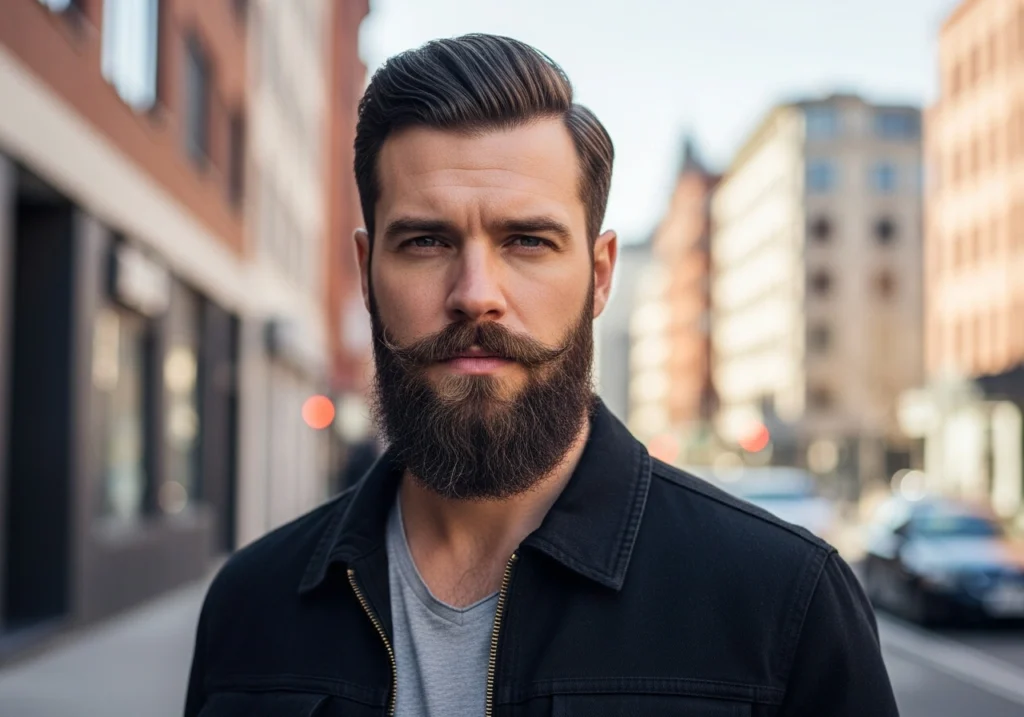
The Balbo beard features a disconnected mustache paired with a T-shaped beard configuration on the chin and lower jaw. This style gained fame through various public figures and offers a bold, distinctive appearance. The Balbo works best for men with strong jaw structures and adequate hair growth in the required areas.
Creating a Balbo requires precision trimming to establish the characteristic T-shape while keeping the mustache separate. The style typically includes a soul patch beneath the lower lip, horizontal hair along the jawline, and a vertical section running down the chin. All sections should be maintained at similar lengths for visual cohesion.
This style suits men who want an edgy appearance that still maintains structure and intentionality. It requires confidence to wear successfully, as it makes a definite statement about personal style.
The Anchor Beard
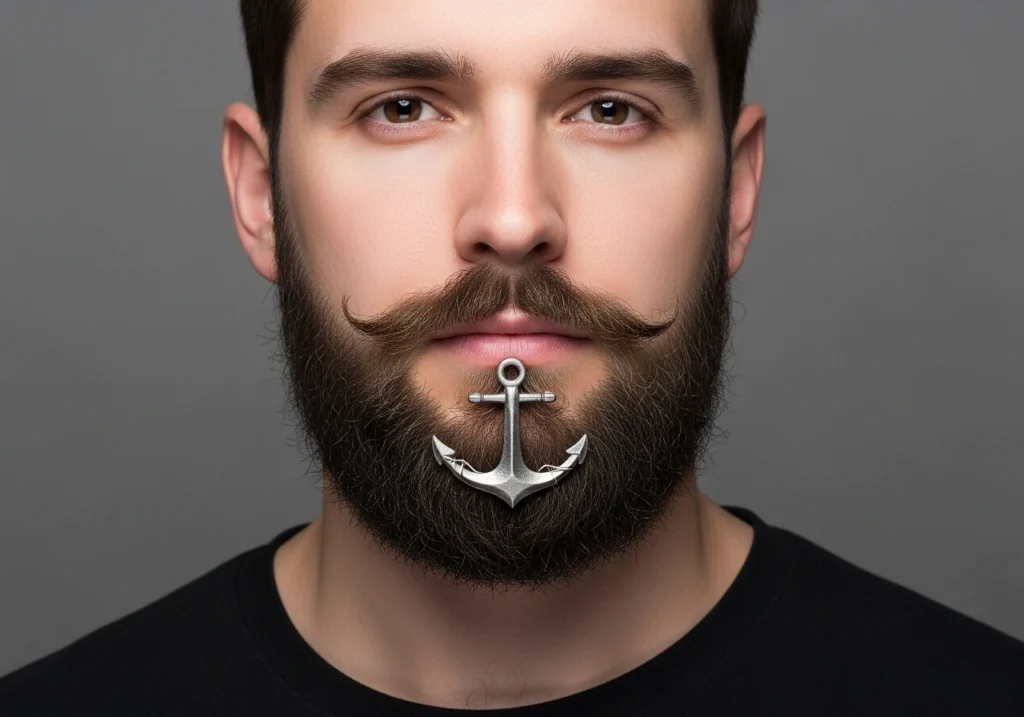
The anchor beard resembles a ship’s anchor when viewed from the front, with a pointed chin beard and a thin line of hair extending along the jawline to the sideburns. This style creates excellent definition for the lower face and works particularly well for men with softer jawlines or round face shapes.
Achieving the anchor shape involves growing and shaping the chin beard into a point while maintaining a thin, precise line of hair along the jaw. The mustache remains separate, and the cheeks are kept clean-shaven. The style requires steady trimming to maintain the distinct anchor shape and prevent it from blending into a more conventional beard style.
Men who choose the anchor beard often appreciate its combination of coverage and definition. It provides more structure than a simple goatee while remaining more manageable than a full short beard.
The Chin Strap
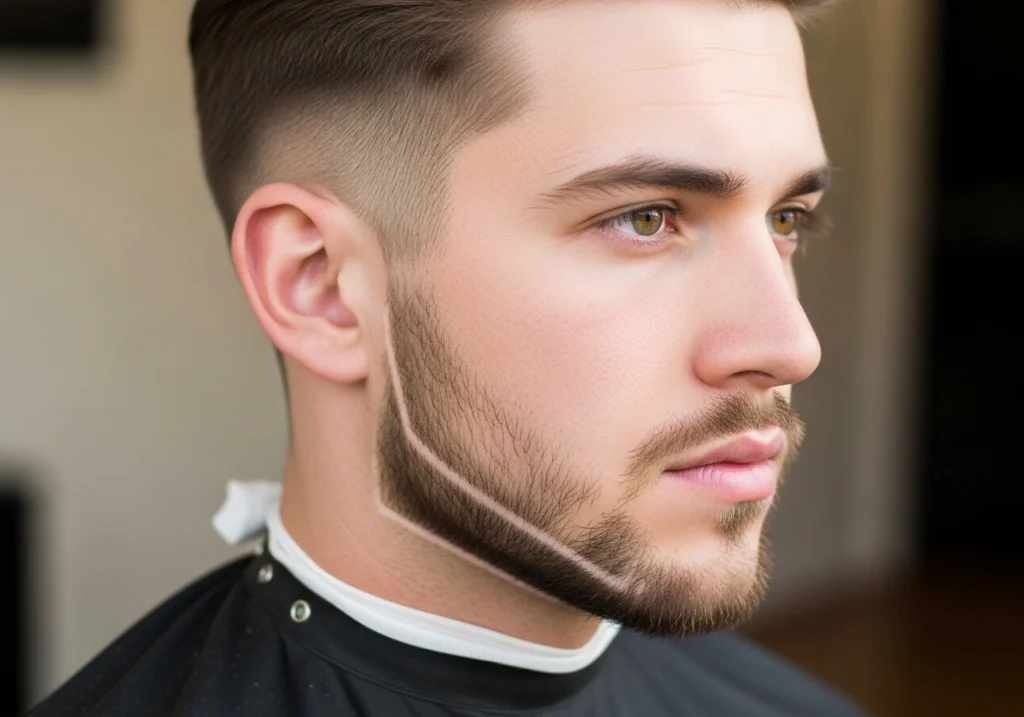
The chin strap runs along the jawline from one sideburn to the other, creating a frame for the face. This style can be worn with or without a mustache, though the disconnected version (without mustache) creates a more contemporary appearance. The chin strap emphasizes jaw structure and works exceptionally well for men with defined jawlines.
Maintaining a chin strap requires keeping the hair at a consistent, short length while ensuring the line remains straight and even on both sides. The width of the strap can vary from a thin line to a broader strip of hair, depending on personal preference and natural hair density.
This style suits younger men particularly well, though it can work at any age with proper maintenance and styling. It provides definition without the bulk of fuller beard styles.
The Short Boxed Beard
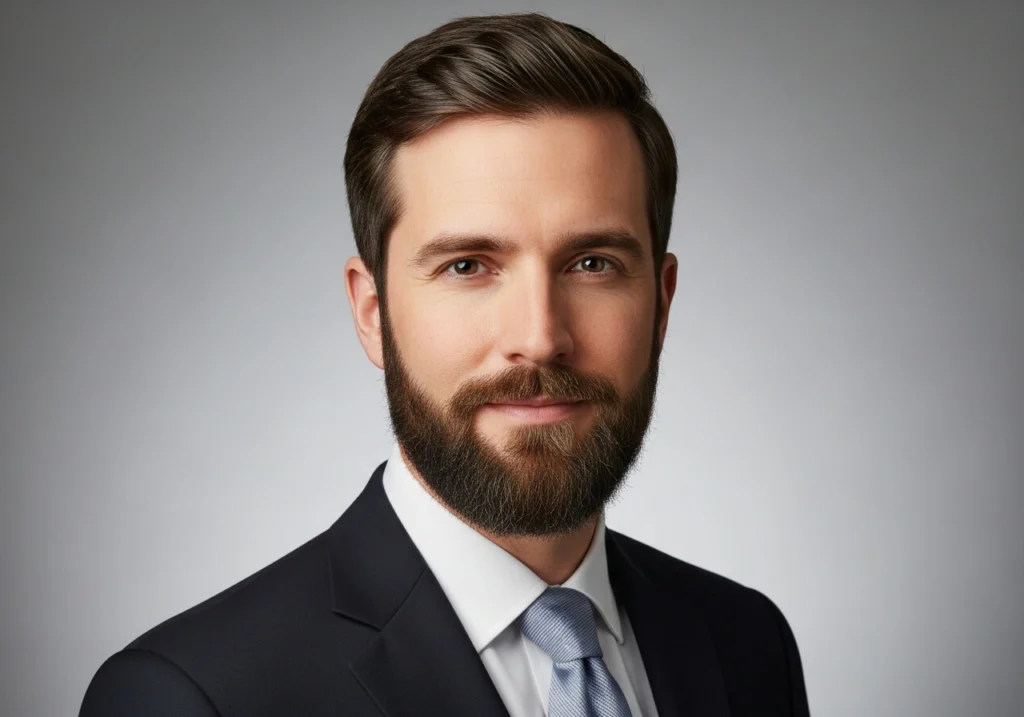
The short boxed beard provides full coverage of the lower face with neatly squared edges. This style typically measures between ten and twenty millimeters in length and features straight lines at the cheeks and a horizontal line at the neck. The boxed beard offers a strong, masculine appearance while remaining professional and tidy.
Creating proper box edges requires careful trimming with attention to symmetry. The cheek line should sit at an appropriate height for your face shape, typically following a line from the sideburns toward the corners of the mouth. The neck line should be positioned about one to two finger-widths above the Adam’s apple.
The short boxed beard suits men who want substantial facial hair coverage without committing to longer beard lengths. It provides excellent definition for all face shapes and works well across professional and casual contexts.
The Designer Stubble

Designer stubble represents a more cultivated version of natural stubble, typically maintained at three to five millimeters with carefully shaped edges. This style has become increasingly popular as men recognize that even short beards benefit from intentional shaping and maintenance. Designer stubble projects sophistication while maintaining an approachable, relaxed appearance.
The key to successful designer stubble lies in consistent length maintenance and precise edge work. Unlike natural stubble, which grows haphazardly, designer stubble requires regular trimming to prevent it from progressing toward a full short beard. The cheek and neck lines should be cleanly defined to distinguish this style from simple neglect.
This style works across all age groups and adapts well to various face shapes. It’s particularly effective for men who want the aesthetic benefits of facial hair without the time investment required by longer or more complex styles.
The Soul Patch
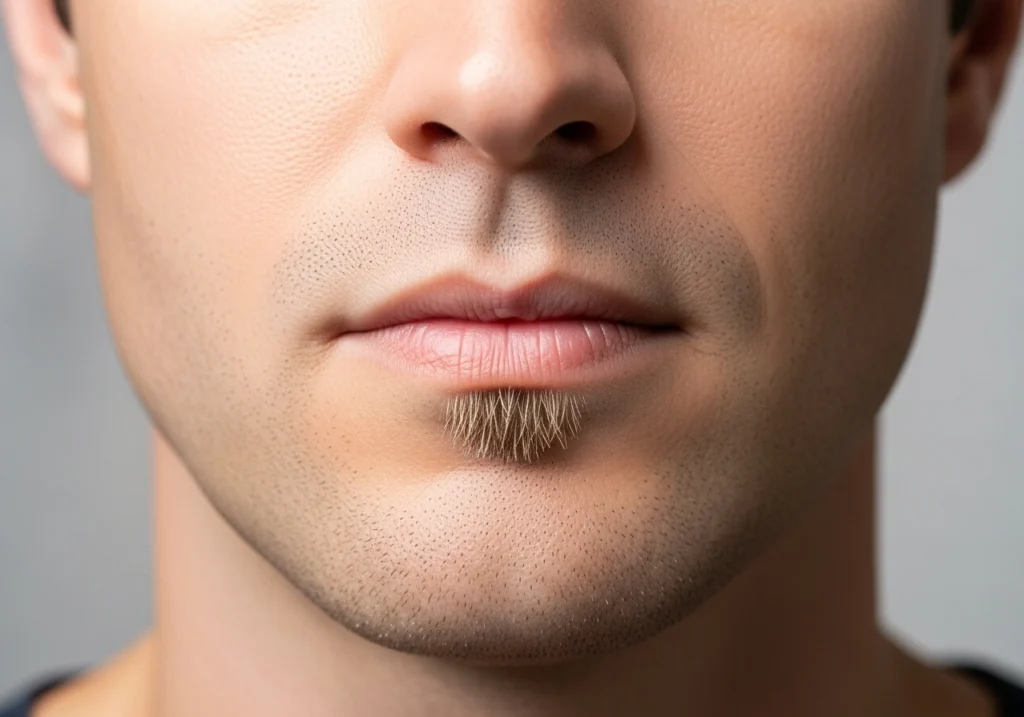
The soul patch consists of a small tuft of hair grown just below the center of the lower lip. While technically minimal in coverage, this style makes a distinct statement and can be worn alone or combined with a mustache or other beard elements. The soul patch gained popularity through jazz musicians and has maintained relevance through various style eras.
Maintaining a soul patch involves keeping the patch itself neatly trimmed while shaving the surrounding areas completely. The size and shape can vary from a small triangular patch to a more rectangular configuration. Some men prefer a rounded shape, while others choose a pointed design.
This minimal style suits men who want to experiment with facial hair without committing to larger beard configurations. It works particularly well when combined with certain hairstyles and personal aesthetics.
The Petite Goatee

The petite goatee offers a smaller, more refined version of the traditional goatee. This style typically covers only the chin area immediately below the lower lip, creating a compact, defined look. The petite goatee works well for men with smaller facial features or those who prefer understated styling.
Creating this look requires growing adequate hair in the chin area while keeping the coverage area deliberately small. The edges should be sharply defined, and the length kept relatively short to maintain the “petite” designation. The rest of the face remains cleanly shaved.
This style suits professional environments and works across age groups. It provides character to the face without overwhelming other features or requiring extensive maintenance time.
The Mutton Chops
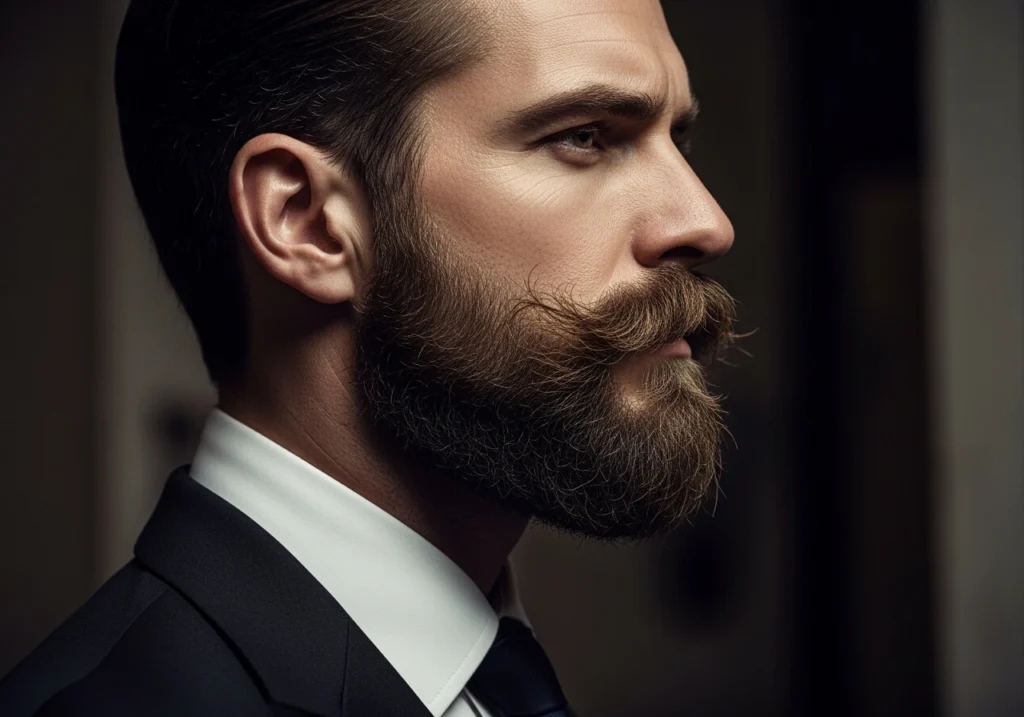
Mutton chops feature substantial sideburns that extend down past the ears and toward the jaw, with the chin area remaining clean-shaven. While traditionally associated with historical periods, modern interpretations keep the chops trimmed short and well-shaped. This distinctive style makes a bold statement and works best for men with strong facial features.
Maintaining mutton chops requires regular trimming to keep them at the desired length and ensure both sides remain symmetrical. The transition from sideburn to chop should be smooth and gradual. The lower edge can be squared, rounded, or pointed depending on preference.
This style suits men who want to make a distinctive style choice while maintaining some connection to grooming traditions. It works particularly well when paired with certain hairstyles and personal aesthetics.
The Beardstache
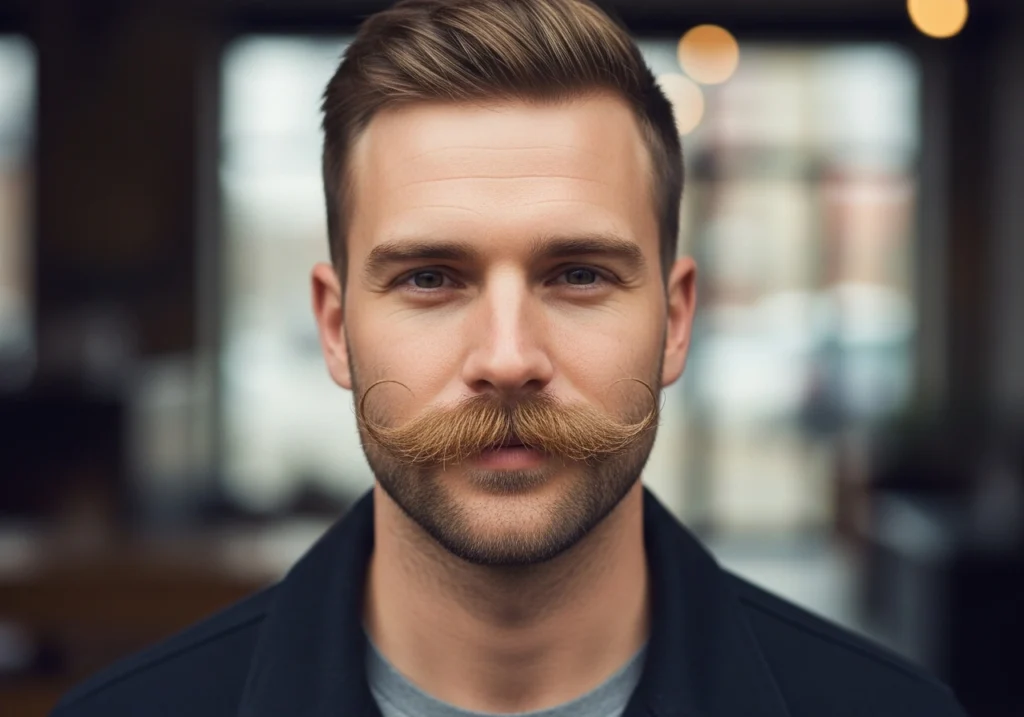
The beardstache combines a prominent mustache with subtle, shorter facial hair coverage on the rest of the face. This style emphasizes the mustache as the primary feature while using lighter stubble or very short beard hair to provide texture without competing for attention. The beardstache offers a contemporary take on traditional mustache styling.
Creating this look involves growing the mustache to a more substantial length and thickness while keeping the remaining facial hair trimmed very short, typically at one to three millimeters. The contrast between the mustache and the surrounding stubble creates the signature appearance of this style.
This style works well for men with strong mustache growth who want to leverage that natural advantage while avoiding the potentially dated appearance of a standalone mustache. It bridges traditional and contemporary grooming aesthetics effectively.
Choosing the Right Style for Your Face Shape
Face shape plays a significant role in determining which short beard style will prove most flattering. Men with round faces generally benefit from styles that add vertical dimension, such as goatees, anchor beards, or styles with pointed chin elements. These create the illusion of length and help balance circular features.
Square-faced men can enhance their natural jaw structure with most short beard styles, though fuller coverage often works particularly well. The short boxed beard complements square features nicely. Men with this face shape should avoid styles that further square off the jaw, such as extremely angular chin straps.
Oval faces are considered the most versatile face shape for beard styling, as they work well with nearly any short beard configuration. Men with oval faces can experiment freely with different styles to find their personal preference. Diamond-shaped faces benefit from styles that add width at the chin, such as fuller goatees or short boxed beards.
Men with longer, rectangular faces should consider styles that add horizontal dimension rather than vertical length. Mutton chops, chin straps, and wider beard styles work better than pointed goatees or anchor beards for these face shapes.
you may also like this:15+ Medium Beard Styles That Add Instant Character
Conclusion
Short beard styles offer tremendous versatility for men seeking to enhance their appearance through facial hair. From the minimal commitment of designer stubble to the bold statement of a Van Dyke, each style provides unique aesthetic benefits and practical considerations. The key to success lies in choosing a style that complements your face shape, suits your lifestyle, and matches your personal grooming preferences.
The enduring popularity of short beards reflects their practical advantages and aesthetic appeal. They provide definition and character without the time investment required by longer beards. They adapt to professional environments while still offering opportunities for personal expression. They remain comfortable in various climates and activities while delivering the masculine edge many men seek.
Starting your short beard journey requires patience as you allow adequate growth, precision as you shape your chosen style, and consistency as you maintain it over time. The initial effort pays dividends through improved appearance and the confidence that comes from knowing you look your best. Whether you’re experimenting with facial hair for the first time or refining your established grooming routine, short beard styles provide accessible, attractive options worth exploring.
Frequently Asked Questions
How long does it take to grow a short beard?
Most short beard styles require between one and three weeks of growth, depending on your natural hair growth rate and the specific style you’re pursuing. Styles like stubble need just a few days, while fuller short beards like the boxed beard may require two to three weeks to achieve adequate coverage for proper shaping.
Can I maintain a short beard with just one trimmer?
A quality adjustable trimmer can handle most short beard maintenance needs effectively. Look for a trimmer with multiple guard lengths and sharp blades. While a trimmer covers basic maintenance, adding a razor for clean edges and scissors for detail work will improve your results and give you more styling flexibility.
How do I prevent my short beard from looking patchy?
Choose beard styles that work with your natural growth patterns rather than against them. Circle beards, goatees, and Van Dykes concentrate hair in areas where growth is typically strongest. Keep your beard well-groomed and at appropriate lengths, as shorter beards often appear less patchy than longer ones. Beard oil improves hair texture and appearance, helping minimize the visual impact of uneven growth.
Should I use beard oil on a short beard?
Yes, beard oil benefits short beards by moisturizing both the hair and the skin beneath. This prevents itching and flaking while improving the texture and appearance of your beard. Use a small amount daily after washing your face. Even though short beards require less oil than longer beards, the benefits for skin health and comfort remain significant.
What’s the best short beard style for a professional workplace?
The corporate beard, short boxed beard, and well-maintained designer stubble all work excellently in professional environments. These styles demonstrate intentionality and grooming attention while remaining conservative enough for traditional workplaces. The key is maintaining clean, precise edges and keeping the length consistent through regular trimming. When in doubt, observe grooming standards among leadership in your specific workplace.

2 Comments