Chest Shaving: Pros, Cons, And How-To Guide
The decision to shave chest hair has become increasingly common in modern grooming culture. Statistics reveal that approximately 94 percent of men aged 18 to 29 engage in chest hair grooming monthly, while 88 percent of men in their 30s to 50s follow suit. This shift represents more than just a passing trend; it reflects changing attitudes toward male body grooming and personal presentation.
Whether motivated by athletic performance, aesthetic preferences, or personal comfort, chest shaving carries both advantages and challenges that deserve careful consideration. Understanding the full scope of this grooming practice empowers you to make informed decisions about your body hair management strategy.
Understanding the Appeal of Chest Hair Removal

Men pursue chest hair removal for various practical and personal reasons. The motivation extends beyond simple aesthetics and often ties into lifestyle choices, professional requirements, and confidence levels.
Athletes, particularly swimmers and cyclists, shave their chests to reduce drag and improve performance times. Bodybuilders remove chest hair before competitions because smooth skin showcases muscle definition more effectively than hairy skin. The contrast between light and shadow on bare skin emphasizes the hard work invested in building physical strength.
Tattoo enthusiasts find that chest shaving makes their ink more visible and vibrant. Hair coverage obscures the intricate details and colors of body art, diminishing the visual impact of expensive work. A smooth canvas allows tattoos to appear exactly as the artist intended.
Some men experience discomfort from excessive chest hair. Thick hair traps heat like an insulating layer, causing discomfort during warm weather or intense physical activity. Hair also captures sweat and bacteria, potentially leading to hygiene concerns and persistent itching after workouts.
Partner preferences occasionally influence grooming decisions. While opinions vary widely, some individuals prefer the smooth feel and appearance of a hairless chest. However, grooming should primarily reflect personal choice rather than solely accommodating others’ preferences.
The Benefits of Chest Shaving
Removing chest hair offers multiple advantages that extend beyond surface-level appearance. These benefits affect daily comfort, physical performance, and overall grooming routines.
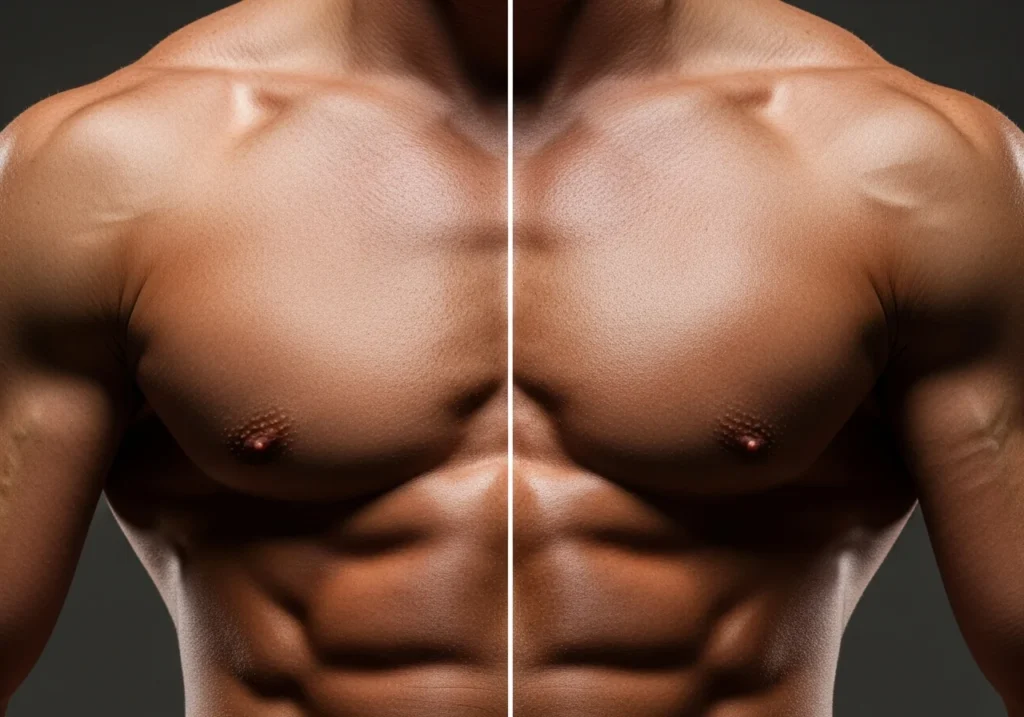
Enhanced muscle visibility represents one of the most sought-after benefits. When you invest significant time in chest exercises and strength training, hair coverage masks the results. Shaving reveals the contours of pectoral muscles, creating a more defined and athletic appearance. This becomes particularly important for those who compete in bodybuilding or fitness modeling.
Improved hygiene stands as another compelling reason. Hair follicles trap perspiration, dead skin cells, and bacteria throughout the day. This accumulation can contribute to body odor and skin irritation. A smooth chest allows sweat to evaporate more efficiently and makes washing more effective.
Skincare products absorb better on bare skin. Moisturizers, sunscreens, and acne treatments penetrate directly to the epidermis rather than coating hair shafts. This increased absorption maximizes the effectiveness of your skincare investments.
Temperature regulation improves noticeably after chest shaving. Without hair insulation, air circulates more freely across the skin surface. This enhanced airflow provides measurable relief during summer months or in humid climates.
The tactile experience changes dramatically. Many men appreciate the smooth feel of freshly shaved skin against clothing and during physical contact. This sensory difference can boost confidence in social and intimate situations.
The Drawbacks and Challenges
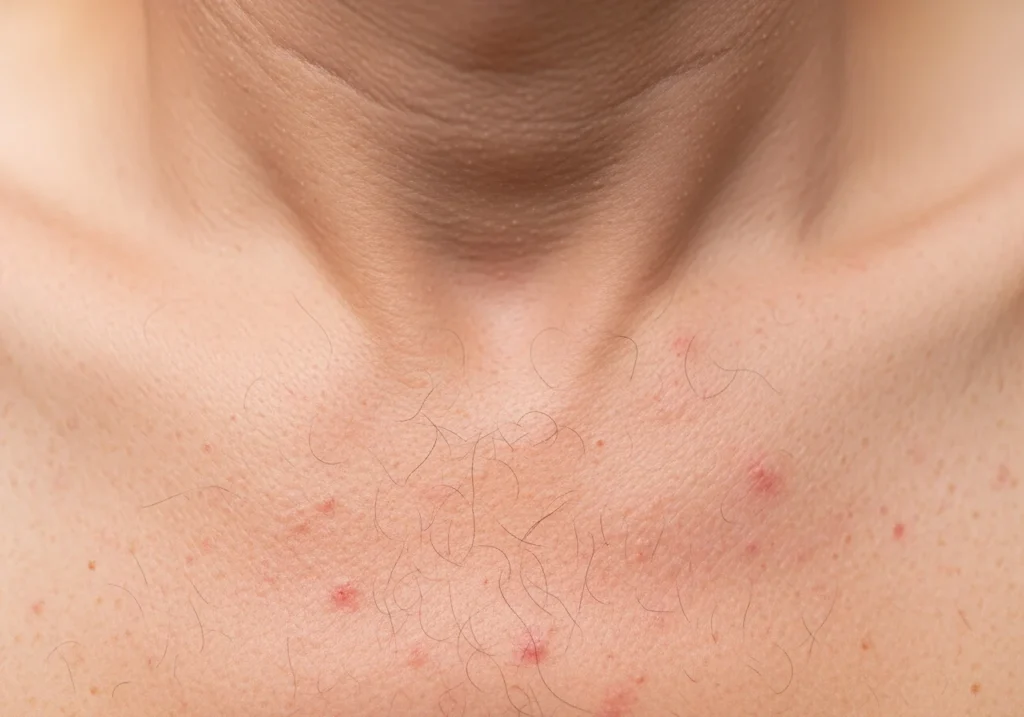
Despite its benefits, chest shaving presents several challenges that require acknowledgment and preparation. Understanding these drawbacks helps set realistic expectations and develop effective management strategies.
Razor burn emerges as the most common complaint. The interaction between blade and skin creates tiny cracks in the epidermis, triggering inflammation. This irritation manifests as red, blotchy patches that burn and itch. The chest’s large surface area and varying hair growth directions make razor burn particularly likely for beginners.
Ingrown hairs develop when cut hairs curl back into the skin instead of growing outward. These trapped hairs create painful, raised bumps resembling pimples. People with curly or coarse hair face higher risk for ingrown hairs. The condition can persist for days or weeks and sometimes requires medical attention.
Stubble presents perhaps the most frustrating aspect of chest shaving. Within days of shaving, hair begins growing back with blunt, prickly tips. This sandpaper-like texture feels uncomfortable against clothing and skin. The stubble phase typically lasts several days before hair softens or grows long enough to lay flat.
Maintenance demands increase significantly. Unlike leaving chest hair natural, shaving requires repeat sessions every four to seven days to maintain smoothness. Missing this window means enduring the uncomfortable stubble phase. This ongoing commitment consumes time and resources that some men find excessive.
Skin sensitivity varies among individuals, making some more prone to negative reactions. Those with naturally sensitive skin may experience heightened irritation, prolonged redness, and increased discomfort. Finding the right products and techniques becomes essential but sometimes challenging.
Nicks and cuts occur more frequently on the chest than on facial skin. The chest’s contoured surface, with its curves around muscles and collarbone, makes maintaining consistent blade contact difficult. The nipple area requires particular caution as the skin there is exceptionally sensitive and easily damaged.
Preparing Your Skin for Chest Shaving

Proper preparation significantly reduces irritation and improves shaving results. The steps taken before the razor touches skin determine much of the overall experience and outcome.
Trimming long hair represents the critical first step. If chest hair extends beyond half an inch, use scissors or an electric trimmer to reduce length. Long hair clogs razor blades quickly, forcing you to rinse constantly and potentially causing uneven results. Trimming to approximately quarter-inch length creates ideal conditions for smooth shaving.
Showering with warm water opens pores and softens hair follicles. The moisture penetrates hair shafts, making them more pliable and easier to cut. Warm water also removes surface oils and dirt that can interfere with razor glide. Time your shaving for during or immediately after showering to maximize these benefits.
Exfoliation removes dead skin cells and lifts hair away from the skin surface. Use a gentle scrub or exfoliating cloth, working in circular motions across the entire chest area. This process prevents dead cells from clogging pores and reduces the likelihood of ingrown hairs. Avoid aggressive scrubbing that might irritate skin before shaving.
Cleaning the area thoroughly eliminates sweat, bacteria, and residue. Use a mild, non-comedogenic cleanser that rinses completely without leaving film. Residual soap can create barriers between shaving cream and skin, diminishing protection and increasing friction.
Step-by-Step Shaving Technique
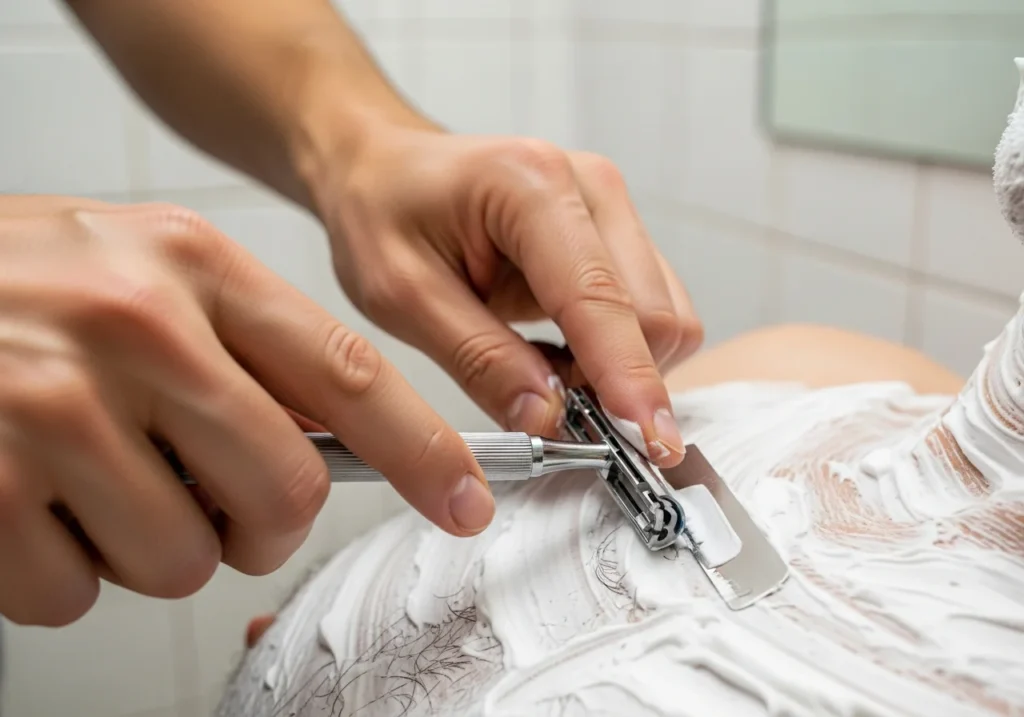
Executing proper technique separates smooth results from irritated, uneven skin. Each phase of the shaving process deserves attention and care.
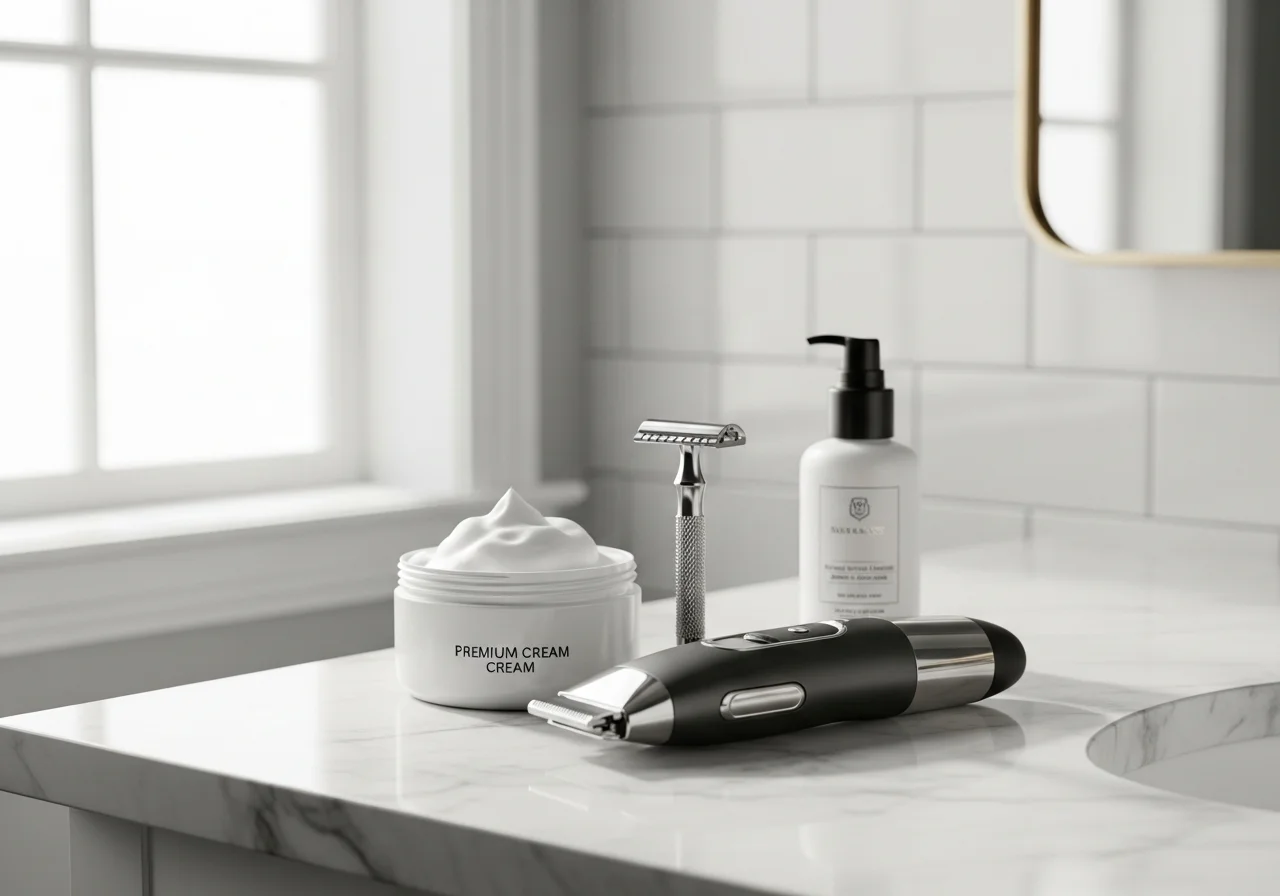
Select appropriate tools before beginning. A multi-blade razor designed for body use generally provides closer shaves than facial razors. However, sensitive skin may respond better to single-blade razors that cut less aggressively. Ensure blades are sharp and free from rust or buildup. Dull blades drag across skin rather than cutting cleanly, increasing irritation risk.
Apply generous amounts of shaving cream or gel across the entire chest. Create a thick, even layer that provides lubrication and protection. Products containing moisturizing ingredients like aloe vera or vitamin E offer additional skin benefits. Allow the product to sit for one to two minutes before shaving, giving it time to further soften hair.
Work from the outside edges toward the center of your chest. This systematic approach prevents missing patches and maintains visual reference points. Stretch the skin taut with your free hand to create an even shaving surface. Taut skin allows the blade to glide smoothly without catching on natural contours.
Use light, short strokes rather than long, aggressive passes. Heavy pressure increases irritation without improving closeness. Let the razor’s weight and sharp blades do the work. After every few strokes, rinse the blade under running water to clear accumulated hair and shaving cream.
Pay careful attention to hair growth direction. Chest hair often grows in multiple directions rather than uniformly. Shaving against the grain provides closer results but dramatically increases irritation and ingrown hair risk. Following hair growth direction produces slightly less close shaves but significantly reduces problems.
Exercise extreme caution around nipples and other sensitive areas. Use especially light pressure and short strokes in these zones. Consider leaving a small margin of hair around nipples or switching to an electric trimmer for these delicate regions.
Reapply shaving cream before going over the same area multiple times. The initial application wears away during the first pass, leaving skin vulnerable during subsequent strokes. Fresh lubrication protects against increased friction and burning.
Post-Shave Care and Maintenance
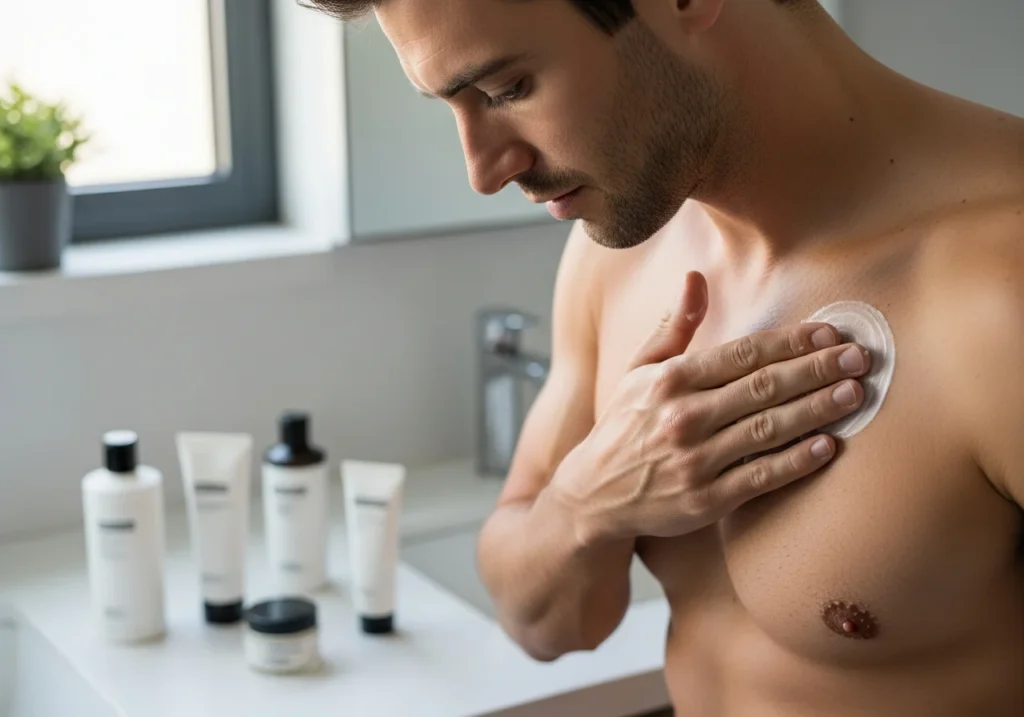
Aftercare determines how quickly skin recovers and how comfortable you feel following shaving. These steps minimize irritation and prepare skin for optimal healing.
Rinse thoroughly with cool water to remove all traces of shaving cream and loose hair. Cool water closes pores and reduces inflammation. Avoid hot water immediately after shaving as it can exacerbate redness and burning sensations.
Pat skin dry gently with a clean, soft towel. Rubbing or aggressive drying irritates freshly shaved skin. Leave skin slightly damp before applying post-shave products to help lock in moisture.
Apply alcohol-free moisturizer or aftershave balm liberally across the shaved area. Products containing aloe vera, chamomile, or oatmeal provide soothing effects. Alcohol-based products may sting and dry out skin, potentially worsening irritation.
Avoid tight clothing for several hours after shaving. Constricting garments create friction against freshly shaved skin, promoting irritation and ingrown hairs. Choose loose, breathable fabrics that allow air circulation.
Limit sun exposure on newly shaved skin. Shaving removes the top layer of dead skin cells, temporarily increasing UV sensitivity. Apply sunscreen if spending time outdoors, or keep the area covered with light clothing.
Continue exfoliating regularly between shaves, but wait at least 24 hours after shaving before resuming this practice. Regular exfoliation prevents dead skin cell buildup and helps guide hair to grow outward rather than back into skin.
Monitor for signs of infection or severe irritation. Small red bumps are normal, but spreading redness, pus, or increasing pain may indicate infection requiring medical attention. Address these concerns promptly to prevent complications.
Alternatives to Traditional Shaving
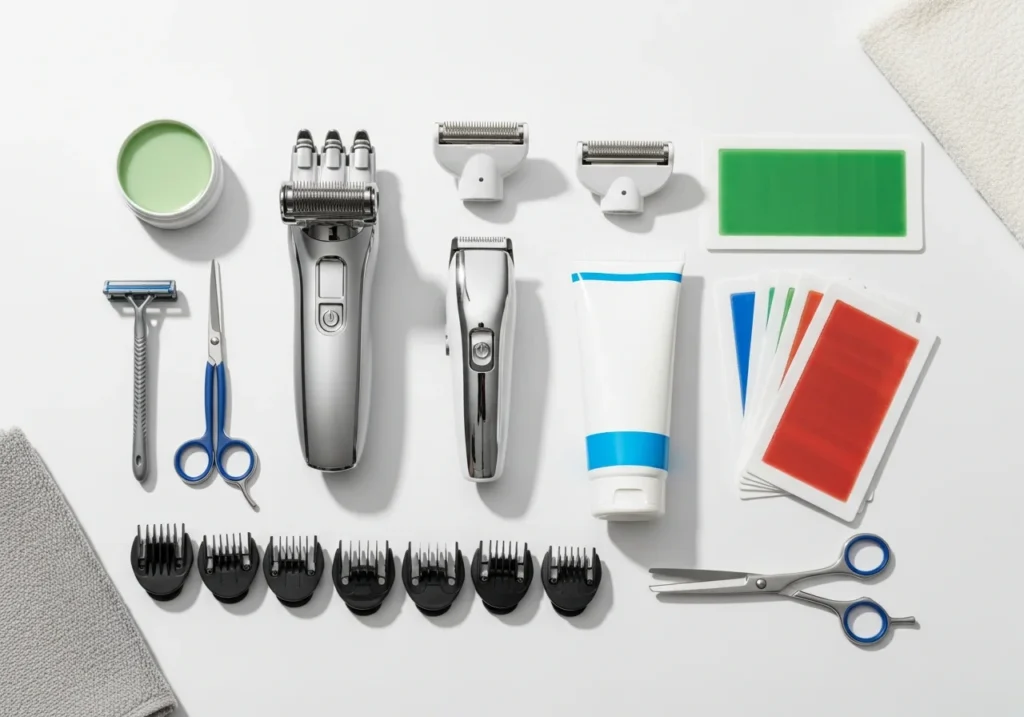
Several alternatives offer chest hair management without the challenges associated with traditional razor shaving. These options suit different preferences, skin types, and maintenance commitments.
Electric body groomers provide quick, convenient hair removal with minimal irritation. These devices cut hair slightly above skin level, avoiding the direct blade-to-skin contact that causes razor burn. Modern body groomers feature adjustable guard lengths, allowing precise control over remaining hair length. This method produces results lasting several days and requires no shaving cream or water.
Trimming maintains a groomed appearance without complete hair removal. Keeping chest hair trimmed to uniform, shorter length offers many aesthetic benefits while avoiding stubble discomfort. Trimming allows natural hair texture to show while preventing the wild, unkempt appearance of long chest hair. This compromise suits men who want groomed appearance without full commitment to smooth skin.
Hair removal creams, or depilatories, dissolve hair through chemical action. These products break down protein structures in hair, allowing easy removal by wiping. Results typically last longer than shaving since chemicals affect hair slightly below skin surface. However, the chemicals can irritate sensitive skin, and patch testing is essential before applying to large areas.
Professional waxing removes hair from the root, providing smooth results lasting several weeks. Trained estheticians can handle the process efficiently and with less pain than home waxing attempts. The main drawbacks include cost, pain level, and potential for ingrown hairs. Skin may also become red and sensitive for hours or days following waxing sessions.
Laser hair removal offers long-term or permanent reduction in hair growth. Multiple treatment sessions gradually damage hair follicles, reducing their ability to produce new hair. This method requires significant financial investment and time commitment but eventually eliminates the need for ongoing hair removal. Results vary based on hair color, skin tone, and individual response to treatment.
Special Considerations for Different Skin Types
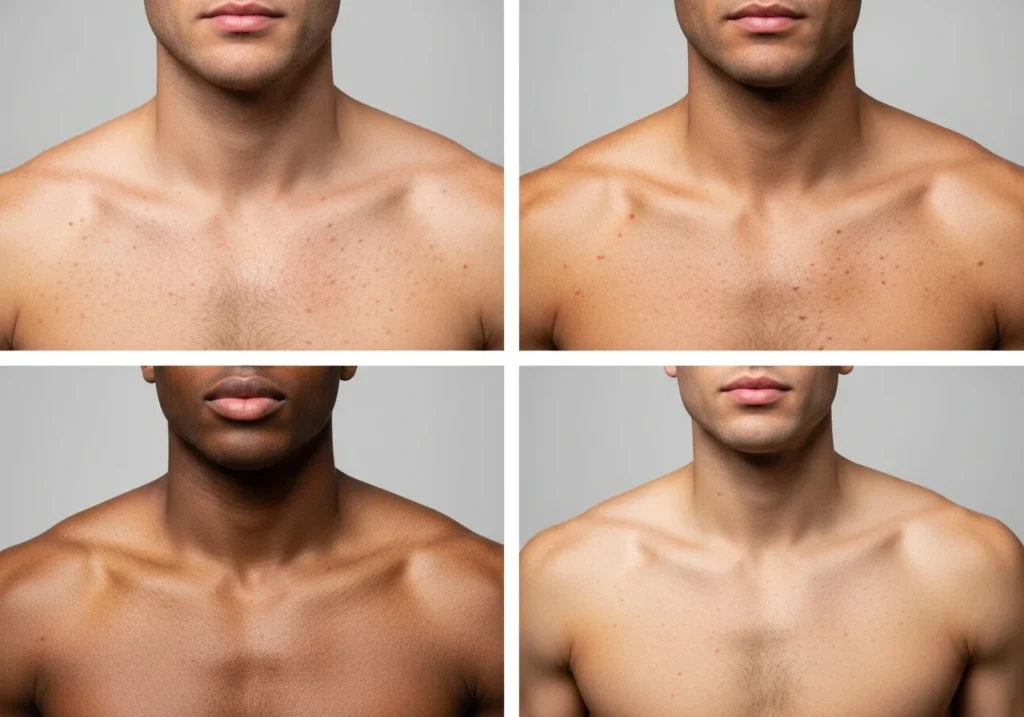
Individual skin characteristics influence which chest shaving approaches work best and which precautions prove most important.
Sensitive skin requires gentler products and techniques throughout the shaving process. Choose razors with fewer blades to reduce skin contact and irritation. Select shaving creams specifically formulated for sensitive skin, avoiding products with fragrances, dyes, or harsh chemicals. Extend time between shaving sessions when possible to allow complete recovery.
Acne-prone skin faces additional challenges since shaving can spread bacteria and worsen breakouts. Ensure all tools are thoroughly cleaned and sanitized before use. Use non-comedogenic shaving and skincare products that will not clog pores. Consider spot treating active breakouts rather than shaving directly over them.
Dry skin benefits from extra moisturizing throughout the shaving process. Use shaving creams with added moisturizers and apply rich, hydrating lotions after shaving. Consider incorporating facial-quality hyaluronic acid serums into post-shave care to attract and retain moisture.
Oily skin may experience fewer problems with dryness but faces increased risk of clogged pores and ingrown hairs. Exfoliate more frequently to prevent pore blockage. Choose lighter, gel-based moisturizers rather than heavy creams that might trap oil and bacteria.
Those with darker skin tones should take extra precautions against ingrown hairs and hyperpigmentation. Razor bumps occur more frequently and can leave dark spots when healing. Consider using single-blade razors or switching to trimming and depilatory creams rather than close shaving.
Managing Common Problems

Even with careful technique, problems occasionally arise during chest shaving. Knowing how to address these issues quickly minimizes discomfort and prevents complications.
For razor burn, apply cold compresses immediately to reduce inflammation. Aloe vera gel provides natural soothing properties. Over-the-counter hydrocortisone cream can address more severe burning and itching, but should not be used for extended periods without medical guidance.
When ingrown hairs develop, resist the urge to pick or squeeze them. Apply warm compresses to soften skin and encourage hair to surface naturally. Gentle exfoliation around the affected area may help guide hair outward. If ingrown hairs become painful or infected, consult a healthcare provider for proper treatment.
Stubble discomfort can be minimized by maintaining consistent shaving schedules. Shaving every four to five days prevents hair from reaching the most uncomfortable prickly stage. Alternatively, allow hair to grow past the stubble phase if taking a break from shaving. Moisturizing regularly keeps skin supple and reduces the scratchy feeling.
Nicks and small cuts should be cleaned immediately with cool water. Apply gentle pressure with clean tissue or cloth until bleeding stops. Avoid applying heavy moisturizers or creams directly to open cuts. Monitor for signs of infection like increasing redness or warmth.
Persistent irritation despite careful technique may indicate product sensitivities or underlying skin conditions. Experiment with different shaving cream brands and razor types. If problems continue, consult a dermatologist to rule out conditions like folliculitis or contact dermatitis.
Making the Right Choice for You

The decision to shave chest hair remains deeply personal and should reflect individual priorities, lifestyle factors, and comfort levels. No universal right answer exists for everyone.
Consider your daily routine and time availability. Regular chest shaving requires ongoing commitment that some lifestyles accommodate better than others. If time constraints make consistent maintenance difficult, trimming or leaving hair natural might suit you better.
Evaluate your skin’s natural characteristics and past experiences with shaving. Those with sensitive skin or history of severe razor burn may find alternatives like trimming more appropriate. Conversely, men with resilient skin may handle frequent shaving without significant problems.
Reflect on your motivations for wanting to shave. External pressure from partners or social expectations should carry less weight than personal preferences. Grooming decisions made primarily for yourself tend to produce greater satisfaction and sustainability.
Experiment with different approaches before committing to one method. Try trimming to various lengths, attempt full shaving once, or test different products and tools. This exploration phase helps identify what works best for your unique situation.
Remember that chest hair naturally grows back after shaving. Decisions about chest grooming are not permanent and can change as your preferences evolve. Many men alternate between different grooming styles throughout their lives based on changing circumstances and desires.
Consider seasonal approaches. Some men maintain smooth chests during summer months when spending more time at pools and beaches, while allowing hair to grow during winter when additional insulation provides comfort. This flexibility allows you to enjoy benefits of both groomed and natural chest hair.
The key lies in finding a balance between desired appearance, maintenance capability, and skin health. Prioritizing skin integrity over achieving perfectly smooth results prevents long-term damage and chronic irritation.
Conclusion
Chest shaving represents a personal grooming choice with distinct advantages and challenges. Enhanced muscle definition, improved hygiene, better product absorption, and increased comfort motivate many men to remove chest hair. However, razor burn, ingrown hairs, persistent stubble, and ongoing maintenance demands present real obstacles that deserve consideration.
Success in chest shaving depends on proper preparation, careful technique, and thorough aftercare. Understanding your skin type, selecting appropriate tools, and maintaining realistic expectations significantly improve results and satisfaction. Alternatives like trimming, electric grooming, or hair removal creams offer viable options for those who find traditional shaving problematic.
Ultimately, the decision should reflect your personal preferences, lifestyle requirements, and comfort with maintenance commitments. Whether you choose to shave, trim, or embrace natural chest hair, confidence in your choice matters more than conforming to external standards. Your body, your choice, your grooming routine.
Frequently Asked Questions
Does chest hair grow back thicker after shaving?
No, shaving does not change hair thickness or growth rate. This common myth stems from how freshly cut hair appears. Shaving creates blunt tips that feel coarser than natural tapered ends, but the actual hair diameter remains unchanged. Genetics and hormones control hair characteristics, not shaving frequency.
How often should I shave my chest to avoid stubble?
Most men need to shave every four to seven days to maintain smoothness and avoid uncomfortable stubble. Individual hair growth rates vary, so some may require more frequent maintenance while others can extend the interval. Experiment to find your optimal schedule based on personal comfort and appearance preferences.
Can I use the same razor for my face and chest?
While possible, using separate razors is preferable. Facial razors are designed for the contours and hair texture of the face, while body razors typically feature larger heads and enhanced moisture strips for larger surface areas. Body hair is often coarser than facial hair, which can dull facial razors more quickly.
What should I do if I get razor burn on my chest?
Apply cold compresses immediately to reduce inflammation and soothe burning sensations. Use aloe vera gel or fragrance-free moisturizer to hydrate skin. Avoid tight clothing and additional shaving until the area heals completely. For persistent or severe razor burn, over-the-counter hydrocortisone cream may provide relief.
Is trimming better than shaving for chest hair?
Trimming offers advantages for many men, particularly those with sensitive skin. It maintains a groomed appearance while avoiding razor burn, ingrown hairs, and stubble discomfort. Trimming requires less maintenance than shaving and carries lower risk of irritation. However, shaving provides smoother results for those seeking completely bare skin.