
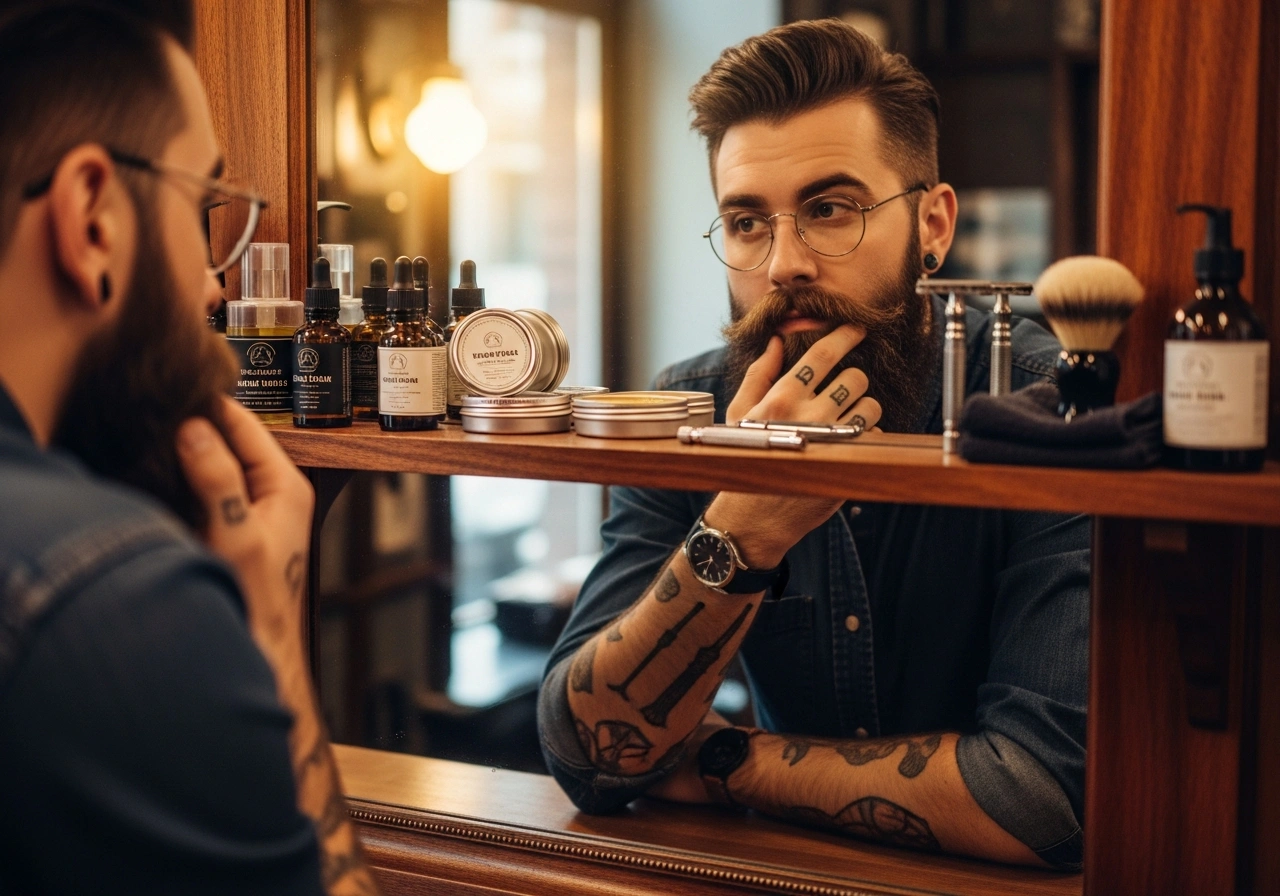
15+ Sizzling Hipster Beard Styles to Inspire Your Next Grooming Adventure
The modern gentleman’s grooming arsenal is incomplete without a carefully cultivated beard that reflects his personality and lifestyle. Hipster beard styles have evolved far beyond a passing trend, becoming a defining element of contemporary masculine aesthetics. These carefully crafted facial hair designs blend vintage sensibilities with modern grooming techniques, creating looks that range from ruggedly artistic to meticulously refined.
Whether you’re a seasoned beard enthusiast or contemplating your first serious growth journey, understanding the landscape of hipster beard styles opens doors to self-expression and personal reinvention. The beauty of these styles lies not just in their visual impact, but in the statement they make about intentionality, creativity, and the willingness to invest time in personal presentation. From the coffee shop creative to the tech startup founder, hipster beards have become synonymous with a lifestyle that values authenticity, craftsmanship, and individuality.
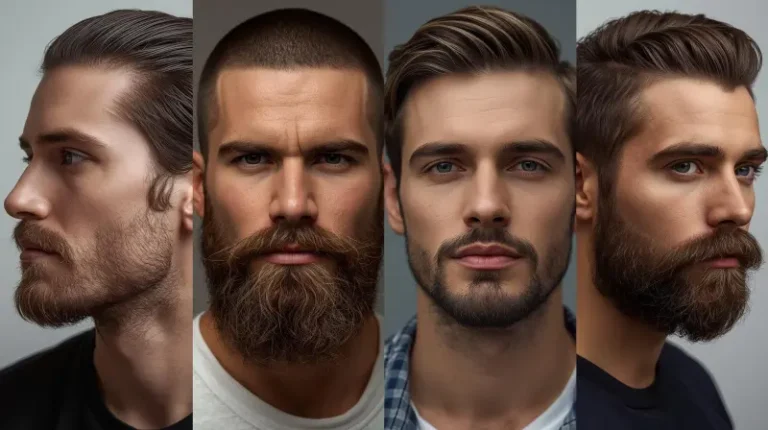
This comprehensive guide explores over fifteen distinctive hipster beard styles that can transform your appearance and elevate your grooming game. Each style carries its own character, maintenance requirements, and suitability for different face shapes and hair types. By the end of this exploration, you’ll possess the knowledge needed to select, grow, and maintain a beard style that authentically represents who you are.
Understanding the Hipster Beard Phenomenon
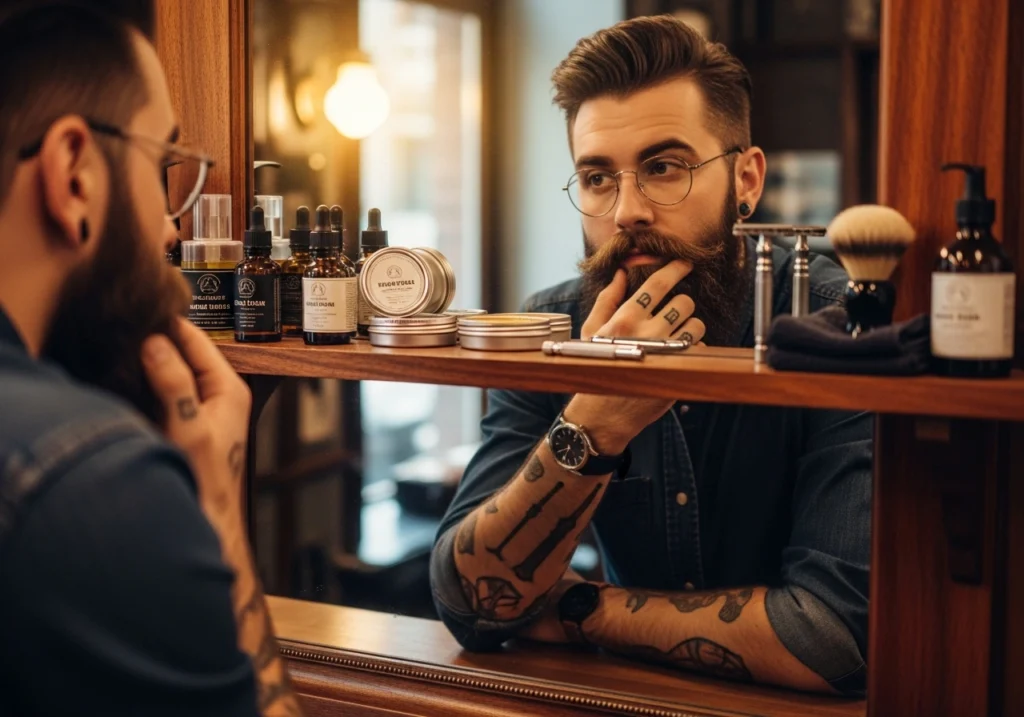
The hipster beard movement represents more than facial hair fashion. It embodies a cultural shift toward appreciating traditional masculine grooming rituals while infusing them with contemporary creativity. These beards typically feature deliberate styling, quality products, and regular maintenance rather than haphazard growth.
What distinguishes hipster beard styles from conventional facial hair is the attention to detail and the narrative they convey. Each beard tells a story about the wearer’s values, whether that’s a connection to heritage crafts, an appreciation for vintage aesthetics, or simply a rejection of corporate conformity. The hipster approach treats beard grooming as an art form worthy of investment in premium oils, balms, and professional barbering services.
The resurgence of these styles connects directly to broader movements valuing artisanal quality, sustainability, and personal authenticity. When you cultivate a hipster beard, you’re participating in a grooming philosophy that respects the time and care required to achieve something genuinely impressive.
The Full Bearded Gentleman
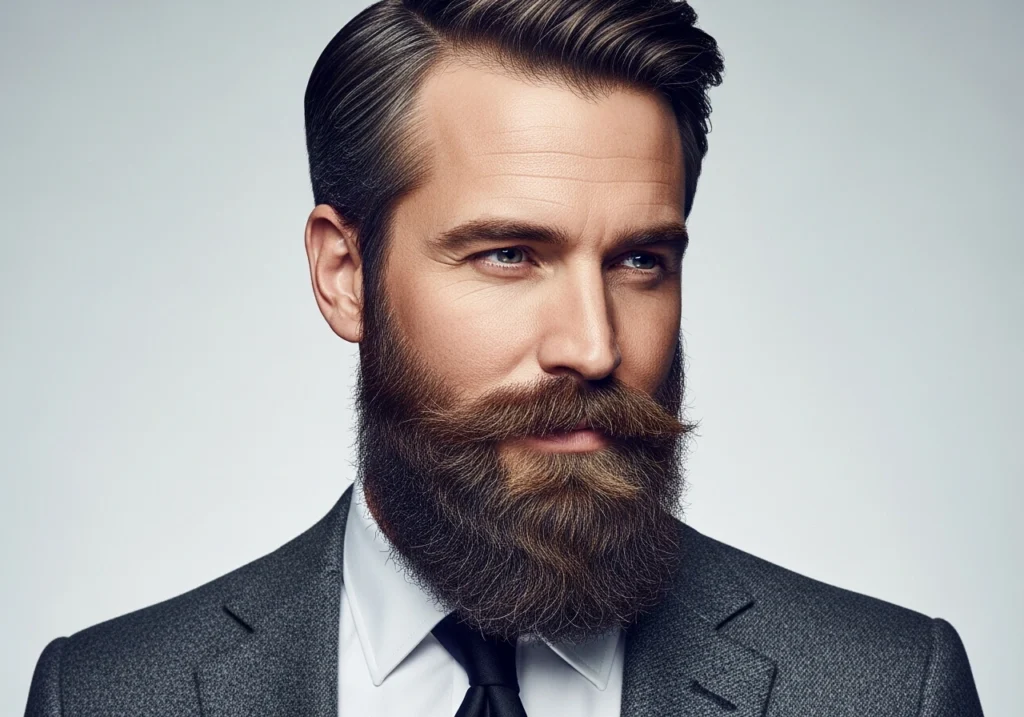
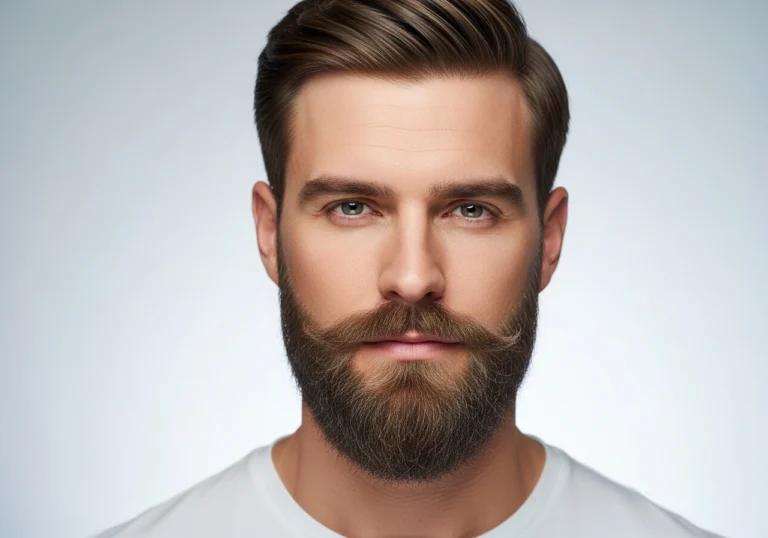
The full beard remains the cornerstone of hipster facial hair styles. This comprehensive growth covers the cheeks, chin, and neck area with substantial, well-maintained hair. Unlike unkempt full beards, the hipster version requires regular trimming to maintain shape, conditioning to ensure softness, and styling products to control flyaways.
Growing a quality full beard demands patience, typically requiring three to six months to achieve impressive length and density. During this period, proper nutrition, hydration, and beard oil application support healthy growth. The final result should frame your face naturally while appearing intentionally groomed rather than accidentally overgrown.
This style suits men with strong jawlines and oval or rectangular face shapes particularly well. The fullness adds dimension and can actually help balance facial proportions when shaped correctly by a skilled barber who understands facial geometry.
The Distinguished Ducktail
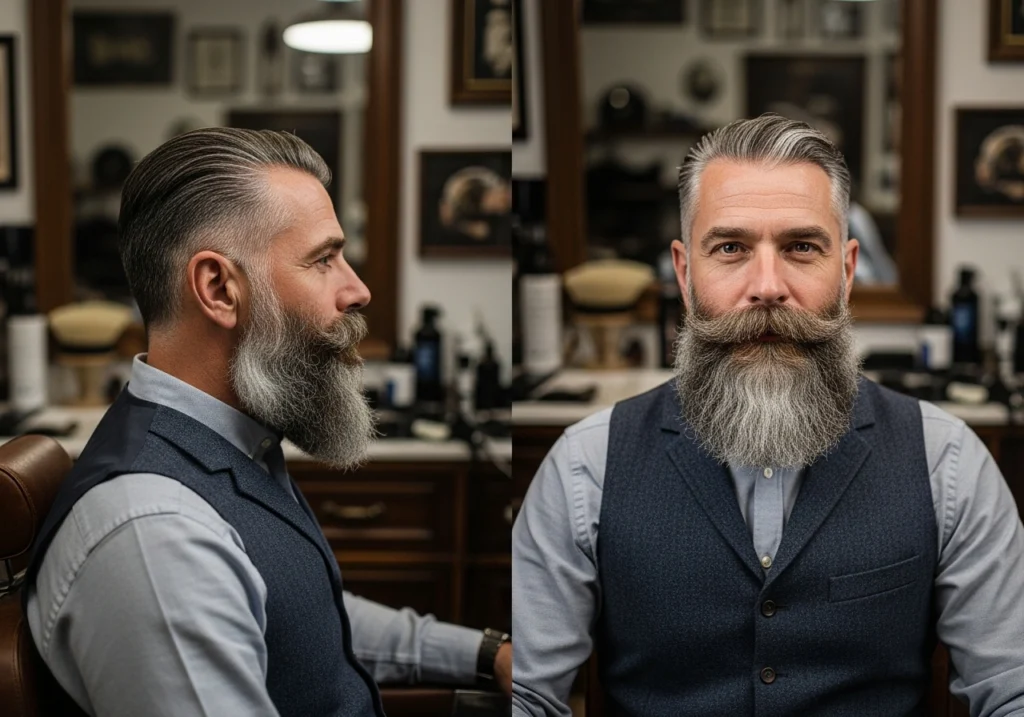
The ducktail beard combines the fullness of a traditional beard with a pointed, tapered bottom that resembles its namesake waterfowl. This style gained tremendous popularity within hipster circles for its vintage appeal and the sophistication it lends to the wearer’s appearance.
Achieving the perfect ducktail requires growing substantial length on the chin while keeping the sides moderately trimmed. The bottom should taper gradually to a rounded or slightly pointed tip, creating an elegant silhouette. Regular maintenance appointments with a barber experienced in this cut ensure the proportions remain balanced as the beard grows.
The ducktail works exceptionally well for men with round or square faces, as the elongated chin area creates the illusion of length and refinement. This style pairs beautifully with slicked-back hair or an undercut, completing a classic yet contemporary aesthetic.
The Artistic Beardstache
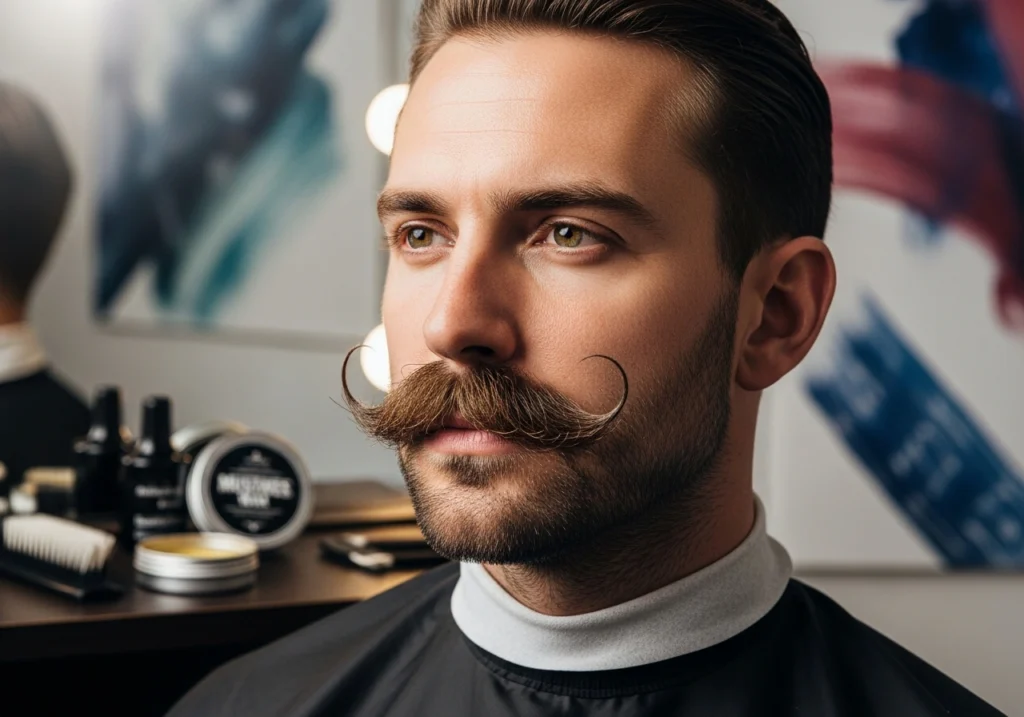
The beardstache represents a bold fusion of prominent mustache and subtle beard. In this style, the mustache takes center stage with impressive volume and length, while the beard remains trimmed relatively short. This creates dramatic contrast and draws attention to the upper lip area.
Growing a successful beardstache requires dedicating several months to mustache cultivation while maintaining the beard at a shorter, consistent length. Mustache wax becomes essential for styling and controlling the longer facial hair, allowing you to shape it according to your preferences. The beard portion should remain neat, typically trimmed to a quarter inch or less.
This style demands confidence and works best for men with defined facial features who appreciate vintage barbershop aesthetics. The beardstache evokes early twentieth-century sophistication while maintaining relevance in contemporary grooming culture.
The Rugged Lumberjack
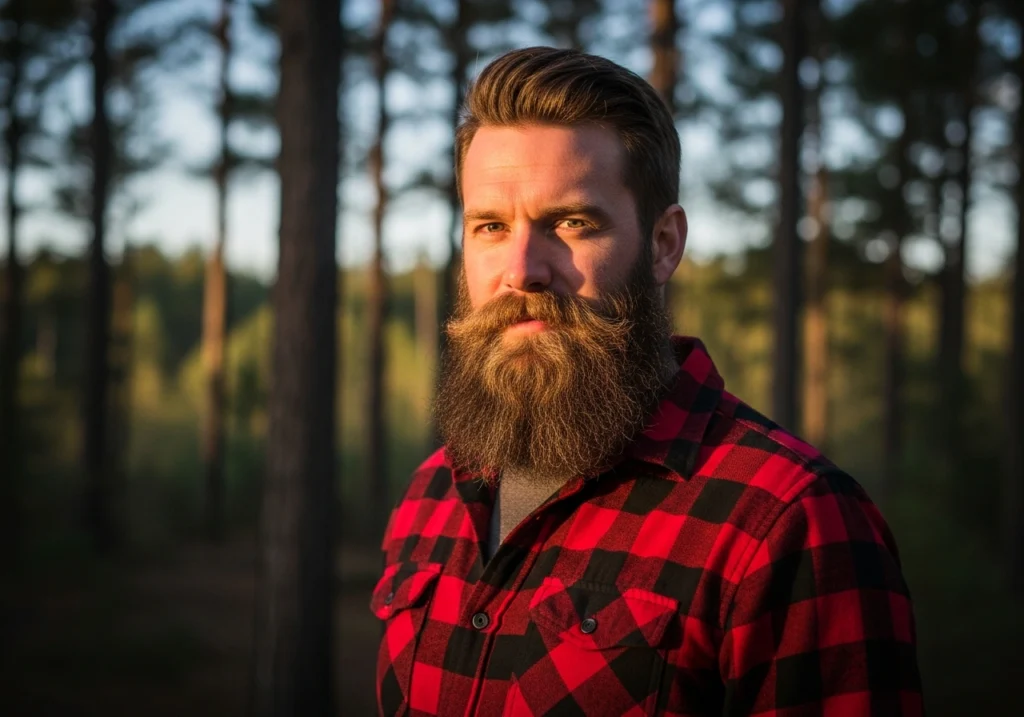
The lumberjack beard celebrates abundance and natural texture. This full, thick beard extends several inches from the face and embraces a slightly wild, outdoorsy appearance. Despite its rugged character, the hipster lumberjack beard still receives regular care to prevent truly unruly growth.
Achieving this look requires excellent beard genetics and the patience to grow substantial length without trimming. Beard oil and balm become crucial for managing the volume and preventing the hair from becoming dry or brittle. Many men complement this style with flannel shirts and outdoor-inspired fashion, creating a cohesive aesthetic.
The lumberjack works for various face shapes but shines particularly on men with angular features that benefit from the softening effect of substantial facial hair. This style makes a strong statement about masculinity and connection to nature.
The Precise Goatee with Stubble
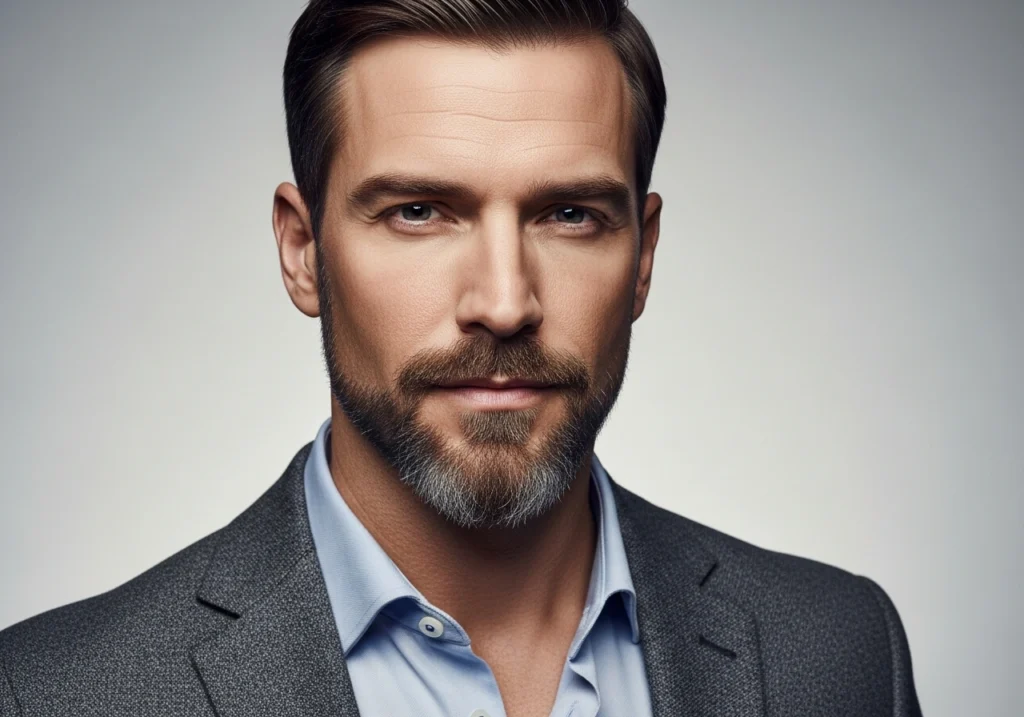
Combining a well-defined goatee with controlled stubble across the cheeks creates a balanced, contemporary look. The goatee provides focal definition while the stubble prevents the stark contrast of a clean-shaven face. This style offers versatility and relative ease of maintenance compared to fuller beard options.
The key to this style lies in precision grooming. The goatee edges should be sharply defined, creating clean lines that frame the mouth and chin. The surrounding stubble must remain uniform in length, typically maintained at one to three millimeters using quality clippers with the appropriate guard.
This approach suits men who want facial hair character without committing to extensive growth time. It works across most face shapes and can be adjusted in size and shape to complement individual features.
The Modern Viking
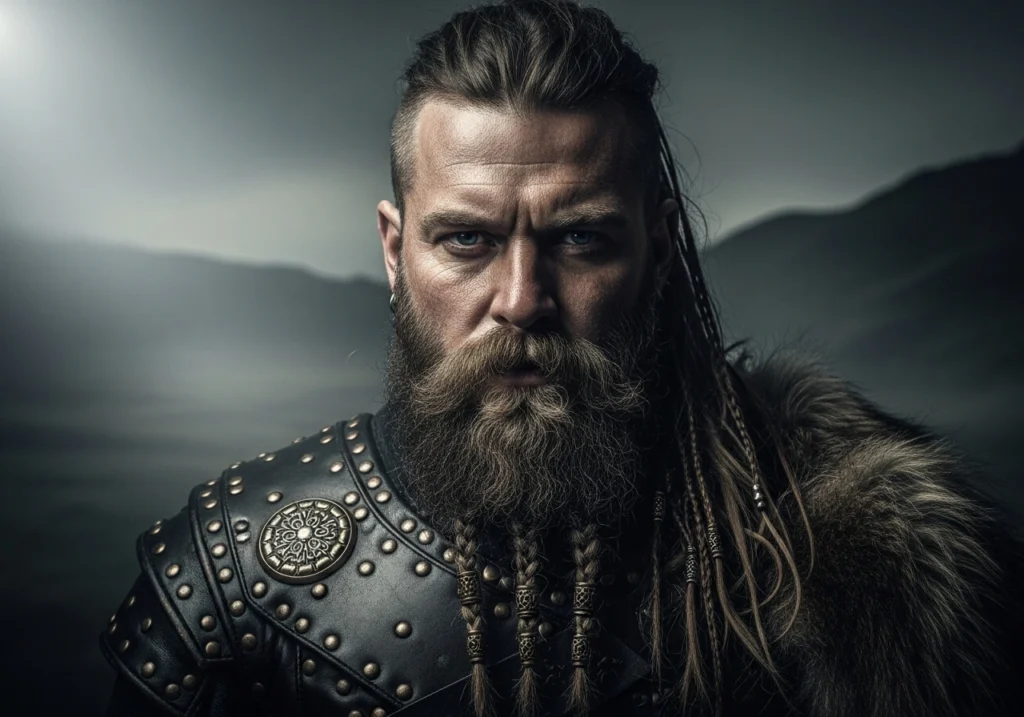
The Viking-inspired beard channels Norse warrior aesthetics through substantial length, occasional braiding, and impressive volume. This bold style requires significant growth time and embraces a more theatrical approach to facial hair. Modern Vikings often incorporate beads, rings, or braided sections for added visual interest.
Growing a Viking beard demands exceptional patience, often requiring a year or more to achieve truly impressive length. Regular conditioning prevents damage and maintains the hair’s health through extended growth periods. Some enthusiasts incorporate subtle trimming to maintain shape while preserving maximum length.
This style attracts men drawn to historical aesthetics and willing to make facial hair a central element of their personal presentation. The Viking beard pairs naturally with longer head hair, often worn in top knots or braids.
The Refined Corporate Beard
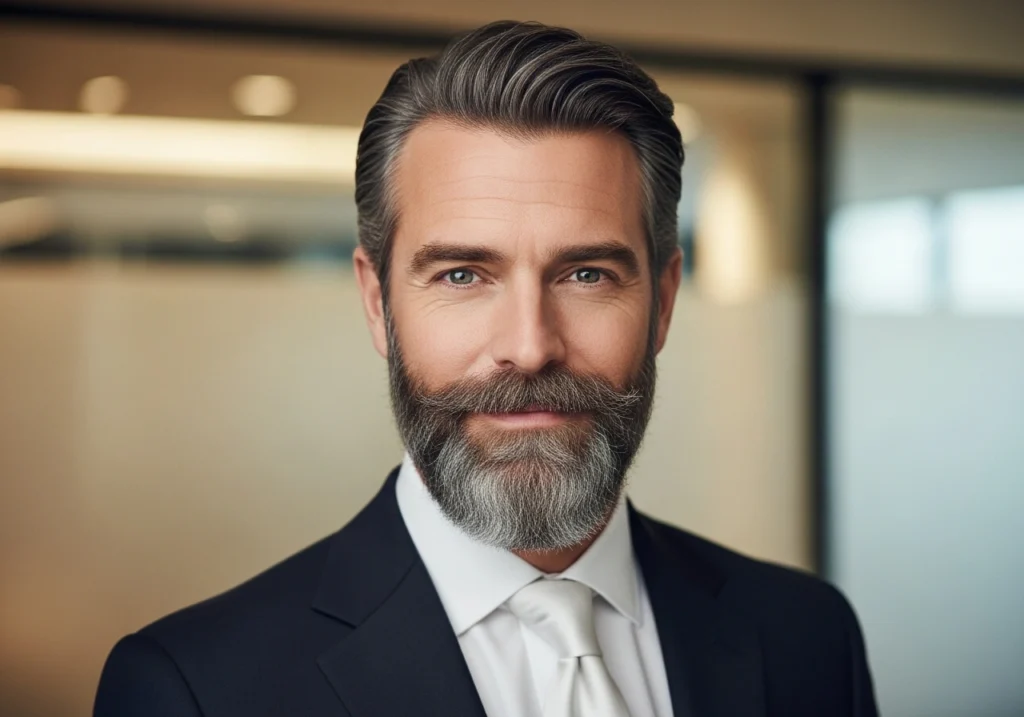
Not all hipster beards embrace wild abandon. The corporate beard demonstrates that professional environments can accommodate well-groomed facial hair. This style features medium length with impeccable edges, uniform density, and a polished appearance suitable for business settings.
Maintaining a corporate beard requires frequent trimming to preserve the precise shape and prevent overgrowth. The neckline should be clearly defined, typically one to two finger widths above the Adam’s apple. Cheek lines remain natural or slightly lowered, avoiding the overly sculpted appearance that can seem artificial.
Quality grooming products become particularly important for this style, as shine, softness, and pleasant fragrance contribute to the professional impression. This beard proves that hipster sensibilities can coexist with conventional career environments.
The Creative Handlebar Combination
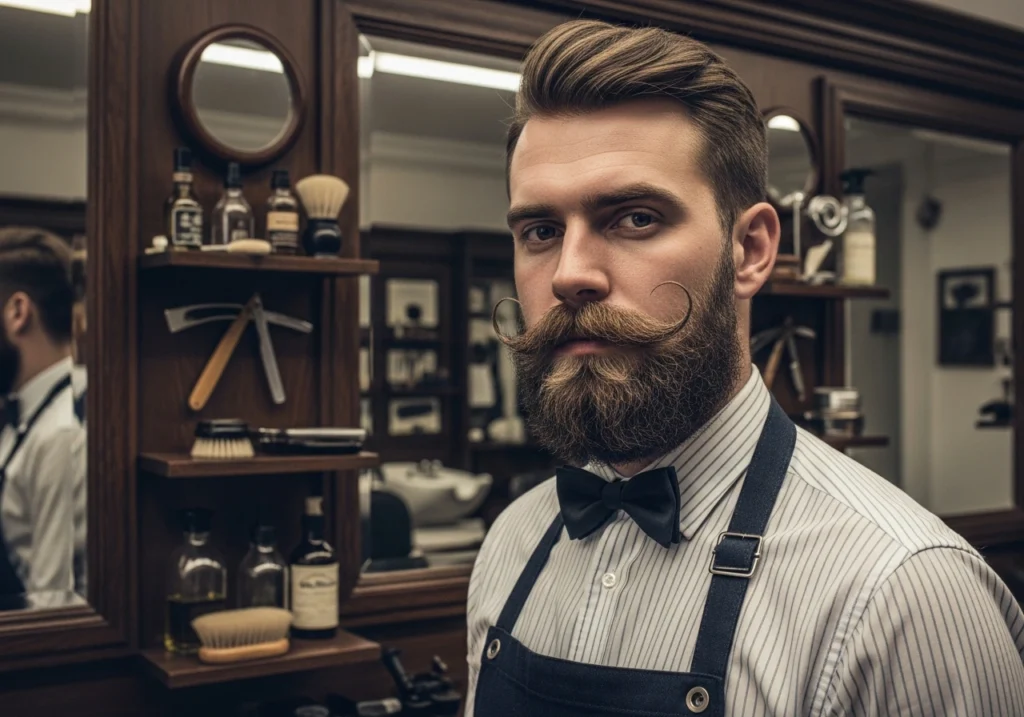
Pairing a substantial beard with a carefully waxed handlebar mustache creates instant vintage appeal. This combination channels late nineteenth-century barbershop culture while maintaining contemporary relevance. The contrast between the full beard and the styled mustache creates visual intrigue.
Developing this look requires growing both beard and mustache to appropriate lengths, then learning proper mustache waxing techniques. The handlebar sections curl upward at the ends, requiring daily styling with quality mustache wax. The beard portion can vary in length and fullness based on personal preference.
This style suits men comfortable with regular grooming routines and interested in making a distinctive style statement. The handlebar combination works particularly well for special occasions and creative professional environments.
The Textured Short Beard

Sometimes less delivers more. The textured short beard maintains length between half an inch to one inch, focusing on healthy growth and natural texture rather than extreme length. This approachable style offers the benefits of facial hair without the extensive maintenance demands of longer beards.
Achieving the perfect textured short beard involves regular trimming to maintain consistent length while allowing the natural growth pattern to show. Beard oil enhances texture and shine, while occasional shaping ensures the edges remain clean. This style adapts easily to various face shapes and professional requirements.
The textured short beard appeals to men beginning their beard journey or those preferring lower maintenance options. It provides enough coverage to define the jawline and add character without overwhelming facial features.
The Distinctive Anchor Beard
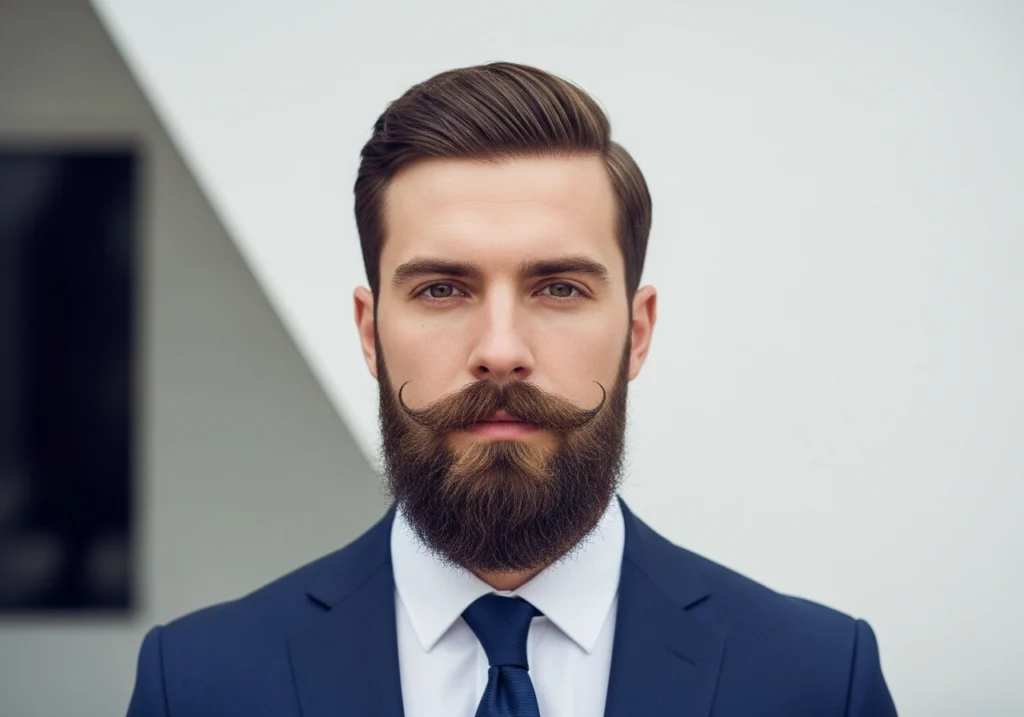
The anchor beard combines a soul patch, mustache, and beard strip along the jawline, creating a shape reminiscent of a ship’s anchor. This style requires precise grooming to maintain the distinct sections and prevent them from growing together into a full beard.
Creating an anchor beard demands regular shaving of the cheek areas while carefully cultivating the connected mustache, soul patch, and chin strip. The edges must remain sharp and well-defined to preserve the style’s distinctive appearance. This look works best on men with strong chin definition and longer face shapes.
The anchor represents one of the more unconventional hipster beard choices, attracting individuals who appreciate unique aesthetics and don’t mind frequent maintenance.
The Patchy Beard Embrace

Not everyone possesses the genetics for dense, uniform facial hair growth. The patchy beard approach celebrates natural growth patterns rather than fighting against them. Modern grooming culture increasingly recognizes that patchy beards can possess their own rugged charm when properly maintained.
Working with a patchy beard involves identifying your strongest growth areas and shaping the style to emphasize them. Keeping the beard at shorter lengths often minimizes the appearance of patches while still providing facial hair coverage. Beard oil and proper care ensure the existing hair looks healthy and intentional.
This inclusive approach acknowledges that beard quality varies among individuals and encourages men to work with their natural growth rather than abandoning facial hair entirely. Many successful hipster beards feature some degree of natural variation in density.
The Chin Curtain Revival
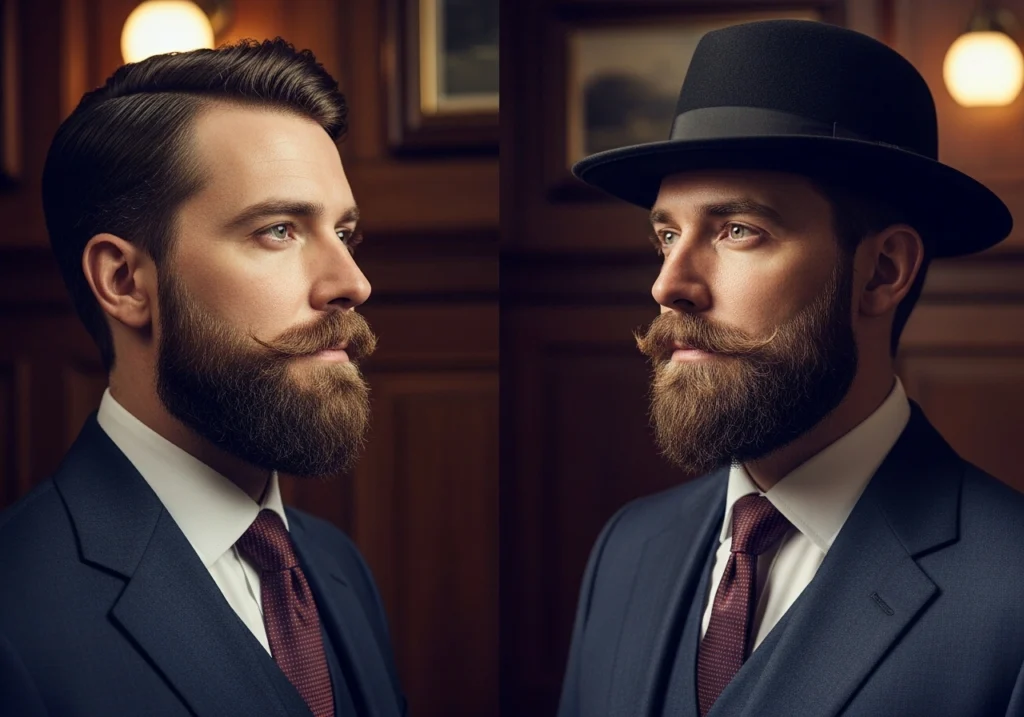
The chin curtain extends along the jawline and chin without including a mustache. This distinctive style traces back centuries but has found new appreciation within hipster grooming circles. The continuous line of facial hair creates strong jaw definition and an unusual silhouette.
Growing a chin curtain requires maintaining clean-shaven cheeks and upper lip while cultivating length along the lower face. The edges should follow the natural jawline, enhanced through careful trimming. This style can vary in width and length based on personal preference and face shape.
The chin curtain suits men seeking something unconventional who appreciate historical facial hair styles. It works particularly well for those with weaker jaw definition, as the hair creates the illusion of stronger structure.
The Faded Beard Technique
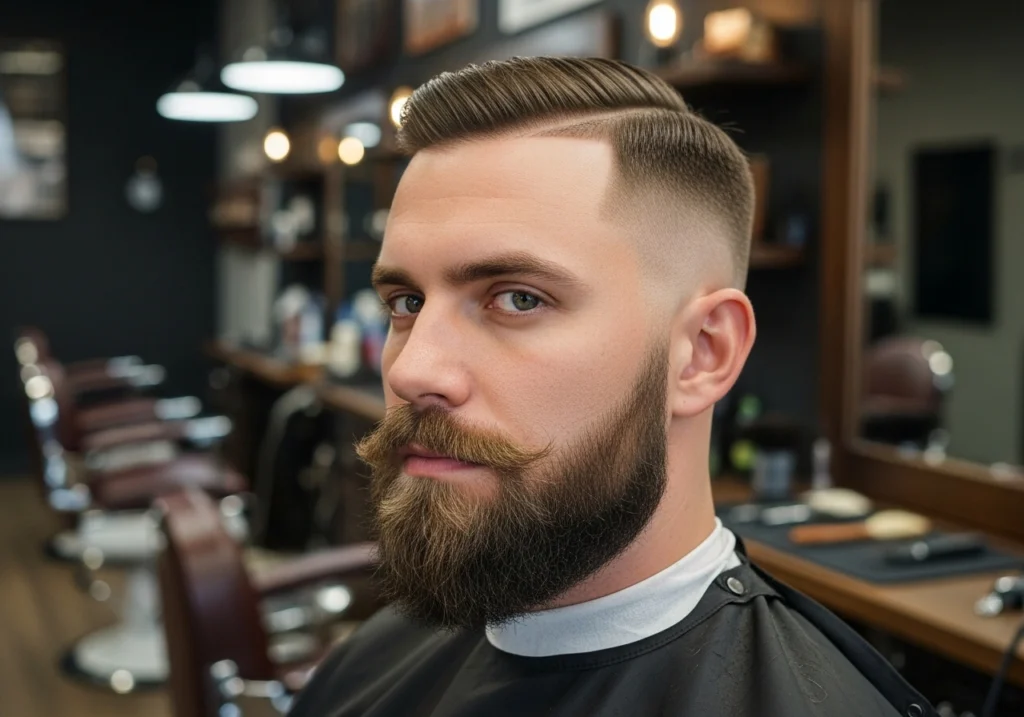
Incorporating barbering fade techniques into beard grooming creates dimensional, modern styles. The faded beard features longer hair on the chin that gradually shortens as it extends toward the sideburns and cheeks. This creates a smooth gradient that appears professionally crafted.
Achieving a proper beard fade requires skill with clippers and multiple guard lengths. Many men seek professional barbers for this style, as creating even, smooth transitions demands practice and precision. The fade can be subtle or dramatic depending on the difference between the longest and shortest sections.
This contemporary approach to beard shaping appeals to men who appreciate technical grooming and modern barbering artistry. The faded beard pairs excellently with faded haircuts, creating cohesive head-to-face styling.
The Mutton Chops Modernization
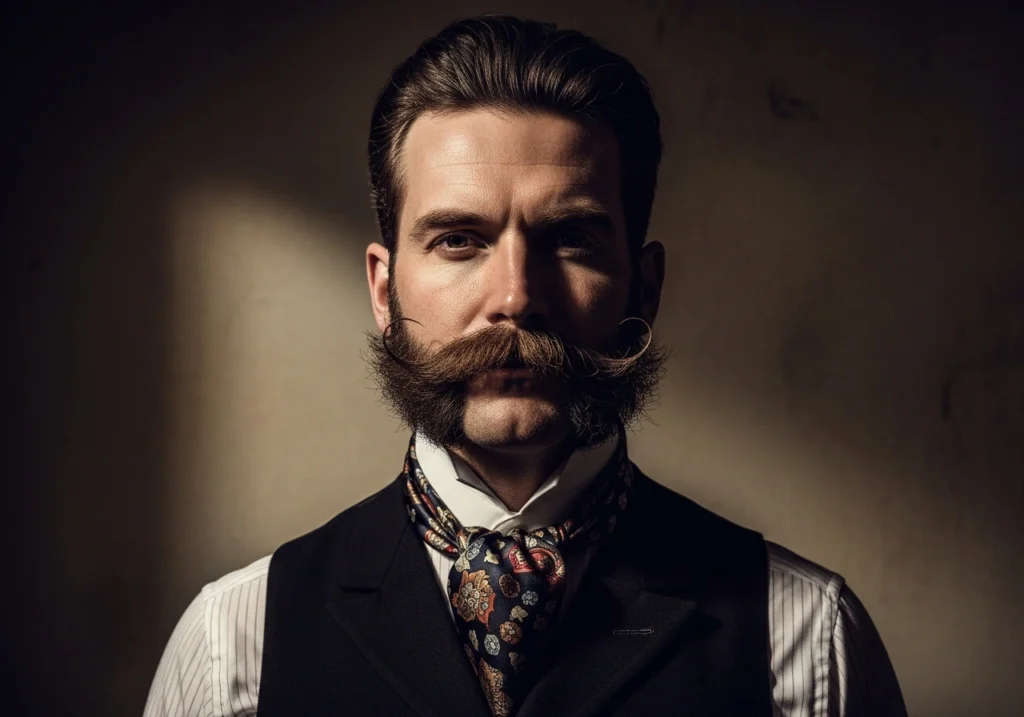
Mutton chops feature thick sideburns that extend down to connect with a mustache, leaving the chin clean-shaven. While historically associated with the Victorian era, modern interpretations have brought these distinctive sideburns into contemporary hipster culture.
Growing mutton chops requires patience for sideburn development while maintaining a clean-shaven chin. The width and flare of the chops can vary dramatically, from relatively narrow strips to impressive, bushy extensions. Regular trimming maintains the edges and prevents overgrowth into full beard territory.
This bold style attracts men comfortable with attention and interested in making strong aesthetic statements. Mutton chops work best with vintage-inspired fashion and suit individuals with longer face shapes.
The Circular Beard Classic
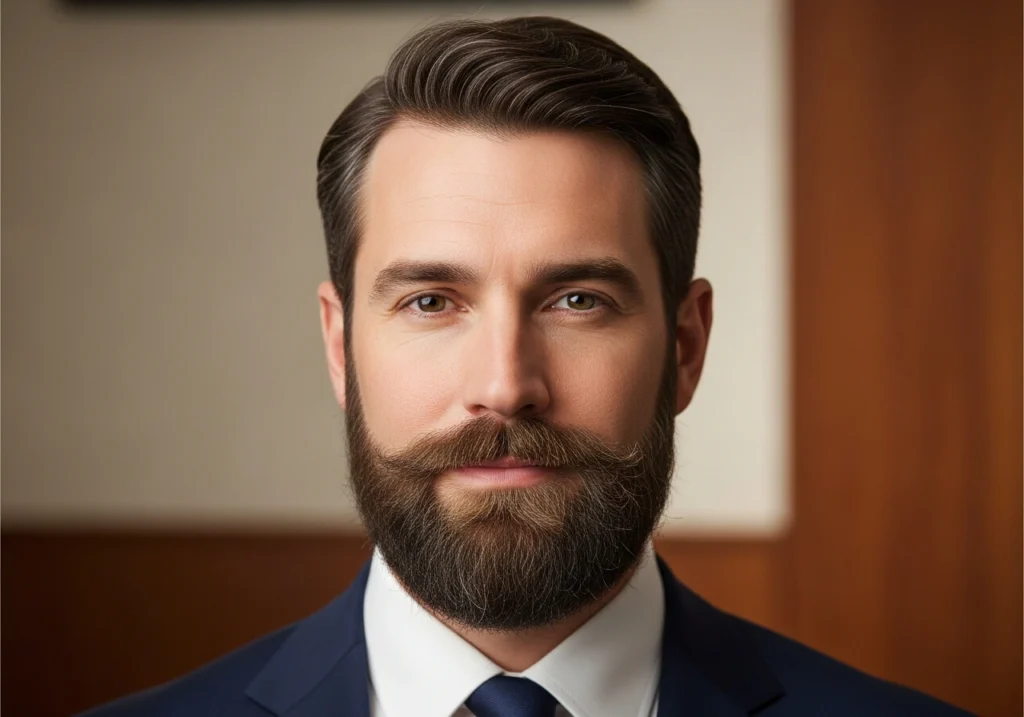
The circular beard, also called a door knocker, combines a rounded goatee with a connected mustache, creating a circular shape around the mouth. This balanced, symmetrical style offers refinement without the fullness of a complete beard.
Maintaining a circular beard requires precise edge definition and regular shaping to preserve the rounded form. The size can vary from small and subtle to large and prominent, depending on face size and personal preference. Clean-shaven cheeks and neck create strong contrast that emphasizes the circular shape.
This style suits various face shapes and professional environments, offering a middle ground between clean-shaven and fully bearded. The circular beard provides enough coverage to add character while remaining relatively conservative.
Essential Maintenance and Care
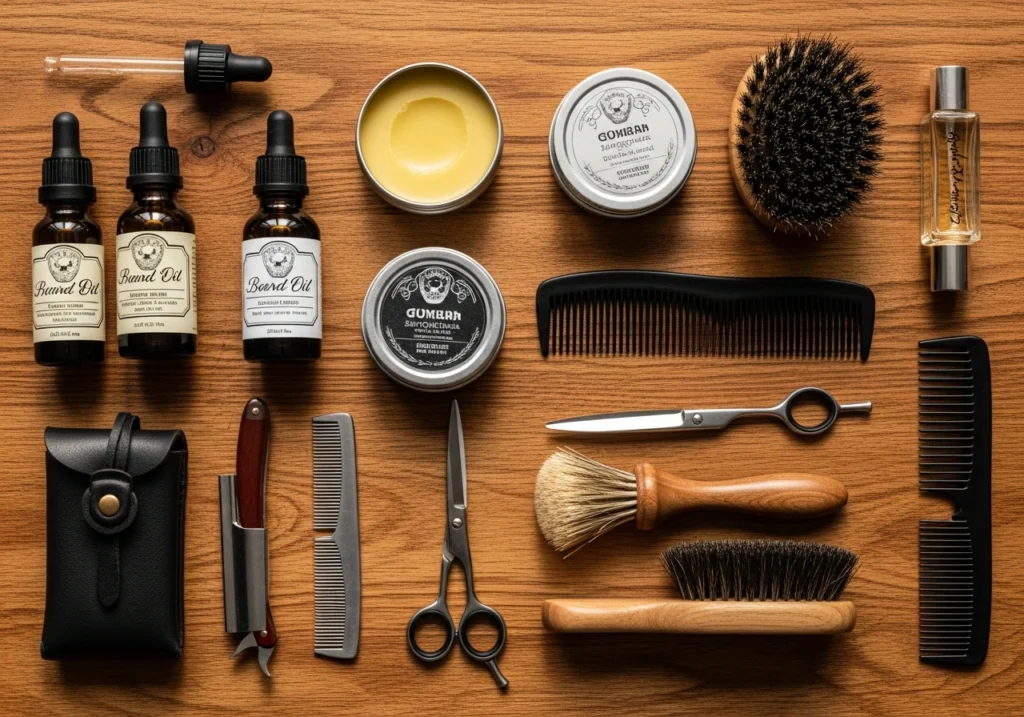
Regardless of which hipster beard style you choose, proper maintenance separates impressive facial hair from neglected growth. Quality beard care involves several key practices that support healthy hair and attractive appearance.
Daily washing with beard-specific shampoo removes dirt and oil buildup without stripping natural moisture. Conditioning maintains softness and prevents the coarse texture that develops in poorly maintained beards. Beard oil application, preferably made with natural ingredients like jojoba or argan oil, nourishes both hair and underlying skin.
Regular trimming maintains shape and removes split ends that create a frizzy appearance. Many men visit professional barbers monthly for precise shaping while handling minor touch-ups at home between appointments. Quality grooming tools, including sharp scissors, reliable clippers, and appropriate combs, make home maintenance more effective.
Proper diet and hydration support beard health from within. Hair growth requires adequate protein, vitamins, and minerals, making nutritional choices relevant to grooming success. Adequate sleep and stress management also influence hair health and growth patterns.
Choosing Your Perfect Style
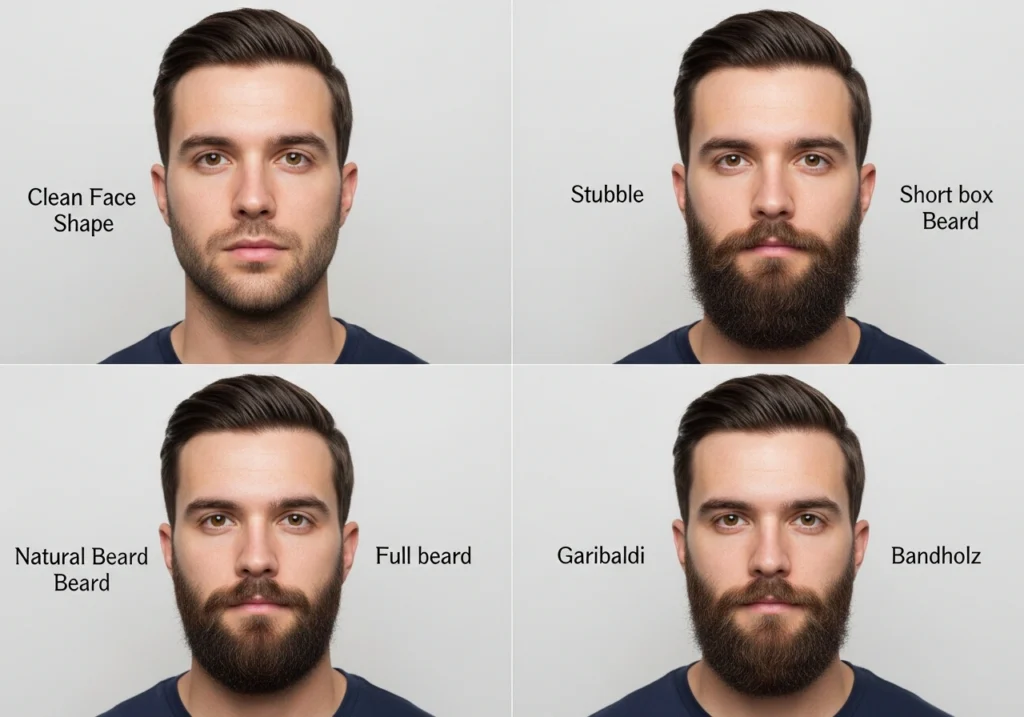
Selecting the right hipster beard style involves considering multiple factors beyond simple preference. Face shape plays a crucial role in determining which styles will enhance your features. Round faces benefit from beards that add length, while long faces often look better with fuller sides that add width.
Your hair color, texture, and density influence how different styles will appear. Coarse, thick hair supports fuller styles, while finer hair may work better in shorter, more controlled shapes. Natural growth patterns also matter, as some styles require uniform density that not everyone can achieve.
Lifestyle and professional requirements constrain options for many men. Corporate environments typically demand more conservative styles, while creative fields often welcome bold experimentation. Consider how much time you can realistically dedicate to daily maintenance, as some styles require significantly more effort than others.
Personal style and fashion preferences should align with your beard choice. A carefully cultivated lumberjack beard pairs naturally with outdoor-inspired fashion, while a refined corporate beard complements tailored clothing. Consistency between facial hair and overall presentation creates a cohesive, intentional appearance.
you may also like this:18+ Attractive Bald Beard Styles To Try Now In 2025!
Conclusion
Hipster beard styles offer remarkable diversity, from the full-bearded Viking warrior to the precisely groomed corporate professional. Each style carries distinct character and appeals to different aesthetics, lifestyles, and personal values. The modern bearded man enjoys unprecedented access to grooming knowledge, quality products, and professional services that support achieving virtually any facial hair vision.
Your choice of beard style communicates volumes about your personality, values, and attention to detail. Whether you gravitate toward rugged, natural styles or prefer meticulously shaped precision, the right beard enhances your appearance and confidence. The investment of time, products, and occasional professional grooming services pays dividends in how you feel and how others perceive you.
As you move forward with your grooming adventure, approach the journey with patience and realistic expectations. Great beards develop over time through consistent care and thoughtful maintenance. Embrace the process, enjoy experimenting with different products and techniques, and take pride in the unique style you create. Your beard is more than facial hair; it’s a canvas for self-expression and a testament to the value you place on personal presentation.
Frequently Asked Questions
How long does it take to grow a proper hipster beard?
Most hipster beard styles require a minimum of three to four months to achieve basic shape and coverage, though fuller styles like the lumberjack or Viking may need six months to over a year. The initial weeks often prove most challenging as hair grows through awkward lengths and causes itching. Consistent care with beard oil and patience through early stages leads to better final results.
What products are essential for maintaining a hipster beard?
Every bearded man should invest in quality beard oil for daily moisturizing, beard balm for styling and hold, a dedicated beard shampoo and conditioner for cleansing, and basic trimming tools including sharp scissors and reliable clippers. Mustache wax becomes necessary for styles featuring prominent upper lip hair. These fundamental products support healthy growth and manageable styling.
Can I grow a hipster beard if my facial hair is patchy?
Absolutely. Many successful hipster beards work with natural growth patterns rather than requiring perfect density. Shorter styles often minimize the appearance of patches, while strategic shaping emphasizes your strongest growth areas. Some men find that patience allows previously sparse areas to fill in over several months. Embrace your unique growth pattern rather than comparing yourself to others.
How often should I visit a barber for beard maintenance?
Most men benefit from professional shaping every four to six weeks, though this varies based on your specific style and how quickly your hair grows. Between professional visits, handle minor trimming at home to maintain edges and remove stray hairs. Regular barber appointments ensure your style stays true to its intended shape while allowing you to adjust based on growth and preference changes.
Do hipster beards require special dietary considerations?
While no specific diet guarantees beard growth, adequate protein intake supports healthy hair development since hair is primarily composed of protein. Biotin, vitamins A and E, and omega-3 fatty acids also contribute to hair health. Staying well-hydrated and maintaining overall good nutrition benefits your beard along with your general health. Supplements may help if dietary intake is insufficient, though whole food sources are preferable.

One Comment