
Old Money Wardrobe on a Budget: How to Achieve Timeless Elegance for Less
You don’t need a trust fund to look like you have one. The old money wardrobe isn’t about flaunting labels. It’s about wearing pieces that whisper refinement instead of screaming price tags. And the best part? You can build this entire look without draining your bank account. This guide breaks it all down, step by step, for real people with real budgets.
What Is an Old Money Wardrobe?
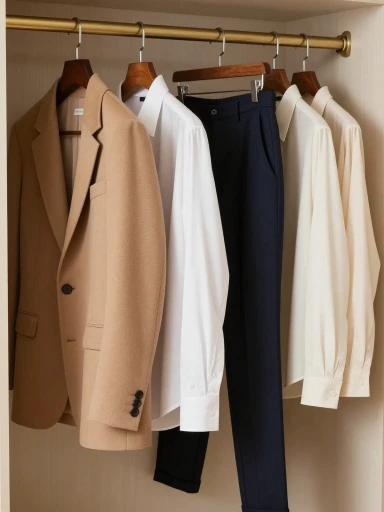
The old money aesthetic refers to a style rooted in generational wealth traditions. Think Ivy League campuses, New England estates, and European aristocracy. It’s the opposite of flashy streetwear or logo-heavy luxury. Instead, it embraces understated elegance, neutral palettes, and investment-quality pieces that age beautifully.
This isn’t just a trend. It’s a philosophy. People who follow the old money wardrobe tradition choose clothing for longevity, not novelty. A navy blazer, a crisp white Oxford shirt, or a camel overcoat — these are the building blocks. They don’t shout. They simply exist with quiet confidence, and that’s exactly what makes them so powerful.
| Old Money Style | Fast Fashion Style |
|---|---|
| Neutral, muted tones | Bold, trendy colors |
| Natural fabrics (wool, linen, cashmere) | Synthetic blends |
| Timeless silhouettes | Trend-driven cuts |
| Quality over quantity | Quantity over quality |
| Subtle or no branding | Logo-heavy designs |
Why the Old Money Aesthetic Is So Popular
Social media didn’t create quiet luxury fashion — it just gave it a new audience. Platforms like TikTok and Pinterest exploded with old money style outfits in 2023 and the trend hasn’t slowed down since. Young Americans especially are drawn to the idea of looking polished without appearing try-hard.
There’s also a deeper reason this resonates. In an era of overconsumption and fast fashion burnout, people crave something more permanent. The old money aesthetic offers exactly that — a wardrobe built on intention, restraint, and sophistication. It’s aspirational without being unattainable, and that’s a rare combination in modern fashion.
Can You Achieve Old Money Style on a Budget?
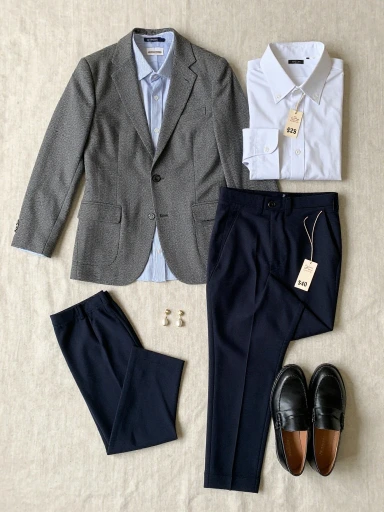
Absolutely — and don’t let anyone tell you otherwise. Affordable old money style is less about where you shop and more about what you choose. The core of this look is simplicity, clean lines, and neutral colors. None of those things require a designer price tag.
Smart shoppers know that budget old money fashion thrives at thrift stores, outlet malls, and even places like Uniqlo, J.Crew Factory, and H&M’s premium lines. The key is knowing what to look for. Buy one good blazer instead of five cheap ones. Choose wool over polyester. Prioritize fit above everything else, because even a $15 thrifted shirt looks expensive when it fits perfectly.
Key Principles of Timeless and Elegant Fashion
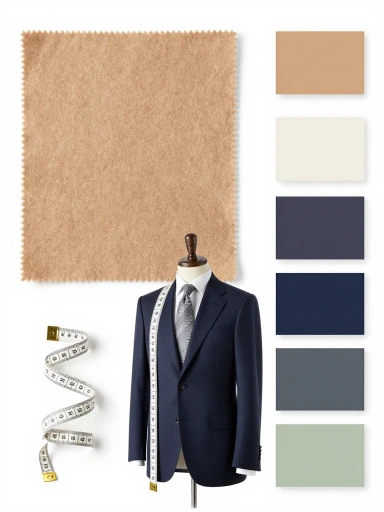
Refined personal style starts with a set of guiding principles. First, always choose fit over everything else. A $30 pair of trousers that fits like a glove beats a $300 pair that sags in the wrong places. Tailoring is your secret weapon and most alterations cost between $10 and $30.
Second, invest in neutrals. Black, navy, camel, ivory, grey, and forest green are your foundation. These colors mix and match effortlessly. Third, prioritize fabric. Natural materials like cotton, linen, silk, and wool drape and breathe better. They look more expensive because, structurally, they behave differently from synthetics. These three principles — fit, color, fabric — form the entire backbone of sophisticated fashion style.
You also like this: Barbie Makeup: How to Create the Perfect Barbie-Inspired Glam Look
Building an Affordable Old Money Capsule Wardrobe
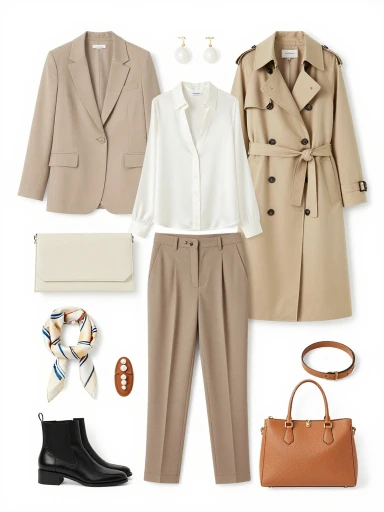
A capsule wardrobe is a curated collection of essential, interchangeable pieces. For affordable capsule wardrobe ideas, aim for around 30 to 40 pieces that cover every occasion. Start with basics and build outward slowly. Don’t rush it. The best capsule wardrobes are built over months, not weekends.
Here’s a simple framework for a minimalist luxury wardrobe on a budget:
| Category | Pieces to Include | Budget Range |
|---|---|---|
| Tops | White Oxford, striped tee, silk blouse | $15–$60 |
| Bottoms | Tailored trousers, straight-leg jeans, midi skirt | $25–$80 |
| Outerwear | Wool blazer, trench coat, camel overcoat | $40–$120 |
| Footwear | Loafers, white sneakers, ankle boots | $30–$100 |
| Accessories | Leather belt, pearl studs, silk scarf | $10–$50 |
Essential Clothing Pieces Every Old Money Wardrobe Needs
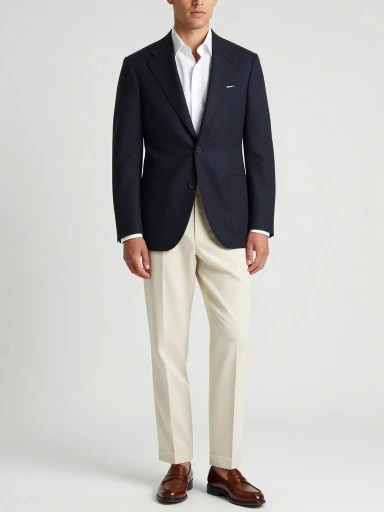
Every old money wardrobe revolves around a handful of anchor pieces. The tailored blazer is the crown jewel — it instantly elevates any outfit. Pair it with jeans and loafers and you look pulled-together in under five minutes. Add a silk blouse and trousers and you’re boardroom-ready.
Other non-negotiable timeless wardrobe essentials include a classic trench coat, a crisp white button-down shirt, well-fitted chinos or tailored trousers, a quality turtleneck in navy or cream, and a simple cashmere or merino wool sweater. These classic wardrobe staples never go out of style. They don’t need to follow trends because they exist outside of them entirely.
Choosing Neutral Colors for a Sophisticated Look
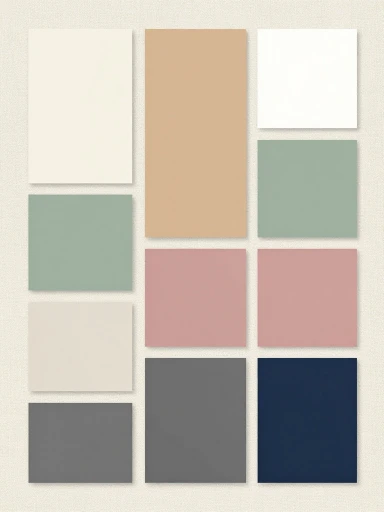
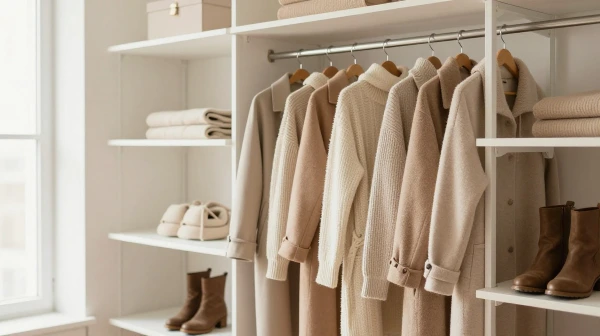
Color selection is where many people go wrong. The old money wardrobe lives in a very specific palette. Chic neutral clothing in shades like ivory, oatmeal, camel, sage, dusty rose, navy, charcoal, and warm whites creates an effortlessly cohesive look. Nothing clashes. Everything coordinates.
Understated elegance comes from restraint. Wearing three or four neutrals together signals confidence and intentionality. You don’t need a pop of color. In fact, avoiding it is often the point. When you do add a subtle hint of something — a soft blush, a muted burgundy — it feels deliberate and chic rather than accidental or loud.
Affordable Fabrics That Look Luxurious
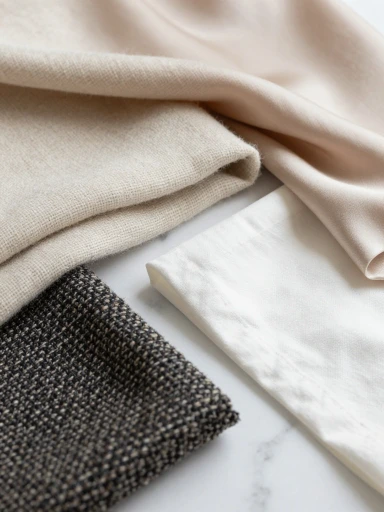
Fabric choice separates budget dressing from affordable luxury fashion. You want materials that have drape, weight, and texture. Cotton poplin for shirts. Ponte knit for trousers. Tencel or lyocell for blouses — it mimics silk beautifully at a fraction of the cost. Wool blend for coats and blazers.
Avoid fabrics that pill quickly, cling strangely, or wrinkle after twenty minutes. Polyester satin, thin rayon, and acrylic knits are the biggest offenders. They look cheap immediately. Even from a distance. Stick to natural or natural-blend fabrics and your budget old money fashion will look far more elevated than its price tag suggests.
Best Places to Shop for Budget-Friendly Old Money Fashion
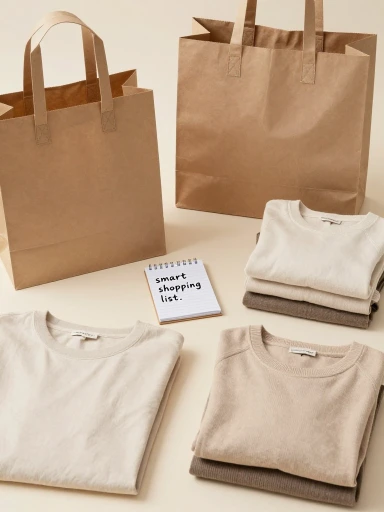
Finding the right stores matters enormously. For budget-friendly old money style, certain retailers consistently deliver quality at accessible price points. Uniqlo is arguably the best for basics — their Oxford shirts, merino sweaters, and chinos are exceptional value. J.Crew and J.Crew Factory offer preppy staples with regular sale cycles worth tracking.
Other solid picks include Banana Republic Factory, Everlane for clean minimalist pieces, and Target’s A New Day line for affordable layering basics. For workwear-adjacent pieces, Club Monaco often runs significant sales. And for classic preppy fashion essentials, Ralph Lauren’s sale section frequently drops to very reasonable prices. Always shop end-of-season sales — that’s when the best pieces go for 60% to 70% off.
How Thrift Stores Can Help You Achieve the Look
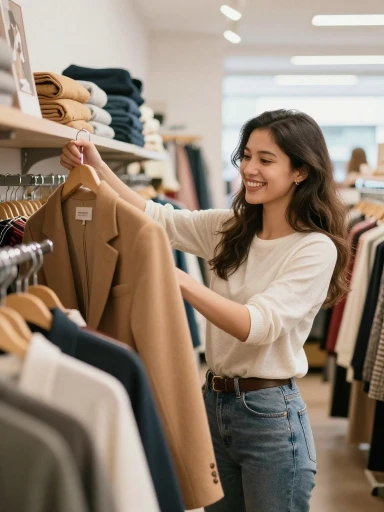
Thrifted old money outfits are genuinely some of the most impressive in this entire aesthetic. Why? Because the style you’re chasing was popular decades ago — which means thrift stores are full of it. Wool blazers, silk scarves, cashmere sweaters, leather loafers — all of these show up regularly at Goodwill, ThredUp, Poshmark, and local consignment shops.
The trick is patience and consistency. Visit thrift stores regularly rather than hoping for one magic haul. Look for natural fiber labels, classic silhouettes, and good condition. Don’t be deterred by minor issues — a missing button or a small hem issue is a $5 tailor fix. Thrift store finds for old money style can build an entire wardrobe for under $200 if you shop smart and stay consistent.
Styling Blazers, Trousers, and Shirts Like Old Money Icons
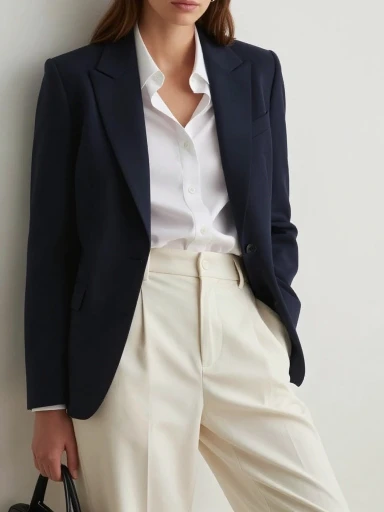
The blazer-trouser-shirt combination is the holy trinity of old money style outfits. The key is proportion and fit. A well-structured single-breasted blazer in navy or camel should hit at the hip and have enough room in the shoulders without pulling. Trousers should hit at the natural waist or just below and break cleanly at the ankle.
Old money icons like Carolyn Bessette-Kennedy, Grace Kelly, and Ralph Lauren himself all mastered this formula. They kept everything simple. One interesting piece — a silk pocket square, a thin gold chain, a cropped turtleneck underneath. Never more than one statement at a time. That’s the secret. Classic fashion pieces styled with restraint always outperform maximalist combinations.
Accessories That Make Outfits Look Expensive
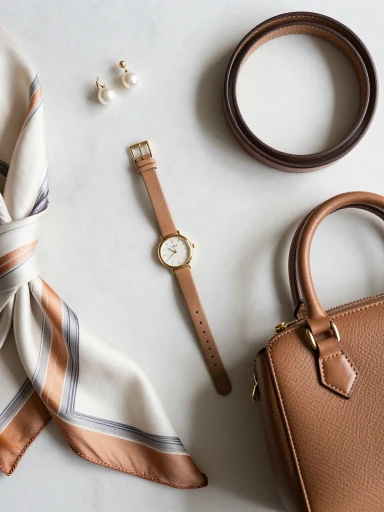
Accessories are where affordable old money style really comes alive. The right accessories transform even the most basic outfit into something that looks thoroughly considered. A thin leather belt in tan or black. A simple watch with a leather strap. Pearl stud earrings. A structured leather handbag in a neutral tone.
The goal is to choose accessories that look intentional, not trendy. Avoid chunky plastic jewelry, neon bags, or logo-covered belts. Instead, seek out pieces with clean lines and quality materials. A silk scarf tied loosely around the neck or knotted on a handbag adds a French-inspired refinement that costs almost nothing. Accessories that make outfits look expensive are almost always the ones that don’t try too hard.
Shoes That Complete an Old Money Outfit
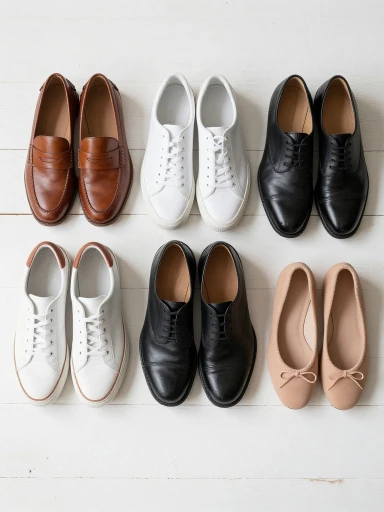
Shoes can make or break a look. Full stop. For the old money wardrobe, footwear follows the same principles as everything else — classic, quality, neutral. Loafers are the single most important shoe in this style universe. A pair of penny loafers or horsebit loafers in cognac, black, or burgundy leather works with almost everything.
Other essential shoes include white leather sneakers (keep them clean), Oxford shoes in black or brown, classic ankle boots with a block heel, and ballet flats for a more feminine look. Avoid shoes with excessive hardware, dramatic platforms, or trend-specific details. Good shoes in classic silhouettes last years and anchor every old money style outfit with a grounded, polished finish.
Common Mistakes That Ruin the Old Money Aesthetic
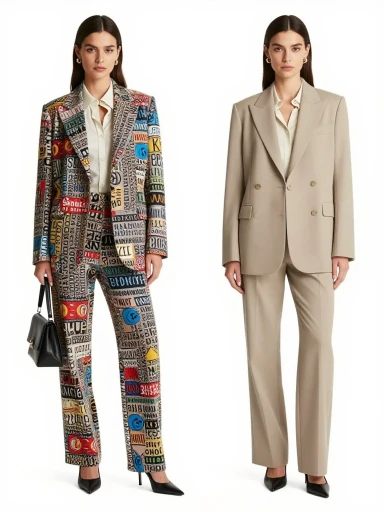
Even well-intentioned shoppers make mistakes here. The most common one? Overdoing it. Piling on too many “expensive-looking” pieces at once creates a costume rather than a wardrobe. The old money aesthetic is about effortlessness — it should look like you woke up this way.
Other mistakes include choosing the wrong fabrics, ignoring fit, and buying fast fashion versions of classic pieces. A $10 blazer from a fast fashion retailer will never look the same as a $45 thrifted wool blazer — even if they appear similar on a hanger. Also, avoid wearing head-to-toe matching sets or anything too perfectly coordinated. Timeless fashion trends rooted in old money always have a slight nonchalance to them. Polish with a dash of ease. That’s the balance.
Seasonal Outfit Ideas for an Old Money Wardrobe
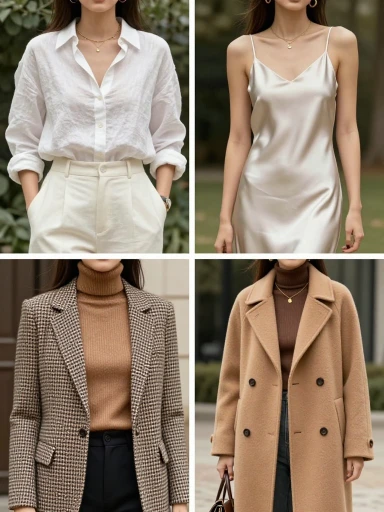
Old money wardrobe dressing works beautifully across all four seasons because the core pieces are so versatile.
Spring: A white linen shirt tucked into wide-leg cream trousers with tan loafers and a structured tote. Light and airy but completely polished.
Summer: A silk slip dress in ivory or blush with simple gold jewelry and white sandals. Or a striped Breton tee with high-waisted linen shorts and espadrilles.
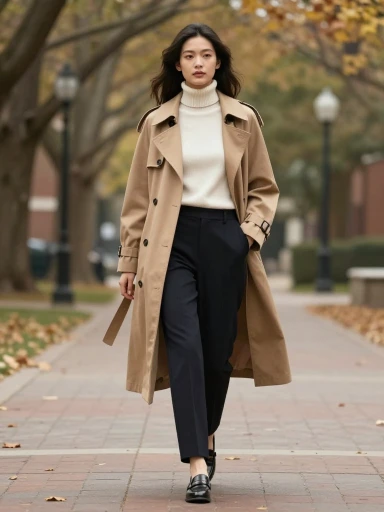
Fall: This is the old money wardrobe’s peak season. Layer a camel turtleneck under a houndstooth blazer with tailored trousers and leather boots. Add a wool scarf for texture and warmth.
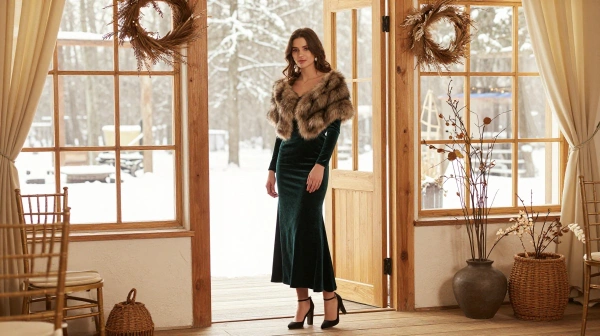
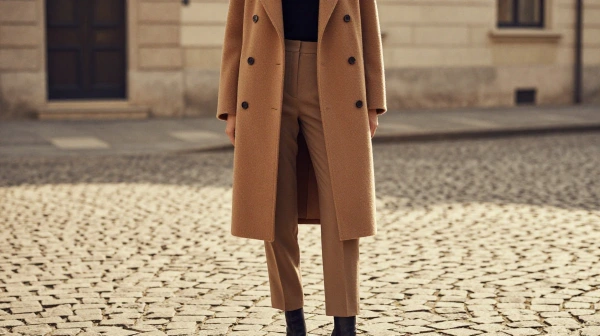
Winter: A long camel overcoat over slim black trousers and a cashmere crewneck. Classic leather gloves, a structured bag, and ankle boots complete the picture perfectly.
Old Money Fashion Inspiration from Style Icons
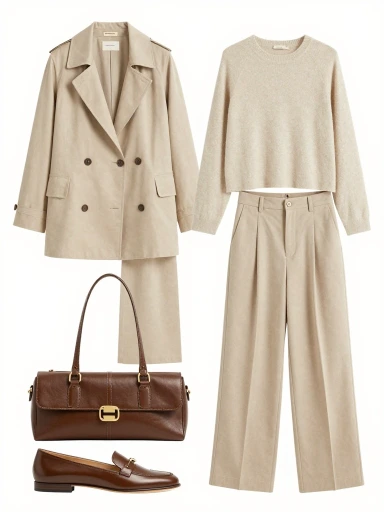
Looking to real style icons is one of the fastest ways to understand the old money aesthetic. Carolyn Bessette-Kennedy is perhaps the ultimate reference — her minimalist, all-neutral wardrobe in the 1990s defined understated elegance for an entire generation.
Audrey Hepburn showed that simplicity could be deeply sophisticated. Princess Diana’s off-duty looks — cycling shorts aside — were full of timeless wardrobe essentials like blazers, knit vests, and Oxford shirts. More recently, Sofia Richie Grainge became a symbol of the modern quiet luxury fashion movement with her clean, neutral, impeccably tailored wardrobe. None of these women relied on logos. They relied on instinct, quality, and restraint.
Quality vs. Quantity in Building a Timeless Wardrobe
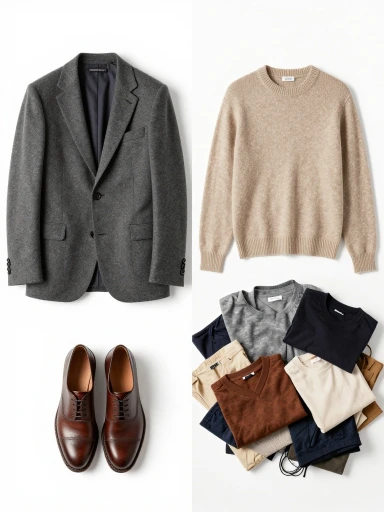
This principle sits at the very heart of timeless fashion on a budget. Buying fewer, better things is almost always more economical in the long run. A $60 merino wool sweater that lasts eight years costs far less per wear than a $15 acrylic version you replace every season.
Quality over quantity fashion tips include checking seam allowances (more fabric = better quality construction), reading fabric labels before purchasing, pressing clothes regularly to maintain their shape, and storing knits folded rather than hung to prevent stretching. Build slowly. Resist the urge to buy everything at once. A wardrobe built over time with intention is always more coherent and more useful than one assembled in a weekend shopping spree.
How to Maintain an Elegant Look Without Overspending
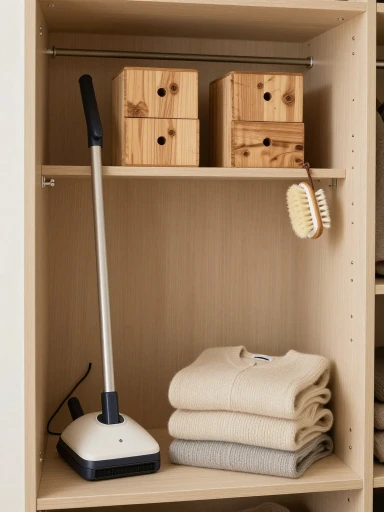
Maintaining the old money wardrobe is just as important as building it. Care for your clothes properly and they’ll last years longer. Wash delicates by hand or in a mesh laundry bag on a gentle cycle. Steam rather than iron when possible — it’s gentler on fibers. Store wool items with cedar blocks to repel moths.
Elegant clothing on a budget also means keeping everything clean, pressed, and in good repair. Replace worn buttons. Fix small tears immediately before they become large ones. Polish your leather shoes regularly. These small habits compound over time into a wardrobe that always looks fresh, intentional, and genuinely refined — regardless of what anything cost originally.
Frequently Asked Questions (FAQ)
These are the questions people search most on Google about the old money aesthetic — answered honestly and clearly.
Q: What is the old money aesthetic exactly?
The old money aesthetic is a fashion style inspired by generational wealth traditions. It prioritizes classic, neutral pieces, natural fabrics, and understated elegance over logos, trends, or flashy branding.
Q: How do I start an old money wardrobe on a budget?
Start with five to ten core pieces: a blazer, white shirt, tailored trousers, loafers, and a neutral bag. Shop at thrift stores, Uniqlo, and end-of-season sales. Focus on fit and fabric above all else.
Q: What colors are old money?
The old money wardrobe lives in navy, ivory, camel, cream, white, black, grey, sage green, and soft blush. Avoid bold or neon colors — the palette is always muted and refined.
Q: Is quiet luxury the same as old money fashion?
They’re very similar. Quiet luxury fashion is the modern term for the same principle — dressing expensively without logos or trends. Old money is the original version of quiet luxury.
Q: What brands are considered old money?
Traditional old money brands include Brooks Brothers, Ralph Lauren, Barbour, Loro Piana, and Hermès. But you don’t need these labels. The look is about aesthetic, not brand names.
Q: Can men do old money style too?
Absolutely. For men, old money style outfits include tailored chinos, Oxford shirts, navy blazers, loafers, wool trousers, and classic crewneck sweaters. The same principles of fit, fabric, and neutrals apply.
Q: What are the best thrift stores for old money fashion?
Goodwill, ThredUp, Poshmark, The RealReal, and local consignment boutiques are all excellent. Search for wool, cashmere, silk, and leather — these materials hold up beautifully over time.
Q: How many pieces do I need in a capsule wardrobe?
A solid capsule wardrobe starts at around 30 to 35 pieces including tops, bottoms, outerwear, shoes, and accessories. That’s enough to create dozens of distinct outfits without any redundancy.
Q: What’s the difference between old money and preppy style?
Preppy fashion essentials and old money overlap significantly. Preppy leans more collegiate and playful — think plaid, stripes, and polo shirts. Old money is slightly more restrained and European in its sensibility.
Q: Can I achieve old money style without buying designer brands?
Yes — completely. Old money fashion without designer brands is entirely possible and, arguably, more authentic. The original old money attitude actually avoided conspicuous logos. Quality, fit, and restraint are the real signals.