20 Best Low Fade Hairstyles for Men 2026
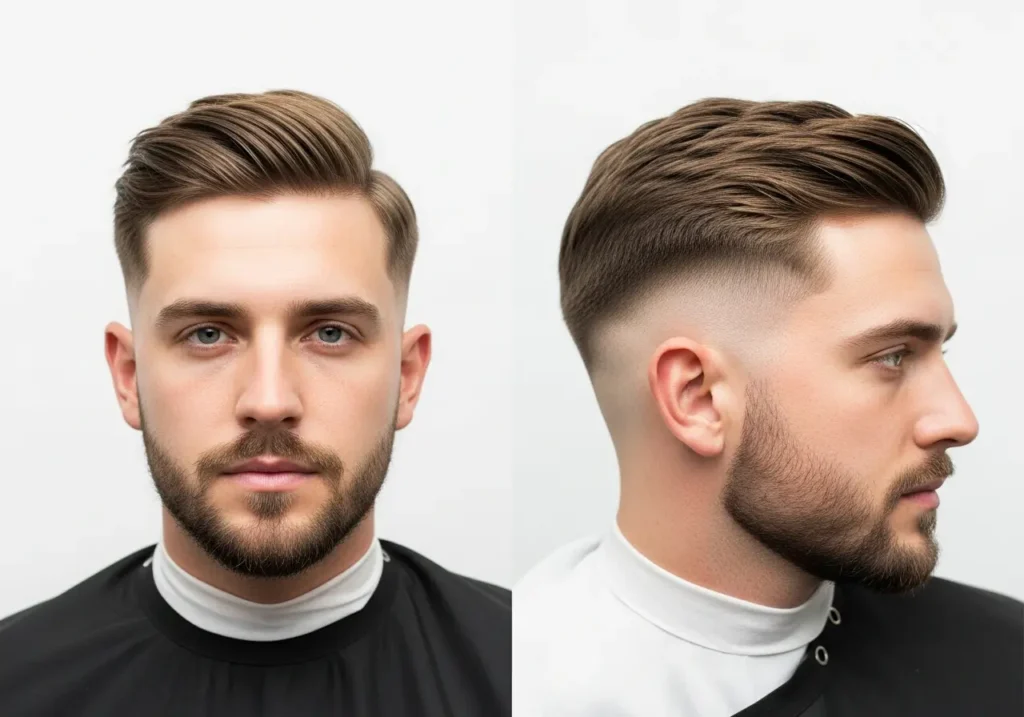
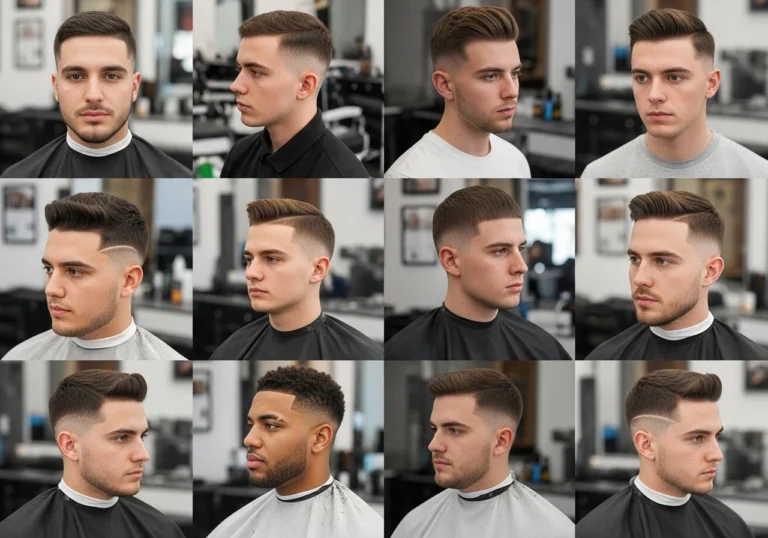
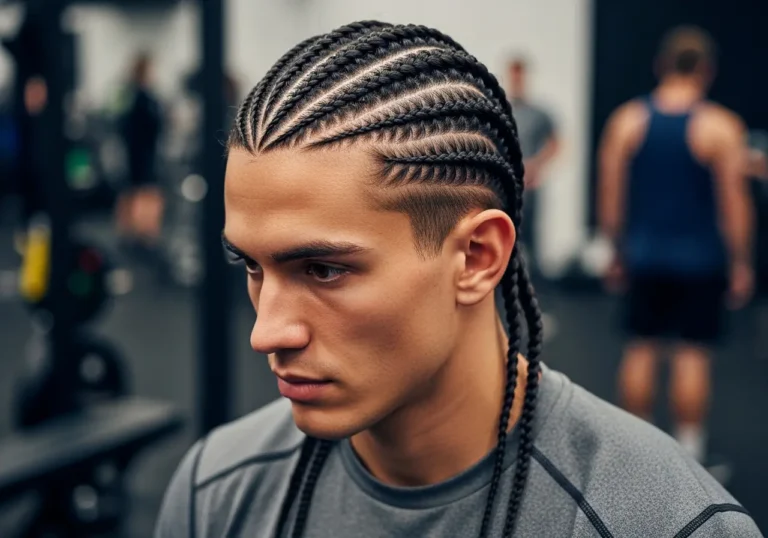
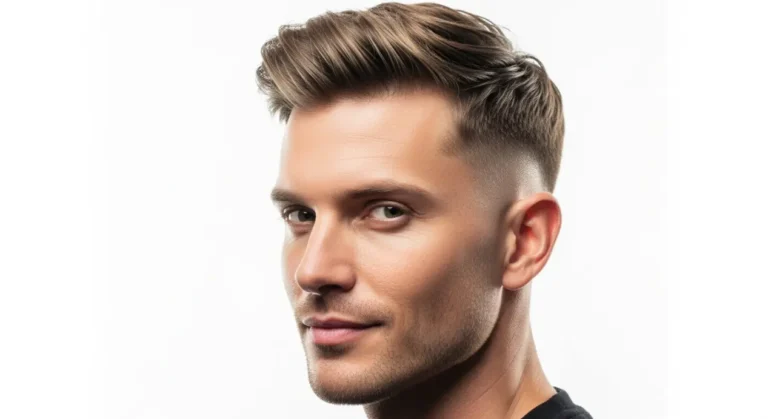
The Low Fade Hairstyles has emerged as one of the most versatile and sophisticated haircut styles available to men today. This timeless technique creates a gradual transition from longer hair on top to shorter hair near the neckline and ears, offering a clean and polished appearance suitable for virtually any occasion. Unlike high fades that begin the tapering process near the temples or mid fades that start halfway up the head, the low fade maintains more hair on the sides while still delivering that crisp, modern edge.
What makes the low fade particularly appealing is its adaptability across different hair types, face shapes, and personal styles. Whether you prefer a conservative professional look or something more fashion-forward, the low fade serves as an excellent foundation. This guide explores twenty distinct low fade variations that represent the best options for men in 2026, complete with styling insights and maintenance considerations to help you achieve your desired look.
Understanding the Low Fade Technique
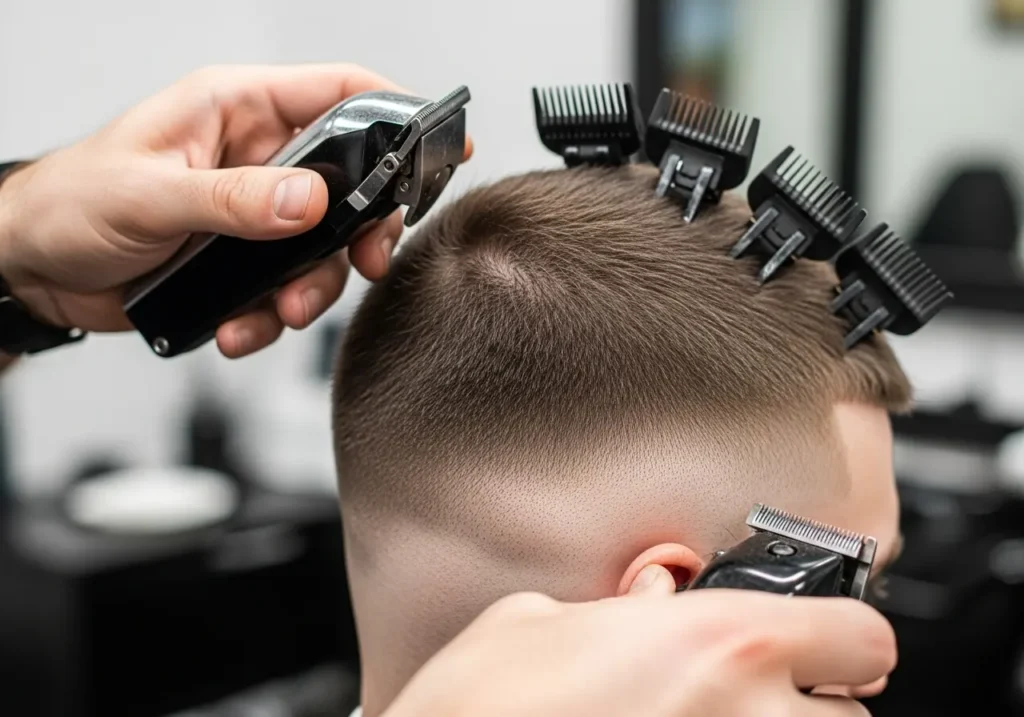
The low fade begins approximately an inch above the ear and gradually tapers down to the skin or a very short length near the neckline. This subtle graduation creates dimension and structure without the dramatic contrast of higher fade styles. Barbers typically use clippers with various guard sizes, blending each section seamlessly to eliminate harsh lines and create that signature smooth transition.
The appeal of the low fade lies in its conservative nature. Men who work in professional environments or prefer understated styles find this option particularly suitable because it maintains a refined appearance while incorporating contemporary barbering techniques. The lower starting point also means the style grows out more gracefully than higher fades, extending the time between necessary touch-ups.
01 Classic Low Fade with Textured Top
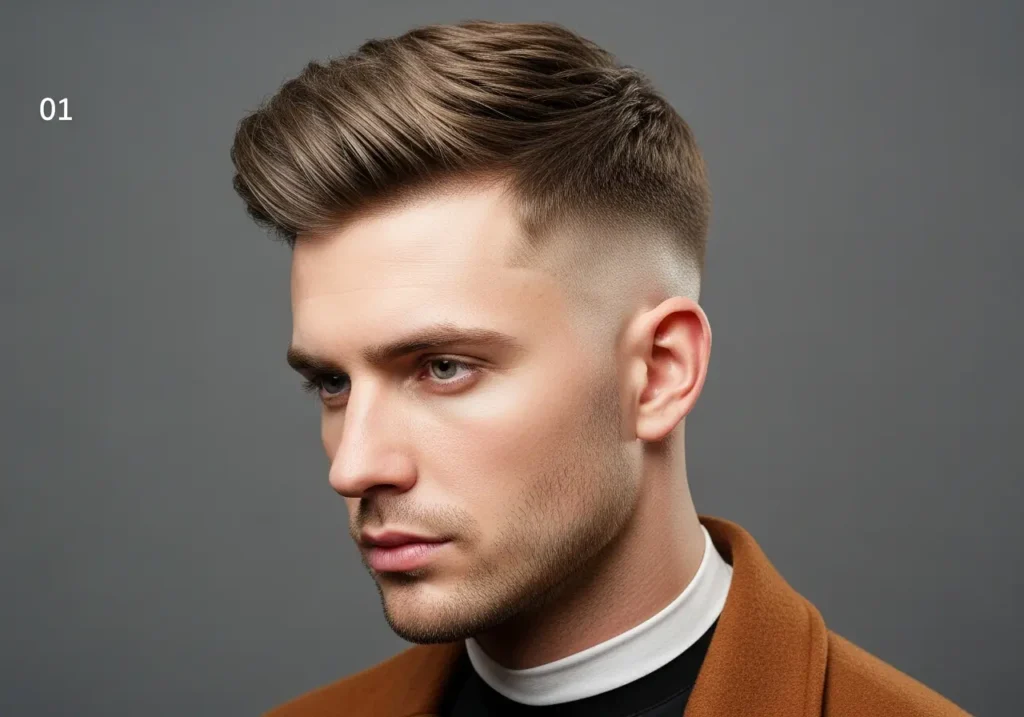
This style combines the clean lines of a traditional low fade with modern texturing techniques on top. The hair on the crown measures between two to four inches, allowing for natural movement and volume. Barbers create texture through point cutting or razor work, which removes weight and encourages the hair to fall in a more relaxed, effortless manner.
Styling this look requires a matte finish product like clay or paste. Work a small amount through damp hair, then use your fingers to create separation and lift at the roots. The contrast between the structured fade and the deliberately tousled top creates visual interest while remaining completely wearable for daily activities.
02 Low Skin Fade
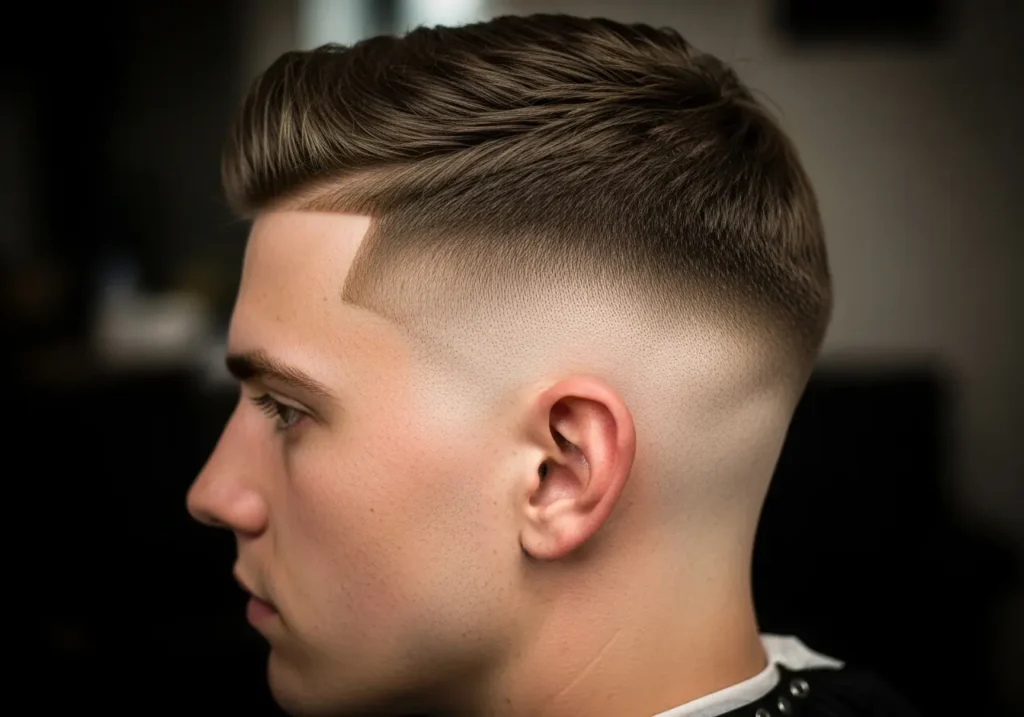
The low skin fade takes the traditional low fade to its most dramatic conclusion by tapering all the way down to bare skin at the neckline and around the ears. This creates maximum contrast and delivers an exceptionally crisp appearance that looks freshly cut for the first week after your barber appointment.
This variation requires more frequent maintenance than standard low fades because the skin portion becomes visible as stubble within just a few days. Men who choose this style typically visit their barber every one to two weeks. The investment in upkeep pays dividends in the sharp, meticulous appearance that few other styles can match.
03 Low Taper Fade with Side Part
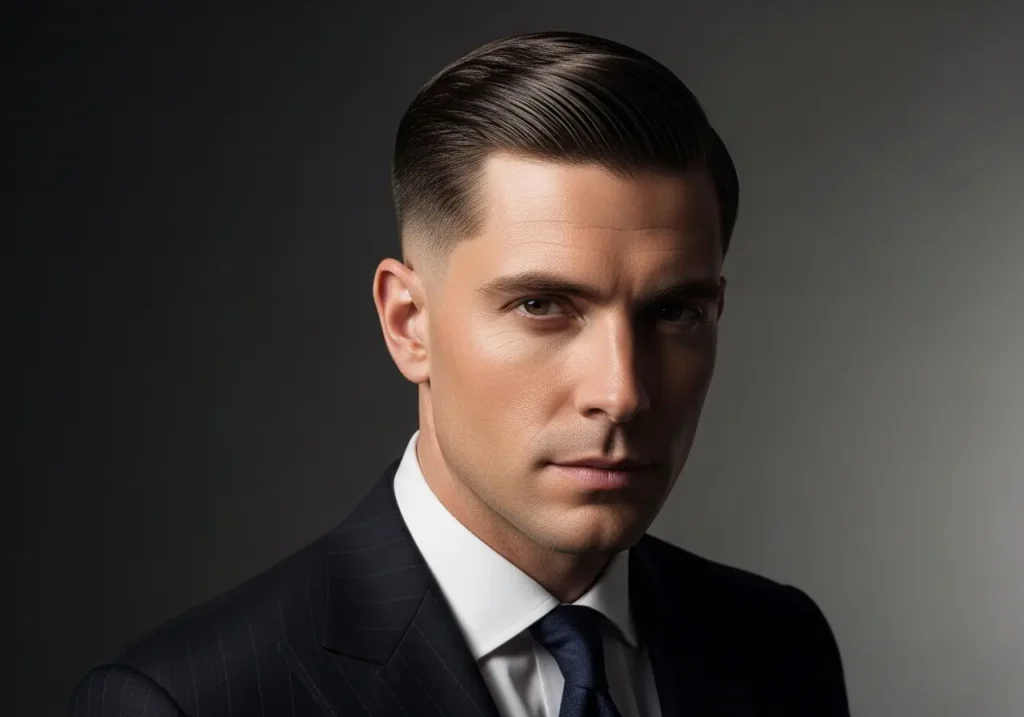
The side part has experienced a significant resurgence in recent years, and when combined with a low taper fade, it creates a distinguished look that bridges classic and contemporary aesthetics. The part should be cut or shaved into the hair for definition, positioned wherever your natural growth pattern allows for the cleanest line.
Style this look with a medium-hold pomade or styling cream. Comb the hair to the side following your part, creating volume at the front while keeping the sides sleek against the head. This style works exceptionally well for professional settings and formal occasions while remaining stylish enough for casual wear.
04 Curly Hair Low Fade
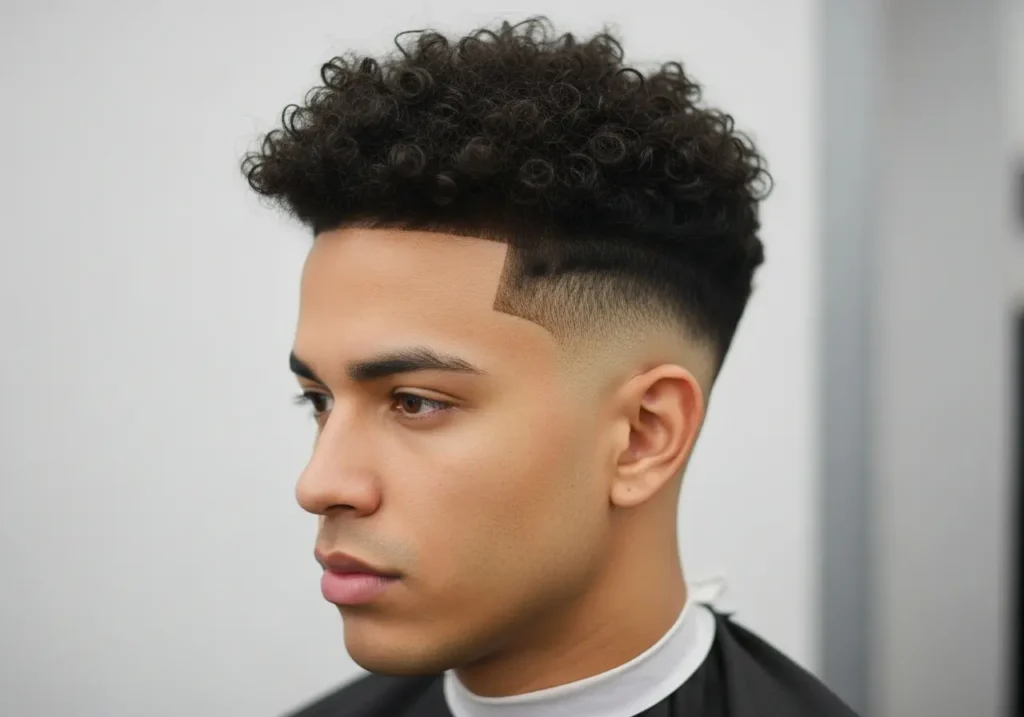
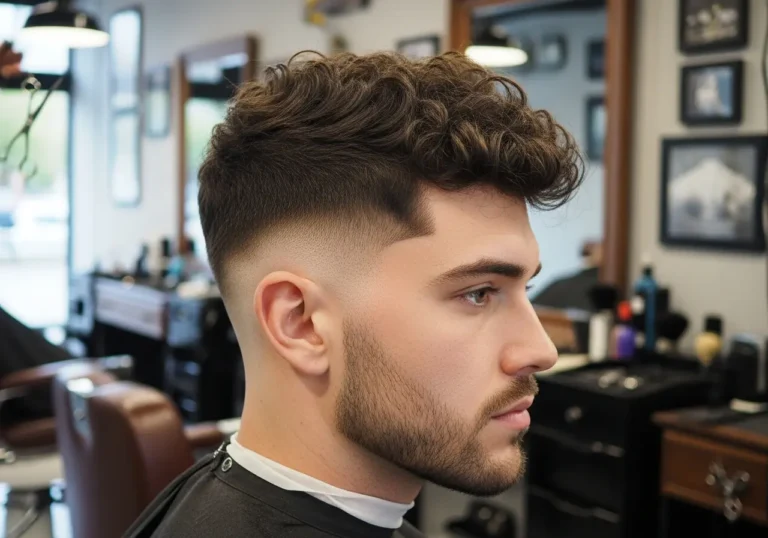
Men with naturally curly hair benefit tremendously from the low fade because it reduces bulk on the sides while allowing the curls on top to maintain their full character. The fade should be executed carefully to blend into the curl pattern rather than fighting against it, which requires a barber experienced with textured hair.
Maintaining healthy curls requires proper moisture. Use sulfate-free shampoo, regular conditioning treatments, and leave-in products designed for curly hair. A curl-defining cream helps control frizz while enhancing the natural curl pattern. The low fade provides structure that prevents the style from appearing too voluminous or unmanaged.
05 Low Fade with Quiff
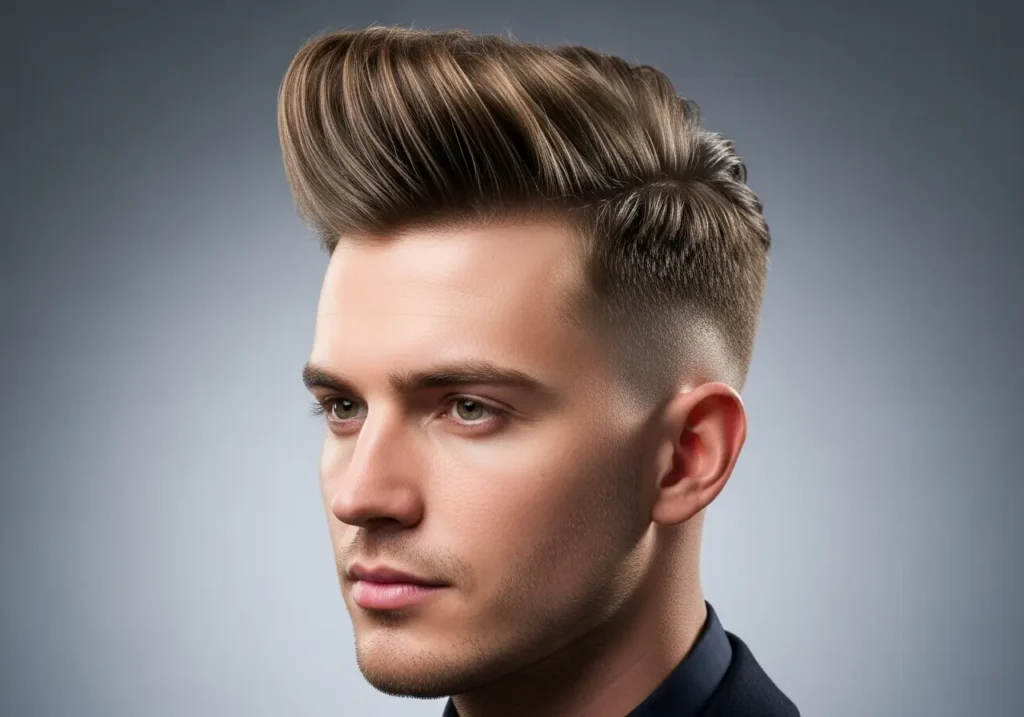
The quiff represents one of the most popular hairstyles in modern men’s grooming, and the low fade provides an ideal foundation. This style features significant volume and height at the front, achieved by blow-drying the hair upward and back while it is still damp. The hair should measure at least three inches at the front to create the necessary lift.
Creating a proper quiff requires both technique and product. Apply a volumizing mousse to damp hair, then use a round brush and blow dryer to direct the hair up and back. Once dry, use a strong-hold pomade or wax to set the shape and maintain the height throughout the day. The low fade keeps the sides clean and prevents the style from appearing too heavy.
06 Low Fade Buzz Cut
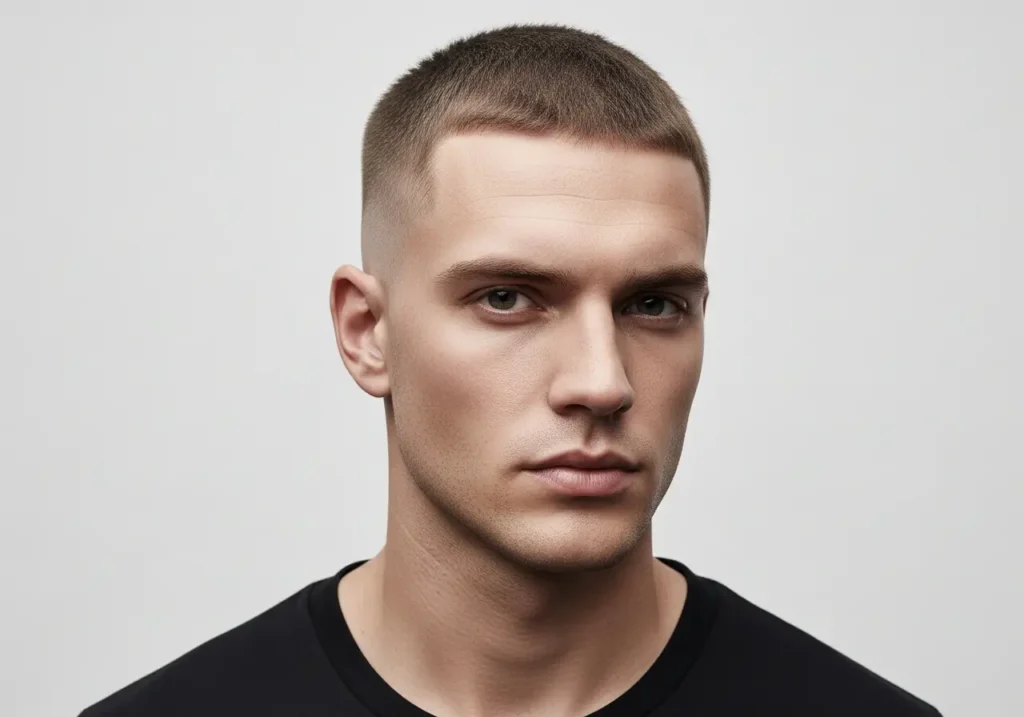
This minimalist approach combines the structure of a low fade with the simplicity of a buzz cut on top. The top typically ranges from a number three to five guard, providing just enough length to show texture without requiring any styling. This option appeals to men who want a polished appearance without investing time in daily maintenance.
The buzz cut low fade offers practical benefits beyond convenience. It works well in warm climates, suits men with receding hairlines by creating uniformity, and maintains a masculine, no-nonsense aesthetic. Despite its simplicity, the fade element prevents the style from appearing too basic or military-influenced.
07 Low Fade with Slicked Back Hair
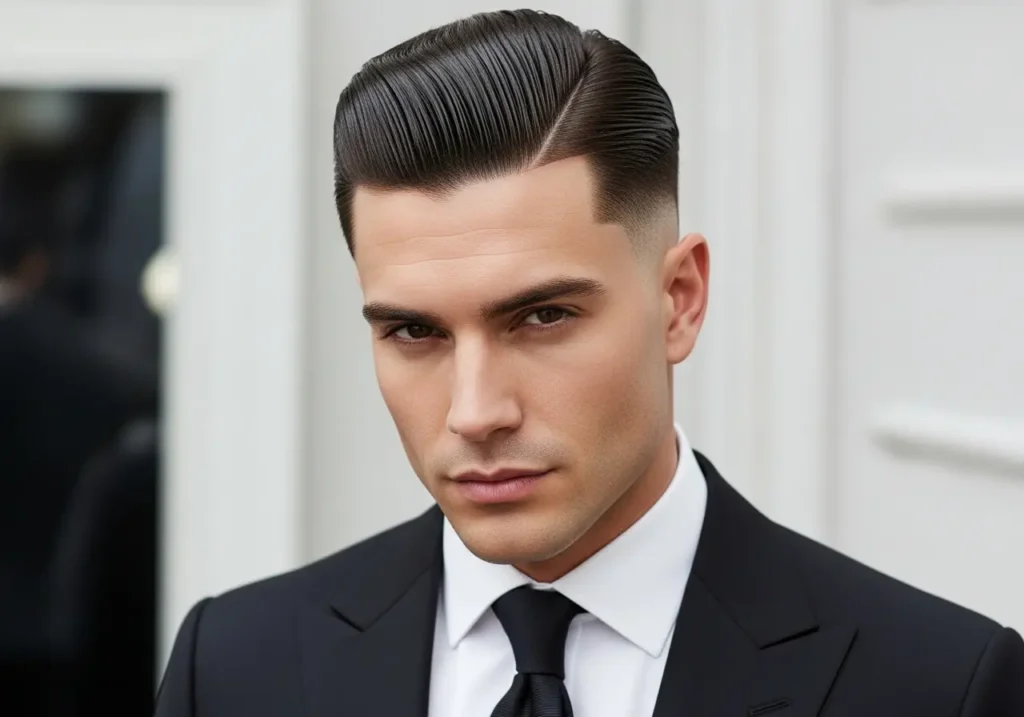
Slicked-back hair exudes confidence and sophistication, particularly when paired with a low fade that keeps the sides streamlined. This style works best with hair measuring four to six inches on top, allowing enough length to comb straight back from the forehead while maintaining good coverage.
Achieving this look requires a high-shine pomade or gel. Apply the product to damp hair and use a fine-toothed comb to distribute it evenly while directing all hair backward. The low fade prevents any bulk from accumulating above the ears, maintaining clean lines that complement the sleek top. This style suits formal occasions but has become increasingly acceptable in creative professional environments.
08 Low Fade Comb Over
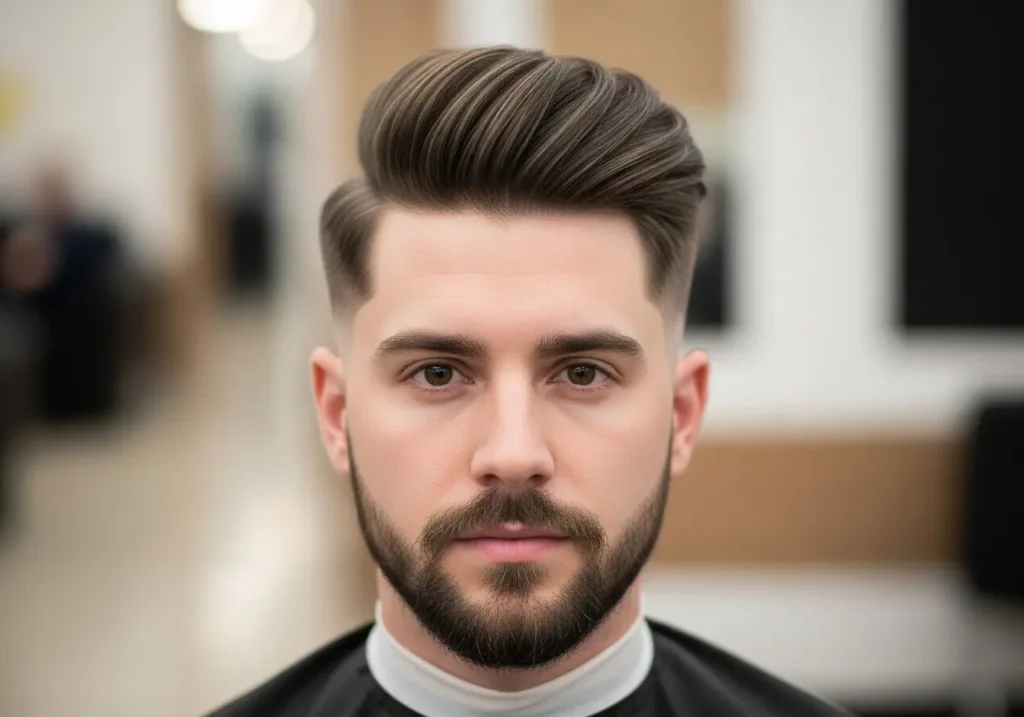
The modern comb over differs significantly from the dated styles of previous decades. Contemporary versions feature volume, texture, and deliberate styling rather than simply sweeping hair across the head. The low fade provides the necessary contrast to make the comb over appear intentional and stylish rather than an attempt to conceal thinning hair.
Create this style by blow-drying hair to one side while directing it slightly upward at the roots for lift. Use a medium-hold product that allows some movement rather than cementing the hair in place. The result should appear polished yet natural, with the low fade providing structure at the sides and back.
09 Low Fade with Fringe
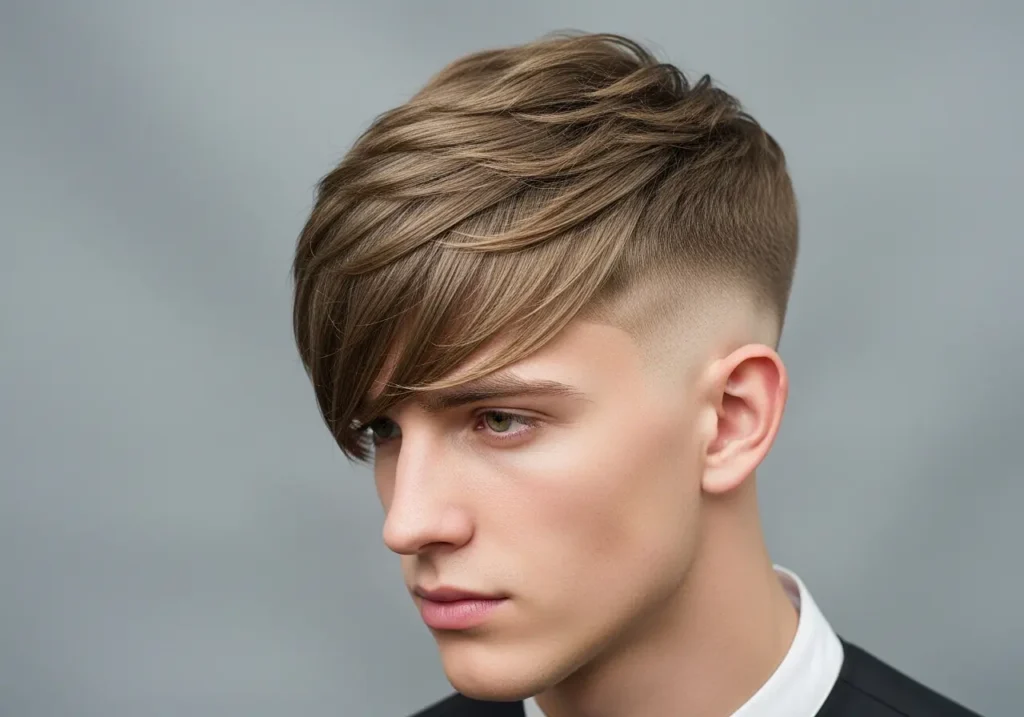
Forward-swept fringe has become increasingly popular, particularly among younger men and those in fashion-forward industries. This style features longer hair at the front that falls toward the forehead, creating a casual yet deliberate appearance. The low fade prevents the sides from competing with the fringe for visual attention.
Styling fringe requires products that provide hold without stiffness. Cream or light paste works well, allowing the hair to maintain its forward direction while retaining natural movement. The length of the fringe can vary based on preference, from just touching the eyebrows to falling well past them for a more dramatic effect.
10 Low Fade Mohawk

The modern mohawk has evolved from its punk rock origins into a versatile style suitable for various contexts. When combined with a low fade, it becomes more refined while retaining its bold character. The hair on top forms a central strip running from front to back, typically styled upward for height and impact.
This style requires confident styling and strong-hold products. Apply gel or pomade to damp hair, then use a blow dryer and your hands to direct the hair upward and toward the center. The low fade gradually reduces hair on the sides, creating the mohawk shape without requiring shaved sides that might be too extreme for some settings.
11 Wavy Hair Low Fade
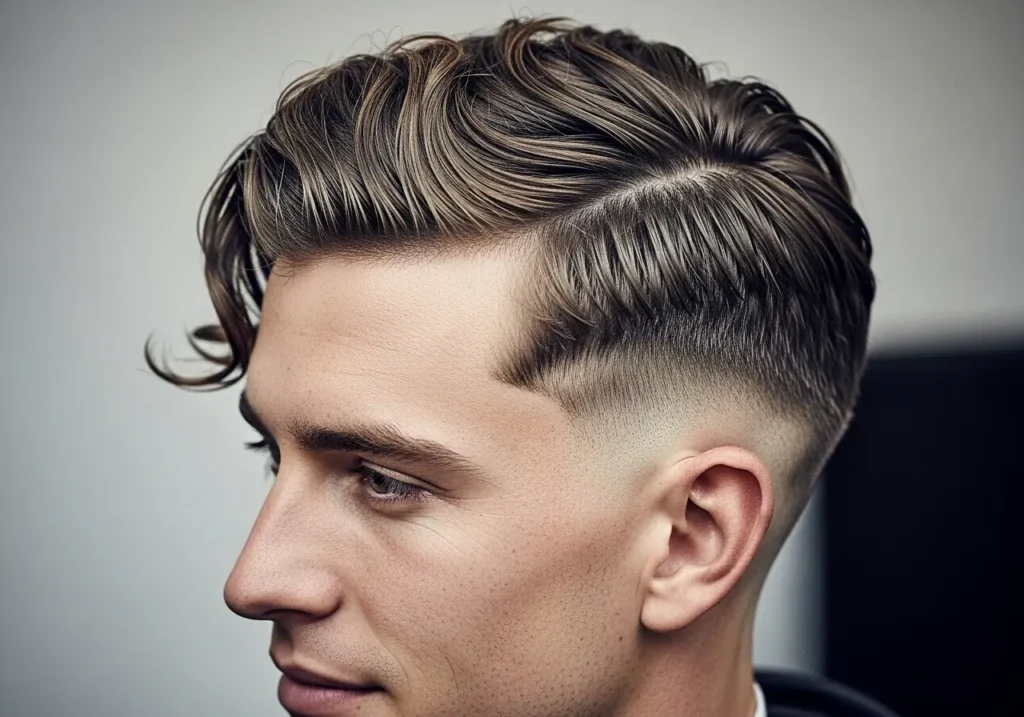
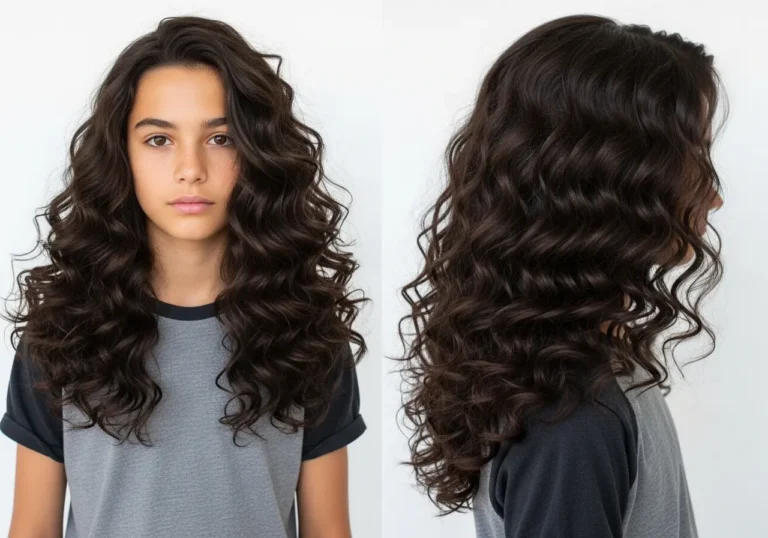
Natural waves provide excellent texture and movement, and the low fade helps manage this hair type by reducing bulk where waves can become unruly. The fade should blend smoothly into the wave pattern, typically requiring a skilled barber who understands how to work with this hair texture.
Enhance natural waves with sea salt spray or texturizing products that add definition without weighing hair down. Allow hair to air dry or use a diffuser attachment on your blow dryer to maintain the wave pattern without creating frizz. The low fade provides structure while the waves deliver personality and visual interest.
12 Low Fade with Hard Part
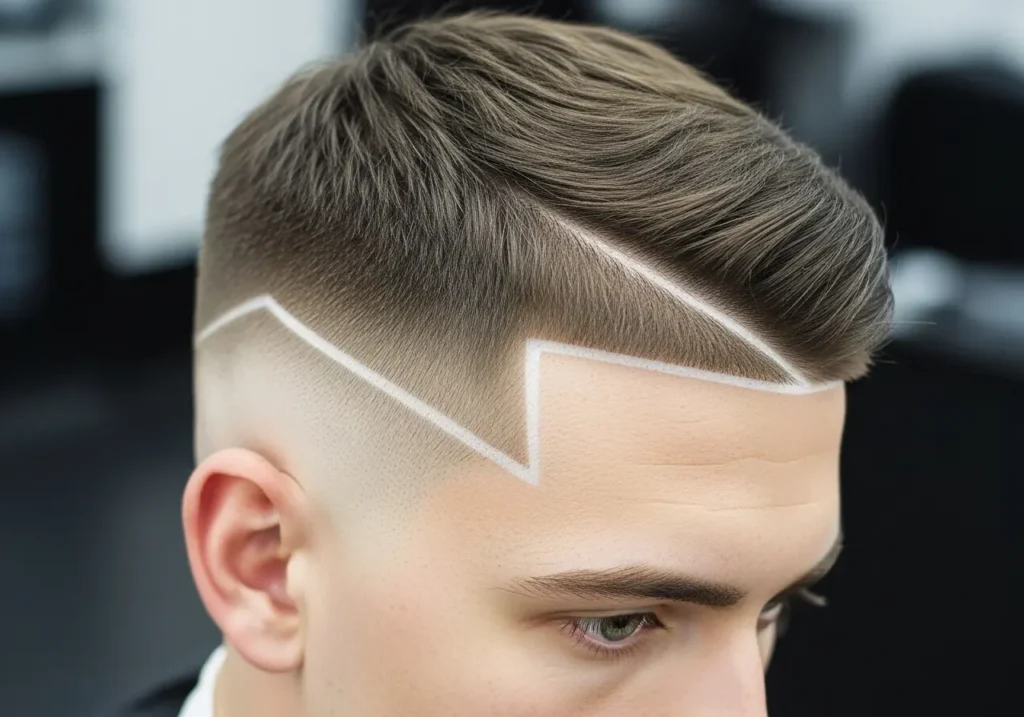
A hard part is a shaved line that creates a sharp, defined separation between sections of hair. When incorporated into a low fade style, it adds an extra element of precision and detail. The line should be cut with trimmers or a straight razor, positioned where a natural part occurs or wherever creates the most flattering division.
This detail-oriented approach requires regular maintenance as the shaved line grows in quickly. Most men need the hard part refreshed every week to ten days. The crisp line creates a striking visual element that elevates even simple styles, making it popular among men who appreciate meticulous grooming.
13 Low Fade Crew Cut
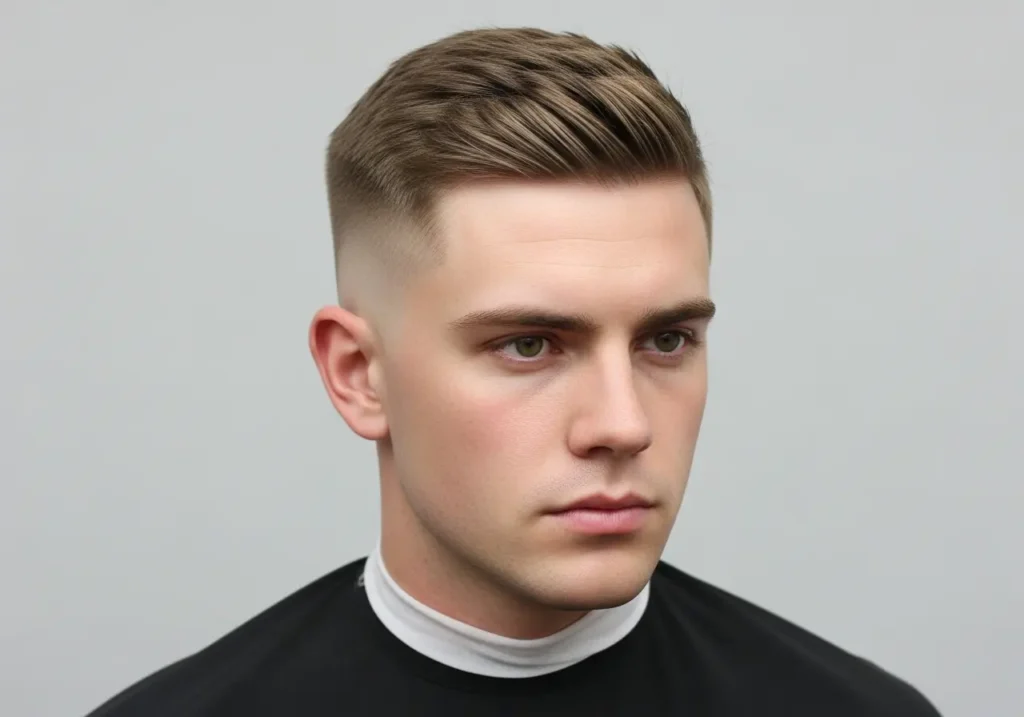
The crew cut represents one of the most enduring men’s hairstyles, and the low fade brings it into contemporary relevance. This variation features short hair on top, gradually increasing in length from front to back, with the low fade providing clean sides and back. The style remains practical while looking intentionally styled.
Minimal styling is required beyond applying a small amount of matte product for texture and hold. The crew cut low fade suits active lifestyles, warm weather, and professional environments equally well. It works across age groups and face shapes, making it one of the most universally flattering options available.
14 Low Fade with Long Top
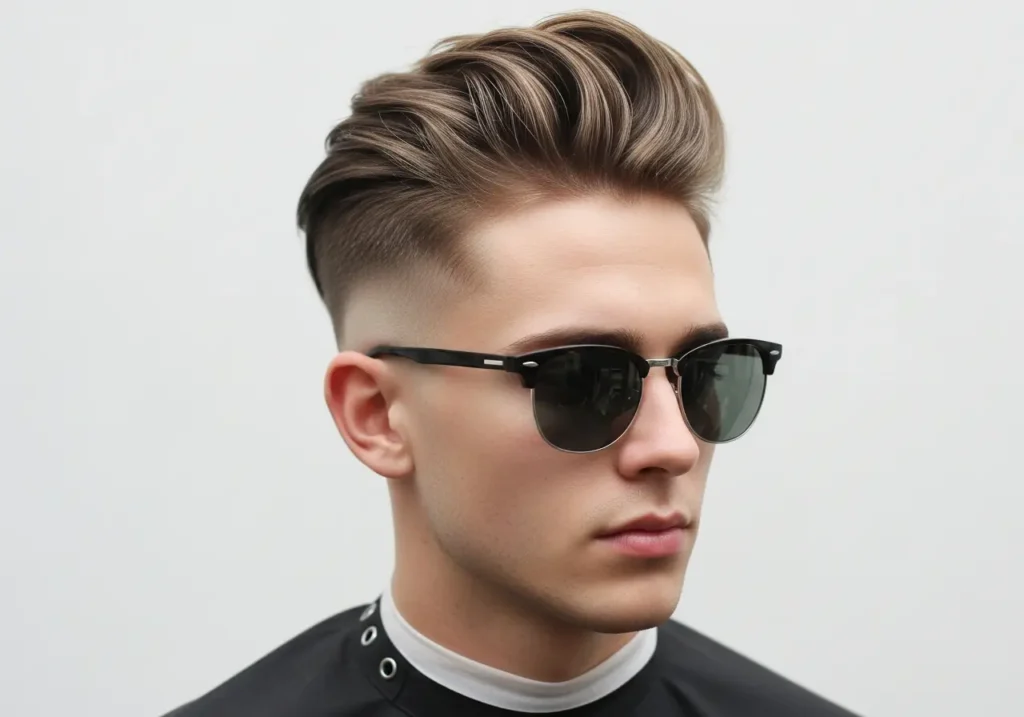
Men who prefer maintaining significant length on top can still benefit from the structure a low fade provides. With hair measuring six inches or longer on the crown, numerous styling options become available, from man buns to elaborate pompadours. The low fade keeps the overall silhouette balanced despite the length disparity.
Long hair requires proper care to maintain health and appearance. Regular conditioning, minimal heat styling, and quality products prevent damage and keep hair looking its best. The low fade reduces the bulk that long hair can create, preventing the style from appearing overwhelming or unkempt.
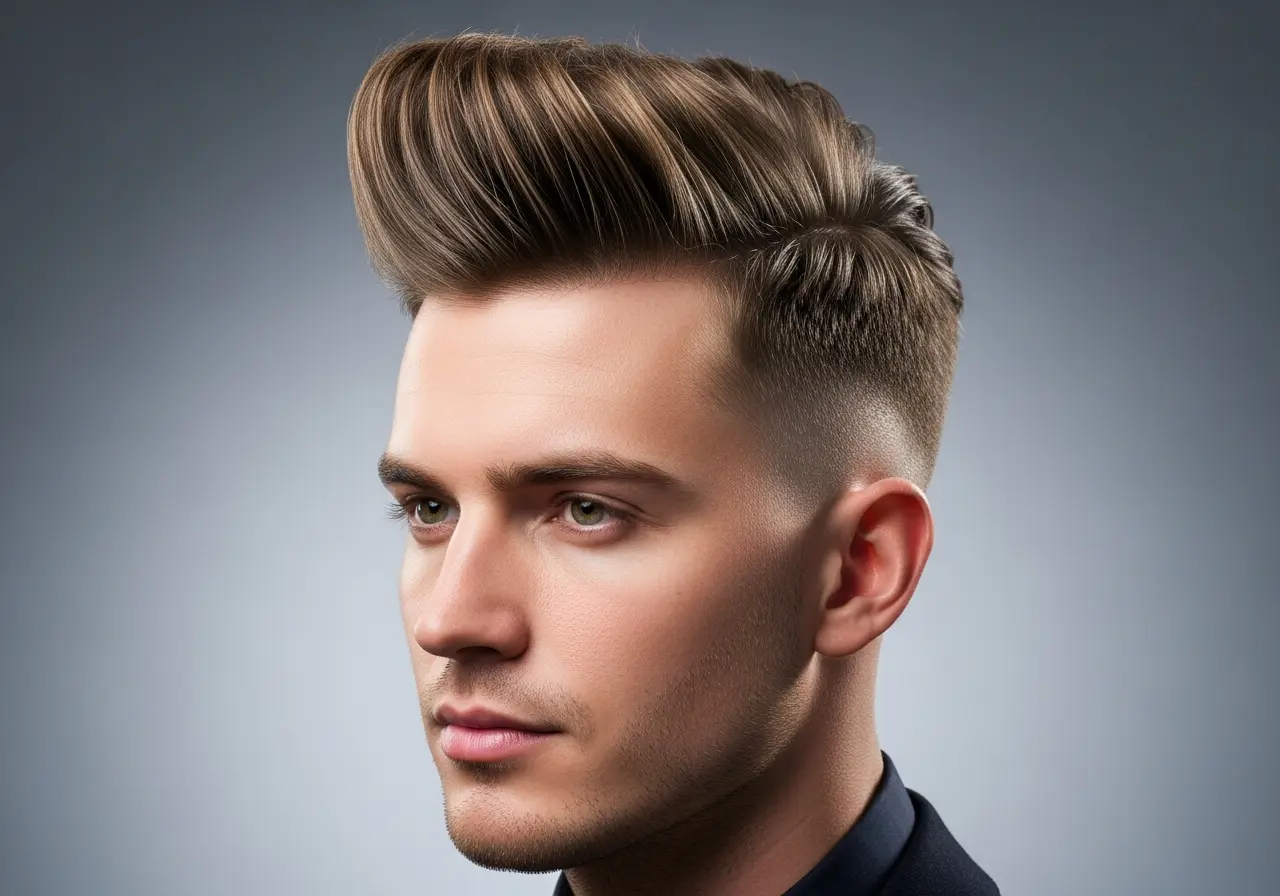
15 Low Fade Pompadour
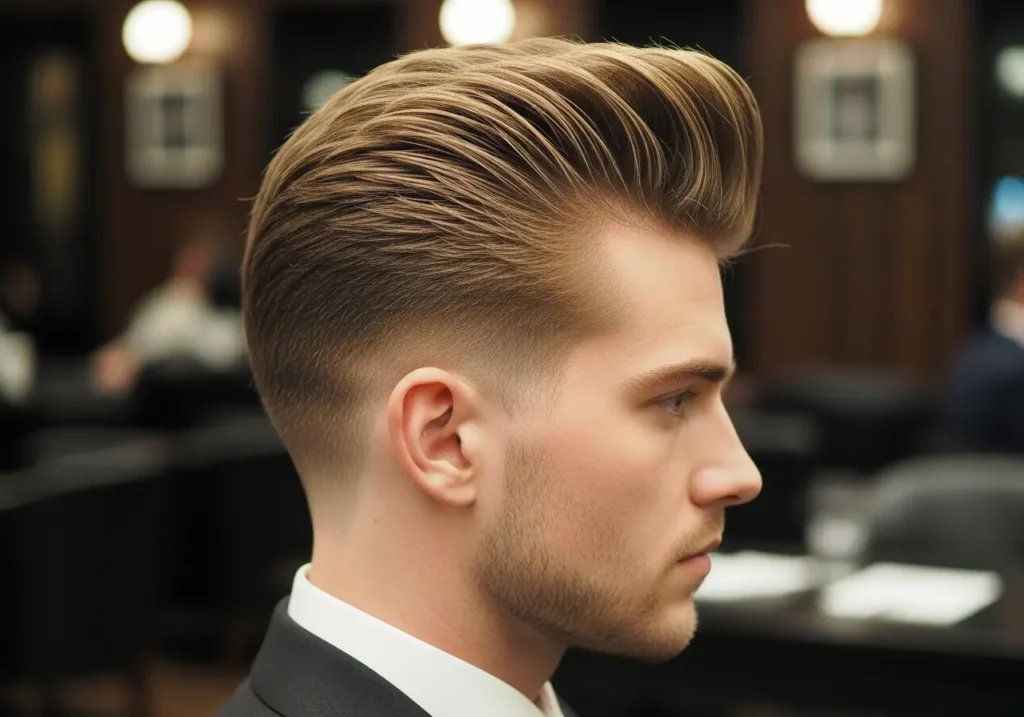
The pompadour remains one of the most iconic men’s hairstyles, characterized by significant volume swept upward and back from the forehead. The low fade modernizes this classic style by providing clean sides that emphasize the dramatic top. Achieving a proper pompadour requires at least four inches of hair on top.
Creating this style demands technique and strong products. Blow dry hair upward and back while it is damp, using a round brush to generate volume. Once dry, work pomade or wax through the hair, shaping it into the characteristic pompadour form. The low fade prevents the sides from adding width, maintaining the style’s vertical emphasis.
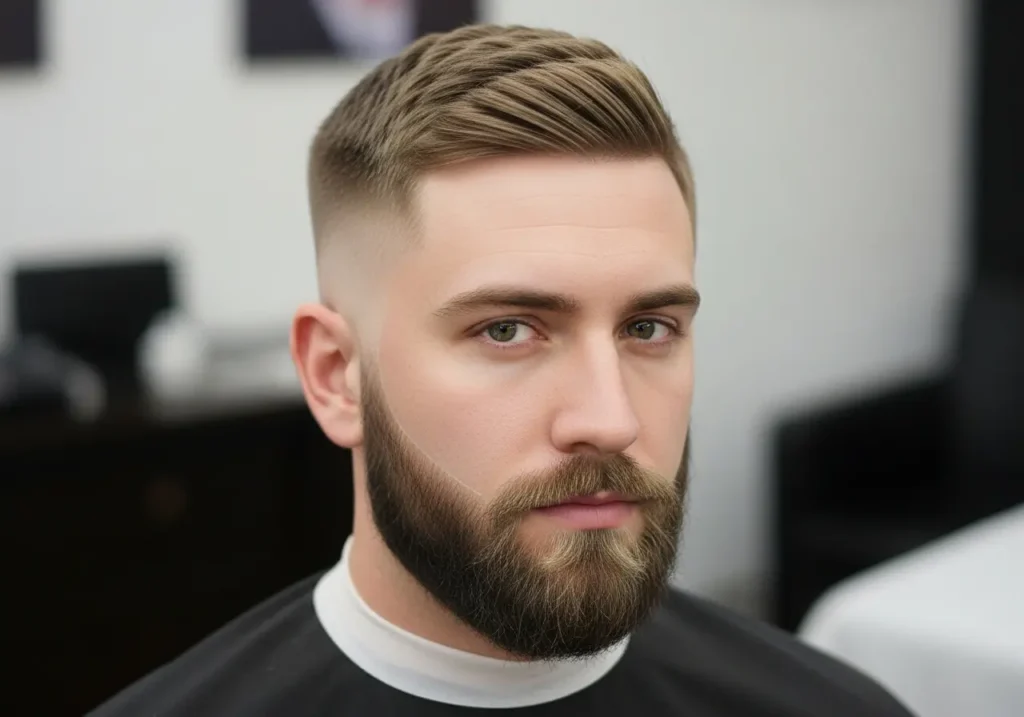
Combining a low fade with a well-maintained beard creates a cohesive, intentionally groomed appearance. The fade should blend seamlessly into the facial hair, with your barber tapering the sideburns to connect both elements. This integration prevents any awkward gaps or harsh transitions between your haircut and beard.
Maintaining this look requires attention to both elements. Keep your beard trimmed to a length that complements your face shape and personal style, using quality beard oil to maintain softness and health. The low fade provides structure above while the beard adds masculinity and character below, creating a balanced overall aesthetic.
17 Low Fade French Crop
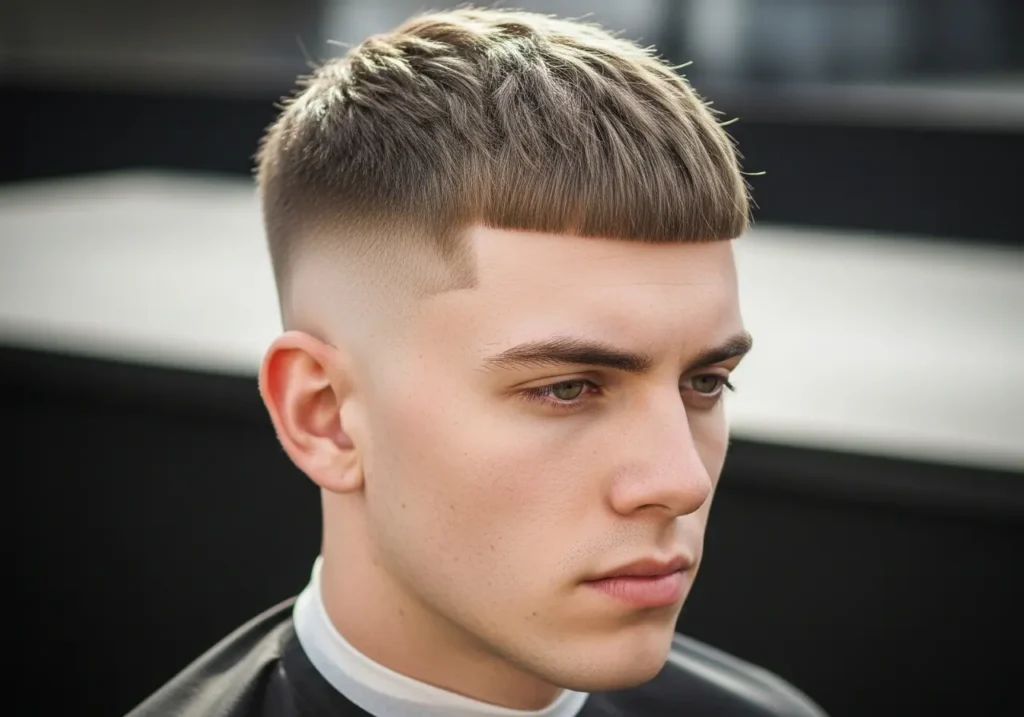
The French crop features a short fringe and a horizontal front that creates a distinctive silhouette. When combined with a low fade, it delivers a contemporary European aesthetic that has gained considerable popularity. The fringe typically measures one to two inches and lies flat against the forehead or slightly elevated.
This low-maintenance style requires minimal daily styling. Apply a small amount of matte clay or paste to add texture and separation to the fringe. The French crop suits men with various hair types and face shapes, offering a practical yet stylish option that stands out from more common choices.
18 Low Fade with Design
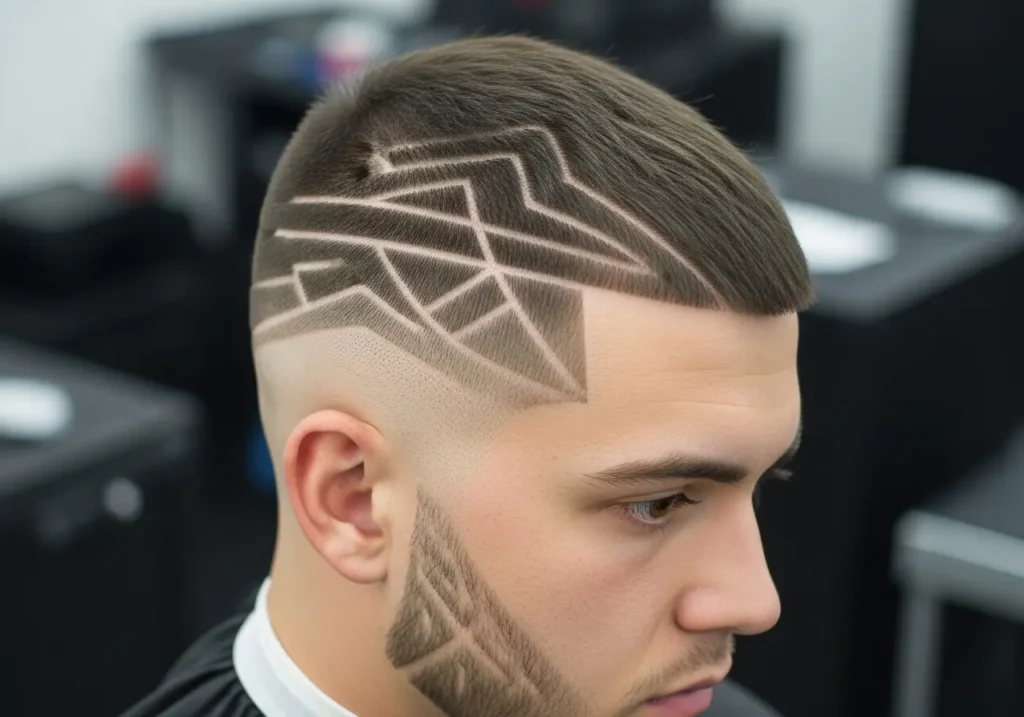
Hair designs have become increasingly popular, with barbers creating patterns, lines, or images in the faded area. These designs range from simple lines to complex geometric patterns or even portraits. The low fade provides a canvas for these artistic elements while maintaining an overall polished appearance.
Designs require touch-ups as frequently as every few days since they quickly become less defined as hair grows. Men who choose this option should be prepared for regular barber visits. The creative element allows for personal expression and ensures your hairstyle stands apart from standard options.
19 Low Fade with Textured Crop
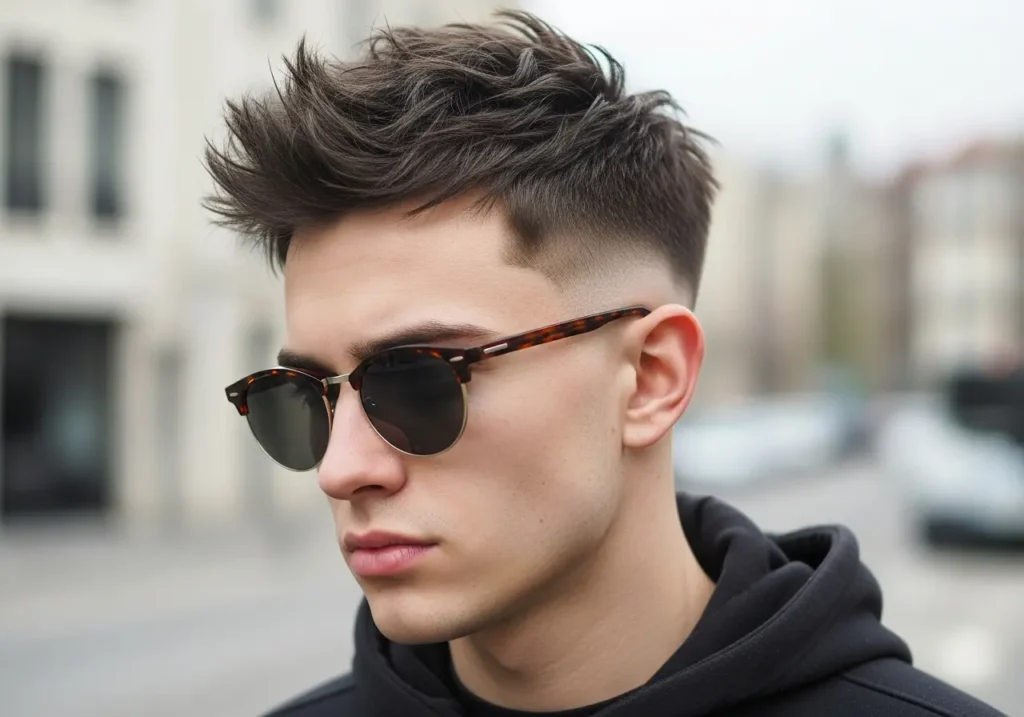
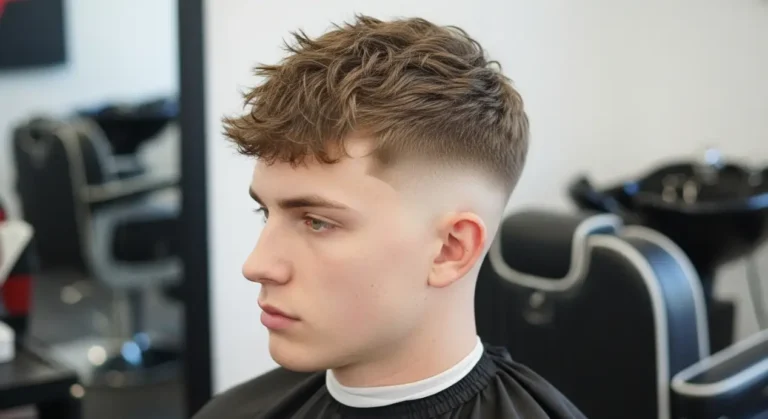
The textured crop features choppy, deliberately uneven hair on top that creates movement and dimension. Combined with a low fade, it delivers a modern, slightly edgy appearance that works well for men in creative fields or those who prefer fashion-forward styles. The top typically measures two to three inches with varying lengths throughout.
Styling requires texturizing products and a hands-on approach. Work matte clay through damp hair, then use your fingers to create piece-y separation and lift. The deliberate imperfection of this style paradoxically requires careful execution, balancing structure from the fade with intentional messiness on top.
20 Low Fade with Slick Side Sweep
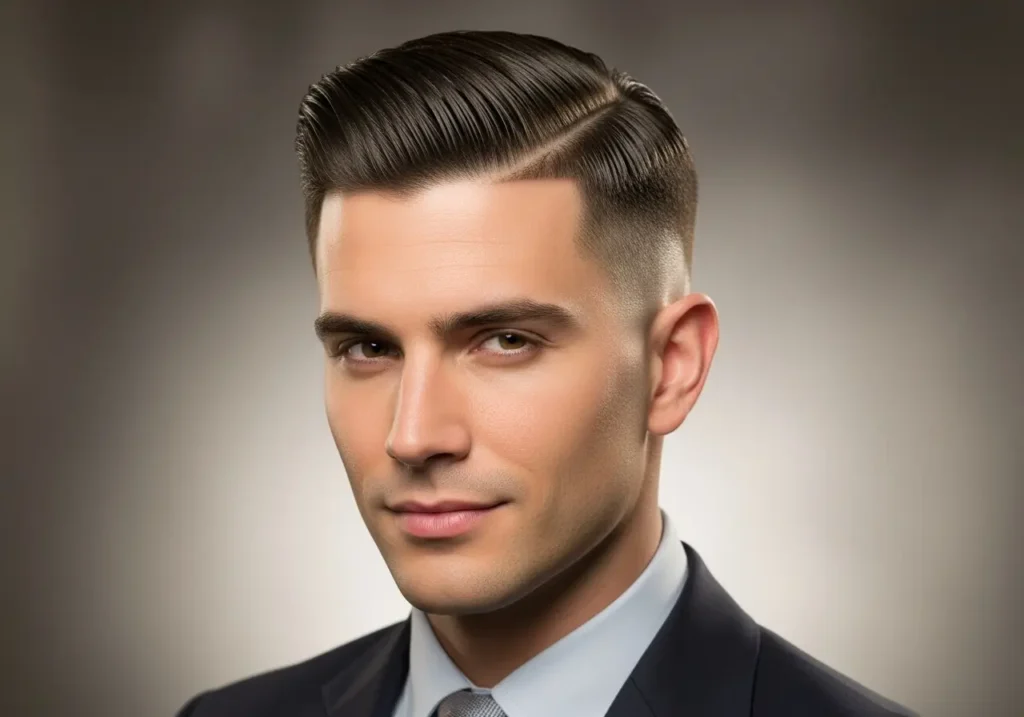
This refined style sweeps hair to one side with a polished, glossy finish. The low fade provides clean sides that enhance the sophisticated appearance of the swept top. Hair should measure three to five inches, allowing enough length to create the sweeping motion without appearing too long or unmanaged.
Achieve this look with a high-shine pomade applied to slightly damp hair. Use a comb to direct all hair to your preferred side, creating a smooth surface with no flyaways or separated sections. This classic style suits professional environments and formal occasions while remaining versatile enough for daily wear.
Choosing the Right Low Fade for Your Face Shape
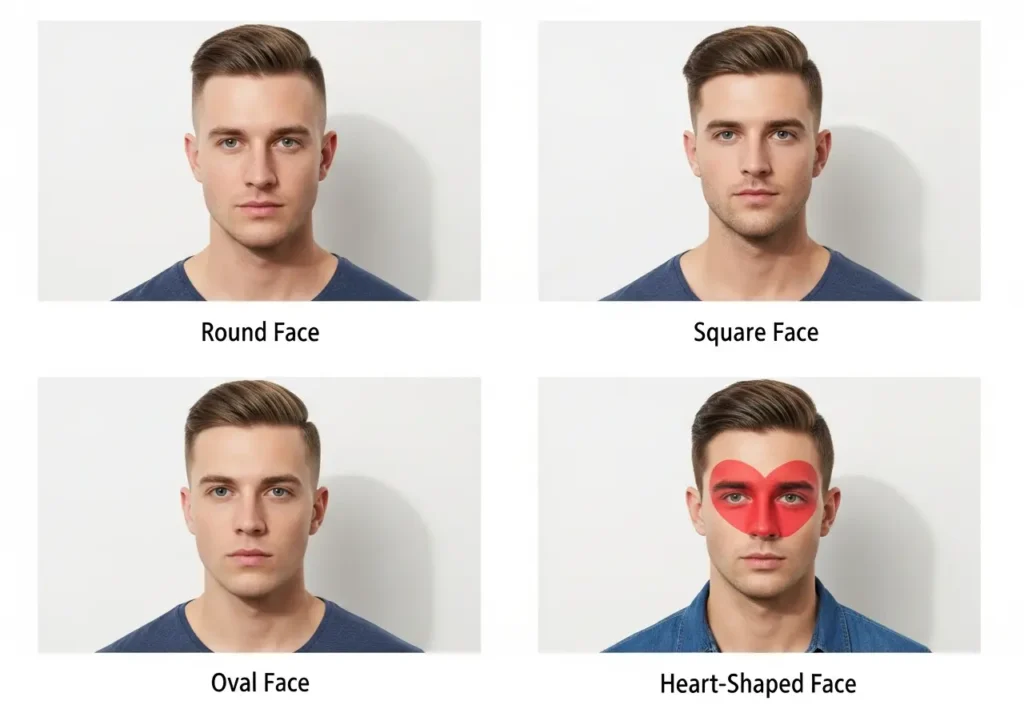
Face shape significantly influences which low fade variation will be most flattering. Men with round faces benefit from styles that add height on top, such as pompadours or quiffs, which create the illusion of length. Square faces work well with most low fade styles but particularly suit softer, textured tops that balance angular features.
Oval faces are considered ideal because they complement virtually any style. Men with longer faces should avoid excessive height that further elongates their appearance, instead opting for fuller sides and moderate length on top. Heart-shaped faces benefit from styles that add width, such as textured crops or styles with forward-swept fringe.
Maintenance and Upkeep
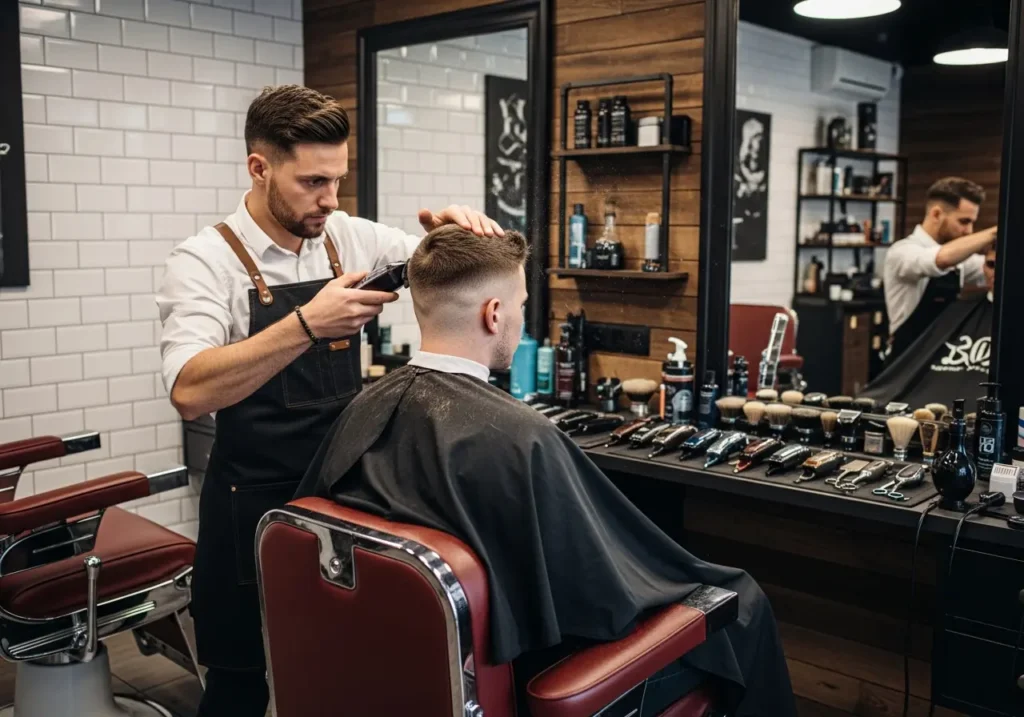
Low fades require regular maintenance to preserve their clean appearance. Most men need appointments every two to four weeks, depending on hair growth rate and how precise they want the fade to remain. Skin fades and styles with shaved designs need more frequent touch-ups, sometimes weekly.
Between barber visits, maintain your style at home with proper products and techniques. Invest in quality shampoo and conditioner appropriate for your hair type. Use styling products sparingly to avoid buildup that makes hair appear greasy or limp. A good brush or comb helps maintain the shape of styles that require directed placement.
Styling Products for Low Fade Hairstyles

Product selection depends on your specific style and desired finish. Pomades offer shine and strong hold, ideal for slicked-back looks and pompadours. Clay and paste provide matte finishes with medium to strong hold, perfect for textured styles and modern crops. Gels deliver maximum hold and high shine but can appear stiff if overapplied.
For natural, touchable styles, use cream or light paste. Sea salt spray works well for wavy hair and beach-inspired textures. Always start with a small amount of product, adding more as needed rather than applying too much initially. Work product through hair evenly, focusing on areas that need the most control or definition.
The Evolution of Fade Techniques
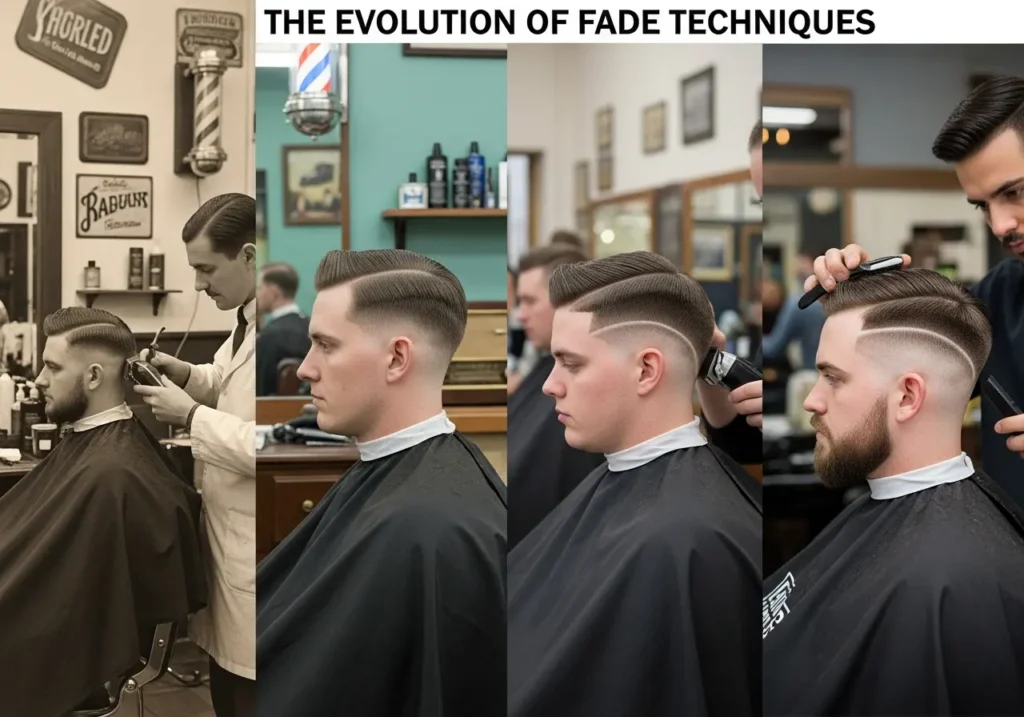
The low fade represents decades of barbering evolution, from classic tapers to modern precision cutting. Contemporary barbers have elevated fading to an art form, using multiple clipper guards and techniques to create seamless transitions. This craftsmanship transforms a simple haircut into a detailed work that showcases skill and attention to detail.
Today’s low fades incorporate influences from various cultures and eras, blending traditional barbering with modern aesthetics. The technique continues to evolve as new tools and methods emerge, ensuring the low fade remains relevant and fresh despite its established history in men’s grooming.
Making Your Low Fade Work for You
The best low fade haircut is one that fits your lifestyle, hair type, and personal aesthetic. Consider your daily routine and how much time you can dedicate to styling. Evaluate your workplace dress code and whether more creative variations would be appropriate. Think about your natural hair texture and which styles will work with rather than against it.
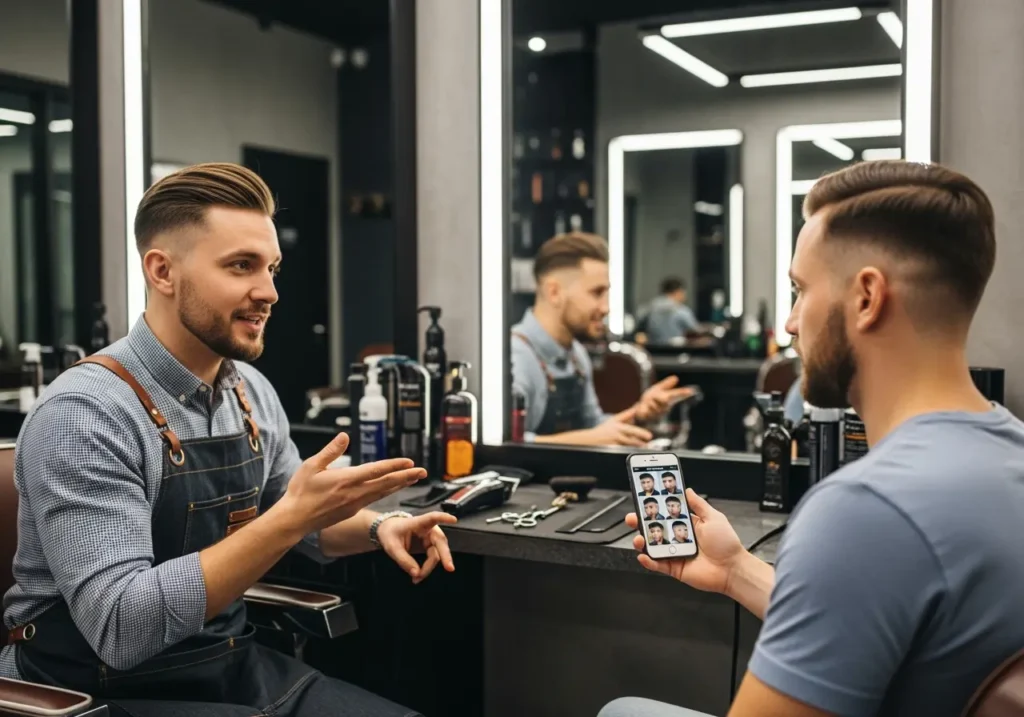
Communicate clearly with your barber about your expectations and lifestyle needs. Bring reference photos if possible, and be open to professional recommendations based on your hair characteristics. A skilled barber can adapt any of these twenty styles to suit your individual features and preferences.
Conclusion
The low fade stands as one of the most adaptable and enduring haircut styles available to men in 2026. Its versatility allows it to serve as the foundation for everything from conservative professional looks to bold fashion statements. The twenty variations outlined in this guide demonstrate the remarkable range possible within this single technique, each offering distinct character while maintaining the core benefits of the low fade approach.
Whether you prefer the simplicity of a buzz cut, the sophistication of a pompadour, or the texture of a modern crop, the low fade enhances your chosen style by providing structure and definition. The gradual taper creates visual interest without overwhelming your overall appearance, making it suitable for virtually any setting or occasion.
Success with a low fade haircut depends on finding a skilled barber, maintaining regular appointments, and using appropriate styling products and techniques. Invest time in discovering which variation complements your face shape, hair type, and personal style. With proper execution and maintenance, a low fade haircut delivers a polished, contemporary appearance that remains relevant across changing trends and seasons.
The enduring popularity of the low fade reflects its fundamental effectiveness as a grooming choice. It balances tradition with modernity, structure with creativity, and precision with naturalness. As men’s hairstyles continue to evolve, the low fade will undoubtedly remain a cornerstone option, adaptable enough to incorporate new influences while maintaining the core appeal that has made it a favorite among men worldwide.
You may also like this post: 21+ New Haircuts Ideas For Men In 2025
Frequently Asked Questions
How often should I get my low fade touched up?
Most men need a low fade touch-up every two to four weeks to maintain the clean, crisp appearance. Hair growth rate and the specific fade type influence this timeline. Low skin fades require more frequent visits, sometimes weekly, while standard low fades can last longer between appointments.
What is the difference between a low fade and a taper?
A low fade gradually transitions to very short hair or skin, creating a more dramatic contrast between the top and sides. A taper is more subtle, gradually reducing length without going as short at the bottom. Fades are generally more defined and require more precise barbering technique.
Can I do a low fade haircut at home?
While possible with proper clippers and practice, achieving a professional-quality low fade at home is challenging. The blending technique requires skill and experience to avoid visible lines or uneven sections. Most men achieve better results by visiting an experienced barber, especially when first trying a low fade.
What face shapes work best with low fade hairstyles?
Low fades work well with all face shapes when styled appropriately. The versatility of the low fade allows you to adjust the top portion to complement your specific features. Oval faces suit nearly any variation, while round faces benefit from added height and square faces work well with softer, textured tops.
What products should I use to style a low fade?
Product choice depends on your specific style and desired finish. Pomades work for slicked looks, clays and pastes suit textured styles with matte finishes, and light creams provide hold for natural appearances. Start with small amounts and add more as needed based on your hair thickness and length.