

10 Best Goatee Styles For Men: That Never Go Out Of Fashion
The goatee remains one of the most versatile and distinguished forms of facial hair a man can wear. Unlike full beards that require extensive growth periods or mustaches that demand precise symmetry, the goatee offers a perfect middle ground between clean-shaven sophistication and rugged masculinity. Whether you’re a corporate professional seeking to add character to your appearance or a creative individual expressing your personal style, the right goatee can transform your entire look.
What makes goatee styles particularly appealing is their adaptability across different face shapes, hair types, and personal aesthetics. From minimalist designs that barely deviate from a soul patch to more elaborate combinations involving mustaches and chin coverage, goatees provide endless customization opportunities. The styles we’ll explore have withstood the test of time, appearing across decades and cultures, proving their universal appeal and timeless nature.
Understanding which goatee style complements your facial structure and lifestyle is essential. Some styles work better for men with rounder faces, helping to elongate and define the chin area, while others suit angular face shapes by adding softness and balance. Beyond aesthetics, practical considerations like maintenance requirements and workplace appropriateness should influence your choice. This comprehensive guide will walk you through ten exceptional goatee styles that have earned their place as classics in men’s grooming.
The Classic Goatee
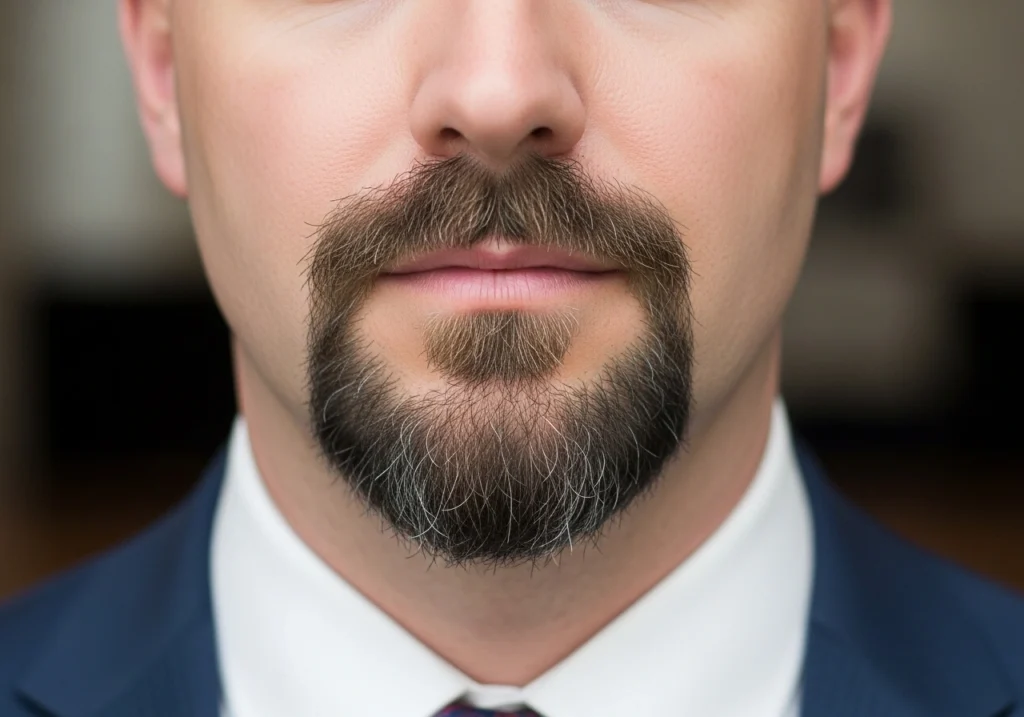
The classic goatee represents the foundation of all goatee styles. This timeless look consists of hair grown exclusively on the chin, typically extending from the lower lip down to the bottom of the chin area. The classic goatee deliberately excludes the mustache, creating a focused statement that draws attention to the mouth and jawline.
This style works exceptionally well for men with longer or oval-shaped faces, as it adds width to the chin without overwhelming the features. The classic goatee requires regular trimming to maintain its defined boundaries and prevent it from appearing unkempt. Most men keep this style relatively short, between one-quarter to one-half inch in length, though personal preference can certainly dictate longer variations.
Maintenance involves trimming the edges every few days to keep the shape crisp and clean. Using a quality beard trimmer with guard attachments allows for consistent length throughout the goatee. The classic goatee suits professional environments beautifully, offering just enough personality without appearing too rebellious or unconventional.
The Van Dyke
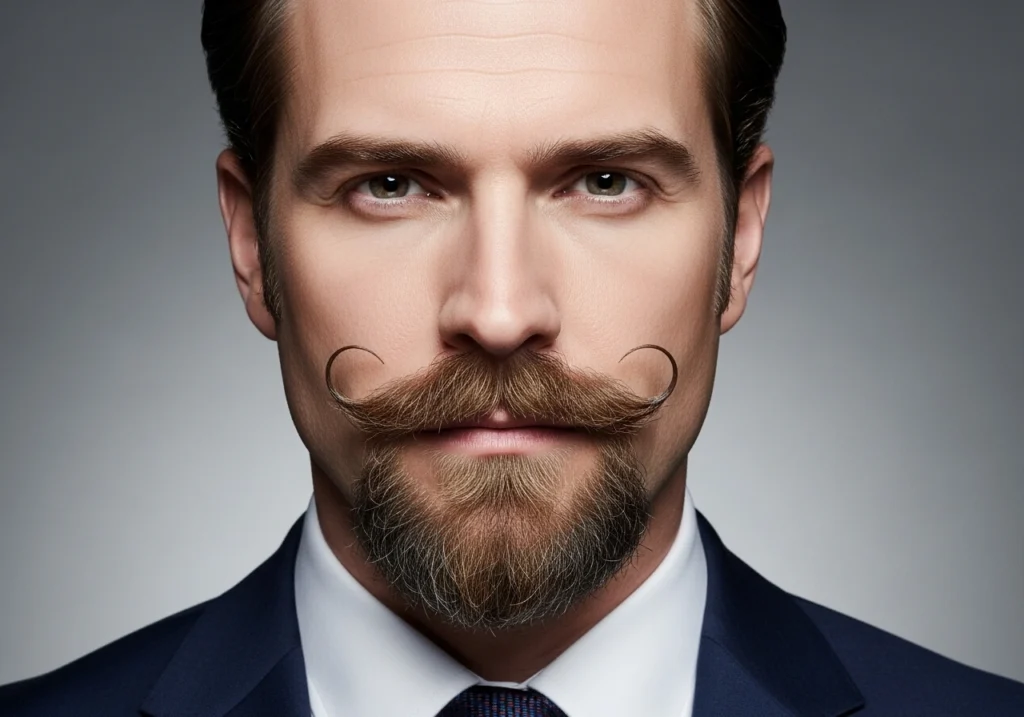
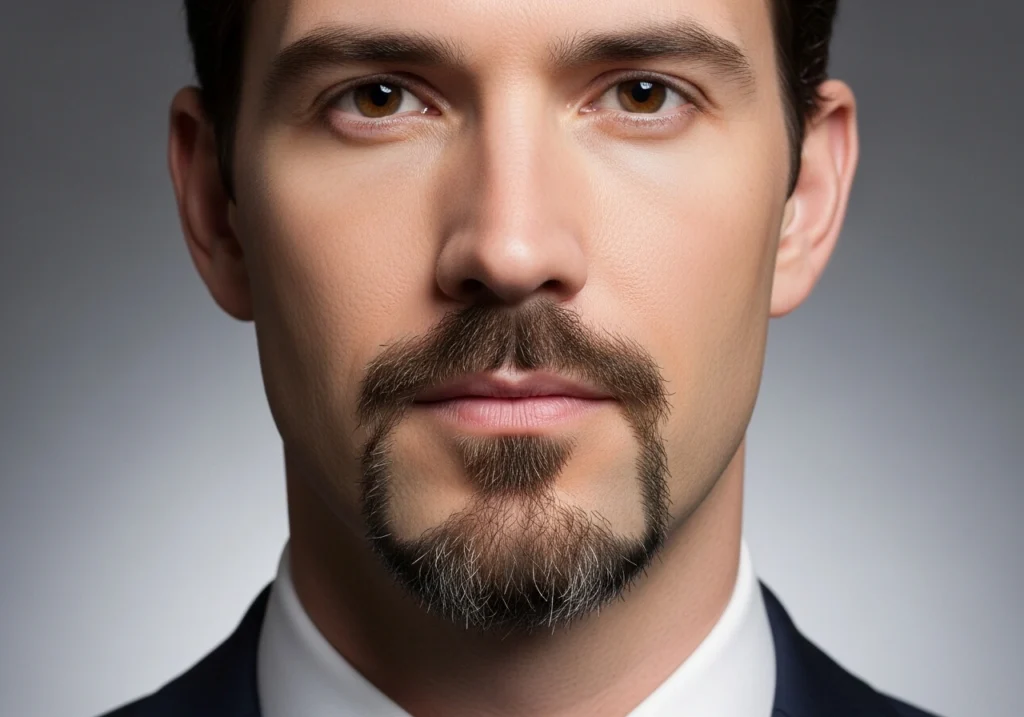
Named after the 17th-century Flemish painter Anthony van Dyck, this sophisticated style combines a mustache with a detached goatee. The defining characteristic of the Van Dyke is the clear separation between the mustache and the chin hair, with clean-shaven areas on the cheeks and the space connecting the mustache to the goatee.
The Van Dyke projects an artistic, intellectual image that has appealed to creatives, academics, and style-conscious men for centuries. This style requires more precision than a basic goatee because you’re maintaining two separate elements that must remain balanced and proportional. The mustache should align naturally with the corners of your mouth, while the chin portion can range from a small tuft to a fuller patch.
Styling the Van Dyke involves careful attention to symmetry. Both the mustache and goatee should be trimmed to complementary lengths, typically keeping them relatively short for a refined appearance. This style particularly flatters men with square or rectangular face shapes, as the vertical elements help break up angular features while the mustache adds horizontal balance.
The Circle Beard
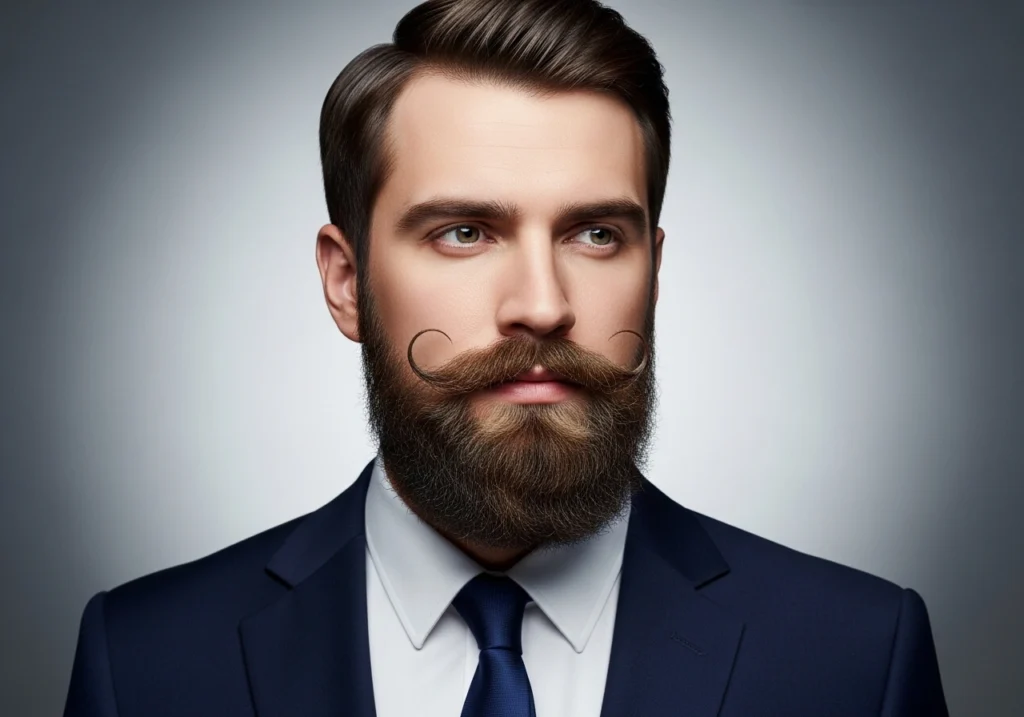
The circle beard, also called the door knocker, creates a circular frame around the mouth by connecting a mustache to a rounded goatee. This style has surged in popularity over recent years, becoming one of the most recognized and frequently worn goatee variations. The seamless connection between mustache and chin hair creates a cohesive, full look without requiring the commitment of a full beard.
What makes the circle beard particularly appealing is its versatility across different facial structures. Men with round faces benefit from keeping the style slightly more angular, while those with square faces can embrace a rounder shape to soften their features. The coverage area provides enough facial hair to make a statement while remaining neat and professional.
Growing and maintaining a circle beard requires patience during the initial growth phase, allowing enough length to properly shape the circular pattern. Once established, regular trimming along the defined perimeter keeps the style sharp. Many men find this style strikes the perfect balance between the effort required for maintenance and the visual impact achieved.
The Anchor Goatee
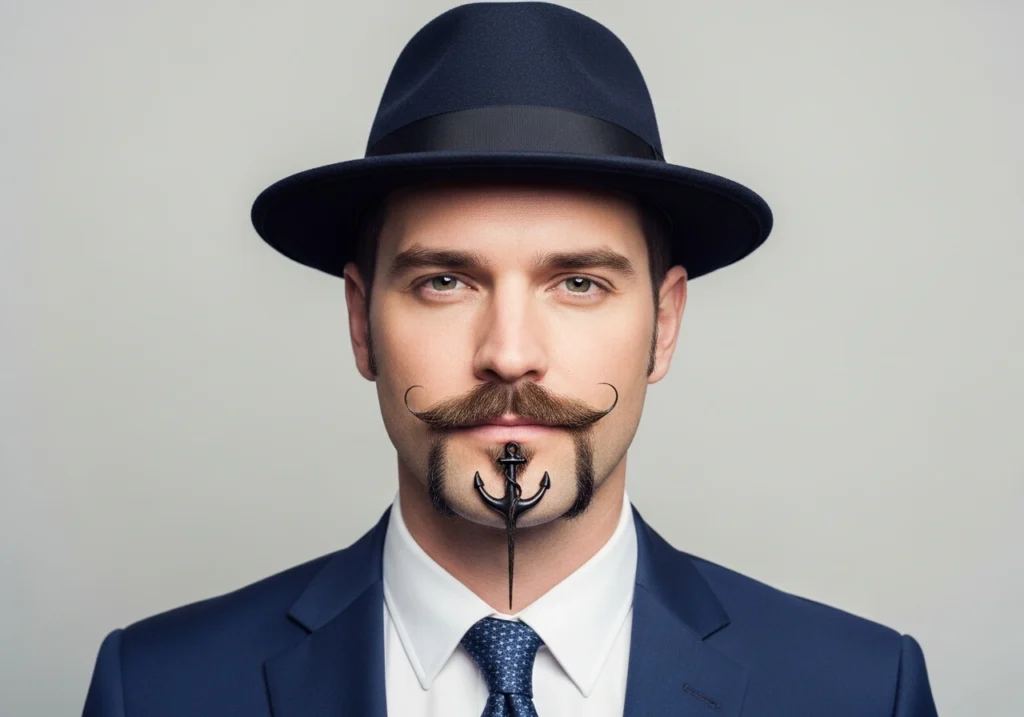
The anchor goatee earns its name from its resemblance to a ship’s anchor. This style features a thin line of hair extending from the lower lip down the chin, combined with a mustache and sometimes additional hair along the jawline. The soul patch component beneath the lower lip connects to the chin hair, creating the anchor’s “shank,” while the mustache and optional jaw elements form the “arms.”
This style projects confidence and attention to detail. The precision required to maintain clean lines and proper proportions demonstrates grooming commitment that doesn’t go unnoticed. The anchor goatee works particularly well for men with longer faces or prominent chins, as it creates vertical interest without adding unnecessary width.
Achieving this look requires excellent trimming skills or regular visits to a professional barber. The thin lines demand steady hands and quality tools. Many men outline the design first with a razor, then maintain the interior hair at a consistent short length. The anchor goatee suits bold personalities who appreciate making deliberate style choices.
The Extended Goatee
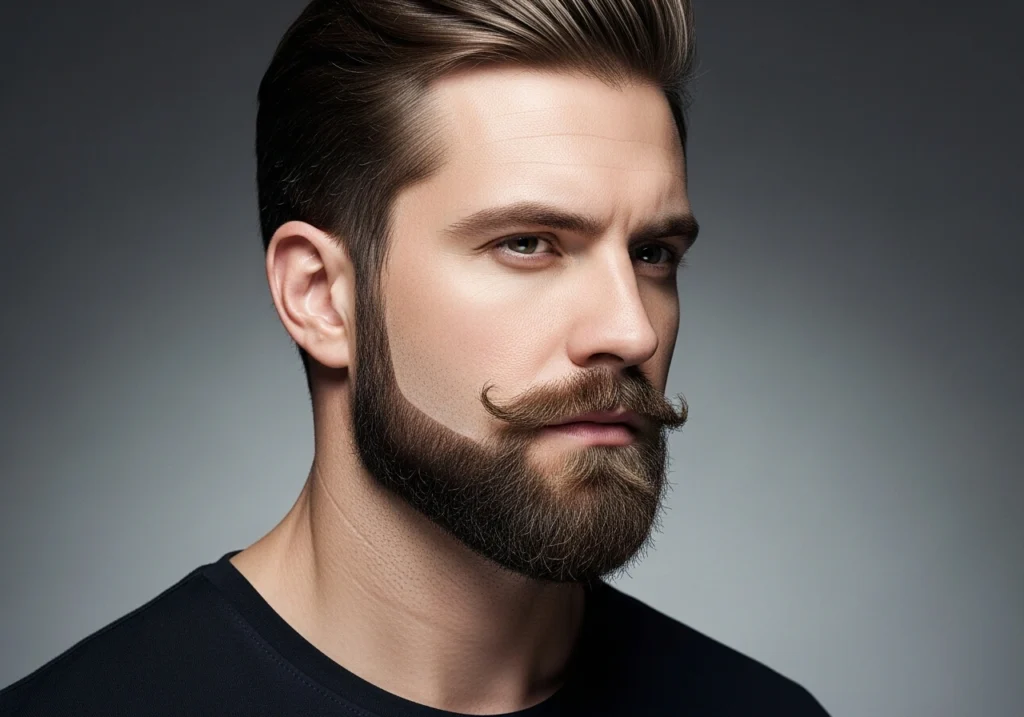
The extended goatee, sometimes called a tailback, incorporates hair that travels along the jawline, connecting the traditional goatee area with sideburns or temple hair. This style offers more coverage than a standard goatee while remaining distinct from a full beard. The extended goatee creates strong definition along the jawline, which can be particularly flattering for men looking to emphasize or create the appearance of a stronger jaw.
This variation requires sufficient facial hair growth along the jaw to create a continuous line. Not all men can grow hair evenly in these areas, so genetic factors play a role in whether this style is achievable. For those who can pull it off, the extended goatee provides excellent structure and masculine definition.
Maintenance focuses on keeping the cheek areas clean-shaven while grooming the connected hair along the jaw and chin. The transition from the goatee to the jawline hair should appear smooth and intentional rather than patchy or uneven. Regular trimming ensures the extended portions don’t become too bulky or unbalanced compared to the central goatee area.
The Petite Goatee
The petite goatee offers a minimalist approach to facial hair styling. This small, concentrated patch of hair sits directly beneath the lower lip and covers only the central portion of the chin. Unlike fuller goatee styles, the petite version makes a subtle statement, adding just a hint of edge to an otherwise clean appearance.
This style appeals to men who want to experiment with facial hair without committing to extensive growth or maintenance. The petite goatee works across virtually all face shapes because of its minimal coverage and central placement. It’s particularly popular among younger men or those in conservative professional environments where more extensive facial hair might be inappropriate.
Growing a petite goatee requires less time than fuller styles, often taking just a week or two to achieve sufficient length for shaping. Maintenance is straightforward, involving regular trimming to keep the small patch neat and preventing stray hairs from appearing outside the defined area. Despite its simplicity, the petite goatee adds character and can serve as a stepping stone toward more elaborate styles.
The Full Goatee
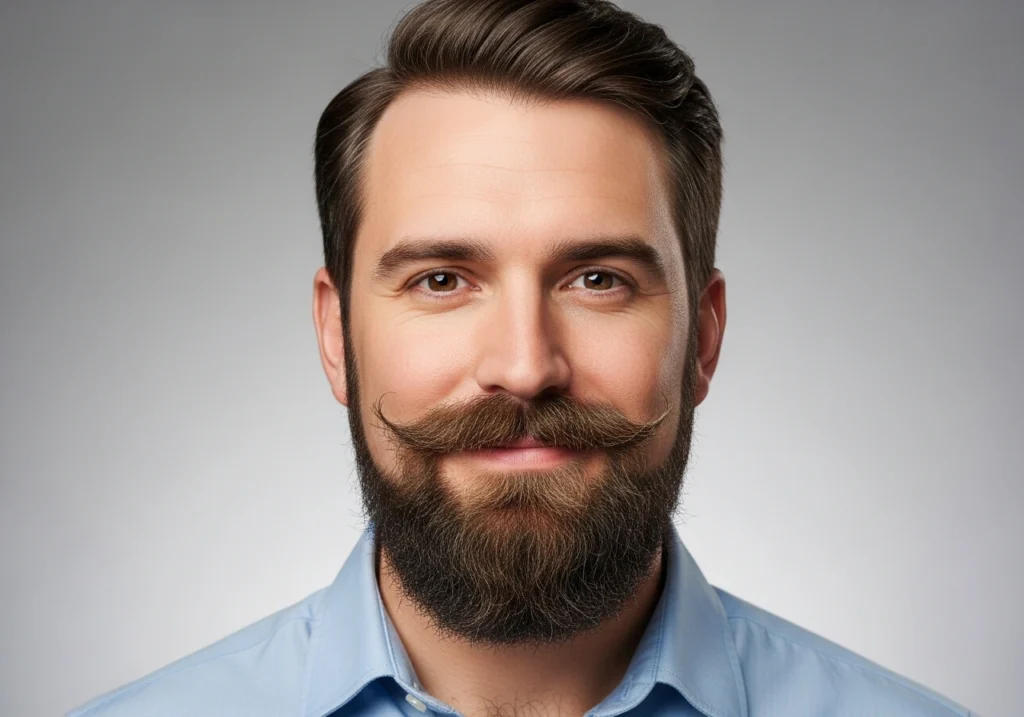
The full goatee maximizes coverage within the traditional goatee parameters, including the mustache, chin, and the entire area around the mouth. This style creates substantial presence without extending to the cheeks or jawline like a full beard would. The full goatee provides excellent coverage for men who want significant facial hair while maintaining clear boundaries.
This variation works particularly well for men with patchy growth on their cheeks, as it focuses hair growth in areas where most men can achieve density. The full goatee frames the mouth and lower face dramatically, making it an excellent choice for adding definition to softer facial features or balancing a prominent forehead.
Maintaining a full goatee involves regular trimming to keep all areas at a consistent length and defining the edges where the goatee meets the clean-shaven areas of the face. Many men keep their full goatees at medium length, typically between one-half to one inch, allowing for texture and volume without appearing unruly. Beard oil and balm help keep the hair soft and manageable, especially at longer lengths.
The Landing Strip
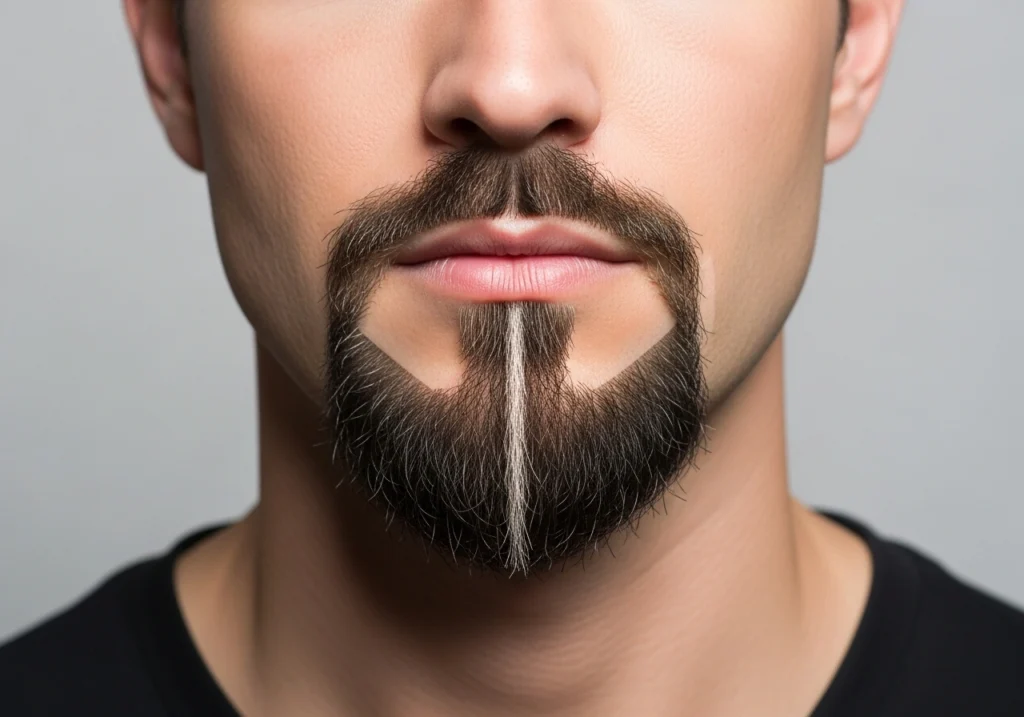
The landing strip goatee features a thin, vertical strip of hair running from the lower lip down the center of the chin. This highly stylized look makes a bold statement and requires precise grooming to maintain its distinctive shape. The landing strip can exist as a standalone element or be combined with a mustache for additional impact.
This style suits men with strong facial features and confident personalities. The narrow strip creates vertical emphasis, which can help elongate the appearance of rounder faces. However, the landing strip demands regular attention, as even slight growth outside the defined strip can compromise the clean, intentional look.
Creating and maintaining a landing strip requires quality razors or precision trimmers. Many men outline the strip carefully, then shave everything else in the goatee area completely smooth. The contrast between the hair strip and the surrounding clean-shaven skin is what gives this style its distinctive appearance. While not suitable for every environment or personality, the landing strip offers a unique option for style-conscious individuals.
The Balbo
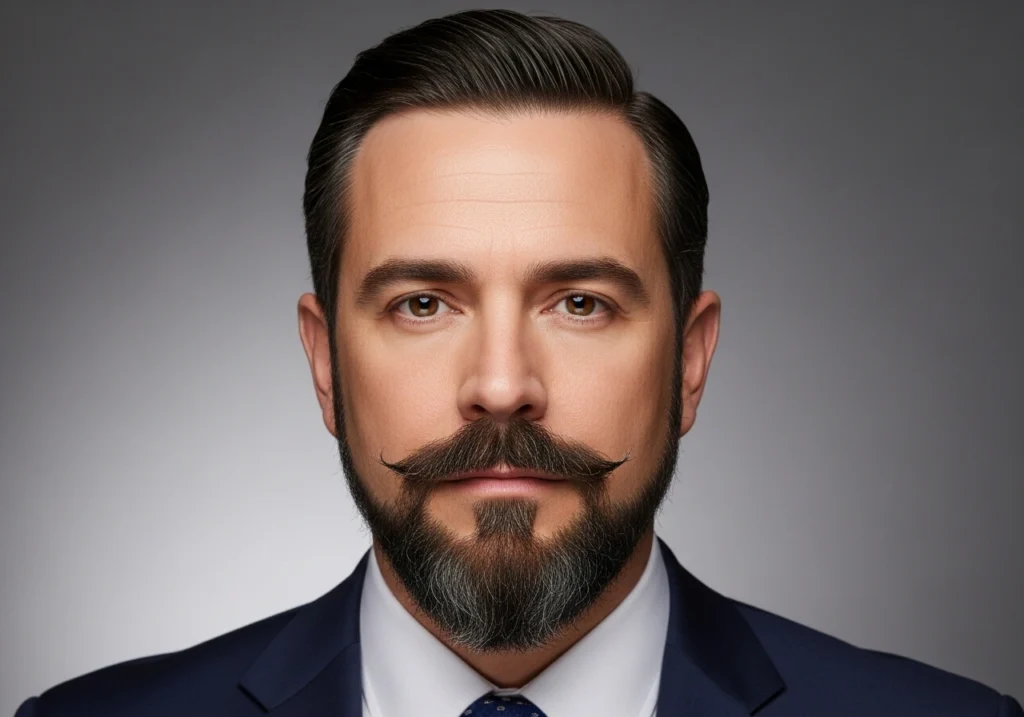
The Balbo goatee, named after Italian Air Marshal Italo Balbo, features a distinctive T-shape created by a disconnected mustache and an inverted T-shaped beard on the chin. The mustache remains separate, similar to a Van Dyke, but the chin portion extends along the jawline in a specific pattern that creates the signature Balbo shape.
This style gained renewed popularity in recent years after being worn by Robert Downey Jr. as Tony Stark in the Iron Man films. The Balbo projects sophistication and modernity while maintaining the timeless appeal of classic goatee styling. It works particularly well for men with diamond or heart-shaped faces, as the extended chin coverage and floating mustache create excellent balance.
Achieving a proper Balbo requires careful shaping and regular maintenance. The extended portions along the lower jaw must be kept at appropriate lengths and angles to maintain the characteristic shape. Many men find it helpful to visit a professional barber for the initial shaping, then maintain the style at home with quality grooming tools.
The Goatee with Soul Patch

Combining a traditional goatee with a distinct soul patch creates a layered, dimensional look. The soul patch, that small tuft of hair directly beneath the lower lip, remains slightly separated from the main goatee body, creating visual interest and adding personality to the overall style. This combination works especially well for men who want to add complexity to their facial hair without committing to more extensive coverage.
The key to this style is maintaining clear definition between the soul patch and the main goatee. A small gap of clean-shaven skin separates the two elements, creating the intentional layered effect. Both components should be groomed to complementary lengths, though some men prefer keeping the soul patch slightly longer for added emphasis.
This style offers flexibility in terms of the goatee portion, which can range from petite to full depending on personal preference and growth patterns. The addition of the soul patch adds a touch of rebellion or artistic flair to even conservative goatee styles. Maintenance involves trimming both elements regularly and keeping the separation between them clearly defined.
Choosing the Right Style for Your Face Shape
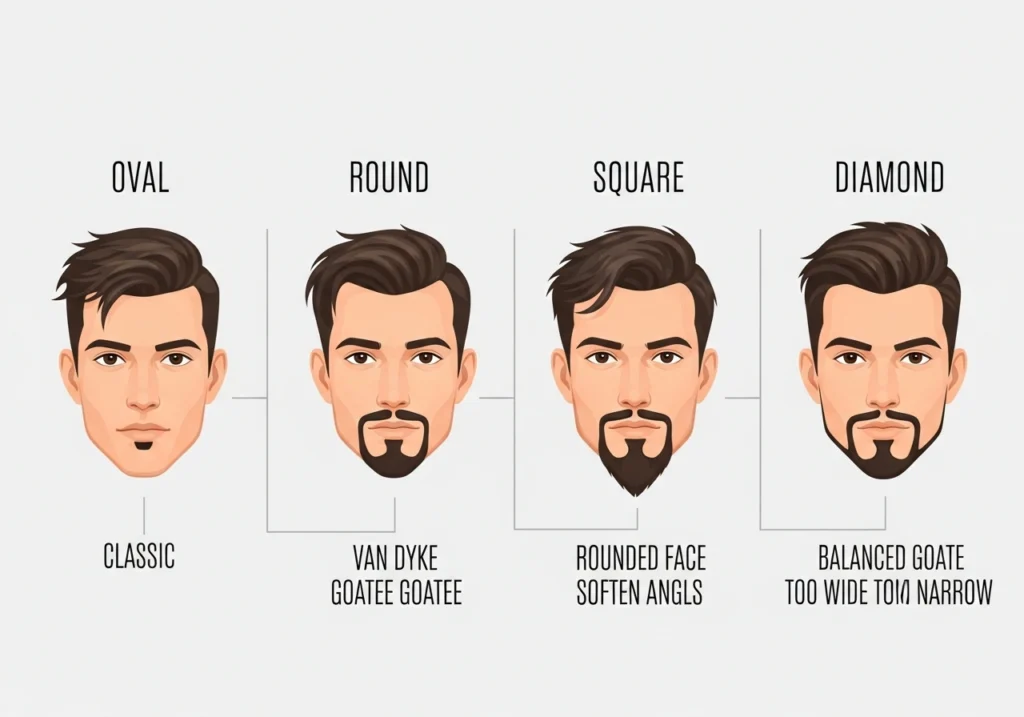
Selecting the appropriate goatee style involves understanding your face shape and how different facial hair patterns can enhance your natural features. Men with round faces benefit from styles that add length and vertical emphasis, such as the classic goatee or landing strip. These styles help create the illusion of a longer, more defined chin.
Square-faced men often look excellent with softer, rounder goatee styles like the circle beard, which provides contrast to angular jaw lines. The rounded shapes help balance sharp features while maintaining masculine definition. Oval faces, considered the most versatile shape, can accommodate virtually any goatee style, making experimentation easier.
Those with longer, rectangular faces should consider styles that add width rather than length. Fuller goatee variations or styles with extended coverage along the jawline help balance elongated features. Diamond-shaped faces, characterized by narrow foreheads and chins with wider cheekbones, benefit from styles like the Balbo that add substance to the chin area while drawing attention to the center of the face.
Maintenance and Grooming Essentials

Proper maintenance separates a distinguished goatee from an unkempt one. Investing in quality grooming tools is essential for keeping your chosen style looking sharp. A reliable beard trimmer with multiple guard lengths allows for precise length control, while a good razor handles detail work and clean lines.
Regular washing and conditioning keep goatee hair soft and healthy. Facial hair tends to be coarser than scalp hair, making it prone to dryness and brittleness without proper care. Beard-specific shampoos and conditioners address these issues without stripping natural oils. Many men find that washing their goatee every other day strikes the right balance between cleanliness and maintaining natural moisture.
Beard oil serves multiple purposes in goatee maintenance. It moisturizes both the hair and the skin beneath, preventing itchiness and flaking while adding shine and improving manageability. A few drops applied daily keeps the goatee looking healthy and feeling comfortable. For longer or fuller styles, beard balm provides light hold and additional conditioning, helping to style and shape the hair throughout the day.
Trimming schedules depend on your hair growth rate and chosen style. Most men find that shaping the edges every two to three days maintains clean lines, while overall length trimming might occur weekly or biweekly. Establishing a consistent grooming routine ensures your goatee always looks intentional and well-maintained.
you may also like this:21+ New Haircuts Ideas For Men In 2025
Conclusion
The goatee remains an enduring element of masculine style precisely because of its versatility and timeless appeal. From the minimalist sophistication of a petite goatee to the bold statement of a landing strip or the balanced elegance of a Van Dyke, these ten styles offer something for every man regardless of face shape, personal style, or lifestyle requirements.
Choosing and maintaining the right goatee style requires consideration of multiple factors including facial structure, hair growth patterns, maintenance commitment, and personal aesthetics. The styles presented here have earned their classic status through decades of popularity, proving their ability to enhance masculine features while adapting to changing fashion trends.
Success with any goatee style ultimately comes down to proper grooming and confident wear. Regular maintenance, quality tools, and appropriate products keep your facial hair looking intentional and refined. Whether you’re drawn to the artistic flair of a Balbo, the professional appeal of a circle beard, or the bold minimalism of a petite goatee, committing to your chosen style and maintaining it properly ensures you’ll present your best self to the world.
Experimenting with different goatee styles allows you to discover which best expresses your personality and complements your features. Don’t hesitate to try various options or consult with a professional barber who can provide personalized recommendations based on your unique characteristics. The right goatee style can enhance your confidence, refine your appearance, and provide a signature element to your overall aesthetic that never goes out of fashion.
Frequently Asked Questions
How long does it take to grow a proper goatee?
Most men can grow a basic goatee in two to four weeks, depending on their hair growth rate. However, achieving the length and density needed for more elaborate styles like a full goatee or Balbo may require six to eight weeks. Patience during the initial growth phase is essential, as the hair needs sufficient length before proper shaping can begin.
Can I wear a goatee in a professional workplace?
Many goatee styles are perfectly acceptable in professional environments, provided they are well-groomed and maintained. Conservative styles like the classic goatee, circle beard, or Van Dyke typically present no issues in corporate settings. The key is keeping the style neat with clean lines and appropriate length. When in doubt, consult your company’s dress code or observe facial hair norms among leadership.
What products are essential for goatee maintenance?
The essential products include a quality beard trimmer with adjustable guards, a precision razor for clean lines, beard-specific shampoo and conditioner, beard oil for daily moisturizing, and optionally beard balm for styling and hold. A good pair of facial hair scissors is also useful for detail trimming. These basic tools and products cover all maintenance needs for any goatee style.
How do I prevent my goatee from looking patchy?
Patience is the primary solution for patchiness, as many areas fill in with additional growth time. Choose a style that works with your natural growth patterns rather than against them. For persistently patchy areas, slightly longer lengths can help coverage, as longer hairs can be styled to cover thin spots. Regular conditioning and beard oil promote healthier, fuller-looking growth. If patchiness remains severe, consider styles that focus on areas where you have stronger growth.
Should my goatee match my hair color exactly?
Facial hair naturally varies in color from scalp hair and often includes multiple shades, especially as men age. This variation is completely normal and generally looks natural. Some men choose to dye their goatees to match their hair color or cover gray, which is a personal preference. If you do dye your goatee, use products specifically formulated for facial hair and consider going slightly lighter than your hair color, as facial hair often appears darker due to its coarseness.

One Comment