25+ Trendy Curly Hair Undercuts For Men 2026
The curly hair undercut has emerged as one of the most commanding hairstyles for men who want to celebrate their natural texture while maintaining clean, sharp lines. This contemporary cut combines the boldness of dramatic length contrast with the softness of natural curls, creating a look that works equally well in boardrooms and creative spaces. For men stepping into 2026, this style represents more than just a haircut. It signals confidence, individuality, and an understanding that curls are not something to tame but something to showcase.
What makes the curly undercut particularly appealing is its remarkable versatility. Whether you have loose waves, tight coils, or something in between, this cut adapts to your specific curl pattern while offering dozens of styling possibilities. The short sides create structure and reduce bulk, while the longer top provides canvas for everything from defined ringlets to voluminous afros. This balance between control and freedom has made it a go-to choice for men who previously struggled to find hairstyles that honored their texture.
The mechanics of this cut are straightforward yet impactful. Barbers typically clipper the sides and back to varying lengths, creating a stark separation from the curly top section. This contrast draws attention upward, emphasizing facial features and creating the illusion of added height. For men with round faces, this vertical emphasis proves particularly flattering, as it elongates the overall appearance. Those with diamond or oval face shapes also benefit from how the style frames the face while adding dimension.
Understanding The Curly Hair Undercut Foundation
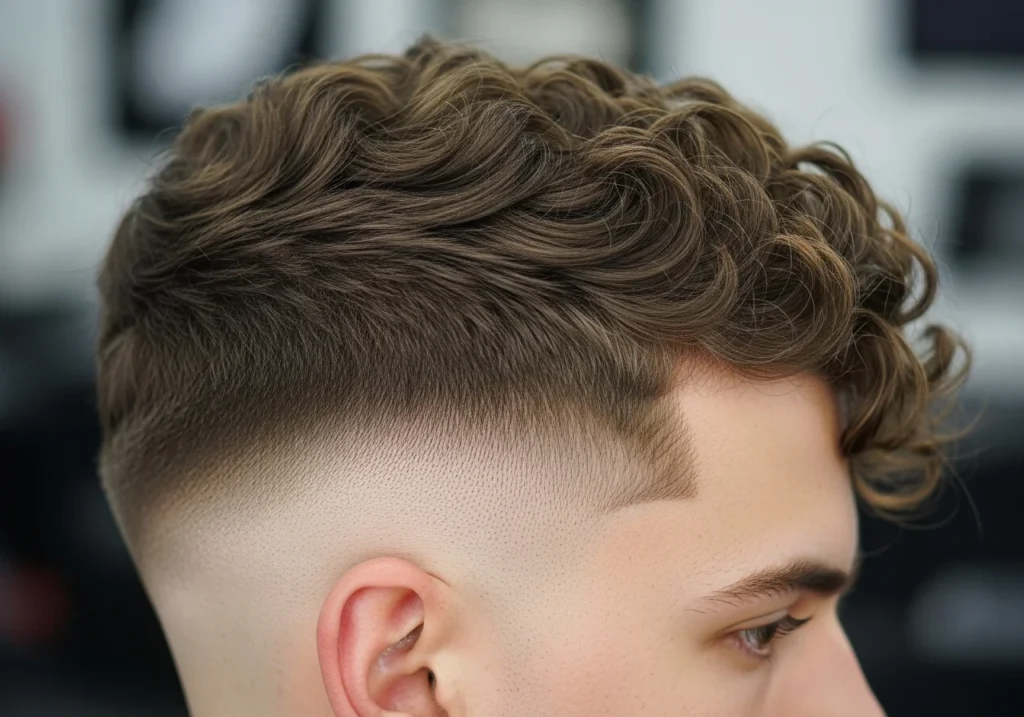
The curly undercut operates on a simple premise: maximum contrast equals maximum impact. Unlike traditional haircuts where blending is paramount, this style deliberately creates disconnection. The sides are cut significantly shorter than the top, sometimes down to bare skin, sometimes to a uniform length. This intentional separation allows your curls to become the focal point rather than competing with length on the sides.
Curl pattern plays a crucial role in how this cut manifests. Men with looser curls can achieve more controlled, polished looks with moderate styling effort. Those with tighter coils gain the advantage of natural volume that makes the style even more dramatic. The key lies in working with your specific curl type rather than against it. A skilled barber will assess your curl pattern during consultation and recommend appropriate length ratios between top and sides.
The undercut also addresses one of the most common complaints among men with curly hair: unwanted bulk around the ears and sides. By removing this excess weight, the style becomes more manageable while simultaneously appearing more intentional. You gain the aesthetic benefits of your curls without the frustration of an uncontrolled mane. Regular maintenance keeps the sides crisp, ensuring the style retains its edge over time.
25 High Impact Curly Undercut Variations
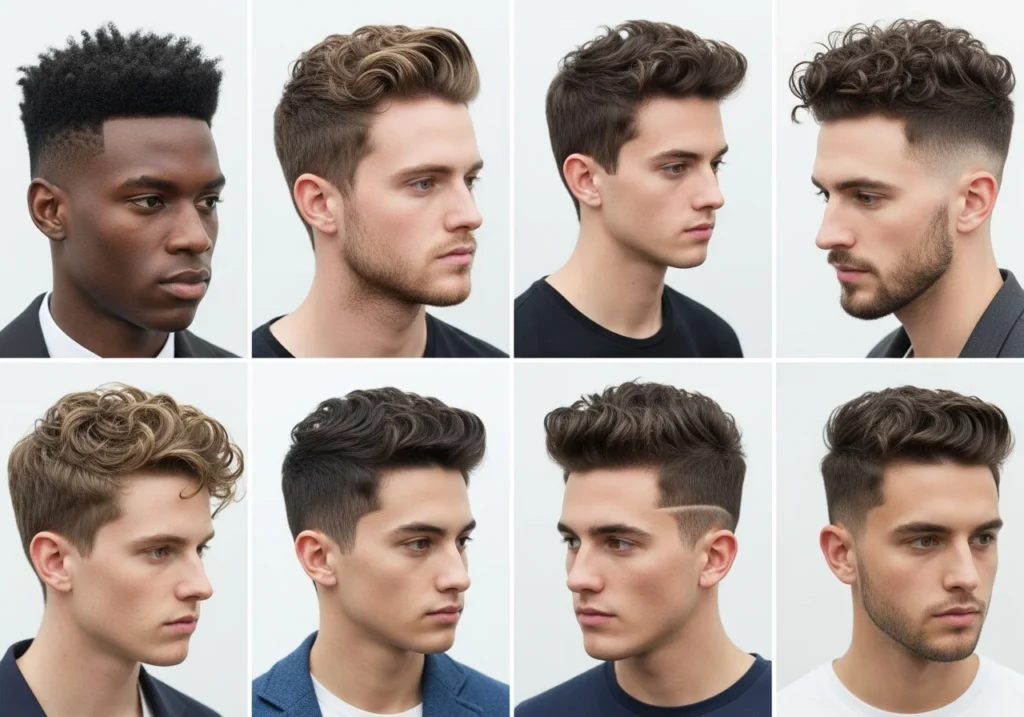
1. Classic High Fade Curly Undercut
The high fade begins its taper near the temples, creating dramatic contrast between buzzed sides and voluminous curls on top. This variation suits men who want their texture to command immediate attention. The fade starts high and transitions gradually into skin, leaving substantial real estate for your curls to dominate.
2. Low Fade Curly Top
For a more conservative approach, the low fade keeps longer hair further down the sides before transitioning to skin. This creates subtle contrast while maintaining professional appearance. The gradual taper works exceptionally well in formal environments where extreme styles might feel out of place.
3. Mid Fade With Defined Curls
Striking balance between the previous two options, the mid fade starts its transition around the middle of the head. This versatile choice flatters most face shapes and provides enough contrast to make curls pop without feeling too aggressive. The middle ground approach makes it an excellent entry point for men new to undercuts.
4. Disconnected Curly Undercut
The disconnected variation features no blending whatsoever between top and sides. Clippers create a sharp line where long curls meet buzzed hair, producing maximum visual impact. This bold choice works best for men comfortable making strong style statements and willing to commit to frequent barbershop visits.
5. Drop Fade Curly Style
The drop fade curves downward behind the ears, following the natural contours of your head. This creates a sculpted appearance that adds dimension while keeping the focus on your curls. The curved fade line provides visual interest beyond standard straight fades.
6. Skin Fade With Curly Top
Taking the fade to its extreme, the skin fade tapers completely to bare scalp. This ultra-clean look provides the sharpest contrast possible, making it ideal for men who want their curls to be the unquestionable centerpiece. Precision is essential, requiring skilled barbering and regular touch-ups.
7. Taper Fade Curly Undercut
The taper fade offers a gentler alternative to skin fades, maintaining short hair rather than going completely bare. This subtle approach feels less dramatic while still providing the structural benefits of an undercut. It works well for men transitioning from traditional cuts.
8. Curly Fringe Undercut
This style pushes longer curls forward onto the forehead, creating a textured fringe that adds youthful energy. The undercut keeps sides clean while the fringe provides styling versatility. You can wear it swept to one side, pushed back, or falling naturally across your forehead.
9. Curly Top With Hard Part
Adding a razor-sharp part line creates bold separation and geometric precision. The hard part acts as a visual divider, adding structure to the natural chaos of curls. This detail elevates the style from casual to crafted, showing deliberate attention to grooming.
10. Voluminous Afro Undercut
For men with tightly coiled hair, the afro undercut celebrates natural volume while maintaining clean sides. An afro pick helps achieve desired height and roundness. The contrast between the spherical top and fade creates striking silhouette.
11. Curly Mohawk Undercut
This edgier variation concentrates length in a strip running front to back, with very short or shaved sides. Natural curl volume enhances the mohawk effect without requiring extreme styling. It bridges the gap between rebellious and wearable.
12. Textured Crop With Undercut
Keeping the top relatively short but textured, this low-maintenance option works well for active lifestyles. Curls are trimmed to create uniform texture across the top while the undercut provides the signature contrast. Minimal styling required makes it practical for busy schedules.
13. Long Curly Undercut
For men unwilling to sacrifice length, this variation maintains several inches on top while keeping sides short. The extended length offers maximum styling versatility, from man buns to free-flowing curls. Just ensure regular trims prevent the top from becoming unmanageable.
14. Curly Quiff Undercut
Styling curls upward and back creates height at the front, forming a textured quiff. This sophisticated take on the undercut adds vertical dimension while maintaining the clean sides. The quiff works particularly well for oval and longer face shapes.
15. Messy Curly Undercut
Embracing natural texture without excessive control, the messy variation relies on curl creams and air drying. This effortless approach suits men who prefer low-maintenance grooming while still benefiting from the undercut structure.
16. Slicked Back Curly Undercut
Using stronger hold products, curls can be directed backward for a polished appearance. This refined option bridges casual and formal, making it suitable for varied occasions. The slicked effect tames volume while highlighting individual curl definition.
17. Side-Swept Curly Undercut
Directing curls to one side creates asymmetry and movement. This dynamic styling choice prevents the look from feeling static while maintaining the clean undercut foundation. It works exceptionally well for men with natural curl direction.
18. Curly Undercut With Beard
Pairing the undercut with well-groomed facial hair creates cohesive masculine aesthetic. The beard can blend into the undercut or create additional contrast, depending on preference. This combination has become particularly popular among men who view grooming as comprehensive rather than isolated.
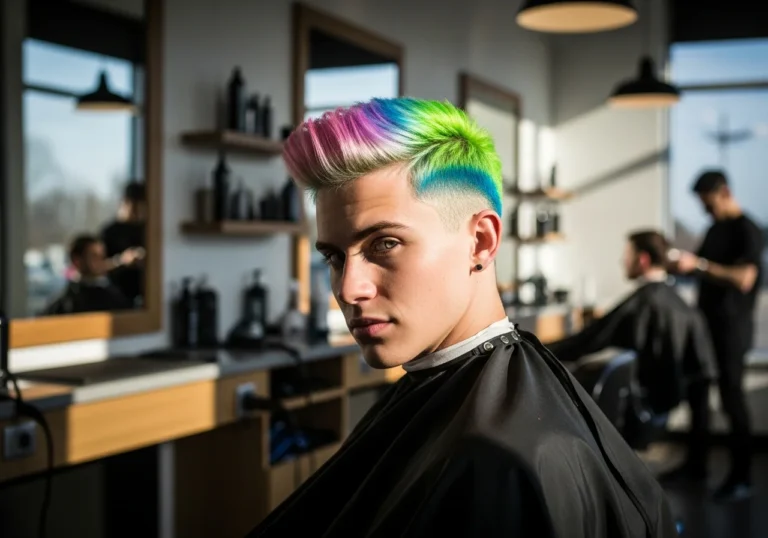
19. Platinum Blonde Curly Undercut
Color transformation adds another dimension to the style. Platinum or other bold hues make curls even more visually striking against faded sides. The contrast between light curls and darker sides creates memorable impact.
20. Curly Undercut With Design
Incorporating shaved patterns or lines into the fade adds personalized flair. These designs can be simple geometric shapes or more complex artwork. They demonstrate commitment to the style while showcasing barber artistry.
21. Short Curly Undercut
Keeping everything relatively short creates clean, masculine appearance. This practical option suits professional environments and hot climates. Despite the reduced length, proper product application ensures curls remain defined.
22. Curly Undercut Mullet
Modern interpretations of the mullet feature curly texture throughout, with undercut sides creating contemporary update to the retro style. The business-in-front-party-in-back concept gains fresh relevance when executed with clean fades and intentional curl placement.
23. Curly Pompadour Undercut
Styling curls into a pompadour shape adds vintage sophistication to modern cut. This combination requires more maintenance but delivers refined aesthetic suitable for formal occasions. Volume at the front creates commanding presence.
24. Curly Faux Hawk Undercut
Concentrating length in a central strip creates faux hawk effect without requiring gel-heavy styling. Natural curl volume provides the necessary height and drama. This variation allows for versatile styling, from pronounced to subtle.
25. Burst Fade Curly Style
The burst fade curves around the ear in a circular pattern rather than straight lines. This distinctive approach adds visual interest while maintaining the core undercut concept. It suits men looking for subtle differentiation from standard fades.
26. Curly Top Knot Undercut
Gathering longer curls into a top knot combines practicality with style. The undercut ensures the look stays clean even when hair is pulled back. This option works well for men transitioning between different styles or managing length.
Mastering The Styling Process

Successful styling begins with understanding your curl type and its unique requirements. Type 2 wavy hair needs lighter products that enhance without weighing down. Type 3 curly hair benefits from cream-based products that define curls while controlling frizz. Type 4 coily hair requires heavier moisturizing products that preserve curl pattern while adding shine.
Start with freshly washed hair using sulfate-free shampoo that cleans without stripping natural oils. Curls thrive on moisture, and harsh sulfates can leave hair dry and prone to frizz. Follow with a rich conditioner, focusing on mid-lengths and ends where curls need the most hydration. Consider leaving conditioner in for several minutes to maximize moisture absorption.
Apply styling products to damp hair for optimal distribution and effectiveness. Curl-defining cream serves as the foundation for most styles, providing moisture and hold without crunchiness. Work it through your hair using the praying hands method or scrunching motions to encourage curl formation. For looser styles, finger-comb products through. For more defined curls, scrunch and twist individual sections.
Diffusing represents the gold standard for drying curly undercuts without creating frizz. Attach a diffuser to your blow dryer and use low heat, low speed settings. Cup sections of hair in the diffuser bowl, holding each area for 10 to 15 seconds before moving on. This gentle approach encourages curl formation while minimizing disruption. Alternatively, air drying works well for men with time to spare and naturally well-behaved curls.
For added texture and volume, consider applying volumizing powder at the roots once hair is dry. This creates lift without disturbing curl definition. Matte clay works well for piece-y, separated looks, while pomade delivers shinier, more polished results. The key is starting with small amounts and building gradually. You can always add more product, but removing excess proves far more difficult.
Product Selection Strategy
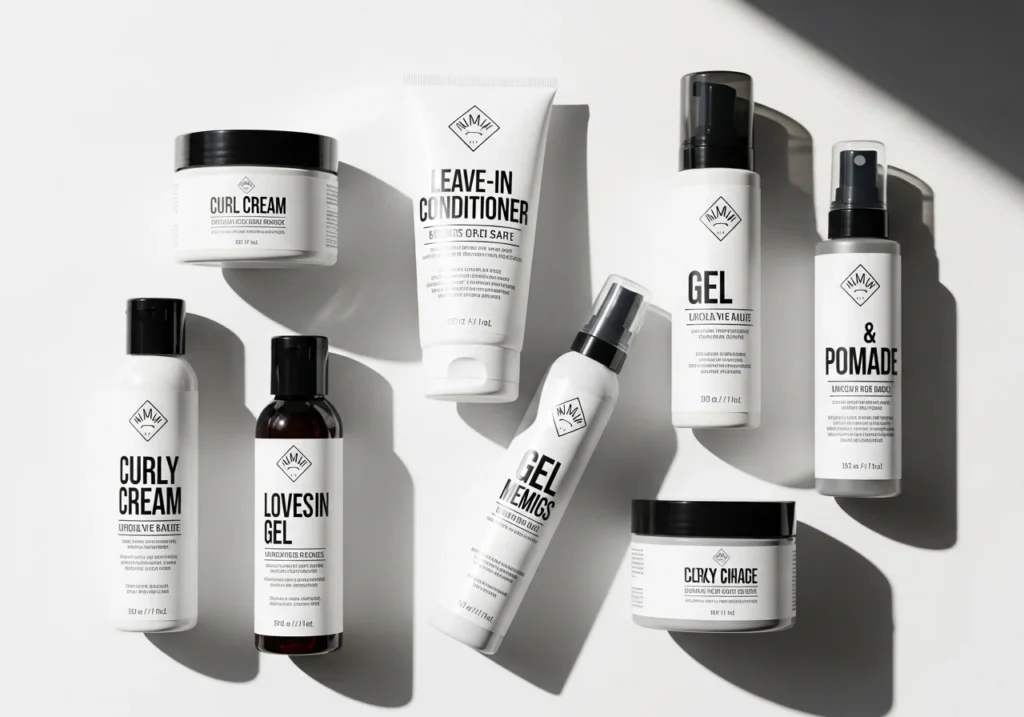
Curl cream forms the cornerstone of any curly undercut routine. Look for formulas containing moisturizing ingredients like shea butter, argan oil, or coconut oil. These ingredients hydrate curls while providing flexible hold that moves naturally throughout the day. Avoid products with alcohol high on the ingredient list, as these can dry out curls and promote frizz.
Leave-in conditioner provides ongoing moisture between washes, particularly important for tighter curl patterns that struggle with dryness. Apply a small amount to damp hair before your styling cream for an extra layer of hydration. This step proves especially valuable in dry climates or during winter months when indoor heating saps moisture from hair.
Gels offer stronger hold for styles requiring more control. Modern curl gels have evolved beyond the crunchy, stiff formulas of the past. Look for alcohol-free options that provide cast without hardness. After hair dries completely, scrunch out any crunchiness by gently squeezing curls with your hands. This technique, called scrunching out the crunch, leaves you with defined curls that still move naturally.
Mousse provides volume and hold with minimal weight, making it ideal for finer curly hair. Apply to very wet hair and scrunch upward to encourage curl formation. Mousse works particularly well for achieving the lifted, voluminous looks that make undercuts so striking.
For refined occasions requiring slicked-back or heavily controlled styles, water-based pomades offer strong hold with easier washout than traditional oil-based versions. These products let you sculpt curls into place while maintaining some natural texture and shine. They work especially well for curly quiffs and pompadours.
Maintenance Requirements And Scheduling

The undercut portion of this style requires consistent attention to maintain its sharp appearance. For skin fades and high contrast looks, plan on barbershop visits every two to three weeks. The fade loses its definition as hair grows, and regular touch-ups ensure the style retains its intended impact. If budget constraints make biweekly visits challenging, ask your barber about learning to maintain the fade yourself between professional appointments.
Low fades and tapered variations offer more forgiveness, typically requiring maintenance every three to four weeks. The gentler contrast means slight growth appears less obvious. However, even these styles benefit from keeping a consistent schedule rather than waiting until the look feels completely grown out.
The curly top section requires trimming every six to eight weeks to maintain shape and remove damaged ends. Curls are remarkably forgiving about length variation, so slight growth between trims rarely compromises the overall style. Focus these appointments on reshaping, removing split ends, and ensuring even distribution of length across the top.
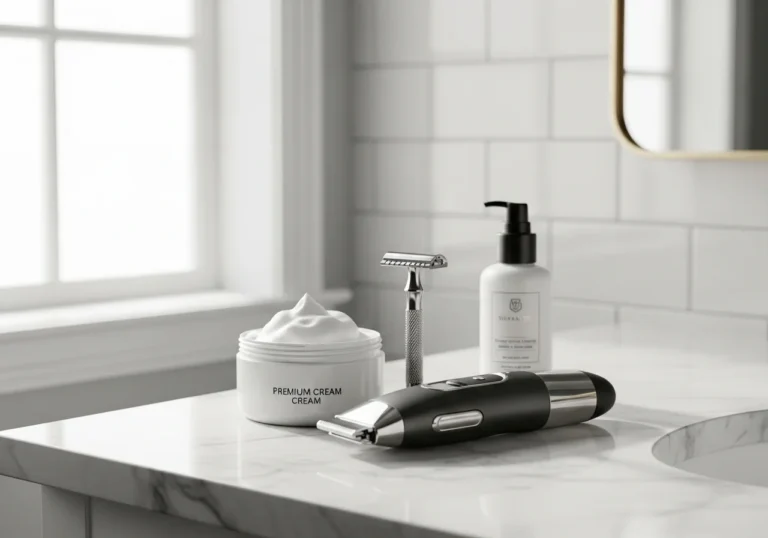
Between barbershop visits, maintain clean edges around your neckline and ears. Small clippers or trimmers make this manageable at home with practice. Clean edges make a significant difference in overall appearance, keeping the style looking fresh even as it grows slightly.
Deep conditioning treatments should occur weekly for optimal curl health. These intensive moisture sessions replenish hydration, improve elasticity, and enhance curl definition. Apply a generous amount of deep conditioner or hair mask, cover with a shower cap, and let it work for 20 to 30 minutes. The investment of time pays dividends in curl quality and manageability.
Adapting Styles To Face Shape
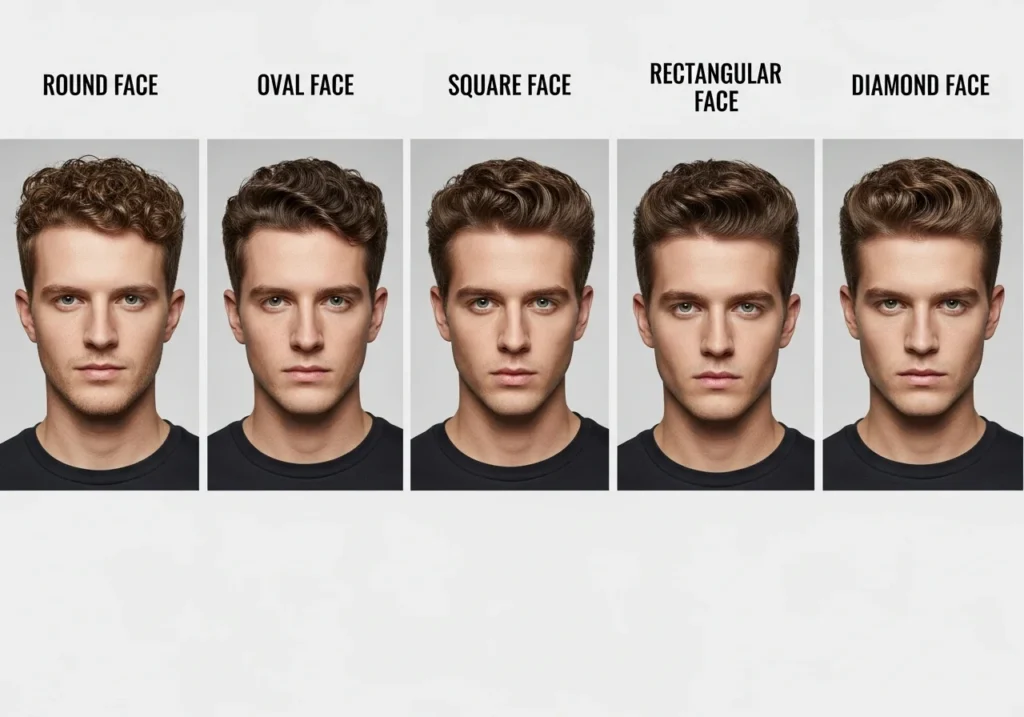
Round faces benefit most from undercuts that add vertical height, creating the illusion of length. Styles like the curly quiff, curly mohawk, and voluminous afro undercut work exceptionally well by drawing the eye upward. Avoid styles that add width at the sides, as these can emphasize roundness rather than counteracting it.
Oval faces enjoy the luxury of versatility, as this balanced shape suits virtually any undercut variation. Feel free to experiment with different fade heights, curl lengths, and styling approaches. The natural proportions of oval faces mean you can lean into bold choices without worrying about creating unflattering imbalance.
Square faces with strong jawlines pair well with textured, messy curly undercuts that soften angular features. The organic, flowing nature of curls provides nice contrast to geometric bone structure. Avoid styles that are too rigid or sculpted, as these can emphasize rather than balance squareness.
Longer, rectangular faces benefit from styles that add width rather than height. Consider side-swept looks, wider curly fringes, or fuller sides that create horizontal visual interest. Avoid tall pompadours or extreme mohawks that make the face appear even longer.
Diamond-shaped faces, characterized by wide cheekbones and narrower foreheads and chins, work well with styles featuring volume at the crown and fullness that extends past the temples. This helps balance the wider mid-face area. Curly undercuts with substantial top volume prove particularly flattering.
Troubleshooting Common Challenges
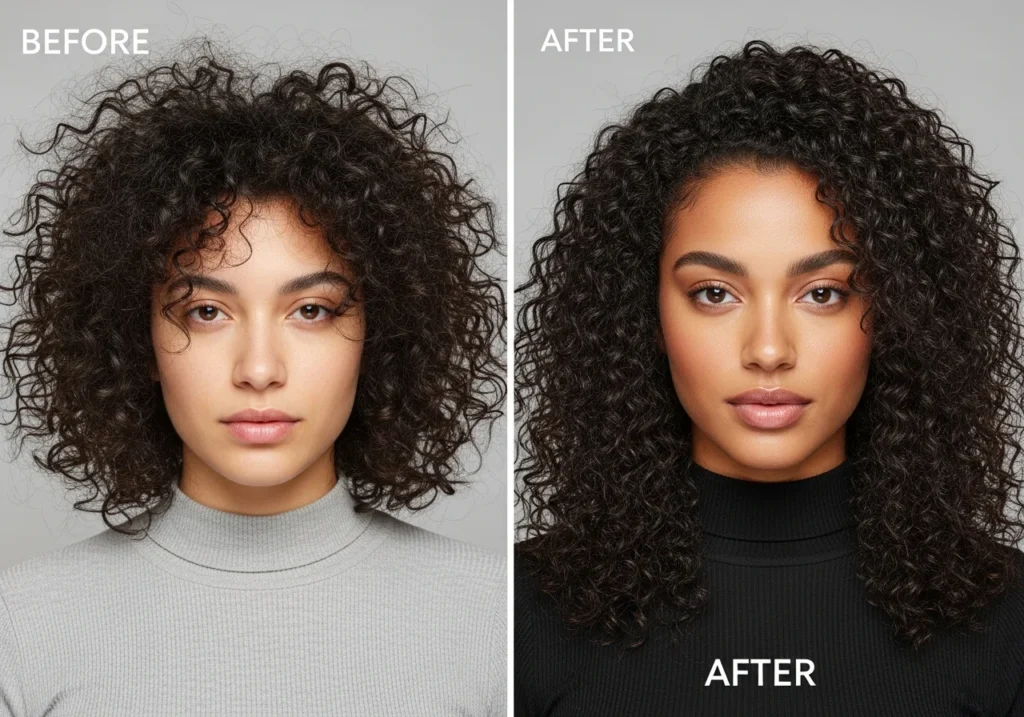
Frizz represents the most frequent complaint among men with curly undercuts. This issue typically stems from insufficient moisture, rough handling, or unsuitable products. Combat frizz by increasing conditioning frequency, using microfiber towels or t-shirts for drying instead of regular towels, and never brushing dry curls. If frizz persists, try applying products to soaking wet hair rather than damp hair, as this maximizes moisture retention.
Uneven curl definition, where some sections curl perfectly while others fall flat, usually indicates inconsistent product application or drying technique. Ensure you distribute products thoroughly, not just through the top layer but deep into your hair. During diffusing, give each section equal attention rather than focusing only on visible areas.
Loss of volume as the day progresses can be addressed through strategic product selection and application techniques. Apply volumizing products at the roots, use a diffuser to encourage lift, and consider refreshing with water and additional product midday if needed. Sleeping on a silk or satin pillowcase helps preserve volume overnight.
Difficulty managing length between the short sides and longer top requires clear communication with your barber. Bring reference photos showing the exact proportions you want. A skilled barber will account for curl shrinkage when cutting, leaving appropriate length so your curls fall at the intended level once dry.
Seasonal Adjustments And Considerations
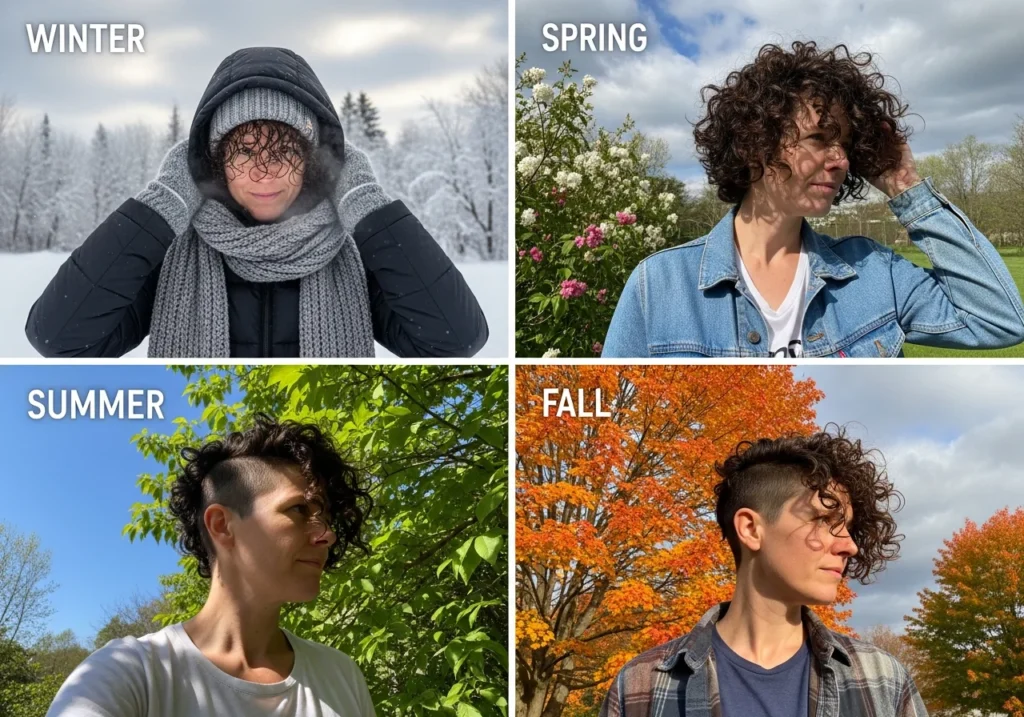
Winter months demand increased moisture attention as cold air and indoor heating strip natural oils from hair. Consider switching to heavier, more emollient styling products during this season. Add a humidifier to your bedroom to combat dry air that contributes to frizz and curl disruption. Protect your style from harsh elements by wearing a silk-lined beanie rather than harsh wool that creates friction.
Summer humidity can either enhance or disrupt curls depending on your hair’s porosity. High-porosity hair absorbs environmental moisture readily, often leading to excessive frizz. Combat this by using anti-humidity products and ensuring hair is fully saturated with the right products before facing humid conditions. Low-porosity hair may actually benefit from humidity, gaining definition and bounce.
Spring and fall transition periods offer optimal conditions for curly hair, with moderate temperatures and balanced humidity. Use these seasons to assess your routine and make adjustments before the extremes of summer and winter arrive. This is also an excellent time to experiment with new styles or products without fighting against challenging weather conditions.
Professional Versus At-Home Maintenance
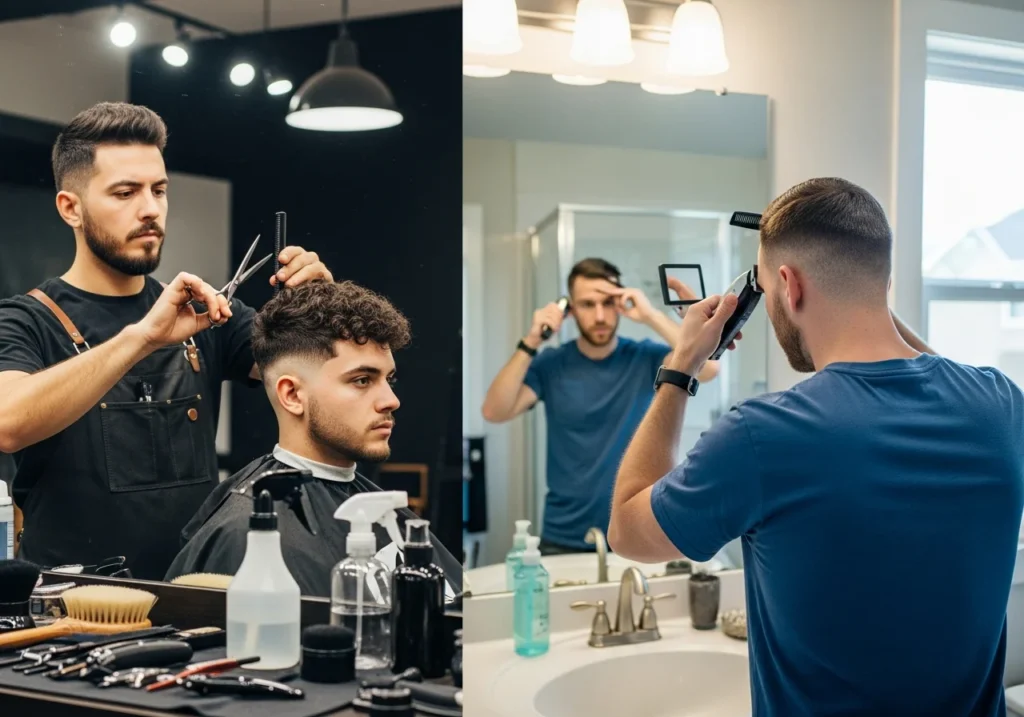
While professional barbershop visits remain essential for achieving and maintaining the undercut structure, several aspects of the style can be managed at home. Invest in quality clippers if you plan to touch up your fade between appointments. Start conservatively, removing less hair than you think necessary. You can always take more off, but you cannot replace hair removed by mistake.
Learn basic edge-up techniques to keep your hairline clean. Small trimmers designed for detail work make this manageable. Focus on removing stray hairs and maintaining clean lines rather than attempting to recreate your barber’s entire fade. This intermediate maintenance extends time between professional visits without compromising the overall look.
For the curly top section, resist the urge to trim yourself unless you have experience with curly hair cutting techniques. Curls require specific cutting methods that account for shrinkage, curl pattern, and natural hair fall. What appears as a small trim on wet hair can result in significantly shorter dry length. Leave substantial cuts to professionals who understand these nuances.
Deep conditioning, styling, and daily maintenance all fall well within the at-home management category. Mastering these skills reduces reliance on professional styling while improving overall hair health. Watch tutorials, experiment with techniques, and develop a routine that works for your specific curl type and lifestyle.
Lifestyle Compatibility Assessment

The curly undercut adapts remarkably well to diverse lifestyles, but certain variations suit particular circumstances better than others. Men with active, athletic lifestyles benefit from shorter curly tops and lower-maintenance styling approaches. The textured crop, short curly undercut, and similar variations require minimal daily styling while maintaining sharp appearance.
Professional environments typically favor more conservative undercut variations. Low fades, taper fades, and moderate curl lengths project polished professionalism while still showcasing personality. Reserve bold colors, extreme fades, and dramatic styling for creative industries or personal time.
Creative professionals often have the freedom to explore bolder options. Disconnected undercuts, vibrant colors, intricate designs, and experimental styling all become viable choices. Use your appearance as an extension of creative identity, making intentional choices that align with personal brand.
Men who travel frequently should consider the practical demands of their undercut variation. Styles requiring daily product application and heat styling may prove challenging during long trips. Conversely, air-dry friendly styles with minimal product needs travel exceptionally well. Think about access to barbers in locations you visit regularly, particularly for high-maintenance fade styles.
Building Your Curly Undercut Toolkit
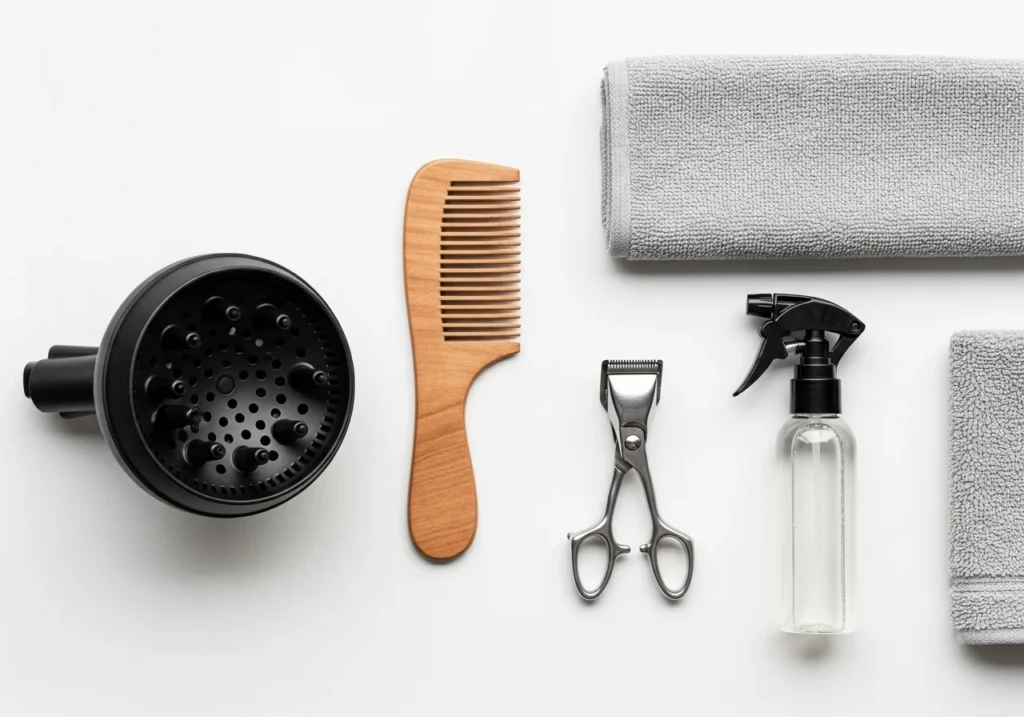
Essential tools for maintaining this style include a quality diffuser attachment for your blow dryer. This single tool makes the difference between frizzy, undefined curls and perfectly formed spirals. Choose diffusers with long fingers that reach deep into your hair, distributing air evenly without disrupting curl pattern.
Wide-tooth combs prove invaluable for detangling wet hair and distributing products without breaking up curl clumps. Never use fine-tooth combs or brushes on curly hair, as these create frizz and disrupt natural curl formation. Reserve combs for wet hair only, using your fingers to arrange dry curls.
Microfiber towels or old t-shirts absorb excess water without the roughness of traditional terry cloth towels. This gentler approach minimizes frizz and preserves curl definition during the drying process. Consider the plopping technique, where you wrap your hair in fabric and let it sit for 15 to 20 minutes after applying products.
Quality clippers with multiple guard sizes enable at-home maintenance of your undercut between professional appointments. Look for corded models with powerful motors that cut through thick curly hair without pulling or snagging. Keep blades clean and oiled for optimal performance.
A spray bottle filled with water allows for curl refreshing on non-wash days. Lightly mist hair, apply a small amount of styling product, and scrunch to reactivate curls. This technique extends the life of your wash-day styling without requiring full product application.
Embracing Your Natural Texture
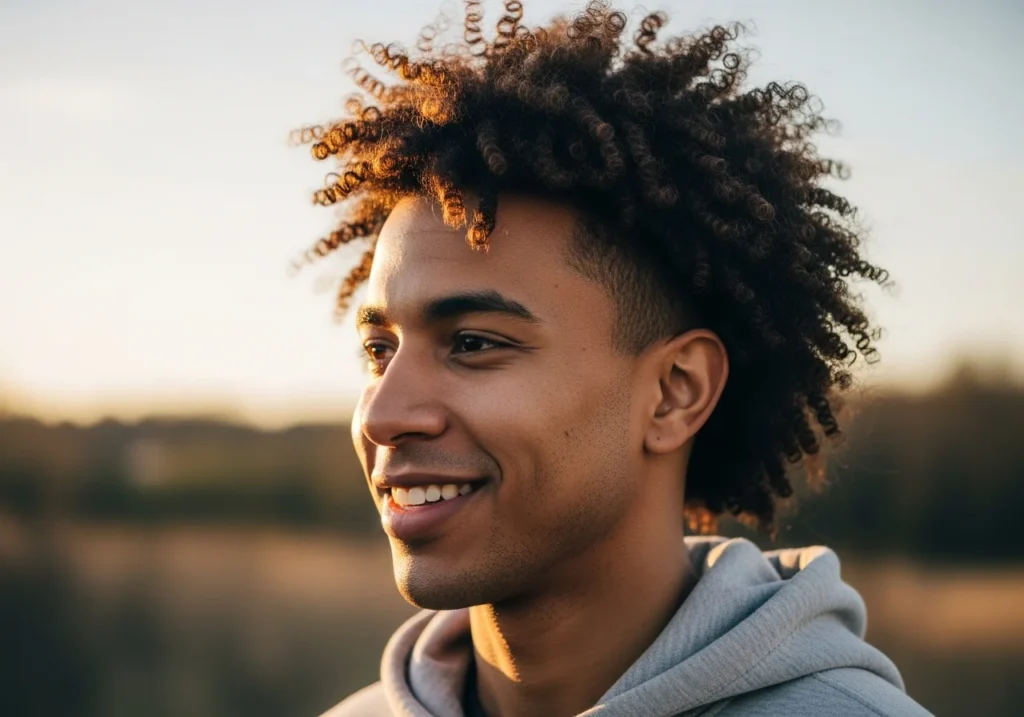
The curly undercut represents more than a hairstyle choice. It embodies a broader cultural shift toward embracing natural hair texture rather than fighting against it. For generations, men with curly hair received messaging that straight hair represented the standard and curls needed correction. This style challenges that notion, positioning curls as desirable, masculine, and worthy of showcase.
This acceptance extends beyond aesthetics into practicality. Working with your natural texture rather than against it saves time, reduces heat damage, and improves overall hair health. The undercut provides structure and shape without requiring you to fundamentally alter your curl pattern through straightening or excessive manipulation.
Consider the curly undercut as an investment in authentic self-expression. Your hair texture is inherent to who you are, and choosing styles that celebrate rather than conceal it demonstrates confidence and self-awareness. This resonates not just in personal satisfaction but in how others perceive you. Authenticity attracts genuine connections and opportunities.
Conclusion
The curly hair undercut offers men a powerful tool for expressing personal style while honoring natural texture. Its versatility spans professional environments and creative spaces, conservative aesthetics and bold statements. By understanding the mechanics of the cut, mastering appropriate styling techniques, and committing to consistent maintenance, you can achieve a look that feels authentically yours.
Success with this style requires patience as you learn what works for your specific curl type and lifestyle. Experiment with different fade heights, curl lengths, and styling products. Build relationships with skilled barbers who understand curly hair and can execute your vision with precision. Invest in quality products and tools that support rather than fight your natural texture.
As you move through 2026, the curly undercut remains at the forefront of men’s grooming trends. Its combination of sharp structure and natural texture speaks to contemporary values of authenticity, individuality, and intentional self-presentation. Whether you choose conservative variations for professional settings or bold interpretations that push boundaries, this style provides the framework for confident, compelling appearance. Embrace your curls, trust the process, and wear your undercut with the assurance that comes from knowing you look your absolute best.
Frequently Asked Questions
How often should I wash my curly undercut?
Washing frequency depends on your specific curl type and lifestyle, but most men with curly hair benefit from washing two to three times per week rather than daily. Overwashing strips natural oils that keep curls hydrated and defined. On non-wash days, refresh your style with water and light product application. If you exercise frequently, consider co-washing (using conditioner only) between shampoo sessions to remove sweat without excessive drying.
Can I get a curly undercut with any curl type?
Yes, the curly undercut adapts to all curl patterns from loose waves to tight coils. The key lies in adjusting proportions and styling techniques to complement your specific texture. Looser curls may require different product weights and styling approaches than tighter coils, but the fundamental structure of short sides and curly top works universally. Consult with a barber experienced in cutting diverse curl types for best results.
What is the best product for defining curls in an undercut style?
Curl-defining cream typically provides the best balance of moisture, hold, and natural movement for most curl types. Look for formulas containing moisturizing ingredients like shea butter or argan oil without heavy alcohols that can dry hair. For tighter curls, gel layered over cream offers additional definition and hold. Experiment with different combinations to find what works for your specific hair, keeping in mind that seasonal changes may require product adjustments.
How do I maintain the fade between barber appointments?
Keep the fade looking fresh by touching up edges around your ears and neckline every week to 10 days using small clippers or trimmers. Focus only on obvious stray hairs and maintaining clean lines rather than attempting to recreate the entire fade. This minimal maintenance extends the professional look between appointments. For skin fades requiring more frequent attention, consider scheduling barber visits every two weeks or learning basic fade techniques for home upkeep.
Will a curly undercut work with my professional career?
The curly undercut can absolutely suit professional environments when executed with appropriate proportions and styling. Choose lower fades or tapers rather than extreme skin fades, maintain moderate curl length on top, and style with products that provide polished definition rather than messy texture. The key is finding the variation that aligns with your industry’s culture while still expressing personal style. Conservative versions of this cut appear in corporate offices worldwide, proving that professional and stylish need not be mutually exclusive.
You may also like this post: Top 15 Trending Shaggy Hairstyles For Men 2026


2 Comments