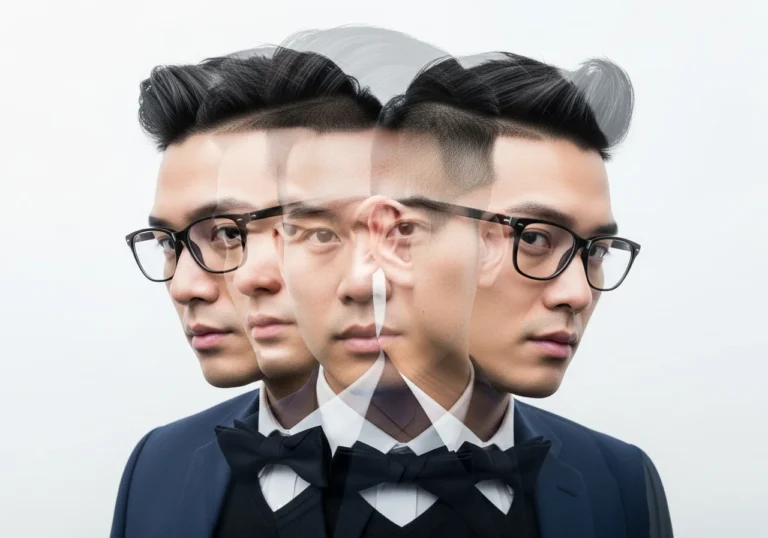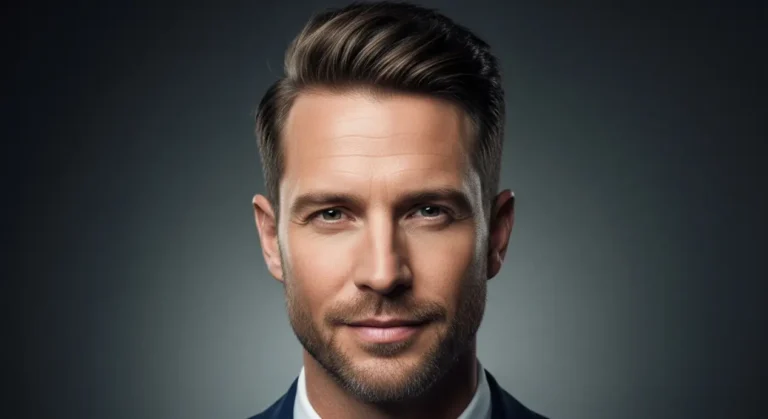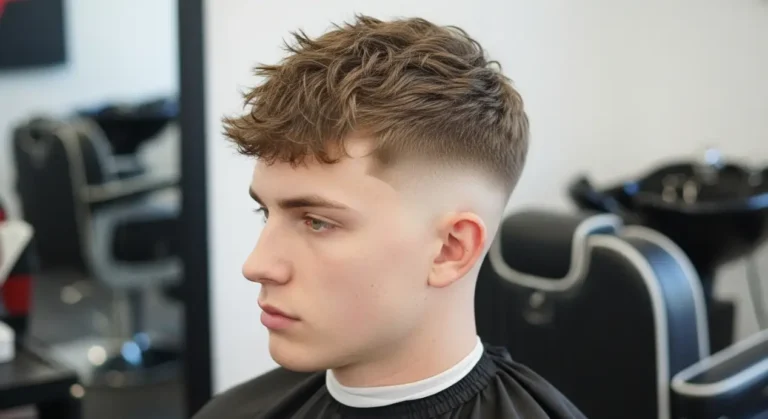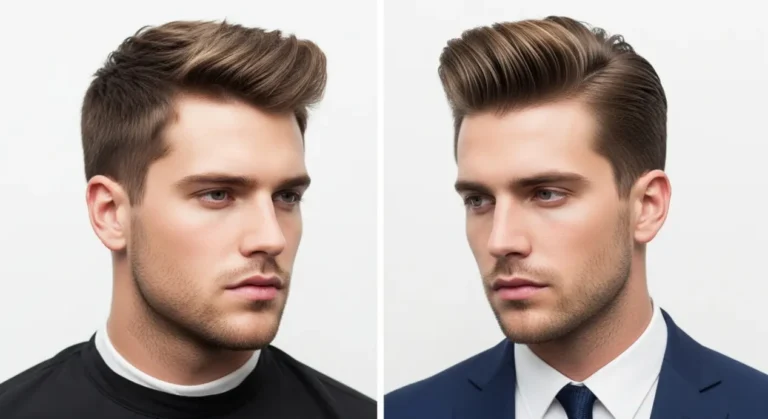
21 Edgy Side Parted Hairstyles For Men
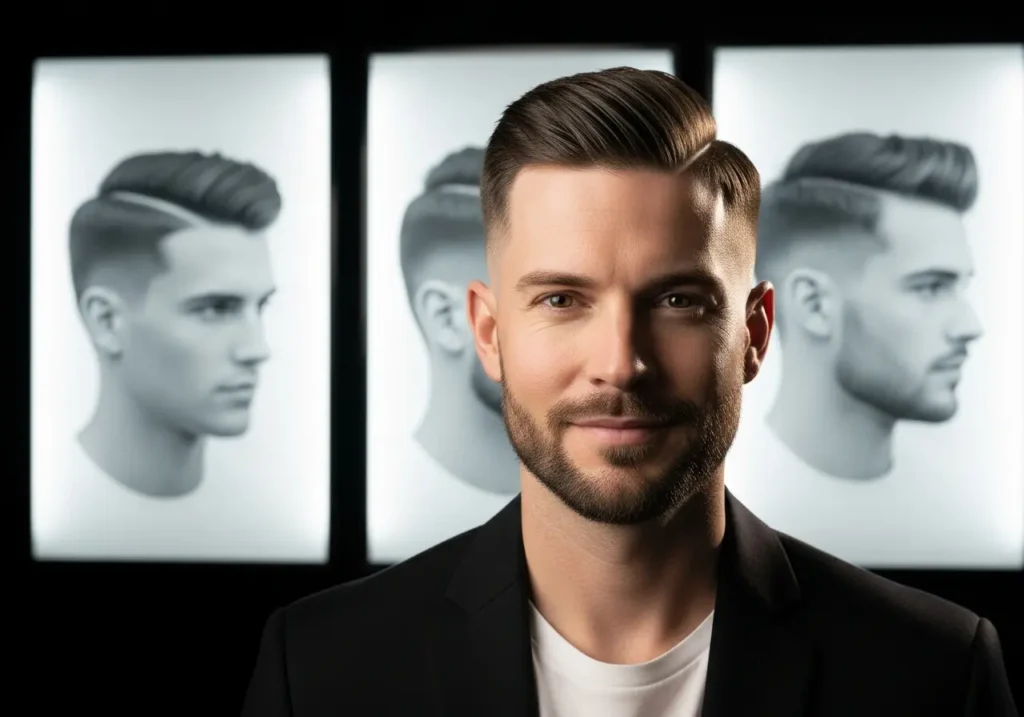
The Side Parted Hairstyles For Men has remained a cornerstone of men’s grooming for generations, evolving from its classic origins into dozens of contemporary variations that suit modern lifestyles. Whether you’re preparing for a corporate boardroom or a casual weekend gathering, the side part offers unmatched versatility that bridges traditional elegance with current fashion sensibilities. This comprehensive guide explores 21 distinct side parted hairstyles that range from timeless classics to bold, edgy interpretations, helping you discover the perfect look that complements your personal style, hair texture, and face shape.
Understanding the fundamentals of side parted hairstyles empowers you to communicate effectively with your barber and maintain your chosen look between appointments. The side part creates asymmetry that naturally draws attention to your best features while providing structure to your overall appearance. Modern variations incorporate fades, undercuts, textured finishes, and creative parting techniques that transform this traditional style into something uniquely contemporary.
Classic Side Part with Taper Fade
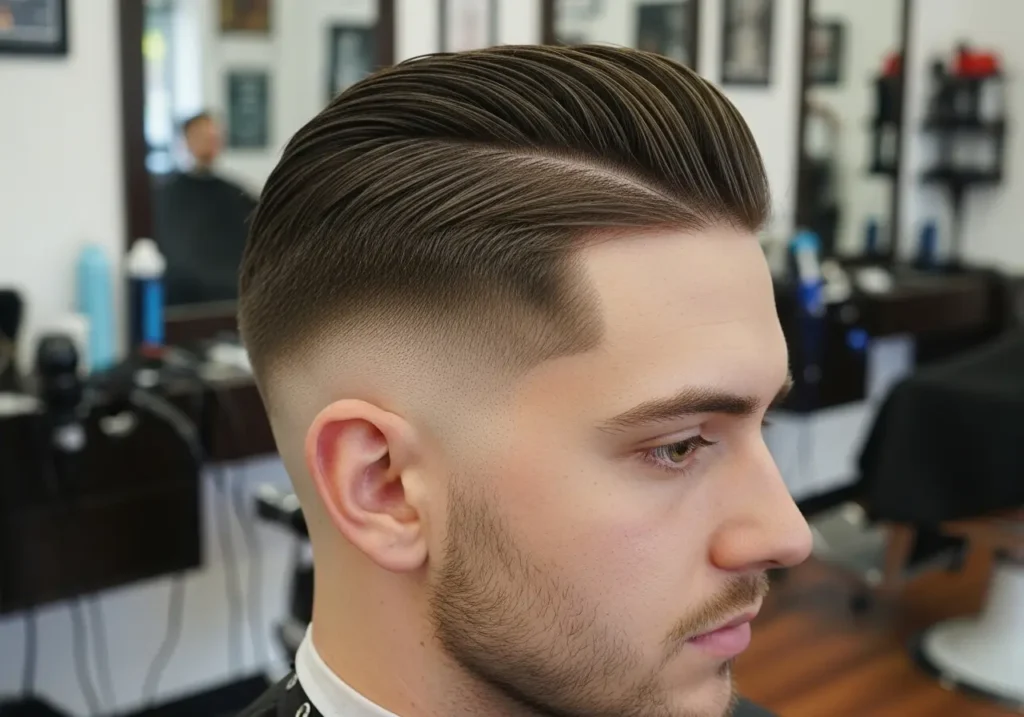
The classic side part with taper fade represents the gold standard for professional men seeking a polished appearance. This style features a defined part on either the left or right side, typically aligned with the outer edge of your eyebrow for optimal balance. The hair on top maintains enough length to sweep smoothly across the head, while the sides gradually fade from longer hair near the part down to skin level around the ears and neckline.
This combination works exceptionally well for business environments because it projects competence and attention to detail. The taper fade adds a modern edge to the traditional side part, preventing it from appearing outdated while maintaining its sophisticated character. Men with straight to slightly wavy hair find this style particularly manageable, requiring only a quality pomade and a fine-tooth comb for daily styling.
Hard Part Side Cut
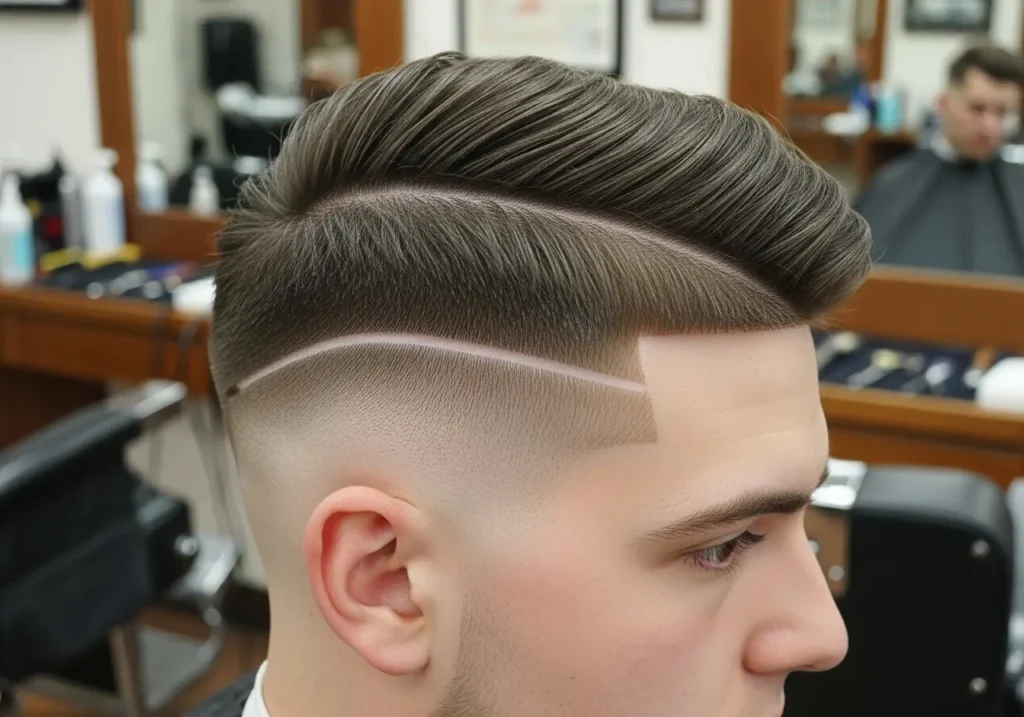
The hard part takes the traditional side parting to another level by incorporating a shaved line that creates an unmistakable division between the longer top section and the shorter sides. Barbers use clippers or straight razors to carve this precise line, which can range from subtle to dramatically pronounced depending on your preference.
This edgy variation appeals to men who want their hairstyle to make a statement without venturing into extreme territory. The hard part works beautifully with various top lengths and side styles, from tight fades to longer, textured sides. The shaved line requires maintenance every two to three weeks to keep its crisp appearance, making regular barber visits essential for this look.
Side Part Pompadour
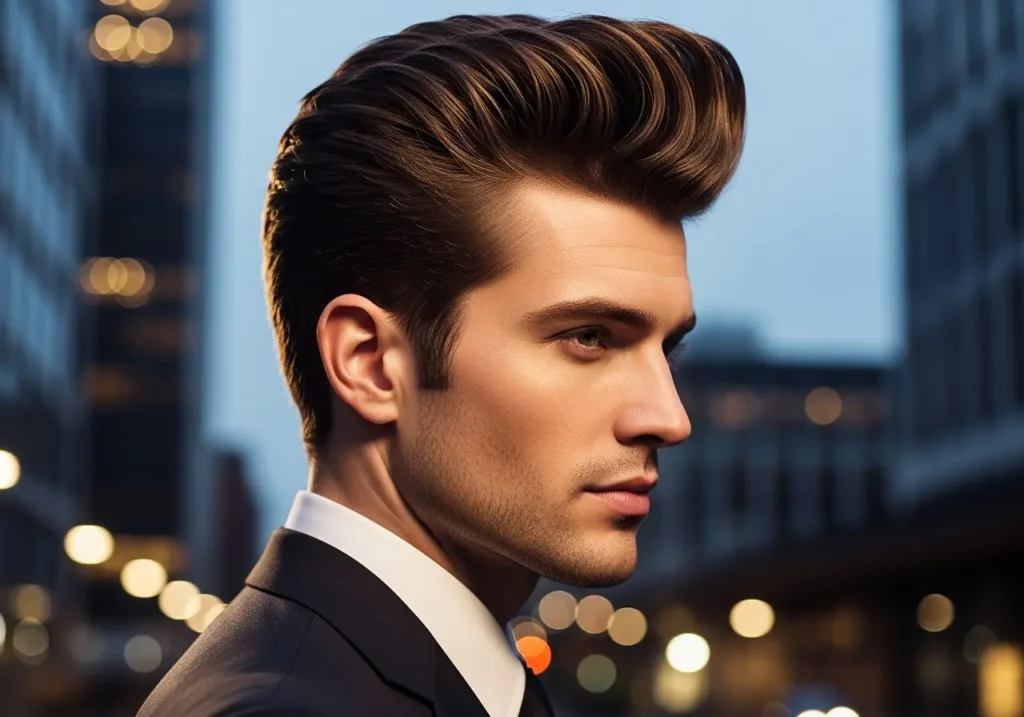
Combining the volume of a pompadour with the refined structure of a side part creates a hairstyle that commands attention in any setting. This style sweeps the hair upward and back from the forehead, creating significant height before transitioning into a side-swept finish. The part itself may be less pronounced than in flatter styles, but it guides the direction of the volume.
The side part pompadour requires hair with at least four to six inches of length on top and benefits from natural thickness or wave. Strong-hold pomade or styling cream becomes your essential tool for building and maintaining the structure throughout the day. This look bridges vintage aesthetics with contemporary styling, making it popular among creative professionals and style-conscious men.
Low Fade Side Part

The low fade side part offers a conservative approach to blending that starts the fade just above the ears, maintaining more length on the sides than high fade variations. This creates a gradual transition that feels less dramatic while still providing the clean, modern finish that fades deliver.
Men who work in traditional professional environments often prefer the low fade because it satisfies workplace grooming standards while incorporating current trends. The longer sides also provide more styling versatility, allowing you to experiment with different textures or even slick the sides back for variation. This style works across all hair types and face shapes, making it one of the most universally flattering options available.
Textured Side Part with Undercut
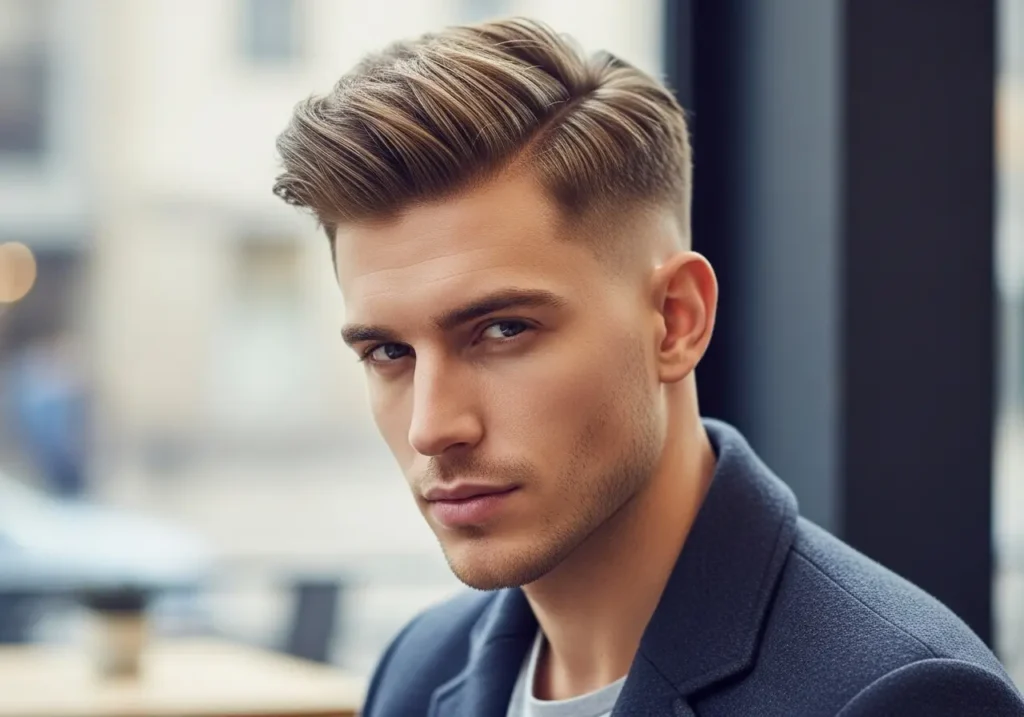
Moving away from slicked perfection, the textured side part with undercut embraces natural movement and piece-y definition. The undercut creates a sharp contrast between the disconnected sides and the longer, textured top, while the side part provides directional guidance without requiring rigid structure.
This style works exceptionally well for men with wavy or curly hair who want to work with their natural texture rather than against it. Sea salt spray, light styling cream, or texturizing powder helps enhance the natural movement while maintaining the side-swept direction. The result feels effortlessly stylish rather than overly groomed, appealing to men who prefer a more relaxed aesthetic.
High Fade Side Part
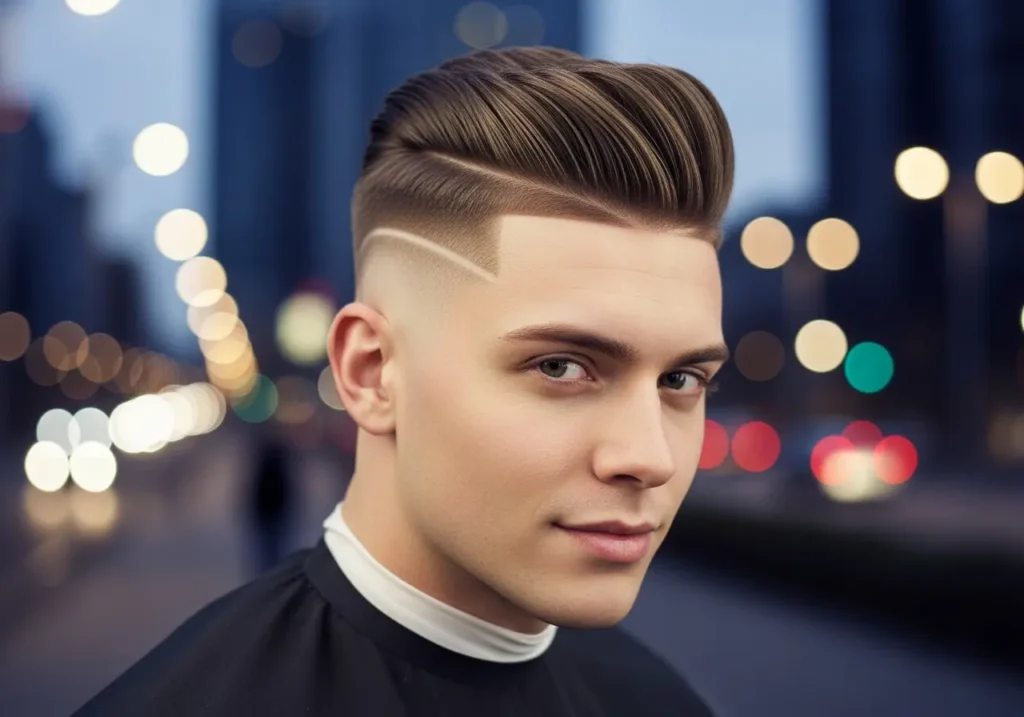
The high fade side part creates maximum contrast by starting the fade well above the ears, sometimes reaching the temple area. This bold approach puts significant emphasis on the top section while creating a sleek, streamlined silhouette on the sides and back.
The high placement of the fade makes this style particularly effective for men with round or square face shapes, as the vertical lines created by the fade help elongate the appearance of the face. The dramatic difference between the top and sides requires confident styling of the longer section, whether you prefer a smooth, polished finish or a more textured, modern approach.
Side Swept Fringe
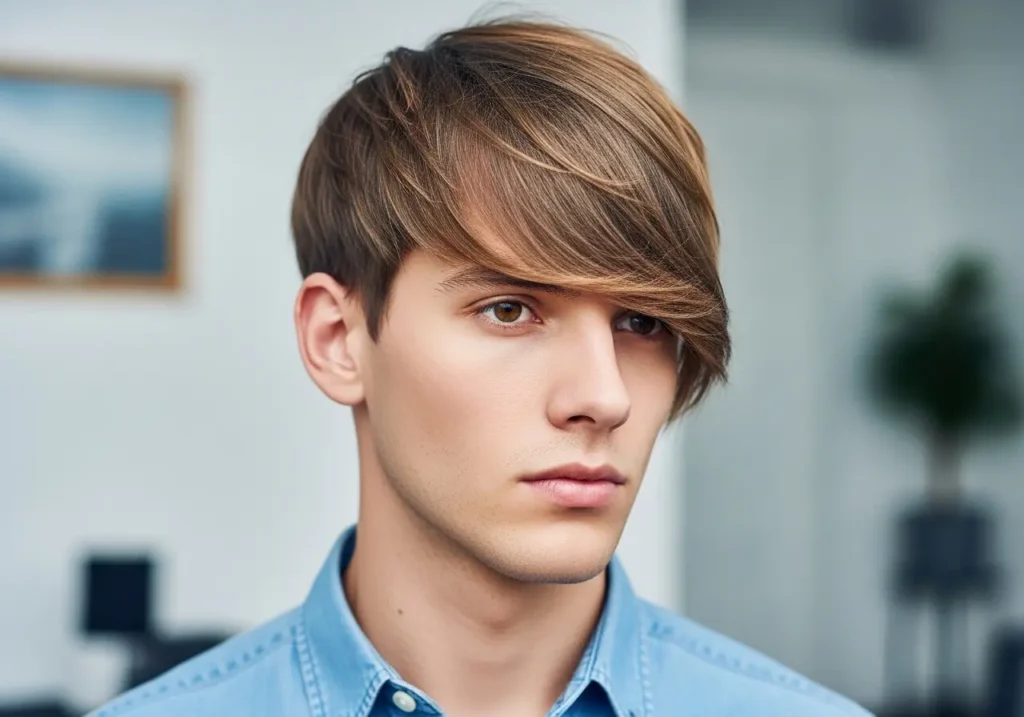
The side swept fringe incorporates longer hair at the front that falls across the forehead, creating a youthful, fashion-forward appearance. The part guides this fringe to one side, where it can be styled to sweep dramatically across or fall more naturally depending on your preference.
This style appeals to younger men and those in creative industries where traditional grooming rules don’t apply as strictly. The fringe adds softness to angular face shapes while providing styling versatility. You can wear it swept boldly to the side for evening events or styled more subtly for daytime activities.
Classic Gentleman’s Part
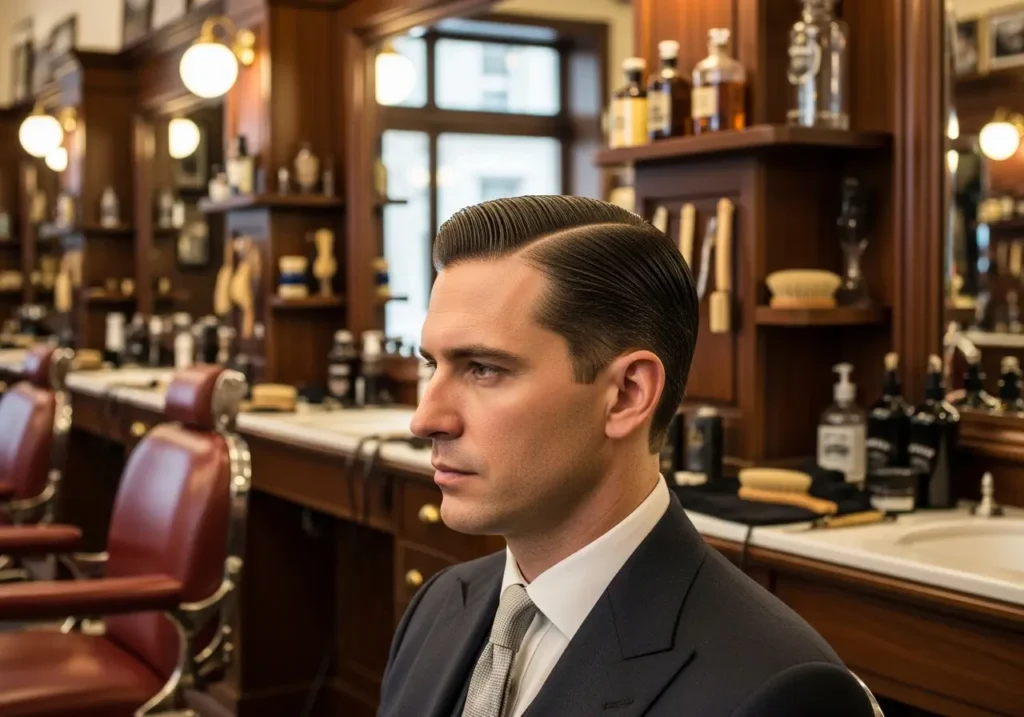
The classic gentleman’s part returns to the roots of traditional barbering with a perfectly straight, deeply defined part and smoothly combed hair on both sides of the division. This old-school approach requires precise technique and the right products to achieve the glossy, structured finish characteristic of this timeless look.
Men who appreciate vintage aesthetics or work in industries where traditional appearance matters find this style particularly appealing. The gentleman’s part works best with straight or slightly wavy hair that can be trained into place with pomade or brilliantine. Regular trims maintain the clean lines essential to this refined appearance.
Side Part with Quiff
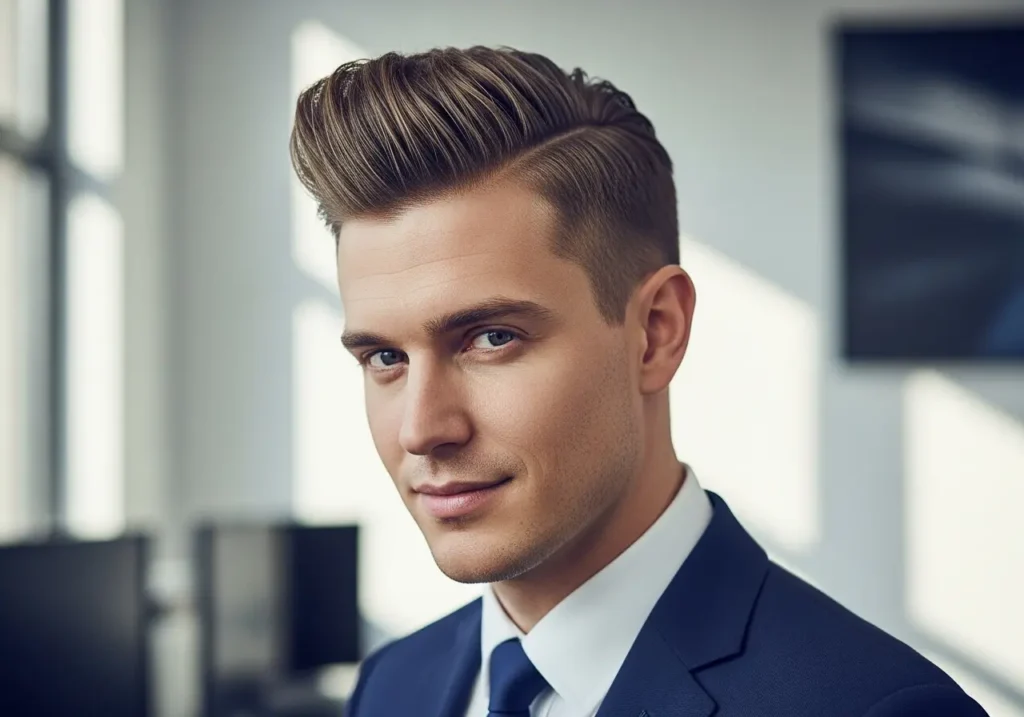
The quiff adds forward-sweeping volume at the front while maintaining the side part’s directional guidance. This combination creates dimension and movement that works particularly well for men with oval or rectangular face shapes, as the forward volume balances longer facial proportions.
Achieving the side part quiff requires blow-drying technique to build the foundation volume before applying styling products. The quiff portion stands taller than surrounding hair, creating a focal point that draws the eye upward. This style transitions well from professional settings to social occasions, making it highly practical for busy men.
Disconnected Side Part

The disconnected side part features an abrupt transition between the long top section and very short or shaved sides, with no gradual fade blending the two lengths. This high-contrast approach creates a bold, contemporary look that emphasizes the styling of the top section.
The disconnection works especially well when the top section has significant length that can be styled in multiple ways. You might slick it back for formal occasions, sweep it to the side for everyday wear, or style it with texture for casual settings. The versatility of the disconnected cut makes it popular among men who enjoy experimenting with their appearance.
Side Part with Beard
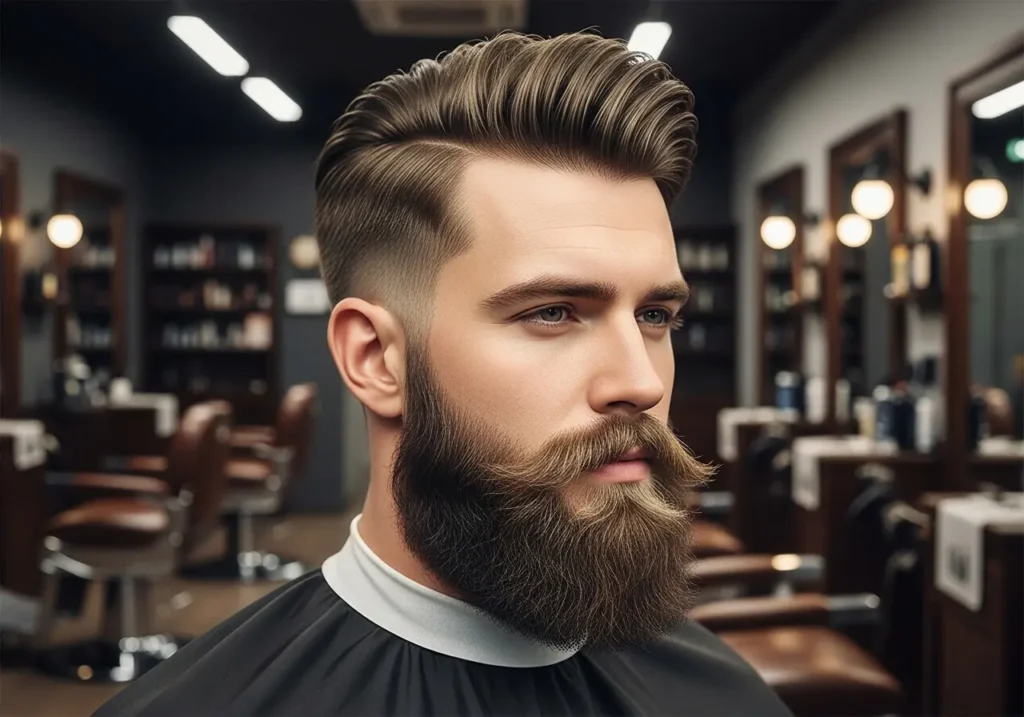
Integrating your side parted hairstyle with a well-groomed beard creates a cohesive, masculine aesthetic that’s gained significant popularity in recent years. The clean lines of a side part complement the structure of a shaped beard, whether you prefer a full beard, goatee, or carefully sculpted stubble.
The key to this combination lies in maintaining both elements with equal attention. Your barber or stylist should consider how the haircut transitions into the beard area, creating flow rather than awkward interruption. The side part’s polished character balances the ruggedness of facial hair, resulting in a look that feels both refined and authentically masculine.
Messy Side Part
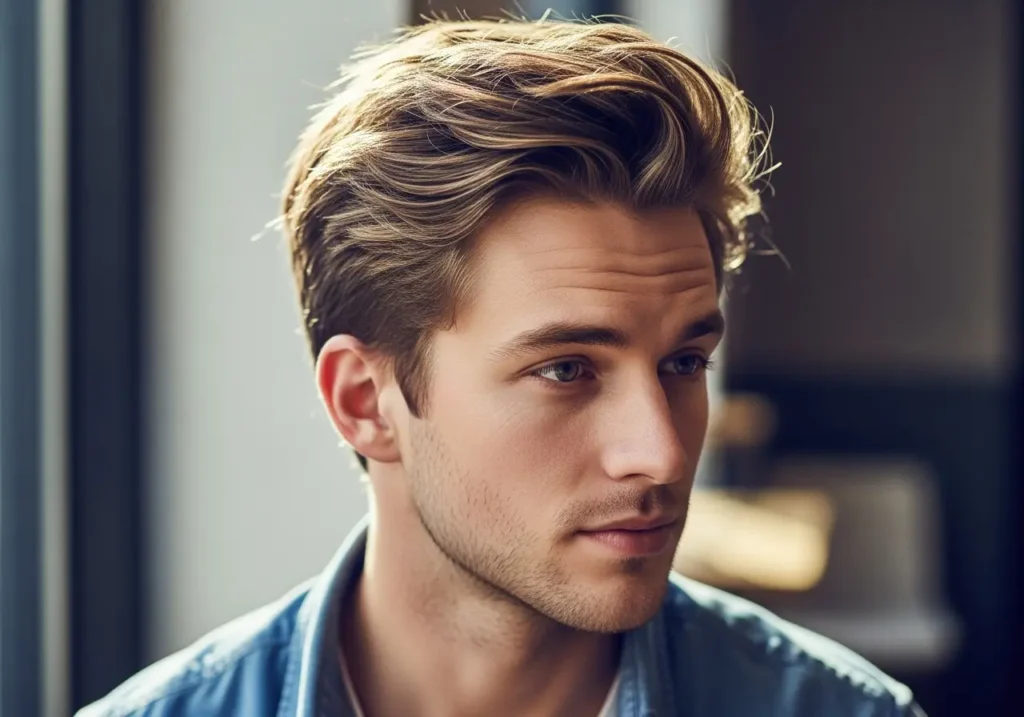
The messy side part intentionally disrupts the rigid structure traditionally associated with this style, creating a lived-in, effortlessly cool appearance. While the part still provides directional guidance, the hair itself maintains natural texture, movement, and deliberate imperfection.
This approach works beautifully for men with wavy or curly hair who want to embrace their natural texture while maintaining some structure. Light styling products with minimal hold allow the hair to move naturally while keeping the general side-swept direction intact. The messy side part feels modern and approachable, avoiding the potentially stuffy associations of overly groomed variations.
Side Part Comb Over

The side part comb over takes the swept hair to its logical conclusion, bringing all the top hair dramatically to one side to create maximum coverage and volume. This classic technique has seen renewed interest as contemporary styling makes it feel fresh rather than dated.
The comb over works particularly well for men dealing with early hair thinning on top, as the swept hair creates coverage while the side part provides structure that disguises less dense areas. Modern variations incorporate fades and textured finishes that distinguish today’s comb overs from their 1980s predecessors.
Angular Side Part

The angular side part replaces the traditional straight part with a diagonal line that creates dynamic visual interest. This geometric approach adds an edgy element to the style while maintaining the side part’s fundamental character.
Barbers create the angular part by shaving or defining a line that runs from the front hairline back toward the crown at a diagonal angle. The surrounding hair follows this directional cue, creating asymmetrical styling that feels contemporary and bold. This variation appeals to men who want to stand out while working within the side part framework.
Slick Back Side Part

The slick back side part combines the smoothness of a traditional slicked-back style with the structure provided by a side part. The part itself may be more subtle in this variation, primarily serving to guide the hair’s direction as it sweeps back from the forehead.
This sophisticated look requires products with strong hold and high shine to achieve the signature glossy finish. The slick back side part works well for formal occasions and professional environments where polished appearance matters. Men with straight to wavy hair find this style most manageable, as curly hair resists the smooth finish this look requires.
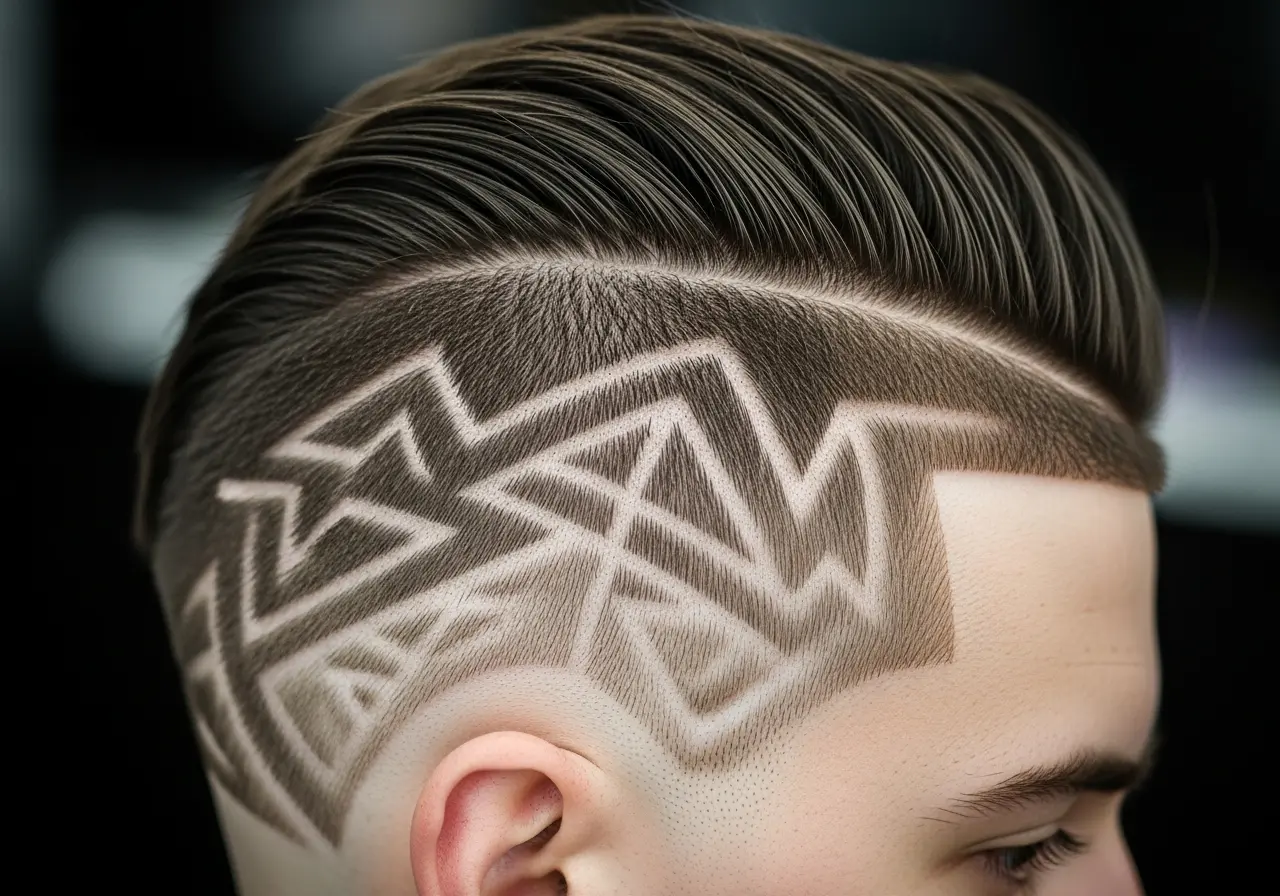
Side Part with Design

Incorporating shaved designs into the side area near the part adds personalized flair to the classic style. These designs might include geometric patterns, lines, or artistic elements that reflect your personality and interests.
The design element transforms the side part from traditional to distinctly modern, appealing to younger men and those in creative fields. These designs require skilled barber work and regular maintenance to keep them sharp and visible. The combination of classic structure with contemporary artistic elements creates a unique hybrid style.
Natural Side Part
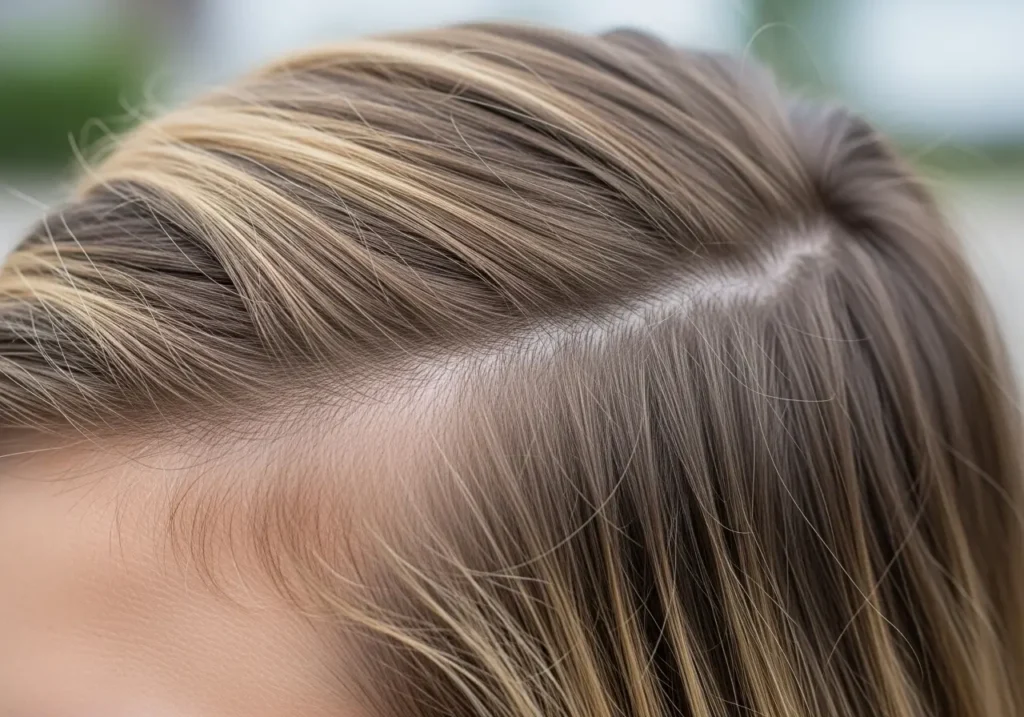
The natural side part works with your hair’s inherent growth patterns rather than forcing a part in an arbitrary location. Many men have a natural whorl or directional flow that suggests where the part should fall, creating a style that works harmoniously with their hair’s nature.
Following your natural part reduces styling effort and creates a more authentic appearance. This approach works across all hair types and lengths, requiring only that you identify where your hair naturally wants to separate. Styling becomes simpler when you work with rather than against your hair’s preferences.
Side Part Fade with Line Up
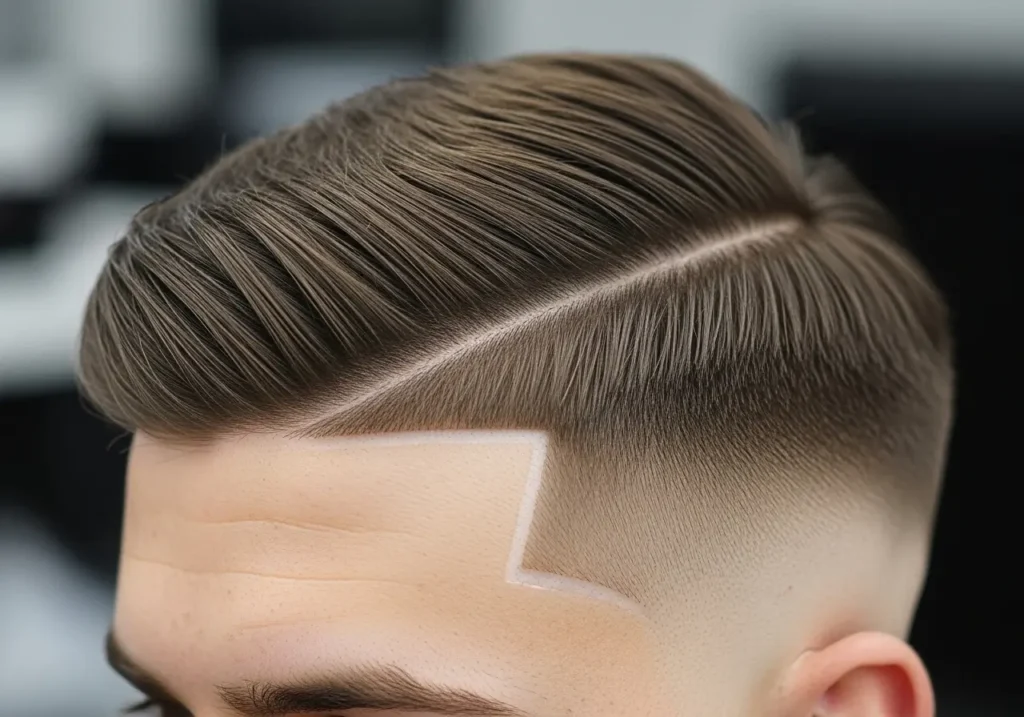
The line up adds crisp definition to the hairline at the forehead and temples, creating geometric precision that complements the structure of a side part with fade. Barbers use trimmers or razors to create sharp, straight edges that frame the face.
This combination appeals to men who appreciate clean lines and meticulous grooming. The line up requires maintenance every one to two weeks to preserve its sharp appearance, making it a higher-maintenance option. The result delivers maximum impact, creating a hairstyle that looks freshly cut even days after your barber visit.
Longer Side Part
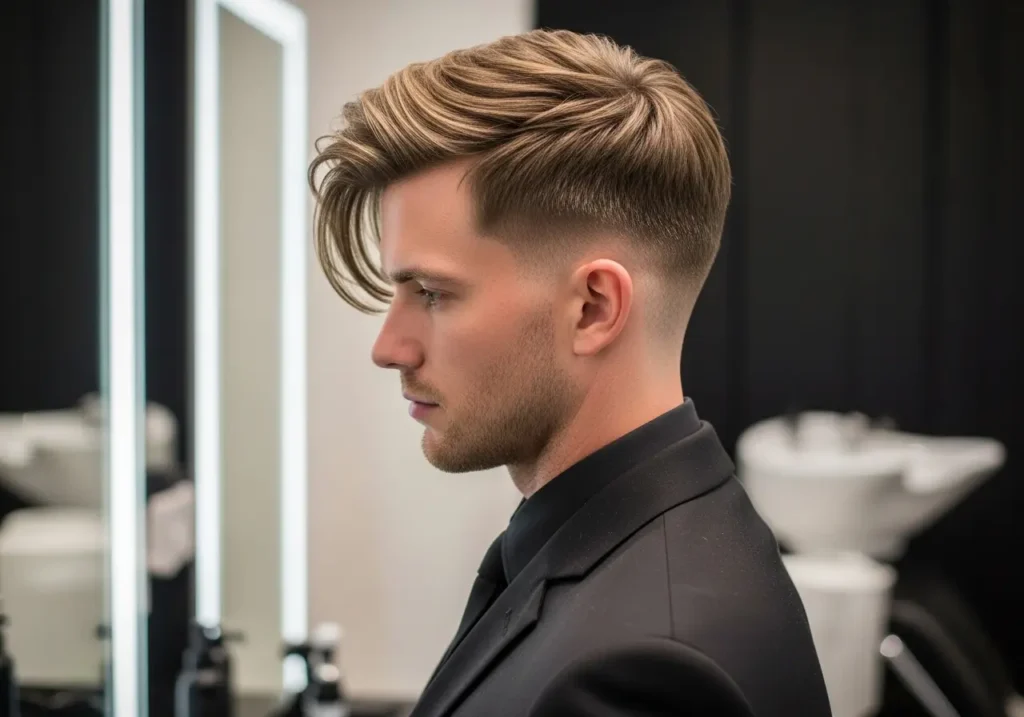
The longer side part maintains significant length throughout the top and sides, creating a more dramatic sweep and greater styling versatility. This variation requires hair with at least six inches of length on top and proportional length on the sides.
Men with naturally thick or wavy hair find this style particularly effective, as the additional length showcases texture and movement. Styling requires more time and product than shorter variations, but the result offers sophisticated drama that stands out in any setting. The longer side part transitions well from professional daytime wear to evening social occasions.
Side Part with Crop
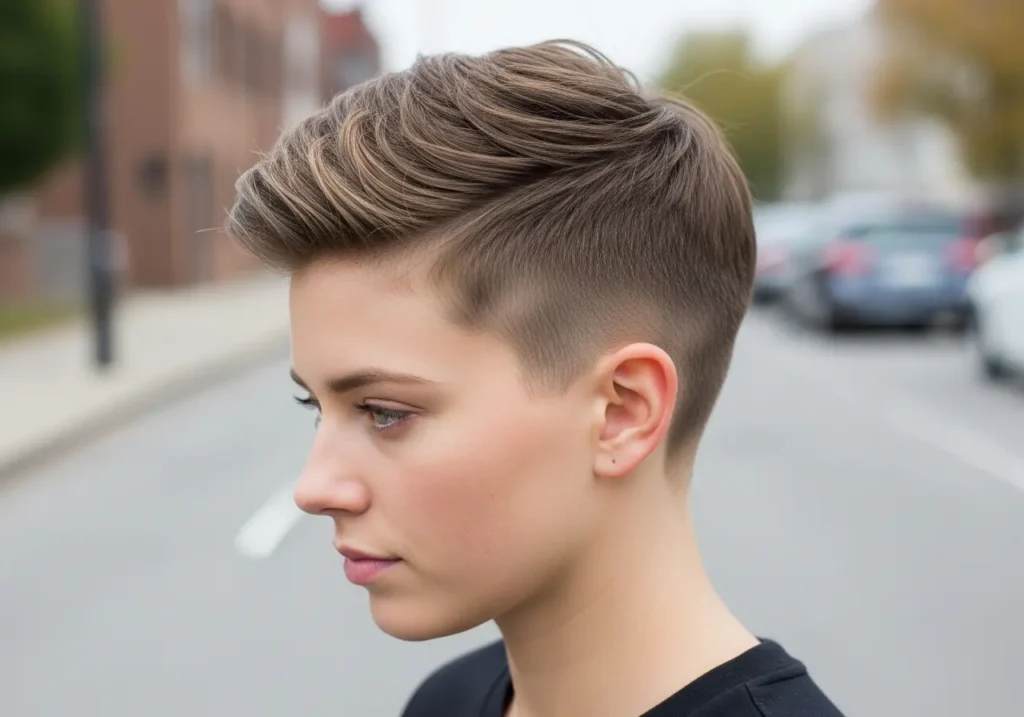
The crop top features shorter, textured hair on top combined with very short sides, creating a low-maintenance style with contemporary appeal. Adding a side part to this framework provides directional guidance while maintaining the crop’s inherently casual character.
This combination works exceptionally well for active men who need a style that looks good with minimal daily effort. The short length on top means quick styling with just a small amount of product worked through damp hair. The side part elevates what might otherwise be a very casual cut, making it appropriate for a wider range of settings.
Side Part with Volume
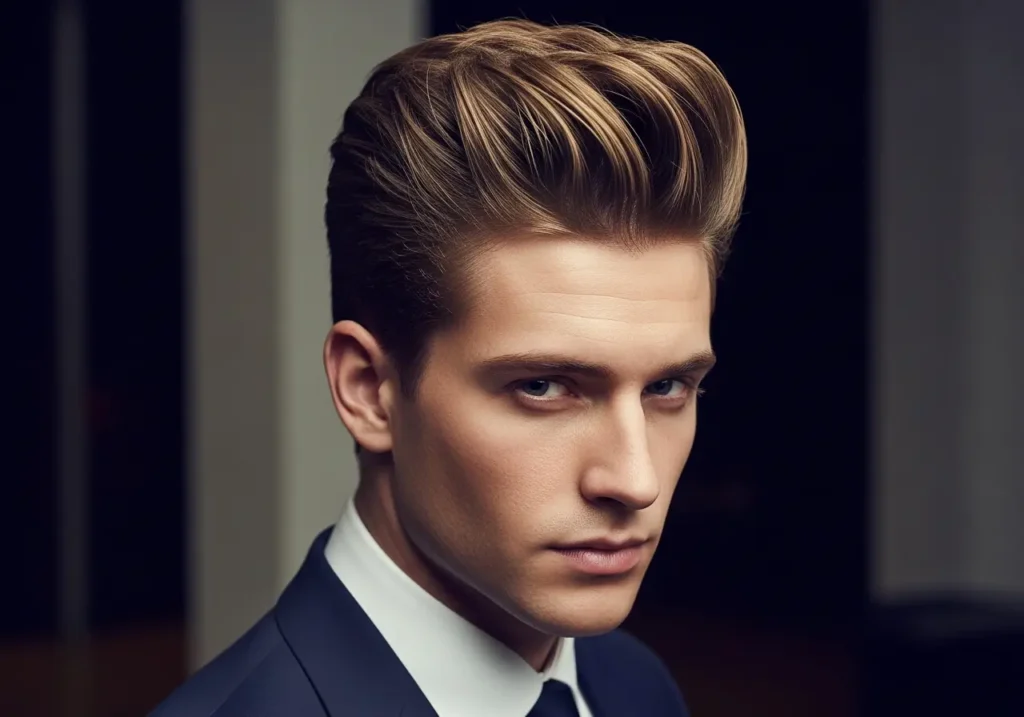
Maximizing volume throughout the top section while maintaining side part structure creates a bold, attention-getting style. This approach uses blow-drying technique, volumizing products, and strategic cutting to build height and fullness.
The volumized side part works particularly well for men with fine or thin hair who want to create the appearance of thickness. The added height also benefits those with round face shapes by creating vertical emphasis. Achieving and maintaining this look requires more styling skill and time than flatter variations, but delivers significant visual impact.
Maintaining Your Side Parted Hairstyle
Regardless of which variation you choose, maintaining your side parted hairstyle requires consistent care and the right approach. Regular barber visits every three to four weeks keep the cut fresh and the fade sharp. Between appointments, daily styling with appropriate products maintains the structure and finish your style requires.
Invest in quality styling products matched to your hair type and chosen style. Fine hair benefits from lightweight products that add hold without weighing hair down, while thick hair often needs stronger formulas to maintain control. A good comb, preferably with both wide and fine teeth, becomes an essential tool for creating clean parts and smooth styling.
Washing frequency depends on your hair type and styling products. Men using heavy pomades may need to shampoo daily to prevent buildup, while those using lighter products might wash every other day to preserve natural oils. Always apply styling products to slightly damp hair for easier distribution and better hold.
Choosing the Right Side Part for Your Face Shape
Face shape significantly influences which side part variation will look most flattering. Oval faces enjoy the most versatility, working well with nearly any variation from classic to edgy. Round faces benefit from styles that add height and vertical emphasis, such as pompadours or high fades that elongate the appearance.
Square faces work well with softer, textured variations that add curves to balance angular jaw lines. Heart-shaped faces benefit from fuller sides that balance wider foreheads, making low fades or longer side sections ideal choices. Oblong faces should avoid excessive height that further lengthens the face, instead choosing flatter styles or those with forward volume.
Your barber or stylist can provide valuable guidance on which variations will work best with your unique features. Bringing reference photos of styles you admire helps ensure clear communication about your desired outcome. Remember that the best hairstyle balances your preferences with what actually works for your hair type, texture, and natural growth patterns.
Conclusion
The side parted hairstyle’s enduring popularity stems from its remarkable versatility and universal appeal. From boardrooms to bars, from classic gentleman’s aesthetics to bold contemporary statements, the side part adapts to virtually any context while maintaining its fundamental character. The 21 variations explored in this guide represent just a fraction of the possibilities available when you combine traditional side part structure with modern cutting and styling techniques.
Selecting your ideal side parted hairstyle involves considering your lifestyle, professional requirements, face shape, hair type, and personal style preferences. Whether you gravitate toward the polished perfection of a classic gentleman’s part or the edgy boldness of a disconnected cut with shaved designs, the side part framework provides structure that elevates your overall appearance. Work closely with a skilled barber who understands both traditional techniques and contemporary trends to achieve a look that feels authentically yours while showcasing the timeless appeal of the side part.
You may also like this post: How To Style Messy Hair For Men In 2026!
Frequently Asked Questions
What products work best for styling a side parted hairstyle?
Pomade offers the strongest hold and highest shine for classic, slicked styles, while styling cream provides medium hold with a more natural finish for textured looks. Men with fine hair should choose lightweight products to avoid weighing hair down, while those with thick or coarse hair benefit from stronger formulations. Always apply products to damp hair and use a quality comb to distribute evenly and create a clean part.
How often should I get my side part haircut trimmed?
Most side parted styles require professional maintenance every three to four weeks to keep fades sharp, lengths balanced, and overall shape intact. Hard parts or shaved designs need more frequent touch-ups, often every two weeks, to maintain their crisp appearance. If you notice your style becoming difficult to manage or looking unbalanced, it’s time to visit your barber.
Can I achieve a side part with curly or wavy hair?
Absolutely. Wavy and curly hair creates beautiful textured side parts that embrace natural movement rather than fighting against it. Use products designed for curly hair that enhance definition without creating stiffness, and work with your natural curl pattern rather than trying to straighten it completely. The key is finding a skilled barber who understands how to cut curly hair to support the side part structure.
Which side should I part my hair on?
Many men have a natural part determined by their hair’s growth pattern, typically on the left side. Following this natural part creates the easiest styling and most authentic appearance. If you don’t have an obvious natural part, experiment with both sides to see which feels more comfortable and looks more balanced with your facial features. There’s no universal rule, so choose what works best for you.
Will a side part work with thinning hair?
Side parts can actually help disguise early thinning by creating coverage and structure. The comb over variation specifically addresses thinning concerns by sweeping hair across less dense areas. Avoid styles with very short sides that create high contrast with thinning top sections, and instead choose gradual fades that create smoother transitions. Consult with your barber about cuts and styling techniques that maximize your current hair density.