Best Alternative Haircut Ideas for Women & Men (2026 Trends)
The landscape of hair styling continues to evolve, and 2026 brings an exciting fusion of rebellious spirit and refined elegance. Alternative haircuts have moved beyond simple rebellion to become sophisticated expressions of individuality. Whether you’re drawn to punk-inspired edge or modern grunge aesthetics, this comprehensive guide explores the most compelling alternative haircut ideas transforming salons worldwide.
1 Top Alternative Haircuts for Women
The Modern Bixie
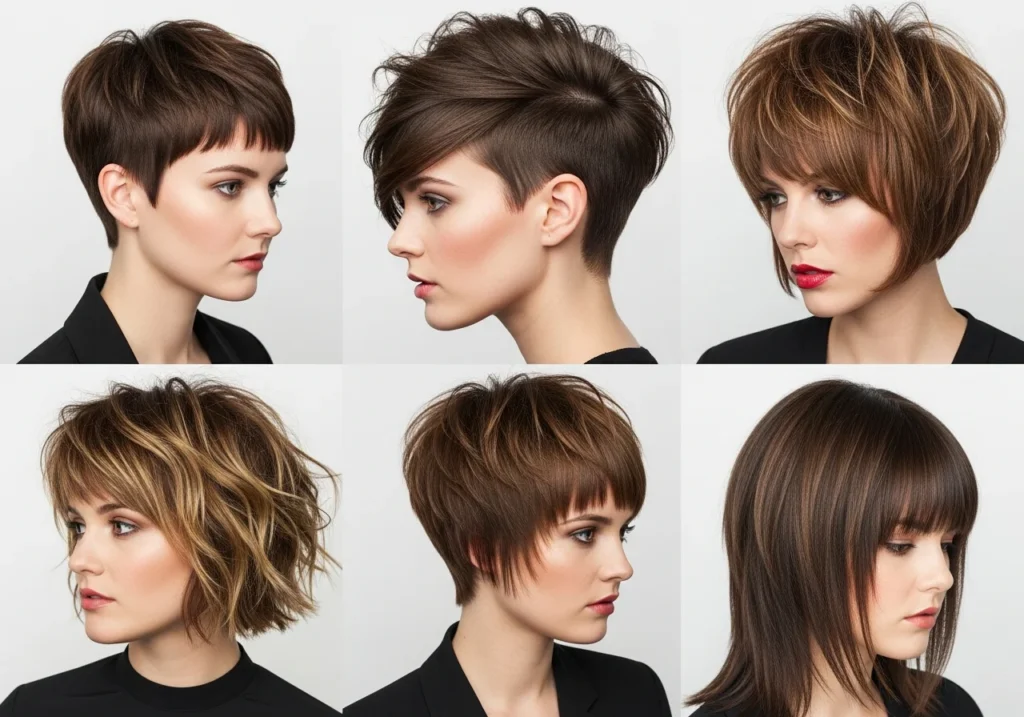
The bixie continues dominating alternative style conversations as it merges bob and pixie elements into one dynamic cut. This hybrid features chin-length or slightly shorter sections with choppy, airy layers that create movement without heaviness. The cut works exceptionally well for fine to medium hair textures, adding volume through strategic layering techniques.
Styling the bixie requires minimal effort. A lightweight texturizing spray enhances natural texture, while a small amount of pomade defines individual pieces. The versatility allows wearers to tuck sections behind ears for a polished appearance or tousle everything forward for maximum edge. This cut particularly flatters oval and heart-shaped faces by adding width at the temples.
Asymmetrical Undercut Bob
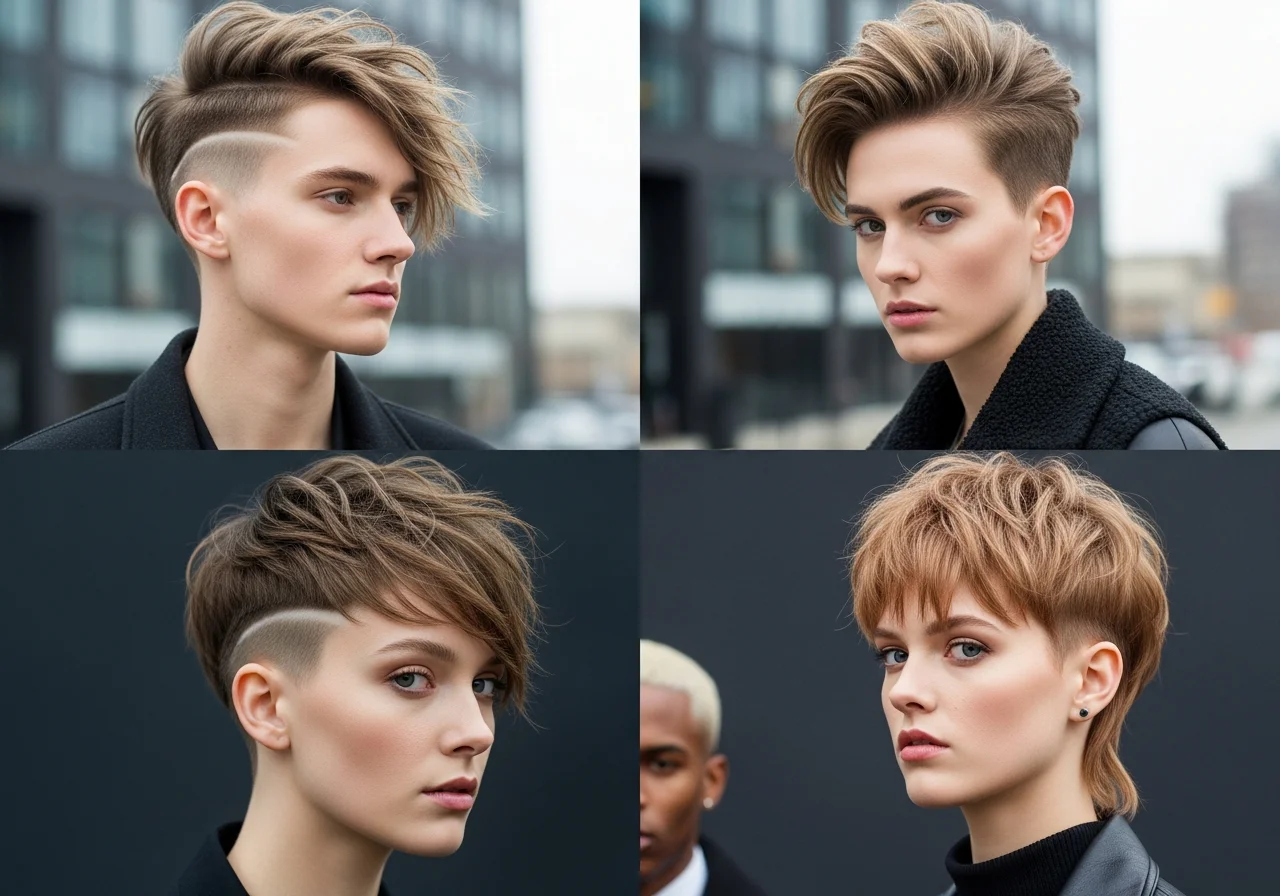
Asymmetry brings undeniable drama to classic bob structures. This style features one side kept longer while the opposite side showcases a shaved or closely cropped undercut section. The contrast creates visual interest that demands attention without requiring vibrant color additions.
The asymmetrical undercut bob suits thick, straight hair beautifully, as the weight removal prevents the style from appearing bulky. Maintenance involves regular trimming of the undercut section every two to four weeks to maintain definition. Consider adding subtle geometric patterns shaved into the undercut for additional personalization.
Choppy Layered Shag
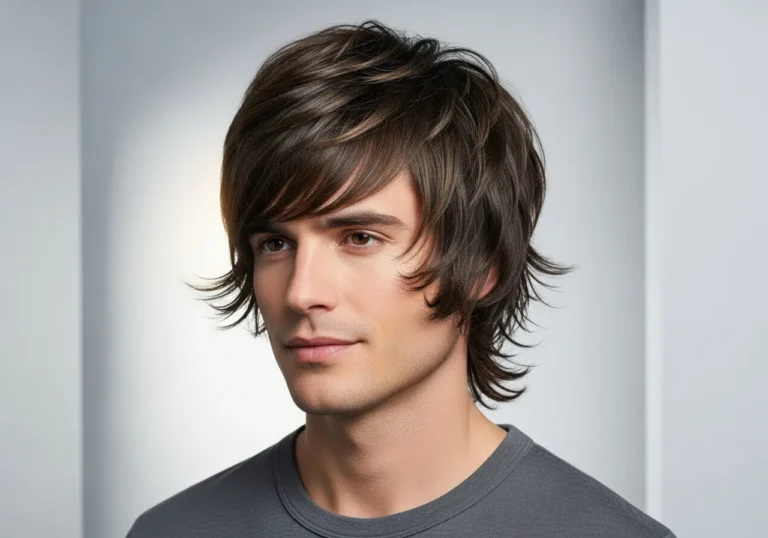
The shag haircut receives continuous updates while maintaining its alternative roots. The 2026 version features deeply textured, choppy layers that remove weight while adding dimension. Unlike previous iterations, modern shags emphasize soft, feathered edges rather than harsh separations.
This cut adapts to various hair types with proper customization. Thick hair benefits from aggressive layering that removes bulk, while finer textures work better with micro-shag techniques that preserve density. The shag’s greatest strength lies in its effortless appearance. Natural air-drying produces the desired tousled effect, making this ideal for individuals seeking low-maintenance alternative styles.
Textured Pixie with Extended Bangs
Pixie cuts gain alternative credibility through textured cutting techniques and extended fringe elements. This style keeps sides and back cropped close while maintaining longer, piece-y sections on top. The extended bangs sweep across the forehead, adding softness that prevents the cut from appearing too severe.
Styling requires a small amount of lightweight wax or clay worked through damp hair, then allowed to air dry for natural texture. The extended fringe can be styled forward, swept to the side, or pushed back depending on the occasion. This versatility makes the textured pixie suitable for both professional environments and creative spaces.
Grunge-Inspired Curtain Cut
Curtain bangs evolved from 1990s grunge aesthetics into contemporary alternative styling. This approach features longer bangs parted down the center, framing the face while blending seamlessly into layered lengths. The overall effect creates an effortlessly cool appearance that references alternative music culture without appearing costume-like.
The curtain cut works across multiple face shapes when properly customized. Round faces benefit from longer, more angled curtains that add length, while longer face shapes suit shorter, fuller versions. The style grows out naturally without awkward in-between phases, making it practical for those hesitant about frequent salon visits.
2 Alternative Haircuts for Men
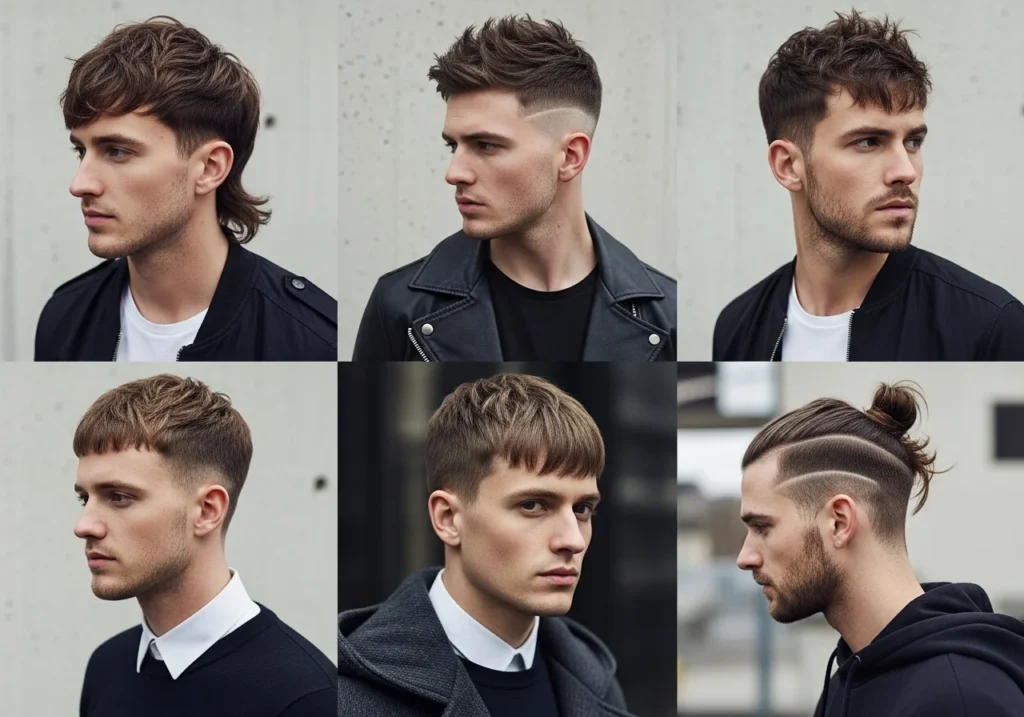
Modern Mullet
The mullet underwent significant refinement, transforming from polarizing throwback to fashion-forward statement. Contemporary versions feature softly layered, shaggy textures rather than dramatic length contrasts. The front maintains medium length with piece-y layers, while the back extends slightly longer with feathered edges.
Achieving the modern mullet requires precise cutting techniques that create seamless transitions. Styling involves applying sea salt spray to damp hair, scrunching sections to enhance natural texture, then allowing everything to air dry. The result appears intentionally undone rather than neglected. This cut particularly suits wavy or naturally textured hair that holds shape without excessive product.
Textured Crop with Fade
The textured crop combines classic barbering techniques with alternative styling sensibilities. This cut features very short sides achieved through skin or low fade techniques, contrasting with longer, heavily textured top sections. The disconnection between lengths creates the alternative edge while maintaining professional appropriateness.
Styling the textured crop takes minutes. A small amount of matte clay worked through dry hair creates separation and definition. The style holds throughout the day without appearing stiff or overly groomed. The fade requires maintenance every two to three weeks to preserve the sharp contrast that defines this look.
Grunge Undercut
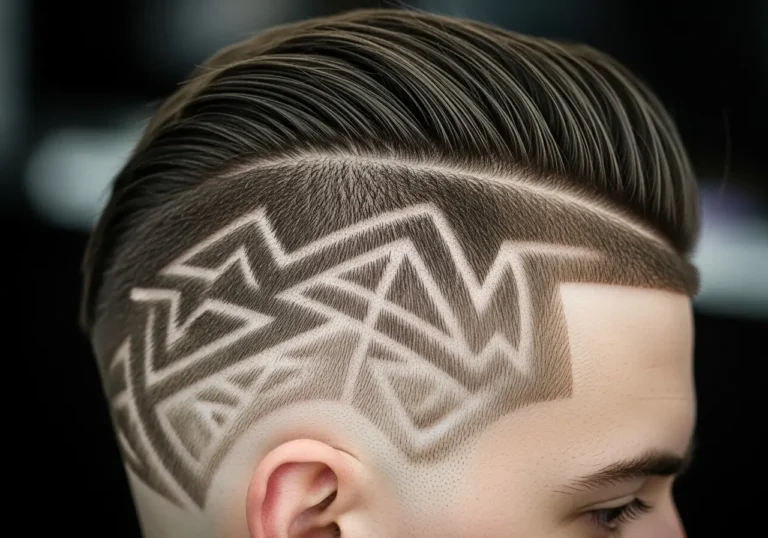
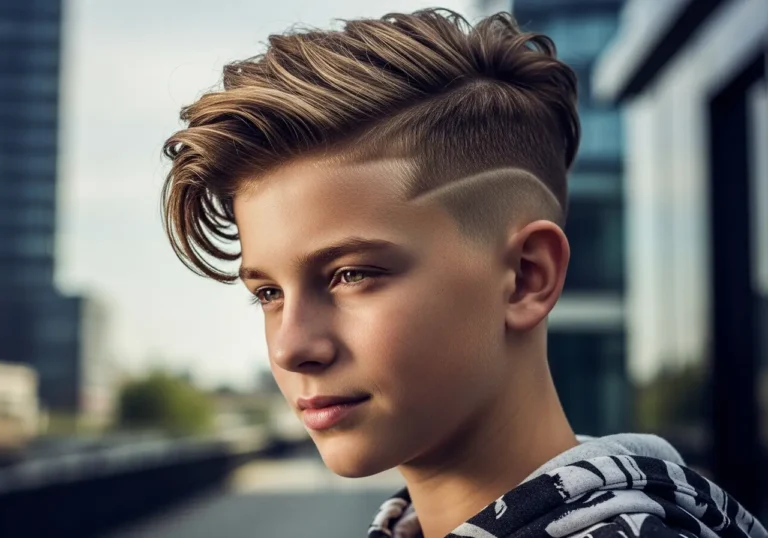
The grunge undercut merges clean technical cutting with deliberately messy styling. Sides and back receive close cropping or complete shaving, while the top maintains significant length styled in disheveled, piece-y arrangements. This contrast embodies alternative aesthetics while remaining surprisingly versatile.
The longer top sections allow numerous styling variations. Sweep everything back for a polished appearance, push it forward into the face for maximum grunge effect, or part it to one side for asymmetrical interest. The undercut itself can incorporate subtle design elements for additional personalization. This style works best with medium to thick hair textures that hold volume naturally.
Choppy Fringe
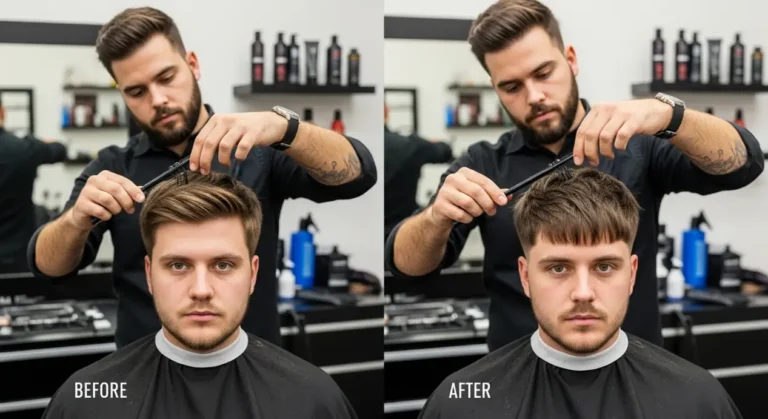
Alternative fringe styling moves beyond traditional straight-across cutting to embrace choppy, irregular textures. This approach features longer sections mixed with shorter pieces, creating movement and dimension across the forehead. The fringe can be styled straight down, swept to the side, or pushed back depending on preference.
The choppy fringe pairs well with various lengths underneath, from short crops to medium shags. Styling requires texturizing products that separate individual pieces without creating stiffness. This fringe style suits most face shapes when properly customized to individual features and proportions.
Messy Man Bun with Undercut
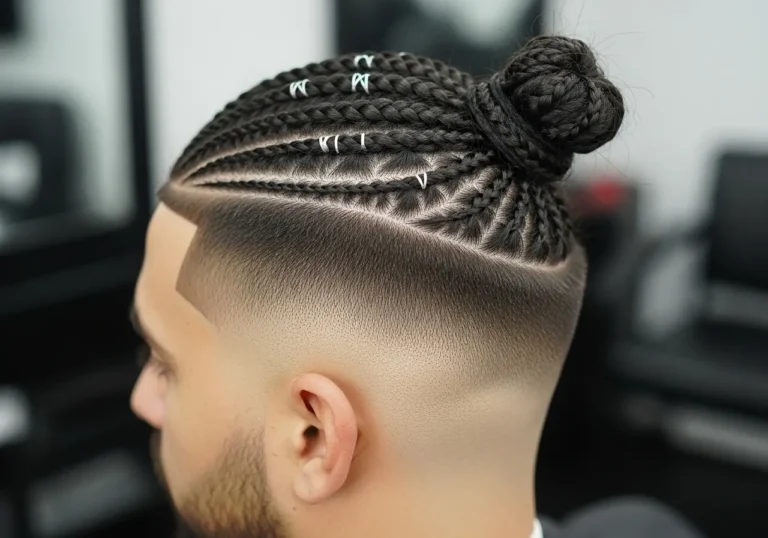
Longer alternative styles find expression through the messy man bun configuration. This look combines closely shaved or faded sides with significant top length pulled into loose, deliberately imperfect buns. Escaped strands and flyaways contribute to the alternative aesthetic rather than detracting from it.
Creating the messy man bun requires hair length reaching at least six inches on top. Gather hair loosely at the crown or higher, securing with a hair tie while intentionally allowing sections to escape. The contrast between clean sides and tousled top creates the alternative edge. This style transitions well between casual and semi-formal settings.
3 Color Considerations for Alternative Styles
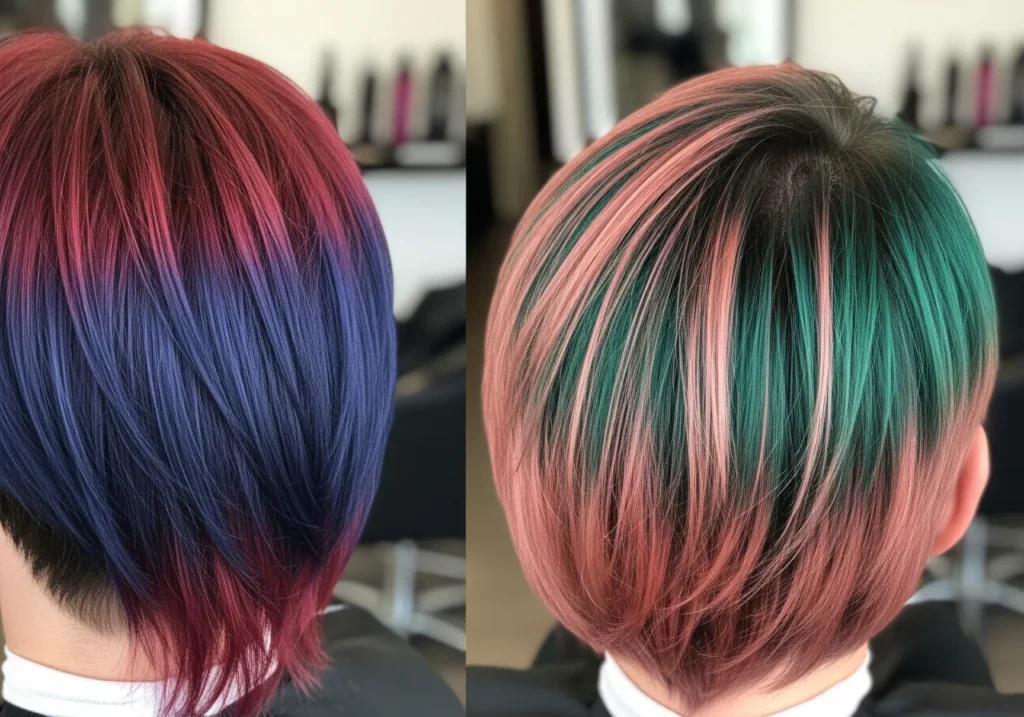
Alternative haircuts gain additional impact through thoughtful color choices. While vibrant hues remain popular, 2026 trends favor more sophisticated approaches to color application. Deep, rich tones like burgundy, navy, and emerald green provide edge without appearing juvenile. These colors work particularly well as accent sections within natural bases, creating dimension without full-head commitment.
Balayage and ombre techniques adapt well to alternative styling. Rather than traditional blonde highlighting, consider using unconventional colors like rose gold, silver, or copper tones. These applications add interest while maintaining some connection to natural hair color, allowing for easier maintenance and more graceful grow-out periods.
For those preferring maximum impact, color blocking creates bold statements. This technique involves sectioning hair and applying different colors to distinct areas. Common approaches include coloring all hair beneath a certain point one shade while maintaining another above, or creating geometric color divisions that emphasize asymmetrical cuts.
Temporary color options provide commitment-free experimentation. Semi-permanent dyes, color sprays, and hair chalk allow testing bold colors before permanent application. This approach particularly benefits individuals in professional environments where permanent bright colors might create complications.
4 Styling Products and Techniques
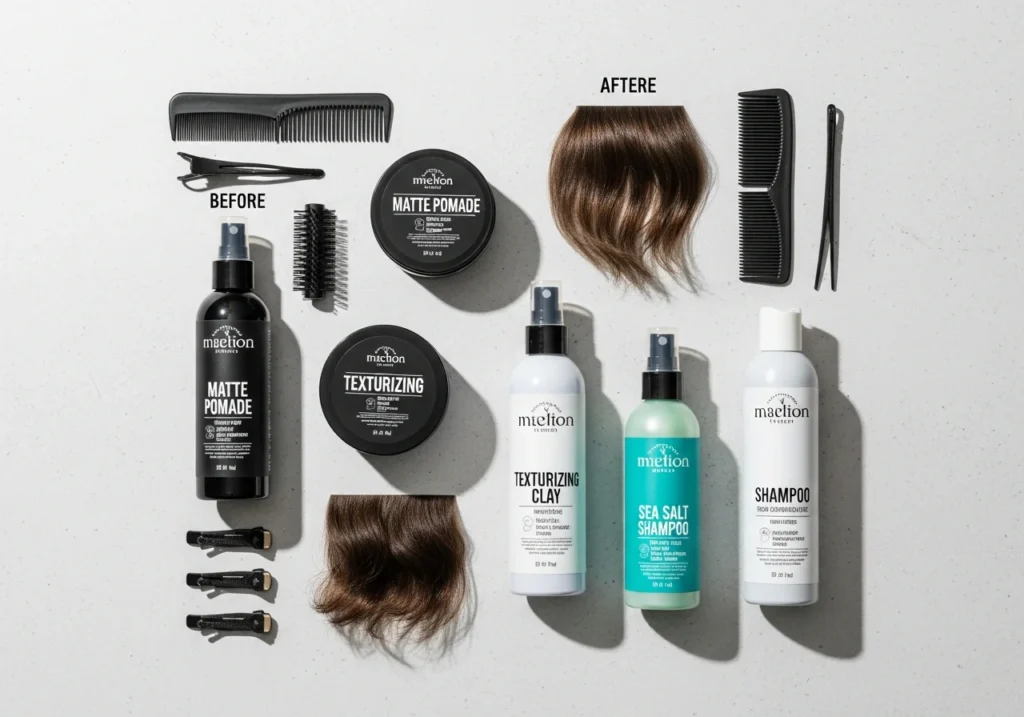
Alternative haircuts typically emphasize texture and movement over sleek perfection. The product selection should support this aesthetic while providing adequate hold and definition. Matte finish pomades, texturizing clays, and sea salt sprays form the foundation of most alternative styling routines.
Matte pomades offer strong hold without shine, creating separated, piece-y textures that define alternative styles. Apply to damp hair, working from roots to ends, then style as desired. The matte finish prevents the overly groomed appearance that contradicts alternative aesthetics.
Texturizing clays provide medium hold with natural-looking separation. These products work best on dry hair, allowing for easy restyling throughout the day. The clay texture adds grit that helps fine hair appear fuller while giving thick hair more manageable texture.
Sea salt sprays recreate beachy, tousled textures without beach visits. Spray onto damp hair, scrunch sections to enhance natural wave or curl, then allow to air dry. This technique works particularly well with layered cuts and shaggy styles, emphasizing the intentionally undone quality that characterizes alternative hair.
Dry shampoo serves dual purposes in alternative styling. Beyond oil absorption between washes, it adds texture and volume to clean hair. Spray at roots, massage through, then style as usual. The slight roughness helps achieve that perfectly imperfect texture.
5 Maintenance and Care Considerations
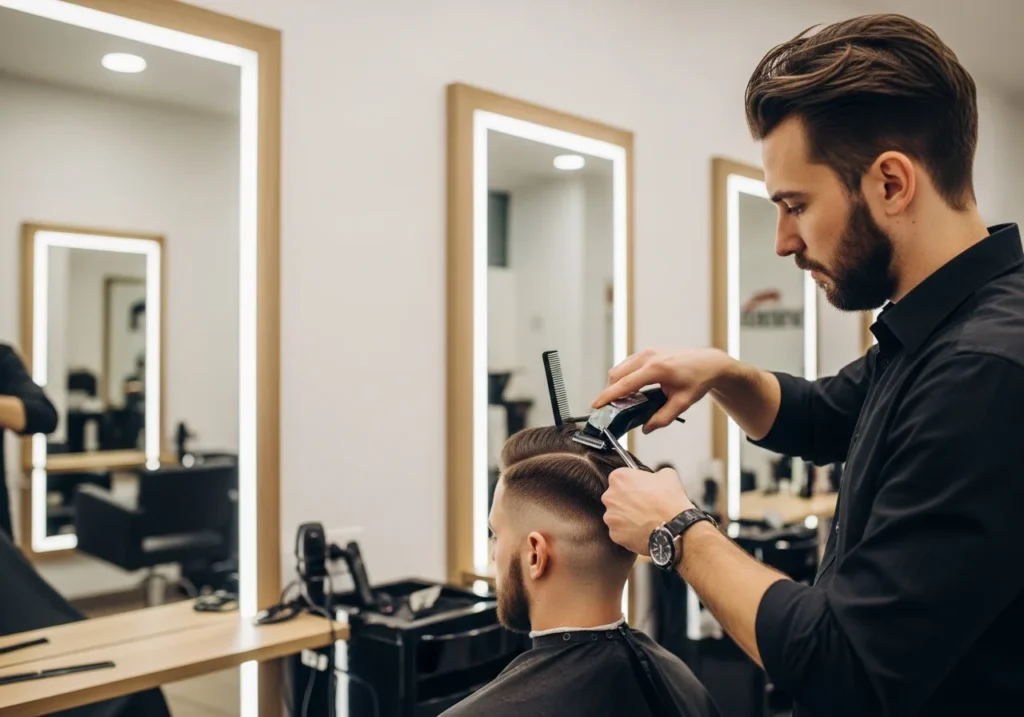
Alternative haircuts often require different maintenance approaches than traditional styles. Asymmetrical cuts and styles featuring shaved sections need regular trimming to maintain their intended shapes. Schedule appointments every three to four weeks for undercut maintenance and every six to eight weeks for overall shape preservation.
Color-treated alternative styles demand careful maintenance to preserve vibrancy and hair health. Use color-safe shampoos formulated for your specific shade. Deep conditioning treatments should occur weekly to counteract the drying effects of chemical processing. Consider professional toning treatments every four to six weeks to maintain color accuracy and prevent fading.
Heat styling should be minimized when possible. Most alternative styles work best with air-dried, natural textures anyway. When heat styling becomes necessary, always apply heat protectant products beforehand. Set tools to lower temperatures than you might typically use, as damaged hair struggles to hold the textured styles that define alternative cutting.
Regular scalp care prevents issues common with frequent buzzing and fading. Exfoliating scalp scrubs remove dead skin buildup, while lightweight scalp oils maintain moisture without creating greasiness. Healthy scalp conditions support optimal hair growth and appearance.
Face Shape Compatibility
Understanding face shape helps optimize alternative haircut selection. Oval faces accommodate virtually any alternative style, from extreme pixies to asymmetrical bobs. This versatile shape allows for bold experimentation without concern for proportion issues.
Round faces benefit from alternative styles incorporating height and angularity. Textured pixies with volume on top create vertical emphasis, while asymmetrical cuts with longer sections falling past the jawline add length visually. Avoid blunt, chin-length bobs that emphasize roundness.
Square faces work well with softening elements like curtain bangs or piece-y, textured layers that break up strong jawlines. Extreme undercuts can emphasize angularity, so consider balancing them with longer, softer top sections that add curves to the overall silhouette.
Long faces require width and volume at the sides. Bixie cuts with textured, outward-moving layers add breadth that balances facial length. Avoid styles with excessive height on top, as these exaggerate vertical proportions. Side-swept or choppy bangs also help reduce apparent length.
Heart-shaped faces suit styles that add width at the jawline while minimizing volume at the temples. Chin-length bobs with outward-moving ends create balance, while pixie cuts with textured, piece-y tops prevent top-heaviness.
Professional Considerations
Alternative haircuts have gained professional acceptance across many industries, though certain environments remain conservative. Evaluate your workplace culture before committing to extreme alterations. Many alternative styles offer versatility that allows professional presentation when needed while maintaining edge during personal time.
Subtle alternative elements provide compromise solutions. Rather than full mohawks, consider textured crops with slightly longer top sections. Instead of vibrant all-over color, try natural bases with alternative tones as underneath sections or subtle highlights. These approaches satisfy alternative aesthetics while maintaining professional appropriateness.
Communication with employers about appearance expectations prevents problems. Some workplaces appreciate individual expression, while others maintain strict grooming standards. Understanding these boundaries allows you to push limits appropriately without jeopardizing professional standing.
DIY Maintenance Between Appointments
Several alternative haircut elements allow home maintenance between professional visits. Cleaning up undercut perimeters requires electric clippers with appropriate guard lengths. Work slowly, following the established hairline created by your stylist. Stop periodically to check symmetry and avoid removing too much length.
Trimming choppy bangs requires sharp hair scissors and careful sectioning. Work with dry hair so you can see the actual length. Take small sections, point-cut into the fringe at various depths to maintain the piece-y texture. Always cut less than you think necessary initially.
Touch-up coloring depends on the technique and shades involved. Root touch-ups for all-over color require careful application of permanent dye following manufacturer instructions. Semi-permanent colors offer easier home application for full-head refreshing or accent section maintenance.
Bang and fringe trimming can be managed at home once you understand the technique your stylist uses. Watch carefully during professional appointments, noting the angle and method employed. Practice cautiously, remembering that hair grows back but cutting too much creates lengthy waiting periods.
The Evolution of Alternative Hair Culture
Alternative haircuts reflect broader cultural movements toward individual expression and rejection of rigid beauty standards. What began as punk rock rebellion evolved into mainstream acceptance of diverse aesthetic choices. Today’s alternative styles acknowledge their rebellious roots while embracing sophistication and technical precision.
Social media platforms accelerated alternative style adoption by providing inspiration and community. Individuals worldwide share their unique interpretations, creating endless variations on core concepts. This global exchange pushes creativity boundaries while maintaining the fundamental alternative philosophy of personal expression over conformity.
The democratization of alternative styles represents broader societal shifts toward acceptance and diversity. Workplaces increasingly recognize that personal appearance choices don’t correlate with professional capability. This cultural evolution allows more people to explore alternative aesthetics without sacrificing career advancement.
Conclusion
Alternative haircut ideas for 2026 demonstrate remarkable diversity while maintaining core principles of individual expression and creative freedom. From modern bixies to textured mullets, contemporary alternative styles balance edgy aesthetics with wearable sophistication. These cuts allow personal statement-making without sacrificing professional appropriateness or daily practicality.
The key to successful alternative styling lies in choosing cuts that align with your natural hair texture, face shape, and lifestyle requirements. Work with experienced stylists who understand alternative techniques and can customize designs to your specific features. Invest in appropriate styling products that enhance your cut’s intended texture and movement.
Alternative hair culture continues evolving, incorporating new techniques while honoring its rebellious origins. Whether you prefer subtle edge or dramatic transformation, 2026 offers alternative haircut options that express your unique identity while fitting seamlessly into your life. Embrace the opportunity to use hair as your personal canvas, creating a look that feels authentically you.
Frequently Asked Questions
What makes a haircut alternative versus traditional?
Alternative haircuts feature unconventional elements like asymmetry, undercuts, choppy textures, or unusual styling approaches that deviate from classic cuts. These styles often incorporate punk, grunge, or rock-inspired aesthetics, emphasizing individual expression over mainstream trends. The defining characteristic is intentional departure from conventional beauty standards.
How often should I trim an alternative haircut to maintain its shape?
Maintenance frequency depends on the specific cut. Styles with shaved or undercut sections require trimming every two to four weeks to preserve clean lines. Overall shape maintenance for layered alternative cuts typically needs attention every six to eight weeks. Discuss your specific cut’s requirements with your stylist to establish an appropriate schedule.
Can alternative haircuts work in professional environments?
Many alternative styles translate well to professional settings when properly styled. Textured crops, asymmetrical bobs, and refined pixie cuts offer edge while maintaining polish. Consider your specific workplace culture and opt for subtler alternative elements if needed. Versatile cuts allow different styling approaches for professional versus personal time.
What hair types work best with alternative cuts?
Alternative cuts adapt to all hair types with proper customization. Thick hair benefits from layering and undercuts that remove weight, while fine hair works well with textured techniques that add volume. Straight hair showcases clean lines in asymmetrical styles, while wavy or curly textures enhance shaggy, piece-y cuts. Consult with stylists about adapting alternative cuts to your specific texture.
How do I maintain colored alternative hairstyles at home?
Use color-safe shampoos and conditioners formulated for your specific shade. Wash hair less frequently to prevent premature fading, using dry shampoo between washes. Apply weekly deep conditioning treatments to maintain hair health. Consider professional toning every four to six weeks for vibrant colors. Semi-permanent dyes allow easier home touch-ups than permanent formulations.
You may also like this post: Short Alternative Haircut Ideas That Look Bold & Effortless