30 Epic Men’s Beard Style Ideas Every Man Should Try in 2026!
The world of men’s grooming has evolved dramatically, and 2026 marks a pivotal moment where beard and hair combinations have become the ultimate statement of personal style and masculinity. Whether you’re a corporate professional looking to add edge to your appearance or a creative individual seeking to express your personality through facial hair, understanding the landscape of beard styles has never been more important.
Gone are the days when a simple trim and basic maintenance were enough. Today’s modern man recognizes that the perfect beard requires knowledge, dedication, and an understanding of what works best for his unique facial structure and lifestyle. From the effortlessly cool stubble that requires minimal upkeep to the commanding presence of a full beard paired with a sharp haircut, the options available in 2026 cater to every preference and commitment level.
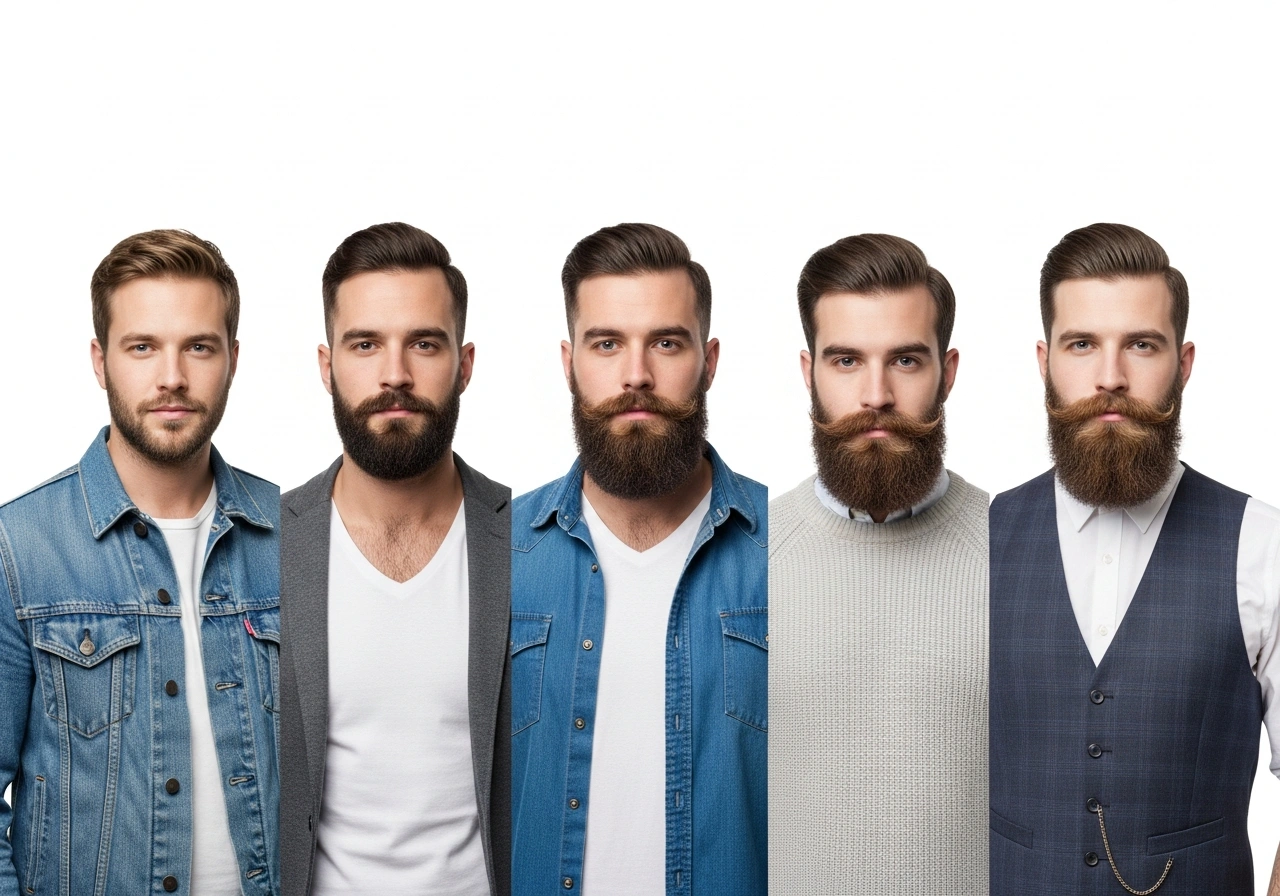
This comprehensive guide explores thirty distinct beard and hair style combinations that have defined masculine grooming in 2026. Each style offers something unique, whether it’s the professional polish of a corporate beard, the rugged authenticity of a Garibaldi, or the modern sophistication of a fade beard seamlessly blending into your haircut. Understanding these styles will empower you to make informed decisions about your facial hair journey, helping you choose looks that complement your face shape, enhance your natural features, and align with your personal brand.
The beauty of facial hair lies in its versatility and the opportunity it provides for self-expression. As you explore these thirty epic beard styles, you’ll discover options for every stage of your grooming journey, from beginners just starting to grow their first stubble to seasoned beardsmen ready to experiment with bold, statement-making looks.
1: Classic Short Beard Styles That Never Go Out of Fashion
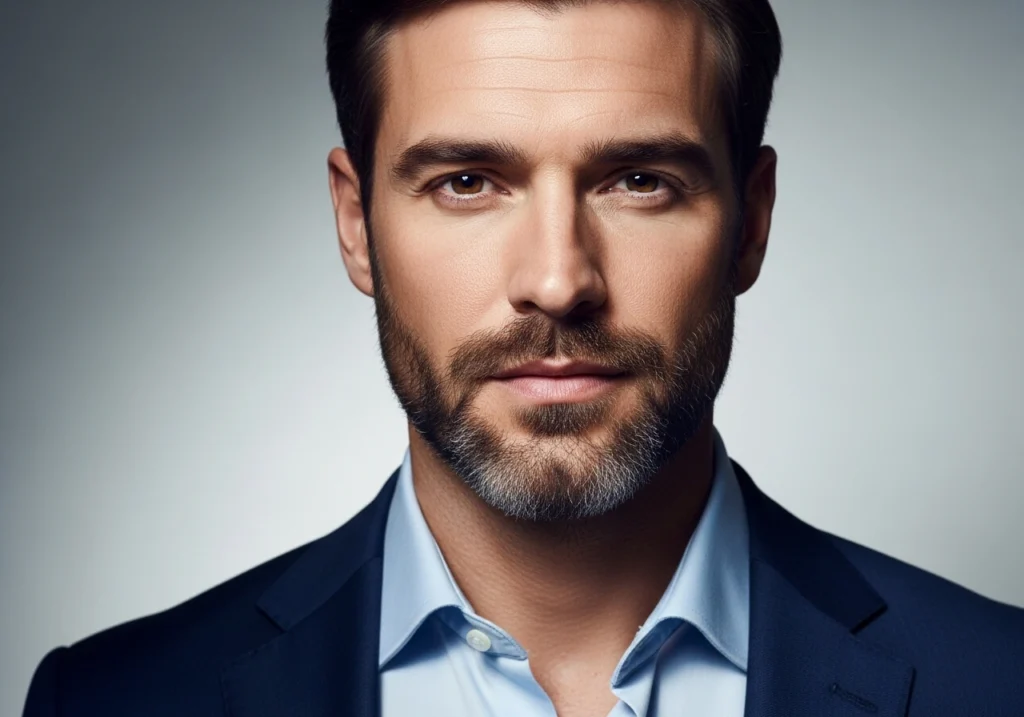
Short beard styles continue to dominate the grooming landscape in 2026, offering the perfect balance between masculine appeal and professional appropriateness. The five o’clock shadow remains the most universally flattering option, taking anywhere from two to five days to develop depending on your hair color and growth rate. This style works exceptionally well for men who want to test facial hair without fully committing to a beard.
The stubble beard has earned its reputation as the most attractive facial hair style according to numerous surveys, with its ability to highlight cheekbones and add definition to the jawline. This look requires regular maintenance every two to three days to keep it at the optimal length, typically between one and three millimeters. The key to perfecting stubble lies in keeping the edges clean and maintaining consistent length across your entire face.
The scruffy beard takes stubble one step further, adding approximately five to ten days of growth for a slightly more rugged appearance. This versatile style accommodates patchy growth patterns better than most other options, making it ideal for men whose beards don’t grow uniformly. The scruffy aesthetic works particularly well with casual wardrobes and laid-back lifestyles, though it requires attention to neckline definition to avoid looking unkempt.
Short boxed beards represent the most structured approach to minimal facial hair, featuring clean lines along the cheeks and a defined bottom edge typically no longer than one inch. This style gained popularity in corporate environments where full beards might seem too casual, offering a compromise between clean-shaven and heavily bearded appearances. The boxed beard requires weekly trimming to maintain its crisp edges and uniform length.
Designer stubble combines elements of both five o’clock shadow and scruffy beards, creating an intentionally curated look that appears effortless. This style has become synonymous with contemporary masculinity, worn by celebrities and everyday men alike. The secret to designer stubble lies in subtle shaping around the cheeks and neck, creating definition without obvious grooming lines.
2: Full Beard Styles for Maximum Impact
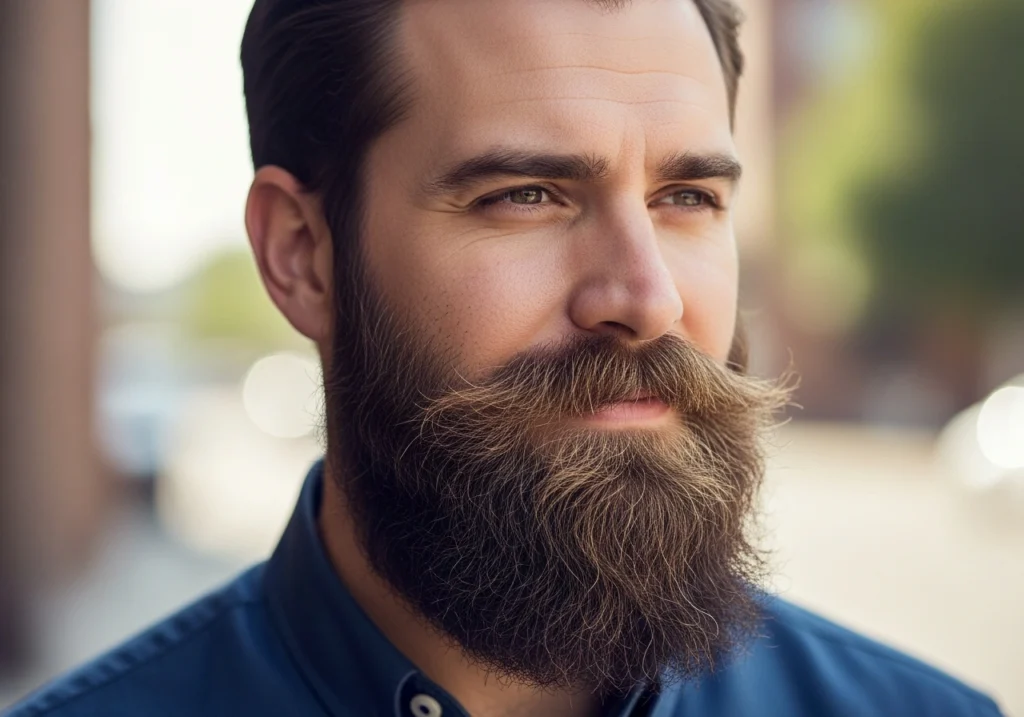
The Garibaldi beard stands as one of the most recognizable full beard styles, characterized by its wide, rounded bottom and neat mustache. Named after the 19th-century Italian general Giuseppe Garibaldi, this style typically measures around seven to eight inches in length and requires several months of dedicated growth. The Garibaldi works exceptionally well for men with round or oval faces, as its width adds visual balance.
The Bandholz beard emerged from the urban beardsman movement, representing a commitment to natural growth without strict length limitations. Unlike the Garibaldi, the Bandholz can extend well beyond eight inches, with the beard shaped to complement individual facial features rather than adhering to a specific template. This style demands patience and consistent care, including regular application of beard oil and periodic trimming to remove split ends.
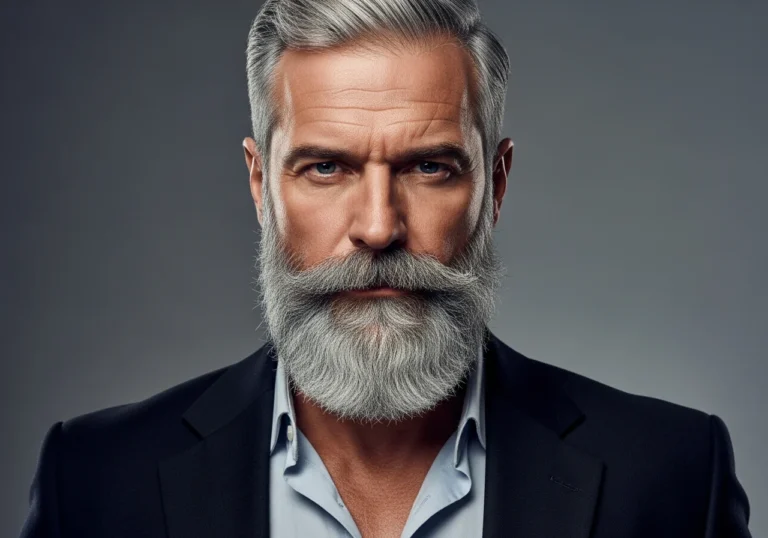
The corporate beard addresses the needs of professional men who want to maintain facial hair in business environments. This style features meticulous grooming with clean lines defining the beard’s shape, kept at a modest length that appears polished rather than wild. The corporate beard requires daily maintenance using quality beard products to keep the hair soft and manageable, with weekly professional or at-home trims ensuring the shape remains sharp.
The Verdi beard combines a short, rounded beard with an impressive mustache, creating a distinguished look that references the style worn by composer Giuseppe Verdi. This sophisticated option suits older gentlemen or those seeking to project authority and wisdom. The Verdi requires careful mustache grooming to achieve the characteristic flourish at the ends while keeping the beard itself neatly trimmed.
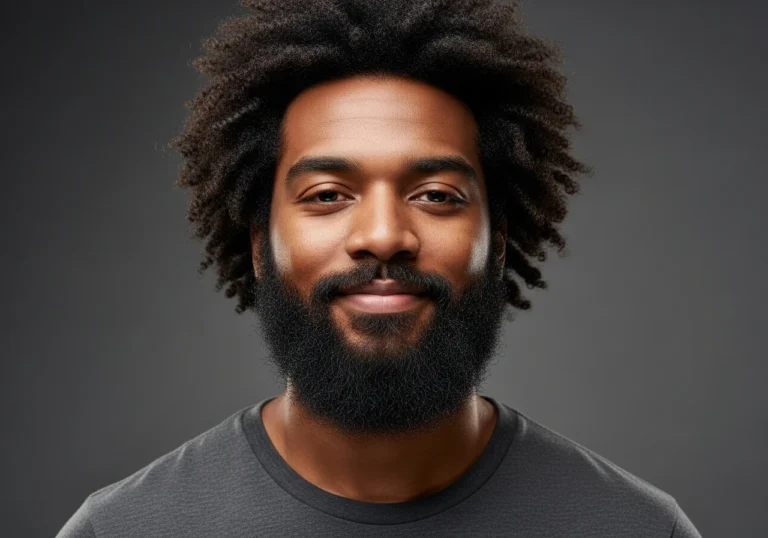
Full natural beards embrace unstructured growth while maintaining basic hygiene and grooming standards. This approach allows your beard to grow according to its natural pattern, with minimal intervention beyond washing, conditioning, and occasional trimming of stray hairs. The full natural beard works best for men blessed with thick, even growth and appeals to those who appreciate authentic, unforced aesthetics.
3: Goatee and Partial Beard Variations
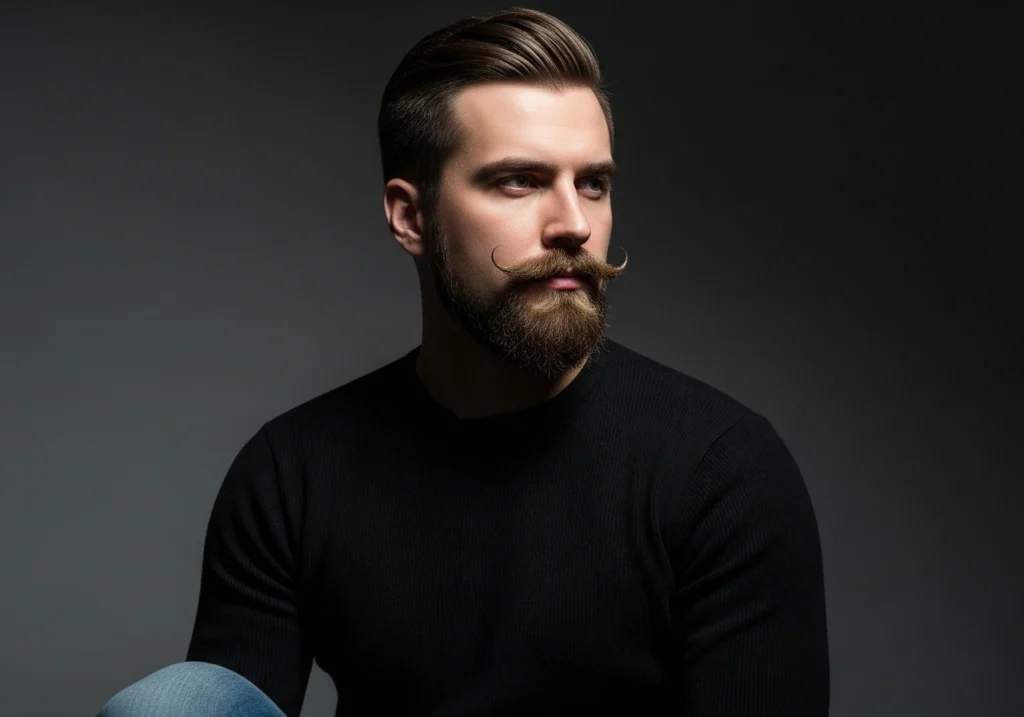
The classic goatee remains one of the most versatile facial hair options, consisting of hair on the chin without extending to the cheeks. This style works particularly well for men with patchy cheek growth or those seeking a cleaner alternative to full beards. The standard goatee can be worn with or without a mustache, offering flexibility based on personal preference and facial structure.
The Van Dyke represents an elevated take on the goatee, featuring a disconnected mustache and pointed chin beard. This aristocratic style gained its name from 17th-century Flemish painter Anthony van Dyck, whose self-portraits popularized the look. The Van Dyke suits men with longer faces, as the vertical emphasis of the pointed beard creates balance and draws attention to the mouth and chin area.
The Balbo beard offers a unique variation combining a mustache with hair grown around the outer edges of the chin, typically without connecting the two elements. This Italian-inspired style provides an edgy alternative to traditional goatees while accommodating disconnected growth patterns. The Balbo requires precise trimming to maintain the distinctive separation between mustache and chin hair.
The circle beard merges a rounded goatee with a connected mustache, creating a continuous ring of facial hair around the mouth. This classic style has endured for decades due to its ability to define the jaw and add structure to rounder faces. The circle beard works well in professional settings while still maintaining personality and style.
Soul patches represent the most minimalist approach to facial hair, featuring only a small tuft of hair beneath the lower lip. While less common than fuller styles, soul patches appeal to men seeking subtle facial hair or those with limited growth potential. This understated option pairs well with clean-shaven cheeks and can be combined with mustaches for added impact.
4: Mustache Styles Making a Strong Comeback
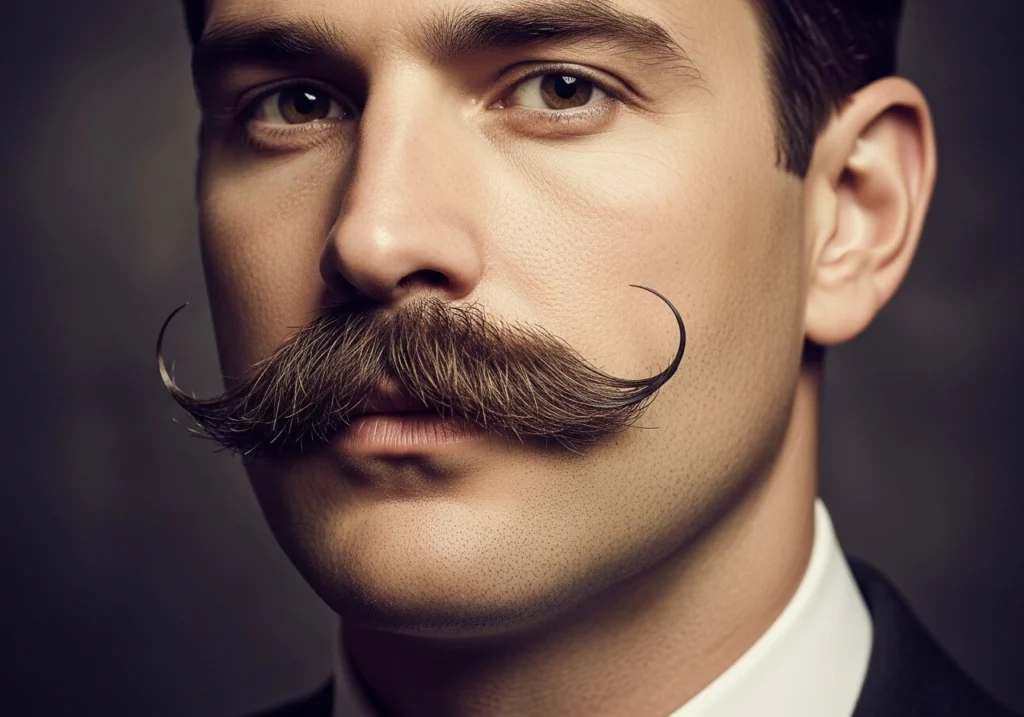
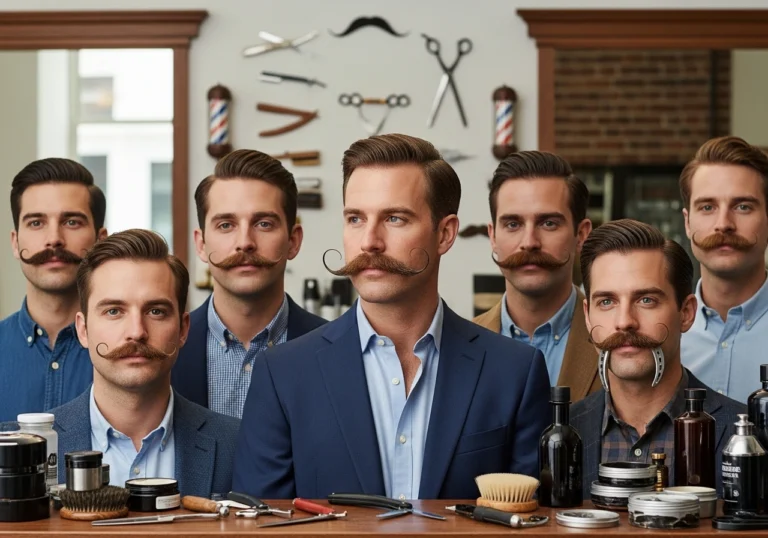
The chevron mustache has experienced a remarkable resurgence in 2026, characterized by its thick, wide shape that covers the entire upper lip. This bold style follows the natural line of the lip, creating a straightforward yet impactful look that projects confidence and masculinity. The chevron requires daily trimming to prevent hair from extending too far over the lip, with occasional waxing to tame unruly hairs.
The handlebar mustache represents one of the most distinctive facial hair choices, featuring long extensions that curl upward at the ends. This theatrical style requires significant dedication, as growing the necessary length can take several months. Daily application of mustache wax becomes essential for maintaining the characteristic curl, making this option best suited for men committed to regular grooming.
The horseshoe mustache creates a bold statement with hair extending down both sides of the mouth to the jawline, forming an inverted U shape. This rugged style projects strength and attitude, often associated with bikers and tough-guy personas. The horseshoe requires keeping the chin clean-shaven while maintaining the vertical growth along the sides.
The pencil mustache offers a refined, vintage-inspired look featuring a thin line of hair above the upper lip. This sophisticated style demands precision trimming to maintain its narrow profile and clean edges. The pencil mustache works particularly well for men with smaller facial features or those seeking a dapper, old-Hollywood aesthetic.
The walrus mustache represents the opposite extreme, featuring thick, bushy growth that extends well over the upper lip. This commanding style requires significant growth time and daily grooming to prevent the mustache from becoming unruly. The walrus appeals to men comfortable making a bold facial hair statement.
5: Beard and Hair Combinations for 2026

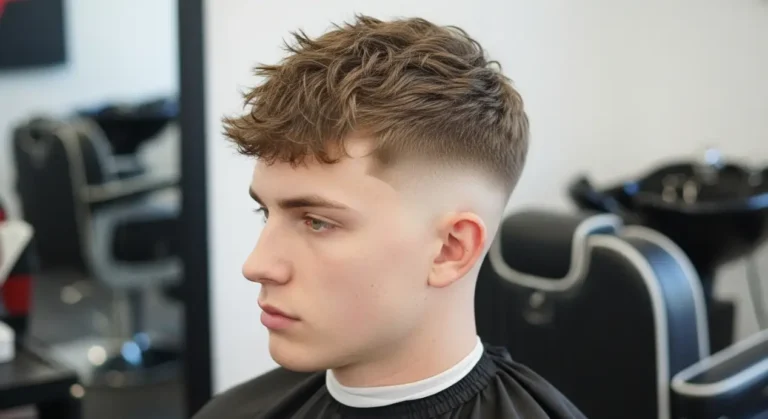
The textured crop paired with a fade beard creates one of the most modern and versatile looks available in 2026. This combination features short, textured hair on top with movement and definition, complemented by a beard that gradually fades into the skin at the cheeks and neckline. The style works across professional and casual settings, offering a polished yet contemporary appearance.
Long flowing hair with a full beard delivers maximum masculine presence and visual impact. This combination suits men with straight or wavy hair willing to commit to regular maintenance of both hair and facial hair. The key to success lies in keeping hair healthy through regular conditioning while maintaining beard shape through trimming and product application.
The slick back hairstyle paired with a corporate beard provides instant sophistication and confidence. This classic combination uses lightweight products to achieve a wet, shiny effect on hair pulled back from the face, while the meticulously groomed beard adds gravitas. This pairing works exceptionally well in business environments and formal occasions.
The undercut with a long top and structured beard creates bold contrast and attitude. This edgy combination features shaved or very short sides with voluminous length on top, complemented by a well-defined beard that follows the jawline. The undercut beard pairing appeals to men seeking to make a statement while maintaining grooming standards.
The man bun combined with a boxed beard offers a balance between bohemian aesthetics and sharp grooming. This combination keeps longer hair pulled back and secured, highlighting facial features and the crisp lines of a well-maintained beard. The man bun beard pairing suits creative professionals and those comfortable with less traditional styling.
6: Beard Styles Tailored to Face Shapes
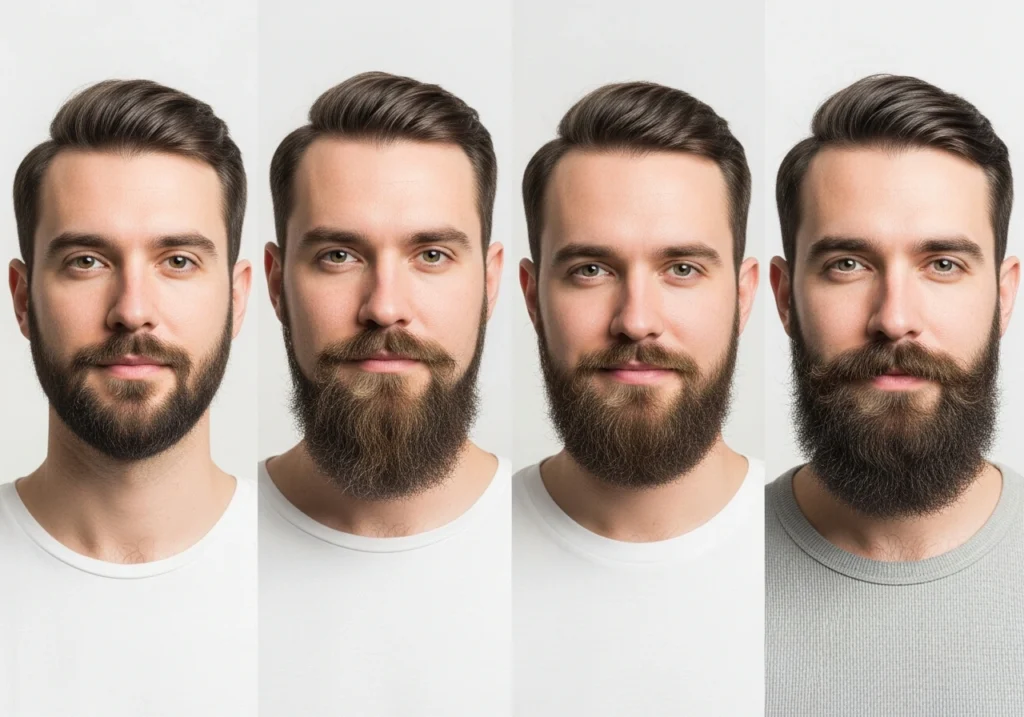
Understanding your face shape represents the foundation of choosing the right beard style. Men with oval faces enjoy the most versatility, as their balanced proportions accommodate nearly any beard style from stubble to full beards. The natural symmetry of oval faces means you can experiment freely without worrying about creating visual imbalance.
Square-faced men benefit from beards that soften angular features rather than emphasizing them. Rounded beard styles like the Garibaldi or circular goatees work well, avoiding sharp lines that would accentuate an already angular jaw. Keeping the sides of the beard fuller while trimming the bottom helps create a more balanced oval appearance.
Round faces require beards that add length and definition to create the illusion of a more angular jawline. Longer beard styles with shorter sides work best, drawing the eye vertically rather than horizontally. Avoiding rounded beard shapes prevents adding width to already full cheeks, while pointed styles like the Van Dyke can work particularly well.
Men with triangular faces characterized by wider jawlines and narrower foreheads should focus on styles that draw attention upward. Fuller mustaches combined with shorter beards help balance proportions, while avoiding excessively bushy lower beards prevents emphasizing the jaw further. Goatees and Van Dyke styles often flatter triangular faces.
Oblong or rectangular faces benefit from fuller, wider beard styles that add horizontal dimension. Avoiding long, pointed beards prevents making the face appear even longer, while styles that add width at the cheeks and jawline create better balance. Mutton chops or full beards with maintained width work well for this face shape.
7: Essential Beard Grooming and Maintenance
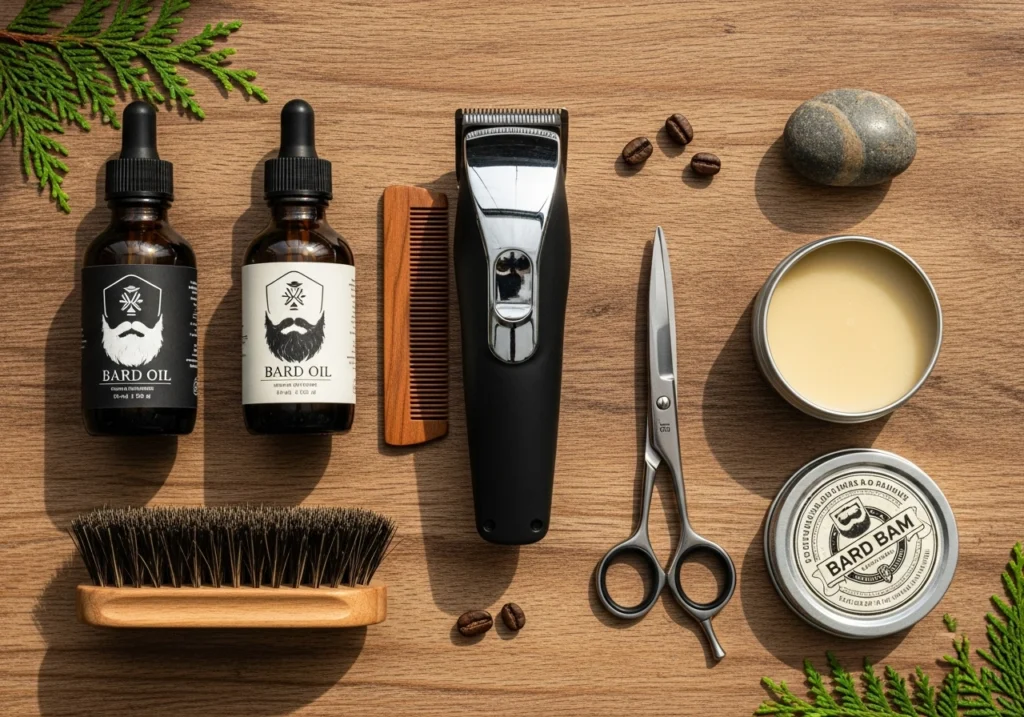
Establishing a consistent daily beard care routine forms the cornerstone of maintaining any facial hair style. This routine should include washing your beard two to three times per week using a dedicated beard shampoo rather than regular hair shampoo, which can strip natural oils and cause dryness. Between washes, rinsing your beard with water helps remove surface debris while preserving essential moisture.
Beard oil application represents the most critical daily grooming step, providing hydration to both facial hair and the skin beneath. Quality beard oils contain carrier oils like jojoba, argan, or sweet almond combined with essential oils for fragrance. Apply three to six drops depending on beard length, working the oil thoroughly from roots to tips while massaging the skin to prevent dryness and itching.
Regular brushing or combing serves multiple purposes in beard maintenance, including distributing natural oils, training hair to grow in desired directions, and identifying areas needing trimming attention. Boar bristle brushes work best for shorter beards, while wide-toothed combs suit longer facial hair. Brush or comb your beard at least once daily, preferably after applying beard oil.
Trimming schedules vary based on beard style and growth rate, but most men benefit from touching up edges weekly while performing more comprehensive trims every three to four weeks. Clean, dry beards trim more evenly than wet ones, so schedule grooming sessions after your beard has completely dried. Start conservatively, removing small amounts and checking symmetry frequently to avoid over-trimming.
Beard balm provides styling hold and additional conditioning for beards longer than one inch. Unlike oils, balms contain beeswax or similar ingredients that offer light to medium hold while moisturizing and conditioning. Apply balm after oil for maximum benefit, using it to shape and style your beard throughout the day.
8: Trending Fade Beard Techniques
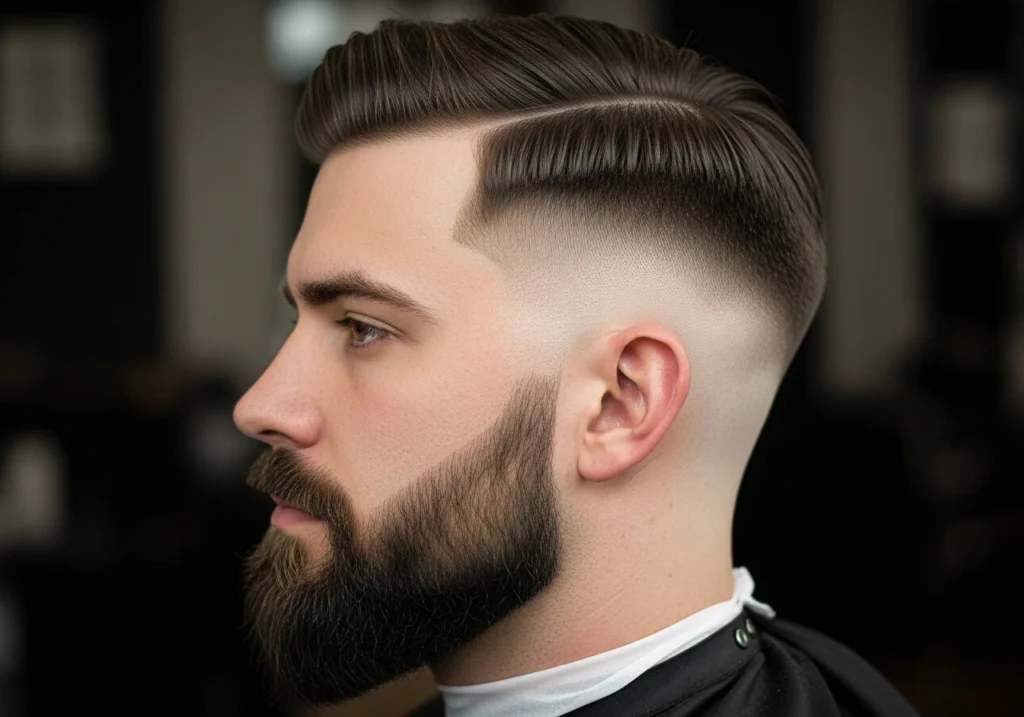
The low fade beard creates a subtle transition from facial hair to bare skin, starting the fade near the bottom of the beard line. This conservative approach maintains more beard coverage while still achieving the modern blended aesthetic. The low fade works well in professional environments where dramatic styling might seem inappropriate, offering sophistication without excess.
Mid fade beards represent the most popular variation, beginning the transition halfway up the beard area near the middle of the cheeks. This balanced approach provides noticeable definition without appearing too extreme, complementing most face shapes and hairstyles. The mid fade has become the default choice for men seeking contemporary beard styling.
High fade beards create bold contrast by starting the fade near the top of the cheek area, leaving minimal facial hair on the upper portions of the face. This aggressive approach suits men with strong jaw definition and those comfortable making statement grooming choices. The high fade pairs exceptionally well with modern haircut styles featuring similar fading techniques.
Skin fades in beards take the technique to its extreme, blending facial hair down to completely bare skin with no visible stubble. This precision approach requires professional barbering skills or significant practice to execute properly at home. Skin fade beards demand frequent maintenance to preserve the sharp contrast between faded areas and fuller growth.
Temple fades specifically address the connection between beard and hairline, creating seamless transitions at the sides of the face. This technique has gained popularity as men seek more cohesive looks that integrate facial hair with hairstyles. Temple fades work particularly well with textured crops, fades, and other contemporary haircuts.
9: Long Beard Styles and Care Requirements
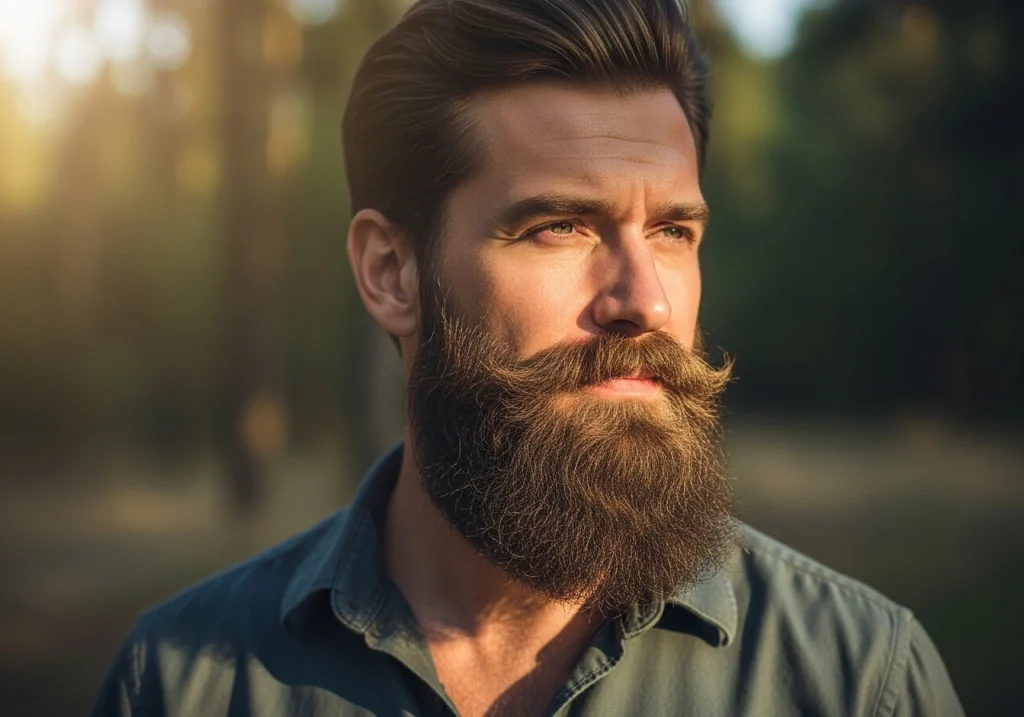
Growing a yeard or year-long beard represents a significant commitment requiring patience and consistent care. The first few months often include awkward phases where hair grows unevenly or appears scraggly. Resisting the urge to make major cuts during this period allows your beard to reach its full potential, though minor trimming of split ends remains acceptable.
Long beard maintenance demands upgraded product routines including regular deep conditioning treatments, increased beard oil application, and potentially adding beard butter for extra moisture. Longer beards also benefit from occasional professional shaping to maintain structure while preserving length. Plan for barbershop visits every six to eight weeks even while growing out your beard.
Dealing with common long beard challenges includes managing tangles, preventing split ends, and addressing curling or waving that can make beards appear shorter than their actual length. Daily brushing becomes non-negotiable for long beards, helping prevent knots and training hair to grow downward. Some men find blow-drying helpful for straightening and adding length appearance.
Sleeping with a long beard requires consideration to prevent morning tangles and crushed sections. Some beardsmen use beard bonnets or silk pillowcases to reduce friction and maintain shape overnight. Morning grooming routines for long beards typically take ten to fifteen minutes including washing, drying, oiling, and styling.
Long beard styling options include braiding for special occasions, using beard beads or rings for decoration, or creating distinctive shapes through careful trimming and product application. The possibilities expand significantly once your beard reaches six inches or more, allowing for creative expression limited only by imagination and maintenance commitment.
10: Professional Barbershop Services vs Home Maintenance
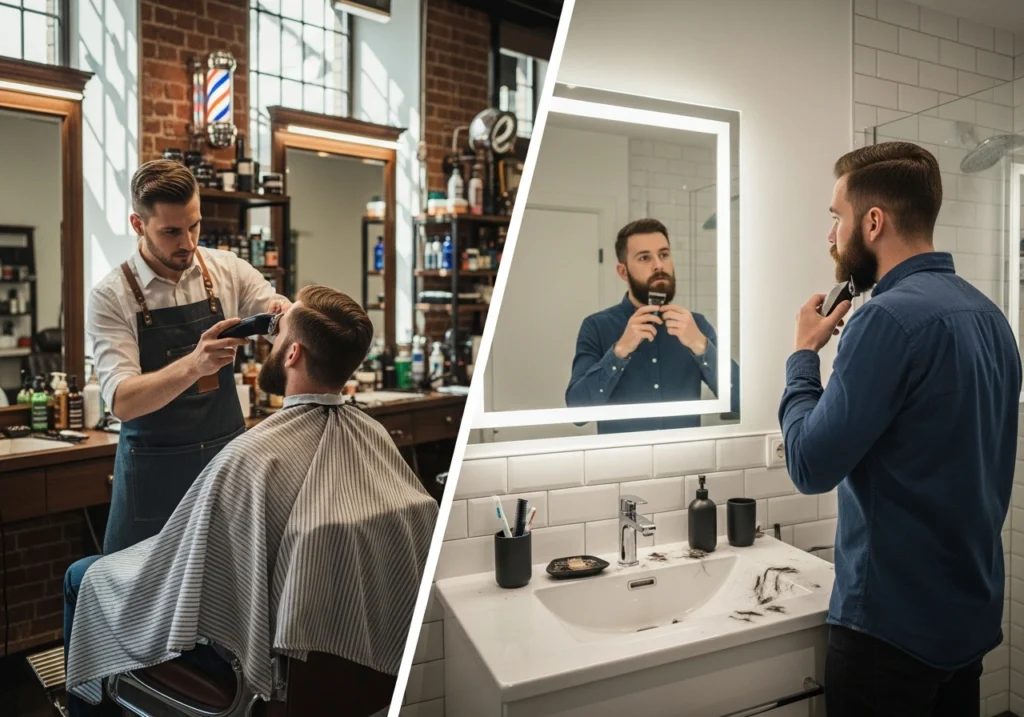
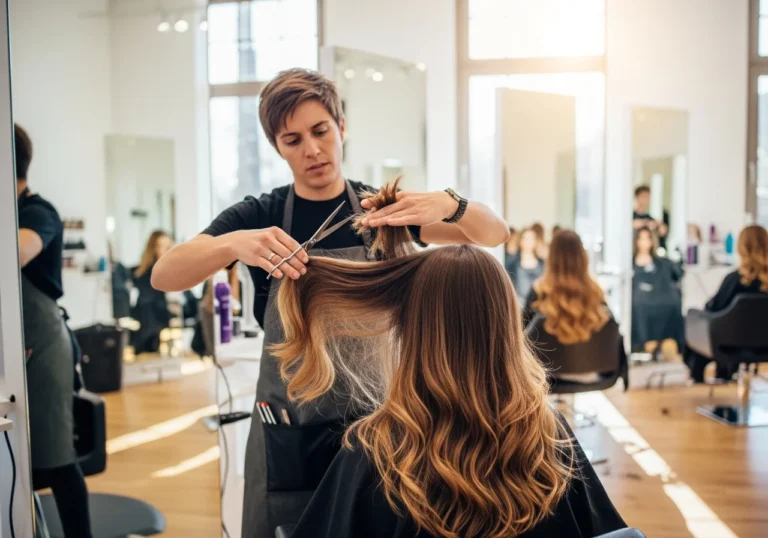
Professional beard shaping provides foundation that home maintenance builds upon, with many men benefiting from monthly or bi-monthly barbershop visits. Barbers possess expertise in creating symmetrical lines, establishing proper necklines and cheek lines, and recommending styles suited to individual faces. Initial shaping by a professional ensures you have clean lines to follow during home maintenance.
Learning to trim your own beard at home saves money and provides flexibility for touch-ups between barbershop appointments. Essential home grooming tools include quality adjustable clippers, detail trimmers for edges, sharp scissors for length work, and a handheld mirror for viewing angles. Investing in professional-grade tools rather than cheap alternatives pays dividends in results and longevity.
Establishing proper necklines represents one of the most critical aspects of beard grooming that many men struggle with initially. The general rule places the neckline approximately two fingers width above the Adam’s apple, creating a curved line that extends back toward the ears. Everything below this line should be clean-shaven, while hair above grows freely as part of the beard.
Cheek lines require similar attention, with options ranging from natural growth patterns to sharply defined edges. Conservative approaches maintain the natural cheek line with only stray hairs above removed, while more structured styles create defined angles that extend from the sideburns toward the mustache. Face shape and personal preference determine the best approach.
Combining professional services with home maintenance creates the optimal grooming strategy for most men. Schedule barbershop appointments for major shaping and style changes while handling weekly touch-ups at home. This hybrid approach maintains professional quality while controlling costs and providing convenience.
11: Addressing Common Beard Growth Challenges
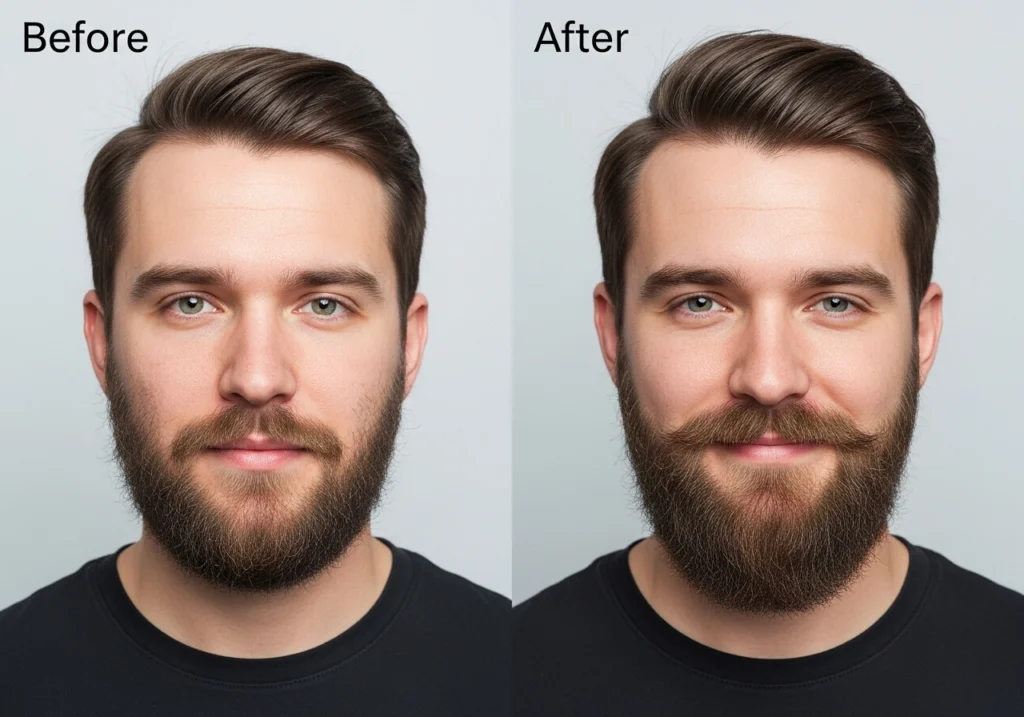
Patchy beard growth affects many men, particularly younger individuals whose facial hair patterns haven’t fully matured. Strategic styling can minimize patchiness, including choosing beard styles that work with sparse areas rather than exposing them. Goatees and soul patches often work well for men with limited cheek growth, while full stubble can camouflage uneven density.
Promoting healthier beard growth involves optimizing overall health through balanced nutrition, adequate sleep, stress management, and potentially supplementation with biotin or other hair-supporting vitamins. While genetics ultimately determine beard potential, maximizing health factors ensures you reach your personal best. Some men explore topical treatments like minoxidil, though results vary and commitment required spans months.
Dealing with different hair textures within a single beard presents challenges for many men, with some areas growing straight while others curl or wave. Regular conditioning helps manage texture variations, while blow-drying with a brush can temporarily straighten curlier sections. Accepting natural texture rather than fighting it often produces better results and reduces daily grooming frustration.
Beard dandruff or beardruff stems from dry skin beneath facial hair, often worsening during winter months or in dry climates. Preventing this condition requires consistent moisturizing through beard oil application, exfoliating the skin beneath your beard weekly, and avoiding over-washing which strips natural oils. Specialized beard conditioners can provide additional moisture for stubborn cases.
Ingrown hairs and razor bumps plague some men, particularly those with curly facial hair or sensitive skin. Prevention includes exfoliating before trimming or shaving, using sharp blades, shaving in the direction of growth, and applying soothing aftershave products. Some men find that growing beards rather than staying clean-shaven eliminates ingrown hair problems entirely.
12: Seasonal Beard Considerations and Adjustments
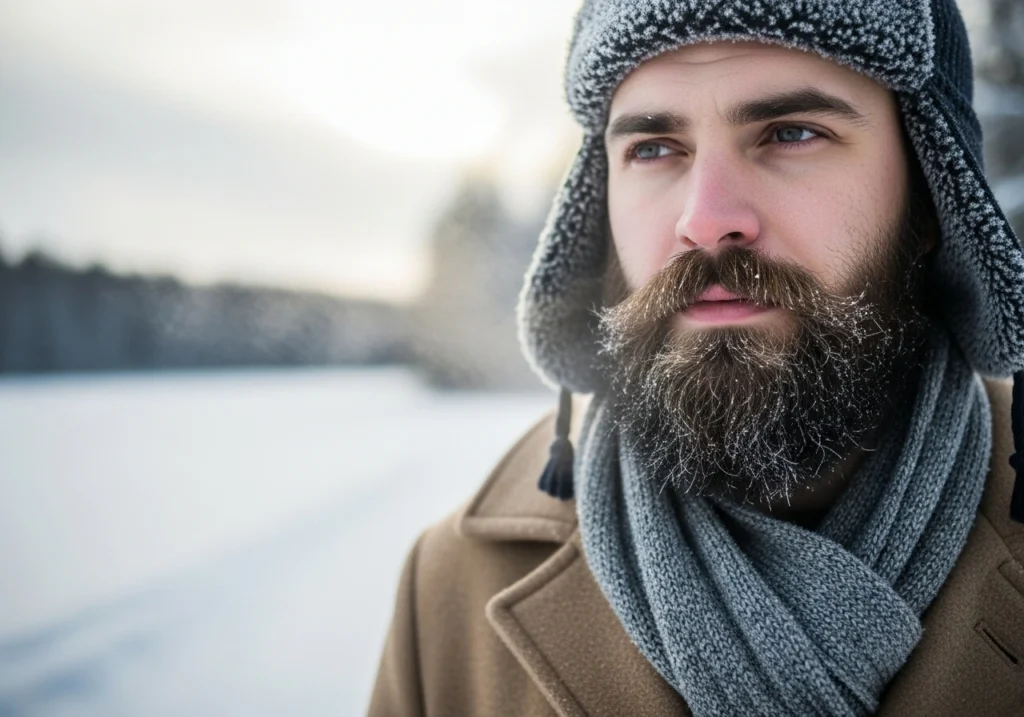
Winter beard care requires increased moisture to combat dry indoor heating and cold outdoor air that strips natural oils. Stepping up beard oil application to twice daily helps prevent dryness, flaking, and brittle hair that breaks easily. Some men add beard butter or balm during winter months for extra protection, creating a barrier against harsh elements.
Summer beard maintenance focuses on keeping facial hair clean and comfortable despite increased sweating and exposure to sun, chlorine, and salt water. Washing frequency may increase to daily during hot months, while water-resistant sunscreen protects the skin beneath sparse areas. Regular trimming keeps beards cooler during summer, with some men opting for shorter styles seasonally.
Protecting your beard during outdoor activities includes using beard balm before skiing or winter sports to shield against wind and cold, rinsing beards after swimming to remove chemicals or salt, and applying leave-in conditioner before extended sun exposure. Taking these precautions prevents environmental damage that can set back months of growth.
Seasonal style transitions allow men to experiment with different looks throughout the year. Growing beards longer during fall and winter provides warmth and protection, while trimming shorter for spring and summer enhances comfort. This cyclical approach prevents boredom while accommodating practical considerations.
Climate-specific beard care acknowledges that humid environments require different products than dry ones. Men in humid climates may prefer lighter oils and skip heavy balms that can feel greasy, while those in arid regions benefit from maximum moisture. Understanding your local climate helps optimize product selection and application frequency.
13: Beard Products and Tools Worth the Investment
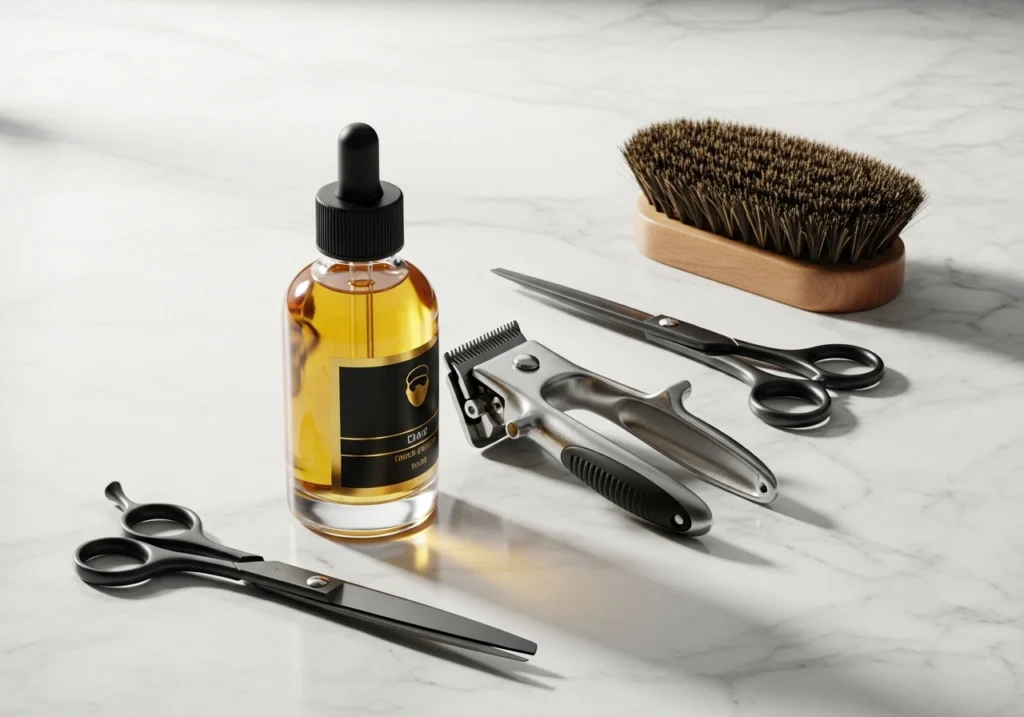
Quality beard oil ranks as the single most important product investment, with premium options using organic cold-pressed carrier oils and therapeutic-grade essential oils. While budget oils serve basic moisturizing needs, superior formulations provide better absorption, longer-lasting effects, and more pleasant fragrances. Expect to spend fifteen to thirty dollars for quality two-ounce bottles.
Professional-grade clippers designed specifically for facial hair offer precision and durability that justify higher prices. Look for adjustable blade guards, cordless operation for flexibility, and powerful motors that handle thick beards without pulling. Major grooming brands produce excellent beard-specific clippers ranging from sixty to one hundred fifty dollars.
Boar bristle beard brushes distribute oils more effectively than synthetic alternatives while providing gentle exfoliation for the skin beneath. Natural bristles grab and carry oils from roots to tips better than plastic, making them worth the premium price. Quality boar bristle brushes range from fifteen to forty dollars depending on size and handle materials.
Beard scissors with rounded tips prevent accidental skin nicks while offering precision for detail work that clippers can’t match. Sharp, properly aligned blades make clean cuts without crushing or splitting hairs. Professional barber scissors designed for facial hair typically cost thirty to sixty dollars but last for years with proper care.
Specialty products like beard growth serums, leave-in conditioners, and styling products cater to specific needs beyond basic maintenance. While not essential for everyone, these targeted treatments address concerns like slow growth, extreme dryness, or difficult-to-style hair. Research ingredients and read reviews before investing in specialty products to ensure they match your needs.
14: Cultural and Professional Considerations

Workplace beard policies vary significantly across industries and companies, with some environments embracing all facial hair styles while others maintain conservative grooming standards. Understanding your workplace culture helps guide beard decisions, with corporate settings typically preferring shorter, well-groomed styles over long or unusual options. When in doubt, research company grooming policies or observe senior leadership for cues.
Military and public safety beard restrictions exist for practical reasons including gas mask seal requirements and professional appearance standards. Men in these fields must balance personal preferences with regulatory compliance, often choosing clean-shaven or minimal facial hair options. Some organizations allow beards for religious or medical reasons with proper documentation.
Cultural beard significance spans religious observances, ethnic traditions, and social movements. Understanding cultural contexts enriches appreciation for diverse beard practices while helping men make informed decisions about their own facial hair. Respect for cultural meanings prevents appropriation while celebrating the universal appeal of beards across human societies.
The beard positivity movement has shifted public perception significantly over the past fifteen years, normalizing facial hair in settings where it was previously discouraged. This cultural change has opened opportunities for professional men to express themselves through grooming while maintaining career prospects. The trend appears likely to continue as younger generations enter leadership positions with more accepting attitudes.
Professional grooming expectations continue evolving, with many industries relaxing previously strict policies as attitudes toward workplace appearance become more inclusive. However, maintaining impeccable grooming regardless of beard style remains important, as unkempt facial hair still creates negative impressions in professional contexts. The key lies in demonstrating care and attention to detail through your appearance.
Conclusion
The landscape of beard and hair styles in 2026 offers unprecedented options for men seeking to enhance their appearance and express their individuality through facial hair. From the minimal commitment of five o’clock shadow to the dedicated care required for year-long beards, every style presents unique advantages and considerations. Understanding these thirty epic beard styles empowers you to make choices aligned with your facial structure, lifestyle demands, and personal aesthetic preferences.
Success with any beard style requires three fundamental elements: choosing an appropriate style for your face shape and growth pattern, establishing consistent grooming routines with quality products, and maintaining patience throughout the growth and styling process. These principles apply whether you’re cultivating professional corporate beards, experimenting with bold handlebar mustaches, or growing impressive full beards that command attention.
The modern beard journey encompasses more than simply letting facial hair grow. It represents a commitment to self-care, attention to detail, and personal expression through grooming choices. The investment in proper tools, quality products, and either professional services or self-education in grooming techniques pays dividends in both appearance and confidence.
As you embark on or continue your facial hair journey in 2026, remember that the best beard style is ultimately the one that makes you feel most confident and authentic. Trends come and go, but well-groomed facial hair that suits your individual features and lifestyle never goes out of style. Whether you choose classic options or contemporary innovations, commit to maintaining your chosen style with the care and attention it deserves, and your beard will become a defining element of your personal brand and masculine identity.
You my also like this post:25 Mustache Styles for Men in 2026: The Best Grooming & Styling Guide for Every Face Shape
Frequently Asked Questions
How long does it take to grow a full beard?
Most men can grow a full beard in approximately three to six months, though genetics, age, and overall health significantly influence growth rates. The first month typically produces the foundation, while months two through four fill in density and coverage. Patience remains essential, as many men abandon beard growth during awkward phases before reaching their full potential.
What beard style works best for patchy growth?
Goatees, soul patches, and stubble styles work exceptionally well for patchy growth, as they focus facial hair in areas where most men have stronger coverage. Alternatively, allowing patchy beards to grow longer lets surrounding hair cover sparse sections, while strategic trimming can minimize the appearance of uneven growth patterns.
How often should I trim my beard to maintain its shape?
Most beard styles require weekly touch-ups for edges and necklines, with more comprehensive trims every three to four weeks. Men maintaining current length can trim weekly, while those growing beards longer should limit major cuts to removing split ends every month. Your specific growth rate and style choice determine exact trimming frequency.
Can I use regular hair products on my beard?
Regular shampoos and conditioners are too harsh for facial hair and the sensitive skin beneath, often causing dryness, irritation, and brittle hair. Beard-specific products feature formulations designed for coarser facial hair texture and delicate facial skin, making them worth the investment despite higher costs compared to regular hair care products.
What is the best way to prevent beard itch?
Beard itch stems primarily from dry skin beneath facial hair, making daily beard oil application the most effective prevention method. Regular washing with beard-specific shampoo, gentle exfoliation weekly, and maintaining proper hydration through adequate water intake all contribute to preventing the itching that drives many men to abandon beard growth prematurely.