12 Tapered Beard Styles for a Modern Look
The tapered beard has become one of the most sought-after facial hair styles among men who value both sophistication and practicality. This grooming technique involves gradually decreasing the length of your beard from top to bottom or from the center outward, creating clean lines and a polished appearance that complements virtually any face shape. Whether you are heading to a corporate meeting or a casual weekend gathering, a well-executed tapered beard signals attention to detail and personal care.
Understanding what makes a tapered beard distinctive is essential before choosing your style. Unlike uniform beard lengths that can sometimes appear unkempt or overly casual, tapered beards feature intentional gradations that enhance your natural facial structure. The technique borrows from barbering principles used in fade haircuts, applying similar logic to facial hair. The result is a refined look that bridges the gap between rugged masculinity and contemporary elegance.
This comprehensive guide explores twelve tapered beard styles that represent the best options for modern men. Each style offers unique characteristics suited to different preferences, face shapes, and lifestyle requirements. From subtle tapers that maintain substantial fullness to dramatic fades that create striking contrast, these options provide inspiration for your next grooming transformation.
Understanding the Tapered Beard Concept
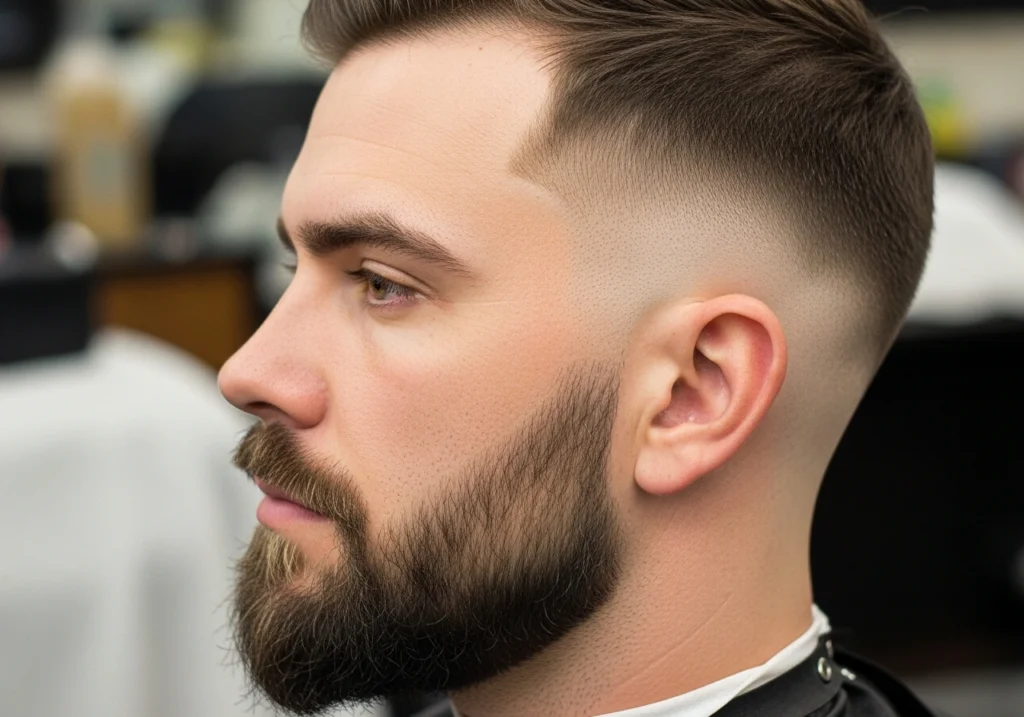
A tapered beard fundamentally differs from a standard beard through its graduated length approach. While traditional beards maintain consistent length throughout, tapered versions strategically reduce hair length along specific areas. Most commonly, this involves shorter hair along the neckline and sides with gradually increasing length toward the chin and mustache area. This creates dimension and structure that flatters the face while maintaining a groomed appearance.
The tapering technique requires precision and understanding of your facial geometry. Your barber or you yourself must consider how the fade will interact with your jawline, cheekbones, and overall head shape. Proper execution ensures the taper enhances rather than fights against your natural features. The graduation should appear seamless, without obvious lines of demarcation that suggest amateur trimming.
Many men appreciate tapered beards because they solve common grooming challenges. If your beard grows unevenly or appears too heavy in certain areas, strategic tapering can create balance. The style also reduces the bulky appearance some full beards create while preserving substantial coverage. For professional environments where extreme facial hair might seem inappropriate, a tapered beard offers an acceptable middle ground that maintains workplace appropriateness without sacrificing personal style.
The Classic Low Taper Beard
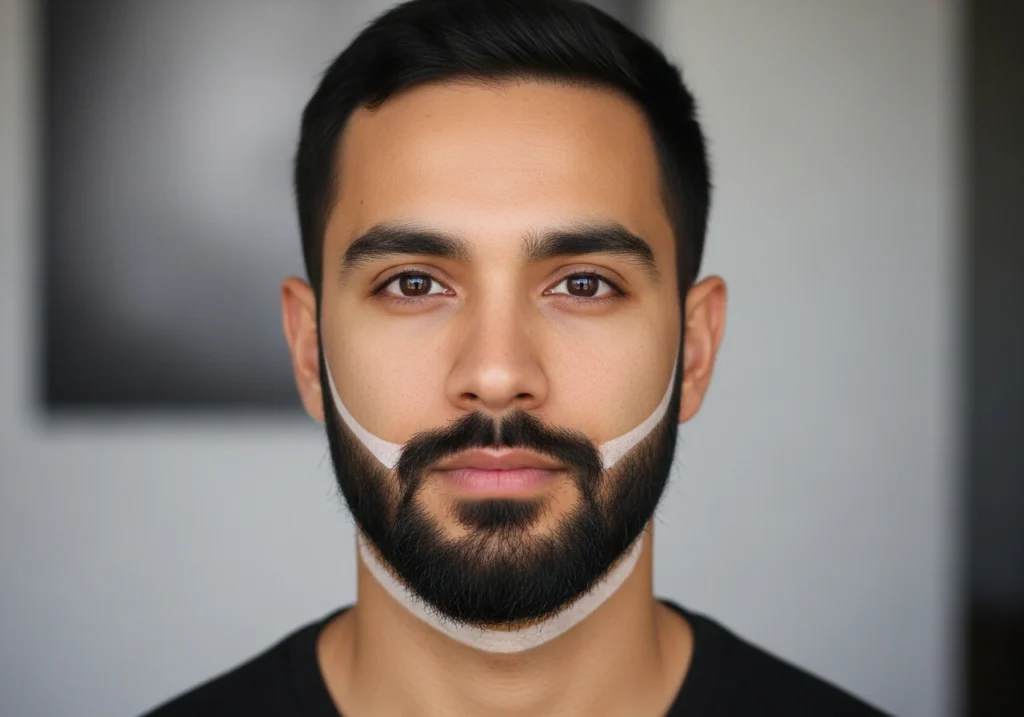
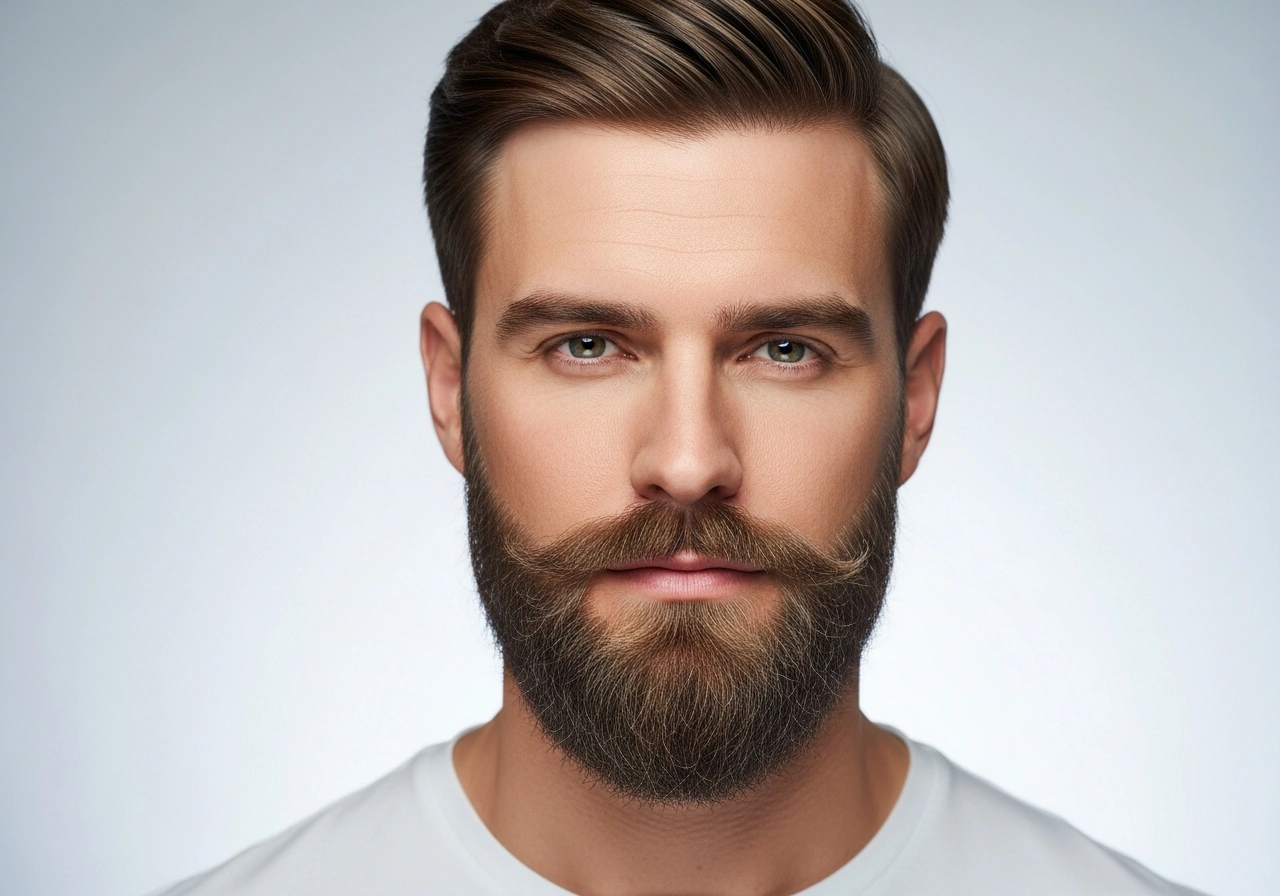
The classic low taper beard represents an excellent entry point for men new to graduated facial hair styles. This approach keeps substantial length throughout most of the beard while introducing subtle tapering primarily along the neckline and lowest portions of the cheeks. The transition from longer to shorter hair occurs gradually over a small area, creating a refined edge without dramatic contrast.
This style works exceptionally well for men with naturally thick beard growth who want to maintain fullness while eliminating the unkempt appearance that sometimes accompanies dense facial hair. The low taper provides structure without removing too much volume, making it ideal for those who have cultivated a fuller beard and want to refine rather than dramatically alter their look. The technique particularly flatters oval and square face shapes by emphasizing the jawline without over-lengthening the face.
Maintenance for a classic low taper requires regular trimming every one to two weeks. Focus your attention on keeping the neckline crisp and ensuring the fade remains smooth. Using quality clippers with adjustable guards allows you to maintain the taper at home between professional barber visits. Apply beard oil daily to keep all lengths healthy and manageable, as the varying lengths can sometimes create texture inconsistencies without proper conditioning.
The High Fade Beard
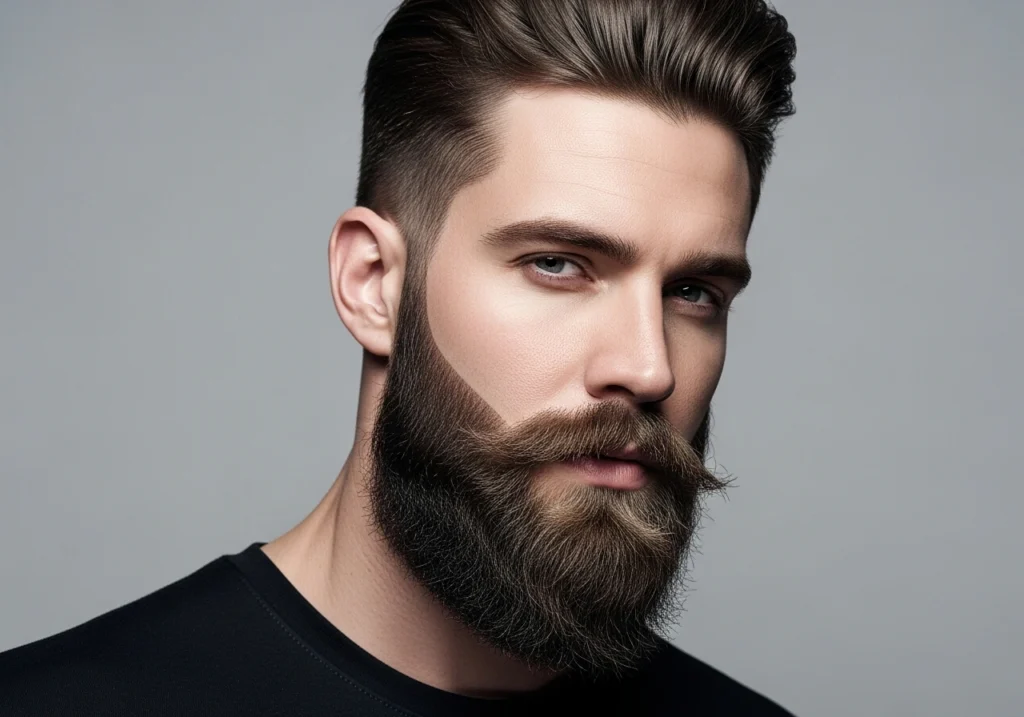
For men seeking a bold, contemporary statement, the high fade beard delivers maximum visual impact. This style features an aggressive taper that begins higher on the face, sometimes starting at the cheekbone level. The fade transitions rapidly from full length at the mustache and chin area to completely clean-shaven or extremely short hair along the sides and neck. The result resembles the popular high fade haircut translated to facial hair.
The high fade beard pairs exceptionally well with similarly styled haircuts, creating a cohesive, intentionally designed appearance. This coordination between head hair and facial hair demonstrates sophisticated grooming awareness and works particularly well for younger men or those in creative professional fields. The dramatic contrast created by the high fade accentuates facial features, particularly the cheekbones and jawline, making it an excellent choice for men with strong bone structure.
Achieving and maintaining a high fade beard typically requires professional assistance, at least initially. The precision needed to execute clean, even fading across curved facial surfaces challenges even experienced home groomers. Plan for barber visits every seven to ten days to keep the fade sharp, as this style shows growth more noticeably than subtler tapers. Between visits, maintain the fully shaved areas with a quality razor and keep the longer portions conditioned and shaped.
The Tapered Goatee
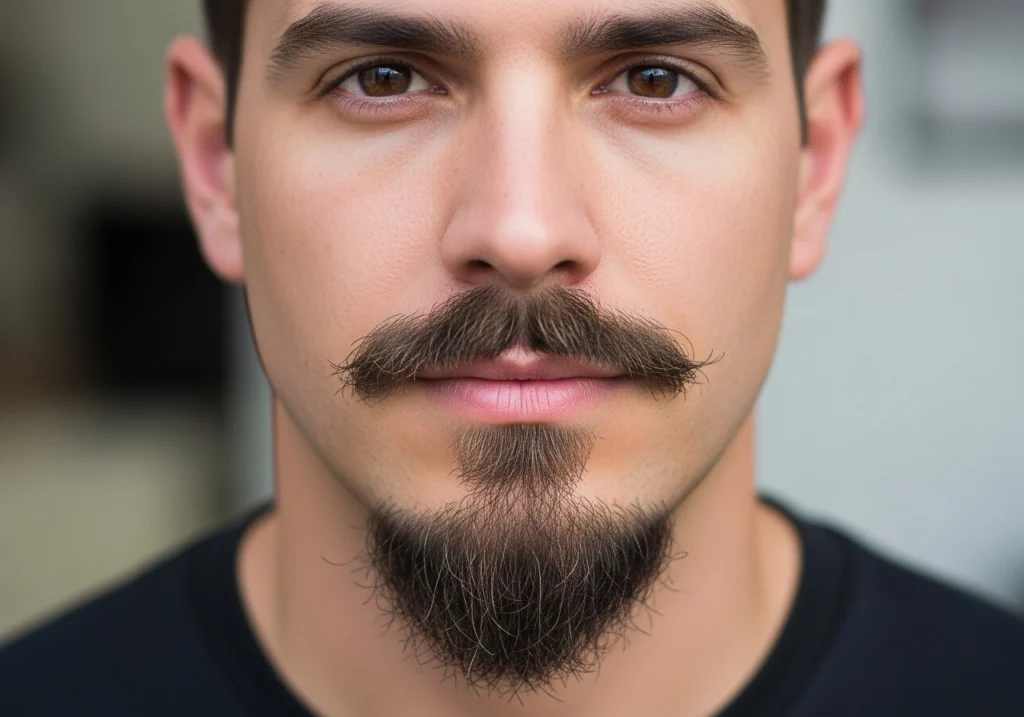
The tapered goatee modernizes the classic goatee by introducing graduated length that creates depth and dimension. Rather than maintaining uniform length across the entire goatee area, this version features longer hair at the chin point with gradual shortening as the hair extends toward the sides and upward toward the mustache connection. The taper can be subtle or pronounced depending on personal preference and face shape.
This style suits men with rounder faces particularly well, as the length at the chin creates a lengthening effect that adds definition. The tapered approach also works for those with patchy cheek growth who prefer to avoid full beards but want more sophistication than a basic goatee offers. By introducing the taper, you add visual interest and technical execution that elevates the look beyond simple facial hair into deliberate style choice.
Shaping a tapered goatee requires careful attention to symmetry. Use a quality trimmer with multiple guard options to create smooth transitions between lengths. Start with the longest guard at the chin point and work outward with progressively shorter guards. The mustache can either connect seamlessly with the goatee through graduated length or maintain a separate identity with a clean gap. Regular maintenance every three to five days keeps lines sharp and prevents the taper from blurring into uniformity.
The Stubble Taper

The stubble taper offers a low-maintenance option that still demonstrates grooming sophistication. This style maintains short stubble length across most of the face while introducing even shorter or clean-shaven areas along the neckline and cheek boundaries. The overall effect creates a deliberately casual appearance that avoids looking neglected through its clean edges and intentional shaping.
Many professional men appreciate the stubble taper because it provides facial hair presence without the commitment and maintenance of longer styles. The look reads as masculine and confident while remaining appropriate for most workplace environments. The style also works excellently for men with sensitive skin who experience irritation from daily shaving, as maintaining short stubble causes less friction than constantly removing all hair.
Creating an effective stubble taper requires a quality trimmer with fine length adjustments. Most men find that two to four millimeters works well for the primary stubble area, with clean shaving or one millimeter along the boundaries. The key lies in maintaining crisp definition along the neckline and cheek line while allowing the primary stubble area to cover the natural beard zone. Daily or every-other-day maintenance takes only a few minutes but proves essential for keeping the style intentional rather than accidental.
The Disconnected Taper Beard
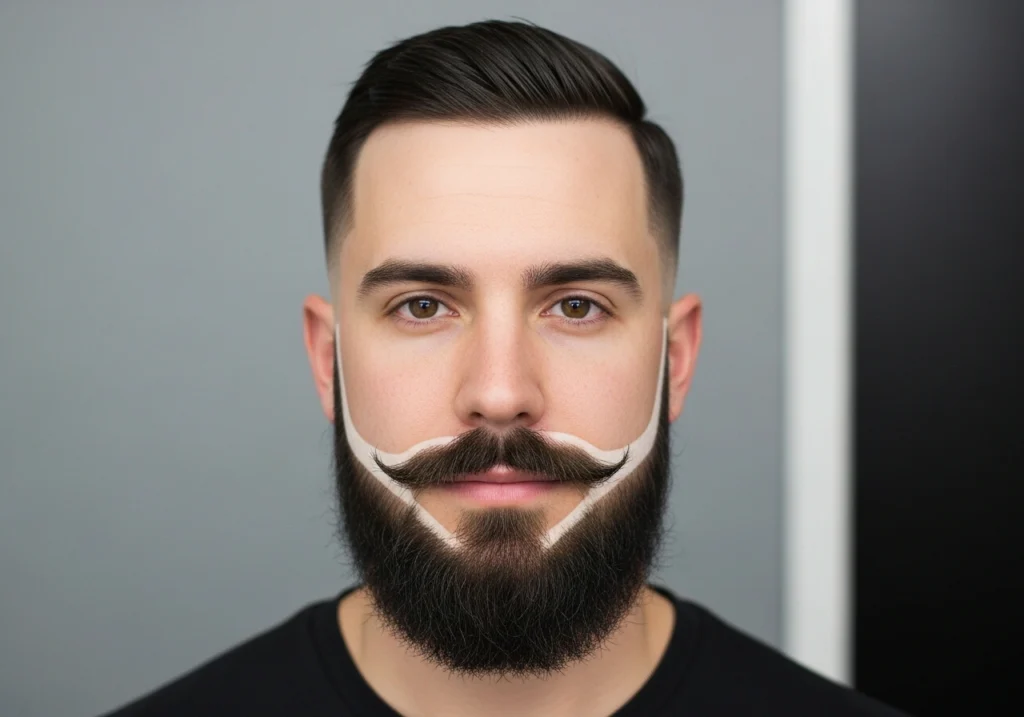
The disconnected taper beard creates visual interest through deliberate separation between the mustache and chin beard area and the cheek hair. Rather than allowing all facial hair to connect seamlessly, this style maintains a clean-shaven gap along the sides while featuring tapered sections both above and below the gap. The mustache and chin portion typically showcase fuller length with downward tapering, while any cheek hair forms its own tapered section.
This unconventional approach suits men with unique facial hair growth patterns or those wanting to make a distinctive style statement. The disconnected look pairs particularly well with similar disconnected hairstyles, creating thematic consistency. The style also offers practical benefits for men whose beard naturally grows patchily along the connection zones between cheek and mustache areas, turning a potential weakness into an intentional design element.
Maintaining a disconnected taper beard requires diligence in preserving the clean-shaven gap areas. Regular shaving or close trimming of these zones keeps the disconnection intentional and prevents accidental reconnection as hair grows. The tapered sections themselves need attention every few days to maintain their graduated appearance. This style demands more active maintenance than connected beard styles but rewards that effort with a distinctive, fashion-forward appearance.
The Rounded Taper Beard

The rounded taper beard emphasizes smooth, curved lines rather than angular definition. This style features tapering that follows the natural roundness of the face and jaw, creating softer transitions between lengths. The result appears less structured than sharp, angular tapers but maintains polish through its deliberate shaping and smooth gradations. The rounded approach works particularly well for men with naturally rounder faces, as it complements rather than contrasts with facial geometry.
Achieving the rounded taper requires attention to creating smooth arcs rather than straight lines. The cheek line curves gently downward following the natural contour of the cheekbone. The neckline similarly arcs in a gentle curve rather than forming a sharp horizontal line. The tapering itself follows these curves, creating dimensional roundness that adds fullness to the face without creating harsh edges. This softer approach often appears more natural and less aggressively groomed than angular alternatives.
Maintaining the rounded taper involves regular trimming that respects the curved lines you have established. Rather than using straight edges as guides, follow the natural flow of your face. This style benefits from professional shaping every few weeks to ensure the curves remain symmetrical and intentional. Between barber visits, focus on maintaining length consistency within each zone rather than worrying excessively about the curved boundaries, which can tolerate slight growth without losing definition.
The Angular Taper Beard

In contrast to the rounded version, the angular taper beard emphasizes sharp lines and defined edges. This style features precise cheek lines that form clean angles, often running in straight diagonal lines from the sideburns toward the corners of the mouth. The jawline receives similar treatment with defined edges that accentuate the natural bone structure. The tapering itself creates distinct zones of length rather than extremely gradual transitions, maintaining the overall angular aesthetic.
The angular taper beard flatters men with strong, defined facial features, particularly those with prominent jawlines and cheekbones. The sharp lines echo and enhance these structural elements, creating a cohesive, masculine appearance. This style also suits men who prefer a more deliberately groomed, polished look over natural, relaxed styling. The precision required signals attention to detail and commitment to personal presentation.
Creating and maintaining angular lines requires steady hands and quality tools. Invest in a precision trimmer designed for edge work, as standard beard trimmers may lack the accuracy needed for crisp lines. Many men find that using a straight razor or safety razor along the defined edges achieves the sharpest results. This style demands maintenance every few days, as even slight growth can blur the carefully crafted angles. Consider visiting a skilled barber regularly to maintain perfect symmetry and sharpness.
The Long Tapered Beard
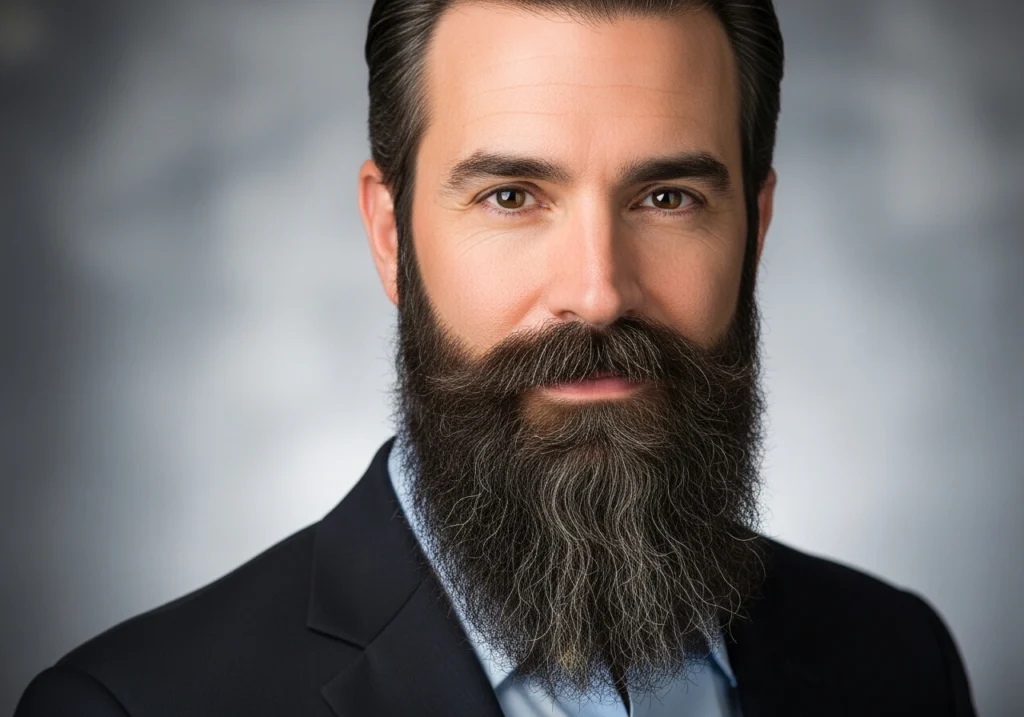
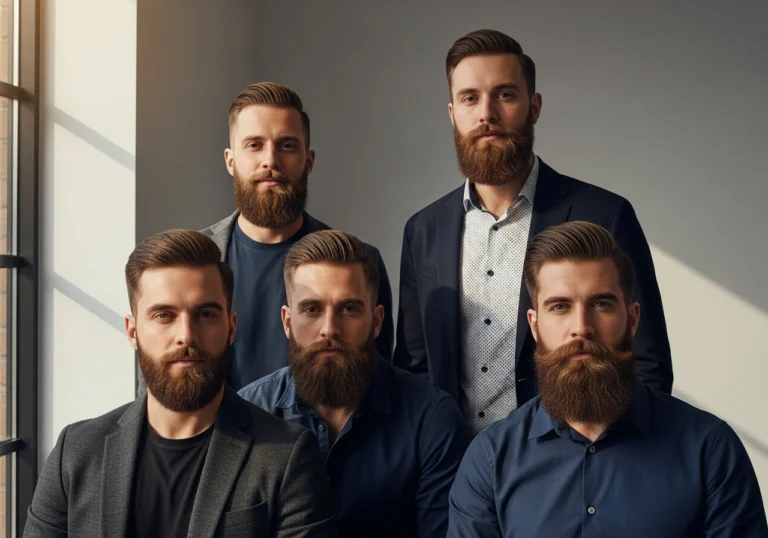
The long tapered beard allows substantial length while maintaining structure and shape. This style features full growth in the chin and mustache areas, often extending several inches, with strategic tapering along the sides and neckline. The gradation creates a pointed or rounded shape at the bottom depending on preference while preventing the beard from appearing wild or uncontrolled. The overall effect balances impressive length with deliberate grooming.
Men who have invested time in growing a long beard but want to refine its appearance find this style ideal. The tapering removes bulk along the sides that can make long beards appear wider than intended while preserving the length that represents months or years of growth. The style works well for various face shapes, as the tapering can be adjusted to create lengthening or widening effects as needed. Creative professionals, artists, and those in less conservative fields often favor this distinguished look.
Long tapered beards require comprehensive maintenance routines. Daily brushing becomes essential to prevent tangling and to train the hair to grow in the desired direction. Apply beard oil or balm throughout the length to maintain health and manageability. The tapered sides need trimming every week to ten days to preserve the shape, while the length may only require occasional maintenance trimming to remove split ends. Consider using a beard straightener if your long beard tends toward curliness that disrupts the tapered shape.
The Boxed Taper Beard

The boxed taper beard combines the structure of a classic boxed beard with modern tapering techniques. This style maintains a somewhat squared shape at the bottom rather than coming to a point, while introducing tapered fading along the sides and neckline. The result balances the traditional, substantial appearance of boxed beards with contemporary refinement. The top edge remains relatively full while the sides graduate to shorter lengths, creating dimensional interest.
This versatile style suits many face shapes, particularly longer or oval faces that benefit from the width a boxed bottom provides. Professional men appreciate how the boxed taper maintains presence and maturity associated with fuller beards while incorporating modern grooming standards. The style bridges traditional and contemporary aesthetics, making it appropriate for both conservative and creative environments.
Shaping a boxed taper beard starts with establishing the bottom edge at your desired length, typically one to two inches below the chin. This horizontal line forms the foundation of the boxed shape. From there, introduce tapering along the sides, gradually reducing length as you move toward the neckline and cheek lines. The corners where the bottom meets the sides should be slightly rounded rather than sharp right angles to prevent an artificial appearance. Maintain this shape every five to seven days, paying particular attention to keeping the bottom edge level and the side tapers symmetrical.
The Tapered Chinstrap
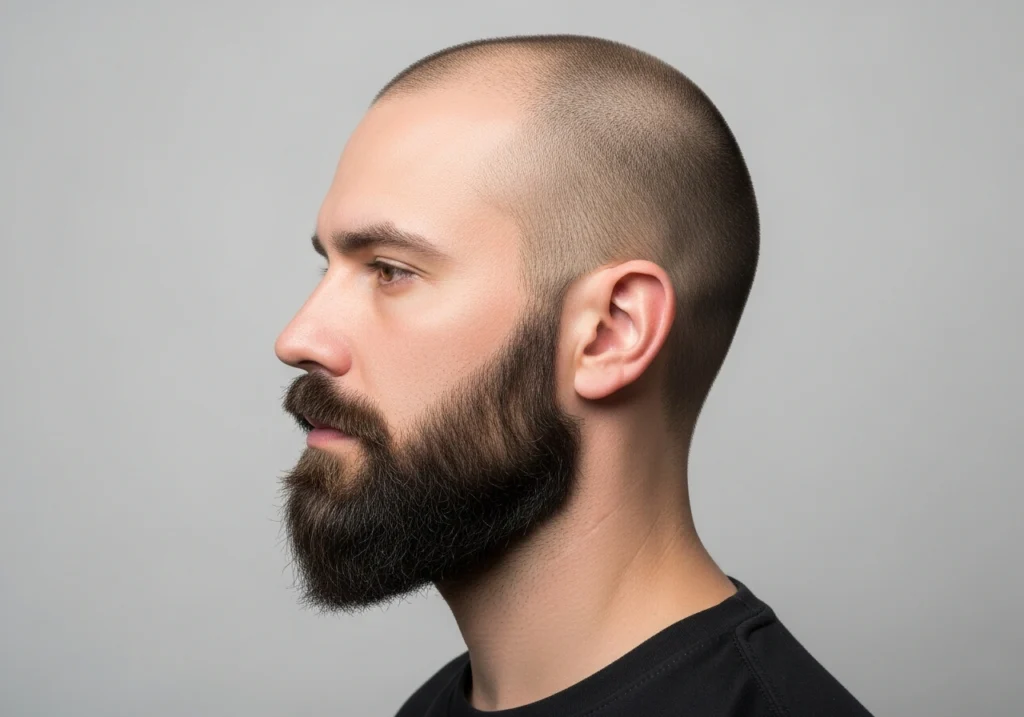
The tapered chinstrap modernizes the classic chinstrap by introducing graduated length rather than maintaining uniform thinness. This style follows the jawline from ear to ear with strategically tapered hair that transitions from slightly fuller at the chin to thinner along the sides. Some versions connect to a mustache through similarly tapered side sections, while others maintain the chinstrap isolation. The taper adds dimension and sophistication to what can otherwise appear as a simple line of hair.
The tapered chinstrap particularly suits men with well-defined jawlines, as the style traces and emphasizes this feature. Men with weaker jaw definition should approach this style cautiously, as it can highlight rather than mask this characteristic. The style works well for those who want facial hair presence without covering large portions of the face, making it popular among younger men or those in customer-facing professions where extensive facial hair might seem inappropriate.
Creating a tapered chinstrap requires precision and symmetry. Use a quality trimmer to establish the path along your jawline, ensuring both sides match perfectly. Introduce the taper by using slightly longer guards at the chin point and gradually shorter guards as you move along the jaw toward the ears. The width of the chinstrap can vary based on preference, but typically ranges from one to two centimeters. Daily maintenance keeps this style sharp, as the thin nature of the chinstrap shows growth quickly and can lose definition within a day or two.
The Temple Fade Beard
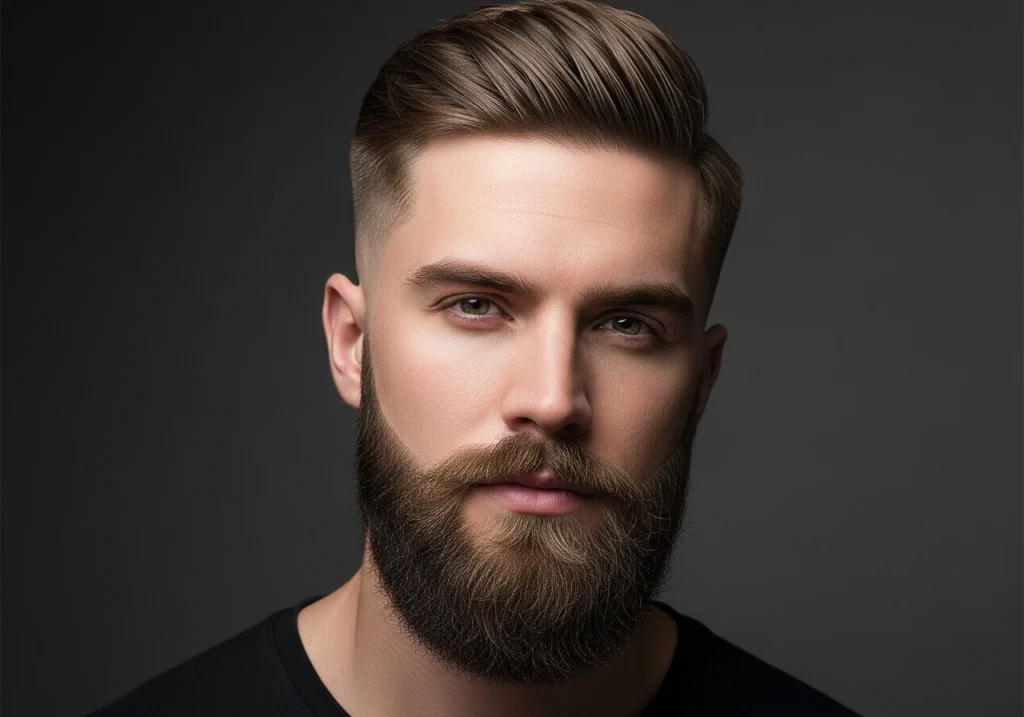
The temple fade beard introduces aggressive tapering specifically in the upper portions where facial hair meets the hairline. This style features fuller length throughout most of the beard with dramatic fading that occurs primarily at the temples and upper cheek areas. The fade often coordinates with a similar temple fade in the haircut, creating seamless integration between head hair and facial hair. The effect emphasizes facial symmetry and creates clean, modern lines.
This style appeals strongly to men who view grooming as an art form and enjoy coordinating multiple elements of their appearance. The temple fade beard works best when paired with contemporary haircut styles rather than traditional or conservative cuts. Athletes, entertainers, and those in fashion-forward industries often favor this bold approach. The style also suits men with strong cheekbones, as the fade draws attention to this area.
Achieving a proper temple fade beard almost certainly requires professional assistance, at least for the initial shaping and periodically thereafter. The precision needed to create smooth fading that integrates with your hairline exceeds most home grooming capabilities. Plan for barber visits every one to two weeks to maintain the fade’s sharpness. Between visits, focus on maintaining the fuller portions of the beard with standard trimming and conditioning. Communicate clearly with your barber about how you want the fade to integrate with your haircut to ensure cohesive results.
The Natural Taper Beard

The natural taper beard embraces your facial hair’s inherent growth pattern while introducing subtle refinement. Rather than imposing dramatic fades or rigid structure, this approach works with how your beard naturally grows, simply enhancing the existing tendencies through strategic trimming. Many men find their beards naturally grow denser at the chin and thinner along the sides, and this style accentuates that pattern through gentle tapering that appears organic rather than engineered.
Men who prefer a relaxed, approachable appearance over highly structured looks appreciate the natural taper beard. This style suggests confidence in your natural attributes rather than heavy manipulation. The look works across various professional and social contexts, appearing neither too casual nor overly groomed. Men with any face shape can adopt this versatile approach, as it works with rather than against individual characteristics.
Maintaining a natural taper beard involves restraint and observation. Allow your beard to grow for several weeks to understand its natural patterns. Then introduce tapering that follows these patterns, using longer guards where growth appears naturally denser and shorter guards where it thins. Avoid forcing symmetry if your growth naturally varies slightly between sides, as this authenticity contributes to the natural aesthetic. Maintenance every seven to ten days keeps the style intentional without appearing overly manicured.
Choosing the Right Tapered Beard for Your Face Shape
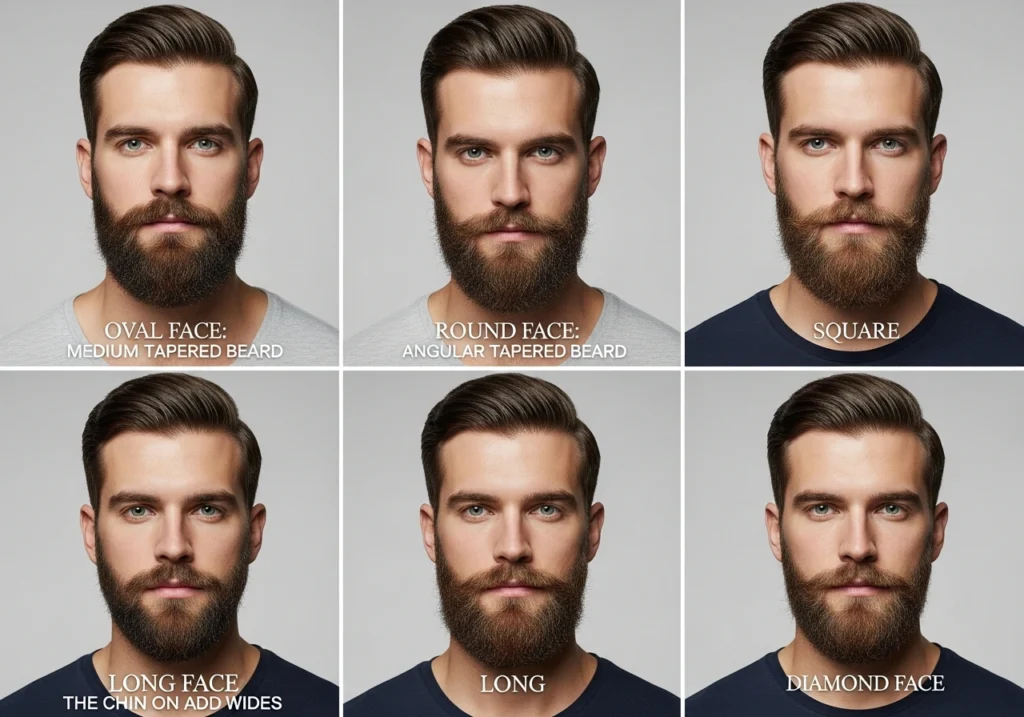
Face shape significantly influences which tapered beard style will most flatter your appearance. Men with round faces benefit from styles that add length and reduce width, such as pointed tapers or goatees that extend downward. The vertical emphasis created by these styles counterbalances facial roundness. Avoid styles that add width at the sides, which can make round faces appear even rounder.
Square-faced men have numerous options, as their strong jawlines complement most tapered styles. Angular tapers that echo the natural geometry work particularly well, as do full tapers that add slight softness to very pronounced angles. The key involves deciding whether to emphasize or slightly soften your natural angularity based on personal preference and the overall look you want to achieve.
Oval faces represent the most versatile face shape for tapered beards, as they suit virtually any style. This flexibility allows you to choose based on personal preference, lifestyle requirements, and desired aesthetic rather than face shape compensation. Men with longer faces should avoid styles that add excessive length at the chin, as this can over-elongate the face. Instead, consider boxed or rounded tapers that add slight width. Heart-shaped faces benefit from fuller chins created by styles like the tapered goatee or fuller bottom sections that balance narrower lower faces with wider foreheads.
Essential Maintenance and Grooming Products
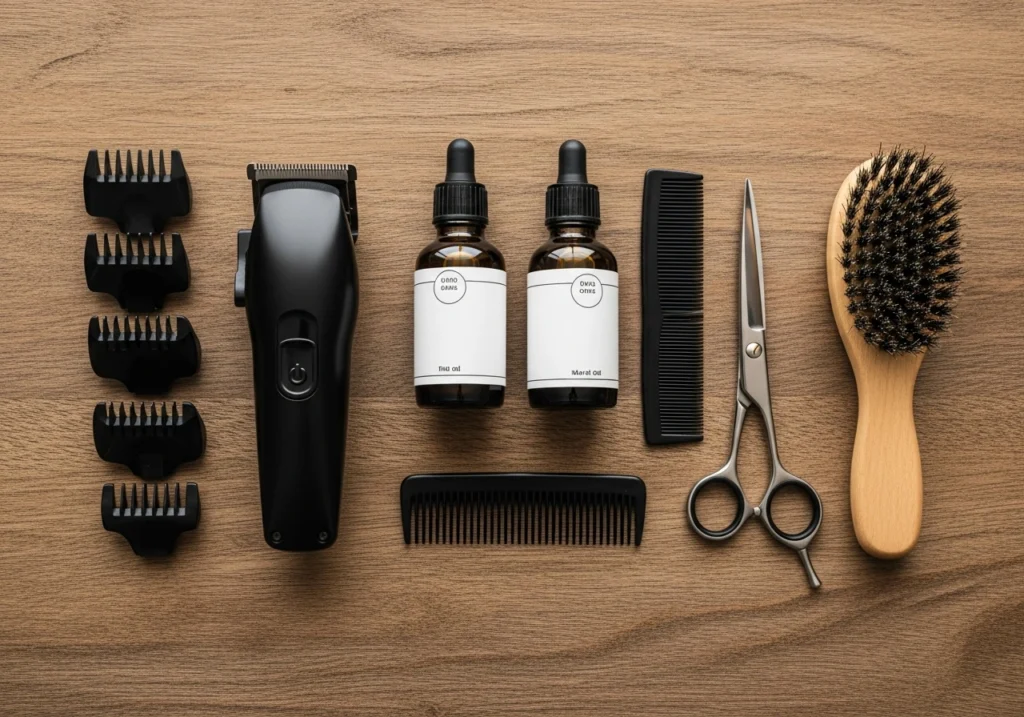
Maintaining a tapered beard requires investment in quality tools and products. A reliable electric trimmer with multiple guard lengths forms the foundation of your grooming kit. Look for models with fine length adjustments and precision attachments for edge work. Many men find that owning two trimmers proves worthwhile, with one dedicated to bulk trimming and another for detail work and edge definition.
Beard oil serves as essential daily maintenance regardless of which tapered style you choose. The product conditions your facial hair, prevents itching and flaking, and adds healthy shine. Apply a few drops daily after showering when your beard is slightly damp. Beard balm offers similar conditioning benefits with added hold, making it valuable for longer tapered styles that benefit from shaping. Use balm to train your beard to grow in your desired direction and to tame any unruly sections.
Sharp scissors designed for beard trimming allow precision work that clippers cannot achieve. Use scissors to address individual long hairs, shape mustaches, and refine the overall appearance between full trimmings. A quality beard brush or comb helps distribute products, detangle hair, and train growth direction. Boar bristle brushes work particularly well for this purpose. Finally, maintain sharp razors or precision trimmers for keeping necklines and cheek lines defined, as these edges significantly impact how polished your tapered beard appears.
You may also like this post : 30 Epic Men’s Beard Style Ideas Every Man Should Try in 2026!
Frequently Asked Questions
How often should I trim my tapered beard?
Most tapered beard styles require trimming every five to seven days to maintain their shape and definition. Aggressive fades and styles with sharp lines need more frequent attention, potentially every two to three days, while natural tapers and subtle styles can sometimes extend to ten days between trimmings. Your individual hair growth rate also impacts frequency.
Can I create a tapered beard at home without professional help?
Simpler tapered styles like basic low tapers and natural tapers can certainly be achieved at home with quality clippers and practice. More complex styles involving high fades, precise angular lines, or temple fades typically require professional assistance, at least initially. Starting with a professional shaping and maintaining it yourself offers a practical middle ground.
What face shapes work best with tapered beards?
Tapered beards work well with all face shapes when you choose the appropriate style. Round faces benefit from length-adding styles, square faces suit most tapers, oval faces have complete versatility, and longer faces should choose width-adding options. The tapering technique itself provides flexibility to enhance virtually any facial structure.
Do tapered beards require special grooming products?
While not absolutely required, quality beard oil significantly improves the health, appearance, and manageability of tapered beards. Beard balm helps with longer styles that need shaping. These products prevent dryness, reduce itching, and make your beard easier to trim and maintain. Quality clippers with multiple guards are essential for creating and maintaining the taper itself.
How long does it take to grow a tapered beard?
The timeline depends on your chosen style and current beard length. If starting clean-shaven, allow four to six weeks of growth before attempting most tapered styles, as you need sufficient length to create gradations. Some styles like stubble tapers can be achieved within one to two weeks. Longer tapered beards may require several months of growth before introducing the taper.