25 Mustache Styles for Men in 2026: The Best Grooming & Styling Guide for Every Face Shape
The modern gentleman understands that facial hair serves as more than mere decoration. A well-chosen mustache communicates personality, enhances natural features, and establishes a distinctive personal brand. In 2026, mustache styling has evolved into a sophisticated art form that balances tradition with contemporary sensibilities.
This authoritative guide presents 25 carefully selected mustache styles suited for today’s discerning man. Whether you seek the understated elegance of refined minimalism or the bold statement of maximalist grooming, understanding the relationship between style selection and facial architecture will transform your appearance from ordinary to exceptional.
The journey to finding your ideal mustache begins with honest self-assessment. Your face shape, hair growth patterns, lifestyle requirements, and personal aesthetic preferences all contribute to determining which styles will serve you best. Beyond mere fashion, the right mustache can redefine your jawline, balance facial proportions, and project the exact image you wish to present to the world.
The Science Behind Face Shape and Mustache Compatibility
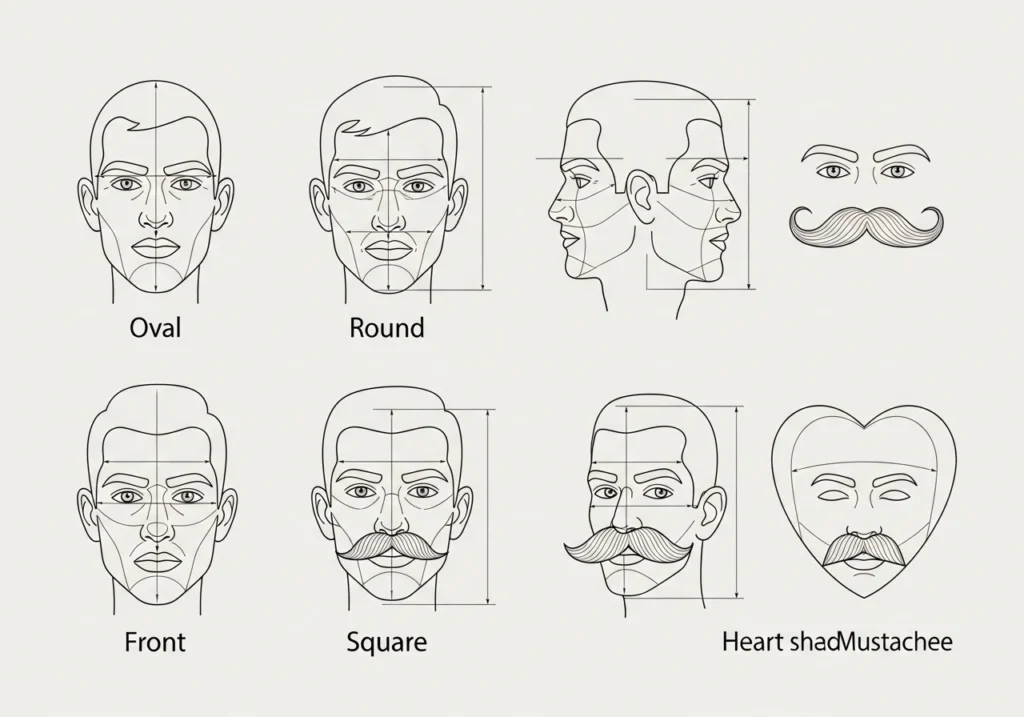
Facial structure operates on principles of geometric proportion and visual balance. The most successful mustache choices work in harmony with your natural bone structure rather than fighting against it. Understanding these principles separates amateur grooming from professional-level results.
Oval faces represent the golden standard of facial proportion, offering maximum flexibility in style selection. These balanced features accommodate everything from minimalist pencil mustaches to extravagant handlebar designs. Round faces require styles that introduce angularity and vertical emphasis, counteracting natural softness with strategic grooming choices.
Square faces benefit from mustaches that soften pronounced jawlines through curved shapes and fuller volume. Diamond-shaped faces, with their distinctive wide cheekbones and narrow chin, achieve optimal balance through styles that add width at the mouth level. Heart-shaped faces work best with fuller mustaches that create visual weight in the lower facial region.
Traditional Mustache Styles with Enduring Appeal
The Chevron Mustache
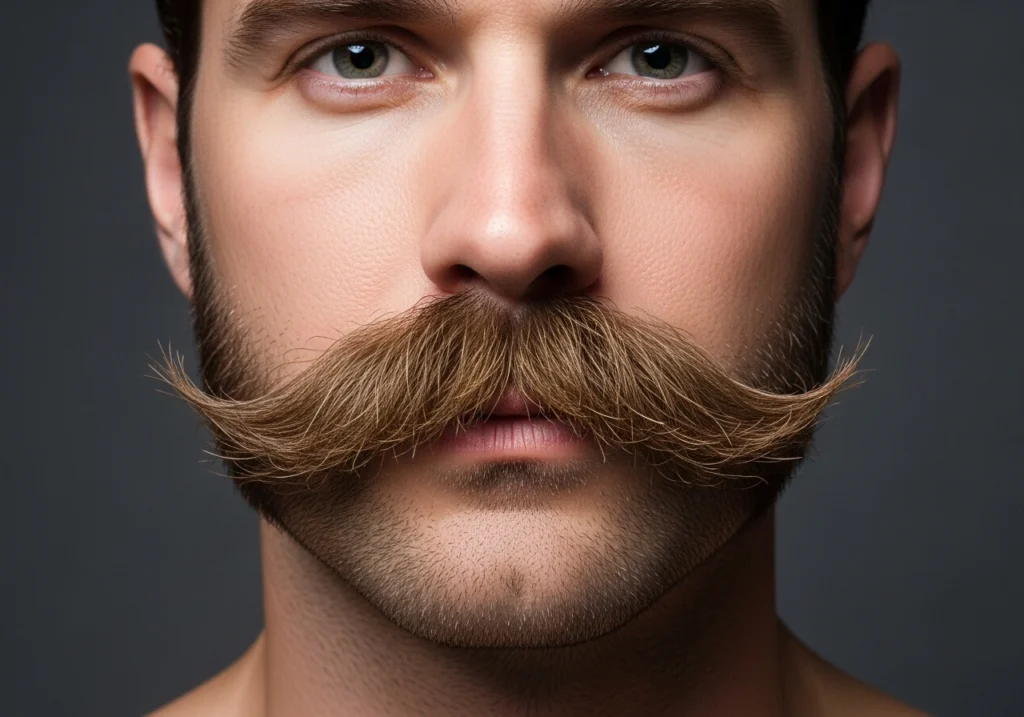
Embodying timeless masculinity, the chevron delivers immediate visual impact through its thick, substantial presence. This style covers the entire upper lip with dense hair that extends just beyond the mouth corners, creating a strong horizontal line that commands attention without excessive ornamentation.
Growing a proper chevron demands commitment to the growth process, typically requiring six to eight weeks of uninterrupted development. During this period, resist the temptation to over-trim or reshape prematurely. Once sufficient length is achieved, maintenance focuses on keeping the bottom edge clean along the natural lip line while preserving thickness throughout.
The chevron particularly flatters men with oval or square facial structures, where its substantial presence complements natural proportions. Professional environments generally accept this classic style, making it an excellent choice for those balancing personal expression with workplace expectations. Daily care involves simple combing and occasional trimming to maintain the defined rectangular silhouette.
The Handlebar Mustache
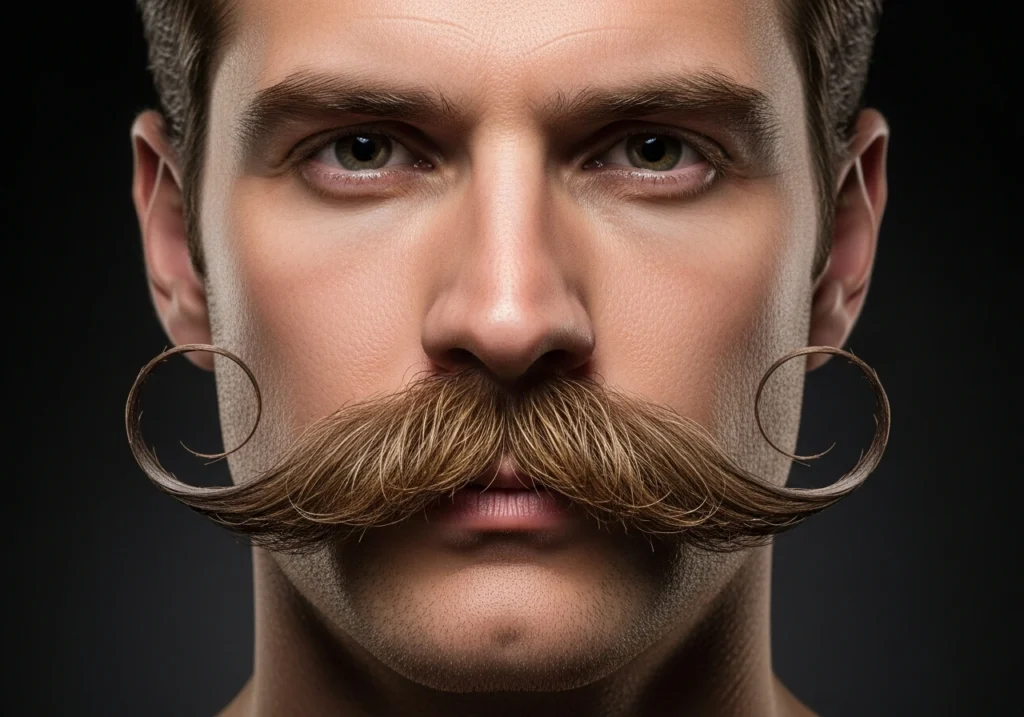
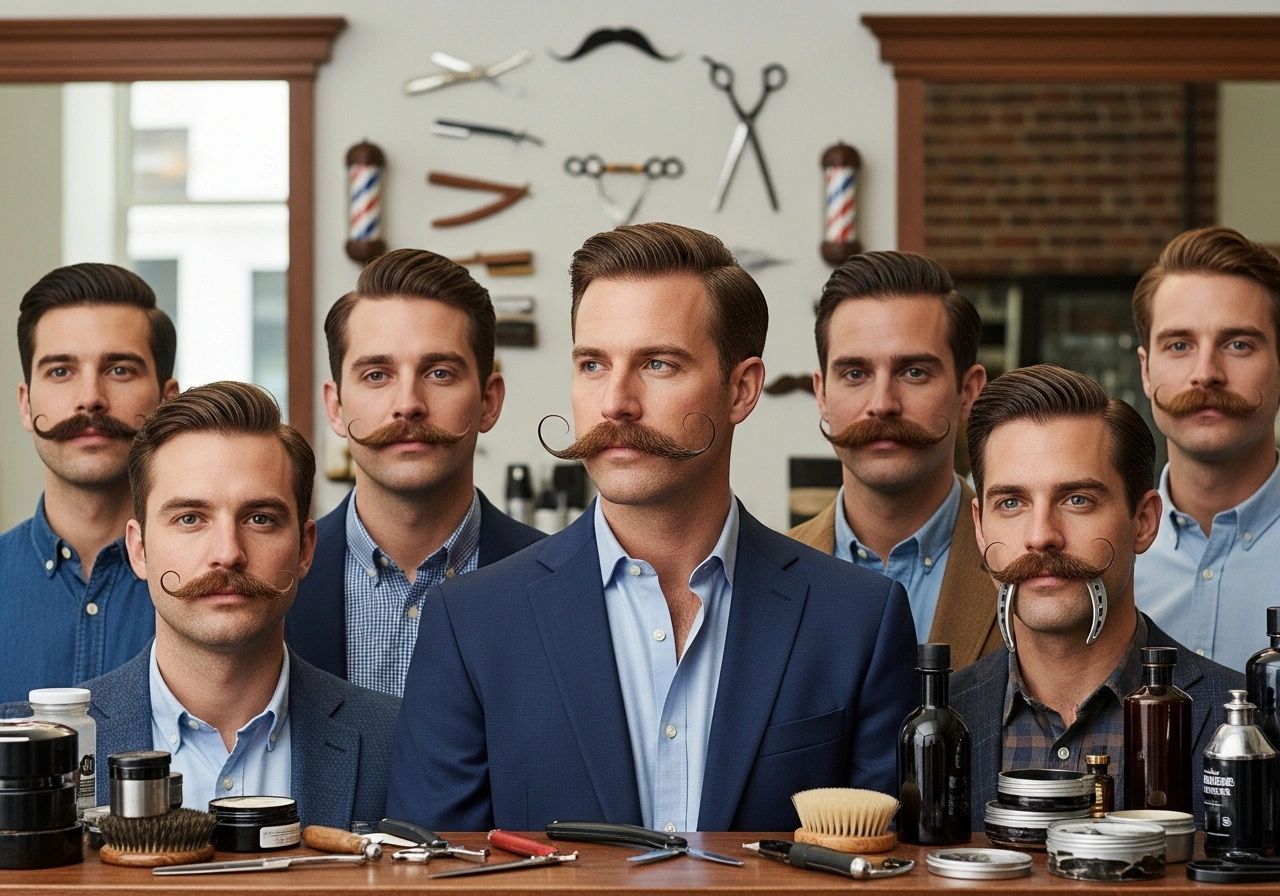
Romance and adventure define the handlebar mustache, a style that transforms facial hair into sculptural art. Distinguished by its upward-curving ends that can be shaped into tight spirals or gentle waves, the handlebar requires both patience during growth and dedication to daily styling.
Achieving handlebar-worthy length typically demands three to six months of growth, during which the ends must extend well beyond the mouth corners. Quality mustache wax becomes essential, providing the hold necessary to maintain the signature curves throughout the day. Application technique matters considerably: warming the wax between fingers, working it through the ends, then carefully twisting and shaping creates the desired effect.
Modern handlebar variations offer options for different commitment levels. The petit handlebar features modest curves suitable for conservative settings, while the imperial combines handlebar ends with a fuller, waxed center section. The English mustache presents narrow, upward-pointing ends without extreme length, offering handlebar character with reduced maintenance demands.
The Pencil Mustache
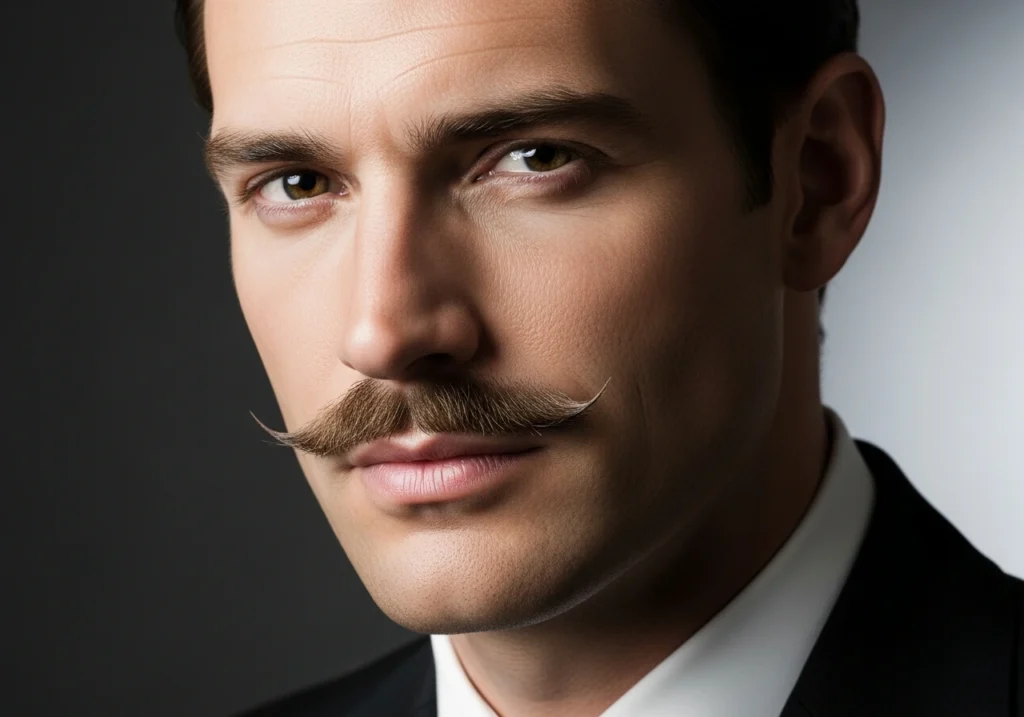
Precision and sophistication merge in the pencil mustache, a narrow line of carefully groomed hair that traces just above the upper lip. This refined style evokes classic Hollywood glamour while remaining thoroughly contemporary in its clean, minimalist aesthetic.
Creating the perfect pencil requires meticulous attention to detail. The ideal width ranges from one-eighth to three-sixteenth of an inch, maintaining absolute consistency from one end to the other. Regular trimming sessions every two to three days preserve the crisp line, while strategic shaping ensures the mustache follows the natural curve of the upper lip.
The pencil mustache excels at creating visual slimming effects, making it particularly valuable for men with round or full faces. This style demands confidence, as any imperfection becomes immediately visible. Professional barbers often recommend starting with a slightly wider version, then gradually narrowing to the desired width as grooming skills develop.
Contemporary and Bold Mustache Expressions
The Walrus Mustache
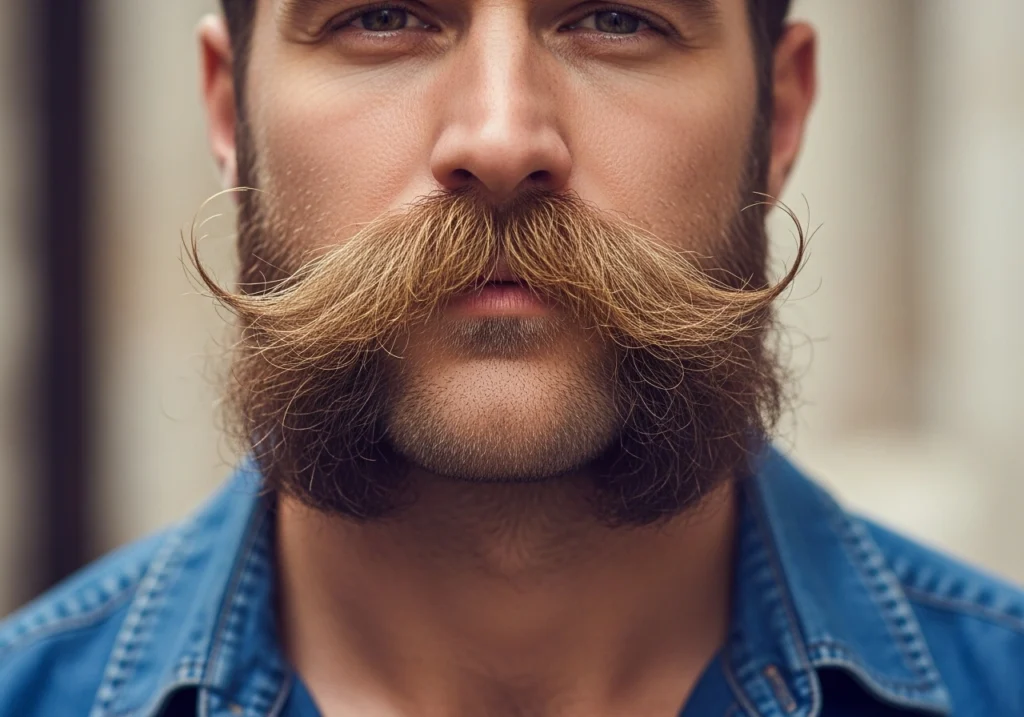
Unapologetically abundant, the walrus mustache celebrates facial hair in its most natural, untamed form. This bushy style cascades over the upper lip, sometimes extending down past the mouth, creating a commanding presence that refuses to be ignored.
Despite its wild appearance, successful walrus styling requires thoughtful maintenance. Regular washing with quality beard shampoo prevents the dense hair from becoming coarse or unruly. Conditioning treatments maintain softness and manageability, essential qualities when hair grows long enough to interfere with daily activities.
The walrus suits men comfortable making bold statements and works particularly well when paired with full beards or substantial stubble. Length management becomes crucial: too long creates practical difficulties with eating and drinking, while too short diminishes the style’s characteristic impact. Most men find the sweet spot where the mustache just reaches or slightly exceeds the bottom lip line.
The Horseshoe Mustache
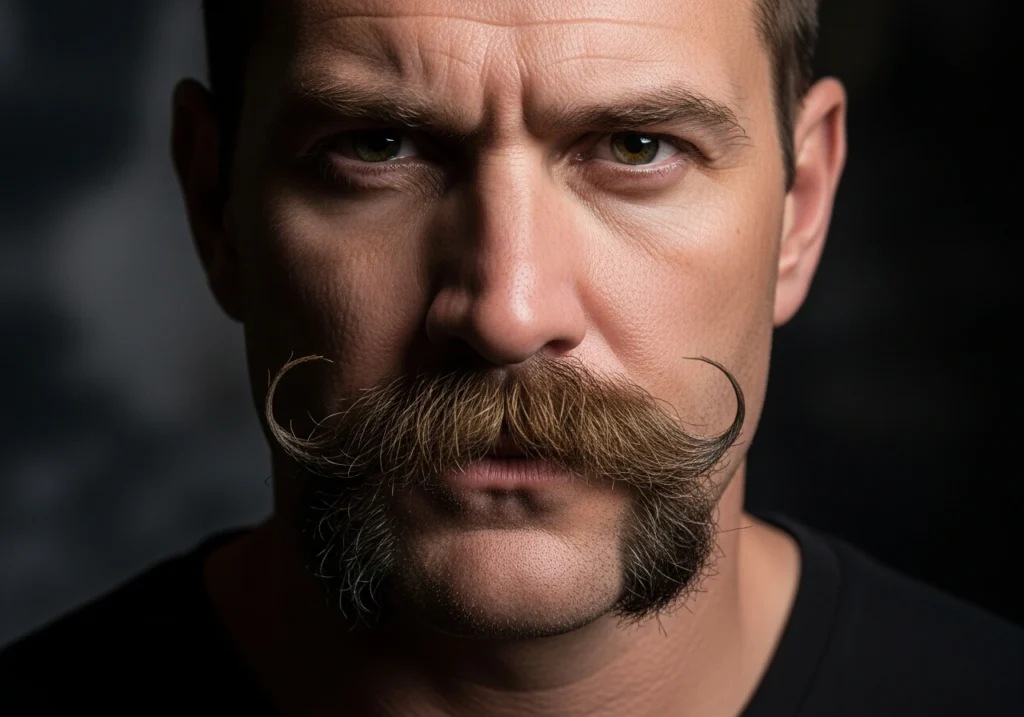
Rebellion and rugged individualism characterize the horseshoe, a distinctive style that extends from the upper lip down both sides of the mouth to the jawline, creating an inverted U-shape. This look projects toughness and unconventional spirit, embraced by bikers, athletes, and those rejecting mainstream grooming conventions.
Creating clean horseshoe lines requires careful shaving to maintain the vertical bars while keeping the chin and cheeks smooth. The bars typically measure between half an inch and three-quarters of an inch in width, though personal preference and facial structure influence ideal proportions. Sharp, well-defined edges separate professional execution from sloppy approximation.
The horseshoe works best for men with strong facial features and confident personal styles. Conservative professional environments may find this look too aggressive, but creative industries and casual settings often appreciate its bold character. Regular maintenance every three to four days keeps lines crisp and prevents the style from losing definition.
The Pyramid Mustache
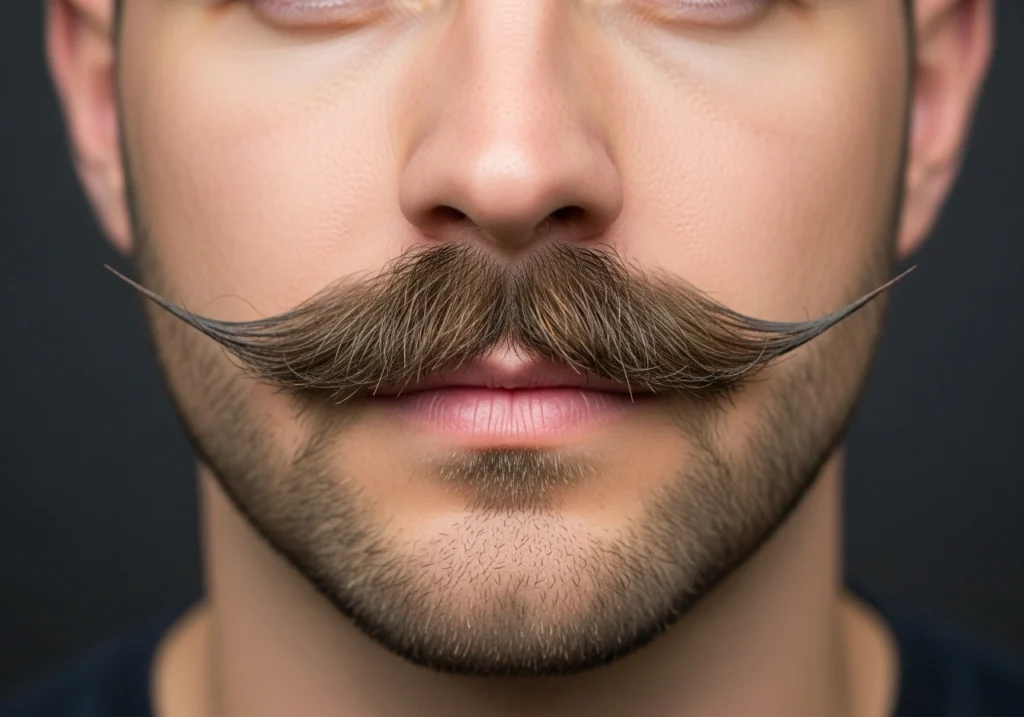
Geometric precision defines the pyramid mustache, a modern style that tapers from a fuller center to narrower ends, creating a triangular profile. This architectural approach to facial hair offers contemporary sophistication without the extreme commitment required by handlebar or walrus styles.
Shaping the pyramid demands careful trimming to establish the gradual taper. The widest point aligns with the center of the nose, progressively narrowing as it approaches the mouth corners. This creates visual interest while maintaining clean, professional appearance standards suitable for most environments.
The pyramid particularly complements oval and diamond-shaped faces, where the geometric shaping enhances natural proportions. Maintenance involves weekly trimming sessions to preserve the taper angle and prevent the style from reverting to standard rectangular shapes.
Face Shape Specific Styling Recommendations
Optimal Styles for Oval Faces
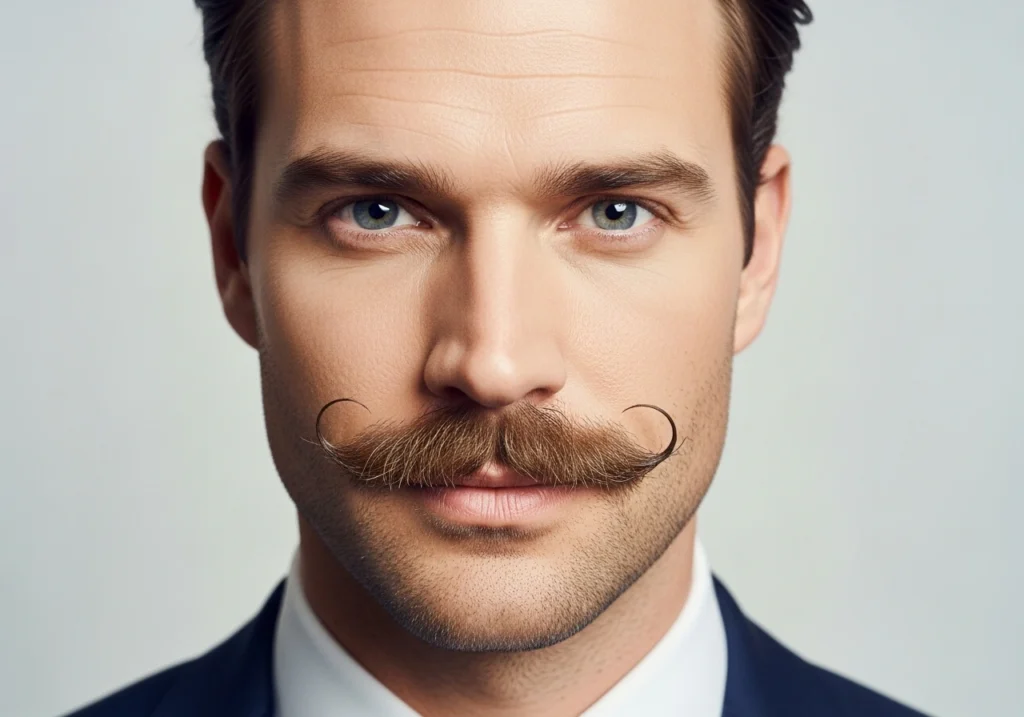
Oval facial structures provide the ideal foundation for mustache experimentation. The balanced proportions between forehead, cheekbones, and jawline create harmony with virtually any style choice. Men with oval faces should view this versatility as permission to explore both conservative and adventurous options.
Consider the English mustache for refined elegance, featuring narrow ends that point slightly upward without handlebar extremity. The classic chevron delivers timeless appeal, while the Dali mustache, with its thin line and dramatically upturned ends, offers artistic flair. The freedom of oval proportions allows seasonal style changes or experimentation with trending looks without concern for incompatibility.
Strategic Choices for Round Faces
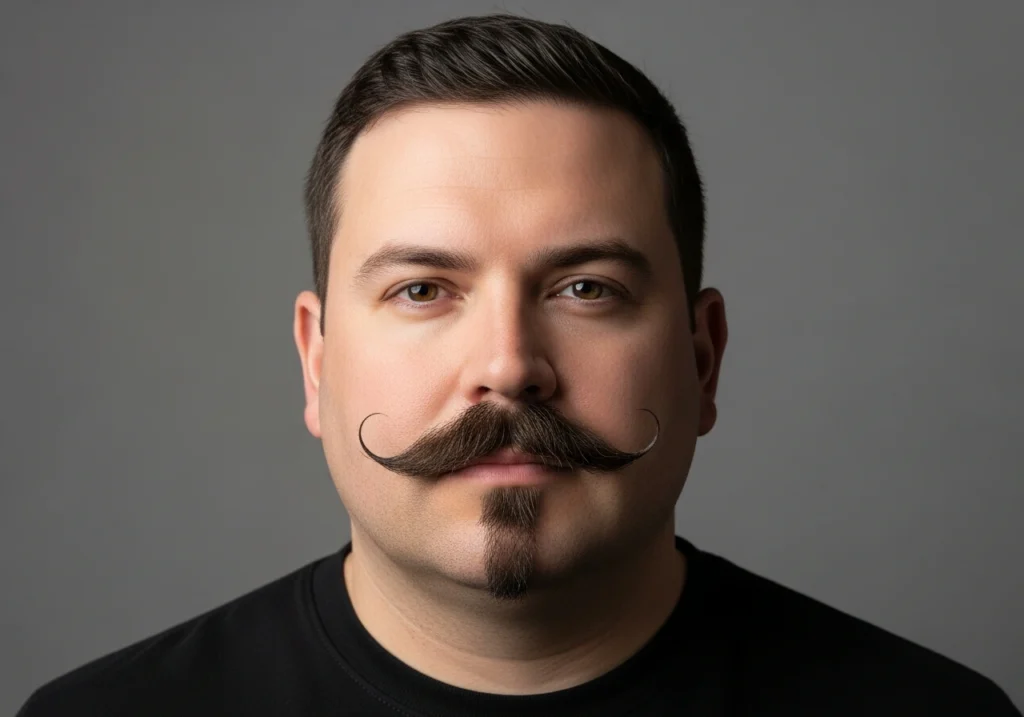
Round facial structures benefit most from mustache styles that introduce angularity and vertical emphasis. The pencil mustache excels here, its narrow horizontal line adding definition without amplifying width. The lampshade style, featuring a rectangular shape that covers the upper lip with clean edges, provides structure and masculine definition.
Avoid styles that extend dramatically beyond the mouth corners, as excessive width exaggerates roundness. Instead, focus on controlled width with strong, clean lines. The chevron can work effectively when sides are slightly trimmed inward, creating subtle tapering that doesn’t broaden the face. Angular styles with defined edges counteract natural softness more effectively than rounded, flowing designs.
Complementary Styles for Square Faces
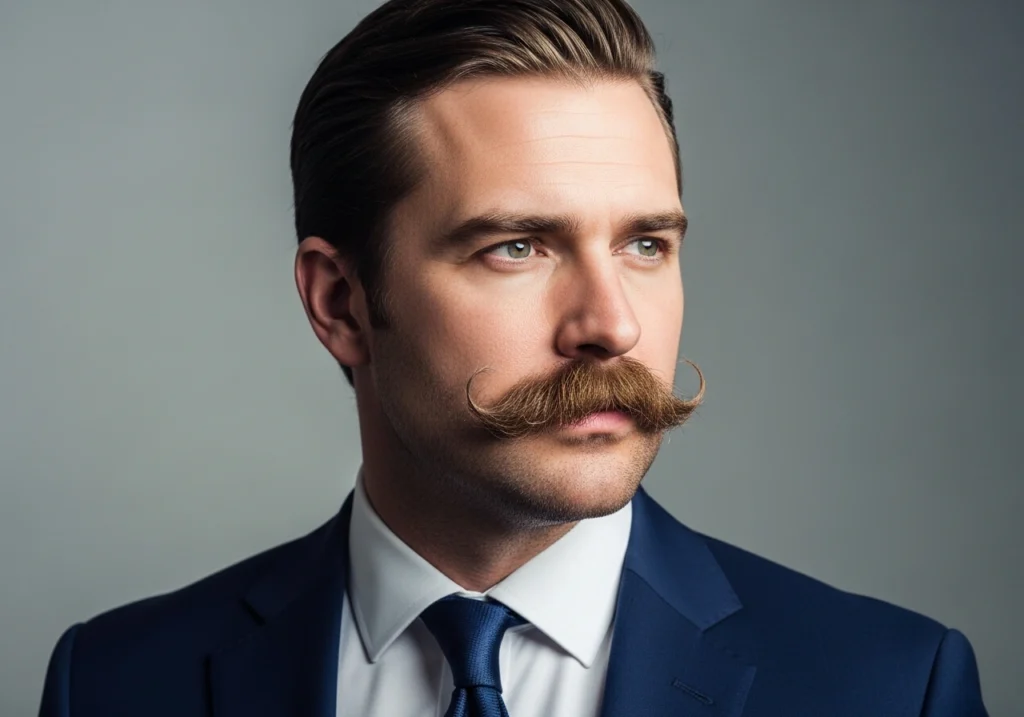
Square faces, characterized by strong jawlines and broad foreheads, achieve optimal balance through fuller, softer mustache styles. The natural angularity of square bone structure pairs beautifully with rounded facial hair that provides visual contrast.
The walrus mustache works exceptionally well, its abundant, flowing character softening pronounced angles. Full, natural chevrons with slight downward curves at the ends create appealing counterpoints to sharp features. The Hungarian mustache, thick and bushy with gentle downward growth, offers another excellent option.
Avoid overly geometric or angular mustache designs, as these amplify existing sharpness rather than balancing it. Embrace natural curves, substantial volume, and styles that introduce organic shapes to your facial landscape.
Balancing Styles for Diamond Faces
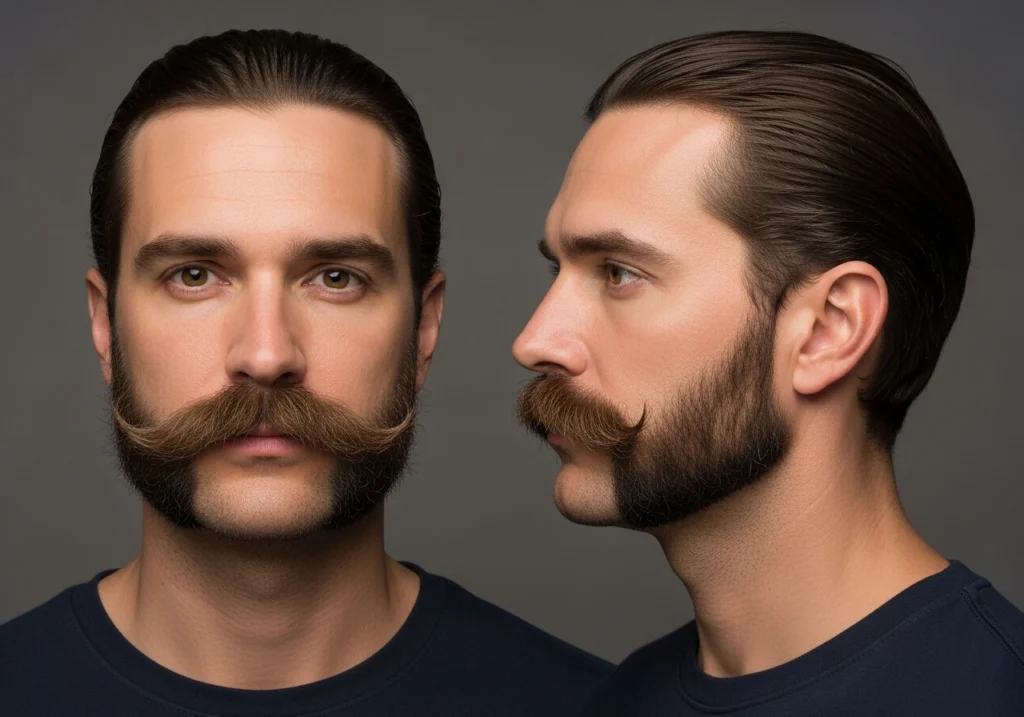
Diamond-shaped faces feature wide cheekbones with narrower foreheads and chins, creating distinctive proportions that require thoughtful mustache selection. Styles that add width at the mouth level help balance the wider midface area.
Fuller mustaches that extend slightly beyond the mouth corners work well, creating horizontal emphasis that counteracts the narrow chin. The horseshoe can be particularly effective, its vertical elements adding width to the lower face. Moderate-width chevrons or handlebar styles with outward extension provide the broadening effect diamond faces need.
Thin styles like the pencil may emphasize rather than balance the narrow chin area. Instead, prioritize mustaches with substance and horizontal presence that visually widen the lower facial region.
Advanced Mustache Styles for the Experienced Groomer
The Imperial Mustache
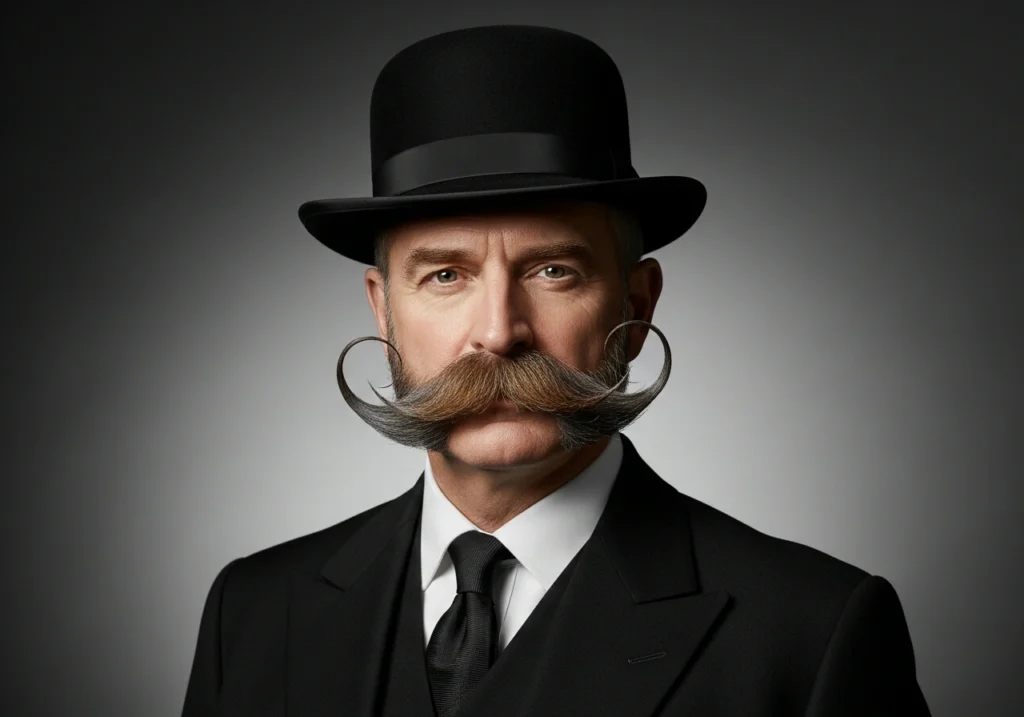
The imperial represents mustache styling at its most ambitious. This elaborate design features a bushy center section with long, upward-waxed ends that extend beyond the standard handlebar configuration. The imperial demands not only growth patience but also advanced styling skills.
Creating an imperial requires several months of dedicated growth, allowing both center density and end length to develop fully. Daily styling involves liberal wax application, careful brushing to create volume in the center, and precise twisting of the ends into the signature upward spirals. This style announces commitment to grooming excellence and works best for special occasions or those with flexible lifestyle requirements.
The Dali Mustache
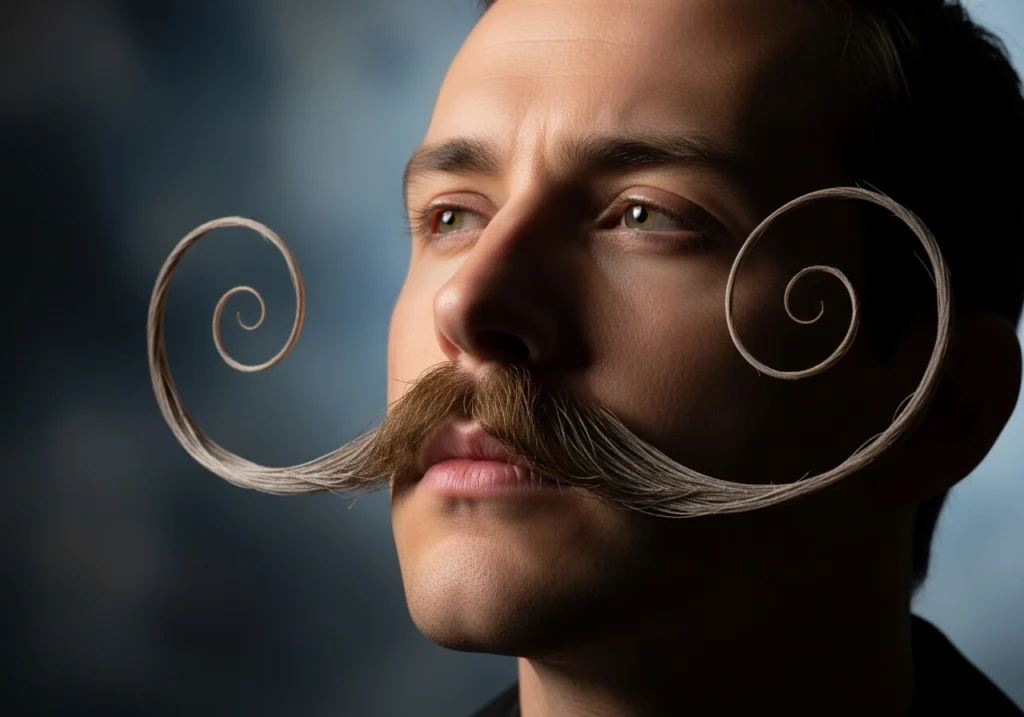
Named after the surrealist artist who made it iconic, the Dali mustache features a thin line with dramatically upturned ends that extend well beyond the face. This theatrical style makes an unforgettable statement, suitable for creative personalities and those comfortable with attention.
The Dali requires the patience of handlebar growth combined with the precision of pencil maintenance. The center line must be kept narrow and neat while the ends grow long enough for dramatic styling. Strong-hold wax becomes essential, as the extreme upward curve defies natural hair growth patterns. This style works best for special events, artistic professions, or those whose personal brand embraces unconventional aesthetics.
The Beardstache
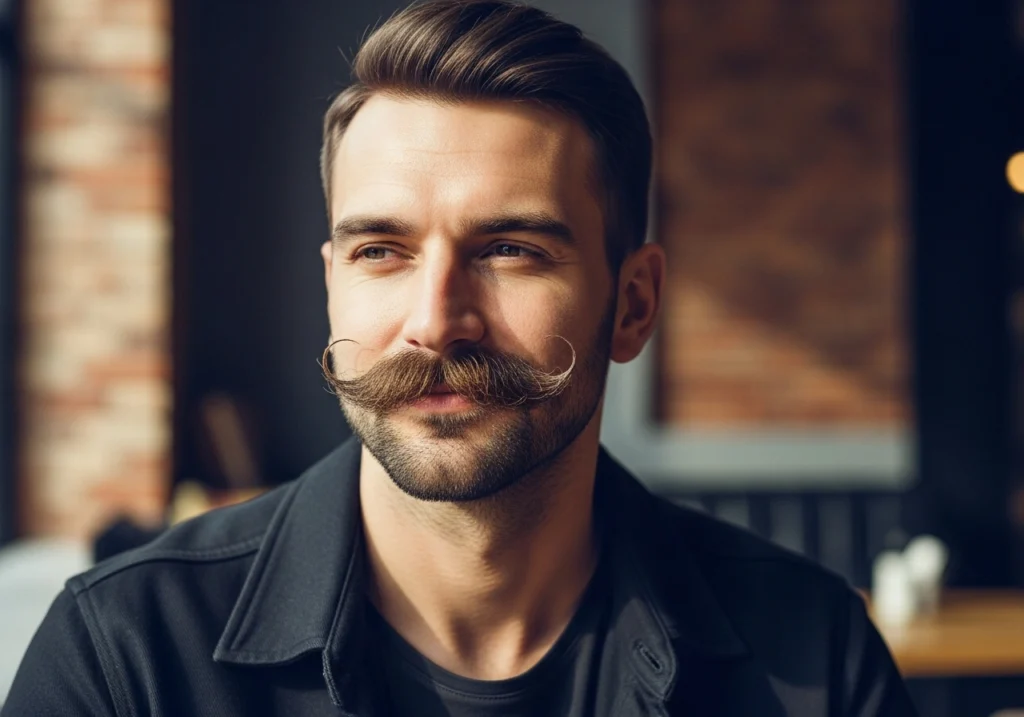
The beardstache represents contemporary fusion grooming, combining a prominent mustache with light stubble or very short beard coverage. This style has gained tremendous popularity for its ability to create definition while maintaining rugged, masculine appeal.
Achieving the proper beardstache balance requires maintaining the beard at consistent short length, typically two to five millimeters, while allowing the mustache to grow substantially fuller. The contrast creates focal emphasis on the upper lip while retaining overall facial hair coverage. Regular beard trimming every few days maintains the length differential that makes this style work.
Conclusion
Selecting and maintaining the ideal mustache represents a personal journey combining self-knowledge, grooming skill, and style confidence. The 25 styles presented in this guide offer options spanning the full spectrum from understated elegance to bold artistic expression, ensuring every man can find approaches suited to his unique facial structure, lifestyle requirements, and aesthetic preferences.
Success in mustache styling begins with honest assessment of face shape, growth patterns, and daily grooming time availability. Understanding these foundational elements guides selections that enhance rather than fight natural features. Patience during growth phases, commitment to proper maintenance, and willingness to adapt approaches based on results separate satisfying outcomes from frustrating experiences.
The most important principle transcends specific style choices: authenticity matters more than following trends. The best mustache for you reflects your genuine personality and complements your natural features rather than imitating someone else’s look. Experiment thoughtfully, maintain diligently, and wear your choice with confidence. A well-groomed mustache becomes not just facial hair but a defining element of personal identity and style.
You my also like this post:30 Epic Men’s Beard Style Ideas Every Man Should Try in 2026!
Frequently Asked Questions
How long does it take to grow a handlebar mustache?
Growing a handlebar mustache typically requires three to six months of uninterrupted growth. The hair must extend well beyond the mouth corners to allow proper shaping and curling. During the first month, focus on allowing even growth without trimming. Months two and three involve training the hair outward using light wax or balm. By months four through six, sufficient length develops for styling the signature upward curves. Individual growth rates vary, with some men achieving handlebar length in as few as ten weeks while others need the full six months.
What face shape works best with a chevron mustache?
The chevron mustache particularly flatters oval and square face shapes. Oval faces accommodate the chevron’s substantial horizontal presence without creating imbalance, while square faces benefit from the softening effect of the full, rounded style against angular jawlines. Men with round faces can wear chevrons successfully by trimming the sides slightly inward to avoid widening the face further. Diamond-shaped faces also work well with chevrons, as the horizontal emphasis balances wider cheekbones. The chevron’s versatility makes it suitable for most face shapes with minor adjustments to width and length.
How often should I trim my mustache?
Trimming frequency depends on your chosen style and personal growth rate. Precision styles like the pencil mustache require trimming every two to three days to maintain clean lines. Natural styles like the chevron or walrus need trimming only weekly or biweekly, focusing on removing split ends and maintaining the bottom edge along the lip line. During growth phases toward longer styles, limit trimming to monthly sessions removing only essential stray hairs. Most men find a rhythm of minor touch-ups every three to four days with more thorough shaping sessions weekly or biweekly produces optimal results.
Can I style my mustache without using wax?
Natural mustache styles like the chevron, walrus, and pyramid require no wax for everyday wear. Regular combing and quality beard oil or balm provide sufficient management for these looks. However, styled mustaches including handlebar, imperial, and Dali designs absolutely require wax to achieve and maintain their characteristic shapes. The upward curves and extended points of these styles defy natural hair growth direction, making wax essential. Some men use light balm for subtle control of natural styles, reserving strong-hold wax exclusively for deliberately shaped designs. Your style choice determines whether wax becomes necessary or optional.
What products are essential for mustache maintenance?
Every mustache wearer needs quality beard wash or shampoo for regular cleansing, beard oil or conditioning balm for daily moisturizing, and a fine-toothed comb for grooming and distribution of products. These three essentials maintain healthy, manageable facial hair regardless of style. Additionally, invest in sharp trimming scissors or a quality adjustable beard trimmer for length maintenance. Men pursuing styled mustaches should add medium or strong-hold mustache wax to their toolkit. Optional but helpful items include beard brushes for longer styles, small grooming mirrors for detail work, and weekly deep conditioning treatments for optimal hair health.