Do Beard Rollers Work: Potential Risks And Considerations
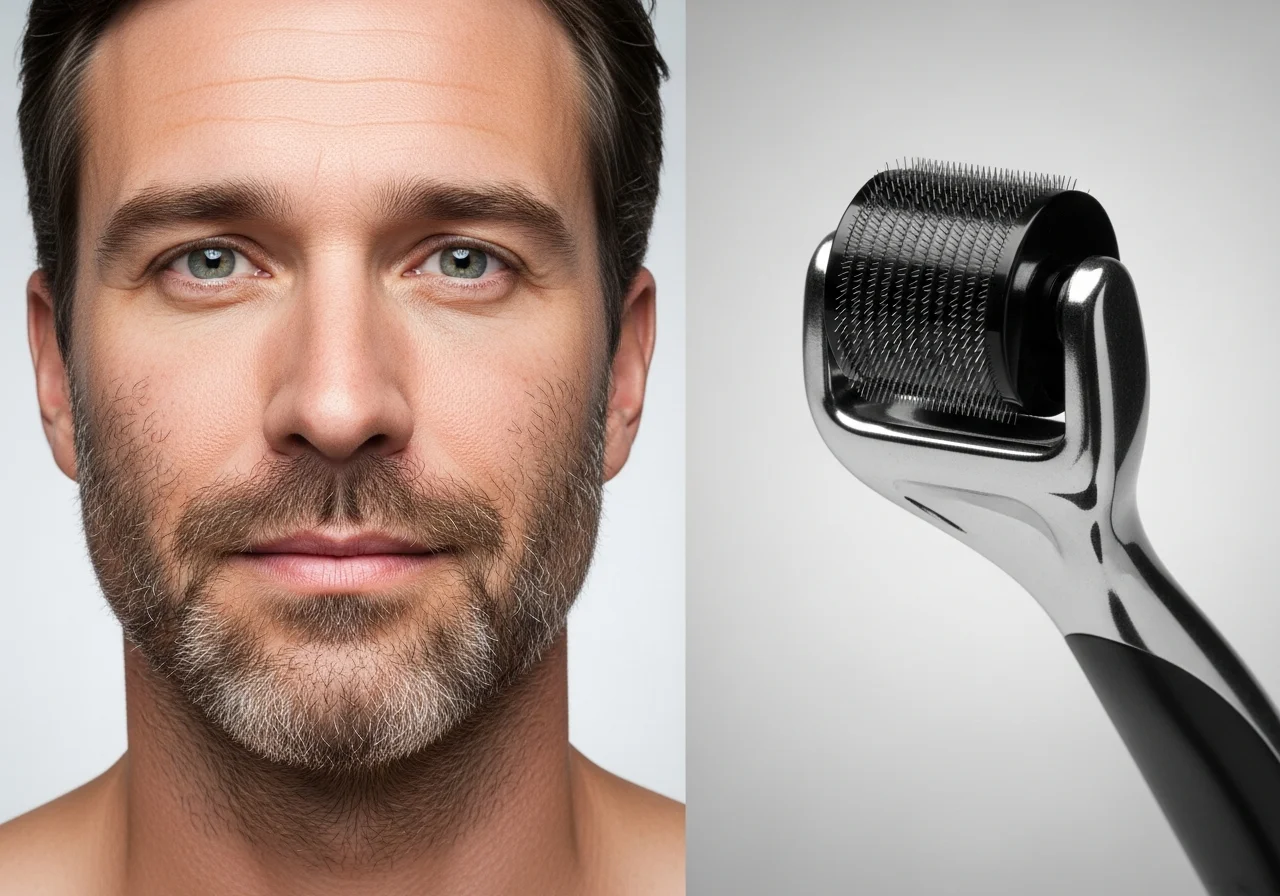
The pursuit of a fuller, thicker beard has led many men to explore various grooming tools and techniques. Among these innovations, beard rollers have gained substantial attention as a potential solution for patchy facial hair and inconsistent beard growth. These handheld devices, covered with tiny needles, promise to stimulate hair follicles and enhance beard density through a process known as microneedling. But do these tools actually deliver on their promises, or are they simply another passing trend in the men’s grooming industry?
Understanding whether beard rollers work requires examining the science behind their mechanism, evaluating real-world results, and carefully considering the potential risks involved. While many users report positive outcomes, the effectiveness of these devices depends on multiple factors including proper usage, individual biology, and realistic expectations. This comprehensive exploration will help you determine whether a beard roller might be an appropriate addition to your grooming routine.
Understanding How Beard Rollers Function

Beard rollers operate through a mechanism called microneedling, a technique originally developed for skincare applications. The device features a cylindrical roller head covered with hundreds of fine needles ranging from 0.25mm to 1.5mm in length. When rolled across the skin, these needles create controlled micro-injuries that trigger the body’s natural healing response.
This healing process initiates several beneficial biological reactions. The tiny punctures stimulate increased blood flow to the treated area, delivering more oxygen and nutrients to hair follicles. Simultaneously, the body ramps up collagen and elastin production, two proteins essential for healthy tissue regeneration. Enhanced collagen levels can strengthen existing hair follicles and potentially awaken dormant ones that have remained inactive.
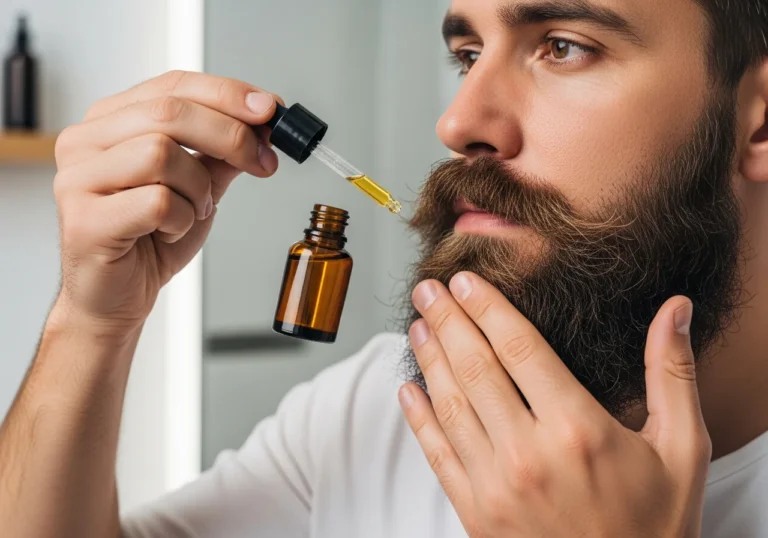
The increased circulation also improves the absorption capacity of the skin. This characteristic makes beard rollers particularly effective when combined with growth-promoting products like minoxidil or natural oils. The microchannels created by the needles allow these substances to penetrate deeper into the skin layers, potentially magnifying their effectiveness compared to topical application alone.
The Science Behind Microneedling for Hair Growth
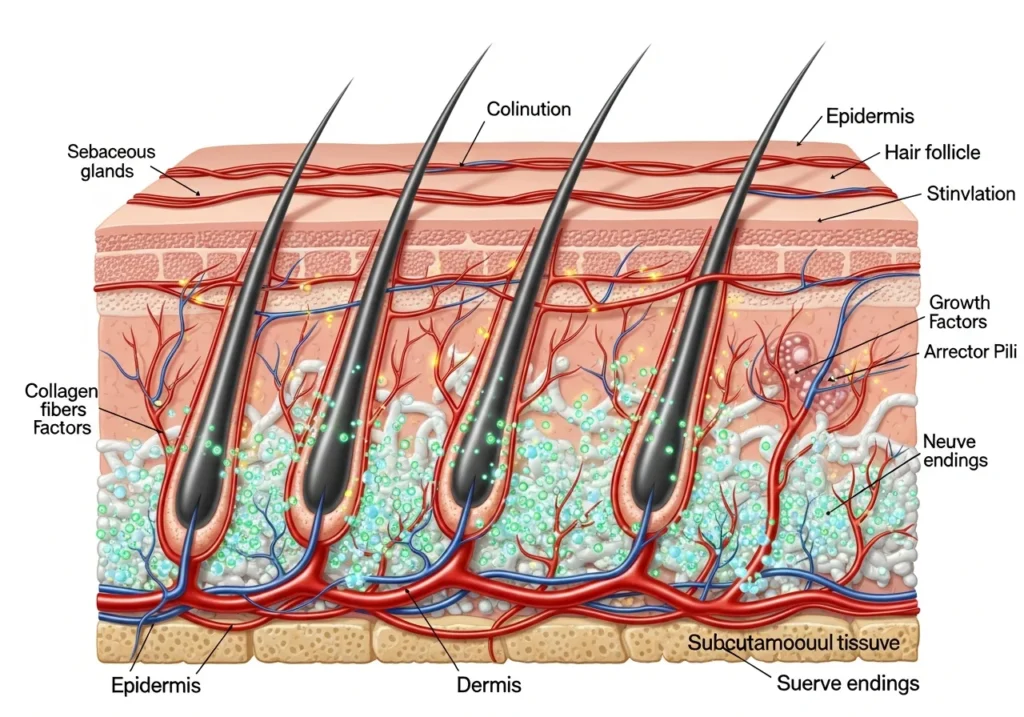
Research into microneedling for hair growth has primarily focused on scalp applications, but the underlying principles apply equally to facial hair. Studies have demonstrated that controlled skin injury can activate stem cells within hair follicles, prompting them to enter an active growth phase. The process triggers the release of growth factors and proteins that support hair development.
One significant mechanism involves the activation of platelet-derived growth factor and vascular endothelial growth factor. These compounds play crucial roles in hair follicle cycling and the formation of new blood vessels around follicles. Enhanced vascularization ensures that follicles receive adequate nutrition for sustained growth, which can be particularly beneficial for areas where facial hair grows sparsely.
The microneedling process also appears to reduce fibrosis around hair follicles. Fibrosis, the thickening and scarring of connective tissue, can impede hair growth by restricting follicle expansion. By breaking down this fibrous tissue, beard rollers may create a more favorable environment for hair development. However, individual results vary significantly based on genetics, hormone levels, and the overall health of existing follicles.
Proper Technique for Using Beard Rollers
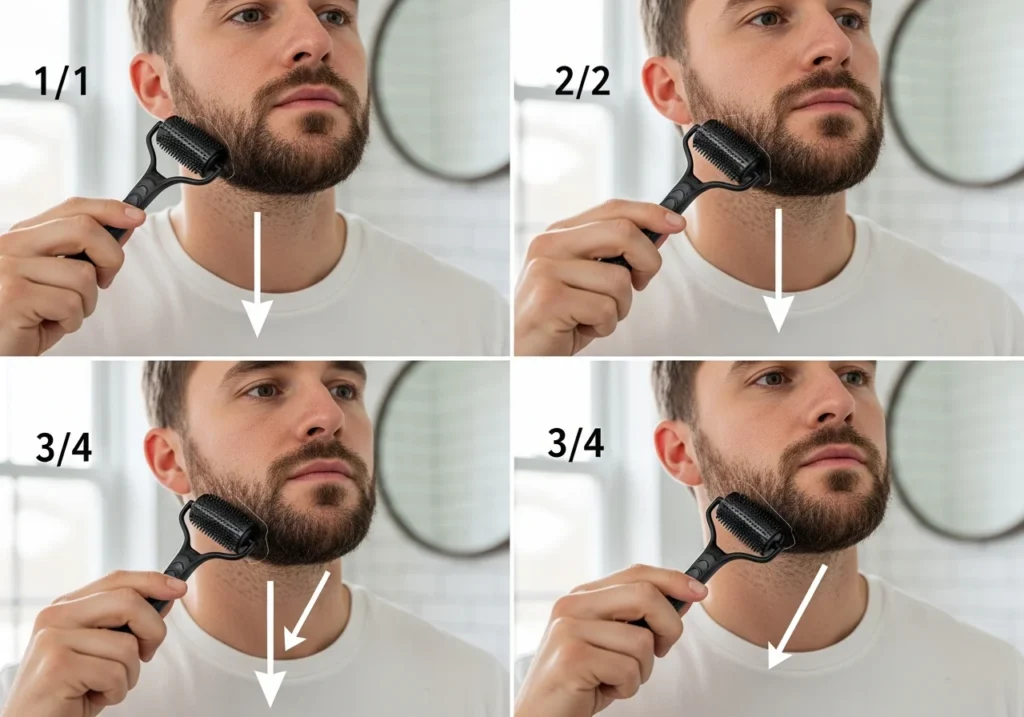
Successful outcomes with beard rollers depend heavily on correct application technique. Begin by thoroughly cleansing your face with a gentle, non-irritating cleanser to remove dirt, oils, and bacteria. This step prevents pushing contaminants deeper into the skin during the rolling process. Pat your face completely dry before proceeding.
Hold the roller at a slight angle and apply gentle, even pressure as you roll across the treatment area. Make several passes in different directions: vertically, horizontally, and diagonally. This multidirectional approach ensures comprehensive coverage and uniform stimulation. Avoid pressing too hard, as excessive pressure can cause unnecessary trauma and potential scarring.
The frequency of use matters considerably. Most experts recommend using a beard roller once or twice weekly, allowing adequate recovery time between sessions. Daily use can overwhelm the skin’s healing capacity, leading to irritation, inflammation, or damage to hair follicles. After each session, apply a soothing serum or oil to calm the skin and support the healing process. Always clean and disinfect your roller thoroughly after every use to prevent bacterial contamination.
Selecting the Appropriate Needle Length
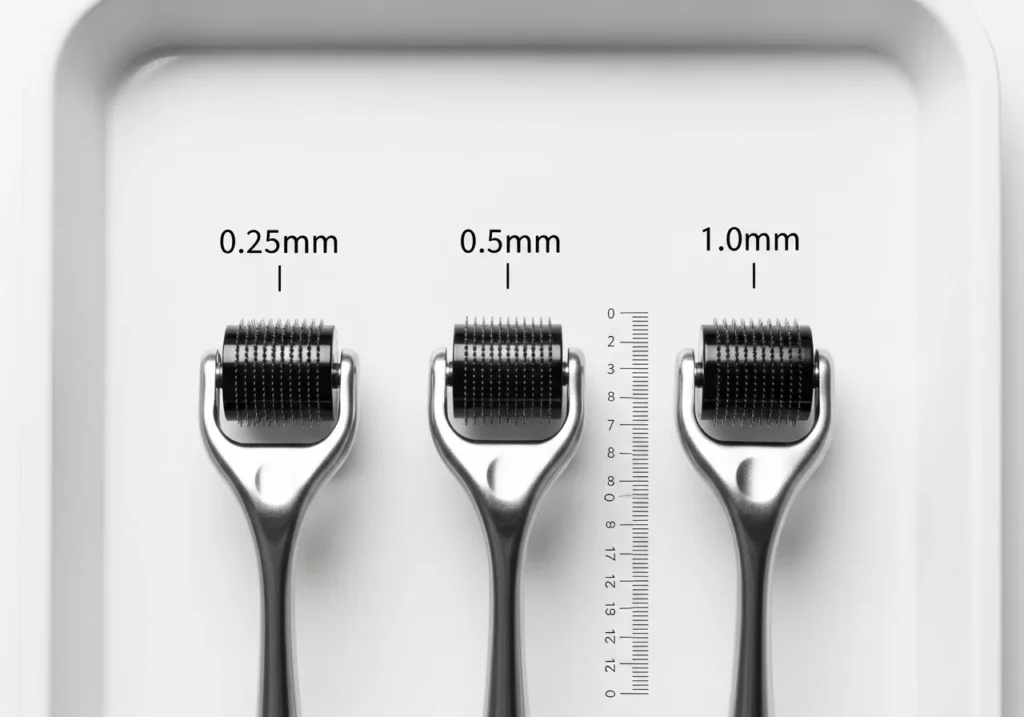
Needle length represents a critical consideration when choosing a beard roller. Different lengths serve distinct purposes and carry varying risk profiles. Understanding these differences helps optimize results while minimizing potential complications.
Rollers with 0.25mm needles are considered the safest option for beginners. This length provides gentle stimulation without penetrating deeply enough to cause significant discomfort or bleeding. These shorter needles work well for enhancing product absorption and maintaining beard health, though they may produce slower visible results compared to longer needles.
The 0.5mm length strikes a balance between effectiveness and safety for most users. This size penetrates sufficiently to trigger meaningful collagen production and growth factor release while remaining manageable for at-home use. Many experienced users find this length delivers noticeable improvements without excessive irritation.
Longer needles, particularly those measuring 1.0mm to 1.5mm, should be approached with caution. While they can potentially produce more dramatic results, they also increase the risk of complications including scarring, infection, and prolonged inflammation. Some professionals recommend reserving these lengths for clinical settings where proper sterilization and technique can be ensured.
Realistic Expectations and Timeline for Results
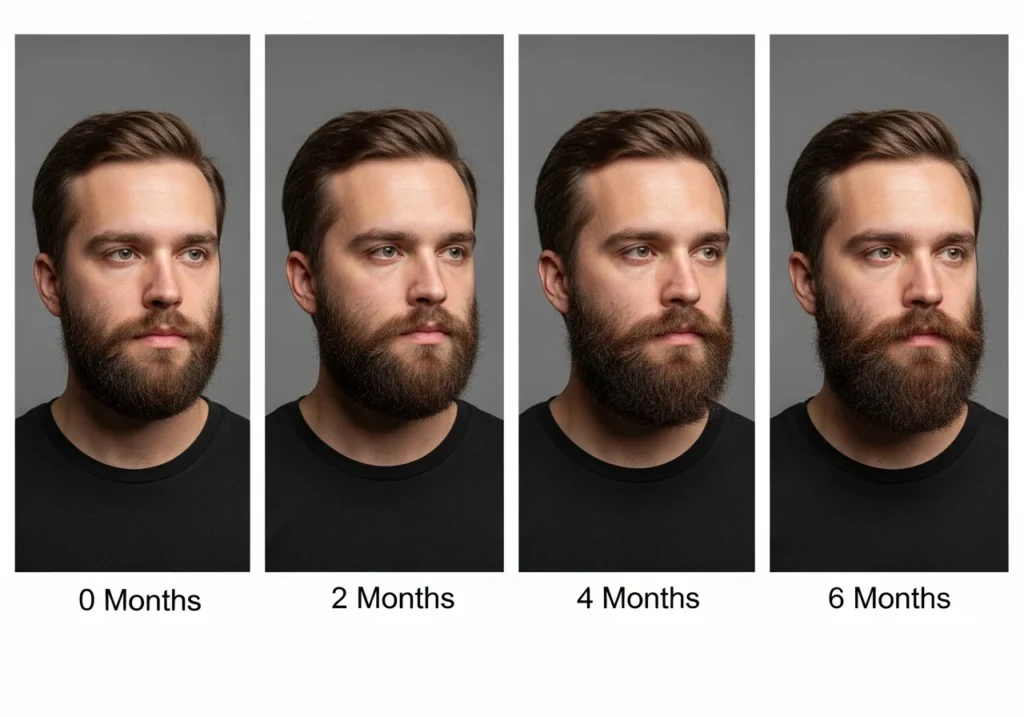
Setting appropriate expectations proves essential when incorporating beard rollers into your routine. These devices do not produce overnight transformations, and results vary considerably among individuals based on genetics, age, and existing beard characteristics.
Most users who experience positive outcomes report initial changes appearing after six to eight weeks of consistent use. These early improvements often manifest as increased density in existing beard areas rather than completely new hair growth in previously bare patches. The hair may also appear healthier and more robust as improved circulation nourishes the follicles.
Significant changes typically require three to six months of dedicated use. New hair growth in sparse areas emerges gradually, often beginning as fine vellus hairs that may eventually transition to thicker terminal hairs. Not everyone will achieve the same degree of improvement, as genetic factors ultimately determine maximum beard potential.
Patience remains crucial throughout this process. Discontinuing use prematurely can lead to the mistaken conclusion that beard rollers are ineffective. Conversely, some individuals may never see substantial results regardless of consistent application, particularly if their limited facial hair stems from hormonal factors or genetic predisposition rather than poor follicle health.
Combining Beard Rollers with Growth Products
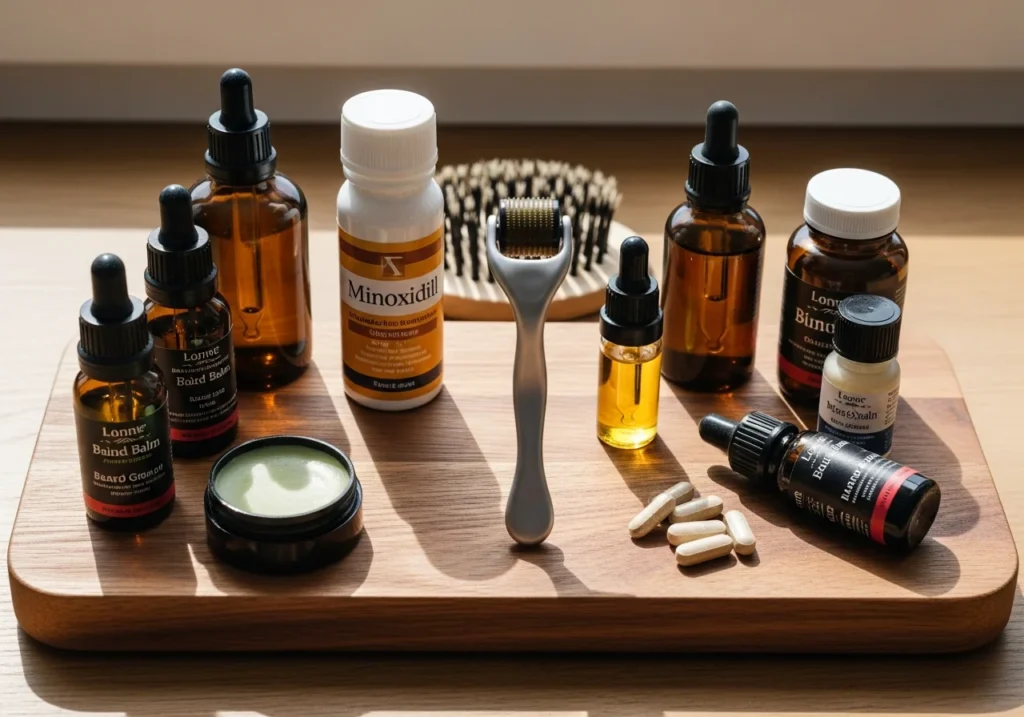
Many users amplify their results by pairing beard rollers with topical growth products. This combination approach leverages the enhanced absorption created by microneedling to maximize product effectiveness. Minoxidil remains the most commonly used companion product, supported by substantial research demonstrating its ability to promote hair growth.
When combining these treatments, timing matters significantly. Apply minoxidil approximately four to six hours after rolling rather than immediately afterward. This waiting period allows the microchannels to begin closing, reducing the risk of excessive systemic absorption that could lead to unwanted side effects like rapid heartbeat or dizziness.
Natural alternatives like castor oil, peppermint oil, and beard growth serums can also complement beard roller use. These products provide nutrients, moisturization, and mild stimulation that support the healing process and create favorable conditions for hair development. Choose high-quality, pure formulations to avoid introducing irritants into the compromised skin barrier created by microneedling.
Biotin supplements and other nutritional support may offer additional benefits when used alongside beard rollers. While oral supplements alone rarely transform beard growth dramatically, they can ensure that hair follicles have adequate building blocks for optimal function. A comprehensive approach addressing both external stimulation and internal nutrition often yields the best outcomes.
Understanding the Risk Factors
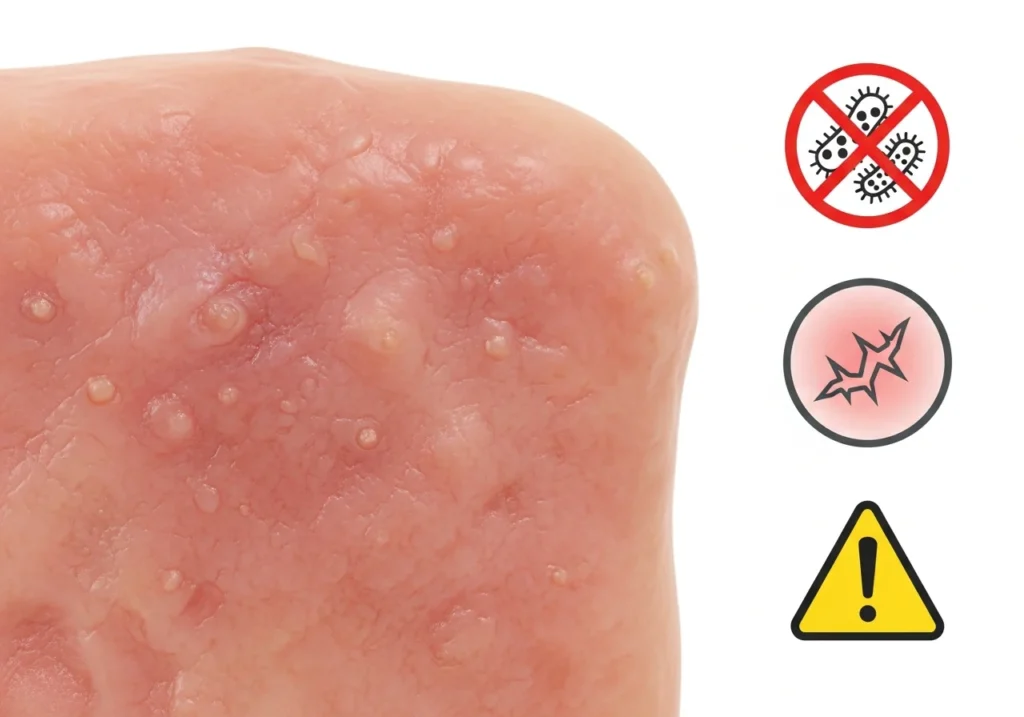
Despite their potential benefits, beard rollers carry inherent risks that deserve careful consideration. Understanding these hazards allows for informed decision-making and proper risk mitigation strategies.
Infection represents the most significant concern when using beard rollers. The microinjuries created by the needles provide entry points for bacteria, particularly if the device is not properly sterilized or if treatment occurs on unclean skin. Infections can damage hair follicles permanently, resulting in worse outcomes than the original problem. Always disinfect your roller with isopropyl alcohol before and after each use.
Scarring can occur with improper technique or excessive pressure. Rolling too aggressively or using needles that are too long for home use increases this risk substantially. Scar tissue does not support hair growth and can create permanent bald patches in treated areas. Start with conservative pressure and shorter needles, gradually adjusting as you gain experience.
Skin irritation and inflammation are common, especially during initial sessions. Redness, sensitivity, and mild swelling typically resolve within 24 to 48 hours. However, persistent or severe reactions may indicate an allergic response to materials in the roller, excessive trauma, or underlying skin conditions that contraindicate microneedling.
Hyperpigmentation poses a particular concern for individuals with darker skin tones. Trauma to the skin can trigger excess melanin production, creating dark spots that prove difficult to fade. Anyone with a history of hyperpigmentation should approach beard rolling with extra caution and consider consulting a dermatologist before beginning.
Who Should Avoid Beard Rollers
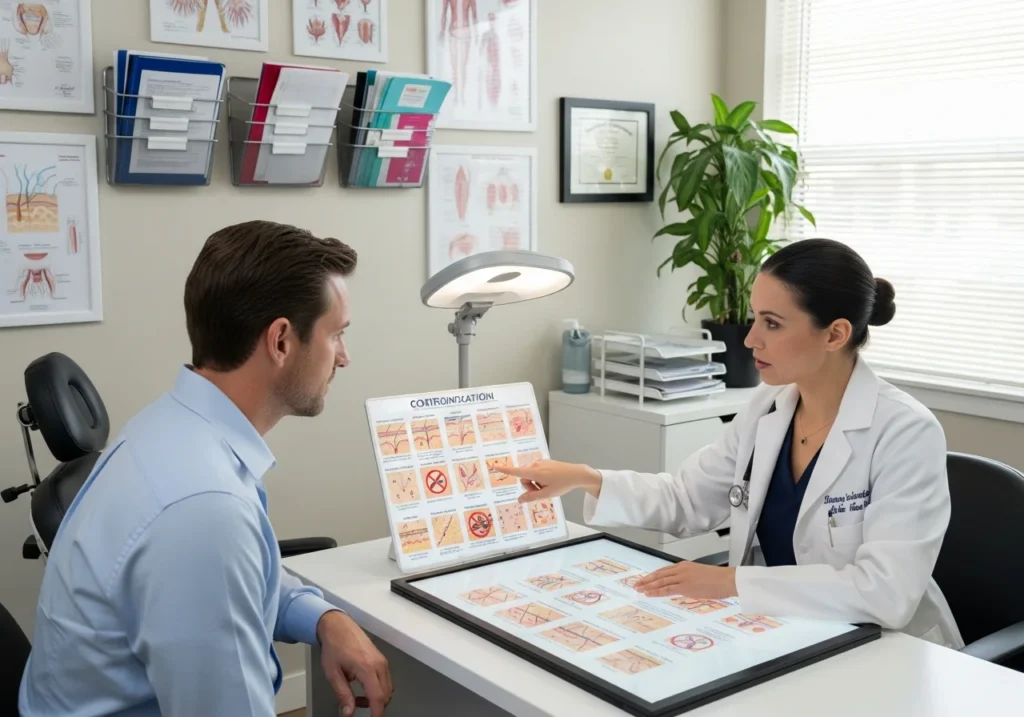
Certain individuals should reconsider or completely avoid using beard rollers due to elevated health risks. Active acne or skin infections contraindicate microneedling, as the process can spread bacteria and worsen existing conditions. Wait until these issues fully resolve before attempting to use a beard roller.
People with bleeding disorders or those taking blood-thinning medications face increased risks of excessive bleeding and bruising. The microinjuries created by beard rollers, while small, can be problematic for individuals whose blood does not clot normally. Consult with a healthcare provider before proceeding if you fall into this category.
Individuals with a history of keloid scarring should avoid beard rollers entirely. Keloids are raised scars that grow beyond the boundaries of the original injury, and microneedling can trigger their formation. Those prone to this type of scarring risk creating disfiguring marks that far outweigh any potential beard growth benefits.
Active skin conditions including eczema, psoriasis, or rosacea may worsen with beard roller use. The additional trauma can trigger flares and exacerbate symptoms. Similarly, anyone with compromised immune function should exercise extreme caution, as their reduced ability to fight infection increases the danger of complications.
Proper Maintenance and Hygiene Practices
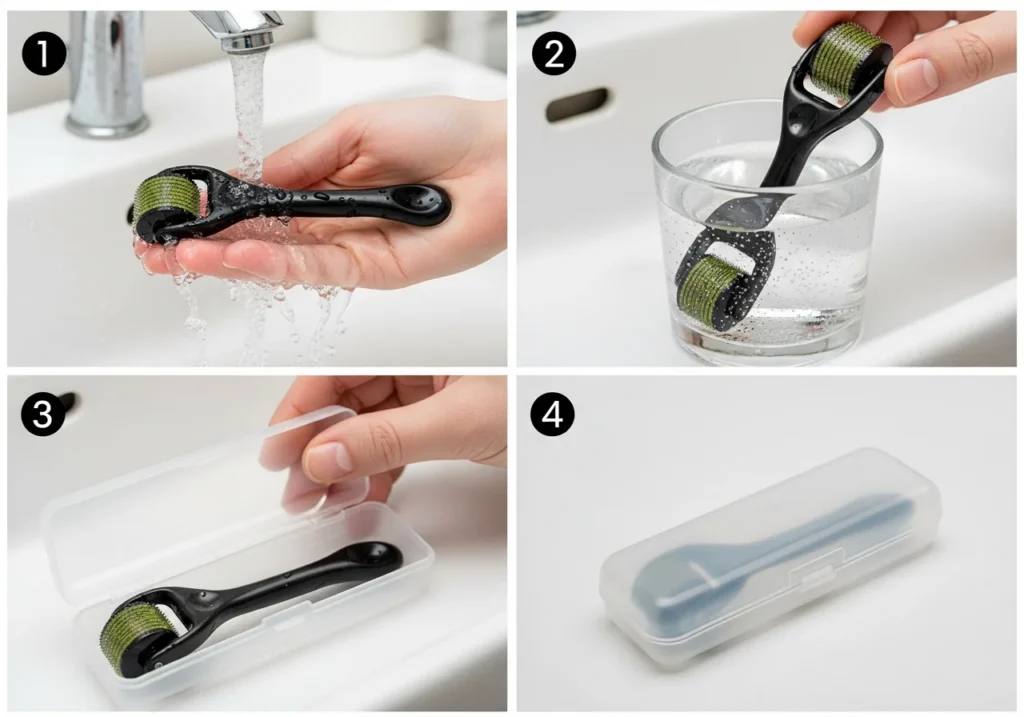
Maintaining your beard roller properly extends its lifespan and, more importantly, protects your health. After each use, rinse the roller thoroughly under hot water to remove skin cells, oils, and any product residue. This initial cleaning prevents organic material from hardening on the needles.
Following the water rinse, immerse the roller head in 70% isopropyl alcohol for at least ten minutes. This duration ensures adequate disinfection of the needle surface and the spaces between needles where bacteria can hide. Some users prefer specialized sterilizing solutions designed for microneedling devices, which can provide additional antimicrobial protection.
Store your beard roller in a clean, dry location away from environmental contaminants. Many devices come with protective cases that shield the needles from damage and contamination. Never share your beard roller with others, as this practice can transmit blood-borne pathogens and skin infections.
Replace your beard roller regularly according to manufacturer recommendations, typically every three to six months depending on usage frequency. Needles become dull over time, reducing effectiveness and increasing the likelihood of tearing rather than cleanly puncturing the skin. Damaged or bent needles should prompt immediate replacement regardless of the timeline.
Comparing Beard Rollers to Alternative Solutions
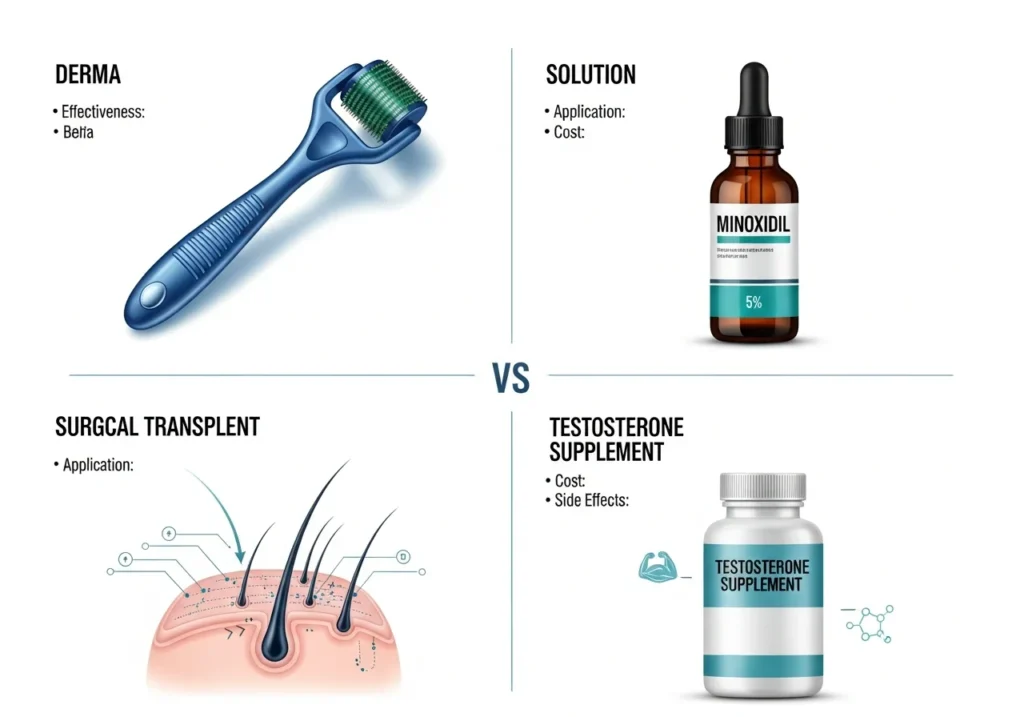
Beard rollers represent just one option among various approaches to improving facial hair growth. Understanding how they compare to alternatives helps determine the most appropriate strategy for individual circumstances.
Minoxidil alone, without microneedling, has demonstrated effectiveness for beard growth in numerous users. However, results typically emerge more slowly and may plateau at lower density levels compared to combined approaches. Minoxidil requires consistent long-term application and can cause initial shedding phases that discourage continued use.
Beard transplant surgery offers the most dramatic and permanent solution for sparse facial hair. Surgeons harvest hair follicles from the scalp and implant them into the beard area, creating natural-looking results that grow throughout the recipient’s lifetime. However, this procedure carries significant costs, ranging from several thousand dollars, and involves surgical risks and recovery time.
Hormone therapy, particularly testosterone supplementation, can enhance beard growth in men with clinically low testosterone levels. This approach addresses the root hormonal cause of poor facial hair development but requires medical supervision and carries potential side effects affecting overall health. It should only be pursued under proper medical guidance after confirming hormone deficiencies through laboratory testing.
Natural approaches including improved nutrition, stress reduction, and lifestyle modifications provide foundational support for optimal hair growth. While rarely transformative on their own, these methods create favorable internal conditions that can enhance the effectiveness of external treatments like beard rollers.
The Psychological and Social Considerations
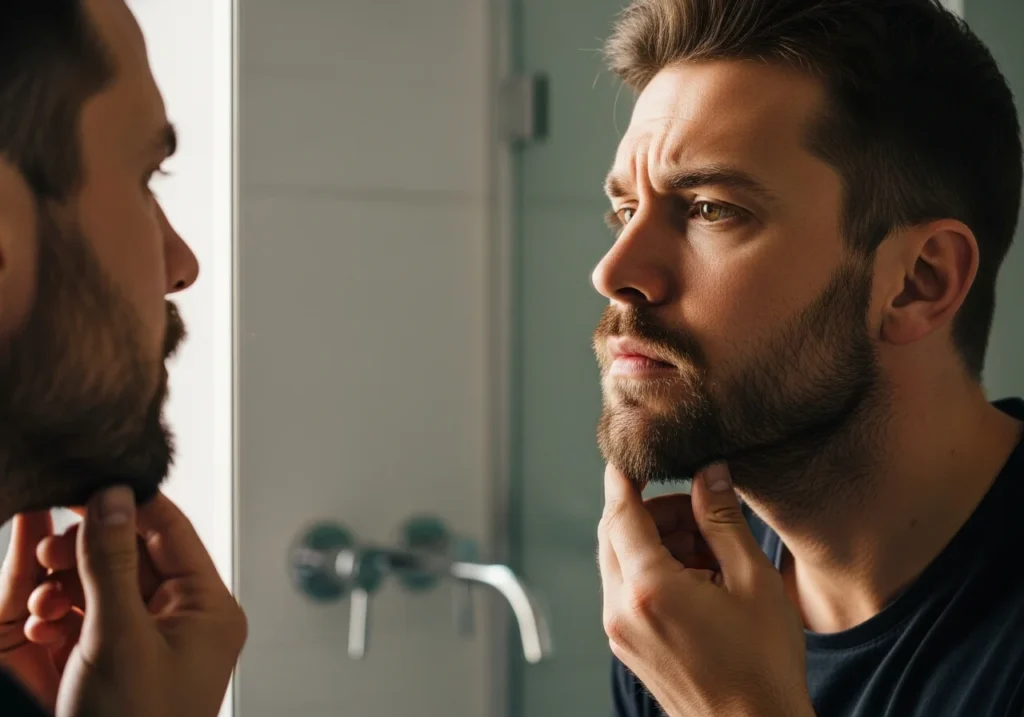
The decision to use beard rollers often stems from deeper psychological and social factors beyond simple grooming preferences. Many men associate full beards with masculinity, maturity, and social status. Patchy or thin facial hair can negatively impact self-esteem and confidence, particularly in cultures where beards carry significant social meaning.
Understanding these underlying motivations helps maintain healthy perspective throughout the beard enhancement journey. Beard rollers should be viewed as one tool among many for personal grooming, not as a solution to deeper self-worth issues. Realistic expectations prevent disappointment and the temptation to use devices improperly in pursuit of faster results.
The time investment required for proper beard roller use deserves consideration. Between the rolling sessions, waiting periods, product application, and maintenance, this routine adds measurable time to grooming schedules. Evaluate whether you can commit to this regimen consistently for several months before investing in equipment and products.
Social perception also plays a role during the initial treatment period. The redness and irritation following beard roller sessions may be visible to others, potentially requiring explanation or causing self-consciousness. Planning sessions around social obligations and allowing adequate recovery time can minimize these concerns.
Making an Informed Decision

Determining whether beard rollers are appropriate for your situation requires weighing the potential benefits against the risks and commitments involved. Begin by honestly assessing your current beard characteristics and identifying specific areas you wish to improve. Understanding your goals helps set realistic expectations and measure progress effectively.
Research your specific skin type and any underlying conditions that might increase complication risks. Consulting with a dermatologist provides valuable professional insight, particularly if you have sensitive skin, existing skin conditions, or concerns about your candidacy for microneedling. Professional guidance can prevent costly mistakes and health complications.
Consider starting with the most conservative approach possible. Choose shorter needle lengths, limit frequency to once weekly, and use gentle pressure. Monitor your skin’s response carefully over several weeks before making any adjustments to technique or frequency. This cautious progression minimizes risks while allowing you to gauge your individual tolerance and response.
Calculate the total financial investment including the roller device, replacement heads, cleaning supplies, and any companion products you plan to use. While beard rollers are relatively affordable compared to surgical alternatives, the ongoing costs for proper maintenance and complementary treatments can accumulate over time.
Conclusion
Beard rollers can work for many men seeking to improve facial hair density and coverage, but they are not universal solutions guaranteed to produce dramatic transformations. The effectiveness of these devices depends on proper technique, consistent application, realistic expectations, and individual biological factors beyond anyone’s control. When used correctly, beard rollers stimulate beneficial processes including increased blood flow, collagen production, and enhanced product absorption that create favorable conditions for hair growth.
However, the potential risks cannot be ignored. Infection, scarring, skin irritation, and other complications can occur, particularly when devices are used improperly or hygiene practices are inadequate. Certain individuals with specific health conditions or skin characteristics should avoid beard rollers entirely or seek professional guidance before proceeding.
Success with beard rollers typically requires patience, as meaningful results emerge gradually over months rather than weeks. Combining microneedling with appropriate topical products, maintaining excellent hygiene practices, and supporting hair health through proper nutrition and lifestyle choices maximizes the likelihood of positive outcomes. Whether beard rollers represent a worthwhile investment depends on individual circumstances, goals, and willingness to commit to a disciplined long-term routine while accepting the inherent uncertainties of results.
Frequently Asked Questions
How long does it take to see results from beard rollers?
Most users notice initial improvements after six to eight weeks of consistent use, with more significant changes appearing between three to six months. Results vary based on genetics, existing beard characteristics, and adherence to proper technique. Patience and realistic expectations are essential, as beard growth is a gradual process that cannot be rushed.
What needle length is best for beard growth?
For most users, 0.5mm needles provide an optimal balance between effectiveness and safety. Beginners should start with 0.25mm to assess skin tolerance before progressing to longer lengths. Needles exceeding 1.0mm carry increased risks and may be better suited for professional settings rather than home use.
Can beard rollers cause permanent damage?
When used properly with appropriate hygiene and technique, beard rollers rarely cause permanent damage. However, improper use including excessive pressure, inadequate sterilization, or rolling over infected skin can lead to scarring or follicle damage. Following established guidelines and starting conservatively minimizes these risks substantially.
Should I use minoxidil with a beard roller?
Many users achieve enhanced results by combining minoxidil with beard rolling, as microneedling improves absorption of topical products. However, wait four to six hours after rolling before applying minoxidil to reduce the risk of excessive systemic absorption. This combination requires careful timing and monitoring for potential side effects.
Are beard rollers safe for all skin types?
Beard rollers can be used on various skin types, but individuals with darker complexions face higher risks of hyperpigmentation. Those with sensitive skin, active acne, eczema, psoriasis, or bleeding disorders should consult a dermatologist before use. Certain conditions contraindicate microneedling entirely, making professional guidance important for at-risk individuals.
You may also like this post: 25+ Trendy Curly Hair Undercuts For Men 2026