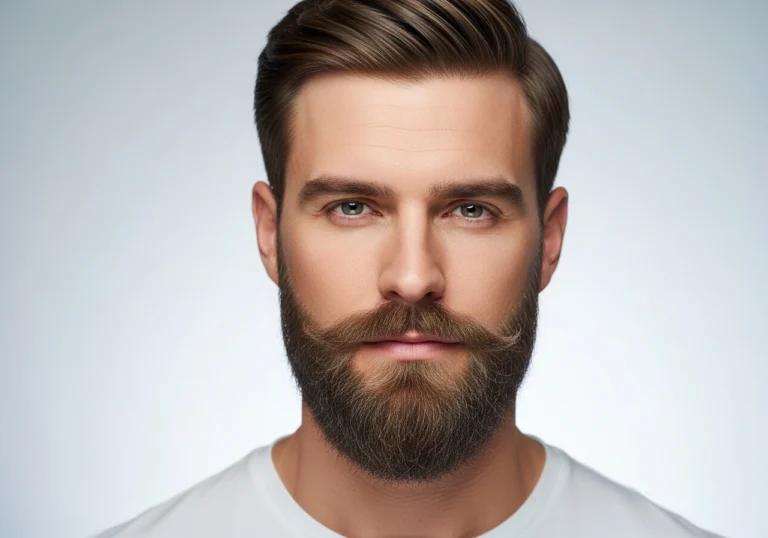
Beard Styles for Men: 25 Modern Looks to Try in 2026
Facial hair has evolved from a simple grooming choice to a powerful statement of personal style and masculinity. The modern man understands that a well-maintained beard is more than just letting hair grow on your face. It requires deliberate styling, consistent maintenance, and careful consideration of your unique features. Whether you prefer the clean sophistication of minimal stubble or the bold statement of a full beard, selecting the right style can transform your entire appearance and boost your confidence.
The landscape of beard styles has expanded dramatically over recent years, offering countless options for men of all ages, professions, and personal aesthetics. From corporate-friendly designs to artistic expressions that push boundaries, there truly is a beard style for every man willing to invest time in proper grooming. The key lies in understanding which styles complement your face shape, match your lifestyle demands, and align with your personal vision of style.
This comprehensive guide explores 25 modern beard styles that are making waves in 2026. Each style offers distinct characteristics, maintenance requirements, and visual impact. By understanding the fundamentals of beard styling and learning about diverse options available, you can make an informed decision that enhances your natural features and expresses your individuality.
Understanding Face Shape and Beard Selection
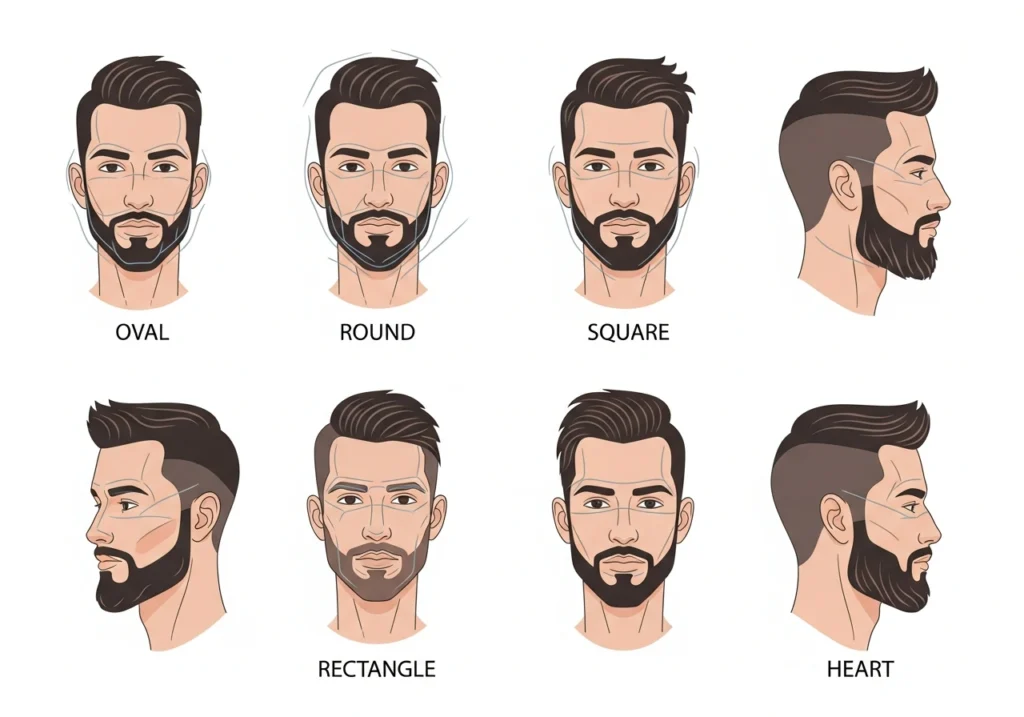
The foundation of choosing the perfect beard style begins with understanding your face shape. This critical factor determines which styles will enhance your features versus those that might create unflattering proportions. Men with oval faces enjoy the greatest flexibility, as most beard styles complement their balanced proportions. However, every face shape has ideal matches that create visual harmony.
Square faces feature strong angular jawlines and broad foreheads. These faces benefit from beards that soften harsh angles. Styles with fuller growth on the chin and shorter sides create balance without overwhelming the natural structure. The circle beard and extended goatee work particularly well for square-faced men seeking sophistication.
Round faces have softer edges and fuller cheeks with minimal angular definition. The goal for round faces involves creating the illusion of length and structure. Longer beards on the chin with shorter sides help elongate the face visually. Ducktail and extended full beards prove especially effective for adding the appearance of a more defined jawline.
Rectangular or oblong faces feature length that exceeds width. These faces require beards with more volume on the sides while keeping chin length controlled. This approach balances proportions and prevents making the face appear even longer. Short boxed beards and mutton chops with connected mustaches work wonderfully for oblong faces.
Heart-shaped and triangular faces have broader foreheads tapering to narrower jaws. These faces benefit from fuller beards that add width to the lower face, creating proportion balance. Full beards and garibaldi styles bring attention downward and add substance to the jawline.
The Classic Stubble Styles
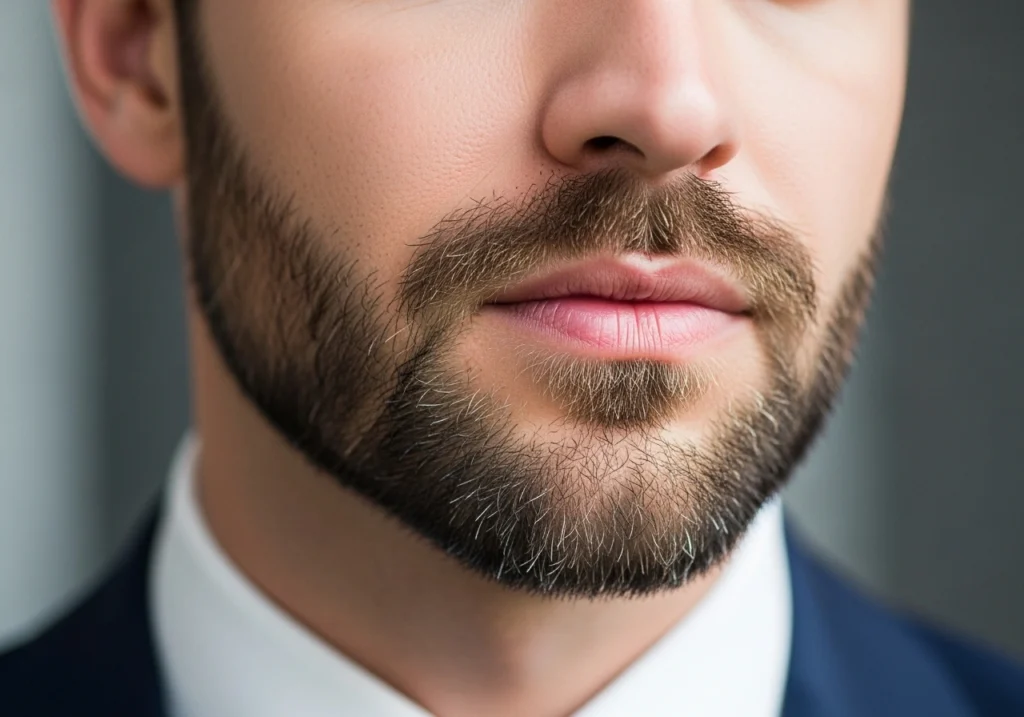
1 The Five O’Clock Shadow
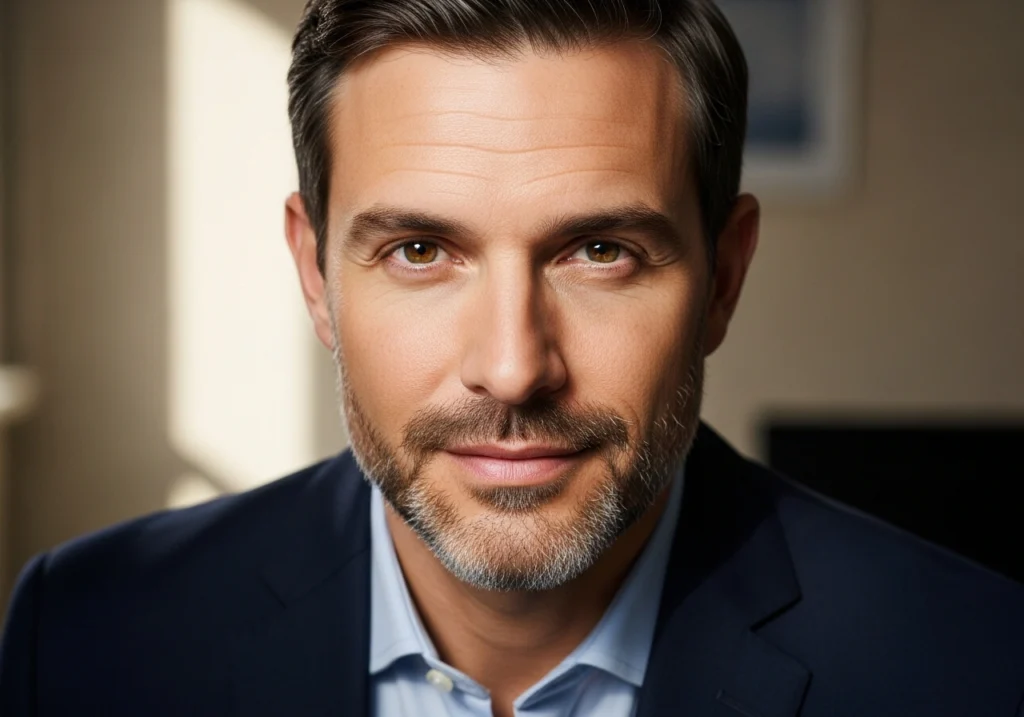
The five o’clock shadow represents the entry point for many men exploring facial hair. This subtle growth typically requires two to five days of growth depending on hair color and density. Darker hair becomes visible more quickly, creating that distinctive shadow effect that adds masculine edge without commitment. The beauty of this style lies in its universal appeal and minimal maintenance requirements.
Achieving the perfect five o’clock shadow involves allowing natural growth for several days, then using a trimmer with a short guard to maintain consistent length. The style works exceptionally well for professional environments where full beards might seem too casual. It adds definition to the jaw while maintaining a clean, polished appearance that women consistently rate as attractive.
2 The Designer Stubble
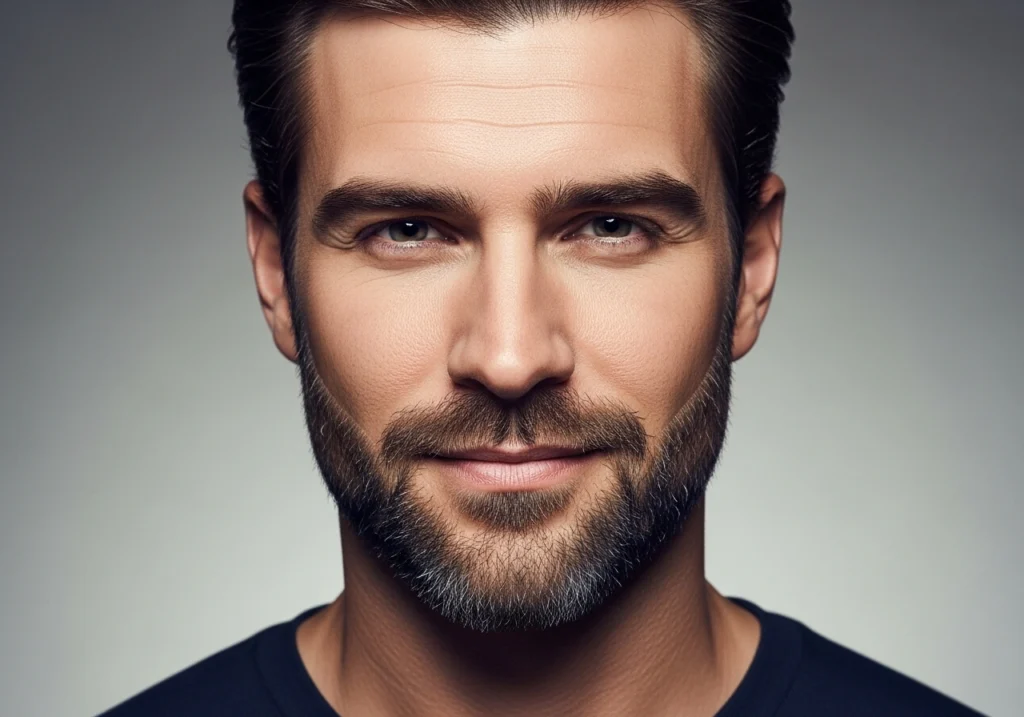
Designer stubble takes the five o’clock shadow concept slightly further, featuring more presence while remaining in the short beard category. This style typically measures between three to five millimeters in length, providing enough coverage to add structure without appearing overgrown. The designer stubble suits men with softer jawlines who want added definition without committing to longer beard maintenance.
This versatile style forgives patchy growth patterns better than longer styles, as the short length minimizes visible gaps. Regular trimming every few days maintains the desired length while keeping edges clean. The designer stubble pairs exceptionally well with modern haircuts and works across professional and casual settings with equal effectiveness.
3 The Heavy Stubble
Heavy stubble bridges the gap between short and medium beards, offering substantial coverage while remaining relatively easy to maintain. This style typically grows between five to ten millimeters, creating noticeable presence that adds rugged masculinity. The heavy stubble requires more attention to shaping than lighter stubble but rewards that effort with impressive visual impact.
Maintaining heavy stubble involves regular trimming to prevent transition into a full beard, along with careful attention to neckline and cheek line definition. This style particularly suits men with thick beard growth who want controlled fullness without long beard maintenance demands. The heavy stubble works well for creating the intentionally rugged aesthetic many modern men desire.
The Professional Beard Styles

4 The Corporate Beard

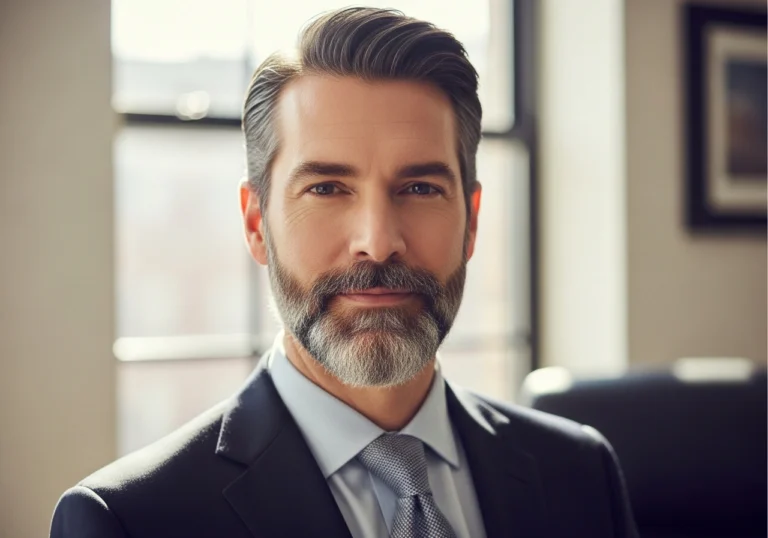
The corporate beard has become increasingly accepted in professional environments as workplace culture evolves. This style features a full but neatly trimmed beard maintained at moderate length, typically between one to two inches. Clean lines define the cheek and neck boundaries while the overall shape remains structured and intentional. The corporate beard demonstrates that professionalism and facial hair can coexist harmoniously.
Achieving this polished look requires regular maintenance, including weekly trimming to maintain length consistency and daily application of beard oil to ensure softness and manageability. The edges must remain sharp and well-defined, requiring precision trimming or professional barbering services. This style works particularly well for men in business settings who want to express personality while maintaining professional credibility.
5 The Short Boxed Beard
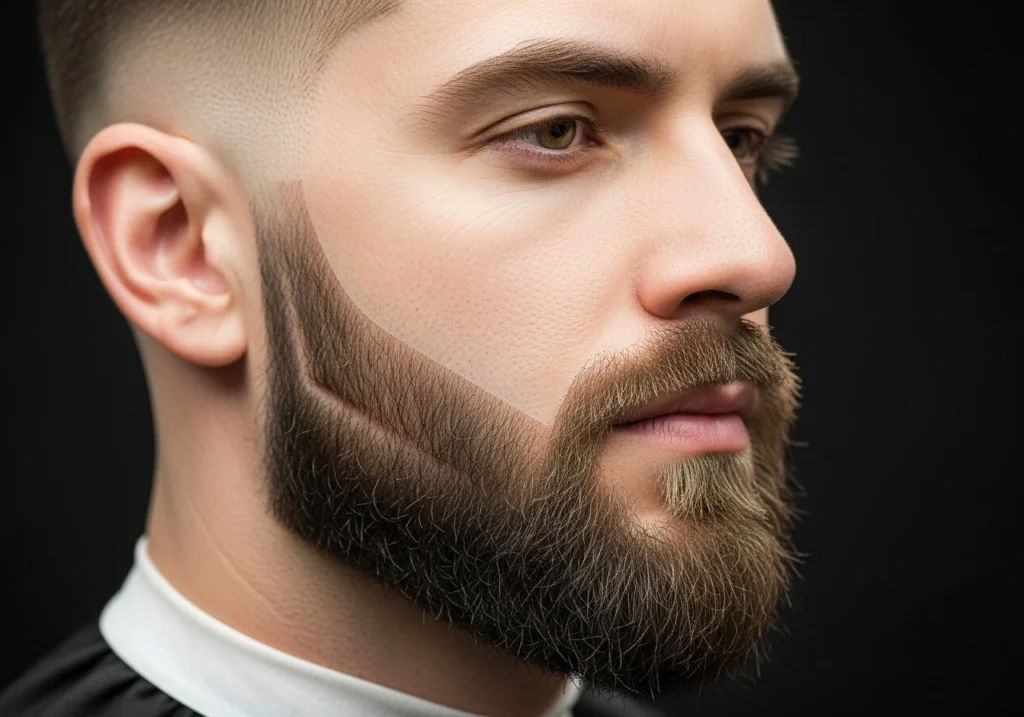
The short boxed beard earned its name from its distinctive squared shape and controlled length. This classic style features full coverage kept at approximately one inch maximum length with carefully defined edges creating a box-like silhouette. The short boxed beard rose to prominence as the bushiest option many corporate environments historically permitted, though its appeal extends far beyond workplace requirements.
This versatile style suits virtually all face shapes when properly tailored to individual features. The short boxed beard requires consistent trimming to maintain its characteristic shape, with particular attention to keeping the bottom line flat and even. Regular fade work on the sideburns creates smooth transitions, while clean neckline maintenance prevents the style from appearing unkempt.
6 The Beardstache
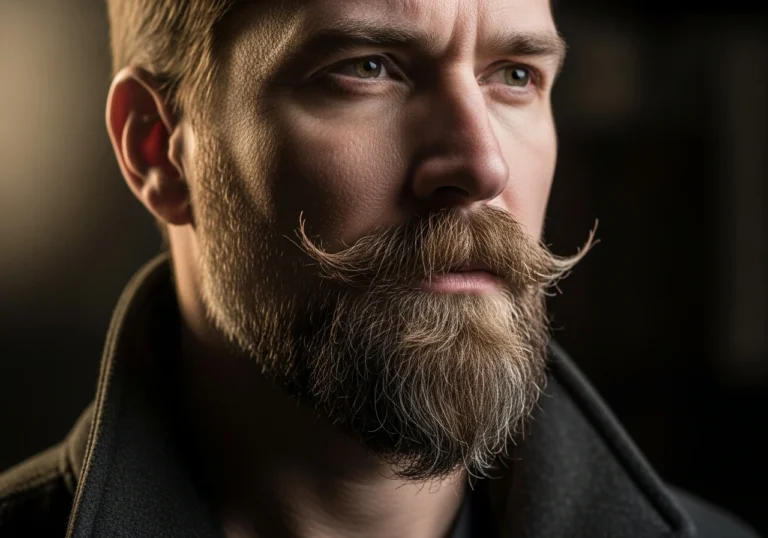
The beardstache trend combines a prominent mustache with minimal beard growth, creating striking visual contrast. The mustache takes center stage, grown thick and full, while the beard remains trimmed extremely short or left as light stubble. This bold style makes a definitive statement, perfect for men who want to stand out with an artistic, intentional look.
Creating the beardstache requires allowing the mustache to grow substantially while keeping facial hair below the nose trimmed short. Regular mustache grooming, including waxing or balming for shape control, maintains the distinctive appearance. This style particularly suits creative professionals and those in artistic fields where unconventional grooming receives appreciation.
The Full Beard Styles
7 The Natural Full Beard
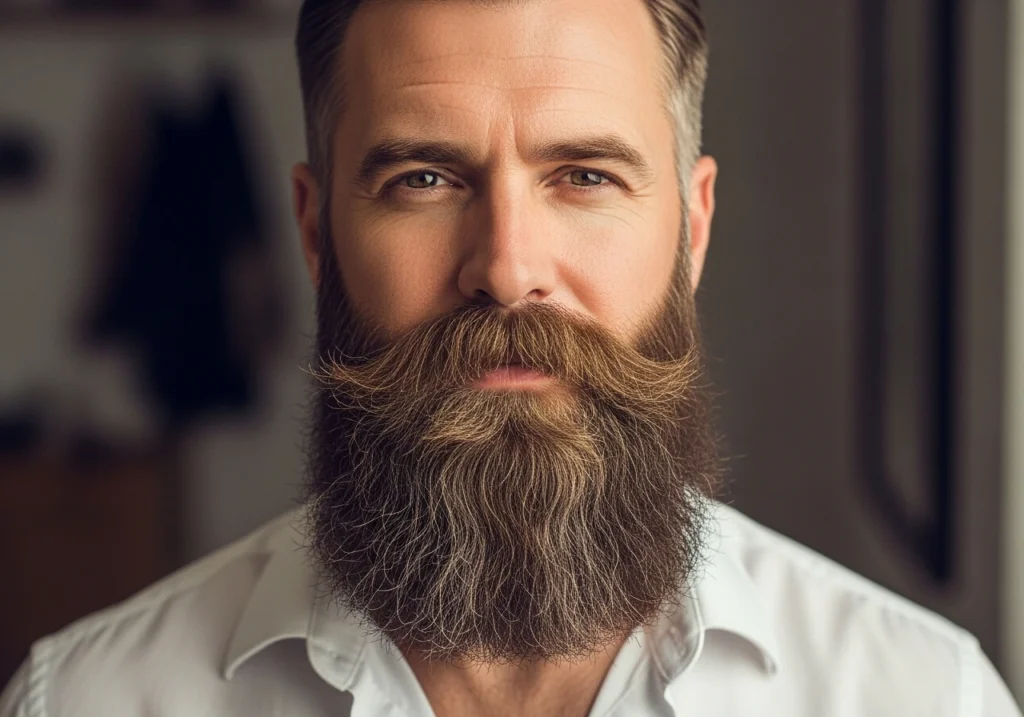
The natural full beard represents the traditional approach to facial hair, allowing growth below the cheek line to develop naturally with minimal shaping. This timeless style requires significant growth time, typically four to six weeks minimum before proper shaping begins. Genetics play a crucial role, as not all men can achieve full, even coverage necessary for this classic look.
Maintaining a natural full beard involves establishing clear neckline definition and managing length through regular trimming. While the style appears effortless, proper maintenance prevents the transition from distinguished to disheveled. Quality beard products including oils, balms, and regular brushing keep the beard soft, manageable, and presentable.
8 The Garibaldi Beard
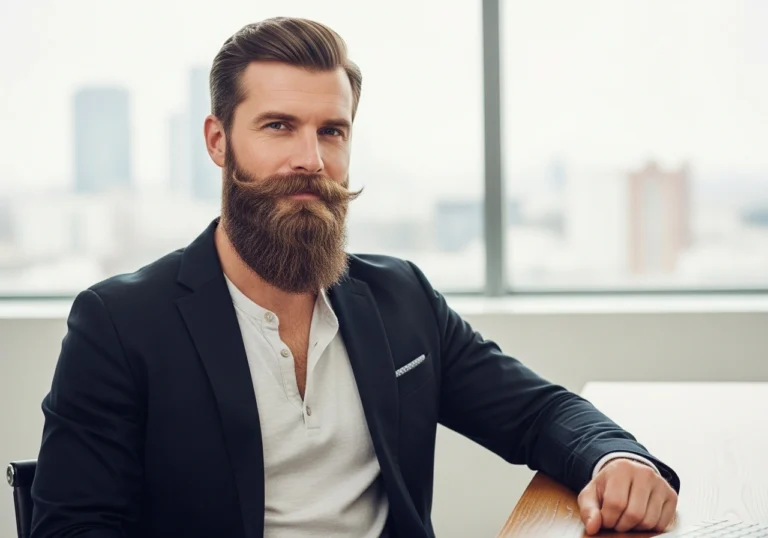
The garibaldi beard combines a neat, trimmed mustache with a wide, rounded beard bottom, creating a distinctly Italian-inspired aesthetic. Named after Giuseppe Garibaldi, this style features controlled upper growth paired with fuller, rounded lower growth that typically extends several inches from the chin. The rounded bottom distinguishes the garibaldi from uncontrolled long beards.
Achieving the signature garibaldi shape requires patience during growth followed by careful sculpting. The mustache receives regular trimming to prevent lip overlap while the beard receives training through consistent combing and brushing. This style suits men who want substantial beard presence without appearing unkempt, making it ideal for those who appreciate classic masculine aesthetics.
9 The Ducktail Beard
The ducktail beard features a distinctive pointed extension at the chin that resembles a duck’s tail, as the name suggests. This bold style combines full facial hair with deliberate shaping that draws the eye downward. The sides remain relatively full while the chin hair extends and tapers to a point, creating a striking silhouette that commands attention.
Creating and maintaining a ducktail requires allowing sufficient chin length while keeping sides controlled. Regular trimming shapes the point while maintaining overall balance. This style particularly flatters men with round or square faces, as the pointed extension adds visual length and breaks up angular features.
10 The Bandholz Beard
The bandholz beard represents the fully committed long beard aesthetic, characterized by substantial length and full coverage extending well beyond the chin. This style requires months of dedicated growth and signifies serious beard commitment. The bandholz typically features lengths exceeding six inches, creating dramatic presence that makes an unmistakable statement.
Maintaining this impressive style demands consistent product application to prevent dryness, regular brushing to train growth direction, and periodic trimming to maintain shape without sacrificing length. The bandholz suits men with thick beard growth patterns and patience for the lengthy growing process. This style works particularly well for creative professionals and those in industries accepting of bold personal expression.
The Shaped and Styled Beards
11 The Goatee
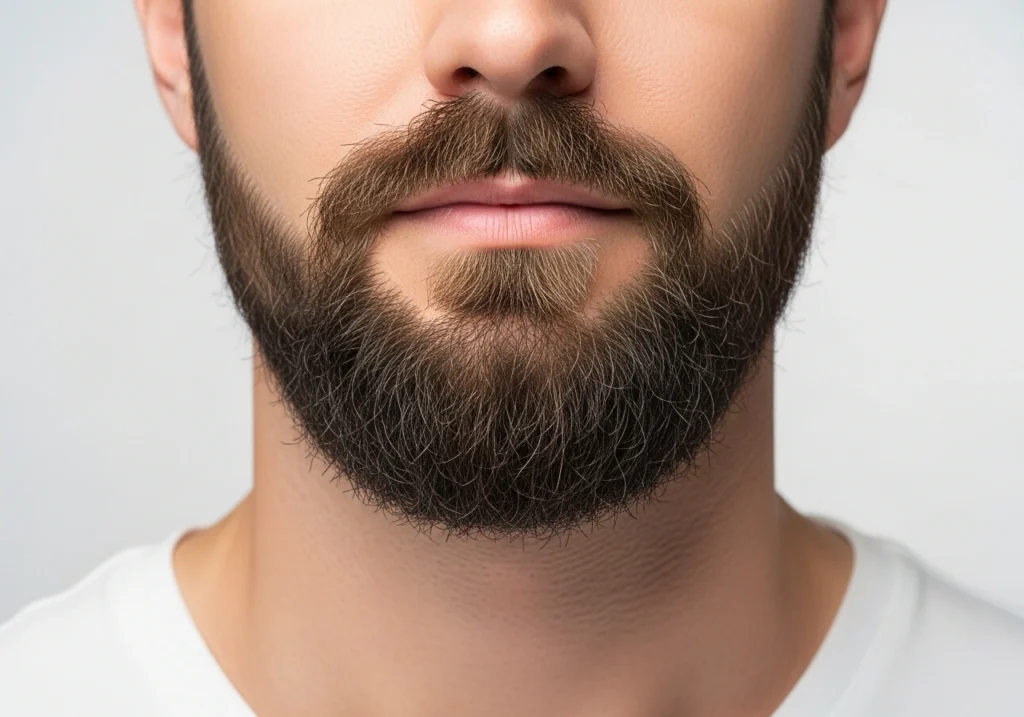
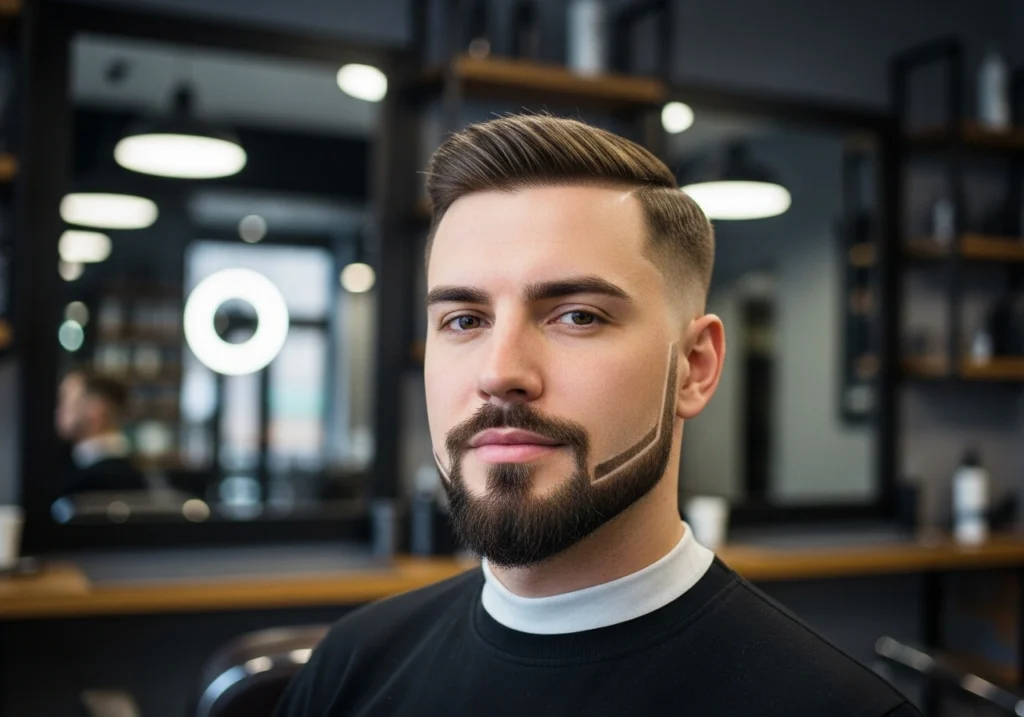
The goatee remains one of the most popular partial beard styles, featuring growth concentrated on the chin without extending to the cheeks or connecting to the mustache. This classic style offers versatility through various interpretations, from minimal chin patches to more substantial coverage. The goatee particularly benefits men experiencing patchy cheek growth, as it requires no hair in those areas.
Modern and Trending Styles
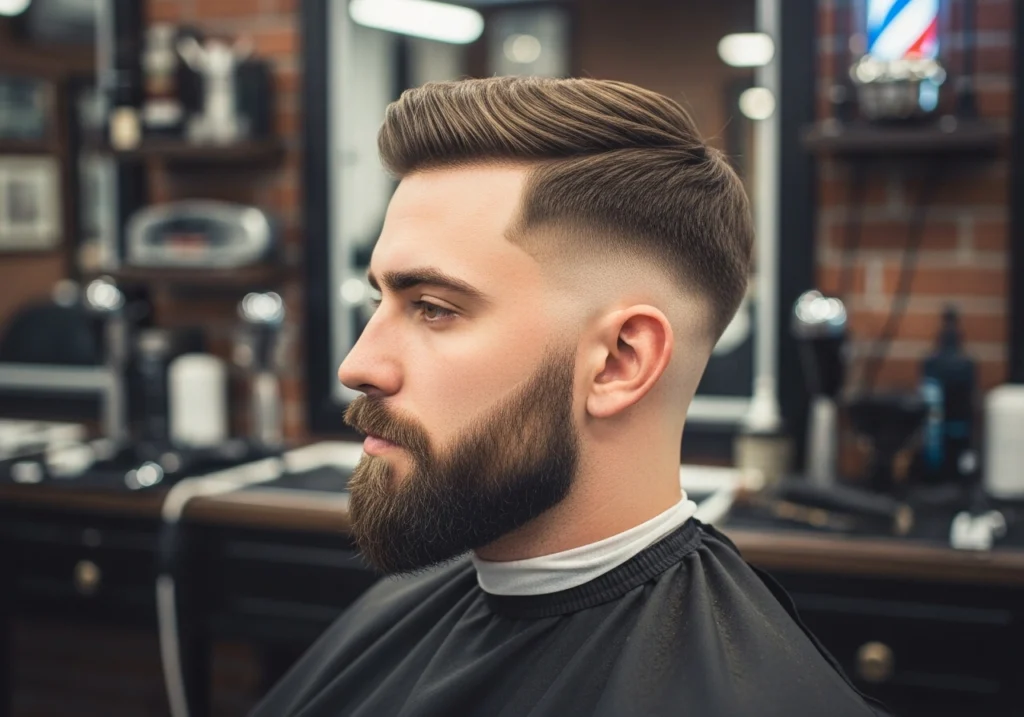
16 The Beard Fade
The beard fade creates seamless transition between haircut and facial hair, blending the two elements into cohesive style. This modern technique involves gradually reducing beard length as it approaches the sideburns, creating smooth visual flow. The beard fade has gained tremendous popularity for its contemporary aesthetic and professional appearance.
Achieving proper beard fade requires skill and precision, often benefiting from professional barbering services. The technique involves using multiple guard lengths to create gradual transition zones. This style particularly suits men who want their beard to complement rather than contrast with their hairstyle.
17 The Extended Goatee
The extended goatee features chin and mustache growth that extends along the jawline, creating more coverage than traditional goatees while remaining distinct from full beards. This style offers middle ground between minimal and maximal facial hair, providing definition without requiring full cheek coverage.
Maintaining the extended goatee involves shaping the jawline extension to create clean, defined boundaries while keeping the chin and mustache areas at desired length. This style particularly suits men wanting more presence than simple goatees provide without committing to full beard maintenance.
18 The Balbo Beard
The balbo beard features a disconnected mustache paired with a goatee that extends along the jaw but stops before reaching the sideburns. This distinctive style creates visual interest through its intentional disconnection, offering sophisticated appearance that suits both professional and casual settings.
Creating the balbo requires careful shaping to maintain the characteristic gap between mustache and beard sections. The style demands precision but offers versatility through various length interpretations. The balbo particularly suits men with strong facial features who want to emphasize their natural structure.
19 The Chinstrap Beard
The chinstrap beard follows the jawline from one sideburn to the other, creating a thin line of facial hair that defines and emphasizes jaw structure. This minimal style provides definition without the bulk of full beards, making it popular among younger men and those wanting subtle facial hair.
Maintaining the chinstrap requires regular edging to preserve the thin, clean line along the jaw. The style works best for men with defined jawlines who want to enhance their natural features. The chinstrap offers low-maintenance facial hair for men not ready for fuller styles.
20 The French Fork
The french fork features a full beard where the chin growth extends significantly and splits into two distinct points, creating a forked appearance. This bold, distinctive style suits men with artistic sensibilities who appreciate unconventional grooming that makes strong visual statements.
Achieving the french fork requires substantial length and careful training to create and maintain the characteristic split. Regular grooming maintains the fork while keeping the overall beard shaped and presentable. This style particularly flatters men with long or narrow faces, as the fork adds width and visual interest.
Essential Grooming and Maintenance Tips
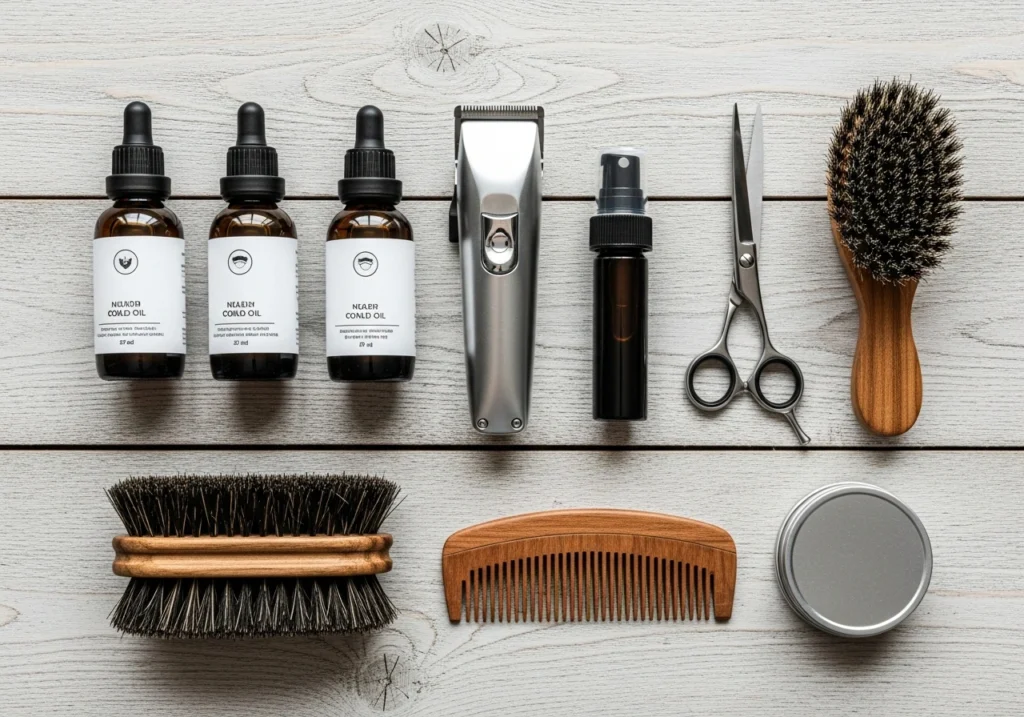
Regardless of which beard style you choose, proper grooming forms the foundation of attractive facial hair. Understanding fundamental maintenance principles ensures your beard always looks intentional and well-cared-for rather than neglected or sloppy.
Washing your beard two to three times weekly using specialized beard shampoo keeps facial hair clean without over-drying. Beard hair differs significantly from scalp hair in texture and oil production, requiring products specifically formulated for facial hair. Daily washing typically proves unnecessary unless your beard encounters significant dirt or food residue.
Beard oil application forms the cornerstone of proper maintenance, moisturizing both the hair and underlying skin to prevent itchiness, flaking, and dryness. Quality beard oil contains natural ingredients that nourish hair follicles while keeping skin healthy. Daily application, particularly after washing, maintains optimal beard health.
Regular brushing and combing trains your beard to grow in desired directions while distributing natural oils throughout the hair. This simple daily practice prevents tangles, promotes even growth patterns, and maintains neat appearance. Using a boar bristle brush or wide-tooth comb prevents damage to hair follicles.
Trimming frequency depends on your chosen style and natural growth rate. Shorter styles typically require maintenance every few days to preserve their defined appearance, while longer beards need trimming every few weeks to maintain shape and prevent split ends. Investing in quality trimming tools or regular professional barbering services ensures consistent results.
Defining your neckline and cheek lines creates polish that distinguishes well-groomed beards from simply letting hair grow unchecked. The neckline typically sits approximately two fingers above the Adam’s apple, though individual anatomy may require adjustment. Cheek lines should follow natural growth patterns while removing stray hairs above the line.
Beard balm provides additional styling control for longer or unruly beards, offering light to medium hold while conditioning the hair. Applying balm after oil helps shape your beard and maintain the look throughout the day. The amount needed varies based on beard length and desired hold.
Patience proves essential during the growing process, particularly when establishing longer styles. Most beards experience awkward growth phases where coverage appears uneven or the style looks incomplete. Resisting the urge to shave during these phases allows your beard to reach its full potential.
Choosing the Right Style for Your Lifestyle

Beyond face shape considerations, your lifestyle and professional requirements significantly influence which beard style works best. Men in conservative corporate environments may find shorter, neatly trimmed styles like the corporate beard or short boxed beard most appropriate, while creative professionals enjoy greater freedom to experiment with bold choices like the bandholz or french fork.
Consider the time you can realistically dedicate to daily maintenance. Shorter styles generally require less daily grooming but need more frequent trimming to maintain their defined appearance. Longer beards demand daily product application and brushing but can go longer between trimming sessions.
Your natural beard growth pattern also plays a crucial role. Men with patchy growth benefit from styles that work around sparse areas, such as goatees, soul patches, or mustache-focused styles. Those blessed with thick, even growth can confidently pursue full beard styles that showcase their natural advantage.
Personal style preferences should ultimately guide your decision. Your beard represents an extension of your personality and aesthetic sense. While considering practical factors remains important, choosing a style you genuinely enjoy wearing ensures you’ll maintain it consistently and wear it with confidence.
Conclusion
The diverse world of beard styles offers tremendous opportunity for personal expression and enhancement of natural features. From minimalist stubble to dramatic full beards, the 25 styles explored in this guide demonstrate that modern men have unprecedented choice in facial hair styling. The key to success lies in understanding your face shape, considering your lifestyle requirements, and committing to proper maintenance.
Selecting the right beard style transforms more than just your appearance. It boosts confidence, expresses personality, and creates a signature look that becomes part of your identity. Whether you choose a professional corporate beard for business settings or embrace a bold artistic style that turns heads, proper grooming and consistent maintenance ensure your chosen look always appears intentional and well-executed.
Take time to experiment with different styles, understanding that beard grooming involves a learning process. What works for one man may not suit another, and discovering your ideal style often requires trying several options. Invest in quality grooming tools and products, consider professional barbering services for complex styles, and remember that patience during the growing process rewards you with impressive results.
Your beard represents one of the most visible aspects of your personal style. By choosing thoughtfully, maintaining consistently, and wearing confidently, you harness the power of facial hair to create a distinguished, masculine appearance that serves you well in 2026 and beyond.
You may also like this post: 30 Epic Men’s Beard Style Ideas Every Man Should Try in 2026!
Frequently Asked Questions
How long does it take to grow a full beard?
Most men require approximately four to six weeks to grow a full beard with adequate coverage. However, growth rates vary significantly based on genetics, age, and testosterone levels. Some men see substantial growth in just a few weeks, while others need several months to achieve their desired fullness. Patience during the initial growth phase proves essential, as the first few weeks often include awkward stages before the beard fills in completely.
What beard style works best for patchy growth?
Men experiencing patchy beard growth should consider styles that work around sparse areas rather than requiring full coverage. Goatees, soul patches, chinstrap beards, and mustache-focused styles like the chevron or handlebar provide excellent options. These styles concentrate growth in specific areas where most men have reliable coverage, avoiding the cheeks and other commonly patchy zones.
How often should I trim my beard?
Trimming frequency depends entirely on your chosen style and natural growth rate. Short styles like stubble or designer stubble typically need maintenance every two to three days to preserve their defined appearance. Medium-length beards generally require trimming once per week, while longer styles can extend to every two to four weeks. Regular trimming maintains shape, prevents split ends, and ensures your beard always looks intentional.
Do I need special products for beard care?
While regular hair products can technically be used on beards, specialized beard products deliver significantly better results. Beard shampoo is formulated for the coarser texture of facial hair and the sensitive skin of your face, while beard oil and balm address the specific needs of both hair and skin. These products prevent common issues like itchiness, dandruff, and dryness while keeping your beard soft, manageable, and healthy. The investment in quality beard-specific products proves worthwhile for maintaining attractive facial hair.
Can I change beard styles frequently?
Transitioning between beard styles is entirely possible, though the ease of change depends on the styles involved. Moving from a longer style to a shorter one requires simple trimming, while transitioning from shorter to longer styles demands patience during the growing phase. Many men enjoy experimenting with different looks throughout the year, adapting their beard to seasonal changes, professional requirements, or simply personal preference. The key lies in understanding that some transitions take time, particularly when growing out from shorter styles.