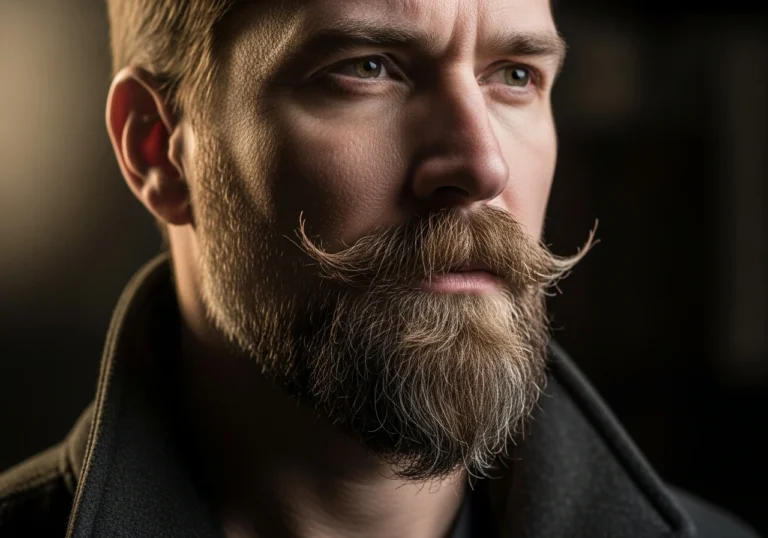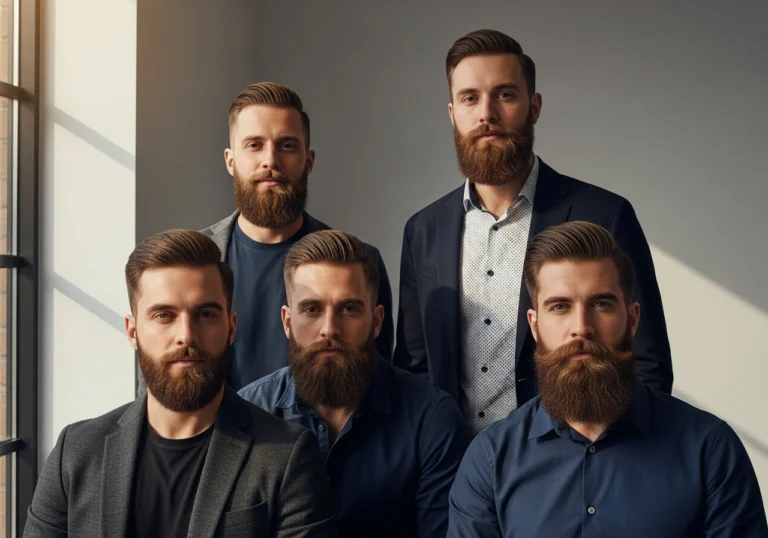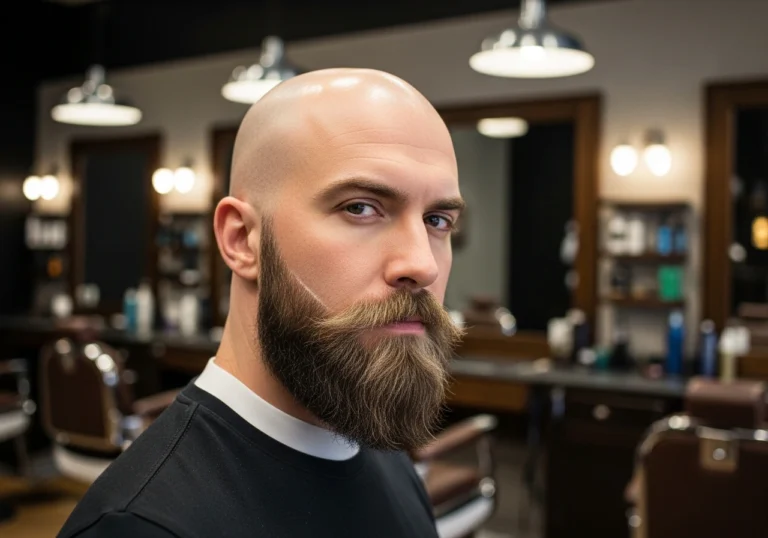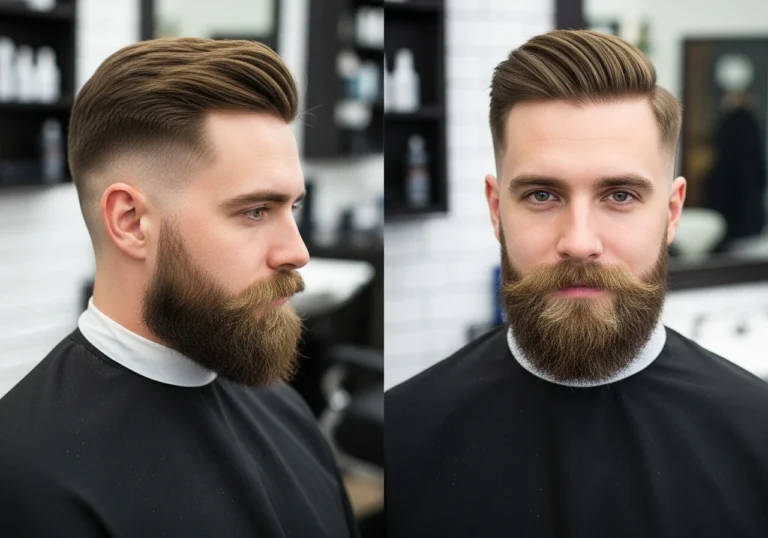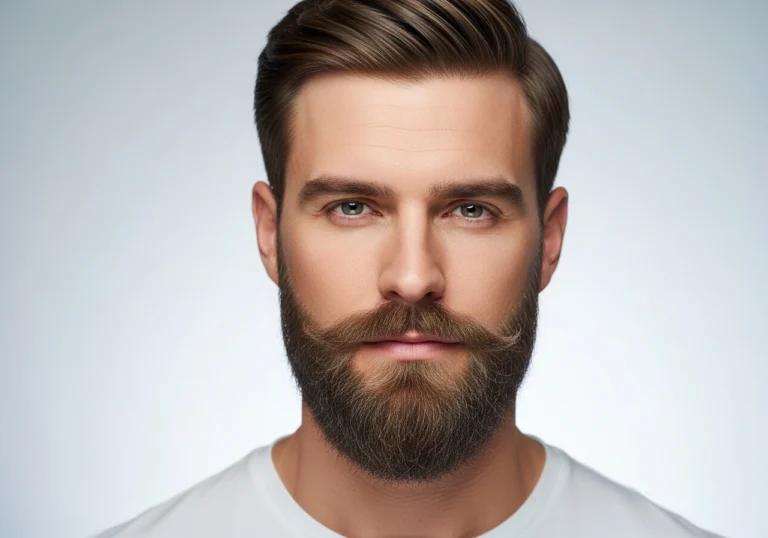

Top 20+ Beard Styles For Men Over 40 Age 2026!
Reaching the age of 40 marks a pivotal moment in a man’s life, a time when personal style transitions from experimentation to refinement. Your beard becomes more than just facial hair during this phase; it transforms into a powerful statement of maturity, confidence, and hard-earned wisdom. The right beard style can enhance your best features, complement your lifestyle, and project the authority that comes naturally with experience.
Men over 40 have a distinct advantage when it comes to facial hair. The presence of grey or silver strands adds character rather than detracting from appearance. Unlike younger men still finding their signature look, you have the benefit of knowing exactly who you are and what image you want to present to the world. This knowledge makes selecting the perfect beard style not just easier, but more meaningful.
This comprehensive guide explores over 20 distinguished beard styles specifically curated for men in their fifth decade and beyond. Whether you’re a corporate professional seeking polish, an entrepreneur wanting edge, or simply someone who appreciates timeless grooming, you’ll find styles that speak to your personality and enhance your natural features.
Understanding Your Face Shape Before Choosing a Beard Style
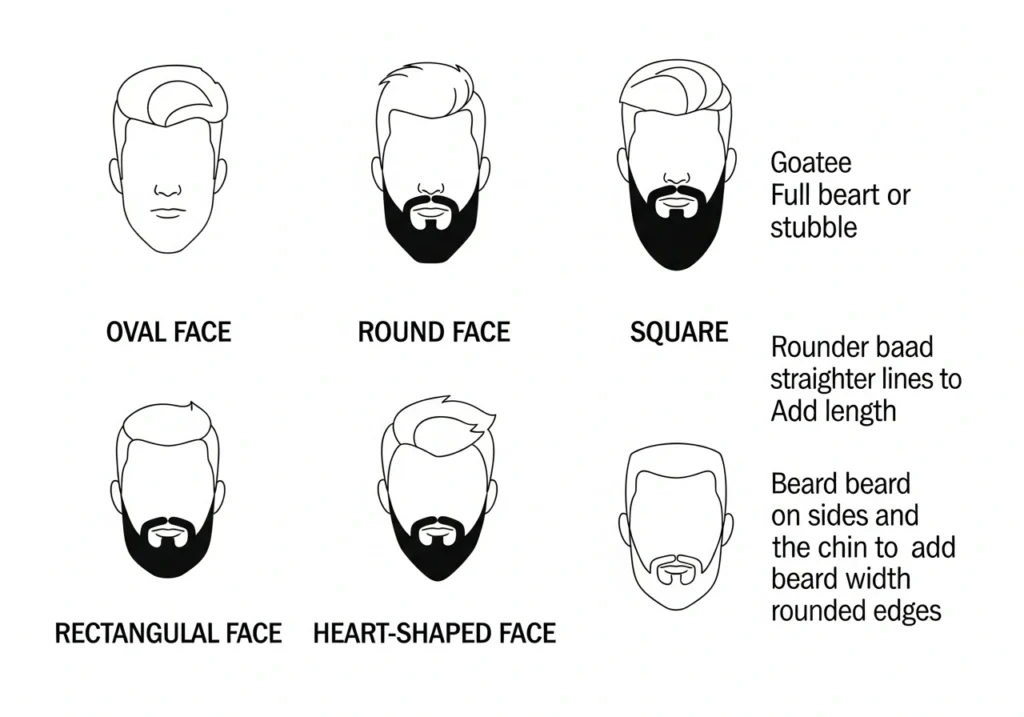
Before diving into specific beard styles, understanding your face shape is essential. The right beard should create balance and enhance your strongest features rather than overwhelm them.
Men with oval faces enjoy the most versatility. Nearly any beard style works well with this balanced face shape, from short stubble to full beards. If you have an oval face, you can experiment freely with different lengths and shapes.
Round faces benefit from beards that add length and angles. Styles like the Van Dyke or extended goatee create the illusion of a more defined jawline and elongate the face. Avoid styles that add width to the sides, as they can make your face appear fuller.
Square faces are characterized by strong, angular jawlines. Softer beard styles with rounded edges work best here. A short boxed beard with less definition or medium-length full beard helps balance those sharp angles without hiding your masculine features.
Heart-shaped faces feature wider foreheads and narrower chins. Circle beards or medium-length beards with fuller growth at the chin help create proportion. The goal is to add visual weight to the lower face.
Long or rectangular faces should avoid styles that add excessive length. Full beards with volume on the sides help create width and balance. Stay away from pointed goatees or long, narrow styles that exaggerate facial length.
The Distinguished Salt and Pepper Full Beard
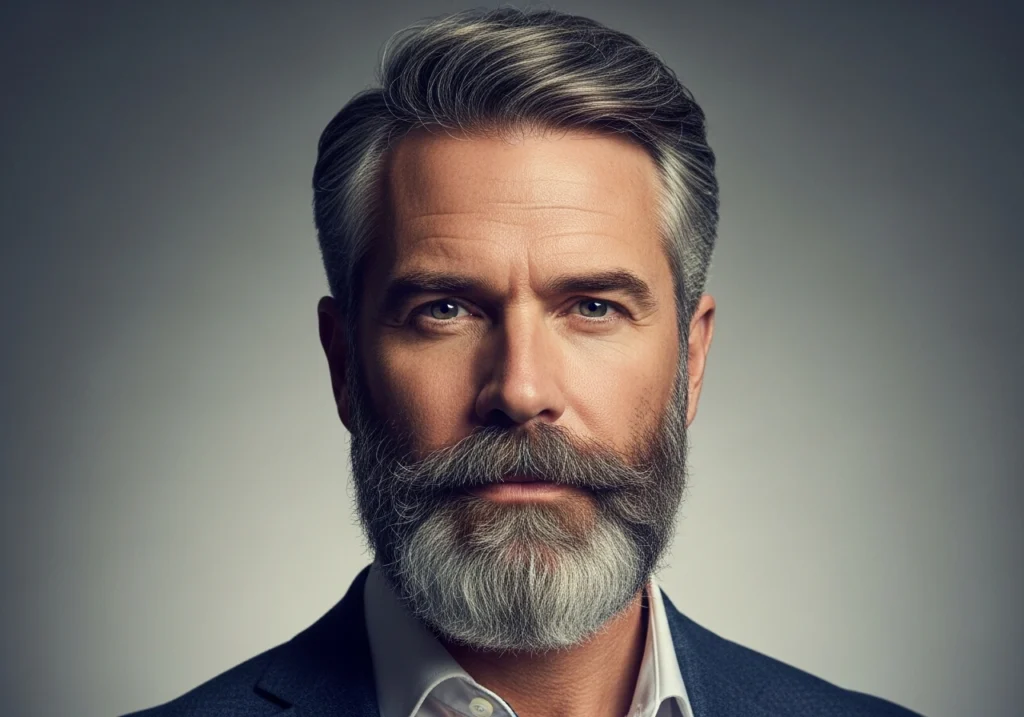
The salt and pepper full beard stands as perhaps the most iconic choice for men over 40. This style celebrates the natural mixing of grey and dark hairs, creating a sophisticated look that commands respect. The full beard covers the cheeks, jaw, and chin with even growth, typically maintained at a medium length between one to three inches.
This style works exceptionally well for men with naturally thick facial hair growth. The interplay between silver and darker tones adds depth and dimension that younger men simply cannot achieve. Regular trimming keeps the edges clean along the cheekbones and neckline, while the overall shape follows your natural face contours.
Maintenance involves washing two to three times weekly with specialized beard shampoo, followed by conditioning. Daily application of beard oil keeps the hair soft and manageable while moisturizing the skin beneath. Trim every two to three weeks to maintain shape and remove split ends.
The Professional Short Boxed Beard

For corporate environments and professional settings, the short boxed beard delivers sophistication without appearing too casual. This style features closely trimmed facial hair with sharp, defined edges along the cheeks and neckline, creating a neat rectangular shape that frames the face.
The short boxed beard typically ranges from one-quarter to one-half inch in length. The precision of the edges is what distinguishes this style from simple stubble. Clean lines along the upper cheek create a crisp appearance, while the neckline is carefully shaped approximately one to two finger widths above the Adam’s apple.
This style suits virtually all face shapes and is particularly effective for men with patchy growth, as the short length minimizes the appearance of uneven areas. Weekly maintenance with a quality trimmer keeps the edges sharp. Use a beard balm to add slight hold and sheen for important meetings or presentations.
The Classic Goatee with Distinction
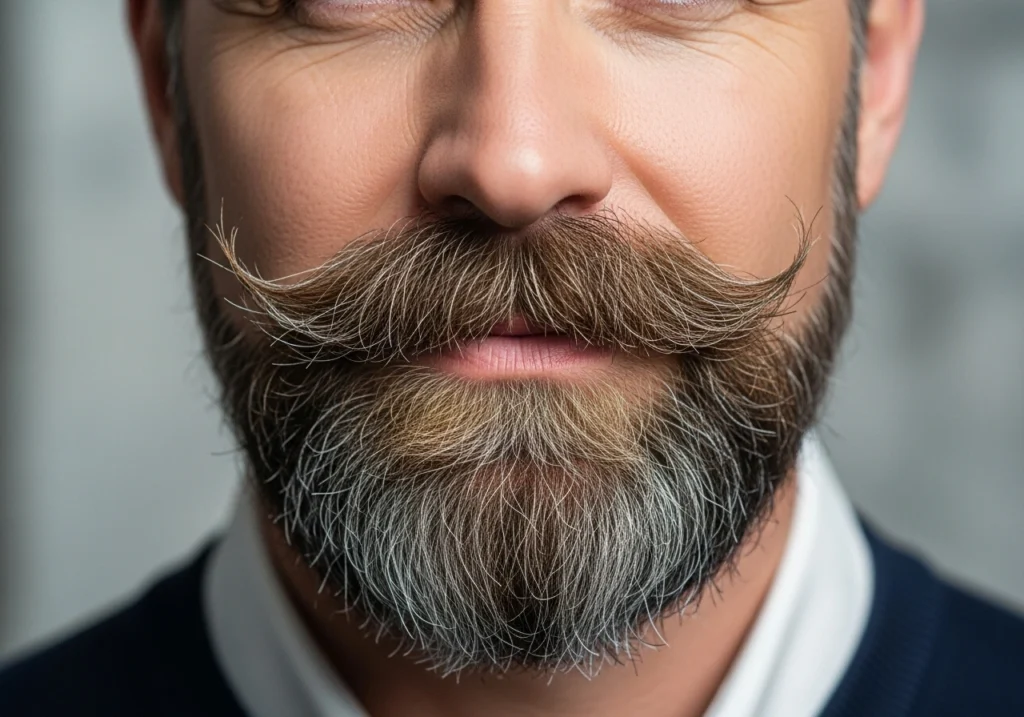
The goatee remains a timeless choice that draws attention to the mouth and chin while keeping the cheeks clean. For men over 40, a fuller, well-maintained goatee paired with a connected mustache projects confidence and artistic sensibility.
Unlike sparse or narrow goatees that can appear dated, a distinguished goatee has substantial coverage around the chin with a robust mustache. The key is proportion; the goatee should be wide enough to balance your face but not so large that it overwhelms your features.
This style works particularly well for men with round faces, as the vertical emphasis creates length. It’s also excellent for those with less dense cheek growth, allowing you to focus grooming efforts where your facial hair grows strongest.
Trim the edges weekly to maintain clean lines where the beard meets the shaved areas. The mustache should extend slightly beyond the corners of your mouth but remain neat and groomed. Apply beard oil daily to keep the hair soft and prevent the wiry texture that can develop.
The Rugged Heavy Stubble

Heavy stubble offers the perfect middle ground between clean-shaven and fully bearded. This style typically represents about one week of growth, usually between three to five millimeters in length. For mature men, heavy stubble provides a masculine, slightly rugged appearance while requiring minimal daily maintenance.
The beauty of heavy stubble lies in its versatility. It works equally well with business casual attire and weekend clothing. The style adds definition to the jawline and can help soften overly angular features while adding structure to rounder faces.
Men with salt and pepper coloring find heavy stubble particularly flattering, as the mixed tones create visual interest even at this short length. The style also works well for those with patchy growth, as the short length makes sparse areas less noticeable.
Maintain heavy stubble with a trimmer set to your desired length, going over your entire beard area every two to three days. Pay attention to the neckline and upper cheek areas, keeping them clean for a polished look. A light application of beard oil prevents dryness and keeps the stubble soft rather than scratchy.
The Anchor Beard for Angular Definition
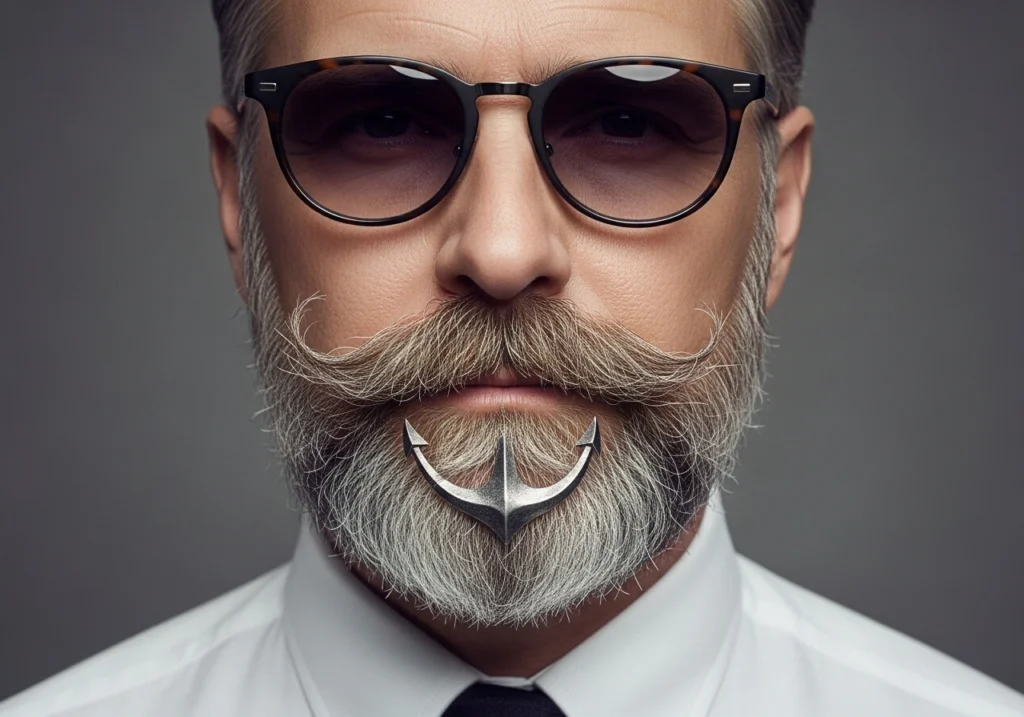
The anchor beard combines elements of both the goatee and soul patch, creating a distinctive shape that resembles a ship’s anchor. A mustache connects to a pointed beard that extends along the jawline, with the soul patch forming the anchor’s base. The cheeks remain clean-shaven.
This style works exceptionally well for men with strong cheekbones and well-defined facial structure. The anchor beard draws the eye downward, making it particularly effective for those with longer or rectangular face shapes. The pointed nature of the style adds sophistication and hints at a creative personality.
Growing an anchor beard requires patience and precise shaping. Allow full growth in the mustache, chin, and soul patch areas while keeping cheeks shaved. Once you have sufficient length, carefully trim to create the anchor shape, with the beard tapering to a point at the chin.
Regular maintenance is crucial for this style. The defined edges require attention every few days to prevent the shape from becoming blurred. Use small scissors or a precision trimmer for detailed work around the edges. Beard wax helps keep the mustache and pointed beard elements in place throughout the day.
The Sophisticated Van Dyke
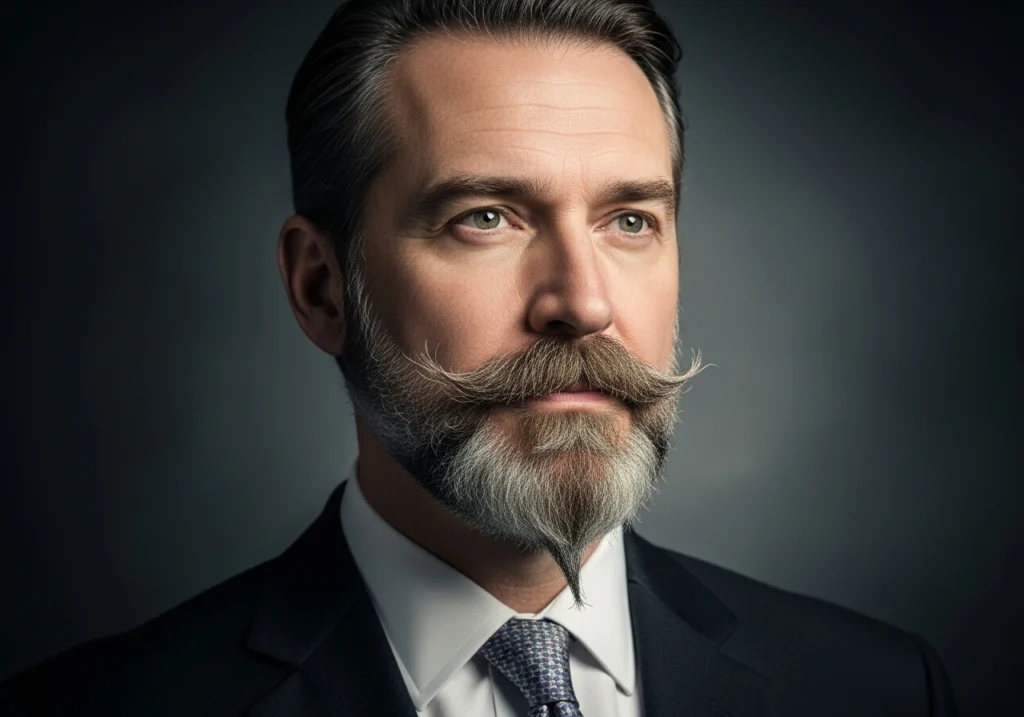
The Van Dyke represents one of the most refined beard styles available. This distinguished look features a pointed beard on the chin, completely disconnected from a substantial mustache. The cheeks and area below the lower lip remain clean-shaven, creating a dramatic, artistic appearance.
Historically associated with intellectuals and artists, the Van Dyke projects creativity and refined taste. For men over 40, this style demonstrates that you’re confident enough to wear a distinctive look. It works particularly well for those with oval or heart-shaped faces, adding definition without overwhelming facial features.
The mustache should be full and well-groomed, extending slightly past the corners of the mouth. The chin beard grows in a pointed or rounded shape, depending on personal preference. The disconnect between these elements is what defines the style, so maintaining clean-shaved areas is essential.
Daily grooming is necessary for the Van Dyke. Shave the cheeks and area around the beard every morning. Trim the mustache to keep it neat, and shape the chin beard weekly to maintain its point or rounded curve. Mustache wax helps control longer mustache growth, while beard oil keeps the chin hair soft and manageable.
The Authoritative Corporate Beard

The corporate beard strikes a careful balance between presence and professionalism. This medium-length full beard typically measures between one-half to one inch, providing substantial coverage while maintaining neat, professional lines. Every edge is carefully groomed, and the overall shape appears intentional and well-maintained.
Unlike the casual full beard that might appear on weekends, the corporate beard requires attention to detail. The neckline is cleanly defined, the cheek line stays crisp, and the mustache is carefully trimmed to avoid covering the upper lip. The overall impression is one of confidence and authority tempered by attention to grooming standards.
This style works across all face shapes when properly shaped. The length allows for individual customization; rounder faces can be slightly longer in the chin area, while longer faces benefit from more volume on the sides.
Investment in quality grooming tools is essential for this style. A professional-grade trimmer with adjustable guards allows for precise length control. Visit a barber every three to four weeks for professional shaping, maintaining the style yourself between appointments. Use beard balm for light hold and professional sheen, particularly before important meetings or presentations.
The Silver Fox Full Beard
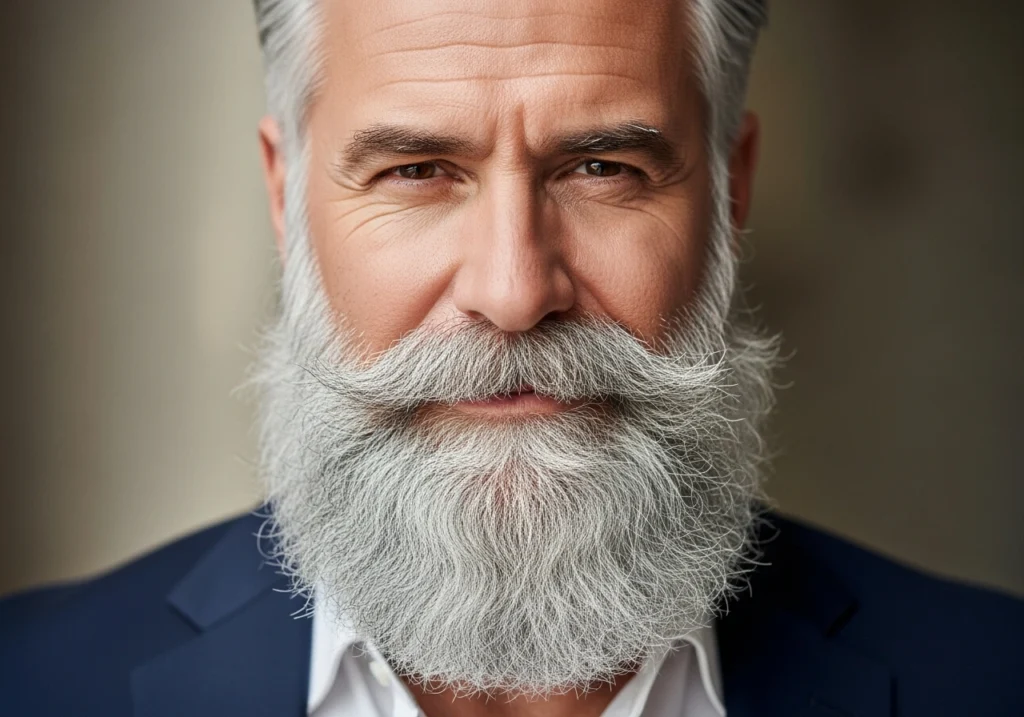
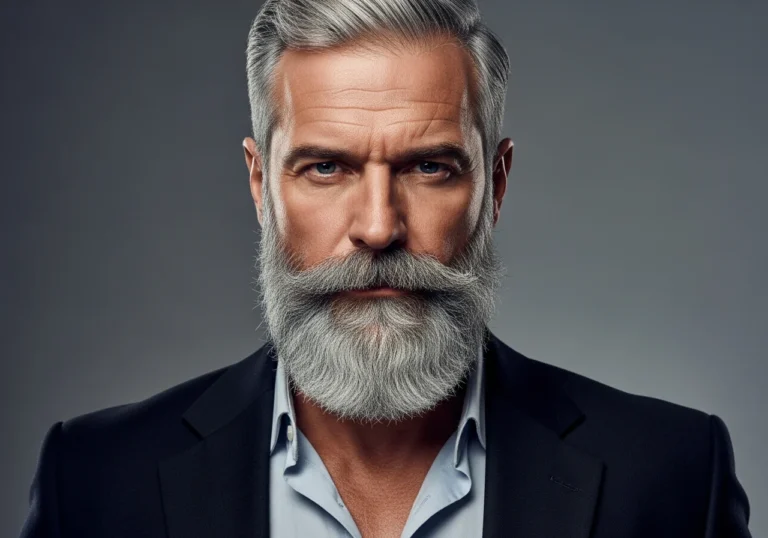
Embracing grey hair completely, the silver fox full beard celebrates the natural greying process. This longer, fuller style typically measures two to four inches and features predominantly silver or white facial hair. Rather than attempting to hide or minimize grey tones, this style makes them the centerpiece.
The silver fox beard projects wisdom, experience, and confidence. It works particularly well for men with complete grey coverage who want to make their maturity a signature element of their appearance. The fuller length allows the silver tones to catch light and create visual interest.
This style demands more maintenance than shorter options. Daily brushing helps train the beard and distribute natural oils. Washing two to three times weekly with sulfate-free beard shampoo prevents yellowing that can occur in lighter hair. Deep conditioning treatments keep longer growth soft and prevent the coarse texture that can develop in grey hair.
The shape should still follow your face contours with clean edges along the cheeks and neckline. Many men find that grey beards grow more coarsely than their original color, making beard oil and balm essential daily products. Some choose to add a slight trim or shape every two weeks while allowing the overall length to increase.
The Minimalist Stubble

For men who prefer understated style, minimalist stubble provides definition without commitment. This look represents approximately three days of growth, typically one to three millimeters in length. The result is visible facial hair that adds masculinity while maintaining a clean, polished appearance.
Stubble suits active lifestyles and professional environments equally well. It requires minimal time investment while still demonstrating attention to grooming. For men over 40, subtle salt and pepper tones in stubble create visual interest even at this short length.
The key to elevating stubble from simply not shaving to an intentional style is maintenance. Use a trimmer set to your desired length every two to three days, going over your entire beard area for even coverage. Clean up the neckline and upper cheek areas for definition. Apply a light beard oil to prevent dryness and ensure the stubble feels soft rather than scratchy against skin.
This style works exceptionally well for men with patchy growth patterns or those transitioning into wearing facial hair for the first time. The short length minimizes the appearance of sparse areas while still providing the benefits of facial hair.
The Executive Ducktail Beard

The ducktail beard combines the fullness of a traditional beard with distinctive tapering to a point below the chin. This style typically features medium to long growth on the chin while keeping the sides slightly shorter, creating a shape reminiscent of a duck’s tail.
The ducktail projects confidence and individuality, making it popular among entrepreneurs and executives who want presence without appearing conventional. The pointed shape elongates the face, making it particularly effective for those with rounder face shapes or shorter faces who want to add length.
Growing a ducktail requires patience, as you need substantial length at the chin to create the signature point. Start by growing a full beard, then gradually trim the sides shorter than the chin area. The point can be subtle or dramatic depending on personal preference and face shape.
Maintenance involves regular trimming of the sides while allowing the chin to grow longer. Shape the point weekly, tapering it gradually rather than cutting straight across. Beard oil and balm are essential for longer growth, keeping the hair manageable and preventing the point from appearing scraggly. A beard brush helps train the hair to grow in the desired direction.
The Balanced Extended Goatee
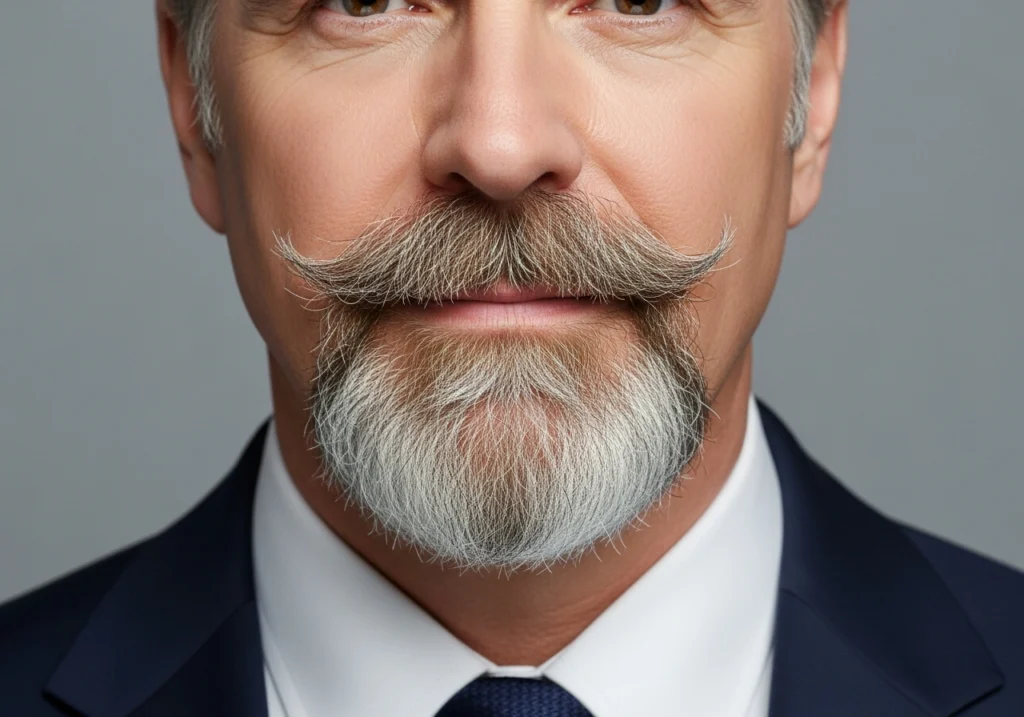
The extended goatee takes the classic goatee and extends it along the jawline, creating a frame around the mouth and chin. This style combines the goatee and mustache with additional coverage along the lower jaw, while the cheeks and upper jaw remain clean-shaven.
This versatile style suits most face shapes and provides more coverage than a traditional goatee while requiring less maintenance than a full beard. For men over 40, the extended goatee offers a perfect balance between professional appearance and personal style.
The width of the extension along the jawline can be adjusted based on face shape and personal preference. Narrower extensions create a more refined look, while wider coverage approaches the appearance of a full beard. The key is maintaining clean lines where the beard meets the shaved areas.
Regular shaving of the cheeks keeps the style defined. Trim the beard every week to maintain shape and even length. The mustache should connect seamlessly to the goatee, creating a continuous frame. Use precision trimmers or small scissors for detailed edge work, ensuring clean transitions between bearded and clean-shaven areas.
The Distinguished Mutton Chops
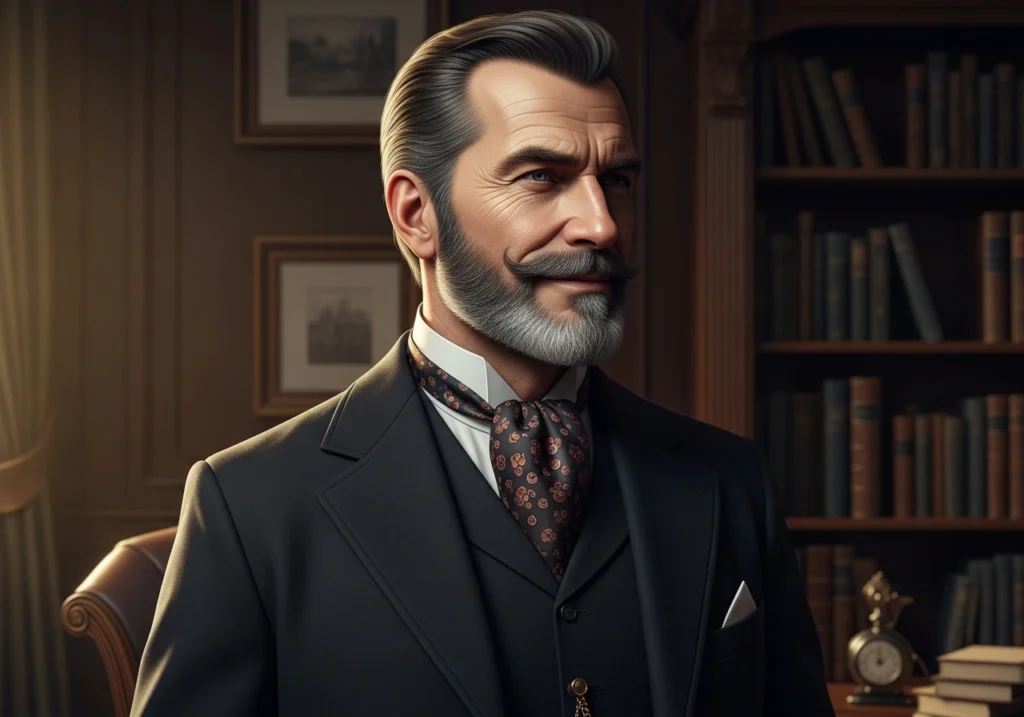
Mutton chops represent a bold style choice that harks back to classic Victorian aesthetics. These sideburns extend down to the jawline and across to the corners of the mouth, with or without a connecting mustache. The chin remains clean-shaven, creating a distinctive frame around the face.
This style works best for men with strong facial features and thick sideburn growth. Mutton chops project confidence and individuality, suggesting someone comfortable standing out from conventional styles. They work particularly well for those with oval or square face shapes.
Growing mutton chops requires allowing your sideburns to grow substantially longer than typical. Keep the chin cleanly shaved to maintain the style’s distinctive appearance. The edges where the mutton chops meet the cheeks and connect to the mustache need careful attention to create clean lines.
This high-maintenance style requires daily shaving of the chin and careful edge definition. The length and thickness of the chops can be adjusted based on preference, from thinner, more refined versions to fuller, more dramatic interpretations. Regular trimming maintains even length and prevents the style from appearing unkempt.
The Refined Circle Beard
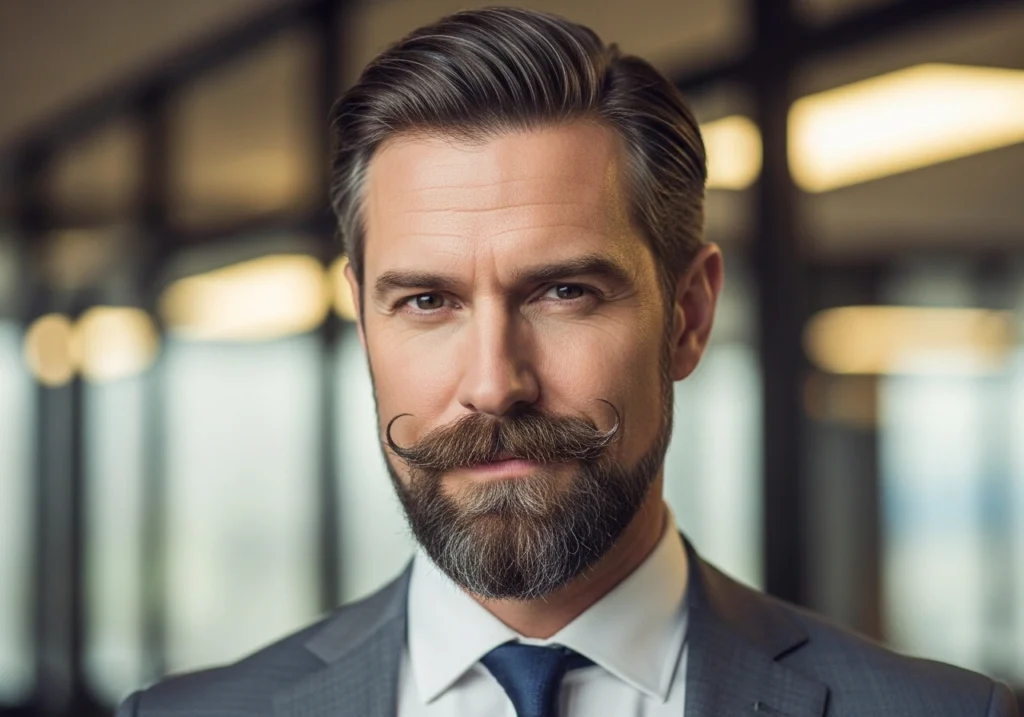
The circle beard combines a rounded goatee with a mustache, creating a circular shape around the mouth. Unlike the extended goatee, the circle beard remains compact, with the beard element typically not extending past the width of the mouth. The cheeks stay clean-shaven.
This classic style offers sophistication without requiring the maintenance of a full beard. It works particularly well for round faces, as the circular shape creates definition, or for those with patchy cheek growth who want a polished appearance.
The key to an excellent circle beard lies in proportions. The circle should be large enough to appear intentional but not so large that it loses its distinctive rounded shape. The mustache connects seamlessly to the beard, creating an unbroken circular perimeter.
Shave the cheeks every morning to maintain clean lines. Trim the beard and mustache weekly to keep the circular shape even and well-defined. The edges require precision work; consider using a template or guide when first establishing the shape. Beard oil keeps the hair soft, and a light beard balm can help maintain the rounded shape throughout the day.
The Casual Weekend Beard

The casual weekend beard represents a relaxed approach to facial hair, typically featuring slightly longer stubble or a short beard with less rigid definition than professional styles. This look measures between one-quarter to three-quarters of an inch and features softer, more natural edges.
Perfect for men who want facial hair without the commitment of daily precision grooming, the casual weekend beard still looks intentional rather than neglected. The style suits creative professionals, entrepreneurs, or anyone whose work environment allows for more relaxed grooming standards.
Unlike structured professional styles, the weekend beard allows for slightly more natural cheek lines and a more relaxed neckline. However, some grooming remains necessary to prevent the style from appearing unkempt. Trim every four to five days to maintain length without excessive shaping of edges.
The key distinction between a casual beard and simple neglect is overall cleanliness and condition. Regular washing, conditioning, and application of beard oil keep the hair healthy and manageable. The edges should still be somewhat defined, just with less precision than corporate styles.
The Sophisticated Balbo

The Balbo beard features a disconnected mustache with a goatee and extended beard along the jawline. The chin portion has a distinctive T-shape or broad, rounded form, while the sections do not connect at the corners of the mouth. The sideburns are trimmed or completely removed.
This intricate style demonstrates attention to detail and projects artistic sensibility. Made famous by actor Robert Downey Jr., the Balbo works well for men with strong jawlines and oval or rectangular face shapes. It creates visual interest through its disconnected elements.
Creating a Balbo requires precise shaping and maintenance. Begin with full growth, then carefully shave to create the separation between the mustache and beard elements. The exact shape can be customized; some versions feature a narrow connecting strip under the lower lip, while others maintain complete separation.
This high-maintenance style requires daily attention to keep the disconnected elements clearly defined. The mustache needs regular trimming to maintain its shape and prevent it from covering the upper lip. The beard portion should be trimmed weekly to maintain even growth and clean edges. Small grooming scissors or a precision trimmer are essential tools for this detailed style.
The Natural Grey Fade Beard

The grey fade beard embraces the gradual transition from darker to grey facial hair. Rather than being evenly distributed, this style showcases the natural pattern of greying, often featuring darker growth near the sideburns and more silver tones toward the chin and mustache.
This authentic approach celebrates rather than conceals the aging process. The natural fade creates dimension and visual interest, with the varying tones adding character. Medium length works best for this style, typically between one-half to two inches, allowing the color variation to be fully visible.
The key to making this style work is excellent grooming of the beard itself. Since the natural greying pattern provides the visual interest, the shape, condition, and cleanliness of the beard must be impeccable. Regular trimming maintains shape, while quality beard care products ensure the hair remains soft and healthy.
Grey hair can have different texture than pigmented hair, often growing more coarsely. Deep conditioning treatments and regular application of beard oil prevent the wiry texture that can develop. Some men notice their grey hair becoming more prone to yellowing, which can be addressed with specialized beard shampoos designed for grey or white hair.
The Pointed Precision Beard

The pointed precision beard features a full beard that tapers to a distinct point at the chin. Unlike the ducktail, which emphasizes the point through length, the precision beard maintains more even length throughout while carefully shaping a pointed chin profile.
This style projects confidence and adds length to the face, making it particularly effective for round or square face shapes. The precise shaping demonstrates attention to detail and elevated grooming standards.
Growing this style requires establishing a full beard, then gradually creating the pointed shape through careful trimming. The sides should be slightly shorter than the chin area, creating a natural taper. The point itself can be subtle or more dramatic depending on face shape and personal style.
Weekly maintenance keeps the pointed shape defined. Use a comb to direct the beard downward at the chin, then trim carefully to enhance the point. The sides require regular attention to maintain the appropriate length gradient. Beard balm helps hold the point in place and prevents the shape from spreading throughout the day.
The Textured Volume Beard
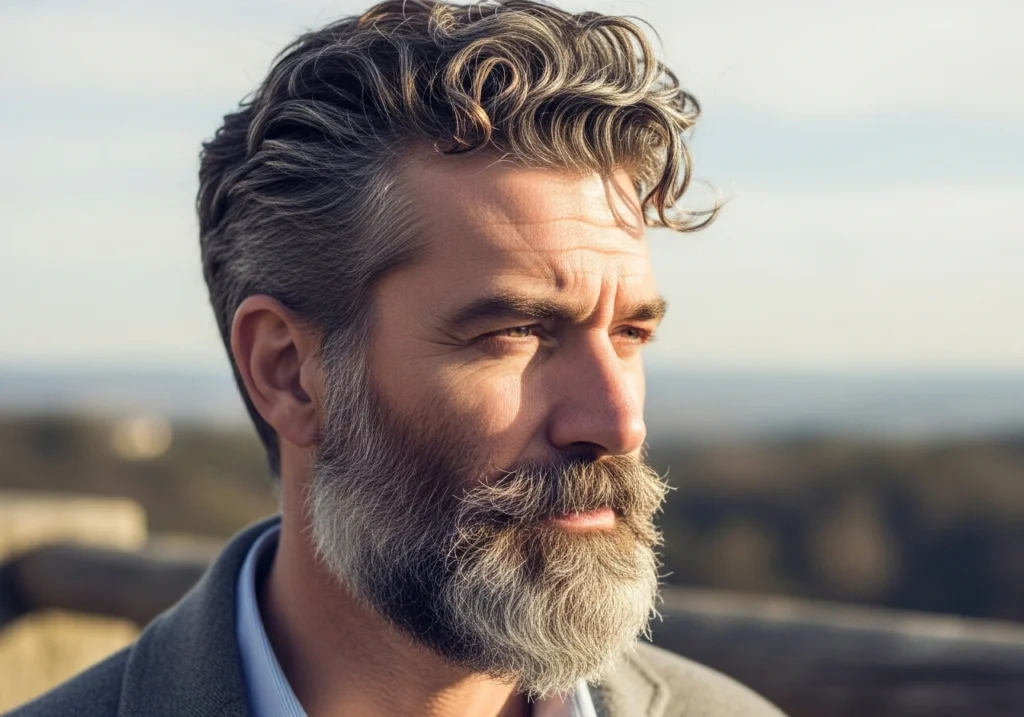
The textured volume beard embraces natural curl and wave in facial hair, creating a fuller, more dynamic appearance. Rather than attempting to straighten or tame natural texture, this style works with it, enhancing volume and movement. Length typically ranges from one to three inches.
This style works exceptionally well for men with naturally curly or wavy facial hair. The texture adds visual interest and can make thinner beards appear fuller. For men over 40 with salt and pepper coloring, the texture creates additional dimension as the varying tones catch light differently.
The key to this style is enhancing rather than fighting natural texture. Beard oil and leave-in conditioner keep curly hair hydrated and prevent frizz. Avoid excessive brushing, which can disrupt curl patterns; instead, use your fingers or a wide-toothed comb to shape.
Regular trimming maintains the overall shape while preserving texture. Focus on removing length rather than trying to create perfectly smooth edges, as slightly irregular boundaries complement the textured appearance. Some men with very curly beards use light heat styling to encourage curls to fall in desired directions while maintaining natural texture.
The Classic Professional Stubble

Professional stubble represents carefully maintained short growth that adds definition without appearing casual. This style typically measures two to four millimeters and features clean, precise edges along the cheekbones and neckline.
Unlike simple stubble, the professional version requires daily maintenance to keep edges sharp and length even. The result provides the masculine definition of facial hair while maintaining acceptability in conservative professional environments.
Use a trimmer with guards every morning to maintain consistent length throughout the beard area. Pay particular attention to the neckline, keeping it cleanly defined approximately one to two finger widths above the Adam’s apple. The upper cheek line should be natural but neat, with any growth above this line removed.
The precision of edges elevates this from casual stubble to an intentional style. A light application of beard oil prevents dryness and keeps the stubble soft. For important presentations or meetings, some men apply a small amount of clear beard gel to ensure everything stays in place.
The Distinguished Horseshoe Mustache
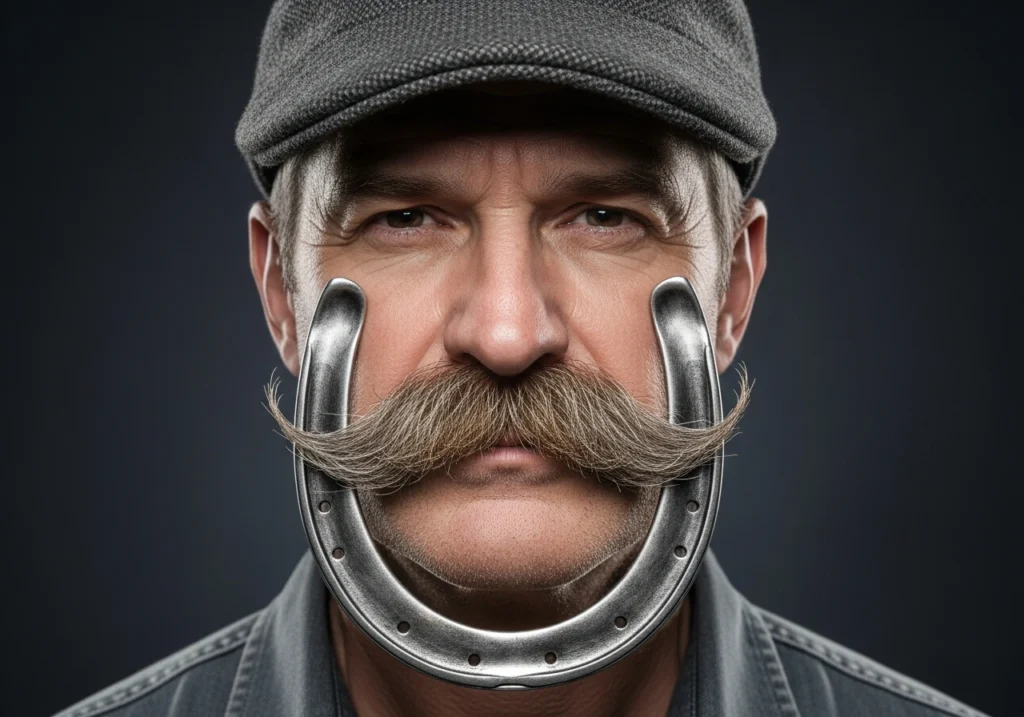
The horseshoe mustache features a full mustache that extends downward past the corners of the mouth to the jawline, creating a U or horseshoe shape. The chin and cheeks remain clean-shaven, making the mustache the sole focal point.
This bold style requires confidence and strong facial features to carry effectively. It projects rugged masculinity and distinctive personal style. The horseshoe works best for men with square or rectangular face shapes, as it adds width and creates a powerful visual impact.
Growing a horseshoe mustache requires patience, as you need substantial length for the downward extensions. Start with a full mustache, allowing the corners to grow longer than the center. Once sufficient length is achieved, shave everything except the mustache and its downward extensions.
Daily shaving of the chin and cheeks maintains the distinctive horseshoe shape. The mustache itself needs regular trimming to keep the shape even and prevent excessive length that appears unkempt. Mustache wax becomes essential for this style, helping control the longer extensions and maintain the horseshoe shape throughout the day.
The Subtle Soul Patch Accent
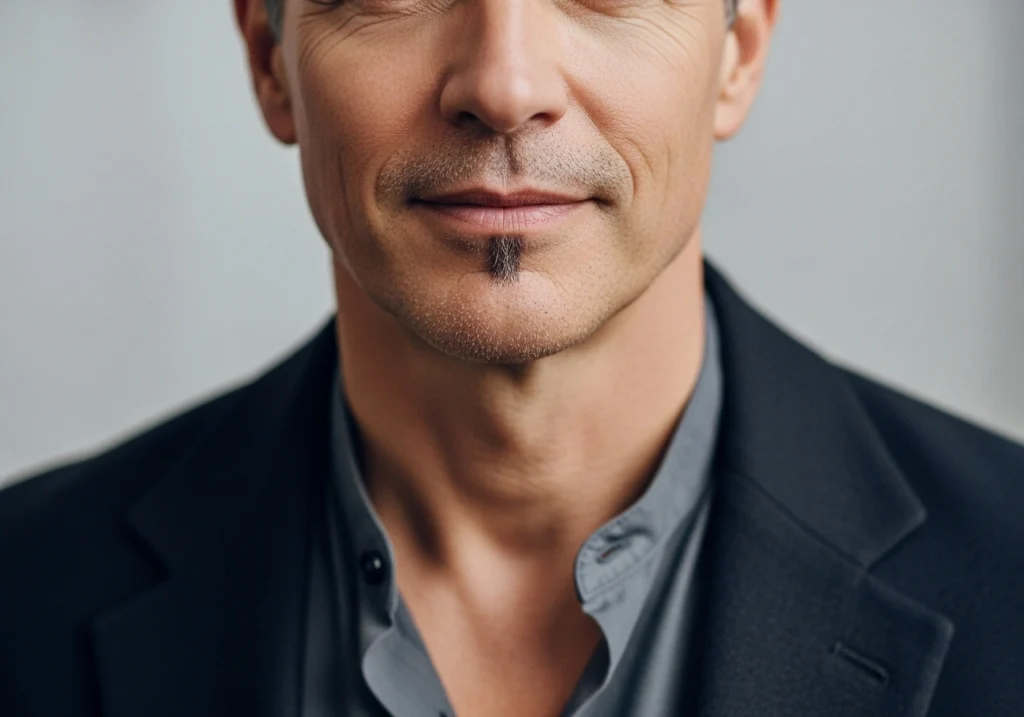
The soul patch is a small patch of hair just below the lower lip. While it can stand alone, many men over 40 pair it with a mustache or incorporate it into other beard styles for added character. The soul patch adds a subtle accent without requiring extensive facial hair.
This minimalist style works well for men who want a touch of personality without commitment to a full beard. It suits most face shapes and requires minimal maintenance. The soul patch can make the face appear slightly longer, which benefits round face shapes.
The size of the soul patch varies based on preference, from small and subtle to larger and more noticeable. Most measure between one-quarter to three-quarters of an inch in width and height. Keep edges defined for a neat appearance.
Maintain the soul patch by shaving all surrounding areas, leaving only the desired patch of hair. Trim every few days to keep the shape neat and the hair at your preferred length. If pairing with a mustache, ensure both elements are proportionate and well-groomed. A small amount of beard oil keeps the patch soft.
Essential Grooming Tips for Maintaining Your Beard
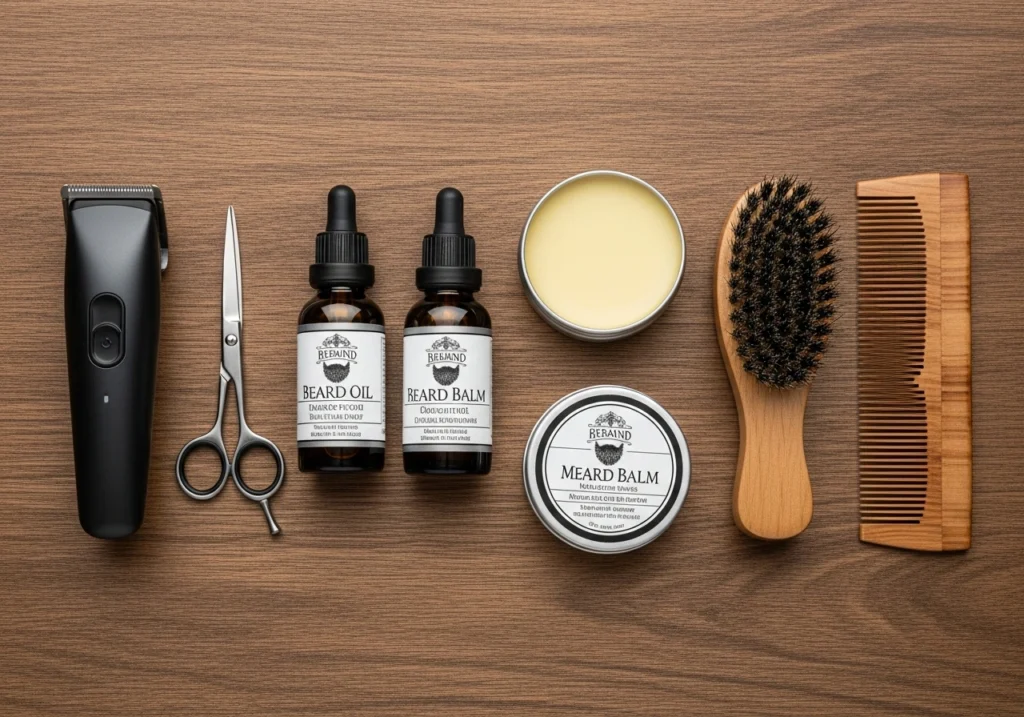
Regardless of which style you choose, proper maintenance ensures your beard always looks its best. Establish a consistent grooming routine that includes washing, conditioning, and styling appropriate to your beard’s length and texture.
Wash your beard two to three times per week using specialized beard shampoo. Regular hair shampoo can be too harsh for facial hair and the delicate skin beneath. Beard-specific formulas clean effectively while maintaining natural oils. After washing, apply beard conditioner and let it sit for several minutes before rinsing.
Daily application of beard oil is essential for all beard lengths. Beard oil moisturizes both hair and skin, preventing the itchiness and flaking that can occur as beards grow. Apply to a slightly damp beard after showering, working the oil through from roots to tips. For longer beards, add beard balm for additional moisture and light hold.
Invest in quality grooming tools. A good trimmer with multiple guard lengths allows for precise maintenance between barber visits. A beard brush or comb helps distribute products, train growth direction, and remove debris. Small grooming scissors are invaluable for detailed work around the mustache and stray hairs.
Regular professional maintenance elevates your beard from good to exceptional. Visit a skilled barber every four to six weeks for shaping, particularly when first establishing a new style. Barbers can create clean lines and balanced shapes that are difficult to achieve alone.
Pay attention to the condition of your beard hair. Split ends, excessive dryness, and wiry texture indicate the need for additional care. Deep conditioning treatments, taken internally through diet or applied as masks, improve hair health. Grey or white beards may require specialized products to prevent yellowing and maintain vibrant silver tones.
Don’t neglect the skin beneath your beard. Exfoliate regularly to remove dead skin cells and prevent ingrown hairs. Moisturize the skin under shorter beards and apply beard oil for longer styles. Healthy skin grows healthy hair, so skincare remains important even when your face is covered by a beard.
you may also like this:14+ Trendy Short Beard Styles for Men at Any Age
Conclusion
Choosing the right beard style after 40 is about more than following trends. It’s about finding a look that enhances your natural features, fits your lifestyle, and projects the confidence that comes with maturity. The styles presented here offer options for every face shape, hair type, and professional environment.
Your beard represents an opportunity to refine your personal image continuously. As your hair naturally evolves in color and texture, your style can evolve alongside it. Embrace the silver tones, work with your natural growth patterns, and maintain your chosen style with consistent grooming.
The key to any successful beard lies in proper maintenance. Regular washing, conditioning, and trimming keep your facial hair healthy and attractive. Quality grooming products tailored to your specific needs make daily maintenance easier and more effective. When in doubt, consult with a professional barber who can assess your face shape, growth pattern, and lifestyle to recommend the most flattering options.
Above all, wear your beard with confidence. The right style combined with proper grooming creates a distinguished appearance that commands respect and reflects the wisdom you’ve earned through experience. Your beard is more than facial hair; it’s a statement of who you are and the image you choose to present to the world.
Frequently Asked Questions
Should men over 40 keep their beards or go clean-shaven?
The decision between bearded and clean-shaven is entirely personal. Many men over 40 find that a well-maintained beard adds character and maturity to their appearance. A beard can define the jawline, balance facial features, and provide a distinguished look that suits this life stage. However, the key word is “well-maintained.” A properly groomed beard enhances appearance, while a neglected one detracts from it. Consider your lifestyle, profession, and how much time you can dedicate to maintenance when making this decision.
How do I deal with grey or white patches in my beard?
Embrace them rather than fighting them. Grey and white facial hair adds distinction and character to men over 40. The salt and pepper effect creates visual interest and depth that single-tone beards cannot achieve. If grey patches are uneven or particularly prominent, you can adjust your beard style to work with the natural pattern. Some men choose to enhance silver tones with specialized shampoos that brighten grey hair. Avoid trying to dye grey patches to match surrounding hair, as this often looks unnatural and requires constant maintenance as new growth appears.
What beard length is most professional for office environments?
For most corporate settings, beard length between one-quarter to one inch works best. Short boxed beards, professional stubble, and neat corporate beards project polish while maintaining personality. The specific length matters less than the maintenance level; a well-groomed, evenly trimmed beard of moderate length appears far more professional than a longer beard that lacks definition or appears unkempt. Focus on keeping edges clean along the neckline and cheekbones, as these defined lines create a professional impression regardless of overall length.
How often should men over 40 trim their beards?
Trimming frequency depends on your chosen style and how quickly your facial hair grows. Shorter styles like stubble or heavy stubble require trimming every two to three days to maintain consistent length. Medium-length professional beards benefit from weekly trimming to keep shape and remove split ends. Longer beards can go two to three weeks between trims, though edge maintenance around the neckline and cheeks should occur more frequently. Regardless of style, plan on visiting a professional barber every four to six weeks for detailed shaping and maintenance that’s difficult to achieve on your own.
What products are essential for beard maintenance in your 40s?
Start with a specialized beard shampoo and conditioner, as these clean without stripping natural oils. Beard oil is non-negotiable; apply it daily to moisturize both hair and skin, preventing itchiness and promoting healthy growth. For medium to long beards, add beard balm for additional moisture and light hold. A quality trimmer with multiple guard lengths allows for precise at-home maintenance. Include a beard brush or comb for distributing products and training growth direction. As your beard ages, texture often becomes coarser, making conditioning products particularly important for maintaining softness and manageability.