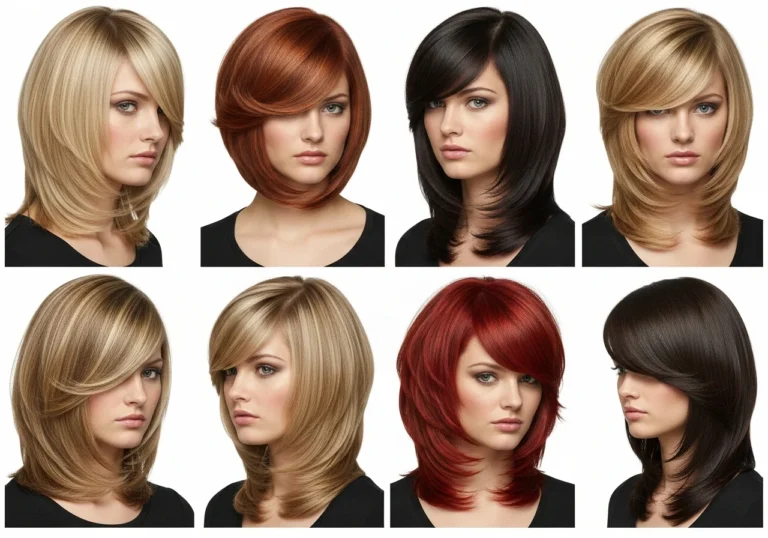
15 Butterfly Haircut Long Hair Ideas That Frame Your Face Perfectly
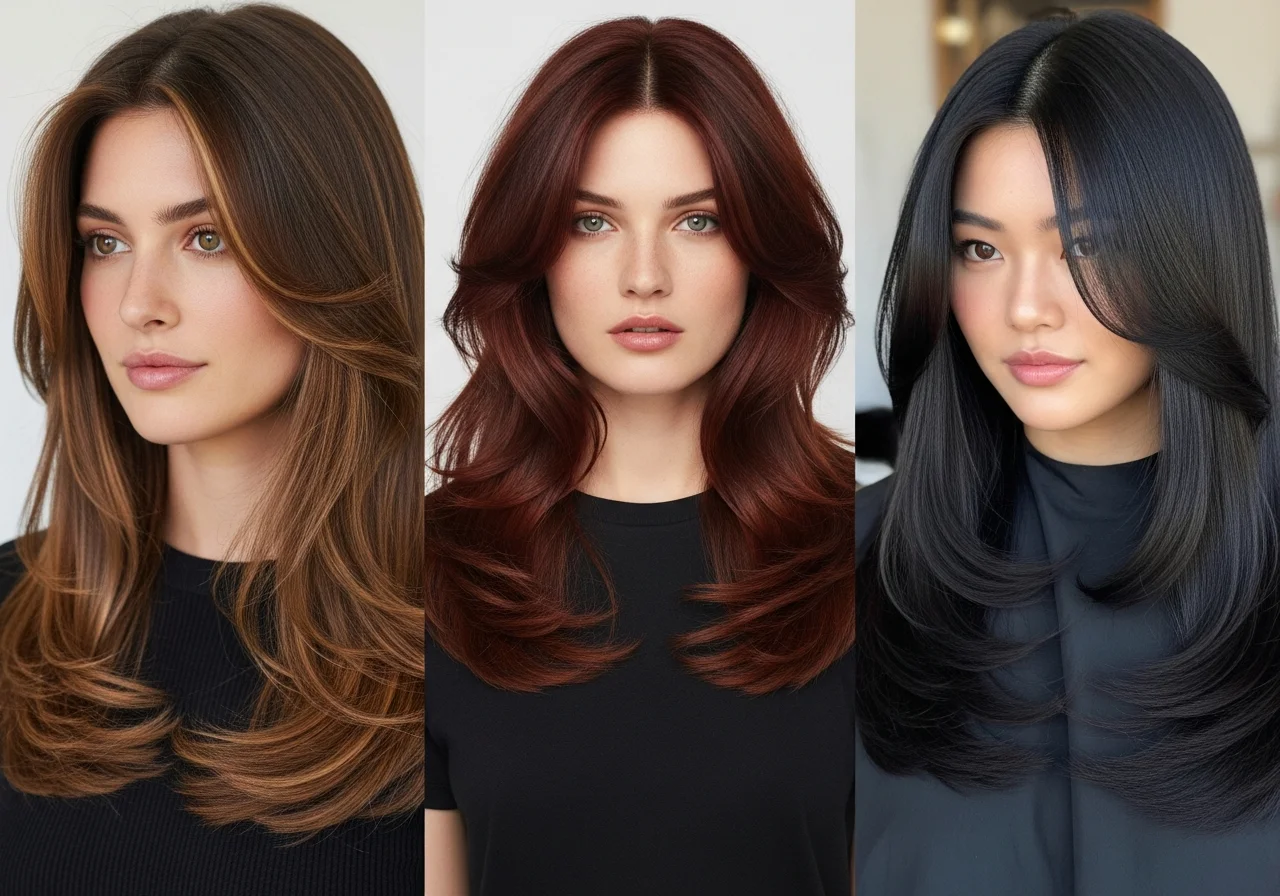
The butterfly haircut has emerged as one of the most requested styles in salons worldwide, and for good reason. This versatile cut combines the best elements of layered haircuts with strategic face-framing pieces that create stunning dimension and movement. For those with long hair who want a dramatic transformation without sacrificing length, the butterfly cut offers the perfect solution.
This comprehensive guide explores fifteen stunning variations of the butterfly haircut specifically designed for long hair. Whether you have straight, wavy, or curly locks, understanding how to adapt this trending style to your unique features will help you achieve a look that feels both modern and timeless.
Understanding the Butterfly Haircut Technique
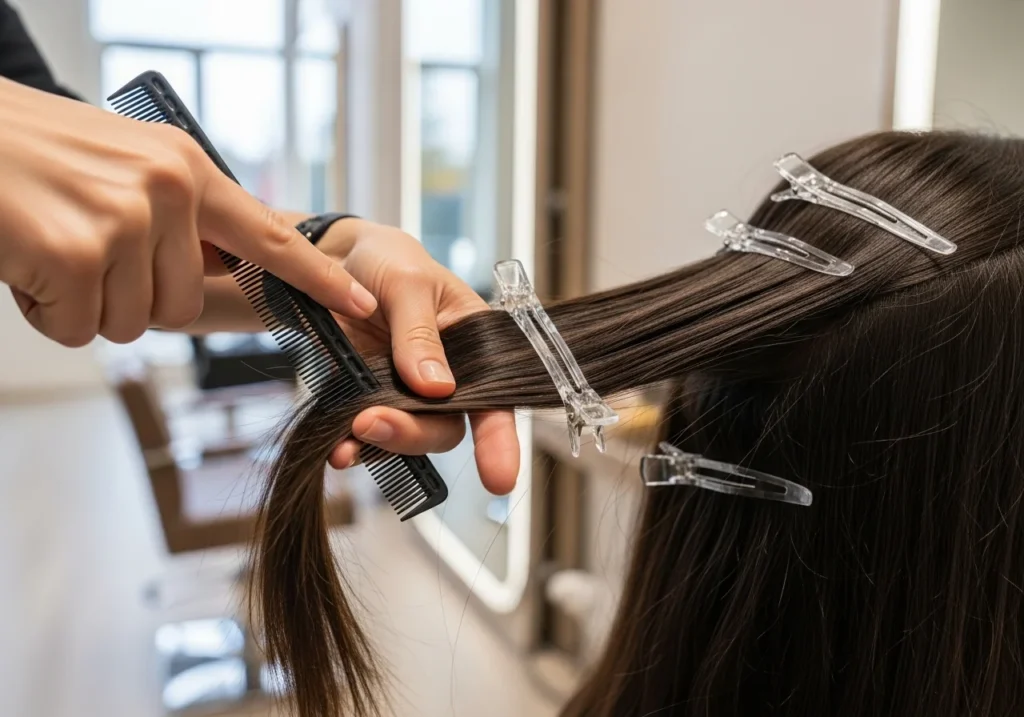
The butterfly haircut gets its name from the distinctive shape it creates when hair falls naturally around the face. Imagine butterfly wings gently fanning outward. The technique involves creating shorter layers around the crown and face, gradually blending into longer lengths at the back. This strategic layering produces natural volume at the top while maintaining substantial length throughout.
What sets this cut apart from traditional layered styles is the intentional concentration of layers around the face. These face-framing pieces typically start around chin or cheekbone level, creating a curtain effect that draws attention to your features. The shortest layers provide lift at the crown, addressing one of the most common complaints among long-haired individuals: flat, lifeless roots.
Professional stylists achieve this look by sectioning hair into multiple layers and cutting at slight angles. The graduation between sections creates seamless blending that appears effortless when styled. The technique works particularly well for long hair because the length provides a beautiful canvas for showcasing the dimensional effect of multiple layer lengths.
Classic Butterfly Cut with Subtle Layers

The foundational butterfly haircut for long hair features gentle, barely-there layers that create movement without dramatic contrast. This version works exceptionally well for first-timers or anyone hesitant about committing to heavy layering. The face-framing pieces begin at chin length and gradually extend downward, creating a soft, feminine silhouette.
This approach maintains significant length while introducing just enough texture to prevent hair from looking heavy or one-dimensional. The subtle layers catch light beautifully, creating natural highlights and shadows that add depth to your overall look. For individuals with fine hair, this version provides body without creating stringy ends.
Styling this variation requires minimal effort. A round brush and blow dryer can enhance the natural flip of the layers, or you can simply air dry for a relaxed, effortless appearance. The versatility of this cut makes it suitable for both professional environments and casual settings.
Dramatic Butterfly Layers for Maximum Volume

For those seeking bold transformation, the dramatic butterfly cut features pronounced layering that creates significant volume and movement. The shortest layers at the crown may reach shoulder length or above, while the longest pieces extend to mid-back or lower. This creates striking contrast that demands attention.
This version particularly benefits individuals with thick, heavy hair that tends to pull itself down with its own weight. By removing bulk strategically through layering, the cut allows hair to move freely and bounce naturally. The dramatic face-framing pieces create a slimming effect, drawing the eye vertically rather than horizontally.
When styling this variation, volumizing products become your best friend. Mousse applied at the roots before blow-drying amplifies the natural lift created by the layers. The dramatic nature of this cut means it requires more frequent trims to maintain the intended shape, typically every six to eight weeks.
Butterfly Cut with Curtain Bangs
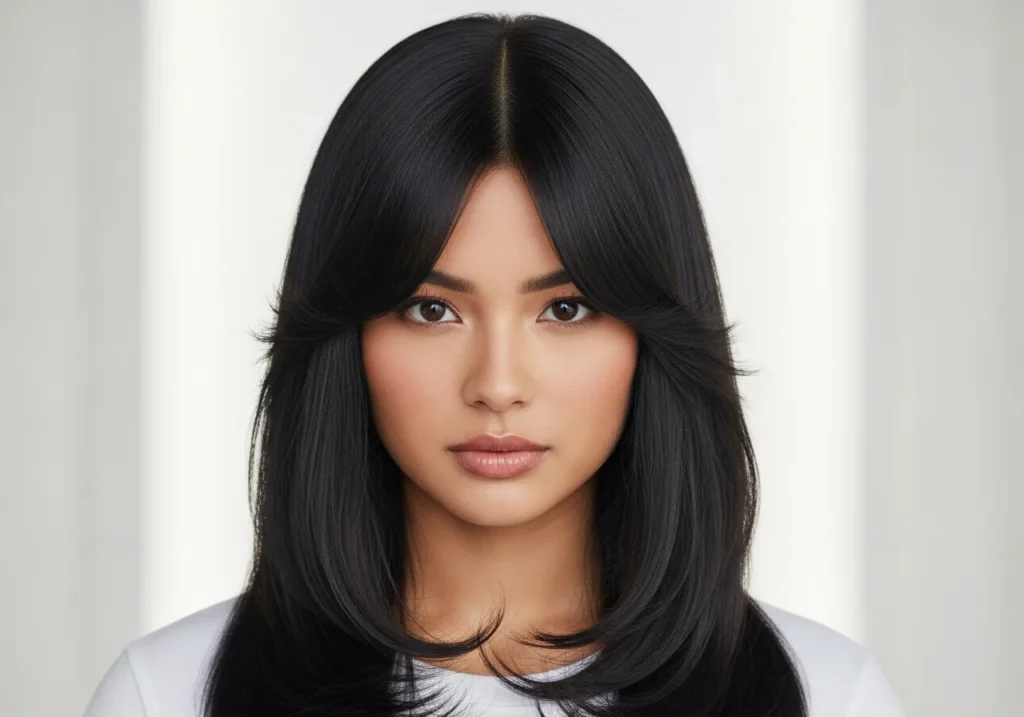
Combining the butterfly haircut with curtain bangs creates a perfectly harmonious look that epitomizes modern femininity. The curtain bangs blend seamlessly into the face-framing layers, creating an uninterrupted flow from forehead to shoulders. This combination works beautifully for softening angular face shapes or adding dimension to round faces.
The curtain bangs typically part down the middle and sweep gently to each side, framing the forehead and drawing attention to the eyes. When integrated with butterfly layers, they create a cohesive curtain effect that feels both retro and contemporary. The key to this style lies in proper bang placement, ensuring they connect naturally with the first layer of the butterfly cut.
Maintenance for this variation requires some styling commitment. The bangs need regular trimming every three to four weeks to prevent them from growing past the desired length. Daily styling with a round brush helps maintain the outward sweep that makes curtain bangs so flattering.
Shaggy Butterfly Cut for Textured Appeal
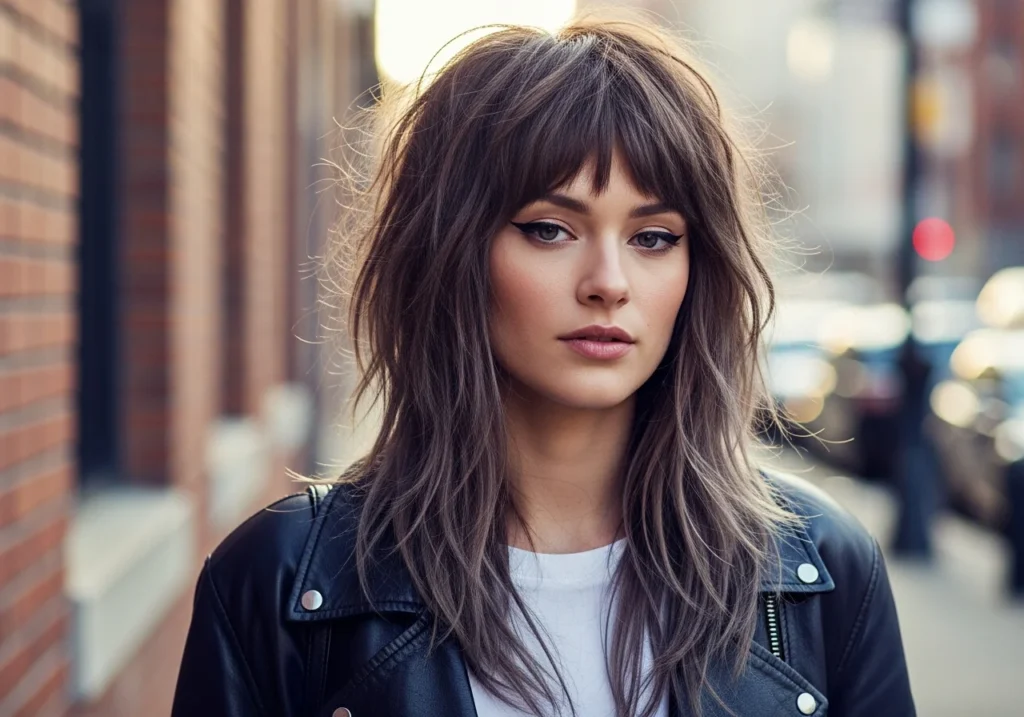
The shaggy butterfly cut introduces choppy, textured ends that create an edgy, lived-in appearance. Rather than smooth, polished layers, this version features razored or point-cut ends that separate into piece-y strands. The result combines the structure of the butterfly cut with the carefree attitude of shag haircuts.
This approach works wonderfully for individuals with naturally textured or wavy hair, as it enhances existing movement rather than fighting against it. The textured ends prevent the cut from looking too manicured, making it ideal for those who prefer low-maintenance styling. The intentionally imperfect finish means hair looks great whether freshly styled or second-day tousled.
Achieving this look requires a stylist experienced with texturizing techniques. The razor work or point cutting must be executed carefully to avoid creating too much bulk removal, which can lead to thin, stringy ends. Texturizing spray or sea salt spray enhances the piece-y separation when styling.
Sleek Butterfly Cut for Straight Hair
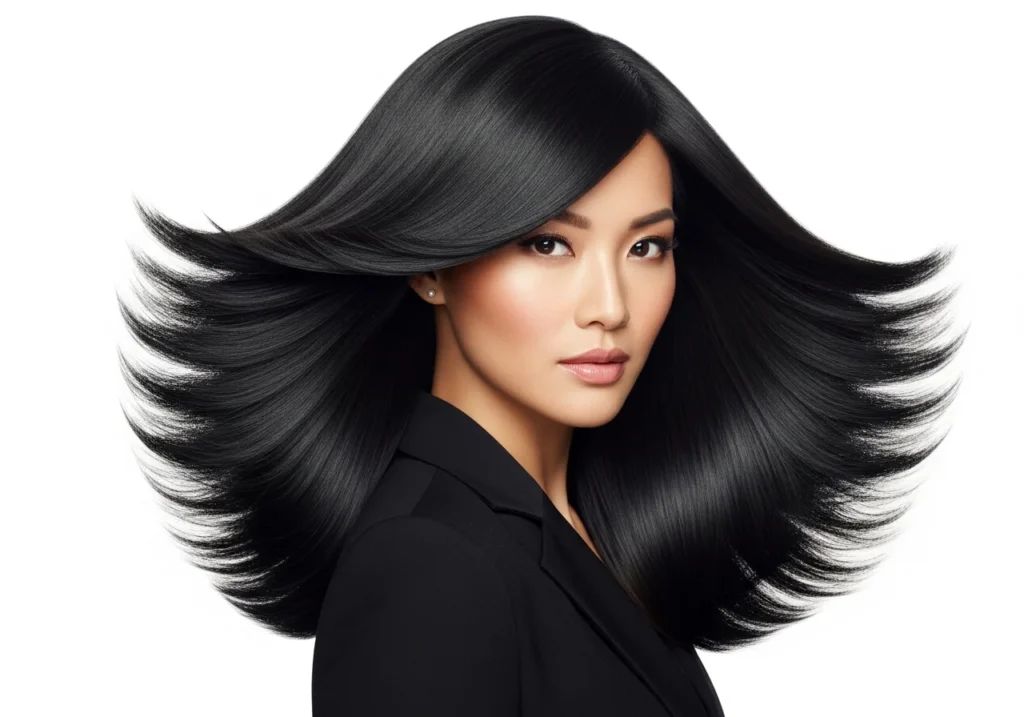
Those blessed with naturally straight hair can showcase the butterfly cut’s clean lines and precise layering beautifully. The sleek version emphasizes the geometric quality of the cut, with each layer falling in smooth, distinct sections. When light hits straight hair styled in a butterfly cut, it creates stunning dimensional effects that highlight the haircut’s architecture.
This variation requires hair to be relatively healthy and free from excessive damage, as straight hair shows split ends and breakage more readily than textured hair. Regular deep conditioning treatments help maintain the glossy appearance that makes this version so striking. The precision of the cut means any frizziness or dryness becomes immediately apparent.
Styling involves blow-drying with a paddle brush to maximize smoothness, followed by a flat iron for ultra-sleek finish if desired. Shine serums and smoothing creams help achieve the polished look that makes this variation photograph beautifully. The sleek butterfly cut works particularly well in professional settings where a polished appearance is valued.
Wavy Butterfly Cut for Effortless Movement
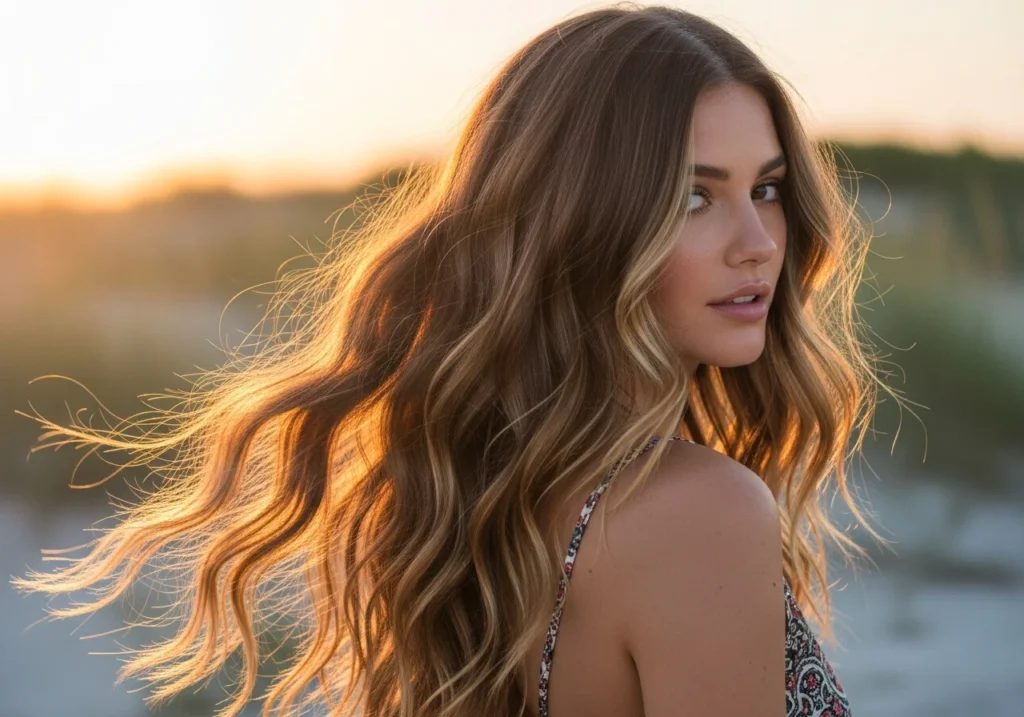
The butterfly cut reaches its full potential when combined with natural waves. The layering enhances wave patterns, allowing them to form more defined spirals and bends. Each layer creates a new starting point for waves to develop, resulting in a cascading effect that appears incredibly dynamic and full of life.
For individuals with naturally wavy hair, this cut eliminates the weight that often pulls waves straight, allowing them to spring into their natural formation. The face-framing layers develop beautiful S-curves that draw attention to facial features. The overall effect is romantically tousled without appearing messy or unkempt.
Styling wavy butterfly cuts requires techniques that enhance rather than fight natural texture. Scrunching with curl-enhancing cream while hair is damp, then air-drying or diffusing, produces the best results. Avoid brushing once dry, as this can disrupt wave patterns and create frizz. The beauty of this combination lies in its wash-and-go potential.
Butterfly Cut with Balayage Highlights

Adding balayage highlights to a butterfly haircut creates extraordinary dimension that emphasizes the cut’s layered structure. The hand-painted highlights follow the natural movement of the layers, with lighter pieces concentrated around the face where light naturally hits. This combination of cutting and coloring techniques produces a sun-kissed effect that appears entirely natural.
The strategic placement of highlights makes the layers more visible and defined. Lighter pieces at the ends of face-framing sections draw the eye inward, enhancing the slimming effect of the cut. The dimensional color prevents long hair from appearing flat or one-toned, adding visual interest from every angle.
When requesting this combination, bring reference photos showing both the cut and color you desire. The stylist can then plan highlight placement that complements the specific layer placement in your butterfly cut. Maintenance requires less frequent touch-ups than traditional highlights since the hand-painted technique grows out more naturally.
Butterfly Cut for Thick Hair
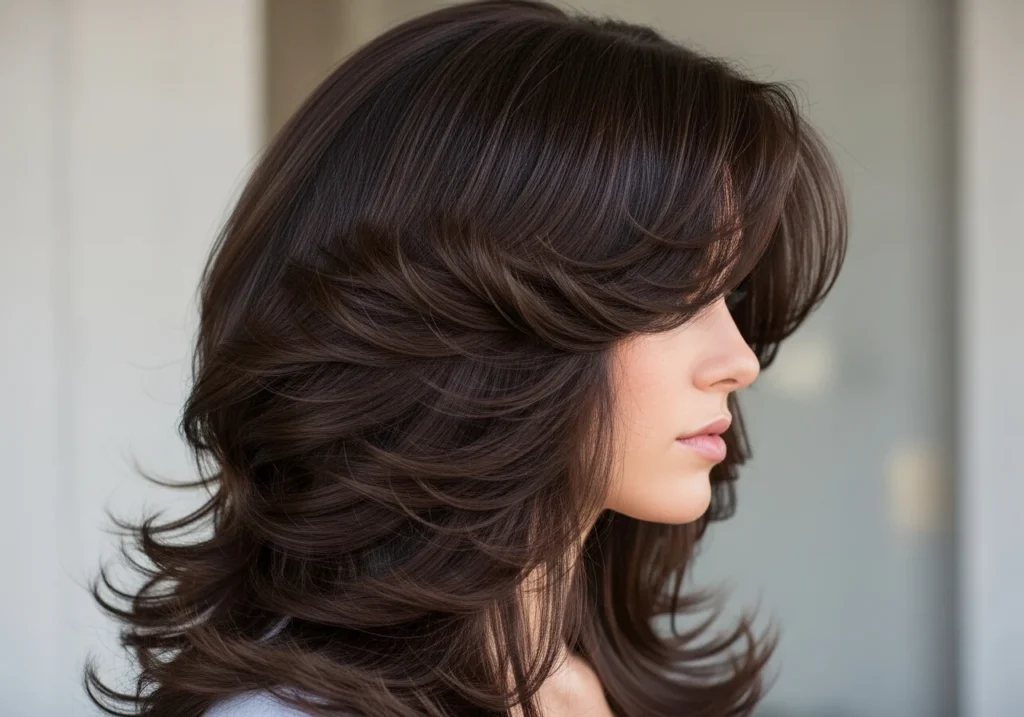
Thick-haired individuals often struggle with heavy, shapeless styles that lack movement. The butterfly cut solves this problem by removing bulk strategically while maintaining length. The layering technique creates internal texture that allows thick hair to move freely rather than hanging like a heavy curtain.
For this hair type, the butterfly cut typically involves more aggressive layering and potentially some internal thinning. The stylist removes weight from the interior while keeping perimeter length intact, creating a lighter feel without sacrificing the appearance of fullness. The face-framing layers prevent the width that thick hair can create around the face.
Styling thick hair with a butterfly cut becomes significantly easier than managing a blunt, one-length style. The layers dry faster and require less product to achieve desired looks. Many thick-haired clients report that this cut finally allows them to embrace air-drying, as the layers create natural movement that looks intentional rather than shapeless.
Butterfly Cut for Fine Hair
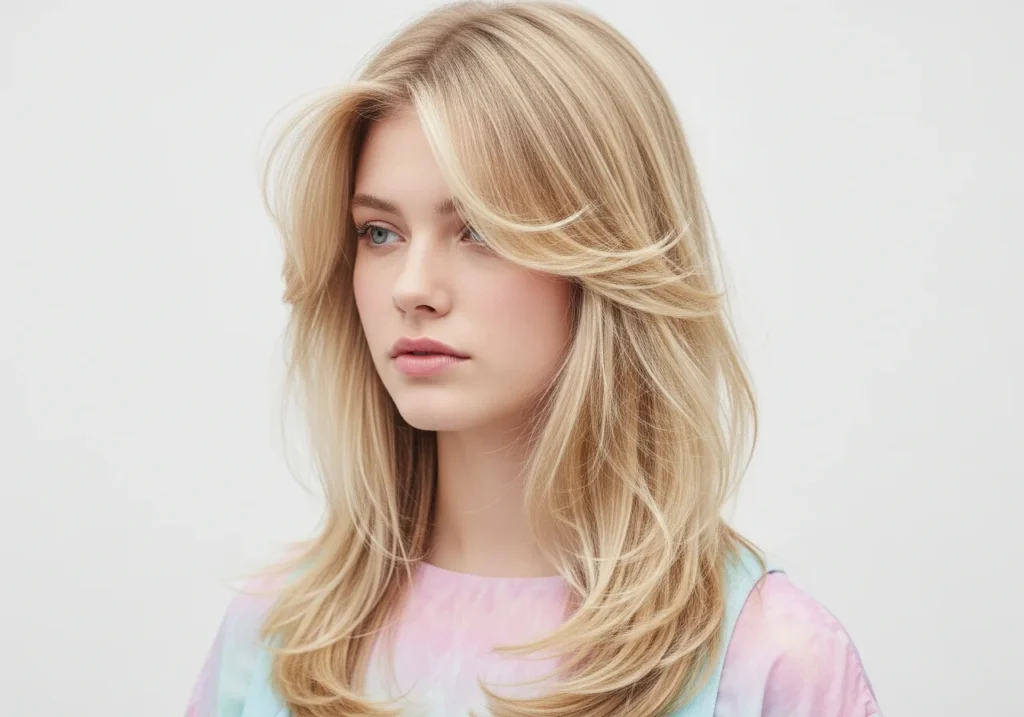
Fine hair presents unique challenges, primarily the tendency to look flat and lifeless. The butterfly haircut addresses this by creating layers that stack and overlap, producing the illusion of greater density. The key lies in avoiding excessive thinning, which can make fine hair appear even sparser.
For fine-textured hair, the butterfly cut should feature layers that are closer together rather than dramatically spaced. This creates more overlapping pieces that give the appearance of volume. The face-framing sections add width around the face, counteracting the tendency for fine hair to stick close to the head.
Styling products become crucial for fine hair in a butterfly cut. Volumizing mousse applied to damp roots, followed by blow-drying with a round brush, creates lift at the crown. Dry shampoo between washes adds texture and prevents the flatness that can occur with fine hair. The cut itself does much of the work, but proper products maximize the volumizing effect.
Long Butterfly Cut with Face-Framing Money Pieces
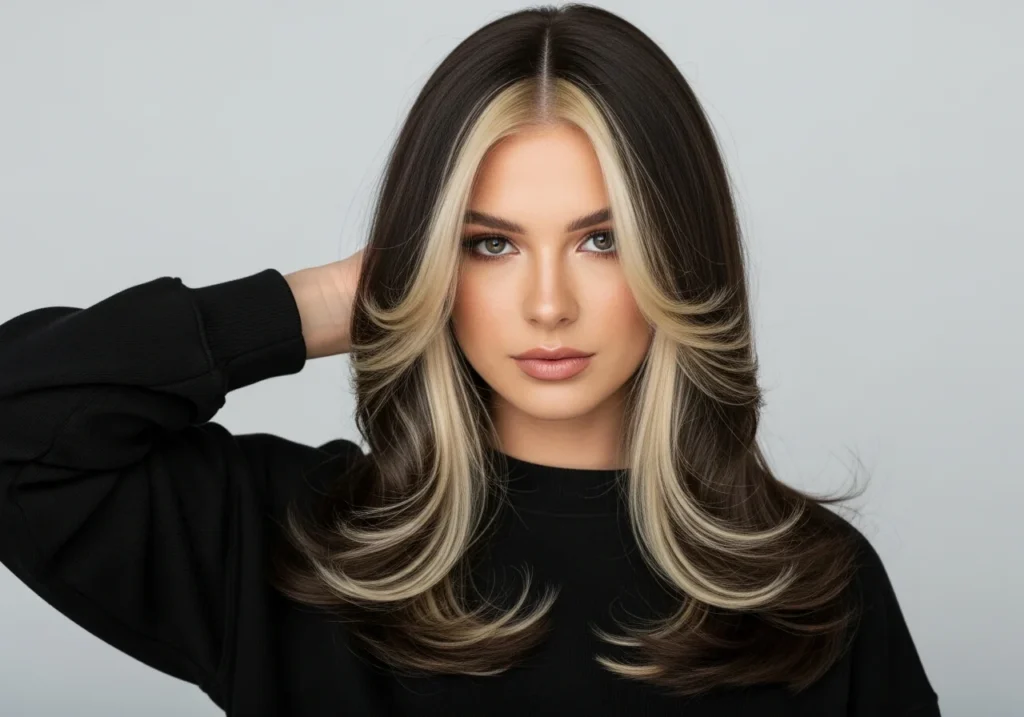
Money pieces refer to the bright, face-framing highlights that became wildly popular in recent years. When combined with a butterfly haircut on long hair, these lighter sections emphasize the cut’s defining feature. The highlighted face-framing layers become even more prominent, creating a striking contrast against darker base color.
This combination works particularly well for individuals wanting maximum impact with their transformation. The bright pieces draw attention immediately, while the butterfly cut ensures the highlights fall in the most flattering way possible. The layering prevents the highlights from creating harsh lines, instead allowing them to blend seamlessly with the rest of the hair.
Maintenance requires commitment to both regular haircuts and color appointments. The highlights need refreshing every six to eight weeks to prevent brassiness, while the cut needs trimming to maintain the intentional layer placement. Despite the upkeep, the dramatic results make this combination one of the most requested in salons.
Butterfly Cut with Long Layers Only
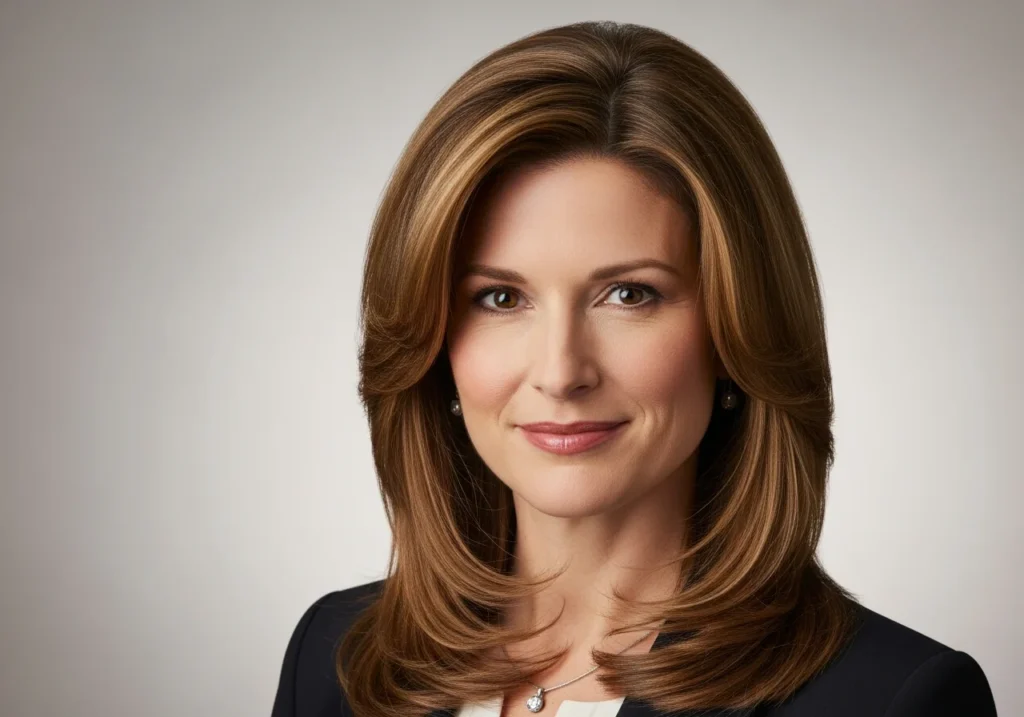
Some variations of the butterfly cut focus exclusively on longer layers, avoiding short, choppy pieces near the crown. This version begins the shortest layer around collarbone length, creating a more subtle interpretation of the trend. The face-framing effect remains present but appears more conservative and classic.
This approach suits individuals who want the benefits of layering without a drastic departure from their current style. It also works well for those growing out a previous short haircut, as it allows for length retention while adding shape. The longer layers create movement without the maintenance requirements of shorter, more dramatic versions.
Styling this variation offers flexibility. The longer layers can be curled for volume, straightened for sleekness, or allowed to air-dry with minimal intervention. The understated nature of this cut makes it appropriate for conservative workplaces while still providing the modern appeal of the butterfly trend.
Asymmetrical Butterfly Cut
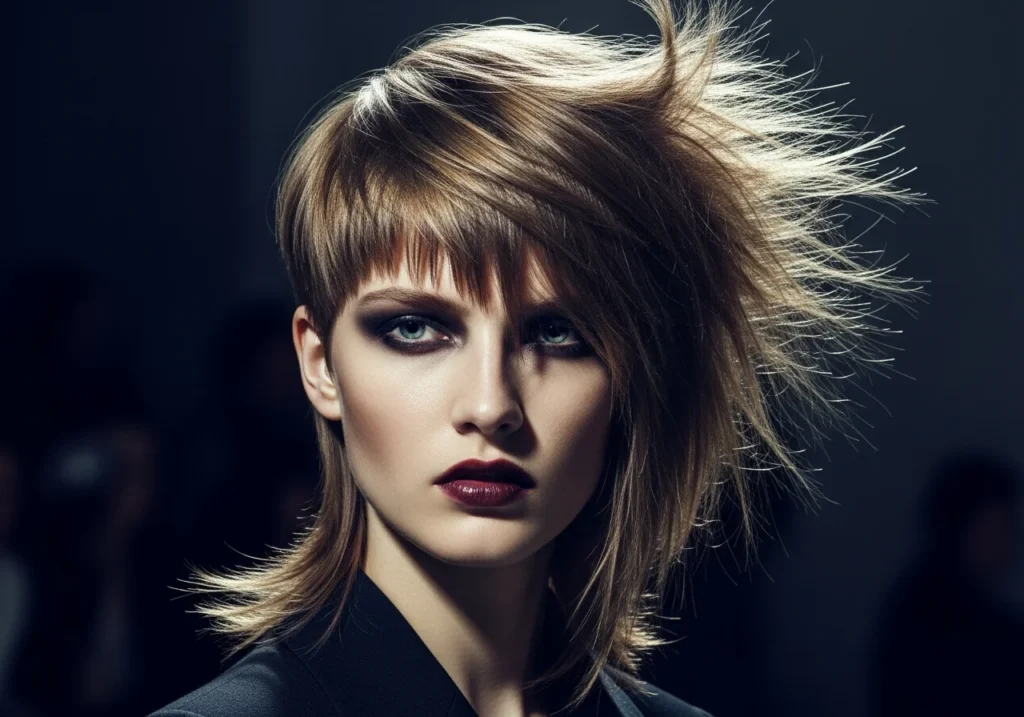
The asymmetrical butterfly cut introduces intentional unevenness to the traditional symmetrical design. One side may feature slightly shorter layers or a deeper part, creating visual interest through imbalance. This variation appeals to those wanting to express creativity and individuality through their hairstyle.
The asymmetry can be subtle, with just a slight difference in layer length between sides, or dramatic, featuring significantly different cutting on each half. The face-framing pieces may begin at different lengths, creating an artistic, editorial quality. This version requires a skilled stylist who understands how to balance asymmetry without creating a lopsided appearance.
Styling options expand with asymmetrical cuts. The hair can be parted in multiple ways, each revealing different aspects of the cut. Swept to one side, the asymmetry becomes most apparent. Parted down the middle, the intentional imbalance creates intrigue. This versatility makes the asymmetrical butterfly cut popular among fashion-forward clients.
Butterfly Cut with Blunt Ends
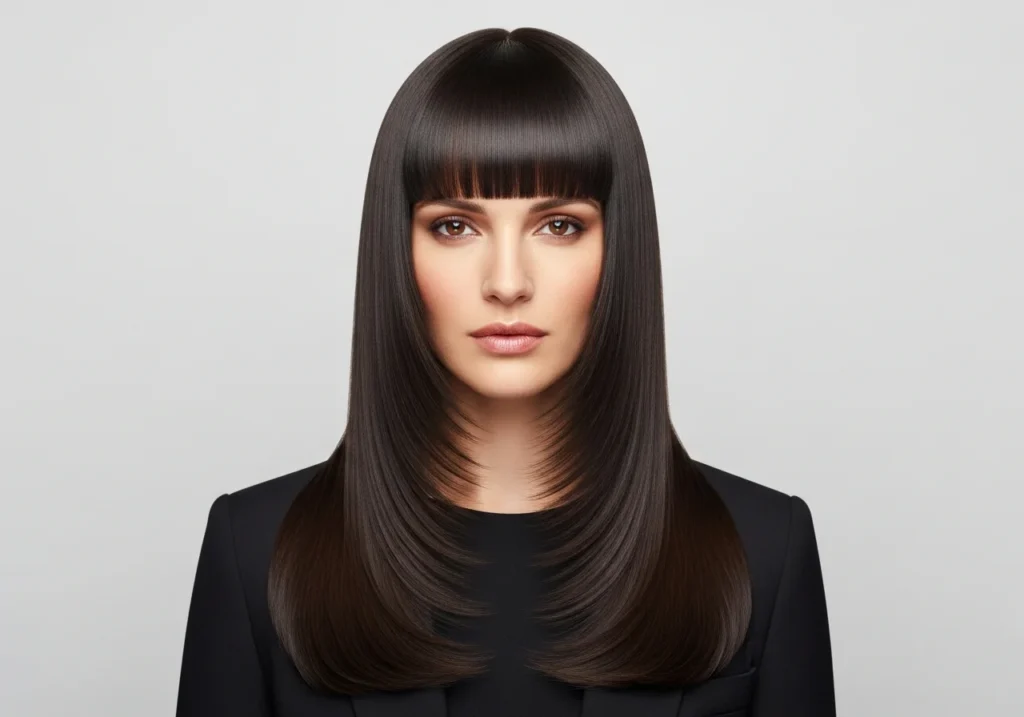
While most butterfly cuts feature textured, feathered ends, a variation with blunt perimeter creates a unique aesthetic. The layers throughout maintain the characteristic butterfly shape, but the ends are cut straight across rather than point-cut or razored. This creates a style that feels both structured and soft.
The blunt perimeter adds weight to the ends, which can benefit fine hair that tends to look wispy. It also creates a more polished, intentional appearance compared to heavily textured versions. The contrast between the layered interior and blunt exterior produces interesting dimension when hair moves.
This version requires precise cutting skills to ensure the blunt line appears clean and intentional. Regular trims every six to eight weeks maintain the sharp perimeter. Styling typically involves straightening the ends to emphasize the blunt line, though natural texture can create an interesting juxtaposition between structured ends and flowing layers.
Butterfly Cut for Curly Hair
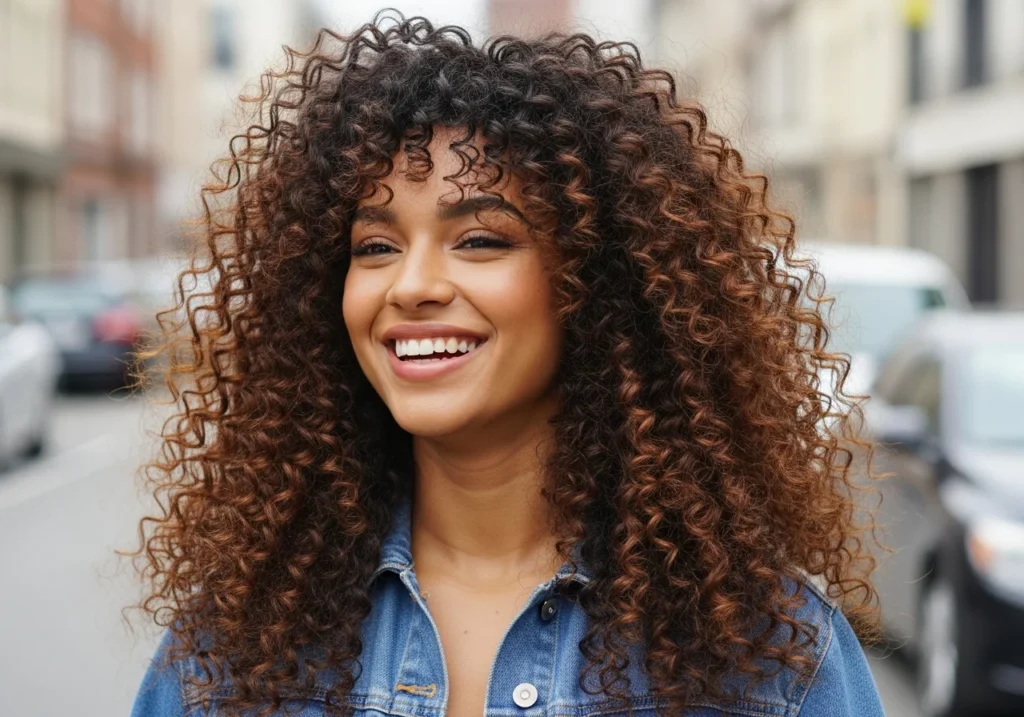
Curly-haired individuals can absolutely embrace the butterfly cut, though the technique requires modification. Curls naturally create volume, so the cut focuses on shaping and defining curl patterns rather than adding volume. The layers are typically cut dry, allowing the stylist to see how curls naturally fall and removing bulk where necessary.
The butterfly cut helps prevent the triangular shape that long curly hair often creates. By reducing weight at the bottom and adding layers throughout, the cut encourages curls to form throughout the length rather than only at the ends. Face-framing pieces allow curls near the face to spring up and frame features beautifully.
Styling curly hair with a butterfly cut involves enhancing natural texture rather than fighting it. Curl-defining creams and leave-in conditioners help maintain moisture and definition. Diffusing or air-drying preserves the curl pattern that the cut was designed around. The result is curly hair that appears intentionally styled rather than simply grown long.
Styling and Maintenance Tips for Long Butterfly Cuts
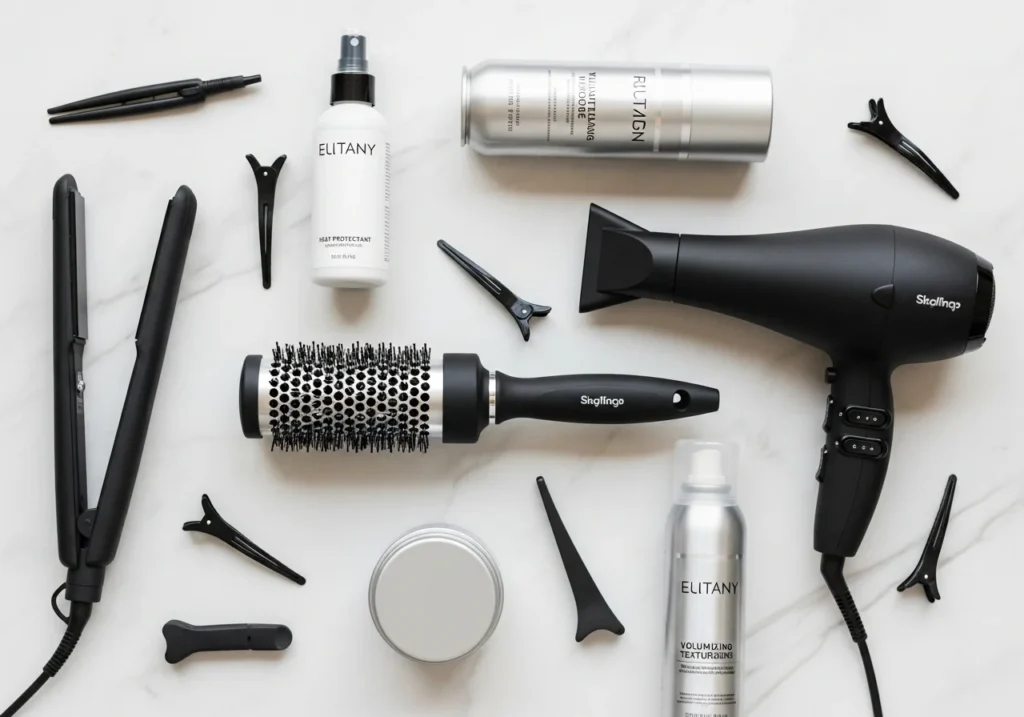
Regardless of which butterfly cut variation you choose, certain styling principles apply universally. Understanding how to maintain and style your cut ensures it continues looking fresh between salon visits.
Heat styling tools play a significant role in maximizing the butterfly cut’s potential. A round brush paired with a blow dryer creates volume at the roots while encouraging the face-framing pieces to flip outward. For those preferring sleeker looks, a flat iron smooths layers while maintaining the dimensional effect of varying lengths.
Product selection matters significantly. Volumizing mousse applied to damp hair provides lift, while texturizing sprays create separation and piece-y definition. Heat protectant becomes non-negotiable when using hot tools regularly. Dry shampoo extends time between washes while adding texture and volume at the roots.
Regular trims maintain the integrity of the cut. Most stylists recommend appointments every six to eight weeks, though faster-growing hair may require more frequent visits. During trims, communicate which aspects of the cut you love and which might need adjustment. The butterfly cut can be modified and personalized endlessly.
Deep conditioning treatments prevent the dryness and damage that can make layered cuts appear stringy or unhealthy. Focus treatments on mid-lengths and ends, avoiding roots to prevent weighing down the volume created by layers. Healthy hair showcases the butterfly cut’s dimension and movement far better than damaged strands.
Conclusion
The butterfly haircut for long hair offers endless possibilities for customization and personalization. From subtle, understated layers to dramatic, voluminous transformations, this versatile cut adapts to various hair types, textures, and personal styles. The defining characteristic remains consistent: face-framing layers that create movement, dimension, and a flattering silhouette.
Choosing the right variation depends on your hair type, lifestyle, and styling preferences. Fine hair benefits from closer layers that create the illusion of density, while thick hair thrives with more aggressive layering that removes weight. Natural texture should guide your decision, with straight hair showcasing clean lines and curly hair embracing enhanced pattern definition.
Working with an experienced stylist ensures your butterfly cut complements your unique features and hair characteristics. Bring reference photos showing multiple angles of your desired style, and communicate honestly about your styling routine and maintenance commitment. The most successful butterfly cuts balance aesthetic goals with practical considerations.
The enduring popularity of the butterfly haircut stems from its ability to transform long hair without requiring significant length sacrifice. Whether you choose a conservative version with longer layers or embrace a dramatic, heavily layered interpretation, this cut delivers the movement and dimension that brings long hair to life. The face-framing effect universally flatters, making the butterfly cut a timeless choice that transcends fleeting trends.
Frequently Asked Questions
How often should I trim my butterfly haircut to maintain its shape?
Most butterfly cuts require trimming every six to eight weeks to maintain the intended layer placement and prevent the style from growing out unevenly. Those with faster-growing hair or shorter face-framing pieces may need appointments every five to six weeks. Regular trims prevent the layers from blending together and losing their distinctive shape.
Can I get a butterfly cut if I have very fine or thin hair?
Yes, fine hair can look beautiful with a butterfly cut when executed properly. The key is avoiding excessive thinning or texturizing, which can make fine hair appear sparse. Instead, request layers that are closer together to create overlapping pieces that give the illusion of fuller hair. The volumizing effect of proper layering can actually make fine hair appear thicker.
Will a butterfly cut work with my natural curl pattern?
The butterfly cut works wonderfully with curly hair when cut by a stylist experienced with curly cutting techniques. The layers should be cut while hair is dry and in its natural state, allowing the stylist to see how curls fall naturally. This prevents the shrinkage surprise that can occur when curly hair is cut wet and then dries shorter than expected.
What styling tools do I need for a butterfly haircut?
Essential tools include a quality blow dryer, round brush for creating volume, and either a flat iron or curling iron depending on your preferred finish. A wide-tooth comb for detangling and sectioning is helpful. For products, invest in heat protectant, volumizing mousse, and a texturizing spray. These basics allow you to recreate most butterfly cut styles at home.
How long does my hair need to be to get a butterfly cut?
While the butterfly cut works best on hair at least shoulder-length, the ideal canvas is hair reaching the collarbone or longer. This length provides enough room for multiple distinct layers while maintaining substantial overall length. Shorter hair can incorporate butterfly cut elements but may not achieve the full cascading effect that defines the style.
You may also like this post: 18 Trendy Haircut Ideas for Medium Hair in 2026 – Cute, Easy & Curly Styles for Women