
Cutting Hair Guide: 25 Gorgeous Haircut Styles for Long Hair & Butterfly Cuts
Long hair offers a world of possibilities when it comes to cutting and styling. The right haircut can transform heavy, lifeless locks into a dynamic, manageable mane that showcases your natural beauty. Whether you have thick, thin, curly, or straight hair, understanding the fundamentals of cutting hair for long styles will help you achieve the look that best suits your lifestyle and features.
This comprehensive guide explores the most flattering haircut styles for long hair, with special attention to the trending butterfly cut that has taken social media by storm. From classic layered styles to modern interpretations of vintage looks, you will discover techniques that add volume, reduce bulk, and create movement in your hair. The key to success lies in selecting a cut that complements your hair texture, face shape, and personal style preferences.
Modern long haircuts have evolved beyond simple trims. Today’s styles incorporate strategic layering, face framing techniques, and texturizing methods that bring out the best in every hair type. The butterfly cut, in particular, has emerged as a favorite among those seeking the illusion of shorter hair while maintaining their length. This style combines short layers at the crown with longer pieces throughout, creating a dramatic yet wearable look that flatters most face shapes.
Understanding the relationship between your hair’s natural characteristics and the cutting technique will help you communicate effectively with your stylist. When you know what works for your specific hair type, you can make informed decisions about which styles to pursue and how to maintain them at home.
Understanding the Butterfly Haircut
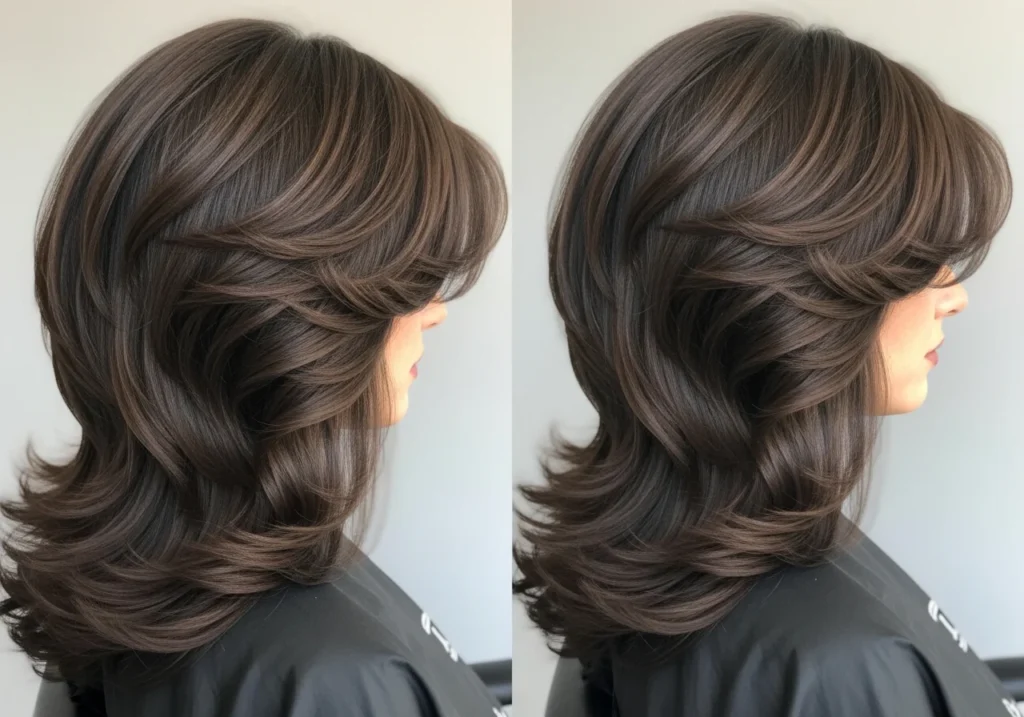
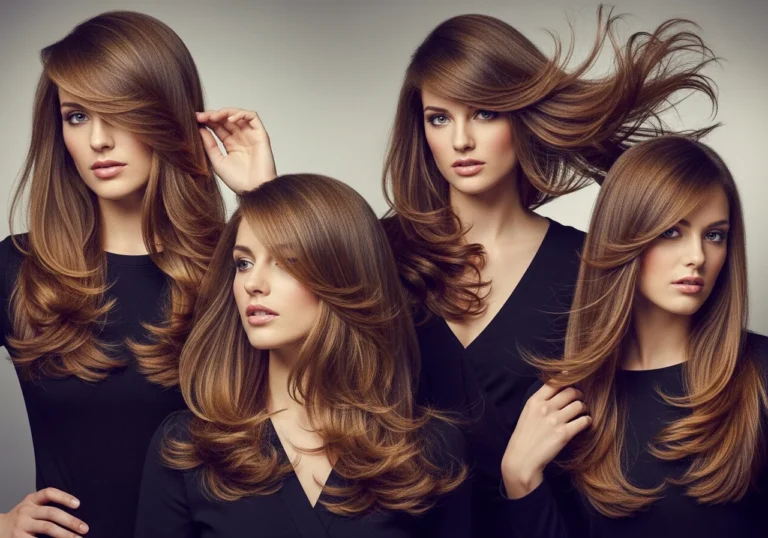
The butterfly haircut represents a sophisticated approach to layering that creates the illusion of fullness and movement. This style features heavily layered sections at the crown that gradually blend into longer lengths, mimicking the graceful wings of a butterfly when styled. The dramatic contrast between chin-length face framing layers and the longer back sections gives wearers the benefits of both short and long hair.
Hairstylist Sunnie Brook coined this term to describe a cut that focuses on creating volume at the crown while maintaining overall length. Unlike traditional layered cuts where dimensions blend seamlessly throughout, the butterfly cut relies on high contrast to achieve its signature look. The shortest layers typically fall around chin length, providing definition around the face, while the remaining hair maintains its original length.
This cutting technique works particularly well for individuals with naturally wavy or textured hair, as the layers enhance existing movement. The style can be adapted for various hair types, though those with extremely fine or thin hair may find that heavy layering at the crown creates unwanted sparseness. For thick hair, the butterfly cut serves as an excellent solution for reducing bulk while adding dimension and easier styling.
The popularity of this style stems from its versatility and the way it frames the face. When styled properly, the butterfly cut draws attention to cheekbones and jawlines, creating a flattering silhouette from every angle. The cut also offers flexibility in styling, allowing wearers to pin up longer sections for a temporary bob or leave everything down for a flowing, romantic look.
Classic Layered Cuts for Long Hair
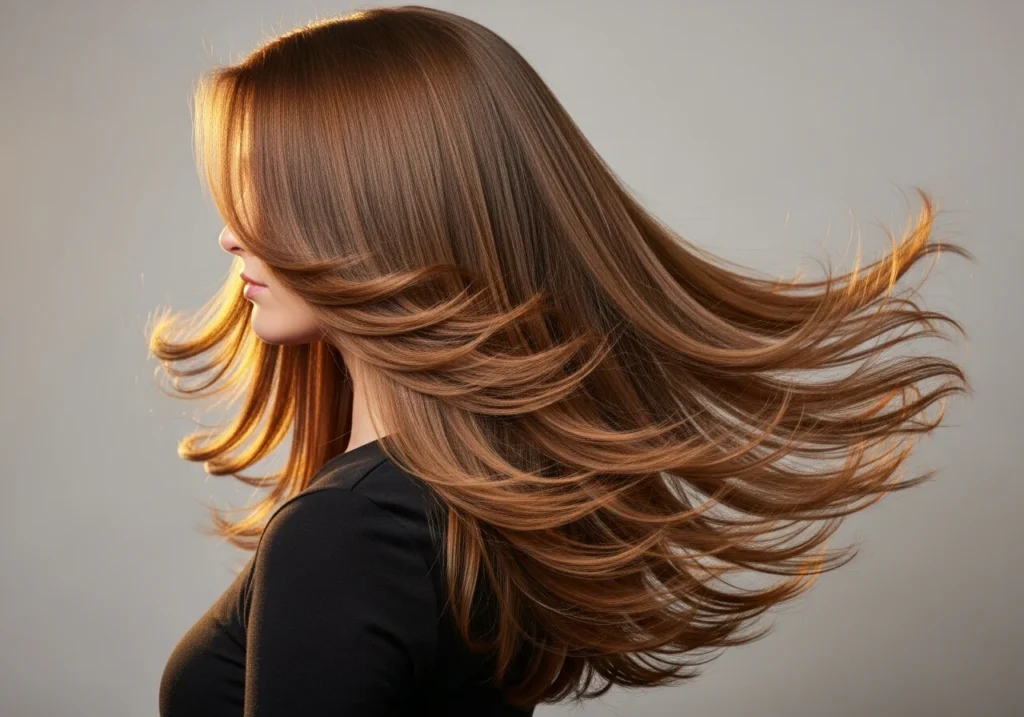
Layered haircuts remain timeless for good reason. They add depth, texture, and dimension to long hair while removing excess weight that can make your mane feel heavy. The basic layered cut involves cutting hair at different lengths throughout the head, creating a stacked effect that adds volume and movement. This technique works beautifully for all hair types and can be customized to suit individual preferences.
Long layers cut throughout the length of your hair create a cohesive, blended look that appears both polished and natural. These layers typically start around the collarbone or lower, maintaining substantial length while introducing movement. For those who prefer a more subtle change, long layers provide texture without dramatically altering the overall silhouette. This approach works especially well for individuals with thick hair who want to reduce bulk without sacrificing length.
The V-shaped cut represents a classic variation of layered styling. This technique involves cutting the back of the hair into a V formation, with layers gradually increasing in length from the front to the back. The result is a romantic, cascading effect that emphasizes hair length while adding dimension. The V-shaped cut suits individuals who want to maintain maximum length while introducing some movement and shape to their style.
For a more dramatic transformation, consider heavily layered cuts that incorporate varying lengths throughout the head. These styles remove significant bulk and create maximum movement, making them ideal for thick or coarse hair. The layers can range from very short at the crown to long at the ends, producing a feathered, textured appearance that never looks flat or lifeless.
Face Framing Techniques

Face framing layers serve as one of the most flattering elements in long haircuts. These strategic cuts around the face create dimension and draw attention to your best features. The technique involves cutting shorter layers that begin anywhere from the cheekbones to the chin, gradually blending into the longer sections of hair. This approach highlights facial structure while adding movement to the overall style.
Curtain bangs have emerged as a popular face framing option that complements long hair beautifully. These soft, wispy bangs part down the middle and frame both sides of the face, creating an effortless, bohemian look. Unlike traditional blunt bangs, curtain bangs blend seamlessly with the rest of your hair, offering versatility in styling. They work particularly well with layered cuts, enhancing the overall dimension and movement of the style.
The placement of face framing layers depends largely on your face shape. For round faces, layers that begin at or below the cheekbone help elongate the face and create a slimming effect. Square or angular face shapes benefit from softer, wispy layers that begin around the chin, helping to soften strong jawlines. Heart-shaped faces look stunning with layers that start at chin length, balancing wider foreheads with delicate features.
When communicating with your stylist about face framing layers, bring reference photos that showcase the exact placement you desire. The difference of an inch or two can significantly impact how the layers interact with your facial features. Consider how you typically style your hair as well, since layers will look different when worn straight versus curled or wavy.
Blunt Cuts for Fullness
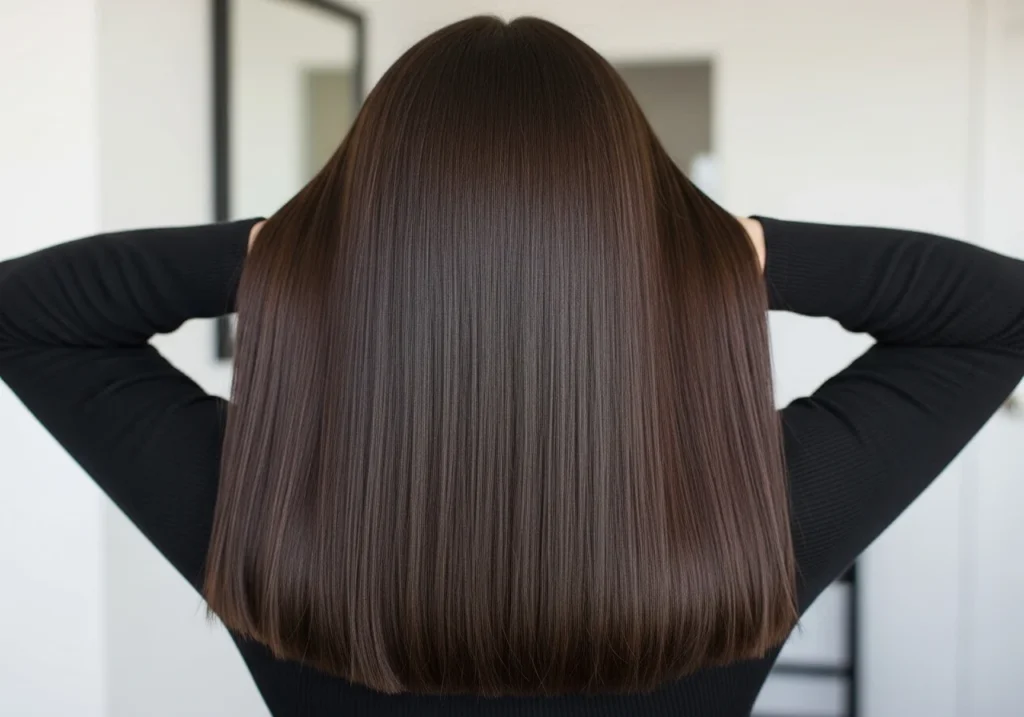
Blunt cuts offer a striking alternative to heavily layered styles, creating the illusion of thickness and density. This technique involves cutting hair in one straight line across the bottom, with minimal to no layering throughout the length. The result is a bold, geometric look that adds weight to the ends of your hair, making even fine or thin hair appear more substantial and healthy.
The blunt cut works particularly well for individuals with naturally straight hair, as the clean line showcases the hair’s sleekness and shine. For those with wavy or slightly textured hair, a blunt cut can create an interesting contrast when paired with loose waves, resulting in a polished yet relaxed aesthetic. This style requires regular maintenance to keep the line sharp and prevent split ends from compromising the clean finish.
One variation of the blunt cut incorporates subtle internal layering that removes some bulk without affecting the overall shape. This technique allows stylists to maintain the dramatic blunt line while reducing weight for those with extremely thick hair. The layering remains hidden beneath the surface, creating movement and preventing the style from appearing too heavy or triangular.
Blunt cuts with slight angles or U-shapes offer a softer take on this classic style. Instead of cutting straight across, the stylist creates a gentle curve that follows the natural fall of the hair. This approach maintains the fullness and weight of a blunt cut while introducing subtle dimension that prevents the style from looking too severe or one-dimensional.
Textured and Feathered Styles

Texturizing techniques add interest and dimension to long haircuts without requiring dramatic length changes. Feathered layers, popularized in the 1970s and experiencing a resurgence today, create soft, wispy ends that enhance movement and create an airy, romantic look. This technique involves point cutting or razor cutting the ends of the hair to create separation and texture.
The modern shag represents another textured approach to long haircuts. This style features choppy, disconnected layers throughout the head, creating an intentionally undone appearance. Unlike smooth, blended layers, the shag embraces texture and separation, resulting in a deliberately tousled look that works beautifully for individuals who prefer low maintenance styling. The shag suits naturally wavy or curly hair particularly well, as the layers enhance existing texture.
Razor cutting offers a way to add extreme texture and softness to long hair. This technique uses a razor blade instead of scissors to cut the hair, creating feathered, tapered ends that blend seamlessly together. Razor cuts work best on naturally straight or slightly wavy hair, as the soft ends can become lost in very curly textures. The result is a wispy, feminine look with plenty of movement and dimension.
For those seeking subtle texture without dramatic changes, point cutting provides the perfect solution. This technique involves cutting into the ends of the hair at an angle, removing small amounts while creating separation and softness. Point cutting can be incorporated into virtually any haircut style, adding interest and preventing blunt ends from appearing too heavy or severe.
Styling Your Butterfly Cut
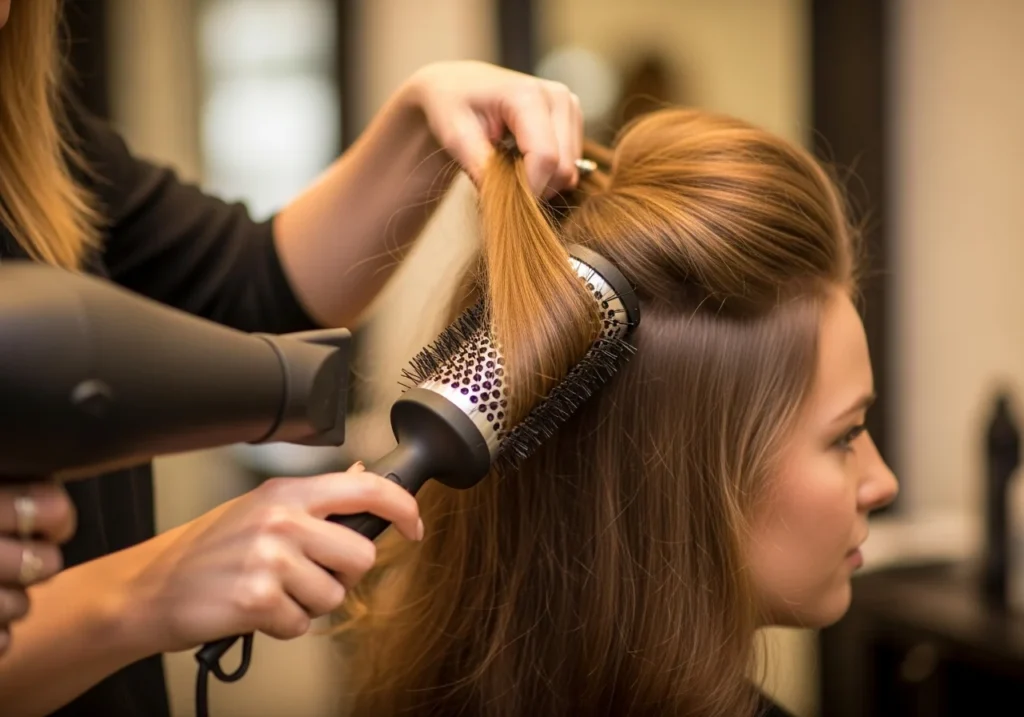
Proper styling brings the butterfly cut to life, emphasizing the layered structure and creating the volume this style is known for. The key to successful styling lies in understanding how to work with your hair’s natural texture while enhancing the cut’s dimensional qualities. Start with damp, towel-dried hair and apply a volumizing mousse or spray, focusing on the roots and mid-lengths.
Blow drying with a round brush remains the most effective method for achieving the signature butterfly effect. Begin at the crown, using the round brush to lift hair at the roots while directing airflow down the hair shaft. This technique creates volume at the top while smoothing the cuticle for shine. For face framing layers, brush them away from your face to create the characteristic wing effect that gives this cut its name.
Heat-free styling options work beautifully for the butterfly cut, particularly for those with naturally wavy or textured hair. Velcro rollers placed at the crown can create impressive volume without heat damage. Set them in damp hair, allow your hair to dry completely, and remove the rollers for bouncy, lifted roots. Alternatively, braiding damp hair and allowing it to air dry creates natural waves that enhance the layered structure.
Finishing products help maintain the style throughout the day. A light-hold hairspray preserves volume without making hair stiff or crunchy. For added texture and separation, work a small amount of texturizing spray or dry shampoo through the layers, focusing on the crown and face framing sections. These products enhance the dimensional quality of the cut while absorbing excess oil that can weigh hair down.
Maintenance and Upkeep
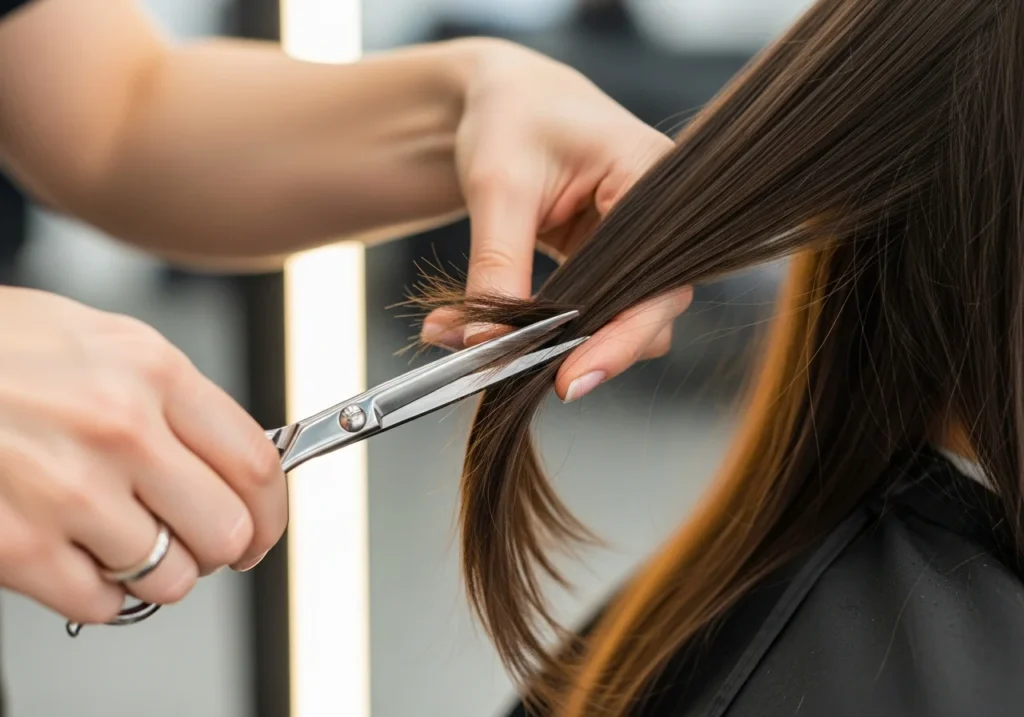
Regular trims keep long haircuts looking fresh and prevent split ends from traveling up the hair shaft. For butterfly cuts and heavily layered styles, schedule appointments every six to eight weeks to maintain the shape and remove damaged ends. If you are growing your hair out or prefer less frequent visits, you can extend this timeline to ten or twelve weeks, though the style may lose some of its original definition.
Between salon visits, focus on keeping your hair healthy through proper care routines. Use sulfate-free shampoos and hydrating conditioners that preserve moisture without weighing hair down. Weekly deep conditioning treatments help combat damage from heat styling and environmental stressors, keeping your layers looking soft and shiny. Pay special attention to the ends of your hair, as these older sections require extra nourishment.
Styling routine maintenance plays a crucial role in preserving your haircut’s shape. Refresh face framing layers with a flat iron or curling iron between washes, focusing on the pieces that frame your face. Dry shampoo can revive volume at the roots when your hair begins to look flat. For textured or curly hair, refresh curls with a leave-in conditioner and curl-defining cream, scrunching to restore bounce and shape.
Home trimming should be approached with caution, as uneven cuts can compromise your style’s overall look. If you must trim between salon visits, focus only on obvious split ends, cutting very small amounts at a time. Use proper hair cutting scissors rather than regular household scissors, as dull blades can damage hair and create fraying. When in doubt, wait for your professional stylist to make significant changes.
Choosing the Right Cut for Your Hair Type
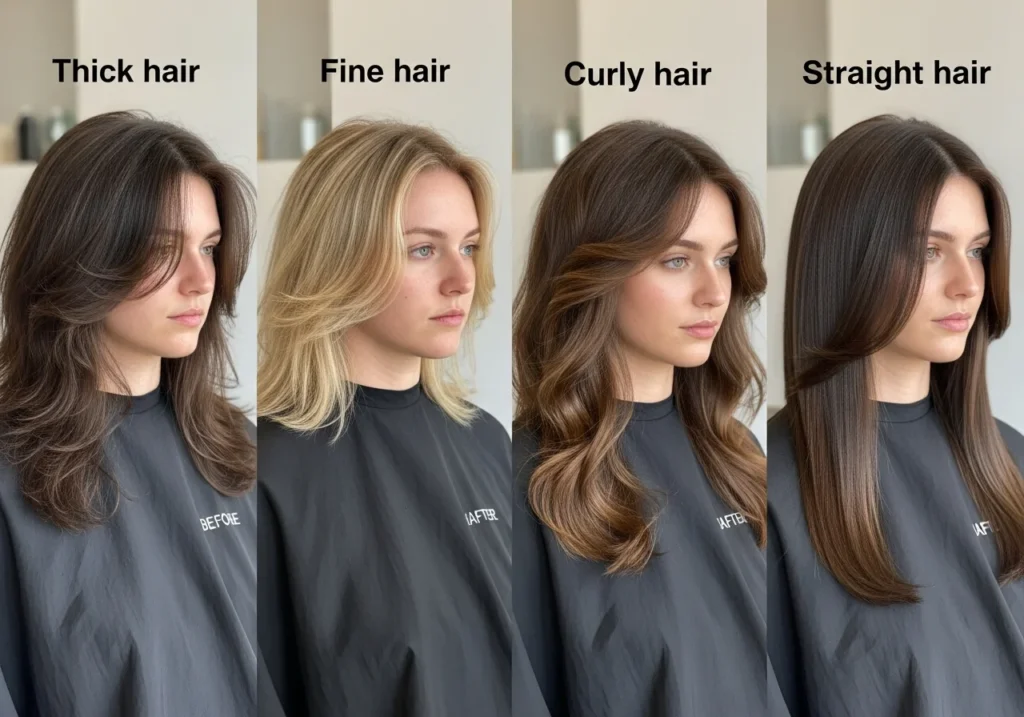
Thick hair benefits from cuts that remove bulk while maintaining fullness. Heavily layered styles work beautifully for thick hair, as the layers reduce weight and create movement that prevents hair from appearing heavy or triangular. The butterfly cut serves as an excellent option for thick hair, as the dramatic layering at the crown removes bulk where it tends to accumulate while leaving length intact.
Fine or thin hair requires a different approach to cutting. Blunt cuts add the appearance of thickness by maintaining weight at the ends. If you prefer layers, ask your stylist for long, subtle layering that creates movement without removing too much density. Face framing pieces can add dimension without compromising overall fullness. Avoid extremely short layers at the crown, as these can make thin hair appear even sparser.
Curly hair showcases layers beautifully, as the natural texture enhances the dimensional quality of the cut. Long layers work particularly well for curly hair, removing bulk while allowing curls to spring and bounce naturally. The butterfly cut can be adapted for curly hair, though the layering should be adjusted to account for shrinkage when hair dries. Work with a stylist who specializes in curly hair cutting techniques for best results.
Straight hair offers versatility in styling options and can carry both blunt and layered cuts successfully. For added interest, incorporate subtle layers or face framing pieces that create movement without drastically changing the overall shape. Textured ends prevent straight hair from appearing too severe or flat, while maintaining the sleek, polished quality that straight hair naturally possesses.
Face Shape Considerations
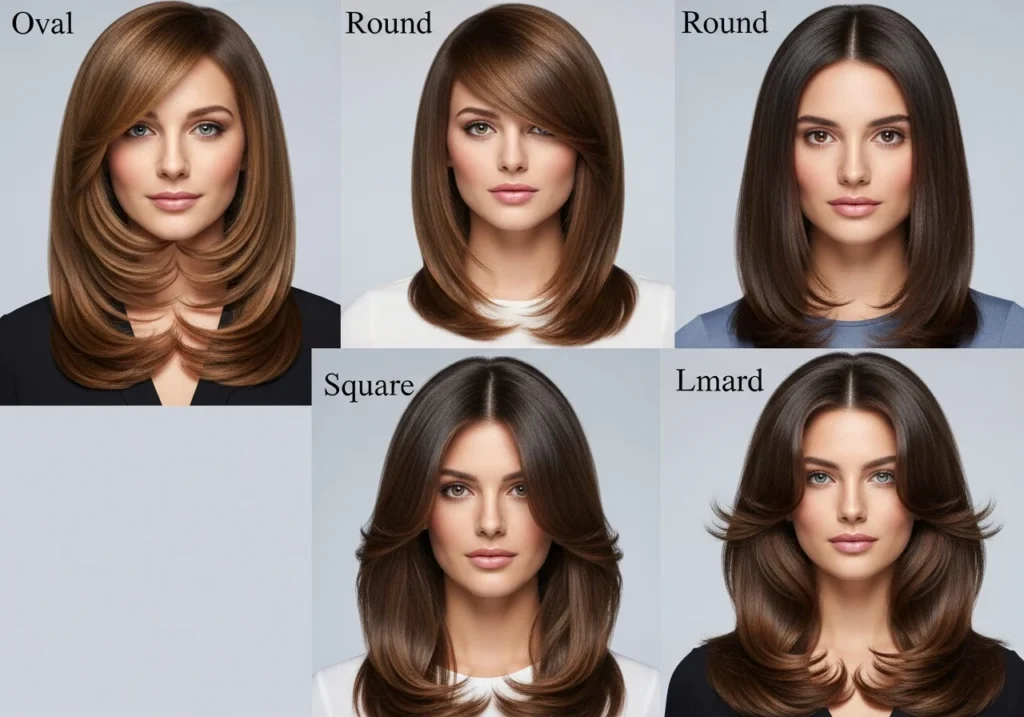
Oval faces can wear virtually any haircut style successfully, as this balanced face shape suits most cutting techniques. Those with oval faces can experiment freely with butterfly cuts, heavy layers, blunt styles, or any combination thereof. The key is selecting a style that aligns with your personal aesthetic and maintenance preferences rather than focusing on face shape limitations.
Round faces benefit from cuts that create the illusion of length and definition. Long layers that begin at or below the cheekbone help elongate the face and draw the eye downward. Side-swept bangs or curtain bangs work better than blunt, straight-across bangs, as they create vertical lines rather than emphasizing width. The butterfly cut can flatter round faces when the shortest layers are placed strategically to frame rather than widen the face.
Square faces with strong jawlines look stunning with softer, wispy layers that create movement around the face. Avoid blunt cuts that end directly at the jawline, as these can emphasize angularity. Instead, opt for face framing layers that begin around the chin or slightly below, softening the overall look. Textured, feathered ends work beautifully for square faces, creating gentle movement that balances strong features.
Heart-shaped faces, characterized by wider foreheads and narrower chins, benefit from styles that add width at the jawline. Chin-length layers or curtain bangs help balance the proportions of the face. The butterfly cut works exceptionally well for heart-shaped faces, as the face framing layers add dimension precisely where needed. Avoid extremely short layers at the crown, as these can emphasize the width of the forehead.
Color Enhancements for Layered Cuts

Strategic color placement enhances the dimensional quality of layered haircuts. Balayage techniques, which involve hand-painting highlights onto the hair, work beautifully with butterfly cuts and heavily layered styles. The lighter pieces catch light and emphasize the movement created by the layers, making the cut appear even more dynamic and textured.
Face framing highlights draw attention to your features while showcasing the layers that surround your face. Lighter pieces around the face create a brightening effect that can make you appear more youthful and radiant. These highlights blend seamlessly with the rest of your hair when placed strategically, enhancing rather than overwhelming the cut. Consult with a colorist about the best placement for your specific face shape and haircut style.
Dimension through color can be achieved with subtle lowlights as well as highlights. Adding deeper tones throughout the hair creates depth and prevents flat, one-dimensional color. For those with naturally dark hair, lowlights in rich chocolate or espresso shades enhance texture without dramatically changing your overall color. The interplay of light and dark creates visual interest that complements layered cutting techniques.
For the adventurous, bold color contrasts can make layered cuts truly stand out. Consider vivid tones on the shorter layers at the crown while maintaining more natural color on longer sections. This approach creates a striking visual effect that emphasizes the cut’s structure. Alternatively, colored ends on long layers create a beautiful ombre effect that showcases both the color and the cut simultaneously.
Styling Products and Tools

Quality styling tools make a significant difference in achieving professional results at home. Invest in a high-quality blow dryer with multiple heat and speed settings, as this versatility allows you to customize the drying process to your hair type. A concentrator nozzle helps direct airflow precisely where you need it, creating smooth, polished results. For those concerned about heat damage, ionic dryers help reduce drying time while minimizing frizz.
Round brushes remain essential for styling butterfly cuts and layered long hair. Select a brush size appropriate to your hair length and the amount of curl you want to create. Larger barrels produce looser waves and significant volume, while smaller barrels create tighter bends. Ceramic or tourmaline-coated brushes distribute heat evenly and reduce static, resulting in smoother, shinier hair.
Heat protectant products should never be skipped when using hot tools. These sprays or serums create a barrier between your hair and heat, preventing damage that can lead to breakage and dullness. Apply heat protectant to damp hair before blow drying, and reapply if using additional heat tools like flat irons or curling wands. The investment in quality heat protection pays dividends in the long-term health of your hair.
Styling products enhance and maintain your haircut throughout the day. Volumizing mousses applied to damp hair create lift and body, particularly important for butterfly cuts that rely on crown volume. Texturizing sprays add separation and definition to layers, preventing them from clumping together or appearing too uniform. Finishing sprays provide hold without stiffness, allowing your hair to move naturally while maintaining the style you have created.
Common Mistakes to Avoid

Over-layering represents one of the most common mistakes in cutting long hair. While layers add movement and dimension, too many layers can create a disconnected, choppy appearance that lacks cohesion. This is particularly problematic for fine or thin hair, where excessive layering removes density and creates sparseness. Work with your stylist to determine the appropriate amount of layering for your hair type and desired style.
Neglecting regular trims allows split ends to travel up the hair shaft, compromising the integrity of your haircut. Even if you are growing your hair out, scheduling trims every eight to twelve weeks removes damaged ends and maintains the shape of your style. Split ends make hair appear frizzy and unkempt, regardless of how well you style it. Preventative maintenance through regular trims keeps your hair looking healthy and polished.
Using inappropriate styling techniques can work against your haircut rather than enhancing it. For example, pulling hair too taut while blow drying stretched layers, making them appear shorter than intended once hair relaxes. Similarly, using heat tools at excessively high temperatures can damage the delicate layered ends that create movement in your style. Learn proper styling techniques or consult with your stylist about the best methods for your specific cut.
Ignoring your hair’s natural texture when selecting a haircut leads to frustration and disappointing results. If you have naturally curly hair, choosing a style designed for straight hair will require extensive daily styling to achieve the intended look. Instead, work with your hair’s natural characteristics by selecting cuts that enhance rather than fight against your texture. This approach results in styles that are easier to maintain and look more authentic.
Frequently Asked Questions
What is the difference between a butterfly cut and regular layers?
The butterfly cut features dramatic contrast between short crown layers and longer lengths, creating a distinctive winged effect around the face. Regular layers blend more seamlessly throughout the hair without the pronounced difference in length. The butterfly cut focuses on creating volume at the crown while maintaining maximum length in the back, whereas traditional layers distribute texture more evenly from top to bottom.
How often should I trim my long layered hair?
Schedule trims every six to eight weeks for heavily layered styles like butterfly cuts to maintain their shape and remove split ends. If you have subtle layers or are growing your hair out, you can extend this to ten to twelve weeks between appointments. Regular trims prevent damage from spreading and keep your haircut looking fresh and intentional rather than grown out and unkempt.
Can I achieve a butterfly cut at home?
While some people successfully create butterfly cuts at home using ponytail methods, professional results require expertise in layering techniques and an understanding of how hair falls naturally. The placement and blending of layers significantly impact the final result, and mistakes can be difficult to correct. For best results, visit a professional stylist who understands the butterfly cutting technique and can customize it to your face shape and hair type.
Which face shapes look best with butterfly cuts?
Butterfly cuts flatter most face shapes when customized appropriately. Oval faces can wear the style as originally intended. Round faces benefit from layers placed at or below the cheekbone to create length. Square faces look best with softer, longer layers that begin around the chin. Heart-shaped faces suit butterfly cuts particularly well, as the face framing layers balance wider foreheads with narrower chins.
What styling products work best for maintaining layered cuts?
Volumizing mousses applied to damp hair create lift and body at the roots, essential for butterfly cuts and heavily layered styles. Texturizing sprays add separation and definition to layers throughout the day. Heat protectant sprays prevent damage from blow drying and heat styling tools. Light-hold hairsprays maintain your style without creating stiffness or crunchiness, allowing hair to move naturally while holding its shape.
You may also like this post: 24 Trendy Long Haircuts That Add Volume, Shape & Movement