
How To Dress Well Without Trying Too Hard: 7 Effortless Tips
Looking polished and put-together doesn’t require hours in front of the mirror or an encyclopedic knowledge of fashion trends. The secret to dressing well lies in understanding fundamental principles that work for your lifestyle and body type. When you master these basics, getting dressed becomes an automatic process that requires minimal thought but delivers maximum impact.
Many people overcomplicate their wardrobe choices by chasing every trend or accumulating pieces that don’t work together. This approach creates morning stress and closets full of clothes with nothing to wear. The alternative is building a functional wardrobe of quality items that complement each other and reflect your authentic style. This method saves time, reduces decision fatigue, and ensures you always look your best without appearing like you spent hours planning your outfit.
The concept of effortless style isn’t about being careless or sloppy. It’s about making smart choices that create a reliable system for looking good. When your wardrobe contains well-fitting, versatile pieces in colors that work together, you can grab almost anything and create a cohesive look. This approach works whether you’re heading to the office, meeting friends for coffee, or attending a casual dinner.
Understanding Your Personal Style Foundation
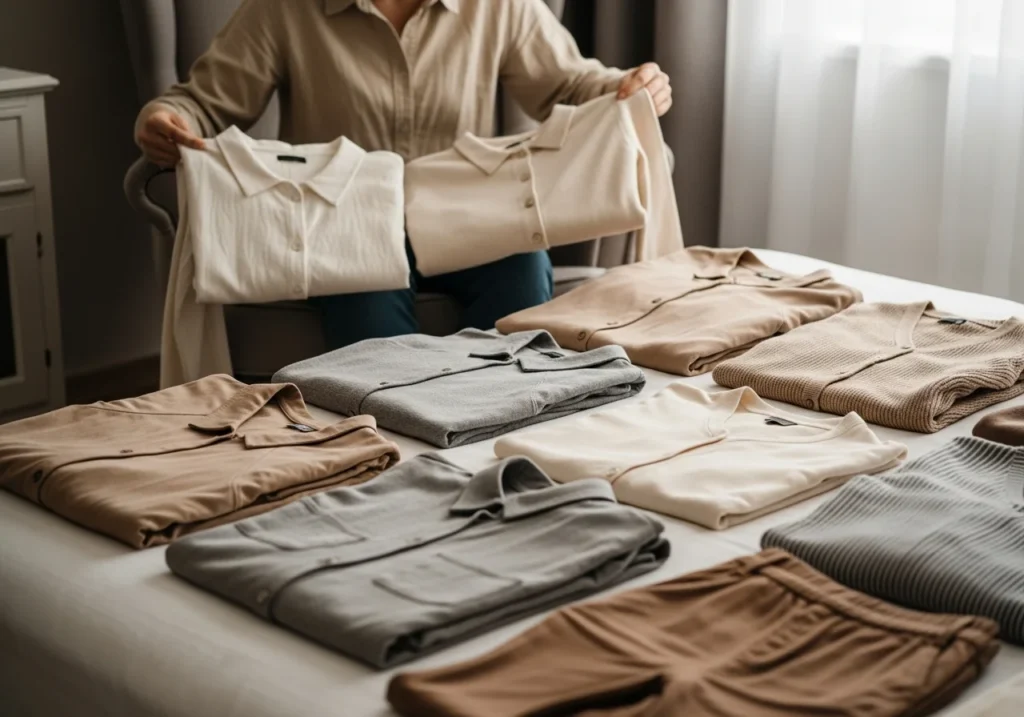
Before adding anything to your wardrobe, take time to assess your current style and lifestyle needs. Look at the clothes you reach for most often. These pieces reveal your natural preferences and comfort zones. Notice the colors that make you feel confident and the silhouettes that suit your body type. This self-awareness forms the foundation for building a wardrobe that feels authentically yours.
Consider your daily activities and environments. Someone who works in a corporate office has different needs than a creative professional or someone who works from home. Your wardrobe should reflect your reality, not an idealized version of life you don’t actually live. Be honest about your lifestyle to avoid buying clothes that sit unworn.
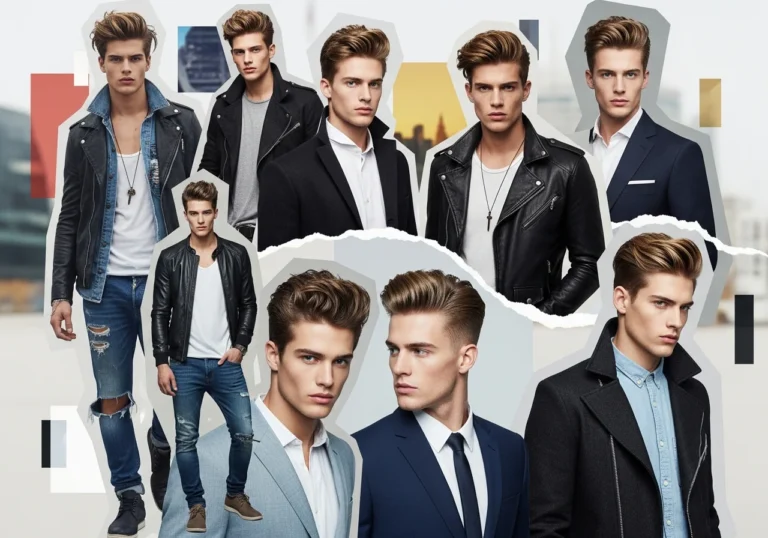
Personal style develops over time through experimentation and observation. Pay attention to looks you admire on others, but adapt them to suit your own preferences and body type. What works for someone else might not work for you, and that’s perfectly fine. The goal is developing a style that feels comfortable and confident, not copying someone else’s aesthetic.
Build a Capsule Wardrobe Core
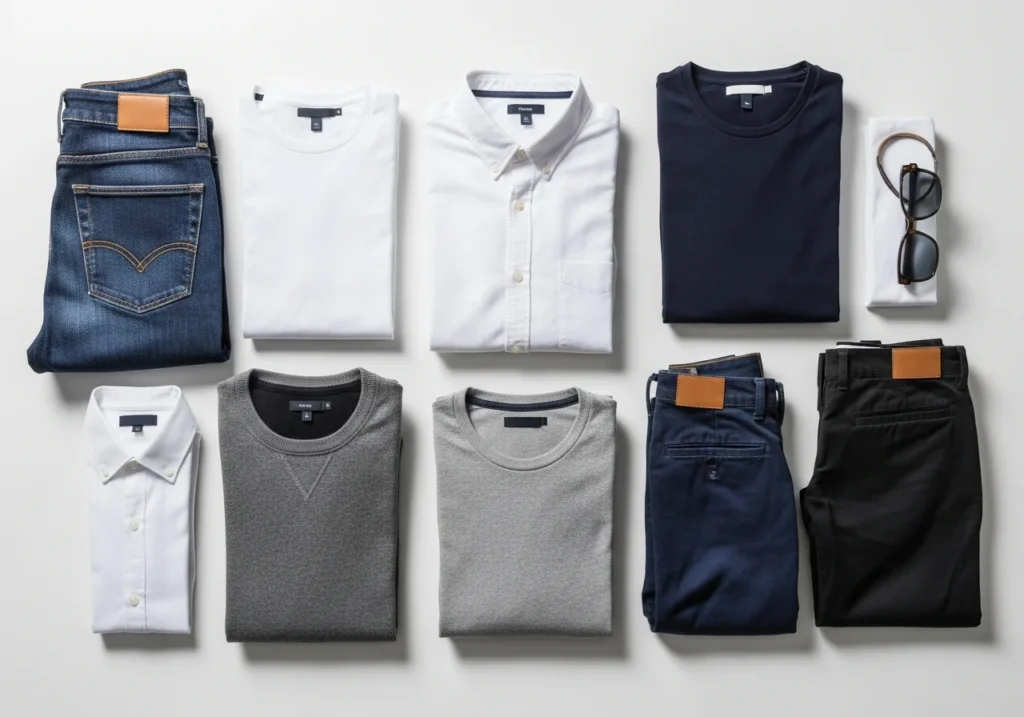
A capsule wardrobe consists of essential pieces that form the backbone of your style. These items work together seamlessly and can be mixed and matched to create numerous outfits. Start with neutral basics that provide maximum versatility.
Every wardrobe needs well-fitting jeans in a classic wash without excessive distressing or embellishment. Dark indigo or black denim offers the most versatility and can transition from casual to slightly dressier occasions. Choose a cut that flatters your body type, whether that’s slim, straight, or relaxed fit.
Quality t-shirts in white, black, gray, and navy serve as foundational layering pieces. Look for medium-weight cotton that holds its shape after washing. The fit should skim your body without being too tight or too loose. These basics pair with everything from jeans to blazers.
A crisp white button-down shirt belongs in every closet. This classic piece works for business settings, casual weekends, and everything in between. Choose a fabric with some structure that doesn’t require constant ironing. The fit should allow comfortable movement without excess fabric bunching.
Neutral sweaters in navy, gray, or camel provide warmth and sophistication. A crewneck and a v-neck offer different styling options. Quality knitwear lasts for years and elevates any outfit instantly. Choose natural fibers like cotton, wool, or cashmere blends for breathability and durability.
Dark chinos or dress pants in navy, charcoal, or khaki complement your wardrobe basics. These pieces bridge the gap between casual and formal, working for various occasions. Proper fit matters more than brand names or price tags.
Prioritize Fit Above Everything Else

The difference between looking polished and looking sloppy often comes down to fit. Clothes that fit properly flatter your body, feel comfortable, and create clean lines. Ill-fitting garments make even expensive pieces look cheap and careless.
Understanding your measurements removes guesswork from shopping. Know your chest, waist, hip, and inseam measurements. Different brands size their clothes differently, so these numbers help you find the right size regardless of the label. Many people wear the wrong size simply because they’ve never measured themselves properly.
Shoulders are the most critical fit point for shirts, jackets, and coats. The shoulder seam should sit right at the edge of your shoulder bone. If it drops down your arm, the garment is too large. If it pulls or rides up, it’s too small. This element is difficult and expensive to alter, so get it right from the start.
Sleeve length matters for both casual and formal wear. Shirt sleeves should end at your wrist bone, allowing about half an inch of cuff to show beneath a jacket. T-shirt and sweater sleeves should end mid-bicep, not at your elbow. Proper sleeve length creates a polished appearance that signals attention to detail.
Pants should sit comfortably at your natural waist without requiring a belt to stay up. The rise should be high enough to avoid constant adjusting but not so high that it’s uncomfortable when sitting. Pant length depends on the style, but generally, they should break slightly at the shoe without pooling fabric around your ankles.
Finding a good tailor transforms your wardrobe instantly. Simple alterations like hemming pants, taking in shirt waists, or shortening sleeves cost relatively little but dramatically improve how clothes look on your body. Even inexpensive pieces look luxurious when tailored to fit perfectly.
Invest in Quality Footwear

Shoes make or break an outfit and deserve careful consideration. Quality footwear lasts longer, feels more comfortable, and elevates your overall appearance. Start with three versatile pairs that cover most situations.
Clean white sneakers work for casual settings and have become acceptable in many workplace environments. Choose a simple design without excessive branding or embellishment. Leather or canvas materials work well. Keep them clean because dirty sneakers undermine your entire look.
Brown or tan leather shoes in a casual style like desert boots or loafers provide versatility between casual and smart-casual occasions. These pair well with jeans, chinos, and even some suits depending on the workplace culture. Quality leather develops character over time and can be resoled when worn.
Black or dark brown dress shoes in a classic style like oxfords or derbies handle formal requirements. Even if you rarely need formal footwear, having one quality pair ensures you’re prepared. Proper dress shoes should be leather with leather soles that can be repaired and maintained for years.
Beyond specific styles, shoe care matters tremendously. Clean your shoes regularly, use shoe trees to maintain shape, and rotate pairs to extend their life. Well-maintained shoes signal that you pay attention to details and take pride in your appearance.
Master the Art of Color Coordination

Understanding basic color theory eliminates outfit mismatches and creates cohesive looks. You don’t need to become a color expert, just learn a few fundamental principles that guide your choices.
Neutral colors including black, white, gray, navy, and beige form the foundation of most wardrobes. These colors pair easily with each other and provide a sophisticated backdrop for occasional color accents. Building your wardrobe primarily around neutrals ensures maximum versatility.
When incorporating color, stick to one or two accent colors that complement your skin tone and personal preferences. These might be burgundy, olive, rust, or any shade you’re drawn to. Having consistent accent colors creates a signature style and ensures new pieces integrate easily with existing items.
The classic approach pairs neutrals together with one pop of color. For example, gray pants with a white shirt and navy sweater creates a clean, coordinated look. Adding brown shoes introduces another neutral that works harmoniously. This formula is virtually foolproof and always looks intentional.
Avoid matching too precisely. Wearing navy pants with a navy shirt in the exact same shade looks costume-like rather than stylish. If you’re layering similar colors, vary the shades slightly for depth and visual interest. A light blue shirt under a navy sweater works better than trying to match blues exactly.
Pattern mixing requires more skill but follows simple rules. If wearing patterned pieces, ensure they’re different scales. A thin-striped shirt can pair with a larger checked jacket because the patterns don’t compete. When in doubt, limit yourself to one patterned item per outfit and keep everything else solid.
Choose Quality Fabrics and Construction
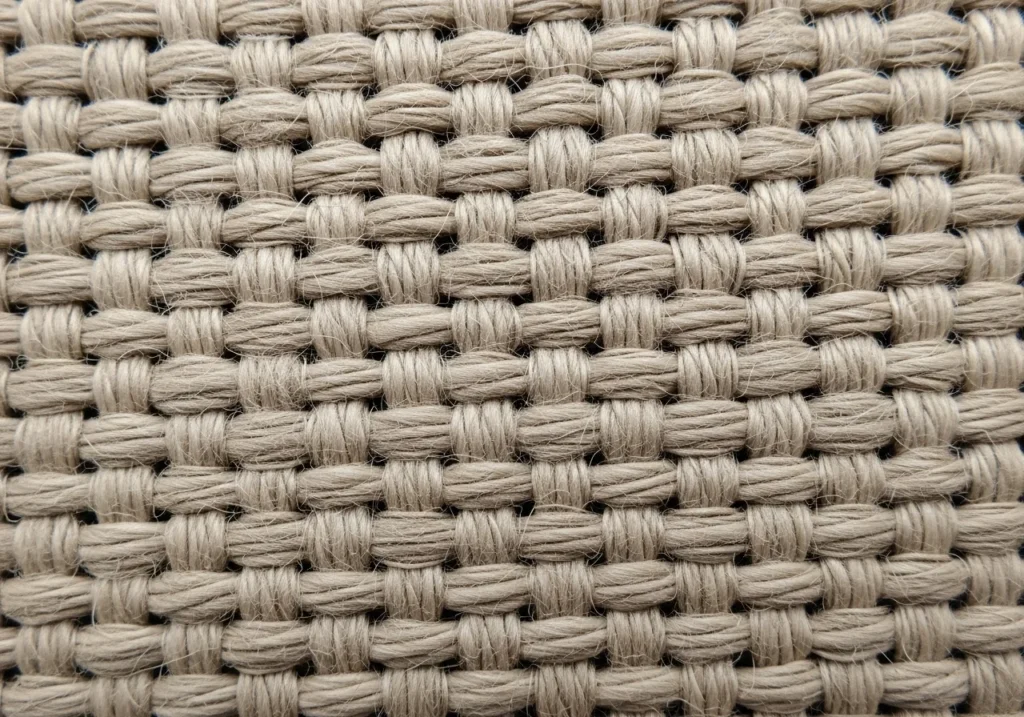
Fabric quality affects how clothes look, feel, and last. Learning to identify quality materials helps you make better purchasing decisions regardless of price point.
Natural fibers like cotton, wool, linen, and silk generally outperform synthetic materials in breathability, comfort, and longevity. Cotton should feel substantial with a tight weave that doesn’t allow light through. Thin, see-through cotton t-shirts look cheap and wear out quickly.
Wool comes in various weights and qualities. For sweaters and outerwear, look for tightly knit construction without loose, fuzzy fibers. Quality wool feels smooth and holds its shape. Cheaper wool pills quickly and loses structure after a few wears.
Check garment construction by examining seams, buttons, and stitching. Seams should be straight with no puckering or loose threads. Buttons should attach securely with reinforcement stitching. Quality garments have finished seams inside that won’t unravel.
Weight matters for different garment types. T-shirts should have medium weight that drapes nicely without clinging. Dress shirts need enough structure to maintain crisp lines. Sweaters should feel substantial without being heavy. Pick up items and feel their weight to assess quality.
Caring for quality fabrics extends their life significantly. Follow washing instructions, avoid overdrying, and store items properly. Many pieces benefit from air drying and steaming rather than machine drying and ironing. Proper care maintains the appearance and structure that make quality fabrics worth the investment.
Develop a Simple Grooming Routine
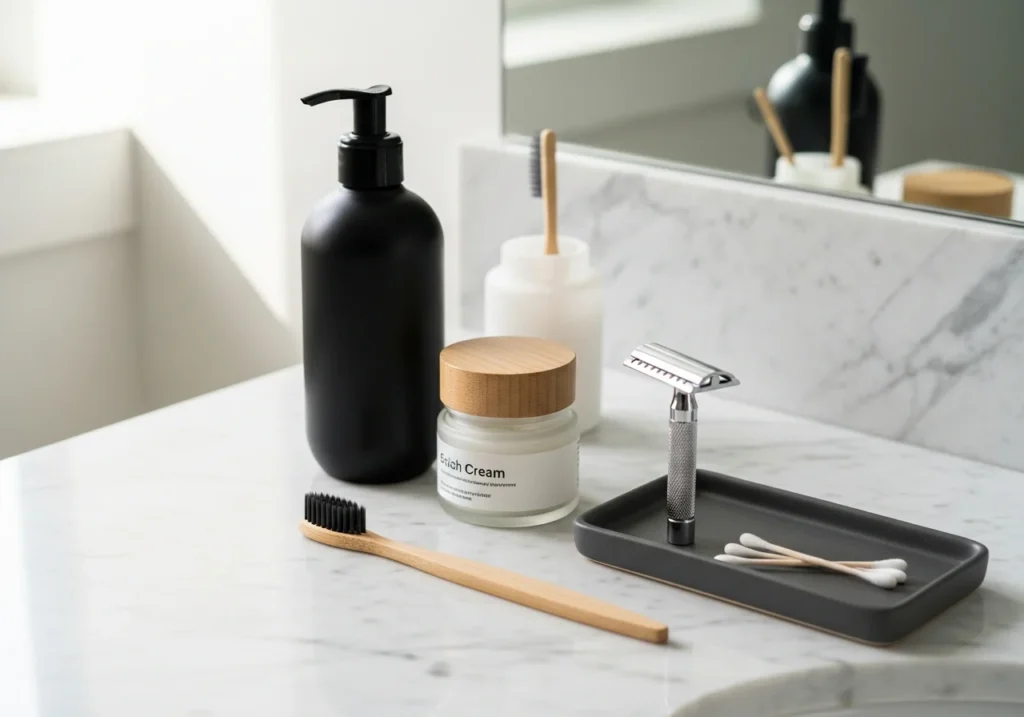
Grooming complements your clothing choices and completes your overall presentation. Well-groomed individuals look more polished regardless of what they’re wearing. Establish basic routines that maintain your appearance without requiring excessive time or products.
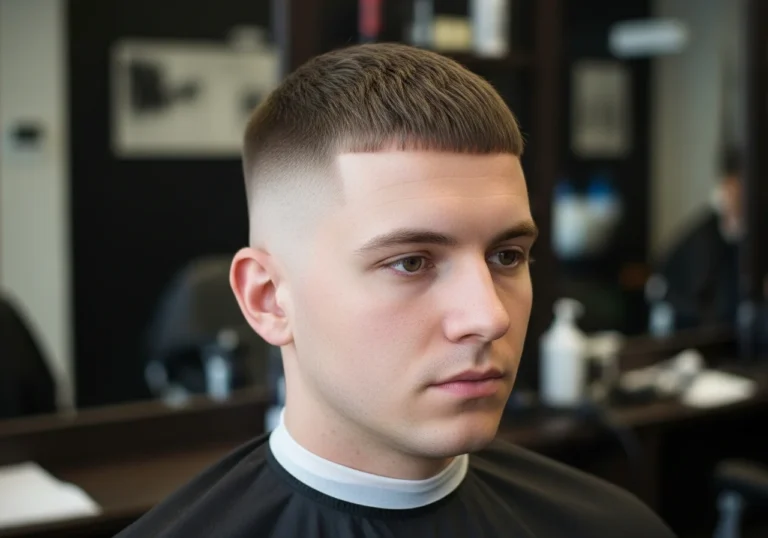
Hair should look intentional, whether you prefer short, long, or somewhere in between. Find a haircut that suits your face shape and hair texture, then maintain it regularly. Even simple styles benefit from products like pomade, cream, or paste that add texture and hold. Clean, styled hair frames your face and shows you put effort into your appearance.
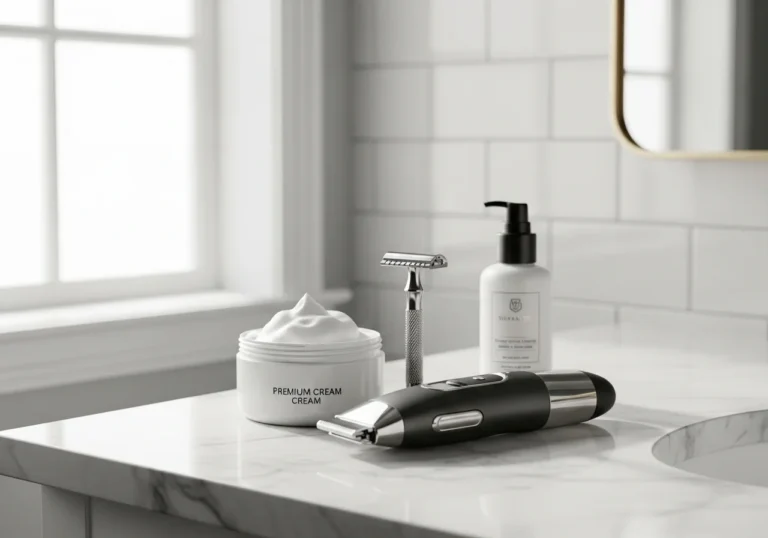
Facial hair requires daily attention if you keep it. Whether clean-shaven, stubbled, or bearded, the look should appear deliberate. Trim regularly, maintain clean edges, and keep facial hair conditioned. Scraggly, unkempt facial hair undermines otherwise polished outfits.
Skin care doesn’t require elaborate routines. Washing your face daily, using moisturizer, and applying sunscreen prevents damage and maintains healthy skin. These simple steps take minutes but make a noticeable difference in your appearance over time.
Nails should be clean and trimmed. This small detail gets noticed more than you might think, especially during business interactions. Keep a nail clipper handy and maintain neat nails as part of your regular routine.
Fresh breath and good dental hygiene are non-negotiable elements of grooming. Brush twice daily, floss regularly, and consider keeping mints or gum available. These basics ensure you’re pleasant to be around in close quarters.
Accessorize Minimally and Purposefully
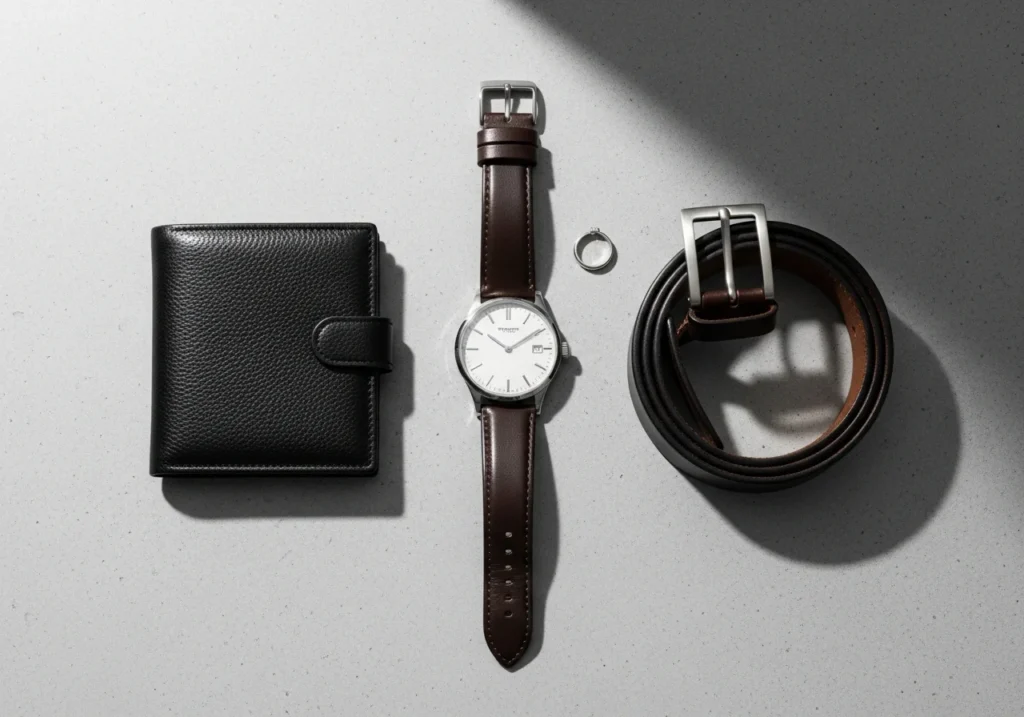
Accessories add personality to outfits without overwhelming them. The key is choosing a few quality pieces that enhance rather than distract from your overall look.
A reliable watch serves both functional and aesthetic purposes. Choose a style that works across multiple settings. Simple leather strap watches or classic metal bracelets transition from casual to dressy. Avoid overly sporty or flashy designs unless they genuinely match your lifestyle.
A quality leather belt in brown and another in black cover most situations. The belt should match your shoe color for cohesion. Simple, classic buckles without excessive decoration work for virtually any outfit. Invest in quality leather that develops patina over time rather than cheap alternatives that crack and peel.
Consider a simple leather wallet, cardholder, or money clip that fits comfortably in your pocket without creating bulk. Overstuffed wallets ruin the line of well-fitted pants. Slim profiles maintain clean silhouettes.
Bags depend on your needs but should be functional and well-made. A quality leather messenger bag or backpack serves professional environments. For casual use, a simple canvas tote or backpack works well. Choose neutral colors that complement your wardrobe rather than bright or heavily branded options.
Jewelry should be minimal and meaningful. A simple chain necklace, ring, or bracelet adds personality without overwhelming your look. Avoid wearing multiple large pieces simultaneously. Less is more when it comes to accessories.
Conclusion
Dressing well without appearing overly calculated comes down to building a foundation of quality basics, ensuring proper fit, and developing consistent routines. These elements create a personal style that looks polished and feels authentic. The initial effort of curating your wardrobe and understanding what works for your body type pays dividends in daily ease and confidence.
The beauty of this approach is its sustainability. Once you establish these systems, getting dressed becomes automatic rather than stressful. You’ll spend less time deciding what to wear and more time enjoying your day. Your wardrobe will consist of pieces you genuinely like and wear regularly rather than items that sit unused.
Remember that style is personal and evolves over time. What works today might shift as your life circumstances, body, or preferences change. Stay open to refinement while maintaining the core principles of fit, quality, and versatility. These fundamentals remain constant regardless of changing trends or personal evolution.
The goal isn’t perfection or adhering to rigid rules. It’s developing a wardrobe and routine that makes you feel confident and comfortable. When you dress well consistently without excessive effort, you free mental energy for more important aspects of life while still presenting your best self to the world.
Frequently Asked Questions
How many clothes do I actually need in my wardrobe?
You can build a functional wardrobe with 30 to 40 versatile pieces including shirts, pants, sweaters, and outerwear. Focus on quality items that mix and match easily rather than accumulating quantity. A smaller, curated wardrobe with pieces you love simplifies daily decisions and ensures everything gets worn regularly.
Should I follow fashion trends or stick to classics?
Build your wardrobe foundation with classic, timeless pieces that won’t look dated next year. If you enjoy trends, incorporate them through smaller, less expensive items like t-shirts or accessories. This approach lets you experiment without investing heavily in pieces that may feel outdated quickly.
How much should I spend on quality basics?
Quality doesn’t always mean expensive. Look for well-constructed pieces in good fabrics at various price points. A mid-range item that fits perfectly often looks better than a designer piece that doesn’t suit your body. Allocate more budget to items worn frequently like jeans, shoes, and outerwear while spending less on occasional pieces.
Can I dress well on a limited budget?
Absolutely. Thrift stores, consignment shops, and sales offer quality pieces at reduced prices. Focus on fit and condition rather than brands. Building your wardrobe gradually with thoughtful purchases creates better results than buying many cheap items at once. Proper care extends the life of budget-friendly pieces significantly.
How do I know if something fits properly?
Clothing should feel comfortable with full range of motion and no pulling, bunching, or excessive fabric. Shoulders should align with your natural shoulder line, sleeves should end at your wrist, and pants should sit at your natural waist. When in doubt, consult a tailor who can assess fit objectively and suggest improvements.
You may also like this post: Learn How To Make Her Chase You – The 7-Step Guide