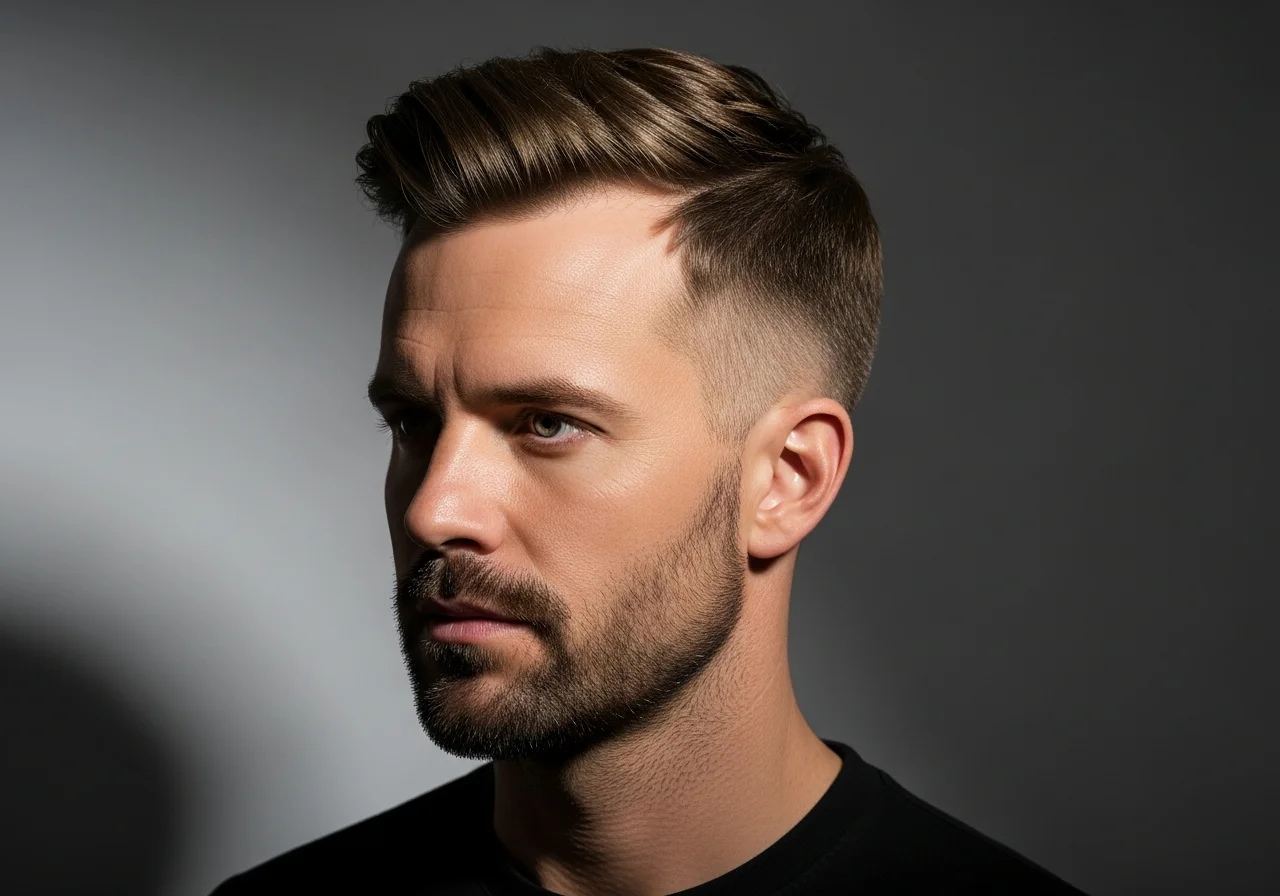
Best Haircuts for a Receding Hairline
A receding hairline affects millions of men worldwide, yet it remains one of the most misunderstood aspects of male grooming. The gradual backward movement of hair from the forehead or temples can start as early as the mid-twenties, leaving many men frustrated and uncertain about their styling options. However, the truth is far more optimistic than most realize. The right haircut can transform a receding hairline from a source of anxiety into an opportunity to showcase a sharp, confident look that commands attention for all the right reasons.
Understanding how different cuts work with your natural hair pattern rather than against it makes all the difference. Modern barbering techniques have evolved to offer sophisticated solutions that create balance, add structure, and draw attention to your strongest features. Whether you prefer a classic approach or something more contemporary, the landscape of receding hairline haircuts has never been more diverse or accessible. This comprehensive guide explores the most effective styles that help manage a receding hairline while keeping you looking polished and self-assured every single day.
Understanding Receding Hairlines

Before exploring specific haircuts, understanding what causes a receding hairline helps you make informed decisions about your grooming strategy. Male pattern baldness typically begins with hair gradually moving backward from the temples, creating an M-shaped pattern across the forehead. This natural process stems from multiple factors that often work together.
Genetics plays the primary role in determining when and how your hairline recedes. If your father or grandfather experienced early hair loss, you face a higher likelihood of following a similar pattern. The DHT hormone, a derivative of testosterone, weakens hair follicles over time and contributes significantly to thinning around the hairline. As you age, this becomes increasingly common, with research showing that approximately two-thirds of men experience some degree of hair loss by age 35.
Lifestyle factors also influence hairline recession. Chronic stress disrupts normal hair growth cycles, while hormonal fluctuations can accelerate the process. Even seemingly harmless habits like wearing tight hairstyles or hats for extended periods may contribute to gradual thinning at the temples. Recognizing these early signs allows you to take proactive steps, starting with a strategic haircut that works with your current hair pattern rather than attempting to hide what cannot be concealed.
How Haircuts Transform Your Look
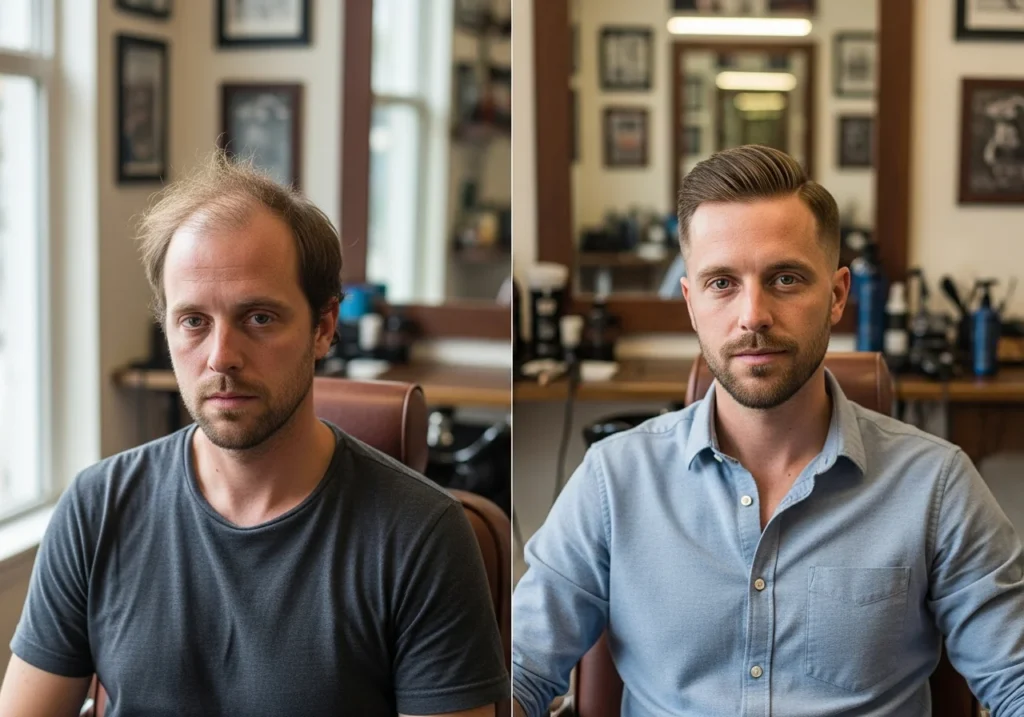
The right haircut possesses an almost transformative quality for men dealing with a receding hairline. Strategic cuts redirect visual focus away from thinning areas and toward your most attractive features. When executed properly, these styles create intentional shape and controlled volume that subtly camouflages recession zones without looking artificial or forced.
Structure becomes crucial when working with a changing hairline. A receding hairline often leaves hair looking patchy or uneven across the forehead and temples. Tailored cuts restore balance and symmetry through clean lines, whether achieved with fades, tapers, or undercuts. This sharp definition brings back a sense of control and polish that immediately elevates your entire appearance.
Beyond the technical aspects, the psychological impact cannot be overstated. Walking out of the barbershop with a fresh cut designed specifically for your hairline builds genuine confidence. You stop worrying about what others might notice and start appreciating how good you actually look. This shift in mindset often proves just as valuable as the haircut itself.
The Buzz Cut
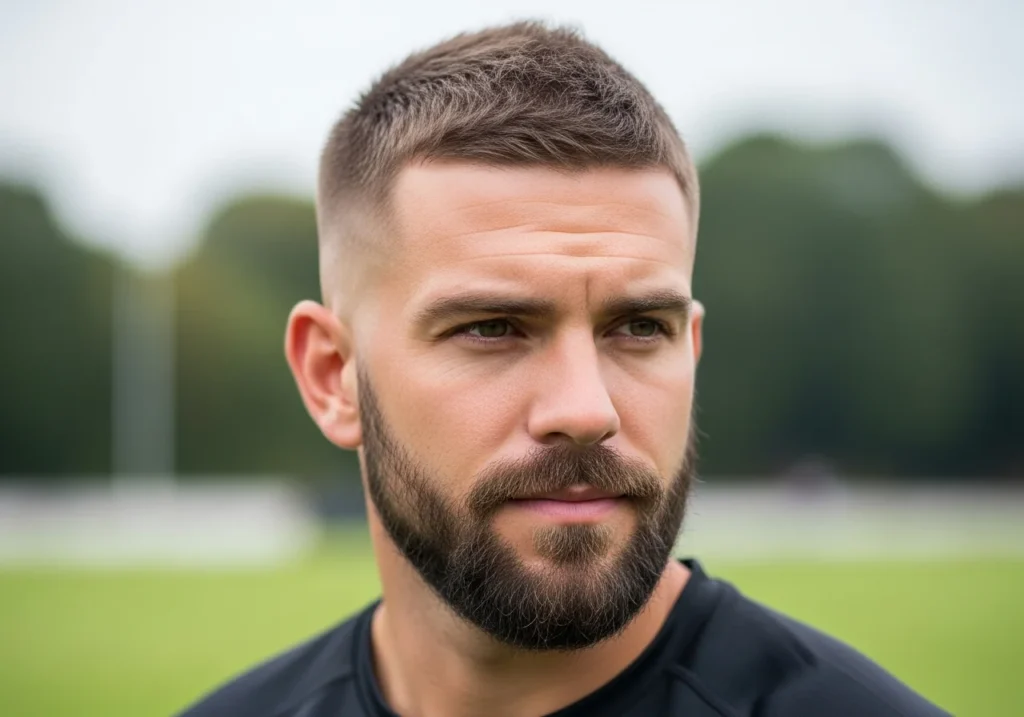
The buzz cut stands as one of the most practical and universally flattering options for men with receding hairlines. This ultra-short style maintains consistent length across the entire head, minimizing the visual contrast between thinning areas and fuller sections. By keeping everything uniform, the buzz cut creates a clean, masculine aesthetic that pairs beautifully with virtually any facial hair style.
Maintenance could not be simpler. Many men master the buzz cut at home using quality clippers, saving time and money on frequent barbershop visits. The key lies in maintaining even coverage across all areas, as patchy sections undermine the entire look. Most men choose between a grade one or grade two length, though experimenting with different guards helps you find what works best for your head shape and personal style.
The buzz cut works particularly well for men with strong facial features and defined jawlines. If you have decent facial hair growth, consider pairing your buzz cut with well-groomed stubble or a full beard to add dimension and balance to your overall appearance. This combination creates a rugged yet refined look that channels confidence without requiring extensive daily styling.
The Classic Crew Cut

The crew cut represents a timeless choice that has remained popular across generations for good reason. This style features slightly longer hair on top that gradually tapers down to shorter sides and back, creating natural-looking volume that draws attention upward and away from the hairline. The longer front section frames the forehead in a way that feels intentional rather than accidental.
What makes the crew cut exceptional for receding hairlines is its strategic design. The graduated lengths create an optical illusion that effectively camouflages thinning areas while maintaining a sharp, professional appearance. The cut works across multiple hair textures and suits most face shapes, making it incredibly versatile for different styling preferences and lifestyle needs.
Styling a crew cut requires minimal effort. A small amount of lightweight pomade or styling cream applied to damp hair provides just enough hold and definition without weighing down the strands. Run your fingers through the top to create subtle texture and lift, then let it air dry or use a blow dryer on low heat for additional volume. This entire process takes mere minutes yet delivers polished results that last throughout the day.
The Textured Crop

For men seeking a more contemporary edge, the textured crop delivers modern style with practical benefits. This cut features choppy, intentionally disrupted layers on top combined with tight, faded sides that create a dynamic contrast. The messy texture breaks up the hairline’s definition, making recession less noticeable while adding visual interest and movement.
The textured crop excels at creating the illusion of fullness even when hair has thinned considerably. Those choppy layers catch light differently throughout the day, generating depth and dimension that solid, uniform cuts cannot match. This constant visual variation keeps eyes moving across your entire head rather than fixating on any single area, including your hairline.
Achieving the right texture requires the proper products. After washing, towel-dry your hair until slightly damp, then work a small amount of texture clay or matte paste through the top section using your fingers. Focus on creating separation between individual strands rather than slicking everything down. The goal is controlled chaos that looks effortless yet intentional. Regular trims every three to four weeks maintain the shape and prevent the layers from growing out awkwardly.
The Caesar Cut
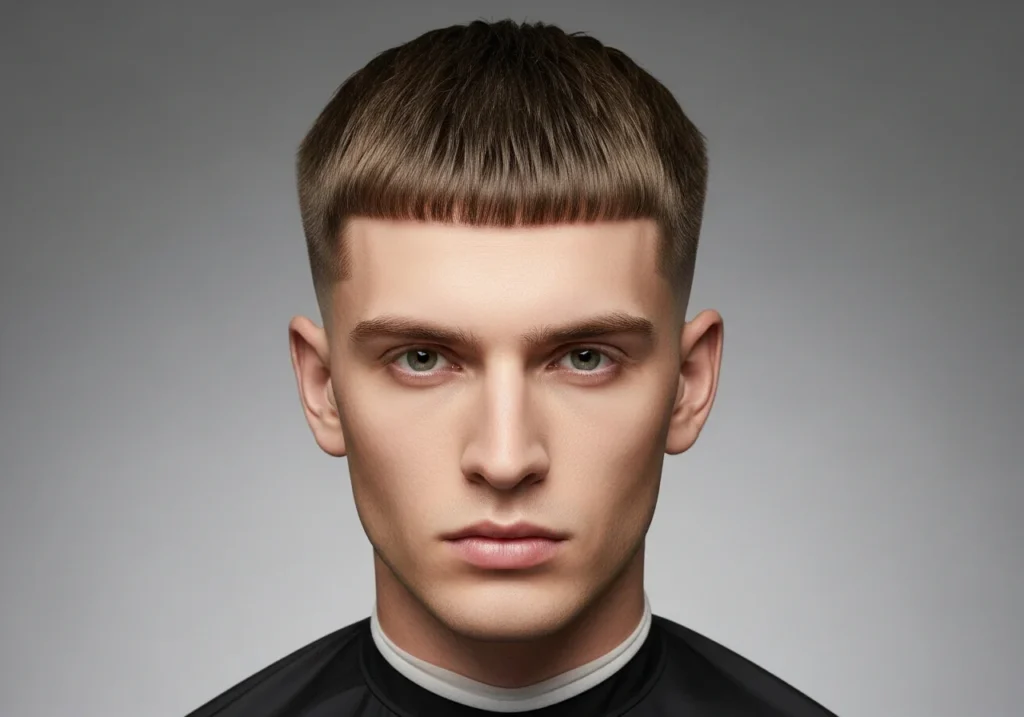
Dating back to ancient Rome but thoroughly modern in execution, the Caesar cut features short, horizontally cut bangs that extend slightly over the forehead. This distinctive fringe element makes the Caesar cut particularly effective for concealing a receding hairline while maintaining a neat, structured appearance that works in both casual and professional settings.
The forward-styled fringe serves as the cut’s defining characteristic and primary functional element. By bringing hair toward the forehead rather than away from it, the Caesar cut physically covers thinning temples and softens harsh hairline transitions. The sides are typically faded to create contrast and keep the overall look balanced rather than top-heavy.
Styling demands very little time or expertise. Most men simply run their fingers through damp hair to push it slightly forward, add a small amount of lightweight styling product for hold, and they are ready to go. The low-maintenance nature makes this an ideal choice for busy professionals or anyone who prefers simplicity in their grooming routine without sacrificing style.
The French Crop
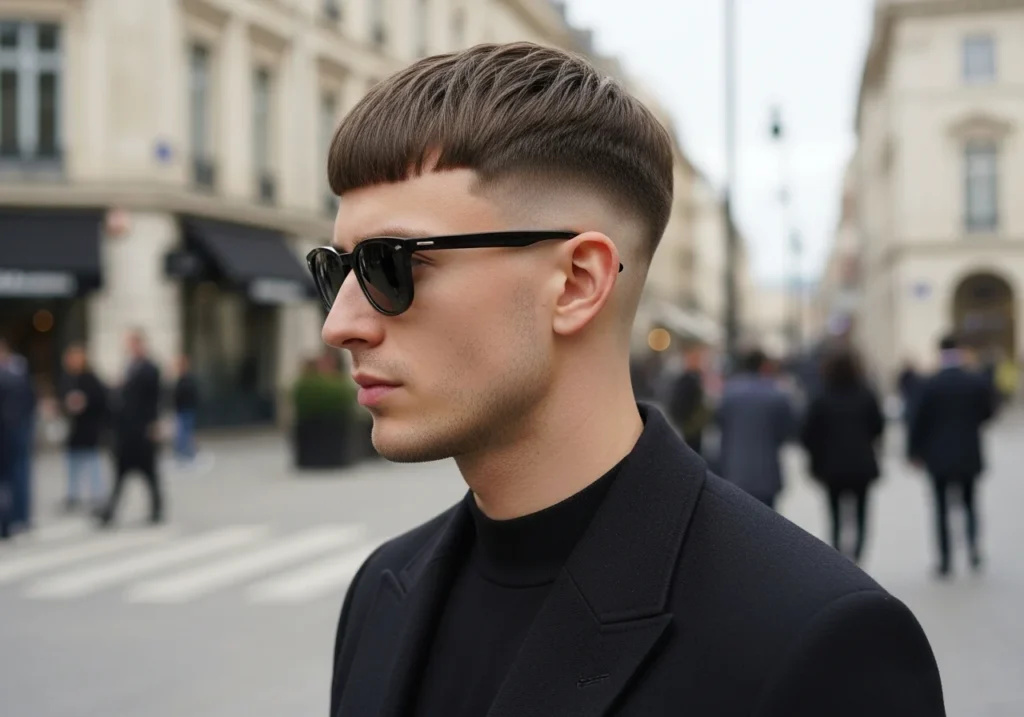
Similar to the Caesar cut but with subtle differences, the French crop combines a forward-styled fringe with short, textured top sections and cleanly faded sides. The fringe sits just above the eyebrows, creating a natural barrier that draws eyes away from the hairline while the textured top adds movement and contemporary appeal.
The French crop works particularly well for men with straight or slightly wavy hair textures. The cut creates enough structure to look polished yet maintains a relaxed, approachable vibe that suits various personal styles. The key lies in the blunt fringe cut, which should be precisely trimmed to maintain its effectiveness at concealing recession while avoiding an overly severe appearance.
Product application makes all the difference with the French crop. After a quick blow-dry to add lift and direction, work a small amount of molding paste through the top and fringe areas. Use your fingers to create slight separation and definition without making the hair look stiff or overly styled. The finished result should appear natural and effortless, as though you simply woke up with great hair.
The Taper Fade

The taper fade has become one of the most requested haircuts in modern barbershops, and for good reason when dealing with a receding hairline. This style keeps hair slightly longer on top while gradually fading the sides and back to shorter lengths, creating a smooth transition that shifts visual focus away from thinning areas toward the fuller sections above.
The beauty of the taper fade lies in its customization potential. You can choose how high the fade begins, how gradually it transitions, and how much length remains on top based on your specific hair pattern and face shape. A mid-taper typically works well for most receding hairlines, as it creates balance without being too extreme in either direction.
Maintaining a taper fade requires regular barbershop visits every two to three weeks to keep the fade looking crisp and intentional. Between cuts, use a volumizing mousse or light styling cream to add lift at the roots when blow-drying. Direct the airflow upward and back to maximize height and fullness on top, creating the appearance of thicker, more abundant hair.
The High Fade
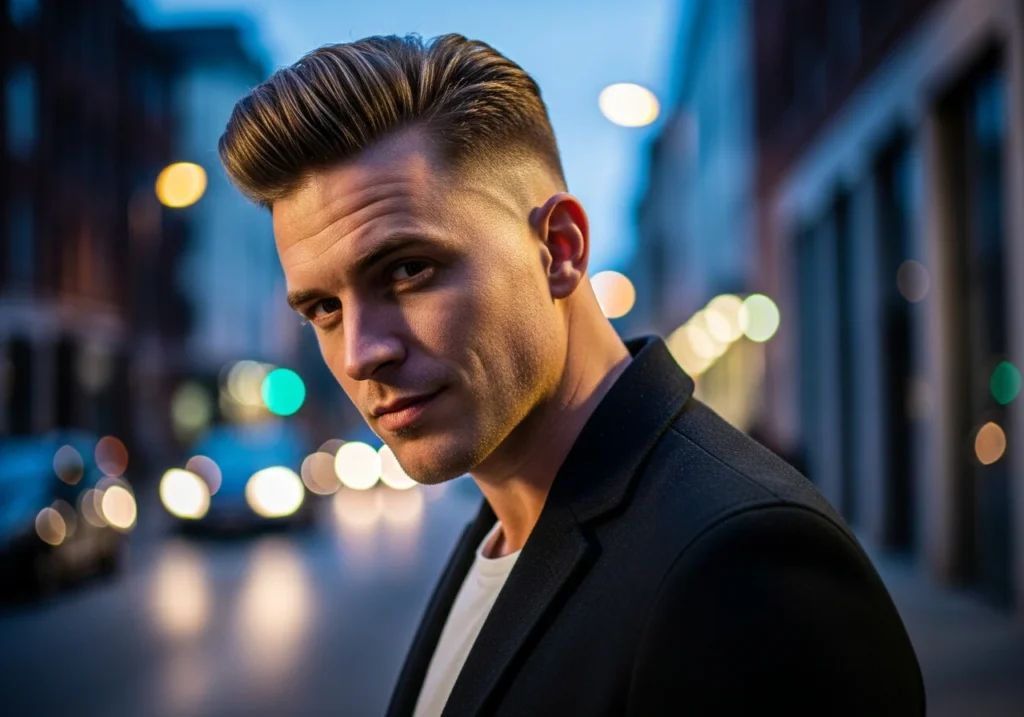
Taking the taper concept further, the high fade keeps the sides extremely short and tight while leaving significantly more length on top. This dramatic contrast creates a sharp, modern aesthetic that commands attention and redirects it away from the hairline toward the styled top section. The high fade works exceptionally well for men who still have decent density on top despite temple recession.
The longer hair on top provides ample opportunity for creative styling. Brush it straight back for a sleek look, sweep it to the side for asymmetric interest, or add texture for contemporary edge. This versatility makes the high fade adaptable to different occasions and personal preferences without requiring a completely different haircut.
Styling products become essential with a high fade. A medium-hold styling cream or pomade applied to damp hair provides control without stiffness, allowing you to shape the top section according to your mood or the day’s demands. Blow-drying while brushing upward adds crucial volume that balances the short sides and creates the illusion of fuller, thicker hair overall.
The Side Part
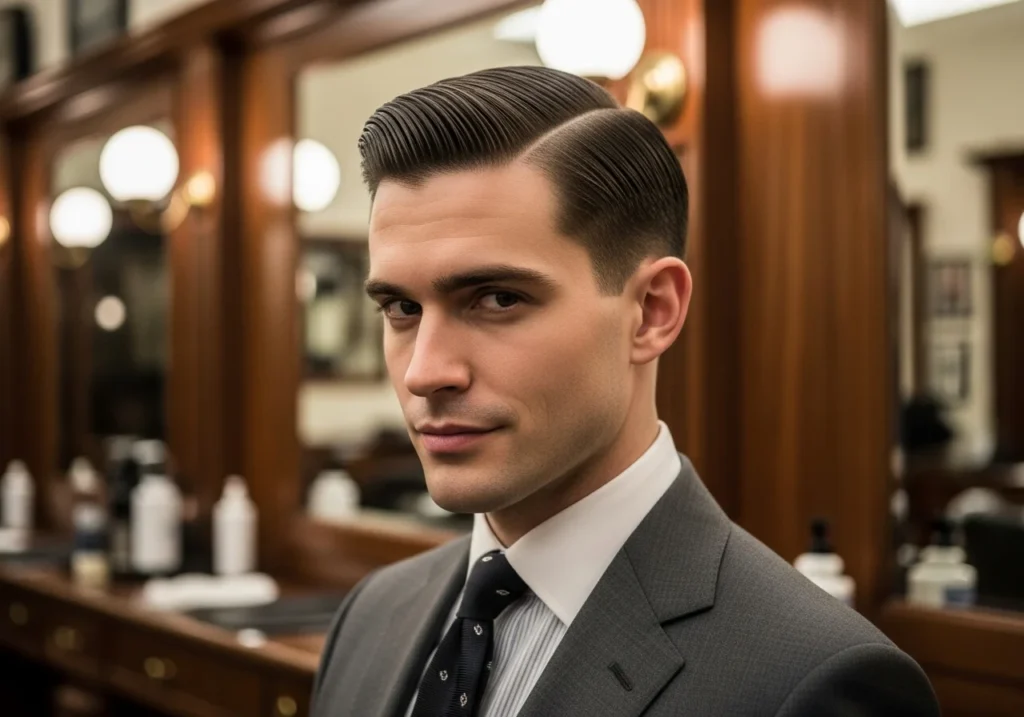
Few hairstyles offer the timeless sophistication of a well-executed side part. This classic technique creates asymmetry that draws attention away from thinning temples while maintaining a refined, professional appearance suitable for any environment. The strategic hair placement naturally camouflages recession on one side while the defined part line adds structure and intentionality.
Creating the perfect side part requires finding your natural parting line, which typically falls along the highest point of your eyebrow arch. Working with this natural division rather than forcing an artificial part ensures the style looks authentic and holds throughout the day. Use a fine-toothed comb on damp hair to establish a clean, precise line, then style each side according to the desired finish.
The side part works with various lengths and textures, making it incredibly adaptable. Pair it with a taper fade for modern edge, keep it classic with uniform length, or add texture for contemporary appeal. A light pomade or styling cream provides enough hold to maintain the part without making hair look greasy or overly slicked down. This balance between structure and naturalness defines a successful side part.
The Slicked-Back Style

When you still have volume on top despite temple recession, the slicked-back style offers a bold, confident option. This look involves brushing all hair straight back from the forehead, creating height and fullness that shifts focus upward rather than forward. The smooth, controlled finish projects sophistication and intentionality that suits both casual and formal settings.
The key to a modern slicked-back style lies in avoiding the overly greasy appearance of traditional approaches. Use a medium-hold pomade or styling cream rather than heavy gel, and apply it to towel-dried hair for better distribution and a more natural finish. Work the product through from roots to ends, then use a comb or your fingers to direct everything backward while blow-drying on medium heat.
Texture makes contemporary slicked-back styles more approachable and less severe. Rather than achieving perfect uniformity, allow some natural variation and movement within the overall backward direction. This subtle imperfection creates visual interest and prevents the style from looking dated or overly formal for everyday wear.
The Quiff
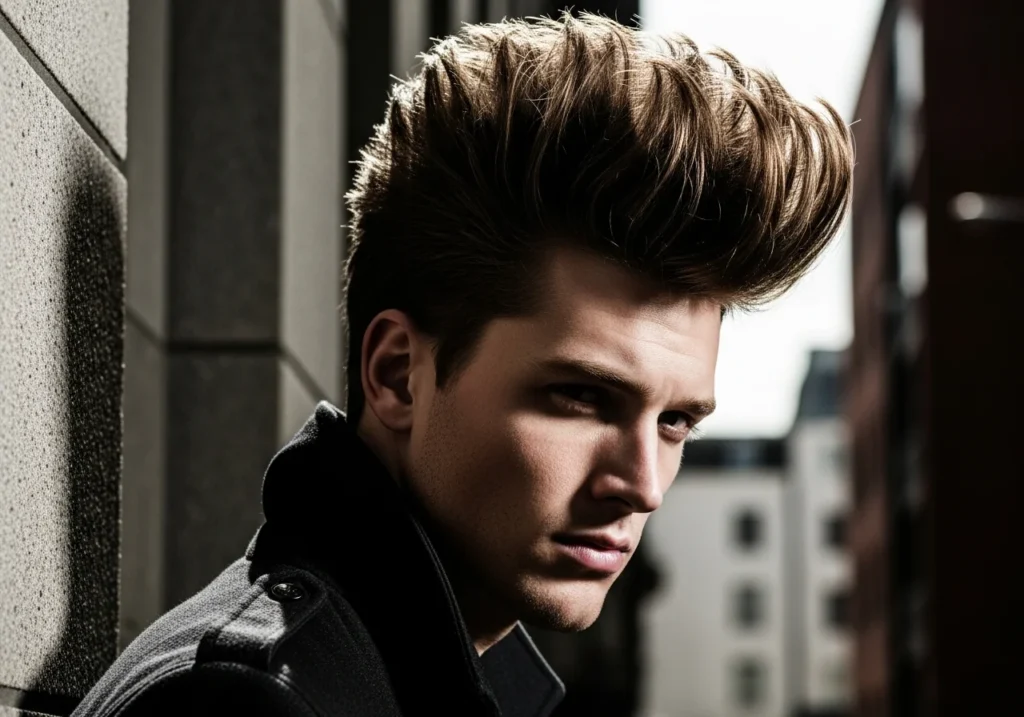
For men who want to make a statement, the quiff delivers volume, height, and distinctive style that naturally draws attention away from a receding hairline. This cut features substantial length on top that is styled upward and slightly back, creating dramatic lift that balances out thinning temples and adds architectural interest to your overall appearance.
The quiff requires commitment to daily styling but rewards that effort with standout results. After washing, apply a volumizing mousse to damp hair, then blow-dry while directing airflow upward and back. Use a round brush to add lift at the roots and create the signature quiff shape. Finish with a light-hold pomade or wax to maintain the structure without weighing down the hair.
Different quiff variations suit different stages of hair loss. Men with minimal recession can pull off a tall, bold quiff that makes a dramatic statement. Those with more advanced thinning might prefer a softer, more subtle version that still adds height and interest without overemphasizing the contrast between full and thin areas. Experimenting with different heights and textures helps you find the sweet spot that works for your specific situation.
The Pompadour
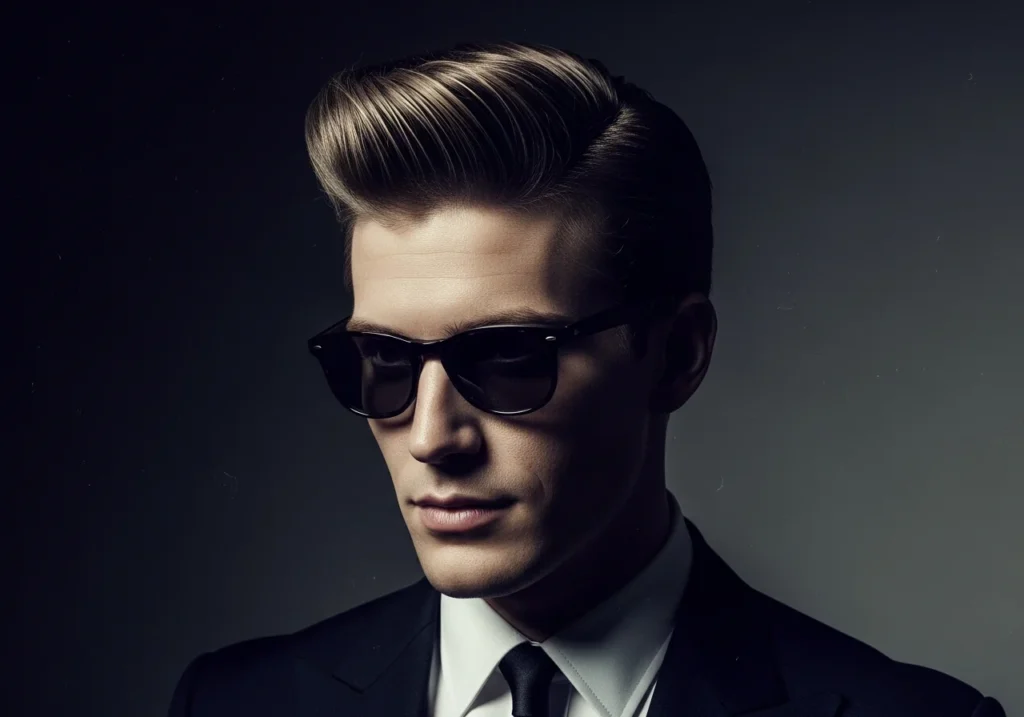
Similar to the quiff but with distinct characteristics, the pompadour sweeps hair up and back in a smooth, voluminous wave that creates impressive height at the front. This iconic style has enjoyed renewed popularity in recent years, offering a vintage-inspired aesthetic with modern refinement that works surprisingly well for managing receding hairlines.
The pompadour’s effectiveness comes from its ability to add significant volume where it matters most. By concentrating fullness at the front and top, the style creates a focal point that naturally draws attention away from temple recession. The smooth, continuous flow from front to back maintains visual coherence rather than emphasizing the distinction between thinning and fuller areas.
Achieving a proper pompadour requires the right tools and products. A quality blow dryer, round brush, and medium-to-strong-hold pomade form the essential kit. Work section by section, blow-drying each part upward and back while maintaining tension with the brush. Once dry, apply pomade and use a comb to refine the shape and smooth any flyaways. The process takes practice but becomes quicker and easier with experience.
The Comb Over

The modern comb over has evolved far beyond its outdated reputation to become a legitimate, stylish option for men with receding hairlines. Unlike the obvious, desperate-looking versions of decades past, contemporary comb overs feature subtle asymmetry and natural-looking volume that artfully addresses thinning areas without calling attention to themselves.
The key distinction lies in the execution. A successful modern comb over maintains enough length on top to sweep across but not so much that it looks like you are trying too hard to hide something. Pair it with a fade or taper on the sides for contemporary edge, and use matte products rather than shiny gels to avoid the slicked, artificial appearance that plagued earlier versions.
Styling requires a light touch. Use your fingers or a wide-toothed comb to guide damp hair gently across the top, allowing some natural texture and movement rather than creating a solid, unbroken sweep. A small amount of styling cream or clay provides hold without weight, helping the style stay in place throughout the day while maintaining a natural, effortless appearance.
Styling Products and Techniques

Even the best haircut fails without proper products and styling techniques. Understanding which products complement your specific cut makes the difference between a good look and a great one. Lightweight options work best for men with thinning hair, as heavy products weigh down strands and make sparse areas more obvious.
Texture clay has become increasingly popular for receding hairlines because it adds thickness and control without shine or weight. Work a small amount through dry or slightly damp hair, focusing on creating separation and definition rather than slicked cohesion. The matte finish looks natural and modern while providing enough hold to maintain your style.
Volumizing products applied to damp hair before blow-drying create crucial lift at the roots. Mousse, sea salt spray, or volumizing creams add body that makes hair appear fuller and more abundant. When blow-drying, direct airflow upward and away from the scalp while lifting sections with your fingers or a brush. This technique maximizes volume and creates the foundation for any style you choose to pursue.
Choosing the Right Cut for Your Face Shape
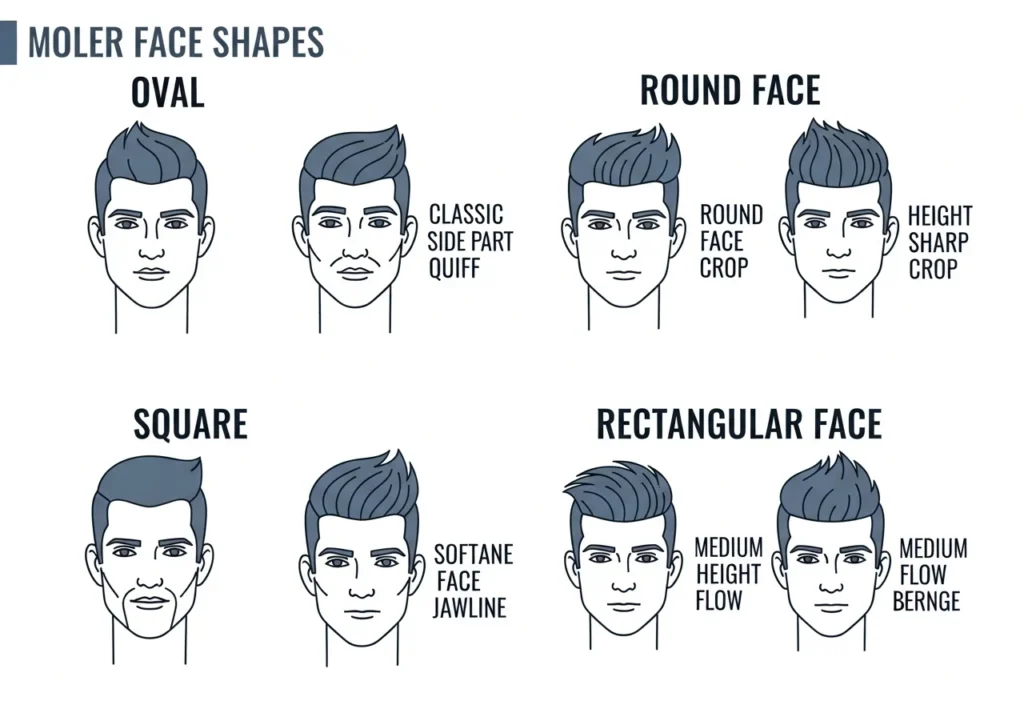
Face shape significantly influences which haircuts work best for your individual features and proportions. Understanding your natural contours helps you select styles that create balance and harmony rather than accidentally emphasizing unflattering aspects or creating visual imbalance.
Men with oval faces enjoy the most versatility, as this balanced shape suits nearly any haircut style. Round faces benefit from cuts that add height on top to create the illusion of length and counteract width. Square faces look excellent with textured, slightly softer styles that complement strong jawlines without competing with them.
Longer, rectangular faces require width rather than height to achieve proper proportion. Avoid excessive volume on top, instead opting for styles that add some breadth through texture or side-swept elements. Work with an experienced barber who understands face shapes and can recommend specific variations of popular cuts that complement your unique features rather than fighting against them.
Maintenance and Care
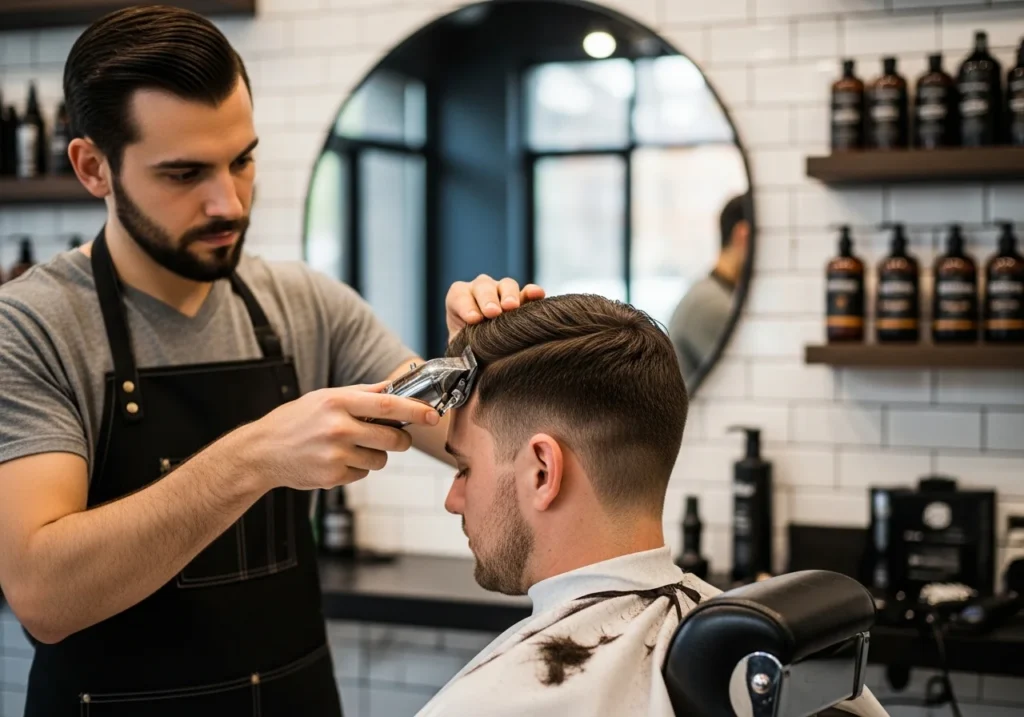
Maintaining your haircut requires regular attention to keep it looking sharp and intentional. Most styles for receding hairlines need trimming every three to four weeks to maintain proper shape and proportions. Fades and tapers especially grow out quickly, losing their definition and contrast if left too long between cuts.
Between barbershop visits, develop a consistent hair care routine that keeps your scalp and remaining hair healthy. Use a gentle shampoo that does not strip natural oils, and consider a lightweight conditioner to maintain softness and manageability. Avoid washing daily unless necessary, as excessive shampooing can dry out both hair and scalp.
Scalp health directly impacts how good your haircut looks. Keep the skin beneath your hair clean, moisturized, and free from buildup that could clog follicles or create flaking. Consider a gentle exfoliating scrub once weekly to remove dead skin cells and promote healthy circulation. These simple maintenance steps ensure your haircut always looks its absolute best.
Embracing Confidence

Ultimately, the best haircut for a receding hairline is one that makes you feel confident and comfortable in your own skin. While technical considerations about face shape, hair texture, and styling requirements matter, the psychological impact of finding a look you genuinely like cannot be overstated.
A receding hairline does not define your attractiveness or limit your style options. Countless men with similar hair patterns project confidence, charisma, and personal style every single day. The difference lies in embracing your current situation rather than fighting against it, choosing cuts that work with your natural hair pattern, and maintaining those styles with regular care and attention.
Experimenting with different options helps you discover what truly works for your individual features and lifestyle. Do not be afraid to try several styles before settling on your favorite. Bring photos to your barber, communicate clearly about what you want, and trust the process of finding the perfect cut that makes you look and feel your absolute best.
Frequently Asked Questions
What is the best haircut for a receding hairline?
The best haircut depends on your hair texture, face shape, and personal style, but popular options include the buzz cut, crew cut, textured crop, and Caesar cut. These styles work with your natural hairline rather than trying to hide it, creating balanced proportions and drawing attention to your strongest features.
Can you stop a receding hairline from getting worse?
While you cannot completely prevent genetic hair loss, certain treatments may slow the process. Minoxidil applied topically can help maintain existing hair, while lifestyle changes like stress management, healthy diet, and proper scalp care support overall hair health. Consult a dermatologist for personalized treatment options.
Should I grow my hair long or keep it short with a receding hairline?
Shorter haircuts generally work better for receding hairlines because they minimize the contrast between thinning and fuller areas. Long hair can emphasize sparse sections and look unbalanced. However, medium-length styles with proper layering and texture can work if you still have decent overall density.
How often should I get my haircut with a receding hairline?
Most styles require maintenance every three to four weeks to maintain proper shape and proportions. Fades and tapers especially need frequent attention to keep the contrast sharp and intentional. Regular trims prevent your cut from growing out awkwardly and looking unkempt.
What products work best for styling a receding hairline?
Lightweight products that add volume without weight work best. Texture clay, matte paste, and volumizing mousse create fullness and definition without making hair look greasy or sparse. Avoid heavy gels or waxes that weigh down strands and emphasize thinning areas.
You may also like this post: 12 Stylish Pompadour Haircuts for Men with Thick Hair