Aesthetic Medium Haircut Ideas You’ll Love in 2026
Medium length hair occupies a unique position in the world of hairstyling. Neither dramatically short nor requiring the commitment of long locks, this versatile length offers endless possibilities for creative expression. As we move through 2026, the aesthetic appeal of medium haircuts continues to captivate individuals seeking that perfect balance between manageability and style flexibility.
The beauty of medium length hair lies in its adaptability. Whether you prefer sleek sophistication or effortlessly tousled texture, this length provides the canvas for countless aesthetic interpretations. From professional settings to casual weekends, medium haircuts transition seamlessly across different aspects of modern life. The current year brings fresh perspectives on classic styles while introducing innovative cutting techniques that enhance natural texture and movement.
Understanding what makes a haircut truly aesthetic involves more than following temporary trends. It requires consideration of personal features, lifestyle demands, and maintenance preferences. Medium length styles particularly shine because they offer substantial styling options without the weight and upkeep challenges of longer hair or the precision requirements of very short cuts. This comprehensive exploration reveals the most compelling medium haircut ideas that combine visual appeal with practical wearability.
The Modern Shag Revolution
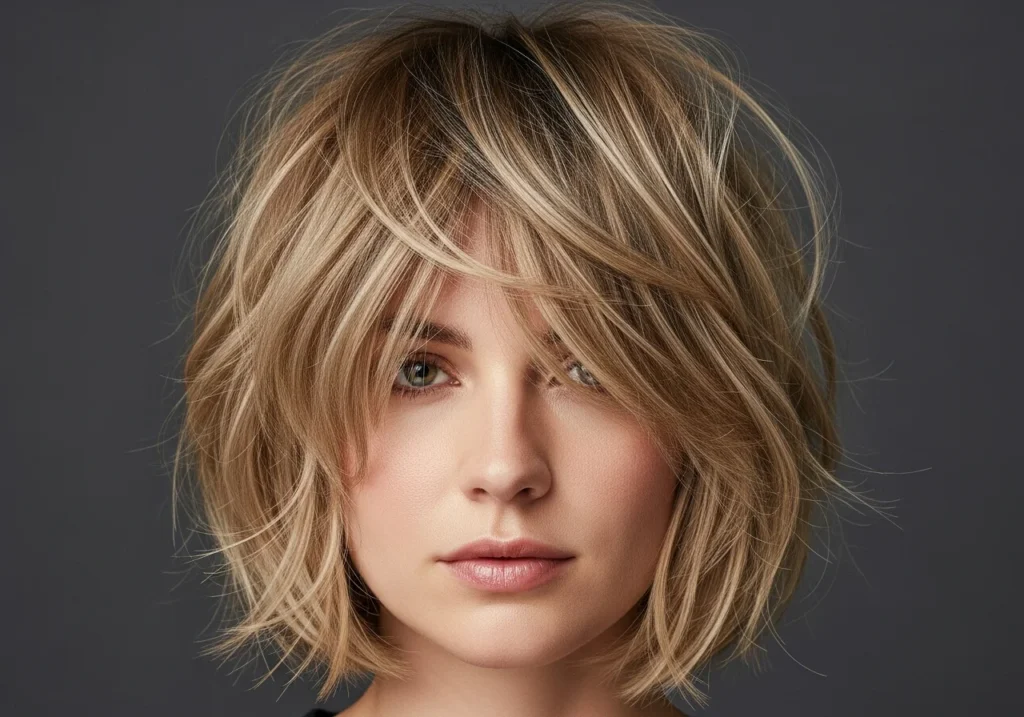
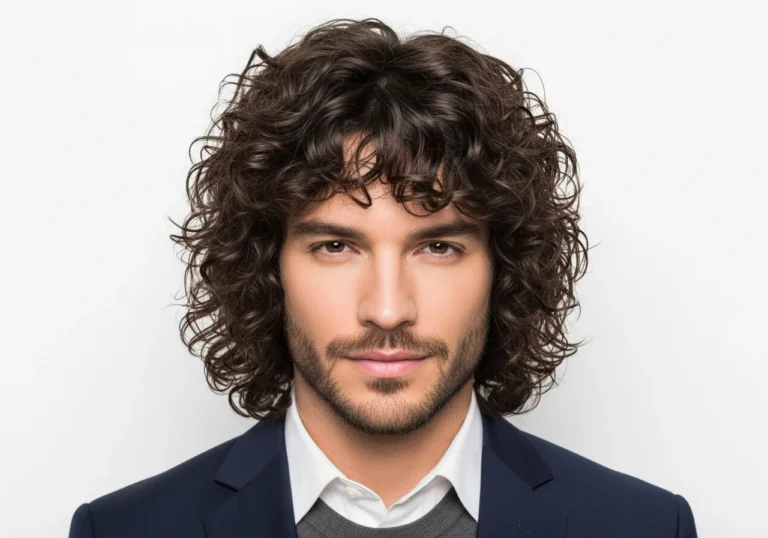
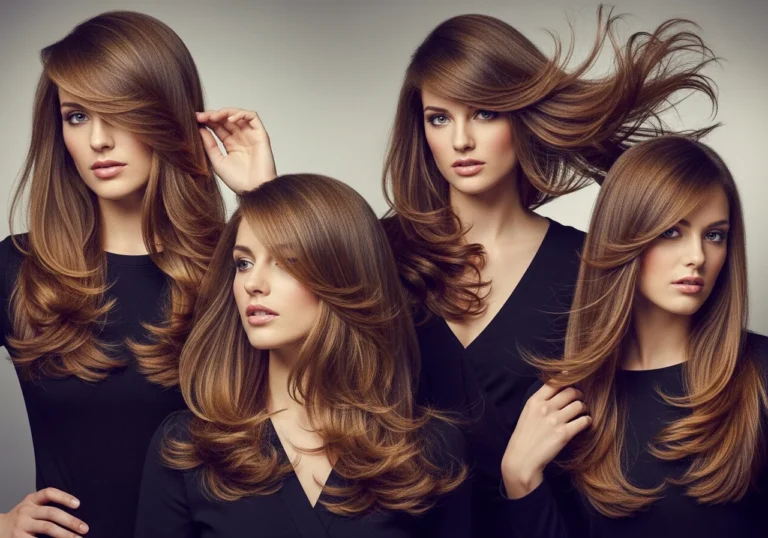
The shag haircut has experienced a remarkable transformation in recent years. Contemporary interpretations of this classic style emphasize lived-in texture and effortless movement. Unlike the heavily layered versions of decades past, modern shags feature strategic layering that creates dimension without sacrificing too much length. The technique involves cutting shorter layers throughout the crown and gradually lengthening toward the ends, producing a naturally tousled appearance.
This style works exceptionally well for those seeking an aesthetic that appears simultaneously polished and carefree. The shag adapts beautifully to various hair textures, from straight to wavy to curly. For straight hair, the layers add much-needed volume and movement. Wavy hair gains enhanced definition, with each layer showcasing natural bends and curves. Curly hair benefits from the weight distribution, preventing the top-heavy look that sometimes occurs with uniform length.
Styling a modern shag requires minimal effort, which contributes significantly to its appeal. Air drying with a texturizing spray often produces excellent results. For more defined looks, rough-drying with fingers while scrunching creates beautiful piece-y texture. The key lies in embracing imperfection rather than fighting for sleek uniformity. This philosophy aligns perfectly with current aesthetic preferences favoring authentic, natural beauty over overly manufactured appearances.
Elevated Bob Variations
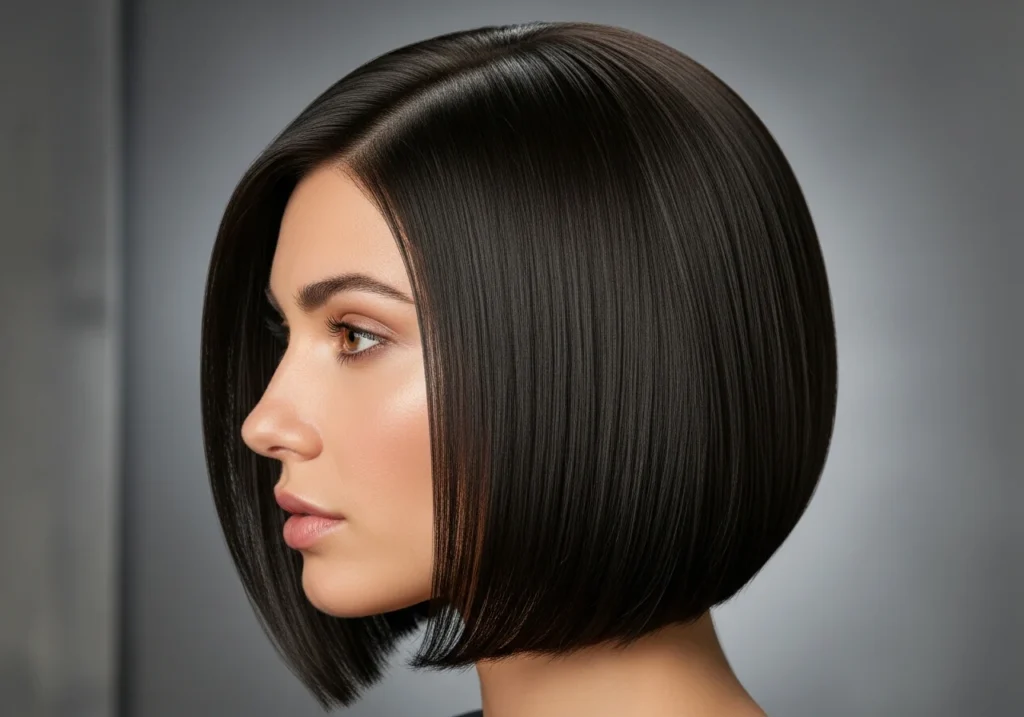
The bob continues its reign as one of the most sophisticated medium length options available. However, 2026 iterations move beyond basic blunt cuts to incorporate nuanced details that elevate the overall aesthetic. The collarbone-grazing bob sits at the ideal medium length, offering styling versatility while maintaining elegant simplicity.
Textured bobs introduce subtle layering throughout, creating movement without disrupting the overall structure. This approach prevents the heaviness that sometimes accompanies blunt cuts, particularly for those with thick or dense hair. The layers remain relatively uniform in length, preserving the bob silhouette while adding internal texture that catches light beautifully and moves naturally with head movement.
Asymmetrical bobs provide an edgier aesthetic for those wanting something beyond conventional symmetry. One side falls slightly longer than the other, creating visual interest and modern sophistication. This style works particularly well for individuals with strong facial features, as the asymmetry draws attention and frames the face from flattering angles. The difference in length can range from subtle to dramatic depending on personal preference and workplace appropriateness.
Rounded bobs incorporate gentle graduation, with the back slightly shorter than the front. This creates a curved silhouette that hugs the head shape beautifully. The rounded bob offers a softer, more romantic aesthetic compared to sharper angular cuts. It works wonderfully for heart-shaped and oval faces, as the curve complements natural facial contours.
Face-Framing Layer Magic
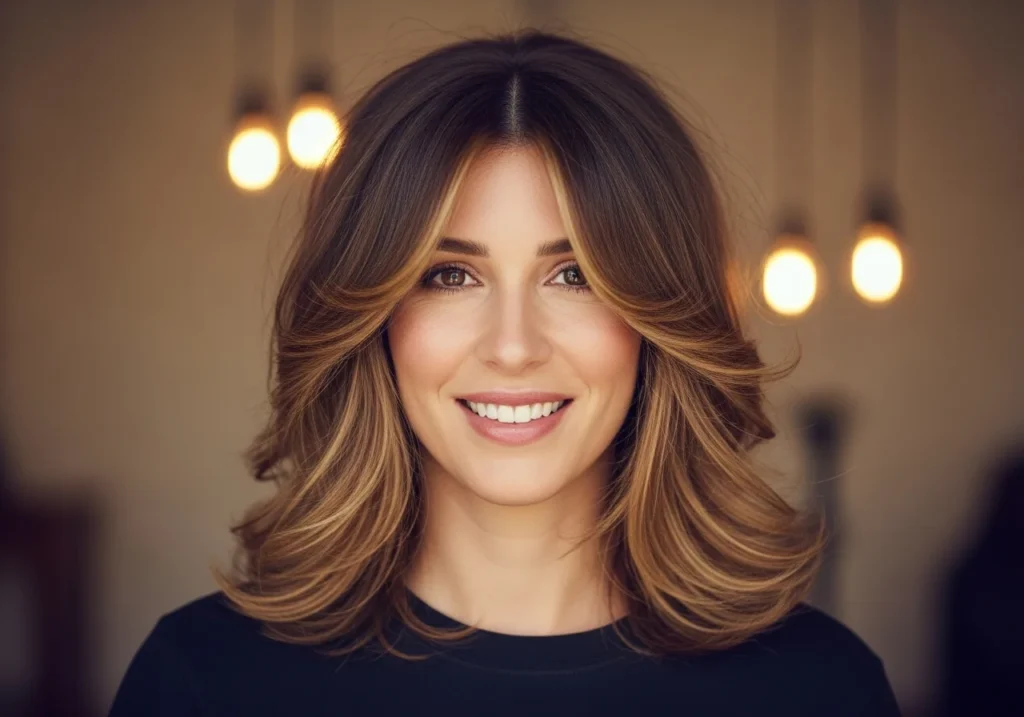
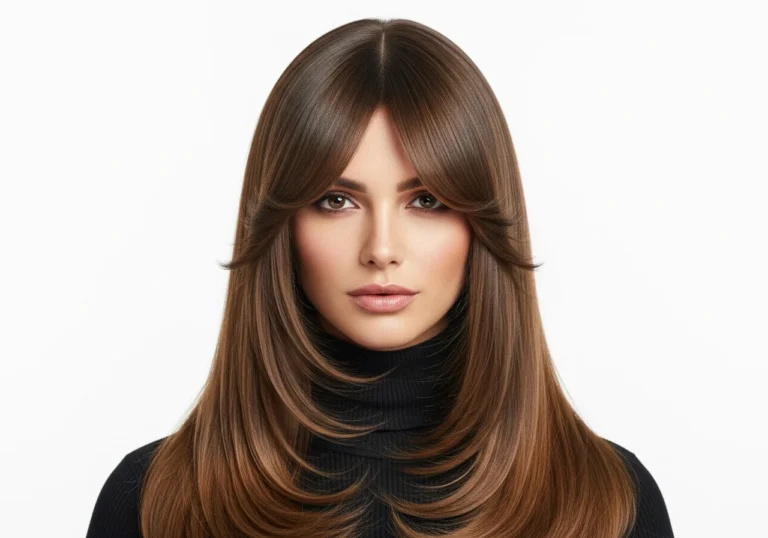
Face-framing layers represent one of the most transformative techniques in medium length cutting. These strategically placed shorter sections around the face create a customized look that highlights best features while softening less favored aspects. The layers typically begin somewhere between the cheekbone and chin, gradually blending into the overall length.
The placement of face-framing layers depends entirely on individual facial structure. For round faces, layers starting at or below the chin help elongate the appearance. Square faces benefit from softer, wispy layers that begin at the cheekbone, reducing angular severity. Oval faces enjoy the most flexibility, accommodating various layer placements depending on desired emphasis. Heart-shaped faces look particularly striking with layers that add width at the jawline, balancing a narrower chin with broader forehead.
These layers provide incredible styling flexibility. When straightened, they create sleek, polished frames that draw attention to eyes and cheekbones. When curled or waved, they add romantic softness and dimension. Even when hair is pulled back into a ponytail or bun, face-framing layers remain free, maintaining style interest and preventing overly severe pulled-back looks.
Maintenance for face-framing layers remains relatively straightforward. Regular trims every six to eight weeks keep the layers looking intentional rather than grown-out. Between salon visits, the layers blend naturally into overall length, avoiding the stark demarcation lines that sometimes occur with more dramatic layering schemes.
Curtain Bangs Complement
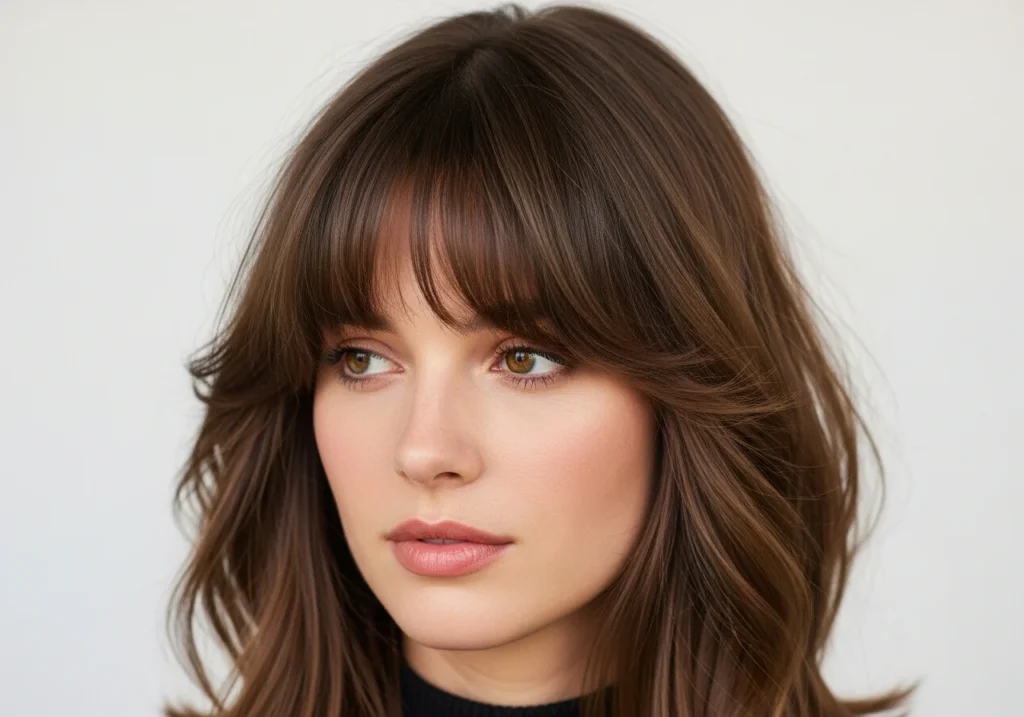
Curtain bangs have established themselves as the quintessential aesthetic detail for medium length hair. These center-parted, face-framing bangs sweep gracefully to either side, creating a softening effect that works across various face shapes and hair textures. The length typically falls between the cheekbone and chin, making them longer and less committal than traditional blunt bangs.
The appeal of curtain bangs extends beyond their visual charm. They require significantly less maintenance than straight-across bangs, growing out more gracefully and requiring less frequent trimming. The center part allows for natural oil distribution from the scalp, meaning curtain bangs stay fresher longer compared to forehead-covering alternatives that can appear greasy more quickly.
Styling curtain bangs varies based on desired finish. For a relaxed, everyday look, rough-drying while directing the hair away from the face creates natural separation and movement. For special occasions or more polished aesthetics, a round brush during blow-drying produces smooth, curved bangs that frame the face beautifully. Flat ironing creates sleek, sophisticated framing, while curling adds romantic softness.
Curtain bangs integrate seamlessly with various medium length styles. They complement layered cuts by adding another dimension of framing. They soften blunt bobs without compromising the clean lines. They enhance shag haircuts by reinforcing the piece-y, textured aesthetic. This versatility makes them an excellent addition for those wanting to refresh their medium length hair without committing to a complete style overhaul.
The Butterfly Cut Phenomenon
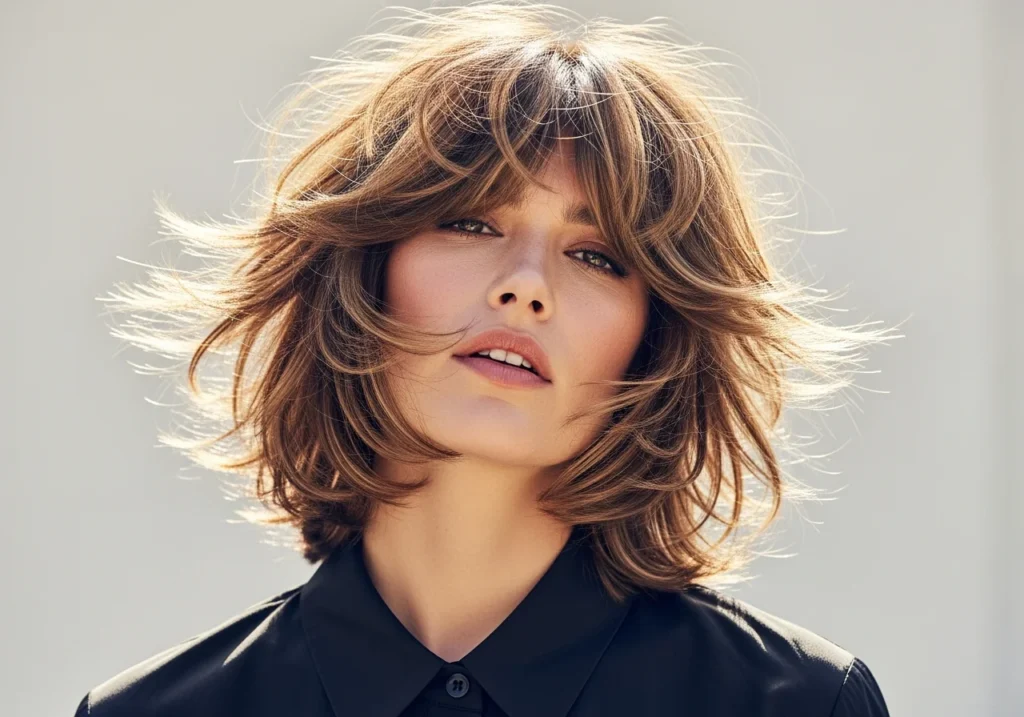
The butterfly cut emerged as a standout trend combining elements of shag layering with more structured dimension. This technique creates shorter layers concentrated around the crown and face, with length preserved at the bottom. The result resembles butterfly wings when hair moves, hence the evocative name. This style delivers maximum volume and movement while maintaining usable length for updos and ponytails.
Creating the butterfly effect requires skilled layering that considers natural hair texture and growth patterns. The shortest layers typically fall around ear level, creating lift at the crown. Progressive lengthening toward the bottom prevents the top-heavy appearance while ensuring plenty of hair remains for various styling options. The face-framing components integrate seamlessly, creating cohesive flow from front to back.
This cut particularly benefits those with fine or flat hair seeking volume without sacrificing length. The shorter top layers create the illusion of fullness, while longer bottom sections maintain weight and substance. For thicker hair types, the butterfly cut removes bulk strategically, preventing mushroom-shaped growth while maintaining overall density where it matters most.
Styling flexibility represents another significant advantage. The layered top sections hold waves and curls beautifully, while the longer bottom can be straightened for sleek contrast or curled to match. Half-up styles showcase the layering dramatically, with the top sections creating volume and the bottom providing elegant length. Even simple air-drying produces attractive results, as the layers naturally separate and create movement.
Textured Lob Perfection
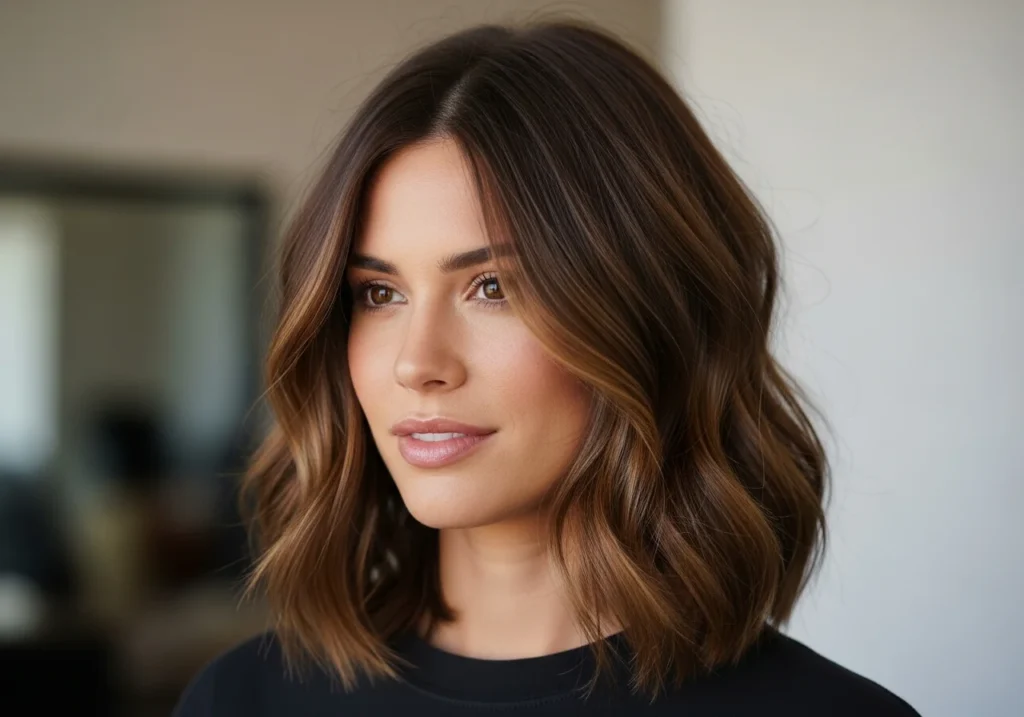
The long bob, affectionately termed the lob, continues its dominance in the medium length category. The 2026 interpretation emphasizes texture over severe bluntness, creating a more relaxed and approachable aesthetic. This length typically falls between the collarbone and shoulders, offering the sophistication of a bob with slightly more styling flexibility.
Textured lobs incorporate subtle point-cutting techniques that soften the ends and create gentle piece-y separation. This prevents the blunt, heavy look that can appear overly serious or stern. The texture adds movement and dimension, making the hair appear more dynamic and less like a helmet. Different texturizing approaches produce varying results, from barely-there softness to more pronounced separation depending on personal preference.
The lob works remarkably well across different hair types. Straight hair gains body and interest through the texturing. Wavy hair showcases its natural pattern beautifully at this length, with enough weight to prevent excessive frizz while allowing waves to form. Curly hair at lob length creates a stunning halo of texture that frames the face gorgeously. Even very fine hair benefits, as the length prevents the stringy appearance that sometimes occurs with longer fine hair.
Versatility in styling makes the lob particularly appealing for busy lifestyles. It air-dries acceptably for casual settings, straightens quickly for professional environments, and holds curls well for special occasions. The length allows for small ponytails or buns when needed, though it looks equally polished worn down. This adaptability explains why the lob remains a perennial favorite despite changing trends.
Soft Wave Integration
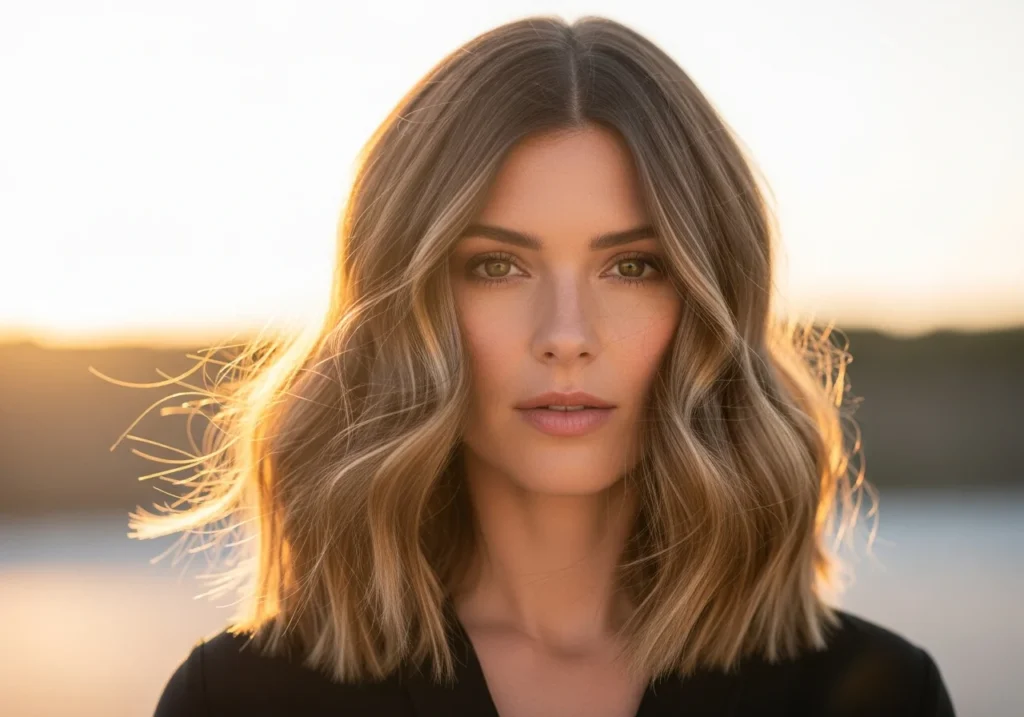
Regardless of the specific cut chosen, soft waves represent the ideal styling approach for achieving maximum aesthetic impact with medium length hair. These relaxed, lived-in waves create dimension and movement that enhances any haircut’s inherent beauty. Unlike tight curls or perfectly straight styles, soft waves project effortless sophistication that aligns with contemporary beauty ideals.
Creating soft waves involves various techniques depending on available tools and desired results. Curling iron methods using larger barrels produce smooth, uniform waves that appear polished yet natural. Wrapping hair around the barrel, leaving ends out, and alternating curl direction creates the most organic-looking results. Flat iron waves offer another approach, creating bends through strategic twisting and gliding motions. This technique often produces slightly more relaxed waves with a beachy quality.
Heatless methods provide gentler alternatives that maintain hair health while achieving beautiful waves. Braiding damp hair before bed creates textured waves without any heat damage. The number and size of braids determines wave intensity, with more braids producing tighter patterns and fewer creating looser bends. Twist buns offer another heatless option, creating beautiful S-shaped waves when hair dries in twisted sections secured in small buns.
Product selection significantly impacts wave longevity and appearance. Texturizing sprays applied before styling add grip and hold. Sea salt sprays enhance natural texture and create that coveted beachy aesthetic. Light-hold hairsprays maintain wave definition without creating stiffness or crunchiness. The goal involves achieving waves that look natural and touchable rather than obviously styled or shellacked in place.
Color Considerations for Enhanced Aesthetics
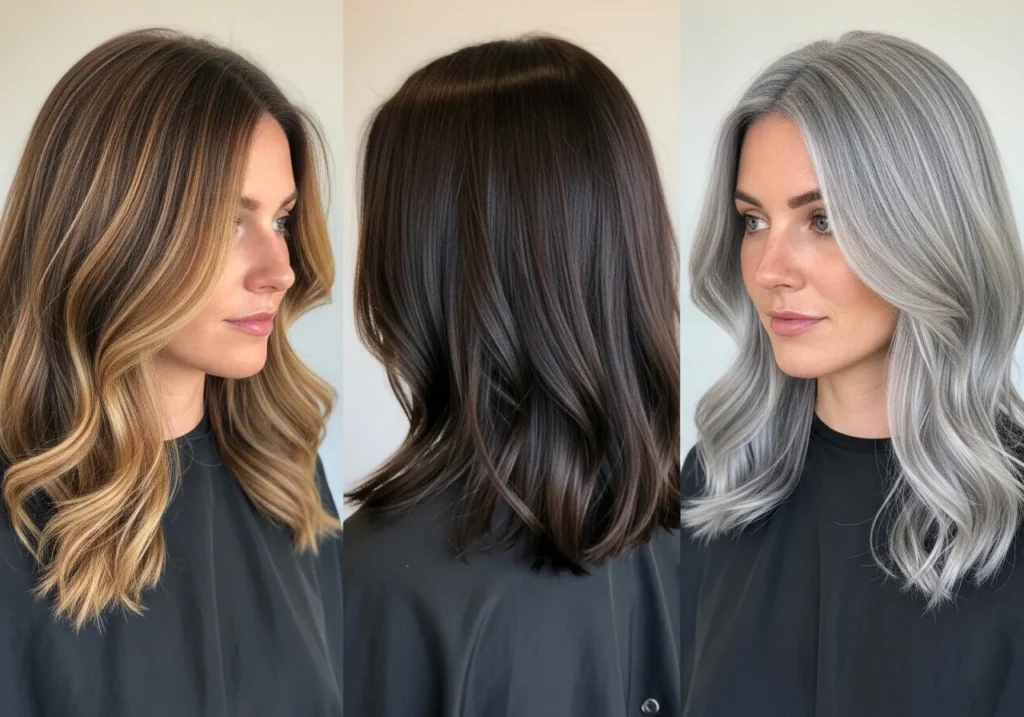
While this exploration focuses primarily on cutting and styling, color choices dramatically impact the overall aesthetic of medium length haircuts. Strategic coloring techniques enhance dimension, create visual interest, and complement specific cutting styles beautifully. Understanding how color interacts with various cuts helps achieve truly stunning results.
Balayage remains exceptionally popular for medium length hair, creating natural-looking dimension through hand-painted highlights. This technique works particularly well with layered cuts, as the color placement emphasizes different layers and creates depth. The gradual transition from darker roots to lighter ends adds dimension that makes hair appear fuller and more dynamic. Balayage requires less frequent maintenance than traditional highlights since the grow-out appears intentional rather than neglected.
Face-framing highlights brighten the complexion and draw attention to facial features. Lighter pieces around the face create a softening effect that complements the structural benefits of face-framing layers. This approach works beautifully for those wanting color enhancement without committing to overall lightening. The strategic placement ensures maximum visual impact with minimal color application.
Rich, dimensional brunettes offer sophisticated alternatives to blonde tones. Multi-tonal brown shades incorporating caramel, chocolate, and chestnut create depth and interest without the maintenance demands of lighter colors. These deeper tones particularly complement textured cuts like shags and butterfly styles, as the varied tones emphasize different layers and create visual complexity.
For those embracing natural gray, medium length cuts provide excellent showcases for silver tones. Proper cutting techniques ensure gray hair looks intentionally chic rather than aged. Blunt bobs in silver create striking, modern aesthetics. Textured shags in gray project artistic, bohemian vibes. The key involves maintaining excellent condition and shine, as healthy gray hair possesses a beautiful luminosity that appears truly special.
Maintenance and Care Strategies
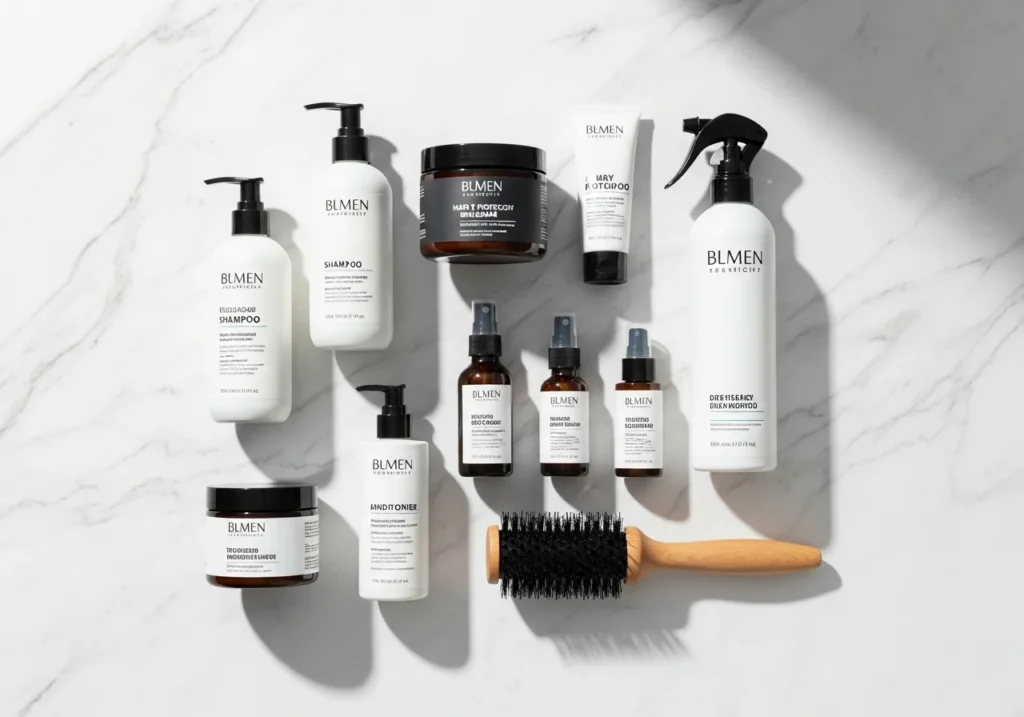
Achieving and maintaining aesthetic medium length hair requires consistent care beyond initial cutting and styling. Proper maintenance preserves the haircut’s integrity, ensures color vibrancy when applicable, and keeps hair healthy enough to style beautifully. Developing effective care routines makes the difference between hair that consistently looks salon-fresh and styles that quickly appear grown-out or damaged.
Regular trimming represents the foundation of maintenance. Most medium length styles benefit from salon visits every six to eight weeks. This timing prevents split ends from traveling up the hair shaft while maintaining the shape and proportion of the original cut. For styles with specific details like curtain bangs or face-framing layers, more frequent trimming of those sections may be necessary while the overall length can go longer between full cuts.
Product selection should align with specific hair type and styling preferences. Fine hair benefits from volumizing shampoos and lightweight conditioners that clean without weighing hair down. Thick or coarse hair requires more intensive moisture through hydrating shampoos and rich conditioners or hair masks. Curly and wavy textures need products specifically formulated to enhance pattern while controlling frizz, typically involving sulfate-free cleansers and leave-in conditioners.
Heat styling, while producing beautiful results, demands protective measures. Heat protectant sprays create barriers between hot tools and hair strands, minimizing damage from regular styling. Keeping heat tools at appropriate temperatures prevents unnecessary harm, with fine hair requiring lower settings than thick or coarse types. Allowing hair to air-dry partially before applying heat tools reduces overall heat exposure while still achieving styled results.
Deep conditioning treatments restore moisture and repair damage from environmental exposure, heat styling, and chemical processing. Weekly treatments maintain optimal hair health for those who style frequently or have color-treated hair. These treatments can be professional salon services or quality at-home masks, depending on budget and convenience preferences. The investment in hair health pays dividends in easier styling and better-looking results.
Adapting Styles for Different Occasions
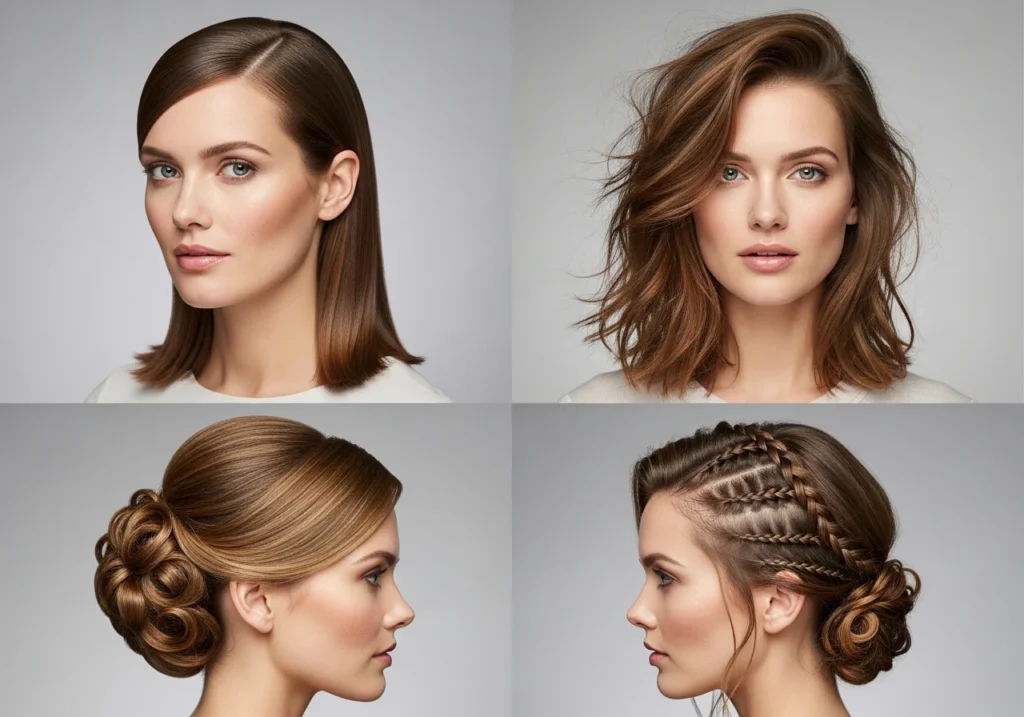
One significant advantage of medium length hair involves its chameleon-like ability to adapt across various settings and occasions. The same haircut can project different aesthetics depending on styling approach, making it ideal for multifaceted modern lifestyles. Understanding how to manipulate medium length hair for different contexts maximizes its versatility.
Professional environments often call for polished, controlled styles. Sleek straight styles achieved through blow-drying and flat ironing project competence and attention to detail. Low ponytails or buns create neat, professional appearances while showcasing the haircut’s structure. Subtle waves add interest without appearing too casual, striking the perfect balance between approachable and authoritative.
Casual everyday wear allows for more relaxed interpretations. Air-dried natural texture creates effortless aesthetics perfect for running errands, meeting friends, or working from home. Half-up styles keep hair off the face while maintaining a laid-back vibe. Messy buns or textured ponytails achieve that coveted undone look that appears intentionally casual rather than unkempt.
Special occasions provide opportunities for more elaborate styling. Formal updos work beautifully with medium length, though they may require bobby pins and styling products to secure shorter layers. Romantic loose curls create soft, feminine aesthetics perfect for weddings, dates, or celebrations. Braided elements add interest and sophistication, with options ranging from simple side braids to more complex crown braids or braided updos.
Active pursuits require practical yet attractive solutions. High ponytails keep hair completely secure during workouts while maintaining style consciousness. Braids prevent tangling during outdoor activities while looking intentional and put-together. Headbands and other accessories combine functionality with aesthetic appeal, keeping hair controlled while adding visual interest.
Seasonal Adaptations and Considerations
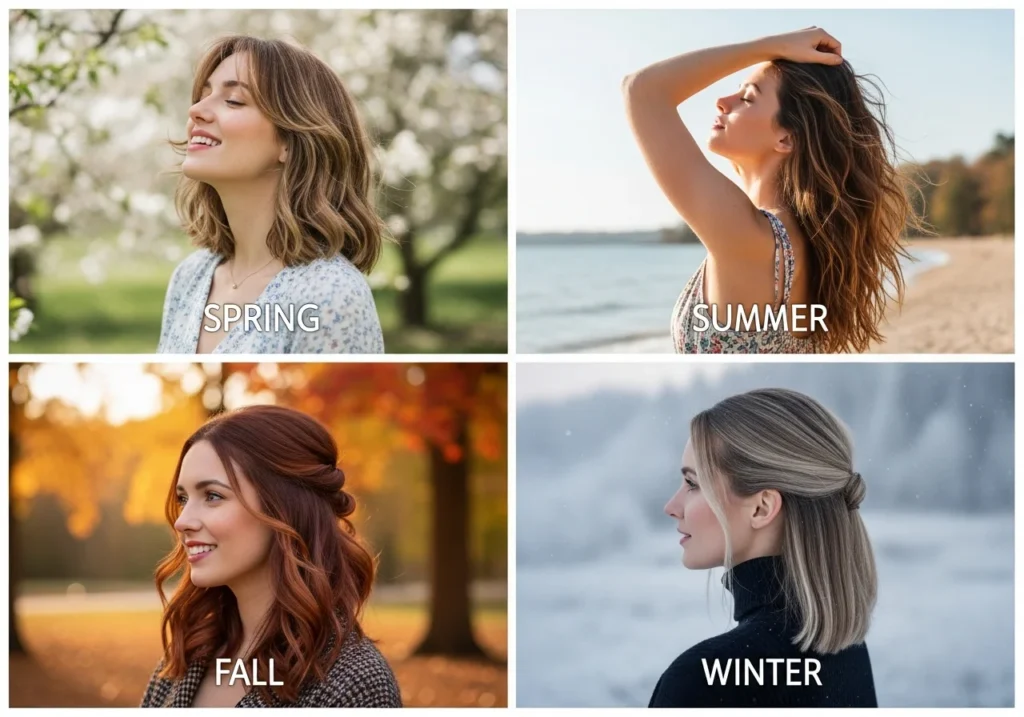
Hair needs and styling preferences naturally shift with changing seasons, and medium length hair adapts beautifully to these transitions. Understanding seasonal considerations helps maintain optimal hair health and appearance year-round while keeping styles feeling fresh and appropriate.
Summer brings humidity, sun exposure, and increased water activities. Lighter, more textured styles feel more comfortable and work better with environmental conditions. Embracing natural texture rather than fighting humidity conserves energy and reduces heat damage during hot months. Protective styles like braids or buns shield hair from chlorine and salt water during swimming. UV-protectant products prevent sun damage and color fading for those with treated hair.
Fall transitions often inspire slight darkening or richening of color to align with changing fashion palettes. Styles may become slightly more polished as casual summer aesthetics give way to autumn sophistication. This season provides excellent timing for significant cuts, as growing hair through winter allows for length adjustment by spring if desired. Increased moisture in hair care routines combats the drying effects of approaching cold weather.
Winter demands intensive moisture to counter indoor heating and cold outdoor air. Richer conditioning treatments and leave-in products become essential. Protective styling reduces exposure to harsh elements, though styles must accommodate hats and scarves without creating unflattering hat hair. Embracing sleeker styles sometimes proves easier than maintaining texture in very dry winter conditions.
Spring renewal often inspires freshening cuts and potentially lighter color. This season sees many people opting for the chop to medium length after growing hair through winter months. Layering and texturizing feel particularly appropriate as weather warms and heavier styles become uncomfortable. Spring cleaning extends to hair care routines, with many transitioning to lighter products appropriate for increasing warmth and humidity.
Face Shape Compatibility Guide
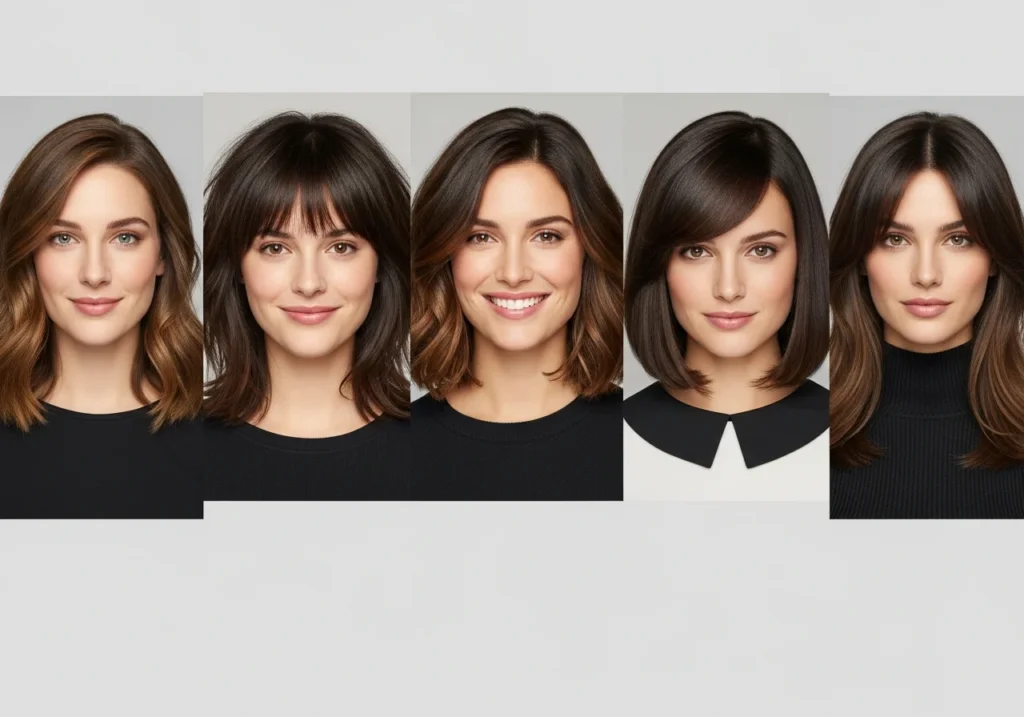
While medium length haircuts offer universal appeal, specific styles particularly flatter certain face shapes. Understanding these relationships helps select cuts that enhance natural features while creating balanced, harmonious proportions. However, personal preference and individual features ultimately matter most, and these guidelines serve as starting points rather than rigid rules.
Oval faces enjoy the most flexibility, as balanced proportions suit virtually any medium length style. Blunt bobs, layered cuts, shags, and textured lobs all work beautifully. Those with oval faces can experiment freely with different medium styles, using personal aesthetic preferences and hair texture as primary decision factors rather than worrying extensively about face shape compatibility.
Round faces benefit from styles that create the illusion of length. Longer lobs that fall past the shoulders elongate the face. Face-framing layers beginning at or below the chin draw the eye vertically rather than emphasizing width. Side parts create asymmetry that prevents reinforcing roundness. Curtain bangs work well, while straight-across bangs that cut the face horizontally should generally be avoided.
Square faces look stunning with softer, textured styles that reduce angular severity. Waves and curls add gentle curves that contrast with strong jawlines. Rounded bobs complement square faces beautifully, as the curved silhouette provides soft contrast to facial angles. Wispy, textured ends prevent additional bluntness that might emphasize jaw squareness. Side-swept elements create diagonal lines that soften overall appearance.
Heart-shaped faces, characterized by wider foreheads and narrower chins, benefit from styles that add width at the jawline. Lobs with outward-flipped or curled ends create this broadening effect. Layering concentrated toward the bottom adds volume where needed. Curtain bangs work exceptionally well, drawing attention to the eyes while minimizing forehead width. Styles should avoid excessive volume at the crown, which would further emphasize the top-heavy proportion.
Long or oblong faces look best with styles that add width and minimize length. Blunt, shoulder-length cuts create horizontal lines that shorten facial appearance. Waves and curls add width and fullness. Straight-across or curtain bangs reduce the visible length of the face. Excessive height at the crown should be avoided, as this would further elongate. Center parts sometimes emphasize length, so side parts often prove more flattering.
Making the Transition to Medium Length
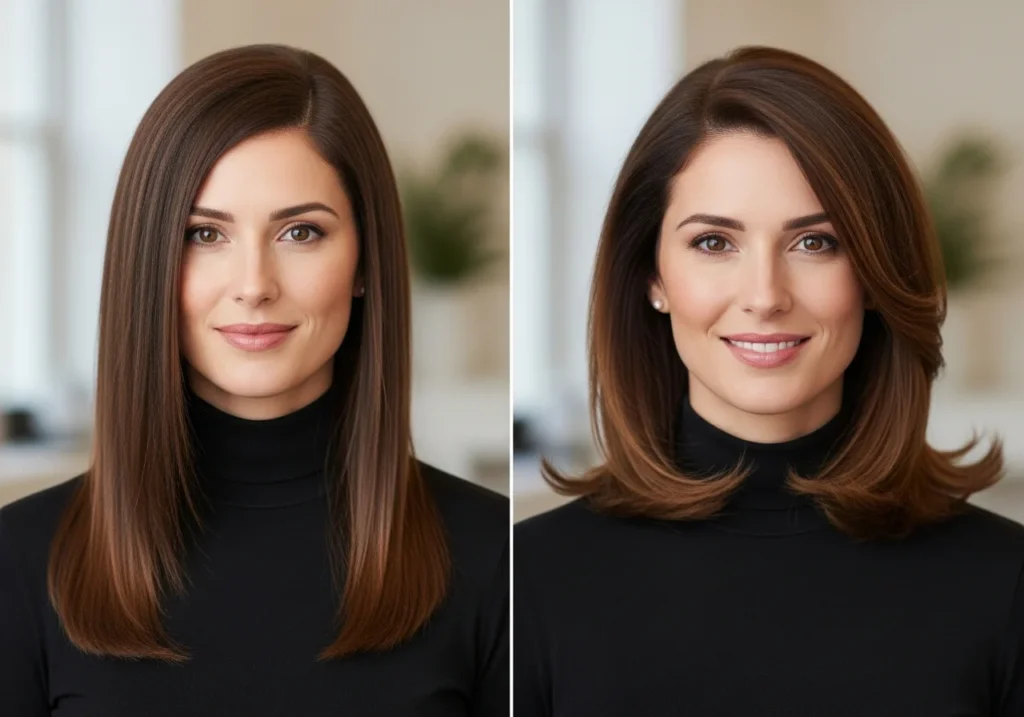
For those currently sporting very long or very short hair, transitioning to medium length requires planning and patience. Understanding the process helps set realistic expectations and ensures satisfaction with the journey rather than focusing solely on the end result.
Growing out short hair to medium length takes time and strategic cutting. Rather than avoiding salons entirely during the growing process, regular trims that remove damaged ends while maintaining emerging shape prove beneficial. Transitional styles help hair look intentional at awkward in-between lengths. Embracing texture and using styling products to create piece-y, deliberately messy looks makes growing-out phases more attractive.
Cutting long hair to medium length feels more dramatic and immediate. The psychological impact of significant length removal deserves consideration, and many people benefit from gradual shortening rather than drastic single cuts. Removing a few inches initially, living with that length for several weeks, then cutting to final desired length allows adjustment and prevents potential regret. Saving significantly cut length for donation to charity organizations that create wigs for medical hair loss patients adds purpose to the transition.
Adjusting to medium length after years of different lengths involves relearning styling techniques and recalibrating product amounts. Medium hair requires less conditioner than long hair but more than very short styles. Styling tools appropriate for previous lengths may need replacement with versions better suited to medium hair. Heat setting adjustments may be necessary, as medium length can handle slightly higher temperatures than long hair while requiring more heat than very short styles.
Conclusion
Medium length haircuts represent the perfect intersection of style and practicality. The aesthetic possibilities span from sleek sophistication to textured bohemian charm, accommodating diverse personal styles and lifestyle requirements. Whether embracing the modern shag, perfecting a textured lob, or experimenting with butterfly layers, medium length provides the canvas for creative expression without excessive maintenance demands.
The enduring popularity of medium haircuts stems from their remarkable versatility. Professional polish, casual ease, and special occasion glamour all remain achievable with the same foundational cut through different styling approaches. This adaptability makes medium length ideal for multifaceted modern lives that demand hair capable of transitioning across various contexts seamlessly.
Selecting the perfect medium length style involves considering individual factors including face shape, hair texture, maintenance willingness, and personal aesthetic preferences. The options explored throughout this guide provide starting points for conversations with skilled stylists who can customize recommendations based on unique characteristics and goals. The right medium length haircut should feel authentically aligned with personal style while enhancing natural beauty.
As trends continue evolving, medium length hair consistently remains relevant through fresh interpretations of classic styles. The techniques and aesthetics popular in 2026 build upon foundational principles while incorporating contemporary sensibilities. Investing in a well-executed medium length haircut, combined with proper care and styling knowledge, yields returns in confidence, convenience, and timeless style that transcends temporary trends.
Frequently Asked Questions
How often should I trim my medium length hair to maintain its shape?
Most medium length haircuts benefit from professional trims every six to eight weeks. This timing prevents split ends while maintaining the intended shape and proportion. Styles with specific details like bangs or face-framing layers may require more frequent trimming of those sections, typically every four to six weeks, while the overall length can extend longer between cuts.
Can medium length haircuts work for all hair textures?
Yes, medium length styles adapt beautifully across all hair textures from straight to curly. The specific cutting technique should be customized for individual texture to achieve optimal results. Straight hair often benefits from added layers and texture, wavy hair showcases natural pattern beautifully at medium length, and curly hair gains flattering shape and movement when cut properly at this length.
What styling tools are essential for medium length hair?
A quality blow dryer with concentrator and diffuser attachments handles various styling needs. A medium-barrel curling iron or wand creates versatile waves and curls. A flat iron serves dual purposes for straightening and creating waves. Round brushes in medium sizes aid in blow-drying and adding volume. These tools cover most medium length styling requirements effectively.
How do I prevent my medium length hair from looking flat?
Preventing flatness involves several strategies including getting appropriate layering cut into the style, using volumizing products at the roots, blow-drying hair upside down or with a round brush to create lift, and considering texturizing techniques like the butterfly cut that add dimension. Avoiding heavy products and not over-conditioning roots also helps maintain volume.
Will medium length hair suit my professional workplace?
Medium length hair works exceptionally well in professional environments due to its polished appearance and styling flexibility. The length looks sophisticated when worn sleek and straight, styled in low ponytails or buns, or with controlled waves. Most workplaces consider medium length entirely appropriate, as it projects professionalism while allowing personal style expression through subtle variations in cutting and styling approaches.
You may also like this post: 20 Best Haircuts For Teen Boys (Trendy, Clean & School-Approved)