
Alternative Long Haircut Ideas: Trendy, Edgy & Aesthetic Styles for Long Hair
Long hair offers an expansive canvas for self-expression, particularly for those drawn to alternative aesthetics. Moving beyond conventional styles, alternative long haircuts embrace texture, asymmetry, and unconventional techniques that challenge traditional beauty standards. These styles blend elements from punk, grunge, gothic, and indie subcultures while remaining surprisingly versatile for everyday wear.
The beauty of alternative long hairstyles lies in their ability to make a statement without sacrificing length. Whether you gravitate toward subtle rebellion or bold transformation, understanding the foundational cuts and techniques allows you to customize a look that aligns with your personal aesthetic. This comprehensive guide explores the most compelling alternative haircut options for long hair, examining techniques, maintenance requirements, and styling approaches that define contemporary alternative fashion.
The Modern Wolf Cut
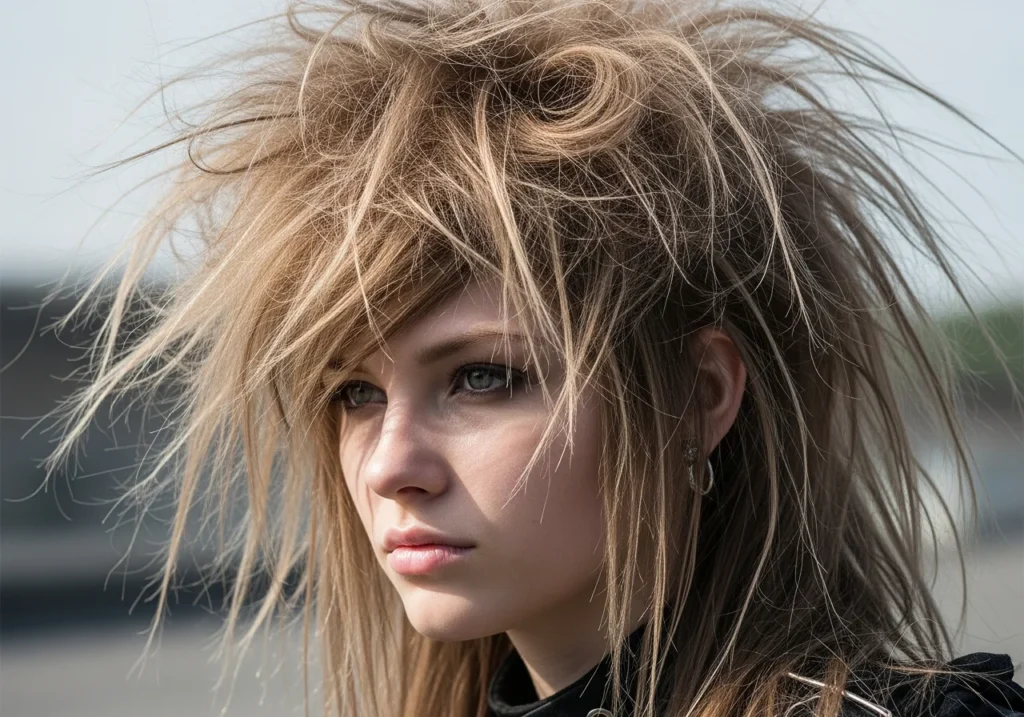
The wolf cut has emerged as the defining alternative hairstyle of recent years, combining the volume of a shag with the drama of a mullet. This distinctive cut features heavily layered crown sections that create considerable volume at the top, transitioning to wispy, disconnected layers throughout the mid-lengths and ends. The result is an intentionally wild, untamed appearance that captures the essence of alternative styling.
What distinguishes the wolf cut from traditional layered styles is the strategic placement of extreme layers. The shortest layers typically begin around the crown, sometimes as short as four to six inches, while the longest sections maintain significant length at the back. This dramatic contrast creates movement and dimension that works particularly well with natural texture.
The versatility of the wolf cut extends across various hair types. Fine hair gains unprecedented volume through the stacked layers at the crown, while thick hair benefits from the weight removal that prevents the dreaded triangle shape. Wavy and curly textures naturally enhance the wild, romantic quality of this cut, though straight hair can achieve equally striking results with proper styling techniques.
Maintenance considerations for the wolf cut require commitment to regular trims every six to eight weeks. The distinct shape relies on maintaining the length differential between layers, and as hair grows, this contrast diminishes. Styling typically involves enhancing natural texture with sea salt spray or texturizing products, though the cut looks equally compelling when air-dried for an effortless aesthetic.
Shag Haircut with Razor-Cut Texture

The shag haircut represents a foundational alternative style that has evolved considerably since its 1970s origins. Contemporary interpretations emphasize razor-cutting techniques that create feathered, pieced-out ends rather than the blunt precision of scissor cuts. This approach generates organic movement and prevents the heaviness that can weigh down long hair.
Modern shag variations incorporate face-framing layers that begin at the cheekbones or jawline, creating a flattering silhouette that draws attention to facial features. The layering continues throughout the length, with each section cut to slightly different lengths to produce that signature lived-in texture. Unlike the wolf cut’s dramatic volume concentration, shags distribute texture more evenly from roots to ends.
Razor-cutting remains essential to achieving authentic shag texture. This technique thins the hair shaft at an angle, creating softer, more diffused ends that blend seamlessly. The result feels lighter and moves more freely than scissor-cut alternatives. However, this cutting method requires an experienced stylist, as improper razor technique can damage hair or create unwanted frizz.
Styling a shag haircut celebrates imperfection. The goal is tousled, undone texture rather than polished perfection. Round-brush blow-drying the face-framing sections while allowing the remaining hair to air-dry creates an effortlessly cool contrast. Texturizing paste worked through the mid-lengths and ends separates pieces and emphasizes the choppy layering that defines the cut.
Butterfly Cut Layering

The butterfly cut has gained substantial traction in alternative communities for its distinctive layering pattern that resembles butterfly wings when styled. This technique involves creating two distinct length tiers: shorter layers concentrated around the face and crown that typically fall between the chin and shoulders, with longer sections underneath that maintain maximum length.
This two-tier approach serves multiple purposes. The shorter upper layers provide volume and frame the face beautifully, while the longer underlayers preserve overall length and create a dramatic reveal when hair moves. The transition between these sections is intentionally visible rather than blended, creating that signature butterfly wing effect.
The butterfly cut particularly flatters those seeking volume without sacrificing length. The shorter sections lift away from the face, creating width and movement at the top, while the longer sections beneath add weight and presence. This combination works exceptionally well for those with naturally fine or flat hair who struggle to achieve volume with traditional layering.
Customization options abound within the butterfly cut framework. Some interpretations feature extreme length differences between tiers, creating bold contrast, while others opt for subtler variations. The placement of the shorter layer can be adjusted based on face shape, with higher placement suiting those wanting maximum crown volume and lower placement creating a more elongated silhouette.
Curtain Bangs with Long Layers
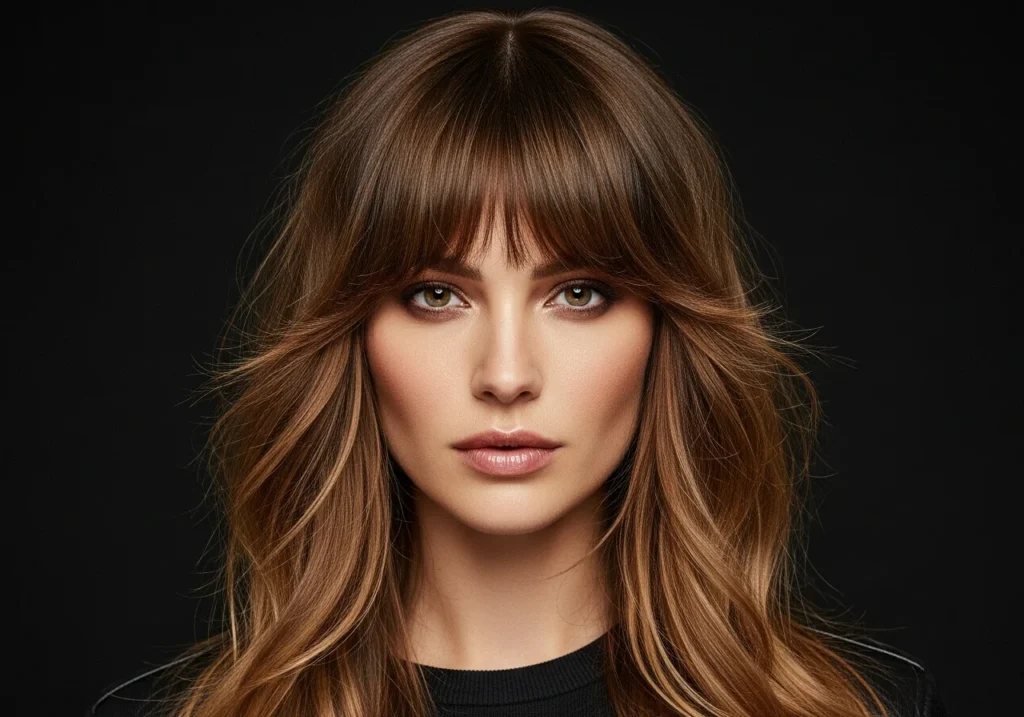
Curtain bangs have become synonymous with alternative aesthetics, offering a softer entry point into edgy styling. This bang style parts naturally at the center, framing both sides of the face with wispy, feathered sections that blend into longer layers. The effect evokes 1970s rock-and-roll energy while remaining thoroughly contemporary.
The technical execution of curtain bangs requires precision. The bangs are typically cut to fall between the cheekbones and chin when styled, with the center parting point cut slightly shorter to encourage natural separation. The edges are point-cut or razor-cut to create soft, diffused ends that blend seamlessly into face-framing layers.
When combined with long hair, curtain bangs create a balanced silhouette that prevents long styles from overwhelming the face. The bangs draw attention upward while the length provides drama and presence. This combination works across various alternative aesthetics, from grunge-inspired messy styling to polished gothic elegance.
Styling curtain bangs involves directing them away from the face using a round brush or flat iron, creating that signature outward curve. The rest of the hair can be worn straight for sleek contrast or textured for cohesive movement. Daily maintenance remains minimal, though regular trims every four to six weeks keep the bang length optimal and prevent them from becoming too heavy or losing their shape.
Asymmetrical Long Haircuts
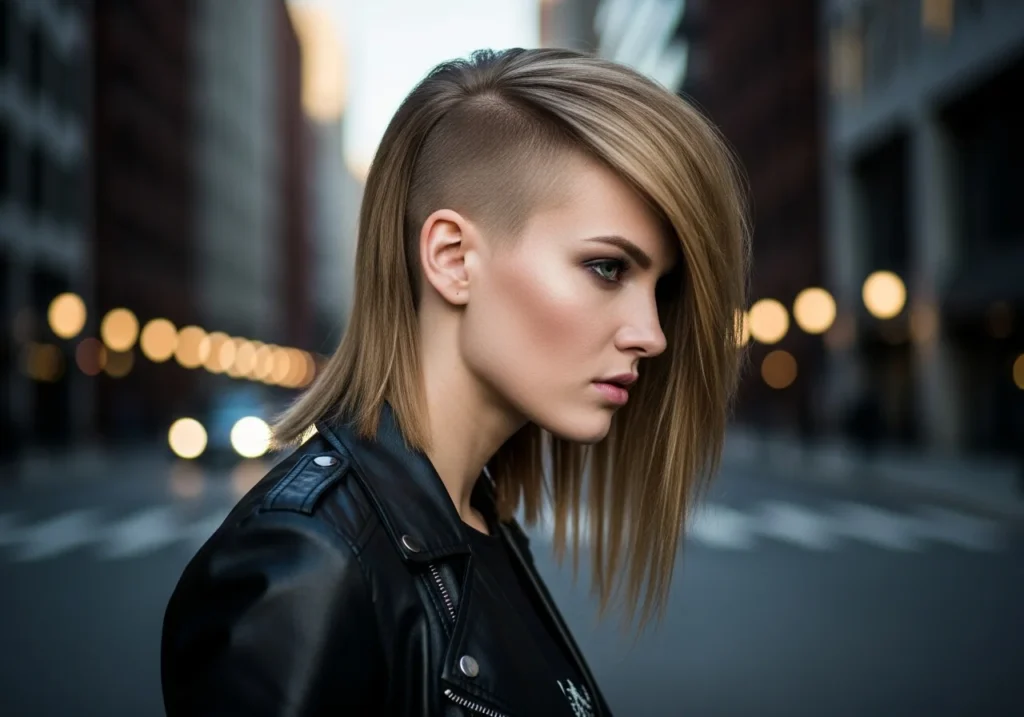
Asymmetry introduces immediate edge to long hairstyles through deliberately uneven lengths. These cuts might feature one side significantly shorter than the other, angled front sections that slope dramatically from front to back, or intentionally off-center parting that creates unbalanced volume distribution.
The most common asymmetrical approach involves cutting one side to shoulder length or shorter while maintaining full length on the opposite side. This bold choice makes an unmistakable statement and works particularly well for those who enjoy experimenting with tucking the shorter side behind the ear or styling both sides differently for varied looks.
Less extreme asymmetrical options include angled bobs that gradually increase in length from front to back while maintaining overall long hair in the rear sections. This creates dimension and interest when viewed from the side while preserving length when hair is worn down. The angle can be subtle or dramatic depending on personal preference and lifestyle considerations.
Maintenance for asymmetrical cuts demands attention to preserving the intended shape. As hair grows, the carefully calculated length differences can shift, requiring more frequent salon visits than symmetrical styles. However, the striking visual impact and versatility of asymmetrical cuts make this maintenance commitment worthwhile for those seeking genuinely distinctive styling.
Undercut Variations for Long Hair
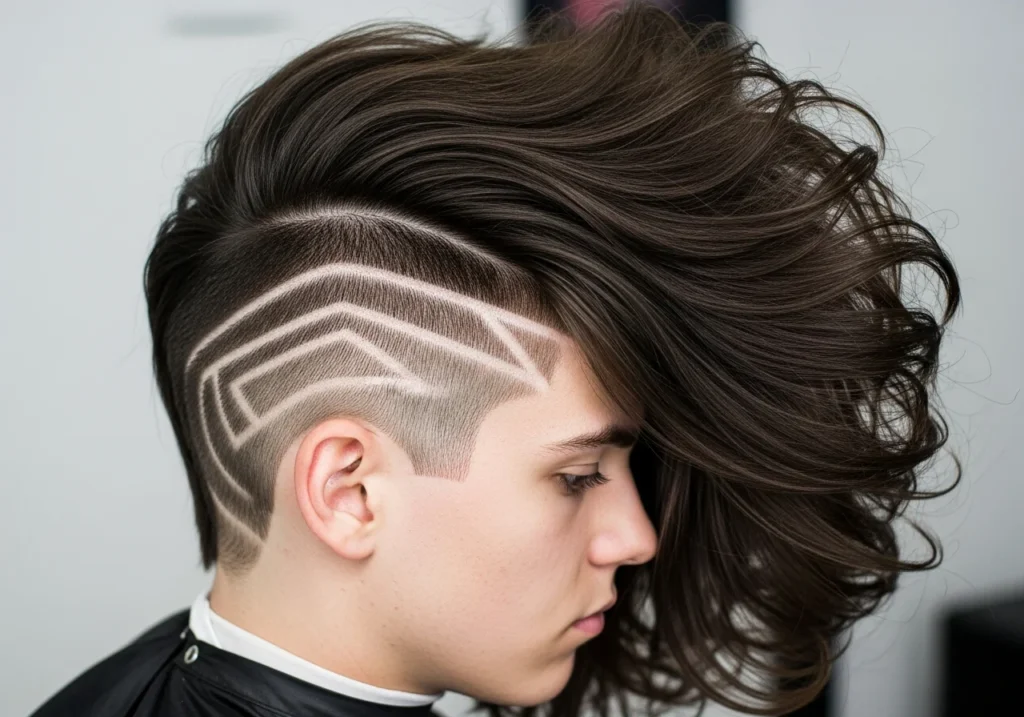
Undercuts combine the dramatic impact of shaved sections with the femininity and versatility of long hair. This technique involves using clippers to remove hair from specific sections, typically the nape, sides, or temple areas, while maintaining full length on top. The contrast between closely cropped sections and flowing length creates compelling visual interest.
Nape undercuts remain the most subtle option, shaving the hair at the back of the neck while the upper sections conceal the shaved area when hair is worn down. This provides relief from heat and weight while offering the option to reveal the undercut by wearing hair up or in braids. Patterns, designs, or geometric shapes can be incorporated into the shaved section for additional artistic expression.
Side undercuts involve shaving one or both sides of the head, typically from the temple to behind the ear. This bold choice creates immediate punk-influenced edge and reduces overall volume significantly. The long sections can be swept over the shaved area for professional settings or styled away to showcase the undercut for maximum impact.
Maintenance requirements for undercuts are substantial. Shaved sections require touching up every two to four weeks to maintain clean lines and prevent awkward grow-out stages. Those considering undercuts should carefully evaluate long-term commitment, as growing out shaved sections involves an extended awkward phase where the short hair is too long to maintain the undercut but too short to blend with surrounding sections.
Choppy Layered Cuts

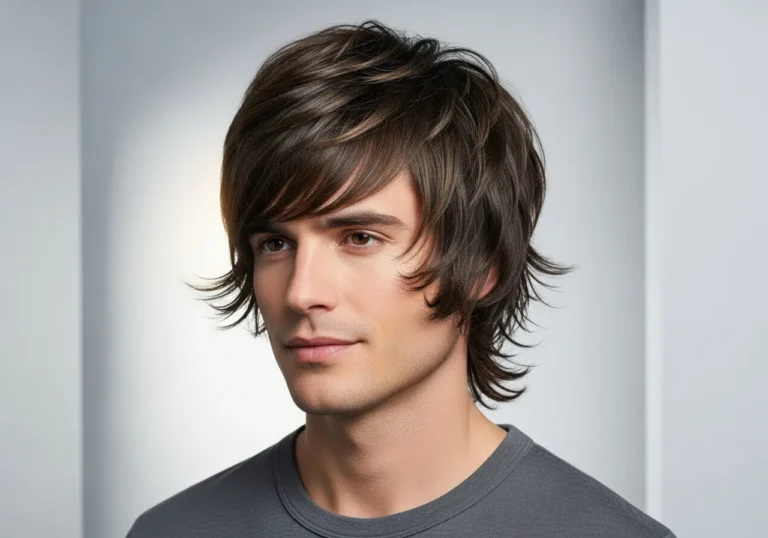
Choppy layers embrace intentional irregularity, rejecting the smoothly blended transitions of traditional layering in favor of visible, distinct sections. This cutting technique creates pieces of varying lengths throughout the hair, producing texture-rich results that appear effortlessly undone.
The execution of choppy layers typically involves point-cutting or slide-cutting techniques that remove weight while creating uneven, jagged ends. Unlike graduated layers that flow smoothly from one length to the next, choppy layers feature noticeable separation between sections. This creates natural-looking piece-y texture that moves independently rather than as a unified mass.
Choppy layering works across various lengths and textures. Thick hair benefits from the substantial weight removal, while fine hair gains the appearance of increased density through the visual interest created by varied lengths. Natural texture is enhanced rather than hidden, making this an excellent choice for those who prefer minimal styling.
Styling choppy layers requires embracing imperfection. These cuts look best when texture is emphasized through salt sprays, dry texturizing sprays, or lightweight styling creams that separate and define individual pieces. Overly polished styling contradicts the intentionally rough-hewn aesthetic that makes choppy layers compelling.
V-Cut and U-Cut Shapes
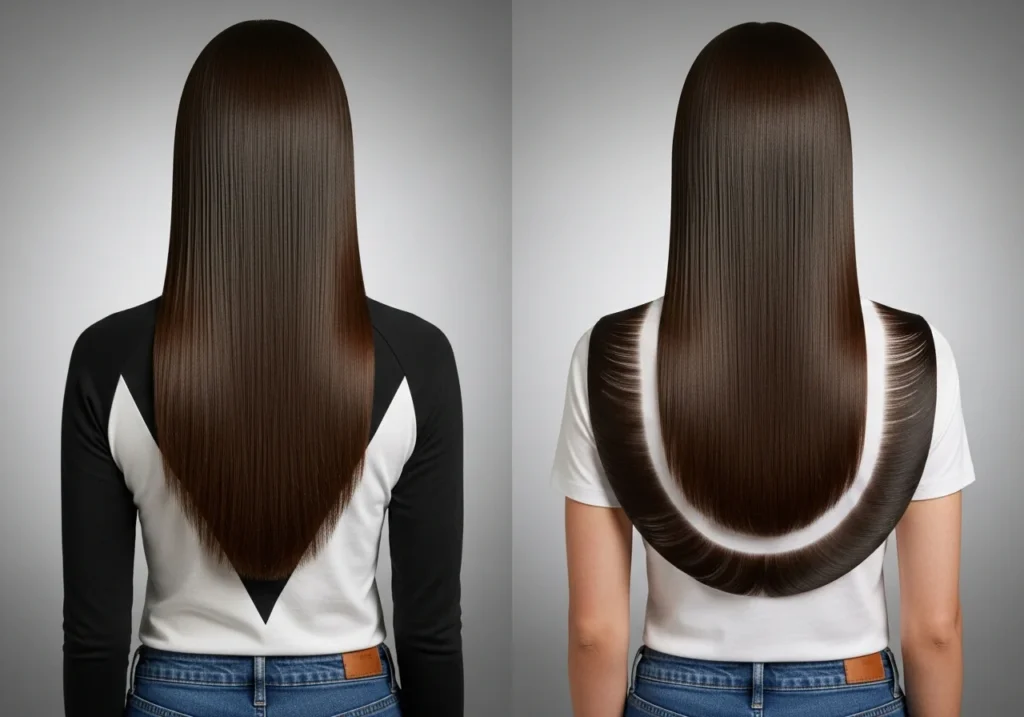
While often overlooked in alternative styling discussions, V-cut and U-cut shapes provide distinctive silhouettes when viewed from behind. These techniques shape the perimeter of long hair into specific geometric forms rather than cutting straight across, creating visual interest through outline rather than layering.
The V-cut creates a dramatic point at the center back, with hair angling upward on both sides. This sharp, angular shape aligns well with alternative aesthetics, particularly gothic and punk influences. The V-shape also elongates the appearance of the neck and back, creating a flattering vertical line. Variations range from subtle V-shapes with gentle angles to extreme points that create striking contrast between the longest center sections and shorter sides.
U-cuts produce a softer, rounded perimeter with the longest sections at the center back and gradually shorter sides. This creates a more romantic, feminine silhouette while still offering departure from standard blunt cuts. The curved shape adds fullness and movement to the ends, preventing long hair from appearing thin or straggly.
Both cuts can be combined with internal layering, face-framing sections, or other alternative elements. The perimeter shape provides a foundation that enhances rather than conflicts with additional cutting techniques. Maintenance involves regular perimeter trims to preserve the intended shape, though the distinctive outline remains visible even as hair grows between appointments.
Face-Framing Layers with Long Lengths
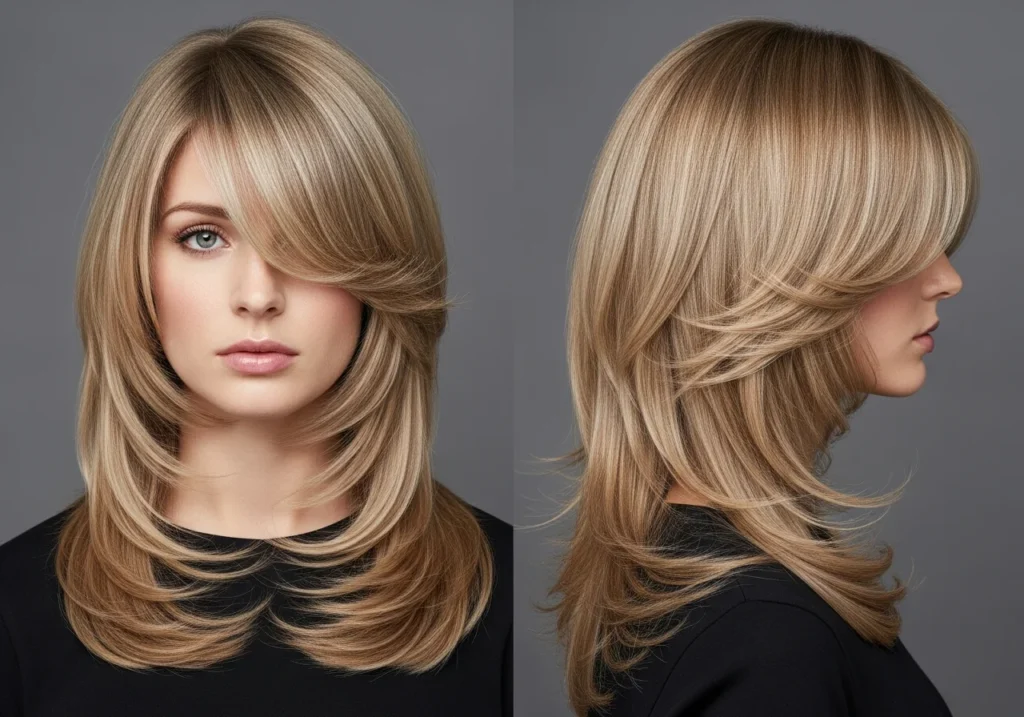
Face-framing layers concentrate shorter sections around the facial perimeter while preserving maximum length throughout the back and sides. This approach creates flattering dimension that draws attention to facial features without committing to overall layering or significant length removal.
The technical approach involves sectioning hair around the face and cutting these pieces progressively shorter as they approach the face. The shortest sections might begin at the cheekbones, chin, or collarbone, depending on face shape and desired effect. These layers are then blended into the longer sections using point-cutting or razor techniques.
This cutting strategy offers maximum versatility. When hair is worn down, the face-framing sections create movement and interest while the length maintains presence and drama. When pulled back into ponytails or buns, the shorter sections often fall out naturally, creating soft, flattering wisps that prevent severely pulled-back styles from appearing harsh.
Alternative interpretations of face-framing layers might incorporate extreme length differences, creating bold contrast between the shortest face-framing sections and the maintained length. This exaggerated approach increases visual impact while remaining more conservative than options like undercuts or extreme asymmetry.
Textured Ends and Point-Cutting

The treatment of hair ends significantly impacts the overall alternative aesthetic. Rather than blunt, precise lines, alternative styles typically favor textured, irregular ends created through point-cutting, razor-cutting, or channeling techniques.
Point-cutting involves holding scissors vertically and cutting into the hair at various depths, creating uneven, jagged ends. This removes weight while adding movement and preventing the solid, heavy appearance of blunt cuts. The technique works particularly well on straight to wavy hair, creating natural-looking separation and preventing ends from clumping together.
Razor-cutting uses a specialized razor tool to thin and texturize hair ends, creating soft, feathered effects. This technique produces extremely natural-looking movement and works beautifully on most hair types, though those with very curly or coarse hair may experience increased frizz. The feathered ends created by razor-cutting embody the effortless, lived-in quality central to alternative aesthetics.
Channeling involves creating vertical sections of shorter hair throughout the ends, producing dramatic texture and reducing bulk. This advanced technique requires skilled execution but creates some of the most striking textured effects available. The varied lengths throughout the ends catch light differently, creating dimensional, dynamic results.
Styling Techniques for Alternative Long Hair
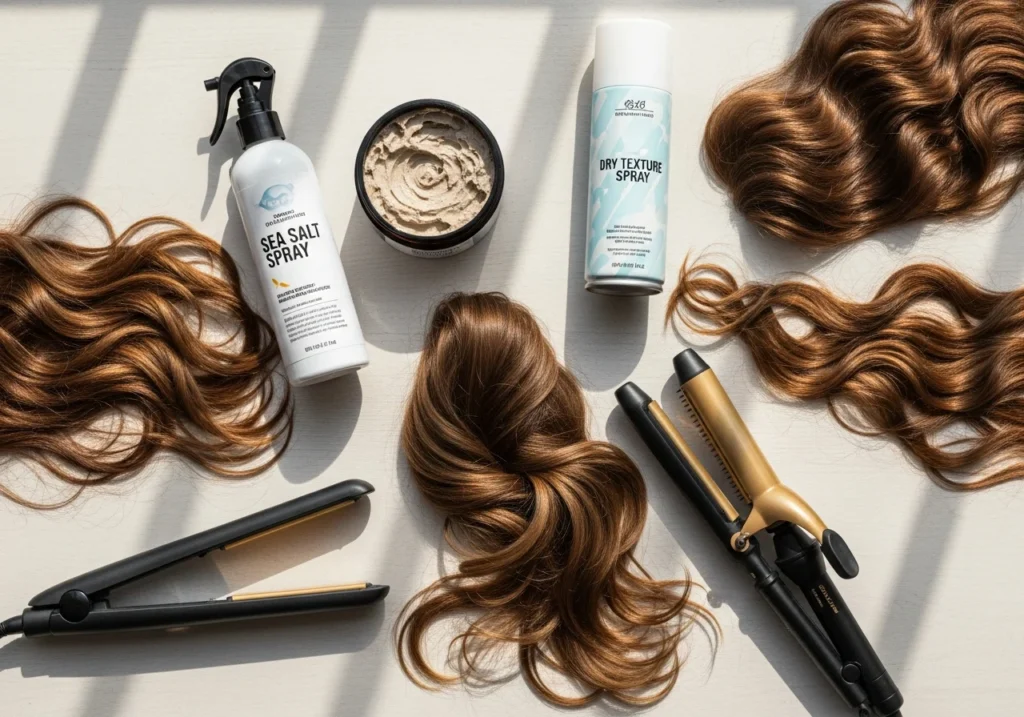
Achieving and maintaining alternative long hairstyles extends beyond the initial cut into daily styling practices. Understanding product selection and application techniques ensures that hair embodies the intended aesthetic rather than simply looking unkempt or neglected.
Sea salt spray has become fundamental to alternative styling, creating that coveted beachy, undone texture that enhances natural wave patterns and adds grip to straight hair. Application to damp hair before air-drying or diffusing creates maximum texture, while spraying onto dry hair and scrunching adds piece-y separation to already-styled hair.
Texturizing paste, clay, or dry texture spray provides control and separation without the stiffness of traditional hairspray. These products work best when applied to mid-lengths and ends, using a scrunching motion to enhance piece-y texture. The key is using minimal amounts, as overuse creates greasy, heavy results that contradict the intended lightweight movement.
Heat styling serves alternative aesthetics when used strategically. Flat irons create sleek contrast when incorporated into otherwise textured styles, while curling wands or crimpers add dimension and volume. The goal is enhancing natural texture or creating intentional imperfection rather than achieving polished perfection.
Maintenance and Upkeep Considerations

Alternative long haircuts require thoughtful maintenance approaches to preserve their distinctive characteristics. Understanding the specific needs of each cut type ensures longevity and prevents the awkward phases that can occur when shapes grow out.
Regular trimming schedules vary based on cut type. Heavily layered styles like wolf cuts and shags require appointments every six to eight weeks to maintain shape and prevent layers from blending together as they grow. Simpler cuts with face-framing elements or textured ends can extend to ten or twelve weeks between appointments.
Home maintenance between salon visits includes refreshing textured ends with point-cutting scissors, maintaining undercut sections with clippers, and preserving color vibrancy if alternative hair colors are incorporated. Many alternative enthusiasts develop basic cutting skills to extend time between professional appointments, though caution is advised to avoid irreversible mistakes.
Product buildup poses particular challenges for textured alternative styles. The texturizing products that create desired separation and movement can accumulate on hair shafts, creating dullness and reducing movement. Clarifying shampoos used weekly or biweekly remove buildup without stripping essential moisture, maintaining hair health while preserving texture.
Conclusion
Alternative long haircuts offer endless possibilities for self-expression while maintaining the versatility and femininity of length. From the wild romance of wolf cuts to the precise edge of asymmetrical styles, these cutting techniques transform long hair into statements of personal style and aesthetic commitment. The key lies in understanding the technical foundations of each approach and selecting options that align with individual hair type, lifestyle requirements, and aesthetic goals.
Success with alternative long hairstyles requires partnership with a skilled stylist who understands both the technical execution of these cuts and the cultural contexts they inhabit. Clear communication about desired outcomes, maintenance willingness, and styling abilities ensures results that enhance rather than frustrate daily routines. Whether embracing subtle departures from convention through face-framing layers or bold transformations via undercuts and extreme asymmetry, alternative long haircuts provide the perfect balance of edge and elegance for those seeking to challenge beauty norms while celebrating the beauty of length.
Frequently Asked Questions
What is the difference between a wolf cut and a shag haircut?
The wolf cut features more dramatic layering concentrated at the crown with disconnected, wispy ends, creating extreme volume at the top. Shags distribute layers more evenly throughout the hair for a balanced, textured look. Wolf cuts trend more dramatic and wild, while shags offer versatile, retro-inspired texture.
How often do I need to trim alternative long hairstyles?
Heavily layered cuts like wolf cuts and shags require trims every six to eight weeks to maintain their distinctive shapes. Simpler styles with face-framing layers or textured ends can go ten to twelve weeks between appointments. Undercuts need maintenance every two to four weeks to keep shaved sections looking clean.
Will razor-cutting damage my hair?
When performed correctly by a skilled stylist, razor-cutting does not damage hair. However, improper technique or dull blades can cause breakage and split ends. Those with very curly, coarse, or already damaged hair may want to discuss alternative texturizing methods with their stylist to minimize potential frizz.
Can I style alternative haircuts professionally for work?
Most alternative long haircuts offer versatile styling options suitable for professional environments. Face-framing layers, butterfly cuts, and textured ends can be blown out smooth or styled sleek when needed. Undercuts can be concealed by wearing hair down, and asymmetrical styles can be adjusted with strategic parting.
What products work best for maintaining textured alternative hairstyles?
Sea salt spray creates foundational texture on damp hair, while texturizing paste or clay adds separation and piece-y definition to dry hair. Dry texture spray refreshes styles between washes. Light-hold hairspray maintains shape without stiffness. Quality heat protectant is essential if using styling tools regularly.
You may also like this post: Aesthetic Medium Haircut Ideas You’ll Love in 2026