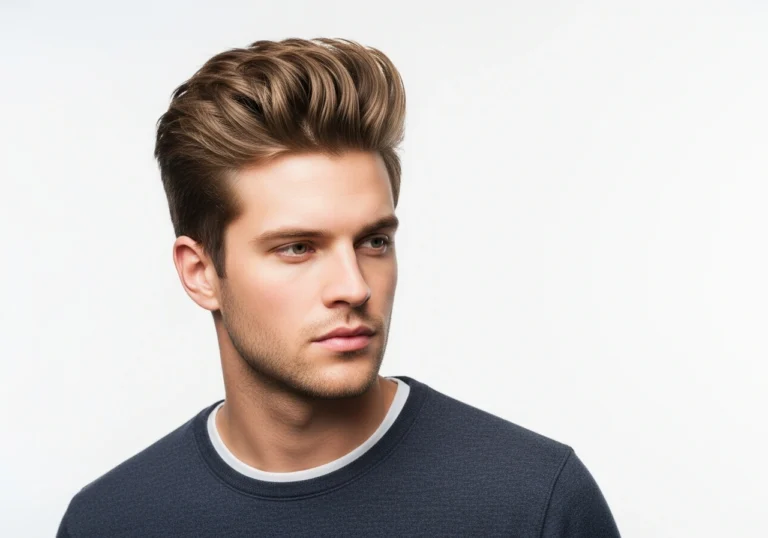
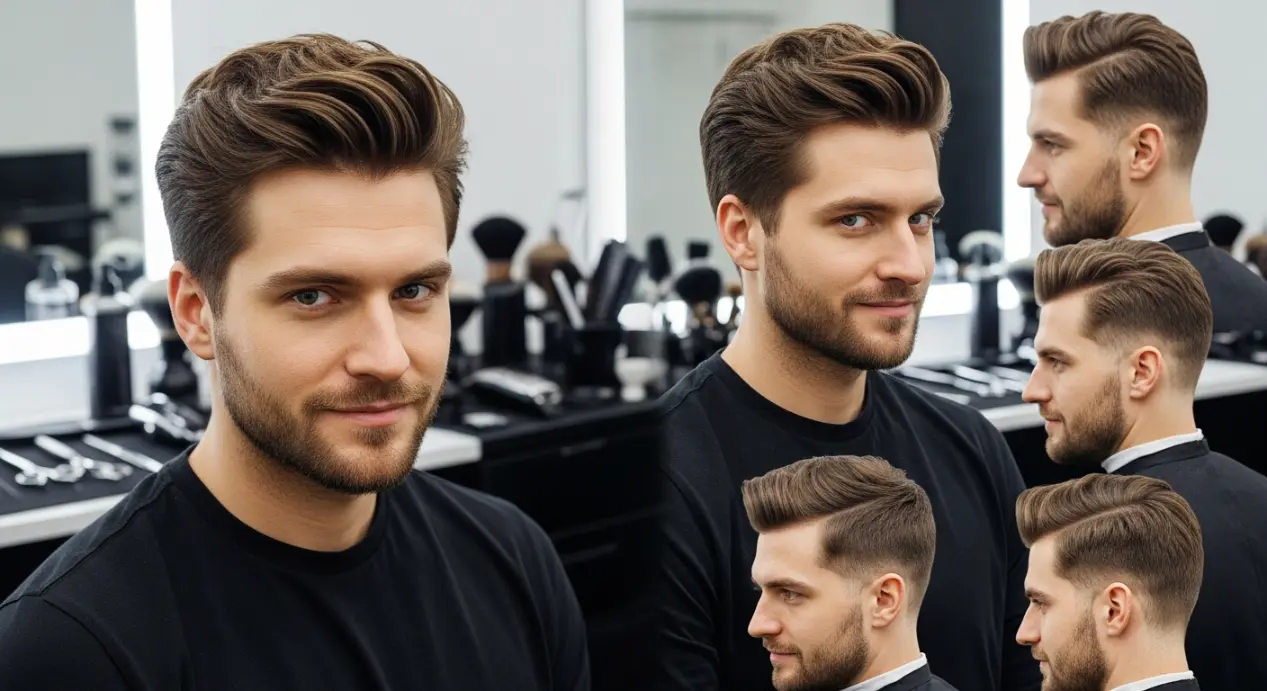
20+ Best Haircuts For Men With Thick Hair: That Work In 2026!
Thick hair is often considered a blessing, but any man who has it knows that managing a dense mane comes with its own set of challenges. From stubborn volume to extended drying times, thick hair requires the right approach to look its best. The good news is that 2026 brings a wealth of stylish, practical haircuts for men with thick hair specifically designed to work with your natural texture rather than against it. Whether you prefer classic elegance or modern edge, understanding which cuts complement your hair type can transform your daily grooming routine from a chore into a confidence boost.
The key to mastering thick hair lies in choosing a haircut that controls bulk while showcasing your hair’s natural strength and versatility. This comprehensive guide explores over twenty proven hairstyles that not only look exceptional but also simplify maintenance and styling. From clean fades to textured crops, each option has been selected based on its ability to manage volume, enhance facial features, and adapt to various lifestyles and professional settings.
Understanding Thick Hair and Its Unique Characteristics
Thick hair is defined by having a high number of hair strands combined with wider hair fibers, creating a full and dense appearance. Men with thick hair typically notice strong volume, minimal scalp visibility, and pronounced texture. While this hair type looks healthy and robust, it can become frizzy, unruly, or bulky without proper care and strategic cutting techniques.
The natural density of thick hair means it holds styles exceptionally well and provides a solid foundation for both structured and casual looks. However, this same density can make hair feel heavy, take longer to dry, and resist styling efforts. Understanding these characteristics helps in selecting haircuts that leverage the strengths of thick hair while minimizing its challenges.
Professional barbers often use thinning shears and layering techniques to remove excess weight without sacrificing length. This approach maintains the hair’s natural volume while making it more manageable and versatile for different styling options.
1. The Classic Taper Fade
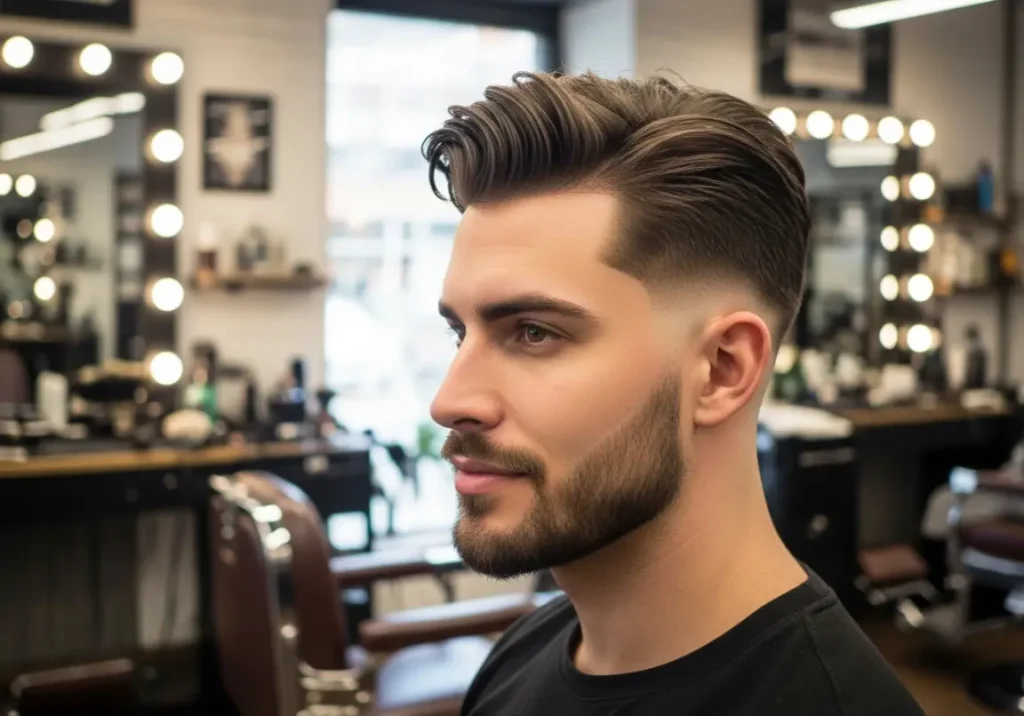
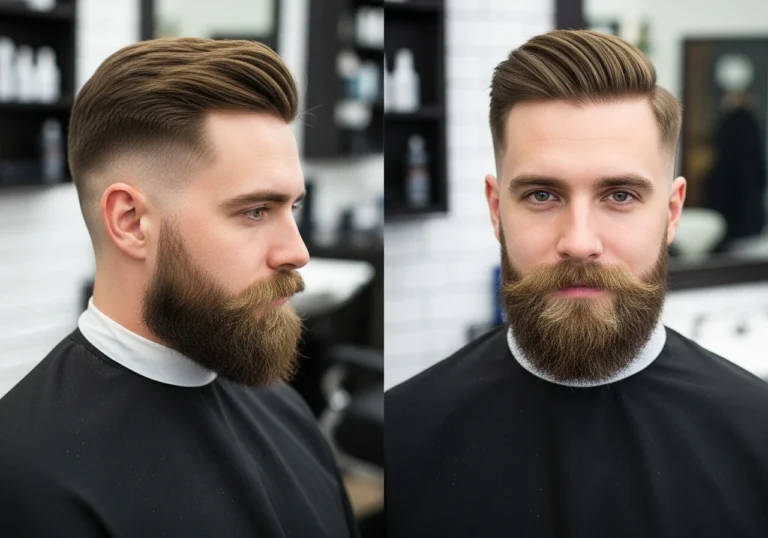
The taper fade remains one of the most popular choices for men with thick hair, and for good reason. This haircut keeps the sides clean and gradually blends near the ears and neck, creating a sharp yet natural look. The fade removes bulk from the sides while preserving full volume on top, where thick hair can truly shine.
Styling a taper fade is straightforward. After towel drying, blow dry your hair upward to create lift, then apply a small amount of texture clay to shape and control without stiffness. The beauty of this cut lies in its versatility, working equally well in professional environments and casual settings. Regular trims every four to six weeks maintain the fade’s crisp lines and prevent the sides from becoming heavy.
2. The Textured Crop
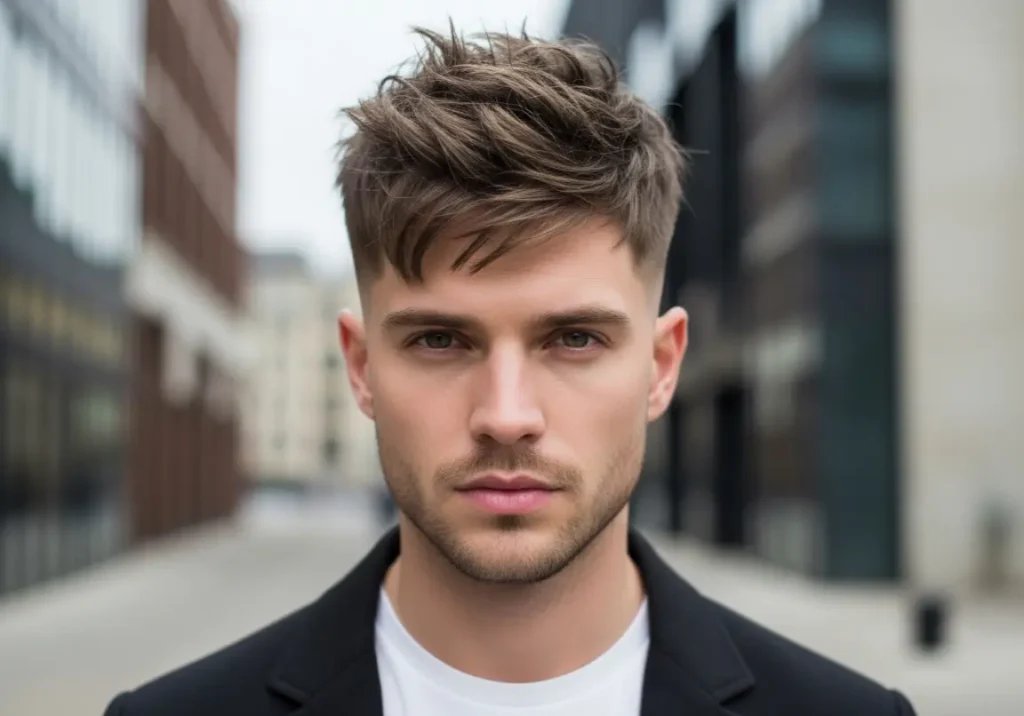
Bold and modern, the textured crop emphasizes movement and natural volume. This cut features short to medium length on top with deliberately choppy layers that create dimension and character. The sides are typically kept shorter, often with a fade, to balance the textured top and prevent an overly bulky appearance.
Men with thick hair find the textured crop particularly appealing because it works with their hair’s natural tendency toward fullness. Apply matte paste to damp hair and finger style for a casual, lived-in look. The cut requires minimal daily effort while maintaining a contemporary edge that turns heads.
3. The Modern Pompadour
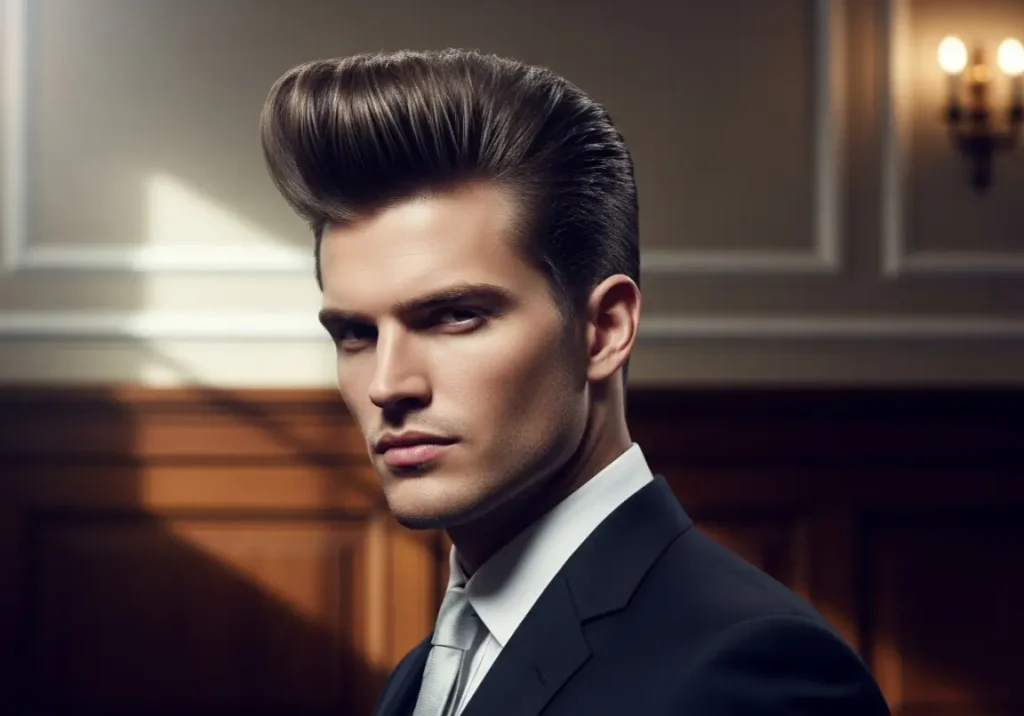
The pompadour has evolved from its vintage roots into a sophisticated contemporary style that thick hair naturally supports. This cut features significant height and volume at the front, sweeping back from the forehead, while the sides remain neat and tapered. Thick hair provides the density needed to hold the pompadour’s signature lift throughout the day without collapse.
Creating this look requires blow drying with a round brush to build volume, followed by a strong hold pomade for control. The result is a refined, confident style perfect for men who want to make a statement. While it demands more styling time than some other options, the polished outcome justifies the effort for those seeking a distinguished appearance.
4. The Burst Fade
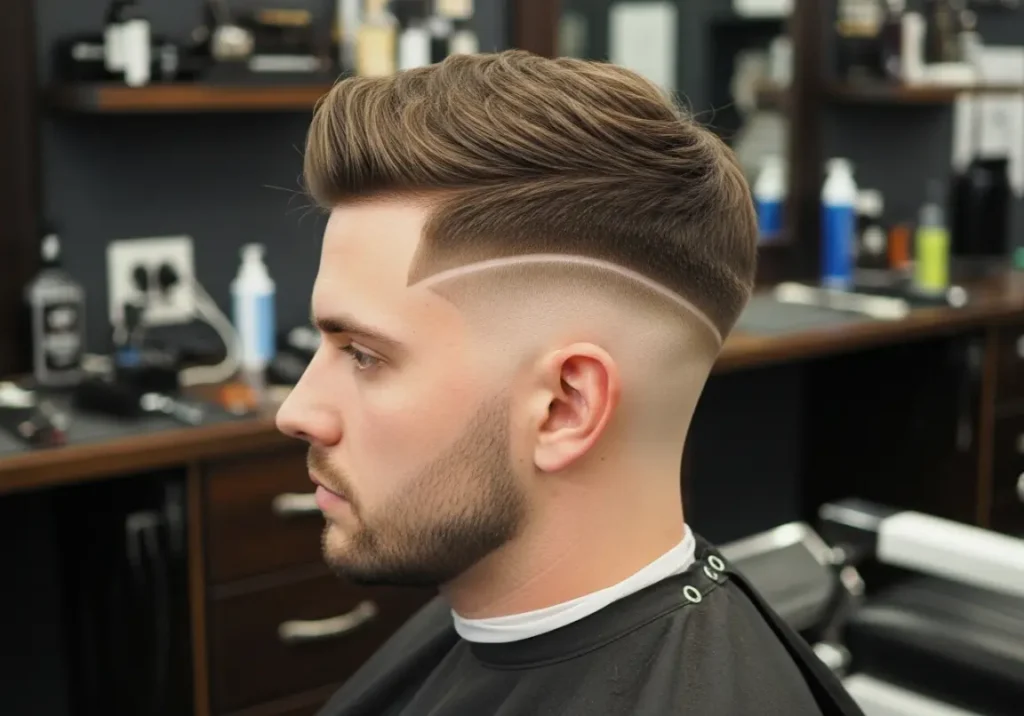
Featuring a smooth, rounded fade that curves around the ears and blends cleanly into the neckline, the burst fade offers a fresh alternative to traditional fades. This style keeps sides tight while allowing thick hair on top to maintain its texture and volume. The curved nature of the fade creates visual interest and complements various face shapes.
Style by blow drying upward to lift the roots, then finger shape for movement and apply texture clay to control bulk. The burst fade strikes an excellent balance between edgy and professional, making it suitable for diverse occasions and personal styles.
5. The French Crop
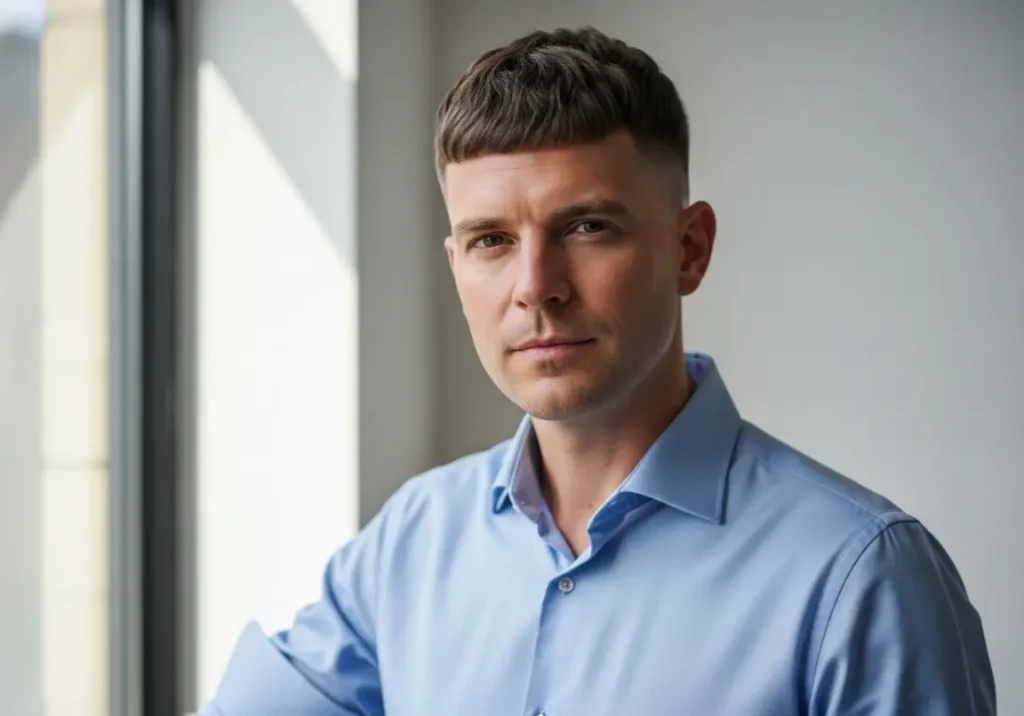
The French crop delivers a perfect blend of classic and modern aesthetics. This low maintenance cut features short hair on top that’s styled forward, often with a subtle fringe, while the sides receive a taper fade. For men with thick hair, the French crop removes excess weight while maintaining enough length for styling flexibility.
This haircut requires minimal daily effort. Simply apply a small amount of styling cream and push the hair forward with your fingers. The clean lines and structured appearance make it ideal for professional environments, while its ease of maintenance appeals to men with busy lifestyles.
6. The Wolf Cut
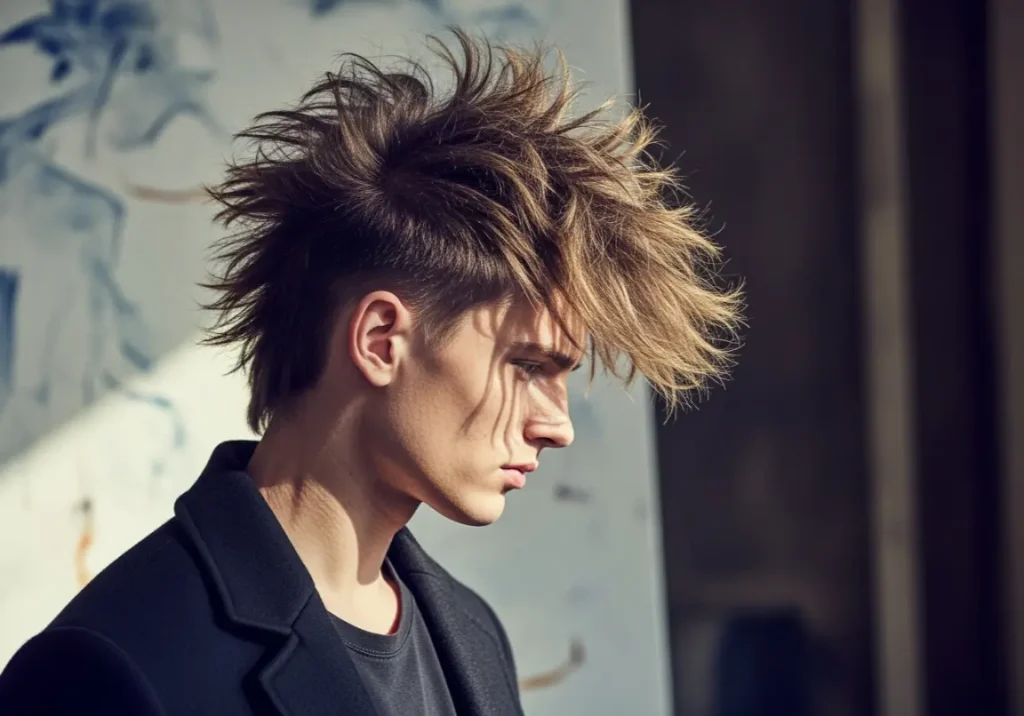
The wolf cut has emerged as a standout trend, borrowing elements from both shag haircuts and mullets to create something entirely fresh. Long, choppy layers build volume at the crown while lighter ends create flow and movement around the face. The sides and back maintain a loose, modern edge that works exceptionally well with thick hair’s natural texture.
To style, blow dry gently for lift, finger shape the layers, and apply sea salt spray to enhance natural texture. This cut appeals to men seeking a bold, effortless look that requires minimal product and styling time while maintaining significant visual impact.
7. The Quiff
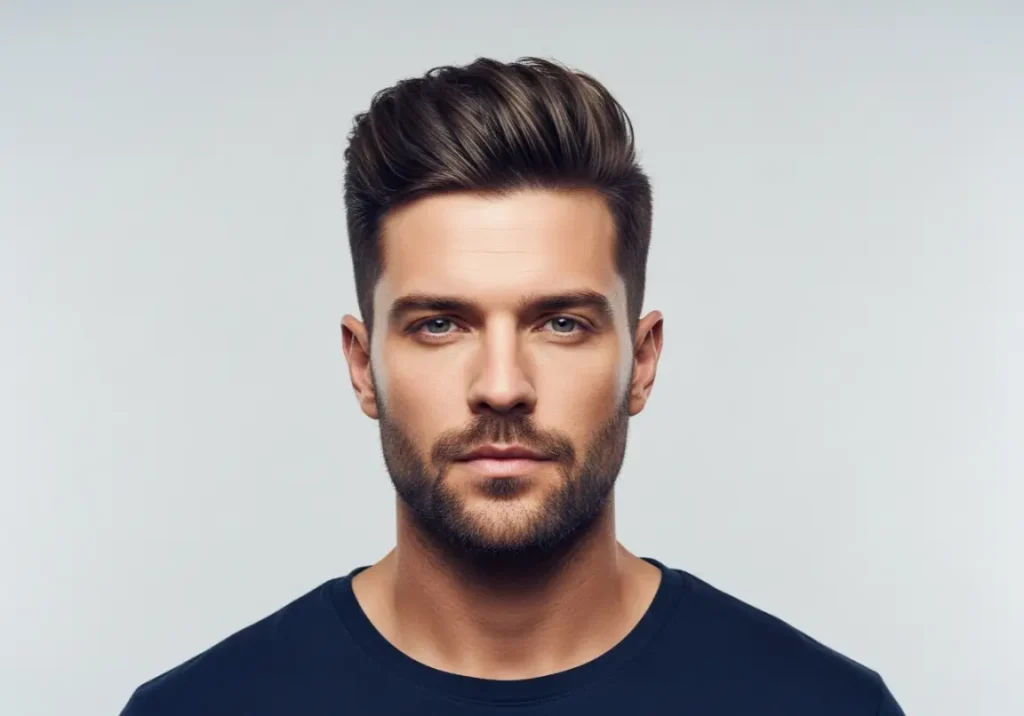
The quiff represents timeless style with contemporary execution. In 2026, the quiff emphasizes natural texture over rigid structure, creating an athletic yet refined appearance. Thick hair naturally supports the height and volume required for this style, making it an excellent choice for men who want versatility in their look.
Keep sides no longer than two inches with three to five inches on top. Use a blow dryer for volume at the roots, then finish with a flexible hold product. The quiff can be styled sleek for formal occasions or tousled for a more relaxed vibe, offering exceptional adaptability.
8. The Slick Back
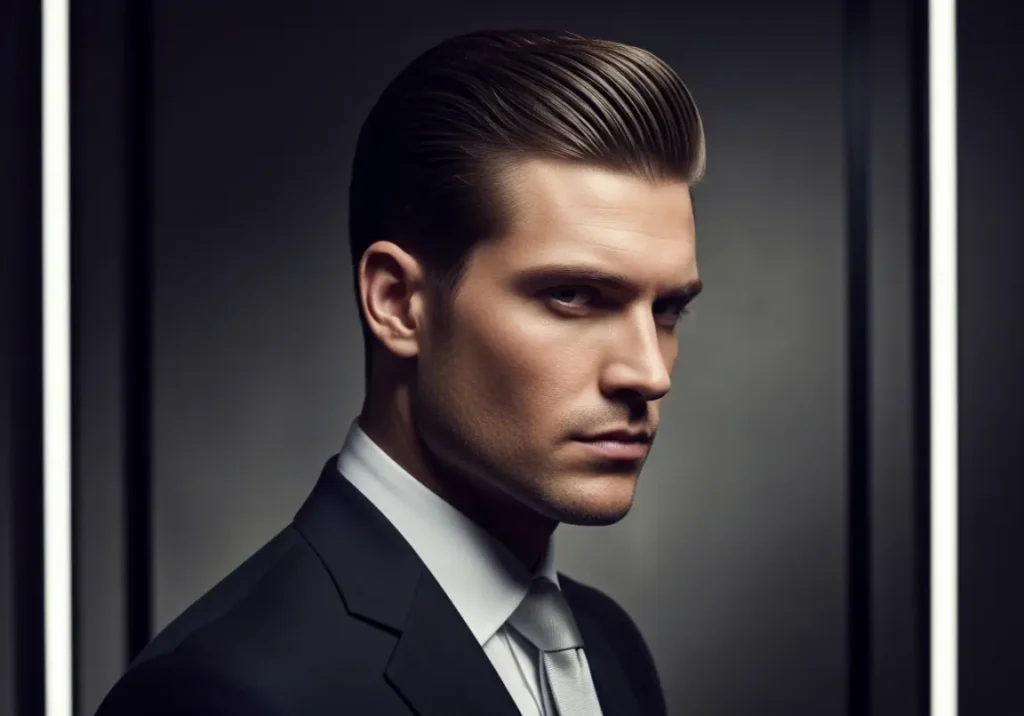
Clean, sophisticated, and undeniably masculine, the slick back haircut keeps longer hair on top combed straight back for a polished finish. Tapered or faded sides enhance the cut’s silhouette and prevent bulk. Thick hair’s natural density and weight help maintain the smooth, sculpted shape throughout the day.
Apply strong hold pomade to towel dried hair, then use a comb to sweep everything back. Book regular trims every four to six weeks to maintain the top length and side taper. Use clarifying shampoo weekly to prevent product buildup and keep hair looking glossy and well defined.
9. The Crew Cut
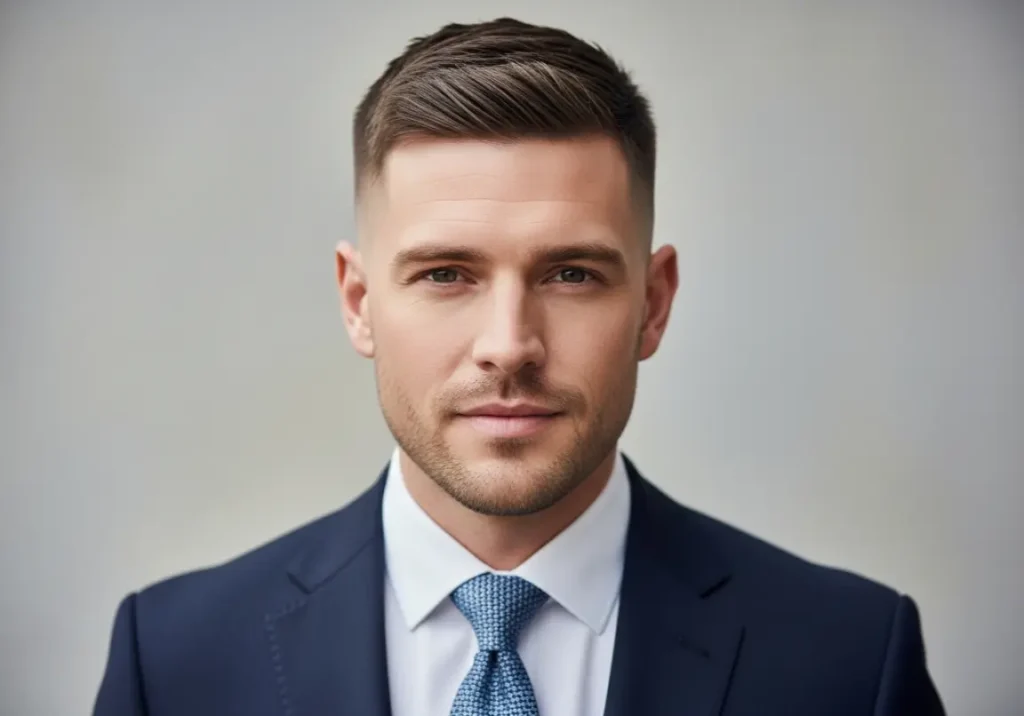
For men seeking ultimate simplicity without sacrificing style, the crew cut delivers. This classic features short length on top that gradually tapers down the sides and back, creating a neat, sharp silhouette. Thick hair benefits from the crew cut’s ability to tame overwhelming volume into a universally flattering shape.
Minimal styling is required, though a small amount of matte cream can enhance texture. Visit your barber every three to five weeks to maintain the sharp taper and clean outline. The crew cut suits virtually any face shape and professional setting, making it a reliable choice for conservative environments.
10. The Side Part
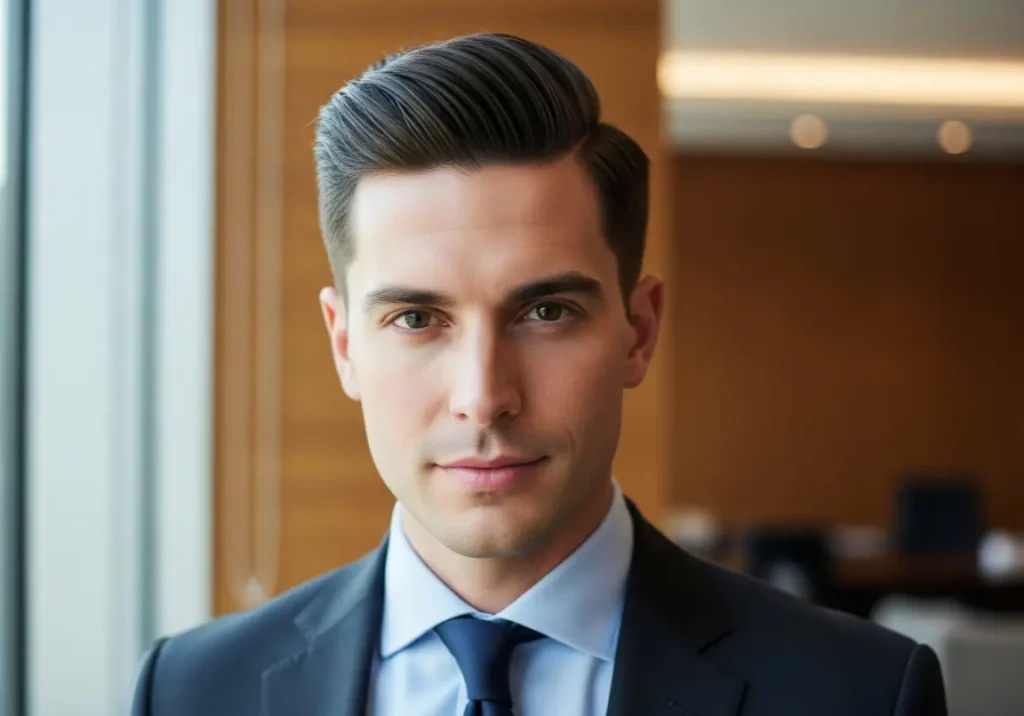
Traditional yet perpetually stylish, the side part haircut features a defined parting with hair swept to one side. This cut works beautifully with thick hair because the natural volume creates impressive body along the swept side. Modern versions often incorporate a fade on the sides for a contemporary twist on the classic style.
Blow dry in the direction of the part using a round brush for smoothness, then apply medium hold pomade for control and shine. The side part projects professionalism and refinement, making it particularly popular among corporate professionals and formal occasions.
11. The Modern Mullet
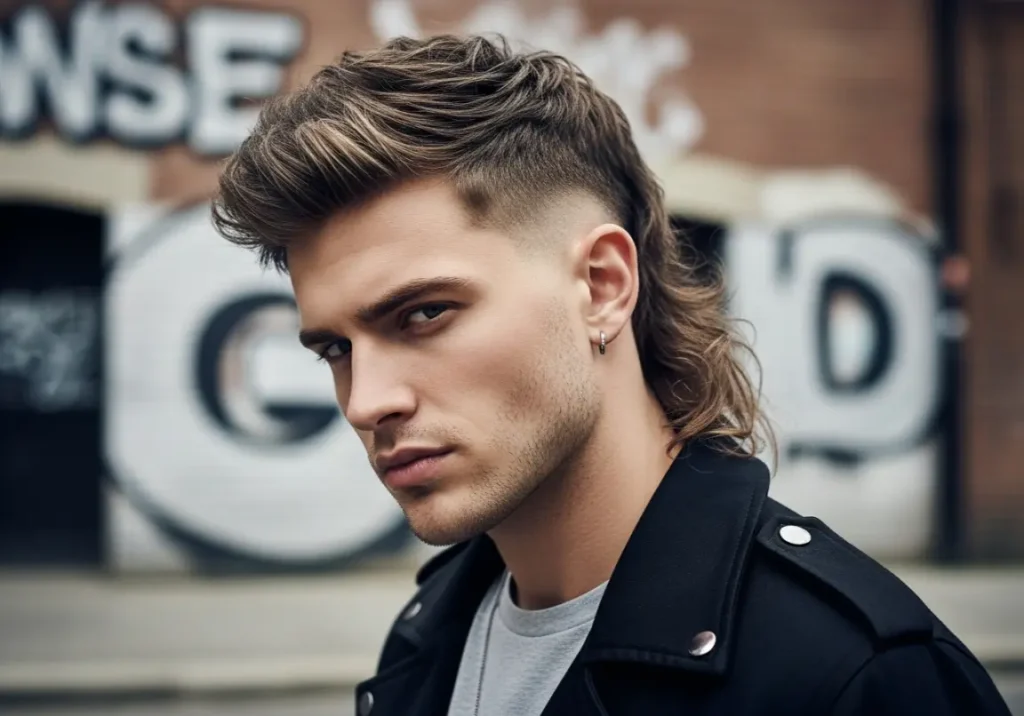
The mullet has experienced a remarkable renaissance, evolving into a stylish option that balances short, faded sides with longer hair at the back. The top features layered, textured hair that adds volume and movement, working naturally with thick hair’s density. This bold cut appeals to trend conscious men who appreciate its unique aesthetic.
Blow dry upward for lift, finger shape the layers, and apply texture clay to control bulk while keeping the style sharp. The modern mullet requires confidence to pull off but rewards wearers with a distinctive look that stands out from conventional cuts.
12. The Low Fade
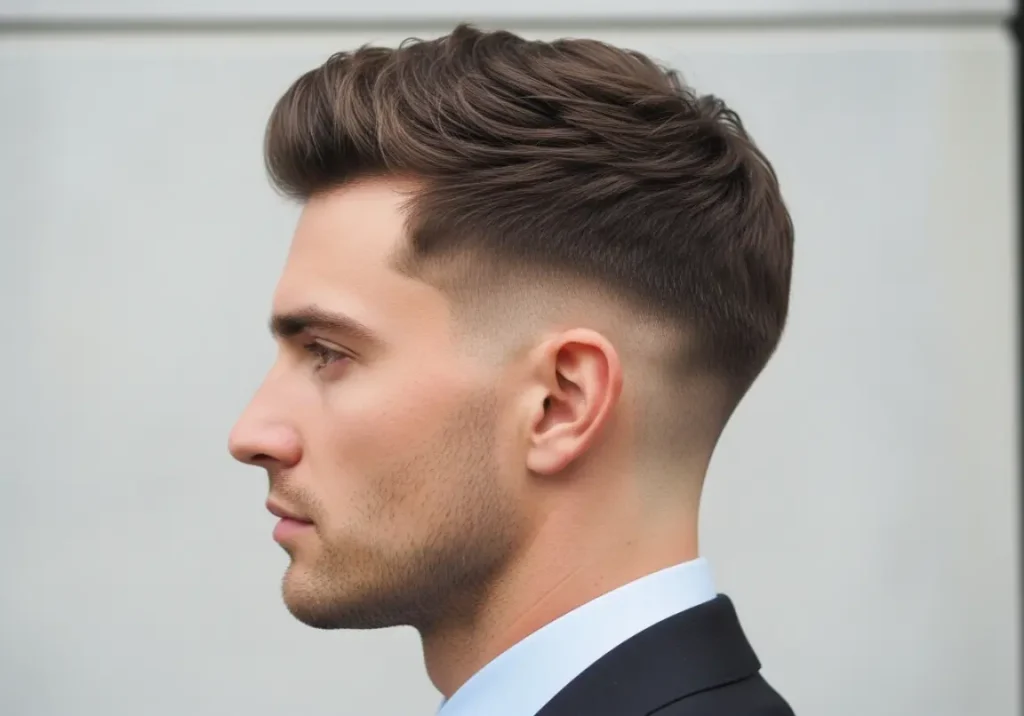
The low fade offers a subtle, professional appearance with its clean fade that sits low around the ears and neckline. The top stays longer with soft texture, allowing thick hair to hold natural volume and shape. This conservative approach to fading makes the low fade suitable for workplace environments with stricter grooming standards.
Blow dry upward for lift, finger shape for movement, and apply cream pomade to control bulk while maintaining a natural finish. The low fade proves that professional doesn’t have to mean boring, providing polish without sacrificing personality.
13. The Blowout Taper
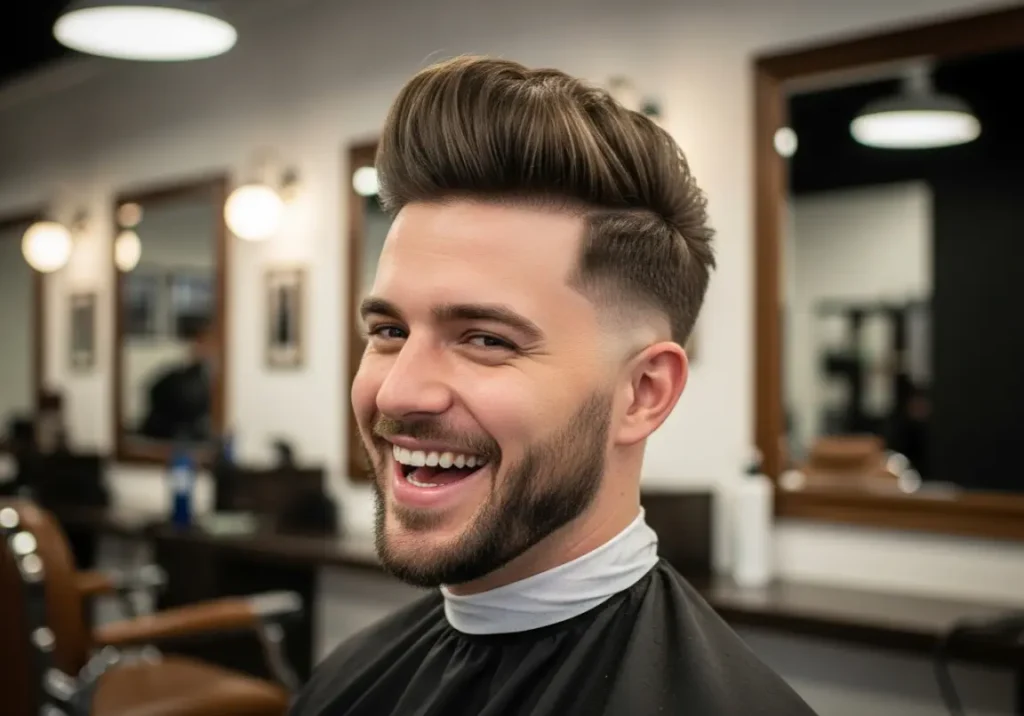
Distinguished by its signature blowout at the back creating a soft, rounded finish, the blowout taper adds depth and movement to thick hair. Clean tapers around the ears keep sides sharp while the top stays textured and full. This style has gained popularity for its ability to showcase thick hair’s natural advantages.
The blowout effect requires blow drying with specific technique, directing hair outward and back to achieve the rounded shape. Regular maintenance keeps the taper crisp and the blowout proportional, typically requiring barber visits every three to four weeks.
14. The Ivy League

Slightly longer than a crew cut, the Ivy League allows enough length on top for a side part or subtle styling. This preppy classic works well with thick hair by keeping overall length conservative while maintaining enough texture for character. The sides feature a taper that prevents bulk accumulation.
Style with a small amount of pomade, combing to the side for a polished look or forward for a more casual vibe. The Ivy League bridges the gap between ultra short cuts and styles requiring significant maintenance, offering a sweet spot for many men.
15. The Faux Hawk
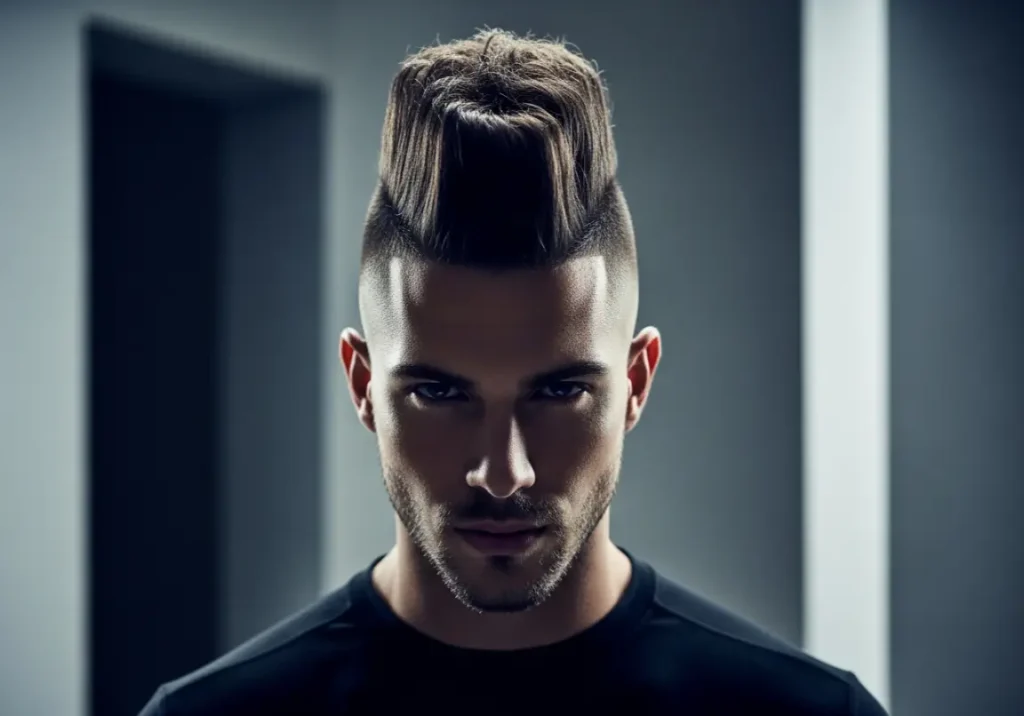
Inspired by the mohawk but far more workplace appropriate, the faux hawk features tapered fade sides with medium to long hair along the top center styled upright. This cut showcases thick hair’s ability to hold dramatic shapes and volume. The look transitions seamlessly from professional settings during the week to social occasions on weekends.
Apply wax, clay, or gel to damp hair, running fingers upward and forward. Use a blow dryer if needed for additional lift and hold. The faux hawk allows men to express creativity while maintaining professional viability.
16. The Undercut
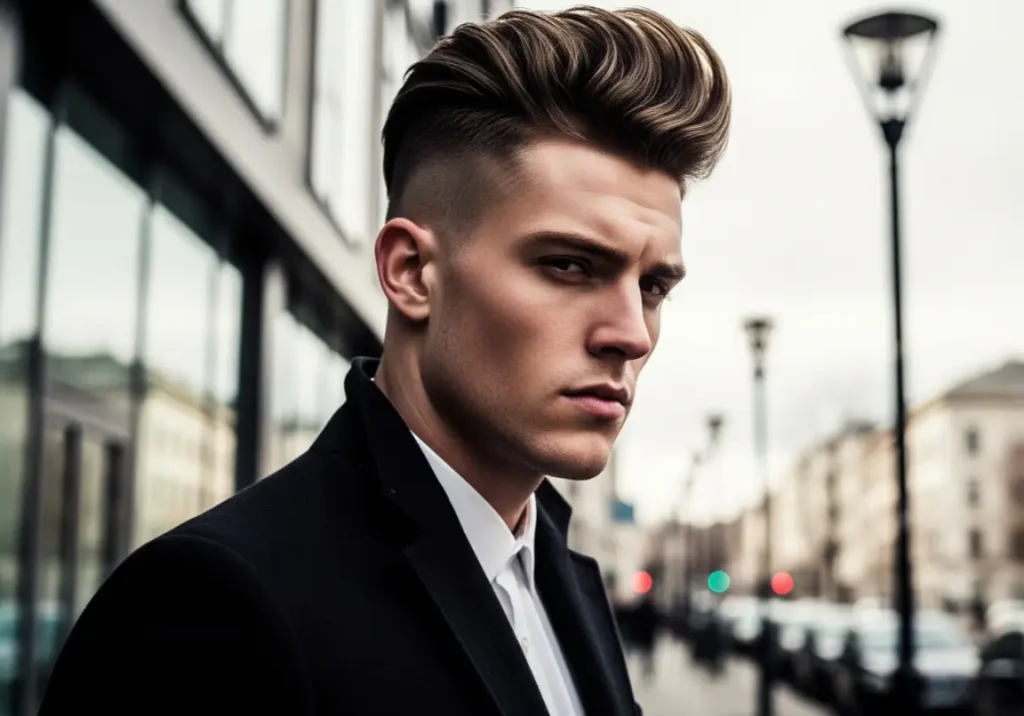
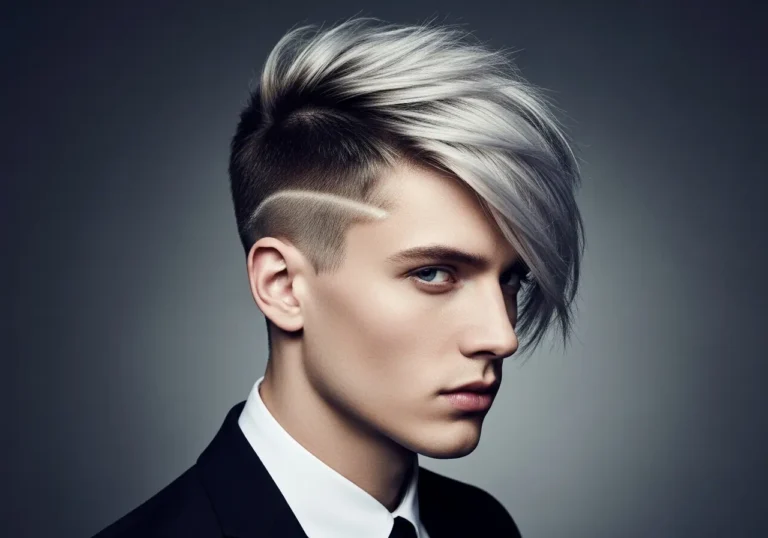
The undercut creates stark contrast between disconnected sides and longer top hair. Thick hair particularly benefits from this dramatic approach, as the shaved or very short sides eliminate bulk while the top retains full density for styling flexibility. This versatile cut can be styled slicked back, pushed forward, or tousled for different effects.
The undercut requires commitment, as growing out the sides takes time. However, the dramatic style pays dividends for men seeking a bold, fashion forward appearance. Regular maintenance of the undercut line keeps the style sharp and intentional.
17. The Caesar Cut
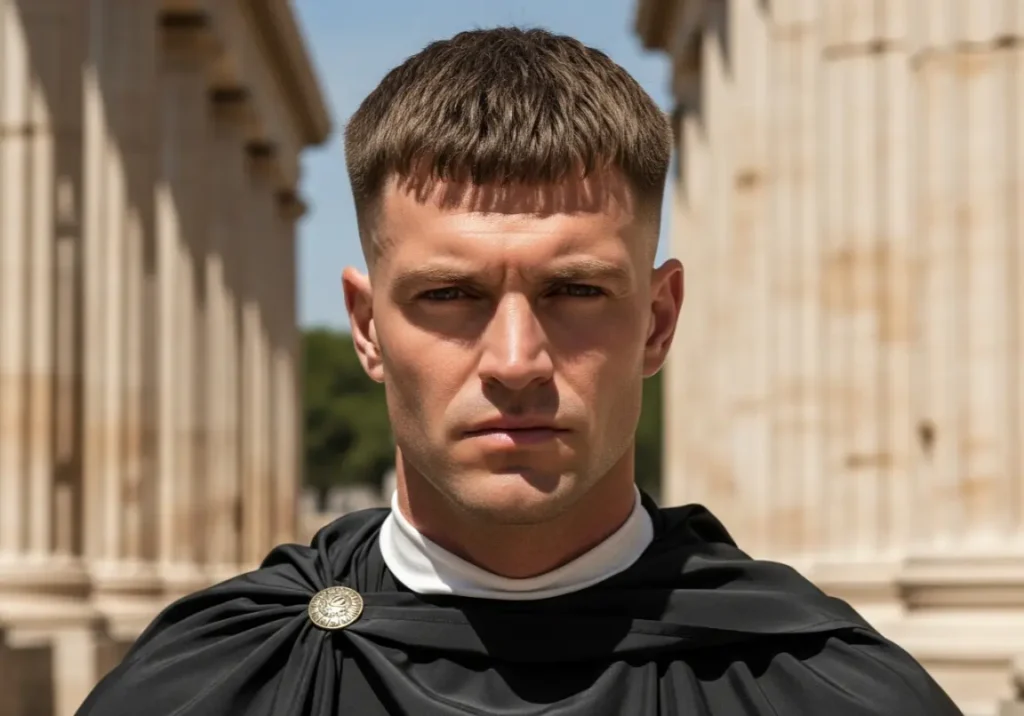
Named after the Roman emperor, the Caesar cut features short hair with a small fringe brushed forward. This timeless style works exceptionally well with thick hair, as the density creates a solid, structured fringe that frames the face. The sides and back are kept short, often with a subtle fade.
Styling requires minimal effort: towel dry, apply light product, and brush forward. The Caesar cut suits men with receding hairlines as the forward styling provides coverage while maintaining a youthful appearance.
18. The Comb Over
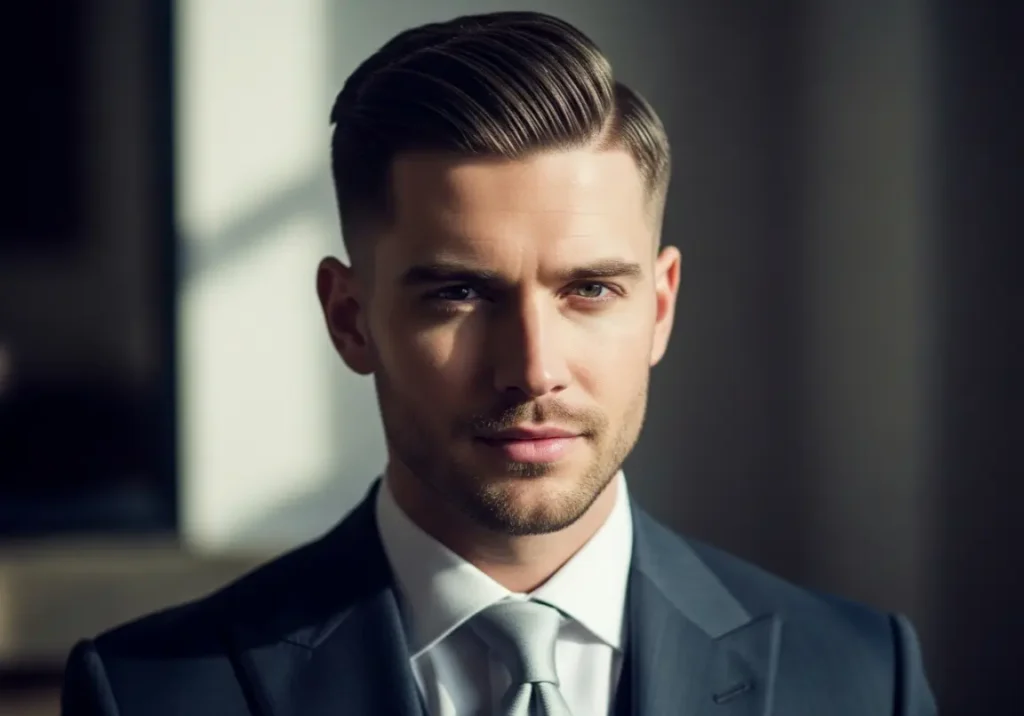
Despite its unfortunate association with concealing baldness, the modern comb over is a legitimately stylish choice for men with full, thick hair. This cut features a defined part with hair combed smoothly to one side, often paired with faded sides. Thick hair’s natural weight keeps the combed portion in place without excessive product.
The comb over ranges from subtle and professional to dramatic and fashion forward depending on the part placement and degree of sweep. Apply pomade or styling cream for hold and shine, combing into place with precision.
19. The Shaggy Layers
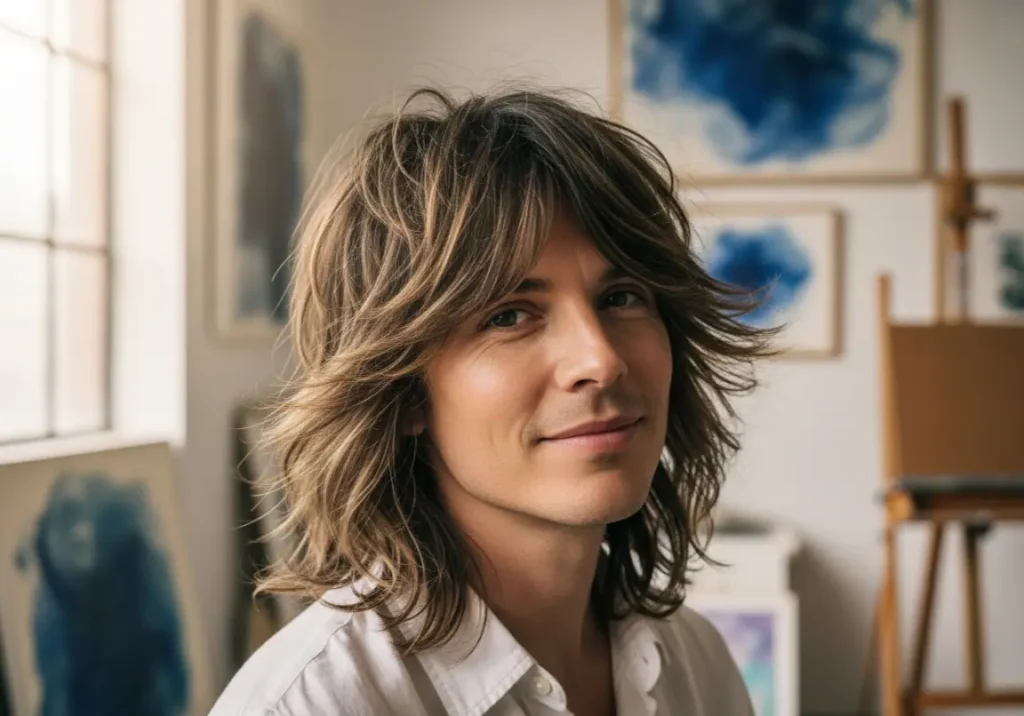
Long, soft layers create movement and reduce bulk in thick hair without sacrificing length. The shaggy layered cut appears effortless and casual, perfect for creative professionals or men with relaxed workplace dress codes. Layers throughout prevent the heavy, weighed down appearance thick hair can develop when grown long.
This style embraces natural texture and benefits from air drying or diffusing. Apply leave in conditioner and sea salt spray for definition without stiffness. The shaggy layers require less frequent trims than structured cuts, making them economical and low maintenance.
20. The High and Tight
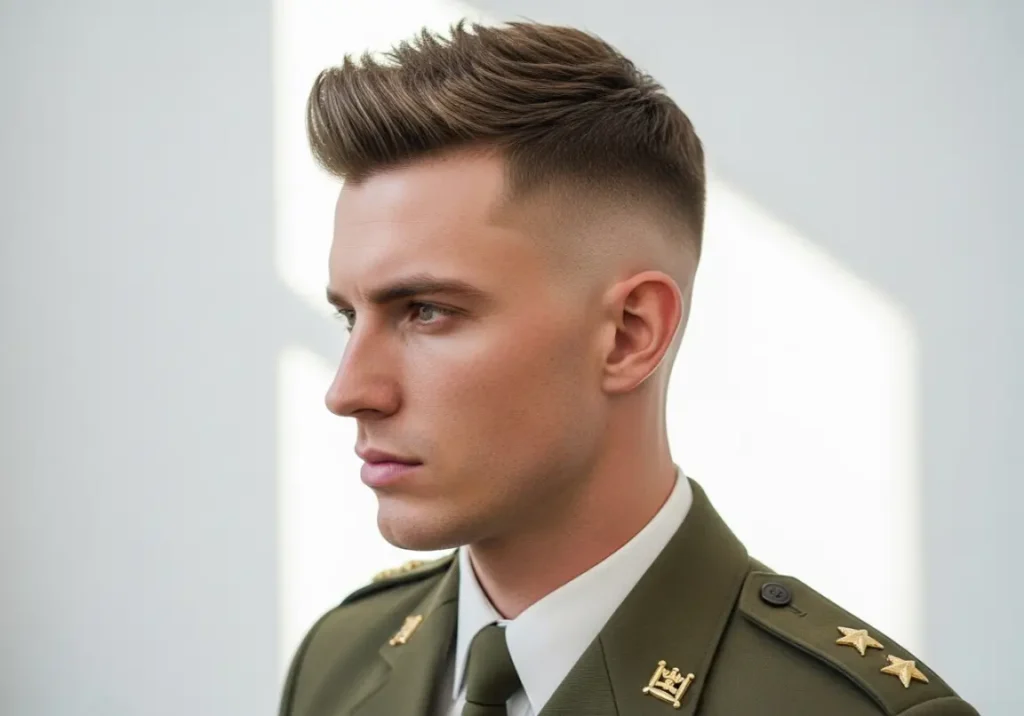
This military inspired cut features very short hair on the back and sides with fractionally longer length on top. The high and tight excels at controlling thick hair through aggressive reduction of length. The result is a neat, masculine appearance requiring virtually no daily styling.
Regular barber visits every two to three weeks maintain the sharp shape. The high and tight suits active lifestyles and hot climates where longer hair becomes uncomfortable. Its no nonsense aesthetic appeals to practical men prioritizing function over fashion trends.
21. The Spiky Style
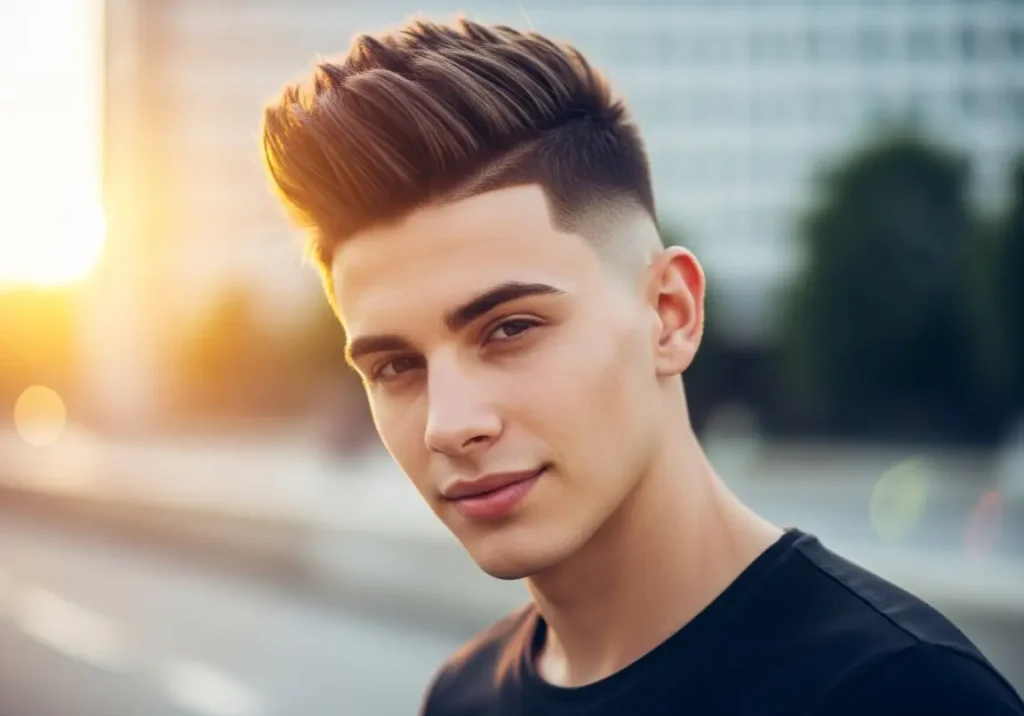
Thick hair creates the perfect foundation for spiky styles, as the natural density holds vertical styling without excessive product. Modern spiky cuts feature longer hair on top with faded sides, moving away from the gel heavy looks of previous decades. The result is textured, intentional messiness rather than rigid spikes.
Apply styling paste or clay to damp hair, working upward and pinching small sections for definition. The spiky style projects youthful energy and works particularly well for younger men in casual environments.
Essential Styling Tips for Thick Hair
Managing thick hair extends beyond choosing the right haircut. Proper washing frequency matters significantly, with two to three times weekly being ideal to maintain natural oils while preventing buildup. Daily conditioning keeps hair soft and manageable, focusing product on the ends rather than roots to avoid greasiness.
When styling, less washing actually helps. Hair is often more controllable the day after washing, when natural oils provide weight and texture. For immediate styling, use water mist rather than complete rewashing to reactivate products and reset the style.
Product selection makes substantial difference. Matte clays and pastes control thick hair without creating stiffness or shine. Sea salt spray adds texture and grip while taming frizz. Avoid heavy waxes and oily pomades that can make thick hair appear greasy and weighed down.
Blow drying technique impacts final results. Use medium heat directed downward while lifting roots slightly for volume without puffiness. Cool settings take longer but minimize frizz and damage. Consider air drying when time allows, as it’s the gentlest approach for maintaining hair health.
Invest in quality tools. Avoid plastic combs and brushes that create static electricity, leading to frizz. Instead, choose wooden combs or mixed bristle brushes that distribute natural oils and reduce flyaways.
Maintenance and Professional Care
Regular barber visits are non negotiable for maintaining thick hair’s appearance. Depending on the specific cut, schedule appointments every three to six weeks. Styles with fades require more frequent maintenance than longer, layered cuts. Communicate clearly with your barber about styling preferences and daily routine to ensure cuts align with realistic maintenance expectations.
Professional barbers can thin thick hair using specialized shears that remove weight without affecting length. This technique, called texturizing, makes hair more manageable while preserving overall volume. Ask your stylist about incorporating this approach if your hair feels too heavy or bulky.
Seasonal adjustments help thick hair adapt to changing conditions. Summer often requires additional frizz control products and lighter styling aids to prevent wilting in humidity. Winter demands more moisturizing treatments and leave in conditioners to combat dryness from cold air and indoor heating.
Choosing the Right Cut for Your Face Shape
Face shape significantly influences which haircuts will most flatter your features. Oval faces, being naturally balanced, can carry virtually any style successfully. Round faces benefit from height on top and shorter sides to create vertical lines that elongate. Square faces work well with textured, softer styles that balance angular jawlines. Long or rectangular faces should avoid excessive height, instead opting for styles with horizontal volume.
Consult your barber about face shape when discussing new cuts. Professional stylists can identify subtle features and recommend adjustments that enhance your natural bone structure. Bring reference photos showing desired styles from multiple angles to ensure clear communication.
The Psychology of Hair and Confidence
Your haircut impacts more than appearance. The right style boosts confidence and affects how others perceive you professionally and socially. Well maintained thick hair projects health, vitality, and attention to detail. Investing time in proper grooming demonstrates self respect and consideration for professional presentation.
Experimenting with different styles helps identify what feels authentically you. While trends provide inspiration, personal comfort and lifestyle compatibility matter most. A haircut requiring extensive daily styling may look impressive but create stress if you lack time or interest in elaborate grooming routines.
Conclusion
Thick hair offers remarkable versatility when paired with the right haircut and styling approach. The twenty plus options presented here demonstrate that managing dense hair need not be a burden but rather an opportunity to explore diverse styles ranging from conservative classics to bold contemporary looks. Success lies in understanding your hair’s unique characteristics, selecting cuts that work with rather than against natural texture, and maintaining consistent care routines.
Whether you gravitate toward the clean simplicity of a crew cut, the sophisticated polish of a pompadour, or the modern edge of a wolf cut, thick hair provides the foundation for exceptional style. Partner with a skilled barber who understands thick hair’s challenges and possibilities, invest in quality products suited to your specific needs, and commit to regular maintenance. These elements combine to transform thick hair from a daily struggle into your most valuable grooming asset, projecting confidence and style in every setting.
Frequently Asked Questions
How often should men with thick hair get haircuts?
Men with thick hair should schedule haircuts every four to six weeks to maintain shape and prevent excess bulk. Styles with fades or intricate detailing may require more frequent trims every three to four weeks, while longer, layered cuts can extend to six weeks between appointments. Regular maintenance prevents the weighed down appearance thick hair develops as it grows.
What products work best for styling thick hair?
Texture clay, matte paste, and sea salt spray work exceptionally well for thick hair. These products provide control and definition without creating stiffness or greasy appearance. Avoid heavy waxes and oil based pomades that can weigh down thick hair. For sleeker styles, use medium hold pomades or styling creams applied sparingly to prevent buildup.
Can thick hair be thinned without losing length?
Professional barbers use thinning shears and texturizing techniques to remove weight from thick hair while maintaining length. Point cutting, razor work, and strategic layering reduce bulk without sacrificing overall hair length. These methods create internal texture that makes hair more manageable and easier to style while preserving the appearance of fullness.
Is thick hair better worn short or long?
Both short and long styles can work beautifully with thick hair depending on face shape, lifestyle, and maintenance preferences. Short cuts like crew cuts and fades simplify daily routines and control bulk effectively. Longer styles with proper layering showcase thick hair’s natural volume and offer more styling versatility. The best choice depends on personal preference and practical considerations.
How can I reduce frizz in thick hair?
Reduce washing frequency to two to three times weekly, use sulfate free shampoo, and apply conditioner daily focusing on ends. Avoid towel rubbing, instead gently squeezing excess water with microfiber towels or old t-shirts. Use leave in conditioners and anti humidity products in damp weather. Air drying or cool blow drying minimizes frizz compared to high heat styling.
You may also like this post: 15 Cool Haircuts For Black Boys Perfect For School