12 Best Pompadour Haircuts For Thick Hair Men!
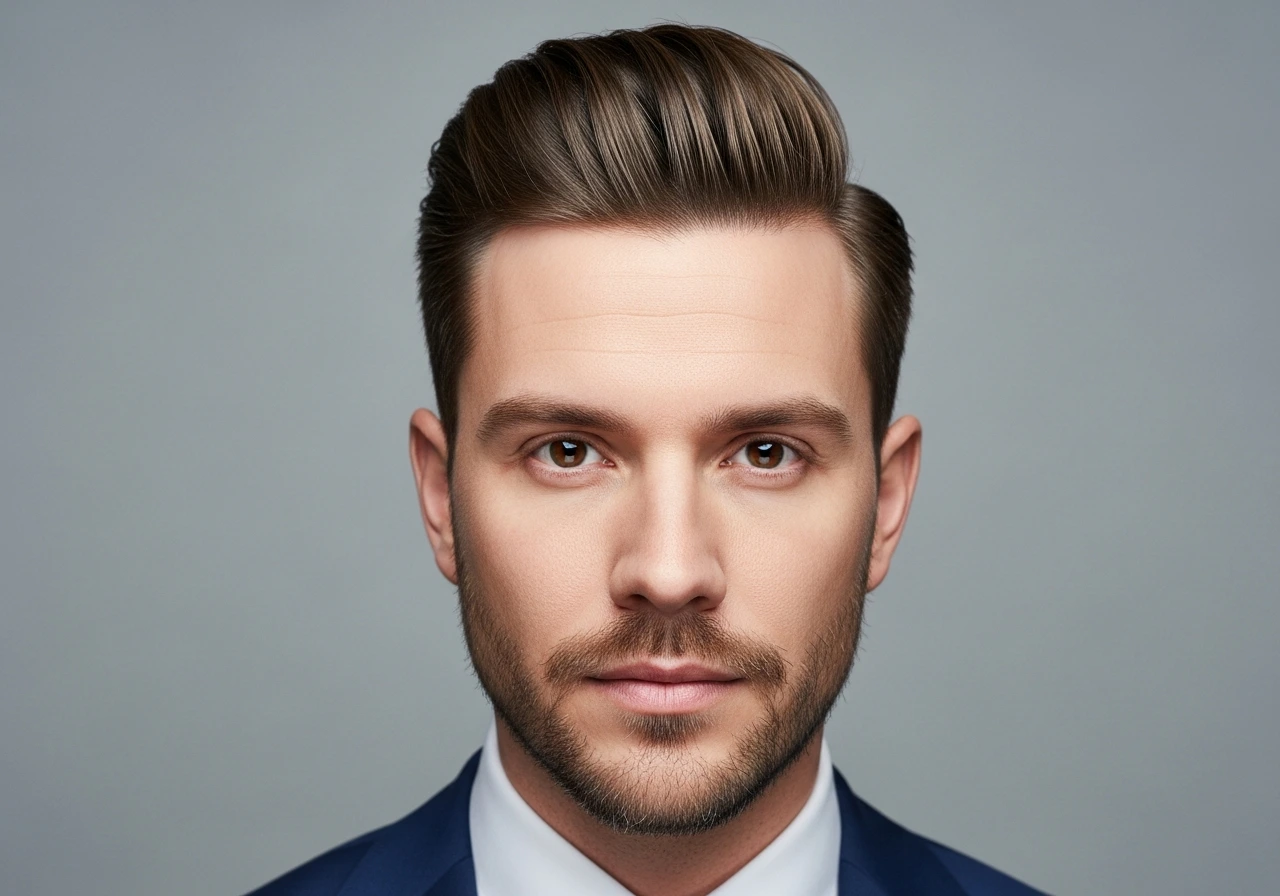
Thick hair presents a unique advantage when it comes to creating standout hairstyles. Among the most iconic choices for men with dense locks is the pompadour, a timeless cut that combines volume, structure, and undeniable style. This article explores twelve exceptional pompadour variations specifically designed to showcase thick hair at its finest, along with essential styling guidance and maintenance strategies to keep your look sharp.
The pompadour has experienced remarkable staying power throughout fashion history. From its origins in eighteenth-century France to its revival through rock and roll legends, this hairstyle continues to evolve while maintaining its core appeal. For men blessed with thick hair, the pompadour offers natural advantages that finer textures struggle to achieve. Dense strands provide the inherent volume and body necessary to create dramatic height and maintain shape throughout the day.
Understanding which pompadour variation suits your personal style, face shape, and lifestyle becomes crucial for achieving optimal results. Whether you prefer the polished elegance of traditional styling or the relaxed appeal of modern interpretations, thick hair accommodates virtually every pompadour approach with impressive results.
1. Classic Pompadour
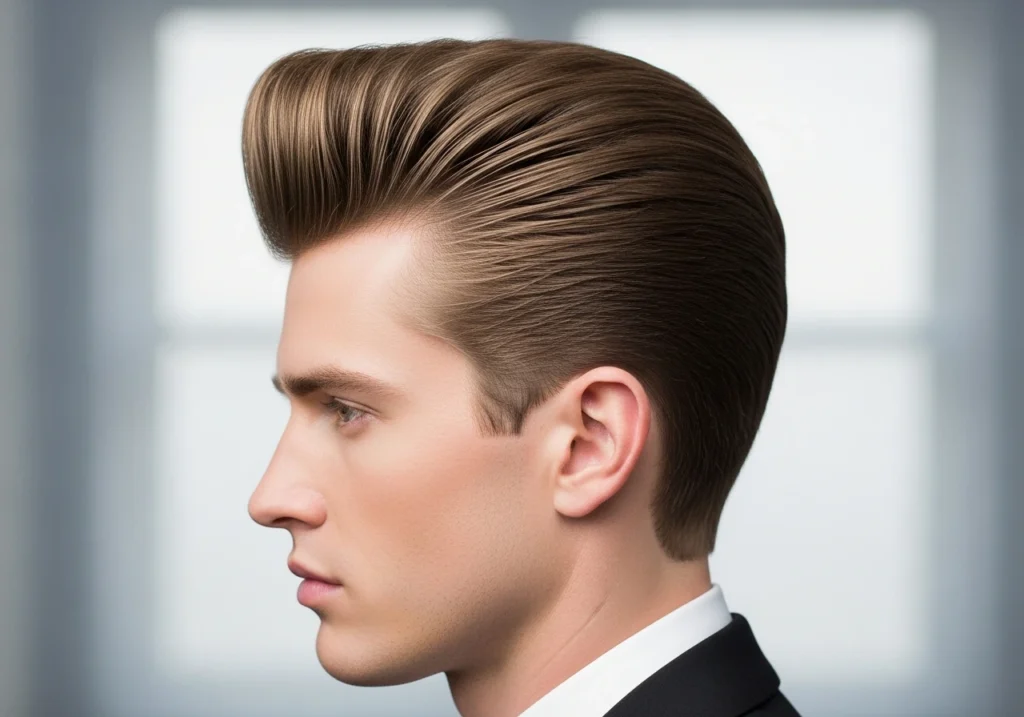
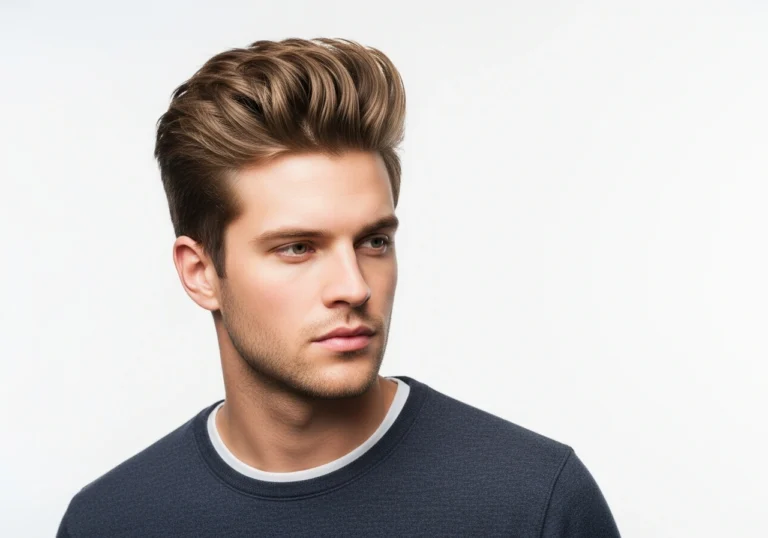
The classic pompadour remains the gold standard for this hairstyle category. This variation features substantial length on top, swept upward and backward to create pronounced volume at the front. The sides maintain moderate length rather than being clipped extremely short, creating a balanced silhouette that defined the original style.
Thick hair excels in this configuration because the natural density supports the substantial height required for authentic classic styling. The weight of thick strands helps maintain the swept-back shape while preventing the unruly flyaways that plague finer textures. This style demands regular maintenance and quality products but rewards the effort with sophisticated, attention-commanding presence.
The classic approach works exceptionally well for formal settings, professional environments, and occasions requiring polished appearance. Men who appreciate traditional grooming and possess the dedication for daily styling find this variation particularly satisfying.
2. Modern Pompadour with High Fade
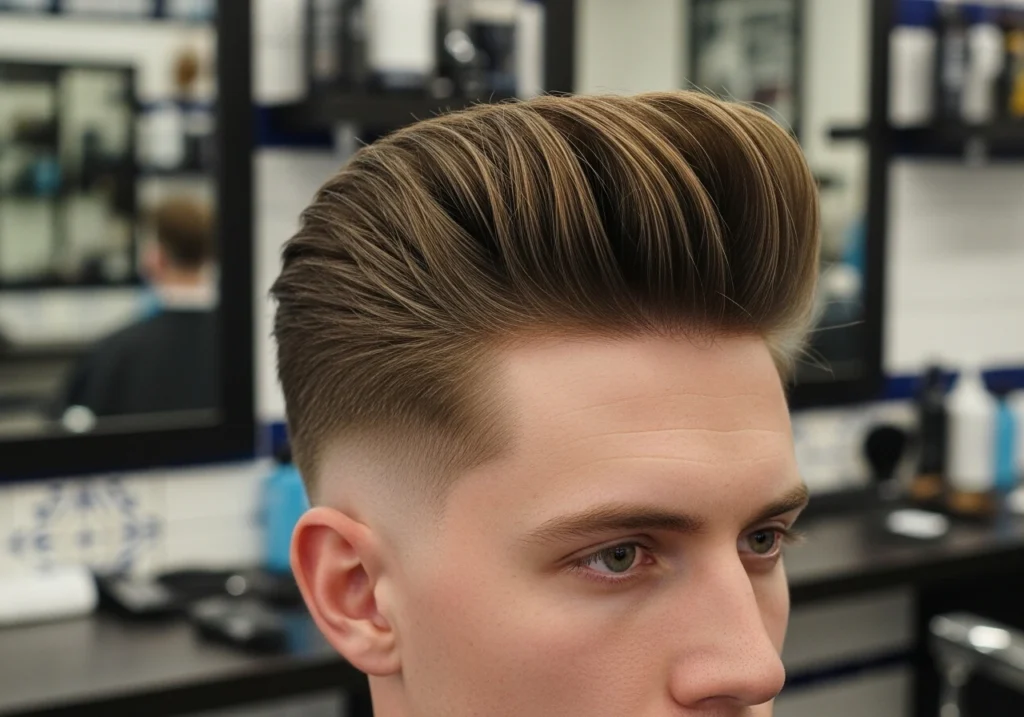
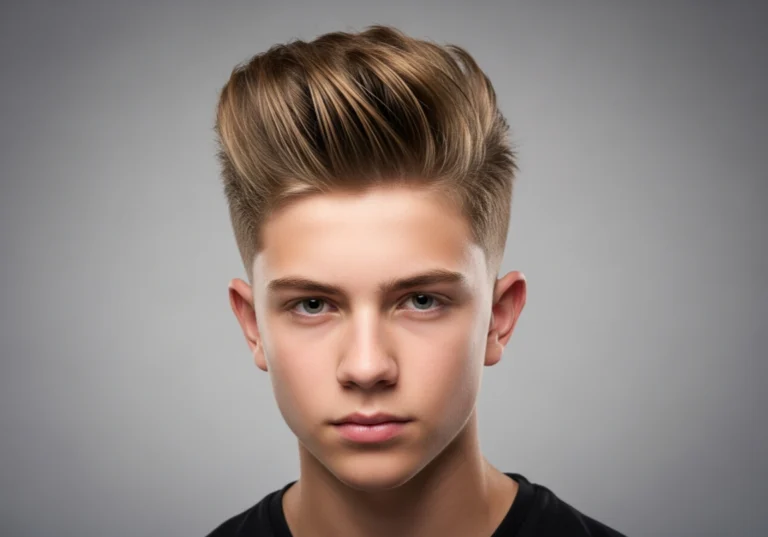
Contemporary updates to the pompadour frequently incorporate fade techniques on the sides and back. The high fade version creates dramatic contrast by starting the taper near the temple area, gradually blending down to skin or extremely short length near the ears and neckline.
For thick-haired individuals, this combination proves particularly striking. The substantial volume on top becomes even more pronounced when juxtaposed against closely cropped sides. This style offers practical benefits as well, reducing the overall amount of hair requiring daily management while maintaining impressive visual impact.
The high fade pompadour suits active lifestyles and warmer climates where excessive hair becomes uncomfortable. It projects modern sensibility while honoring classic pompadour principles, making it appropriate for both casual and semi-formal contexts.
3. Disconnected Pompadour
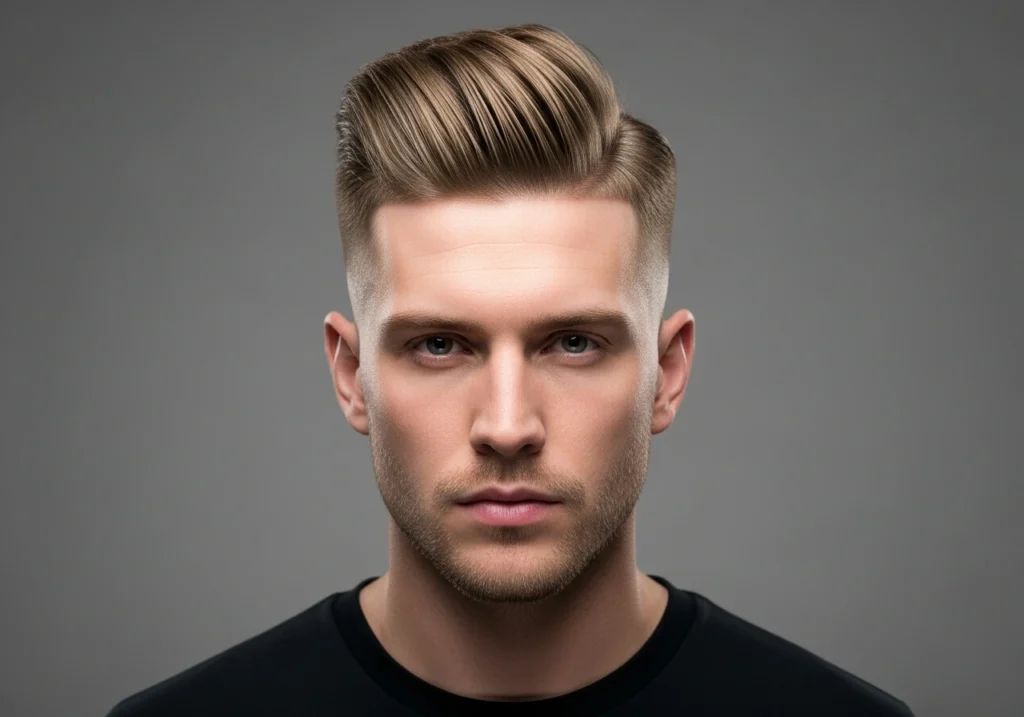
The disconnected pompadour takes contrast to its logical extreme by creating an abrupt transition between the longer top section and the short sides. Rather than gradually blending these areas, the cut maintains a clear line of separation, producing bold, geometric definition.
Thick hair particularly benefits from this approach because the dense top section creates a striking crown of volume that appears to float above the closely trimmed sides. This creates architectural interest and emphasizes the pompadour’s height and shape. The disconnected style appeals to fashion-forward individuals who appreciate edgy aesthetics and aren’t afraid to make strong style statements.
Maintenance proves relatively straightforward once the cut is established, though regular visits to a skilled barber remain essential for preserving the sharp lines that define this look.
4. Textured Pompadour
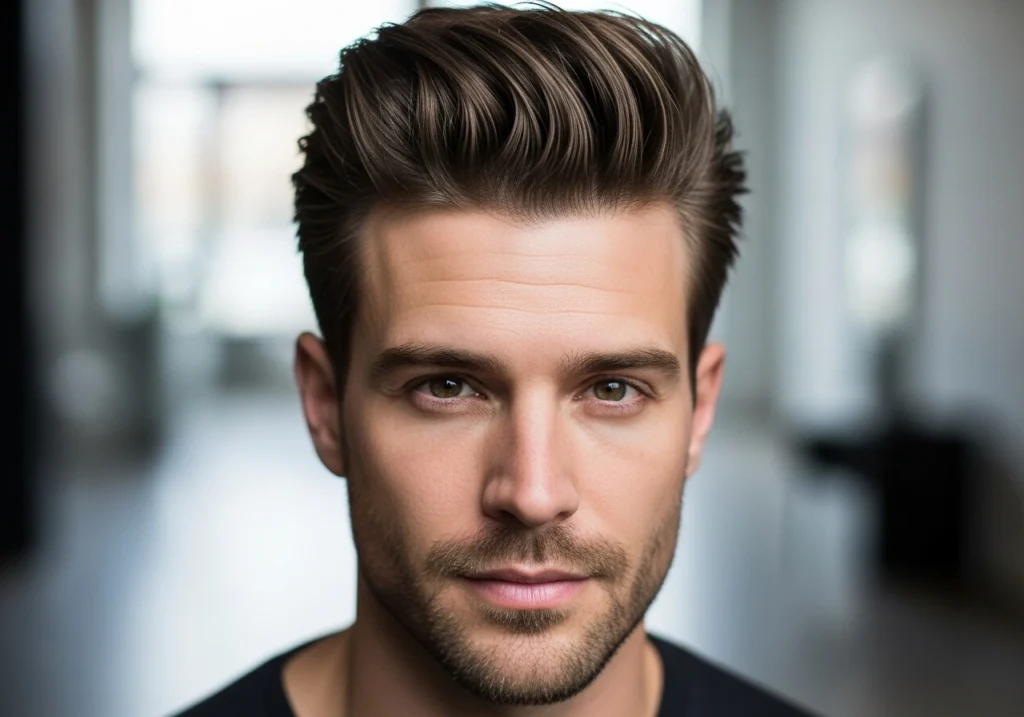
Not every pompadour requires slick, polished perfection. The textured variation embraces a more relaxed aesthetic, incorporating deliberate dishevelment and visible individual strand definition. This style maintains the basic pompadour structure while introducing organic, lived-in character.
Thick hair naturally lends itself to textured styling because the individual strands possess sufficient body to hold separated, piece-y formations. Rather than combing everything into uniform smoothness, this approach uses fingers and specific products to create dynamic, multidimensional appearance that catches light from multiple angles.
The textured pompadour works beautifully for creative professionals, weekend wear, and situations where overly formal grooming feels out of place. It reduces daily styling time while maintaining the pompadour’s essential volume and backward sweep.
5. Low Fade Pompadour
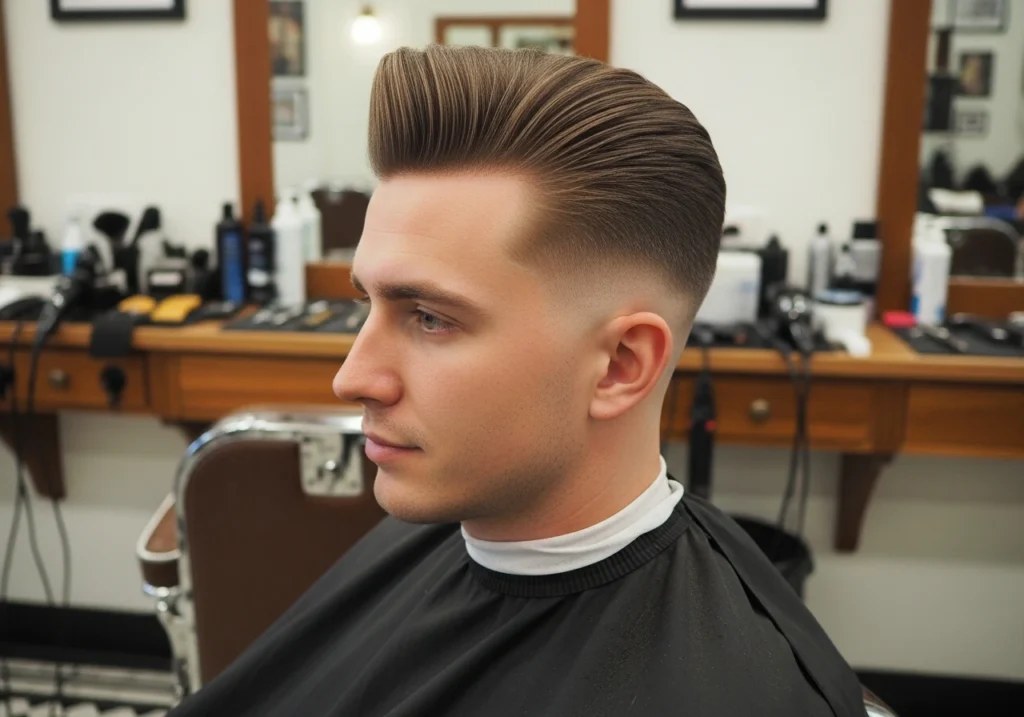
The low fade provides a subtle alternative to more dramatic fade variations. This approach begins the taper much lower on the head, typically around the ear level, creating gentler contrast between the top and sides. The result feels balanced and approachable while still delivering modern sensibility.
Men with thick hair find this option particularly versatile because it maintains more overall hair while still simplifying daily maintenance compared to all-over length. The low fade pompadour transitions smoothly between professional settings and casual environments, making it practical for diverse lifestyles.
This style also proves forgiving as it grows out, requiring less frequent barber visits than higher fade variations while still looking intentional and well-maintained.
6. Side Part Pompadour
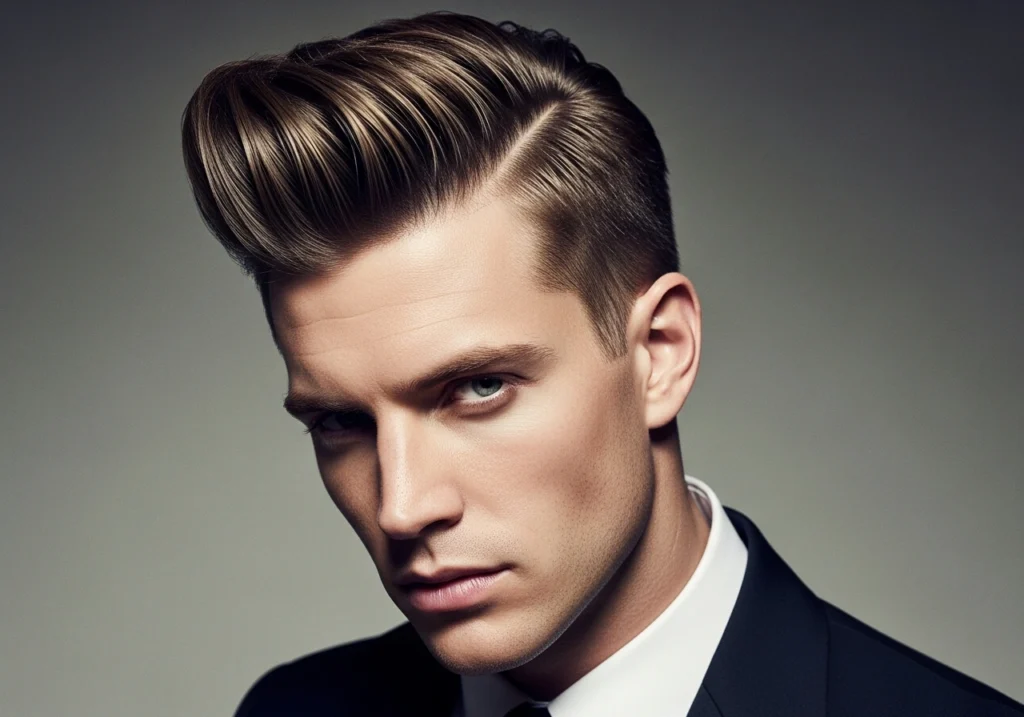
Adding a defined side part to the pompadour introduces additional structure and sophistication. The part creates a natural division in the styling, allowing one section to be swept dramatically upward while the other flows smoothly to the side. This creates dynamic asymmetry that enhances visual interest.
Thick hair holds side parts particularly well because the density prevents the parting line from appearing thin or sparse. The substantial volume on both sides of the part creates balanced fullness that appears intentional rather than accidental. This variation works exceptionally well for oval and square face shapes, where the angular lines complement natural features.
Professional settings particularly favor the side part pompadour because it projects refinement and attention to detail while maintaining contemporary relevance.
7. Curly Pompadour
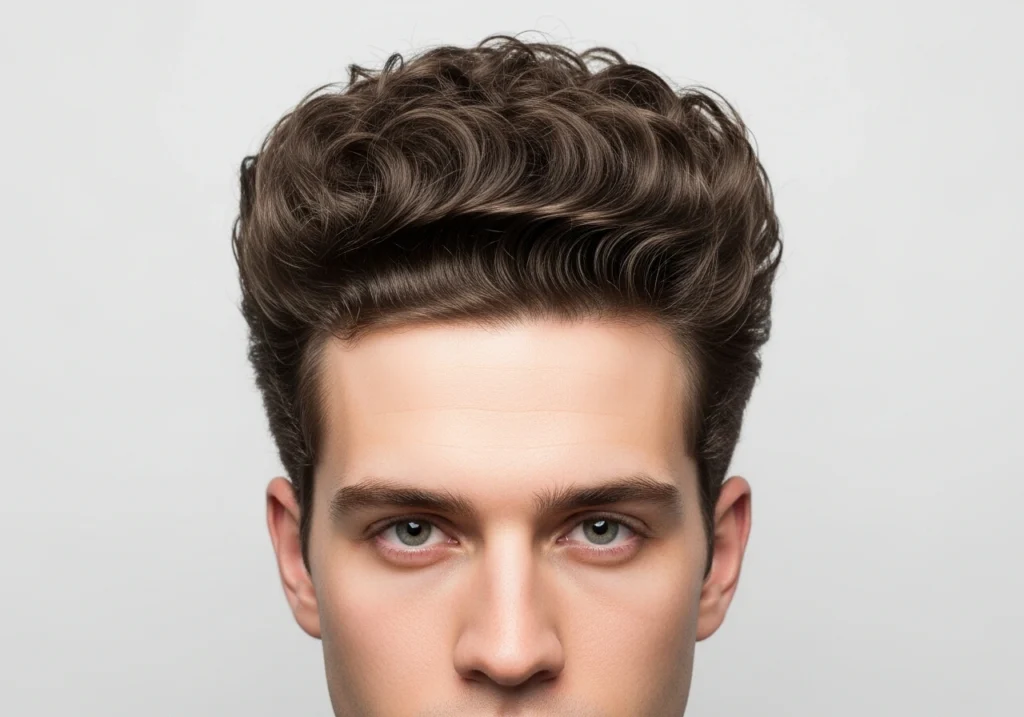
Men with naturally curly thick hair often assume the pompadour lies beyond their reach, but this misconception does them a disservice. The curly pompadour celebrates natural texture while incorporating pompadour principles of volume, height, and backward movement.
Rather than fighting curls into submission, this approach works with the hair’s natural pattern, using appropriate products to define curls while shaping them into pompadour formation. The result combines the pompadour’s structural appeal with the organic beauty of natural curl patterns.
Thick curly hair provides exceptional volume with minimal effort, though it requires specific product knowledge and techniques. The curly pompadour suits creative fields, casual environments, and individuals who prefer styling that honors their natural hair characteristics.
8. Medium Length Pompadour
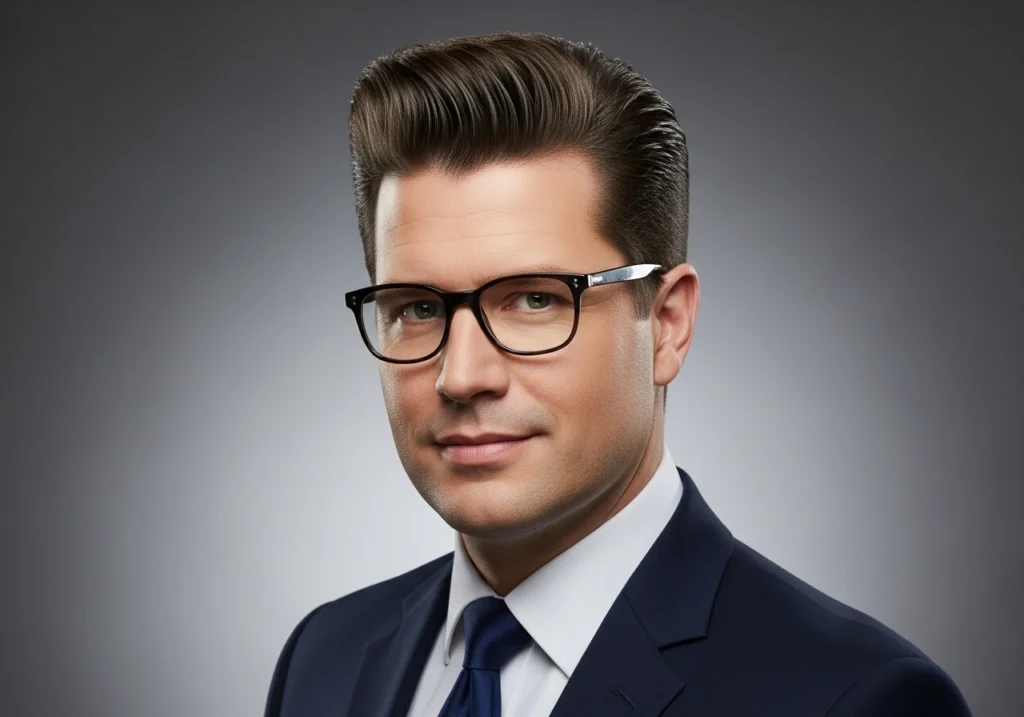
Not every pompadour needs to reach for maximum height. The medium length variation maintains moderate proportions, creating sophisticated elevation without approaching theatrical extremes. This approach balances impact with practicality, producing a style that works across diverse contexts.
Thick hair in medium length provides enough substance for clear pompadour definition without becoming unwieldy during styling. This length proves particularly manageable for pompadour newcomers still developing their technique and product preferences.
The medium pompadour transitions seamlessly from professional Monday meetings to casual weekend activities, making it an excellent choice for men seeking versatile, reliable styling.
9. Long Pompadour
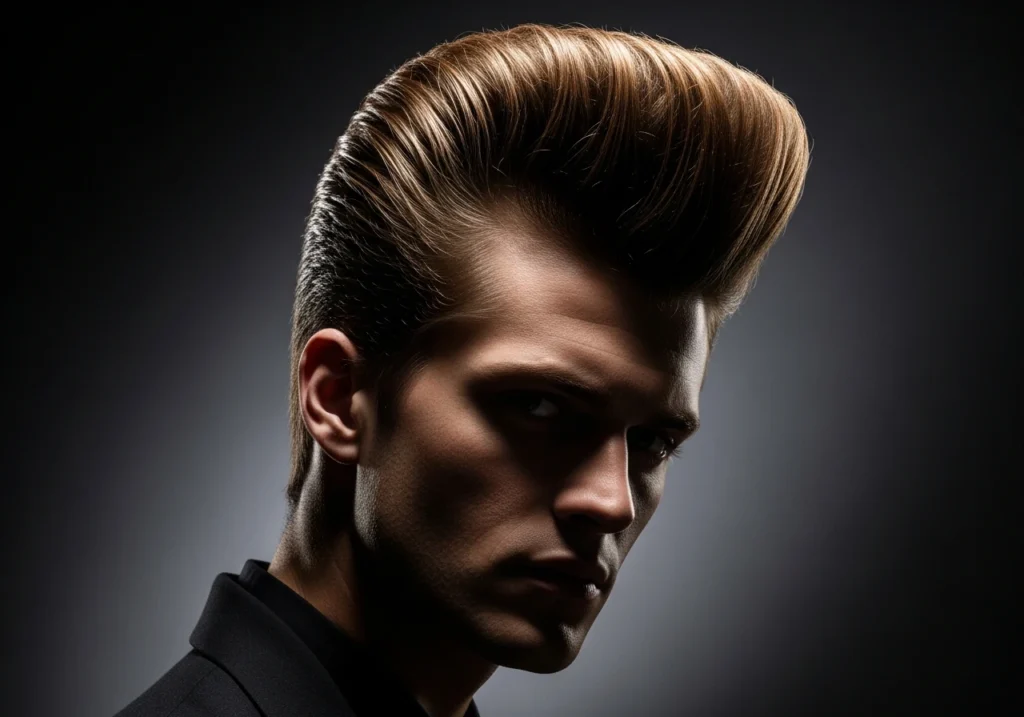
For those willing to commit to substantial length and elaborate styling, the long pompadour makes a powerful statement. This variation maximizes height and backward sweep, creating dramatic silhouette that commands immediate attention wherever you go.
Thick hair handles extended length better than fine textures because the natural body prevents the drooping and limpness that plague less substantial hair types. However, this style demands significant daily effort, quality products in greater quantities, and regular professional maintenance to prevent the appearance of neglect.
The long pompadour suits entertainment industries, creative professions, and social situations where bold personal expression receives appreciation rather than judgment.
10. Pompadour with Hard Part
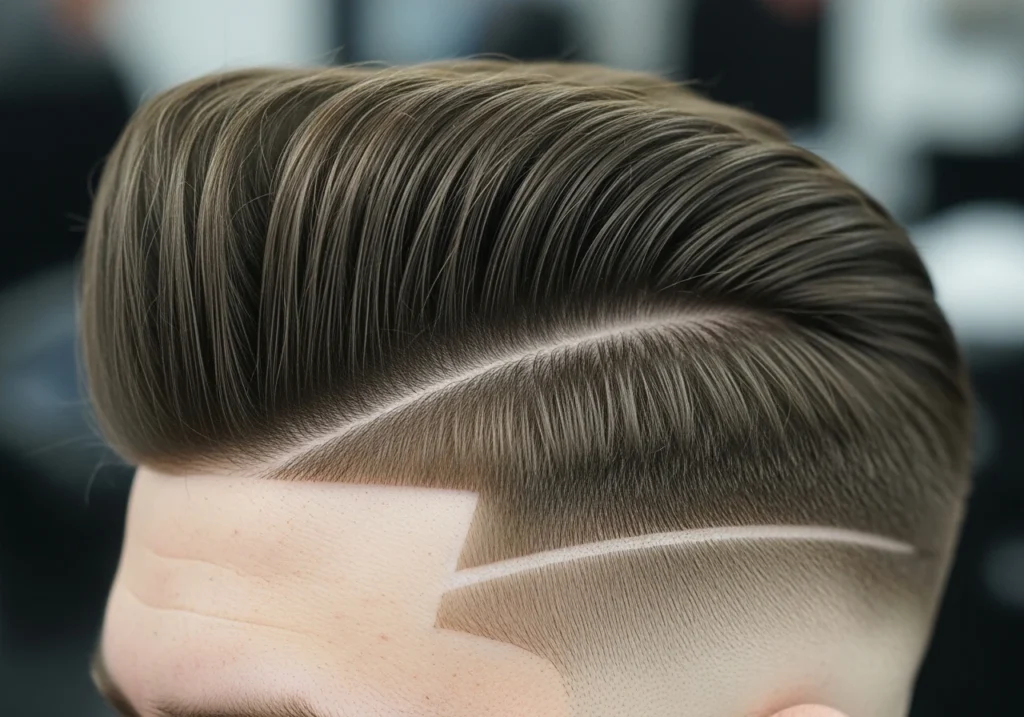
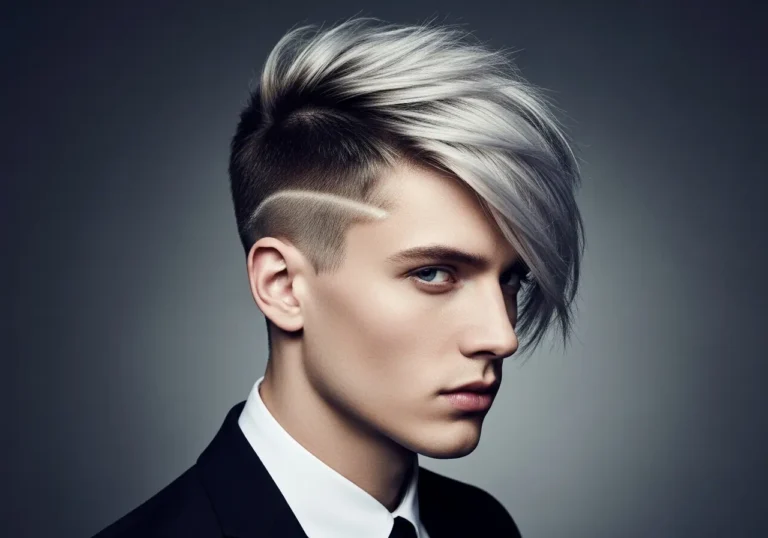
The hard part introduces a precise, razor-cut line into the side of the head, creating geometric definition that enhances the overall style’s sharpness. This detail adds contemporary edge while maintaining classic pompadour foundations.
Thick hair shows hard parts with exceptional clarity because the surrounding density makes the clean line stand out prominently. The contrast between the razored precision and the voluminous top creates compelling visual tension that elevates the entire look.
This variation requires professional execution and periodic touch-ups to maintain the hard part’s crispness, but the distinctive result justifies the additional maintenance for style-conscious individuals.
11. Short Pompadour
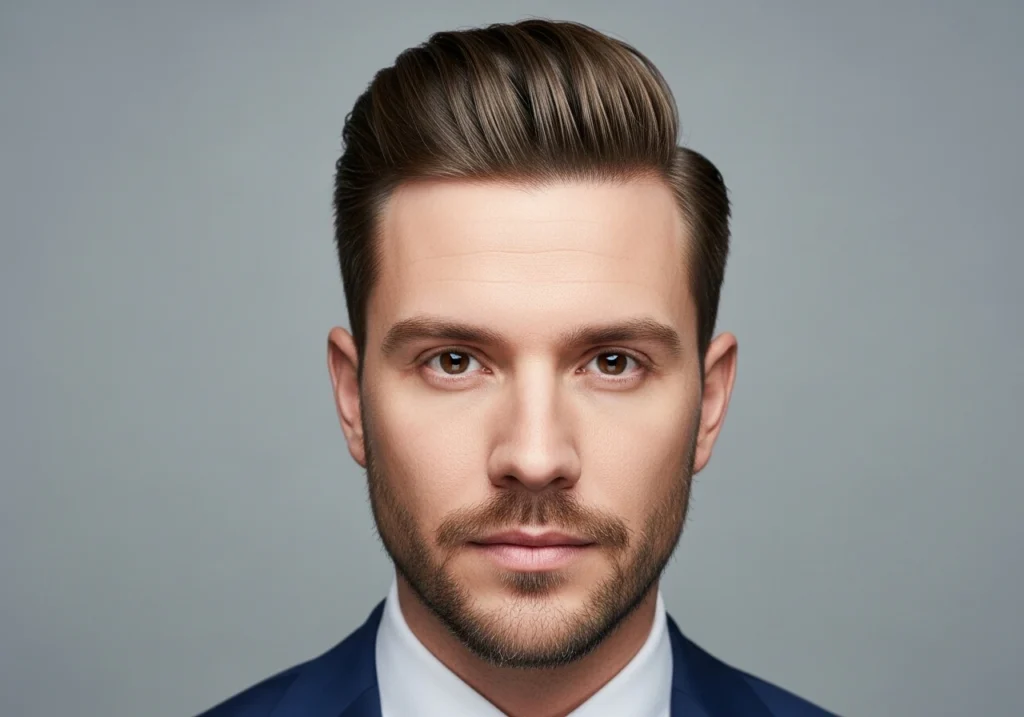
The short pompadour distills the style to its essential elements, maintaining recognizable pompadour character while minimizing length. This approach creates subtle elevation and backward movement without requiring the time or product investment of longer variations.
For men with thick hair who appreciate the pompadour aesthetic but resist elaborate daily routines, this option provides an ideal compromise. The reduced length simplifies styling while the natural thickness ensures the hair still projects adequate body and presence.
The short pompadour works across virtually all contexts, from conservative corporate environments to relaxed social settings, making it perhaps the most universally practical option.
12. Messy Pompadour
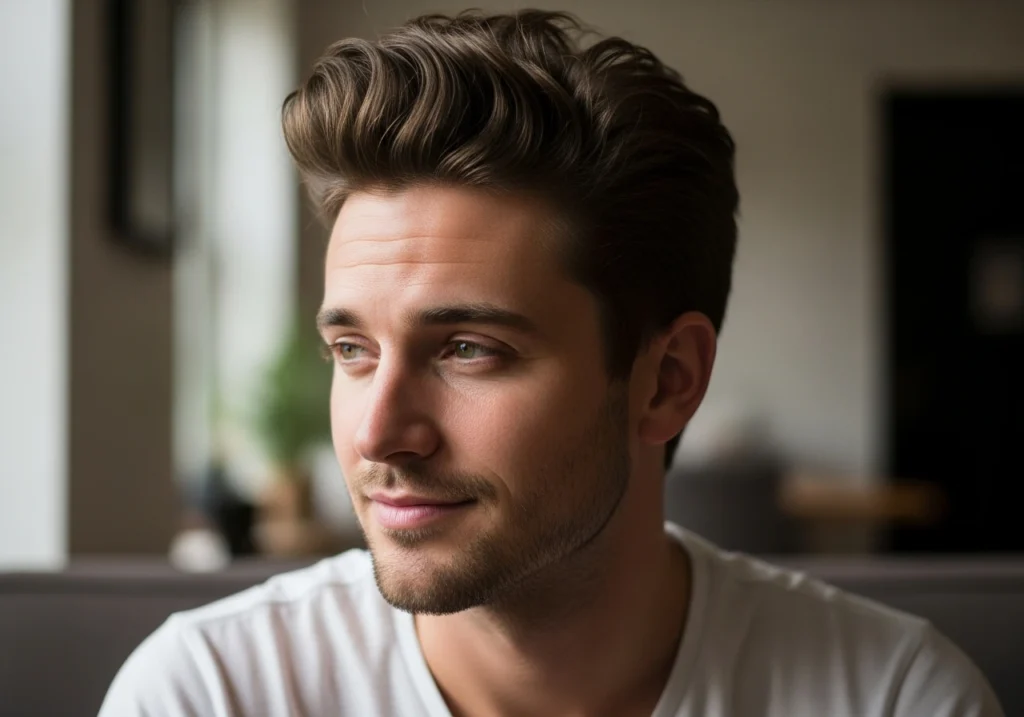
The messy pompadour deliberately cultivates an undone appearance that suggests effortless style rather than careful construction. This variation loosens the pompadour’s typically controlled aesthetic, embracing spontaneity and organic movement.
Thick hair creates particularly compelling messy pompadours because individual strands possess enough body to maintain interesting formations without collapsing into shapelessness. The substantial density prevents the style from appearing genuinely unkempt, instead projecting calculated casualness that appeals to modern sensibilities.
This approach suits creative fields, weekend wear, and individuals whose personal style prioritizes authentic expression over conventional polish.
Styling Your Thick Hair Pompadour
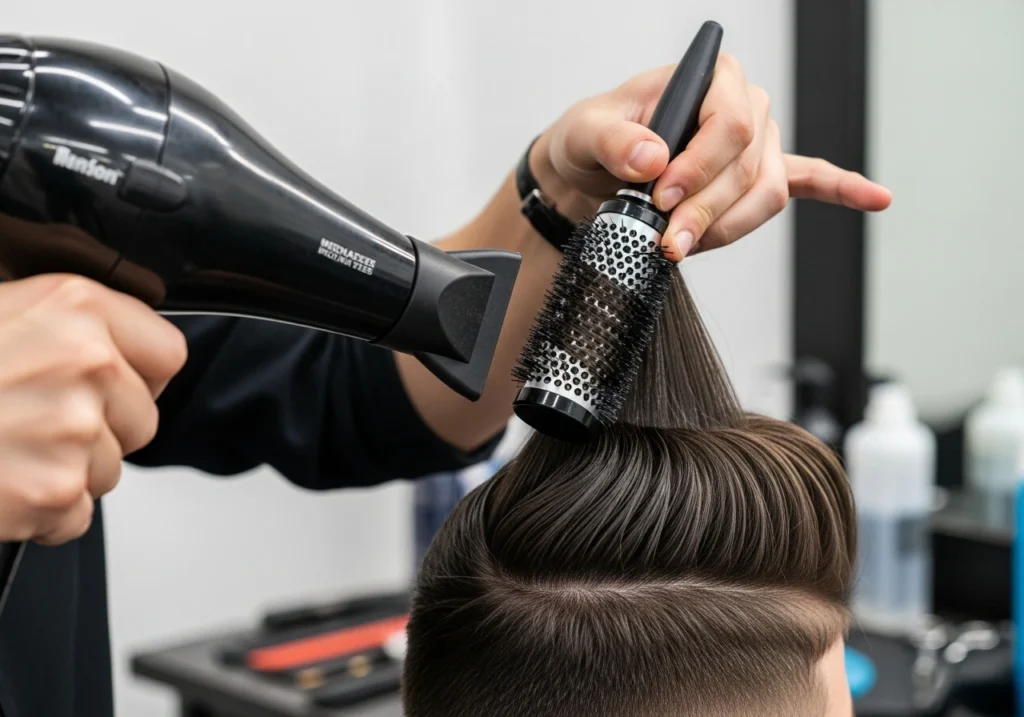
Achieving any pompadour variation requires proper technique and appropriate products. Begin with clean hair, either freshly washed or thoroughly dampened. Apply your chosen product to damp hair, working it evenly from roots to tips with particular concentration on the areas requiring maximum hold and volume.
The blow dryer becomes your most important styling tool for pompadours. Using a round brush or your fingers, direct heat and airflow upward and backward, following the intended shape of your finished style. Thick hair responds well to this process because it retains the formed shape better than finer textures.
Once your hair is dry and roughly shaped, apply additional product as needed for finishing touches. Use a comb for smooth, polished styles or your fingers for textured approaches. The key lies in working with your hair’s natural characteristics rather than fighting them.
Product Selection for Thick Hair
Thick hair requires products with sufficient hold to manage substantial weight and density. Pomades remain the traditional choice, offering varying levels of shine and hold depending on formulation. Water-based versions provide easier washing while oil-based options deliver superior hold and traditional aesthetic.
For textured or matte finishes, clay products work exceptionally well with thick hair, providing structure without shine. Waxes offer middle ground, delivering hold and some shine while maintaining pliability throughout the day.
Don’t overlook pre-styling products like volumizing sprays or heat protectants. These preparations enhance your hair’s receptiveness to styling while safeguarding against heat damage from blow drying.
Maintenance and Care
Maintaining a pompadour requires commitment beyond daily styling. Schedule regular barber appointments every two to four weeks to preserve your chosen style’s proportions and prevent overgrowth from distorting the intended shape.
Washing frequency depends on your hair’s natural oil production and product usage. Generally, shampooing two to three times weekly proves sufficient for most thick-haired individuals, preventing both excessive dryness and product buildup.
Deep conditioning treatments benefit thick hair by maintaining moisture balance and manageability. Incorporate these into your routine weekly or biweekly depending on your hair’s condition and the demands you place on it through styling.
Face Shape Considerations
Pompadours complement most face shapes when properly proportioned. Round faces benefit from additional height that creates vertical elongation, balancing facial proportions. Square faces pair well with softer, less angular pompadour styles that offset strong jawlines.
Oval faces enjoy the greatest flexibility, accommodating virtually any pompadour variation successfully. Long faces should exercise caution with excessive height, which can exaggerate facial length. Instead, consider medium or shorter pompadours with more moderate elevation.
Consult with your barber about optimizing your chosen pompadour style for your specific facial structure. Professional assessment provides valuable guidance for achieving the most flattering results.
Conclusion
Thick hair provides natural advantages for pompadour styling that shouldn’t be overlooked. The twelve variations explored here demonstrate the remarkable versatility available within this classic hairstyle framework. From polished traditional approaches to relaxed contemporary interpretations, the pompadour accommodates diverse preferences while celebrating the inherent strengths of thick hair.
Selecting the right variation depends on your lifestyle, personal style preferences, face shape, and willingness to commit to daily maintenance. Start with thorough consultation with a skilled barber who can assess your specific hair characteristics and provide personalized recommendations.
Remember that mastering any pompadour takes practice. Don’t become discouraged if your initial attempts fall short of professional results. With consistent effort, proper products, and growing familiarity with your hair’s behavior, you’ll develop the technique necessary to achieve impressive results that showcase your thick hair to its absolute best advantage.
You may also like this post:15 Cool Haircuts For Black Boys Perfect For School
Frequently Asked Questions
What length of hair do I need for a pompadour?
Most pompadour styles require at least four to six inches of length on top to create adequate volume and shape. Thick hair can sometimes achieve acceptable results with slightly less length due to its natural body. Consult with your barber to determine if your current length suffices for your desired pompadour variation.
How long does it take to style a pompadour daily?
Styling time varies based on the specific pompadour type and your experience level. Simple variations like the short or messy pompadour may require only five to ten minutes, while elaborate styles like the classic or long pompadour can demand fifteen to thirty minutes. With practice, most men reduce their styling time significantly as technique improves.
Can I wear a pompadour with a professional job?
Many pompadour variations suit professional environments perfectly. The classic, side part, low fade, and medium length options all project polish and sophistication appropriate for conservative workplaces. Avoid extremely high or theatrical variations in traditional corporate settings, but most moderate pompadours receive acceptance in modern professional contexts.
What products work best for thick hair pompadours?
Thick hair typically requires medium to strong hold products to manage its substantial weight. Pomades provide traditional shine and control, while clays and waxes offer matte finishes with good hold. Water-based pomades simplify washing, while oil-based versions deliver superior hold for all-day wear. Experiment with different formulations to discover which works best for your specific hair and desired finish.
How often should I get my pompadour trimmed?
Maintaining a pompadour’s shape requires regular barber visits every two to four weeks depending on how quickly your hair grows and which variation you’re wearing. Fade styles need more frequent touch-ups than all-over length approaches. Consistent maintenance prevents your style from losing its intended proportions and becoming difficult to style effectively.