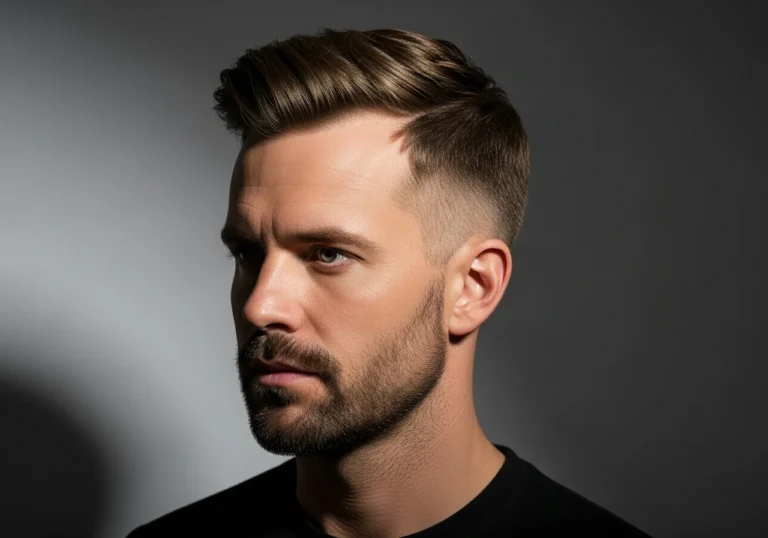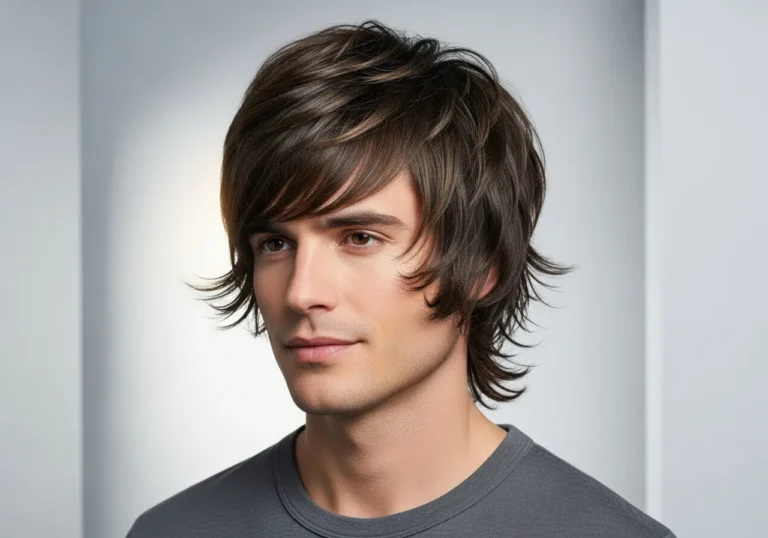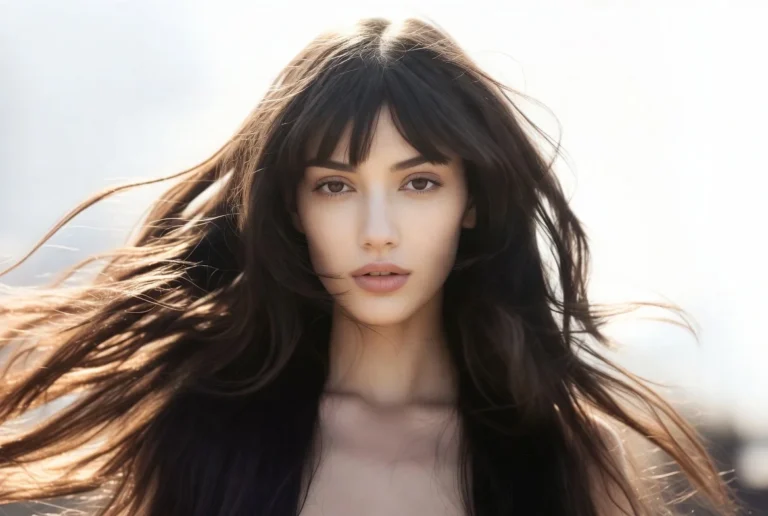
14 Wolfcut Hair Long That Turn Flat Hair Into Lively Masterpieces
The long wolfcut has emerged as one of the most transformative hairstyles in recent years, breathing new life into hair that lacks volume, movement, and personality. This bold yet versatile cut combines the shaggy layers of a traditional shag with the disconnected, wild aesthetic of a mullet, creating a style that works beautifully on long hair. For anyone struggling with flat, lifeless locks, the long wolfcut offers a solution that adds dimension, texture, and an effortless cool factor that feels both modern and nostalgic.
What makes this hairstyle particularly compelling is its ability to work across different hair types, face shapes, and personal styles. Whether you have naturally straight hair that falls flat against your head or wavy hair that needs more definition, the strategic layering of a long wolfcut creates instant volume at the crown while maintaining length at the bottom. The result is a dynamic silhouette that moves with you, catching light from different angles and creating visual interest that flat hair simply cannot achieve on its own.
The transformation power of a long wolfcut lies in its architectural approach to layering. Unlike traditional long hairstyles that rely on blunt cuts or subtle layers, the wolfcut embraces choppy, textured layers that start high on the head and cascade down in varying lengths. This creates a mushroom-like volume at the top that gradually transitions into longer pieces, giving the illusion of thicker, fuller hair throughout. The disconnected nature of these layers means that even fine hair gains body and bounce, while thick hair becomes more manageable and less weighed down.
Understanding the Long Wolfcut Structure
The foundation of a successful long wolfcut begins with understanding its unique construction. This hairstyle typically features short to medium layers concentrated around the crown and face, with longer layers extending toward the back and bottom. The top section is cut shorter to create lift and volume, often incorporating face-framing pieces that highlight your best features. These shorter layers act as the foundation for the entire style, providing the necessary lift that combats flatness.
The mid-length sections contain the most dramatic layering, where the cut truly takes on its signature wolf-like appearance. These layers are intentionally choppy and disconnected, creating separation between sections that allows air and movement to flow through the hair. This is where the magic happens for flat hair, as these gaps between layers prevent hair from clumping together and lying flat against the scalp. Instead, each section has room to move independently, creating a fuller appearance overall.
The bottom portions maintain more length but are not left completely blunt. Strategic texturizing and point-cutting techniques ensure that even the longest pieces have movement and interest. This prevents the style from looking bottom-heavy or triangular, a common problem with poorly executed layered cuts. The graduated transition from short to long creates a harmonious flow that feels intentional rather than accidental.
Here 14 Times the Long Wolfcut Transforms Flat Hair
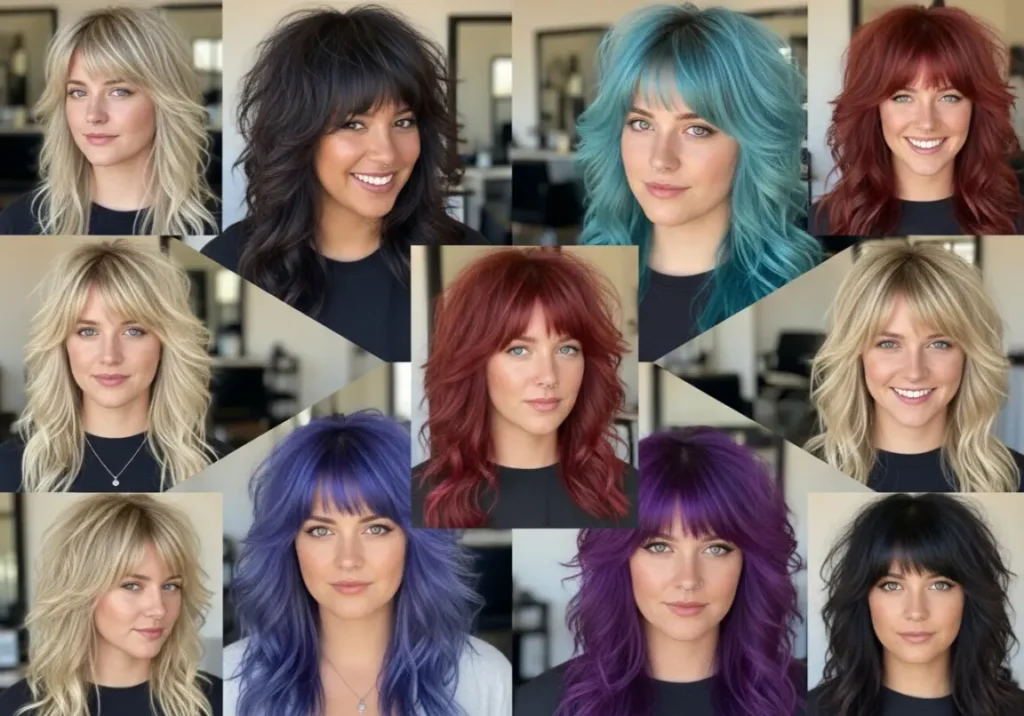
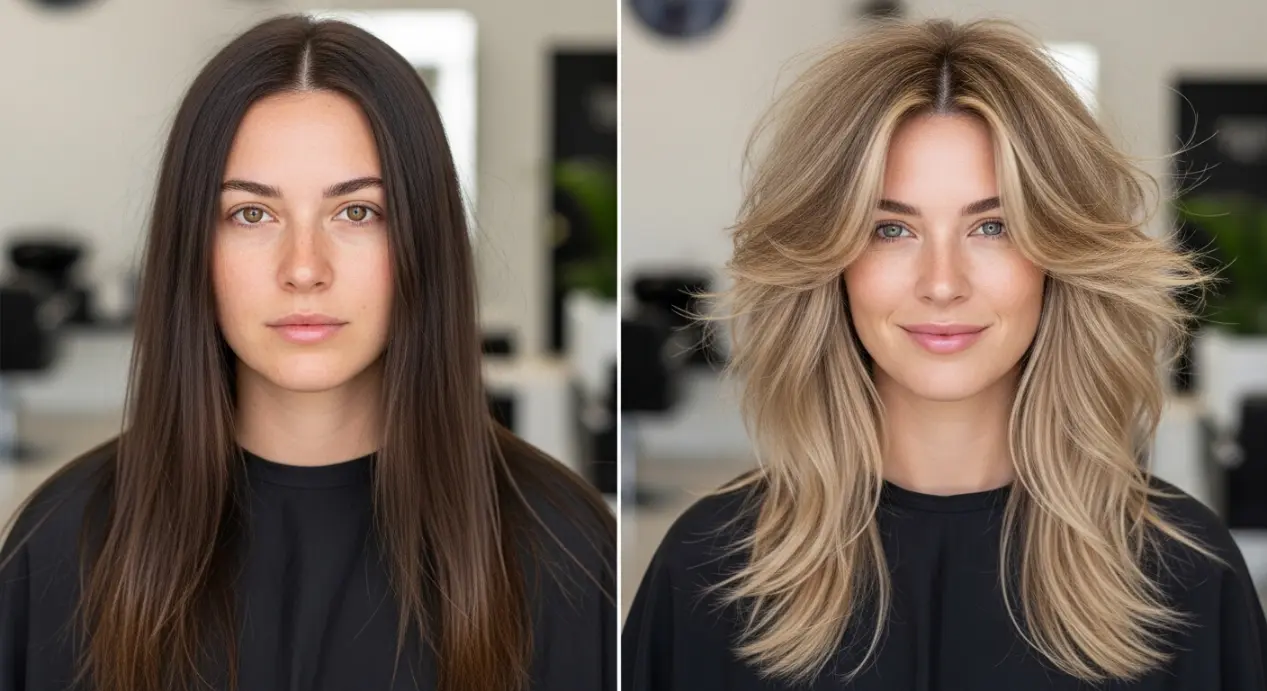
The long wolfcut proves its transformative power through countless real-world applications. From celebrities on red carpets to everyday individuals seeking a change, this hairstyle consistently delivers dramatic before-and-after results. The key to its success lies in how it addresses the specific challenges that flat hair presents.
First, the elevated crown layers immediately lift hair away from the roots, creating space and dimension where there was previously none. Second, the face-framing pieces draw attention to your features while adding width and fullness around the face. Third, the textured ends prevent the stringy, separated look that often plagues fine or flat hair. Fourth, the overall shape creates the optical illusion of more hair by maximizing volume in strategic areas.
The versatility of the long wolfcut means it can be adapted to suit individual needs. Someone with extremely flat hair might opt for more aggressive layering and shorter crown pieces, while someone with moderate flatness might choose a softer interpretation. The cut can incorporate bangs or be styled without them, feature more or less texturing depending on hair density, and be customized to complement specific face shapes and personal aesthetics.
The Science Behind Volume Creation
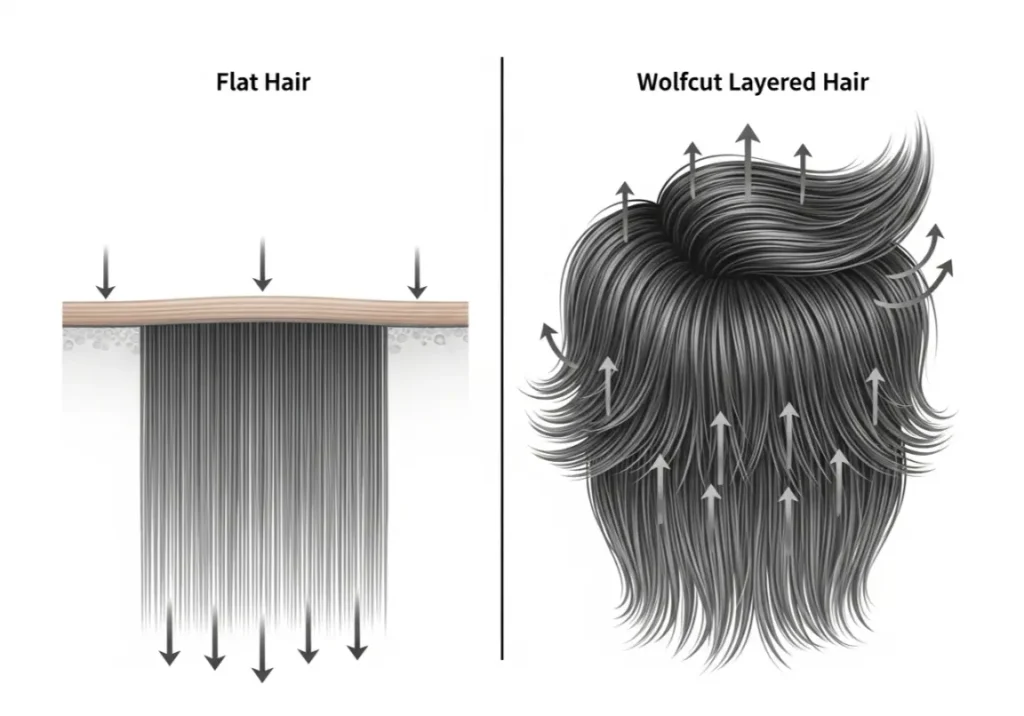
Understanding why the long wolfcut works so effectively requires looking at the physics of hair behavior. Flat hair typically suffers from strands that lie too closely together, weighted down by their own length and density. When hair is all one length or has only minimal layering, gravity pulls everything downward, eliminating any natural lift or body.
The long wolfcut counteracts this by removing weight in strategic locations. By cutting the top layers shorter, there is less hair mass pulling down on the roots in that area. This allows the natural texture and movement of hair to express itself more freely. Additionally, the layered structure creates angles and edges that catch light differently than blunt cuts, making hair appear fuller and more dimensional even before styling.
The choppy, textured cutting technique used in wolfcuts also plays a crucial role. Rather than creating clean, blunt lines, stylists use point-cutting, slide-cutting, and razoring techniques to create softer, more irregular edges. These varied endpoints prevent hair from clumping together in uniform sections, instead encouraging pieces to separate and move independently. This separation is essential for creating the appearance of volume and preventing the flat, sheet-like quality that plagues one-length hair.
Styling Techniques for Maximum Impact
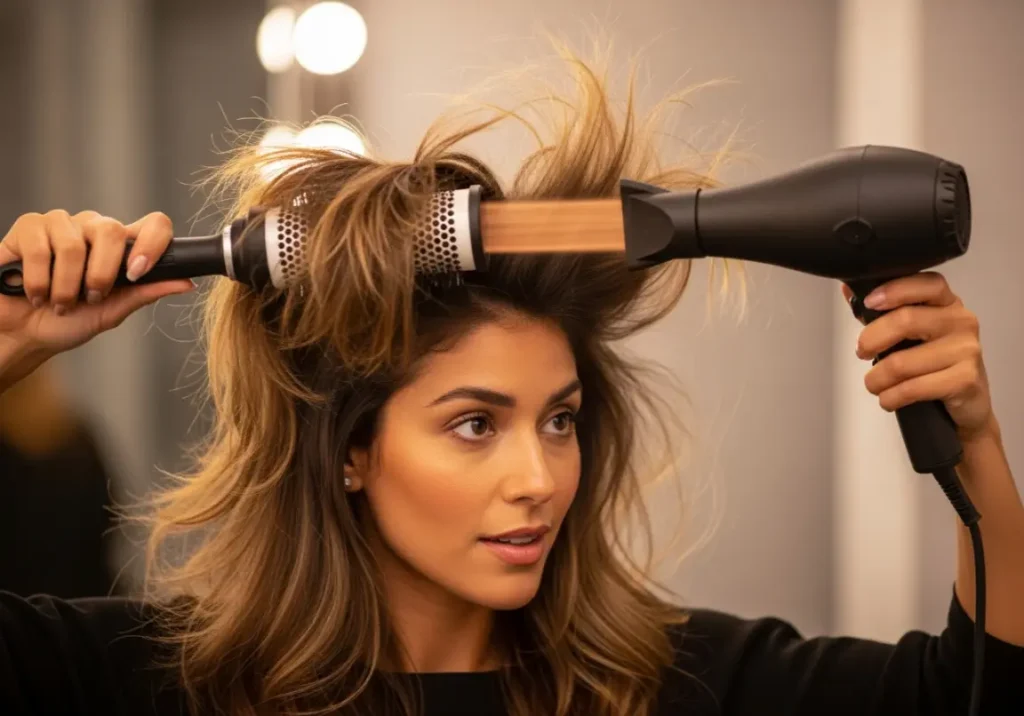
Achieving the full transformative effect of a long wolfcut requires proper styling techniques that enhance rather than flatten the cut’s natural structure. The foundation of good wolfcut styling begins with the drying process. Rather than allowing hair to air-dry, which can result in flatness, use a blow dryer with a diffuser attachment for wavy or curly textures, or a round brush for straighter hair types.
When blow-drying, focus on lifting the roots in the crown area where the shortest layers are concentrated. Flip your head upside down while drying to encourage maximum lift, or use clips to section hair and direct airflow at the roots from underneath. The goal is to set the hair in a lifted position while it dries, creating a foundation of volume that will last throughout the day.
For the mid-length and longer sections, embrace texture-enhancing products like sea salt sprays, texturizing mousses, or light styling creams. These products add grit and separation to the layers, preventing them from falling flat or clinging together. Apply these products to damp hair and scrunch or twist sections while drying to encourage natural wave patterns and movement.
Heat styling tools can further enhance the wolfcut’s dimension. A curling wand or flat iron used to create loose waves or bends throughout the length adds visual interest and prevents the style from looking too uniform. Focus on curling pieces away from the face in the front sections, and alternate curl directions throughout the rest of the hair for a more natural, lived-in appearance.
Maintenance and Growing Out Considerations
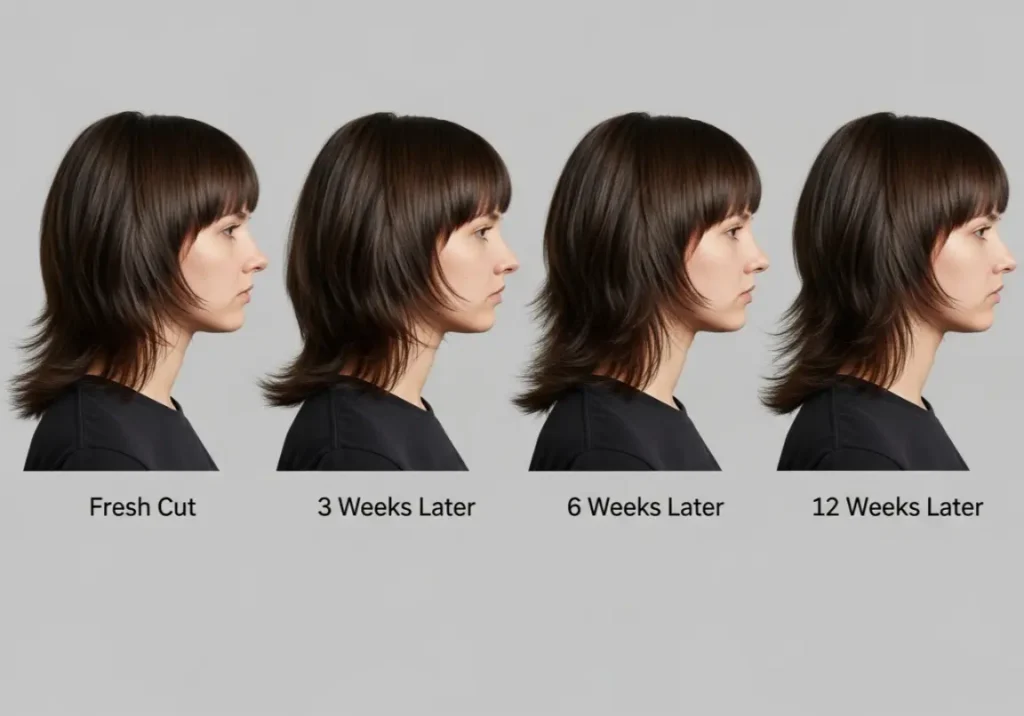
One concern many people have about dramatic cuts like the long wolfcut is maintenance and the growing-out process. The good news is that this style is relatively low-maintenance compared to other layered cuts, particularly for those with naturally textured hair. The intentionally messy, undone aesthetic means that a bit of growth actually enhances rather than detracts from the look.
Regular trims every eight to twelve weeks help maintain the shape and prevent the layers from becoming too disconnected or losing their structure. However, unlike precision cuts that require exact maintenance, the wolfcut has built-in flexibility. If you miss a trim appointment, the style simply becomes softer and more grown-out, which can be a perfectly acceptable variation of the look.
For those who decide to grow out their wolfcut, the process is far less awkward than growing out many other short or heavily layered styles. The longer bottom sections provide length continuity, while the shorter layers gradually blend into the overall length over time. Strategic trims during the growing-out phase can help maintain a flattering shape throughout the transition.
Customizing Your Long Wolfcut

The beauty of the long wolfcut lies in its adaptability to individual features and preferences. Face shape plays a significant role in determining the optimal variation of this cut. Those with round faces benefit from face-framing layers that start higher and create vertical lines, elongating the face. Square faces are softened by wispy, textured pieces around the jawline that blur harsh angles.
Oval faces have the most flexibility and can wear virtually any interpretation of the long wolfcut, from subtle to dramatic. Heart-shaped faces look particularly stunning with wolfcuts that feature fuller layers around the chin and jaw area, balancing the wider forehead. Long or rectangular faces benefit from width-creating layers at the sides and less height at the crown.
Hair texture also influences the final result. Fine hair requires careful layering to avoid over-thinning, with focus on creating the illusion of density through strategic placement rather than excessive cutting. Thick hair can handle more aggressive layering and often benefits from internal texturizing to remove bulk while maintaining the outer shape. Wavy and curly hair naturally enhance the wolfcut’s textured aesthetic, requiring less styling effort to achieve the desired tousled look.
Color Techniques That Enhance Dimension
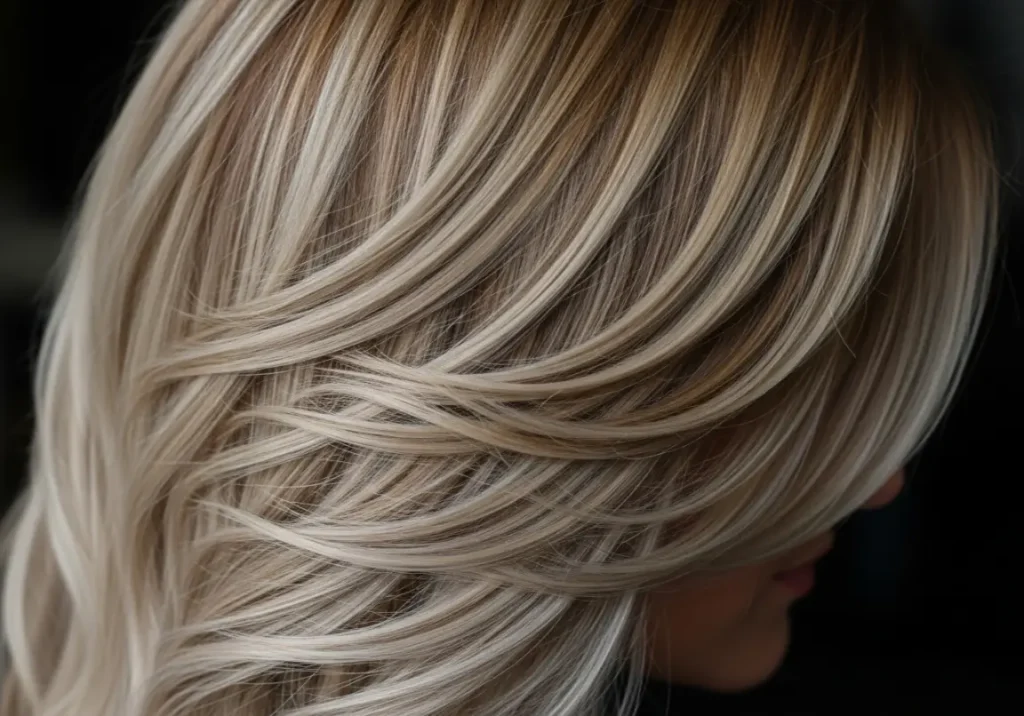
While the cut itself creates significant transformation, strategic color placement can amplify the dimensional effect of a long wolfcut. Highlighting and lowlighting techniques that follow the layered structure emphasize the cut’s movement and depth. Babylights concentrated around the face and crown area catch light and draw attention to the shortest, most voluminous sections.
Balayage application works particularly well with wolfcuts, as the hand-painted technique naturally follows the hair’s movement and layers. Placing lighter tones on the outermost layers and keeping deeper tones underneath creates a multidimensional effect that makes hair appear thicker and fuller. This contrast between light and dark also accentuates the separation between layers, making the cut’s structure more visible and impactful.
For those seeking a bolder approach, face-framing highlights or money pieces in a contrasting shade draw immediate attention to the cut’s most distinctive feature. These bright pieces around the face emphasize the layering and create a striking focal point that further combats the appearance of flatness.
Product Recommendations for Lasting Volume
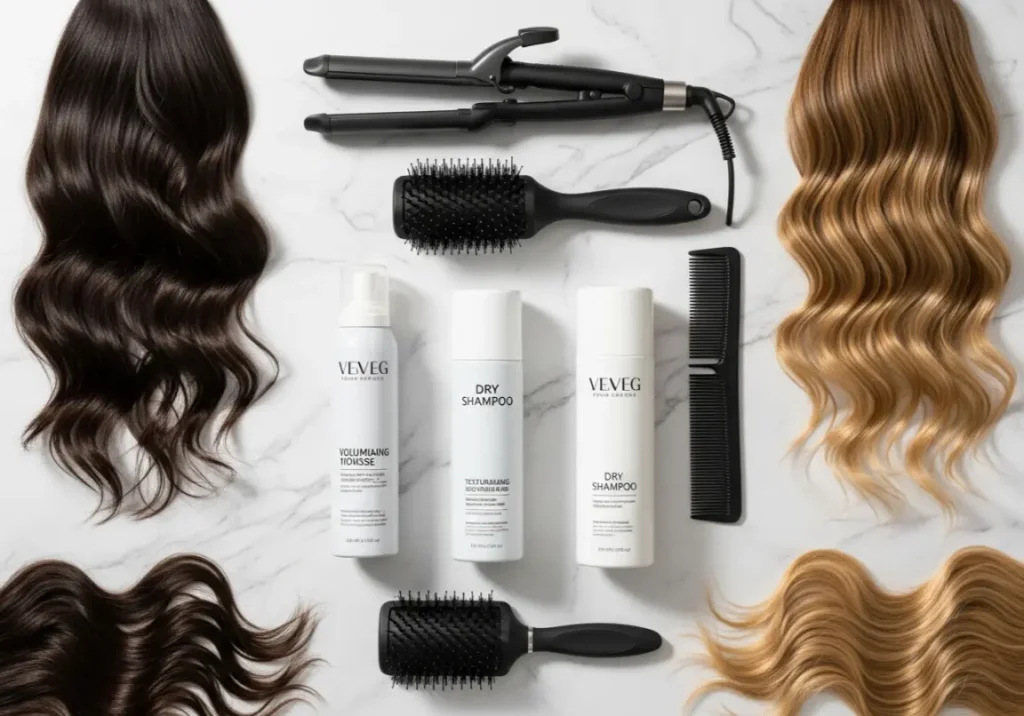
Maintaining the volume and texture of a long wolfcut requires the right product arsenal. Volumizing shampoos and conditioners form the foundation, providing lift from the cleansing stage. Look for formulas that are lightweight and avoid heavy moisturizers that can weigh down fine or flat hair. Ingredients like rice protein, biotin, and panthenol help strengthen and plump individual hair strands.
Root-lifting sprays or mousses applied to damp hair before drying provide targeted volume exactly where the wolfcut needs it most. These products work by coating the hair shaft near the scalp and creating lift as they dry. For best results, apply directly to the roots in the crown area and massage in thoroughly.
Dry shampoo serves a dual purpose for wolfcut maintenance. Beyond absorbing oil between washes, it adds texture and grit that enhances the cut’s intentionally undone aesthetic. Spray dry shampoo at the roots and throughout the mid-lengths, then massage and tousle to create separation and lift. Texturizing sprays and dry texture sprays offer similar benefits with a lighter feel, perfect for refreshing the style throughout the day.
Finishing products should be chosen carefully to avoid weighing down the style. Lightweight hairsprays with flexible hold maintain movement while preventing frizz. Avoid heavy serums or oils on the top layers, reserving these for the ends only if needed for smoothness.
Addressing Common Concerns and Challenges

Many people hesitate to commit to a long wolfcut due to concerns about styling difficulty or unflattering results. The reality is that while this cut does require some styling effort, it is far more forgiving than many assume. The textured, messy nature of the style means that imperfection is actually desirable. Unlike sleek, polished cuts that show every flaw, the wolfcut embraces a more organic, natural appearance.
For those worried about daily styling time, the long wolfcut can be surprisingly low-maintenance once you establish a routine. The cut itself does much of the work, creating natural volume and movement that requires minimal enhancement. On days when time is limited, simply rough-drying with fingers and applying a bit of texturizing spray can achieve a perfectly acceptable result.
The fear of looking too edgy or alternative is also common, but the long wolfcut exists on a spectrum from subtle to bold. A conservative interpretation with softer layering and less dramatic contrast between lengths can provide the volume-boosting benefits while maintaining a more classic appearance. Conversely, those seeking a statement-making style can embrace heavier texturing and more disconnected layers.
Adapting the Wolfcut Across Ages and Lifestyles
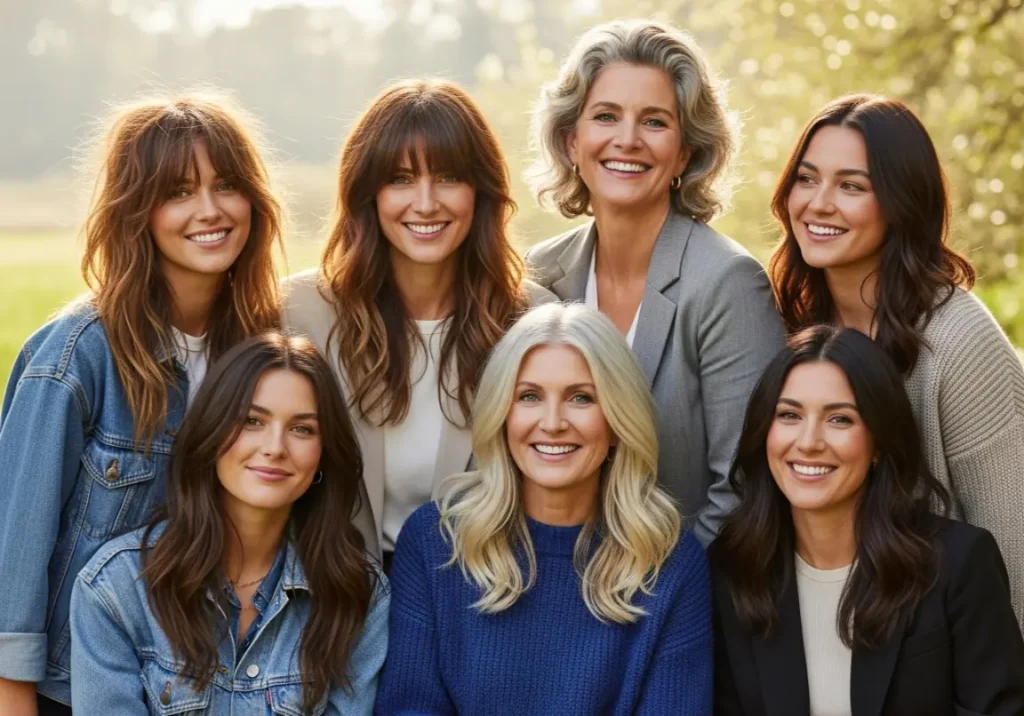
One remarkable aspect of the long wolfcut is its universal appeal across different age groups and lifestyles. While often associated with younger, trend-focused individuals, this cut translates beautifully for mature women seeking to add life to thinning or aging hair. The volume-creating properties combat the natural loss of density that occurs with age, while the modern silhouette provides a youthful update without trying too hard.
Professional environments once hostile to edgier hairstyles have become more accepting of individual expression. A well-executed long wolfcut, particularly in more subtle interpretations, can read as polished and intentional rather than rebellious. The key lies in styling and presentation. Smooth the face-framing pieces with a flat iron for a more refined look, or embrace natural texture for a creative industry aesthetic.
For active lifestyles, the long wolfcut proves surprisingly practical. The layers prevent the heavy, sweaty feeling that comes with wearing long, thick hair during workouts, while the length allows for easy securing in ponytails or buns when needed. The textured nature of the cut means that post-workout hair actually looks intentionally tousled rather than simply messy.
Celebrity Inspiration and Cultural Impact
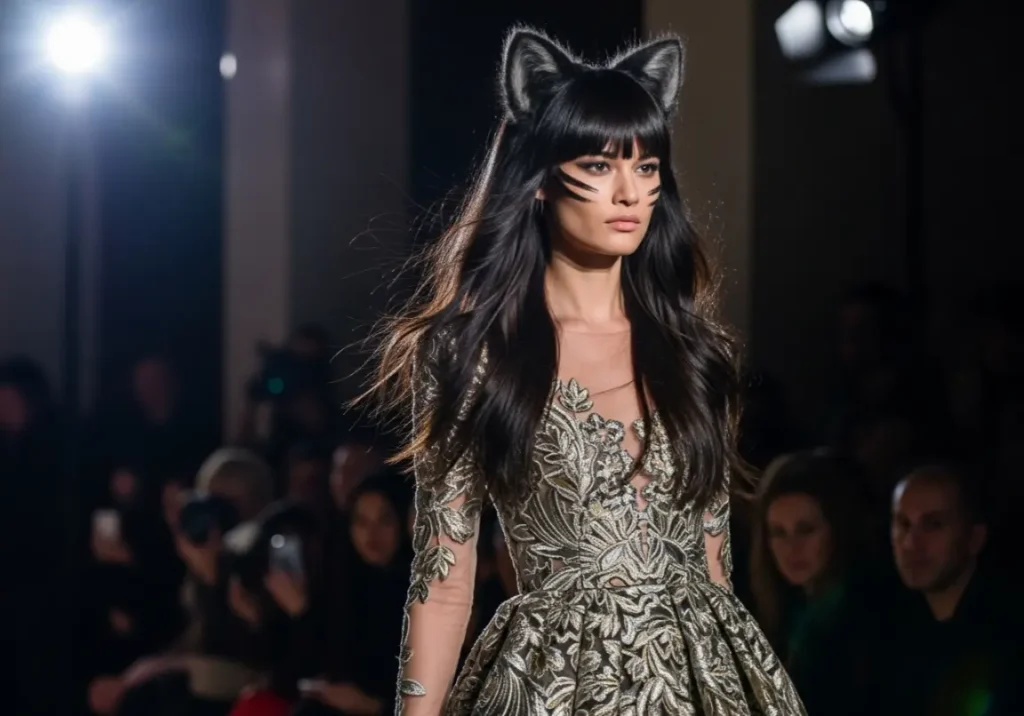
The resurgence of the wolfcut owes much to celebrity adoption and social media exposure. High-profile figures sporting various interpretations of this style have demonstrated its versatility and broad appeal. From musicians embracing the cut’s rock-and-roll heritage to actors showcasing softer, more romantic versions, these public examples provide tangible proof of the style’s transformative power.
The cultural moment surrounding the long wolfcut reflects broader trends toward individuality and rejection of overly polished perfection. In an era of increasingly curated and filtered images, the wolfcut’s embrace of texture, movement, and intentional imperfection feels refreshingly authentic. This alignment with contemporary values partially explains its widespread popularity across diverse demographics.
Social media platforms have played a crucial role in the wolfcut’s proliferation, with countless transformation videos showcasing dramatic before-and-after results. These real-world examples from everyday people demonstrate the cut’s accessibility and effectiveness far more convincingly than professional styling alone could achieve.
The Psychological Impact of Hair Transformation

Beyond the physical change, adopting a long wolfcut can have profound psychological effects. For individuals who have struggled with flat, lifeless hair for years, the transformation represents more than aesthetic improvement. It often marks a shift in self-perception and confidence, demonstrating that change is possible and that long-held limitations can be overcome.
The act of committing to a dramatic cut like the wolfcut requires courage and trust in both the process and the stylist. This leap of faith, when rewarded with positive results, can create momentum for other positive changes in life. Hair transformation frequently serves as a catalyst for broader personal reinvention or renewed self-care focus.
The compliments and positive attention that often follow a successful wolfcut further reinforce these psychological benefits. When others notice and comment on the change, it validates the decision and boosts self-esteem. This external feedback loop can be particularly powerful for those who have felt invisible or unremarkable due to their previous hairstyle.
Technical Execution for Professional Stylists
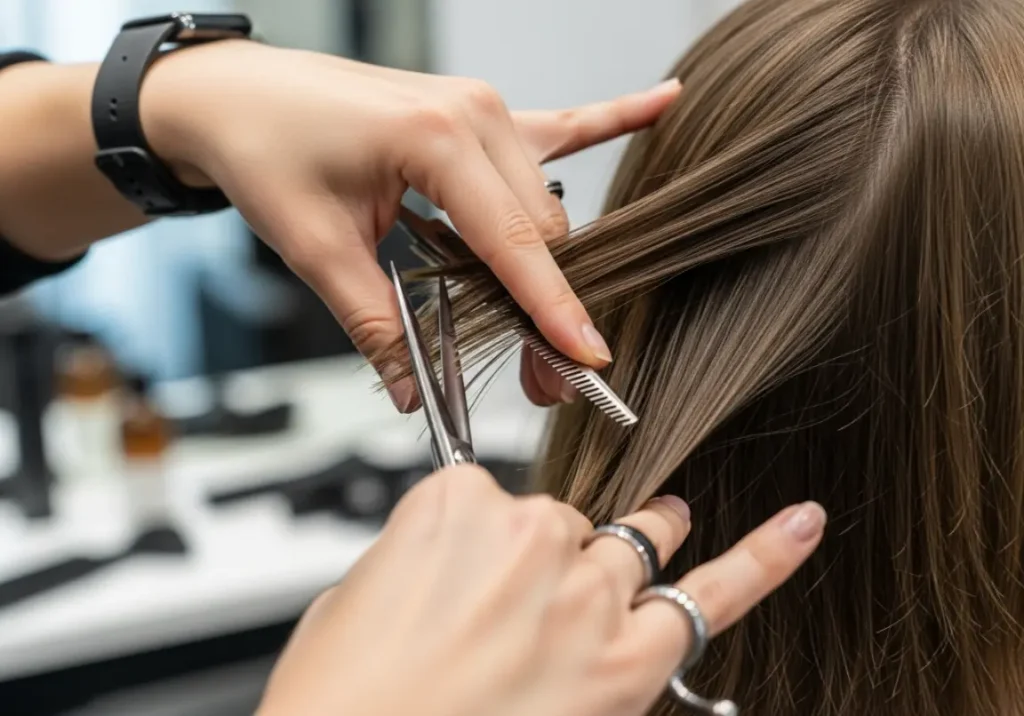
For hairstylists looking to master the long wolfcut, understanding the technical approach is essential. The cut typically begins by establishing the shortest point, usually at the crown or top of the head. This section serves as the guide for all subsequent layers and determines the overall degree of volume and lift.
Working in sections, the stylist pulls hair at various angles to create the desired layer lengths and transitions. Overdirection techniques, where hair is pulled forward or to the side before cutting, create the necessary length variation for the wolfcut’s signature shape. Point-cutting into the ends adds texture and prevents blunt lines, while slide-cutting through the mid-lengths creates seamless blending between sections.
The face-framing pieces require particular attention, as these will be the most visible aspects of the finished cut. Determining the optimal starting point for these layers based on face shape and features ensures a flattering result. Some clients benefit from layers that begin at cheekbone level, while others look best with chin-length or longer face-framing pieces.
Consultation before cutting is crucial for managing expectations and ensuring client satisfaction. Discussing maintenance requirements, styling commitment, and the growing-out process helps clients make informed decisions. Showing reference photos and explaining how the cut will be adapted to suit individual features prevents miscommunication and disappointment.
Conclusion
The long wolfcut stands as one of the most effective solutions for transforming flat, lifeless hair into a dynamic, voluminous masterpiece. Its strategic layering, textured cutting techniques, and adaptable nature make it suitable for a wide range of hair types, face shapes, and personal styles. The fourteen variations and applications explored demonstrate the cut’s versatility and consistent ability to add dimension where none previously existed.
What sets the long wolfcut apart from other volumizing hairstyles is its perfect balance of structure and movement. The architectural layering provides reliable lift and body, while the textured, undone aesthetic allows for natural expression and easy styling. This combination makes it both impactful and practical, delivering dramatic results without requiring excessive maintenance or styling expertise.
For anyone struggling with flat hair that refuses to hold volume or develop personality, the long wolfcut offers a proven solution backed by countless success stories. Whether you choose a subtle interpretation that gently enhances your natural texture or a bold version that makes an unmistakable statement, this transformative cut has the power to reshape not just your hair, but your entire relationship with your appearance. The confidence and renewed self-expression that come from finally achieving the voluminous, lively hair you have always wanted extend far beyond the salon chair, influencing how you present yourself to the world and how you feel in your own skin.
Frequently Asked Questions
How often should I trim my long wolfcut to maintain its shape?
Most people benefit from trims every eight to twelve weeks to maintain the cut’s structure and prevent the layers from growing too disconnected. However, the wolfcut is forgiving, and waiting slightly longer between appointments simply creates a softer, more grown-out version of the style rather than a completely unflattering shape.
Can a long wolfcut work on extremely fine or thin hair?
Yes, the long wolfcut can be highly effective for fine or thin hair when executed properly. The key is avoiding over-layering, which can make hair appear even thinner. A skilled stylist will create strategic layers that provide volume without removing too much density, focusing on placement rather than excessive cutting to achieve the desired effect.
How much daily styling does a long wolfcut require?
The styling commitment varies based on hair texture and desired finish. Those with naturally wavy or textured hair may need only minimal effort, perhaps just scrunching with product and air-drying or diffusing. Straighter hair types typically require blow-drying with a round brush or adding waves with heat tools, which can take fifteen to thirty minutes depending on skill level and hair density.
Will a long wolfcut make my face look rounder or wider?
When customized properly for your face shape, a long wolfcut should enhance rather than widen your features. For round faces, the stylist can create longer, face-framing pieces that start lower and add vertical lines. The overall volume at the crown also helps elongate the face rather than add width.
Is the long wolfcut appropriate for professional work environments?
The long wolfcut can absolutely work in professional settings, especially when styled with intention. More conservative interpretations with subtler layering read as polished and modern rather than edgy. The key is working with your stylist to create a version that aligns with your workplace culture while still providing the volume and movement benefits of the cut.
You may also like this post: 15 Butterfly Haircut Long Hair Ideas That Frame Your Face Perfectly