
How To Look Good In Your 50s: Men’s Anti-Aging Guide
Turning 50 is not about decline. It marks a period when many men truly come into their own, radiating confidence that only comes with experience. However, the physical changes that accompany this decade are real. Your skin behaves differently than it did in your 20s or 30s. Your body composition shifts. The wardrobe choices that once worked now feel misaligned. Yet these changes need not diminish your appearance. With the right approach to skincare, fitness, style, and overall self-care, your 50s can be your most distinguished decade yet.
This guide provides a comprehensive roadmap for men who want to look their best after 50. We will address the specific challenges that come with this stage of life and offer practical solutions that fit into your daily routine without overwhelming complexity.
Understanding How Your Body Changes After 50
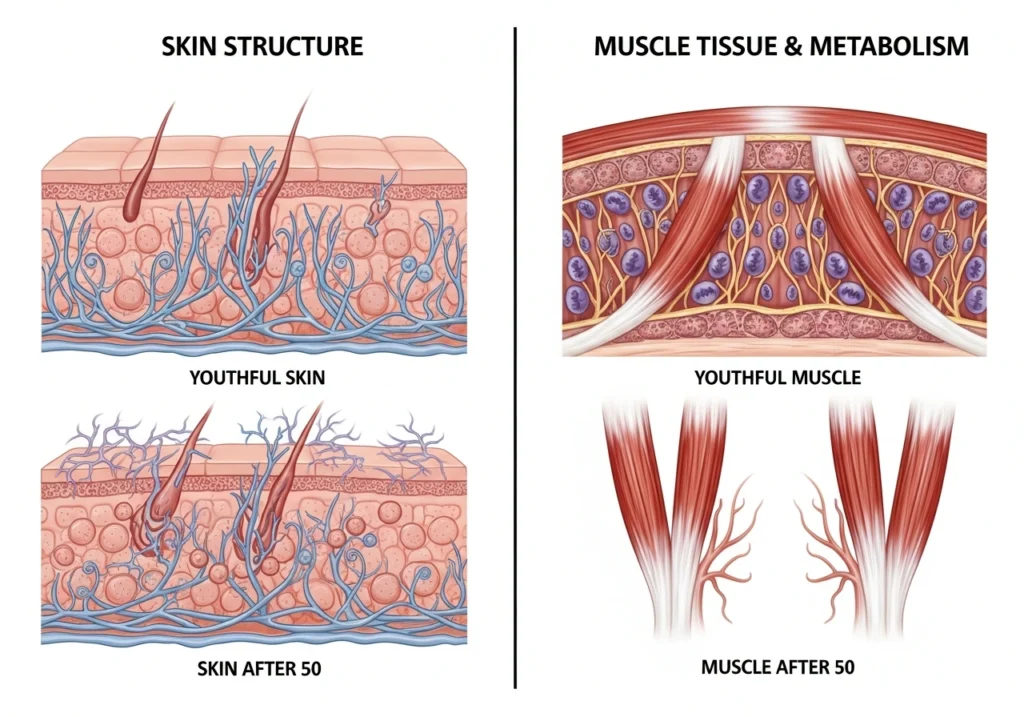
The aging process accelerates noticeably once you cross the half-century mark. Collagen production, which keeps skin firm and elastic, declines significantly. By your 50s, you produce roughly 25 percent less collagen than you did in your 20s. This reduction leads to visible changes including deeper wrinkles, sagging skin, and a loss of facial volume.
Your metabolism also slows down considerably. Research shows that men lose approximately 3 to 5 percent of their muscle mass per decade after 30, with this loss accelerating after 50. This phenomenon, called sarcopenia, not only affects your strength but also your metabolic rate, making weight management more challenging.
Skin becomes drier and thinner with age. The natural oils your skin once produced decrease, leading to roughness and increased sensitivity. Sun damage accumulated over decades begins to surface in the form of age spots, uneven pigmentation, and broken capillaries. Your hair may thin or gray, and facial hair often becomes coarser and more difficult to manage.
Understanding these changes helps you address them effectively rather than fighting against your biology.
1. Establish a Targeted Skincare Routine

Skincare is no longer optional for men who want to maintain a youthful appearance. Your 50s demand a deliberate approach to caring for your skin, focusing on hydration, protection, and repair.
Cleanse Without Stripping
Start with a gentle cleanser that removes dirt, oil, and environmental pollutants without stripping away your skin’s natural moisture barrier. Harsh soaps accelerate dryness and irritation. Choose a hydrating formula designed for mature skin and use it morning and night.
Cleansing prepares your skin to absorb the beneficial ingredients in your other products. It also prevents clogged pores, which can still cause breakouts even in your 50s.
Moisturize with Purpose
Moisturizing is perhaps the most critical step in any skincare routine for older men. Look for products containing hyaluronic acid, which can hold up to 1,000 times its weight in water, keeping skin plump and hydrated. Glycerin is another excellent humectant that draws moisture into your skin.
Apply moisturizer immediately after cleansing while your skin is still slightly damp. This locks in moisture more effectively. During the day, use a lighter formulation. At night, opt for a richer cream that works while you sleep to repair and restore.
Never Skip Sunscreen
Sun protection remains essential regardless of age. In fact, it becomes even more important as your skin’s ability to repair UV damage diminishes. Apply a broad-spectrum sunscreen with SPF 30 or higher every single day, even when it is cloudy or you are spending most of your time indoors.
UV exposure is the primary cause of premature aging. It breaks down collagen, creates age spots, and increases your risk of skin cancer. Make sunscreen as automatic as brushing your teeth.
Introduce Powerful Active Ingredients
Retinol stands as the gold standard in anti-aging skincare. This vitamin A derivative stimulates collagen production, accelerates cell turnover, and reduces the appearance of fine lines and wrinkles. Start with a lower concentration to allow your skin to adjust, then gradually increase strength.
Apply retinol at night, as it can increase sun sensitivity. Follow with a good moisturizer to minimize potential dryness or irritation.
Vitamin C serums offer powerful antioxidant protection. They brighten skin tone, reduce hyperpigmentation, and protect against free radical damage from pollution and UV rays. Use vitamin C in the morning before your sunscreen for maximum benefit.
Peptides support collagen synthesis and help firm aging skin. Look for eye creams and serums containing peptides to target specific areas of concern like crow’s feet and under-eye bags.
2. Master the Art of Grooming

Proper grooming separates men who simply age from men who age with style. Small details make an enormous difference in your overall appearance.
Manage Your Facial Hair Strategically
Both clean-shaven and bearded looks can work well in your 50s, but both require maintenance. If you shave, do it properly. Use a quality razor, shaving cream, and aftershave. Regular shaving actually exfoliates your skin, removing dead cells and promoting collagen production.
If you prefer facial hair, keep it well-groomed. Stubble can look distinguished, but the line between intentional stubble and laziness is thin. Invest in a quality trimmer and maintain consistent length. Shape your beard regularly to keep it looking deliberate rather than unkempt.
Gray facial hair is perfectly acceptable and often adds character. However, if you choose to dye it, do so professionally to avoid unnatural results.
Tame Unwanted Hair
Ear hair, nose hair, and wild eyebrows become more prominent with age. These details may seem minor, but they significantly impact how polished you appear. Regular trimming should be part of your routine. Most barbers will handle this as part of a haircut, or invest in a quality trimmer for home maintenance.
Get Regular Haircuts
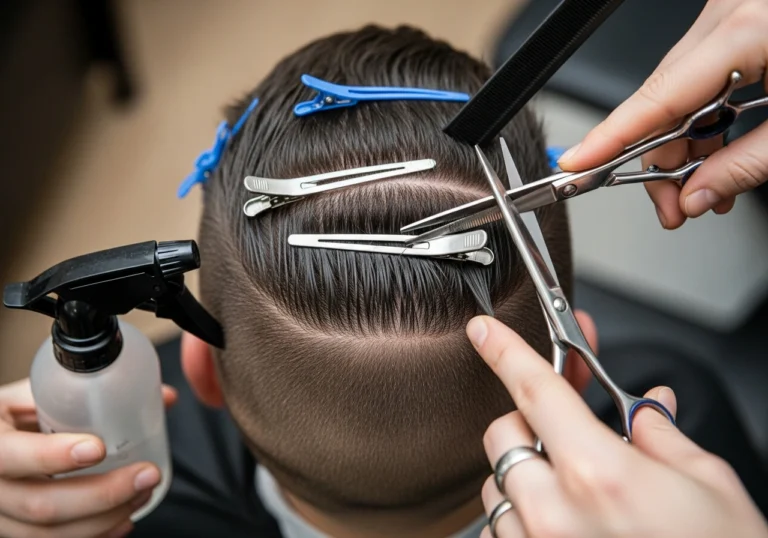
Your hairstyle matters more than you might think. Many men stick with the same cut they have had for decades, which can actually make them look older. Visit a skilled barber or stylist regularly and be open to subtle updates that flatter your current face shape and hairline.
If you are experiencing significant hair loss, consider embracing it. A clean-shaved head often looks better than clinging to thinning wisps. Many distinguished men over 50 wear this look with confidence.
Embrace gray hair rather than fighting it. Gray can be incredibly attractive when it is well-maintained. Use specialized shampoos to prevent yellowing and keep gray hair looking vibrant.
3. Dress with Intention and Proper Fit
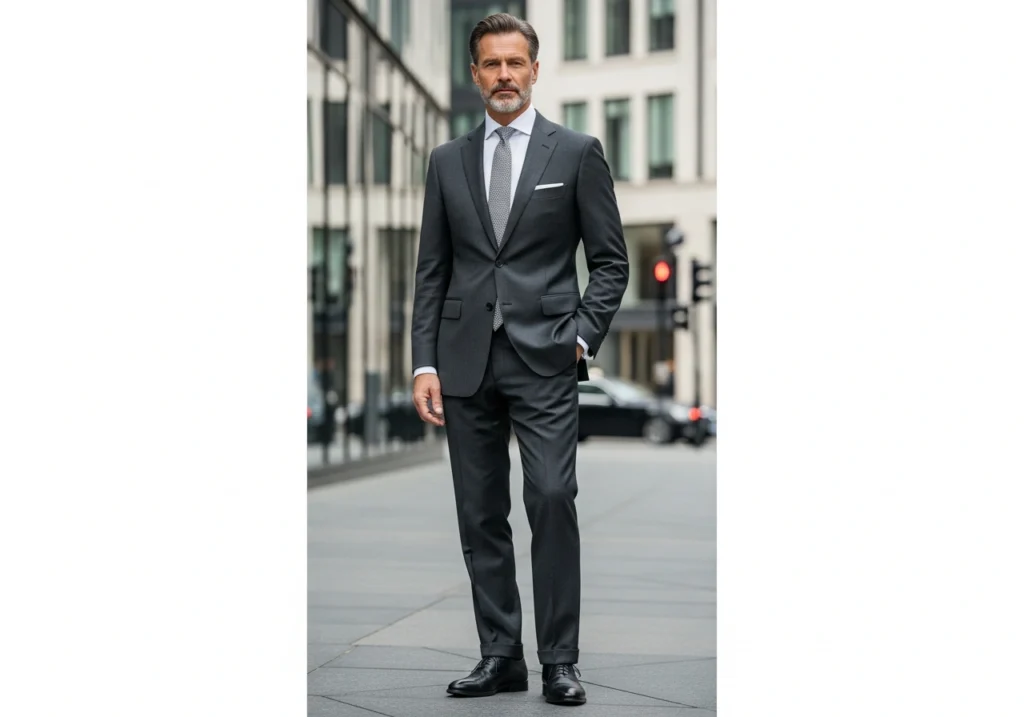
Style in your 50s is about refinement rather than following every trend. Your wardrobe should reflect quiet confidence and attention to detail.
Prioritize Fit Above All Else
Nothing makes you look older faster than ill-fitting clothes. Clothes that are too tight highlight weight gain. Clothes that are too loose make you look shapeless and unkempt. The solution is simple but requires attention: ensure everything fits properly.
Establish a relationship with a good tailor. Even off-the-rack clothing can be transformed with proper alterations. Your tailor should become as important as your barber. Have jackets tailored to fit your shoulders perfectly. Adjust trouser lengths so they break correctly at your shoes. Take in or let out waists as needed.
Know your actual measurements rather than relying on sizes that worked years ago. Carry these measurements when shopping to ensure better initial fit.
Build a Foundation of Classic Pieces
Your 50s are the ideal time to invest in quality wardrobe staples that will serve you for years. Focus on timeless pieces rather than trendy items.
A well-fitted charcoal gray suit is essential for formal occasions. Add a navy blazer that can be dressed up with trousers or down with quality jeans. Invest in multiple pairs of wool dress slacks in various shades of gray and navy. These should be worn as often as jeans for a more polished everyday look.
Quality white and light blue dress shirts form the backbone of a refined wardrobe. Choose fabrics like cotton or linen that breathe well and drape nicely. Avoid anything too slim-fit; instead, opt for classic or modern fits that follow your body without clinging.
Dark denim in a straight or slightly tapered cut works well for casual situations. Avoid distressing, excessive fading, or trendy washes. Keep it simple and dark.
Invest in a quality wool overcoat for layering over blazers during colder months. Choose classic styles in navy, charcoal, or camel that will remain relevant for decades.
Add Thoughtful Details
Accessories elevate your look from ordinary to distinguished. A quality watch, leather belt, and dress shoes should be considered investments rather than afterthoughts. These items should be well-maintained and appropriate for the occasion.
Consider adding hats to your repertoire. Fedoras, flat caps, or even well-chosen baseball caps can add personality while also providing sun protection.
Pocket squares, ties, and quality socks offer opportunities to inject personality without overwhelming your look. Choose these accessories deliberately to complement rather than compete with your outfit.
Understand What to Avoid
Certain fashion choices age you unnecessarily. Skip graphic tees with large logos or messages. Avoid athletic wear as everyday clothing unless you are actually exercising. Steer clear of anything labeled “distressed” or deliberately damaged.
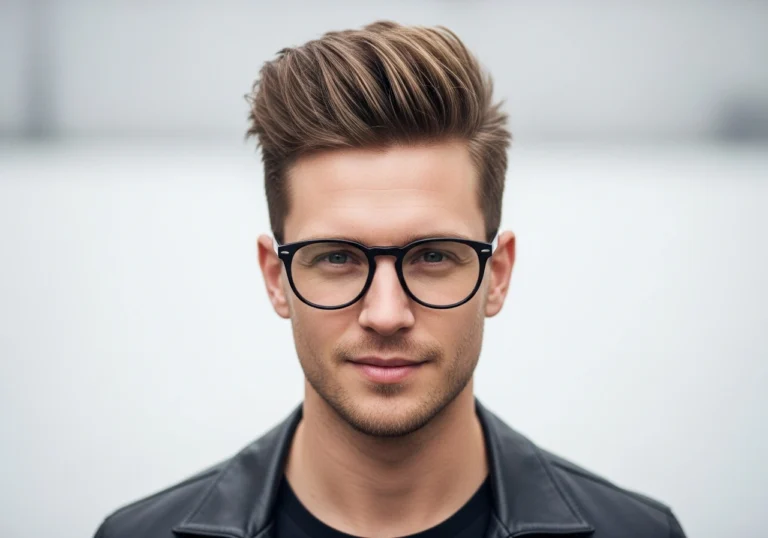
Metal-frame glasses, particularly gold or silver, tend to age most men. Opt for modern frames in tortoiseshell or matte black that add structure to your face.
All-white athletic shoes or Velcro sneakers broadcast “senior citizen” regardless of your actual fitness level. Choose leather shoes, clean minimalist sneakers, or quality loafers instead.
4. Commit to Regular Physical Activity

Exercise is not vanity. It is the most effective tool you have for maintaining vitality, managing weight, and literally extending your life.
Strength Training Becomes Non-Negotiable
Muscle mass preservation should be your primary fitness focus after 50. Strength training combats sarcopenia, maintains bone density, and keeps your metabolism functioning efficiently.
You do not need to become a bodybuilder, but you do need to challenge your muscles regularly. Full-body workouts two to three times per week are more effective than the body-part splits popular in younger decades. Focus on compound movements that work multiple muscle groups simultaneously: squats, deadlifts, rows, presses, and pull-ups.
Start with bodyweight exercises if you are new to strength training. Progress to dumbbells rather than barbells as you advance, since dumbbells allow more natural movement patterns that are easier on aging joints.
Form matters more than weight. Lift amounts you can control properly throughout the full range of motion. Poor form not only reduces effectiveness but dramatically increases injury risk.
Cardio Protects Your Heart
Cardiovascular exercise becomes increasingly important for heart health, blood pressure management, and overall endurance. The recommendation of 150 minutes of moderate activity per week applies to all adults, but it is especially critical after 50.
Walking is perhaps the most accessible and sustainable form of cardio. It requires no equipment, can be done anywhere, and is easy on your joints. Aim for brisk walks that elevate your heart rate without leaving you breathless.
Swimming offers excellent cardiovascular benefits with zero joint impact. The water provides resistance for muscle building while supporting your body weight.
Cycling, whether outdoors or on a stationary bike, builds leg strength while improving cardiovascular fitness.
Flexibility and Balance Matter
Flexibility exercises and balance training prevent falls and maintain your ability to perform daily activities without difficulty. Yoga and tai chi offer both benefits while also providing stress relief and improved body awareness.
Dedicate time to stretching after workouts. Focus particularly on your lower back, hamstrings, and hip flexors, which tend to tighten with age and sedentary habits.
Allow Adequate Recovery
Your body needs more recovery time than it did when you were younger. Build rest days into your routine and do not push through pain. Listen to your body and adjust intensity as needed. Consistent moderate exercise over decades trumps sporadic intense efforts that lead to injury.
5. Optimize Your Nutrition

What you eat directly impacts how you look and feel. Your nutritional needs evolve as you age, requiring adjustments to maintain optimal health and appearance.
Focus on Protein
Adequate protein intake supports muscle maintenance and repair. Aim for roughly 0.8 to 1 gram of protein per pound of body weight daily. Good sources include lean meats, fish, eggs, Greek yogurt, legumes, and quality protein supplements if needed.
Distribute protein throughout the day rather than consuming most of it at dinner. Your body can only process a certain amount at once for muscle synthesis.
Choose Nutrient-Dense Foods
Prioritize whole foods over processed options. Fill your plate with vegetables, fruits, whole grains, lean proteins, and healthy fats from sources like avocados, nuts, olive oil, and fatty fish.
These foods provide the vitamins, minerals, and antioxidants your skin and body need to repair damage and function optimally. They also tend to be more filling than processed foods, helping with weight management.
Limit Sugar and Refined Carbohydrates
Excess sugar accelerates aging through a process called glycation, where sugar molecules bind to proteins like collagen, making them stiff and malformed. This manifests as wrinkles and sagging skin.
Reduce consumption of sodas, baked goods, candy, and other high-sugar items. Choose complex carbohydrates like whole grains over refined white bread and pasta.
Stay Hydrated
Water is essential for every bodily function, including maintaining skin elasticity and flushing toxins. Dehydration makes skin look dull and exaggerates fine lines. Aim for at least eight glasses of water daily, more if you exercise heavily or live in a hot climate.
Limit alcohol consumption, which dehydrates you and damages skin over time. If you drink, do so in moderation and drink extra water to compensate.
6. Manage Stress and Prioritize Sleep
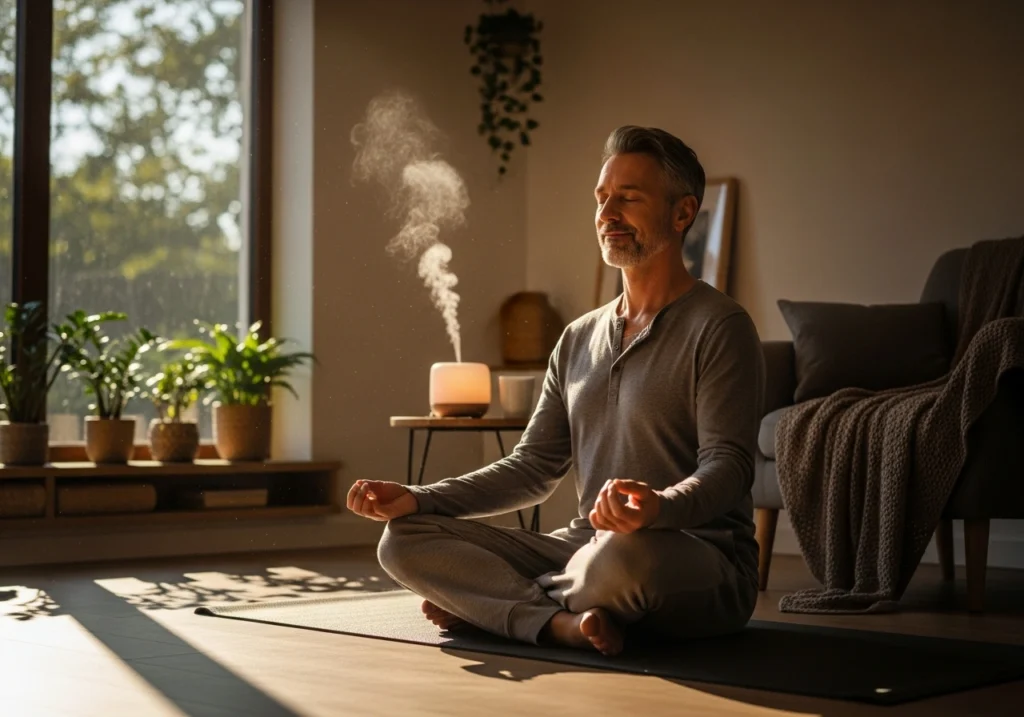
Your mental state and sleep quality directly affect your physical appearance and health.
Understand Stress Impact
Chronic stress elevates cortisol levels, which breaks down collagen and accelerates aging. It also contributes to weight gain, particularly around the midsection, and can worsen conditions like high blood pressure and heart disease.
Find effective stress management techniques that work for you. This might include meditation, deep breathing exercises, regular physical activity, hobbies you enjoy, or time spent with people you care about.
Sleep is Rejuvenation
Quality sleep is when your body performs critical repair and regeneration processes. Aim for seven to eight hours per night. Poor sleep shows up as dark circles, puffiness, dull skin, and increased signs of aging.
Establish a consistent sleep schedule, even on weekends. Create a dark, cool sleeping environment. Limit screen time before bed, as blue light interferes with your natural sleep cycle.
If you snore heavily or feel tired despite adequate sleep time, consider getting evaluated for sleep apnea, which becomes more common with age and significantly impacts health.
7. Maintain Good Posture
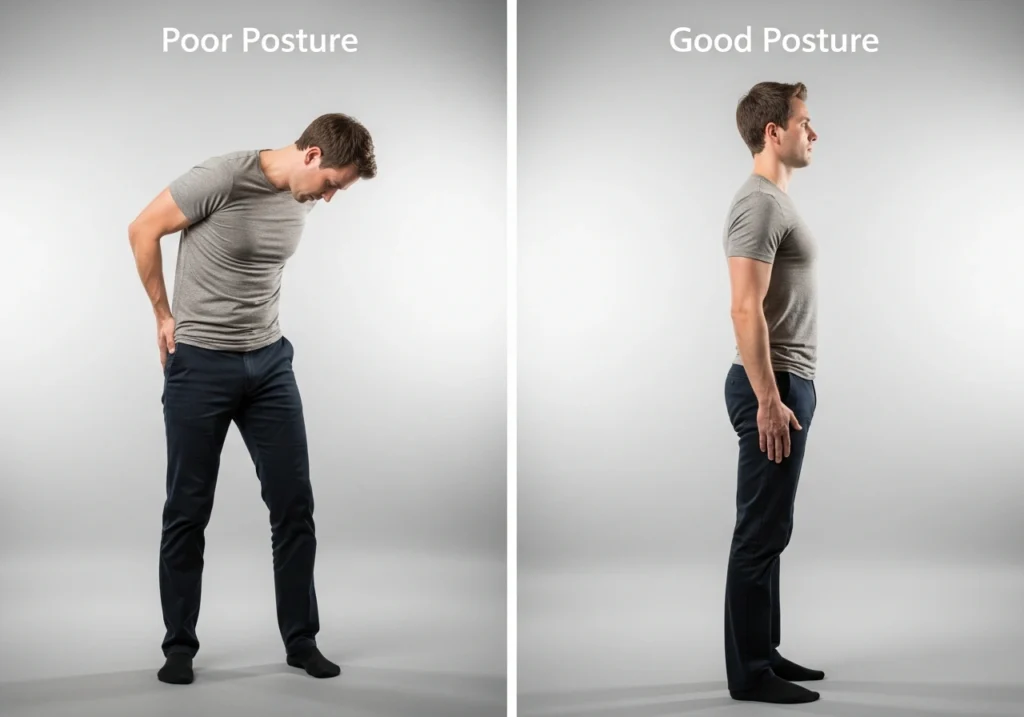
Posture affects not only how others perceive you but also how you feel physically. Slouching makes you look older, less confident, and even heavier than you are.
Poor posture develops from years of hunching over computers, phones, and steering wheels. It leads to actual physical problems including back pain, neck strain, and reduced lung capacity.
Consciously work on standing and sitting straighter. Pull your shoulders back and down, engage your core muscles, and keep your chin level. Regular strength training, particularly exercises targeting your back and core, makes maintaining good posture easier.
Even your walk matters. Move with purpose and keep your head up rather than staring at the ground.
8. Regular Health Screenings

Looking good requires being healthy. Men over 50 face increased risks for various health conditions that can impact appearance and quality of life.
Schedule regular checkups with your doctor. Monitor blood pressure, cholesterol levels, and blood sugar. Get age-appropriate cancer screenings including colonoscopy and prostate checks. Visit your dentist regularly, as oral health affects overall health and appearance.
Address health issues promptly rather than ignoring them. Many conditions are far more manageable when caught early.
you may also like this:13+ Stylish Short Sides Long Top Haircuts For Men
Conclusion
Looking good in your 50s is entirely achievable and does not require drastic measures or unrealistic commitments. It requires consistency in small daily actions: caring for your skin properly, dressing in well-fitted clothes, maintaining physical fitness, eating nutritious foods, and paying attention to grooming details.
Your 50s offer a unique opportunity. You have the wisdom and confidence that comes with experience combined with potentially decades of healthy, active life ahead. Make the choice to invest in yourself. The effort you put into your appearance and health today will compound over the years, allowing you to enjoy this decade and beyond with energy, vitality, and yes, good looks.
The key is starting now and maintaining consistency. Small improvements made daily add up to significant changes over months and years. You have earned the right to look and feel your best. Now you have the knowledge to make it happen.
Frequently Asked Questions
What is the most important anti-aging step for men over 50?
Using sunscreen daily is the single most important anti-aging step. UV damage is the primary cause of visible aging, including wrinkles, age spots, and loss of elasticity. A broad-spectrum SPF 30 or higher protects your skin and prevents further damage regardless of weather or how much time you spend outdoors.
Can men really build muscle after 50?
Absolutely. While you may not build muscle as quickly as someone in their 20s, consistent strength training can build and maintain significant muscle mass well into your 50s, 60s, and beyond. Focus on progressive resistance training, adequate protein intake, and proper recovery. Many men actually achieve their best physiques after 50 with dedicated effort.
Should I dye my gray hair?
This is entirely personal preference. Gray hair can look distinguished and attractive when well-maintained. If you choose to dye it, have it done professionally for natural-looking results. Home dye jobs often look obvious and can age you rather than making you look younger. Many style experts suggest embracing gray rather than fighting it.
How often should I work out in my 50s?
Aim for strength training two to three times per week and cardiovascular exercise on most days, totaling at least 150 minutes of moderate activity weekly. Include flexibility work and balance training several times per week. Quality matters more than quantity. Consistency over time produces better results than sporadic intense efforts.
What skincare ingredients should I look for?
The most effective anti-aging ingredients for men over 50 include retinol for boosting collagen and cell turnover, vitamin C for antioxidant protection and brightening, hyaluronic acid for deep hydration, peptides for firming, and niacinamide for improving skin texture and reducing redness. Always use these alongside daily sunscreen for maximum benefit.