20 Best Low Fade Hairstyles for Men 2026!
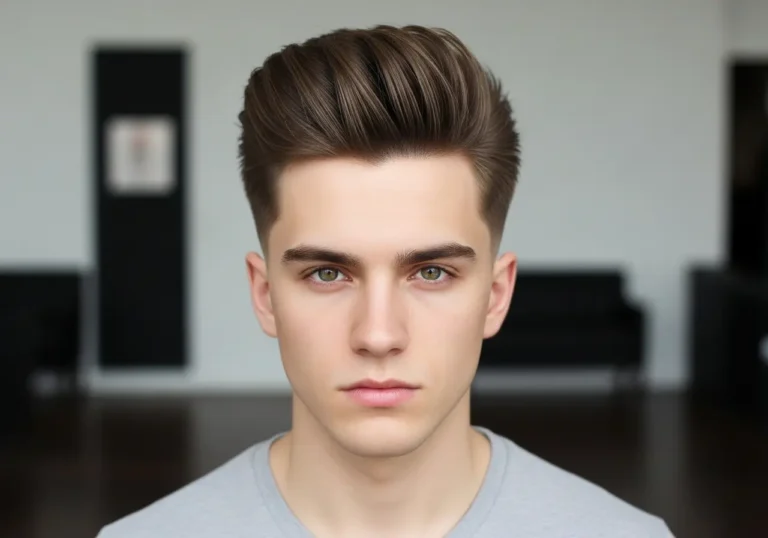
The low fade has established itself as one of the most versatile and sought-after haircuts for men heading into 2026. This timeless style manages to strike the perfect balance between professional polish and contemporary edge, making it an ideal choice for men across all age groups and professions. Whether you work in a corporate environment, run your own business, or simply want a fresh look that requires minimal maintenance, the low fade delivers on all fronts.
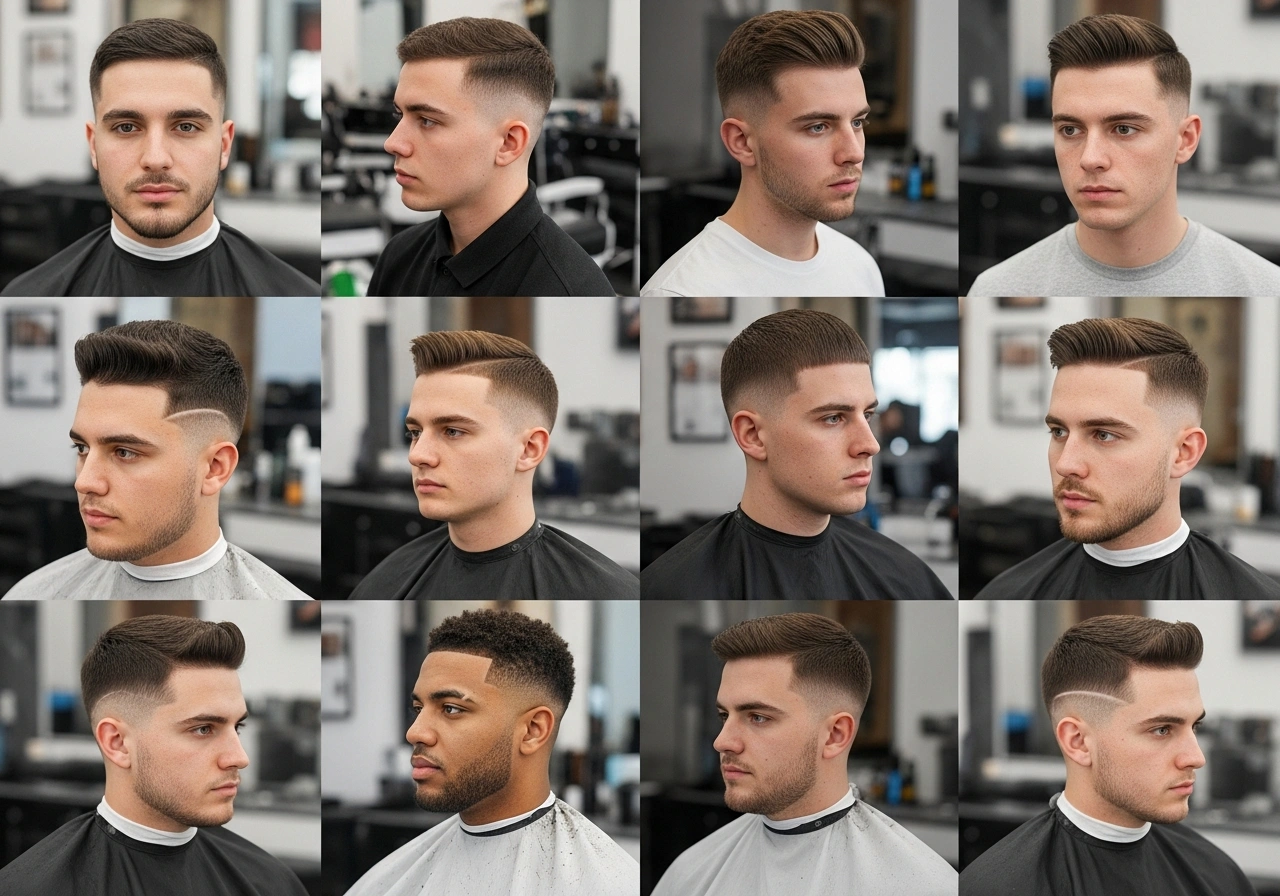
What sets the low fade apart from other haircut styles is its subtle approach to tapering. Unlike high or mid fades that create dramatic contrast, the low fade begins its transition just above the ears and gradually blends the hair shorter toward the neckline. This creates a clean, refined appearance that complements virtually any hairstyle on top, from textured crops to slicked-back pompadours.
The appeal of low fade hairstyles extends beyond their visual impact. These cuts offer practical benefits that busy men appreciate. The shorter sides reduce styling time, the gradual taper grows out more naturally than sharp fades, and the versatility means you can adapt your look from casual to formal with simple product adjustments. As we move through 2026, barbers continue to innovate with this classic technique, introducing fresh variations that honor tradition while embracing modern aesthetics.
Understanding the Low Fade Haircut
Before exploring specific styles, it helps to understand what defines a low fade and how it differs from other fade types. A low fade is characterized by hair that begins its tapering process at the lower portion of the head, typically starting just above the ear level and continuing down to the neckline. The barber uses various clipper guard sizes to create a seamless transition from longer hair on top to increasingly shorter hair on the sides and back.
The beauty of this technique lies in its subtlety. Where high fades create bold, eye-catching contrast by starting the fade near the temples or higher, low fades offer a more conservative approach. This makes them particularly suitable for professional environments where overly dramatic hairstyles might seem out of place. The gradual blend ensures that even as your hair grows out between barbershop visits, the style maintains its shape and appeal.
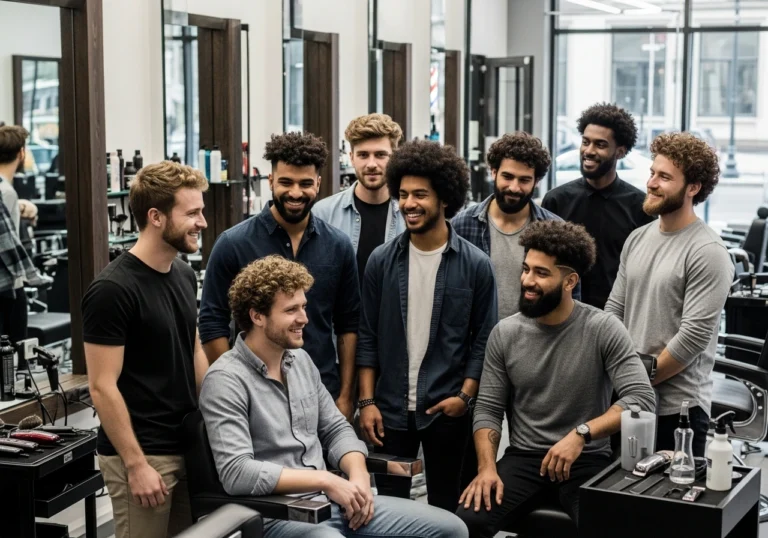
Low fades work exceptionally well with all hair types. Men with thick, coarse hair benefit from the reduced bulk on the sides, while those with finer hair appreciate how the fade creates the illusion of fuller hair on top by comparison. Curly-haired men find that low fades help manage volume without sacrificing the natural texture they want to showcase. This universal adaptability explains why the low fade continues to dominate barbershop requests year after year.
1. Classic Low Taper Fade

The classic low taper fade represents the foundation from which all other variations spring. This style features a smooth, gradual transition that starts just above the ears and tapers down to the neckline without going completely to the skin. The top is left with moderate length, typically two to four inches, allowing for versatile styling options.
This timeless approach works beautifully for men who prefer understated elegance. The taper creates definition without appearing too severe, making it appropriate for virtually any setting. Style the top with a light pomade for a neat, professional look during the workweek, then switch to a matte clay for a more textured, casual appearance on weekends. The classic low taper fade proves that sometimes the most straightforward approach delivers the best results.
2. Low Skin Fade
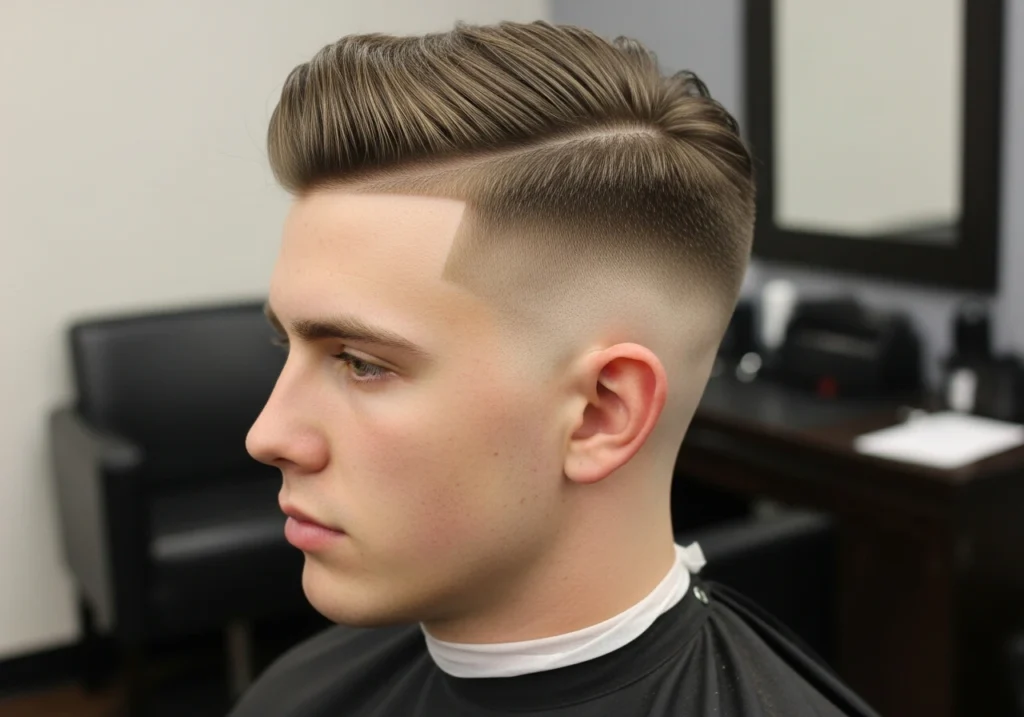
For men seeking more dramatic contrast, the low skin fade takes the concept further by blending the hair all the way down to the skin at the bottom. This creates a striking visual impact while still maintaining the conservative starting point of a traditional low fade. The transition from longer hair on top to completely bald skin at the neckline and around the ears produces a sharp, meticulously groomed appearance.
The low skin fade requires more frequent maintenance than standard tapers, typically needing touch-ups every two to three weeks to maintain those crisp lines. However, many men find this investment worthwhile for the bold, confident statement it makes. This style pairs exceptionally well with textured tops, pompadours, and slicked-back looks where the contrast between the styled top and clean sides enhances the overall aesthetic.
3. Low Drop Fade
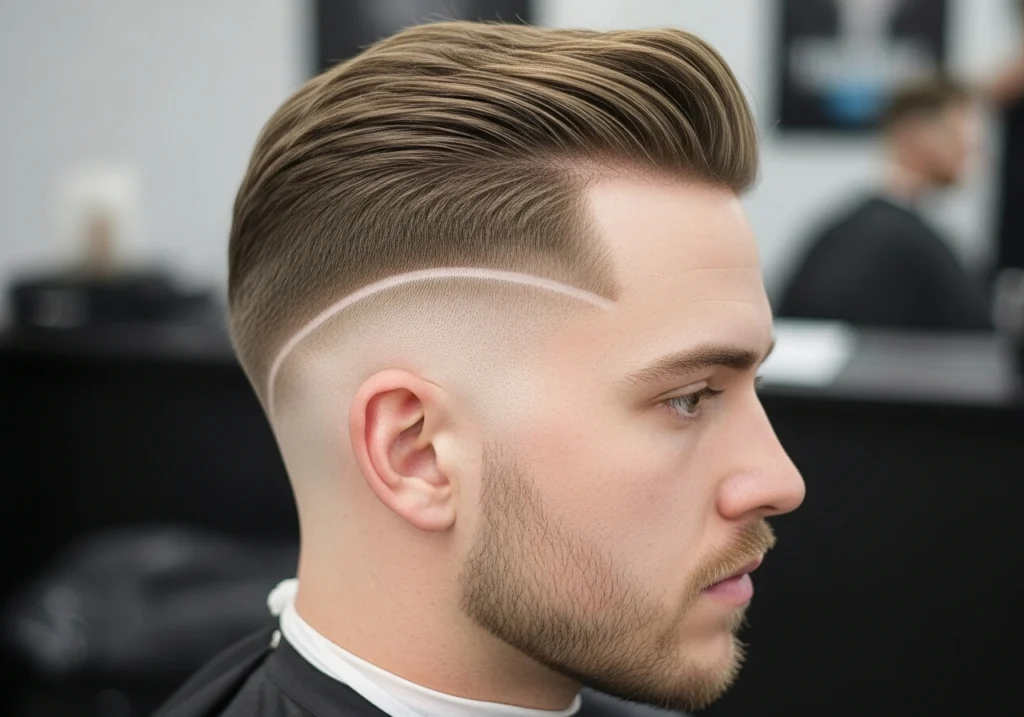
The low drop fade introduces a curved element that follows the natural contours of the head more closely than straight fades. Rather than maintaining a horizontal line around the head, the fade curves downward behind the ears before continuing to the neckline. This creates a rounded, almost architectural effect that adds visual interest and dimension to the overall style.
This variation proves particularly flattering for men with round or square face shapes, as the curved fade helps soften angular features while adding structure to rounder faces. The drop element also works beautifully with longer hairstyles on top, including man buns, slicked-back styles, and voluminous curls. When executed properly by a skilled barber, the low drop fade transforms a simple haircut into a statement piece.
4. Low Burst Fade
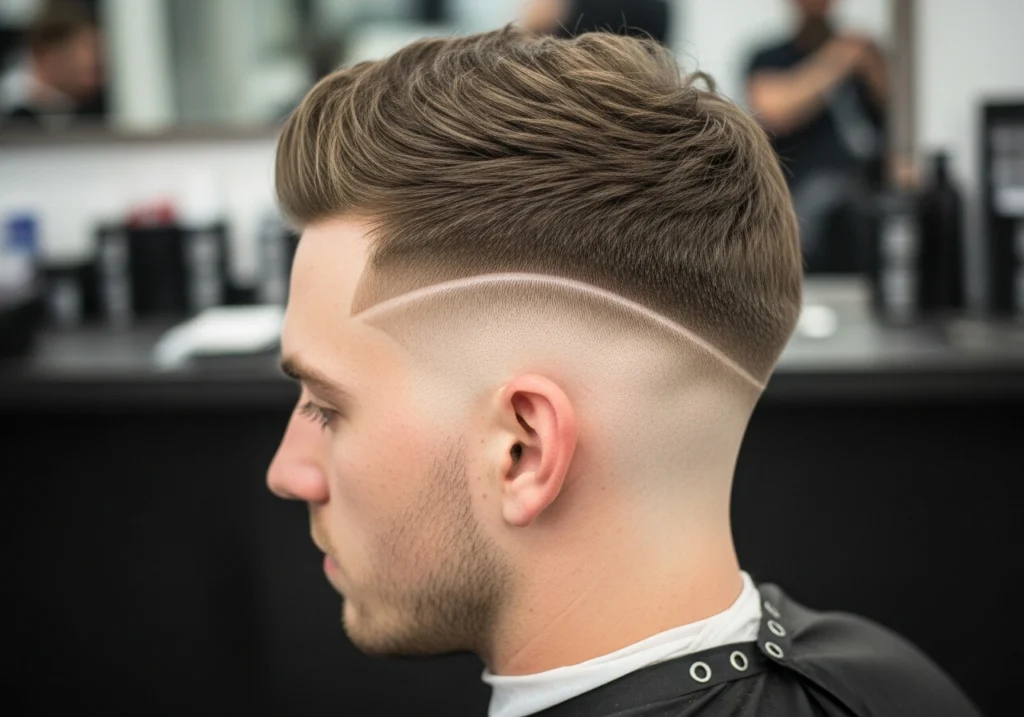
The low burst fade creates a distinctive semicircular pattern that radiates outward from behind the ears. Unlike traditional fades that encircle the entire head uniformly, the burst fade concentrates the tapering effect in a specific area, leaving more length at the back. This creates a unique aesthetic that particularly complements mohawks, faux hawks, and pompadours.
Men who want to express individuality while maintaining some level of conventional styling gravitate toward the low burst fade. It provides enough edge to stand out without venturing into territory that might be considered too extreme for professional environments. The style also offers the practical advantage of requiring less frequent maintenance at the back of the head while still delivering that clean, faded appearance around the ears.
5. Low Fade with Textured Crop

The textured crop paired with a low fade has emerged as one of 2026’s most popular combinations. This style features short to medium-length hair on top that’s cut with scissors to create choppy, uneven layers. The texture produces a deliberately tousled appearance that looks effortlessly stylish without appearing messy or unkempt.
The low fade enhances this look by providing clean contrast that emphasizes the textured top. Styling requires minimal effort; simply work a small amount of matte clay or texture paste through damp hair, then use your fingers to piece out individual sections. The result is a modern, youthful appearance that works equally well in casual and semi-formal settings. This combination proves ideal for men with straight or slightly wavy hair who want a contemporary look without high maintenance demands.
6. Low Fade Pompadour

The pompadour represents classic masculinity reimagined for the modern era, and pairing it with a low fade creates the perfect marriage of vintage and contemporary styling. The pompadour features hair swept upward and back from the forehead, creating height and volume at the front. The low fade keeps the sides neat and manageable while allowing the pompadour to remain the focal point.
Achieving this look requires some styling skill and the right products. Apply a volumizing mousse to damp hair, then blow-dry while brushing the hair up and back. Once dry, use a medium to strong hold pomade to shape the pompadour and lock it in place. The low fade version of this classic style offers more versatility than traditional pompadours with longer sides, as you can adjust the height and volume of the top to suit different occasions.
7. Low Fade Comb Over
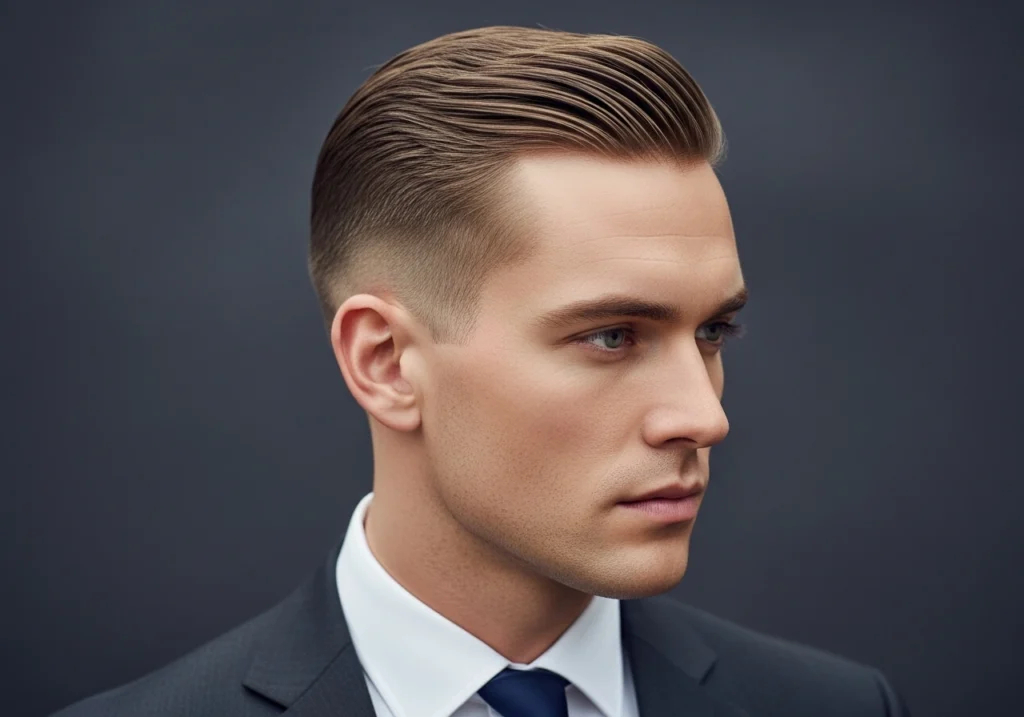
The comb over with low fade brings sophisticated elegance to any man’s styling repertoire. This look involves parting the hair on one side and combing the longer top hair across the head. The low fade provides structure and cleanliness to the sides, creating a polished frame that enhances the sweeping lines of the comb over.
Modern interpretations of the comb over avoid the severe, plastered-down appearance of decades past. Instead, contemporary versions incorporate subtle texture and natural movement. Use a blow dryer to add volume at the roots before applying a light pomade or styling cream to guide the hair into place. This style projects confidence and refinement, making it an excellent choice for business professionals and formal occasions while remaining approachable enough for everyday wear.
8. Low Fade with Curly Top
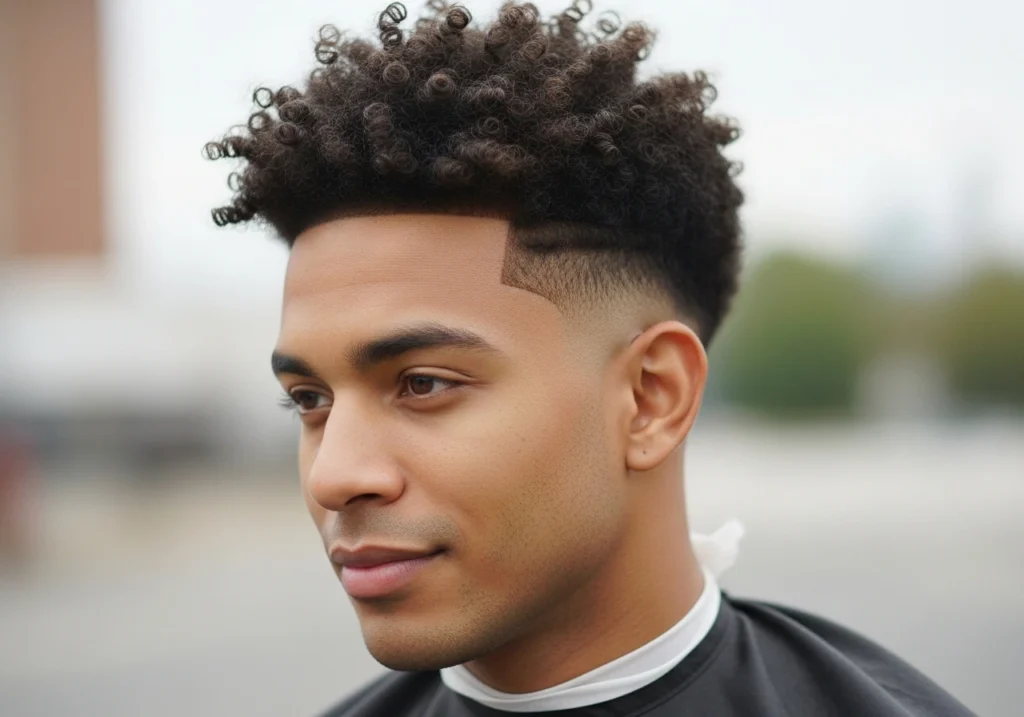
Men with naturally curly hair often struggle to find styles that showcase their texture without appearing unruly. The low fade with curly top solves this dilemma perfectly by keeping the sides short and manageable while allowing the curls on top to shine. The contrast between the tight fade and the voluminous curls creates a dynamic, eye-catching appearance.
Maintaining this style requires products specifically formulated for curly hair. Apply a curl-defining cream to damp hair, then either air-dry for a natural look or use a diffuser attachment on your blow dryer for more control. The low fade prevents the overall style from appearing too bulky or overwhelming, creating better proportions and making the curls the star of the show. Regular conditioning treatments keep the curls healthy and defined between haircuts.
9. Low Fade Crew Cut
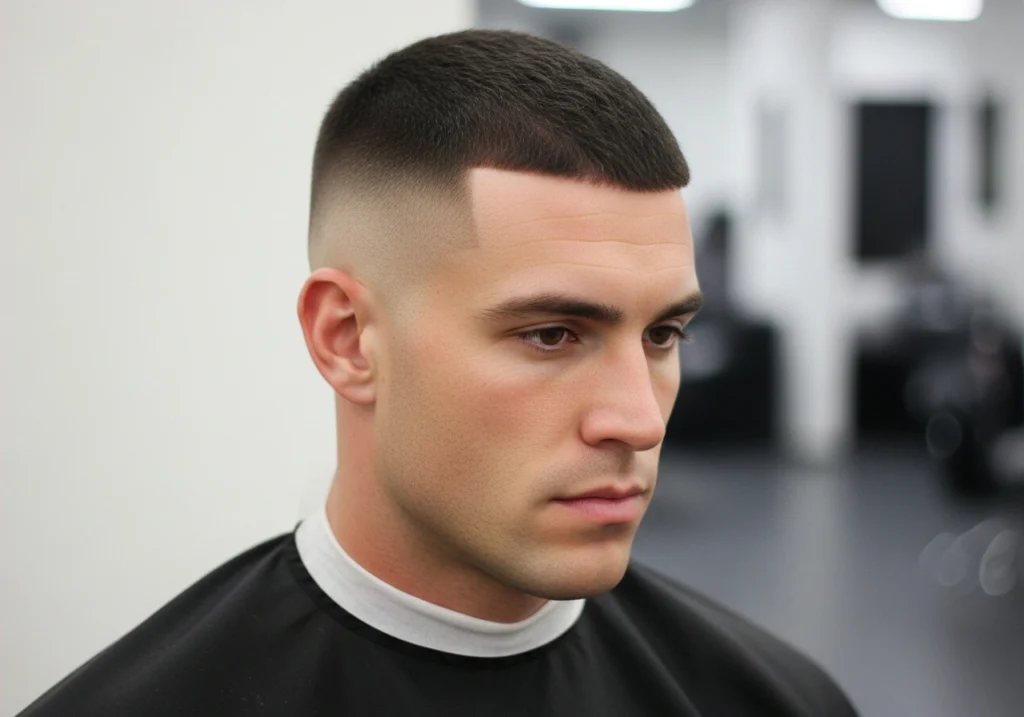
The crew cut remains a perennial favorite for men who value simplicity and functionality. Adding a low fade to this military-inspired style elevates it from basic to refined. The crew cut features uniformly short hair on top that gradually decreases in length from front to back, while the low fade keeps the sides and back even shorter with a smooth transition.
This combination delivers maximum impact with minimum styling requirements. Run your fingers through with a small amount of matte clay or leave it product-free for an ultra-natural appearance. The low fade crew cut suits active men who need a haircut that looks good straight out of the gym shower while remaining appropriate for professional settings. It also proves ideal for men with thinning hair, as the shorter length creates a fuller appearance.
10. Low Fade with Long Hair
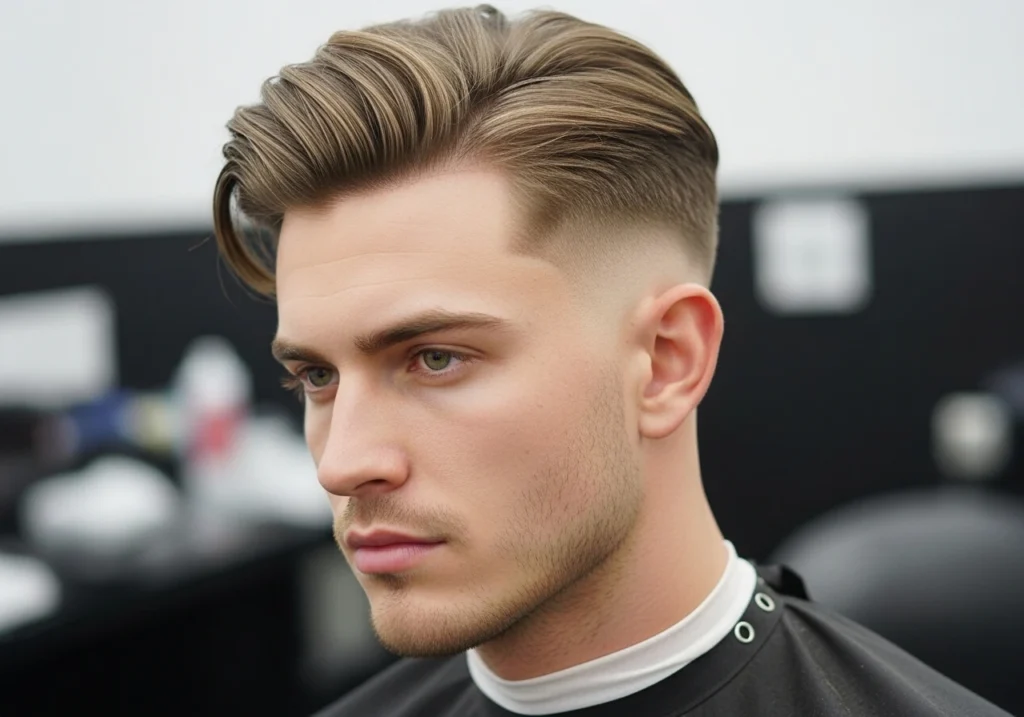
Breaking the misconception that fades only work with short styles, the low fade with long hair on top creates a striking juxtaposition. This look maintains considerable length on top, often ranging from four to eight inches or more, while the low fade keeps the sides clean and prevents the overall style from appearing heavy or unkempt.
The versatility of this combination cannot be overstated. Wear the long hair down and flowing for a relaxed, casual vibe. Pull it back into a man bun or ponytail for athletic activities or hot weather. Style it with a side part and sweep it across for a more formal appearance. The low fade provides the structure and definition that prevents long hair from looking shapeless while offering the freedom that comes with greater length.
11. Low Fade Quiff
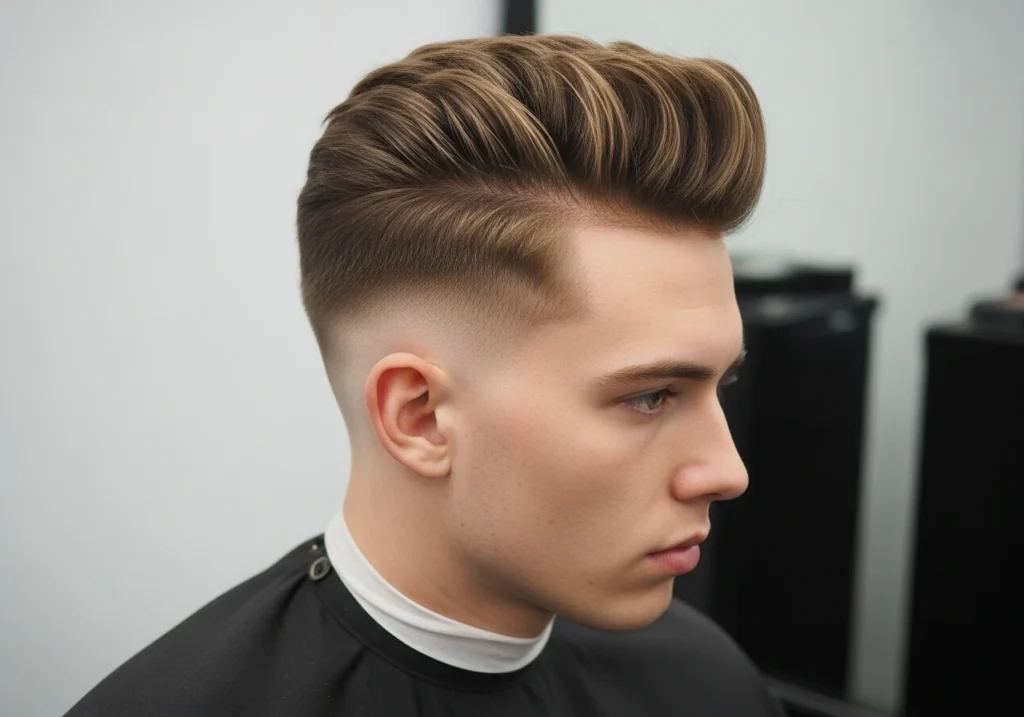
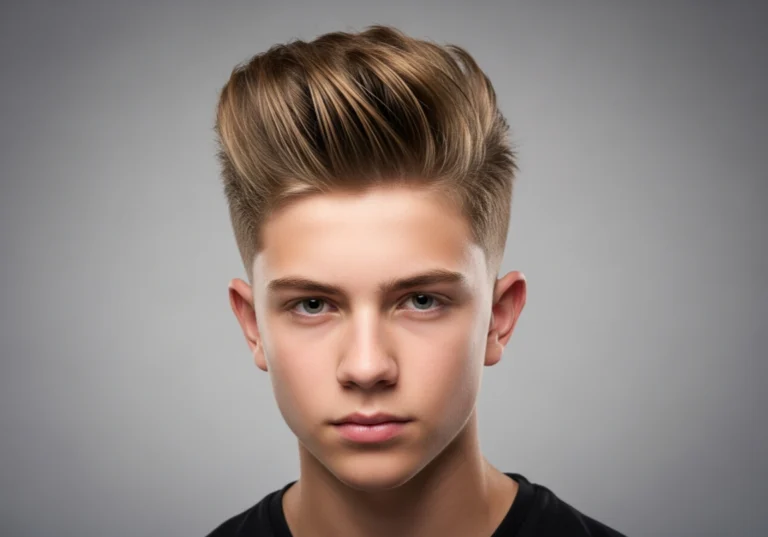
The quiff combines elements of the pompadour and flat top, creating a style where hair is brushed upward and slightly back but remains shorter and more compact than a full pompadour. When paired with a low fade, the quiff takes on a refined, contemporary character that appeals to style-conscious men across various age groups.
Creating a proper quiff requires blow-drying technique. Apply a pre-styler or volumizing mousse to towel-dried hair, then use a round brush to lift the hair upward as you dry it. Once the shape is established, work through a medium-hold pomade or clay to maintain the structure throughout the day. The low fade complements the quiff by keeping attention focused on the styled top while providing a clean, groomed appearance overall.
12. Low Fade with Hard Part
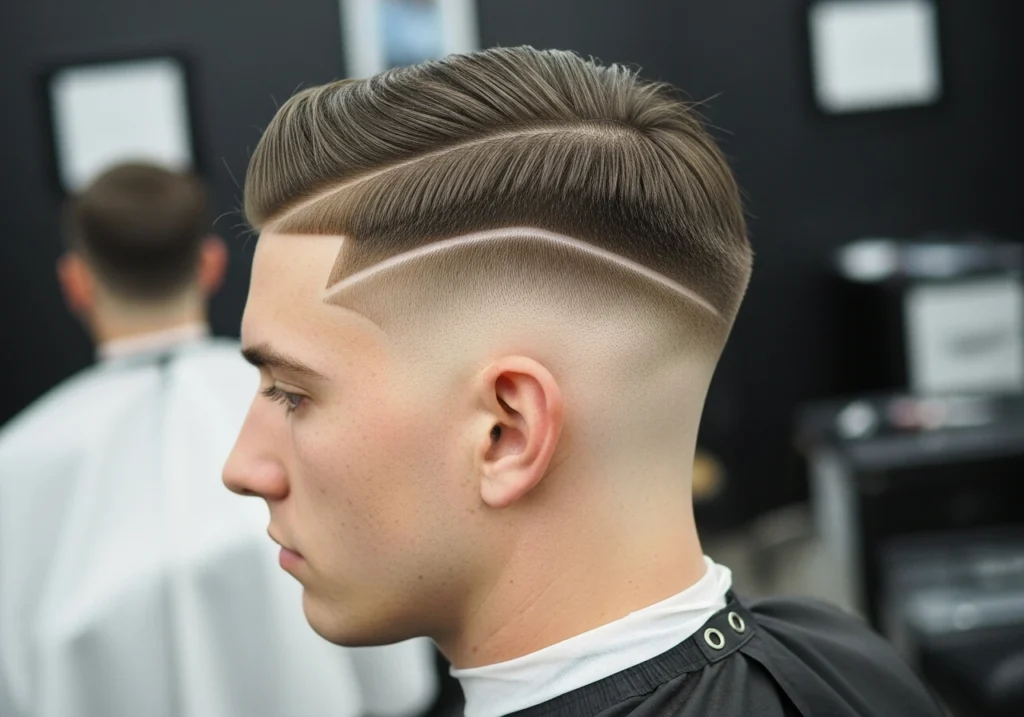
The hard part adds a sharp, defined line to separate different sections of hair, and when combined with a low fade, it creates a look of precision and attention to detail. A barber uses a straight razor or trimmer to carve a distinct line into the hair, typically on one side of the head. This geometric element adds visual interest and structure to the overall style.
This combination works particularly well with comb overs, side parts, and slicked-back styles. The hard part emphasizes the direction of the hair while the low fade maintains clean sides. The look projects confidence and style awareness without being overly flashy. Maintain the hard part with touch-ups every two to three weeks to keep the line sharp and clearly defined.
13. Low Fade Buzz Cut

The buzz cut represents minimalism in hairstyling, but adding a low fade introduces subtle sophistication to this ultra-short look. While a standard buzz cut uses the same guard length all over the head, incorporating a low fade creates dimension and visual interest through the graduated lengths on the sides and back.
This style offers the ultimate in low maintenance while still appearing intentionally styled rather than simply short. The fade adds just enough detail to elevate the buzz cut from purely functional to genuinely stylish. It’s an excellent choice for men dealing with receding hairlines or thinning hair, as the uniform shortness on top combined with the faded sides creates a balanced, confident appearance.
14. Low Fade Mohawk
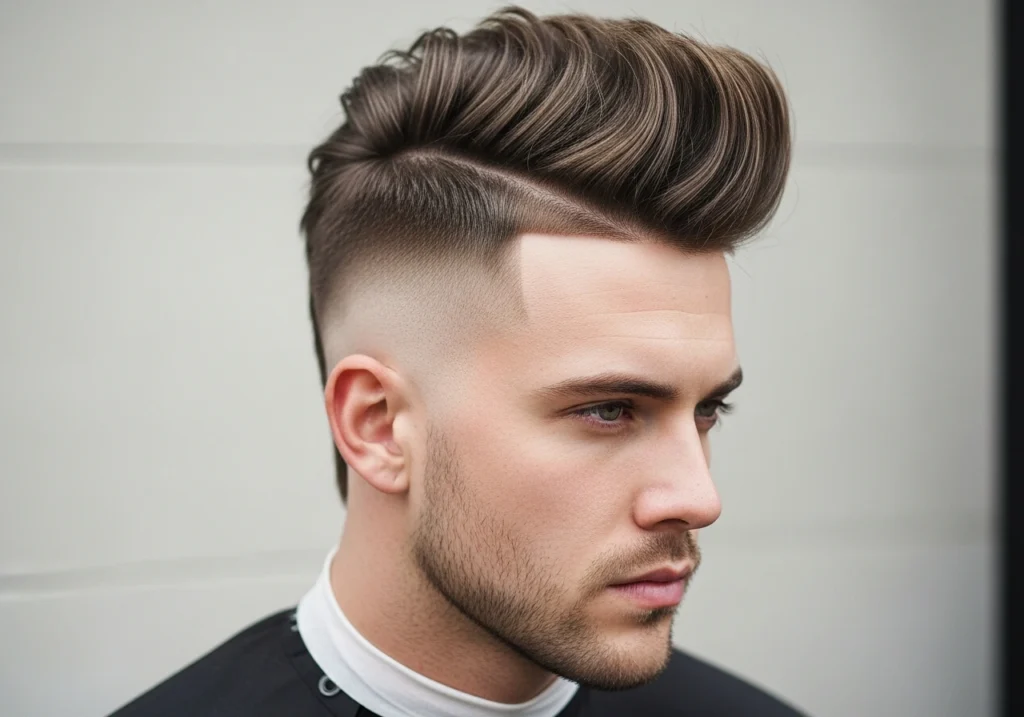
The modern mohawk has evolved significantly from its punk rock origins, and the low fade version brings this rebellious style into more mainstream acceptability. Contemporary mohawks feature a strip of longer hair running down the center of the head, but the extreme shaved sides of traditional mohawks are replaced with a gradual low fade.
This more refined approach allows men to embrace edgier styling without completely abandoning professional credibility. The mohawk section can be styled upward with gel or pomade for special occasions, or combed down and to the side for a more conservative appearance when needed. The low fade provides the definition necessary to make the mohawk stand out while keeping the overall look from appearing too aggressive.
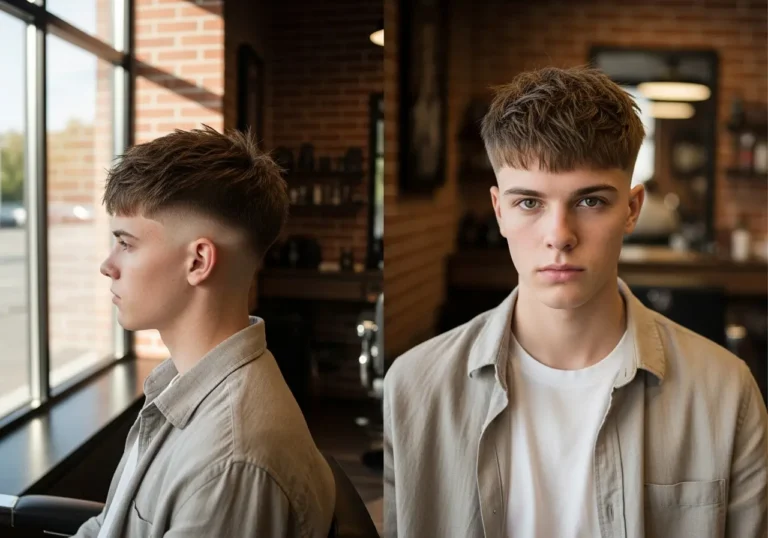
15. Low Fade with Fringe
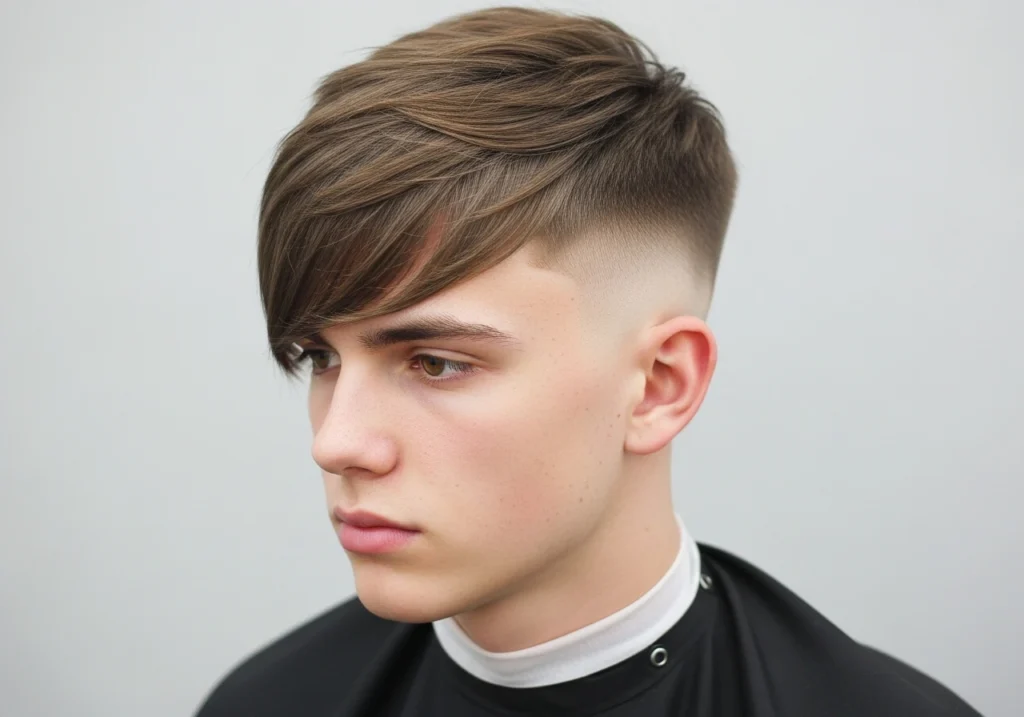
The fringe, sometimes called a forward sweep, features hair that falls toward the forehead rather than being styled back or up. When combined with a low fade, this creates a youthful, contemporary appearance that particularly appeals to younger men and those with rounder face shapes, as the fringe adds length and draws the eye forward.
Styling a low fade with fringe involves blow-drying the front section forward while adding volume at the roots. Use a light styling cream or sea salt spray for natural texture, or opt for a stronger product if you prefer more structured, defined pieces. The low fade keeps the sides from competing with the fringe for attention, creating a cohesive look where all elements work together harmoniously.
16. Low Fade with Waves
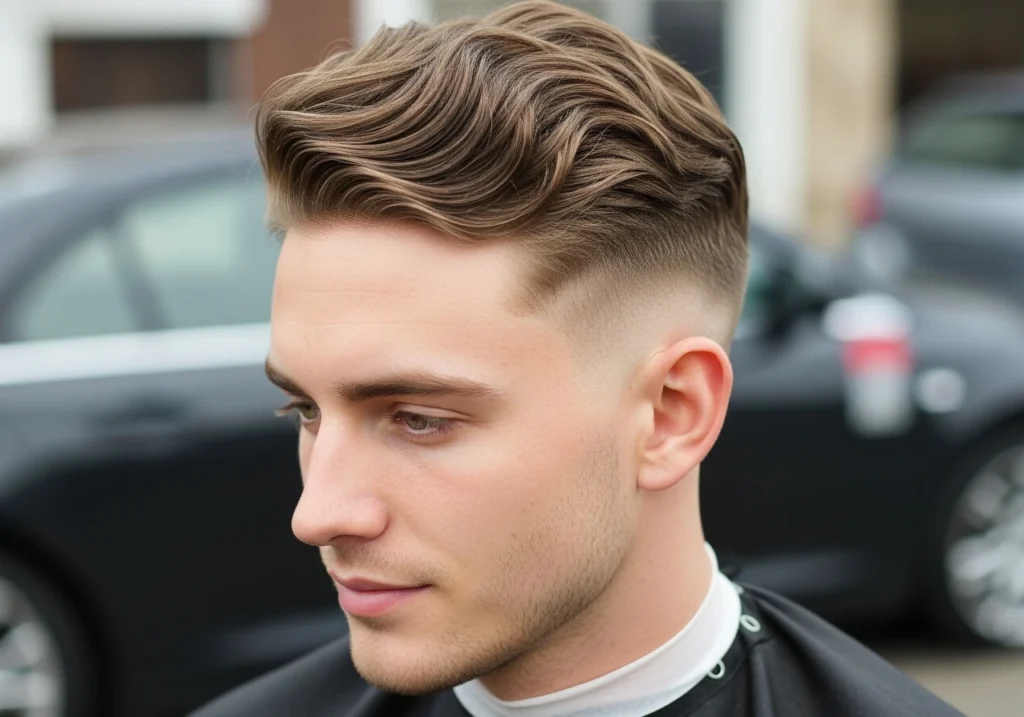
Men with naturally wavy hair or those who create waves through styling techniques find the low fade an ideal complement to their texture. The waves on top provide movement and visual interest, while the low fade maintains structure and prevents the style from appearing too wild or unmanaged.
For natural waves, enhance your texture with sea salt spray or curl cream applied to damp hair. Allow to air dry or use a diffuser for more control. Those without natural waves can achieve them through blow-drying techniques with a round brush or by using a flat iron to create subtle bends in the hair. The low fade provides a clean foundation that makes the waves appear intentional and stylish rather than accidental or messy.
Choosing the Right Low Fade for Your Face Shape
Face shape plays a crucial role in determining which low fade variation will be most flattering. Men with round faces benefit from styles that add height on top, such as pompadours or quiffs with low fades, as vertical emphasis helps elongate the face. Square-faced men look excellent in most low fade variations, though adding some texture or waves on top can soften strong jawlines.
Oval faces represent the most versatile shape, working well with virtually any low fade style. Men with heart-shaped faces should consider low fades with volume on top and slightly fuller sides to balance wider foreheads. Rectangular faces benefit from horizontal volume and texture rather than excessive height, making textured crops and side-swept styles with low fades ideal choices.
Hair Type Considerations
Different hair types respond uniquely to low fade styling. Thick, coarse hair benefits tremendously from the reduced bulk that low fades provide on the sides and back. The contrast between the faded sides and substantial volume on top creates excellent proportions. Style with medium to strong hold products to manage the density.
Fine hair requires careful consideration of the top length and style. Keeping some length on top helps create the appearance of fullness, particularly when styled with volumizing products and blow-drying techniques. The low fade itself works beautifully with fine hair as the shorter sides create contrast that makes the top appear fuller by comparison.
Curly hair and low fades form a natural partnership. The fade manages volume on the sides while allowing curls on top to showcase their natural texture and character. Use curl-specific products and avoid over-washing to maintain healthy, defined curls. Men with straight hair enjoy the most versatility with low fades, as their hair readily accepts various styling approaches from sleek and smooth to textured and tousled.
Maintenance and Upkeep
Maintaining a low fade requires commitment to regular barbershop visits. The clean lines and gradual transitions that make this style appealing begin to lose their definition as hair grows. Most men find that scheduling appointments every two to four weeks keeps their low fade looking sharp and intentional.
Between professional touch-ups, home maintenance involves proper washing and conditioning. Use quality shampoo and conditioner suited to your hair type, washing every two to three days rather than daily to avoid stripping natural oils. Apply styling products while hair is still slightly damp for best distribution and hold.
Invest in a good comb and brush suited to your hair type and chosen style. These tools help maintain the shape and direction of your hairstyle between professional cuts. Keep your neckline and around your ears tidy with careful trimming if you’re comfortable doing so, or wait for your barber to handle these details professionally.
Essential Styling Products
The right products make the difference between a low fade that looks professionally styled and one that falls flat. Pomades offer shine and strong hold, making them ideal for sleek styles like pompadours and slicked-back looks. Choose water-based pomades for easier washing and application.
Matte clays and pastes provide hold with a natural finish, perfect for textured crops, messy styles, and anything where you want to avoid shine. These products work well in drier hair and allow for restyling throughout the day. Sea salt sprays add texture and light hold to wavy and straight hair, creating that effortlessly tousled appearance.
For curly hair, curl-defining creams and leave-in conditioners maintain moisture and enhance natural curl patterns. Styling gels offer maximum hold for more structured styles and work particularly well with shorter hair. Experiment with different products to find combinations that work best with your hair type and chosen style.
Communicating with Your Barber
Achieving the perfect low fade starts with clear communication. Bring reference photos showing the exact style you want from multiple angles. This eliminates ambiguity about where the fade should start, how high it should blend, and what the top should look like.
Discuss the length you want maintained on top using specific measurements when possible. Indicate whether you want a skin fade or a taper fade, as these produce notably different results. Ask your barber for their professional opinion about what will work best with your hair type and face shape.
Establish a relationship with a skilled barber whose work you trust. Consistency in who cuts your hair means they learn your preferences, understand how your hair grows, and can make informed suggestions about slight adjustments that might enhance your look. Don’t hesitate to provide feedback during the cut if something doesn’t feel right.
Conclusion
The low fade continues to dominate men’s hairstyling in 2026 for compelling reasons. Its versatility accommodates virtually any hair type, face shape, and personal style preference. The subtle approach to tapering maintains professionalism while providing contemporary edge. Whether you choose a classic low taper, adventurous low fade mohawk, or sophisticated low fade pompadour, this fundamental technique elevates your overall appearance.
The twenty styles explored here represent just the beginning of what’s possible with low fade haircuts. Each variation can be further customized with different top lengths, styling approaches, and personal touches that reflect your individuality. The key to success lies in choosing a style that complements your features, suits your lifestyle, and matches the level of maintenance you’re willing to commit to.
As you consider your next haircut, remember that the best style is one that makes you feel confident and looks appropriate for your daily life. Consult with a skilled barber, experiment with different variations, and don’t be afraid to try something new. The low fade provides a reliable foundation that ensures even adventurous styling choices remain grounded in classic barbering excellence. With proper maintenance and the right products, your low fade will keep you looking sharp and stylish well into the future.
You may also like this post:35+ Versatile Bold Hair Color Ideas for Men You’ll Love To Try!
Frequently Asked Questions
What is the difference between a low fade and a taper?
A taper gradually shortens hair without necessarily blending to the skin, maintaining some hair length at the bottom. A low fade specifically blends the hair shorter and often goes to skin level at the neckline and around the ears. Both create gradual transitions, but fades typically offer more contrast and require more frequent maintenance to maintain their sharp appearance.
How often should I get my low fade trimmed?
Most men need low fade touch-ups every two to four weeks to maintain clean lines and proper proportions. Skin fades require more frequent appointments, typically every two to three weeks, while low tapers can stretch to four weeks between cuts. Your hair’s growth rate and how precise you want the fade to look will determine your ideal schedule.
Can low fades work with thinning hair?
Absolutely. Low fades work exceptionally well for men experiencing hair thinning or receding hairlines. The shorter sides create contrast that makes the top appear fuller by comparison. Buzz cuts and crew cuts with low fades prove particularly effective for thinning hair, as the uniform short length minimizes the appearance of sparse areas while maintaining a stylish, intentional look.
What products work best for styling low fade haircuts?
Product choice depends on your desired finish and hair type. Pomades provide shine and strong hold for sleek styles. Matte clays and pastes offer natural-looking texture and medium hold. Sea salt sprays add light texture to straight and wavy hair. Curl creams define and moisturize naturally curly hair. Experiment with different products to find what works best with your specific hair texture and chosen style.
Are low fades appropriate for professional work environments?
Yes, low fades are highly suitable for professional settings. Their subtle approach to tapering maintains a conservative appearance while demonstrating excellent grooming. Unlike high fades that create dramatic contrast, low fades offer refinement and polish without appearing too bold or unconventional. Many business professionals favor low fades specifically because they project competence and attention to detail while remaining contemporary.