Men’s Haircuts That Make You Look Older (Avoid These 7)
Your haircut speaks before you do. It frames your face, defines your jawline, and sends a message about who you are. But here’s the uncomfortable truth many men ignore: the wrong haircut can add five, ten, or even fifteen years to your appearance overnight.
Most guys don’t realize they’re aging themselves with their hair choices. They stick with the same cut they’ve had since college, or they chase trends that don’t suit their face shape or lifestyle. The result? A look that screams “stuck in the past” or worse, “trying too hard.”
The difference between looking sharp and looking dated often comes down to a few inches of hair and some strategic decisions at the barbershop. This isn’t about vanity or chasing youth. It’s about understanding which styles work against you as you mature, and why they’re sabotaging your appearance.
In this guide, we’ll walk through seven haircuts that consistently make men look older than their years. More importantly, you’ll learn exactly why these styles age you and what to ask for instead. Whether you’re 25 or 55, knowing which cuts to avoid will save you from years of unflattering photos and missed opportunities.
The Science Behind How Haircuts Age You
Before we dive into specific styles to avoid, it’s worth understanding what makes a haircut age-appropriate or aging. The relationship between hair and perceived age isn’t arbitrary—it’s rooted in how our hair naturally changes over time and how certain styles interact with those changes.
As men age, hair texture shifts. Strands become finer, growth slows, and density decreases. The hairline may recede, and gray hair appears. These are normal, natural processes that every man experiences to some degree. The problem arises when your haircut fights against these changes rather than working with them.
Certain styles draw attention to thinning areas, create unflattering proportions, or simply look outdated because they’re associated with older generations. Hair that’s too long can appear thin and wispy. Cuts that lack structure can make the face look saggy. Styles with too much product can look stiff and artificial, reminiscent of earlier decades when heavy styling was the norm.
On the flip side, modern cuts that add subtle volume, create clean lines, and complement your natural texture can take years off your appearance. The key is choosing styles that enhance what you have rather than highlighting what you’ve lost.
7 Haircuts That Make You Look Older
1. The Severe Combover

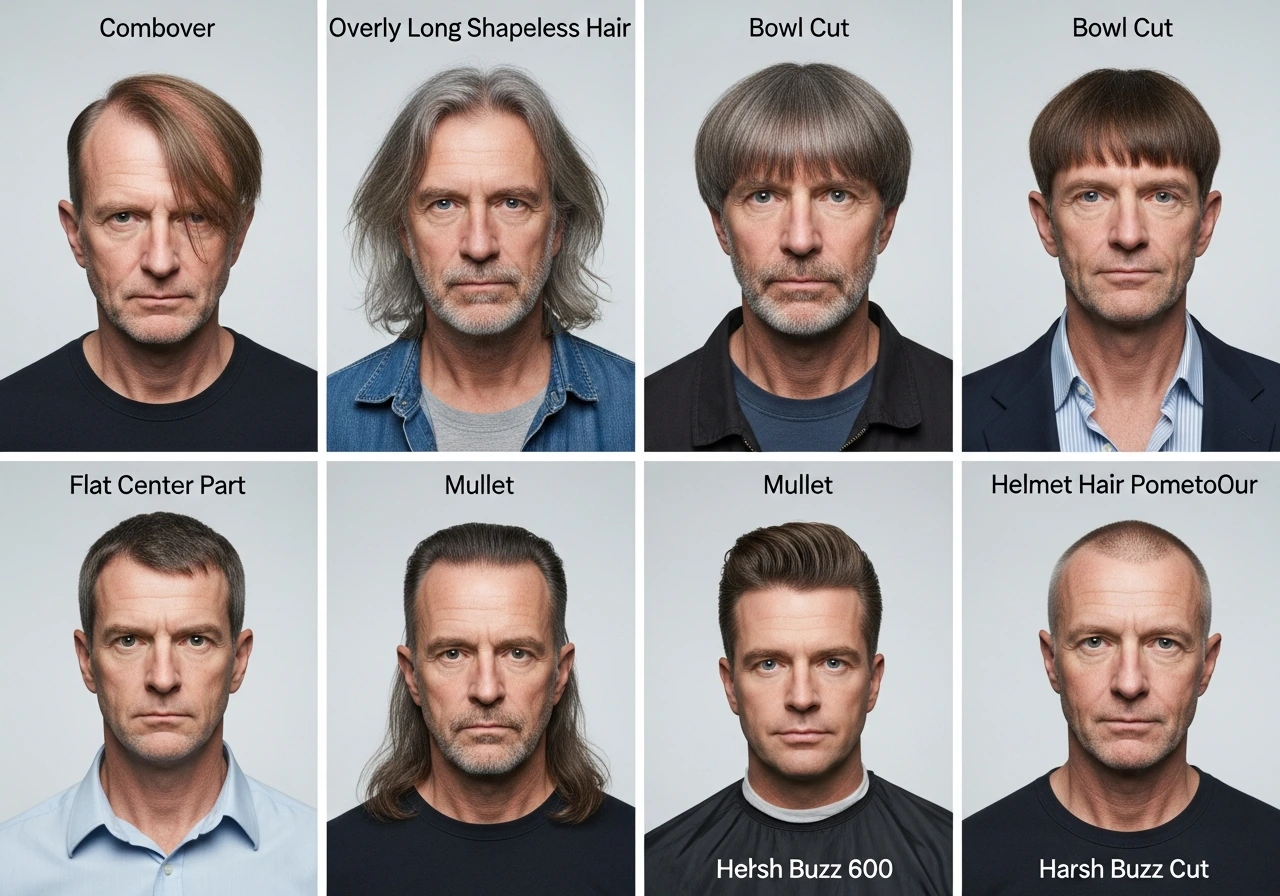
Nothing broadcasts insecurity quite like a combover. This haircut involves growing hair long on one side of the head and sweeping it across a bald or thinning patch on top. While the intention is to hide hair loss, the result is often the opposite—it draws attention to exactly what you’re trying to conceal.
The combover makes you look older because it’s strongly associated with previous generations who had fewer styling options. Modern barbering offers far better solutions for dealing with thinning hair. Additionally, combovers often require heavy products to stay in place, creating an unnaturally stiff appearance that adds years.
The structure of a combover also works against facial proportions. By creating a flat, sideways sweep across the head, it can make your face look wider and eliminate the natural height that creates a youthful silhouette. Wind, rain, or any physical activity can disrupt the carefully arranged strands, leaving you looking disheveled and drawing even more attention to the underlying issue.
What to do instead: If you’re experiencing hair loss on top, embrace it with a textured crop, a clean buzz cut, or even a full shave. These styles look intentional, confident, and contemporary. A skilled barber can work with your natural hairline to create texture and movement that disguises thinning without resorting to obvious coverage techniques.
2. Overly Long Hair Without Shape
Long hair can look great at any age, but only when it’s well-maintained and properly cut. The problem arises when men let their hair grow without any shape, structure, or regular trims. This creates a look that’s flat, lifeless, and overwhelmingly aging.
Hair that hangs past the shoulders without layers appears thin and stringy, particularly as natural volume decreases with age. Without strategic layering, long hair can make your face look drawn and gaunt, emphasizing wrinkles and making features appear more severe. The weight of long, shapeless hair also pulls down, creating a saggy effect that mirrors the effects of aging skin.
Beyond aesthetics, unkempt long hair sends a message about grooming habits and personal care. It suggests you’ve given up on maintenance, which is one of the quickest ways to look older regardless of your actual age. Long hair requires more effort to keep looking fresh, and when that effort is absent, it shows.
What to do instead: If you prefer longer hair, invest in regular cuts that add layers and remove bulk. Ask your stylist for movement through the mid-lengths and ends. Keep the hair clean, conditioned, and styled with lightweight products that add texture without weighing it down. Consider shoulder-length as a maximum, as anything longer typically starts working against you rather than for you.
3. The Bowl Cut or Mushroom Cut

Few haircuts date themselves quite like the bowl cut. This style features hair that’s cut to the same length all around the head, typically with straight, blunt edges that create a rounded, helmet-like appearance. While it had its moment in the spotlight decades ago, today it serves as a time capsule to eras best left behind.
The bowl cut makes you look older because it’s inherently outdated. It lacks the texture, dimension, and modern styling that characterize contemporary haircuts. The uniform length eliminates any opportunity for shape or movement, creating a static, lifeless appearance. The blunt edges can also be extremely unflattering, cutting across the face in ways that emphasize roundness and hide cheekbones.
This style offers no versatility in styling and doesn’t work with natural hair texture. Whether your hair is straight, wavy, or curly, the bowl cut suppresses these characteristics rather than enhancing them. The result is a look that’s simultaneously juvenile and aging—it reminds people of childhood haircuts while simultaneously seeming out of touch with current style.
What to do instead: Opt for a textured crop with varied lengths that create dimension and interest. Modern cuts incorporate different lengths throughout, allowing for natural movement and adaptability in styling. Ask your barber for a cut that follows your head shape but includes texture through the top and strategic tapering on the sides.
4. The Flat, Center-Parted Style
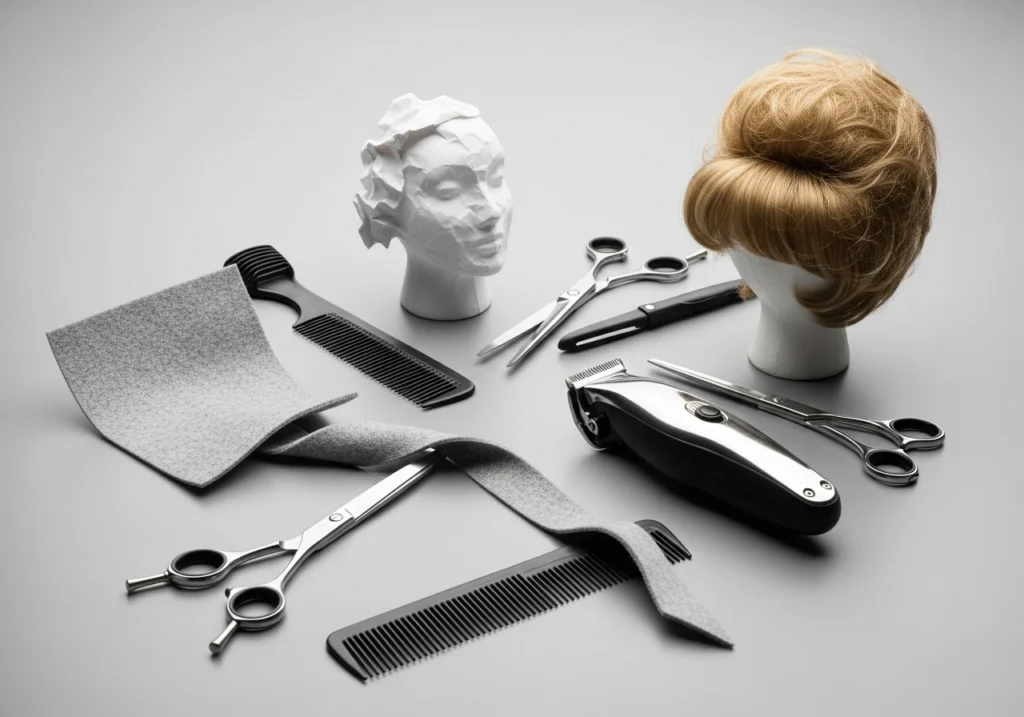
While center parts have cycled in and out of fashion, a severe, flat center part is consistently aging. This style parts the hair directly down the middle and typically lies flat against the head, creating a stark, symmetrical look that rarely flatters mature faces.
A hard center part draws attention to facial asymmetry, which becomes more pronounced as we age. It creates a visual line that bisects the face, often emphasizing a widening forehead or receding hairline. When combined with flat hair that lacks volume, it can make the face appear longer, thinner, and more drawn—all characteristics we associate with aging.
The center part also tends to highlight thinning hair along the part line itself. As hair density decreases, the scalp becomes more visible along this central division, creating an aging effect. Additionally, flat hair that’s severely parted down the middle lacks the volume and movement that characterizes youthful hair.
What to do instead: Try an off-center side part that creates asymmetry and interest. Add some volume at the roots using a blow dryer or volumizing products. The goal is to create lift and movement rather than a flat, static appearance. Even a slight deviation from center—just an inch or two—can dramatically improve how the style frames your face.
5. The Overgrown Mullet
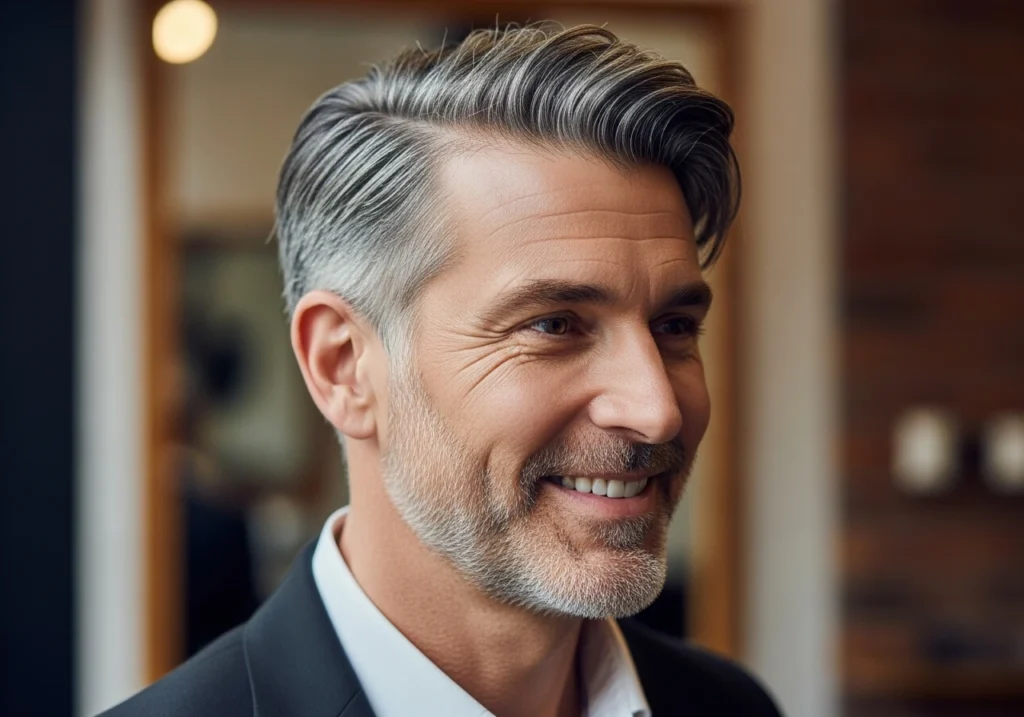
The mullet—business in the front, party in the back—might be experiencing a fashion revival in certain circles, but for most men over 30, it’s a one-way ticket to looking dated. While a modern, well-executed mullet worn by a young, fashion-forward individual can look edgy, an overgrown or poorly maintained mullet on an older man typically just looks like he’s stuck in the 1980s.
The traditional mullet creates an extreme contrast between short hair at the front and sides and dramatically longer hair in the back. This stark difference in length often emphasizes a receding hairline or thinning on top while drawing attention to aging neck skin. The long back section can appear stringy and thin, especially as hair density naturally decreases with age.
Beyond the structural issues, the mullet carries strong cultural associations with specific time periods. Unless you’re deliberately cultivating a retro or alternative aesthetic, wearing a mullet as a mature man sends a message that you’re either unaware of or unconcerned with contemporary style—both of which can age your overall appearance.
What to do instead: If you want to keep some length in back, consider a modern variation with more gradual transitions and textured layers. The key is avoiding the extreme contrast of the classic mullet. Alternatively, a longer style that maintains consistent proportions throughout—like a shaggy, layered cut—can give you length without the dated mullet effect.
6. The Helmet Hair Pompadour
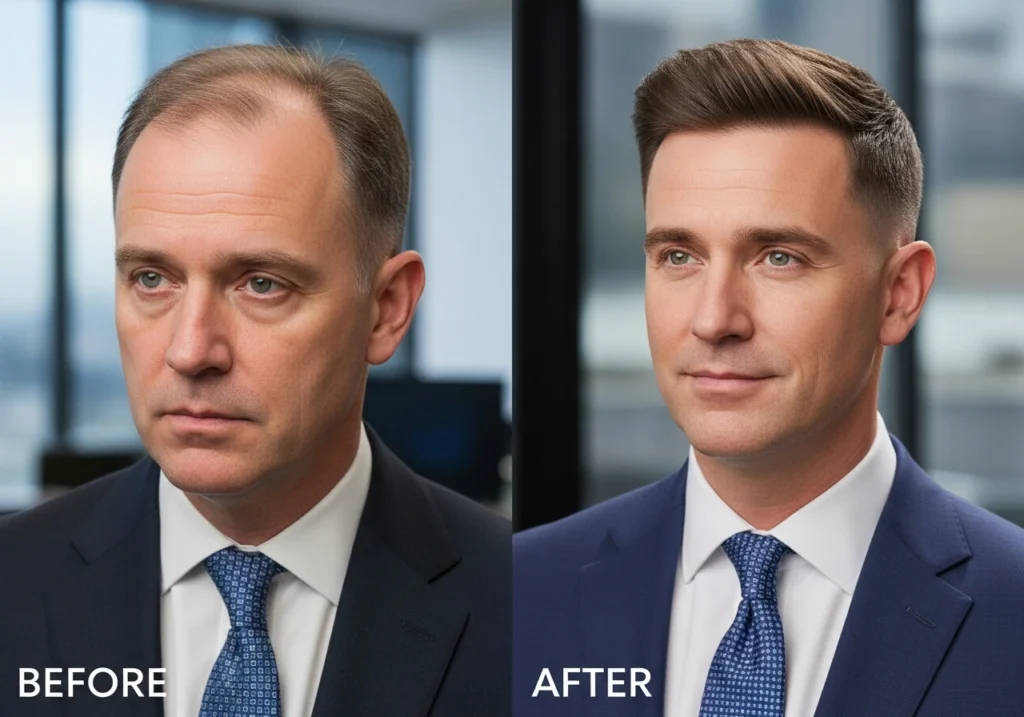
The pompadour is a classic style that, when done right, can look sophisticated and timeless. However, the overly styled, heavily gelled, immobile version—what we call “helmet hair”—is aging and unflattering. This is the pompadour that looks like it’s been shellacked into place, with every hair frozen in position.
Helmet hair makes you look older because it appears artificial and rigid. Natural hair has movement, responds to wind and touch, and catches light in dynamic ways. When hair is glued into a fixed position with excessive product, it looks more like a wig or a sculpture than actual hair. This stiffness is reminiscent of styling conventions from previous decades when heavy pomades and gels were the norm.
The exaggerated height of an overdone pompadour can also create unflattering proportions, particularly if you have a long face. The style can draw attention upward, elongating your features and potentially emphasizing a receding hairline. Additionally, the harsh, slicked-back sides typical of this style can make your face appear gaunt and emphasize any facial aging.
What to do instead: If you like the pompadour concept, go for a more relaxed, textured version. Use lightweight products that allow for movement and natural flow. The style should look like styled hair, not a construction project. Work with your barber to find a height and shape that complements your face rather than overwhelming it. A modern pompadour has volume and direction but maintains softness and flexibility.
7. The Too-Short, Uniform Buzz Cut
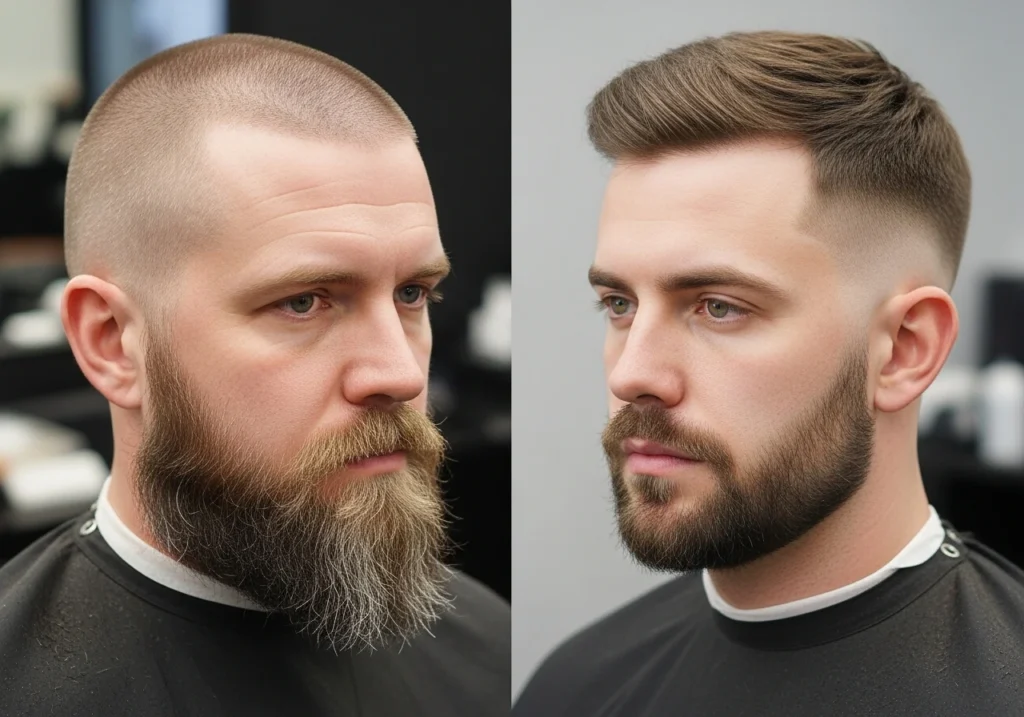
A buzz cut can be an excellent choice for many men, particularly those dealing with significant hair loss. However, there’s a specific version of this cut that tends to age rather than refresh: the extremely short, perfectly uniform buzz with no fading or texture variation, particularly when combined with a full, unkempt beard.
When a buzz cut is taken too short all over—say, a number one guard or shorter—with no gradation or fade, it can emphasize skull shape in unflattering ways. It can also create a stark contrast that makes facial features appear harsher. The lack of any style or intentionality can suggest you’ve given up on your appearance rather than making a confident choice.
The aging effect is particularly pronounced when this ultra-short, uniform cut is paired with a long, untrimmed beard. The extreme contrast—nearly bald on top with extensive facial hair—creates an unbalanced look that’s more “mountain man” than “modern professional.” It can make you appear unkempt and older than a more balanced approach to grooming.
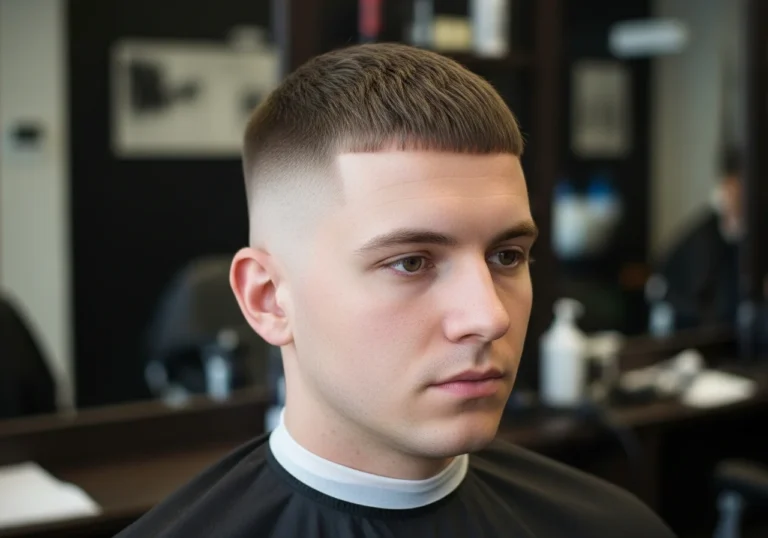
What to do instead: If you’re going short, add some dimension with a fade on the sides and back. This creates a gradual transition that’s far more flattering than a uniform length. Even keeping just slightly more length on top—a number two or three guard—can make a significant difference in how polished the cut looks. If you wear a beard with your buzz cut, keep it neatly trimmed and shaped to maintain balance between your facial hair and head hair.
Why These Cuts Age You: The Common Threads
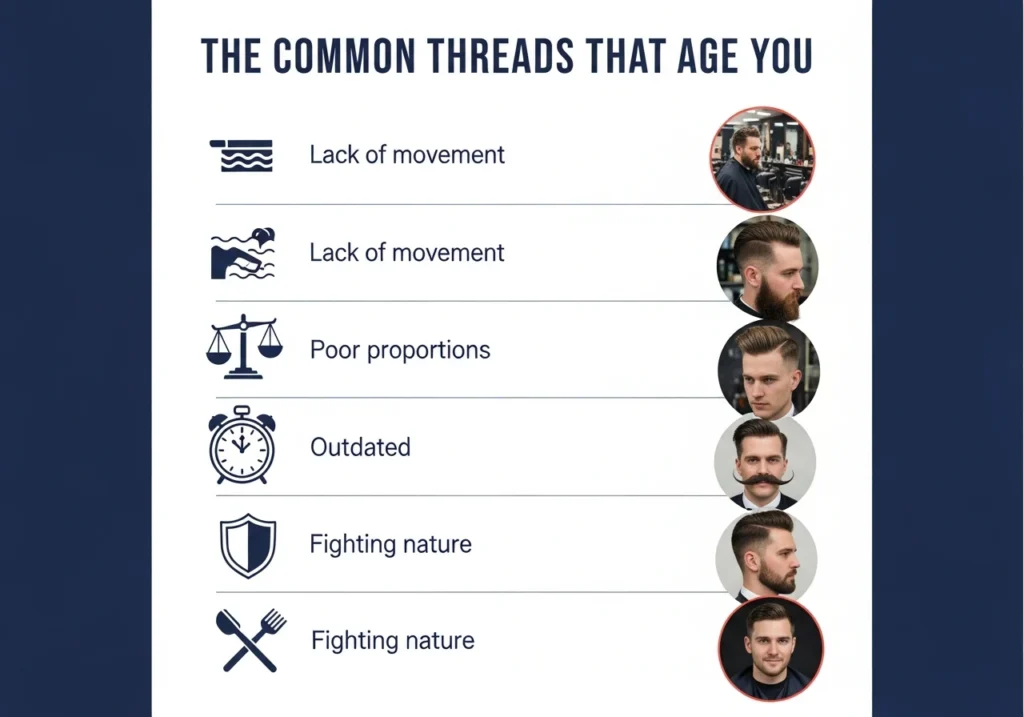
Looking at these seven aging haircuts, several common elements emerge that explain why they add years to your appearance:
Lack of movement and texture: Styles that are too flat, too rigid, or too uniform eliminate the natural movement that characterizes youthful hair. Modern cuts incorporate texture and dimension that create a dynamic, living appearance rather than a static one.
Poor proportions: Haircuts that create unflattering shapes—making your face look longer, wider, or more unbalanced—will age you. The goal is to enhance your natural features and create pleasing proportions.
Outdated associations: Some styles are simply coded as “old” because they’re strongly associated with previous decades or older generations. Fashion moves forward, and hair is no exception.
Fighting natural changes: Cuts that try to hide or disguise natural aging characteristics (like the combover for hair loss) often backfire by drawing more attention to what you’re trying to conceal.
High maintenance without payoff: Styles that require extensive daily styling with heavy products often look artificial and dated rather than polished and contemporary.
Choosing Age-Defying Haircuts Instead
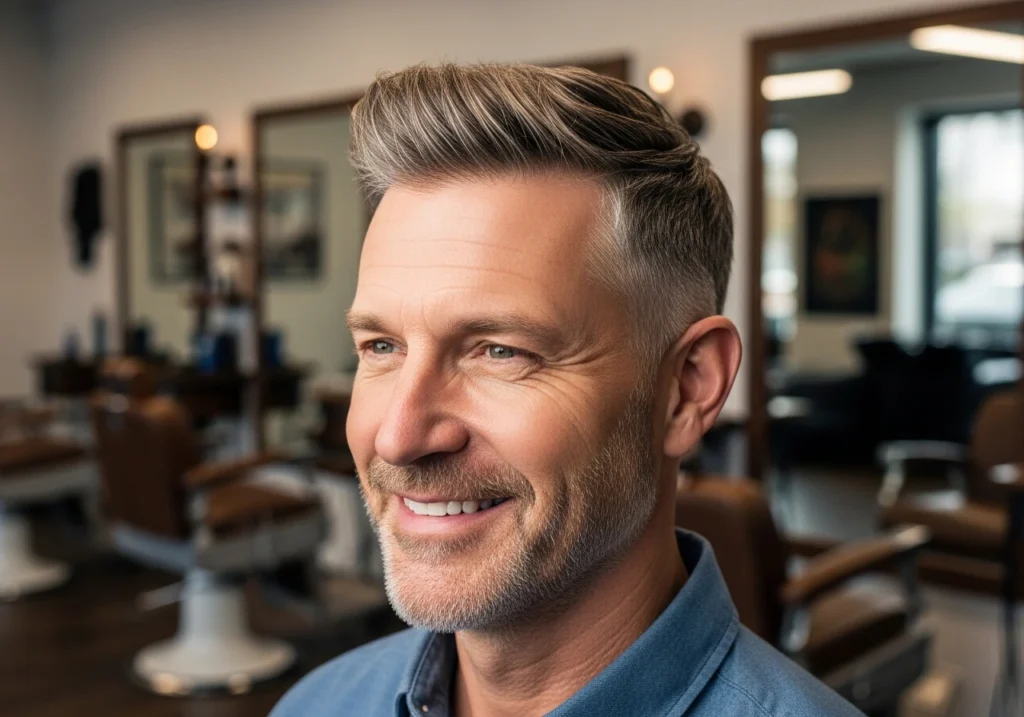
Now that you know what to avoid, what should you look for in a haircut that keeps you looking fresh and current? Here are the key principles:
Work with your natural texture: Rather than fighting against your hair’s natural characteristics, choose a cut that enhances them. Straight hair looks great in clean, structured styles. Wavy hair benefits from textured cuts that emphasize movement. Curly hair needs the right length and layers to prevent it from looking unkempt.
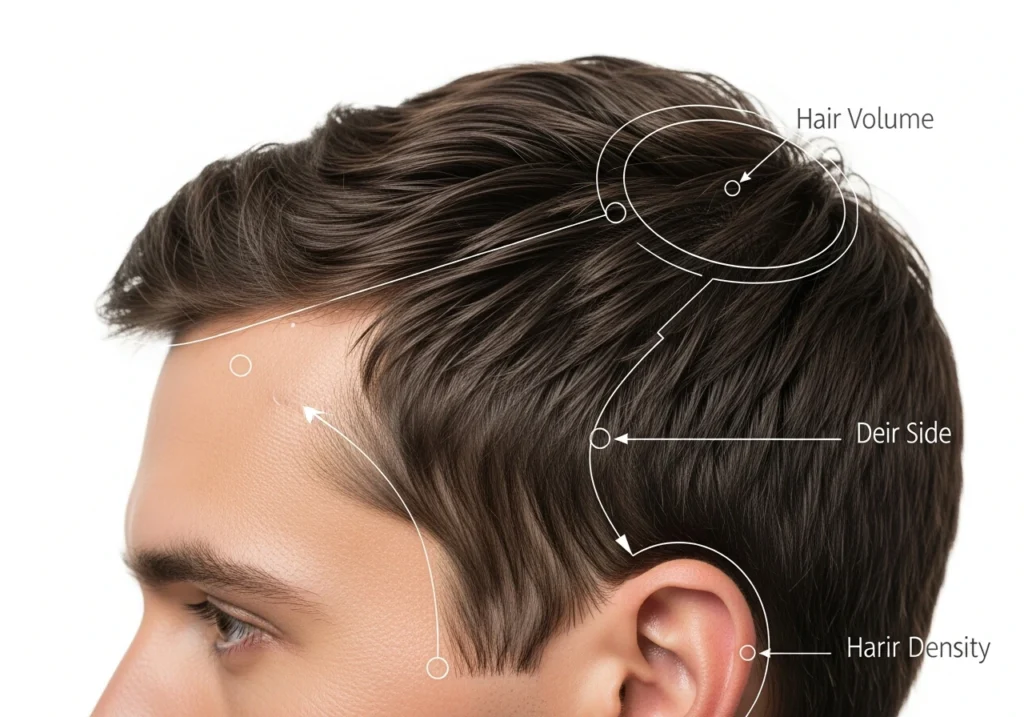
Add strategic volume: As hair naturally thins with age, creating the appearance of fullness becomes more important. This doesn’t mean piling hair high—it means using cuts and styling techniques that add dimension and lift where needed.
Keep it modern: Stay current with contemporary styling trends. This doesn’t mean chasing every fad, but it does mean avoiding styles that are clearly dated. A good barber can help you find the sweet spot between timeless and trendy.
Embrace simplicity: The best haircuts often require minimal daily styling. They look great with just a quick blow-dry or a small amount of product. Complicated routines that demand precision styling rarely look natural.
Consider your face shape: Oval faces can wear almost anything. Round faces benefit from height and angles. Square faces look great with styles that soften hard edges. Heart-shaped faces need volume at the sides to create balance.
The Bottom Line on Age-Defying Hair
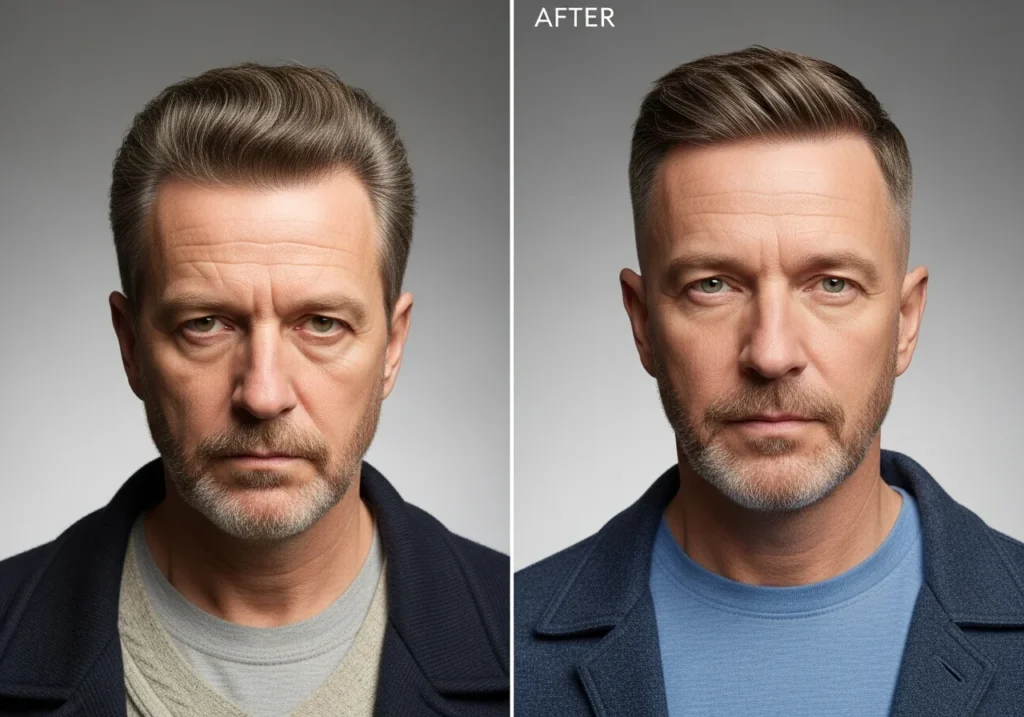
Your haircut is one of the most powerful and accessible tools you have to control how others perceive your age and style. Unlike skincare routines that take months to show results or fitness regimens that require ongoing dedication, a great haircut delivers immediate transformation.
The seven styles we’ve covered—the severe combover, shapeless long hair, bowl cuts, flat center parts, overgrown mullets, helmet hair pompadours, and harsh uniform buzz cuts—all share common characteristics that age rather than enhance. They lack movement, create poor proportions, appear outdated, or simply draw attention to the very things you’d rather minimize.
The good news? Avoiding these aging haircuts is straightforward. Find a skilled barber or stylist who understands modern techniques. Communicate clearly about what you want to achieve. Be willing to try something new if your current style isn’t serving you well. And remember that the best haircut for you is one that makes you feel confident and looks intentional—not one that tries to make you look 20 when you’re 50.
Age is inevitable. Looking dated is optional. Your hair can either be your ally in presenting your best self to the world or it can be quietly adding years you don’t need to carry. Choose wisely, avoid these seven aging cuts, and your reflection will thank you.
Frequently Asked Questions
Q: Can older men wear longer hairstyles without looking dated?
A: Yes, but length must be accompanied by proper shape, regular trims, and good maintenance. The key is avoiding shapeless, flat hair that hangs limply. Incorporate layers for movement and dimension, and keep hair healthy with conditioning treatments. Generally, collarbone-length is the practical maximum for most men over 40.
Q: How often should I get a haircut to avoid looking unkempt?
A: For short to medium styles, every 3-4 weeks maintains the shape and prevents overgrowth. Longer styles can stretch to 6-8 weeks, but you should still trim ends regularly. The specific timeline depends on how fast your hair grows and how quickly your chosen style loses its shape.
Q: Does going completely bald make you look older or younger?
A: A clean-shaven head can actually look quite youthful and confident when done intentionally, especially if you have a nicely shaped head. The key is keeping it clean and maintaining the rest of your grooming—moisturizing your scalp, keeping facial hair trimmed if you have it, and dressing well. What ages you is the in-between stage where you’re losing hair but trying to hide it.
Q: What’s the biggest haircut mistake men make as they age?
A: Keeping the same haircut they had in their twenties or thirties. Hair texture, density, and growth patterns change over time, so what worked at 25 may not work at 45. The most common error is refusing to adapt to these changes, either by clinging to outdated styles or fighting natural hair loss with obvious coverage techniques like combovers.
Q: Are there any products that can help make aging hair look better?
A: Absolutely. Volumizing mousses and sprays can add body to thinning hair. Texturizing products create dimension and movement. Matte clays and pastes provide hold without the shiny, dated look of gels. The key is using products sparingly—less is more. Focus on enhancing your hair’s natural characteristics rather than trying to transform it into something it’s not.