21 Mens Scissor Haircuts
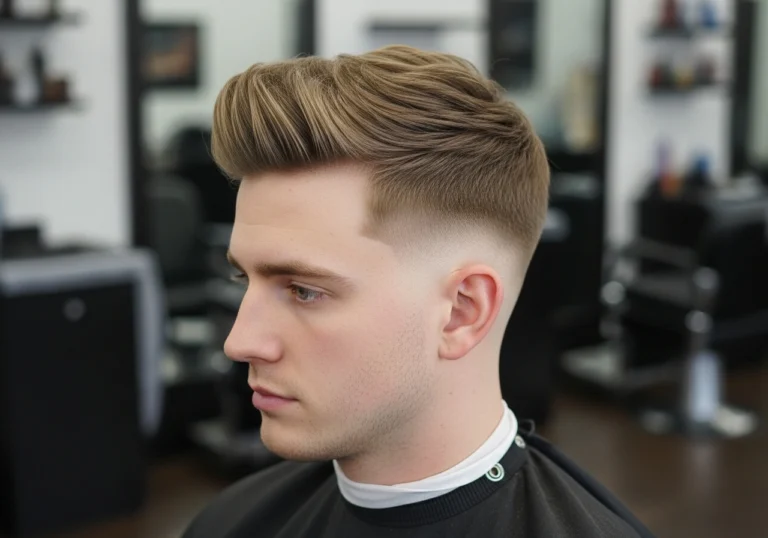
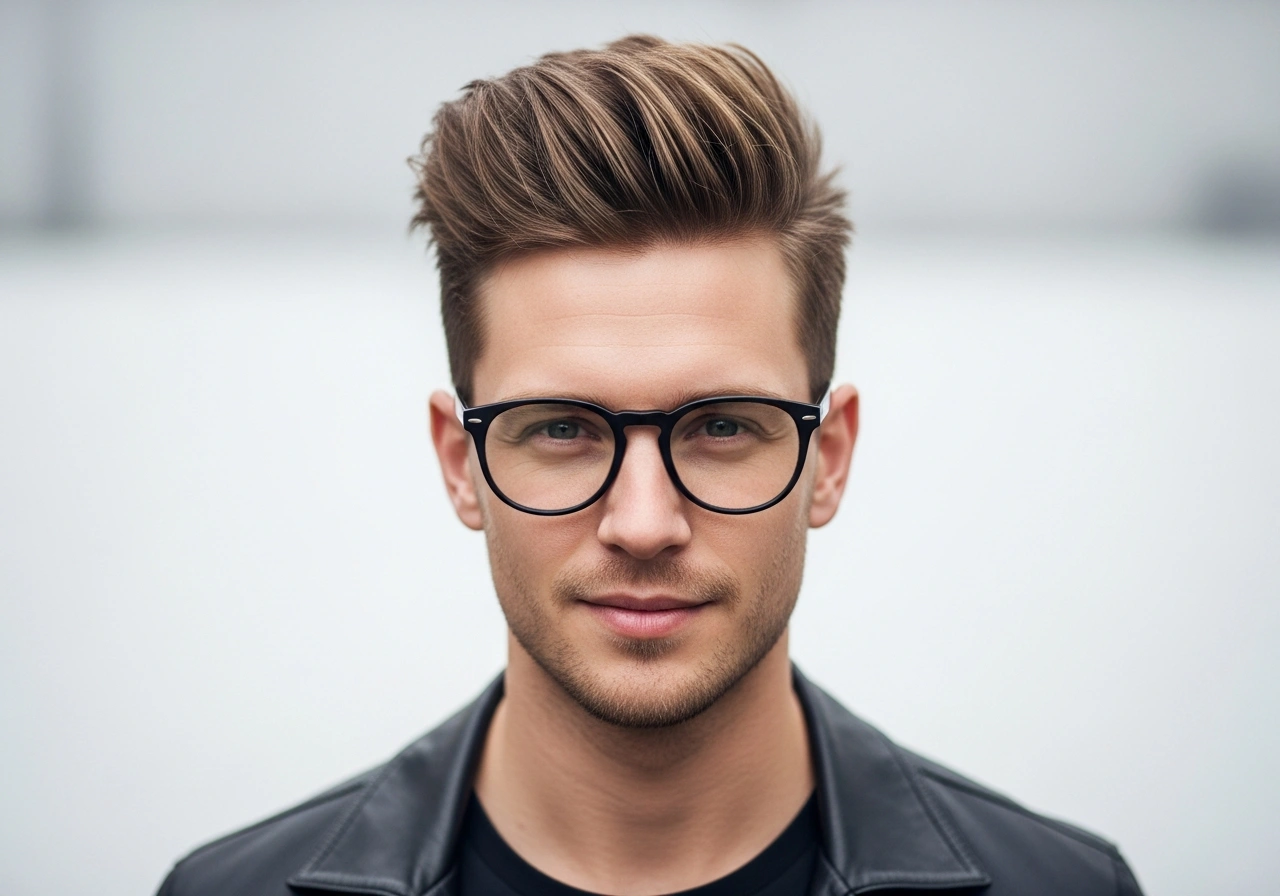
When it comes to achieving a polished and sophisticated look, nothing quite compares to the craftsmanship of scissor haircuts for men. Unlike clipper cuts that create uniform lengths and harsh lines, scissor cutting offers precision, natural blending, and a softer finish that grows out gracefully. This traditional technique has experienced a remarkable resurgence in modern barbering, with men seeking styles that showcase texture, movement, and personalized detailing.
Scissor cuts provide superior control over hair length and layering, allowing barbers to work with your natural hair growth patterns rather than against them. Whether you have thick, wavy hair that needs careful taming or fine hair that requires strategic texturing, the right scissor technique can transform your entire look. From timeless classics that have endured for decades to contemporary variations that push creative boundaries, scissor haircuts remain the gold standard for men who value quality craftsmanship and lasting style.
Understanding Scissor Cut Techniques
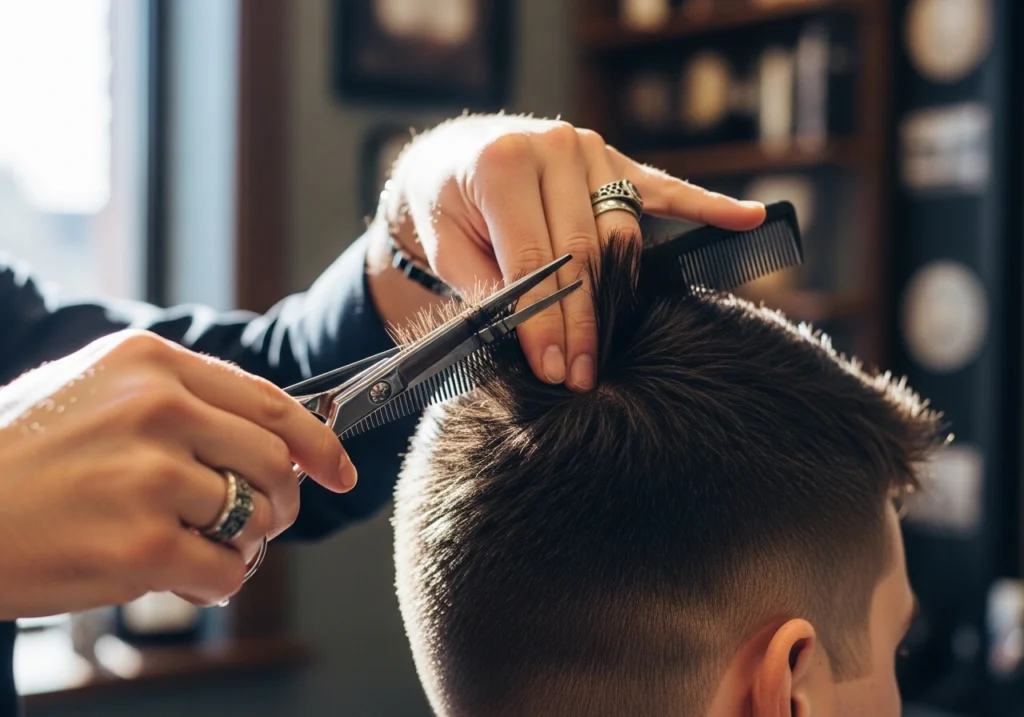
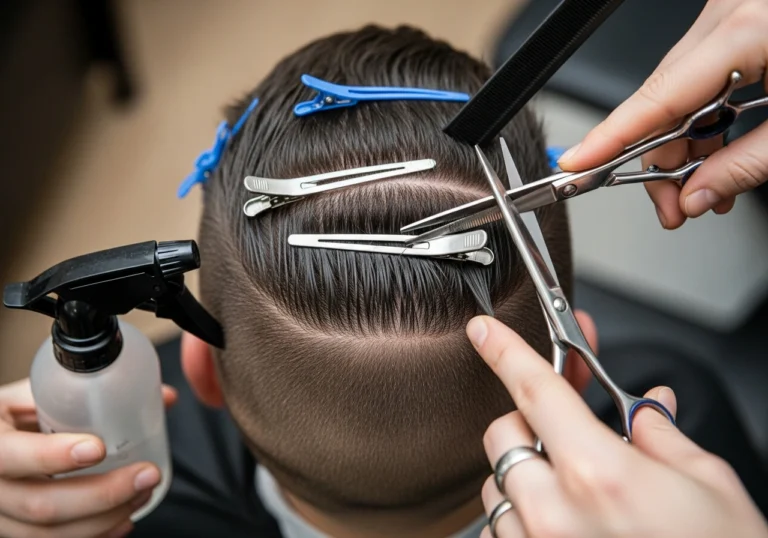
Before exploring specific styles, understanding the fundamental techniques behind scissor cutting helps appreciate why this method produces superior results. The scissor over comb technique involves holding a comb at specific angles while cutting the hair above it, creating seamless transitions and natural gradients. This method requires exceptional skill and years of practice to master, which is why experienced barbers often command premium prices for their scissor work.
Point cutting and slide cutting are two additional techniques that add texture and remove bulk without creating blunt lines. Point cutting involves cutting into the hair at an angle to create soft, feathered edges, while slide cutting uses the scissors to glide down the hair shaft, thinning and texturizing simultaneously. These methods work particularly well for men with thick or coarse hair who need volume reduction without sacrificing length.
The beauty of scissor cutting lies in its versatility across different hair types. Men with naturally curly or wavy hair benefit from scissor cuts because barbers can sculpt each curl individually, creating shape that enhances rather than fights natural texture. Straight hair gains movement and dimension through strategic layering that only scissors can achieve. Even men with thinning hair discover that scissor cuts create the illusion of fuller coverage through careful placement and blending.
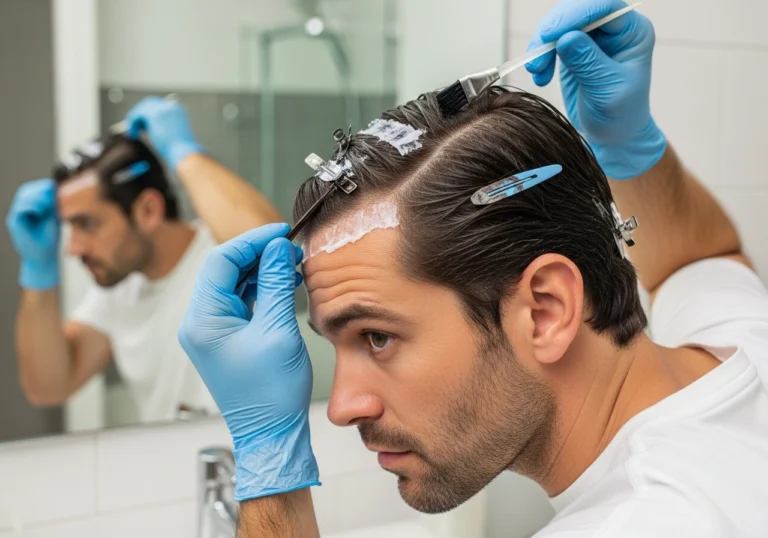
you may also like this:How to Dye Mens Hair at Home
The Classic Pompadour
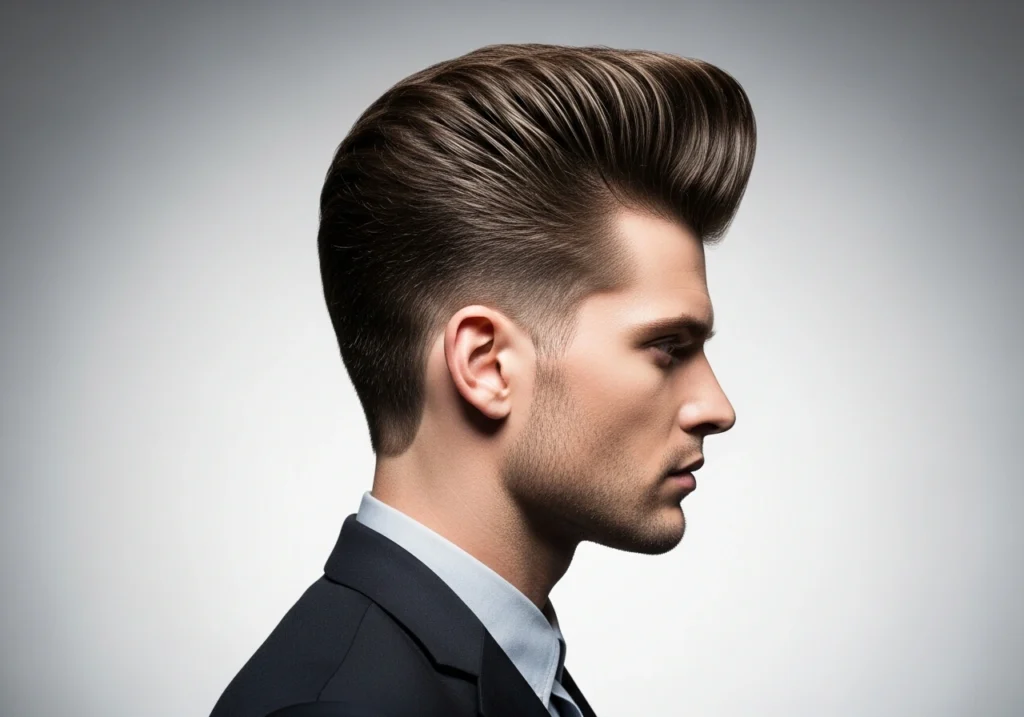
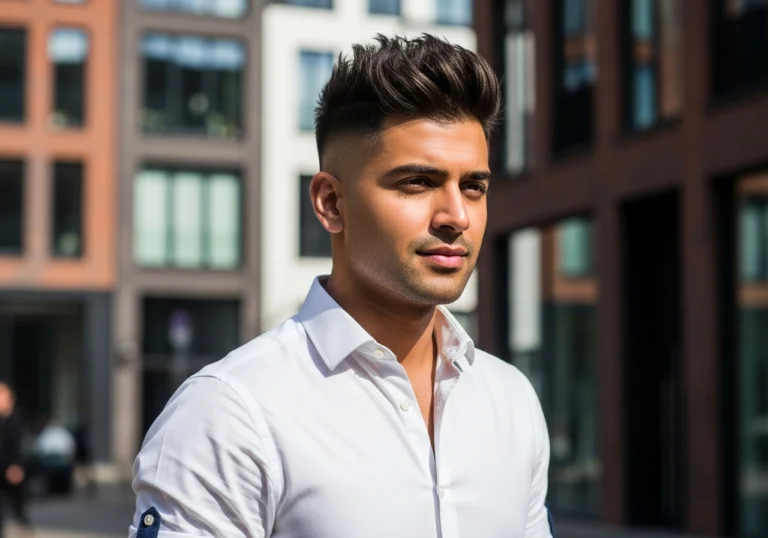
The pompadour stands as one of the most iconic scissor haircuts in men’s grooming history. Originally popularized in the 18th century and revived by cultural icons like Elvis Presley, this style features shorter sides with longer hair on top swept upward and back to create dramatic volume. The key to an exceptional pompadour lies in the scissor work on the sides, which should be tapered rather than buzzed to maintain a softer, more natural appearance.
Modern variations include the low fade pompadour, which incorporates a gradual fade while maintaining enough length on the sides for a classic scissor finish. The disconnected pompadour creates stark contrast between the voluminous top and closely cropped sides. For styling, apply a volumizing product to damp hair, blow dry while brushing upward and back, then finish with pomade for hold and shine. The pompadour works exceptionally well for men with thick, straight hair who want a statement style that commands attention.
Traditional Crew Cut

The crew cut represents American grooming at its finest. Short, neat, and perpetually stylish, this cut features tapered sides created with scissor over comb technique and a slightly longer top that can be styled with minimal product. Originally worn by college athletes in the 1920s and later adopted by military personnel, the crew cut has transcended its origins to become a timeless choice for men of all ages.
The beauty of a scissor crew cut lies in its subtle sophistication. Unlike clipper crew cuts that can appear harsh, scissor cutting creates gradual transitions that complement facial features and head shape. The top can be customized from ultra short to moderate length, depending on personal preference and hair texture. For maintenance, a crew cut requires regular trims every three to four weeks to maintain its crisp appearance.
The Textured Crop
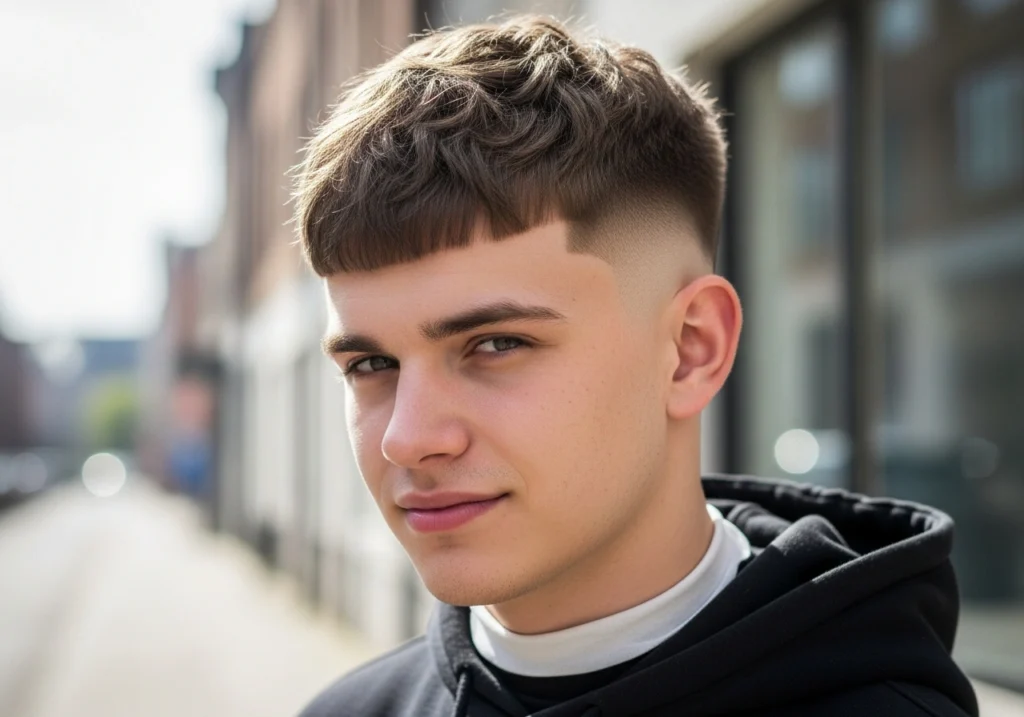
One of the most versatile contemporary styles, the textured crop combines the practicality of short hair with the visual interest of deliberate messiness. This scissor cut features heavy texturing throughout, with particular emphasis on the fringe area. The back and sides are typically taken to a low or mid fade, while the top ranges from one and a half to three inches, heavily textured using point cutting and slide cutting techniques.
What makes the textured crop exceptional is its ability to work with virtually any hair type. Straight hair gains movement and dimension, while naturally wavy or curly hair achieves controlled chaos that looks effortlessly cool. The fringe can be styled forward for a casual look or brushed up slightly for more structure. This cut requires minimal daily styling, making it perfect for men who want style without significant time investment.
The Sophisticated Ivy League
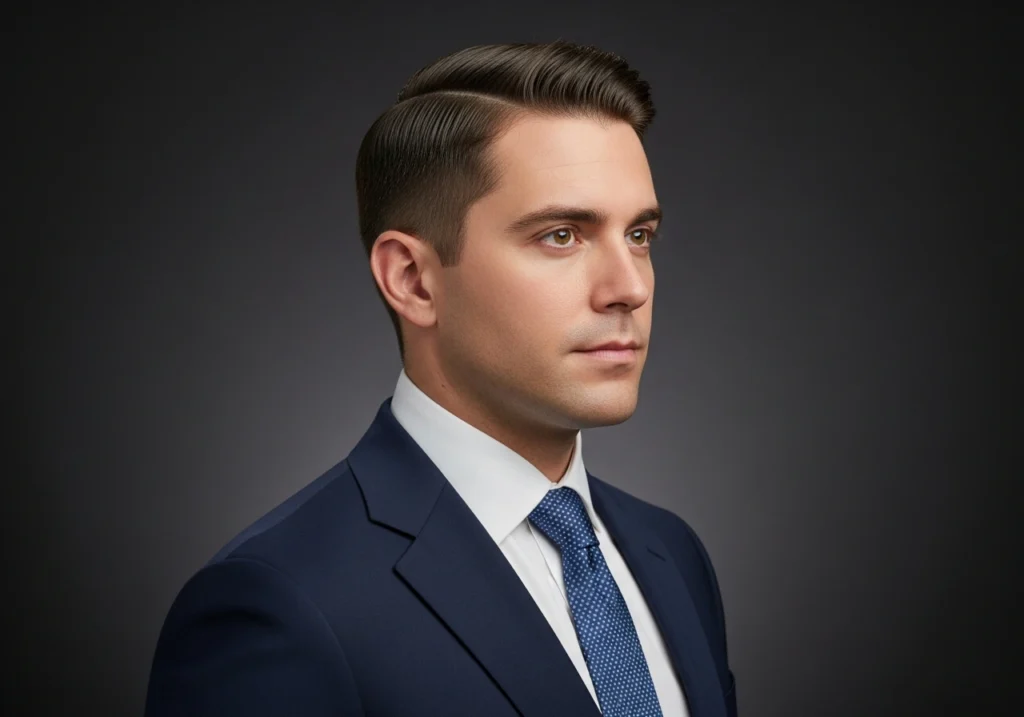
A refined evolution of the crew cut, the Ivy League adds enough length on top to create a side part or subtle quiff. This preppy classic originated in the hallowed halls of prestigious universities and remains a favorite among professionals and style conscious men. The sides are scissor tapered to create smooth blending, while the top maintains two to three inches of length.
The Ivy League offers remarkable versatility in styling. Comb it neatly to the side with a defined part for business settings, or tousle it slightly with matte clay for weekend casualness. The key to pulling off this cut successfully lies in the precise scissor work that creates balanced proportions between the sides and top. Men with oval or rectangular face shapes find this style particularly flattering.
Messy Quiff
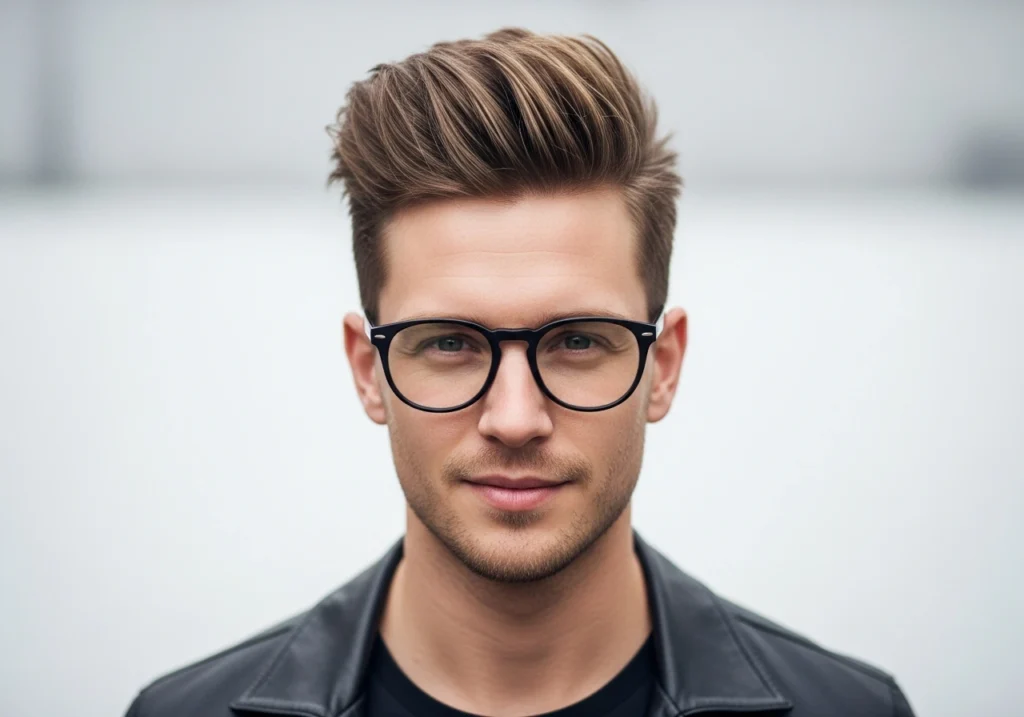
The quiff has evolved from its 1950s rockabilly roots into one of the most popular modern scissor cuts. This style features short sides with longer hair on top brushed upward and slightly back, creating volume and height at the front. The messy quiff variation embraces texture and natural movement rather than slicked precision, resulting in a more relaxed and contemporary aesthetic.
Scissor cutting proves essential for achieving the perfect quiff because it allows barbers to create the necessary length variation throughout the top. The front section needs to be longest to achieve proper lift, while the crown area can be slightly shorter for natural flow. The sides receive careful scissor tapering to maintain fullness without bulk. Styling involves applying volumizing spray to damp hair, blow drying upward with a round brush, then working in matte clay with fingers to create separated, textured pieces.
Classic Side Part
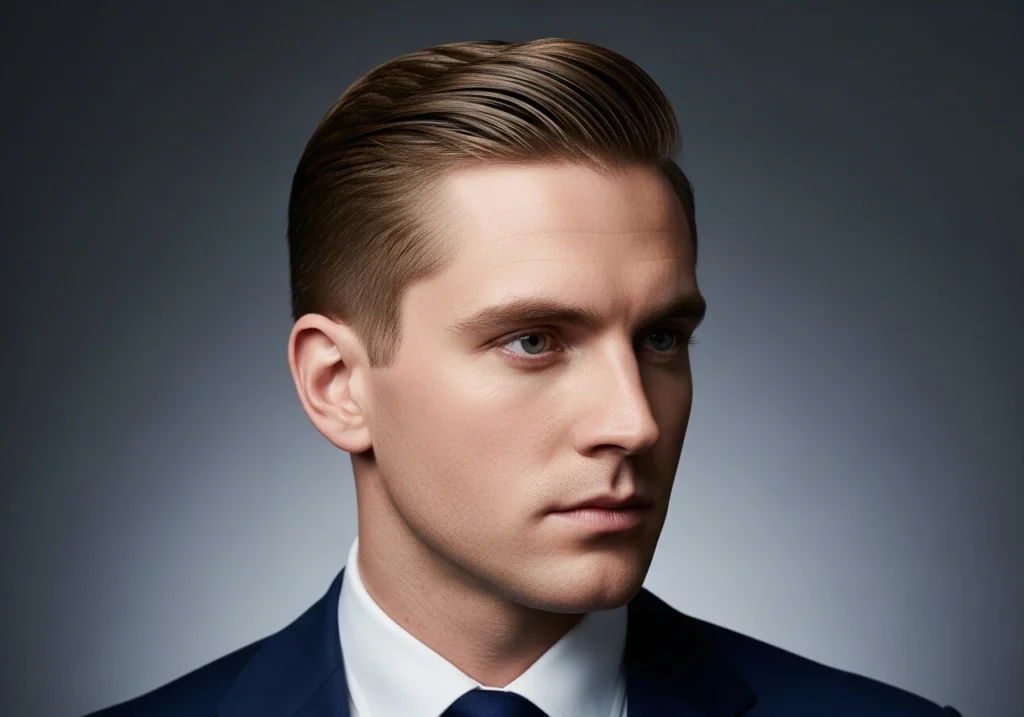
Timeless elegance defines the classic side part, a scissor haircut that has graced the heads of distinguished gentlemen for over a century. This style features medium length hair on top precisely parted to one side, with tapered sides that gradually transition from longer to shorter lengths. The scissor work must be meticulous to ensure smooth blending and proper weight distribution.
The side part works beautifully for men with thick, straight hair but can be adapted for wavy textures as well. The part itself should be clean and defined, typically positioned about two inches from the center of the head. For styling, apply a medium hold pomade to towel dried hair, create the part with a fine tooth comb, then comb the hair smoothly in the desired direction. This cut radiates professionalism and never goes out of style.
The Scissor Fade
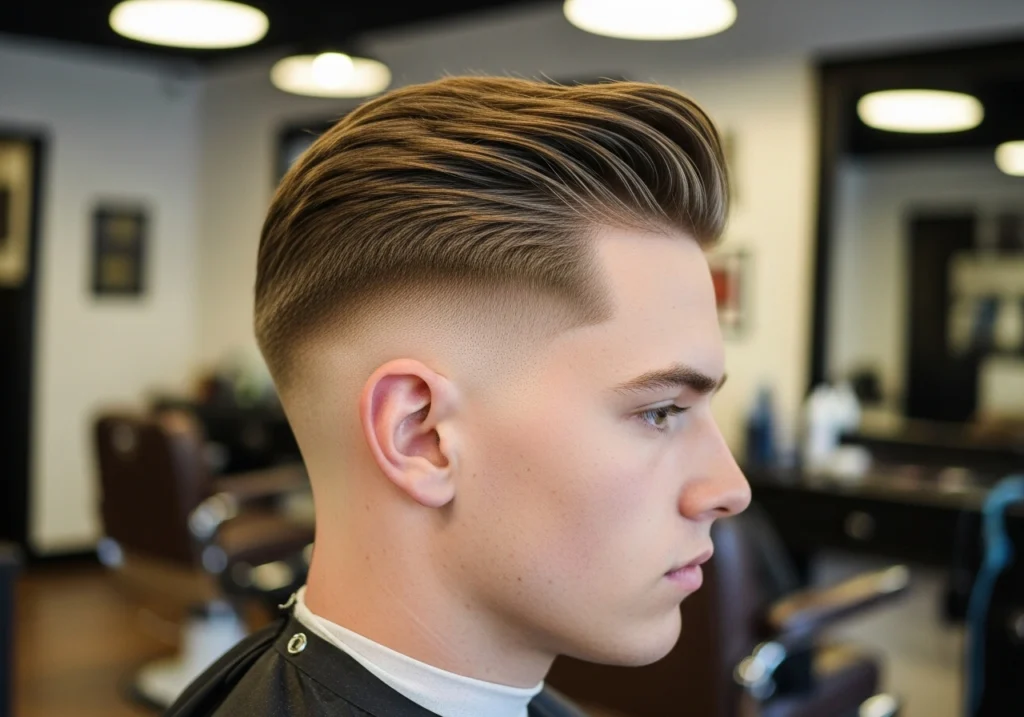
While many fades rely heavily on clippers, the scissor fade creates a softer, more natural transition between lengths. This technique uses the scissor over comb method to gradually blend from shorter hair at the bottom to longer hair higher up. The result appears less stark than clipper fades while still providing clean lines and modern appeal.
Scissor fades work particularly well for men who want contemporary style without the extreme contrast of skin fades. The fade can begin low, mid, or high on the head depending on preference, with the top styled in countless ways from slicked back to textured and messy. This versatility makes the scissor fade an excellent foundation for various looks, allowing you to adapt your style to different occasions without changing your base cut.
Medium Length Layered Cut
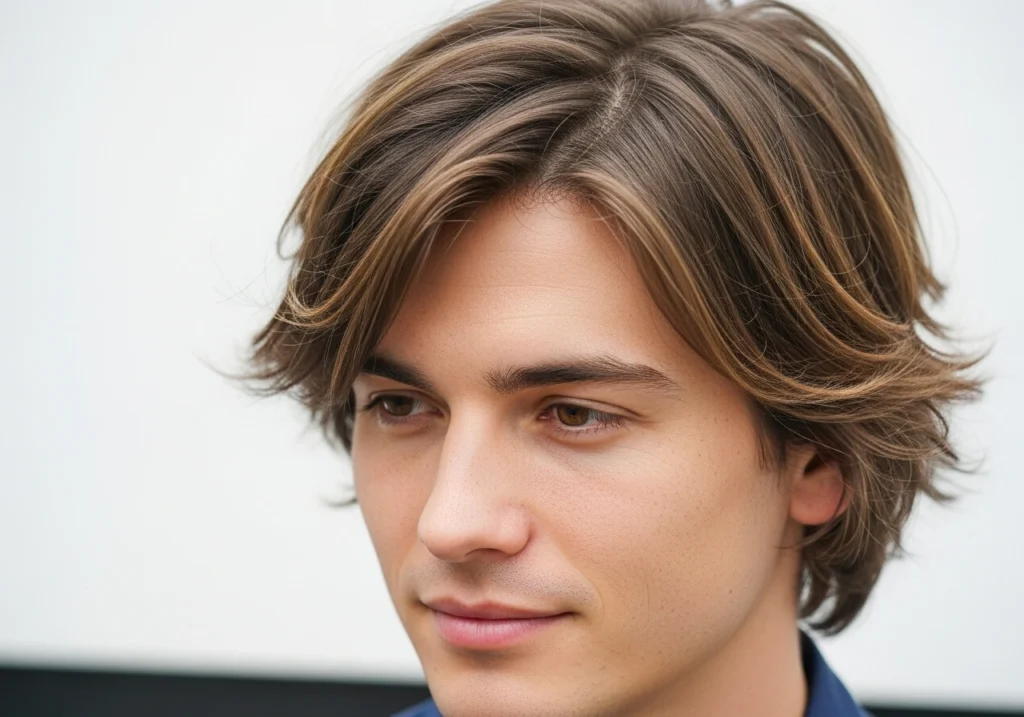
For men growing their hair to medium length, strategic layering becomes crucial to prevent a shapeless, heavy appearance. A scissor layered cut removes bulk while maintaining length, creating movement and dimension that shorter cuts cannot achieve. The hair is sectioned and cut at various angles, typically 45 degrees, to produce natural looking layers that blend seamlessly.
This style suits men with thick or wavy hair particularly well, as the layering prevents the dreaded triangle shape that often occurs when growing hair out. The nape is trimmed to avoid an unkempt look, while the top maintains sufficient length for versatile styling. Daily maintenance requires only a small amount of leave in conditioner or light styling cream to enhance natural texture.
The Undercut Pompadour

Combining two powerful styles, the undercut pompadour features dramatically short sides that are disconnected from the long top, creating bold contrast. The sides are scissor cut very short but not shaved, maintaining a soft finish that distinguishes this from clipper undercuts. The top is left long enough to sweep up and back into a voluminous pompadour shape.
This dramatic style makes a strong statement and works best for men with thick hair and confidence to carry an attention grabbing look. The disconnect between lengths means this cut requires more frequent maintenance to keep lines sharp. Styling demands more time and product than simpler cuts, but the impressive results justify the effort for style conscious men.
Tousled Side Sweep

Effortlessly cool describes the tousled side sweep, a relaxed scissor cut that embraces natural texture and movement. The hair is cut entirely with scissors, creating layers throughout that allow for sweeping to one side with soft, lived in texture. This style works beautifully for men with naturally wavy or straight hair seeking a low maintenance yet stylish option.
The side sweep requires minimal daily styling. After washing, towel dry hair and apply a small amount of sea salt spray or texturizing cream, then push hair to your preferred side with fingers while it air dries. The layering created through scissor cutting ensures the hair falls naturally into place without extensive manipulation. This cut grows out gracefully, meaning you can extend time between barbershop visits.
The French Crop

Originating from European barbering traditions, the French crop features a short, blunt fringe and textured top with tapered sides. This scissor cut has gained tremendous popularity for its clean aesthetic and easy maintenance. The defining characteristic is the horizontal fringe that sits just above the eyebrows, creating a strong visual line.
Scissor cutting proves essential for achieving the proper texture on top while maintaining the sharp fringe line. The back and sides are scissor tapered to create smooth transitions, though some modern variations incorporate fades. This style flatters men with angular face shapes and works well for those who prefer minimal daily styling. Simply towel dry and go, or add a small amount of matte paste for additional texture.
Slicked Back Elegance
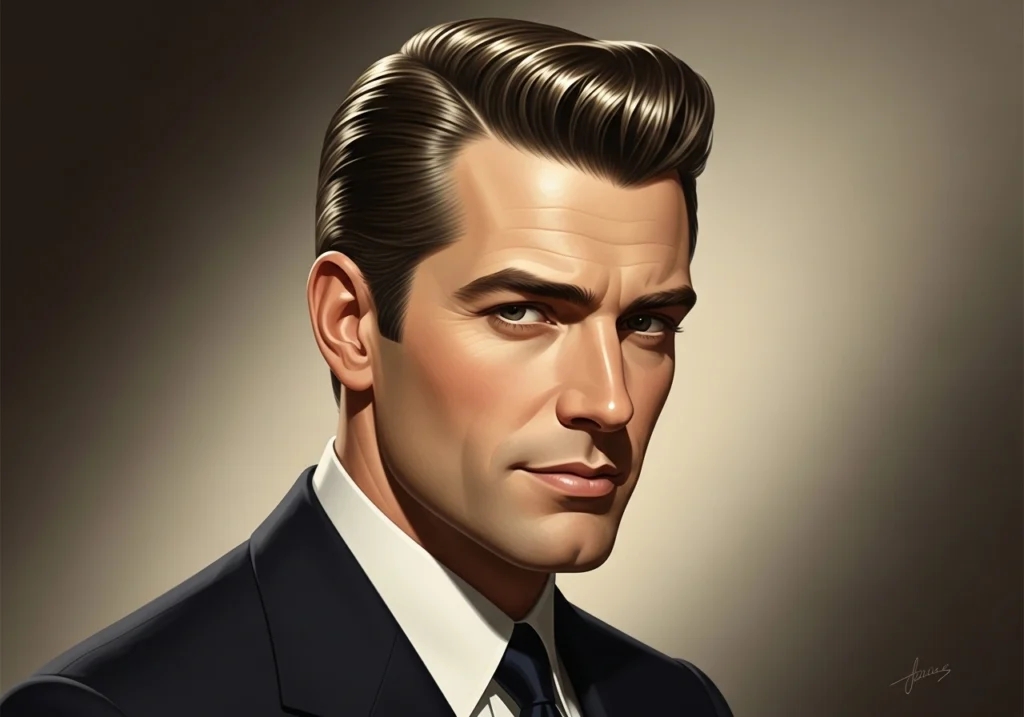
Sophisticated and timeless, the slicked back scissor cut channels old Hollywood glamour into a modern context. This style features medium to long hair on top cut with layers for manageability, with shorter scissor tapered sides. The hair is combed straight back from the forehead, creating a sleek silhouette that exudes confidence and refinement.
Achieving the perfect slicked back style requires proper scissor work to ensure adequate length on top while maintaining manageable weight. Too much bulk creates difficulties in slicking back smoothly, while too much layering removes necessary density. For styling, apply a generous amount of pomade to damp hair, comb back with a wide tooth comb, then finish with a fine tooth comb for polish. This cut works brilliantly for formal occasions and professional environments.
The Wavy Quiff

Men blessed with naturally wavy hair often struggle to find cuts that enhance rather than fight their texture. The wavy quiff embraces those waves, using scissor cutting to create shape and remove bulk while celebrating natural movement. The sides are kept shorter to prevent widening the face, while the top maintains enough length for waves to form properly.
The scissor work for a wavy quiff focuses on creating internal layers that allow waves to stack naturally without appearing triangular or mushroom shaped. The front is left longest for optimal volume, while the back gradually shortens toward the crown. Styling involves applying curl defining cream to damp hair, blow drying with a diffuser attachment while scrunching waves with your hands, then finishing with a small amount of wax to define the quiff shape.
Short Textured Quiff
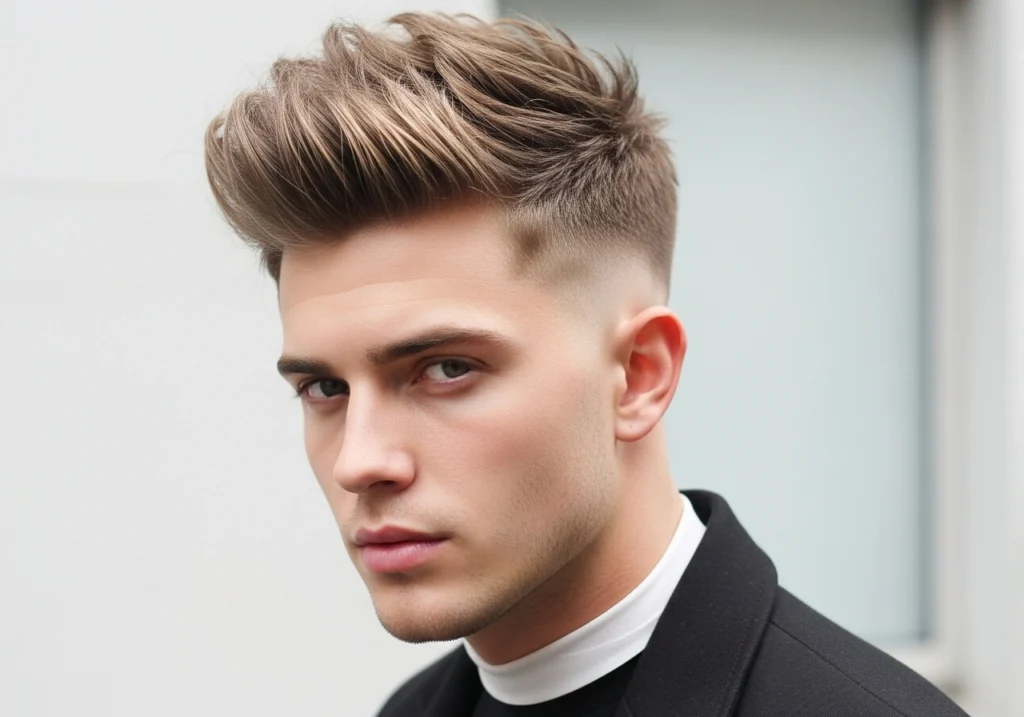
A more compact version of the traditional quiff, the short textured quiff maintains the upward volume while keeping overall length minimal. This modern cut features heavy texturing throughout using point cutting and razor techniques, creating a deliberately messy appearance that still looks intentional and styled. The sides typically fade to a low or mid level, while the top ranges from one and a half to two and a half inches.
This versatile cut suits various hair types and face shapes, making it one of the most requested styles in contemporary barbershops. The short length means maintenance is relatively simple, requiring only a quick application of matte clay or texture powder worked through with fingers. The style grows out well, looking good for several weeks before needing a trim.
The Scissor Over Comb Taper

Pure technique defines the scissor over comb taper, a foundational cut that demonstrates masterful scissor skills. This style features gradually tapered sides and back achieved entirely through scissor over comb work, creating natural transitions without any clipper marks or harsh lines. The top can be styled in various ways, from neat and combed to textured and messy.
This classic approach to barbering creates a sophisticated, refined appearance that never looks dated. The smooth blending from shorter to longer hair complements any face shape and professional environment. Maintenance requires skill, so finding a barber who excels at scissor work is essential. The payoff is a distinguished look that sets you apart from clipper cut crowds.
Curly Top with Tapered Sides

Men with naturally curly hair often face challenges finding barbers who understand how to work with their texture. A scissor cut designed specifically for curls involves cutting each curl individually when dry, allowing the barber to see exactly how each cut affects the overall shape. The sides are scissor tapered to keep things neat, while the top maintains enough length for curls to form their natural pattern.
This approach prevents the dreaded afro shape while celebrating natural texture. The key lies in removing bulk without removing too much length, which scissors accomplish far better than clippers. For daily styling, apply leave in conditioner to damp curls, scrunch gently with a microfiber towel, then air dry or diffuse. The properly executed scissor cut does most of the work, requiring minimal product or manipulation.
Modern Mohawk Variation
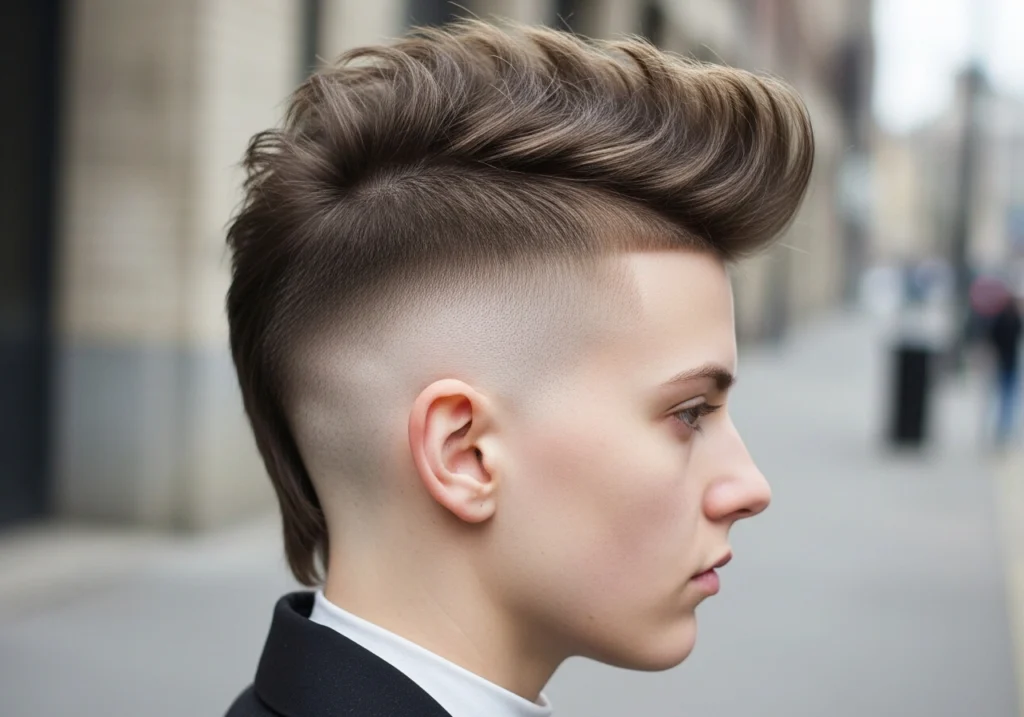
The contemporary mohawk moves away from punk rock extremes into refined territory suitable for mainstream wear. This scissor cut features significantly shorter sides that gradually taper, with a distinct strip of longer hair running from front to back along the center of the head. The contrast is noticeable but not shocking, making this an edgy yet wearable choice.
Scissor cutting the sides rather than shaving them creates a softer, more sophisticated appearance that bridges the gap between conservative and rebellious. The central strip can be styled up into a small faux hawk for weekends or combed to the side for more formal occasions. This versatility makes the modern mohawk variation an excellent choice for creative professionals who want personality in their appearance without crossing professional boundaries.
The Gentleman’s Cut
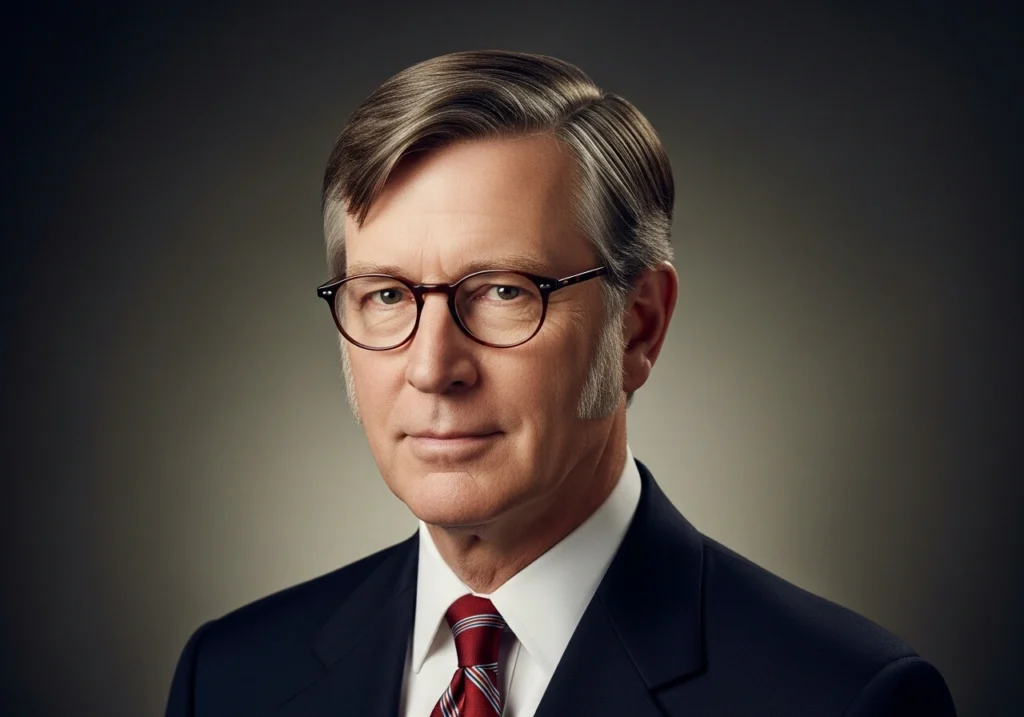
Embodying classic refinement, the gentleman’s cut features moderate length throughout with particular attention to precise scissor work around the ears and nape. This style typically includes a subtle side part and enough length on top for various styling options. The sides and back are carefully scissor tapered to create seamless blending and a polished finish.
This cut appeals to men who appreciate traditional grooming standards and want a timeless look that never appears trendy or dated. The gentleman’s cut requires regular maintenance every three to four weeks to preserve its crisp lines and proper proportions. For daily styling, apply a dime sized amount of styling cream to damp hair, create your part with a comb, then style as desired. The versatility allows for slicked, combed, or slightly tousled looks depending on the occasion.
Textured Brush Back
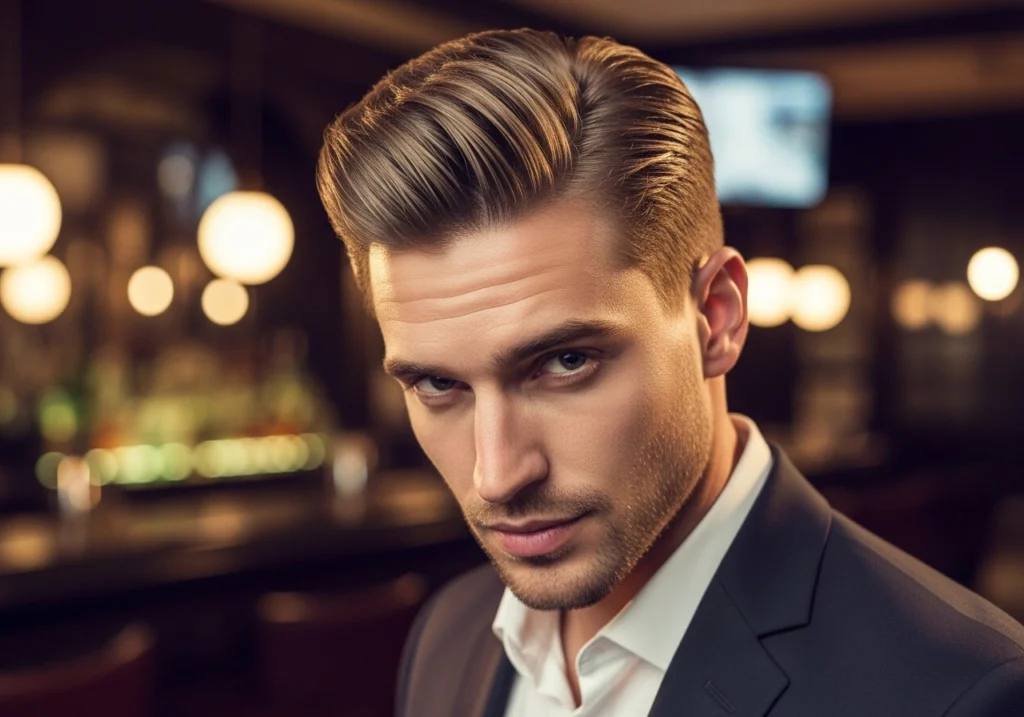
Combining casual ease with deliberate style, the textured brush back features layers cut throughout medium length hair that is styled away from the face. Unlike the slicked back style that appears wet and shiny, the textured brush back embraces a matte, natural finish with visible separation between hair strands. Scissor cutting creates the necessary layers for this texture while maintaining enough density for visual impact.
This style works exceptionally well for men with thick, straight hair who want a sophisticated look without high shine or rigid structure. The hair is blown back while drying, then matte clay or paste is worked through with fingers to create texture and hold. The resulting appearance suggests effortless style rather than labored grooming, perfect for contemporary aesthetics.
The Caesar Cut

Named after the Roman emperor who allegedly wore this style, the Caesar cut features short hair with a horizontal fringe across the forehead. Unlike the French crop which has a defined fringe line, the Caesar blends more subtly from top to sides. This classic scissor cut requires precise technique to create the characteristic forward brushed fringe while maintaining proper proportions throughout.
The Caesar cut flatters men with receding hairlines because the forward fringe minimizes the appearance of a high forehead. It also suits those with fine or thinning hair, as the uniform length creates an impression of fuller coverage. Styling is remarkably simple, requiring only a small amount of light hold product brushed forward with fingers. This low maintenance quality combined with timeless appeal makes the Caesar an enduring favorite.
Conclusion
Scissor haircuts for men represent the pinnacle of barbering craftsmanship, offering unmatched precision, natural transitions, and personalized styling that clipper cuts cannot replicate. From classic styles that have endured for generations to contemporary variations that push creative boundaries, scissor cutting techniques provide the foundation for exceptional grooming. The twenty one styles explored here demonstrate the remarkable versatility of scissor work across different hair types, face shapes, and personal preferences.
Choosing the right scissor cut requires consideration of your hair texture, lifestyle, and the amount of time you can dedicate to daily styling. Men with thick hair benefit from layering and texturing that removes bulk while maintaining length, while those with finer hair need strategic cutting that creates the illusion of fullness. Your face shape also plays a crucial role, as certain styles complement specific features better than others.
Finding a skilled barber who excels at scissor work is essential for achieving these styles successfully. Look for professionals who take time to consult with you before cutting, who understand different hair types, and who demonstrate mastery of scissor techniques. Investing in quality cuts from experienced barbers pays dividends in appearance and confidence.
The resurgence of traditional scissor cutting reflects a broader movement toward artisanal craftsmanship and personalized service in men’s grooming. Rather than settling for quick clipper cuts, today’s style conscious men recognize the value of investing time and resources into haircuts that truly elevate their appearance. Whether you prefer the timeless elegance of a side part or the contemporary edge of a textured quiff, scissor cutting offers the refinement and attention to detail that transforms a simple haircut into a defining element of personal style.
Frequently Asked Questions
How often should I get a scissor haircut?
Most scissor haircuts require maintenance every three to six weeks depending on the style and how quickly your hair grows. Shorter styles like crew cuts and crops need more frequent trims to maintain their shape, while longer layered cuts can go longer between appointments. Regular trims prevent your cut from losing its intended shape and keep you looking polished.
Are scissor cuts more expensive than clipper cuts?
Generally yes, scissor cuts command higher prices because they require significantly more skill, time, and precision than clipper work. Experienced barbers who specialize in scissor cutting have invested years developing their craft, and this expertise is reflected in their pricing. However, the superior quality, natural appearance, and better growth patterns often justify the additional cost.
What face shape works best with scissor haircuts?
Scissor haircuts can be adapted to complement any face shape through proper consultation and technique. Oval faces have the most versatility, while round faces benefit from styles that add height and avoid width on the sides. Square faces look great with textured, softer styles that balance angular features, and long faces should avoid excessive height on top. A skilled barber will assess your specific features and recommend styles that enhance your natural attributes.
Can scissor cuts work with thinning hair?
Absolutely, scissor cutting often works better for thinning hair than clippers because barbers can strategically place cuts to create the illusion of fuller coverage. Techniques like point cutting add texture without removing too much density, while proper layering prevents flat, lifeless appearance. Shorter styles like crew cuts and Caesar cuts also minimize the appearance of thinning by maintaining uniform length throughout.
How do I maintain my scissor haircut between appointments?
Proper maintenance starts with using quality hair care products suited to your hair type. Wash your hair every two to three days rather than daily to preserve natural oils. Invest in the styling products your barber recommends, as professional grade options perform better than drugstore alternatives. Practice the styling techniques your barber demonstrates, and do not hesitate to return for guidance if you are struggling. Between cuts, keep your neckline and around your ears neat by visiting for quick touch ups if your style requires it.