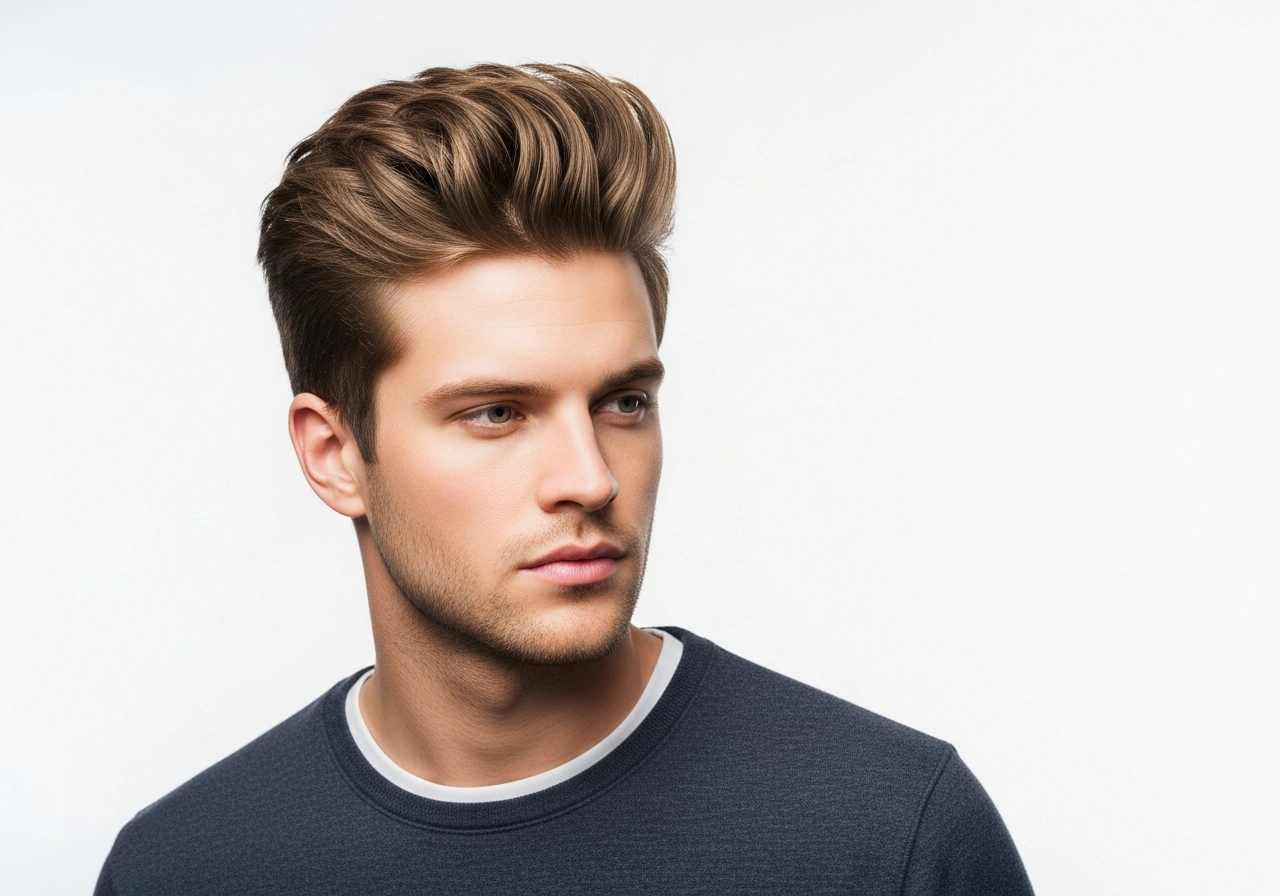
How To Style Messy Hair For Men In 2026!
The messy hair trend continues to dominate men’s grooming in 2026, offering a perfect balance between effortless style and intentional design. This look has evolved from the simple bedhead aesthetic into a sophisticated statement that communicates confidence and modern masculinity. Whether you’re heading to the office, meeting friends for coffee, or enjoying a casual weekend, mastering the messy hair style provides versatility that few other cuts can match.
The appeal of messy hair lies in its carefully crafted appearance of spontaneity. This isn’t about neglecting your grooming routine or skipping your morning styling session. Instead, it’s about creating texture, movement, and dimension that appears natural while requiring thoughtful technique and the right products. The modern messy hairstyle represents controlled chaos, a deliberate approach to looking relaxed without appearing unkempt.
In 2026, men are seeking hairstyles that reflect their personalities while accommodating busy lifestyles. The messy hair trend delivers exactly this combination. With proper cutting techniques, quality products, and simple styling methods, anyone can achieve this coveted look regardless of hair type or length.
Understanding The Messy Hair Concept
Messy hair for men represents more than just tousled locks or disheveled strands. The style embodies an aesthetic philosophy that values natural texture over rigid structure, movement over stiffness, and personality over perfection. This approach to grooming emerged as a counterpoint to overly manicured styles that dominated previous decades.
The foundation of messy hair starts with the haircut itself. Strategic layering creates the base for texture and movement. Barbers use point cutting techniques to remove weight from the hair while maintaining length, allowing individual strands to fall naturally in different directions. This cutting method prevents the flat, uniform appearance that comes from blunt cuts.
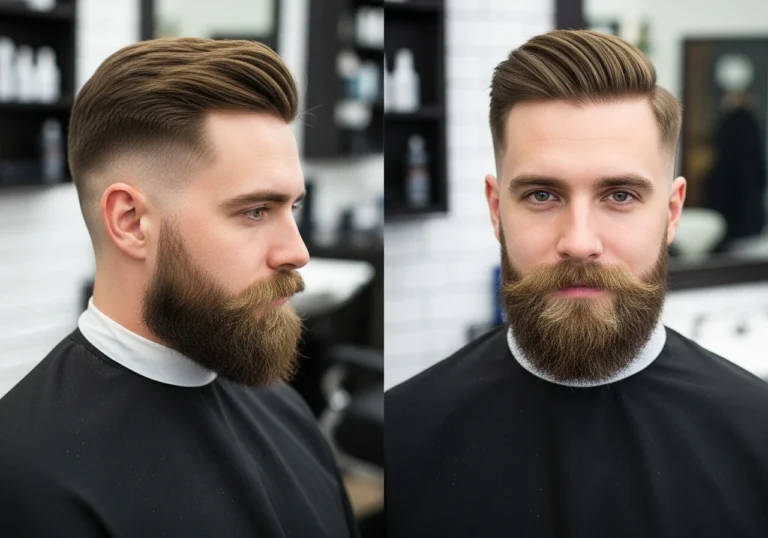
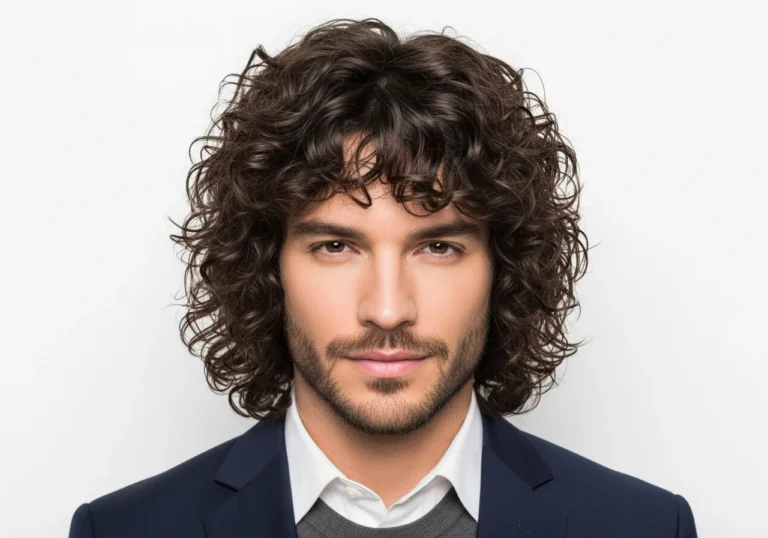
Modern messy styles work across various hair lengths and types. Short messy cuts typically feature textured tops with clean faded sides, creating contrast that emphasizes the disheveled crown. Medium length options allow for more dramatic movement and can be styled forward, swept back, or pushed to the side. Long messy hair embraces natural waves and layers that frame the face while maintaining an intentionally carefree appearance.
The Science Behind Texture And Movement
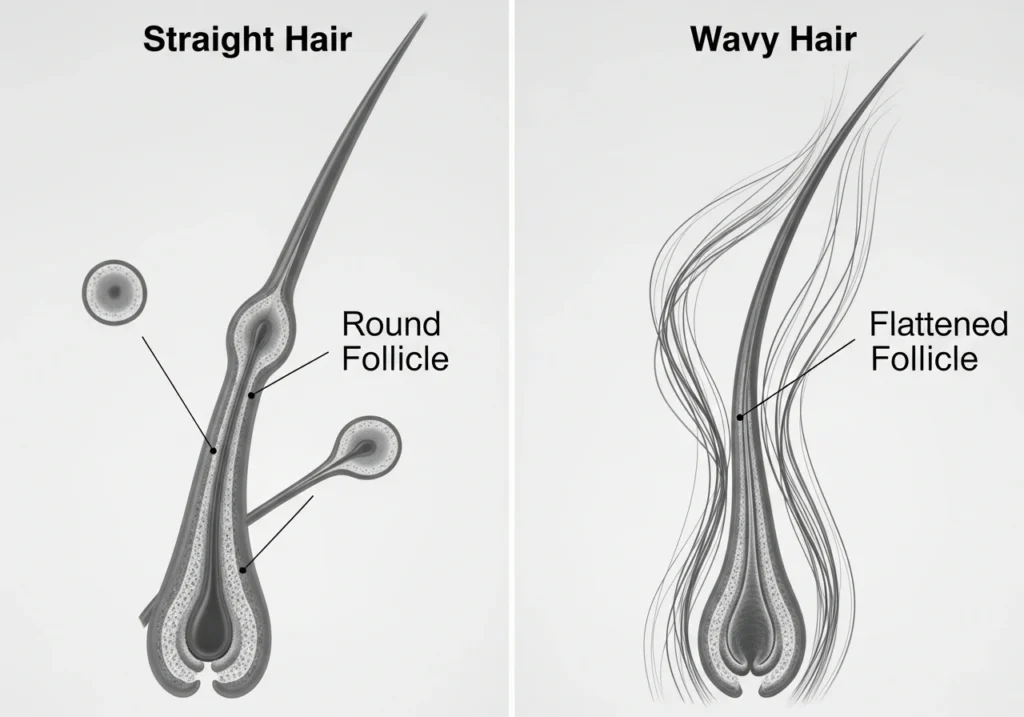
Creating authentic messy hair requires understanding how hair naturally falls and moves. Hair texture depends on the shape of individual follicles, with round follicles producing straight hair and flattened follicles creating wavy or curly patterns. Working with your natural texture rather than against it produces more convincing results.
Hair thickness and density also influence how messy styles appear. Thick hair holds texture and volume easily but can become heavy without proper layering. Fine hair benefits from products that add grip and fullness, preventing the flat appearance that undermines the messy aesthetic. Understanding these characteristics helps tailor styling approaches to individual needs.
The cuticle layer of each hair strand affects how products interact with your hair. Healthy cuticles lie flat and reflect light, while damaged ones create frizz and dullness. Maintaining hair health through appropriate washing routines and conditioning treatments ensures styling products work effectively and the messy look appears intentional rather than neglected.
Essential Products For Messy Hair
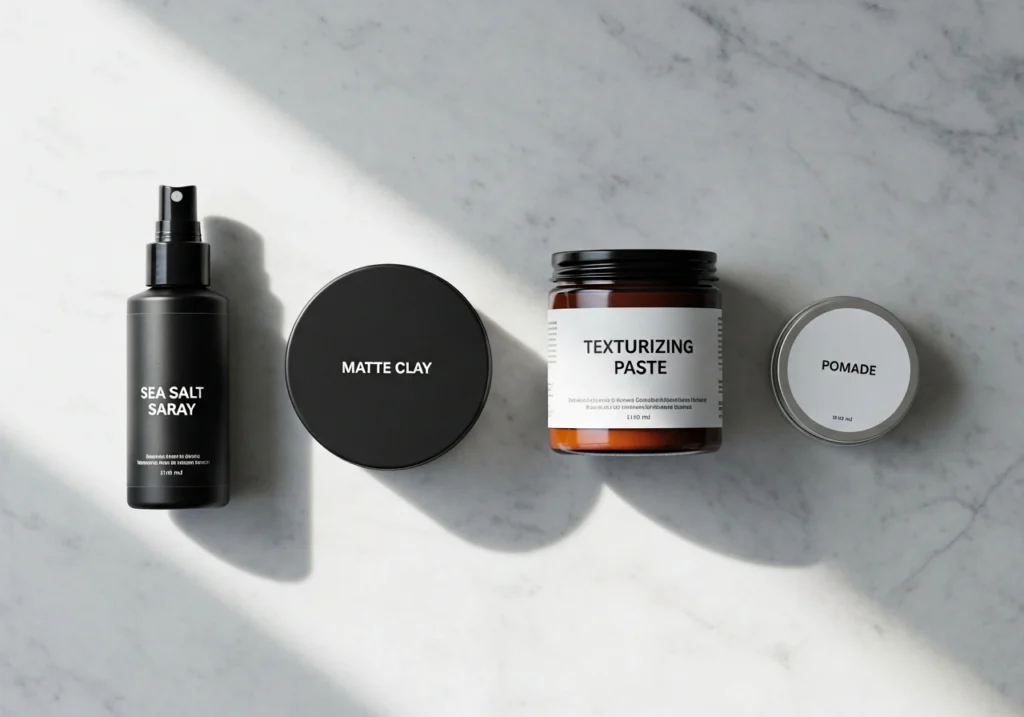
Quality styling products form the backbone of successful messy hair styling. The right product selection transforms random tangles into structured texture while maintaining natural movement. Understanding how different products work helps create the desired finish.
Sea salt spray stands as the cornerstone product for messy hairstyles. This lightweight formula adds texture and grip without heaviness or shine. Applied to damp hair, sea salt spray enhances natural waves and creates the foundation for tousled styling. The salt particles roughen the hair cuticle slightly, allowing strands to grip each other and maintain separation throughout the day.
Matte clay provides medium to strong hold with zero shine, making it ideal for defining messy styles. Clay formulas typically contain kaolin or bentonite clay mixed with natural oils. These ingredients absorb excess oil while adding texture and control. Clay works best applied to dry or slightly damp hair, allowing you to sculpt and shape while maintaining a natural finish.
Texturizing paste offers lighter hold than clay with slightly more flexibility. This product works well for men who want messy texture without stiffness. Paste can be applied throughout the day for touch-ups, making it perfect for styles that need adjustment after activities or weather changes.
Pomade serves specific purposes in messy styling, particularly for semi-structured looks. Water-based pomades provide hold and slight shine while remaining washable. Applied sparingly, pomade helps control flyaways and defines specific sections without creating the helmet-like finish of traditional gels.
Styling Short Messy Hair

Short messy hair delivers maximum impact with minimal maintenance. This length works exceptionally well for men with naturally straight or slightly wavy hair, though proper products allow any texture to achieve great results.
Start with clean, towel-dried hair that remains slightly damp. Apply a small amount of sea salt spray throughout, focusing on the roots and mid-lengths. Use your fingers to scrunch the hair upward, creating lift at the crown. This initial step establishes volume that prevents the flat appearance common with short styles.
Next, take a pea-sized amount of matte clay and warm it between your palms. Work the product through your hair using upward and outward motions. Focus on the top and front sections where texture matters most. Use your fingertips to create separation and definition, pulling small sections in different directions.
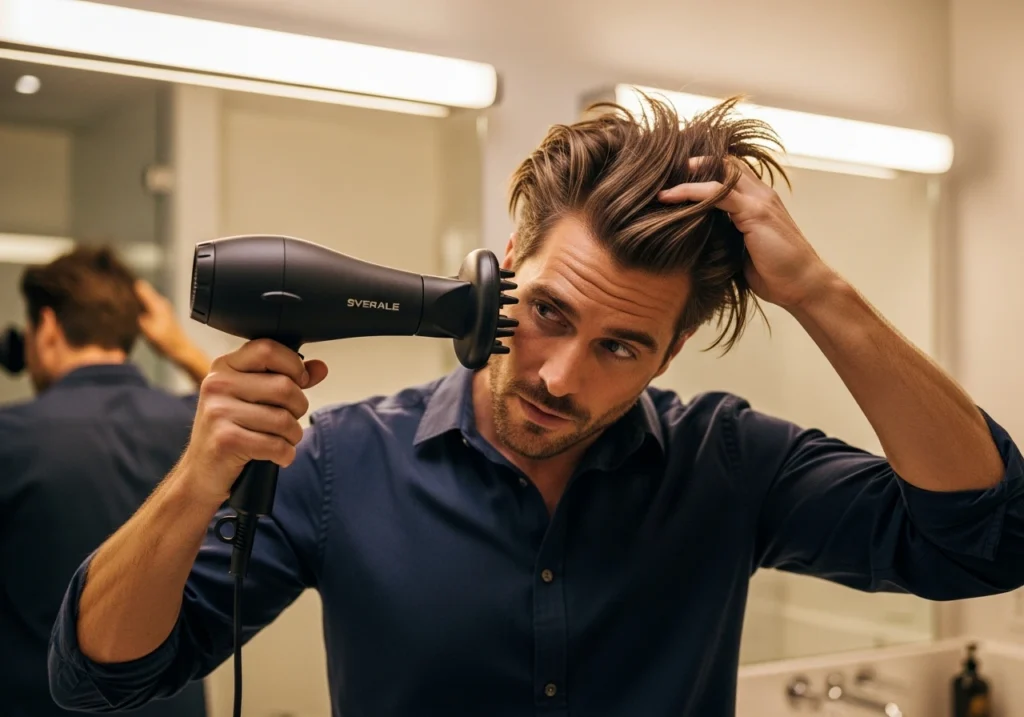
For added dimension, consider using a blow dryer on low heat. Point the nozzle downward and use your free hand to lift and tousle sections as you dry. This technique adds volume while setting the messy texture. Finish with a light mist of texture spray if needed for extra hold.
Short messy styles paired with faded sides create strong contrast that emphasizes the textured top. Low fades maintain more length around the sides and back, while high fades create dramatic differences. Discuss these options with your barber to find the variation that suits your face shape and personal style.
Mastering Medium Length Messy Hair
Medium length represents the sweet spot for messy styling, offering enough length for dramatic movement while remaining manageable. This length typically ranges from two to four inches on top, providing versatility for various occasions and styling preferences.
Begin your styling routine with freshly washed hair that’s been gently towel-dried. Apply sea salt spray liberally throughout, paying attention to ensure even distribution. The increased length requires more product than short styles to maintain texture from roots to ends.
Use a blow dryer with a diffuser attachment to dry your hair while enhancing natural texture. Flip your head forward and scrunch sections as you apply heat. This method creates volume at the roots and encourages natural wave patterns. Dry until your hair reaches about seventy percent dryness, leaving some moisture for product application.
Apply texturizing paste or lightweight clay to your slightly damp hair. Work the product through with your fingers, lifting and separating strands. Create movement by pushing some sections forward while pulling others to the side. The goal is controlled randomness where each styling session produces a slightly different but equally appealing result.
Medium messy hair allows for style variations throughout the day. Push it back for a more polished appearance during work hours, then tousle it forward for evening activities. This adaptability makes medium length particularly popular among men with diverse daily demands.
Long Messy Hair Techniques
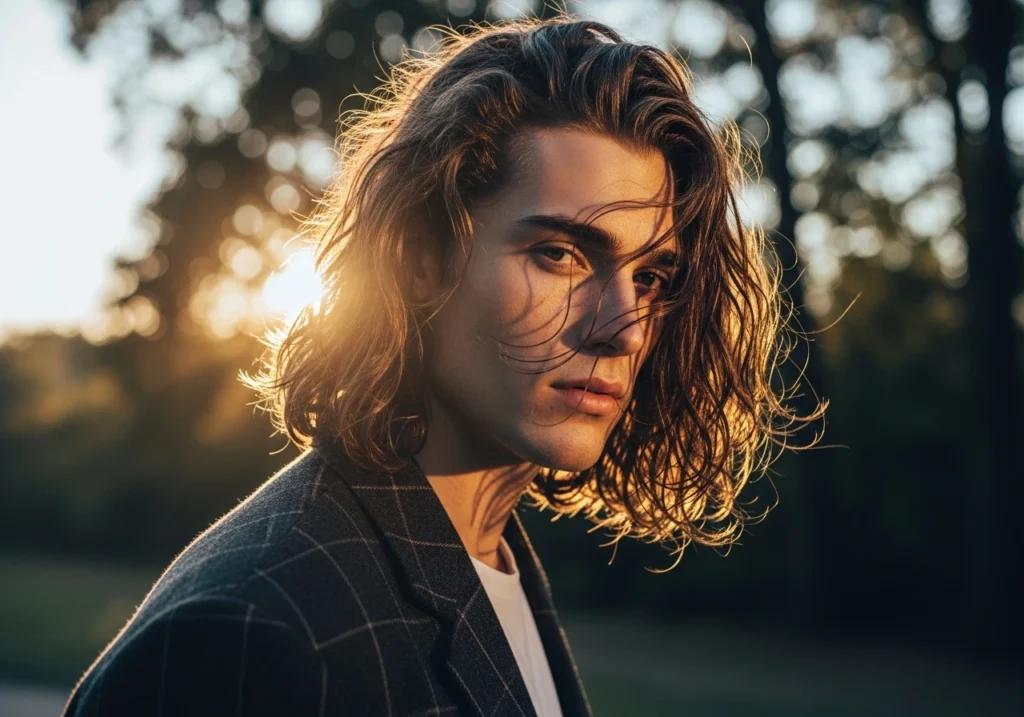
Long messy hair makes a bold statement while requiring more dedication to maintenance and styling. When executed properly, this length channels confident masculinity with an artistic edge.
Foundation care becomes crucial with longer styles. Use quality shampoo and conditioner designed for your hair type, focusing conditioner on mid-lengths and ends rather than roots. Regular deep conditioning treatments maintain softness and prevent the dry, damaged appearance that undermines the intentional messy aesthetic.
Styling long messy hair starts with damp rather than wet locks. Apply leave-in conditioner to provide moisture and manageability. Follow with sea salt spray, scrunching the product through the length of your hair. The combination creates texture while preventing the tangled appearance that can occur with longer styles.
Air drying works well for long messy hair, allowing natural texture to develop without excessive manipulation. If you prefer faster results, use a diffuser attachment on your blow dryer. Cup sections of hair in the diffuser and pulse the heat, encouraging waves and volume without creating frizz.
Once dry, apply a small amount of lightweight cream or oil to the ends. This step adds definition and prevents split ends from creating a raggedy appearance. Use your fingers to arrange sections, allowing some pieces to fall forward over your forehead while others sweep behind your ears. Embrace the natural variation in how your hair falls rather than forcing symmetry.
Hair Type Considerations
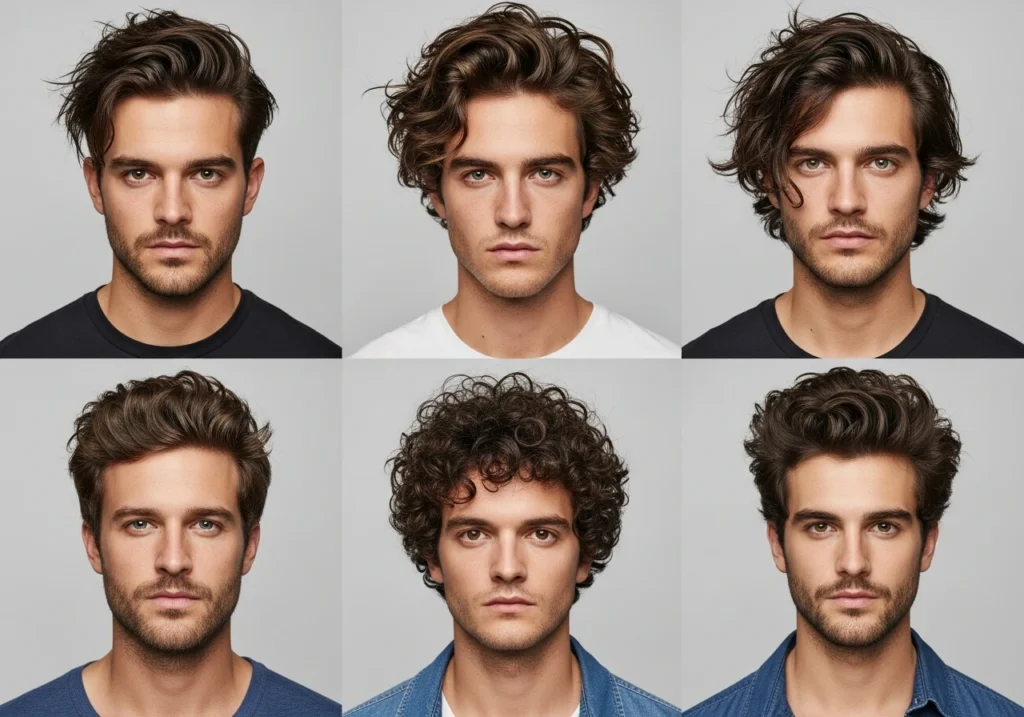
Different hair types respond uniquely to messy styling techniques. Adapting your approach based on your natural texture ensures optimal results and reduces frustration.
Straight hair requires the most intervention to achieve messy texture. The lack of natural bend means straight strands tend to fall flat without products and styling techniques that create artificial texture. Sea salt spray and texture powder become essential tools, while blow drying with directional airflow helps create bends and lifts that mimic natural wave patterns.
Wavy hair naturally lends itself to messy styling. The existing texture provides a head start, requiring less product and manipulation than straight hair. Focus on enhancing natural wave patterns rather than fighting them. Scrunch products into damp hair and allow air drying for the most natural results. Avoid heavy products that can weigh down waves and create stringy separation.
Curly hair delivers instant volume and texture but requires moisture to prevent frizz. Use curl-specific products that define individual coils while maintaining softness. Apply products to soaking wet hair, then scrunch out excess water with a microfiber towel. Diffuse on low heat or air dry completely. Once dry, avoid touching your hair excessively, as this can disrupt the curl pattern and create unwanted frizz.
Thick hair holds messy styles exceptionally well but can become bulky without proper cutting. Ask your barber for internal layering that removes weight while maintaining length. This technique prevents the mushroom shape that occurs when thick hair is cut with too much bulk. Use products with strong hold to manage the density and maintain texture throughout the day.
Fine hair benefits from volumizing products that create the illusion of thickness. Avoid heavy clays and pomades that can weigh down fine strands. Instead, opt for lightweight mousses, texture sprays, and powders applied directly to roots. Blow drying against the natural growth pattern creates lift that makes fine hair appear fuller and more textured.
Face Shape And Style Matching
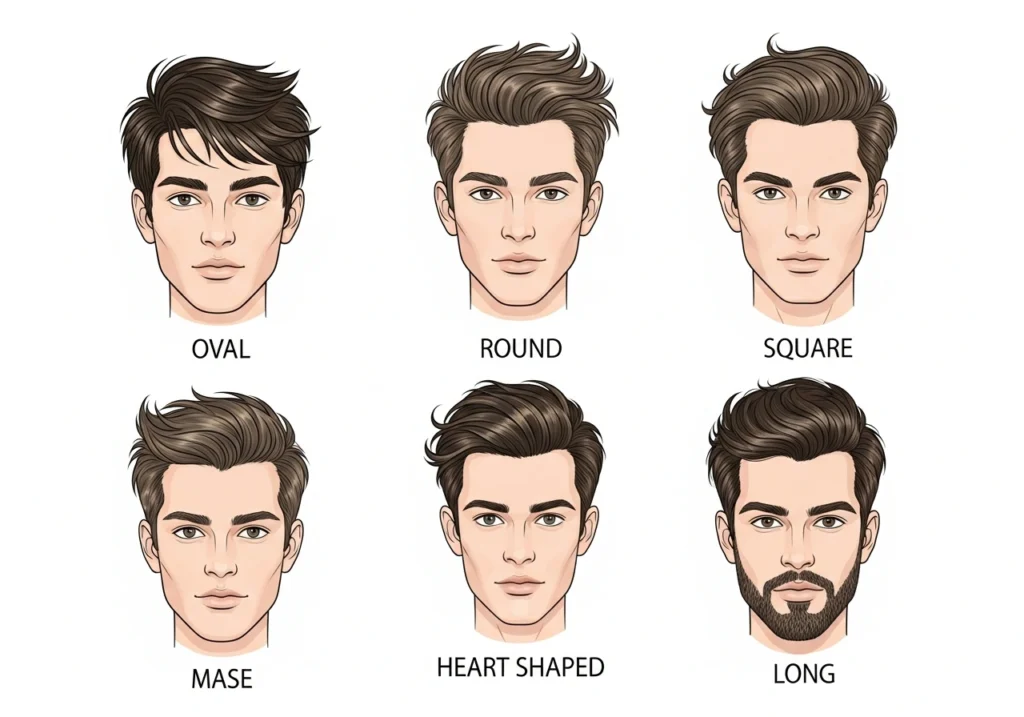
Selecting the right messy hairstyle variation for your face shape creates balance and enhances your natural features. Understanding basic face shape principles helps guide styling decisions.
Oval faces represent the most versatile shape, working well with virtually any messy hair variation. The balanced proportions mean you can experiment with different lengths and textures without concern about creating unflattering proportions. Feel free to try short textured crops, medium tousled styles, or longer flowing looks.
Round faces benefit from messy styles that add height and angles. Vertical volume at the crown elongates the face shape, while textured sides that taper shorter create the appearance of more defined cheekbones. Avoid styles that add width at the temples or create horizontal emphasis across the widest part of your face.
Square faces feature strong jawlines and angular features that pair well with softer messy textures. The contrast between structured bone structure and relaxed hair creates appealing balance. Styles with forward-falling fringes or side-swept texture soften the angular jawline without diminishing masculine features.
Heart-shaped faces with wider foreheads and narrower chins look best with messy styles that add width at the jawline while minimizing forehead emphasis. Medium length styles with texture around the sides and back create this balance. Avoid excessive height at the crown, which can emphasize the wider forehead.
Long or rectangular faces require messy styles that add width rather than height. Horizontal movement through the sides and textured fringes that break up the vertical length create better proportions. Avoid slicked-back styles or excessive top length that elongates an already long face shape.
Morning Styling Routine
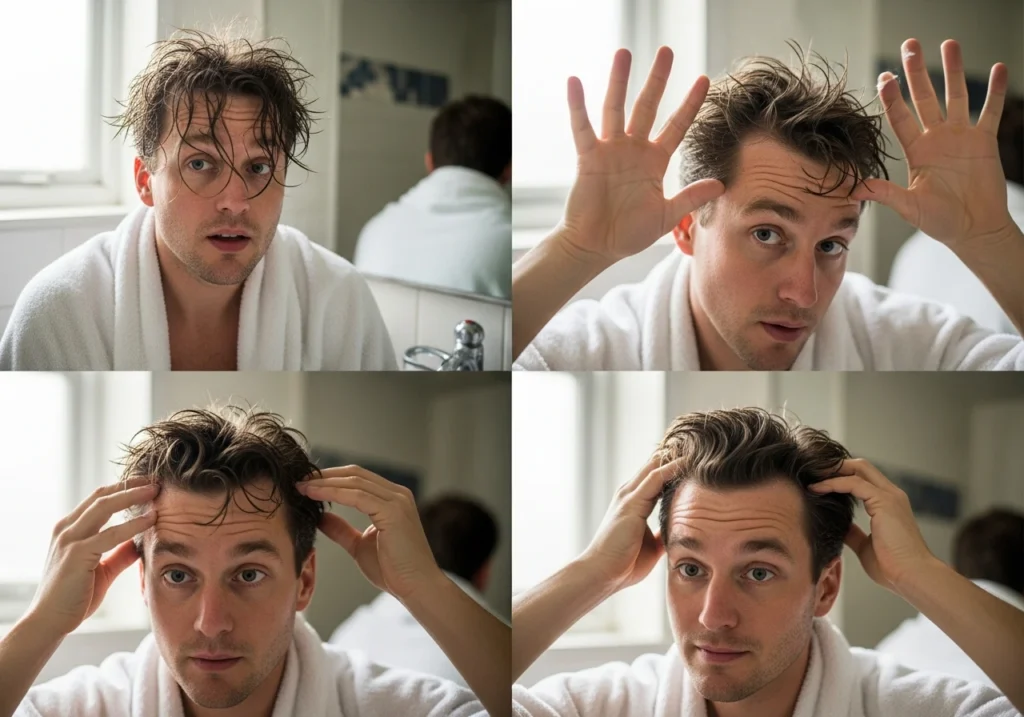
Establishing an efficient morning routine ensures your messy hair looks intentionally styled rather than genuinely neglected. With practice, achieving perfect texture takes just minutes.
Begin by assessing your hair’s current state. Hair styled the previous day often maintains some texture overnight, requiring less intervention than completely flat hair. If your hair appears reasonably textured, skip washing and proceed directly to styling products. This approach preserves natural oils that enhance messy texture.
When washing is necessary, use lukewarm rather than hot water. Hot water strips natural oils and can leave hair dry and difficult to style. Apply shampoo primarily to the scalp, allowing the lather to clean the length as you rinse. Focus conditioner on the ends, avoiding the roots to prevent limpness that undermines volume.
Towel-dry gently by pressing rather than rubbing. Aggressive towel drying roughens the hair cuticle and creates frizz. Leave your hair slightly damp rather than bone-dry before applying products. Damp hair distributes products more evenly and allows them to work more effectively.
Apply your chosen products in thin layers, building up as needed. Starting with too much product creates stiffness and unnatural texture. Remember that messy hair should feel soft and touchable despite holding its shape. Work products through with your fingers rather than combs, as finger styling creates more natural separation and movement.
Advanced Styling Techniques
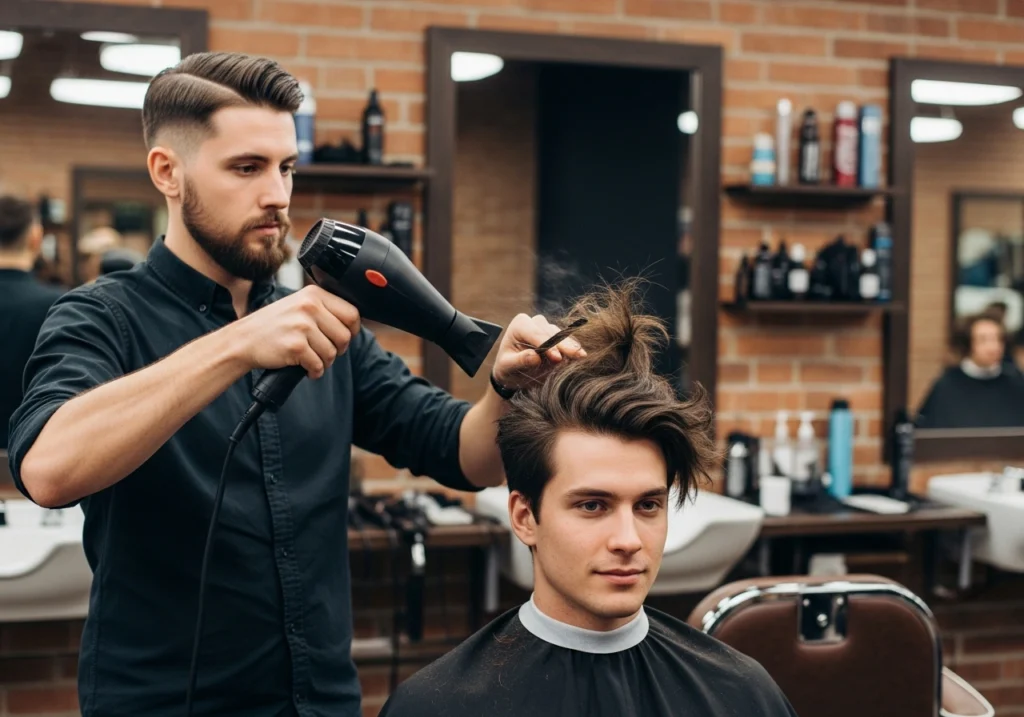
Once you’ve mastered basic messy hair styling, advanced techniques add variety and refinement to your repertoire. These methods help customize the look for specific occasions or personal preferences.
The scrunching method works particularly well for adding texture and volume. Apply product to damp hair, then cup sections in your palm and squeeze upward toward the scalp. This motion encourages natural wave formation and creates lift at the roots. Repeat throughout your hair, focusing on areas that tend to fall flat.
Directional blow-drying shapes your style while adding volume. Use a concentrator nozzle to direct airflow precisely. For forward-swept styles, point the nozzle toward your forehead while lifting hair at the roots with your free hand. For side-swept looks, direct airflow at an angle while guiding hair in your preferred direction. Always finish with a blast of cool air to set the style.
Twisting individual sections creates defined pieces that enhance the messy aesthetic. Apply clay or paste to dry hair, then isolate small sections and twist them between your fingers. This technique works especially well around the hairline and crown, creating focal points that draw the eye.
The undercut technique pairs dramatically with messy tops. Ask your barber to leave the top long while buzzing or fading the sides and back very short. This contrast emphasizes the textured top while maintaining clean sides that work in professional settings. The disconnected look has become increasingly popular in 2026, offering edgy style that remains office-appropriate.
Product Application Tips
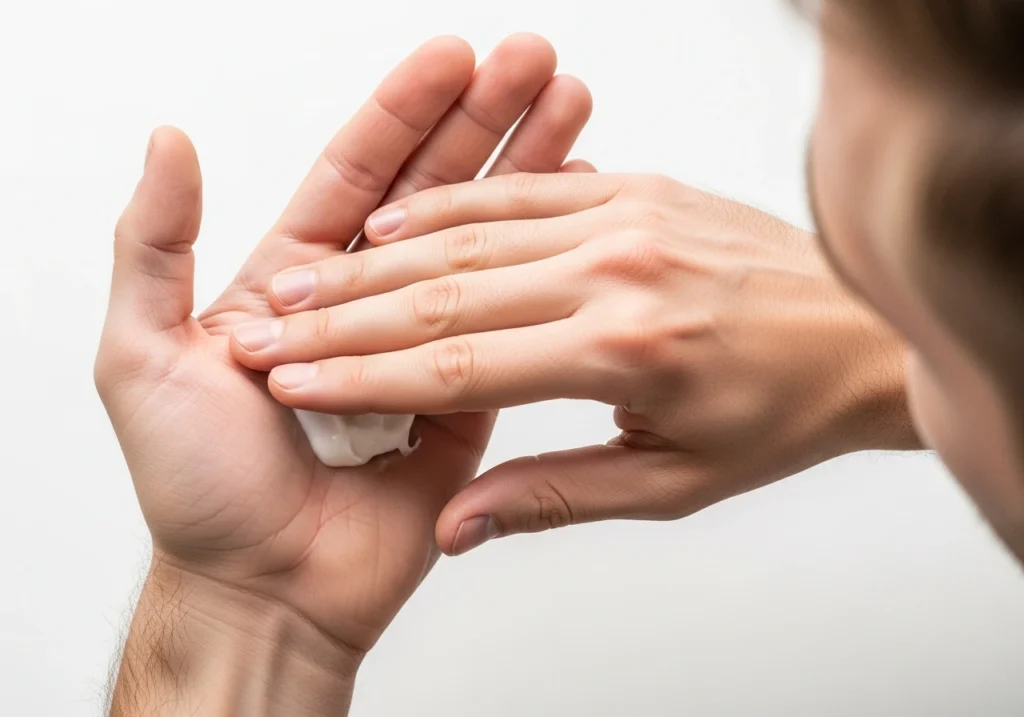
Proper product application separates amateur attempts from professional-looking messy hair. Small adjustments in technique significantly impact final results.
Always start with less product than you think you need. You can add more if necessary, but removing excess product requires washing and starting over. A pea-sized amount of clay typically suffices for short to medium hair, while long styles might require a dime-sized portion.
Warm products between your palms before application. This step softens the product and ensures even distribution. Cold, stiff product creates clumps and uneven texture. Rub your hands together vigorously until the product becomes warm and pliable.
Apply products from back to front. Starting at the crown and working forward prevents overloading the visible front sections while ensuring full coverage. Use your fingers to rake through your hair, coating strands evenly. Focus on the roots for volume and the ends for definition.
Avoid applying heavy products directly to the scalp. This creates greasiness and weighs down roots, eliminating the volume essential to messy styles. Instead, target the first inch or two of hair length, allowing the product to grip and lift rather than flatten.
Layer different products for customized results. Start with sea salt spray on damp hair for foundational texture. Once dry, add clay for hold and definition. Finish with a light mist of texture spray for extra grip and all-day hold. This layering approach provides professional results that single-product styling cannot match.
Common Mistakes To Avoid
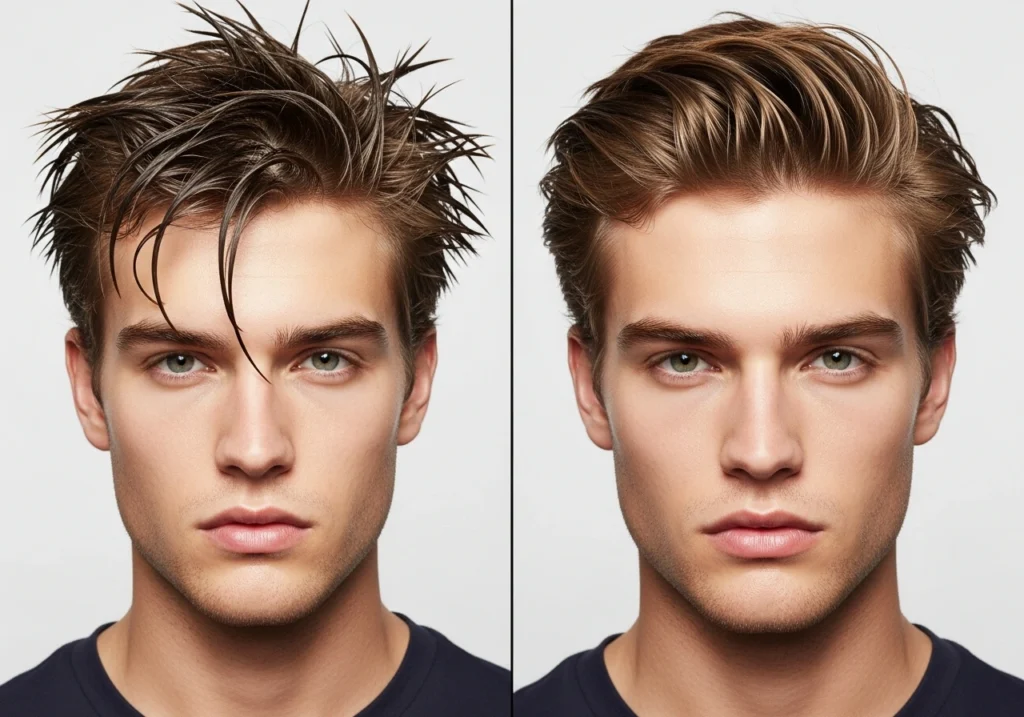
Even experienced stylists make mistakes that undermine messy hair results. Recognizing and avoiding these errors ensures consistently great outcomes.
Over-washing strips natural oils that contribute to texture and hold. Unless you work in environments with heavy dirt or sweat, washing every two to three days suffices. On non-wash days, use dry shampoo at the roots to absorb oil while maintaining volume and texture.
Using too much product ranks as the most common mistake. Heavy product application creates stiff, unnatural texture that defeats the effortless aesthetic. Remember that messy hair should move and feel soft. If your hair feels crunchy or looks shiny, you’ve used too much product.
Neglecting regular trims allows split ends and shape loss to undermine your style. Even messy hair requires structural maintenance. Visit your barber every four to six weeks to maintain the cut’s integrity. Regular trims remove damaged ends while preserving the layering that creates texture.
Touching your hair excessively throughout the day distributes oils from your hands and can disrupt the style. While messy hair tolerates some adjustment, constant touching creates greasiness and makes the style appear unkempt rather than intentionally textured.
Skipping heat protectant before blow-drying causes damage that accumulates over time. Damaged hair appears dull and frizzy rather than textured and defined. Apply heat protectant spray to damp hair before any thermal styling to preserve hair health and maintain the quality of your messy style.
Seasonal Adjustments
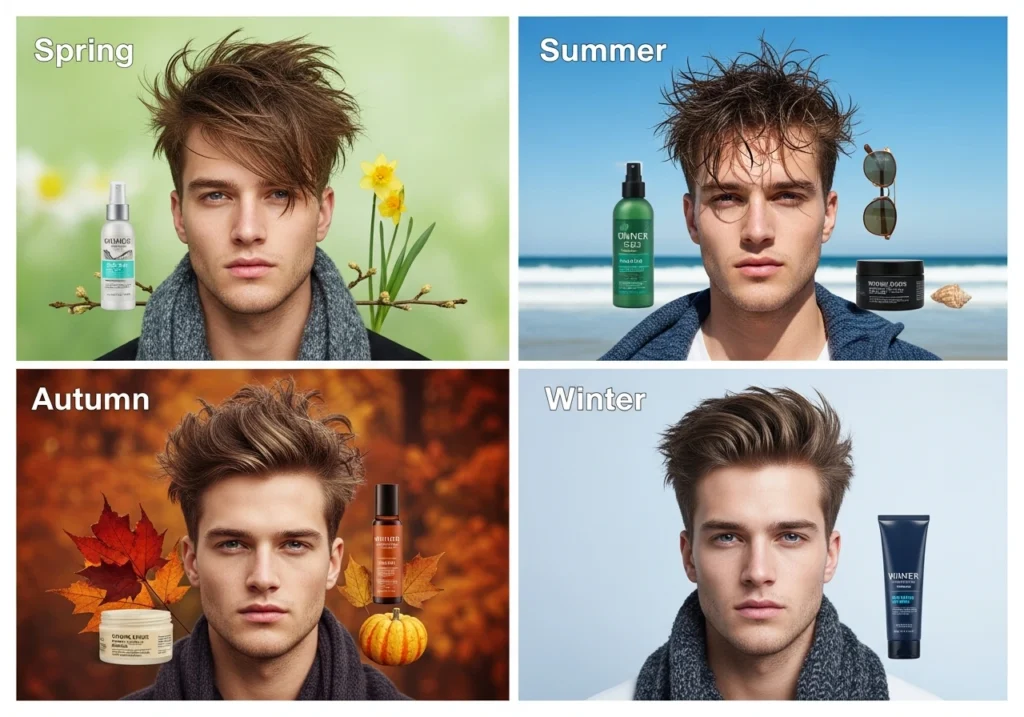
Different seasons require adaptations to maintain optimal messy hair results. Environmental factors significantly impact hair behavior and styling needs.
Summer humidity challenges messy styles by encouraging frizz and limpness. Combat this by using anti-humidity products that seal the hair cuticle. Apply a small amount of anti-frizz serum to damp hair before styling products. Choose lighter products in summer, as heavy clays can feel uncomfortable in heat.
Winter cold and indoor heating create dryness that makes hair brittle and difficult to style. Increase conditioning treatments during winter months and consider leave-in conditioners that provide extra moisture. Static electricity common in winter responds well to small amounts of oil or serum smoothed over the surface of styled hair.
Spring and fall transition periods often coincide with changes in hair texture and behavior. Monitor how your hair responds and adjust products accordingly. You might need more moisturizing products as seasons change or lighter formulas as humidity increases.
Maintenance Between Styling

Maintaining messy hair between full styling sessions preserves the look while minimizing daily effort. Strategic maintenance extends the life of each style.
Sleep on a silk or satin pillowcase to reduce friction that creates frizz and disrupts texture. Cotton pillowcases absorb moisture and create rough surfaces that tangle hair overnight. Silk and satin allow hair to glide smoothly, maintaining more of your styled texture through the night.
Morning touch-ups require minimal product and effort. Wet your hands slightly and run them through your hair to reactivate yesterday’s products. Add a tiny amount of fresh product to areas that need extra definition. This approach takes seconds while refreshing the style completely.
Dry shampoo serves double duty as an oil absorber and volume enhancer. Spray it at the roots on non-wash days, let it sit for a minute, then massage it in and style as usual. The powder texture adds grip that enhances messy styling while extending the time between washes.
Professional Versus DIY Styling
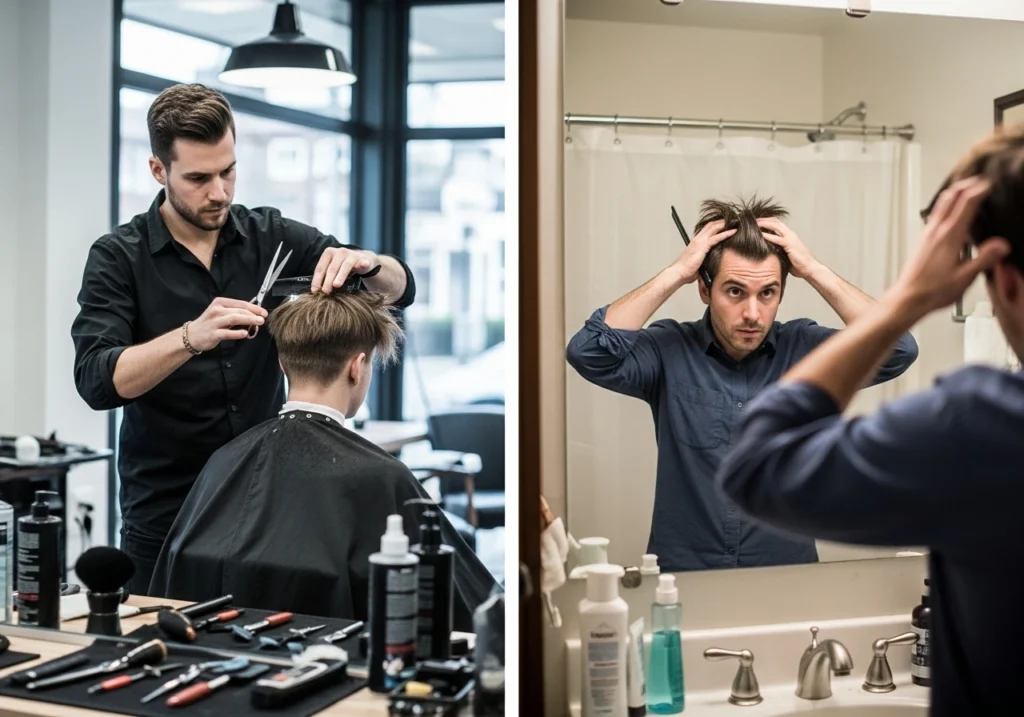
Understanding when to seek professional help versus handling styling yourself helps maintain consistently great results throughout the month.
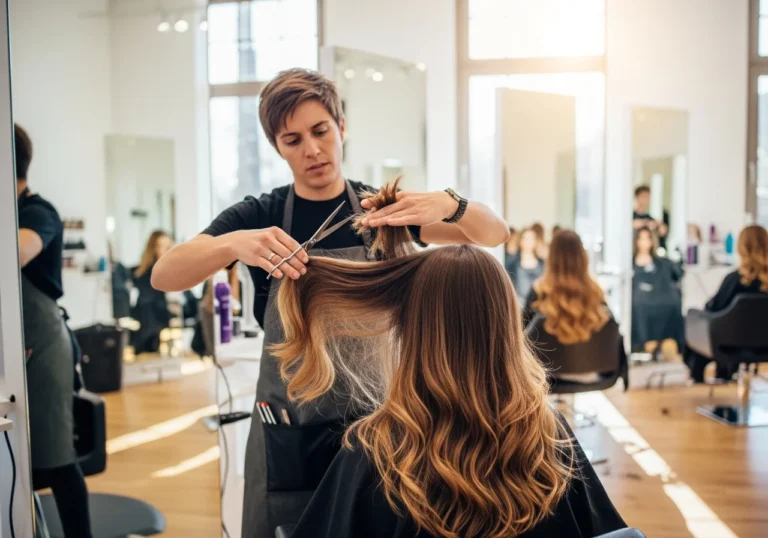
Regular barber visits establish the foundation that makes home styling possible. A skilled barber creates the layering and shape that allow messy texture to form naturally. Attempting to cut your own hair rarely produces professional results, particularly for layered styles that require precise technique.
Communicate clearly with your barber about your desired style. Bring reference photos showing the specific messy look you want to achieve. Discuss your daily routine and styling ability honestly. A good barber adapts the cut to match your lifestyle and styling capabilities.
Between professional cuts, focus on maintaining what your barber created. Home maintenance should never involve cutting length or attempting to adjust the basic shape. Instead, concentrate on styling techniques and product application that enhance the professional foundation.
Consider professional styling lessons if you struggle with home maintenance. Many barbershops offer tutorials where stylists demonstrate proper techniques using your specific hair type. This investment pays dividends through improved daily results and reduced frustration.
The Future Of Messy Hair Trends
Looking ahead through 2026 and beyond, messy hair continues evolving while maintaining its core appeal of effortless style.
Increased focus on hair health means future messy styles will incorporate more nourishing and protective products. Consumers demand styling solutions that don’t compromise long-term hair quality. Expect to see products combining strong hold with conditioning benefits.
Sustainability influences product development as environmentally conscious consumers seek natural ingredients and eco-friendly packaging. Brands are responding with clay-based products featuring organic ingredients and refillable containers that reduce waste.
Technology integration will likely bring personalized product recommendations based on hair analysis. Apps that assess your hair type and suggest optimal products and techniques are already emerging. This trend will expand, making it easier for men to achieve professional results at home.
Gender-neutral grooming continues breaking down traditional barriers. Messy hair styles that work across gender expression will become more common, with products and techniques marketed based on hair characteristics rather than outdated gender assumptions.
Building Your Messy Hair Arsenal
Creating a complete toolkit ensures you’re prepared for any styling situation or hair challenge.
Start with the basics: quality sea salt spray, matte clay, and a good blow dryer with diffuser attachment. These three items handle the majority of messy styling needs. Invest in quality products from reputable brands, as cheaper alternatives often disappoint with poor performance and unpleasant textures.
Add specialized products as you identify specific needs. Texture powder helps fine hair achieve fullness. Curl cream defines natural waves and curls. Anti-frizz serum controls humidity-induced chaos. Build your collection gradually based on actual requirements rather than buying everything at once.
Tools matter as much as products. A quality blow dryer with multiple heat settings and a diffuser attachment provides styling versatility. Wide-tooth combs detangle without disrupting texture. Microfiber towels reduce frizz compared to standard terry cloth.
Storage and organization keep your arsenal accessible and products fresh. Store styling products in a cool, dry place away from direct sunlight. Check expiration dates and discard old products that have separated or changed consistency. Well-maintained products perform better and deliver more consistent results.
Conclusion
Mastering messy hair for men in 2026 combines understanding fundamental principles with practical application of techniques and products. This versatile style adapts to virtually any situation while expressing personality and modern sensibility.
The journey to perfect messy hair begins with a quality cut that establishes proper layering and shape. From this foundation, appropriate products and styling techniques create the texture and movement that define the look. Success requires patience and practice as you discover what works best for your unique hair type and lifestyle.
Remember that messy hair should appear effortless while requiring deliberate attention to detail. The goal is controlled chaos that looks natural and feels comfortable. Focus on hair health through proper washing routines and conditioning treatments. Healthy hair accepts styling products better and maintains texture throughout the day.
Experiment with different products and techniques until you find combinations that work consistently. What succeeds for one person might fail for another due to variations in hair type, texture, and environmental factors. Stay open to adjustments as seasons change or your hair evolves.
The messy hair trend shows no signs of fading because it aligns perfectly with contemporary values of authenticity and individuality. By mastering the techniques outlined in this guide, you position yourself at the forefront of modern men’s grooming, ready to face any situation with confidence and style that appears as natural as it is intentional.
You may also like this post:12 Best Pompadour Haircuts For Thick Hair Men!
Frequently Asked Questions
How often should I wash messy hair?
Wash your hair every two to three days to maintain natural oils that help create and hold texture. Over-washing strips these beneficial oils, making hair harder to style. On non-wash days, use dry shampoo at the roots to absorb excess oil while maintaining volume. If you exercise daily or work in dirty environments, you may need to wash more frequently, but always use a gentle shampoo that doesn’t completely strip natural oils.
Can I achieve messy hair with any hair type?
Yes, messy hair works with all hair types, though the approach varies. Straight hair needs more product and styling effort to create texture, while wavy and curly hair naturally provide foundational texture. Fine hair benefits from volumizing products and root-lifting techniques, while thick hair requires proper layering to prevent bulk. The key is adapting techniques and products to work with rather than against your natural hair characteristics.
What’s the difference between looking messy and looking sloppy?
Intentionally messy hair features controlled texture, even product distribution, and maintained shape throughout the day. Sloppy hair appears random, has uneven product application, includes visible tangles or knots, and lacks deliberate structure. The difference lies in having a quality haircut as a foundation, using appropriate products correctly, and maintaining regular trims that preserve the style’s integrity.
How long does messy hair styling take each morning?
Most men spend five to ten minutes styling messy hair once they master the techniques. This includes applying products, blow-drying if needed, and final adjustments. The second day after washing often requires just two to three minutes for touch-ups using a small amount of product to refresh the texture. With practice, the process becomes faster and more intuitive.
Do I need expensive products for good messy hair?
While premium products often deliver superior results, many affordable options work well. Focus on product type and formulation rather than price alone. Quality sea salt spray, matte clay, and basic styling tools matter more than luxury brand names. Start with mid-range products and upgrade specific items as you identify which products you use most frequently and which make the biggest difference in your results.