15 Pompadour Hairstyles For Men For Bold & Classic Look
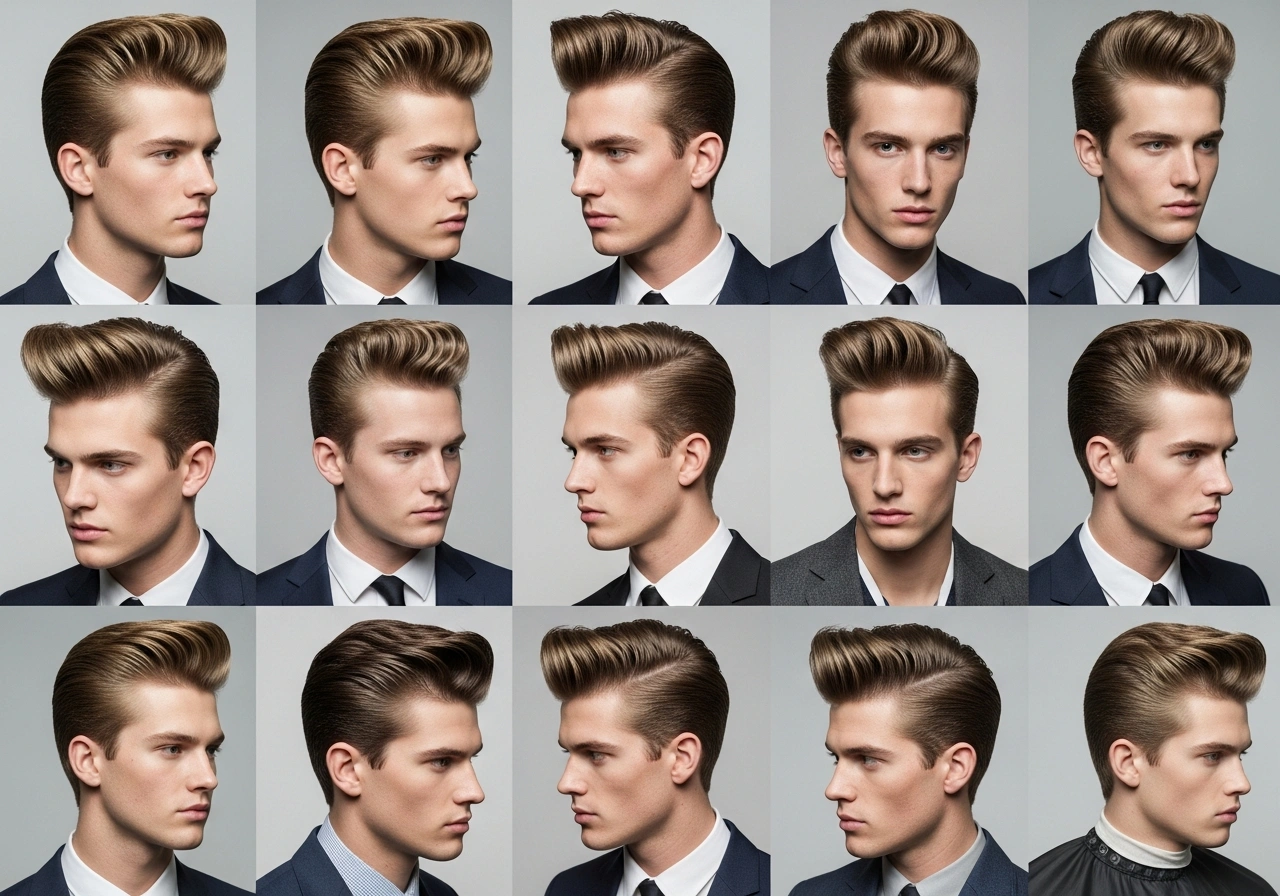
The pompadour remains one of the most iconic and versatile hairstyles in men’s grooming history. Born from the rebellious spirit of the 1950s and refined through decades of style evolution, this elevated look continues to capture attention in barbershops and fashion circles worldwide. Whether you’re drawn to its vintage charm or contemporary adaptations, the pompadour offers a distinctive way to express confidence and sophistication.
This timeless hairstyle features hair swept upward and back from the forehead, creating volume and height that distinguishes it from flatter styles. The beauty of the pompadour lies in its adaptability. From boardrooms to creative studios, this hairstyle transitions seamlessly across different settings and personal styles. Men with various hair types and face shapes can find a pompadour variation that complements their features while making a memorable impression.
Understanding the range of pompadour styles available helps you select the perfect version for your lifestyle, hair texture, and maintenance preferences. Some variations require daily styling commitment, while others offer more forgiving maintenance schedules. The right choice depends on your hair’s natural characteristics, your styling skills, and how much time you’re willing to invest in your daily grooming routine.
Classic Pompadour
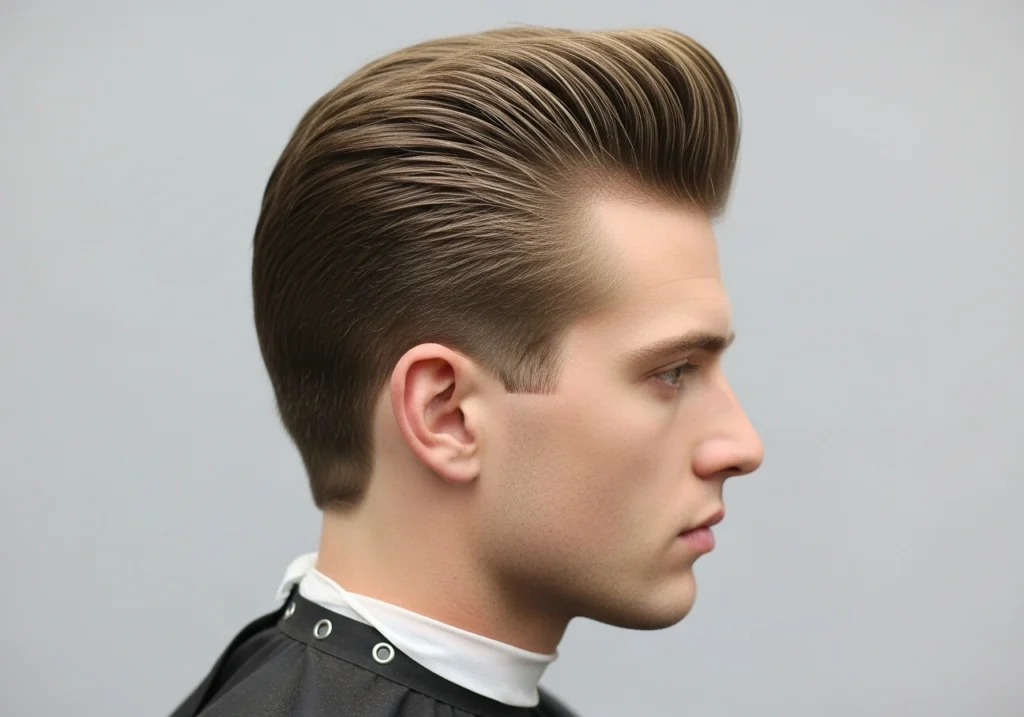
The classic pompadour stays true to its original form with substantial height at the front, gradually tapering as it moves toward the back. This foundational style requires medium to long hair on top, typically three to five inches, with shorter sides that create contrast. The volume comes from blow-drying hair upward and back, then securing it with pomade or wax.
This version works exceptionally well for men with thick, straight hair that holds volume naturally. The styling process involves applying product to damp hair, using a round brush while blow-drying to create lift, then shaping the hair backward with your fingers or a comb. The finished look projects confidence and requires touch-ups throughout the day to maintain its elevated structure.
For those new to pompadours, the classic version provides an excellent starting point. It teaches fundamental styling techniques that apply to more complex variations. The maintenance commitment is moderate, requiring daily styling but rewarding you with a distinguished appearance that commands attention in professional and social settings.
Modern Pompadour

The modern pompadour reimagines the classic style with contemporary sensibilities. This version typically features less extreme height, creating a more subtle elevation that suits current fashion trends. The sides might be slightly longer than the traditional version, and the overall shape tends toward a more natural, lived-in appearance.
Styling the modern pompadour allows for greater flexibility. You can adjust the height based on the occasion, creating a more dramatic look for evening events or a relaxed version for casual outings. This adaptability makes it popular among men who want a signature style without feeling locked into one specific look.
The modern interpretation works particularly well for professional environments where extreme styling might feel out of place. It maintains the pompadour’s essential character while integrating seamlessly into contemporary workplace culture. The slightly relaxed approach also means less rigid maintenance, though daily styling remains necessary to achieve the desired effect.
Undercut Pompadour
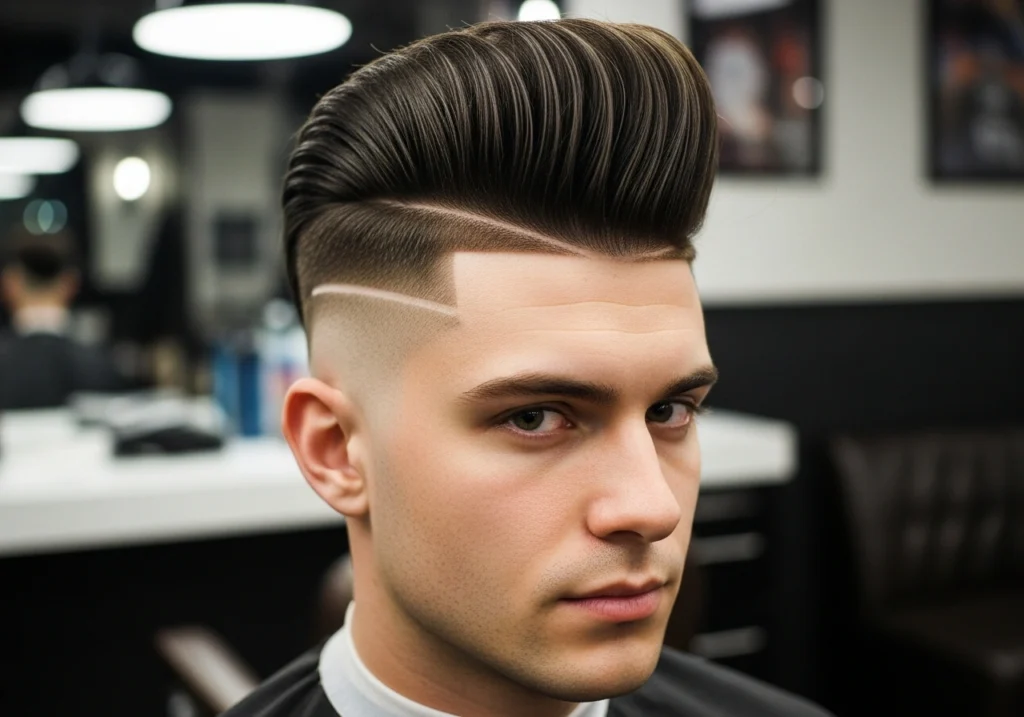
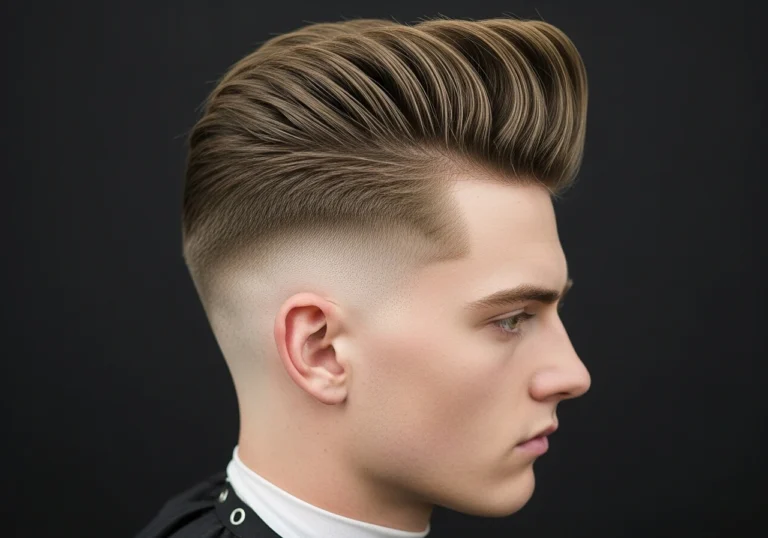
The undercut pompadour creates dramatic contrast by pairing substantial top volume with extremely short or shaved sides. This bold variation amplifies the pompadour’s impact, making the elevated top section even more prominent. The sharp disconnect between lengths produces a striking visual effect that appeals to men seeking maximum style impact.
This style requires commitment to regular barbershop visits, as the undercut needs frequent maintenance to keep the sides crisp and clean. The top section should be at least four inches long to create proper proportion with the dramatically short sides. Styling focuses entirely on the top, making the process somewhat simpler than versions with graduated side lengths.
The undercut pompadour suits men with strong facial features and confidence to carry a bold look. It works across various face shapes but particularly complements oval and square faces. The style makes a powerful statement in creative industries and social settings where distinctive personal style is valued and celebrated.
Fade Pompadour
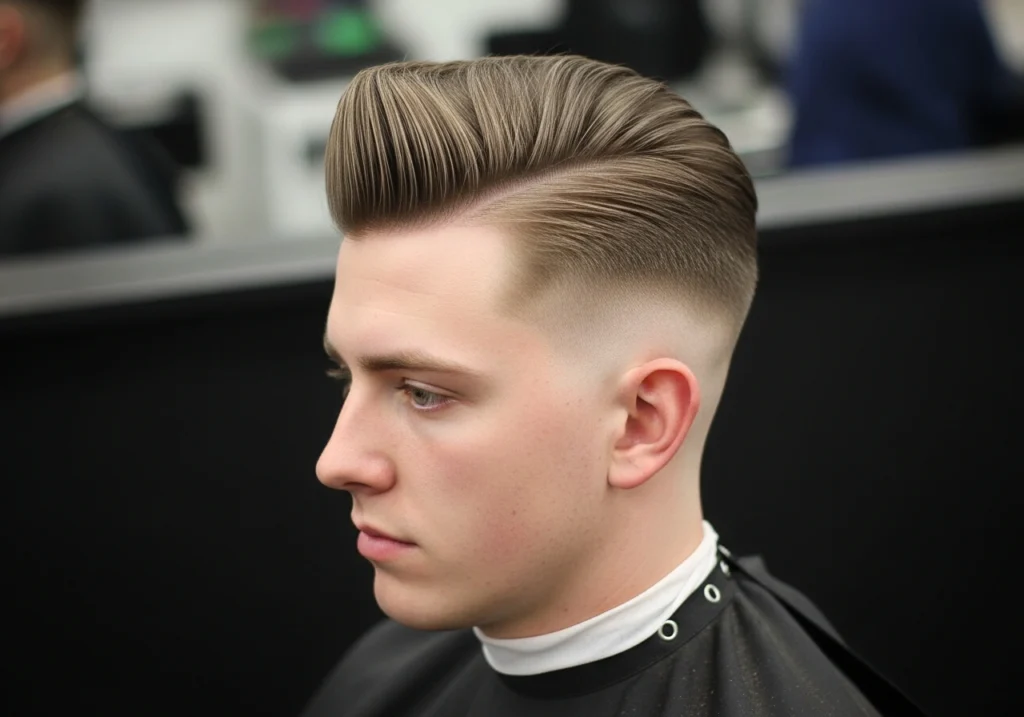
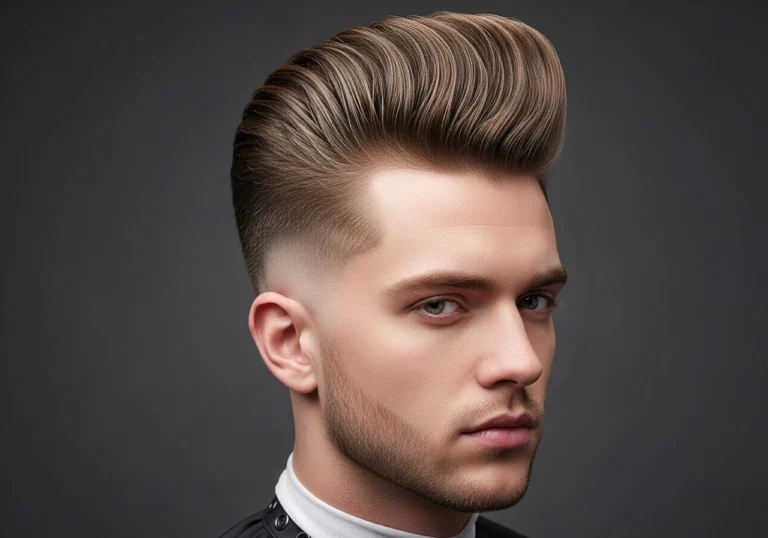
The fade pompadour blends the top section seamlessly into shorter sides through gradual length transitions. Unlike the abrupt disconnect of an undercut, the fade creates smooth progression from long to short. This technique can be executed as a low fade, mid fade, or high fade, depending on where the transition begins.
A low fade starts the taper near the ears, maintaining more length on the sides and creating a subtle, professional appearance. The mid fade begins the transition around the temples, offering balanced contrast between top and sides. A high fade starts the taper higher up, creating more dramatic contrast similar to an undercut but with blended edges.
The fade pompadour requires skilled barbering to achieve clean gradients. Regular maintenance every two to three weeks keeps the fade looking sharp. This version appeals to men who want the pompadour’s boldness with slightly softer edges, making it versatile enough for both professional and casual environments.
Slick Back Pompadour
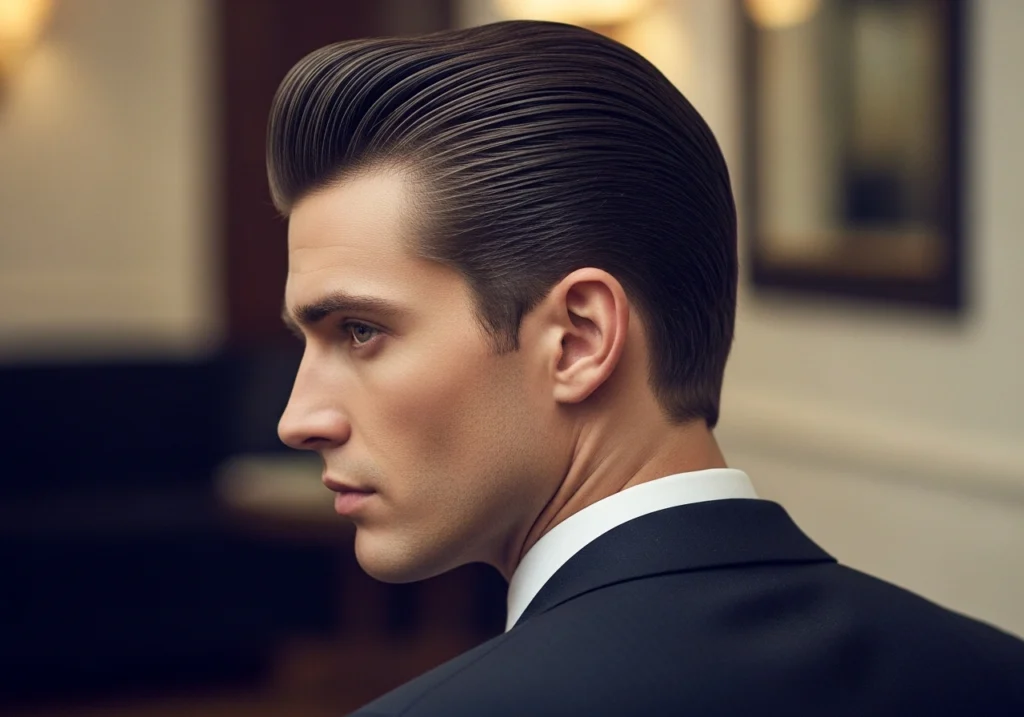
The slick back pompadour emphasizes smoothness and shine, with hair combed straight back from the forehead in a sleek, polished manner. This variation uses generous amounts of high-shine pomade or gel to achieve a wet-look finish. The result is sophisticated and refined, evoking old Hollywood glamour and timeless elegance.
Creating this style requires applying product to damp hair, then combing everything back in a single direction without creating the dramatic height of other pompadour versions. The focus shifts from volume to sleekness, though some elevation at the front still distinguishes it from a simple slicked-back style.
This variation works beautifully for formal occasions, black-tie events, and professional settings requiring polished presentation. It suits men with naturally straight or slightly wavy hair that cooperates with backward combing. The maintenance is relatively straightforward, though the glossy finish may require midday touch-ups depending on your hair’s oil production.
Textured Pompadour
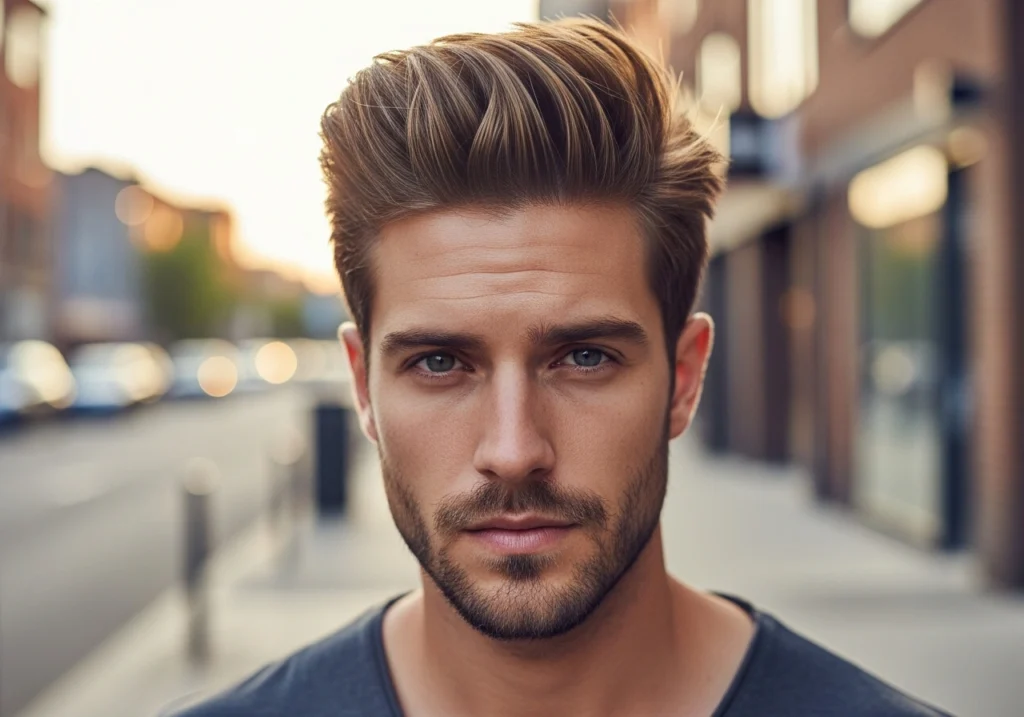
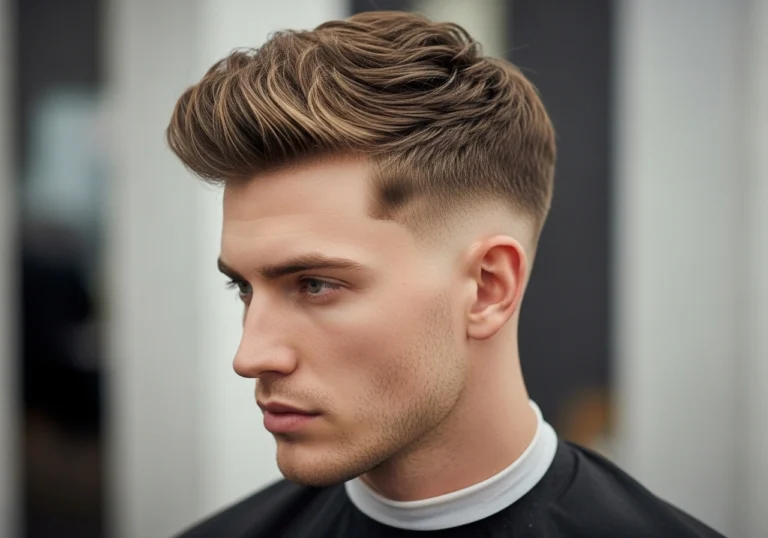
The textured pompadour introduces intentional messiness and separation into the classic structure. Rather than smooth, uniform volume, this version features defined pieces and deliberate imperfection. The styling uses matte products like clay or fiber to create a more natural, contemporary finish without traditional pomade shine.
This approach appeals to men who want pompadour elevation without looking overly styled. The textured variation integrates well with casual wardrobes and creative professional environments. It suggests effortless style while still requiring deliberate effort to achieve the calculated messiness.
Creating texture involves applying product to dry or nearly dry hair, then working it through with fingers to separate and define individual sections. The result should look intentional but not overly controlled. This version suits various hair types, though it particularly benefits men with naturally wavy or slightly thick hair that holds texture well.
Curly Pompadour
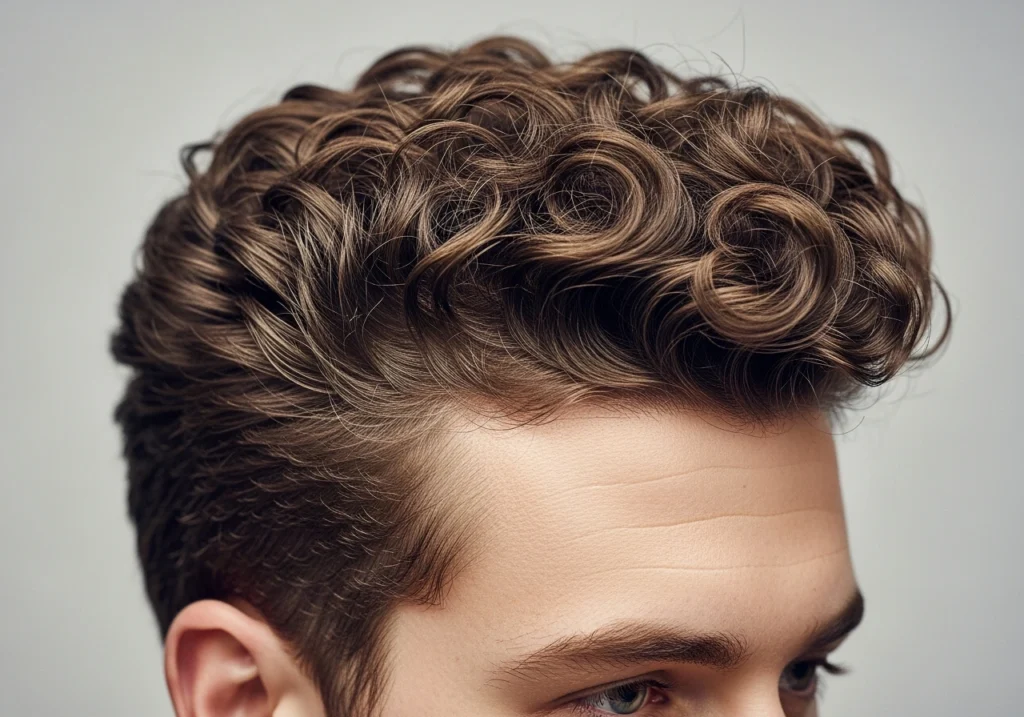
Men with naturally curly hair can absolutely wear pompadours by adapting the style to work with their texture rather than against it. The curly pompadour embraces natural curl pattern while still achieving upward and backward movement. This version requires different products and techniques than straight-hair pompadours but delivers equally striking results.
The key is maintaining curl definition while creating volume and direction. This typically involves curl-specific products that provide hold without weighing down or straightening the hair. The styling process focuses on encouraging curls to move in the desired direction rather than forcing them into unnatural positions.
Curly pompadours offer unique texture and visual interest that straight-hair versions cannot replicate. The natural volume of curly hair can actually make achieving height easier, though controlling the overall shape requires practice. This variation celebrates natural texture while incorporating pompadour structure, creating a distinctive hybrid style.
Short Pompadour

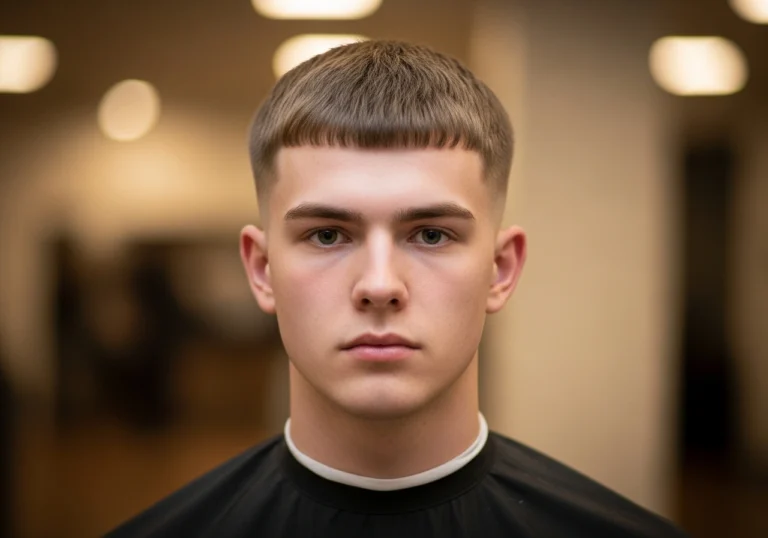
The short pompadour adapts the style for men with less hair length, typically two to three inches on top. This version creates modest elevation and backward sweep without requiring extensive length. The abbreviated proportions make it more manageable and suitable for conservative professional environments.
Despite reduced dimensions, the short pompadour maintains the essential characteristics that define the style. Careful blow-drying and strategic product application create the illusion of more volume than actually exists. This variation requires precision in cutting and styling to achieve proper proportions with limited length.
The short pompadour appeals to men transitioning into the style or those with lifestyle demands that make longer versions impractical. It offers a taste of pompadour character without full commitment, and it can serve as a stepping stone while growing hair longer for more dramatic versions.
Disconnected Pompadour
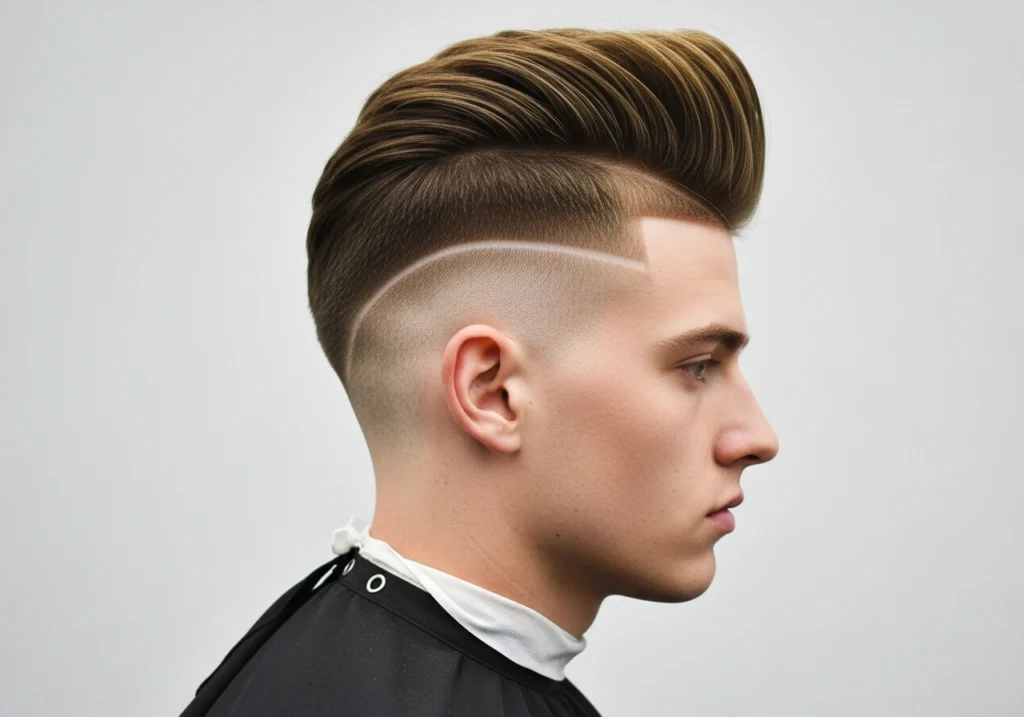
The disconnected pompadour features an intentional, visible separation between the long top section and short sides with no blending or transition. This creates a bold, geometric appearance with sharp lines and strong contrast. The disconnect emphasizes the pompadour’s volume by making the sides disappear visually, focusing all attention on the elevated top.
This variation demands regular barbering to maintain the crisp line where long and short sections meet. The styling focuses exclusively on the top, similar to an undercut pompadour, but the visual effect is even more dramatic due to the pronounced separation line.
The disconnected pompadour suits men with angular facial features and those working in creative fields where bold style choices are welcomed. It makes a strong statement and requires confidence to carry effectively. The maintenance commitment is significant, but the impact justifies the effort for those seeking maximum style presence.
Pompadour With Beard

Combining a pompadour with facial hair creates a complete, coordinated look that amplifies masculine style. The elevated hairstyle pairs naturally with various beard styles, from short stubble to full beards. The key is maintaining balance and ensuring both elements are well-groomed and proportional to your face shape.
A fuller beard can balance a dramatic pompadour, preventing the hairstyle from overwhelming your features. Conversely, a shorter pompadour works well with more substantial facial hair, creating equilibrium through contrast. The beard and pompadour should appear intentionally coordinated rather than coincidentally paired.
This combination requires dual maintenance commitments but delivers cohesive style impact. Regular beard trimming, shaping, and conditioning keep facial hair looking deliberate rather than neglected. When executed well, the pompadour and beard combination projects sophistication, masculinity, and attention to detail that few other style choices can match.
Side Part Pompadour

The side part pompadour incorporates a defined parting line, typically on the left or right side, before sweeping hair upward and back. This variation adds structure and formality to the classic style, creating clean lines that appeal in professional settings. The part can be razor-cut for maximum definition or simply combed into place for a softer appearance.
Creating this style involves establishing the part first, then building volume on the larger section while keeping the smaller section flatter. The asymmetry adds visual interest and dimension. This version suits men with naturally straight hair that holds a part well, though products can help encourage the separation.
The side part pompadour bridges traditional and contemporary styling, making it versatile across age groups and professional contexts. It projects polish and attention to detail while maintaining the pompadour’s inherent boldness. The defined part makes the overall look more structured and intentional.
Messy Pompadour

The messy pompadour deliberately disrupts the traditional style’s smoothness and precision. This variation features intentional chaos, with hair pieces pointing in various directions while still maintaining general upward and backward movement. The effect is casual, contemporary, and suggests natural ease rather than calculated styling.
Achieving controlled messiness requires skill and the right products. Matte clays or texturizing sprays work better than traditional pomades, creating separation and definition without shine. The styling process involves applying product, creating basic pompadour shape, then disrupting it strategically to achieve planned imperfection.
This version appeals to younger men and those in creative fields where overly polished styling might feel out of place. It maintains pompadour elevation while rejecting rigid perfection, creating a more approachable and current interpretation of the classic style.
Low Pompadour

The low pompadour features modest height, creating subtle elevation rather than dramatic volume. This conservative interpretation suits men who appreciate the pompadour aesthetic but work in formal environments or prefer understated styling. The reduced height makes maintenance easier and the look more versatile across different settings.
Despite lower elevation, this version maintains the essential backward sweep and front-to-back shape progression that defines pompadours. The styling requires less aggressive blow-drying and slightly less product, making the daily routine quicker and simpler. The result is refined without being flashy.
The low pompadour works particularly well for men over 40 or those in traditional professional fields like law, finance, or corporate management. It suggests sophistication and grooming awareness without calling excessive attention to your hairstyle, allowing your work and character to remain the primary focus.
Voluminous Pompadour

The voluminous pompadour maximizes height and fullness, creating dramatic elevation that makes a powerful style statement. This version requires substantial hair length, typically five inches or more on top, and benefits from naturally thick hair. The extreme volume demands strong-hold products and thorough blow-drying technique.
Creating massive volume involves sectioning hair during blow-drying, working from back to front while directing air upward. Multiple product applications might be necessary, layering mousse for initial volume, then finishing with pomade or wax for hold and shaping. The result is theatrical and attention-commanding.
This bold variation suits special occasions, creative industries, and men with personalities that match the style’s dramatic flair. It requires significant styling time and regular touch-ups to maintain structure throughout the day. The voluminous pompadour is not for the timid but rewards commitment with unforgettable style impact.
Tapered Pompadour
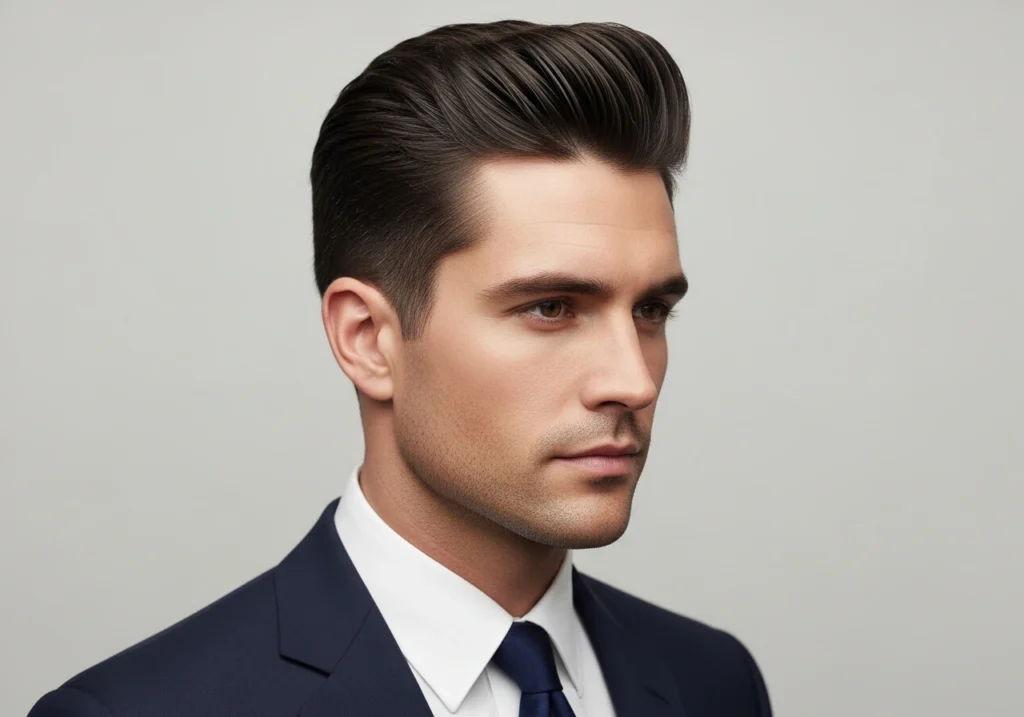
The tapered pompadour features sides that gradually decrease in length from top to bottom without the sharp contrast of fades or undercuts. This traditional approach creates smooth transitions and balanced proportions, offering a more conservative interpretation that works across professional and social contexts.
The taper can be subtle or more pronounced depending on personal preference, but it always maintains some hair length on the sides rather than shaving them very short. This creates a softer overall appearance while still emphasizing the elevated top section. The styling focuses on creating volume up top while keeping sides neat and controlled.
The tapered pompadour suits men who want classic styling without extreme contrast. It works well for those with naturally wavy sides that would look awkward buzzed very short. This version bridges vintage and modern sensibilities, offering timeless appeal that transcends temporary trends.
you may also like this:13+ Stylish Short Sides Long Top Haircuts For Men
Conclusion
The pompadour’s enduring popularity stems from its remarkable versatility and timeless appeal. These 15 variations demonstrate how a single foundational style can adapt to different hair types, face shapes, personal aesthetics, and lifestyle demands. Whether you prefer classic elegance, modern edge, or something in between, a pompadour version exists to match your vision.
Selecting the right pompadour variation requires honest assessment of your hair’s characteristics, your styling abilities, and your willingness to maintain the look. Some versions demand daily commitment and regular barbershop visits, while others offer more forgiving maintenance schedules. The investment, however, pays dividends in confidence and style presence.
The pompadour transforms more than just your appearance. It projects intentionality, sophistication, and attention to personal presentation that others notice and respect. By choosing a variation that aligns with your natural features and lifestyle, you create a signature look that becomes part of your identity. The bold, classic appeal of a well-executed pompadour never goes out of style, making it a worthwhile addition to any man’s grooming repertoire.
Frequently Asked Questions
What face shape works best with pompadour hairstyles?
Pompadours suit most face shapes but work particularly well with oval, square, and diamond-shaped faces. The vertical height balances wider features and adds length to round faces. Men with very long faces might prefer lower pompadour variations to avoid making their face appear even longer.
How much time does styling a pompadour take daily?
Expect to spend 10 to 20 minutes styling a pompadour each morning, depending on the variation and your hair type. Simple versions with less height require less time, while voluminous styles with intricate shaping demand more effort. With practice, the process becomes faster and more efficient.
What products work best for pompadour styling?
High-hold pomades provide the foundation for traditional pompadours, offering shine and control. Modern variations often use matte clays or fiber products for textured finishes. A quality blow dryer and round brush are essential tools. Hairspray adds extra hold for styles requiring all-day durability.
How often should I visit the barber to maintain a pompadour?
Most pompadour variations require barbershop visits every three to four weeks to maintain proper shape and side length. Styles with fades or undercuts need more frequent maintenance, typically every two weeks, to keep the contrast sharp and clean.
Can thin hair support a pompadour hairstyle?
Yes, though certain techniques help maximize volume. Texturizing products, strategic blow-drying, and slightly shorter pompadour variations work better for thin hair. Avoid heavy pomades that weigh hair down, and consider volumizing shampoos and conditioners to enhance natural fullness.