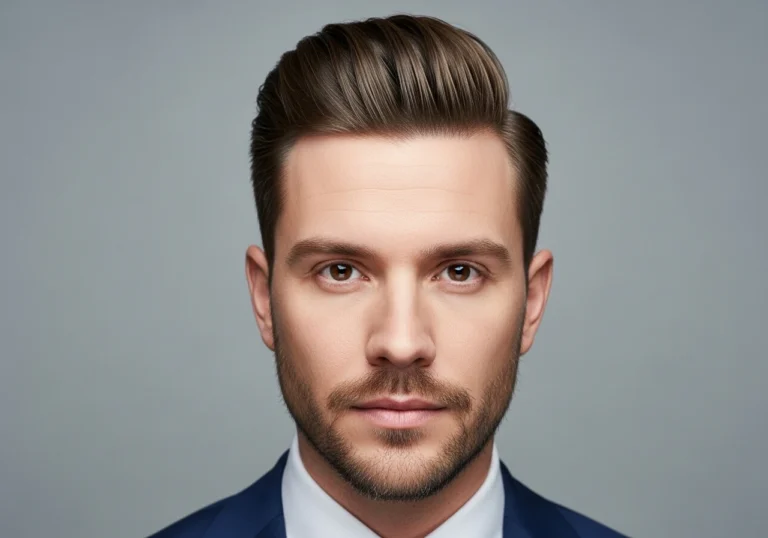
Popular Black Male Hairstyles: Trendy Cuts To Try In 2026
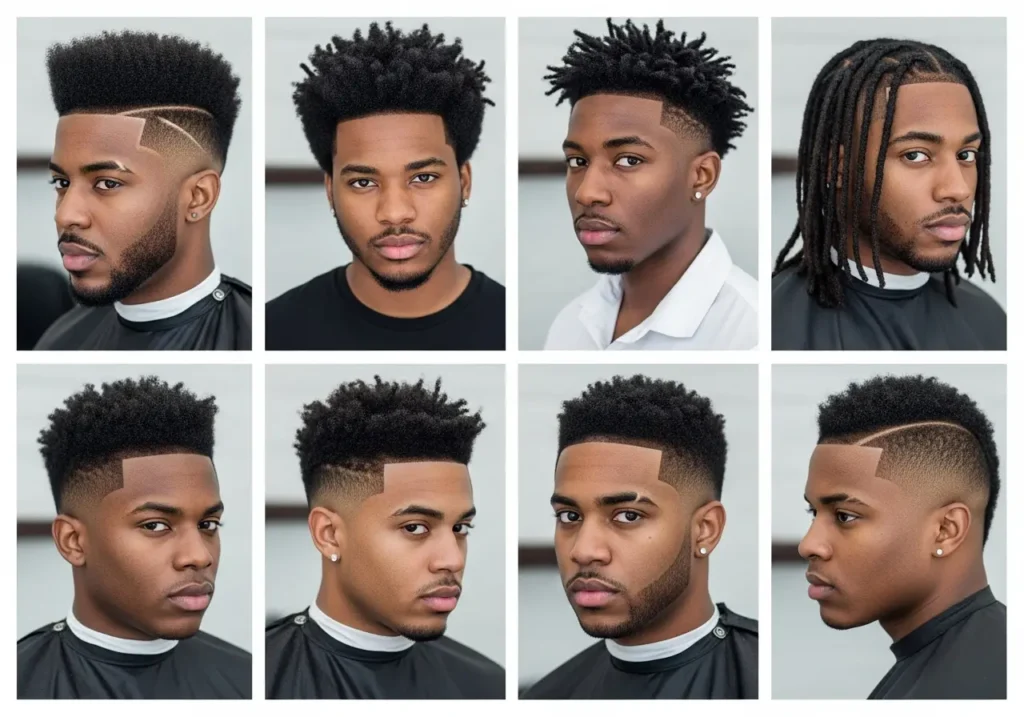
The world of men’s grooming has evolved dramatically over the past decade, and black male hairstyles continue to set trends that influence the entire industry. Whether you are looking for a sharp professional cut, a statement-making style, or something low maintenance for everyday wear, understanding the range of options available can help you make the best choice for your hair texture, lifestyle, and personal aesthetic.
Black men have a unique advantage when it comes to styling options. The natural curl pattern and hair density of African American hair allows for incredible versatility, from ultra-short buzz cuts to elaborate locs and everything in between. The key is finding a style that complements your face shape, fits your maintenance preferences, and aligns with your personal style.
This comprehensive guide explores the most popular black male hairstyles trending in 2026, breaking down the techniques, maintenance requirements, and styling tips you need to achieve each look. Whether you are considering a dramatic change or simply want to refine your current style, you will find valuable insights to help you look your best.
The Classic Taper Fade
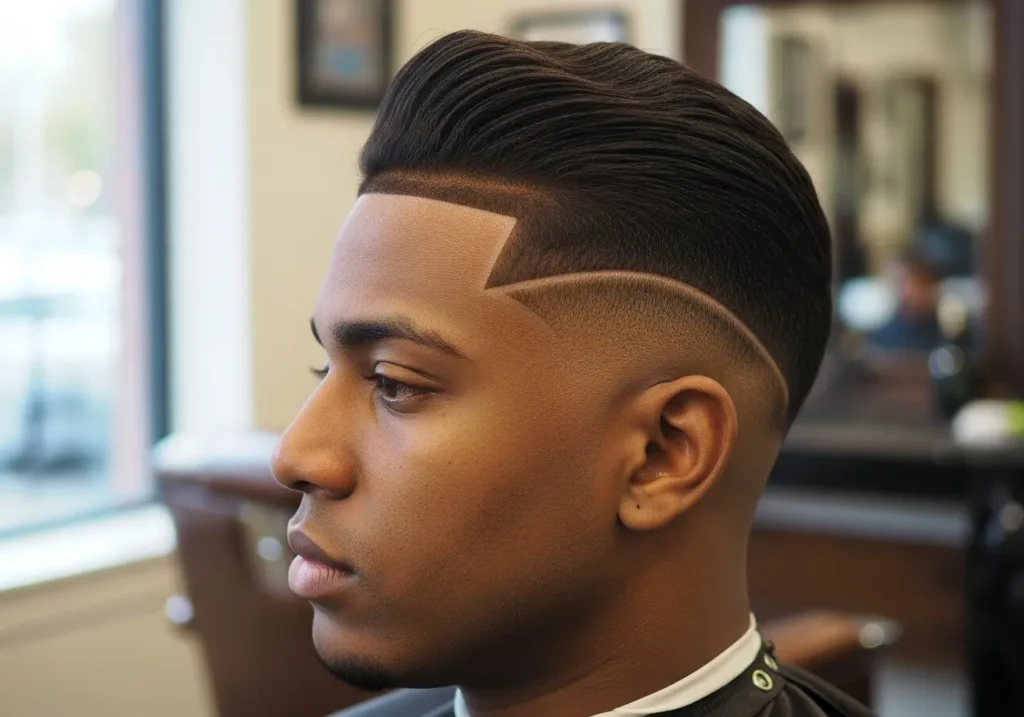
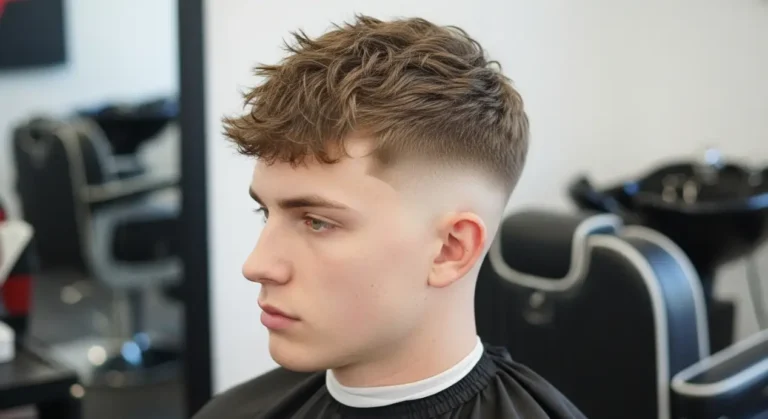
The taper fade remains one of the most requested cuts in barbershops across the country, and for good reason. This versatile style features hair that gradually decreases in length from the top down to the sides and back, creating a clean, polished appearance that works in virtually any setting.
What makes the taper fade particularly appealing is its adaptability. You can customize the fade height to start high, mid, or low on the head, depending on how dramatic you want the contrast to be. A high fade creates a bold, contemporary look with significant contrast between the longer hair on top and the shortest sections on the sides. A low fade offers a more subtle transition that maintains more length throughout.
The taper fade works exceptionally well with various hair textures and can be combined with numerous top styles. Many men pair their taper with waves, a textured crop, or leave slightly more length on top for versatility in styling. The clean lines and sharp edges achieved through proper line up technique enhance the overall precision of this cut.
Maintenance for a taper fade requires regular barbershop visits every two to three weeks to keep the fade looking fresh and the lines crisp. Between appointments, using quality hair moisturizer and keeping your hairline maintained will help preserve the look.
Waves and 360 Waves
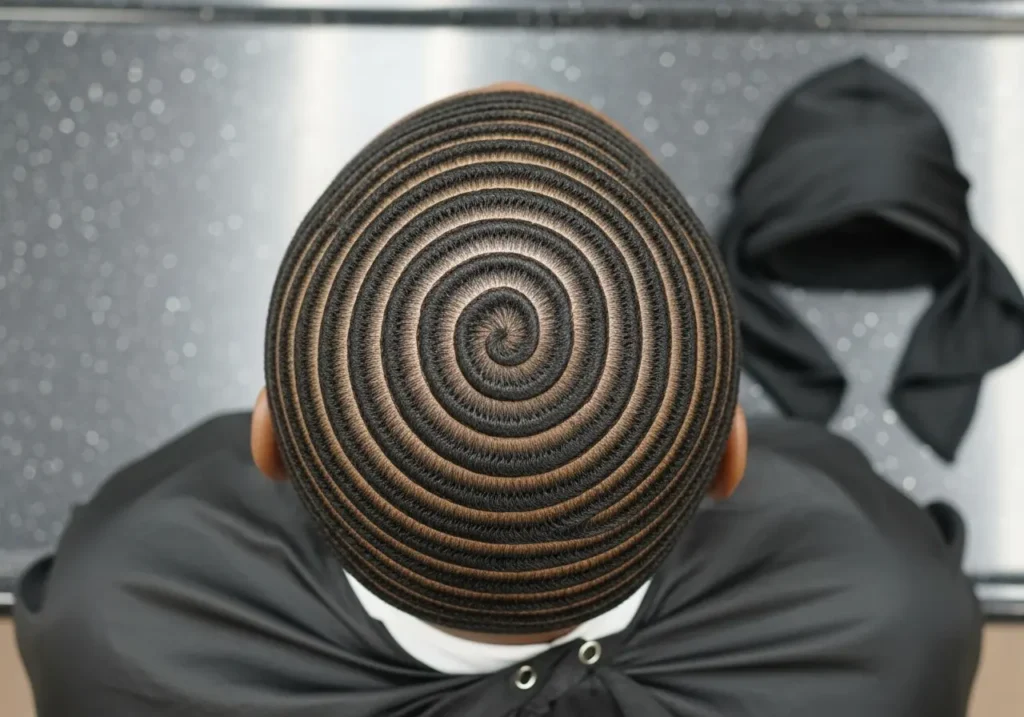
Waves represent one of the most iconic black male hairstyles, characterized by the rippling pattern that flows across the scalp. Achieving quality waves requires dedication to a specific hair care routine that involves regular brushing, the right products, and proper technique.
The process begins with a relatively short haircut, typically between one and two inches in length. The key to developing waves lies in consistent brushing in the direction you want the wave pattern to form. Most men brush multiple times daily, using a combination of soft bristle brushes and hard bristle brushes depending on their hair texture and the stage of wave development.
Styling products play a crucial role in wave formation. Wave pomade, moisturizing cream, and wave enhancing products help train the hair into the desired pattern while keeping it healthy. Many wave enthusiasts also use a durag or wave cap overnight to compress the hair and reinforce the pattern.
360 waves refer to the complete wave pattern that flows in all directions from the crown of the head, creating a uniform appearance from every angle. Achieving this look demands patience and consistency, often taking several months of dedicated brushing and maintenance.
For those committed to the lifestyle, waves offer a distinctive, polished appearance that showcases healthy, well-maintained hair. The style works particularly well for men with coarse hair texture and requires minimal daily styling once established, though the brushing routine must continue to maintain the pattern.
The Modern Afro
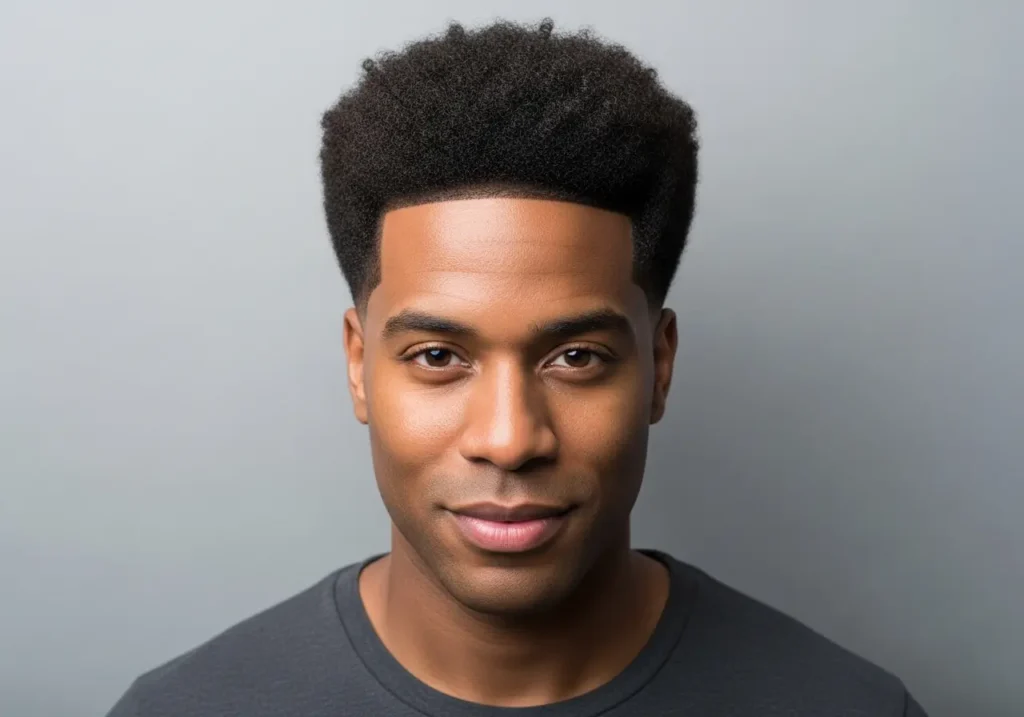
The afro hairstyle has experienced a significant resurgence, embraced by men who want to celebrate their natural hair texture while making a bold style statement. Today’s afros range from neatly shaped and maintained styles to larger, freer forms that emphasize volume and natural growth.
Maintaining a healthy afro requires understanding your curl pattern and implementing proper moisture retention techniques. Unlike relaxed or straightened hair, natural afros thrive on hydration. Regular use of leave in conditioner, natural oils such as coconut or jojoba oil, and deep conditioning treatments keep the hair soft, manageable, and less prone to breakage.
Many men choose to have their afros shaped by a skilled barber who can create a balanced, symmetrical silhouette that complements their face shape. Some prefer a more organic approach, allowing the hair to grow freely while maintaining the perimeter and ensuring even growth.
Styling an afro typically involves using a wide tooth comb or afro pick to lift and separate the hair, creating the desired volume and shape. Curl defining products can enhance the natural pattern while reducing frizz. For overnight maintenance, using a satin pillowcase or bonnet protects the hair and prevents moisture loss.
The afro works exceptionally well for men with naturally kinky hair or tight curl patterns. It represents a celebration of natural beauty and requires commitment to proper care, but the striking appearance and cultural significance make it a meaningful choice for many men.
Dreadlocks and Locs
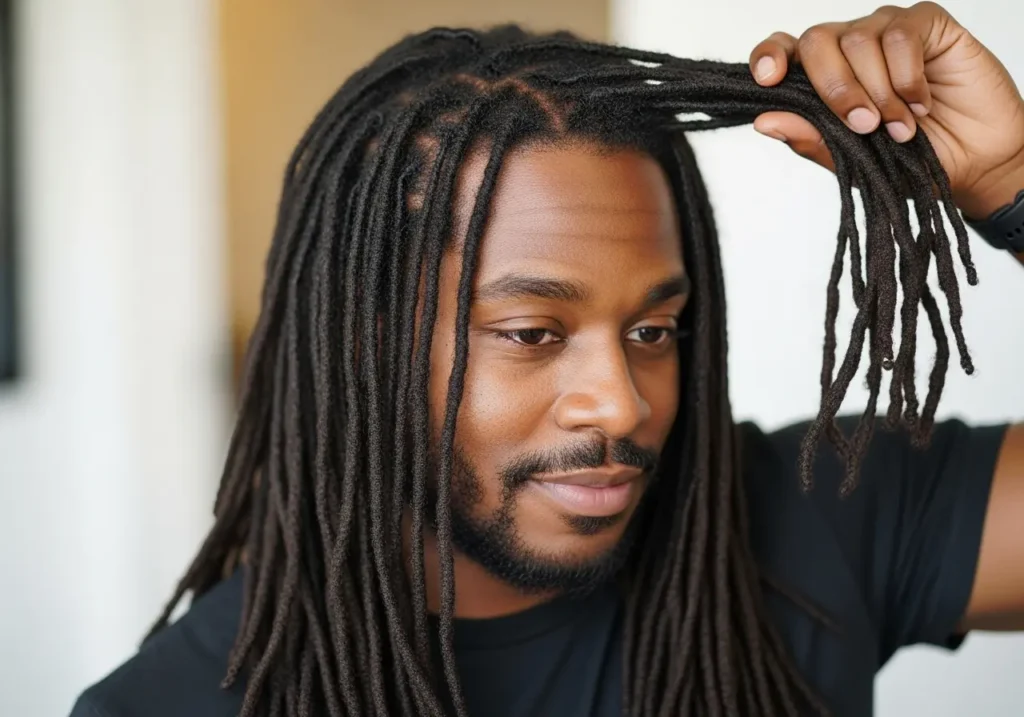
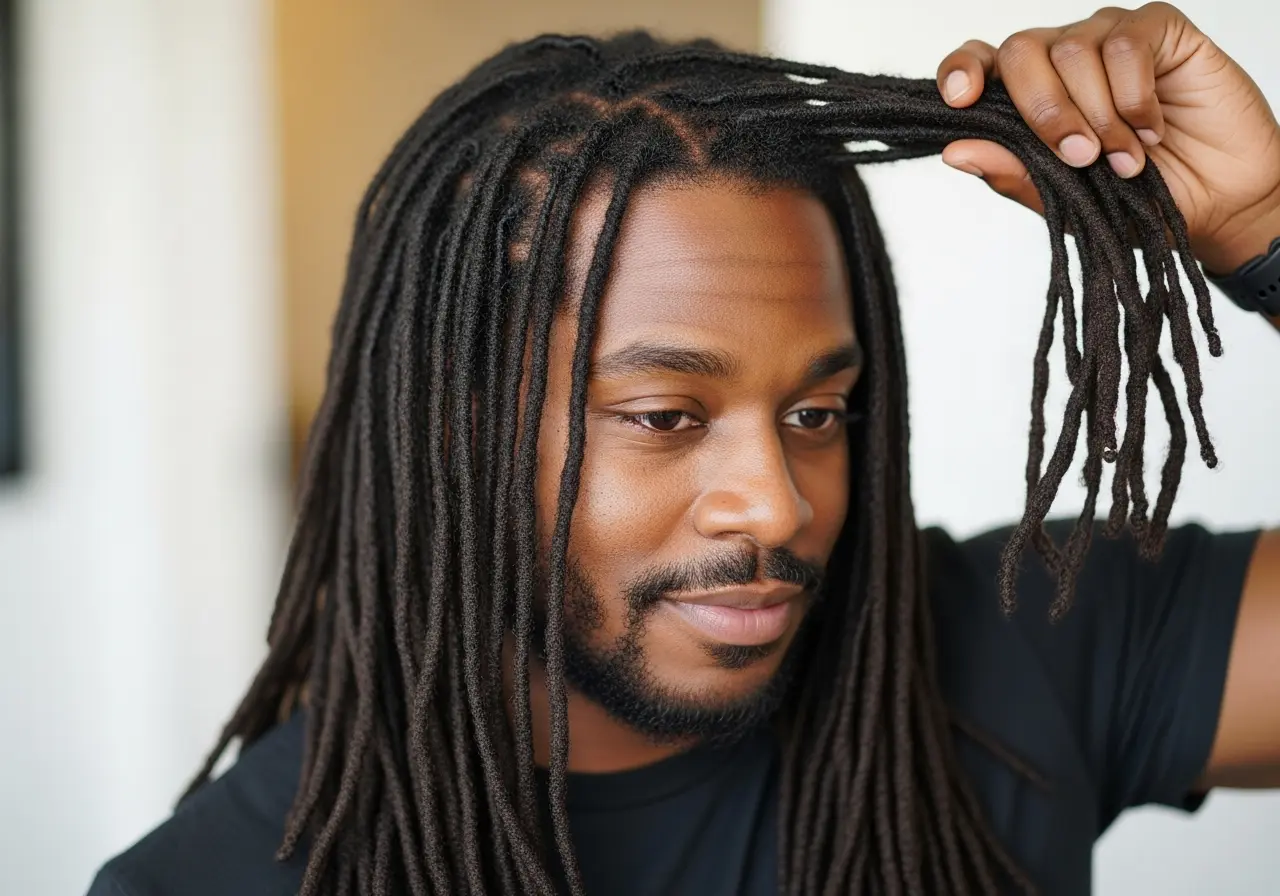
Locs or dreadlocks represent one of the most distinctive and culturally significant black male hairstyles. This style involves allowing sections of hair to mat and form rope-like strands that can be worn in various lengths and thicknesses.
Starting locs can be accomplished through several methods. The twist and rip method involves sectioning the hair and encouraging it to naturally lock over time. The two strand twist method creates starter locs by twisting small sections of hair that eventually mature into solid locs. The comb coil method works particularly well for shorter hair, using a specialized tool to coil small sections into the beginning stages of locs.
The maturation process for locs varies based on hair texture and maintenance approach. Most locs go through several stages: starter locs, budding stage, teenage stage, and finally mature locs. This process typically takes one to two years, though some hair textures lock faster than others.
Maintenance requirements change as locs mature. Early stages demand regular retwisting at the roots to encourage uniform development. As locs mature, maintenance becomes less frequent, though regular palm rolling and occasional interlocking may be necessary to maintain neat roots and prevent combining.
Loc styles offer tremendous versatility despite the commitment required. Men can wear locs loose, pulled back into a ponytail, styled into an updo, or adorned with beads and accessories. The length options range from short locs sitting close to the scalp to waist-length locs that make a dramatic statement.
Proper loc care involves regular washing with residue free shampoo, occasional deep moisturizing treatments, and protecting the hair during sleep. Unlike some misconceptions, locs require consistent care and attention to remain healthy and attractive.
The Buzz Cut and Low Haircuts
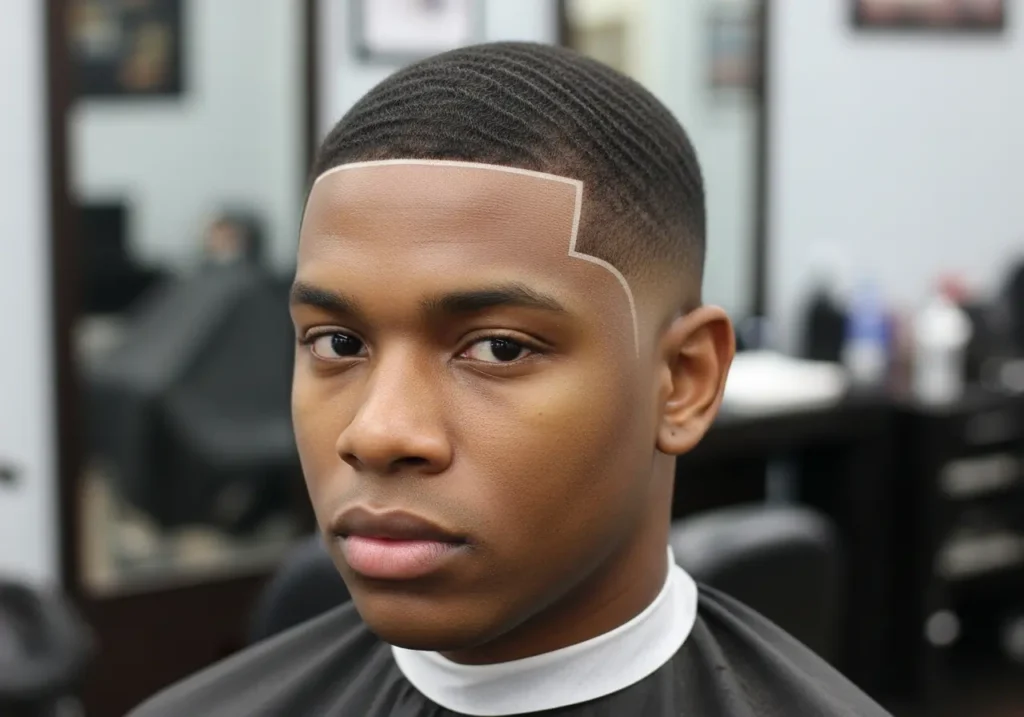
For men seeking the ultimate low maintenance hairstyle, the buzz cut and other ultra-short styles offer a practical, clean solution that never goes out of style. These cuts use clippers to create uniform length across the entire head, typically ranging from a close shave to about half an inch of length.
The number one all over creates an extremely short, nearly shaved look that requires minimal maintenance and works in any professional or casual setting. Slightly longer versions, such as a number two or number three, provide a bit more coverage while still maintaining the simplicity and ease of the buzz cut.
Many men enhance their buzz cut with a carefully executed line up, creating crisp edges along the hairline and around the ears. This detail work transforms a simple buzz cut into a polished, intentional style statement. The addition of a subtle fade on the sides can add dimension while maintaining the low maintenance appeal.
The buzz cut offers several practical advantages. It requires minimal daily styling, no products, and infrequent barbershop visits for maintenance. For men with receding hairlines or thinning hair, the buzz cut creates a uniform appearance that minimizes the visibility of hair loss. It also works exceptionally well in hot climates or for active lifestyles where elaborate styling proves impractical.
Despite its simplicity, the buzz cut requires proper scalp care. Regular moisturizing and sun protection become important when hair provides less coverage. Using a quality scalp moisturizer prevents dryness and flaking, while applying sunscreen or wearing a hat protects against sun damage.
Twist Styles and Two Strand Twists
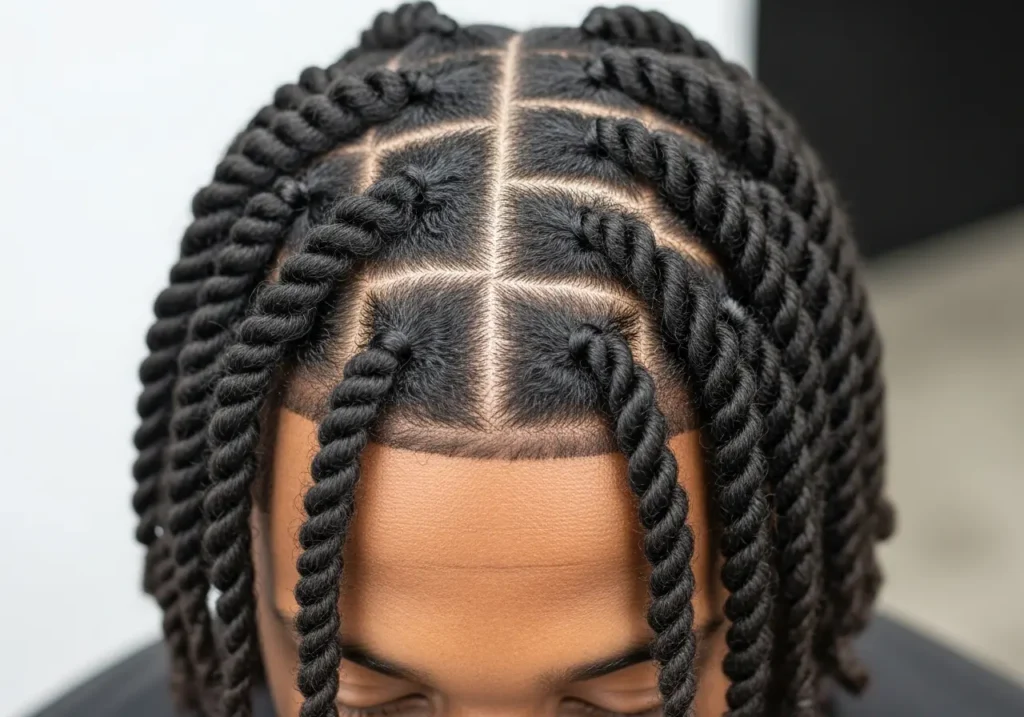
Twist hairstyles have become increasingly popular among black men who want a textured, defined look without the permanent commitment of locs. Two strand twists involve taking two sections of hair and wrapping them around each other from root to tip, creating a rope-like appearance.
The size of the twists can be varied to create different effects. Chunky twists use larger sections of hair for a bold, dramatic look that takes less time to install. Micro twists use very small sections, creating a more refined appearance with greater definition and versatility in styling options.
Twist styles work best on hair that is at least three to four inches in length, though longer hair provides more options. The installation process can be done at home or by a professional stylist, typically taking anywhere from two to six hours depending on the size and number of twists.
Once installed, twists can last anywhere from two to six weeks with proper maintenance. Nighttime care involves wrapping the hair with a satin scarf or wearing a bonnet to prevent frizzing and maintain the twist definition. Some men prefer to refresh their twists weekly by applying a light moisturizing spray and retwisting any sections that have begun to unravel.
Styling options for twists include wearing them down, pulling them back into a ponytail, creating an updo, or even curling the ends for added texture. When you eventually take down the twists, the result is a defined twist out style with uniform curls throughout, providing another styling option from the same installation.
Twists offer a protective styling option that allows the hair to grow while minimizing daily manipulation. This makes them particularly appealing for men growing out their natural hair or transitioning from relaxed to natural hair.
The High Top Fade
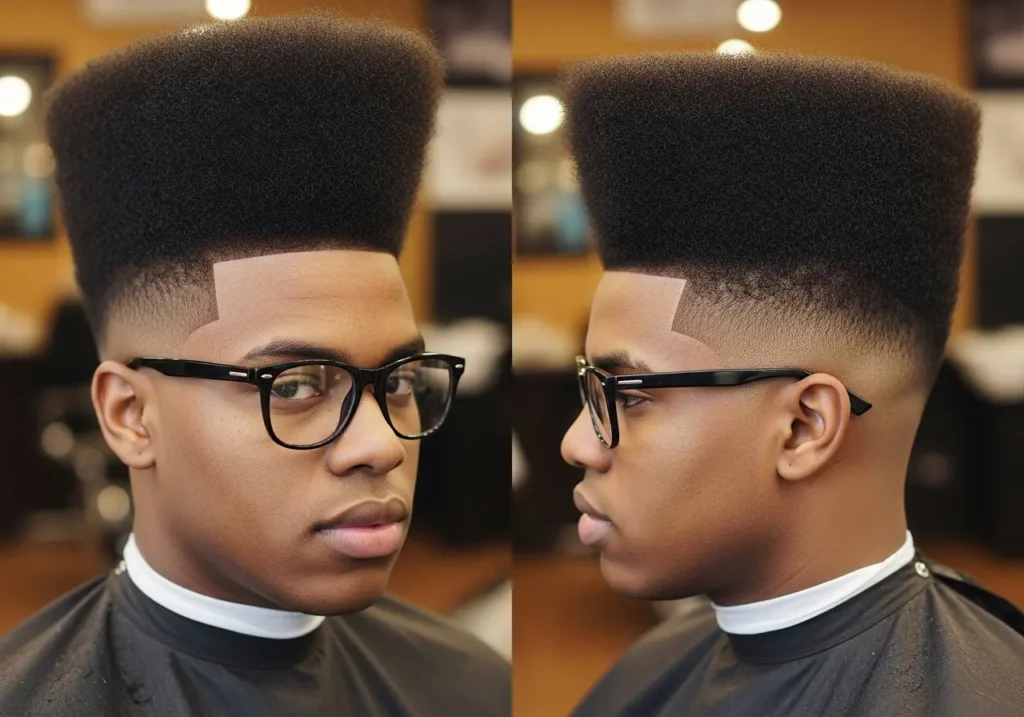
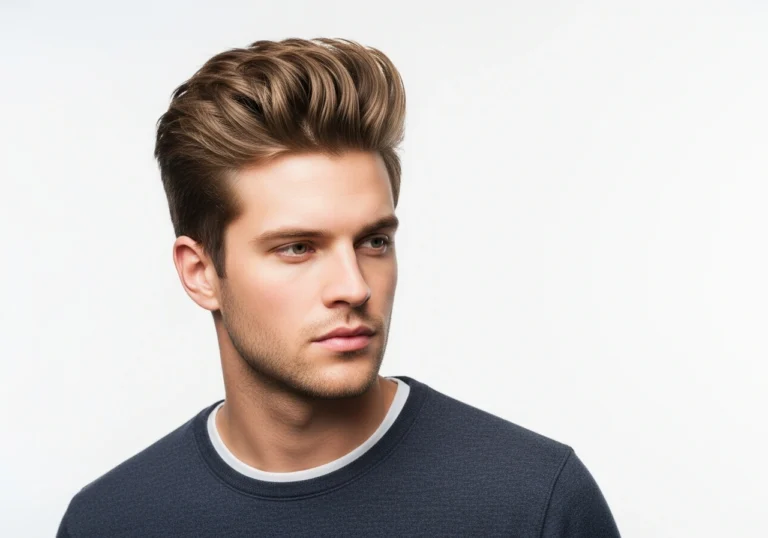
The high top fade stands as one of the most distinctive retro styles that has made a strong comeback in recent years. This cut features significant length on top of the head, styled upward to create height and volume, while the sides and back are cut very short or faded down to the skin.
Modern interpretations of the high top fade range from subtle versions with modest height to dramatic styles that add several inches of elevation. The top section can be shaped into a flat top surface for a classic look, or left with more natural texture for a contemporary twist on the traditional style.
Styling a high top fade requires the right products and techniques. Styling gel or mousse provides the hold necessary to maintain the upright position throughout the day. Some men prefer to use a blow dryer with a diffuser attachment to add volume and set the shape before applying products.
The high top fade makes a bold statement and works particularly well for men with naturally thick hair that can support the volume and height required. Face shape considerations become especially important with this style, as the added height can elongate the appearance of the face.
Maintenance involves regular shaping of the top section to maintain the desired silhouette, along with frequent fade touch-ups on the sides and back. Most men visit their barber every two to three weeks to keep the style looking sharp and properly proportioned.
The Temp Fade
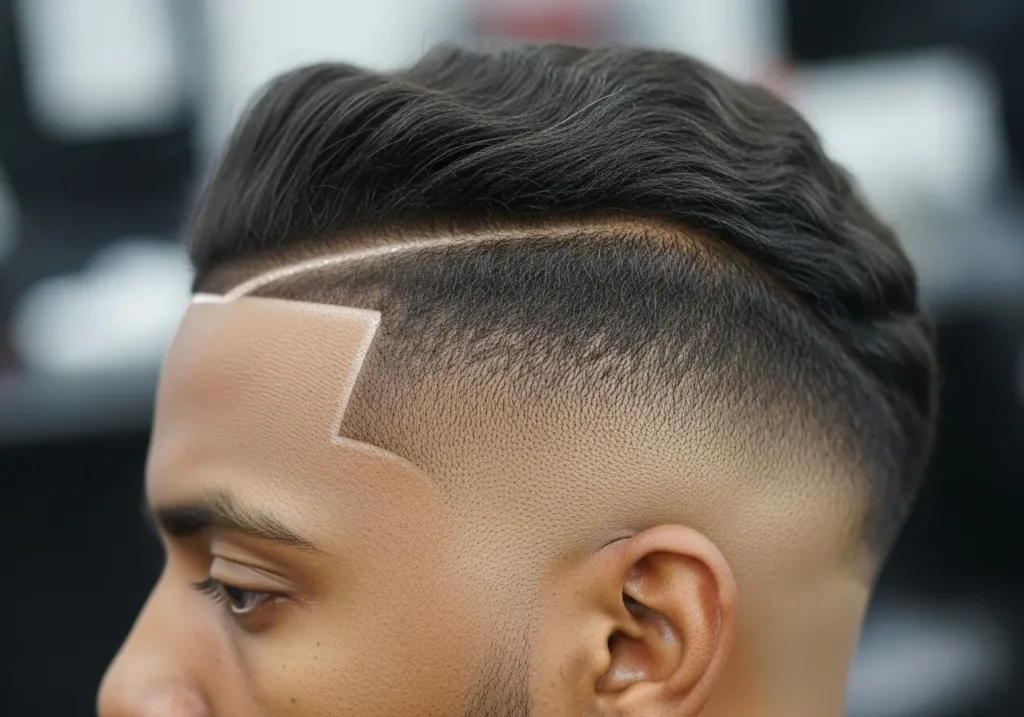
The temp fade or temple fade focuses specifically on the temple area and sides of the head, creating a dramatic taper that curves around toward the hairline. This style gained popularity in recent years for its bold, contemporary appearance and the striking contrast it creates.
The temp fade typically starts very low, sometimes at the skin level, and gradually increases in length as it moves up and back. The curve of the fade follows the natural contour of the head, creating an arc that draws attention to the shape and structure of the hairline and temples.
Many men combine the temp fade with longer hair on top, creating versatility in styling options while maintaining the sharp, clean appearance of the faded sides. The style works particularly well with curly hair or textured tops, as the contrast between the tight fade and fuller top section creates visual interest.
A defining characteristic of the temp fade is the precision required in its execution. The curved line must be symmetrical on both sides, and the transition from shortest to longer hair must be smooth and gradual. This demands a skilled barber with experience in fade techniques and an eye for symmetry.
Maintenance requirements for the temp fade rival those of other fade styles, typically necessitating barbershop visits every two to three weeks. The dramatic nature of the fade means that as hair grows, the effect quickly becomes less pronounced, making regular upkeep essential for those committed to the look.
Braided Styles for Men
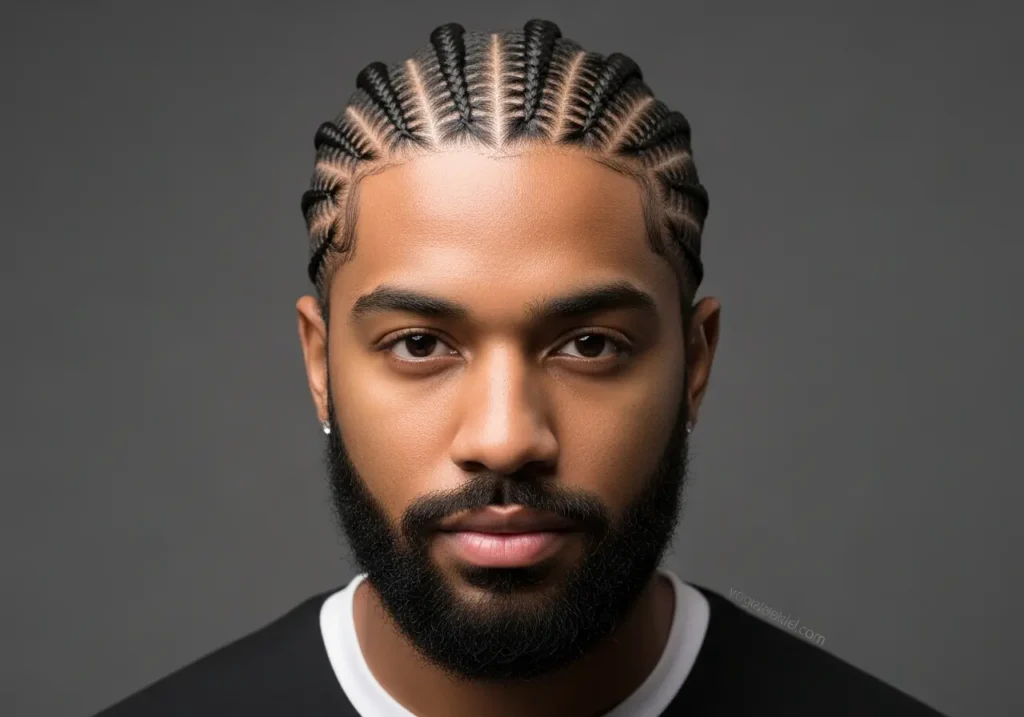
Braids offer black men another versatile styling option that provides both aesthetic appeal and protective benefits. From subtle cornrows to elaborate braided designs, the options for men continue to expand beyond traditional expectations.
Cornrows represent the most common braided style for men, featuring tight braids that follow the scalp in straight lines, curves, or intricate patterns. The size of the cornrows can vary from thin, numerous rows to thicker, more substantial braids. Some men opt for simple straight-back cornrows for a clean, classic appearance, while others incorporate designs, parts, and patterns for a more personalized look.
Box braids have also gained popularity among men with longer hair. These individual plaits hang freely from the scalp and can be styled in various ways, including ponytails, buns, or left to hang loose. The length and thickness can be customized based on personal preference and natural hair length.
Professional installation of braids typically takes several hours, depending on the complexity and size of the braids. Once installed, braids can last anywhere from two to eight weeks, depending on hair growth rate and maintenance. This longevity makes them appealing for men seeking a style that doesn’t require daily attention.
Maintenance involves keeping the scalp clean and moisturized, which can be accomplished by diluting shampoo with water in a spray bottle and applying it to the scalp between the braids, then rinsing. Regular application of light oil to the scalp prevents dryness and itching.
Braids serve as an excellent protective style, tucking away the ends of the hair and minimizing daily manipulation that can lead to breakage. This makes them particularly valuable for men growing their hair longer or maintaining the health of their natural hair.
The Caesar Cut
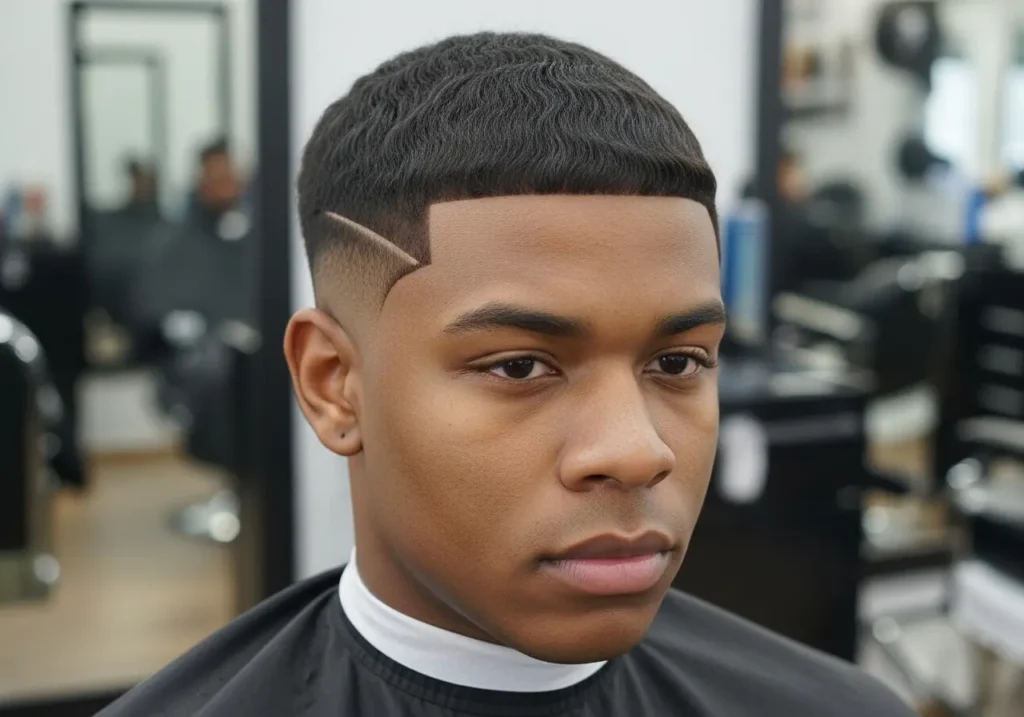
The Caesar cut takes its name from the Roman emperor and features short, horizontally straight bangs across the forehead, with the rest of the hair cut to a uniform short to medium length. This timeless style offers a clean, masculine appearance that works in virtually any context.
The defining characteristic of the Caesar cut is the short fringe that sits forward on the forehead. This element provides coverage for the hairline, making it an excellent choice for men experiencing early hair recession or those who simply prefer the distinctive look of the forward-facing hair.
Modern variations of the Caesar cut incorporate texture into the top section, moving away from the completely blunt, straight-cut bangs of the traditional version. This texturing creates a softer, more contemporary appearance while maintaining the basic silhouette and forward direction of the style.
The Caesar cut works particularly well when combined with a low fade or taper on the sides, creating contrast and adding visual interest to the simple top section. The line up around the hairline enhances the precise, clean appearance that characterizes this style.
Maintenance requirements for the Caesar cut remain relatively modest. Most men can extend three to four weeks between barber visits, though those who prefer extremely sharp lines may choose more frequent appointments. Daily styling requires minimal effort, often just a small amount of styling cream or light pomade to add definition and control.
Curly Top with Fade
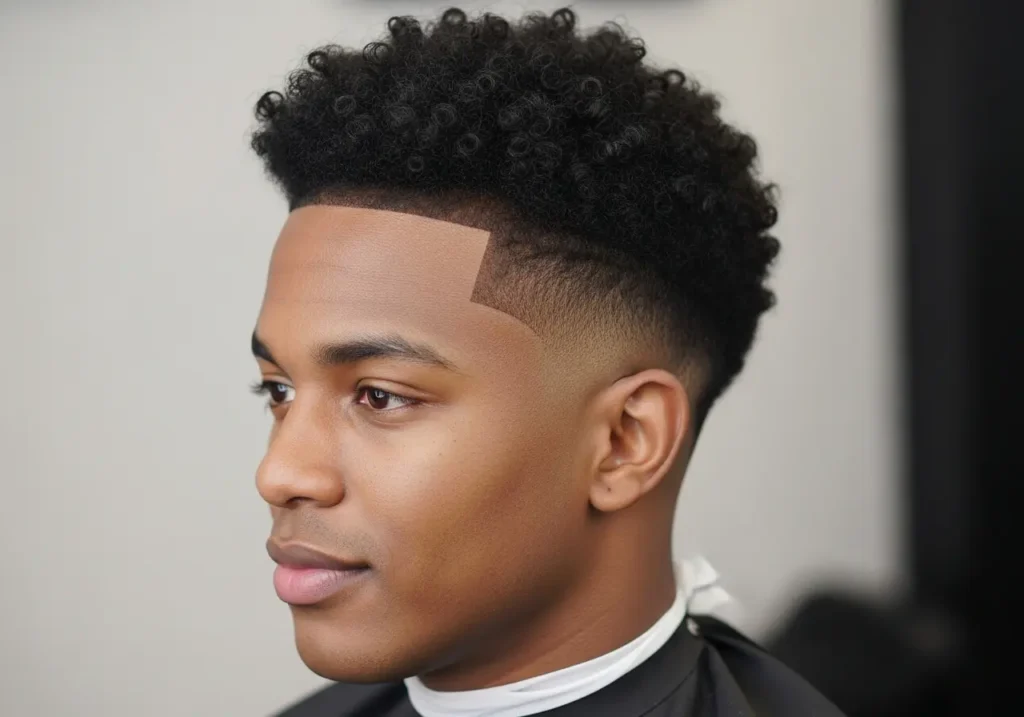
Men with naturally curly hair or coily texture can embrace their natural pattern while incorporating contemporary barbering techniques in the curly top with fade style. This look features maintained length and volume on top, showcasing the natural curl pattern, while the sides and back are faded short.
The success of this style depends heavily on proper hair care and moisture retention. Curly hair types tend to be drier than straight hair due to the structure of the hair shaft, making consistent moisturizing essential. Using curl cream, leave in conditioner, and occasional deep conditioning treatments keeps curls defined, soft, and healthy.
Styling typically involves applying products to damp hair and either allowing it to air dry or using a diffuser on low heat to dry while maintaining curl definition. The scrunching technique helps encourage curl formation and reduces frizz. Some men prefer to use the shingling method, applying product to small sections and smoothing it through to create more uniform, defined curls.
The fade portion of this style can be customized to personal preference, ranging from a subtle low fade that maintains more length on the sides to a dramatic high fade that creates maximum contrast with the curly top. The transition point between the fade and the longer top section can be adjusted to complement different face shapes.
This style offers the benefit of embracing natural texture while maintaining a polished, intentional appearance. It works for various settings and can be dressed up or down depending on how the top is styled and what products are used.
The Line Up Technique
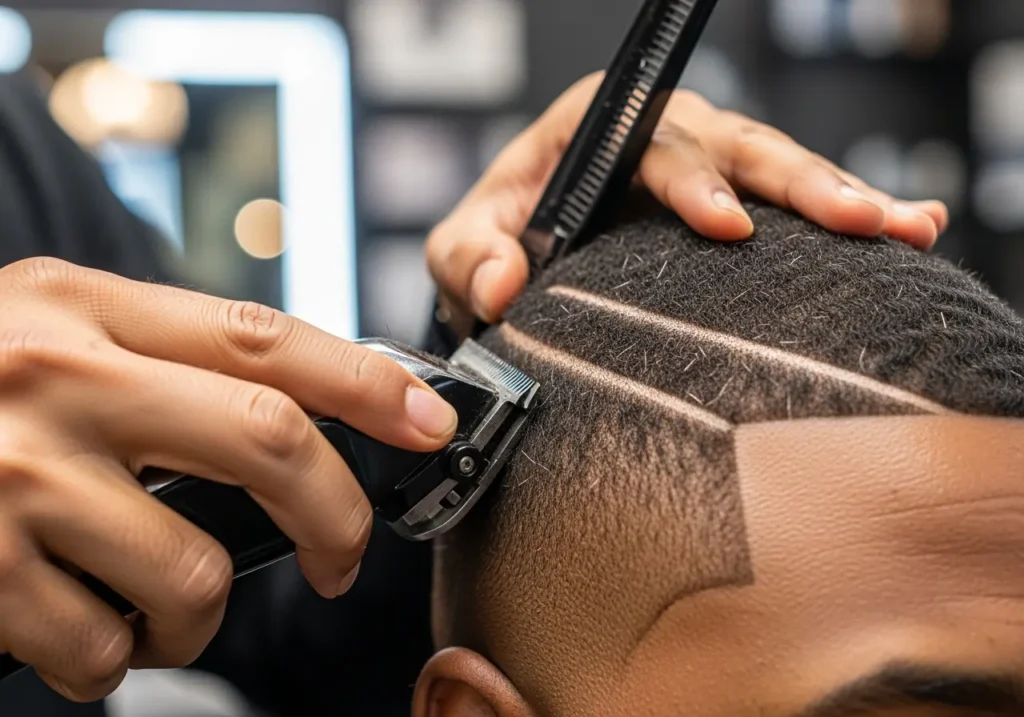
While not a complete hairstyle on its own, the line up or shape up has become an essential element of most popular black male hairstyles. This barbering technique involves using clippers or a razor to create crisp, clean lines along the hairline, around the ears, and at the nape of the neck.
A proper line up transforms even a basic haircut into a polished, intentional style. The technique involves carefully outlining the natural hairline, sometimes making subtle adjustments to create symmetry or enhance the overall shape. Skilled barbers can use line up techniques to adjust the appearance of face shape, creating sharper angles or softer curves as desired.
The edge up around the temples deserves particular attention, as these areas frame the face and significantly impact the overall appearance of the haircut. The lines should be sharp and symmetrical, following the natural bone structure while creating clean, defined edges.
Maintenance of a quality line up typically requires professional touch-ups every two to three weeks, though some men learn to maintain their own edges between barber visits using edge up tools or trimmers designed for precision work. The key is maintaining the clean lines without removing too much hair or pushing the hairline back over time.
The cultural significance of the line up within black barbering traditions cannot be overstated. It represents attention to detail, pride in appearance, and the important relationship between barber and client. The ritual of getting a fresh line up holds meaning beyond simple grooming, serving as a form of self-care and community connection.
Styling Products and Hair Care Essentials
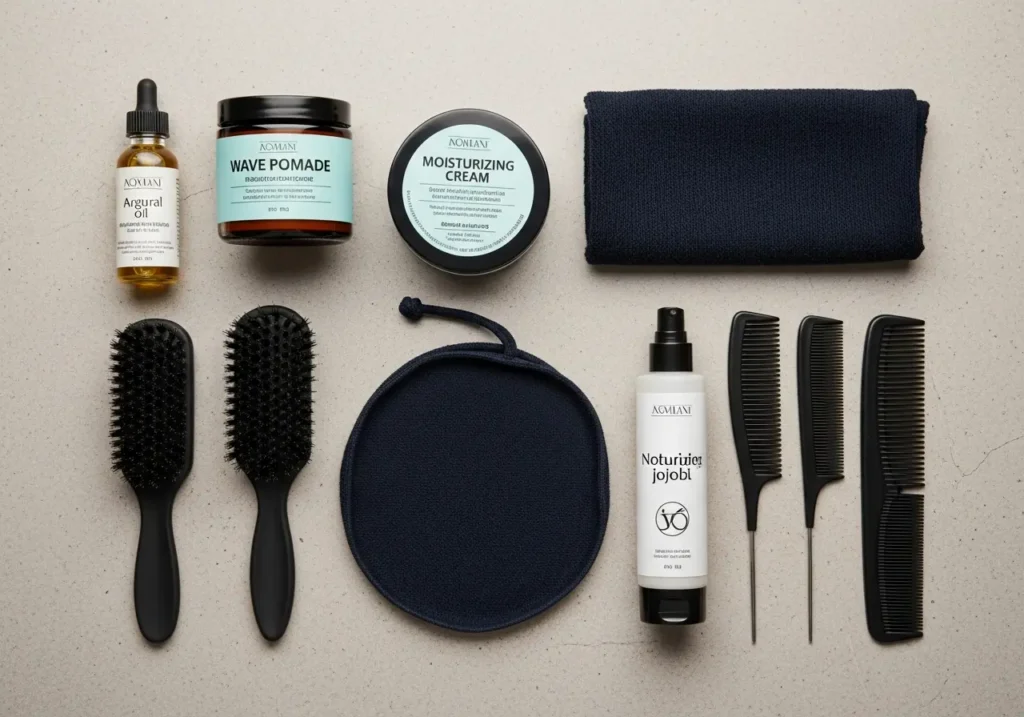
Achieving and maintaining any of these popular black male hairstyles requires understanding the right hair care products and how to use them effectively. The unique characteristics of black hair, including its texture, density, and tendency toward dryness, demand specific product formulations.
Moisturizers form the foundation of proper hair care for black men. Whether in the form of creams, lotions, or oils, these products combat the natural dryness of textured hair. Ingredients like shea butter, coconut oil, jojoba oil, and argan oil provide deep hydration while adding shine and manageability.
For styling, the product choice depends on the desired outcome. Pomade offers strong hold with shine, working well for slicked-back styles or sculpted looks. Hair wax provides moldable hold for textured, piece-y styles. Styling gel delivers maximum hold and control, ideal for waves, high tops, or styles requiring all-day security. Styling cream offers lighter hold with a natural finish, perfect for softer, more relaxed looks.
Shampoo selection matters significantly for maintaining healthy hair and scalp. Many black men benefit from using sulfate free shampoo that cleanses without stripping away natural oils. Some opt for cleansing conditioner or the co-washing method, which uses conditioner to cleanse the hair more gently than traditional shampoo.
Deep conditioning treatments should be incorporated into the hair care routine regularly, typically once or twice per month. These intensive treatments penetrate the hair shaft to deliver moisture and strengthen the hair structure, reducing breakage and improving overall hair health.
Tools also play a role in proper hair care. Wide tooth combs prevent breakage when detangling, while afro picks and brushes with appropriate bristle types suit different styling needs. Satin pillowcases or bonnets protect hair during sleep, preventing friction that causes breakage and helps maintain moisture levels.
Conclusion
The landscape of popular black male hairstyles in 2026 offers unprecedented variety, from classic cuts refined over decades to innovative contemporary styles that push boundaries. Whether you prefer the clean simplicity of a buzz cut, the bold statement of an afro, the commitment of locs, or the sharp precision of a taper fade, the options available allow for authentic self-expression while meeting practical needs.
Choosing the right hairstyle involves considering multiple factors: your natural hair texture and growth pattern, your lifestyle and maintenance preferences, your professional environment, and ultimately, what makes you feel confident and comfortable. The best hairstyle is one that you can maintain consistently and that aligns with your personal aesthetic.
Working with a skilled barber who understands your hair type and can execute the technical aspects of your chosen style makes a significant difference in the results you achieve. Building a relationship with a trusted barber provides not just great haircuts but also valuable guidance on products, maintenance, and styling techniques.
Beyond aesthetics, these hairstyles represent cultural expression, personal identity, and the evolution of grooming standards. They reflect changing attitudes toward natural hair, the continued relevance of traditional barbering skills, and the creativity of both stylists and the men who wear these cuts.
Investing time in understanding your hair, establishing a proper care routine, and choosing styles that genuinely suit your features and lifestyle will yield results that go beyond surface appearance. Great hair contributes to confidence, and that confidence impacts how you present yourself to the world. Whether you opt for a trending style or a timeless classic, commit to it fully, maintain it properly, and wear it with confidence.
You may also like this post: 35+ Versatile Bold Hair Color Ideas for Men You’ll Love To Try!
Frequently Asked Questions
How often should I get a haircut to maintain my style?
The frequency depends on your chosen style. Fade haircuts typically require touch-ups every two to three weeks to maintain sharp lines and smooth transitions. Longer natural styles like afros or twists can go four to six weeks between shaping appointments. Low maintenance cuts like buzz cuts can sometimes extend to four weeks. Regular maintenance keeps your style looking intentional and well-groomed rather than grown out.
What products work best for maintaining waves?
Quality wave development requires wave pomade or wave grease to provide hold and moisture while you brush. A good moisturizing cream keeps hair healthy and pliable. You’ll also need a wave brush with appropriate bristle firmness for your hair texture and a durag or wave cap to wear overnight. Consistency in brushing multiple times daily matters more than expensive products. Many successful wave enthusiasts use affordable products applied regularly.
Can I start locs with short hair?
Yes, you can begin locs with hair as short as two inches using methods like comb coils or two strand twists. The interlocking method also works well with shorter hair. However, having at least three to four inches provides more options and typically results in faster locking. Your hair texture influences how quickly locs form, with coarser textures generally locking faster than looser curl patterns.
How do I prevent my hairline from receding with regular line ups?
Avoid allowing your barber to push your hairline back beyond its natural position. The line up should follow your existing hairline, simply cleaning and defining it rather than creating a new one. Excessive tension from tight styles, harsh chemicals, and repeatedly cutting into the skin can cause damage over time. A skilled barber knows how to create clean lines without compromising hairline health. If you notice recession, give your hairline breaks between edge ups.
What is the best way to moisturize natural black hair?
Effective moisturizing involves both water-based hydration and sealing that moisture with oils or butters. Apply a water-based moisturizer or leave in conditioner to damp hair, then seal it in with natural oils like coconut, jojoba, or argan oil. This layering technique, often called the LOC method (liquid, oil, cream) or LCO method (liquid, cream, oil), helps maintain moisture longer. Deep conditioning treatments once or twice monthly provide intensive hydration. Avoid products with drying alcohols and protect hair at night with satin materials.