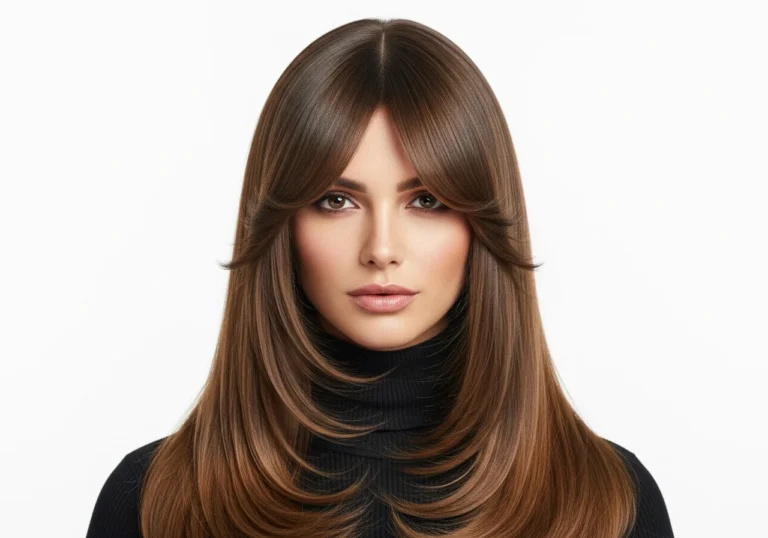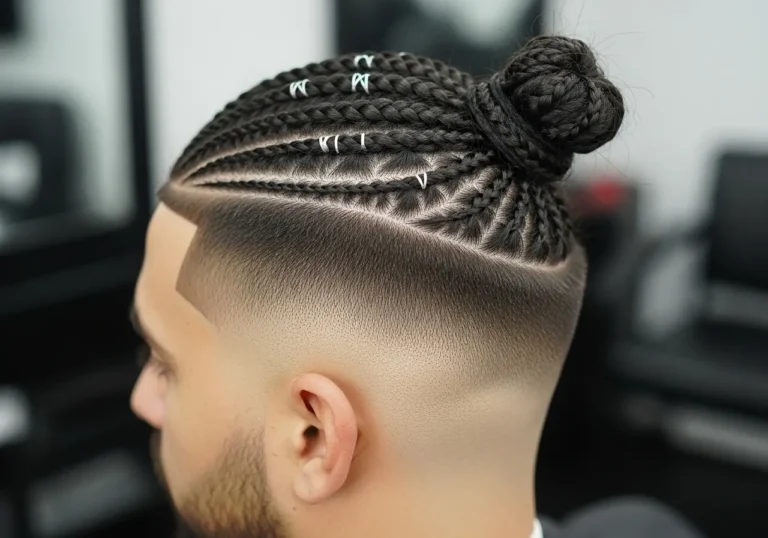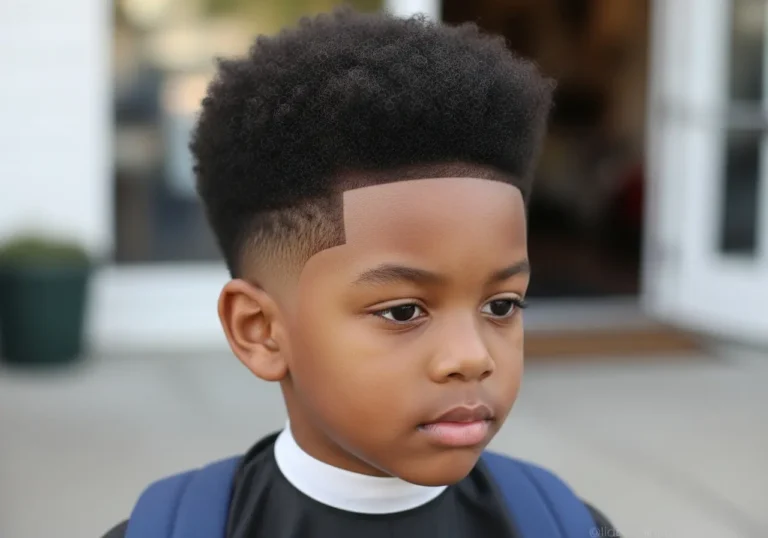
Top 15 Trending Shaggy Hairstyles For Men 2026
The world of men’s grooming continues to evolve, and 2026 has brought forward one of the most exciting hair trends in recent years. Shaggy hairstyles for men have made a powerful comeback, combining retro aesthetics with modern styling techniques to create looks that are both effortlessly cool and surprisingly versatile. This comprehensive guide explores the top 15 trending shaggy hairstyles that are dominating barbershops and style magazines this year.
Understanding the Shaggy Hairstyle Renaissance
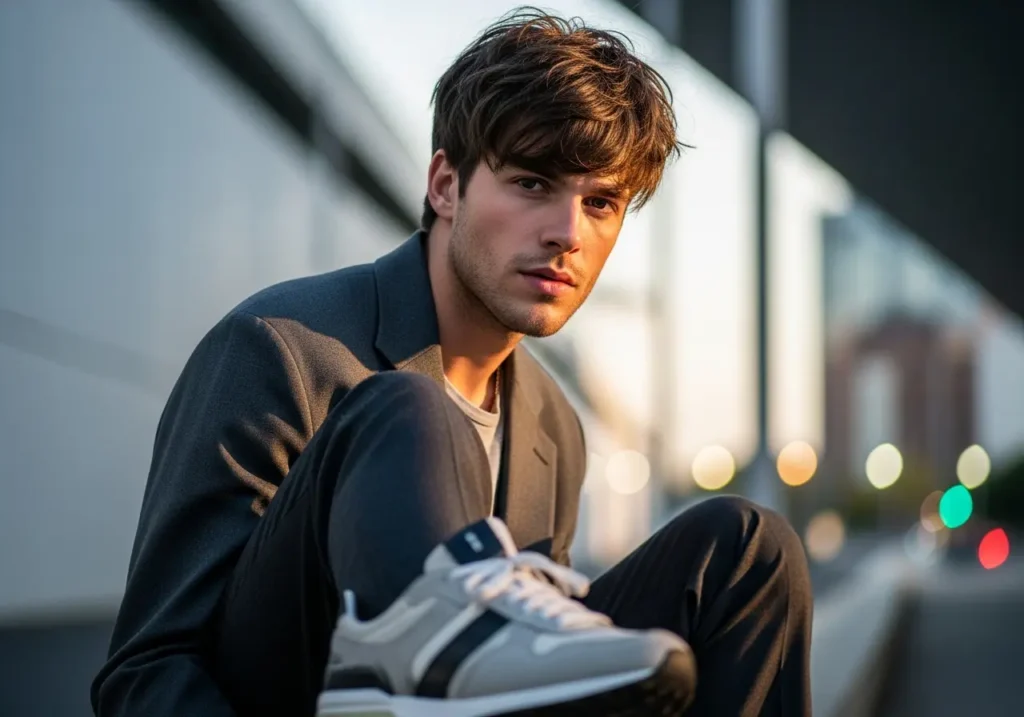
The shag haircut for men represents more than just a passing trend. It embodies a shift toward natural texture, relaxed grooming standards, and individualistic expression. Originally popularized in the 1970s by rock legends like Mick Jagger and David Bowie, the shaggy aesthetic has been reimagined for the contemporary man who values both style and practicality.
What makes shaggy haircuts for men particularly appealing is their remarkable adaptability. Whether you have thick hair, thin hair, straight locks, or natural curls, there exists a shaggy variation perfectly suited to your hair type. The defining characteristics include choppy layers, textured volume, feathered ends, and that signature tousled finish that suggests you rolled out of bed looking this good.
The beauty of men’s shaggy hairstyles lies in their low maintenance nature. Unlike precision cuts that require daily styling and frequent trims, shaggy styles embrace natural movement and actually improve as they grow out. This makes them ideal for busy professionals, creative individuals, and anyone who prefers spending less time on grooming without sacrificing style.
1 The Classic Medium Shag
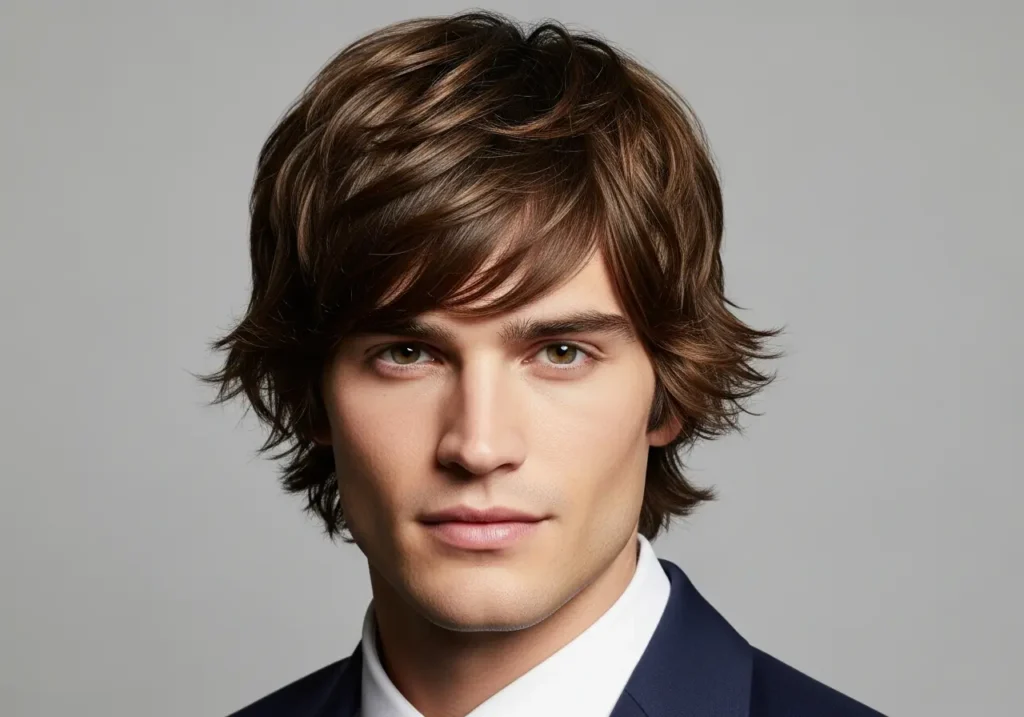
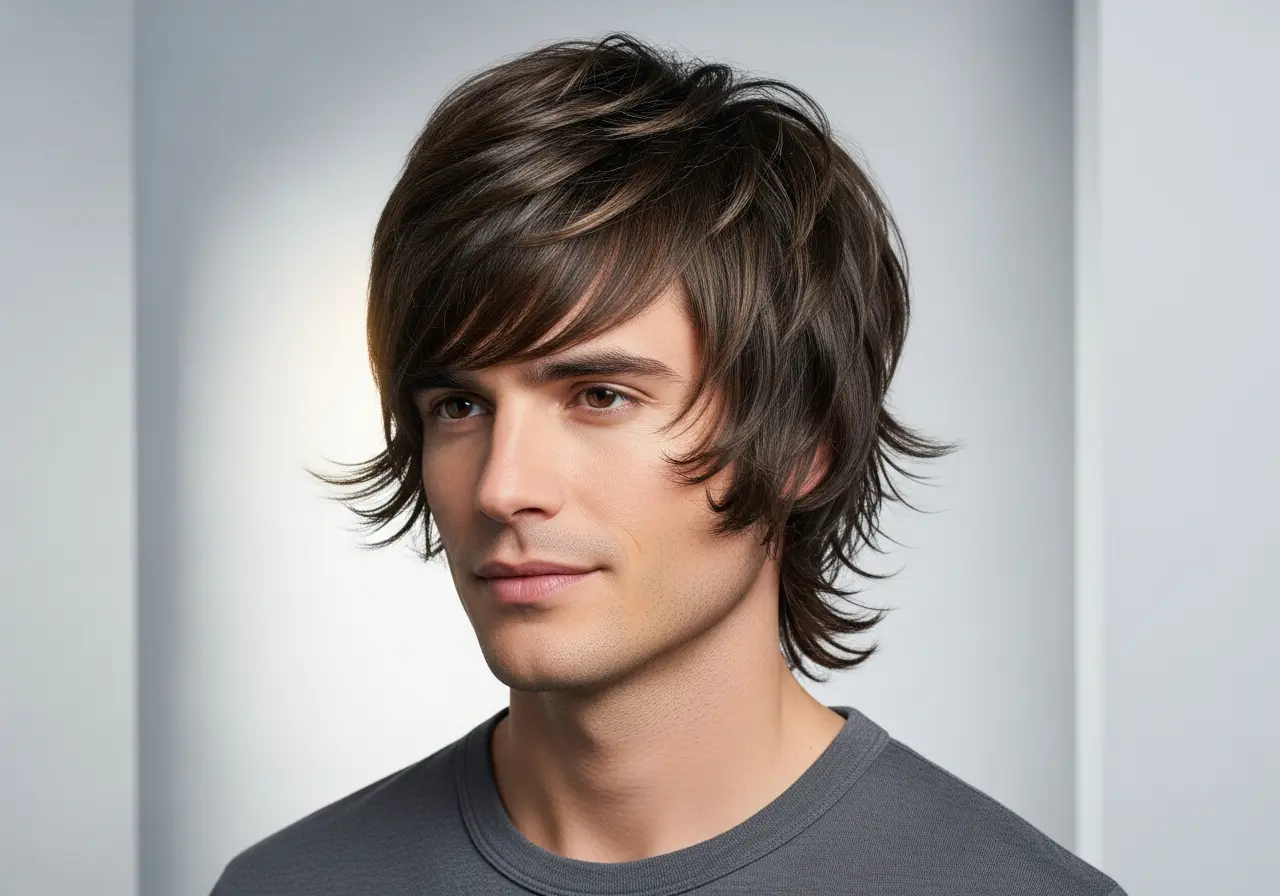
The medium shaggy hairstyle remains the most popular choice among men seeking that perfect balance between length and manageability. This style features layered texture that falls around the ears and neck, creating a relaxed aesthetic with plenty of personality. The medium length shag works exceptionally well with both straight hair and wavy hair, making it universally flattering.
To achieve this look, ask your stylist for choppy layers throughout the top and sides, with slightly longer pieces framing the face. The layers should blend seamlessly to create natural flow rather than distinct separations. Style with a lightweight styling cream or texturizing spray, applying to damp hair before air-drying or using a diffuser for added volume.
2 The Short Shaggy Cut
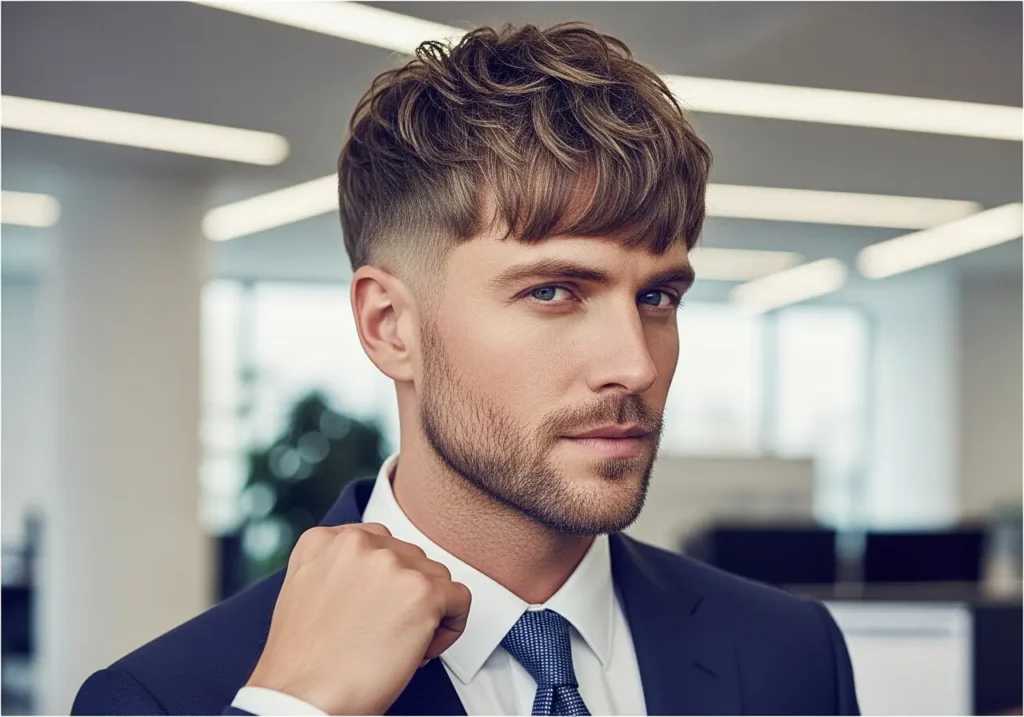
For men who prefer minimal maintenance, the short shaggy haircut delivers maximum impact with minimal effort. This variation features shorter textured layers on top while keeping the sides slightly trimmed for a cleaner appearance. The short shag hairstyle is perfect for professional environments that still allow creative expression.
The key to pulling off short shaggy hairstyles for men lies in the layering technique. Your barber should create choppy layers that add dimension without excessive bulk. Style using texture powder or matte pomade to enhance separation and create that signature messy aesthetic. This style requires trimming every six to eight weeks to maintain its shape.
3 The Long Flowing Shag
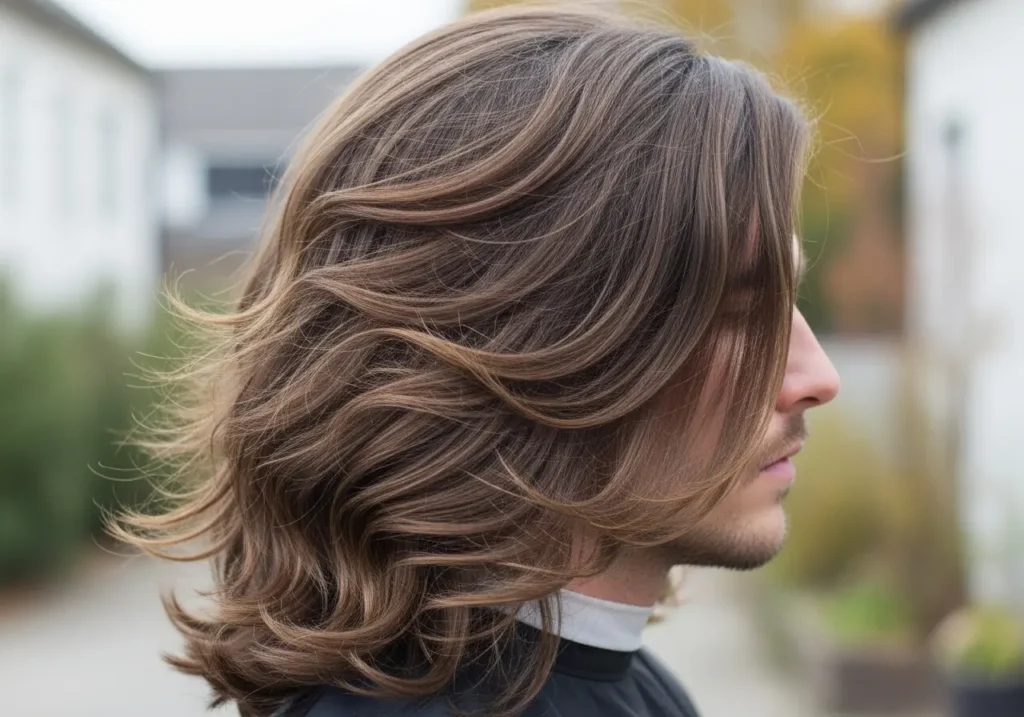
Long shaggy hairstyles exude carefree confidence and artistic sensibility. This style embraces length while maintaining structure through strategic layering. The long shag haircut features flowing layers that cascade past the shoulders, creating dramatic natural movement and textured volume.
Men with thick wavy hair find this style particularly flattering, as the layers help reduce bulk while showcasing natural texture. Maintain moisture with leave-in conditioner and enhance waves using sea salt spray. The long shaggy style pairs exceptionally well with facial hair for a ruggedly handsome appearance.
4 The Shaggy Wolf Cut
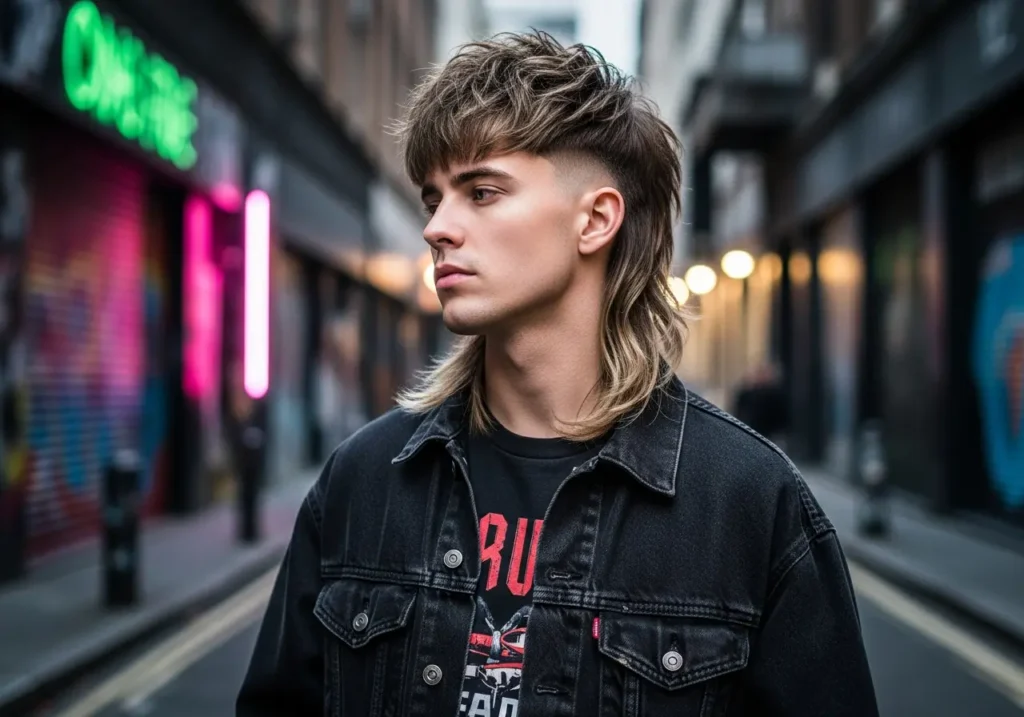
The shaggy wolf cut has emerged as one of 2026’s hottest trends, combining the layered flow of a traditional shag with the edgy definition of a wolf cut. This hybrid style features shorter layers around the crown with longer pieces at the back, creating a dramatic silhouette that turns heads.
This modern shaggy hairstyle works best on men with medium to thick hair who want bold volume and personality. The wolf cut shag requires more layers and texture than traditional variations, creating that signature mullet-inspired shape while maintaining the shag’s characteristic looseness. Use molding paste to define layers while keeping a flexible, lived-in finish.
5 The Shaggy Mullet
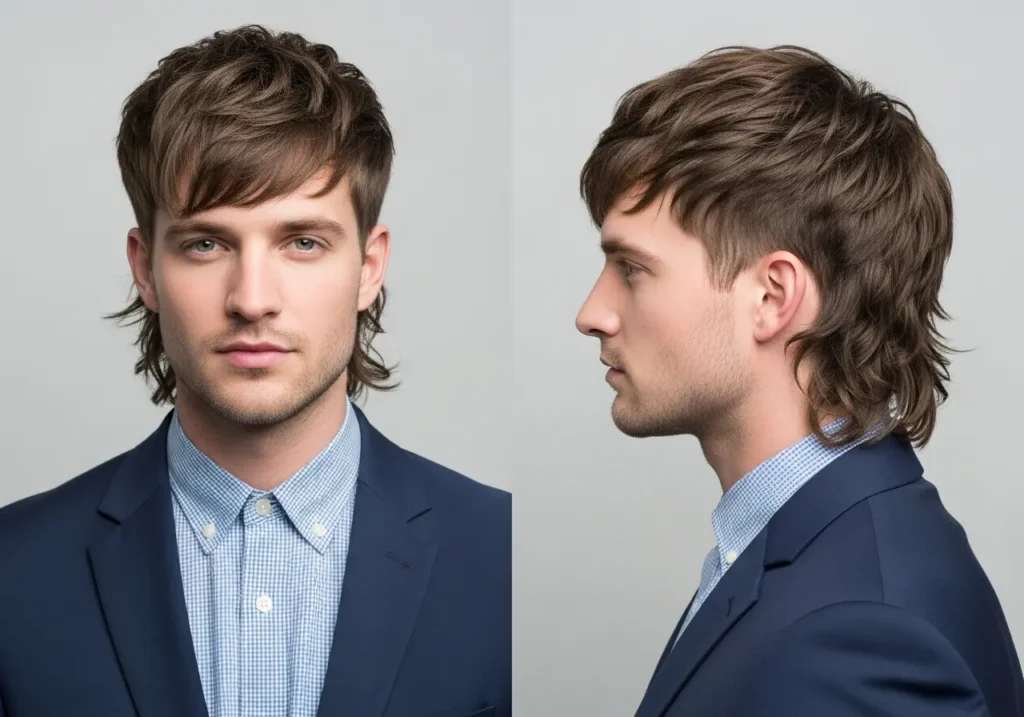
Speaking of mullets, the shaggy mullet hairstyle represents a bold fusion of two iconic styles. This contemporary take on the classic mullet incorporates shaggy texture throughout, softening the traditional harsh lines associated with 80s mullets. The result is more wearable and acceptable in various social settings.
The modern shaggy mullet keeps the top and sides relatively short while allowing the back to flow longer with textured layers. Unlike its predecessor, this version blends seamlessly rather than creating stark contrasts. Style with matte clay for added definition on shorter sections and texturizing spray on longer portions to maintain natural movement.
6 The Shaggy Curtain Hairstyle

The curtain hairstyle with shaggy elements brings a distinctly 90s-inspired vibe to modern grooming. This style features a center part with face-framing layers that fall naturally to either side, creating that classic curtain effect popularized by boy bands of yesteryear.
The shaggy curtain cut works particularly well with medium length hair and natural waves. The layers should be cut to encourage hair to fall away from the center part, framing the face attractively. Apply lightweight texturizing paste to damp hair and air-dry for maximum volume. This low-maintenance style suits oval and long face shapes particularly well.
7 The Shag with Bangs
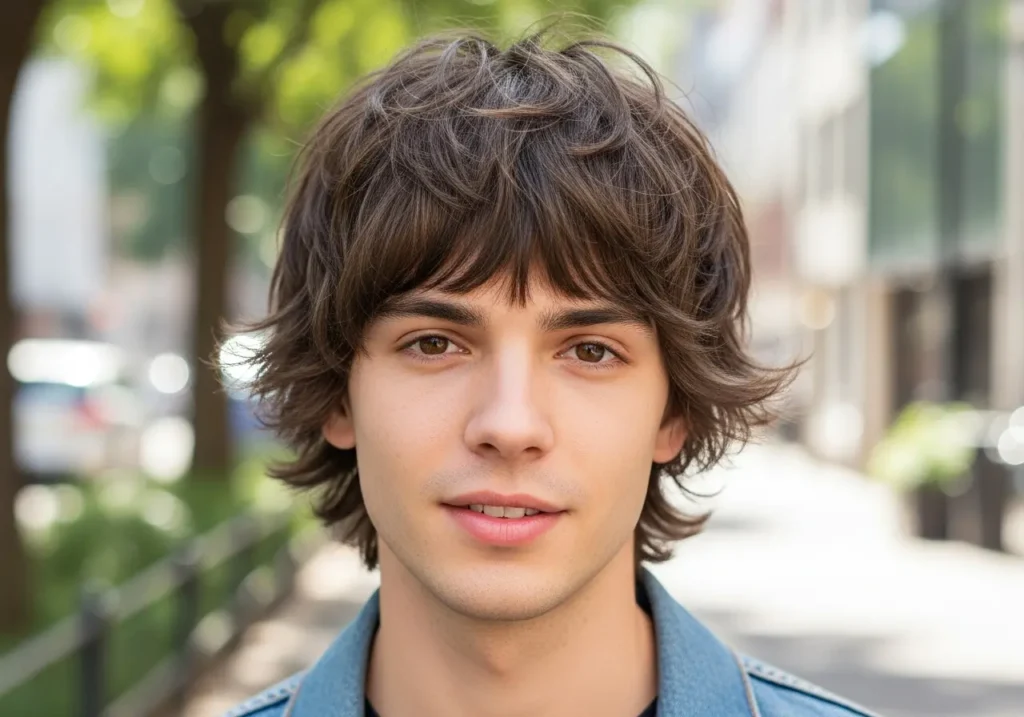
Adding bangs to a shaggy haircut instantly elevates the youthful appeal. The shag haircut with bangs creates a soft frame around the face while adding contemporary edge. Curtain bangs remain especially popular, providing versatility in styling while complementing the overall messy texture.
The shaggy fringe can be worn swept to one side, brushed forward, or styled into a textured curtain depending on your preference. Use light wax on the bangs for texture and definition without stiffness. This style requires trimming the fringe every four to six weeks to prevent it from obstructing vision.
8 The Textured Shaggy Crop
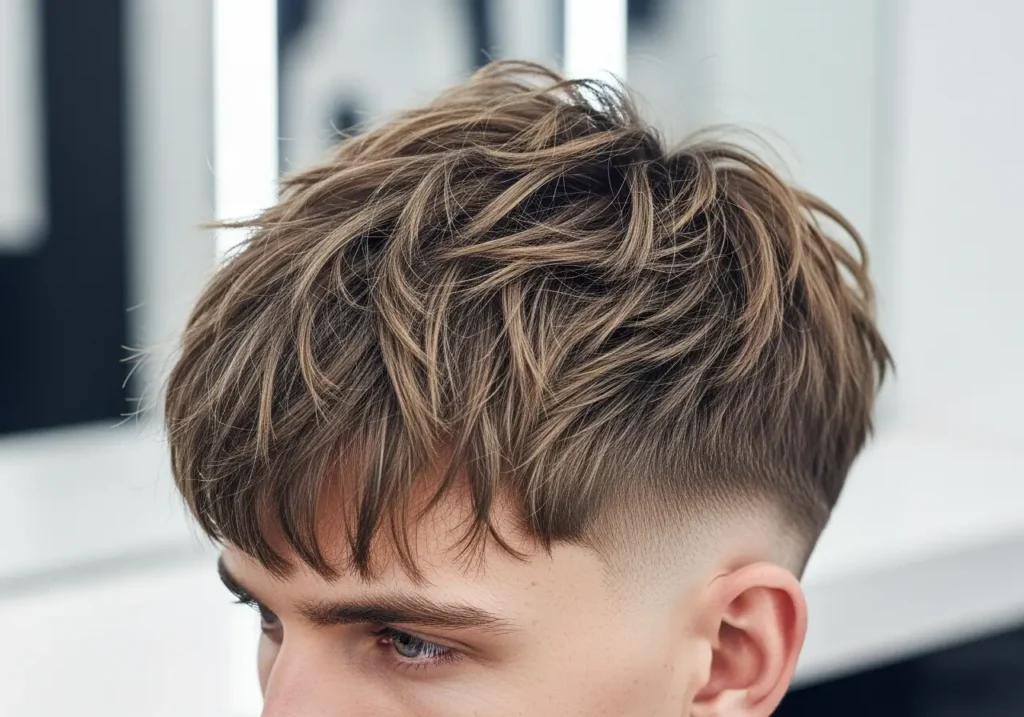
The textured shaggy haircut emphasizes deliberate chaos through enhanced layering and piece-y separation. This style goes beyond traditional shaggy cuts by creating more pronounced texture through strategic cutting techniques and styling products.
Ask your stylist for disconnected layers that maintain distinct separations rather than blending smoothly. This bold approach creates visual drama and works best with straight to slightly wavy hair. Style using sea salt spray for beachy texture or matte clay for more defined separation. The textured shag appeals to fashion-forward men who view their hair as artistic expression.
9 The Shaggy Fade
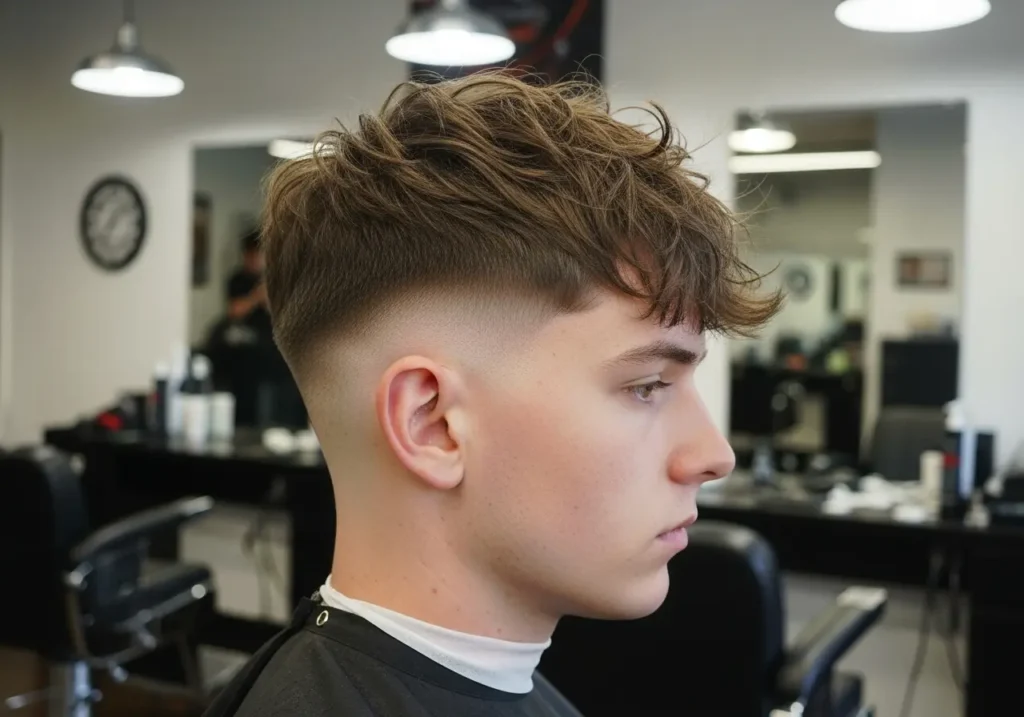
The shaggy fade haircut combines the textured chaos of a shag with the clean structure of a fade or taper. This modern hybrid offers the best of both worlds: edgy texture on top with polished sides that remain professional and neat.
The fade shag typically features a high fade or mid fade on the sides and back, creating stark contrast with the layered volume on top. This style requires more frequent maintenance than traditional shags, with touch-ups every three to four weeks for the fade and six to eight weeks for the top layers.
10 The Curly Shag
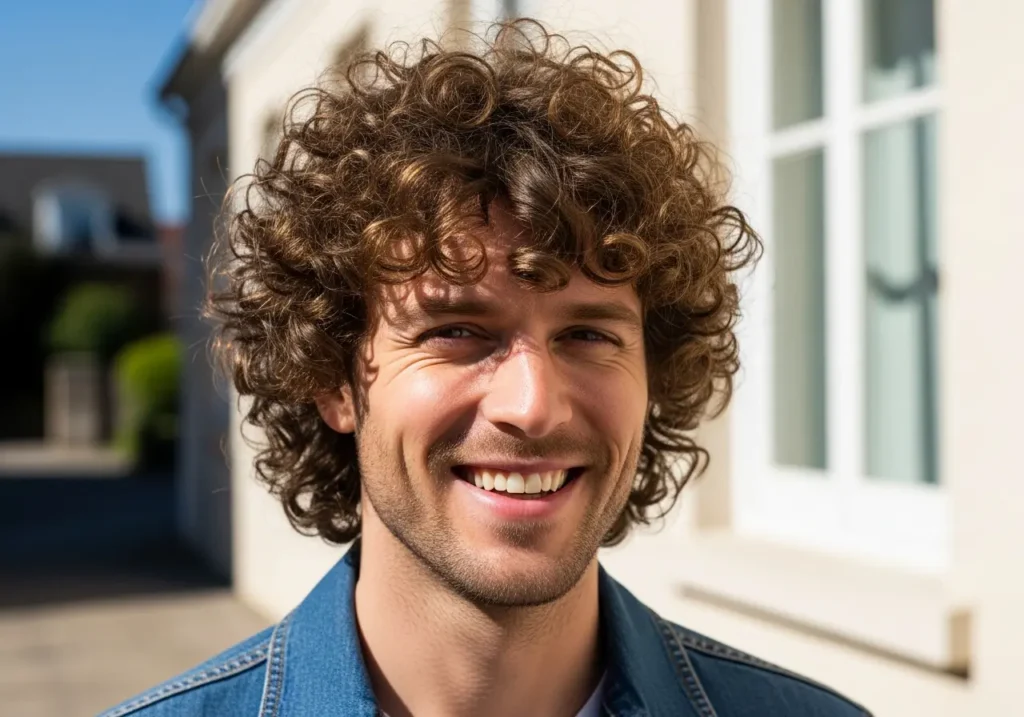
Men with naturally curly hair or coily textures can embrace spectacular volume through the curly shaggy hairstyle. This style enhances natural curl patterns through strategic layering that removes bulk while maintaining fullness.
The shag haircut for curly hair requires a stylist experienced with textured hair who understands how curls behave when cut. Layers should follow the natural curl pattern to encourage proper spring and movement. Maintain with curl-defining cream and leave-in conditioner, allowing hair to air-dry or using a diffuser attachment for maximum volume with soft, bouncy curls.
11 The 70s Shaggy Style
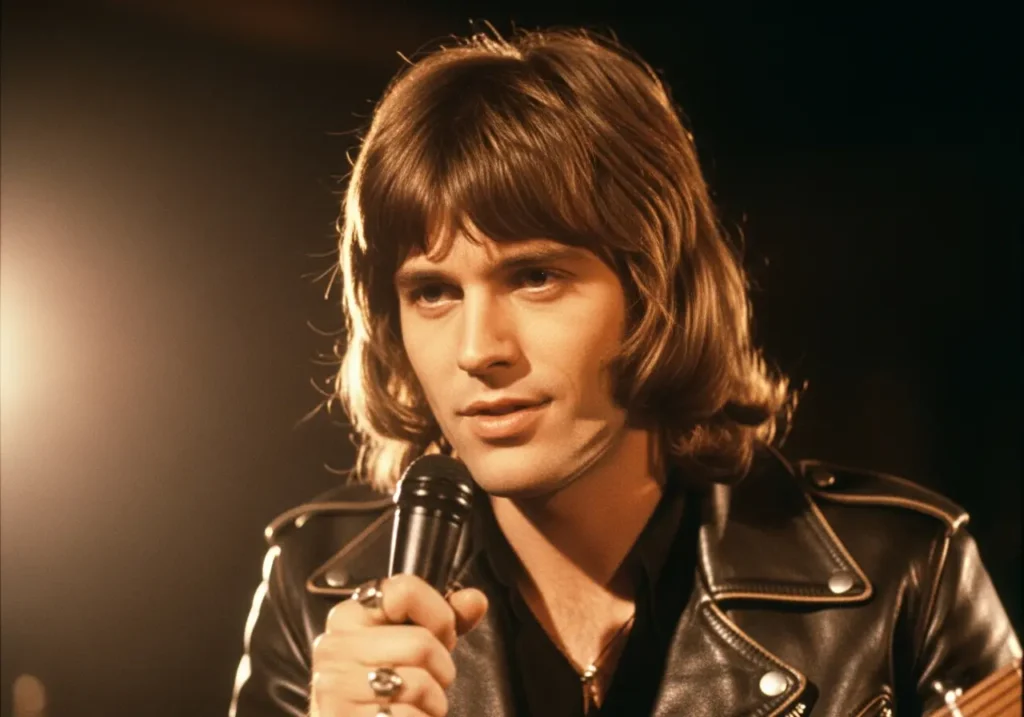
For those seeking authentic retro vibes, the 70s shag haircut delivers pure nostalgic appeal. This vintage-inspired style features longer layers throughout, feathered fringe, and plenty of natural volume around the crown, channeling that iconic rockstar aesthetic.
The 1970s shaggy hairstyle thrives on naturally wavy hair but can be adapted for other textures. The key lies in the feathering technique used on the ends and layers around the face. Style with volumizing mousse and blow-dry using a round brush to achieve that characteristic lifted shape at the crown.
12 The Shaggy Quiff
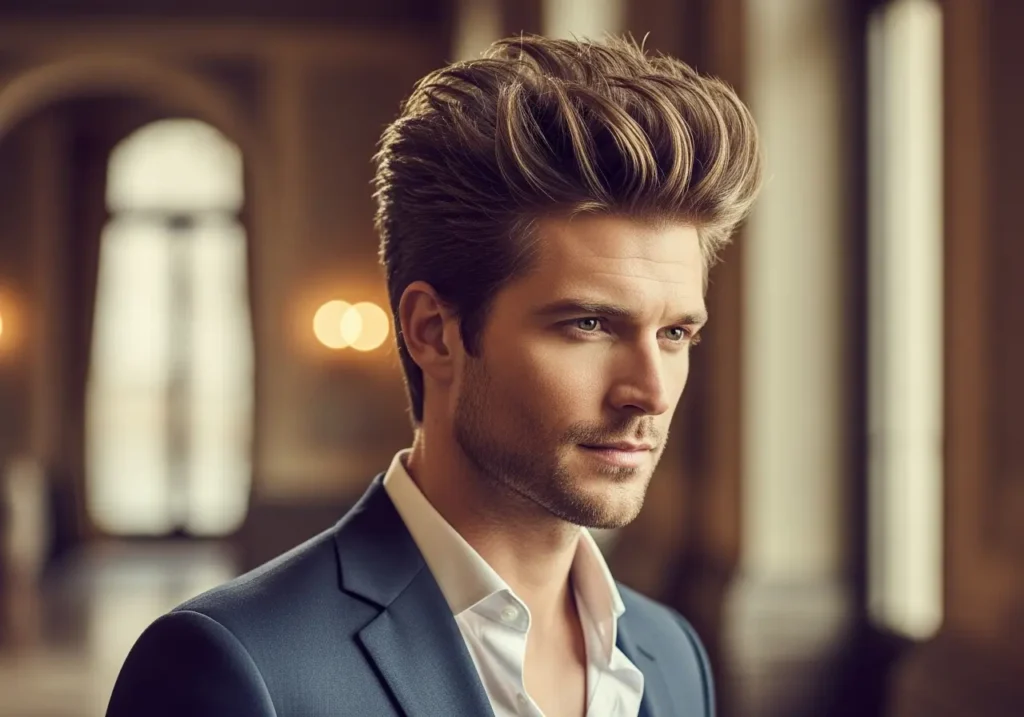
The shaggy quiff modernizes the classic pompadour-style quiff by incorporating tousled texture throughout. Instead of slick perfection, this variation embraces controlled chaos, combining height in front with piece-y definition throughout.
To create this look, blow-dry the front section upward using a round brush for lift, then work matte clay through the rest of the hair to create separation. The shaggy pompadour offers versatility, looking appropriate in both casual and semi-formal settings. Maintain the height every four to six weeks to prevent excessive bulk.
13 The Surfer Shag
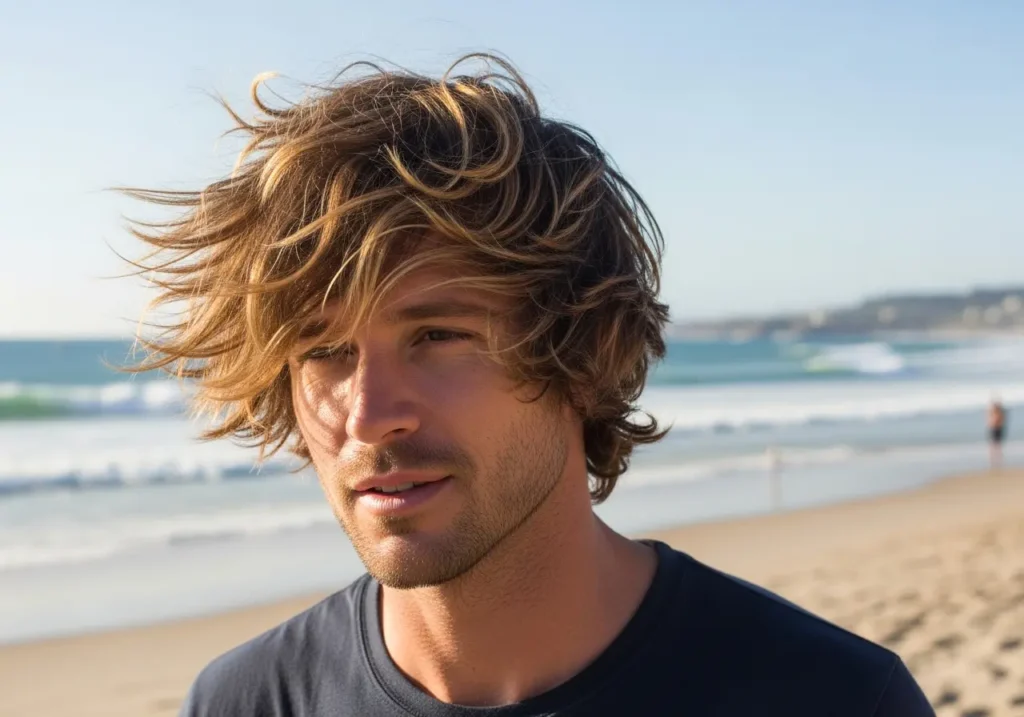
The shaggy surfer haircut captures that quintessential beach aesthetic with sun-kissed texture and windswept layers. This carefree style features longer hair throughout with an emphasis on natural movement and tousled volume.
Characterized by choppy layers that create a relaxed, lived-in appearance, the surfer shag is the epitome of effortless cool. Enhance the beachy vibe with sea salt spray applied to damp hair, then either air-dry for maximum authenticity or scrunch while blow-drying with a diffuser. This style particularly suits men with naturally wavy hair.
14 The Shag with Beard
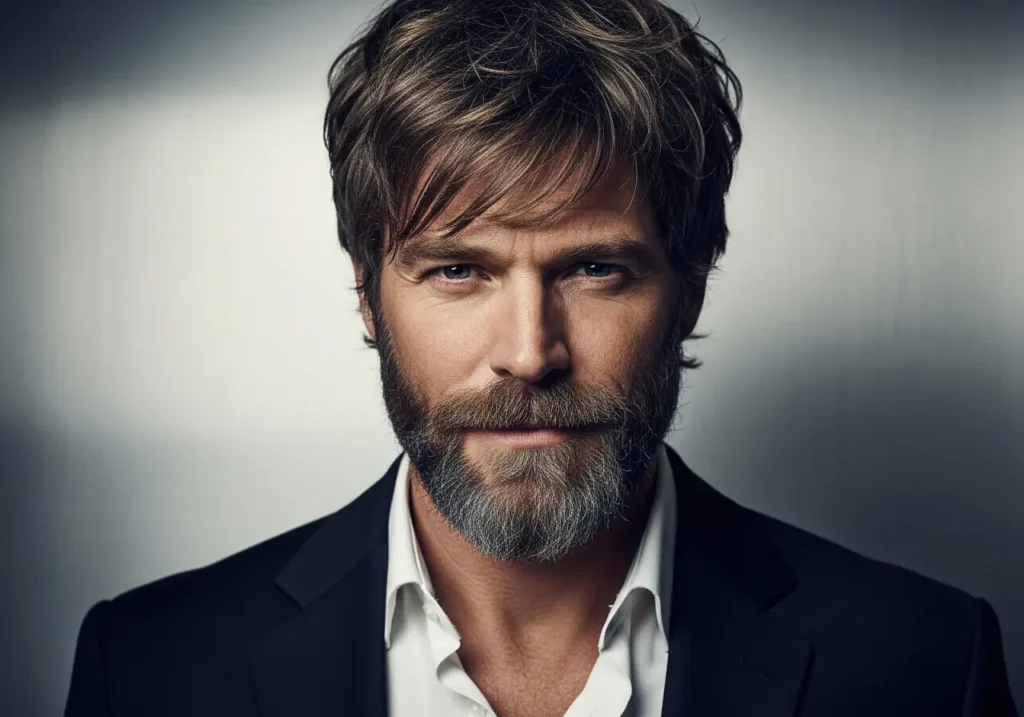
Pairing shaggy hair with a beard creates a ruggedly masculine aesthetic that balances the soft texture of the hair with the structured definition of facial hair. This combination has become increasingly popular among men seeking a mature, sophisticated edge.
The contrast between the free-flowing textured locks and a well-groomed beard adds depth and dimension to your overall appearance. Keep the beard trimmed and shaped regularly while allowing the hair to maintain its natural, messy texture. Use beard oil to keep facial hair soft and apply lightweight pomade to the hair to enhance natural texture without heaviness.
15 The Shaggy Hairstyle for Thin Hair

Men with fine hair or thinning hair often struggle with achieving volume and fullness. The shag haircut for thin hair provides an excellent solution through strategic layering that creates the illusion of density and body.
The key to shaggy hairstyles for thin hair lies in avoiding excessive layering that could make hair appear even thinner. Instead, opt for longer choppy layers concentrated around the crown and top sections. Use volumizing mousse applied at the roots before blow-drying upside down. Texture powder adds lift and definition without weighing down fine strands. This approach transforms thin hair into a style with impressive movement and apparent fullness.
Styling Tips for Shaggy Hairstyles
Achieving and maintaining the perfect shaggy look requires understanding proper styling techniques and product selection. The goal is always to enhance natural texture rather than fighting against it.
Product Selection
The right products make all the difference in creating authentic shaggy texture. Sea salt spray remains the go-to choice for beachy, tousled texture without stiffness. Apply to damp hair and scrunch while air-drying or using a diffuser. Matte pomade or styling clay works excellently for creating separation and definition in individual layers while maintaining a natural finish.
For men with curly hair, curl-defining cream enhances natural curl patterns while reducing frizz. Leave-in conditioner keeps longer shaggy styles hydrated and prevents the ends from appearing dry or damaged. Avoid heavy gels or strong-hold products that create stiffness, as the shaggy aesthetic demands movement and flexibility.
Styling Techniques
Most shaggy haircuts require minimal active styling. After washing, towel-dry hair gently without rubbing vigorously, as this can create unwanted frizz. Apply your chosen product to damp hair, distributing evenly through the layers.
For enhanced volume, blow-dry hair while using your fingers to lift at the roots. Alternatively, allow hair to air-dry for the most natural, effortless appearance. Once dry, use your fingers to gently tousle and separate layers, creating that signature messy aesthetic. The beauty of shaggy styles is that they look better slightly imperfect than overly styled.
Maintenance and Care
Despite their low-maintenance reputation, shaggy hairstyles do require proper care to look their best. Regular trims remain essential, though less frequent than precision cuts. Schedule appointments every six to eight weeks to remove split ends and maintain the overall shape without losing the lived-in quality that makes shags appealing.
Between cuts, focus on keeping hair healthy and hydrated. Use a gentle sulfate-free shampoo that won’t strip natural oils, and follow with conditioner focusing on mid-lengths and ends. Weekly deep conditioning treatments help maintain moisture, especially for longer shaggy styles.
Scalp health becomes particularly important with shaggy cuts, as the additional volume can sometimes trap heat and moisture. Ensure thorough rinsing after washing and consider clarifying treatments monthly to remove product buildup.
Choosing the Right Shag for Your Face Shape
Not all shaggy styles work equally well with every face shape. Understanding which variation complements your features helps ensure flattering results.
Oval faces enjoy the most versatility, suiting virtually any shaggy style from short to long. Round faces benefit from shaggy styles with height and volume on top, which create the illusion of length. The shaggy quiff or styles with lifted crowns work particularly well.
Square faces look excellent with shaggy styles that soften angular jawlines. Medium to long lengths with face-framing layers create balance and reduce the appearance of harsh angles. Heart-shaped faces suit shaggy styles with volume around the sides and back, particularly the shaggy curtain style.
Men with longer face shapes should avoid excessive height on top, instead opting for shaggy styles with more horizontal volume through the sides. The surfer shag or medium shag with fullness throughout creates better proportion.
The Professional Acceptability of Shaggy Hairstyles
One common concern about adopting shaggy hairstyles involves professional appropriateness. The good news is that modern shaggy cuts have evolved to suit various dress codes and work environments when styled appropriately.
Short shaggy cuts and textured crops easily pass in corporate settings, especially when kept neat around the sides and back. These styles appear intentional rather than unkempt when properly maintained. Medium shaggy styles also work in most professional environments, particularly creative industries, technology companies, and progressive workplaces.
For conservative environments, keep shaggy styles shorter and ensure regular trims. Style with slightly more product for definition rather than embracing maximum messiness. The key lies in maintaining the textured, layered nature of the cut while keeping it groomed and intentional-looking.
Conclusion
Shaggy hairstyles for men in 2026 represent far more than a simple trend. They embody a broader shift toward authentic self-expression, practical grooming solutions, and embracing natural texture. Whether you choose a classic medium shag, an edgy wolf cut, or a professional short variation, these styles offer something for every personality and lifestyle.
The versatility of shaggy haircuts means you can adapt them to your specific hair type, face shape, and personal aesthetic. From the rugged appeal of pairing shaggy hair with a beard to the youthful energy of curtain bangs, these styles provide endless opportunities for customization.
As we move further into 2026, expect shaggy styles to continue dominating men’s grooming trends. Their perfect combination of style, practicality, and individuality ensures they remain relevant regardless of changing fashion cycles. Whether you’re ready to fully commit to growing out your hair or simply want to add some textured layers to your current style, there has never been a better time to embrace the shaggy aesthetic.
You may also like this post: 21 Iconic Bleached Hairstyles For Men
Frequently Asked Questions
Are shaggy hairstyles suitable for all hair types?
Yes, shaggy haircuts work exceptionally well across all hair types including straight, wavy, curly, thick, thin, and even thinning hair. The key lies in adapting the layering technique to complement your specific texture. Men with thick hair benefit from layers that remove bulk while adding movement. Those with thin or fine hair gain volume and body through strategic layering that creates the illusion of fullness. Curly and wavy hair naturally enhance the textured aesthetic of shaggy styles.
How often should I trim my shaggy hairstyle?
Most shaggy hairstyles require trimming every six to eight weeks to maintain their shape and remove split ends. However, one advantage of shaggy cuts is their forgiving nature as they grow out. Unlike precision cuts that lose their shape quickly, shaggy styles often look better with some growth, embracing that lived-in quality. Styles incorporating fades or undercuts need more frequent maintenance every three to four weeks for the shorter sections.
What products work best for styling shaggy hair?
The ideal products for shaggy hairstyles include sea salt spray for beachy texture, matte pomade or clay for definition and separation, texturizing spray for enhanced movement, and lightweight styling cream for control without stiffness. Avoid heavy gels or high-shine products that create an overly styled appearance. For curly shaggy styles, curl-defining cream and leave-in conditioner maintain moisture while enhancing natural texture. Always choose products with flexible hold that allow natural movement.
Can I style a shaggy haircut for professional environments?
Absolutely. Shaggy hairstyles can be styled appropriately for professional settings by keeping the length moderate, maintaining regular trims, and using slightly more product for definition. Short shaggy cuts and textured crops work particularly well in corporate environments. Even medium-length shaggy styles appear professional when kept neat and groomed. The key is ensuring your style looks intentional rather than neglected through proper maintenance and styling.
How do I transition from my current haircut to a shaggy style?
Transitioning to a shaggy hairstyle requires patience, especially if you currently have a short, structured cut. Begin by growing out your hair to at least medium length, visiting your stylist periodically for shaping trims that prevent awkward growth stages. Once you have sufficient length, typically three to four inches on top, ask for choppy layers throughout with feathered ends. Your stylist can gradually add more layers and texture as length increases, creating your desired shaggy aesthetic over several cutting sessions.