25+ Modern Taper Haircut Styles For Men: From Classic To Contemporary
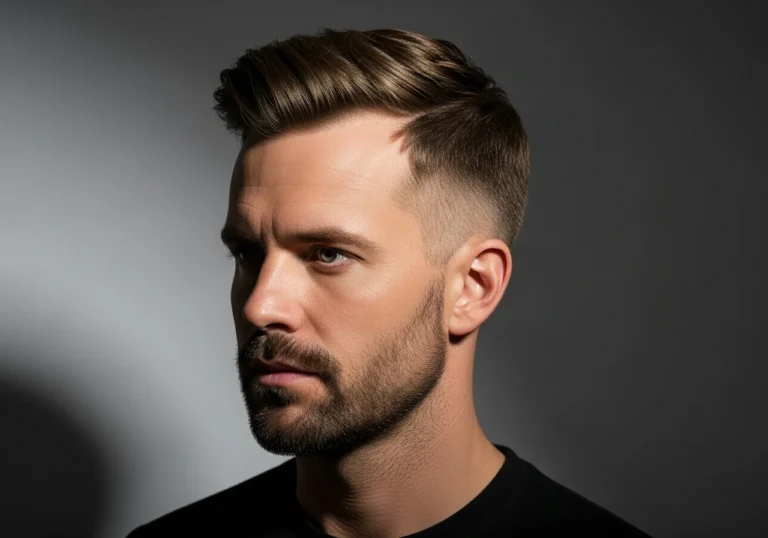
The taper haircut styles has evolved from a simple barbering technique into one of the most versatile and sought-after men’s hairstyles in 2025. Whether you walk into a barbershop in New York, London, or Sydney, the taper remains the foundation of countless modern haircuts that balance professionalism with contemporary style. This gradual hair transition technique has become the go-to choice for men seeking a clean-cut appearance that works equally well in corporate boardrooms and casual weekend settings.
What makes the taper so enduringly popular is its remarkable adaptability. From classic taper styles that exude timeless sophistication to contemporary fade variations that push creative boundaries, this haircut accommodates every hair texture, face shape, and personal aesthetic. The technique itself involves progressively shortening hair from the top of the head down toward the neckline and sideburns, creating smooth blended transitions that enhance your natural features while maintaining a polished look.
This comprehensive guide explores over 25 distinct taper haircut variations, each offering unique characteristics and styling possibilities. Whether you have straight hair, curly locks, thick strands, or fine texture, you will discover styles that complement your specific needs while keeping you at the forefront of grooming trends.
1: Classic Low Taper Fade
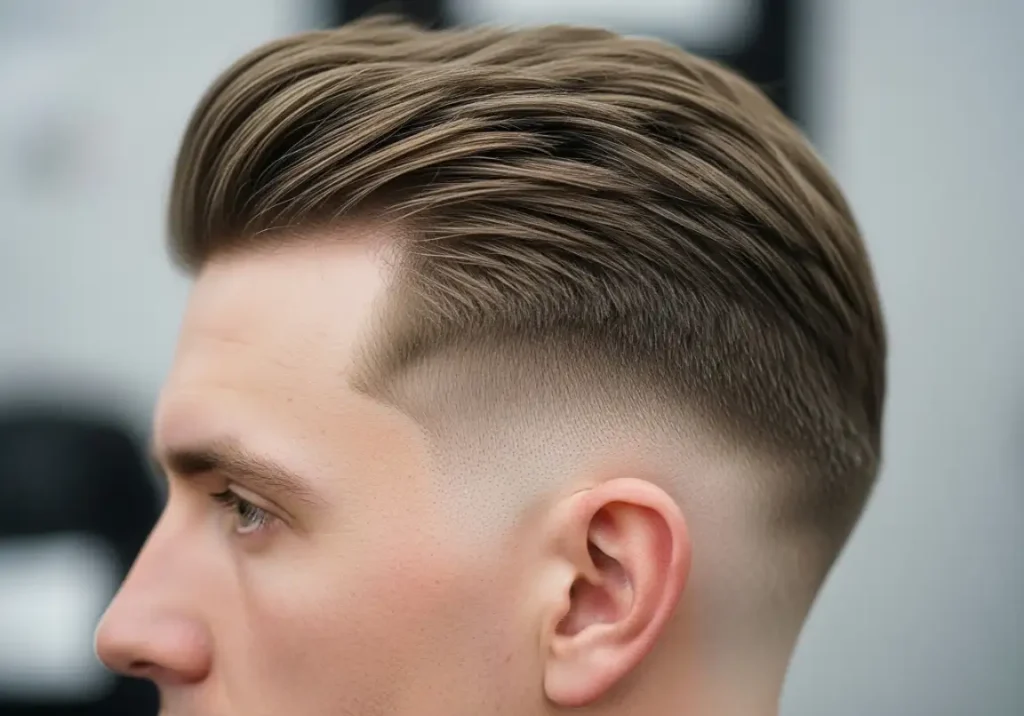
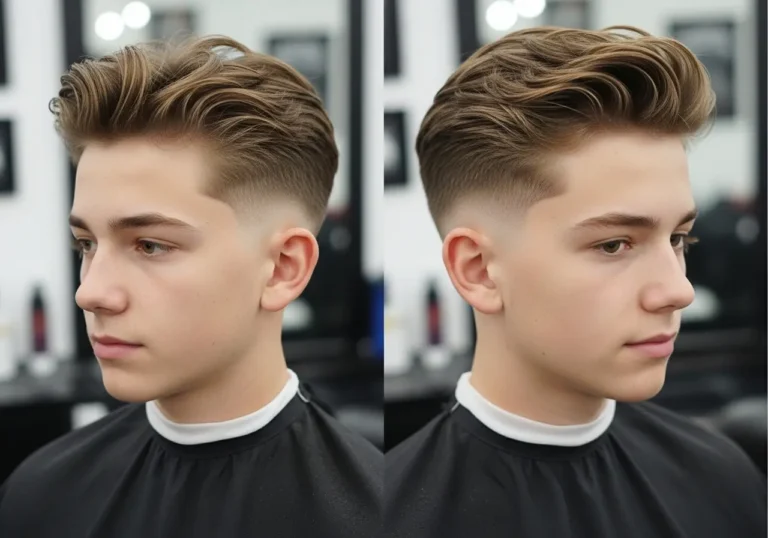
The low taper fade stands as the most popular and versatile variation, starting the fade process just above the ears and blending subtly toward the neckline. This understated style works perfectly for conservative workplaces while maintaining enough edge for casual settings, earning its reputation as the most requested fade haircut worldwide.
What makes the low fade particularly appealing is its gradual transition that never feels abrupt or dramatic. The blend point sits at the natural hairline, creating a clean edge without excessive scalp exposure. This makes it ideal for men transitioning from longer styles or those wanting a professional appearance without committing to more extreme fades.
Styling versatility represents another major advantage. The low taper fade pairs beautifully with medium-length tops, textured crops, side parts, comb overs, and virtually any style that requires shorter sides with maintained length on top. Maintenance requirements remain minimal, with most men scheduling touch-ups every four to six weeks to keep the fade sharp.
For first-time fade wearers, the low taper offers a safe entry point. The subtle nature of the fade means growing it out looks natural if you decide to change styles, unlike higher fades that create more dramatic contrast as they grow.
2: Mid Taper Fade Versatility

The mid taper fade strikes the perfect balance between subtle and bold, starting the tapering process around the temples and blending smoothly down the sides and back. This middle-ground option has surged in popularity among men seeking modern styling with professional acceptability.
Starting at temple height, the mid fade creates more visual contrast than low fades while remaining appropriate for most workplace environments. The increased definition between top and sides makes hairstyle architecture more pronounced, allowing textured styles, quiffs, and swept-back looks to stand out with greater impact.
Adaptability across hair types makes the mid fade particularly valuable. Straight hair achieves clean, sharp lines, while wavy textures gain structure and definition. Curly hair benefits from the weight removal on sides, allowing natural curl patterns to flourish on top without appearing overgrown or unmanaged.
The mid taper works exceptionally well with contemporary styling trends including textured quiffs, messy fringes, slicked-back variations, and modern pompadours. This fade height provides enough canvas for creative top styling while maintaining the clean aesthetic that makes tapers so universally appealing.
3: High Taper Fade Boldness
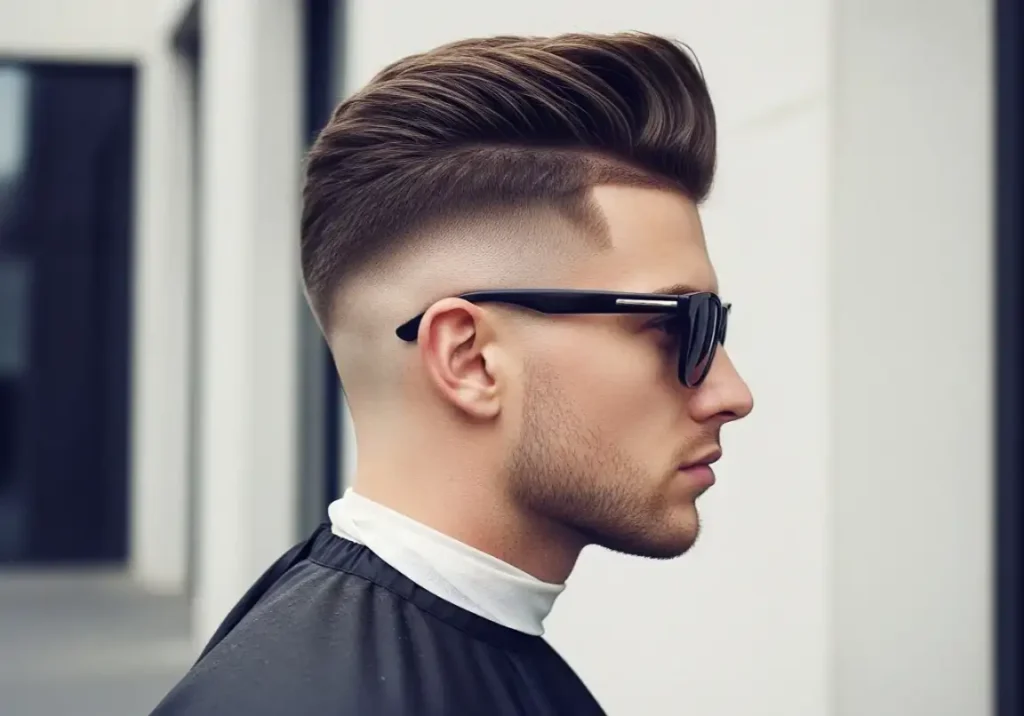
For men seeking maximum contrast and edge, the high taper fade delivers dramatic results by starting the fade process just below the crown area. This bold variation creates significant visual separation between the longer top section and closely cropped sides, making it ideal for statement hairstyles.
The high fade demands confidence and commitment, as the extensive scalp exposure means more frequent barbershop visits to maintain the sharp look. Most wearers find they need biweekly appointments to keep the fade crisp, as even minor growth becomes noticeable with such short sides.
Hair color plays an important role in high fade success. Darker hair provides maximum contrast against scalp color, creating the dramatic effect this style is known for. Light or blonde hair offers less visual impact, sometimes appearing more buzzed than faded, though some men embrace this softer aesthetic.
This aggressive taper pairs perfectly with short tops including buzz cuts, crew cuts, French crops, and textured crops. The high fade also complements edgier styles like faux hawks, spiky textures, and modern mohawks, where the extreme sides enhance the statement the top makes.
4: Skin Fade Precision
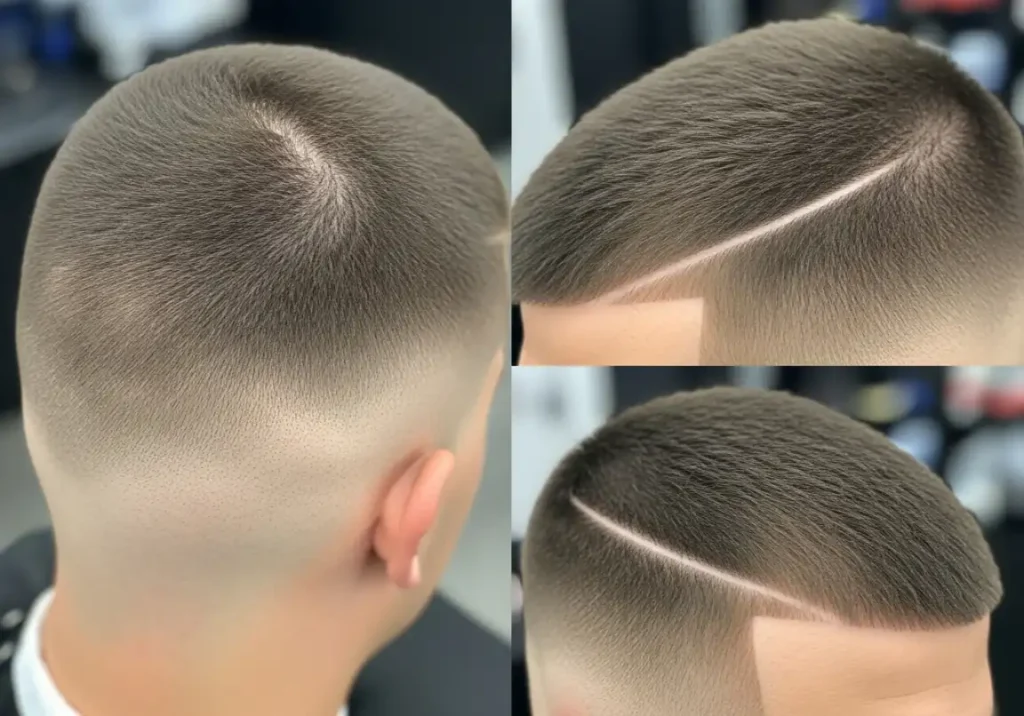
The skin fade, also called a bald fade, represents the ultimate in clean precision, tapering hair down to completely exposed skin at the lowest points. This ultra-sharp variation creates maximum definition and showcases superior barbering skill through seamless blending from visible hair to bare scalp.
Achieving a proper skin fade requires exceptional technical expertise. Barbers must master clipper-over-comb techniques, razor work, and precise blending methods to create the illusion of hair gradually disappearing into skin without visible lines. The result is a fresh, polished appearance that photographs beautifully and makes strong first impressions.
Maintenance demands for skin fades exceed other variations significantly. The stark contrast means even three to four days of growth becomes noticeable, with most wearers scheduling weekly or biweekly appointments to maintain the pristine look. This investment in regular grooming suits men who prioritize impeccable presentation.
Skin fades work at any height level, from low skin fades offering subtle drama to high skin fades creating bold statements. The technique enhances facial features by removing visual distraction around the face, making it popular among men with strong bone structure they want to emphasize.
5: Drop Fade Contouring
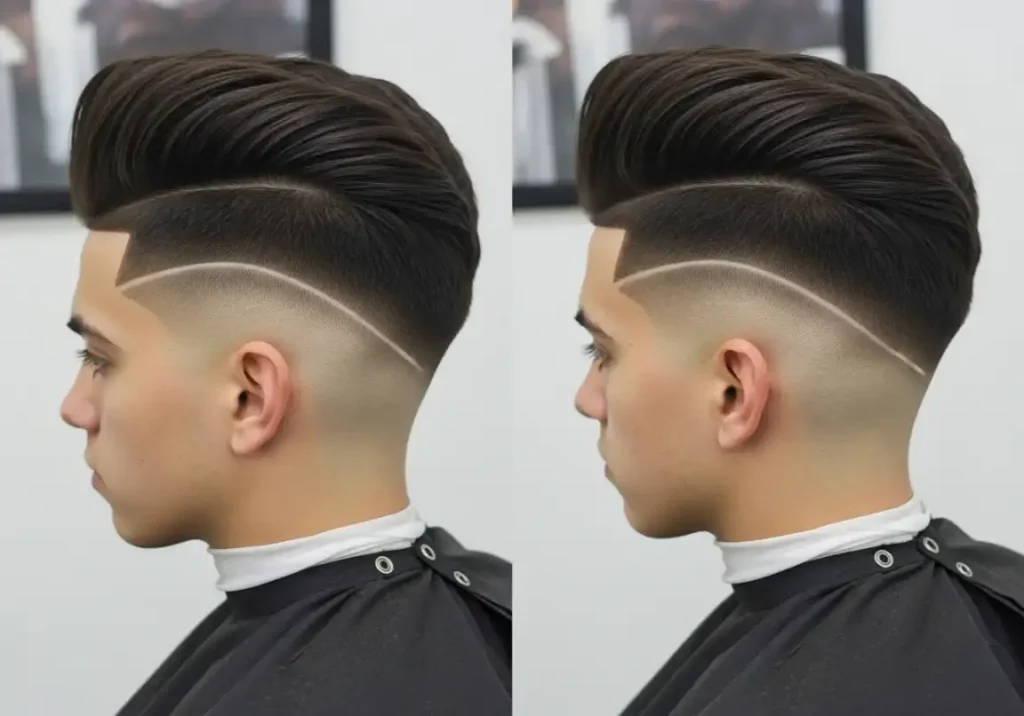
The drop fade introduces curved artistry to traditional fade patterns by following the natural head contour and dropping behind the ears. This anatomically conscious approach creates a softer, more organic transition that flatters head shapes while adding visual interest to the standard fade template.
Unlike straight fades that maintain consistent height levels around the head, the drop effect creates an arc-shaped pattern that dips lower behind the ears before rising again toward the nape. This dimensional approach enhances head proportions and works particularly well for men whose natural hairlines create interesting patterns worth emphasizing.
Styling compatibility makes drop fades incredibly versatile. They pair excellently with pompadours, quiffs, slicked-back styles, and brushed-up looks, where the curved fade complements the directional flow of top styling. The organic shape also works beautifully with natural textures and loose styles.
Professional barbers note that drop fades require slightly more skill and time than standard fades due to the asymmetrical blending involved. However, the results justify the effort, creating a signature look that stands out from conventional fade patterns while maintaining professional acceptability.
6: Burst Fade Around Ears

The burst fade creates a semi-circular pattern concentrated around the ear area, resembling a sunburst effect that adds distinctive character to otherwise conventional styles. This creative variation works exceptionally well with mohawks and faux hawks, where the burst shape enhances the central focus of these styles.
Starting from a central point behind the ear, the burst fade radiates outward, creating shorter hair that fans around the ear while leaving more length at the nape and crown. This targeted approach differs from full-head fades by concentrating the effect in specific areas for maximum visual impact.
Curly hair and textured styles benefit tremendously from burst fades. The selective tapering removes bulk where it’s most problematic around ears while preserving volume and texture elsewhere. This creates balanced proportions that prevent curly styles from appearing too heavy or overwhelming.
Modern interpretations of the burst fade have expanded beyond traditional mohawk pairings to include side-swept styles, textured crops, and natural afros. The versatile technique adapts to various aesthetics while maintaining its signature curved blending pattern that sets it apart from standard fades.
7: Temple Fade Subtlety
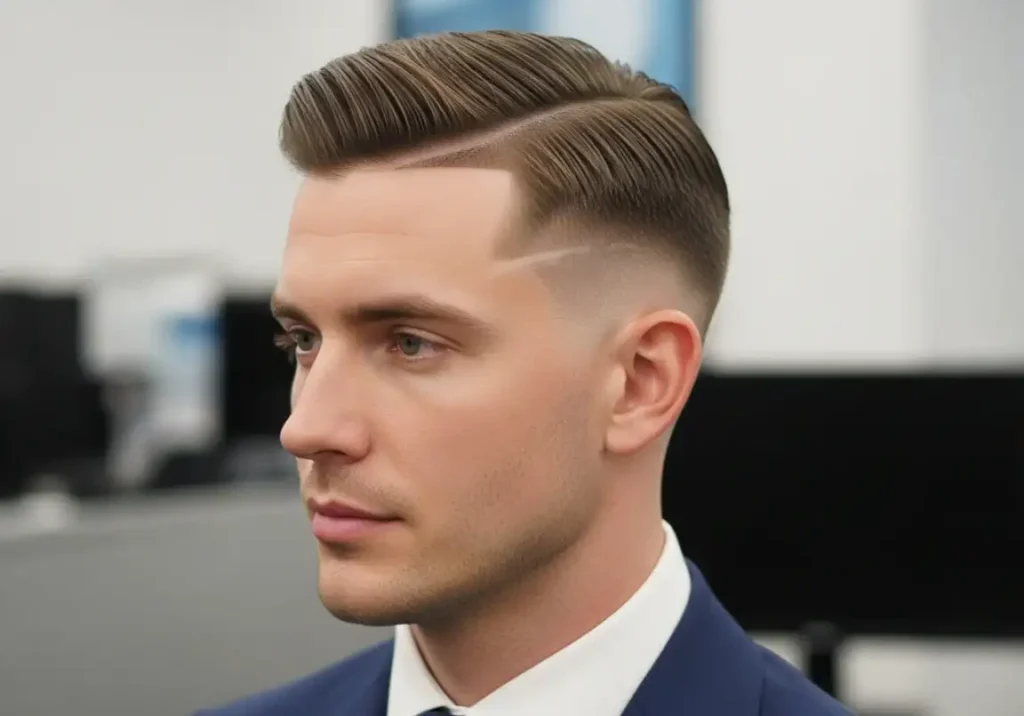
The temple fade, also called a Brooklyn fade, focuses tapering exclusively around the temple area and sideburns while leaving the back and crown at longer, more consistent lengths. This targeted approach offers a refined alternative for men wanting facial framing without full-head fades.
Precision and restraint define the temple fade aesthetic. Rather than aggressive blending throughout the sides and back, this style maintains length except in the temple region, creating clean edges around the face while preserving overall volume. The result feels sophisticated and measured rather than trendy or aggressive.
This conservative variation works perfectly for professional environments where dramatic fades might seem inappropriate. Law offices, financial institutions, and corporate settings where traditional grooming standards prevail find the temple fade strikes an ideal balance between contemporary style and established norms.
Cultural significance gives the temple fade special resonance in certain communities, particularly among Latino communities where the style has deep roots and specific aesthetic associations. Understanding this cultural context helps barbers deliver authentic results that respect the style’s heritage while adapting to individual preferences.
8: Textured Crop With Taper
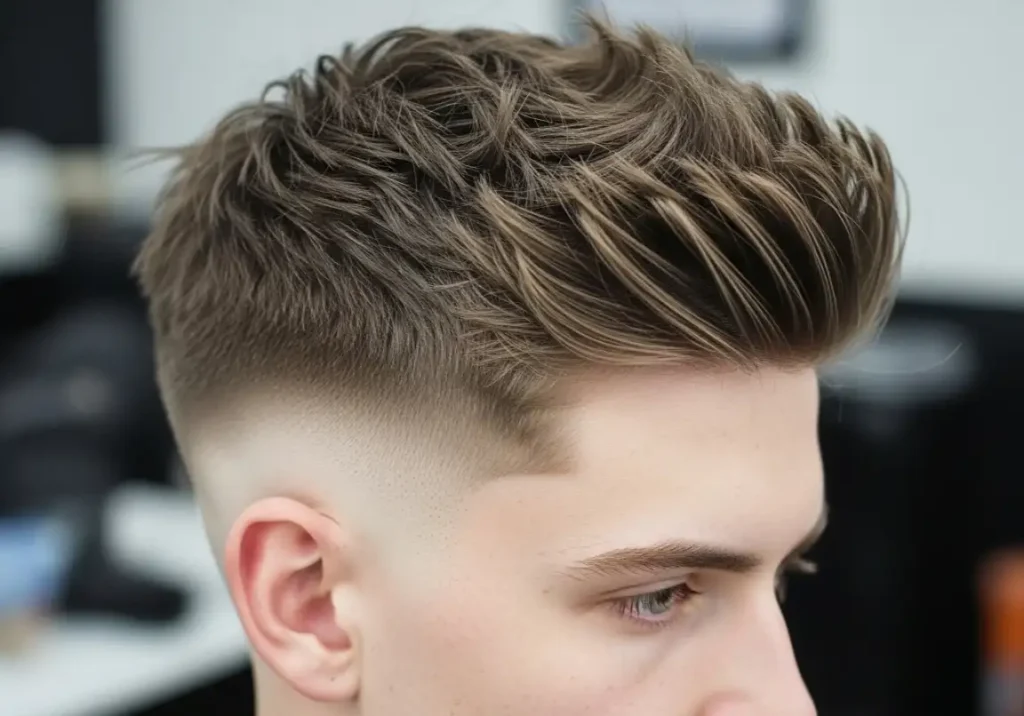
The textured crop combined with a taper represents one of 2025’s most popular men’s hairstyles, featuring choppy layers on top styled forward with movement and dimension while the sides taper cleanly. This modern classic offers effortless style with minimal maintenance demands.
Texturing techniques including point cutting, razor work, and slide cutting create the piecey, separated look that defines this style. Rather than blunt, uniform lengths, the crop features varied lengths that catch light differently and move naturally, creating visual interest without requiring extensive styling.
Product selection matters significantly for textured crops. Matte clays, texture powders, and dry waxes provide the natural-looking hold this style demands, avoiding the shiny finish that would undermine the casual aesthetic. A small amount worked through towel-dried hair typically suffices for all-day hold.
The forward-swept fringe characteristic of textured crops offers facial framing that works particularly well for rectangular and square face shapes, softening angular features while drawing attention to eyes. The style’s youthful energy makes it popular across age groups, though it particularly resonates with men in their twenties and thirties.
9: Classic Crew Cut Taper
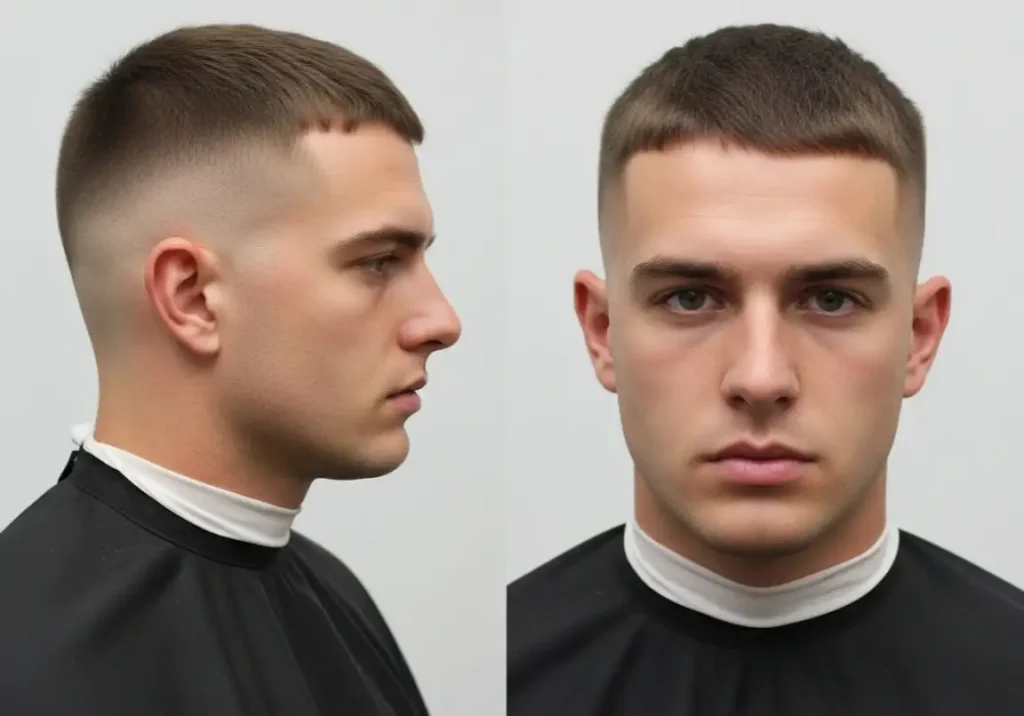
The crew cut remains one of the most iconic short hairstyles for men, and pairing it with a taper enhances its clean-cut appeal while adding modern sophistication. This military-inspired style features uniform short length on top with gradually tapered sides, creating a sharp, athletic appearance.
Practicality stands as the crew cut’s defining advantage. The short length eliminates most styling requirements, making it ideal for active lifestyles, hot climates, and men who prefer minimal grooming routines. A quick application of light pomade or matte paste provides all the styling most crew cuts need.
Modern crew cut variations allow for customization based on individual preferences. Longer crews leave one to two inches on top, creating more styling versatility, while short crews keep everything under an inch for maximum convenience. The tapered sides can range from low to high, further personalizing the look.
Professional versatility makes the crew cut a perennial favorite in conservative industries. The style projects discipline, competence, and attention to detail, qualities valued in business, law enforcement, military, and other traditional professional contexts where appearance communicates character.
10: French Crop Modern Edge
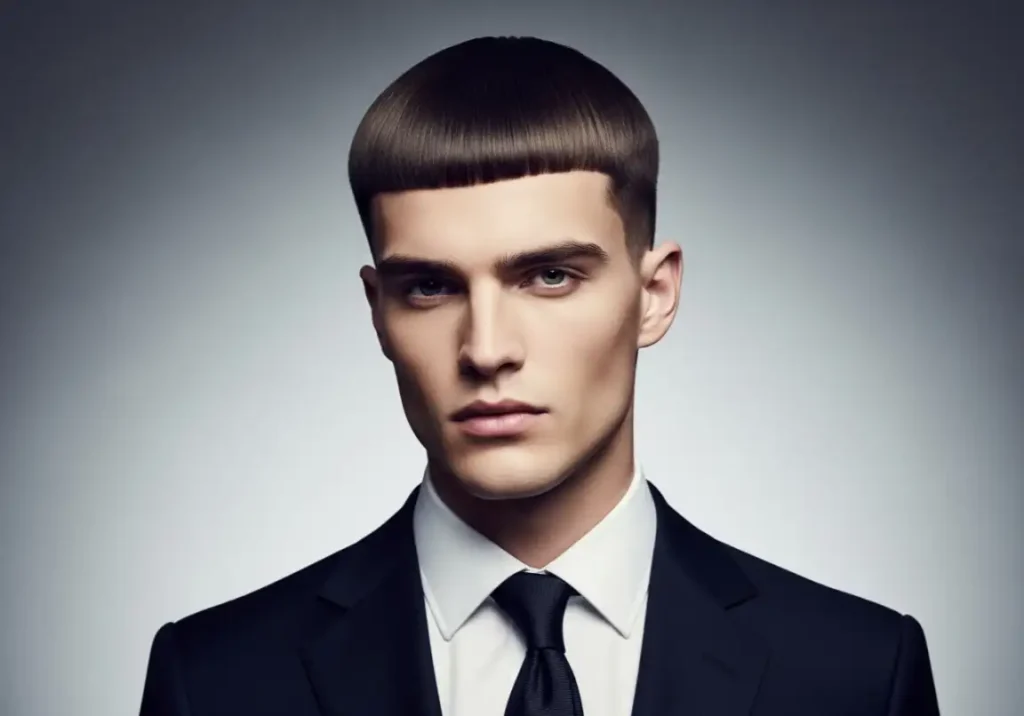
The French crop brings European sophistication to the taper haircut family, featuring a short, blunt fringe that sits horizontally across the forehead while tapered sides keep the look clean and structured. This distinctive style has gained tremendous popularity for its unique silhouette and easy maintenance.
Unlike textured crops with their piecey, separated fringe, the French crop maintains a more uniform, heavier fringe that creates a strong horizontal line. This architectural element provides the style’s signature character, making it instantly recognizable and distinctly different from other short men’s haircuts.
Styling requirements remain refreshingly simple. The blunt fringe naturally falls into place, requiring minimal product or effort. A small amount of matte clay or light cream worked through the fringe and top maintains separation and texture without weighing hair down or creating unwanted shine.
The French crop works exceptionally well for men with naturally straight or slightly wavy hair, where the fringe sits cleanly without excessive curl or texture. Fine hair particularly benefits from this style, as the weight and blunt cut create the illusion of thicker, fuller hair than might otherwise appear.
11: Pompadour Volume Statement

The pompadour represents the ultimate volume-focused hairstyle, sweeping hair upward and back from the forehead to create dramatic height and retro-inspired sophistication. When combined with tapered sides, the pompadour achieves perfect proportion balance between bold top styling and clean side profiles.
Achieving a proper pompadour demands both hair length and styling skill. The front section needs sufficient length to create impressive height when styled upward, typically requiring three to six inches depending on desired volume. Blow-drying technique becomes crucial, with round brushes and directional heat creating the foundation for long-lasting height.
Product layering separates amateur pompadours from professional results. Starting with heat protectant spray before blow-drying, then applying volumizing mousse or pre-styler, and finishing with strong-hold pomade creates the structured support necessary for all-day height. The right product combination prevents flat, droopy results that plague poorly executed pompadours.
Modern pompadours embrace texture and natural movement rather than the slicked perfection of vintage versions. This contemporary interpretation feels less formal and more versatile, transitioning easily from business meetings to casual outings without appearing overdressed or excessively styled.
12: Quiff Contemporary Lift

The quiff offers a softer, more casual alternative to the pompadour, featuring lifted front hair with looser styling that creates height without rigid structure. Combined with tapered sides, the quiff achieves balanced proportions that work across various professional and casual contexts.
Styling flexibility distinguishes quiffs from pompadours. Where pompadours demand precise styling and strong hold, quiffs accommodate messier textures and natural movement. This relaxed approach suits men who want noticeable style without appearing overly groomed or high-maintenance.
The directional flow of quiff styling creates facial elongation, making it particularly flattering for round and square face shapes seeking vertical balance. The upward and back movement draws eyes upward, creating the illusion of height and longer proportions that benefit these face types.
Product selection for quiffs typically favors medium-hold options that provide structure without stiffness. Matte clays, creams, and light pomades allow the natural movement quiffs require while preventing the flat collapse that undermines the style’s signature lift.
13: Slick Back Sophistication

The slicked-back hairstyle exudes timeless elegance, sweeping all hair backward from the forehead to create a smooth, refined appearance that pairs beautifully with tapered sides. This classic styling works equally well in corporate boardrooms and formal events, projecting maturity and polish.
Achieving proper slick back styling requires adequate hair length, typically three to five inches minimum on top. Longer lengths create more dramatic sweeps, while shorter versions offer subtle slickness that maintains a modern edge. The key lies in smooth, continuous flow without gaps, separations, or bumps that disrupt the sleek aesthetic.
High-shine pomades traditionally define slicked-back styles, creating the glossy finish associated with vintage Hollywood and classic grooming. However, modern interpretations increasingly favor medium-shine or even matte finishes that maintain the backward direction without excessive shine, creating contemporary sophistication rather than retro throwback vibes.
Maintenance throughout the day becomes a consideration with slicked-back styles. Stronger hold products maintain position better but can feel stiff or crunchy, while lighter products allow more natural movement but may require touch-ups. Finding the right product strength for your hair type and daily activities ensures all-day success.
14: Faux Hawk Edge

The faux hawk brings mohawk attitude without extreme commitment, creating vertical volume down the center of the head while tapered sides provide clean contrast. This edgy yet acceptable style works for men wanting bold personality without the professional limitations true mohawks impose.
Styling versatility makes faux hawks particularly appealing. Depending on product application and blow-dry technique, the same haircut can create subtle center lift for daily wear or dramatic spikes for nights out. This transformative capability provides multiple looks from a single cut.
Hair texture significantly impacts faux hawk execution. Thick, coarse hair creates the fullest, most dramatic spikes, while fine hair achieves softer, more subtle lift. Wavy and curly textures add natural dimension to the central volume, creating interesting movement without requiring aggressive styling.
The taper height dramatically affects faux hawk impact. Low tapers create subtle contrast suitable for conservative settings, while high or skin fades deliver maximum drama that makes the central volume impossible to ignore. Choosing the right fade intensity ensures the style matches your lifestyle and professional requirements.
15: Buzz Cut Minimalism
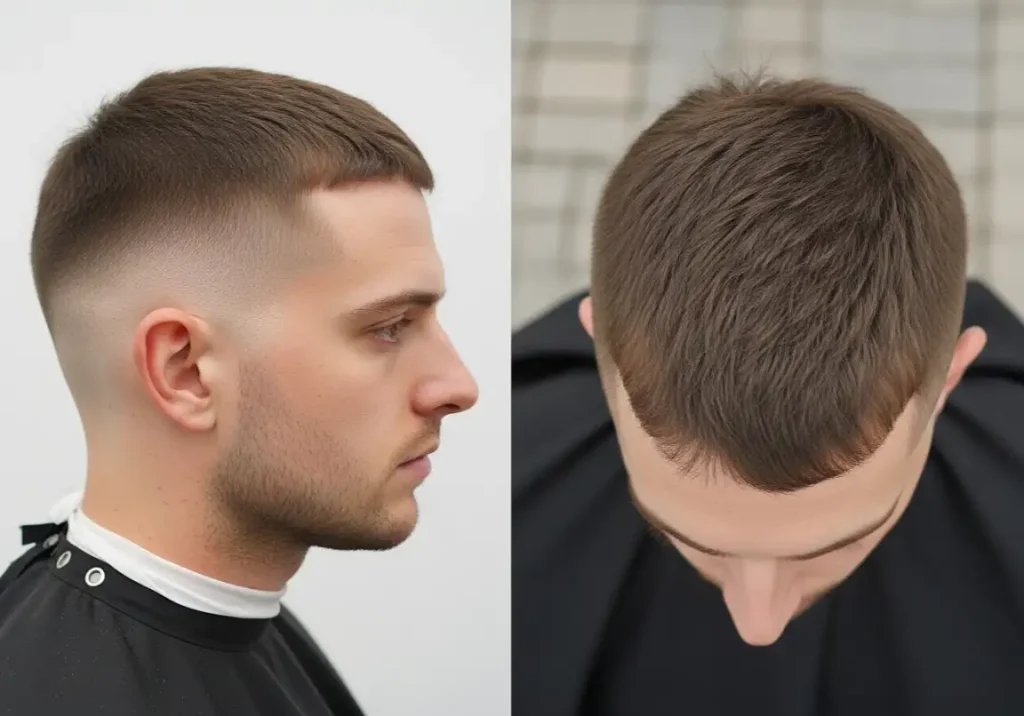
The buzz cut represents ultimate simplicity, featuring uniform short length across the entire head or top while tapered sides add modern refinement. This no-nonsense style appeals to men prioritizing convenience, low maintenance, and practical grooming over elaborate styling.
Clipper guard selection determines buzz cut character. Number 1 guards create nearly shaved heads with minimal visible hair, while number 4 or 5 guards leave enough length for slight texture and styling options. The guard number chosen reflects both personal preference and practical considerations like head shape and scalp condition.
Head shape becomes more visible with buzz cuts than any other style, making this an important consideration before committing. Well-proportioned heads with minimal irregularities wear buzz cuts confidently, while those with prominent features or uneven contours might prefer slightly longer lengths that provide more coverage.
Despite their simplicity, buzz cuts benefit from regular maintenance. Weekly or biweekly trims keep the uniform length consistent and prevent the overgrown appearance that can make buzz cuts look neglected rather than intentionally styled. This frequent upkeep represents the trade-off for daily styling simplicity.
16: Man Bun Balance
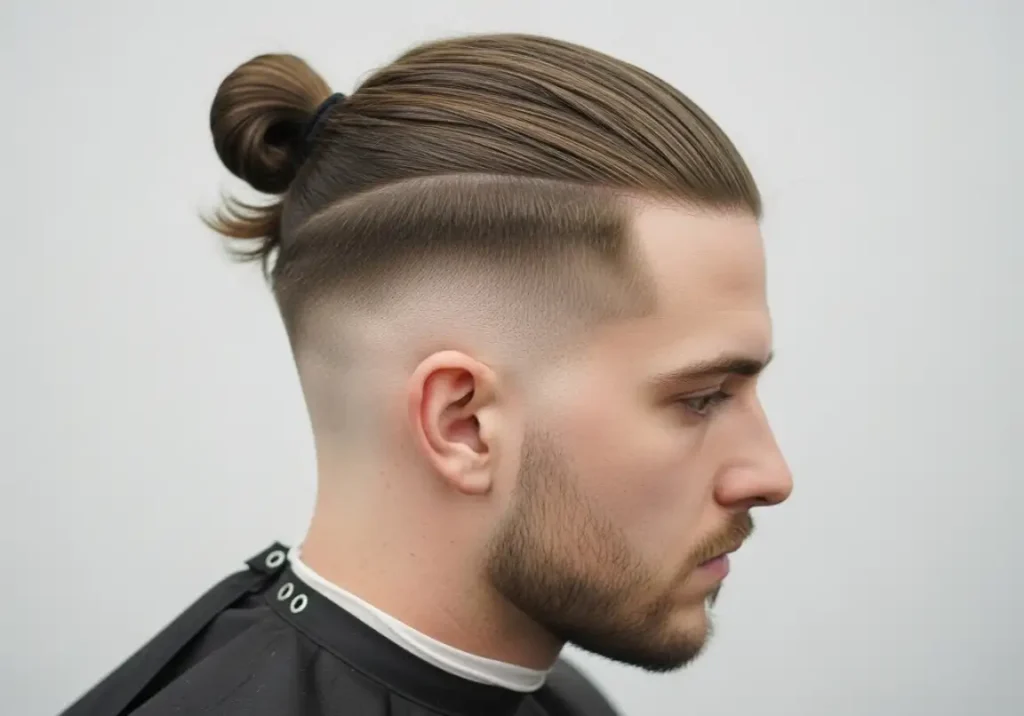
The man bun combines long top length with tapered sides, creating dramatic contrast between pulled-back hair and clean-shaved or closely cropped sides. This trendy combination has evolved from hipster cliché to legitimate styling option that works across various contexts when executed properly.
Length requirements for functional man buns typically demand six inches minimum on top, though longer hair creates fuller buns with more styling versatility. The growth period to achieve this length requires patience and commitment, making the man bun a longer-term styling decision than most other taper variations.
Styling execution separates polished man buns from sloppy attempts. The bun should sit high on the head or at the crown, not drooping low at the nape, which creates an unflattering silhouette. Hair should pull tightly without excessive flyaways, creating a clean, intentional appearance rather than messy neglect.
The tapered sides transform the man bun from casual to contemporary, adding structure and definition that prevents the style from appearing unkempt. This contrast between long and short creates visual interest and demonstrates deliberate grooming rather than simply growing hair out.
17: Side Part Classic
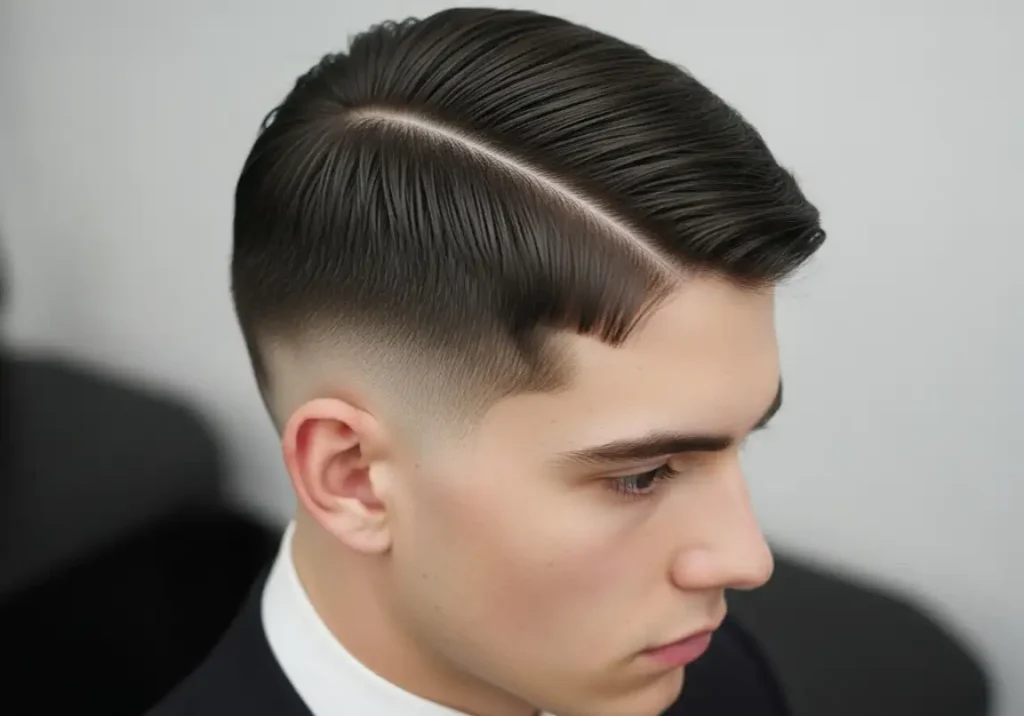
The side part represents one of the most enduring men’s hairstyles, featuring hair parted to one side with tapered sides creating clean definition. This gentleman’s haircut projects professionalism, maturity, and timeless style that never feels dated or trendy.
Part placement dramatically affects the style’s character. Deep side parts create more dramatic contrast between sides, producing bold, asymmetrical looks, while subtle parts maintain balanced proportions with understated elegance. The natural hair pattern often suggests ideal part location, working with rather than against growth patterns.
Modern side parts embrace texture and movement rather than the slicked flatness of vintage versions. Matte products and looser styling create contemporary interpretations that feel current while respecting the style’s classic foundation. This updated approach makes side parts accessible to younger audiences who might otherwise dismiss them as old-fashioned.
Professional appeal keeps the side part relevant across decades. The refined appearance works beautifully in conservative industries where traditional grooming communicates competence and reliability. Yet the style’s versatility allows casual interpretations that work equally well outside professional contexts.
18: Curly Hair Taper

Curly hair benefits tremendously from tapered sides, which remove bulk and weight while allowing natural curl patterns to flourish on top. This texture-enhancing approach creates balanced proportions that prevent curly styles from appearing overwhelming or unkempt.
The low taper fade works particularly well for curly textures, providing clean edges without excessive scalp exposure that some curl patterns struggle to achieve. The gradual transition maintains enough length for curl definition while creating the structured sides that balance voluminous tops.
Moisture and curl definition products become crucial for maintaining healthy-looking curls with tapered cuts. Leave-in conditioners, curl creams, and gels enhance natural patterns while preventing frizz and dryness that undermine the style. Regular deep conditioning treatments keep curls bouncy and vibrant.
Barber selection matters significantly for curly hair tapers. Not all barbers understand curly hair behavior, particularly how wet curls shrink substantially when dry. Finding a curl-specialist barber who cuts dry curls ensures accurate length and shape rather than shorter-than-expected results from wet cutting.
19: Afro Taper Definition
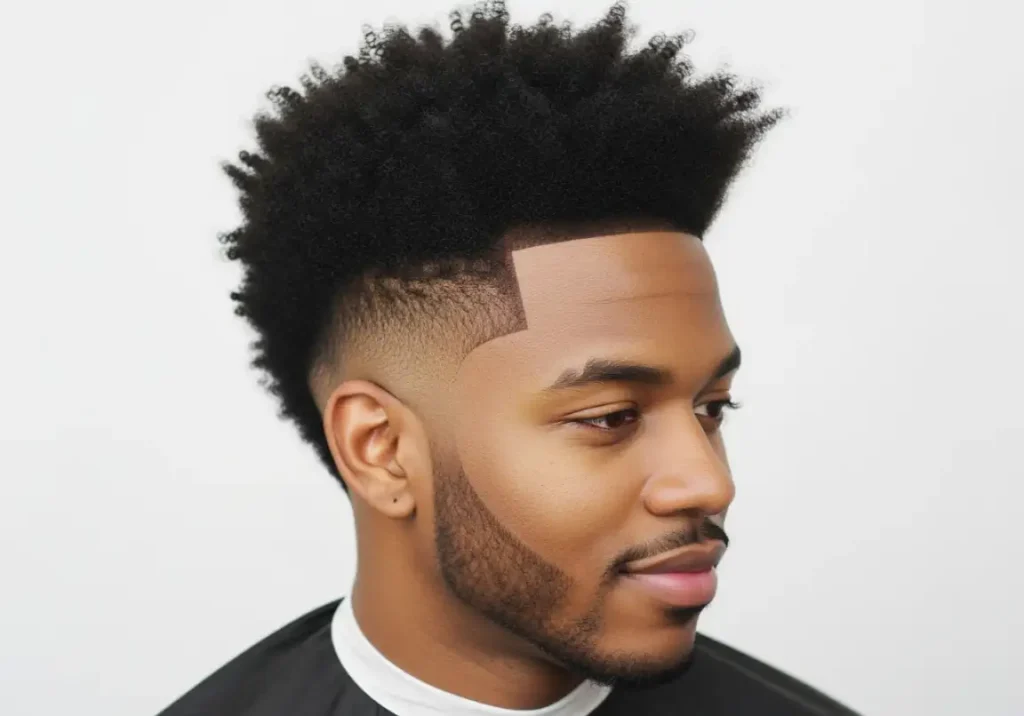
The afro taper celebrates natural Black hair textures while incorporating tapered sides that add structure and definition to the classic afro shape. This culturally significant style honors natural hair while embracing contemporary grooming techniques that enhance rather than suppress texture.
Height control becomes the primary consideration with afro tapers. The sides taper down to create clean edges, while the top maintains natural volume and curl pattern. This contrast between short sides and full top creates appealing proportions that showcase hair texture beautifully.
Moisture maintenance remains essential for healthy afro styling. Natural oils, butters, and water-based moisturizers keep coily hair hydrated and elastic, preventing breakage and dryness. Regular scalp massages with natural oils stimulate healthy growth while distributing natural sebum.
The cultural pride associated with natural afros adds deeper meaning beyond aesthetics. Wearing an afro taper represents both self-acceptance and connection to heritage, making it a powerful statement about identity and beauty standards. This cultural dimension enriches the style beyond simple grooming choices.
20: Dreadlocks With Taper
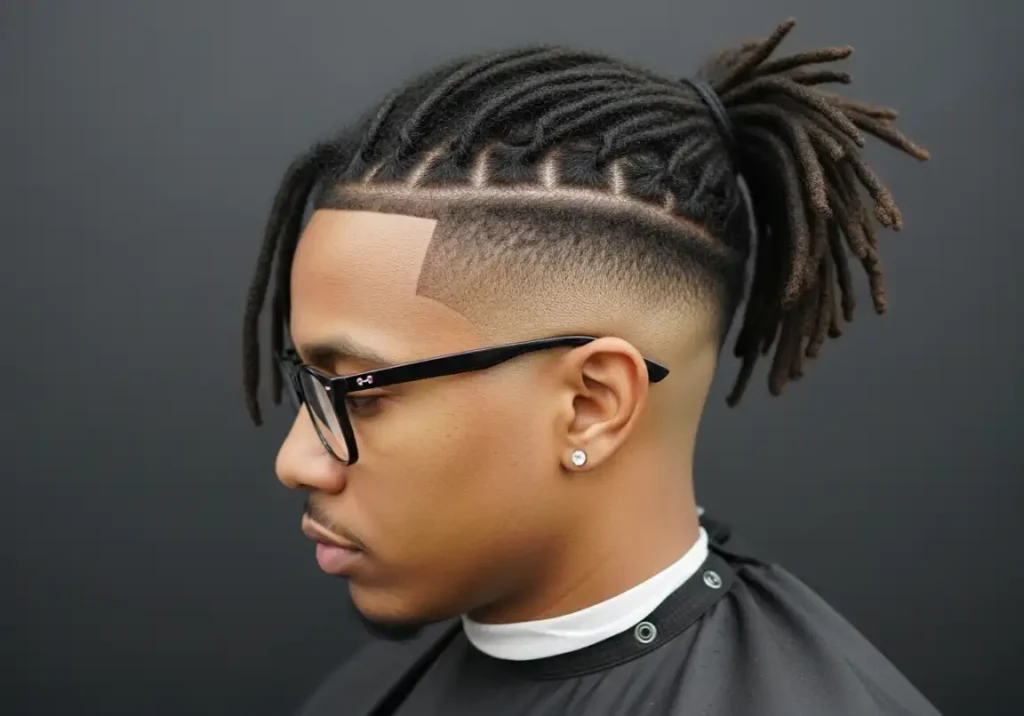
Dreadlocks combined with tapered sides create striking contrast between textured locs on top and clean-shaved or closely cropped sides. This modern interpretation of traditional locs incorporates contemporary grooming that makes the style workplace-appropriate while maintaining cultural authenticity.
Loc length determines styling options, with shorter locs pulling into small ponytails or remaining free-flowing, while longer locs enable complex updos, braids, and wrapped styles. The tapered sides provide clean contrast regardless of loc length, creating definition that highlights the textured top.
Maintenance routines for locs with tapered sides involve both loc care and fade upkeep. Regular retwisting or palm rolling maintains loc definition, while scheduled taper touch-ups keep sides crisp. This dual maintenance requires commitment but delivers impressive results.
Professional acceptance of well-maintained locs has grown significantly, particularly when combined with tapered sides that demonstrate intentional grooming. The clean sides signal professionalism while the locs maintain cultural expression, creating balance that works in diverse workplace environments.
21: Mullet Modern Revival
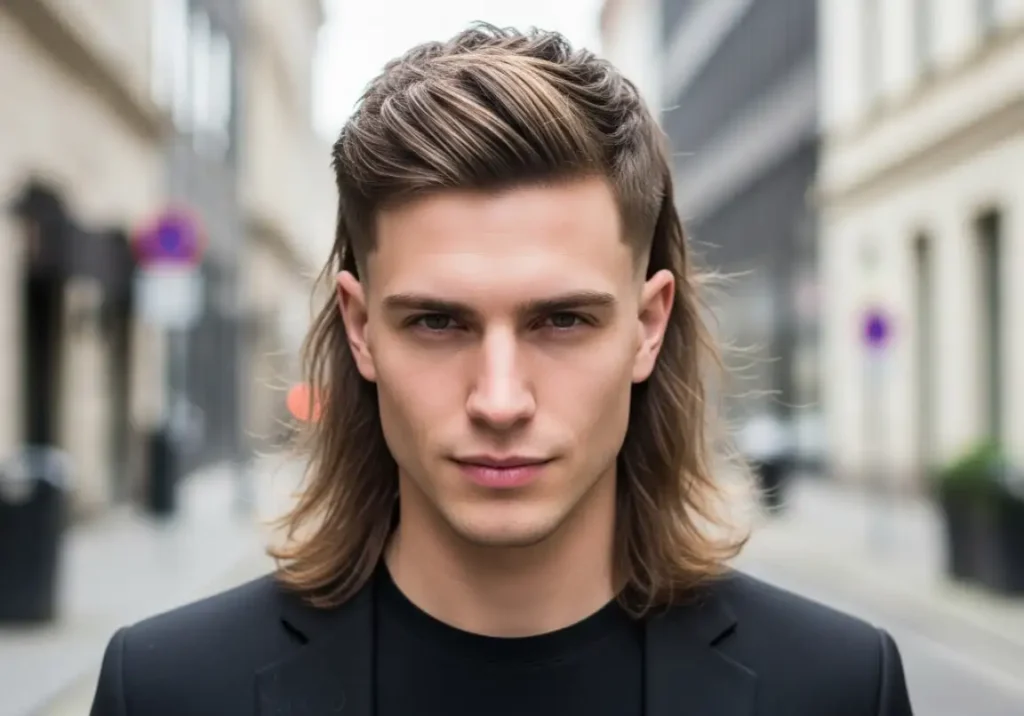
The mullet has experienced remarkable resurgence, transitioning from punchline to legitimate styling option when executed with modern techniques including tapered sides. This business in front, party in back approach creates distinctive character that stands out in an era of conservative cuts.
Contemporary mullets differ dramatically from 1980s versions, incorporating textured layers, graduated lengths, and intentional styling rather than permed excess and feathered chaos. The taper sides add modern structure, preventing the dated appearance that plagued vintage mullets.
Confidence becomes essential for mullet success. This polarizing style generates strong reactions, requiring self-assurance to pull off effectively. Men who commit fully to the mullet aesthetic wear it better than those hedging or apologizing for their choice.
The length contrast between short front and long back demands careful proportion management. Too extreme and the style becomes costume-like, too subtle and it loses its distinctive character. Finding the sweet spot creates intentional edge without crossing into parody territory.
22: Comb Over Sophistication

The comb over has shed its toupee associations to become a legitimate styling option that combines swept-over hair with tapered sides for refined appearance. This versatile style works across age groups and hair types, offering sophisticated simplicity.
Part placement defines comb over character, with side parts creating the division point from which hair sweeps across. Low parts near the ear create dramatic sweeps, while higher parts produce subtler movement that feels less formal.
Product selection determines whether comb overs achieve polished shine or matte texture. Traditional pomades create classic gloss, while modern clays and creams provide contemporary matte finishes that feel less formal and more everyday wearable.
Thinning hair actually works advantageously with comb overs, as the swept direction creates coverage and volume that makes fine hair appear fuller. This camouflage benefit makes comb overs popular among mature men managing hair loss while maintaining stylish appearance.
23: Textured Fringe Forward
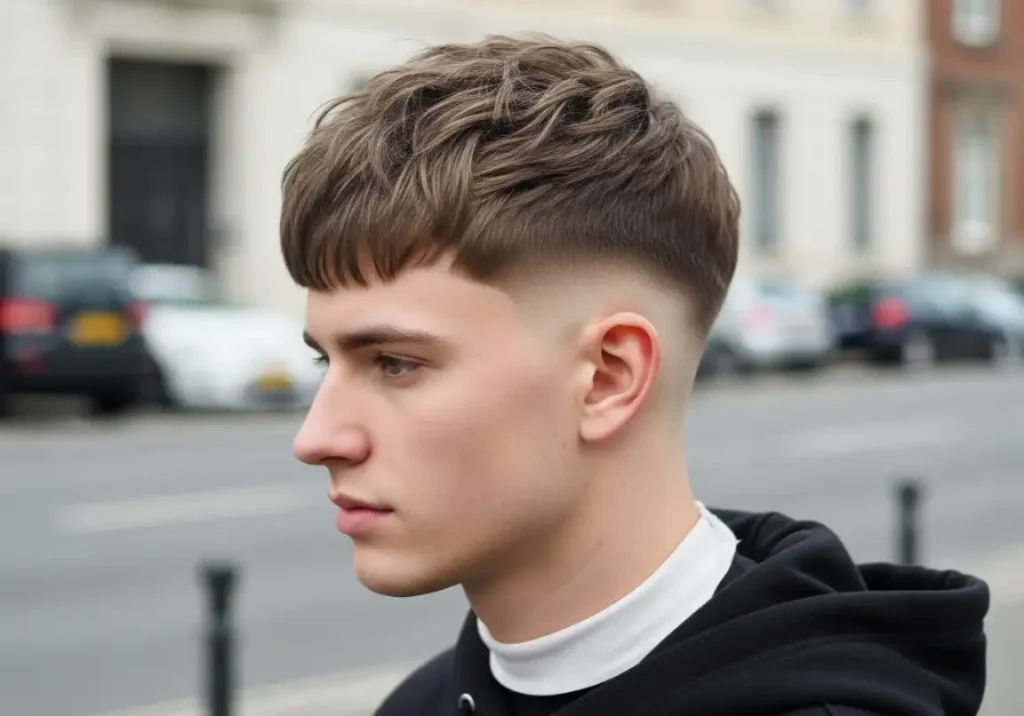
The textured fringe features choppy, separated bangs styled forward while tapered sides create clean contrast. This youthful, contemporary style has become one of the most requested cuts among younger men seeking low-maintenance style with high visual impact.
Texturing techniques create the piecey separation that defines this style. Point cutting and razor work produce irregular lengths that fall naturally separated rather than forming a blunt wall across the forehead. This broken-up texture catches light differently, creating dimension and movement.
Styling simplicity makes textured fringes particularly appealing. Towel-dried hair with a small amount of matte product scrunched through achieves the desired look without blow-drying or extensive manipulation. This quick routine suits busy lifestyles and morning routines.
Face shape flattery works particularly well for oval and rectangular faces, where the forward fringe creates horizontal balance that softens angular features. Round faces should approach cautiously, as forward fringes can widen appearance rather than elongate.
24: High Top Fade Volume
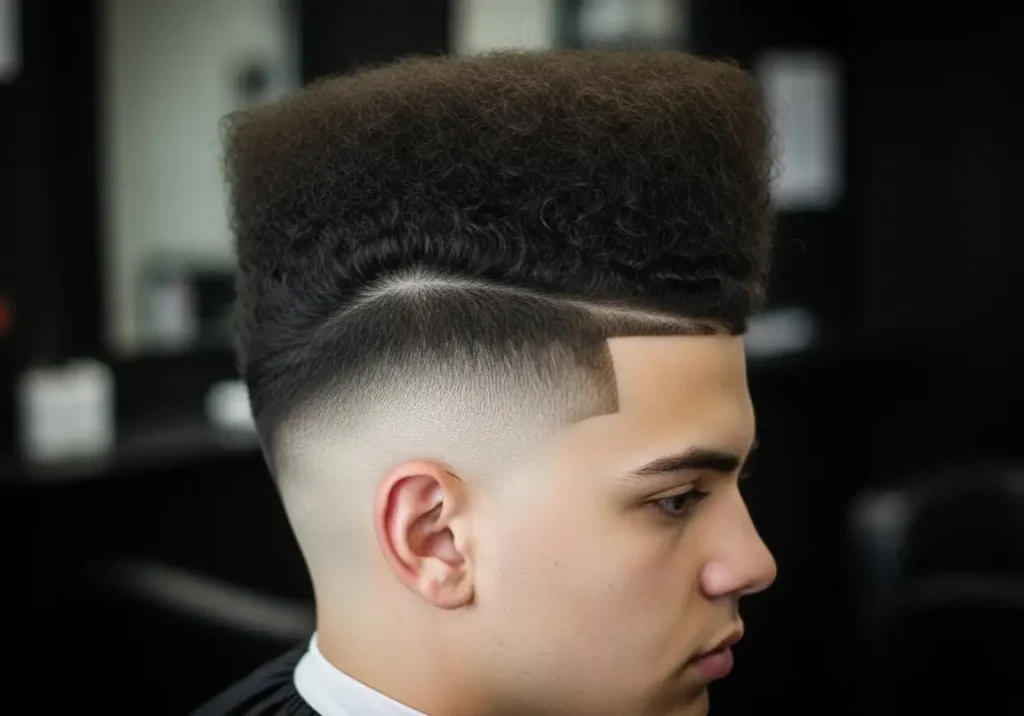
The high top fade creates maximum height on top while sides taper to skin or near-skin, producing dramatic vertical proportions that make bold statements. This culturally significant style has roots in hip-hop culture and continues evolving with contemporary interpretations.
Height achievement requires both hair length and styling technique. Natural curl patterns provide organic lift, while blow-drying with round brushes and lifting techniques maximizes vertical volume. Strong-hold products maintain height throughout the day without drooping.
Face shape elongation makes high tops particularly flattering for round faces seeking vertical balance. The dramatic height draws eyes upward, creating length illusion that counters roundness. Oval and rectangular faces should moderate height to avoid over-elongating proportions.
Cultural significance adds meaning beyond aesthetics, connecting wearers to hip-hop heritage and Black cultural expression. Understanding this historical context enriches appreciation for the style beyond simple visual appeal.
25: Skin Taper With Design
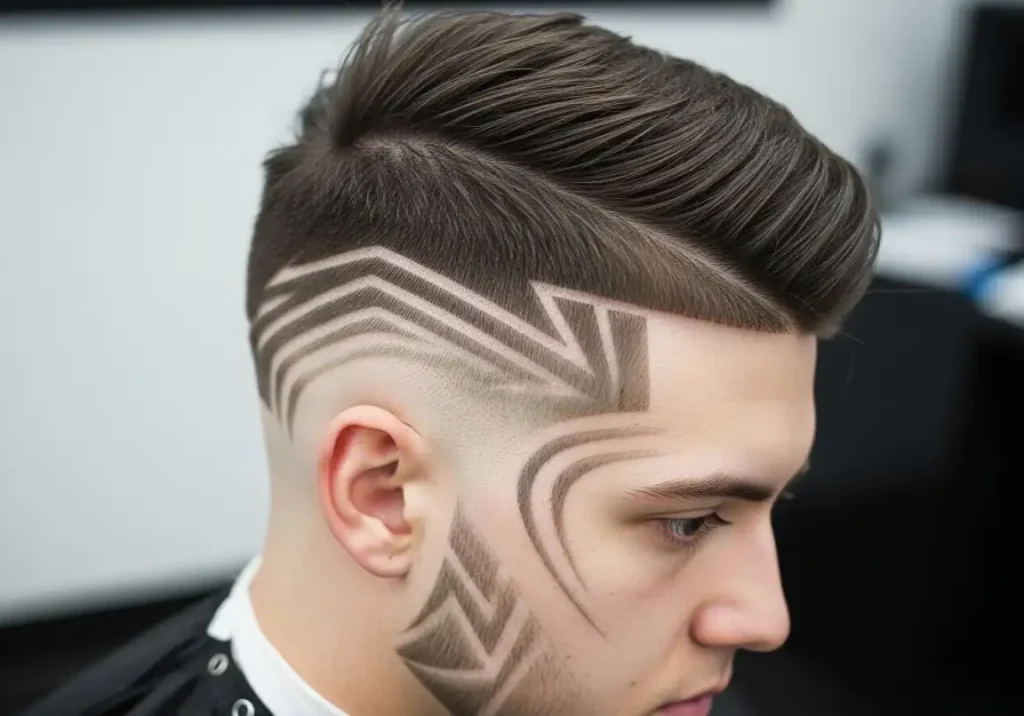
Hair designs carved into tapered sides add personalized artistry to standard fades, creating unique expressions through geometric patterns, lines, symbols, or images shaved into hair. This creative customization transforms functional haircuts into wearable art.
Design complexity ranges from simple lines and geometric shapes to intricate portraits and detailed patterns. Simpler designs maintain visibility longer as hair grows, while complex artwork requires frequent touch-ups to preserve clarity. Budget and maintenance commitment should guide complexity choices.
Barber skill becomes paramount for design work, as precision and artistic ability separate amateur attempts from professional results. Finding a barber with demonstrated design experience through portfolio review ensures quality outcomes rather than disappointing approximations.
Temporary nature makes hair designs low-commitment experimentation, as growing out erases designs within weeks. This flexibility encourages creative risk-taking without permanent consequences, perfect for men wanting temporary boldness or special occasion styling.
26: Caesar Cut Modern Interpretation
The Caesar cut features short, horizontal fringe with even length throughout and tapered sides, creating a Roman-inspired aesthetic that balances historical reference with contemporary execution. This understated style works excellently for thinning hair and receding hairlines.
Horizontal fringe defines Caesar cut character, sitting straight across the forehead in blunt lines rather than textured or swept variations. This distinctive element creates instant recognition while providing forehead coverage that benefits men with receding hairlines.
Minimal styling requirements make Caesars particularly practical. The short length and natural fall mean most wearers simply towel-dry and go, occasionally adding light product for texture or hold. This convenience appeals to men prioritizing efficiency over elaborate grooming.
Historical coolness factor shouldn’t be underestimated. Named after Julius Caesar, who reportedly wore this style to conceal baldness, the cut carries classical associations that add intellectual gravitas to its practical benefits. This cultural weight makes a simple cut feel more significant.
27: Undercut Taper Combination
The undercut taper merges two popular techniques, creating dramatic disconnect between long top sections and tapered sides that blend rather than maintaining the harsh line of traditional undercuts. This hybrid approach offers versatility and modern edge while softening the extreme contrast pure undercuts create.
Blending techniques distinguish undercut tapers from standard undercuts. Where traditional undercuts maintain one consistent length on sides before abrupt transition to top length, undercut tapers gradually blend the sides, creating softer visual flow between sections. This modification makes the style more versatile and professional.
Styling flexibility ranks among the undercut taper’s greatest assets. The substantial top length enables slicked-back styles, pompadours, quiffs, textured crops, and countless other options, while the tapered sides maintain clean appearance regardless of top styling choices.
Growth management becomes easier with undercut tapers compared to traditional undercuts. The blended transition means growing out looks more natural and less awkward, as the gradual taper prevents the mushroom effect that plagues grown-out traditional undercuts.
Conclusion
The taper haircut has proven itself far more than a passing trend, establishing itself as a foundational technique in modern men’s grooming. From classic low fades offering subtle sophistication to bold high tops making dramatic statements, the versatility within the taper family ensures every man can find a variation matching his personal style, professional requirements, and lifestyle needs.
Understanding the technical distinctions between fade heights, blending techniques, and styling combinations empowers you to communicate effectively with barbers, ensuring you receive exactly the cut you envision. Whether you prefer minimal maintenance buzz cuts, textured contemporary crops, or volume-focused pompadours, incorporating tapered sides elevates the overall appearance while maintaining clean, polished edges.
The enduring popularity of taper haircuts stems from their unique ability to balance timeless appeal with modern adaptability. As grooming trends evolve, the fundamental tapering technique remains constant, simply expressed through new top styling variations and creative interpretations. This ensures taper haircuts will continue dominating barbershops and style guides for years to come.
Your ideal taper variation awaits among these 27-plus options. Consider your hair texture, face shape, professional environment, and personal aesthetic when making selections. Don’t hesitate to try multiple variations over time, as hair grows back and preferences evolve. The journey to finding your signature taper style is part of developing your personal grooming identity.
5 Frequently Asked Questions
How often should I get my taper haircut maintained?
Maintenance frequency depends on fade height and personal preferences. Low taper fades typically need touch-ups every four to six weeks to maintain clean lines, while mid tapers require appointments every three to four weeks. High fades and skin fades demand the most frequent maintenance, usually every two to three weeks, as the dramatic contrast makes growth more noticeable. If you maintain longer top length, you can extend time between cuts by having barbers refresh sides without touching the top. Professional environments requiring impeccable grooming justify more frequent visits, while casual settings allow longer intervals. Discuss your schedule and budget with your barber to establish a maintenance plan that keeps your taper looking sharp without excessive time or financial investment.
Can taper haircuts work with thinning or receding hair?
Absolutely. Taper haircuts actually work exceptionally well for thinning hair and receding hairlines when approached strategically. The shorter sides create contrast that draws attention to remaining hair on top, making it appear fuller by comparison. Styles like Caesar cuts, crew cuts, and textured crops with tapered sides camouflage thinning effectively while maintaining stylish appearance. Low taper fades work better than high fades for receding hairlines, as they maintain more coverage around the temple area. Avoid styles requiring significant length like pompadours or man buns if thinning is advanced, as these emphasize sparse areas. Instead, embrace shorter lengths with textured styling that creates visual fullness through dimension rather than relying on hair density. Consult an experienced barber who can recommend specific approaches for your hair loss pattern.
What is the difference between a taper and a fade?
While often used interchangeably, taper and fade technically describe different cutting approaches. A taper creates a gradual length reduction from top to bottom while maintaining visible hair throughout, never cutting down to bare skin. Think of it as hair getting progressively shorter but never disappearing completely. A fade, conversely, blends hair down to skin level at the shortest points, creating visible scalp exposure. Fades use closer clipper guards and often incorporate razor work to achieve skin-level blending. In practice, many modern cuts combine both techniques, creating taper fade haircuts that gradually reduce length before fading to skin at the neckline or bottom edges. When requesting cuts, use reference photos to ensure your barber understands your desired final look, as terminology varies by region and shop.
What products should I use to style taper haircuts?
Product selection depends entirely on your chosen top style and desired finish. For textured crops, fringes, and casual styles, matte clays and texture pastes provide natural-looking hold without shine, creating contemporary finishes. Pompadours, quiffs, and slicked-back styles benefit from medium to strong-hold pomades, with shine level depending on whether you want classic gloss or modern matte. Lightweight creams and lotions work for shorter cuts like crew cuts and buzz cuts that need minimal product. Pre-stylers including sea salt sprays, volumizing mousses, and heat protectants enhance blow-dry results for volume-dependent styles. Start with small amounts and add more as needed, as over-application creates greasy, heavy results. Experiment with different products to find combinations matching your hair type, styling goals, and preferred routine complexity.
Are taper haircuts appropriate for professional environments?
Taper haircuts are among the most professionally acceptable hairstyles for men across virtually all industries. The clean, structured appearance created by tapered sides communicates attention to grooming and professional polish. Conservative workplaces including law firms, financial institutions, and corporate offices welcome low to mid taper fades paired with classic top styles like side parts, crew cuts, or neat textured crops. Even creative industries and less formal environments appreciate the refined aesthetic while allowing more adventurous top styling or higher fade variations. The key is matching fade height and top style to your specific workplace culture. When in doubt, err conservative with low fades and traditional styling, then gradually adjust as you gauge organizational norms. Well-maintained tapers demonstrate professional commitment through regular grooming, a quality valued across industries.
You may also like this post: 24 Trendy Long Haircuts That Add Volume, Shape & Movement