Teenage Men Haircuts: Trendy Styles For 16-19-Year-Olds in 2026
The journey from adolescence to young adulthood brings numerous changes, and among them is the quest for a signature hairstyle for teenage guys that reflects emerging identity and personal style. For males aged 16 to 19, selecting the right haircut goes beyond following trends. It becomes a powerful form of self-expression that bridges the gap between youthful experimentation and mature sophistication.
In 2026, the landscape of Teenage Men Haircuts has evolved dramatically, blending classic barbering techniques with contemporary aesthetics. Young men today have unprecedented access to style inspiration through social media platforms, celebrity influences, and global fashion movements. This convergence has created a rich variety of options that cater to different hair textures, face shapes, and lifestyle requirements. Whether preparing for college interviews, attending social gatherings, or maintaining a daily school routine, the right haircut can significantly impact confidence and social presence.
The modern teenage male seeks versatility above all else. Gone are the days when a single style served all purposes. Today’s haircuts for teenage guys must transition seamlessly from classroom to weekend activities, from part-time jobs to special occasions. This practical consideration has driven barbers and stylists to develop cuts that offer multiple styling options within a single foundational structure.
Understanding Your Hair Type and Face Shape
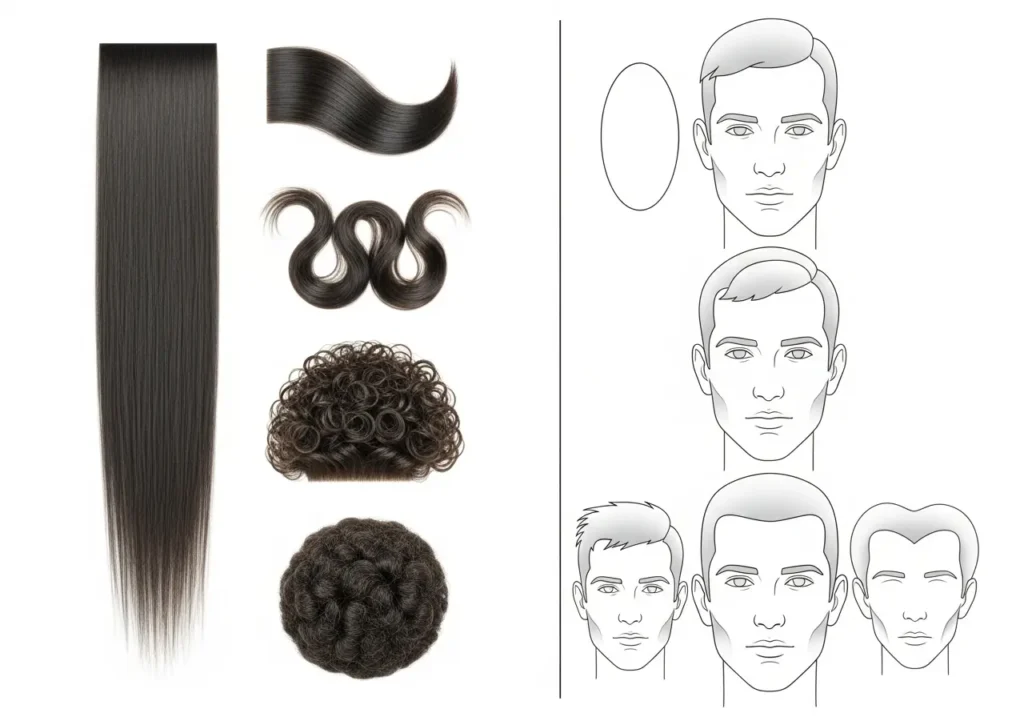
Before exploring specific styles, understanding your natural hair texture proves essential for selecting cuts that work with rather than against your hair’s inherent characteristics. Straight hair offers sleek, polished looks and holds structure well. Wavy hair provides natural volume and movement, creating effortlessly cool aesthetics. Curly hair delivers bold texture and personality, while coarse hair holds shape exceptionally well with proper styling products.
Face shape compatibility significantly affects how a haircut frames your features. Oval faces suit virtually any style, offering maximum flexibility. Round faces benefit from height and angular lines that create the illusion of length. Square faces work well with textured tops that soften strong jawlines. Heart-shaped faces pair beautifully with fringe styles that balance wider foreheads.
The relationship between hair density and cut selection cannot be overstated. Thick hair allows for bold, voluminous styles but may require thinning techniques to prevent excessive weight. Fine hair needs strategic layering and texturizing to create the appearance of fullness. Medium density hair offers the most versatility, adapting well to various cutting techniques and styling approaches.
Textured Crop with Fade Variations
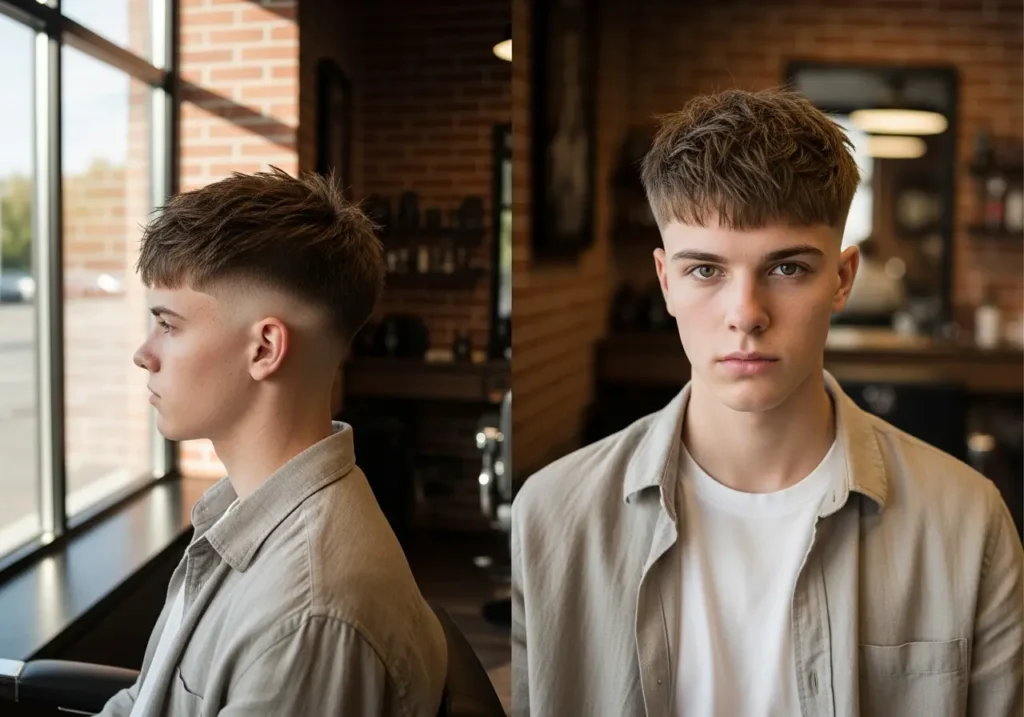
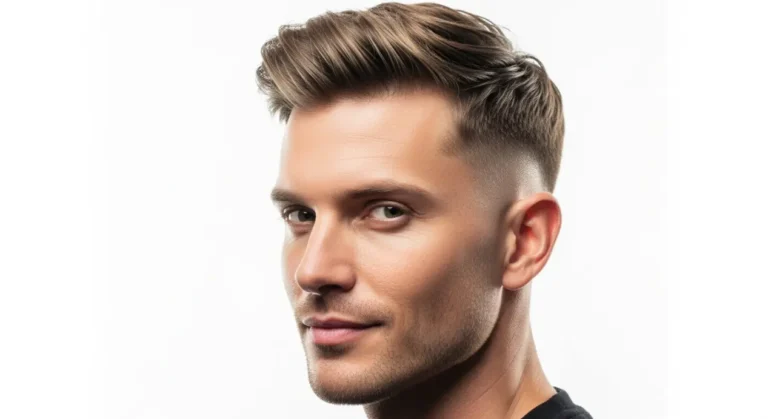
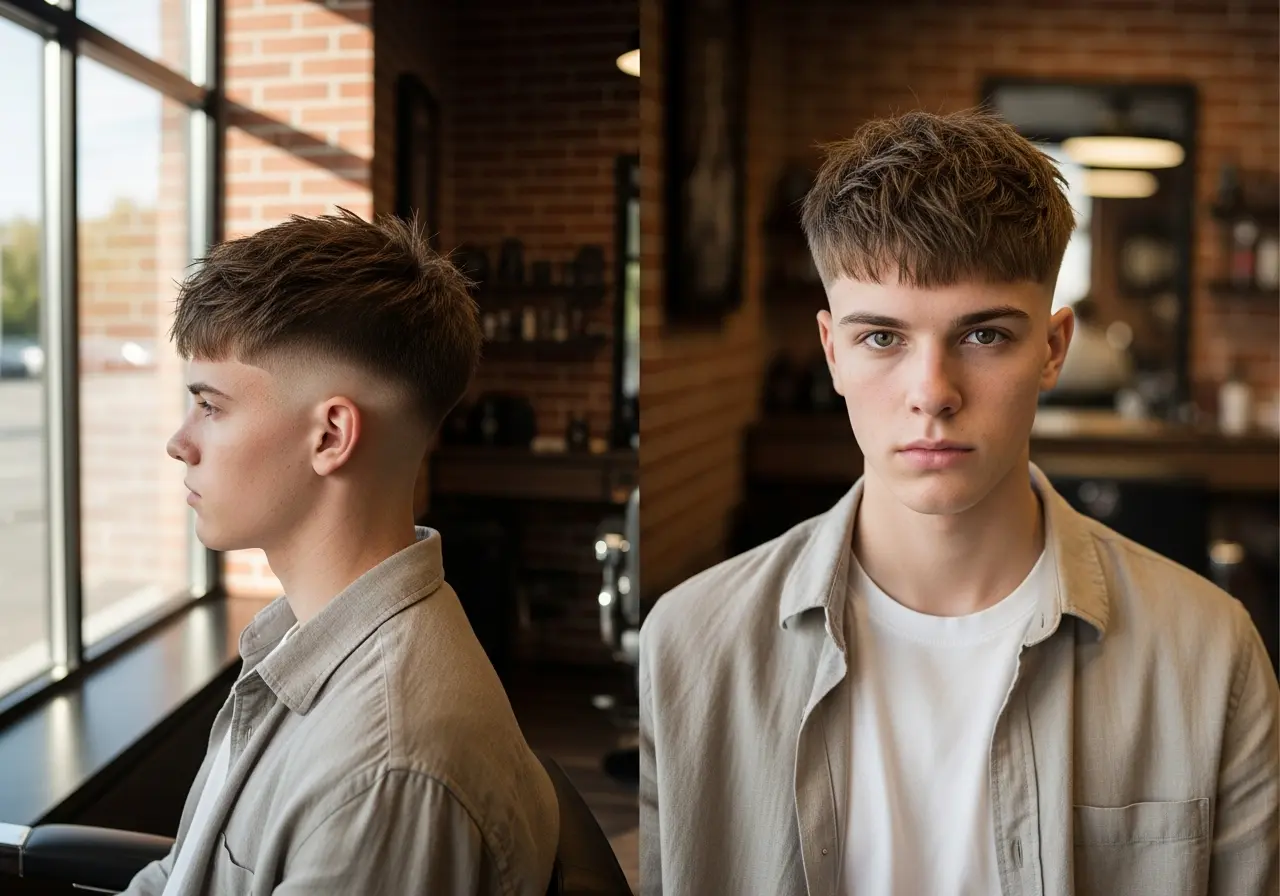
The textured crop has emerged as one of the most requested teenage boy haircuts in barbershops throughout 2026. This style combines a shorter length on top with choppy, uneven layers that create natural movement and dimension. The beauty of the textured crop lies in its low-maintenance nature while delivering high visual impact.
The fade component offers numerous customization options. A low taper fade begins the gradient near the ears, creating a subtle transition that works well in conservative environments like schools with strict grooming policies. The mid fade starts higher, offering more contrast while remaining versatile for various settings. The high fade creates dramatic distinction between the top and sides, perfect for those wanting maximum impact.
Styling the textured crop requires minimal effort. Apply a small amount of matte clay or texturizing paste to damp hair, working it through with fingers to create separation and definition. The goal is achieving a piece-y, tousled appearance rather than uniform smoothness. This style particularly suits guys with straight to slightly wavy hair, though it can be adapted for other textures with proper cutting techniques.
Modern Mullet and Shag Variations
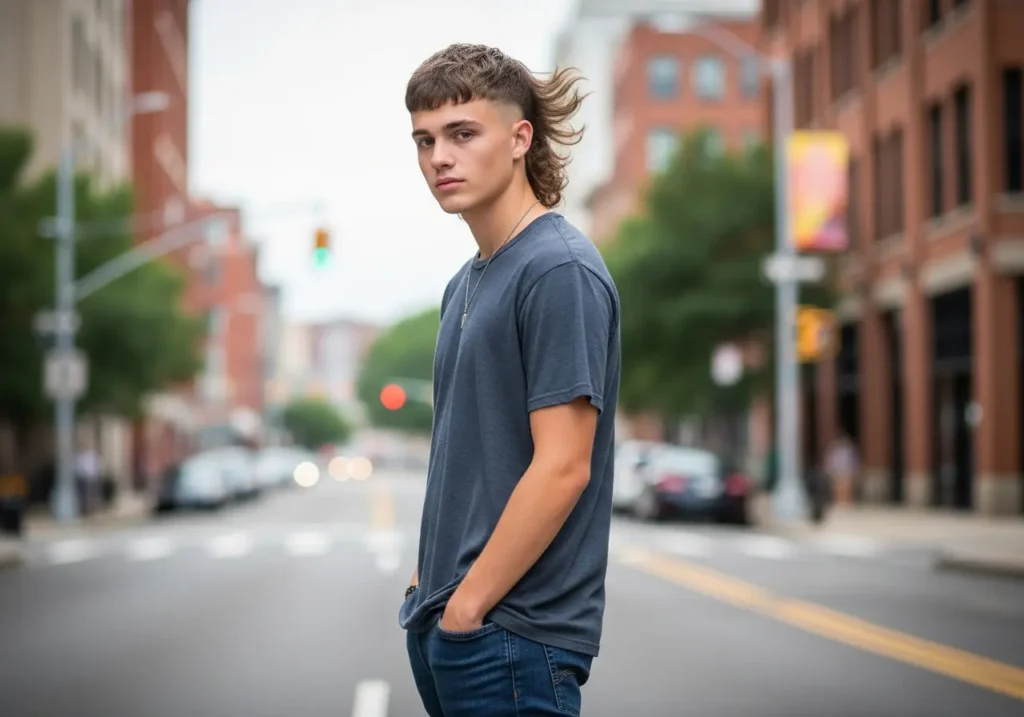
The modern mullet has experienced a remarkable renaissance in 2026, shedding its controversial reputation to become a legitimate style choice for fashion-forward teenage males. Unlike the extreme versions of decades past, today’s iteration features subtle length variations that create flow and movement without appearing costume-like.
Contemporary mullets typically maintain 2 to 4 inches on top with gradual lengthening toward the nape. The sides can be tapered, faded, or kept slightly longer depending on desired aesthetic. This hairstyle for teenage guys works exceptionally well with natural texture, allowing waves or curls to enhance the overall shape.
The shaggy layers variation offers a more relaxed interpretation, featuring choppy cuts throughout that create an effortlessly cool appearance. This style draws inspiration from skater culture and has been popularized by various social media influencers. The shag works particularly well for those with medium to long hair length, providing movement that looks intentionally undone.
Maintenance involves regular trims every 5 to 7 weeks to prevent the back from becoming too heavy or shapeless. Styling products like sea salt spray enhance natural texture, while light hold styling cream keeps the shape defined without stiffness. The modern mullet suits heart and oblong face shapes particularly well, though rounder faces should approach this cut with caution.
Curtain Fringe and Middle Part Styles
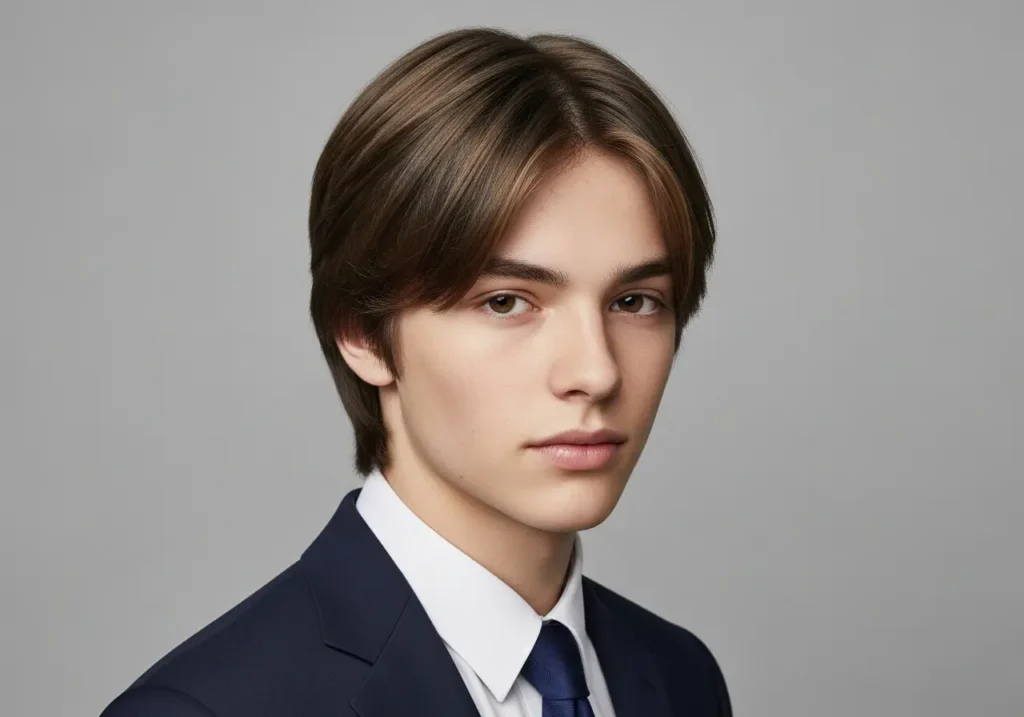
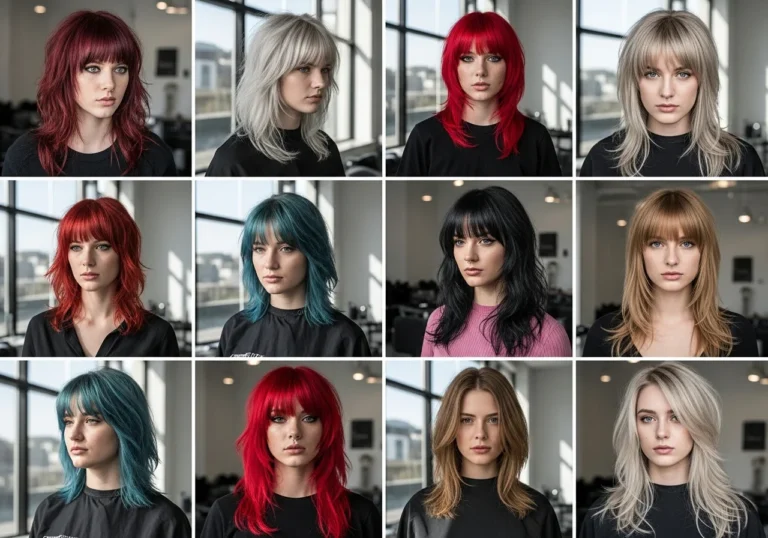
The curtain fringe has dominated teenage hairstyle trends throughout 2026, offering a softer, more romantic aesthetic compared to blunt fringe styles. This cut features hair parted down the middle with longer front sections that fall to each side, framing the face in a way that highlights facial features while adding sophistication.
Creating successful curtain bangs requires sufficient hair length on top, typically 4 to 6 inches at the front. The hair is cut in graduated layers that allow the fringe to naturally separate and fall to the sides. When properly executed, this style works during the growing-out phase, making it ideal for teenage males experimenting with longer hair.
The middle part component has become increasingly popular, moving away from the traditional side part that dominated previous decades. This centered approach creates symmetry and works particularly well with straight to wavy hair textures. For those with cowlicks or natural growth patterns that resist middle parting, barbers can use cutting techniques to encourage the hair to sit properly.
Styling involves blow-drying the hair backward while directing the front sections to the sides. Using a round brush during drying creates gentle volume and movement. Styling cream with light hold maintains the shape throughout the day without making the hair appear stiff or overly styled. This versatile option transitions seamlessly from casual to formal settings.
Undercut with Longer Top
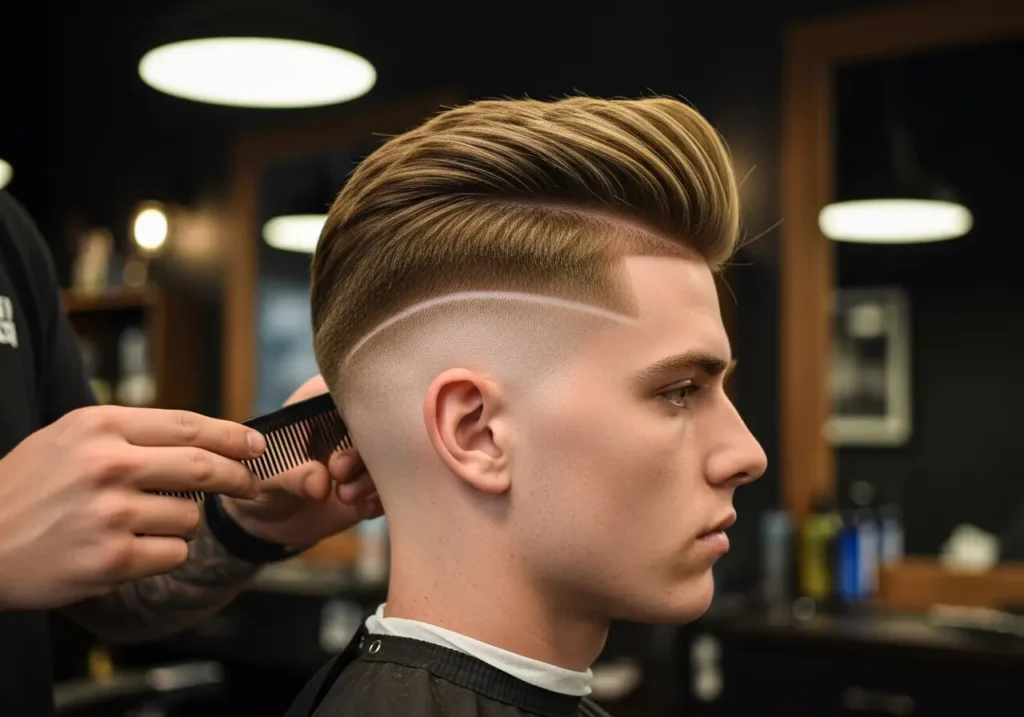
The undercut remains a perennial favorite among teenage boy haircuts, offering bold contrast between dramatically short sides and substantial length on top. This style creates maximum versatility, allowing for numerous styling variations from the same foundational cut.
The undercut involves shaving or closely cropping the sides and back, typically to a uniform length between 1 and 3 on clipper guards, while maintaining 4 to 8 inches on top. The sharp line of demarcation where short meets long defines this style, creating intentional disconnect rather than gradual blending.
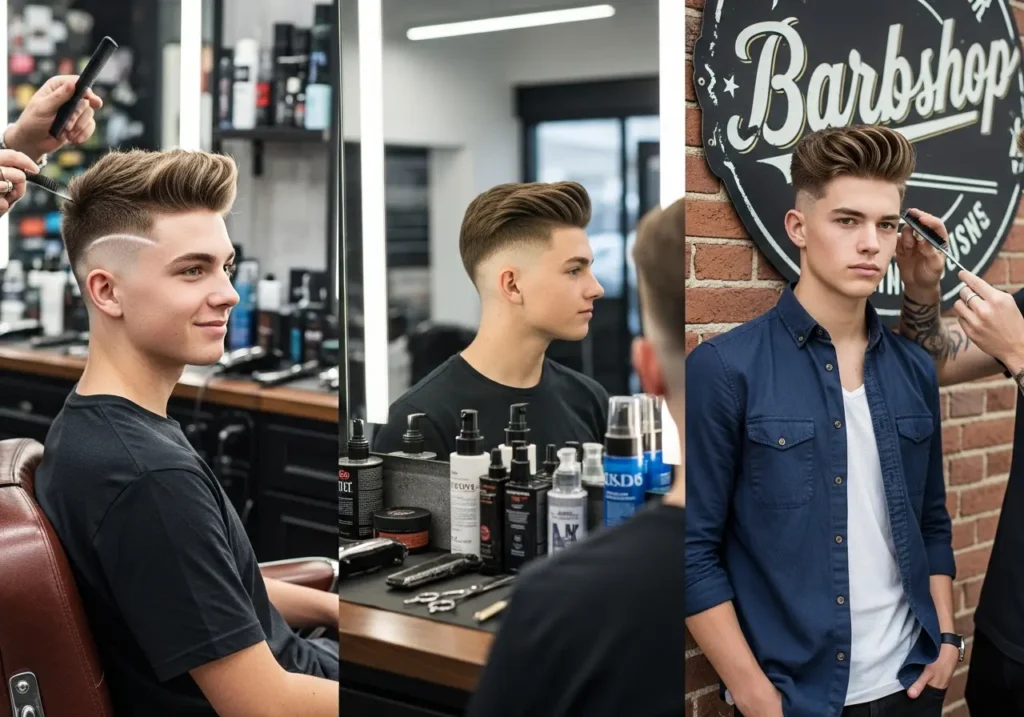
Styling possibilities include slicking the top back for polished looks, creating textured spikes for edgier appearances, or allowing the longer hair to fall naturally forward for relaxed vibes. The pompadour variation sweeps hair upward and backward, creating height and vintage sophistication. The quiff offers a more subtle lifted front section with less dramatic height.
This cut requires commitment to regular maintenance, with sides needing attention every 2 to 3 weeks to maintain the clean contrast. The top can be trimmed less frequently, typically every 6 to 8 weeks depending on growth rate and desired length. Product selection varies based on styling choice, from high-shine pomade for slicked looks to matte paste for textured finishes.
Edgar Cut and Blunt Fringe Styles
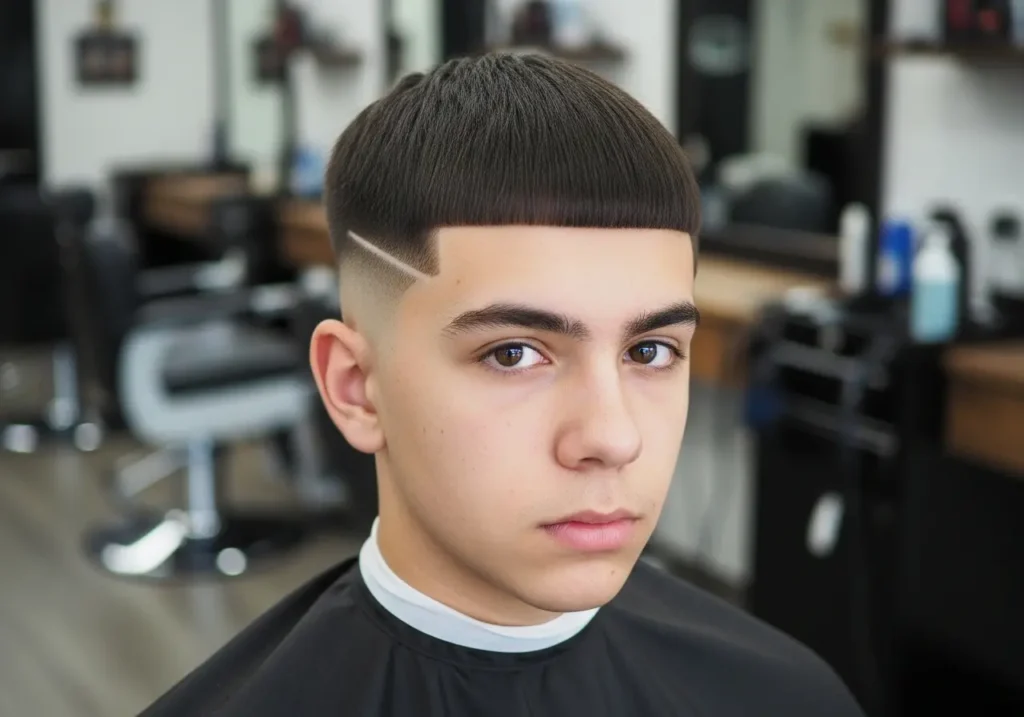
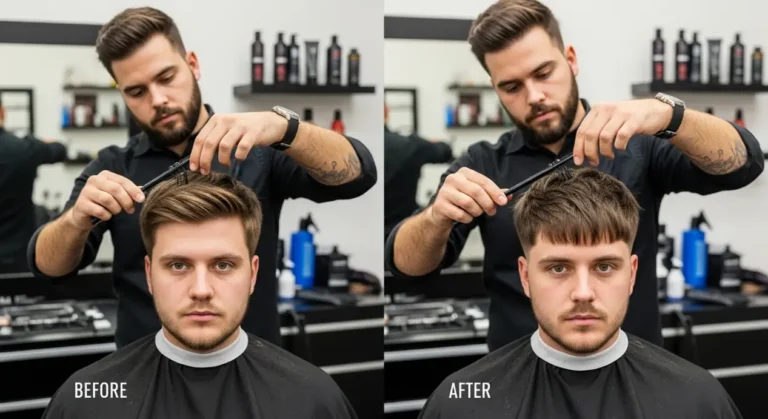
The Edgar cut has exploded in popularity throughout 2026, particularly among teenage males seeking clean, structured aesthetics. This style features a high fade or taper on the sides with a distinctive blunt fringe that cuts straight across the forehead, typically at eyebrow level.
The geometric precision of the Edgar creates a bold, attention-grabbing appearance that works exceptionally well for those with thick, straight hair. The straight-line fringe provides strong horizontal emphasis that can make round faces appear wider, so this style best suits oval, square, or rectangular face shapes.
Variations include the Caesar cut influence, which pushes the fringe slightly forward while maintaining shorter overall length. The French crop interpretation keeps the fringe textured rather than completely blunt, creating a softer appearance while retaining the forward-facing structure.
Maintenance demands consistency. The blunt fringe requires trimming every 3 to 4 weeks to prevent it from growing past the eyes. The fade or taper needs touch-ups every 2 weeks to maintain crisp definition. Styling involves blow-drying the fringe forward with a flat brush to maintain the straight edge. Light hold gel or styling cream keeps the fringe in position without appearing wet or heavy.
Curly Top with Skin Fade
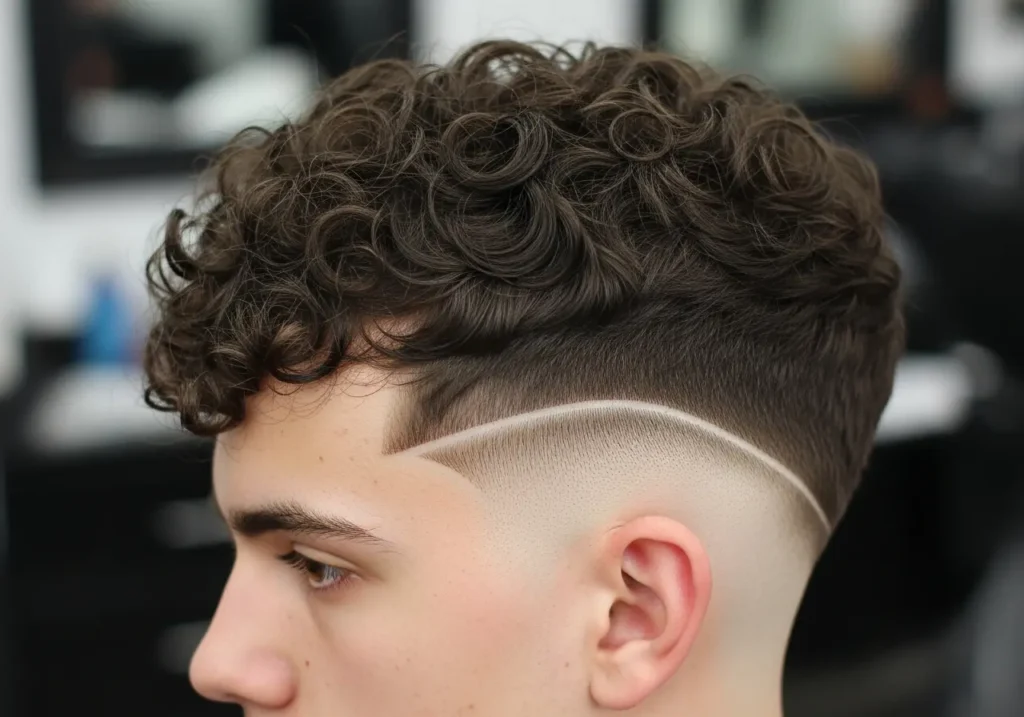
For teenage males blessed with natural curls, the curly top with skin fade represents one of the most striking hairstyles for teenage guys available. This style celebrates curl patterns while creating clean, modern structure through precise fading on the sides.
The skin fade, also called a bald fade, tapers the sides down to bare skin, creating maximum contrast with the voluminous curls on top. This dramatic differentiation makes the curls appear fuller and more defined. The top is typically left 3 to 5 inches long, allowing curls to form their natural pattern while maintaining manageable length.
The key to success with this style lies in proper curl care. Using sulfate-free shampoos preserves natural oils that define curl patterns. Leave-in conditioner provides moisture and reduces frizz. Curl-defining cream applied to damp hair enhances coil formation without creating crunchiness.
This cut works beautifully for all curl types, from loose waves to tight coils. The shape naturally suits oval and rectangular faces by adding width and volume on top. Those with round faces should consider adding height to elongate overall proportions. Maintenance requires fresh fade work every 2 to 3 weeks while the curly top needs trimming every 6 to 8 weeks to maintain shape and remove damaged ends.
Faux Hawk and Mohawk Variations
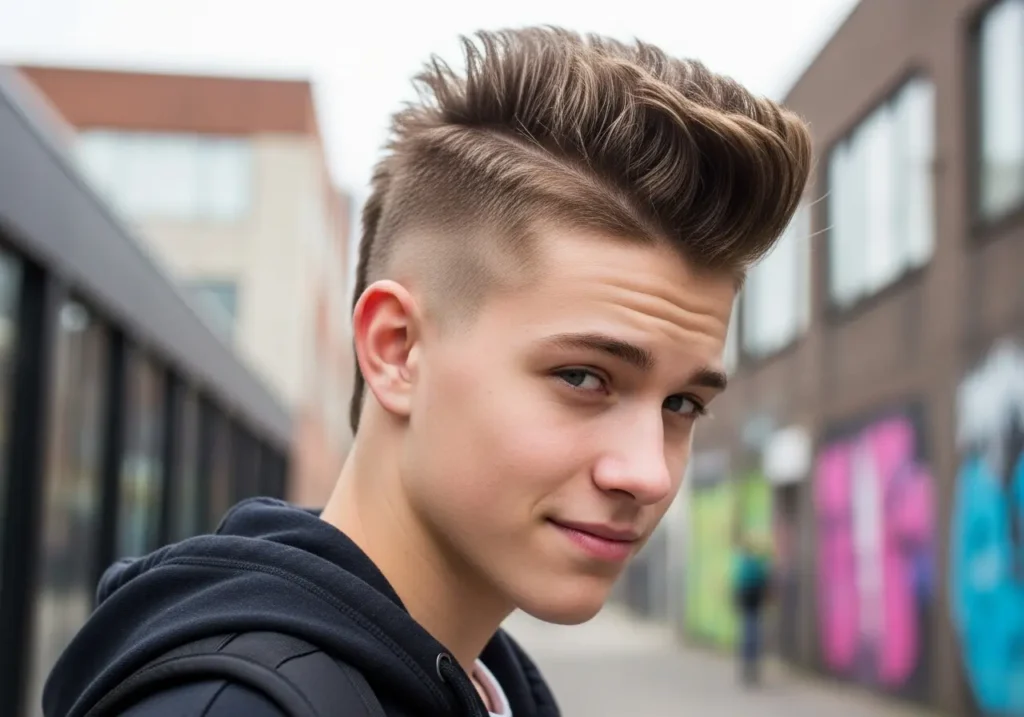
The faux hawk provides an edgier aesthetic without the commitment level of a traditional mohawk. This style keeps sides shorter while maintaining a strip of longer hair through the center that can be styled upward to create a subtle ridge.
Modern faux hawks typically feature taper fades or undercuts on the sides rather than completely shaved areas. The central strip ranges from 3 to 5 inches, providing sufficient length to create height when styled but remaining manageable when worn down. This versatility makes it appropriate for various settings while still delivering personality.
The mohawk itself has evolved considerably, with contemporary versions offering more wearable interpretations. Rather than extreme height and width, modern mohawks create defined central strips with gradually increased length toward the crown. The sides can be buzzed, faded, or even maintained at moderate lengths for less dramatic contrast.
Styling these cuts requires strong-hold products to maintain upward direction throughout the day. Molding paste or texture clay provides the necessary grip without creating stiffness. Application involves working product through damp hair while directing the central section upward with fingers or a comb. Some teenage males use blow dryers on high heat while styling for additional lift and hold.
These styles work best for those comfortable with attention, as the distinctive silhouette naturally draws eyes. They suit most face shapes but particularly complement angular features. Maintenance demands increase with these cuts, requiring styling time each morning and regular barber visits every 3 to 4 weeks.
Slicked Back and Pompadour Styles
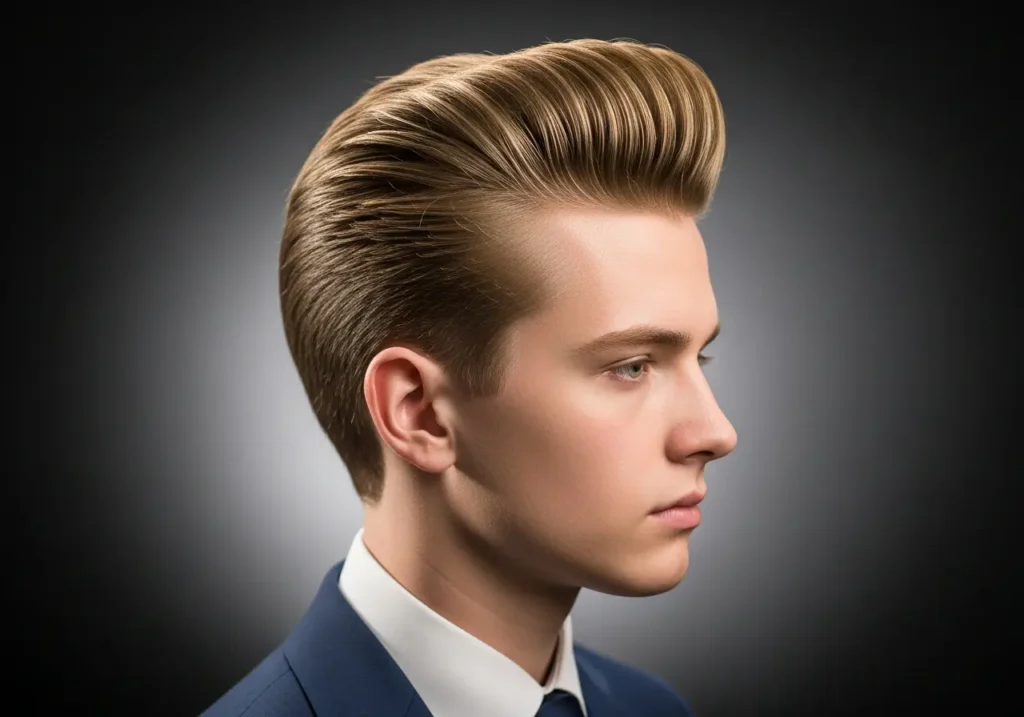
The slicked back hairstyle exudes confidence and maturity, making it an excellent choice for teenage males navigating situations requiring polished presentation. This classic style has been modernized for 2026 with textured variations that prevent the overly formal appearance of traditional versions.
Creating successful slicked back looks requires sufficient hair length on top, typically 4 to 7 inches. The hair is directed backward from the forehead, creating smooth, sleek lines that showcase facial structure. Modern interpretations incorporate slight texture rather than complete smoothness, adding contemporary edge to this timeless approach.
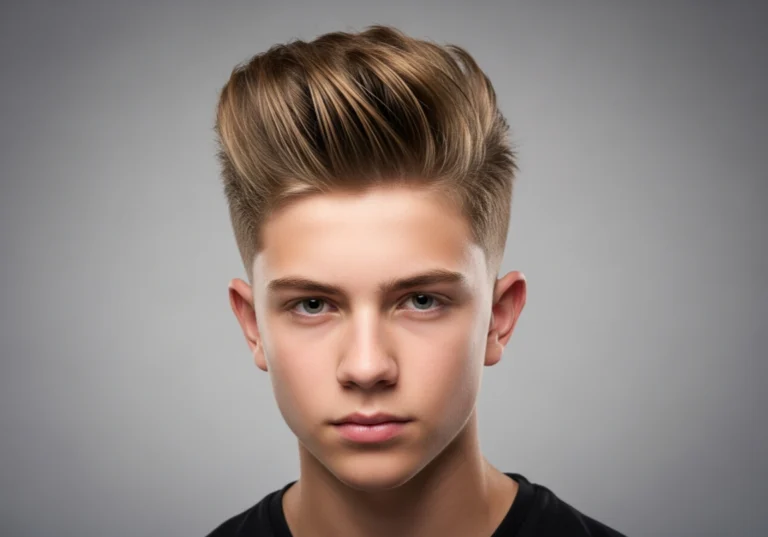
The pompadour takes the slicked back concept and adds vertical volume at the front, creating a sweeping motion that combines upward lift with backward flow. This style requires more maintenance and product but delivers impressive visual impact. The sides are typically kept short with fades or tapers, focusing attention on the voluminous top.
Product selection proves crucial for these styles. High-shine pomade creates classic, polished finishes reminiscent of vintage barbering. Medium-hold styling cream offers more natural appearance while providing necessary control. Water-based formulas allow for restyling throughout the day and wash out more easily than oil-based alternatives.
These styles particularly suit formal occasions, job interviews, and situations where mature, put-together appearance matters. They work well for oval, square, and diamond face shapes. Those with round faces should add extra height to create elongation. Regular trims every 5 to 6 weeks maintain proper length and shape.
Buzz Cut and Crew Cut Variations
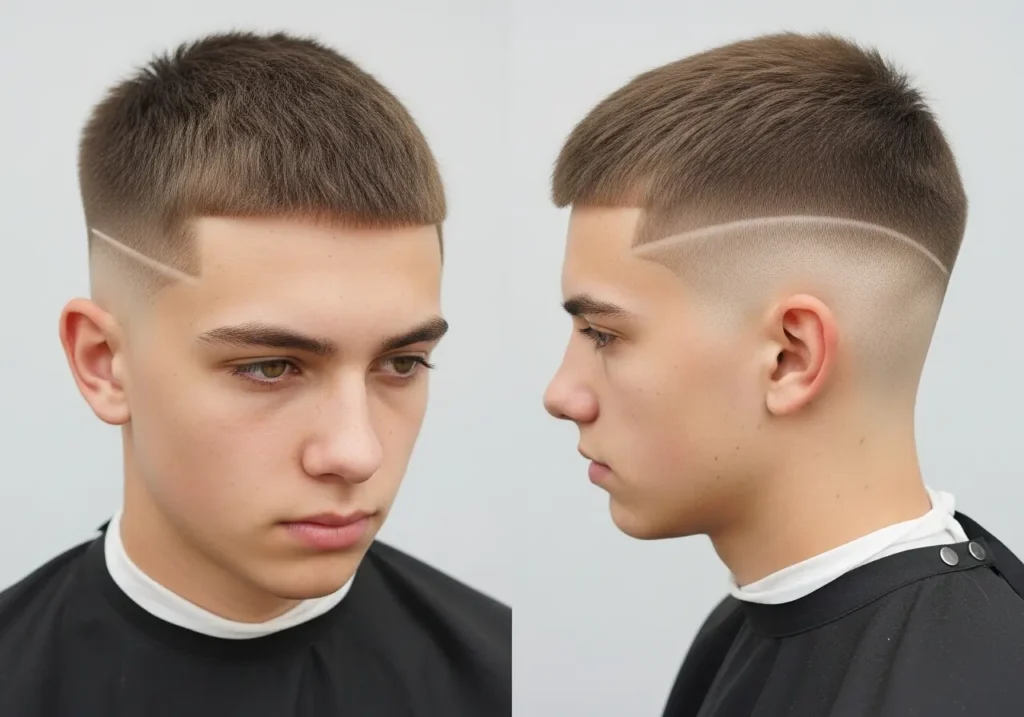
The buzz cut represents ultimate simplicity and practicality, making it ideal for active teenage males involved in sports or those preferring minimal styling routines. Despite its straightforward nature, the buzz cut offers several variations that add personality to this classic short style.
Traditional buzz cuts use uniform clipper length across the entire head, typically ranging from 1 to 4 guard sizes. The induction cut goes even shorter, creating nearly bare scalp appearance. The burr cut maintains slightly more length, around 1/8 inch, providing subtle texture while remaining extremely low-maintenance.
The crew cut builds upon buzz cut foundations by maintaining slightly longer hair on top while keeping sides and back very short. This graduated length creates subtle shape and allows for minimal styling options. The top typically measures 1 to 2 inches, just enough to create texture without requiring significant product or effort.
Modern variations incorporate fade techniques into these classic short cuts. A high fade crew cut creates clean distinction between the top and sides, adding contemporary edge to this traditional style. Some teenage males add line-up details around the hairline for extra definition and precision.
These styles work for virtually all face shapes, though those with round faces benefit from added length on top to create vertical emphasis. Maintenance requirements remain minimal, with full cuts needed every 3 to 4 weeks. Many teenage males learn to maintain these styles themselves with quality clippers, though professional touch-ups ensure clean lines and even fading.
Long Flow and Grown-Out Styles
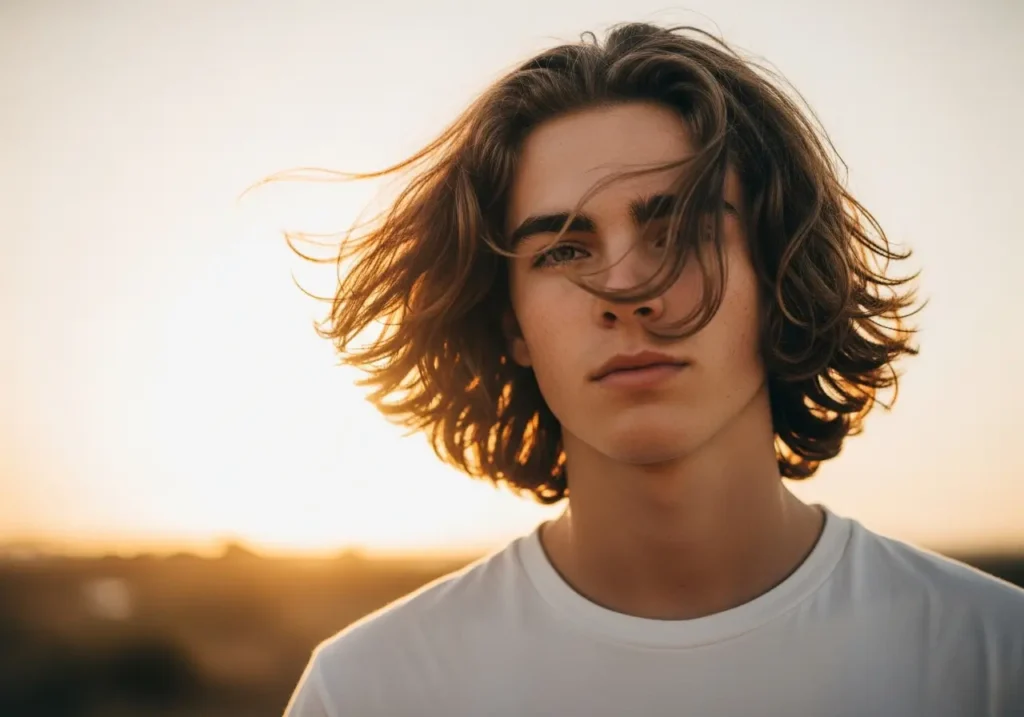
The long flow aesthetic has gained significant traction among teenage males in 2026, representing a departure from the short-sides-long-top formula that has dominated recent years. This approach embraces length throughout, creating natural movement and showcasing hair’s inherent texture.
Successful long styles require patience during the growing phase, typically 10 to 18 months depending on starting length and growth rate. During this awkward middle stage, strategic cuts and styling techniques help maintain presentable appearance. Regular trims every 6 to 8 weeks remove split ends and maintain shape without sacrificing length goals.
The surfer style variation features layered cuts that create movement and prevent the heavy, shapeless appearance that can plague longer hair. These layers are cut throughout, creating lighter, more dynamic flow. This approach works particularly well for wavy hair, enhancing natural texture while preventing excessive volume.
Maintenance for longer styles extends beyond cutting to comprehensive care routines. Quality conditioner prevents dryness and damage. Leave-in treatments protect against environmental factors. Many teenage males discover that washing frequency can be reduced with longer hair, as natural oils distribute more effectively.
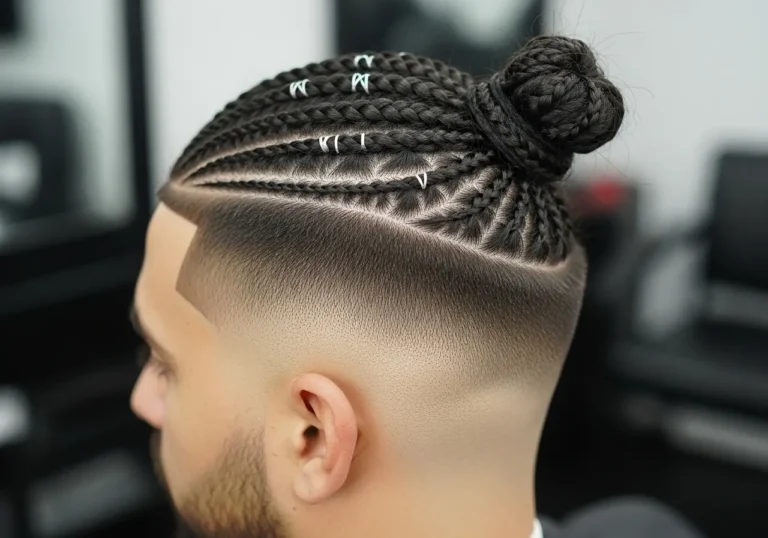
Styling options range from completely natural air-dried looks to more structured approaches using sea salt spray for beachy texture or light mousse for enhanced waves. The man bun offers practical solution for active situations while maintaining style credentials. The key lies in embracing hair’s natural characteristics rather than fighting against them.
Styling Products and Maintenance Tips
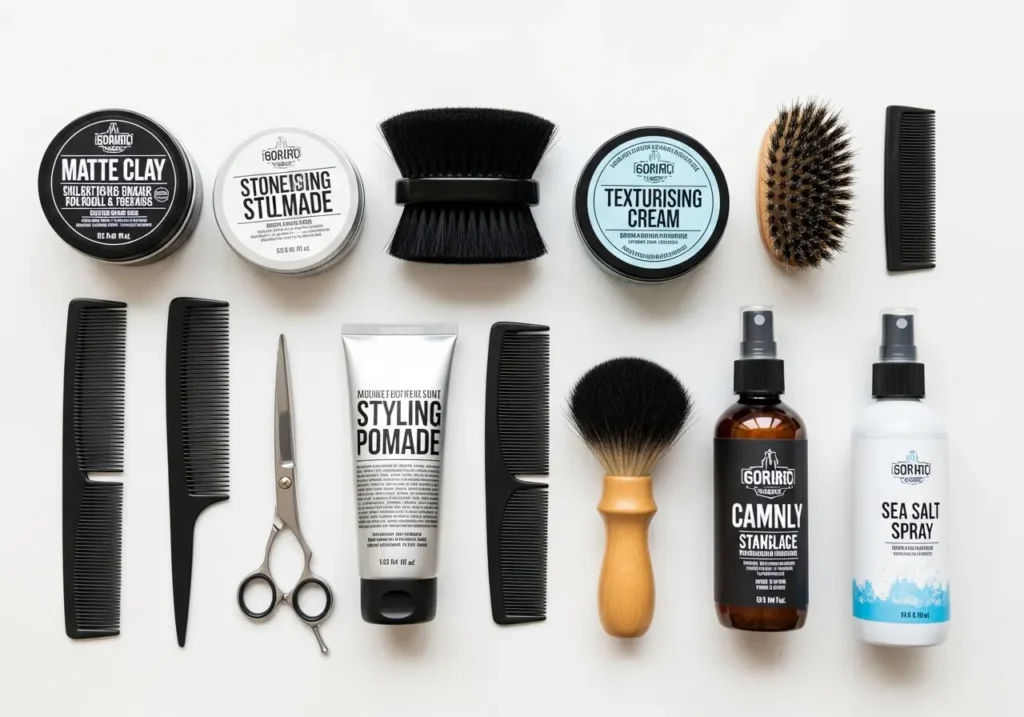
Understanding styling products represents crucial knowledge for maintaining teenage haircuts effectively. The market offers overwhelming variety, but understanding basic categories simplifies selection. Matte clay provides strong hold with natural, non-shiny finish, ideal for textured styles. Pomade delivers shine and control, perfect for slicked or structured looks. Styling cream offers light to medium hold with natural appearance, working well for most everyday styles.
Texturizing spray adds grit and separation without weight, enhancing piece-y definition in shorter cuts. Sea salt spray creates beachy, tousled texture, particularly effective for wavy hair. Hair gel provides maximum hold and structure but can appear stiff if overused. Water-based formulas offer easier washout and restyling capability compared to oil-based alternatives.
Application technique significantly impacts results. Most products work best applied to damp hair, allowing for better distribution and control. Using too much product ranks among the most common mistakes, creating greasy or weighed-down appearance. Starting with small amounts and adding more as needed prevents over-application.
Maintenance schedules vary by style but following general guidelines ensures optimal appearance. Shorter cuts with fades require barber visits every 2 to 4 weeks. Medium-length styles benefit from trims every 5 to 7 weeks. Longer hair needs attention every 6 to 8 weeks, focusing on removing damaged ends and maintaining shape.
Home care between professional cuts includes regular washing with quality shampoo, though daily washing is unnecessary for most hair types. Conditioning remains important, particularly for longer styles or curly hair. Using appropriate water temperature matters as excessively hot water can strip natural oils and cause dryness.
Choosing Styles for Different Occasions

The versatility of teenage boy haircuts extends to appropriateness across various life situations. Understanding which styles work best in different contexts helps teenage males navigate the complex social and professional environments they encounter daily.
For school environments with strict grooming policies, conservative cuts like crew cuts, textured crops with low fades, and neat side parts provide compliant options without sacrificing style. These cuts maintain clean, organized appearance while offering enough personality to feel current and age-appropriate.
Part-time work settings, particularly in customer-facing roles, benefit from polished but approachable styles. Slicked back variations, neat quiffs, and well-maintained curtain fringes strike appropriate balance between professional and youthful. Extreme fades or unconventional colors should be verified against workplace policies.
Social situations and casual weekends allow for more experimental styling approaches. The same foundational cut can be styled differently, creating distinct looks for various occasions. A textured crop might be worn messy and tousled for relaxed settings, then styled with more structure and definition for going out.
Athletic activities require practical consideration beyond aesthetics. Shorter styles or those that can be secured away from the face work best for sports participation. Buzz cuts, crew cuts, and styles that work well with headbands or tied back offer functional solutions without compromising style during non-athletic hours.
The most successful approach involves selecting a versatile base cut that adapts to multiple situations through different styling techniques. This flexibility eliminates the need for dramatic cuts when life circumstances change, allowing teenage males to maintain consistent style identity while adapting to various requirements.
Conclusion
The landscape of teenage men haircuts in 2026 offers unprecedented variety and sophistication, reflecting the diverse personalities and lifestyles of males aged 16 to 19. From classic short cuts updated with modern fading techniques to longer, flowing styles that embrace natural texture, today’s options accommodate virtually every preference and practical requirement.
The key to selecting the right haircut lies in honest assessment of multiple factors including natural hair texture, face shape, lifestyle demands, and personal style preferences. The best cuts work with inherent hair characteristics rather than against them, creating looks that feel authentic and manageable rather than forced or high-maintenance.
Understanding the relationship between cuts and contexts allows teenage males to make informed decisions that serve them well across various life situations. A well-chosen haircut provides more than aesthetic appeal, it builds confidence, facilitates positive first impressions, and serves as an important tool in developing personal identity during these formative years.
Working with skilled barbers who understand both classic techniques and contemporary trends ensures optimal results. Clear communication about desired outcomes, lifestyle considerations, and maintenance capabilities helps professionals create cuts that truly serve their clients. Regular maintenance and appropriate styling product usage preserve the integrity and appearance of chosen styles.
As trends continue evolving, the fundamental principles remain constant. Quality cuts executed with proper technique, maintained through consistent care, and styled appropriately for various situations create the foundation for excellent personal grooming. The teenage years offer ideal opportunity for experimentation and discovery, allowing young men to explore different looks while developing understanding of what works best for their unique characteristics.
You may also like this post: 14+ Trendy Short Beard Styles for Men at Any Age
Frequently Asked Questions
How often should teenage males get haircuts?
The ideal frequency depends on the specific style. Cuts featuring fades or tapers require maintenance every 2 to 4 weeks to keep sides looking sharp and clean. Medium-length styles benefit from trims every 5 to 7 weeks to maintain shape and remove split ends. Longer hairstyles need attention every 6 to 8 weeks, focusing primarily on eliminating damaged ends while preserving overall length. Active teenage males or those in formal environments may need more frequent touch-ups to maintain professional appearance.
What are the best low-maintenance haircuts for teenage guys?
The buzz cut ranks as the ultimate low-maintenance option, requiring virtually no styling and minimal product use. The crew cut offers slightly more style while remaining extremely practical. Textured crops with short to medium length provide contemporary looks without demanding extensive styling routines. For those with natural curly hair, embracing the natural texture with simple fades reduces daily effort while delivering impressive visual impact. The key is selecting cuts that work with natural hair characteristics rather than requiring constant manipulation.
Which styling products work best for teenage hair?
Product selection depends on hair type and desired outcome. Matte clay serves as versatile choice for most textured styles, providing hold without shine. Styling cream works well for natural, flexible looks with light to medium hold. Pomade delivers structure and shine for slicked or polished styles. Those with wavy hair benefit from sea salt spray to enhance natural texture. Curly hair types should use curl-defining creams and leave-in conditioners. Starting with small amounts prevents over-application, and water-based formulas offer easier washout.
How can teenage males determine their face shape?
Determining face shape involves measuring proportions and observing overall outline. Pull hair back completely and examine the reflection straight-on. Oval faces show balanced proportions with slightly wider cheekbones than forehead and jaw. Round faces display similar width and length with soft, curved jawlines. Square faces feature strong, angular jaws with similar width at forehead, cheeks, and jaw. Heart-shaped faces show wider foreheads that narrow toward pointed chins. Rectangular faces appear longer than wide with fairly uniform width throughout. Understanding face shape guides selection of complementary haircuts.
What should teenage guys tell their barber to get the haircut they want?
Effective communication with barbers starts with bringing reference photos showing the desired style from multiple angles. Clearly specify length preferences for different sections, using measurements when possible rather than vague terms. Explain lifestyle factors like sports participation, school requirements, or styling time available. Discuss hair’s natural behavior including cowlicks, growth patterns, and texture. Be honest about styling skill level and product usage willingness. Ask questions about maintenance requirements and styling techniques. Building rapport with a consistent barber who learns your preferences creates the best long-term results.