20 Timeless Beard Styles for Men: Bold, Clean and Perfect for 2026
Facial hair has always been one of the most powerful expressions of masculine identity. From ancient warriors to modern professionals, men have used their beards to communicate strength, creativity, and personal style. But while trends come and go, certain timeless beard styles have proven their staying power across generations. These are the looks that never feel dated, never seem out of place, and always manage to enhance the face rather than fight against it.
In 2026, men’s grooming has become more intentional than ever. The focus has shifted away from volume-for-the-sake-of-volume and toward clean shaping, defined necklines, and styles that genuinely complement individual face shapes. Whether you prefer a sharp, minimal look or a bold, full beard, understanding the classics gives you a strong foundation to build on.
This guide walks through twenty of the most enduring and timeless beard styles for men, covering everything from stubble to full beard and everything in between.
Classic and Modern Beard Looks Every Man Should Know
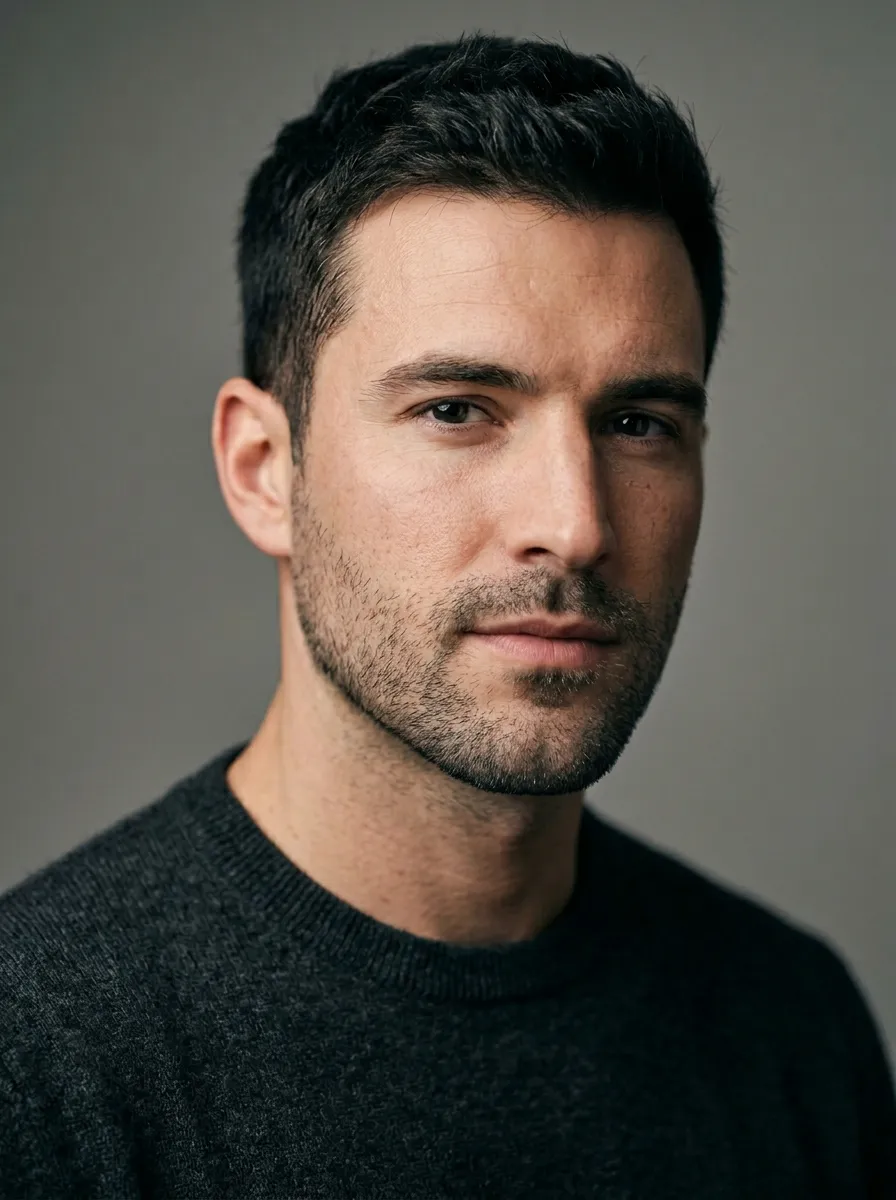
1. The Stubble Beard
Often described as the universal cheat code of facial hair, stubble sits at the sweet spot between clean-shaven and fully grown. Typically maintained at one to three millimeters, it frames the jawline, highlights the cheekbones, and works on virtually every face shape. Regular trimming every two to three days keeps it looking intentional rather than neglected. A light application of beard oil prevents skin irritation and keeps the skin beneath healthy.
2. The Short Boxed Beard
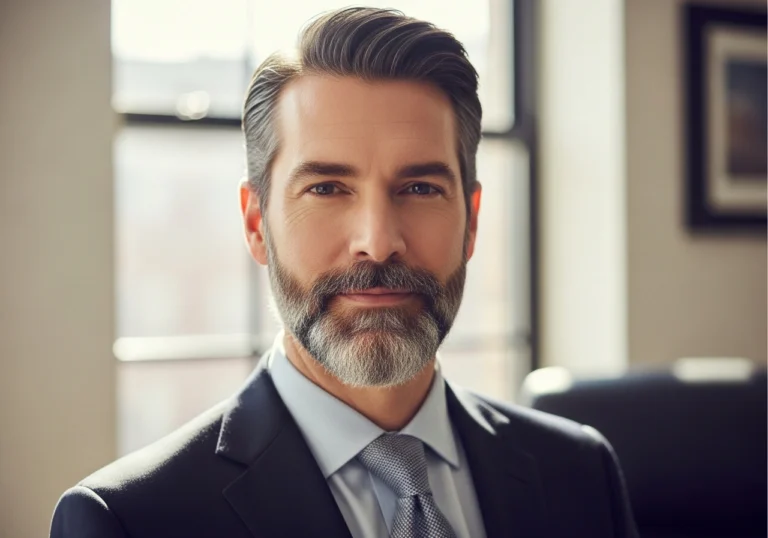
The short boxed beard remains one of the most practical and professional choices in men’s grooming. It features clean, defined edges along the cheek line and neckline, with the beard kept short and even. This style suits office environments as much as casual settings. It works especially well for oval, square, and diamond face shapes by adding structure without overpowering the features.

3. The Classic Goatee
The goatee focuses hair on the chin, leaving the cheeks clean. It is an excellent option for men with patchy cheek growth since it requires only consistent chin coverage. The key to a sharp goatee is symmetry, so using a beard comb before trimming helps maintain even lines on both sides. A small amount of beard balm keeps stray hairs in place between grooming sessions.

4. The Full Goatee (Circle Beard)
Combining a mustache and chin beard in a connected circle, the full goatee offers a balanced and masculine look. It suits round and oval faces particularly well because the added length at the chin creates an elongating effect. This style works for professionals who want definition without committing to a full beard.
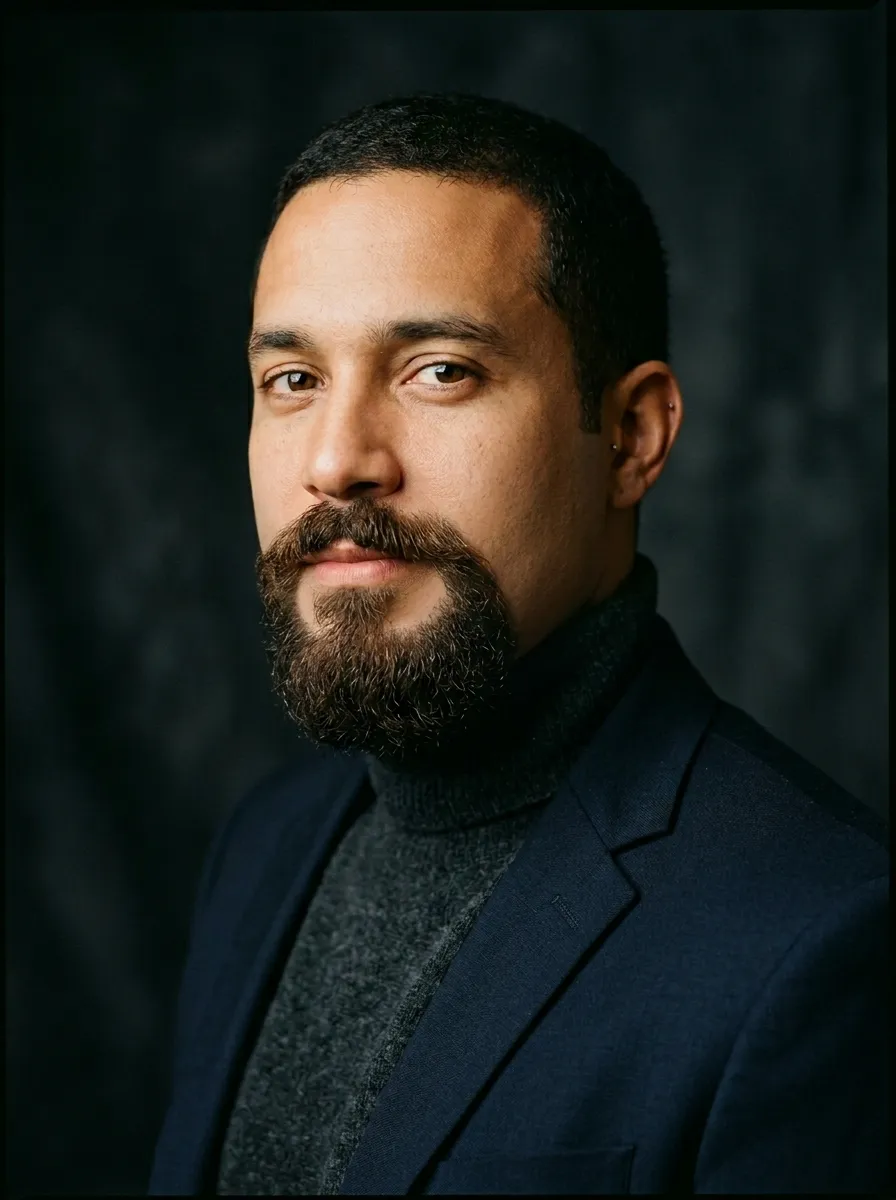
5. The Van Dyke Beard
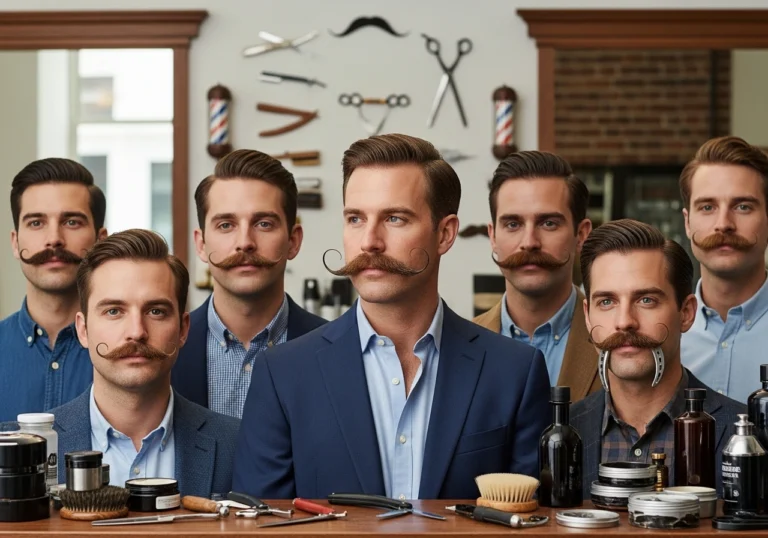
The Van Dyke is a refined combination of a pointed goatee and a disconnected mustache. Named after the seventeenth century Flemish painter Anthony van Dyck, whose portraits made the style famous, it remains a distinguished choice today. It suits men with narrow or heart-shaped faces who want to add chin definition. Regular trimming of the mustache and goatee independently keeps the separation crisp.
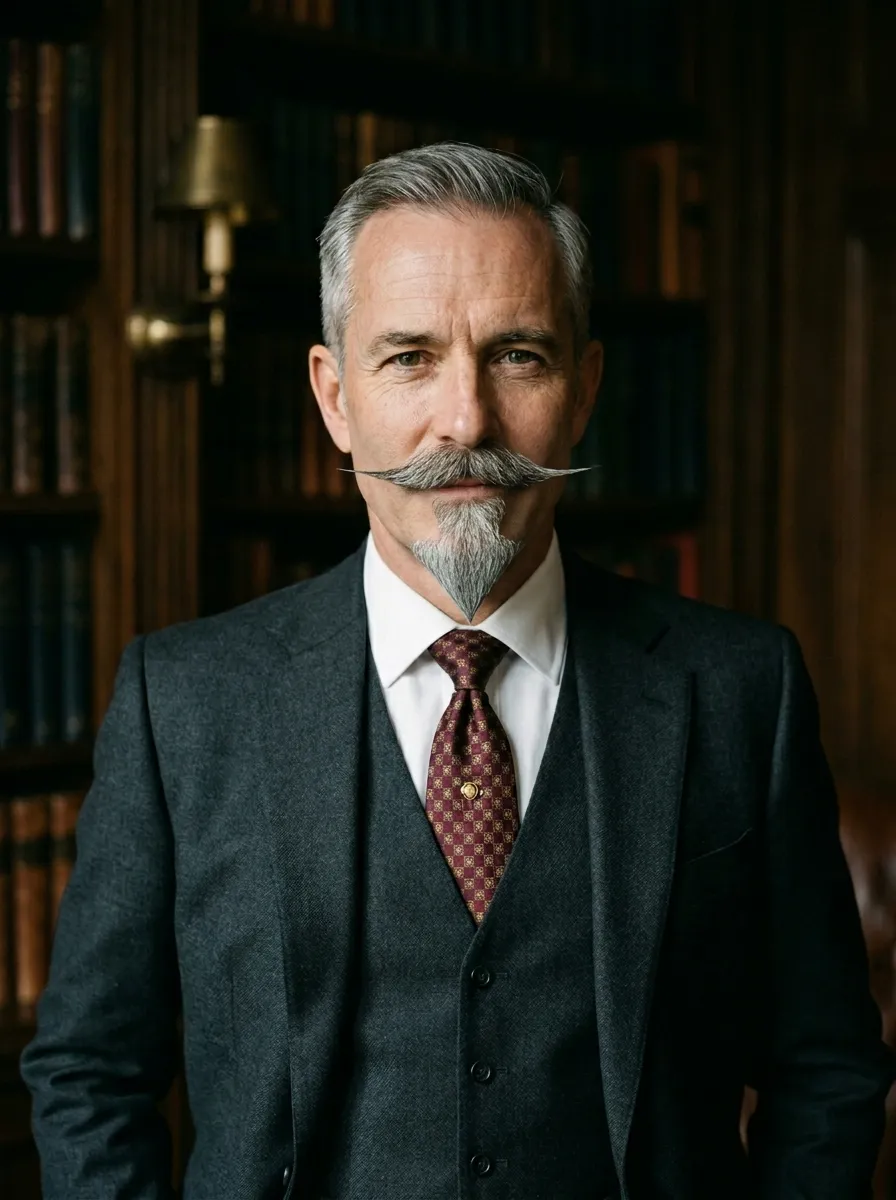
6. The Ducktail Beard
Rooted in Viking grooming traditions, the ducktail beard features a full beard that tapers to a soft point at the chin, resembling the shape of a duck’s tail. It suits longer or narrower face shapes and adds dramatic visual interest without requiring extreme length. Combing the beard downward and forward while using balm helps train the hair into its characteristic shape.
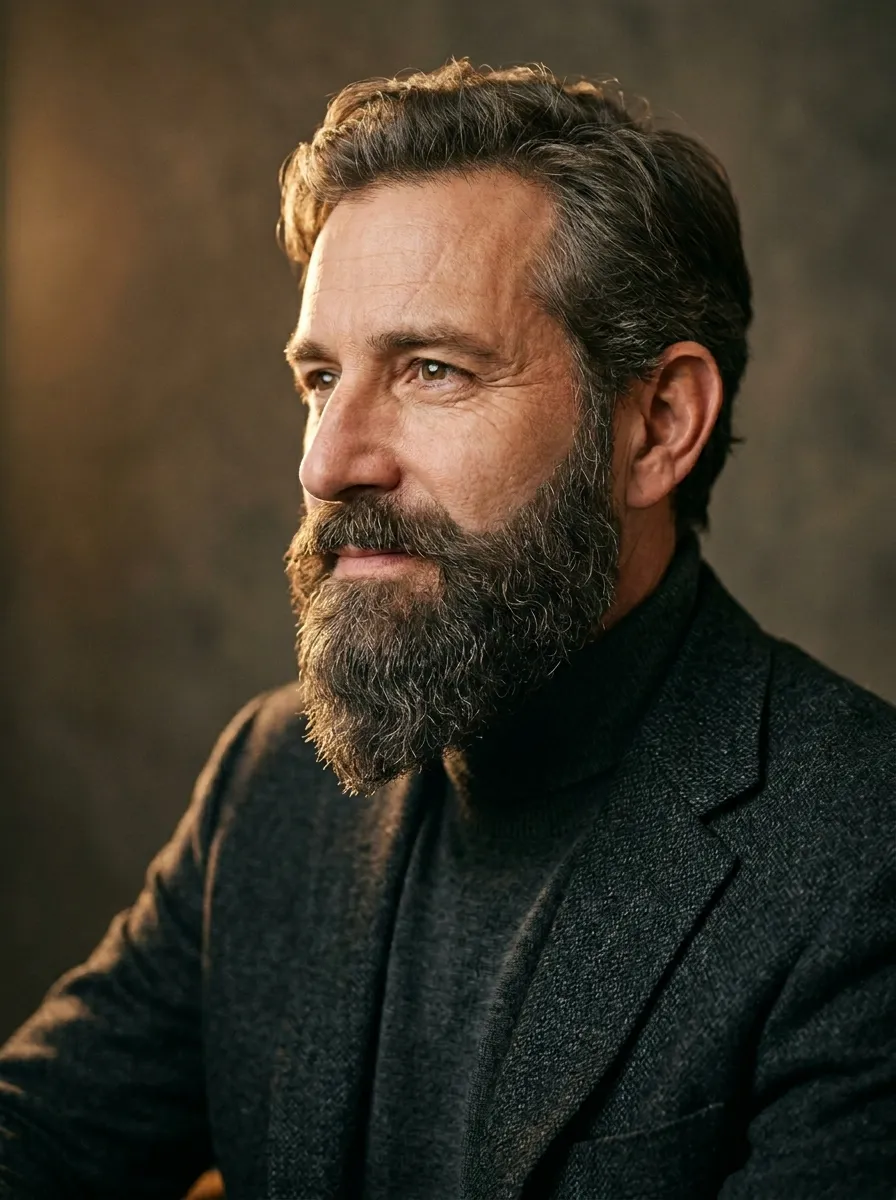
7. The Garibaldi Beard
Named after Italian general Giuseppe Garibaldi, this style features a wide, rounded bottom with a neat mustache sitting above it. It suits men who want a full, natural-looking beard without the wild appearance of fully untrimmed growth. The rounded bottom is what distinguishes it from an overgrown beard, and regular trimming of the lower edge keeps it looking intentional.
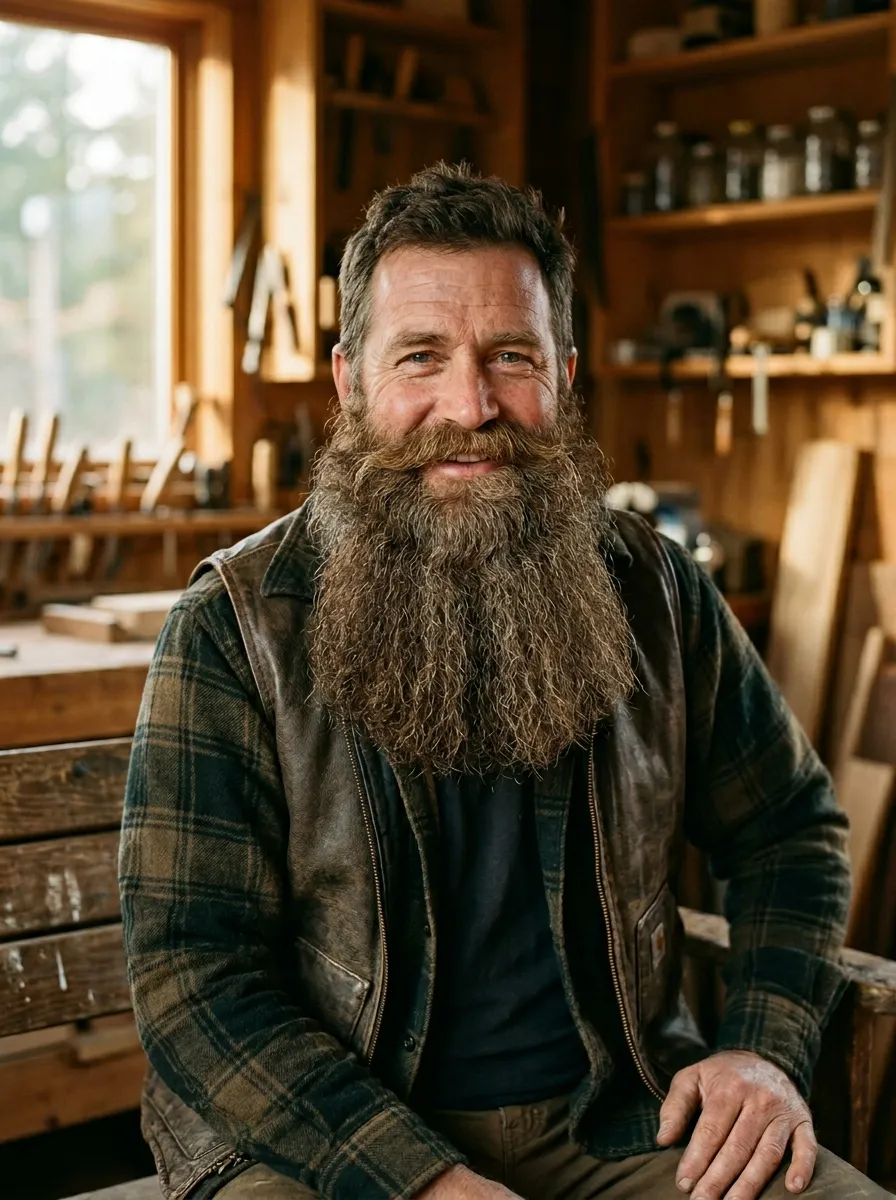
8. The Balbo Beard
The Balbo combines a disconnected mustache with a shaped chin beard, leaving the cheeks clean. It is a modern take on the goatee aesthetic and works well for men who have difficulty growing full cheek coverage. The sharp, sculpted edges of the Balbo give it a contemporary and polished feel that works in both professional and social settings.
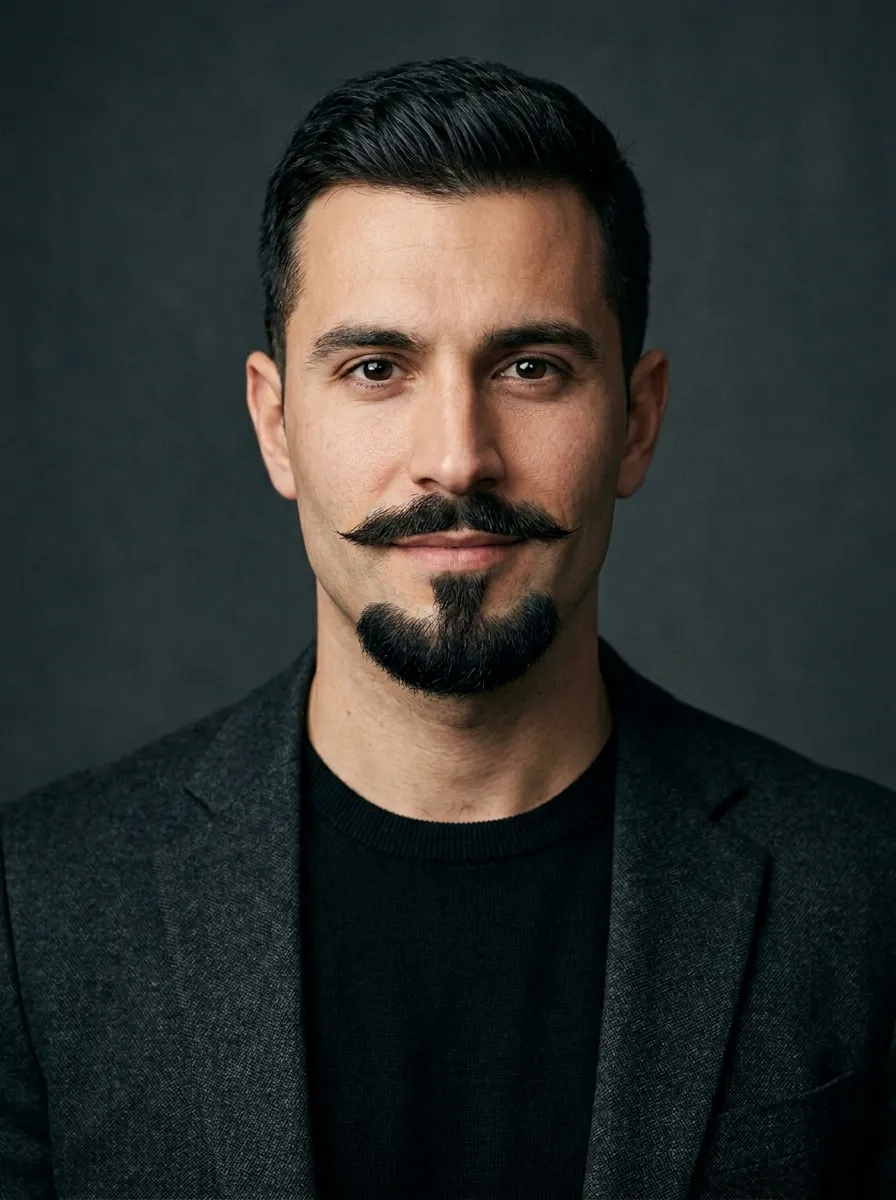
9. The Anchor Beard
The anchor beard gets its name from its visual resemblance to a ship’s anchor. It features a pointed chin beard connected to a thin line running along the jawline, combined with a shaped mustache. This style is precise and requires consistent upkeep, but it delivers a sharp, intentional appearance that suits square and oval face shapes particularly well.
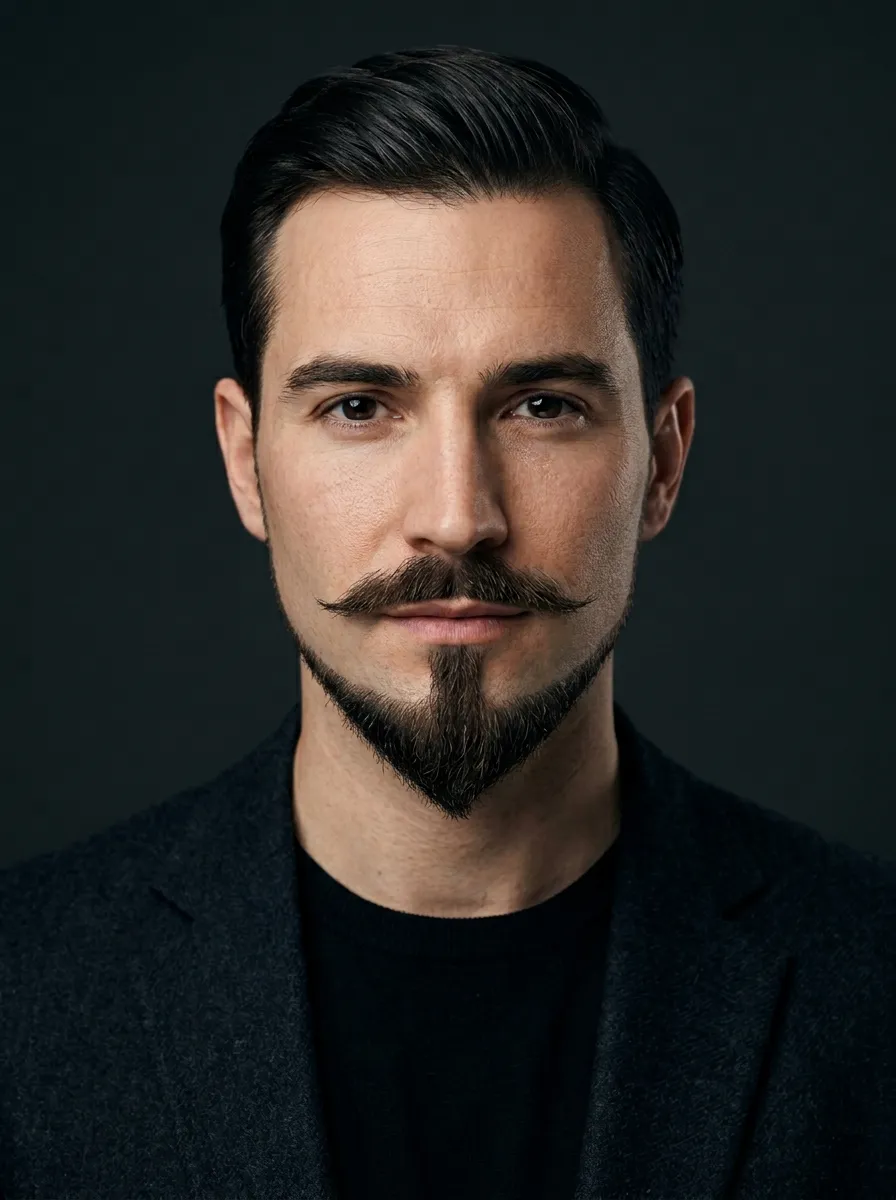
10. The Hollywoodian
The Hollywoodian style keeps the cheeks bare while focusing the beard’s weight on the jawline and chin. It is an ideal choice for men whose cheeks grow hair more slowly or sparsely. This look maintains a clean appearance while still offering the fullness and masculinity of a proper beard. Keeping the cheek line low and crisp is essential to making this style work.
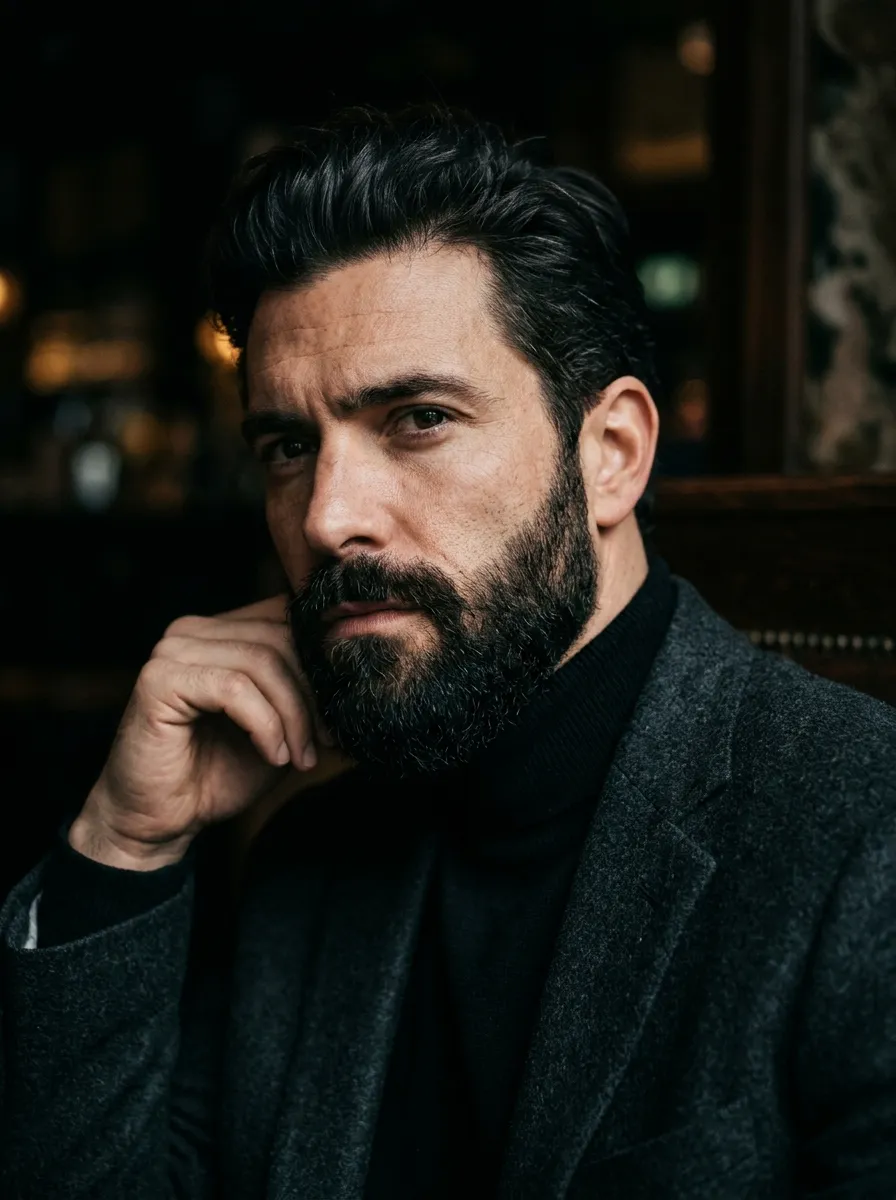
11. The Beard Fade
The beard fade creates a gradual transition from short, lighter hair near the sideburns to denser coverage along the jaw and chin. It pairs naturally with faded or tapered haircuts and gives the face a sculpted, architectural quality. This style requires a skilled barber for best results and regular maintenance to preserve the gradient.
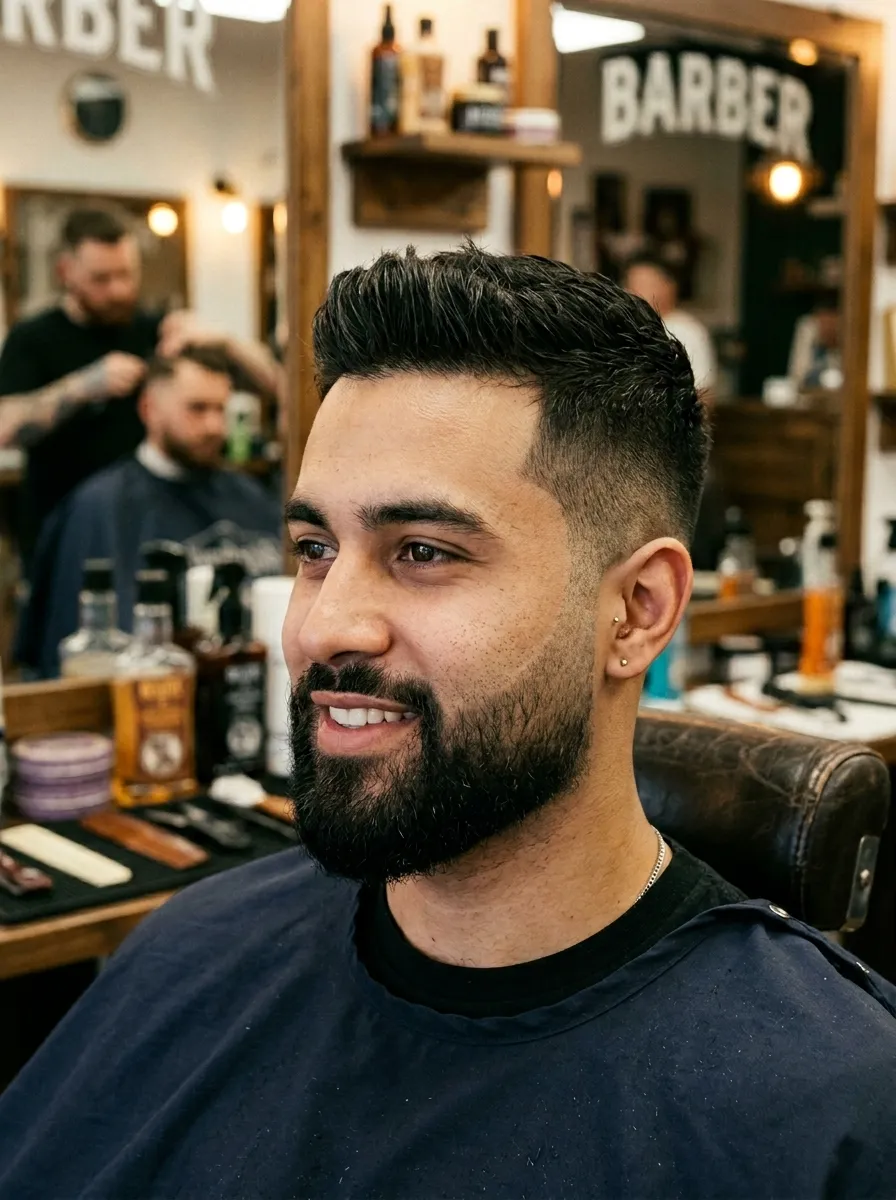
12. The Beardstache
The beardstache is a combination of a prominent, well-groomed mustache with short, light stubble across the rest of the face. The mustache does the visual heavy lifting while the stubble adds texture and context. It suits men with strong upper lips and works well for those whose mustache grows faster or thicker than the rest of their facial hair.
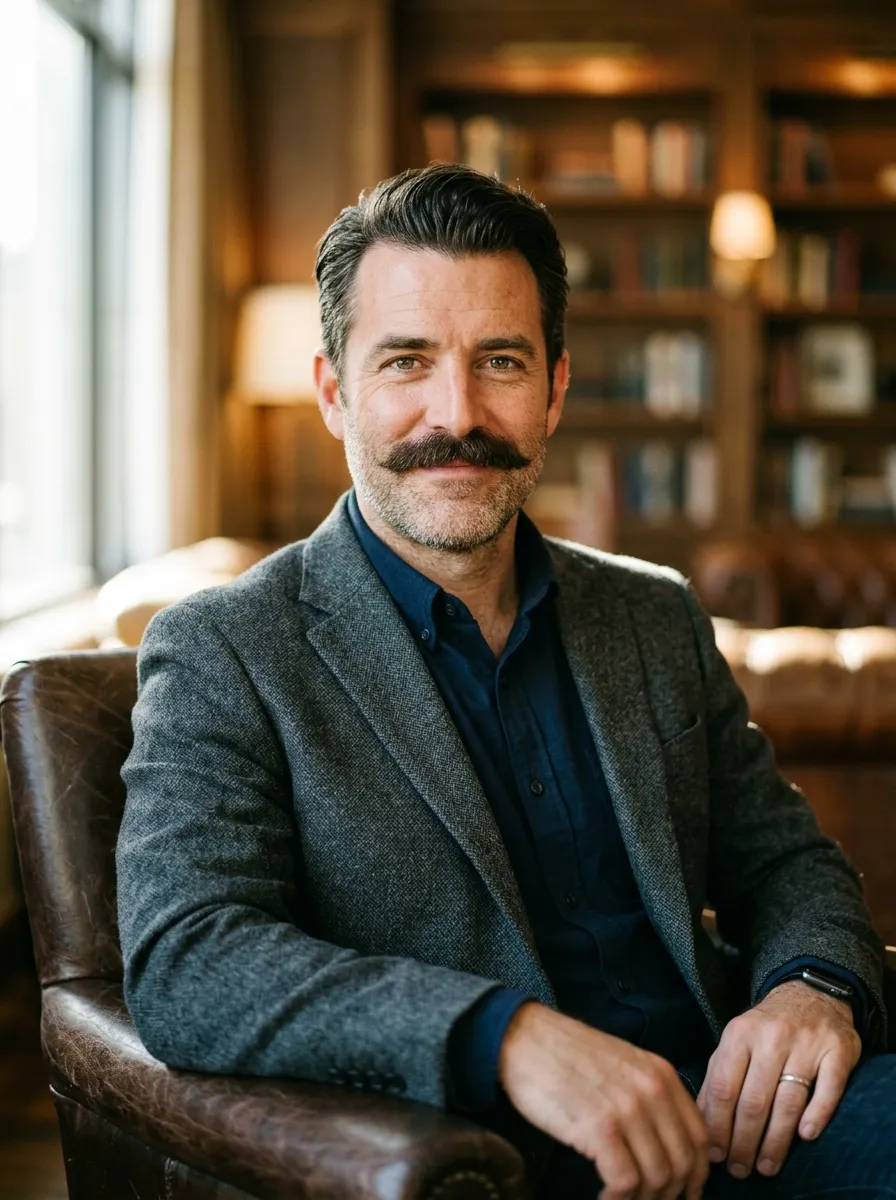
13. The Chinstrap Beard
The chinstrap follows the jawline from one sideburn to the other, creating a clean, defined line of hair along the edge of the face. It is a bold choice that emphasizes jaw structure and works best on men with strong, angular jawlines. Precise trimming is critical since even minor unevenness is immediately visible with this style.
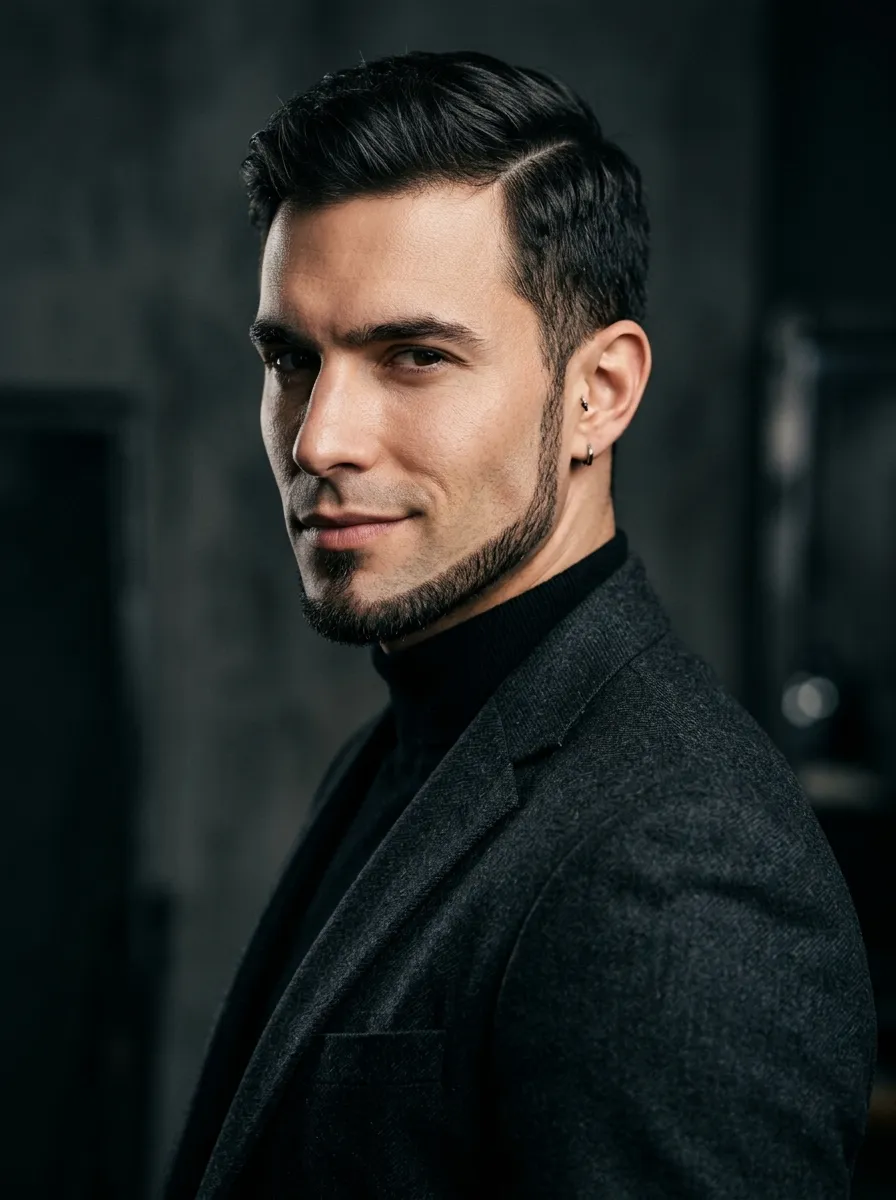
14. The Chevron Mustache
The chevron mustache follows the natural curve of the upper lip and requires minimal grooming. It is one of the most classic mustache styles and has never truly gone out of fashion. The thick, natural shape of the chevron suits most face shapes and communicates a quiet confidence without demanding excessive upkeep.
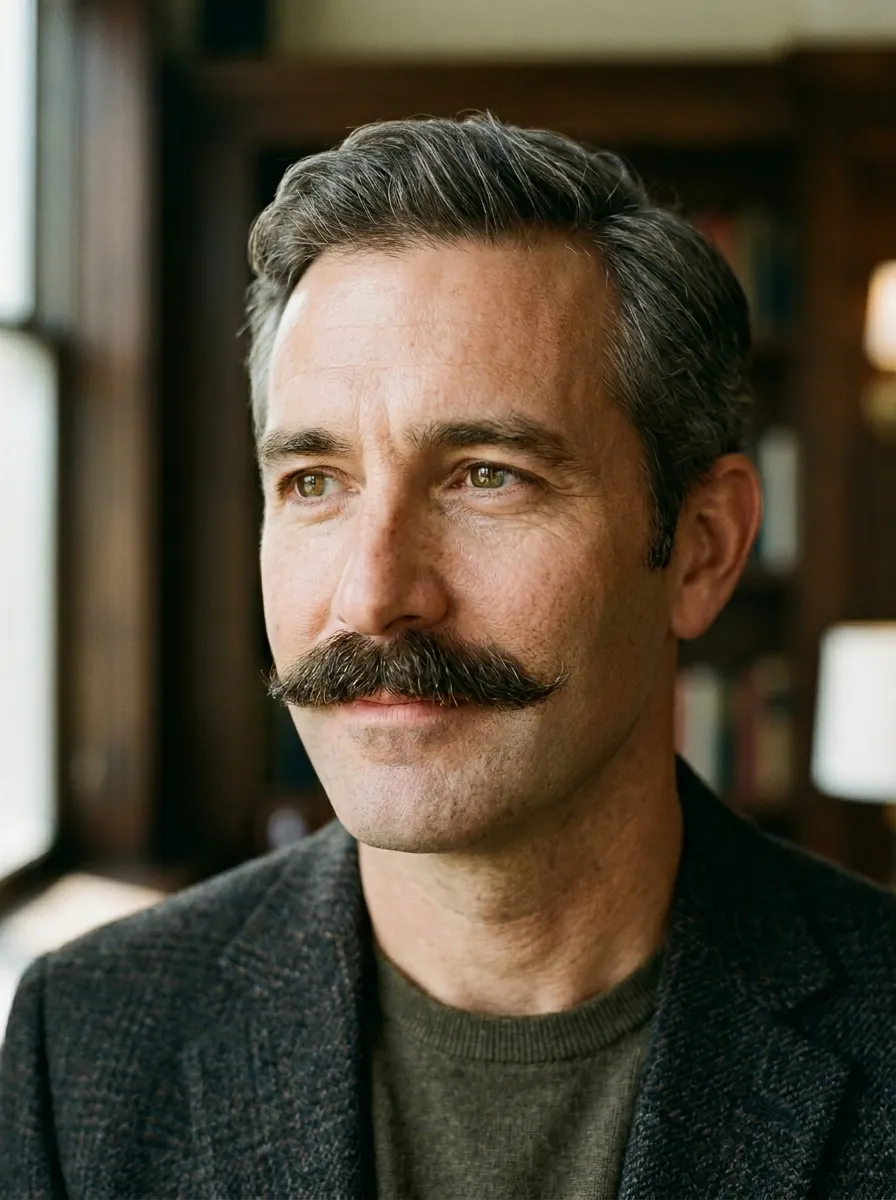
15. The French Fork
The French Fork is a full beard that splits into two distinct points at the chin, creating a forked silhouette. It suits men with long or narrow faces and has experienced a strong revival among men who want a style that communicates individuality and creative confidence. Regular brushing and beard oil keep the two sections defined and healthy.
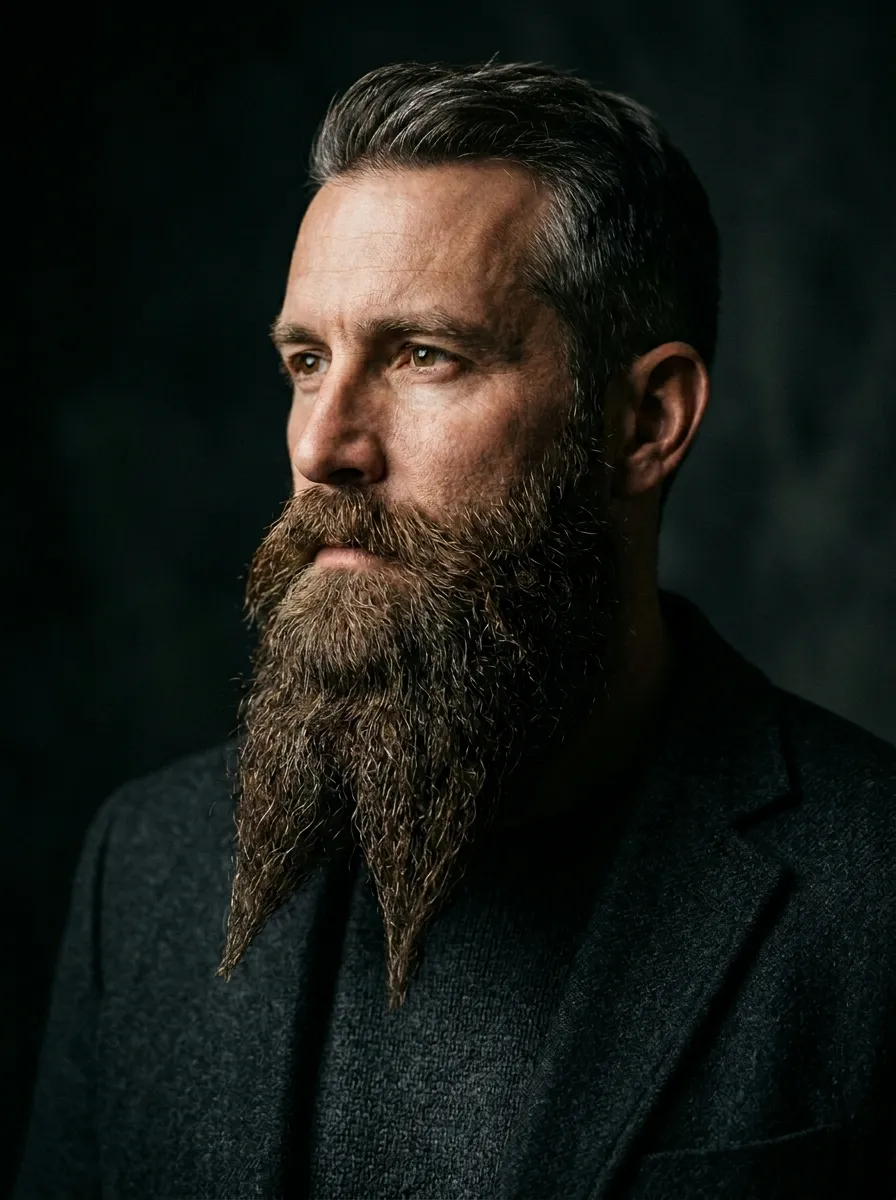
16. The Soul Patch
The soul patch is a small patch of hair positioned just below the lower lip. It is the most minimal of all beard styles and works well for men who prefer a subtle accent without the commitment of a fuller look. It suits oval and square face shapes and pairs well with a clean-shaven face or light stubble.
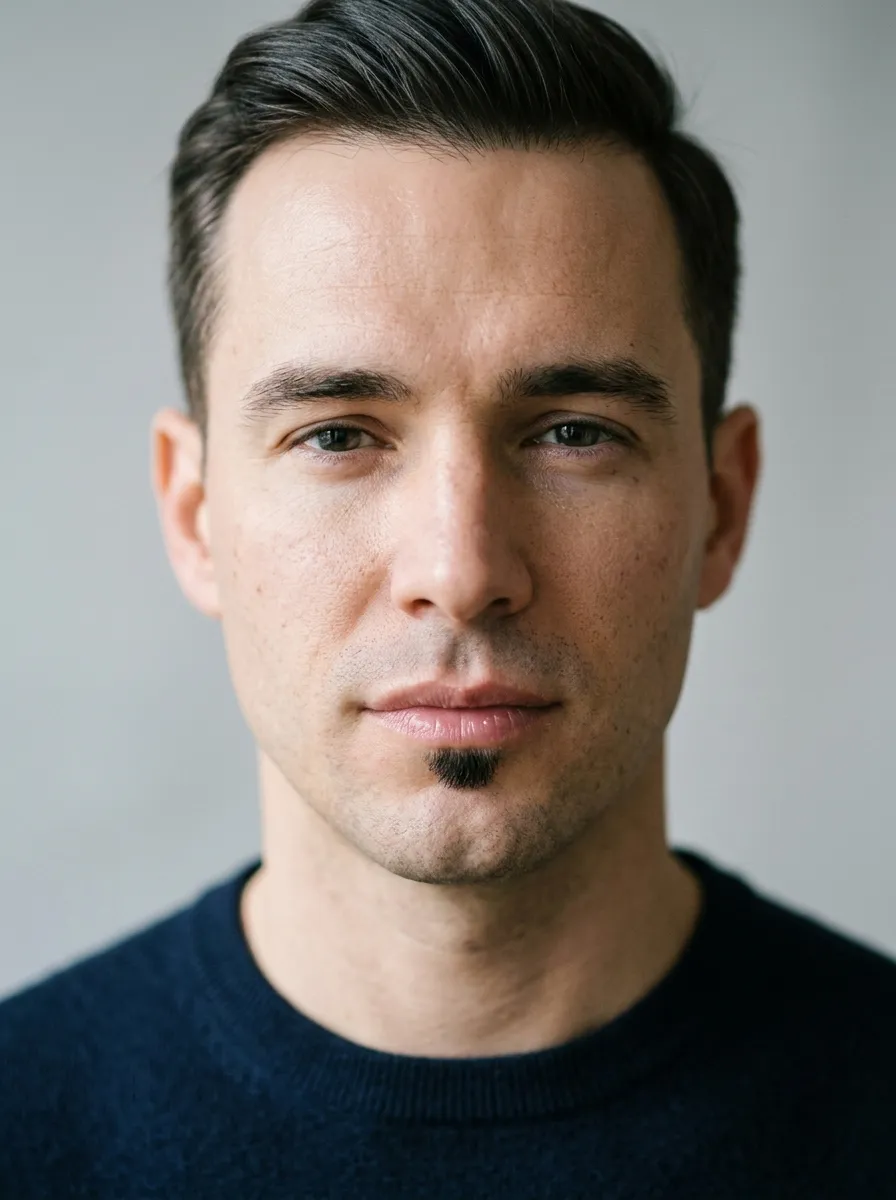
17. The Short Rounded Beard
The short rounded beard follows the natural curve of the face with soft, unfocused corners instead of sharp angles. This style suits rounder face shapes particularly well because it complements rather than emphasizes the existing contour. It is a low-maintenance option that reads as polished and approachable in both professional and casual settings.

18. The Sculpted Goatee
The sculpted goatee is a more defined, modern evolution of the classic goatee. It features sharper edges, a more intentional chin shape, and sometimes a light layer of stubble on the cheeks to add context. Symmetry is the defining quality of this style, so taking care to align both sides before trimming is essential.
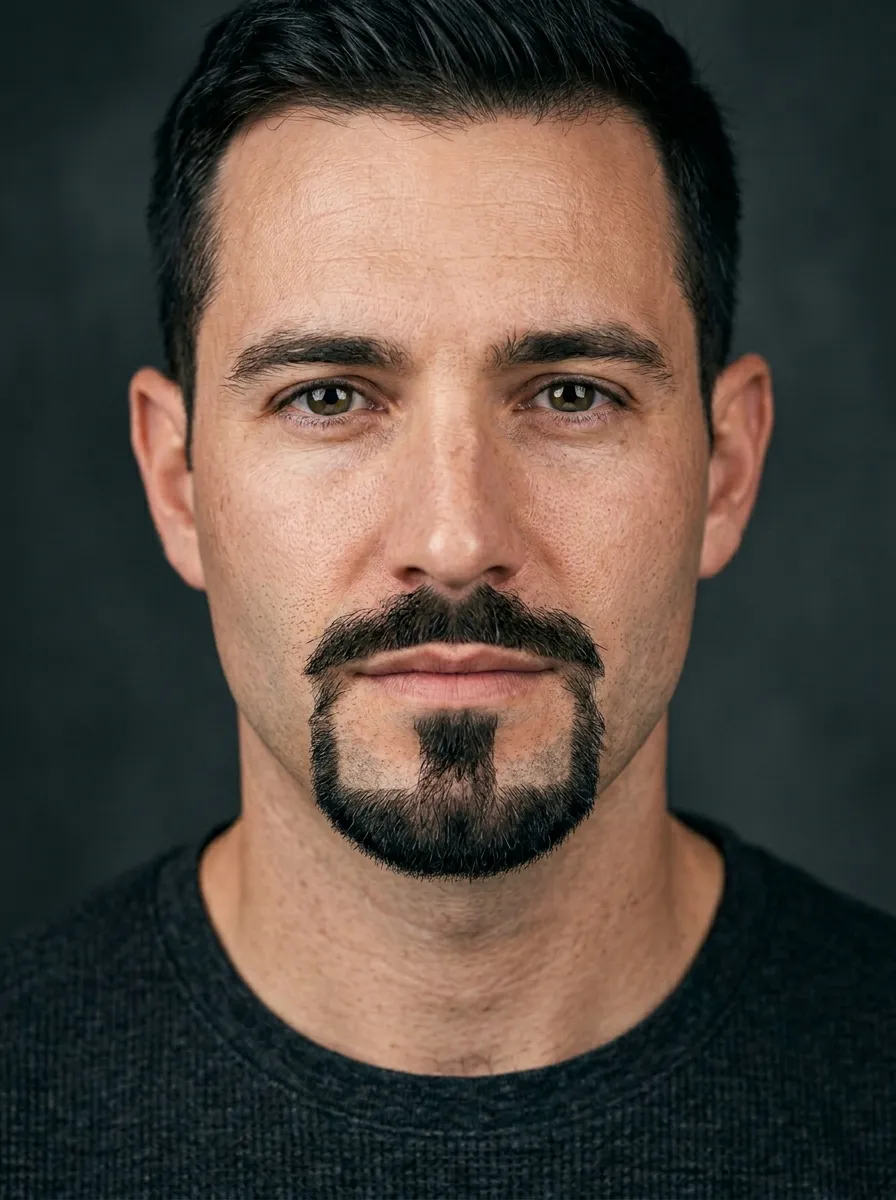
19. The Mutton Chops
Mutton chops extend from the sideburns down to the corners of the mouth without connecting at the chin. They are a bold statement style with a long history, returning periodically as a nod to classic masculinity. This look suits men who want a distinctive, conversation-starting appearance and works best on those with full, even growth along the cheeks and jaw.
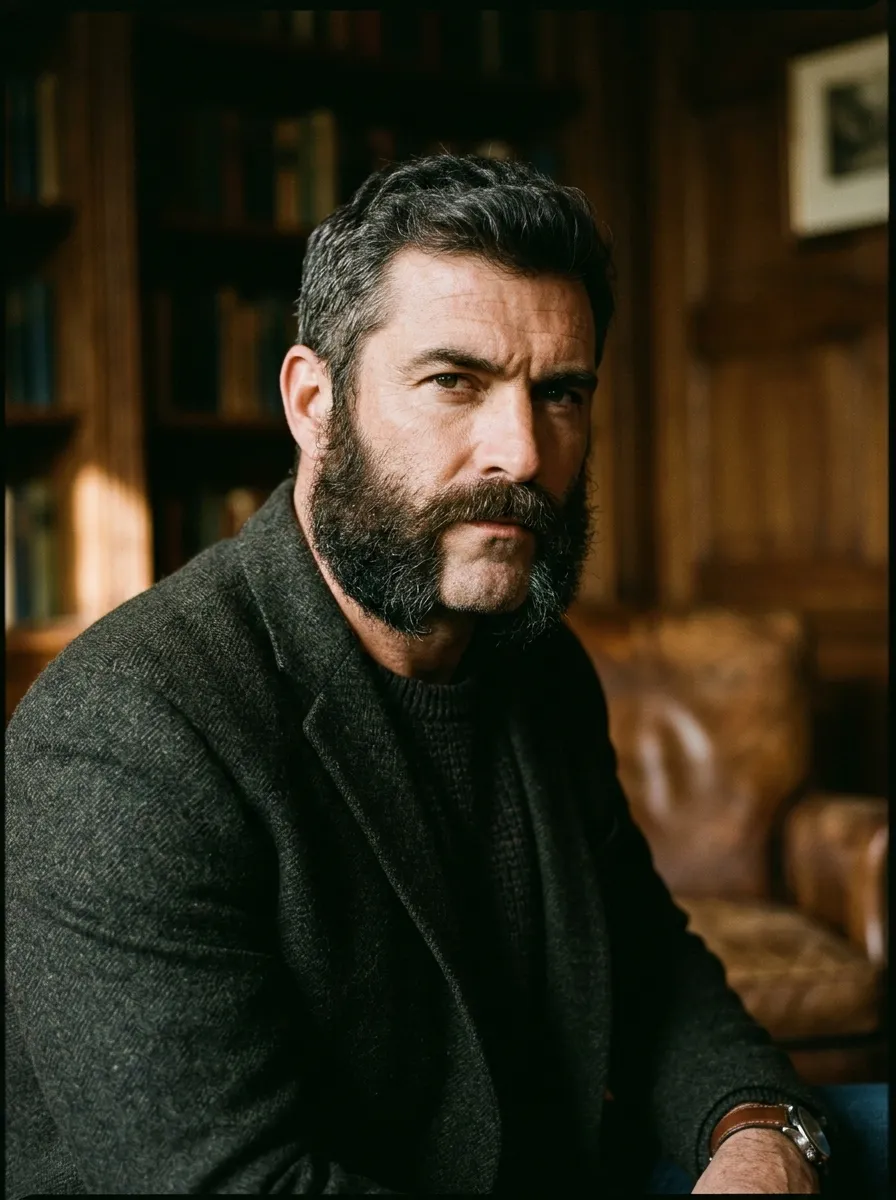
20. The Full Beard
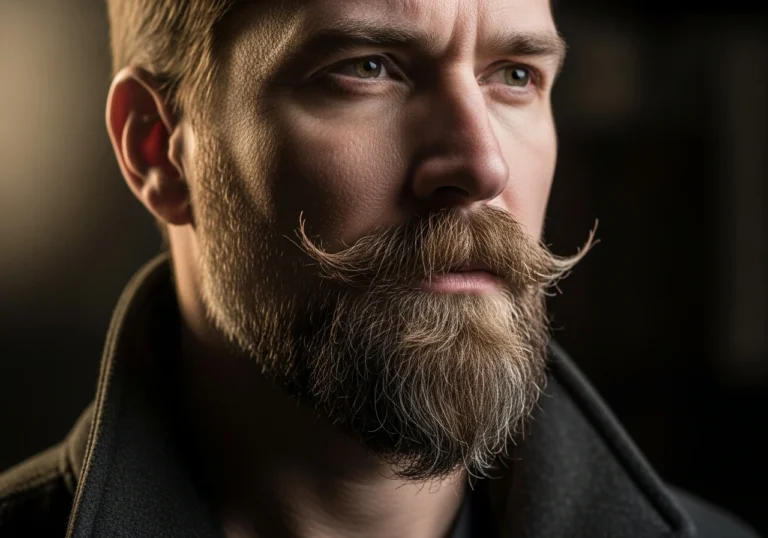
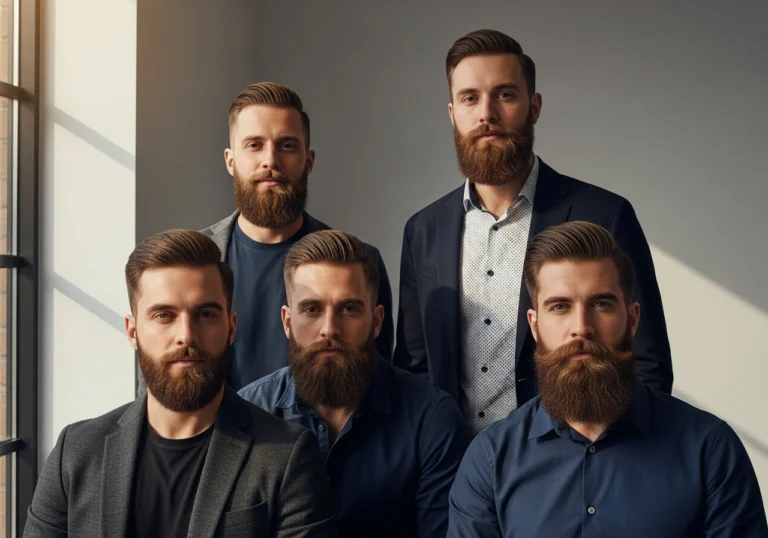
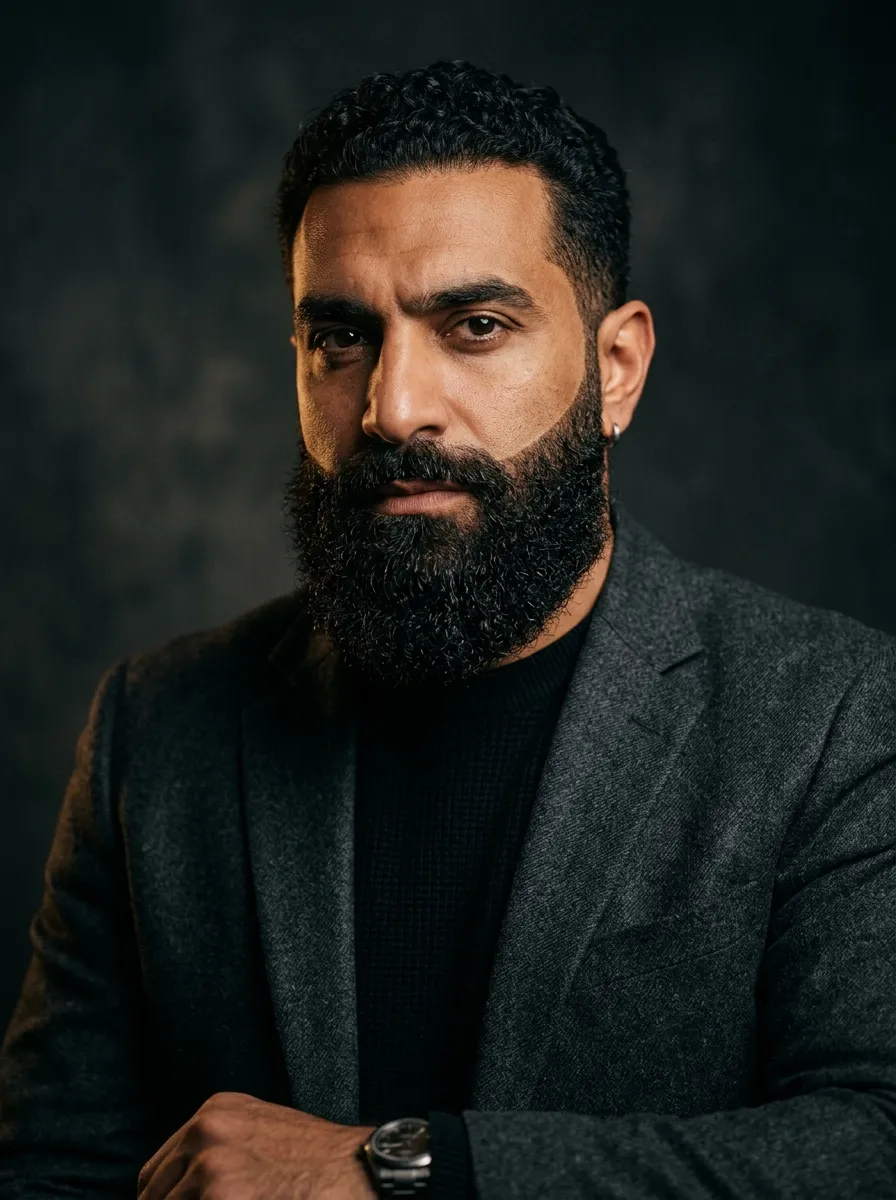
The full beard is perhaps the most enduring symbol of masculine grooming. In its best form, it is shaped along the cheek line and neckline, with enough density to project confidence without appearing neglected. Modern full beards embrace natural curl patterns and uneven growth, giving them a lived-in quality that feels authentic. Regular washing, oiling, and trimming are the three pillars of maintaining a full beard that looks intentional.
Choosing the Right Style for Your Face Shape
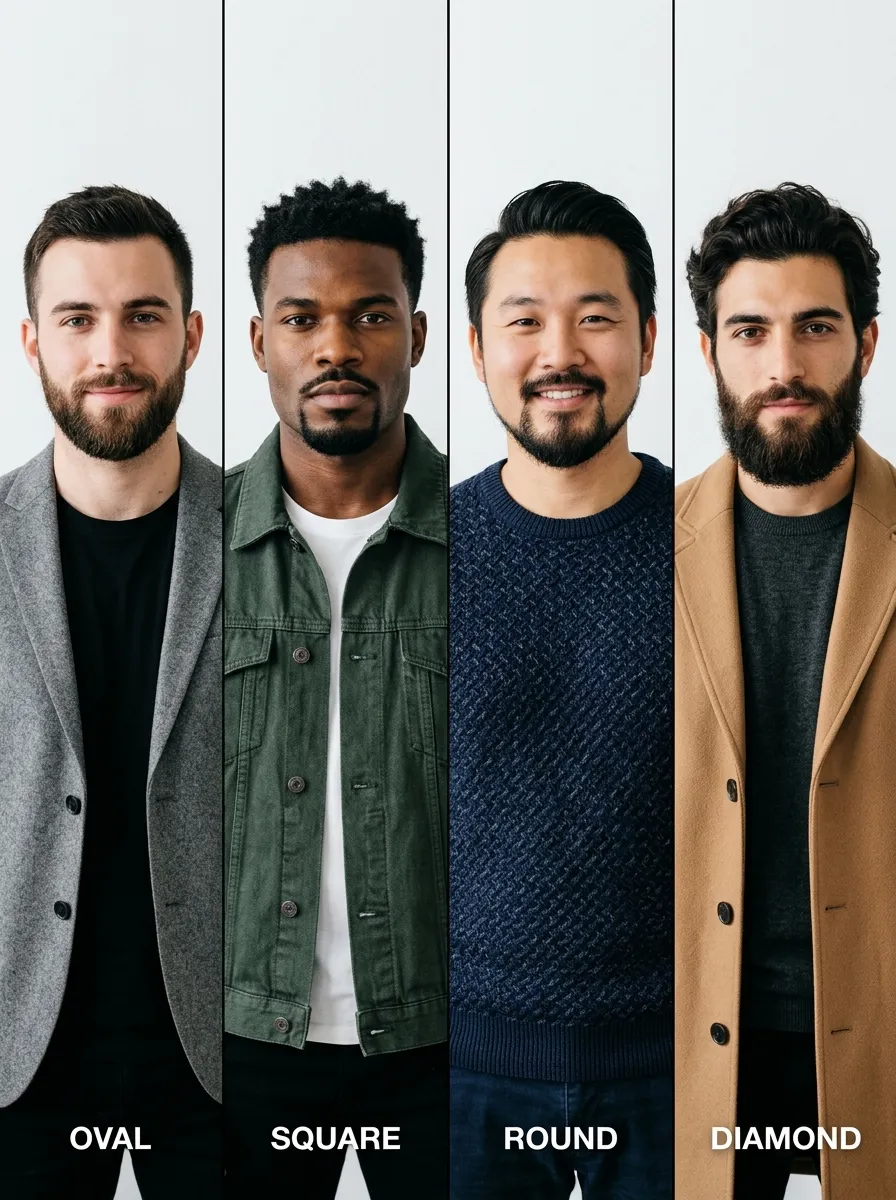
Selecting a beard style that genuinely enhances your appearance requires understanding your face shape. Men with oval faces have the most flexibility and can carry nearly every style on this list. Square faces benefit from styles that soften the jaw, such as the short rounded beard or the full goatee. Round faces look best with styles that add length at the chin, such as the Van Dyke or ducktail. Men with diamond faces should focus on volume at the chin and softer cheek coverage, while those with long or narrow faces should avoid styles that elongate the chin further.
Essential Beard Grooming Practices
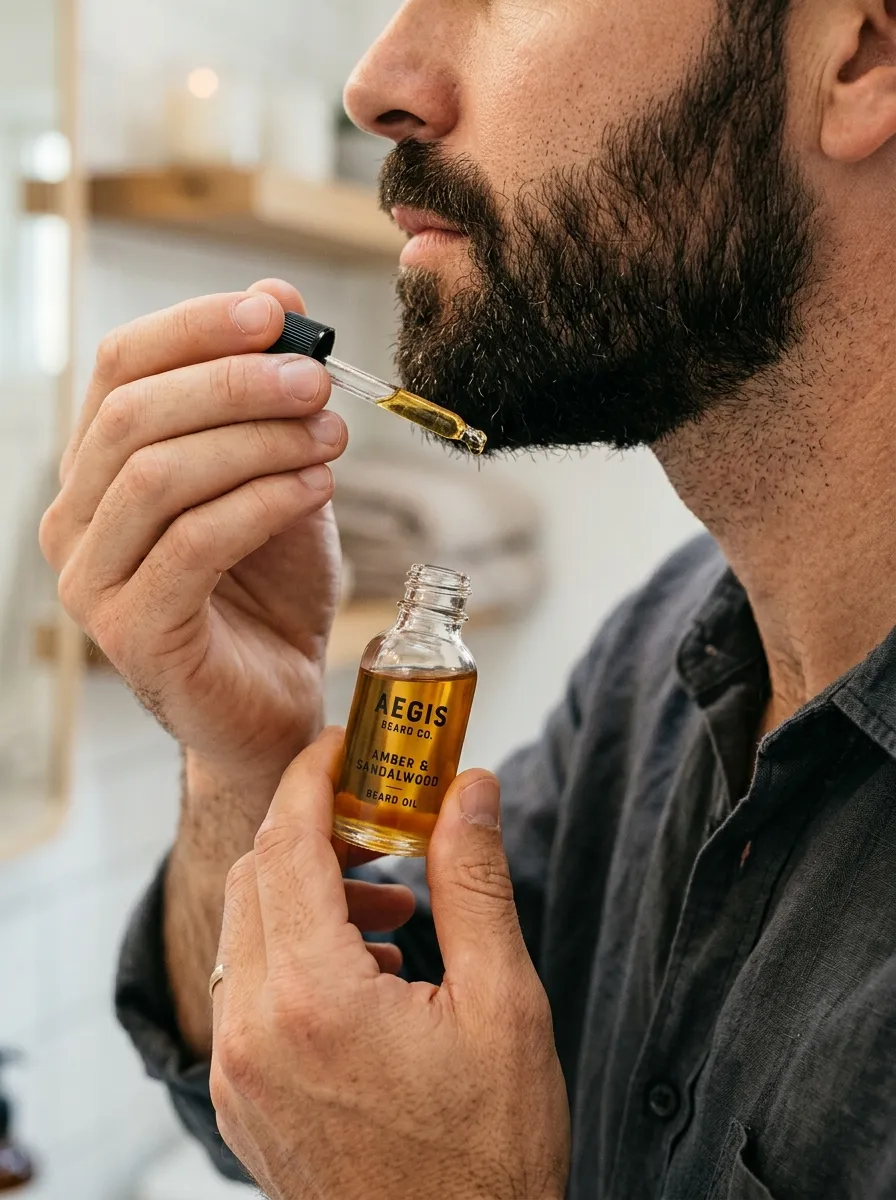
Regardless of the style you choose, consistent grooming is what separates a great beard from a forgettable one. Beard oil applied daily keeps both the skin and hair beneath the beard hydrated and prevents flaking. Beard balm adds light hold for shaping and maintaining the neckline and cheek lines. A quality beard trimmer allows for precise upkeep at home between barber visits. Washing the beard two to three times per week with a gentle cleanser removes product buildup and keeps the hair fresh. A beard brush distributes natural oils evenly and trains the hair to grow in the desired direction over time.
Conclusion
The enduring appeal of timeless beard styles lies in their ability to transcend passing trends while still feeling current and relevant. Whether you prefer the low-commitment elegance of stubble or the commanding presence of a full beard, there is a style on this list suited to your features, your lifestyle, and your personality. The key in 2026 is intentionality. A well-chosen, consistently groomed beard communicates self-awareness and care, qualities that never go out of style. Start with the basics, invest in good grooming products, and find the look that makes you feel most like yourself.
Frequently Asked Questions
1. What is the most universally flattering beard style for men?
Stubble and the short boxed beard are widely considered the most universally flattering styles. Both work across a range of face shapes and suit professional and casual environments equally well. They require minimal maintenance while still delivering a polished, intentional appearance.
2. Which beard styles work best for men with patchy growth?
Men with patchy cheek growth tend to do best with styles that avoid the cheeks altogether, such as the goatee, Van Dyke, Balbo, anchor beard, or soul patch. These styles focus coverage on the chin and upper lip, where growth is often stronger and more even.
3. How often should you trim your beard to keep it looking sharp?
Most short to medium beard styles require a trim every one to two weeks to maintain clean lines and an even shape. Stubble may need attention every two to three days. Full beards can go slightly longer between trims but still benefit from regular neckline and cheek line maintenance.
4. What grooming products are essential for a well-maintained beard?
The three most important products are beard oil for hydration, beard balm for shaping and light hold, and a quality trimmer for maintaining length and lines. A beard brush or comb is also valuable for distributing product evenly and training the hair’s growth direction.
5. Can beard styles make the face look slimmer or more defined?
Yes, beard styling is a powerful tool for shaping the perceived structure of the face. Styles with more length at the chin, such as the ducktail, Van Dyke, or French Fork, can elongate a round face. A beard fade that keeps the sides lighter and the jaw and chin fuller can slim the overall appearance of the face.
You may also like this: Top 20 Classic Beard Styles That Always Look Stylish